
Bug Encyclopedia
Search and identify bugs & insects — beetles, butterflies, moths, ants, bees, spiders and more — with size, habitat, danger, behavior, and how to tell them apart.
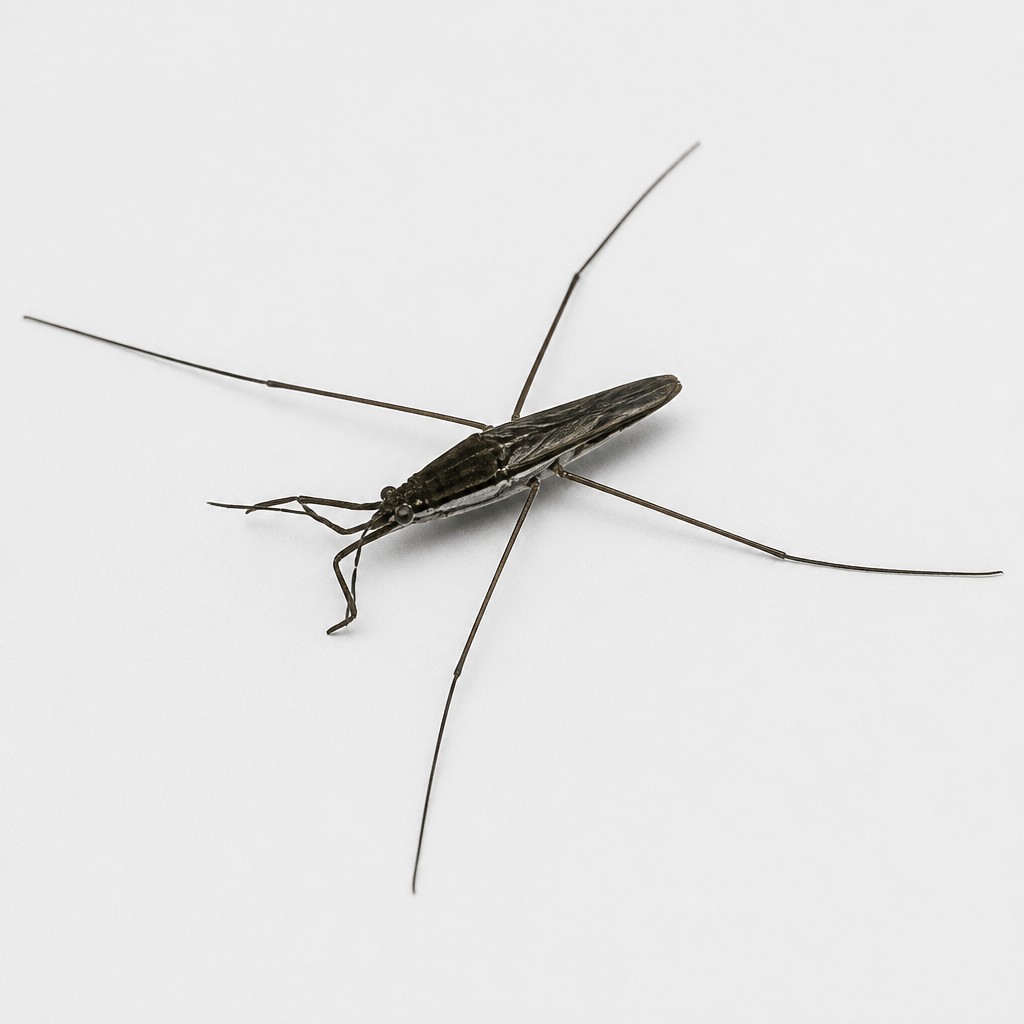
Water Strider
A slender, long-legged true bug famous for skating effortlessly across the surface of ponds and streams using water's surface tension.
aquatic-insect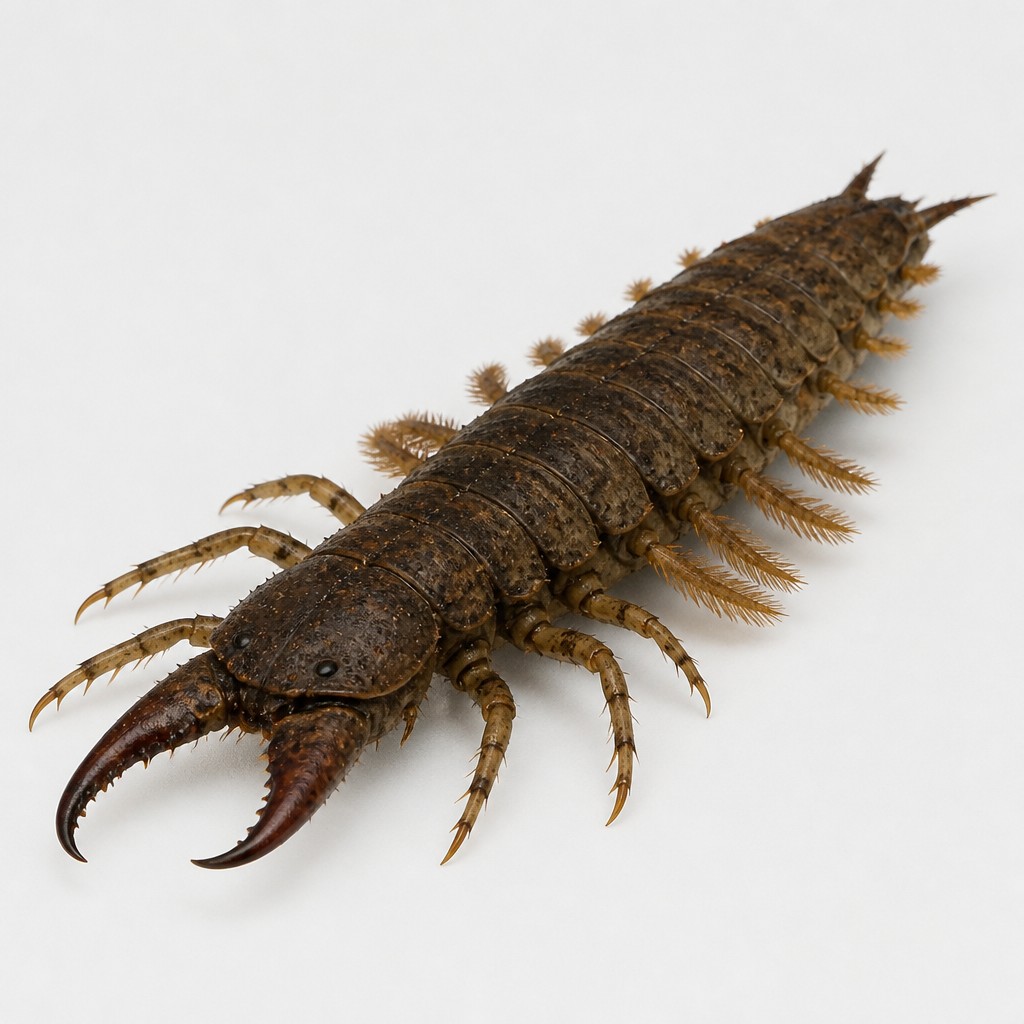
Dobsonfly Larva (Hellgrammite)
A large, fierce-looking aquatic larva with strong pinching jaws and fringed side gills, spending years hunting under stream rocks before becoming a giant winged dobsonfly.
aquatic-insect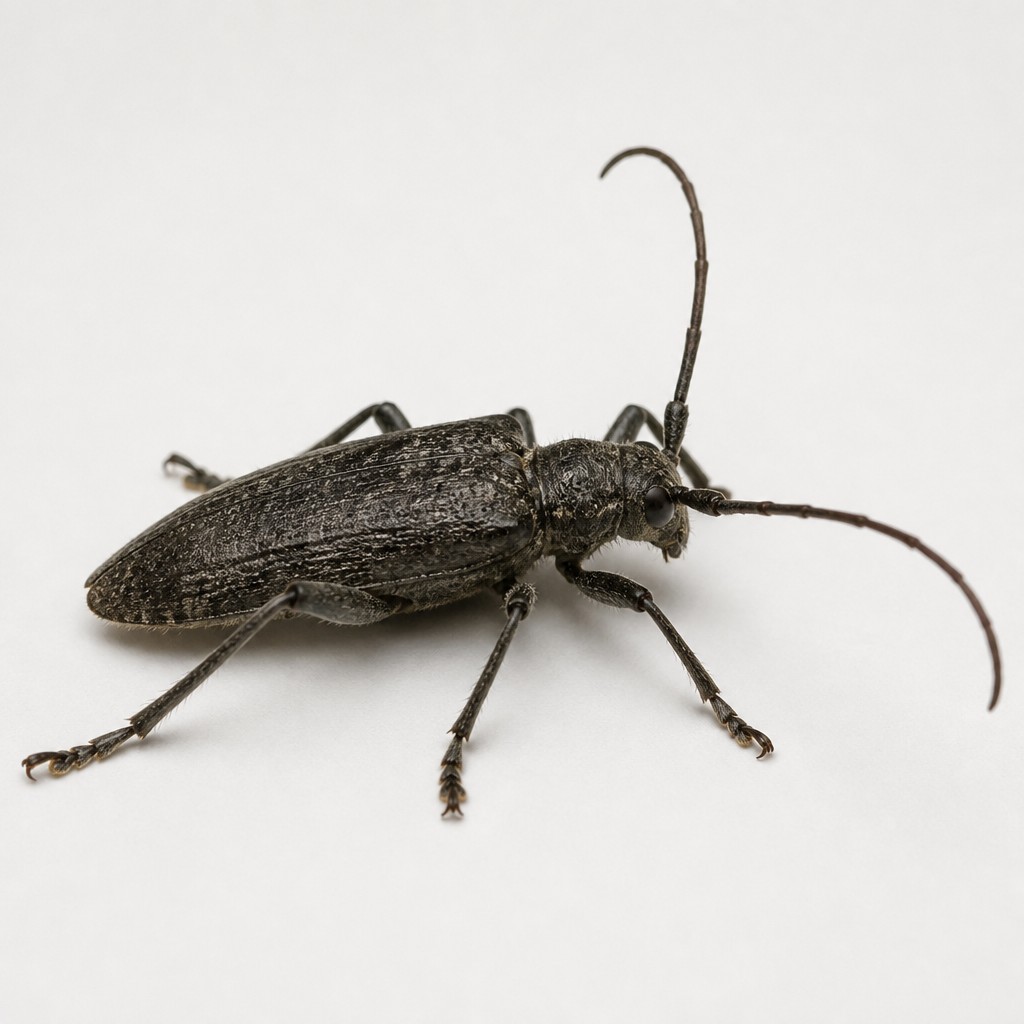
Old House Borer
A grayish-brown to nearly black longhorn beetle whose larvae bore extensively through structural softwood, capable of causing large galleries hidden beneath the wood surface.
beetle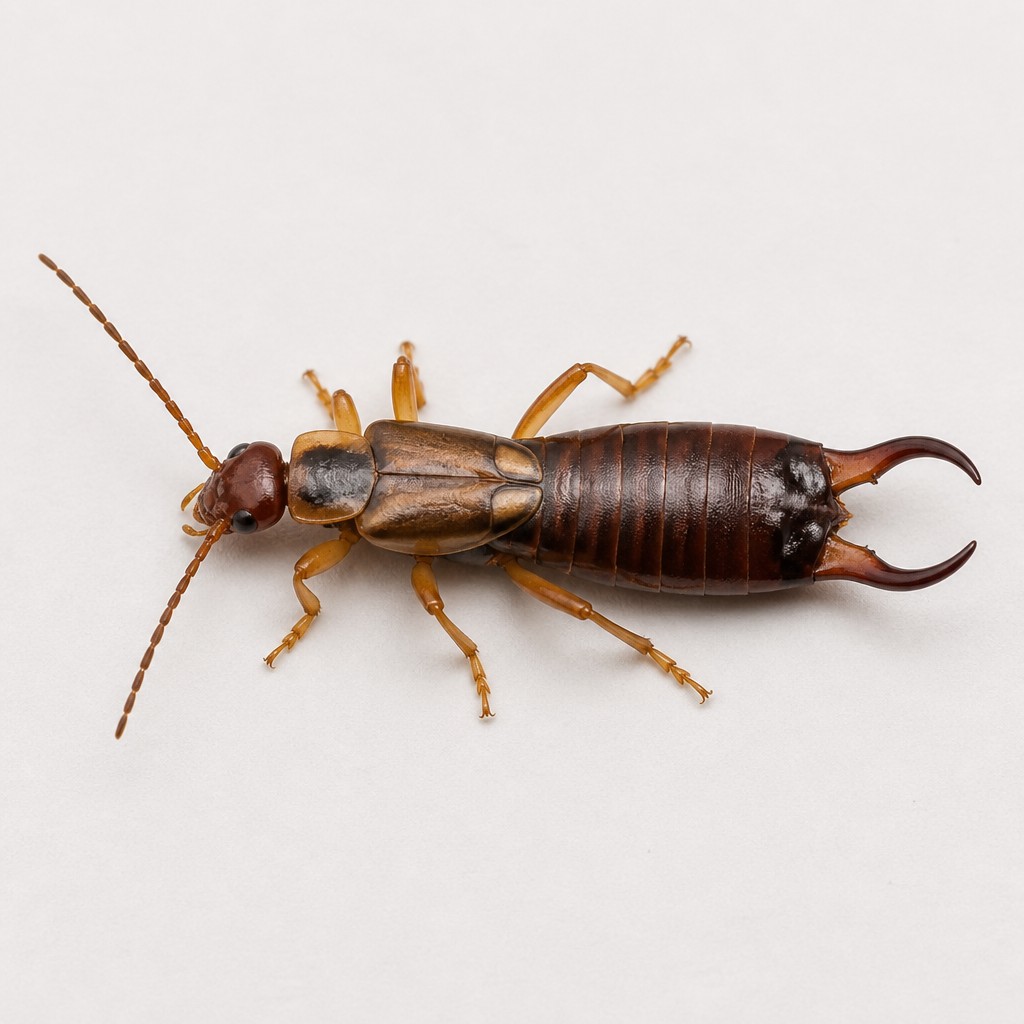
Earwig
A slender, reddish-brown insect easily identified by the pair of curved, forceps-like pincers at the tip of its abdomen, often found hiding under mulch, bark, or garden debris by day.
other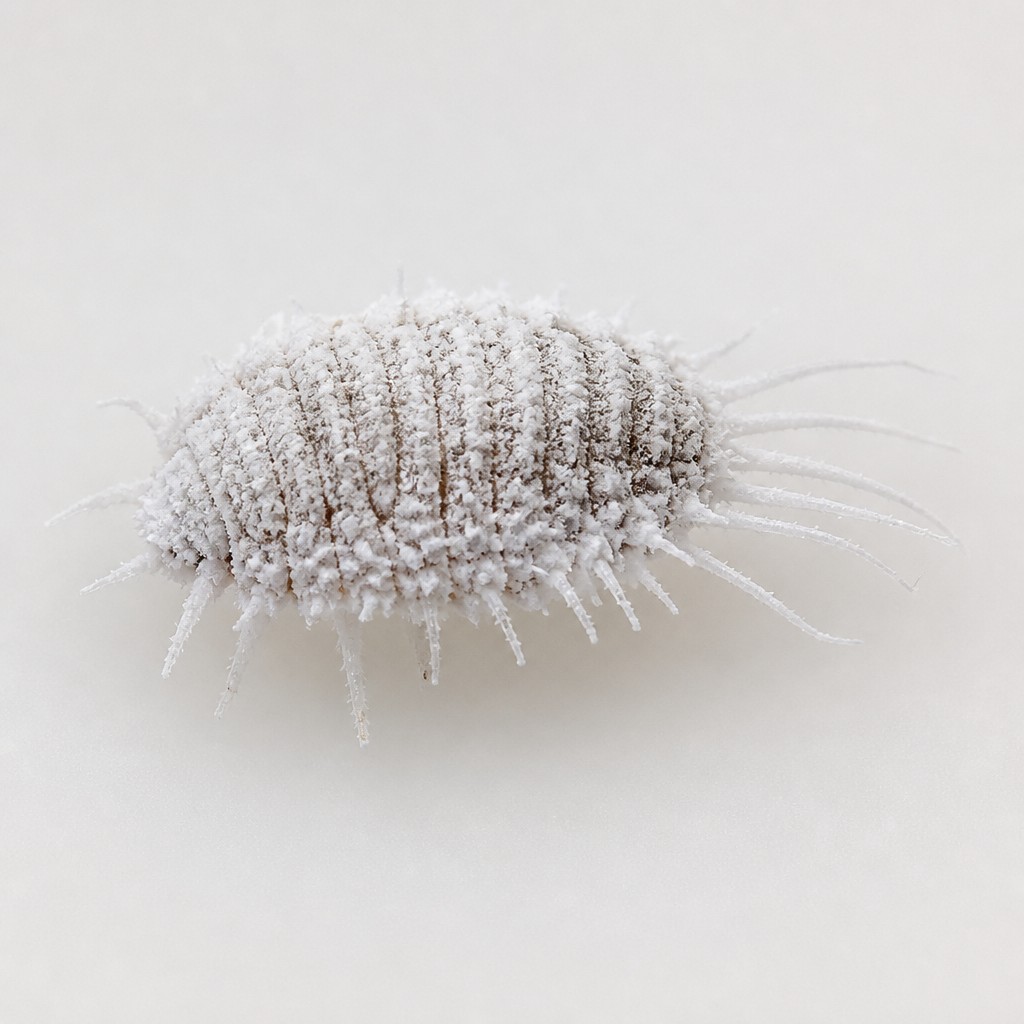
Mealybug
A soft, oval insect coated in a powdery white waxy secretion that gives it a fuzzy, cotton-like appearance, typically found clustered in leaf joints and along stems of houseplants.
true-bug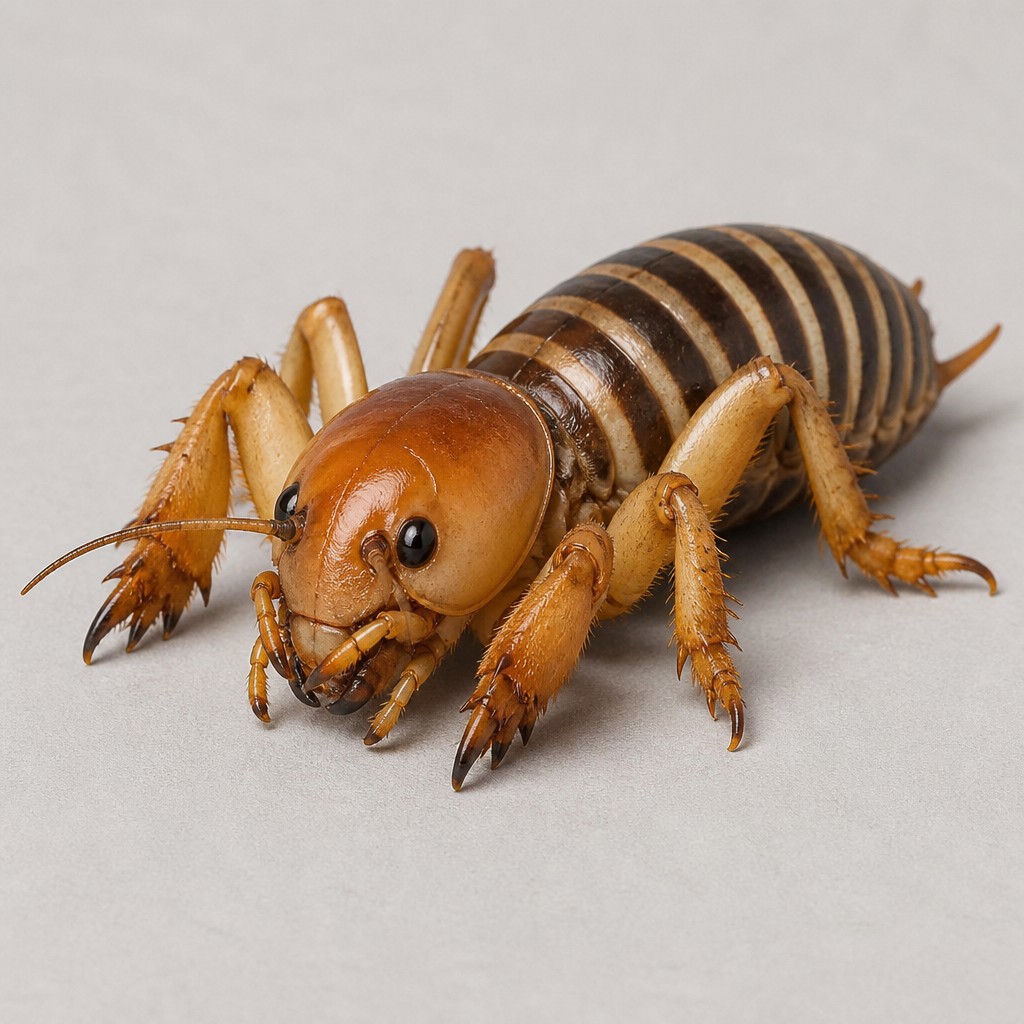
Jerusalem Cricket
A large, wingless, ground-dwelling insect with a shiny amber body, a strikingly human-like face, and a robust, banded abdomen, most often uncovered while digging in soil.
grasshopper-cricket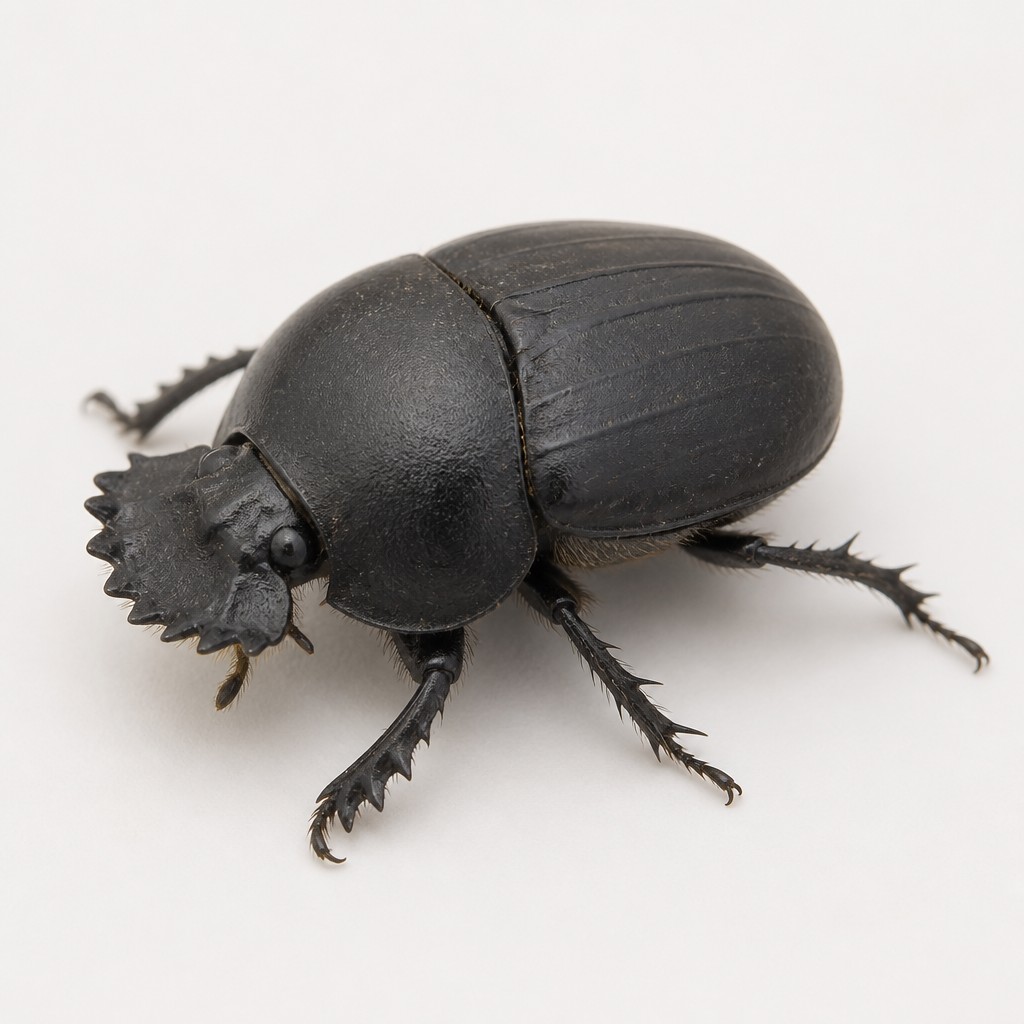
Sacred Scarab
A stout, matte-black dung beetle famous for rolling balls of dung across the ground with its hind legs, and revered in Ancient Egypt as a symbol of the sun and renewal.
beetle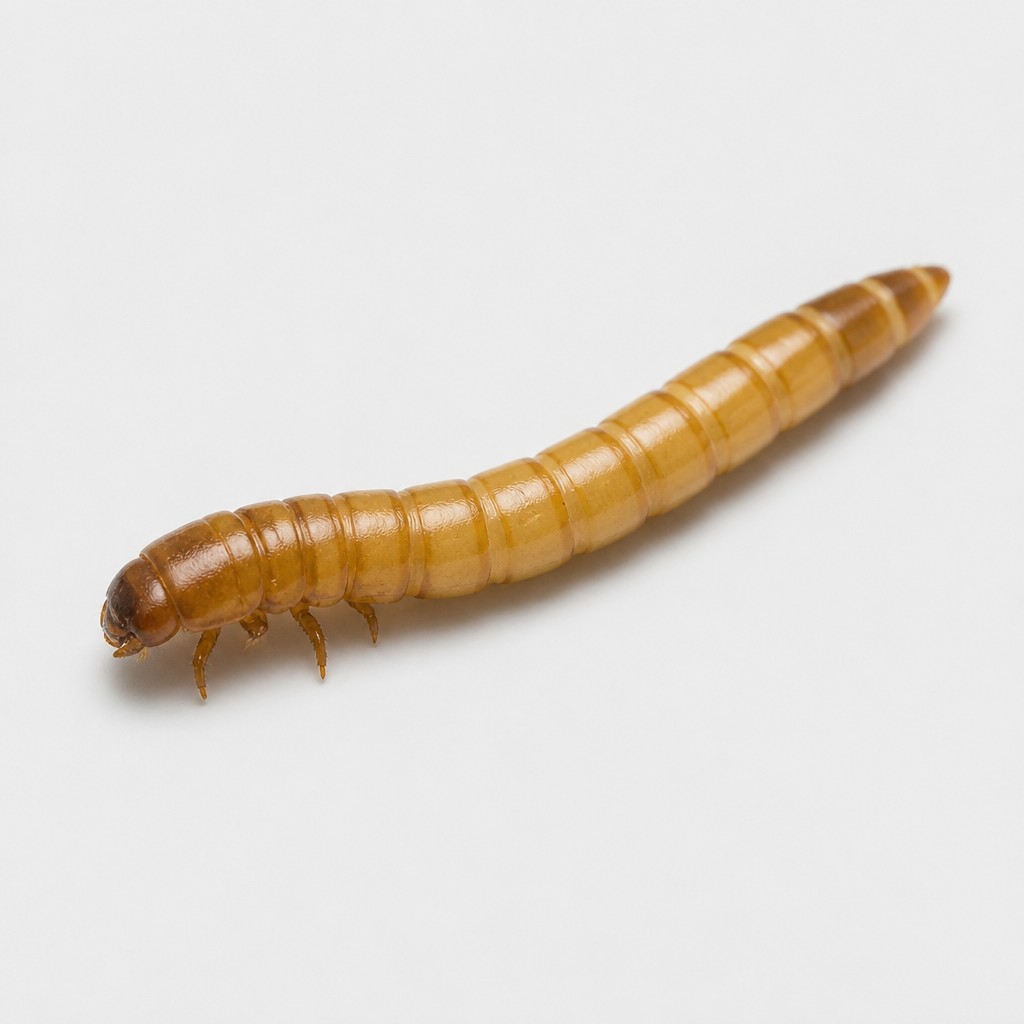
Mealworm
A tan, segmented larva with a shiny hard exoskeleton that tunnels through stored grain and flour before transforming into a darkling beetle.
caterpillar-larva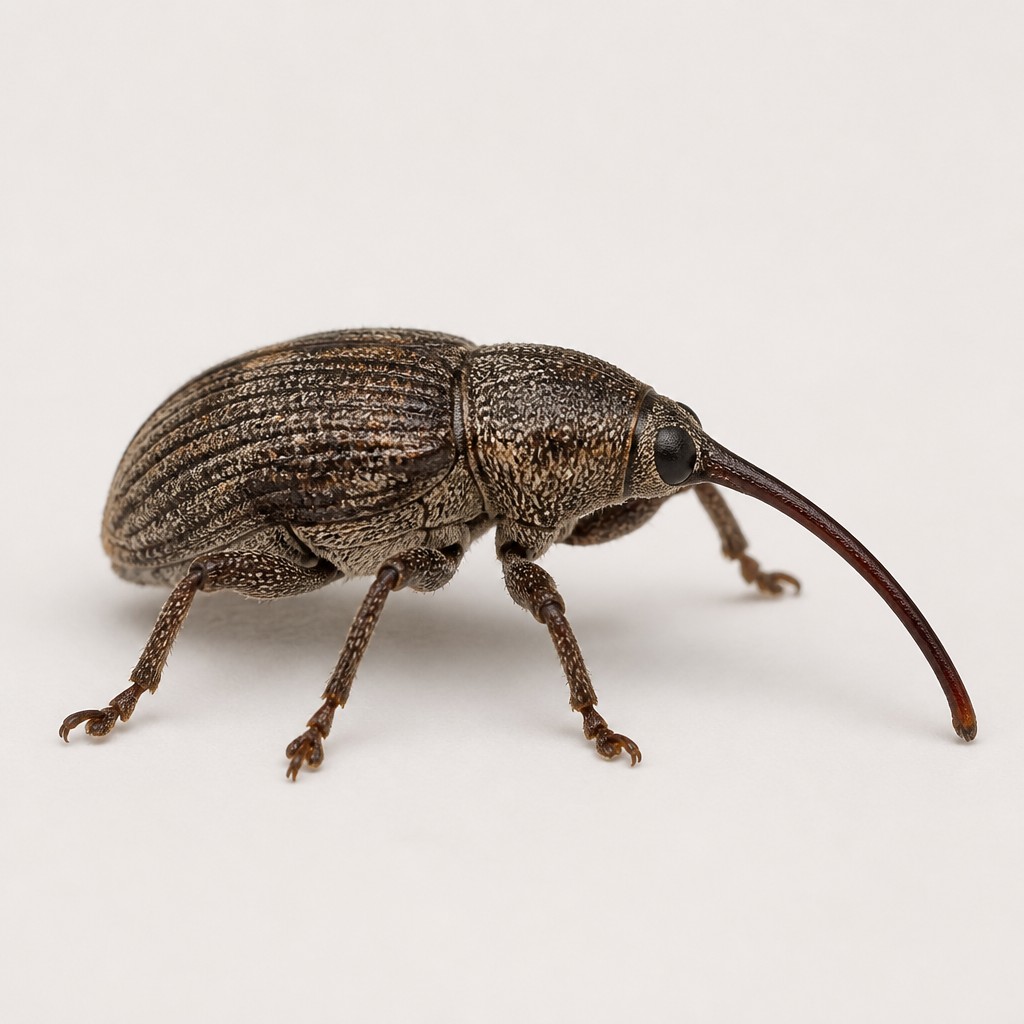
Boll Weevil
A small, grayish-brown snout beetle with a long, curved rostrum, historically famous for its close feeding association with cotton flower buds and bolls.
beetle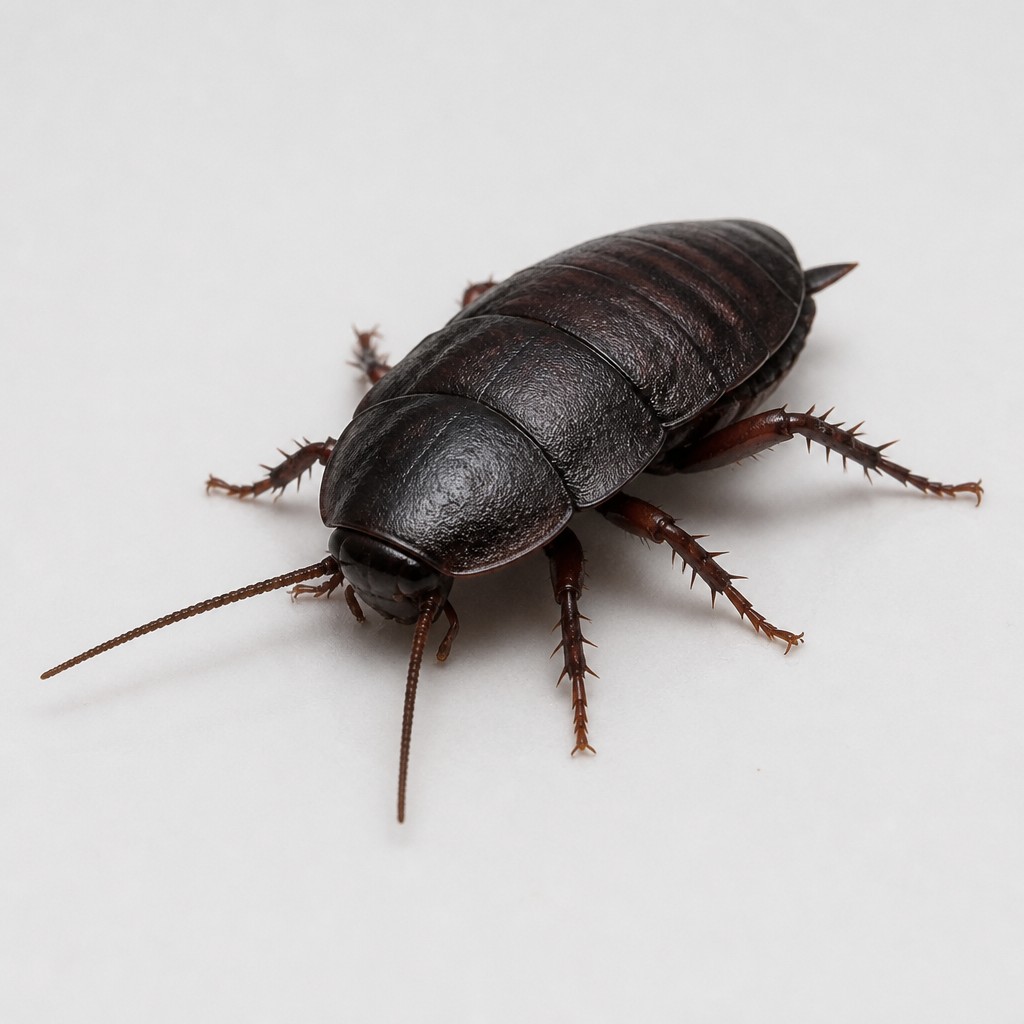
Oriental Cockroach
A dark, matte blackish-brown cockroach with short wings that do not cover the abdomen, especially in females, and a preference for cooler, damper hiding spots than most other common cockroaches.
other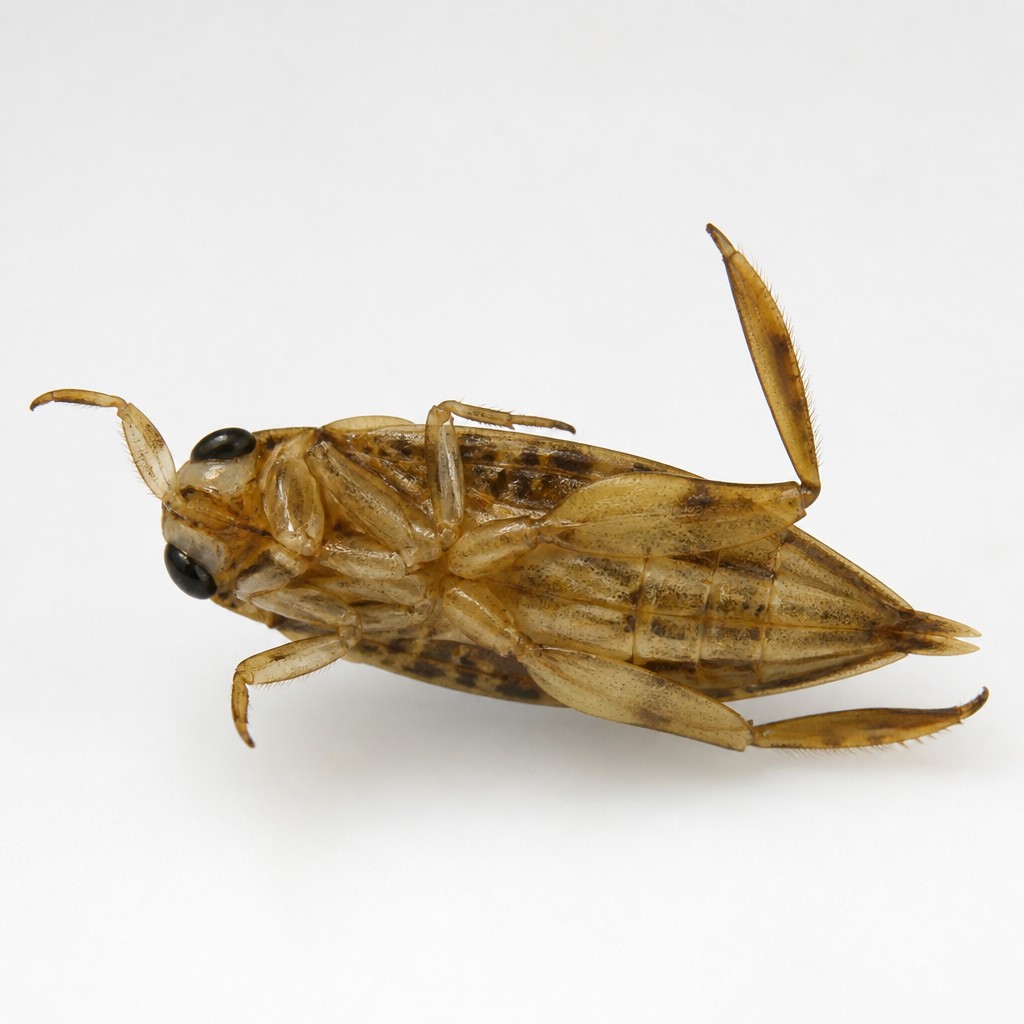
Backswimmer
A boat-shaped aquatic true bug that swims upside down using oar-like hind legs, patrolling pond water in search of small prey.
aquatic-insect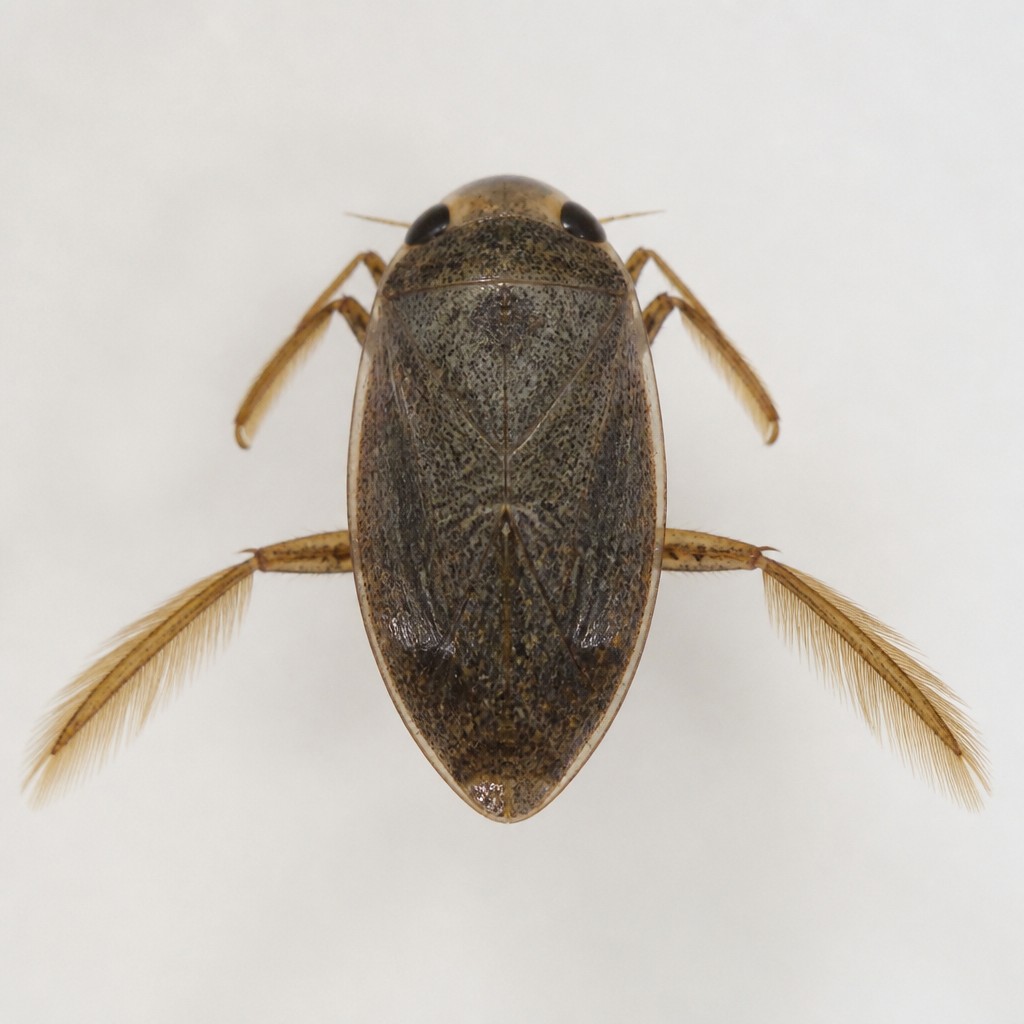
Lesser Water Boatman
A flat-backed, oar-legged true bug that rows through pond water with fringed hind legs, surfacing periodically to trap a silvery bubble of air against its body.
true-bug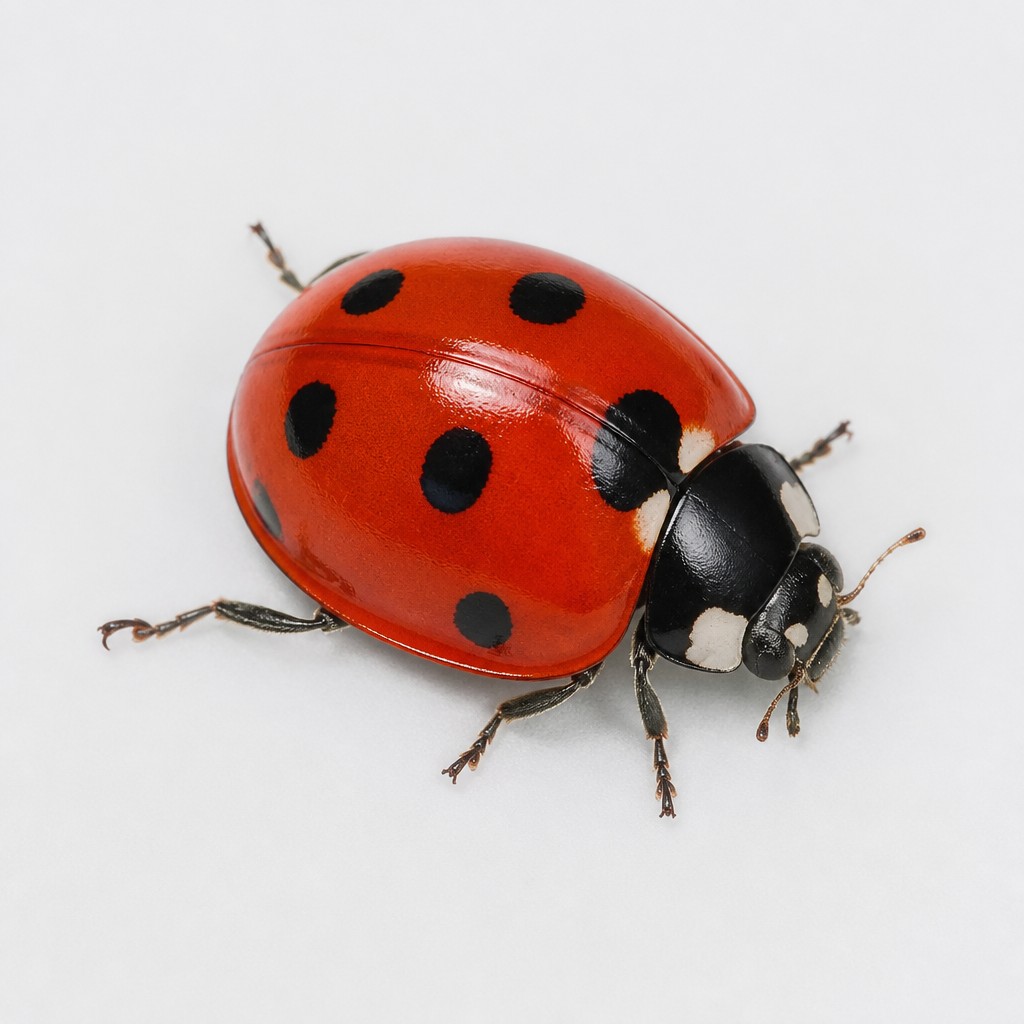
Seven-spotted Ladybird
A classic bright red ladybird with exactly seven black spots, one of the most iconic and widely recognized beetles in the world.
beetle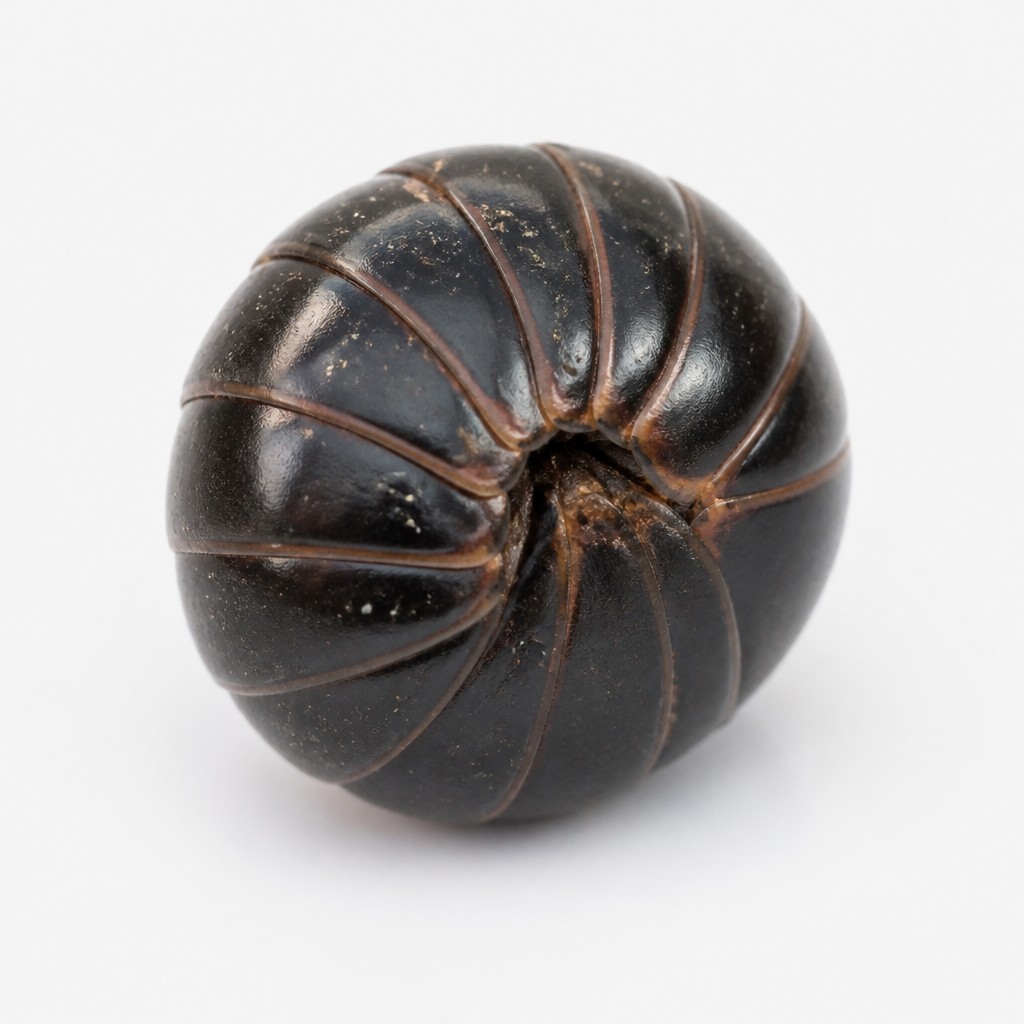
Pill Millipede
A short, heavily armored millipede that rolls into a tight, perfect ball when disturbed, closely resembling a pill bug but built from far fewer, broader body segments.
myriapod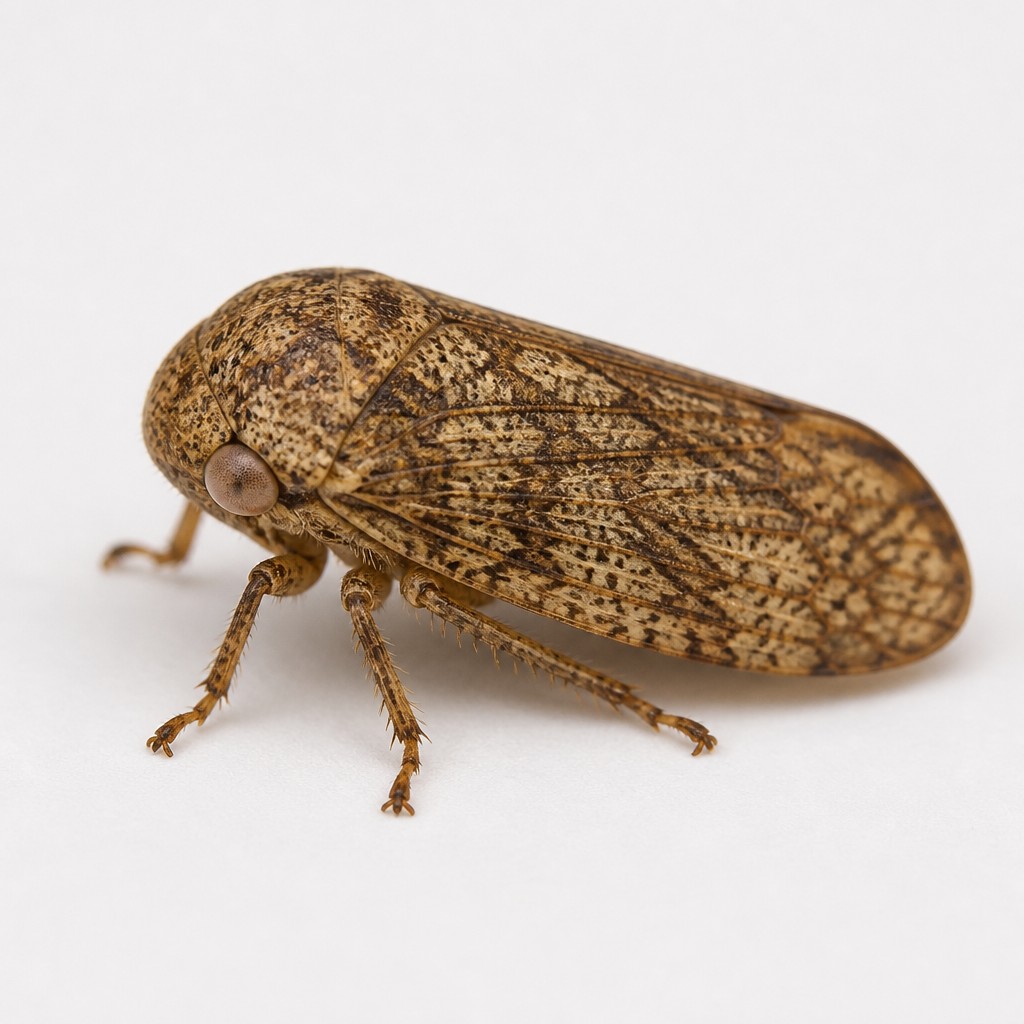
Meadow Spittlebug
A small, mottled hopping true bug whose immature nymphs are far more often noticed than the adults, hidden inside frothy blobs of white foam known as cuckoo spit on plant stems.
true-bug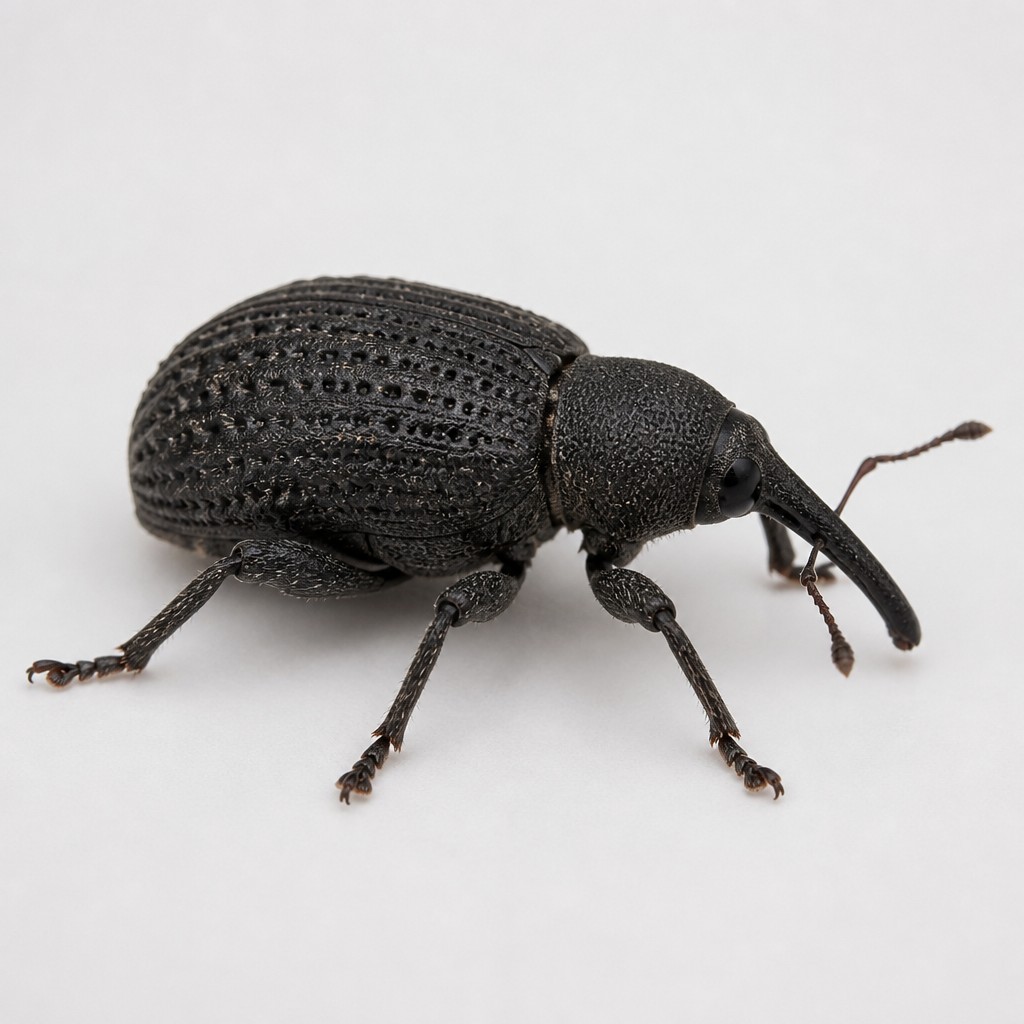
Vine Weevil
A slow, flightless, matte-black beetle that hides by day and emerges at night to notch neat semicircular bites from the edges of leaves.
beetle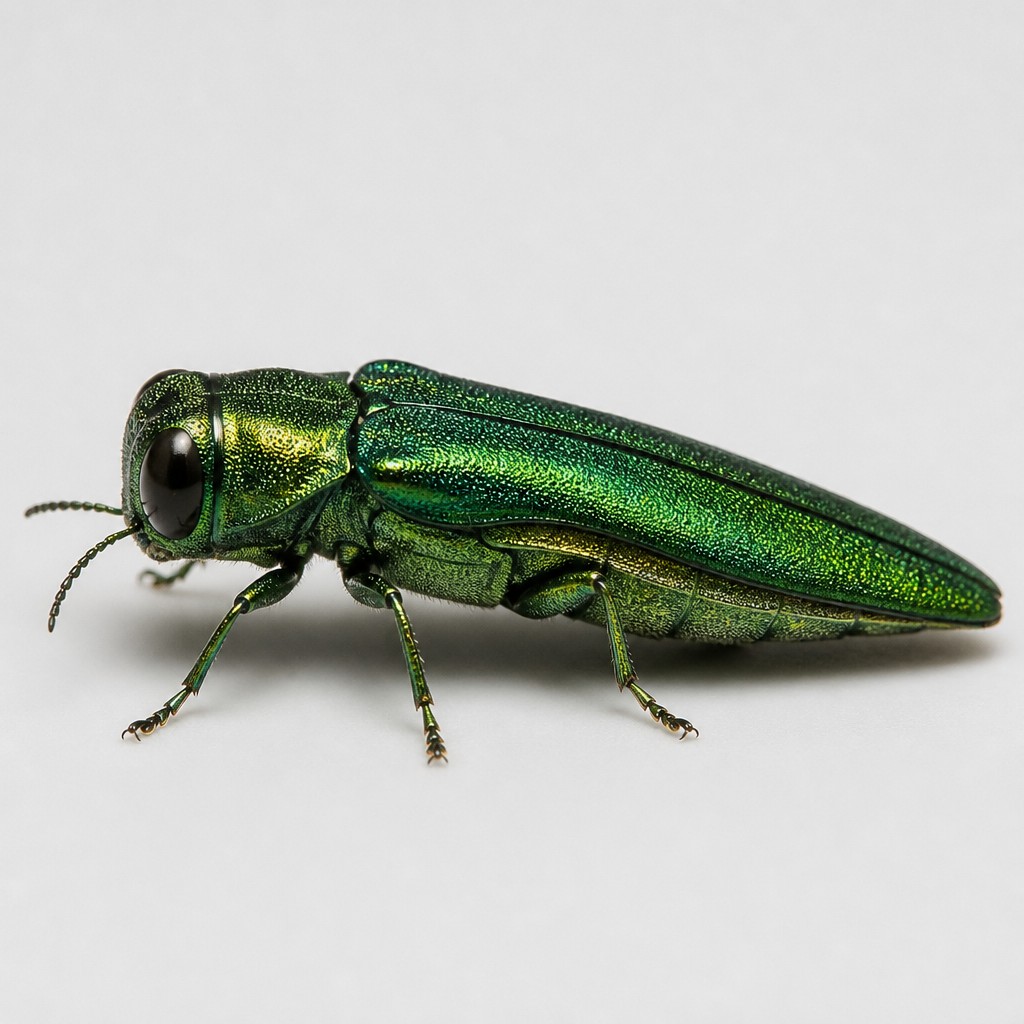
Emerald Ash Borer
A slender, bullet-shaped beetle with brilliant metallic-green coloring, whose bark-tunneling larvae feed almost exclusively within ash trees.
beetle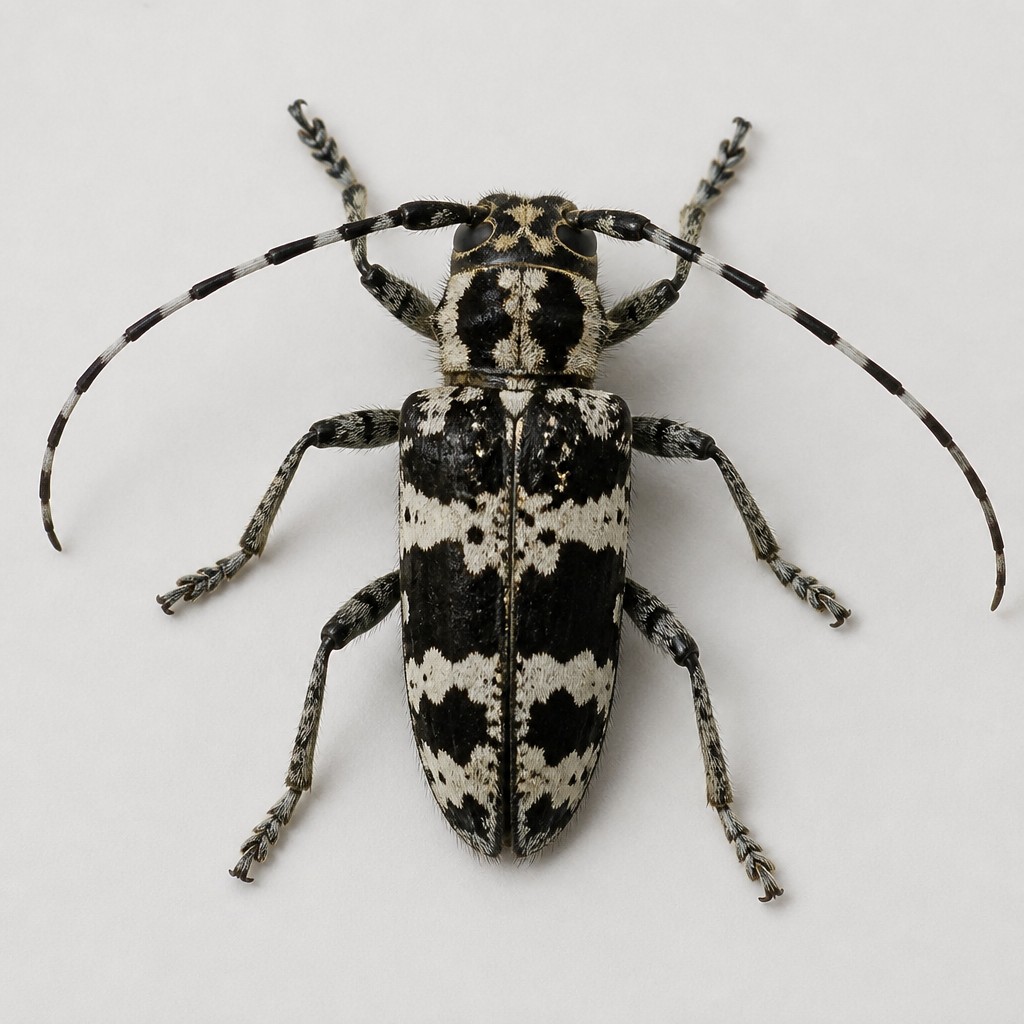
Cottonwood Borer
A large, boldly patterned longhorn beetle in black and chalky white checkerboard markings, often found clinging to the trunks of cottonwood and poplar trees near its larvae's root tunnels.
beetle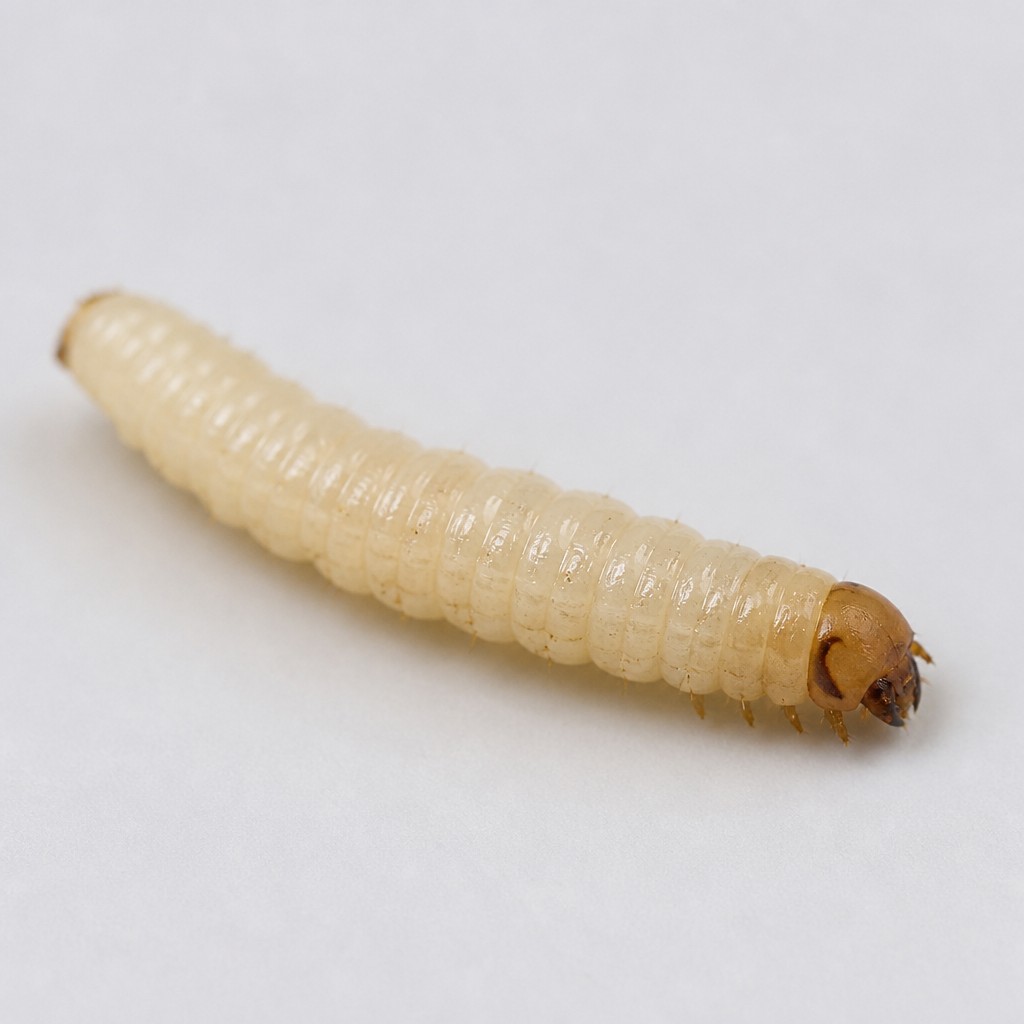
Rootworm
Working unseen below ground, rootworm larvae chew tunnels through the root systems of corn and other crops, the underground counterpart to the small, often striped or spotted beetles seen on leaves and flowers above.
beetle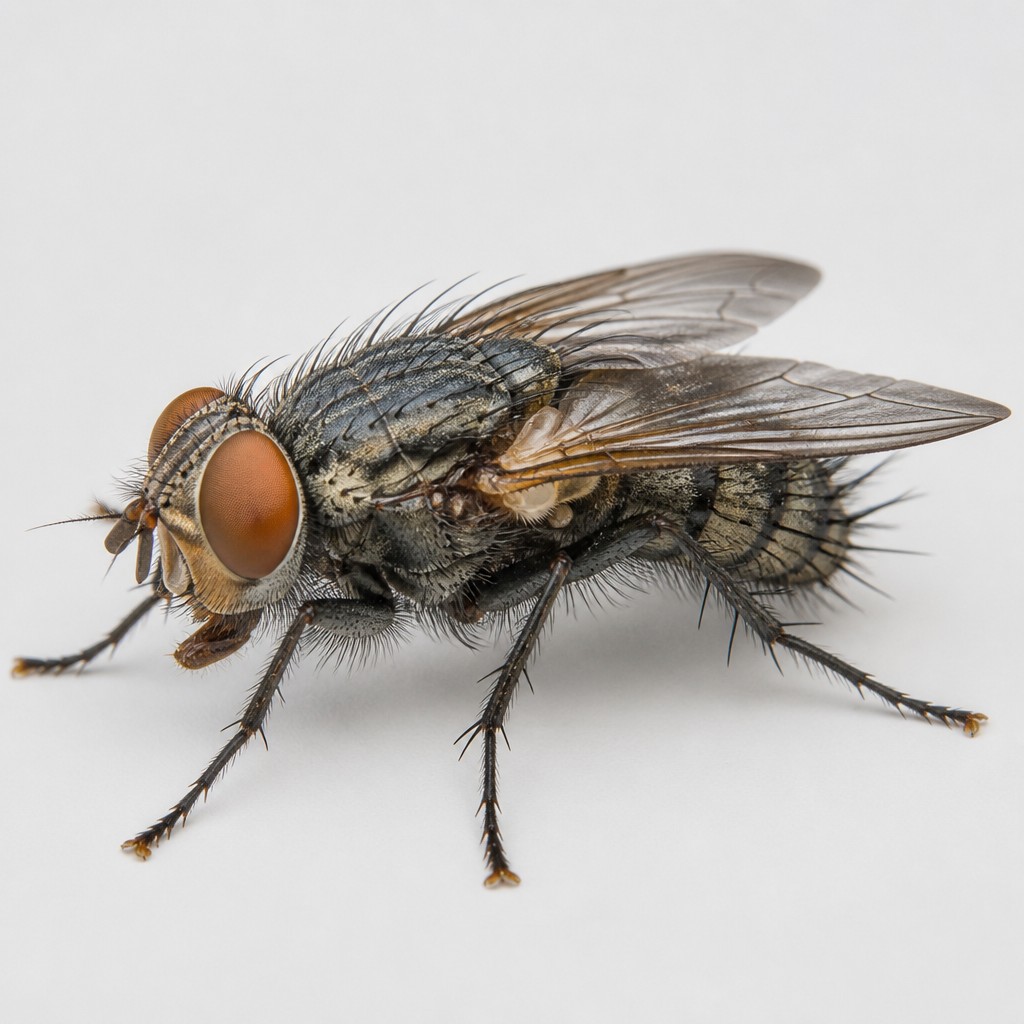
Tachinid Fly
A bristly, house-fly-like insect that looks unremarkable at a glance but hides one of the most important ecological roles among flies: its larvae develop as internal parasites of caterpillars, beetles, and other insects, quietly regulating populations across the landscape. Gardeners often welcome tachinid flies as natural allies against crop-damaging pests.
fly