
Cellar Spider
Pholcus phalangioides
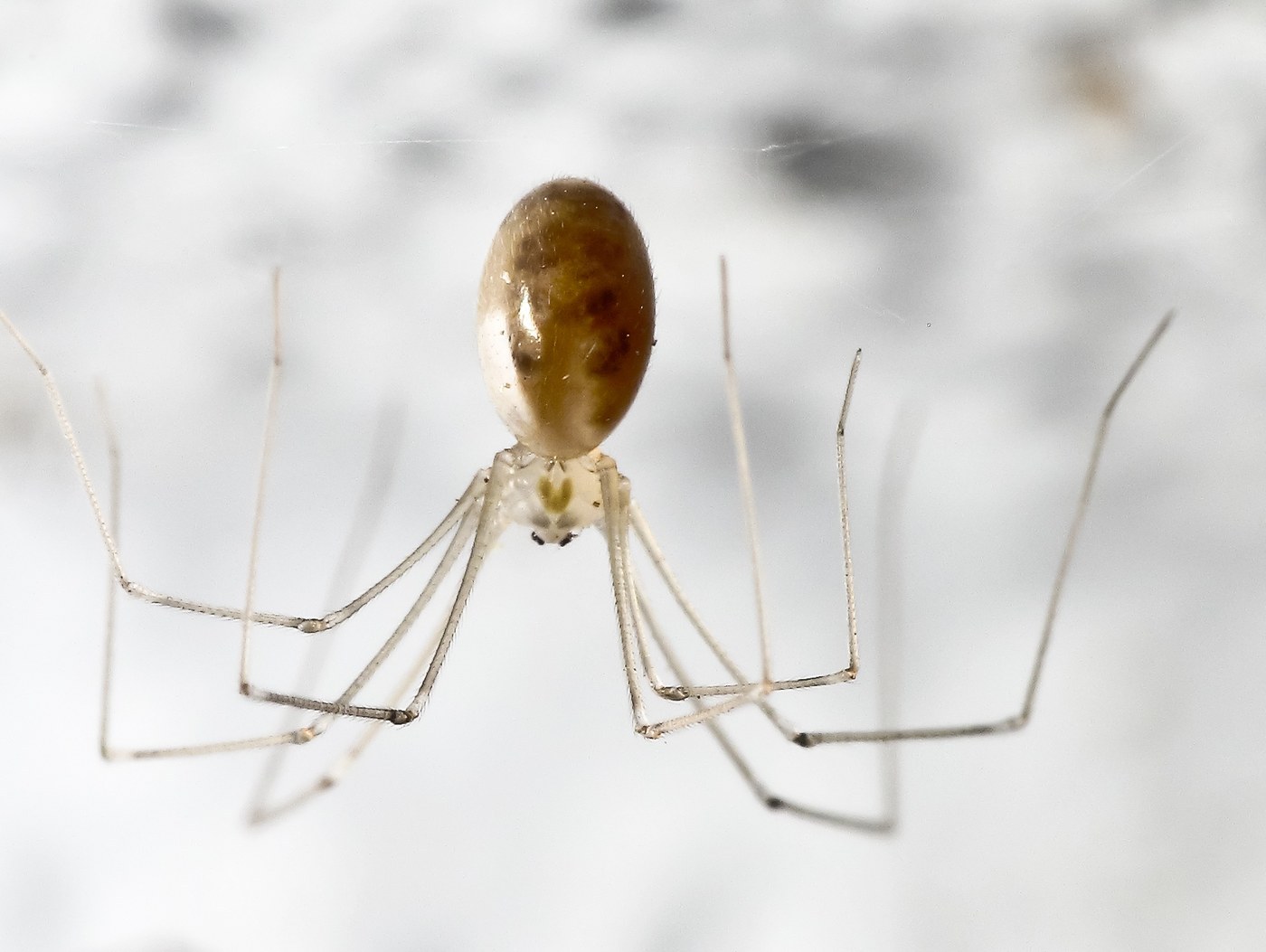
A pale, long-legged spider that builds loose, irregular webs in dark corners and is famous for rapidly vibrating in its web when disturbed, causing it to blur into an indistinct shape.
- Size
- Body 2–10 mm; leg span up to 50 mm
- Habitat
- Cellars, basements, garages, and other undisturbed dark corners indoors and out
- Danger
- Harmless
Spotted a bug like this?
Identify any bug or insect from a photo, free.
Overview
The cellar spider is a member of the family Pholcidae, sometimes casually confused with harvestmen (which are unrelated arachnids also called "daddy long-legs"). It has a small, pale, elongated body and extremely long, thin legs, giving it a delicate, spindly appearance.
This spider builds a loose, tangled, irregular web in undisturbed corners, ceilings, and crevices, where it hangs upside down waiting for prey to blunder in. It is a cosmopolitan species found closely associated with human structures across much of the world, thriving in the stable, sheltered microclimates that buildings provide.
As a web-building predator of small arthropods, including other spiders, the cellar spider fills a niche as an indoor and cellar-dwelling generalist predator, and its webs are a familiar sight in undisturbed corners of basements and garages.
How to Identify
- Small, pale tan to grayish, elongated cephalothorax and abdomen, roughly 2–10 mm in body length.
- Extremely long, thin, thread-like legs that can span several centimeters, far exceeding the body length.
- Builds a loose, irregular, tangled web rather than a neat orb or funnel shape.
- Hangs upside down in the web and vibrates rapidly when disturbed, blurring its outline.
- Lookalikes: harvestmen ("daddy long-legs," order Opiliones), which have a single fused, oval body segment with no narrow waist and do not build webs, unlike the two-part body of true cellar spiders.
Habitat & Range
Cellar spiders are found worldwide, especially in and around human structures, favoring dark, undisturbed corners of basements, cellars, garages, sheds, and crawl spaces. Outdoors in warmer climates they may also occupy caves, hollow logs, or sheltered rock crevices.
They are active year-round in stable indoor environments, remaining largely in one web location for extended periods unless disturbed or relocating to find better prey availability.
Behavior & Diet
Cellar spiders are sedentary web-builders that construct loose, irregular, three-dimensional webs and wait upside down near the center for flying or crawling prey to become entangled, feeding on small insects and other spiders. They are notable for invading and preying upon the webs of other spider species, including much larger ones.
When disturbed, a cellar spider often vibrates rapidly in its web, a defensive display that blurs its silhouette and may deter predators. They are generally sedentary, remaining in the same web for long stretches, and are considered beneficial predators of other small household arthropods.
Life Cycle
Females carry a loose cluster of eggs directly in their jaws (chelicerae) rather than wrapping them tightly in a dense sac, until the spiderlings hatch. Spiderlings resemble miniature adults and undergo incomplete metamorphosis, growing through a series of molts without a larval or pupal stage.
Development to maturity typically takes several months, and adults may live for one to two years in stable indoor environments. Breeding can occur across multiple seasons indoors where temperatures remain stable, leading to overlapping generations.
Frequently asked questions
Is a cellar spider the same as a daddy long-legs?
The common name 'daddy long-legs' is applied to several unrelated groups; cellar spiders are true spiders with two distinct body segments and web-building behavior, unlike harvestmen, which have one fused body segment and do not spin webs.
Why does it shake so fast when I touch its web?
This rapid vibrating behavior blurs the spider's outline in the web, a defensive display used when it senses disturbance.
Do cellar spiders rebuild their webs often?
No, they tend to remain in the same loose, irregular web for extended periods, adding to it over time rather than rebuilding from scratch.
What do cellar spiders eat?
They prey on small flying and crawling insects and other spiders that become entangled in their web, including invading the webs of other spider species.
Cellar Spider guides
In-depth guides for identifying, understanding, and living alongside Cellar Spider.
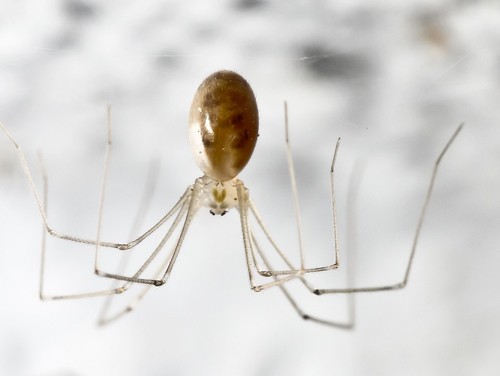
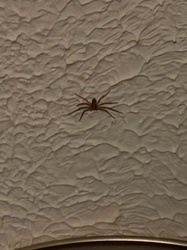
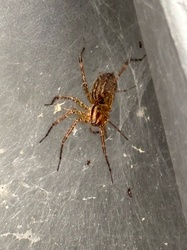
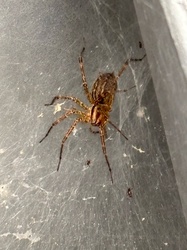
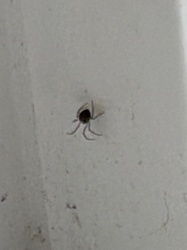
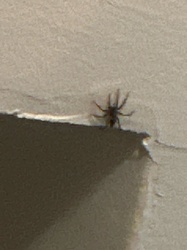
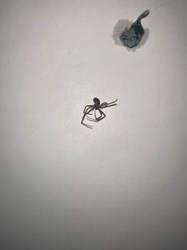
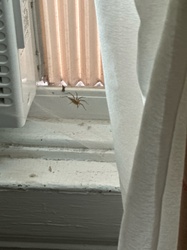
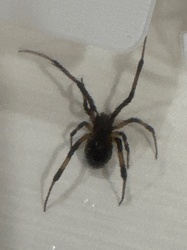
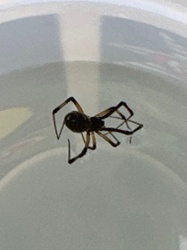
Cellar Spider identified by the community
Real finds identified with Bug Identifier.
Other bugs you may enjoy
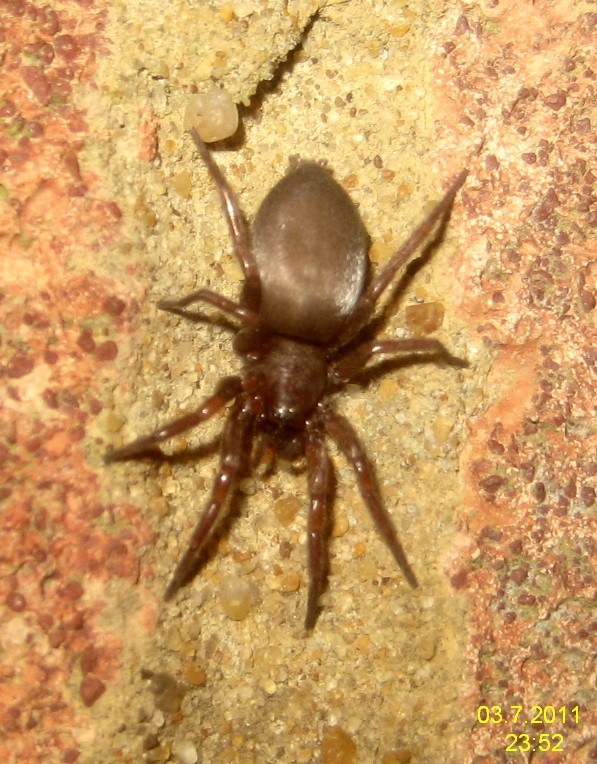
Woodlouse Spider
Damp leaf litter, under logs, stones, and mulch
Wolf Spider
Gardens, grasslands, forests, leaf litter, ground burrows
Wandering Spider
Tropical and subtropical forest floor, foliage, and banana plants
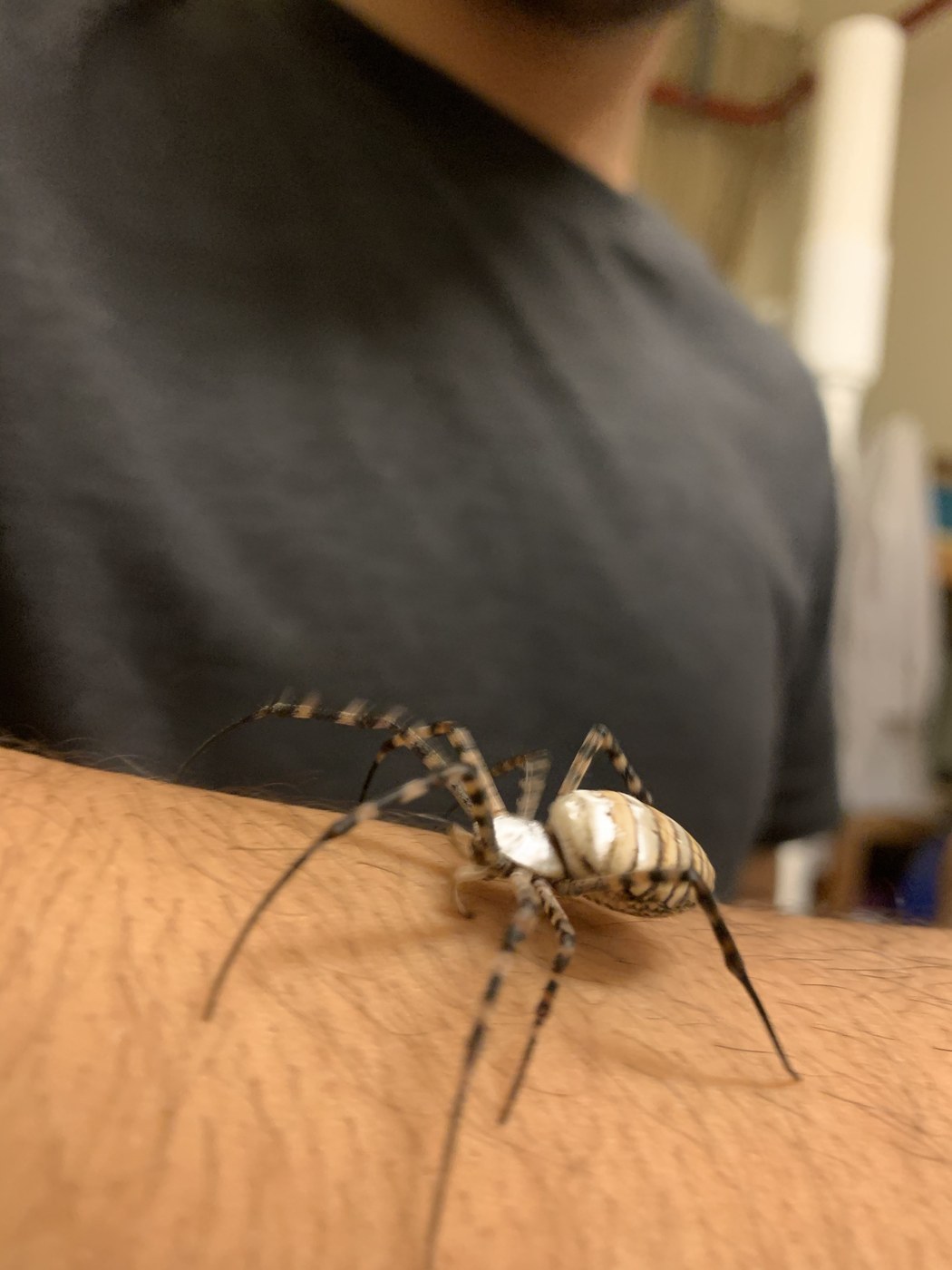
Banded Garden Spider
Tall grass, meadows, and gardens with open sunny vegetation
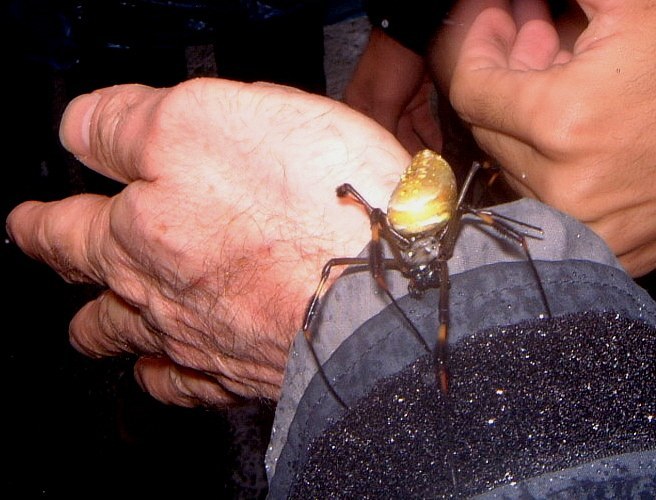
Banana Spider
Wooded trails, forest edges, and gardens across the southeastern U.S. and the American tropics
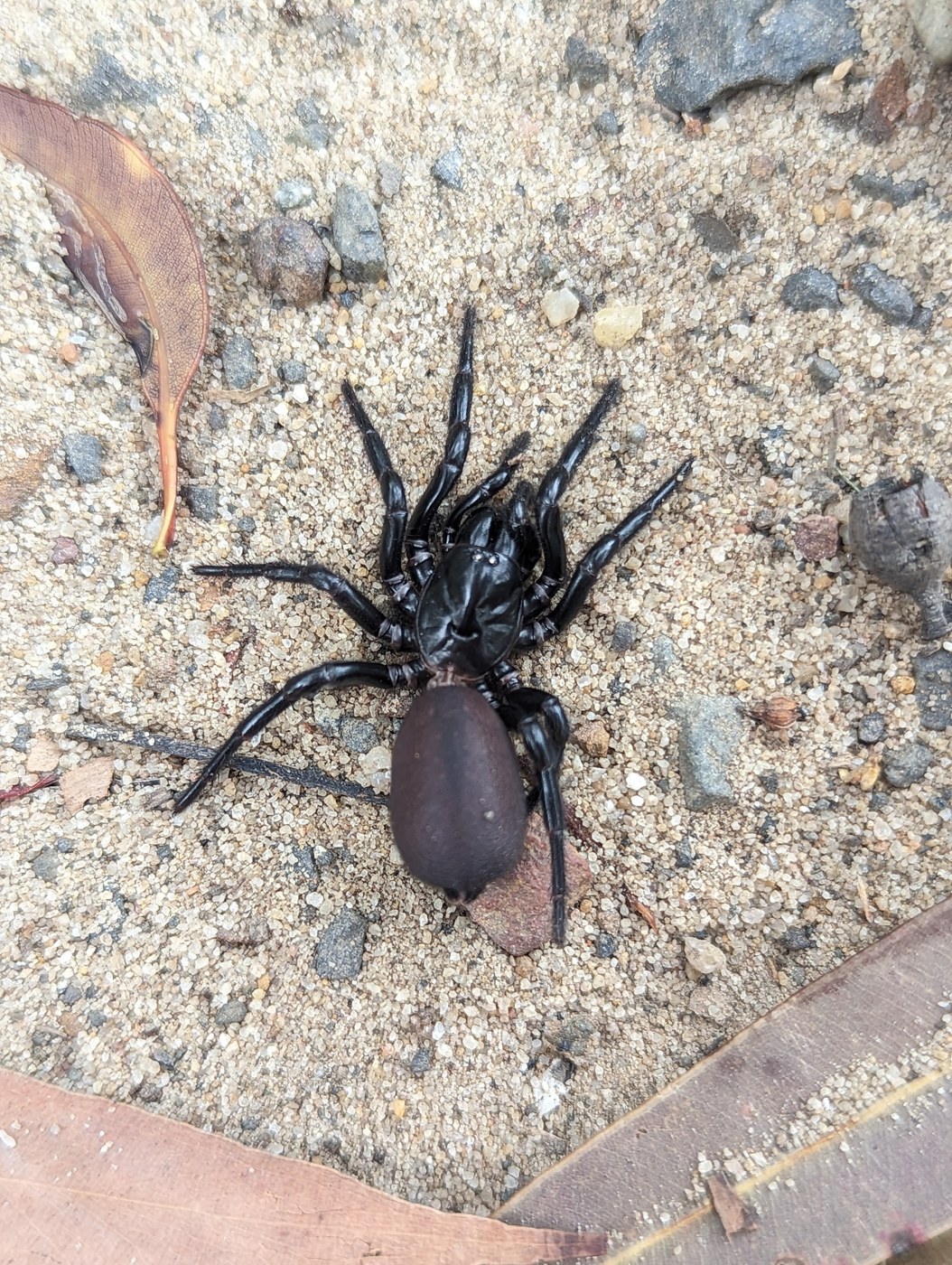
Sydney Funnel-web Spider
Burrows in moist soil, gardens, and forested gullies around the Sydney basin of eastern Australia
Trapdoor Spider
Self-dug silk-lined burrows with a camouflaged door, in dry, well-drained soil worldwide
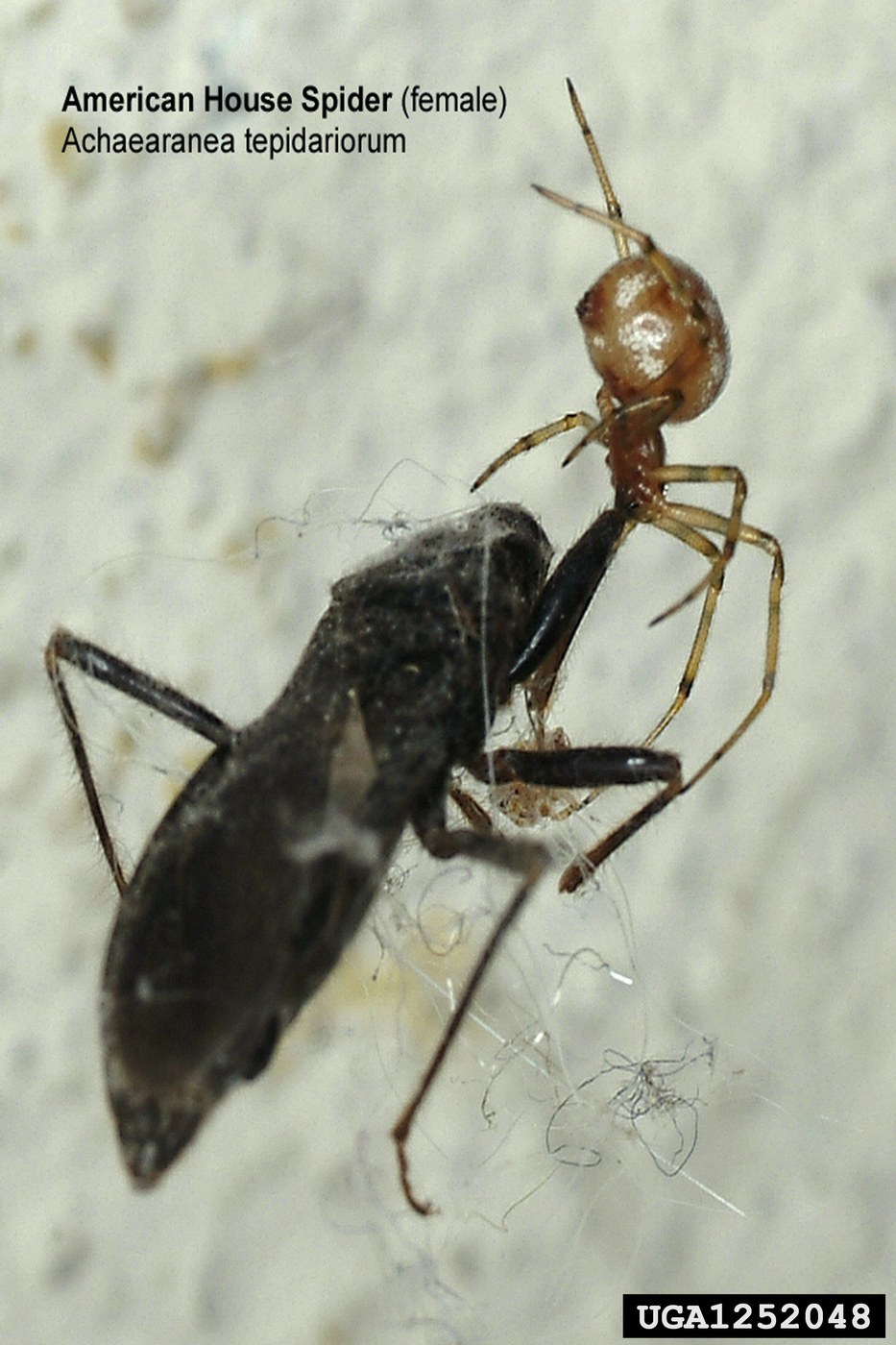
American House Spider
Corners, basements, garages, and outbuildings worldwide
Tube Web Spider
Wall crevices, bark, rockeries, and masonry
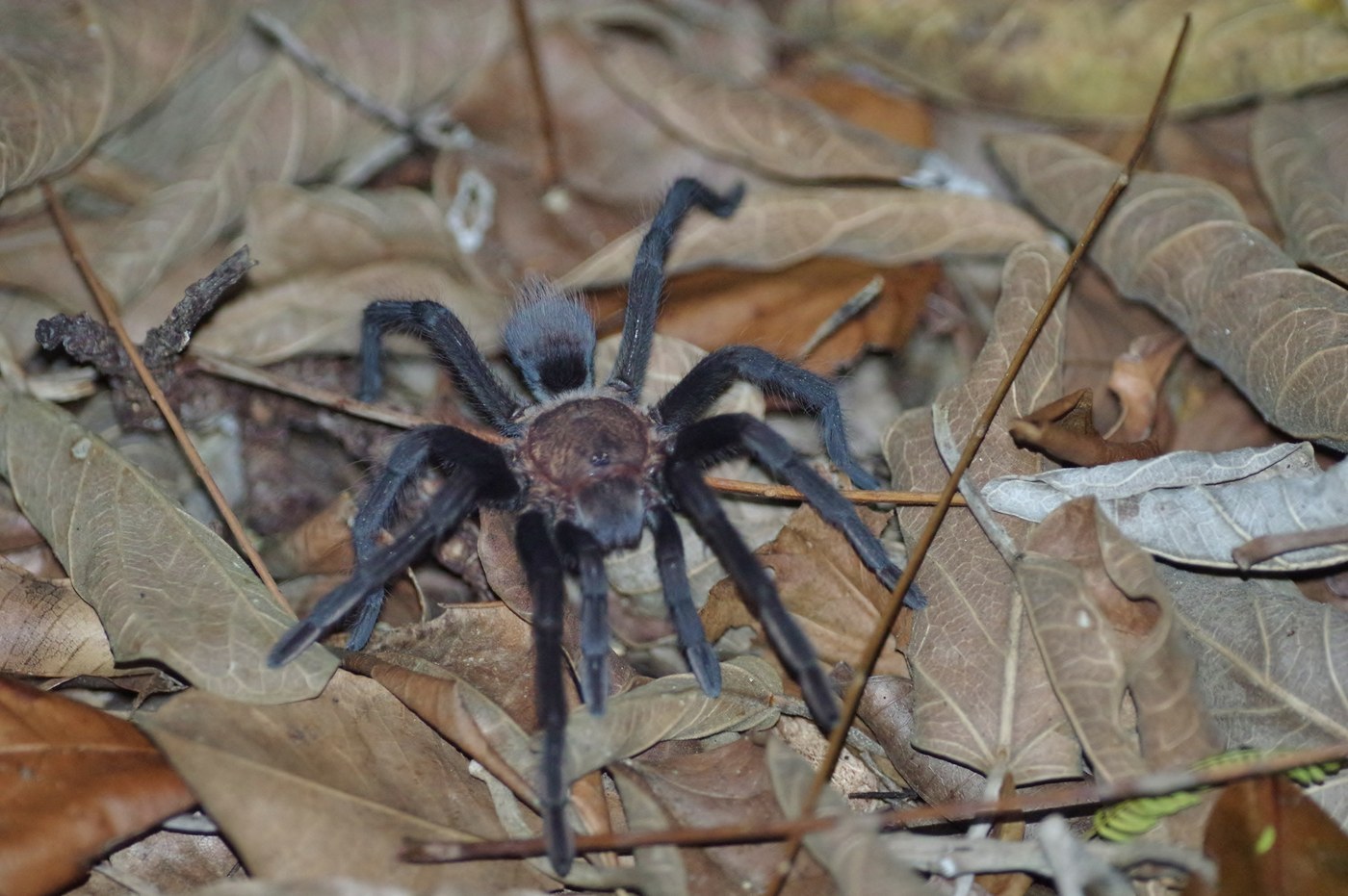
Tarantula
Burrows, rock crevices, and tree hollows in deserts, grasslands, and tropical forests worldwide
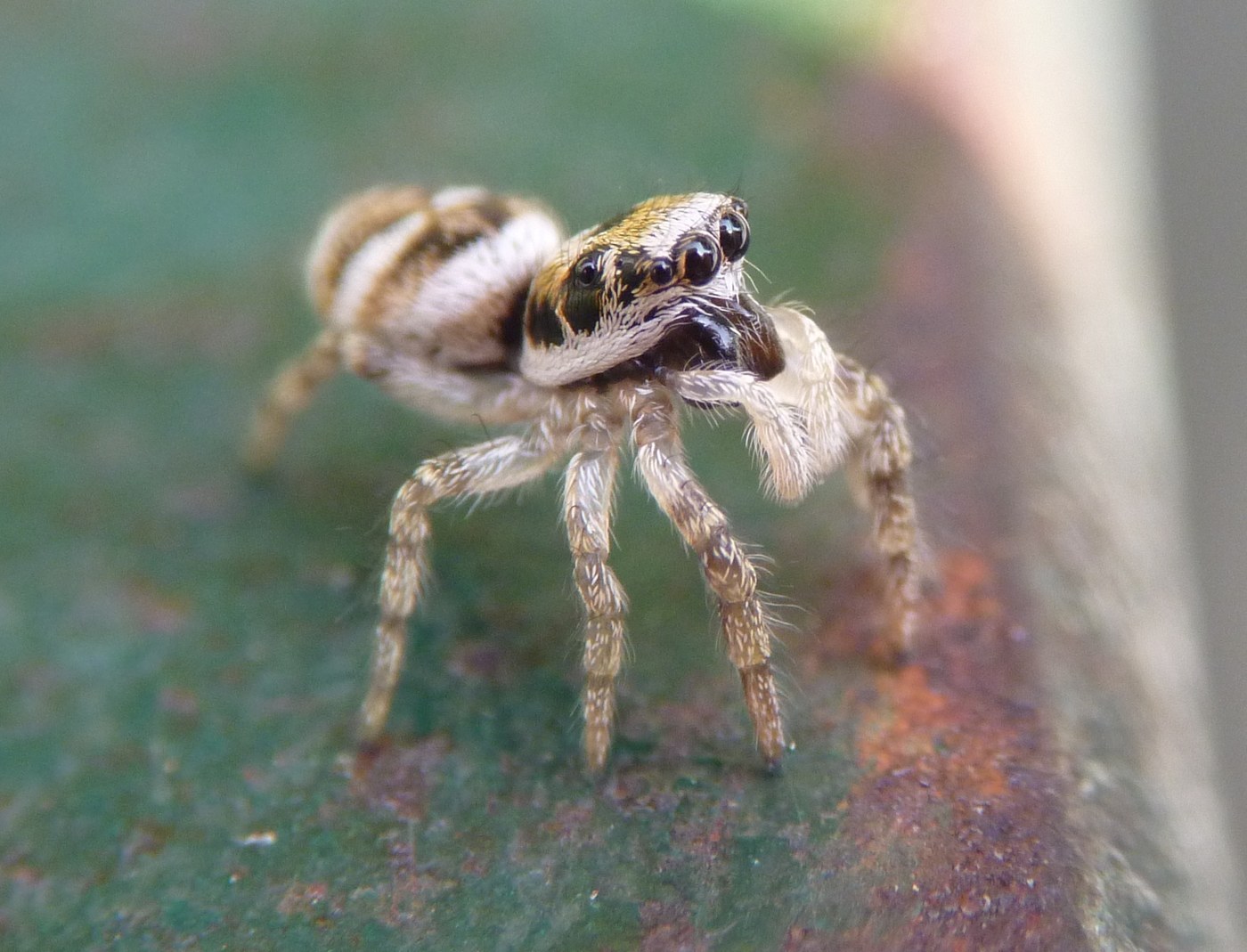
Zebra Jumping Spider
Sunny walls, fences, tree bark, and building exteriors
Wall Spider
Cracks and crevices on exterior and interior walls