
Flea
Ctenocephalides felis
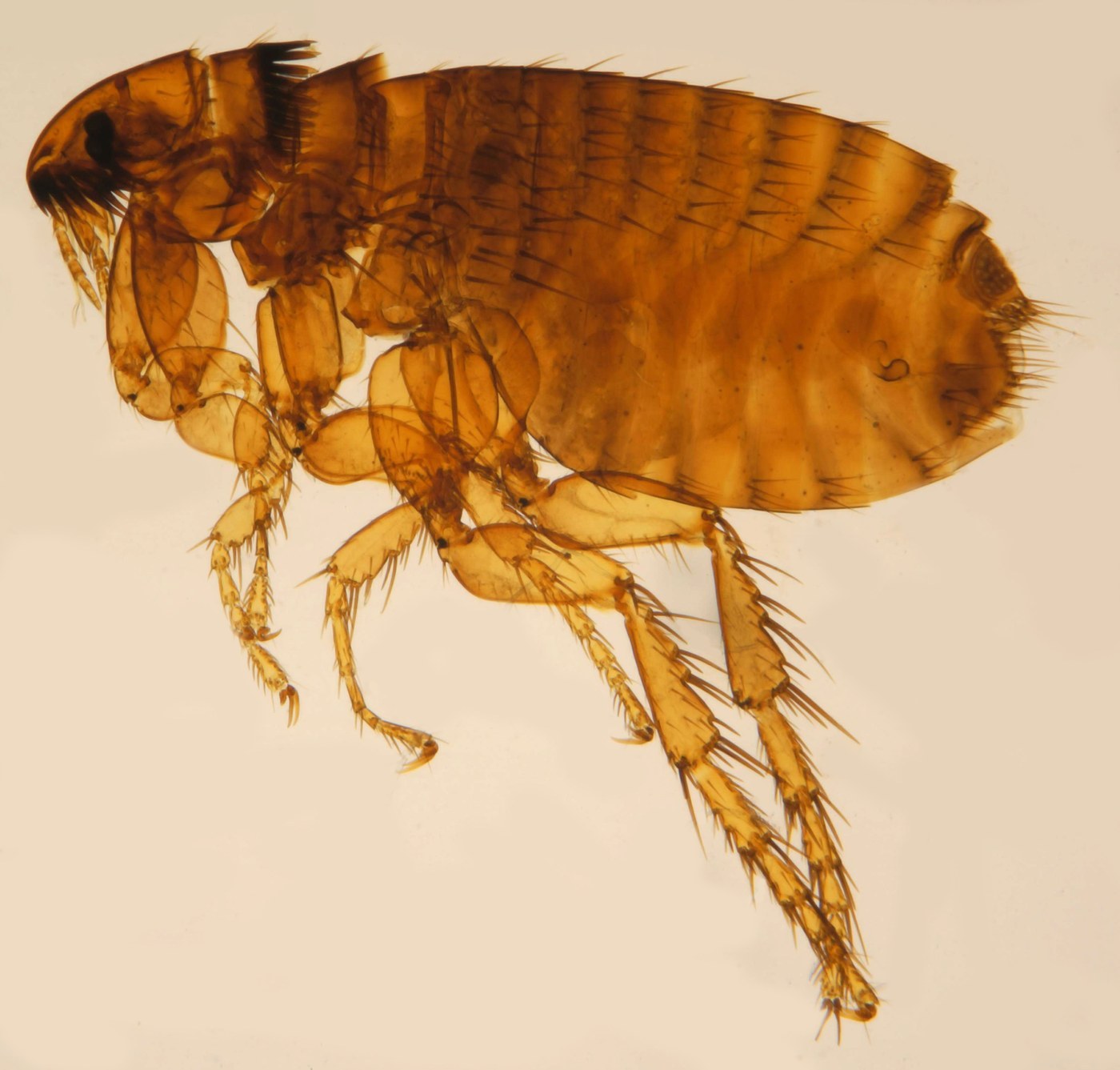
A tiny, wingless, laterally flattened insect built for moving swiftly through fur, famous for its powerful hind legs that allow it to leap many times its own body length.
- Size
- 1.5–3.3 mm
- Habitat
- Fur of host animals, pet bedding, carpets, nests, and cracks in flooring
- Danger
- Bites
Spotted a bug like this?
Identify any bug or insect from a photo, free.
Overview
Fleas are small, wingless insects in the order Siphonaptera, specialized as external parasites of mammals and birds. Their bodies are strongly flattened from side to side, an adaptation that lets them slip easily between hairs or feathers on a host's body, and their hard, smooth cuticle resists damage from host grooming.
The cat flea, one of the most widespread and frequently encountered species, illustrates the general flea body plan: a small, reddish-brown to dark brown insect with powerful, enlarged hind legs adapted for jumping, and piercing-sucking mouthparts used to draw blood from a host. Despite lacking wings entirely, fleas are remarkably mobile thanks to their exceptional jumping ability.
Fleas occupy a distinct ecological niche as blood-feeding ectoparasites, and their close association with mammal and bird hosts, along with their resilient life cycle stages that can persist in the environment, has made them one of the most globally distributed insect groups.
How to Identify
- Tiny, wingless insect, roughly 1.5–3.3 mm long, with a body strongly flattened side-to-side (laterally compressed), unlike the top-to-bottom flattening of bed bugs.
- Reddish-brown to dark brown, hard, smooth, glossy exoskeleton.
- Long, powerful hind legs noticeably larger than the other leg pairs, adapted for jumping.
- Backward-pointing spines and bristles on the body help anchor it in fur as the host grooms.
- Lookalikes: small beetles or lice; fleas are distinguished by their lateral flattening, jumping legs, and complete lack of wings at any life stage.
Habitat & Range
Fleas are found worldwide wherever suitable mammal or bird hosts occur, and they are closely tied to the nests, bedding, resting areas, and fur of their hosts. Indoors, they commonly persist in carpets, pet bedding, upholstery, and cracks in flooring where host animals spend time.
They are most abundant in warm, humid conditions, with populations often peaking in summer and early fall in temperate climates, though they can persist indoors year-round in heated environments.
Behavior & Diet
Adult fleas feed on the blood of a host, using specialized mouthparts to pierce the skin, and rely on their exceptional jumping ability, using their enlarged hind legs, to move onto a host or escape disturbance. They are strongly host-associated but can survive off-host for varying periods depending on environmental humidity.
Fleas spend considerable time in the fur or feathers of a host, and their eggs and developing stages often fall off into the host's resting areas, bedding, or nest material rather than remaining on the host itself. As ectoparasites, fleas are part of a broader ecological relationship with a wide range of mammal and bird hosts.
Life Cycle
Adult females lay small, smooth eggs, often directly on the host's fur, from which they typically fall into the surrounding environment such as bedding or carpet. Eggs hatch into worm-like larvae that avoid light and feed on organic debris, including adult flea feces, in the surrounding habitat rather than on the host directly.
Larvae spin a silken cocoon and pupate, a stage in which they can remain dormant for extended periods awaiting a stimulus such as vibration or warmth indicating a host is nearby. Adults emerge from the cocoon and seek a host promptly, undergoing complete metamorphosis (egg, larva, pupa, adult) that can, under warm conditions, be completed in as little as a few weeks, allowing multiple generations per year.
Frequently asked questions
How do fleas jump so far relative to their size?
Their greatly enlarged, muscular hind legs store energy in a resilient protein and release it rapidly, propelling the flea many times its own body length in a single leap.
Are fleas the same as lice?
No, fleas are laterally flattened, wingless, jumping insects with powerful hind legs, while lice are dorsoventrally flattened, non-jumping insects that grip closely to hair or feathers.
Do fleas live their whole life on the host?
No, while adults feed on a host, eggs, larvae, and pupae typically develop off the host in bedding, carpet, or nest material.
Why do fleas seem to appear suddenly in large numbers?
Dormant pupae can remain inactive for a period and then emerge rapidly in response to a stimulus such as vibration, warmth, or carbon dioxide indicating a host is present.
Flea guides
In-depth guides for identifying, understanding, and living alongside Flea.
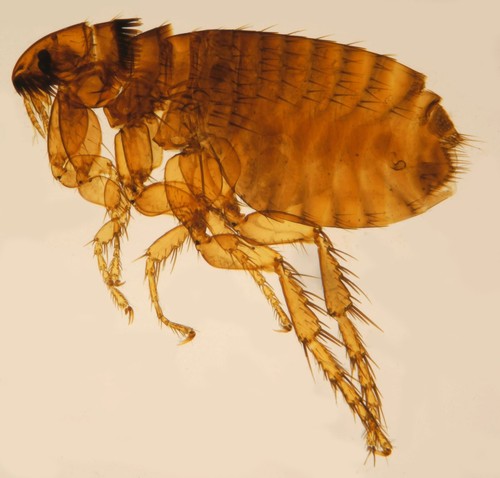
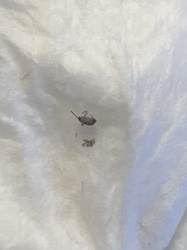
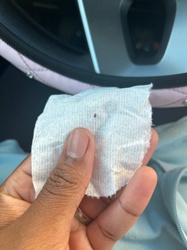
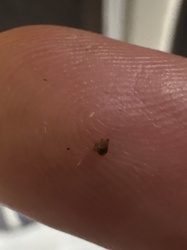
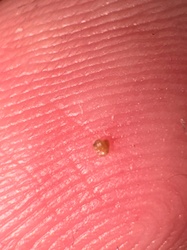
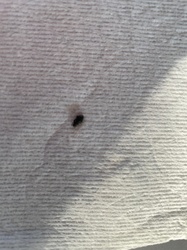
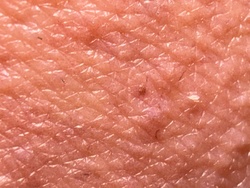
Flea identified by the community
Real finds identified with Bug Identifier.
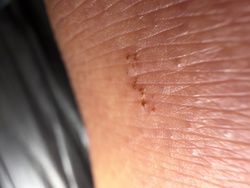
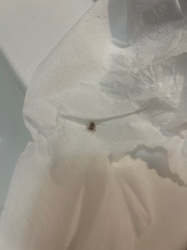
Other bugs you may enjoy
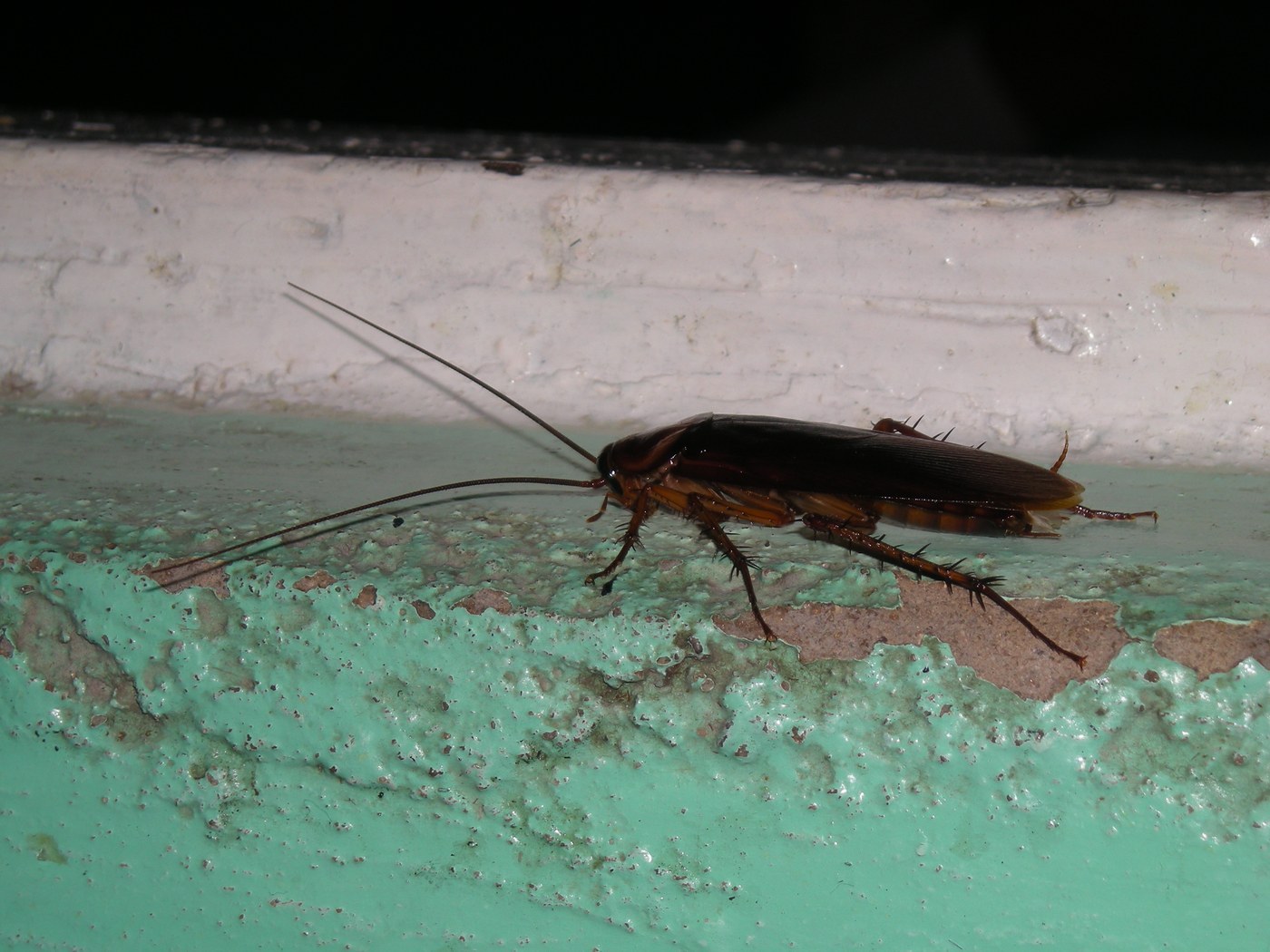
American Cockroach
Warm, humid environments such as basements, sewers, drains, and tropical outdoor settings
Thrips
Flowers, foliage, gardens, greenhouses, crop fields
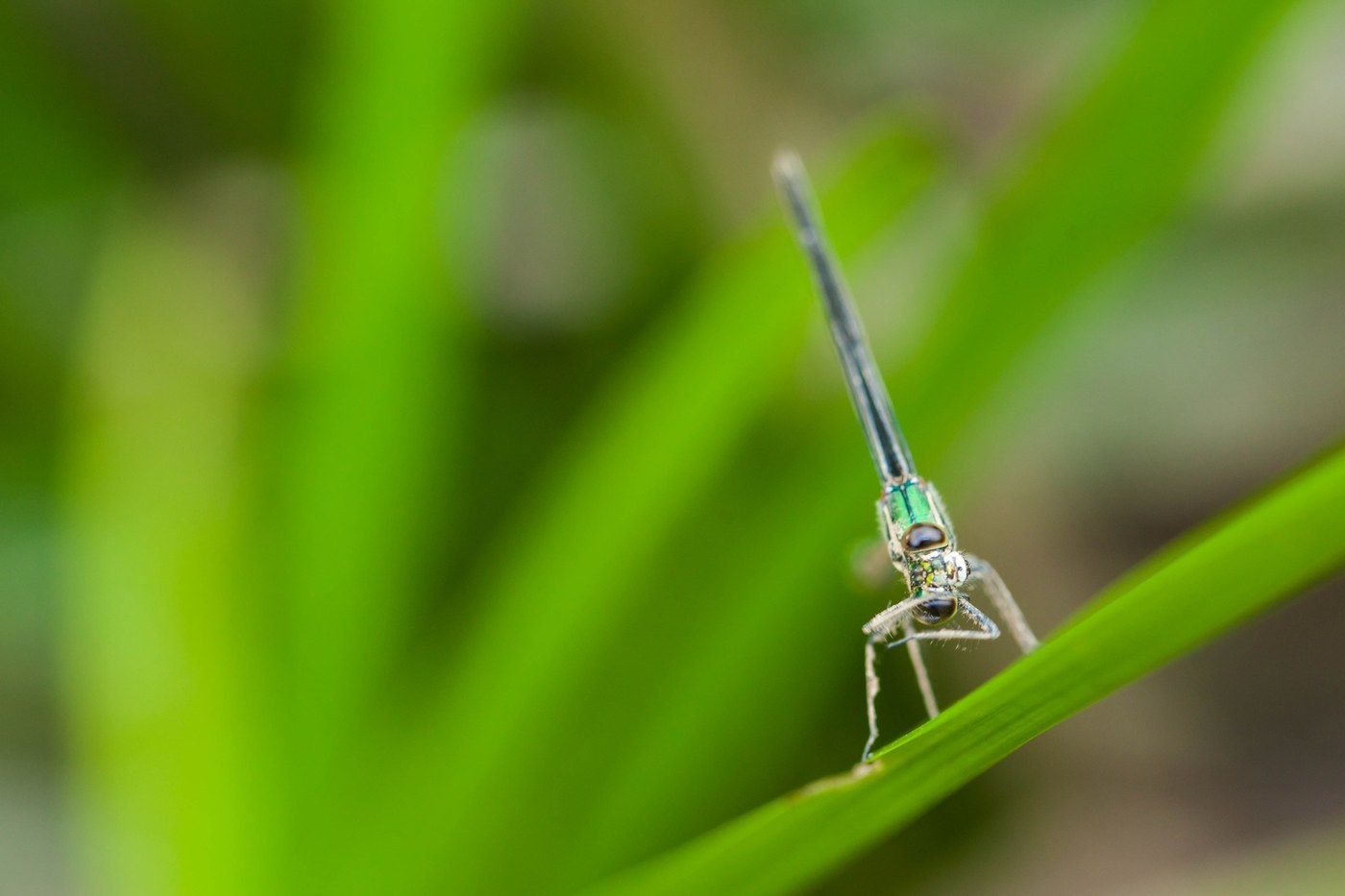
American Rubyspot
Sunny rivers and streams with moderate current
Springtail
Moist soil, leaf litter, decaying organic matter, and damp indoor areas
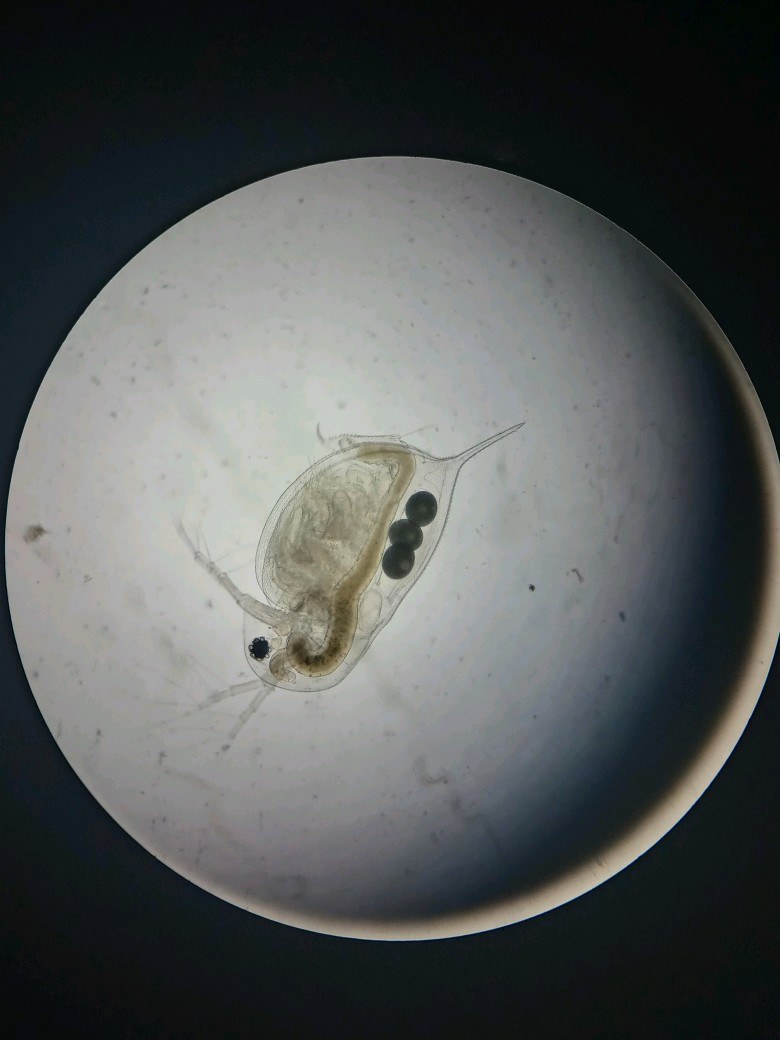
Water Flea
Ponds, lakes, and slow streams as free-floating plankton
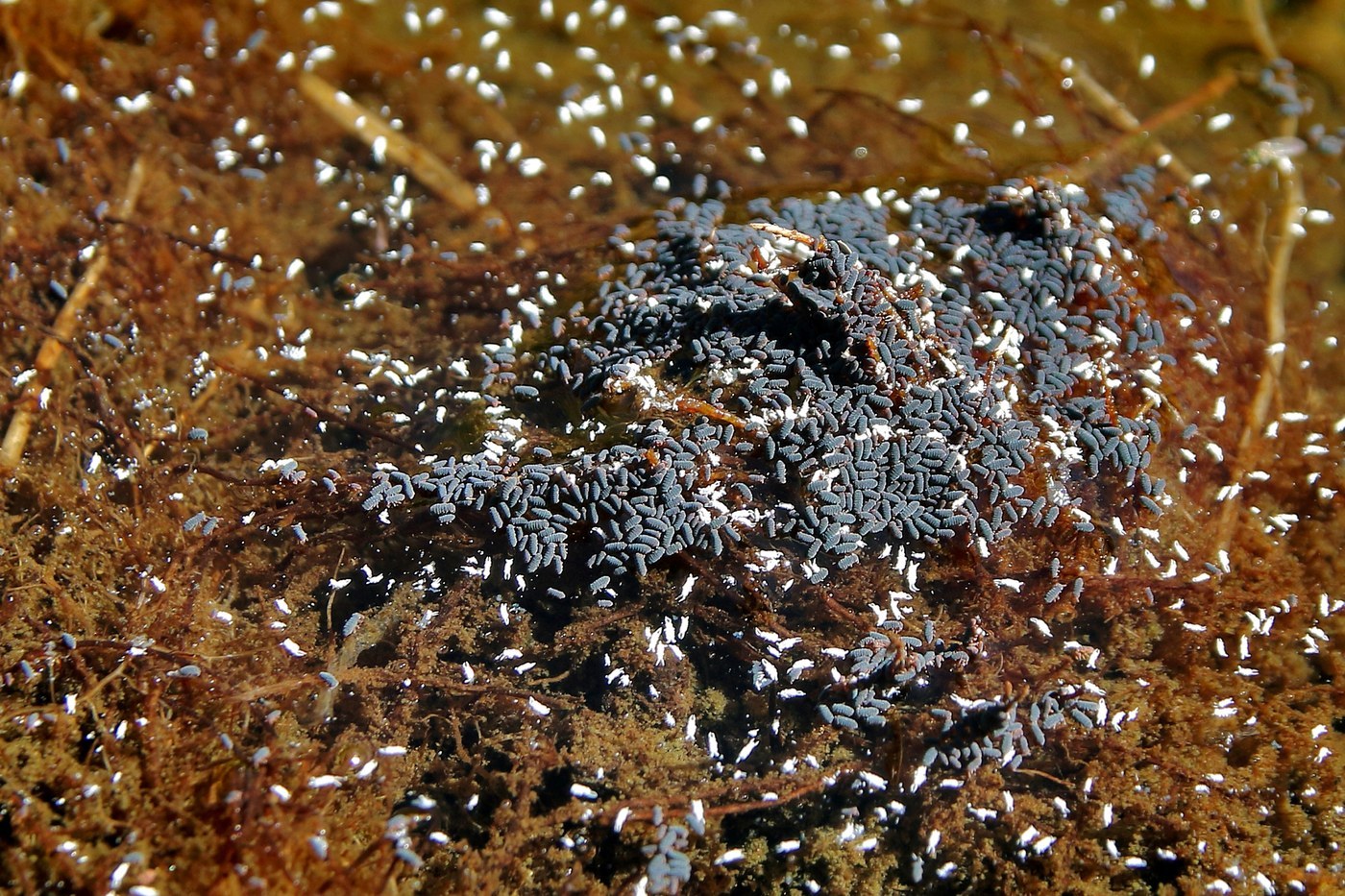
Water Springtail
Surface film of ponds, puddles, and slow ditches
Slug
Gardens, damp soil, leaf litter, greenhouses
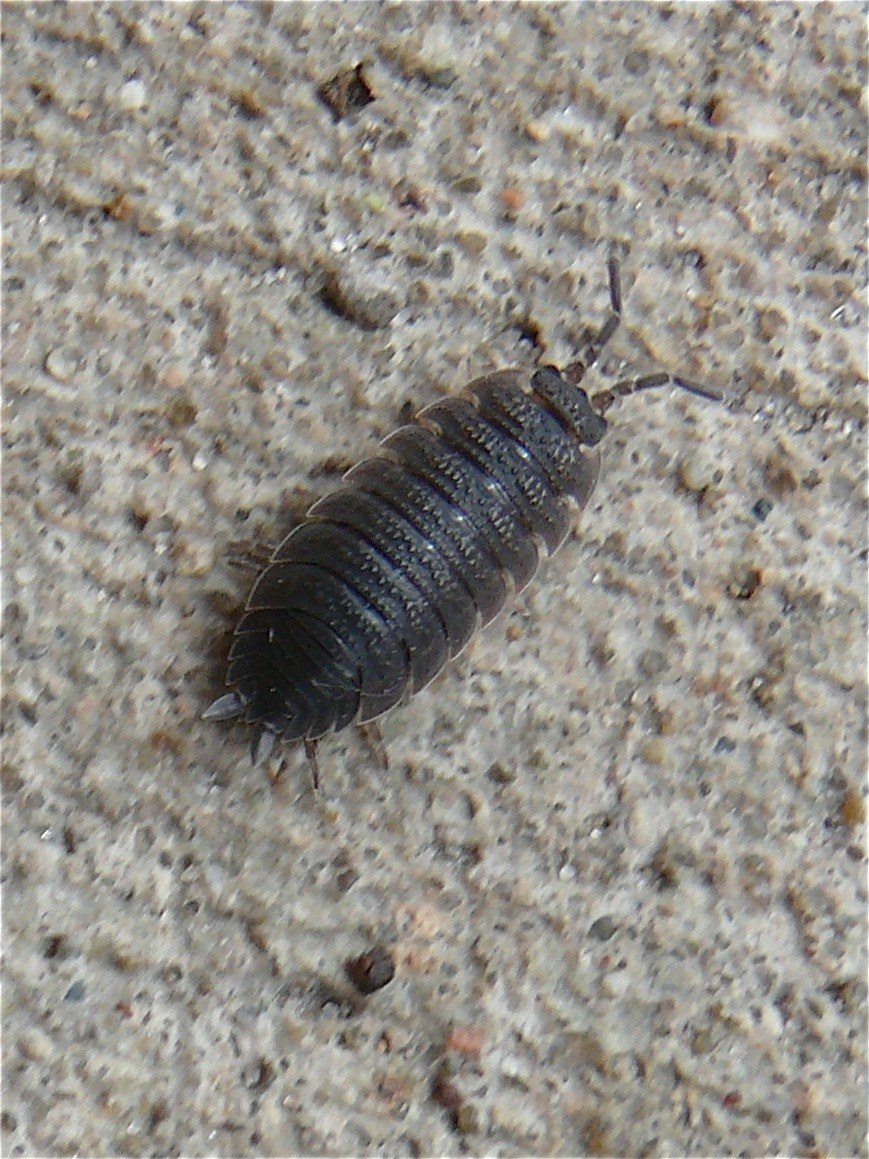
Sowbug
Leaf litter, under rocks/logs, damp garden soil, basements
Pill Bug
Damp soil, leaf litter, under rocks and logs, garden beds
Termite
Soil, decaying wood, tree stumps, and wooden structures
Termite Swarmer
Emerges from underground or wood-nesting colonies, often near structures and moist soil
Silverfish
Damp basements, bathrooms, closets, and dark indoor crevices