
Bug Encyclopedia
Search and identify bugs & insects — beetles, butterflies, moths, ants, bees, spiders and more — with size, habitat, danger, behavior, and how to tell them apart.
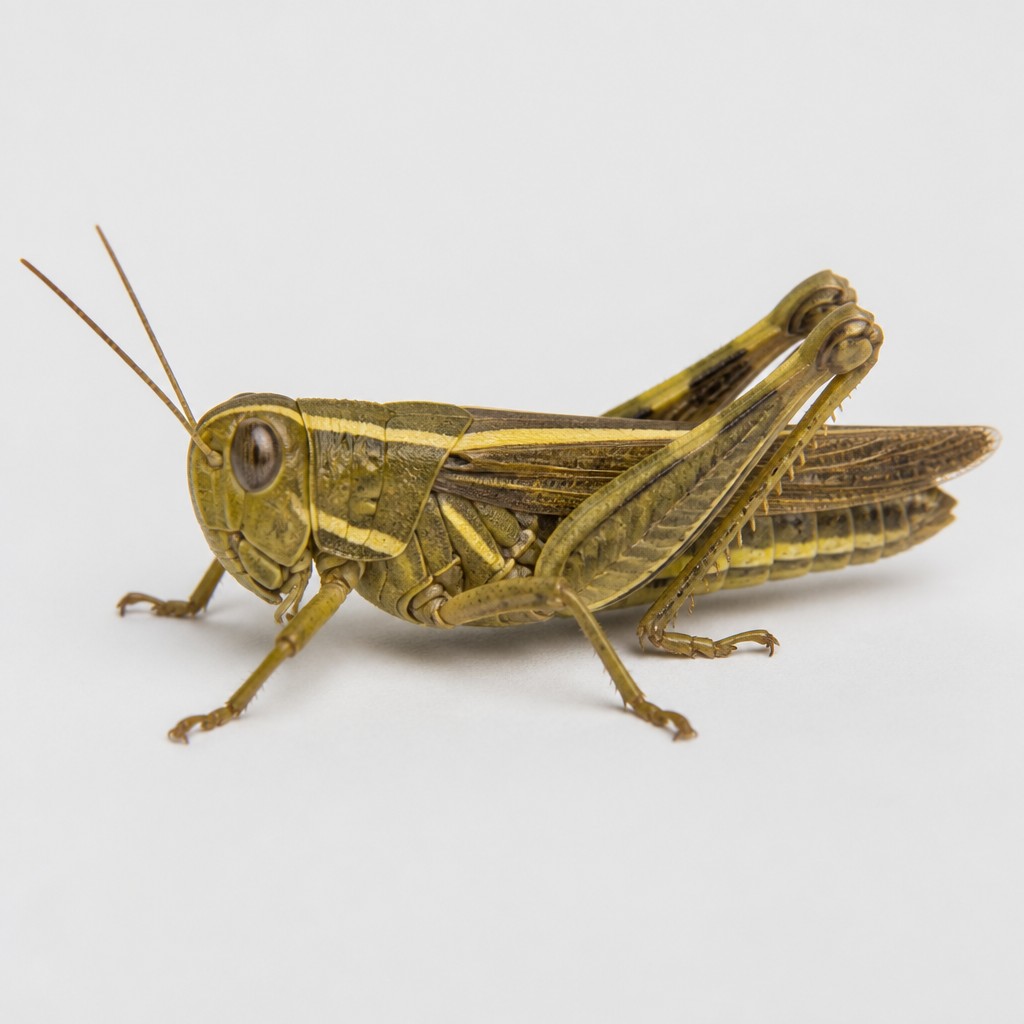
Two-striped Grasshopper
Easily spotted by the pair of pale cream stripes running the length of its body, the two-striped grasshopper is one of the largest and most economically important grasshoppers in North America.
grasshopper-cricket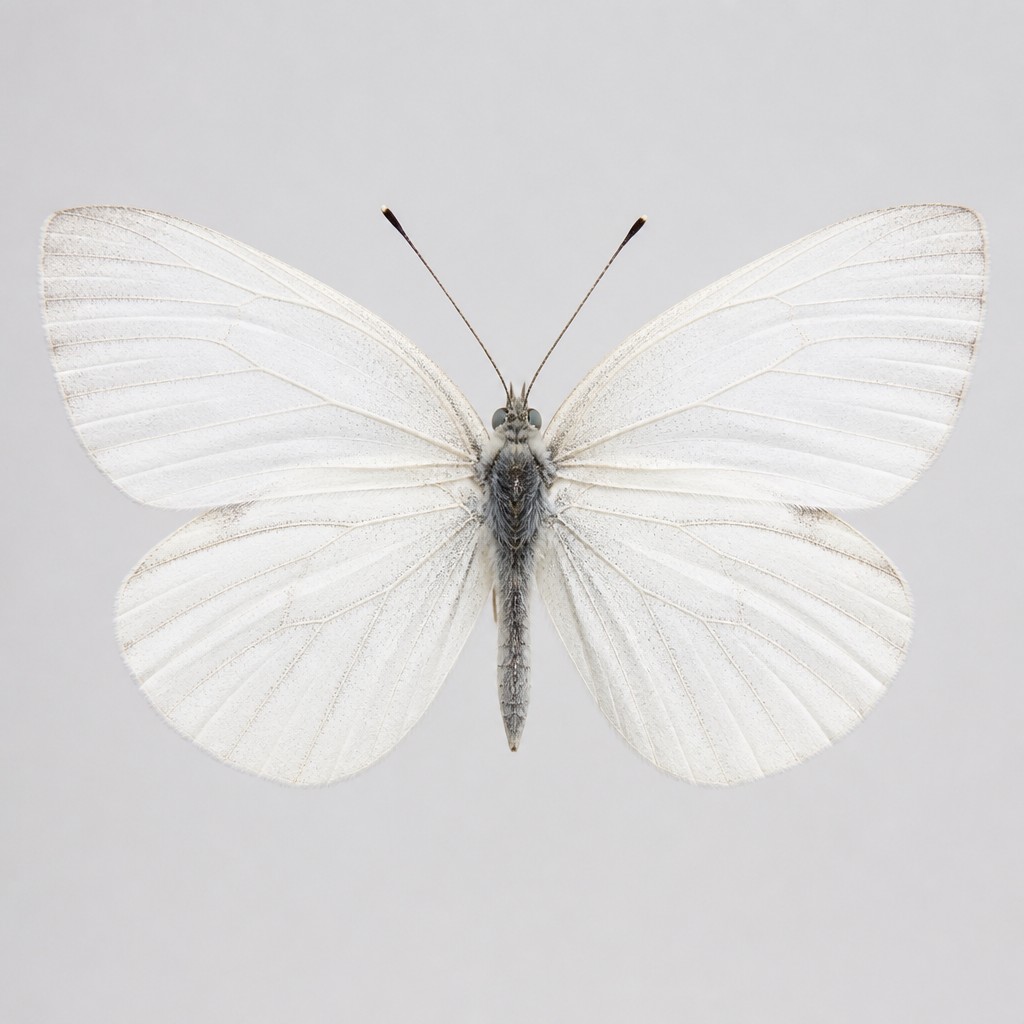
West Virginia White
A delicate, pure-white spring butterfly of eastern hardwood forests with faint gray veining on the underside, flying only for a few weeks each year before its short-lived toothwort host plants fade.
butterfly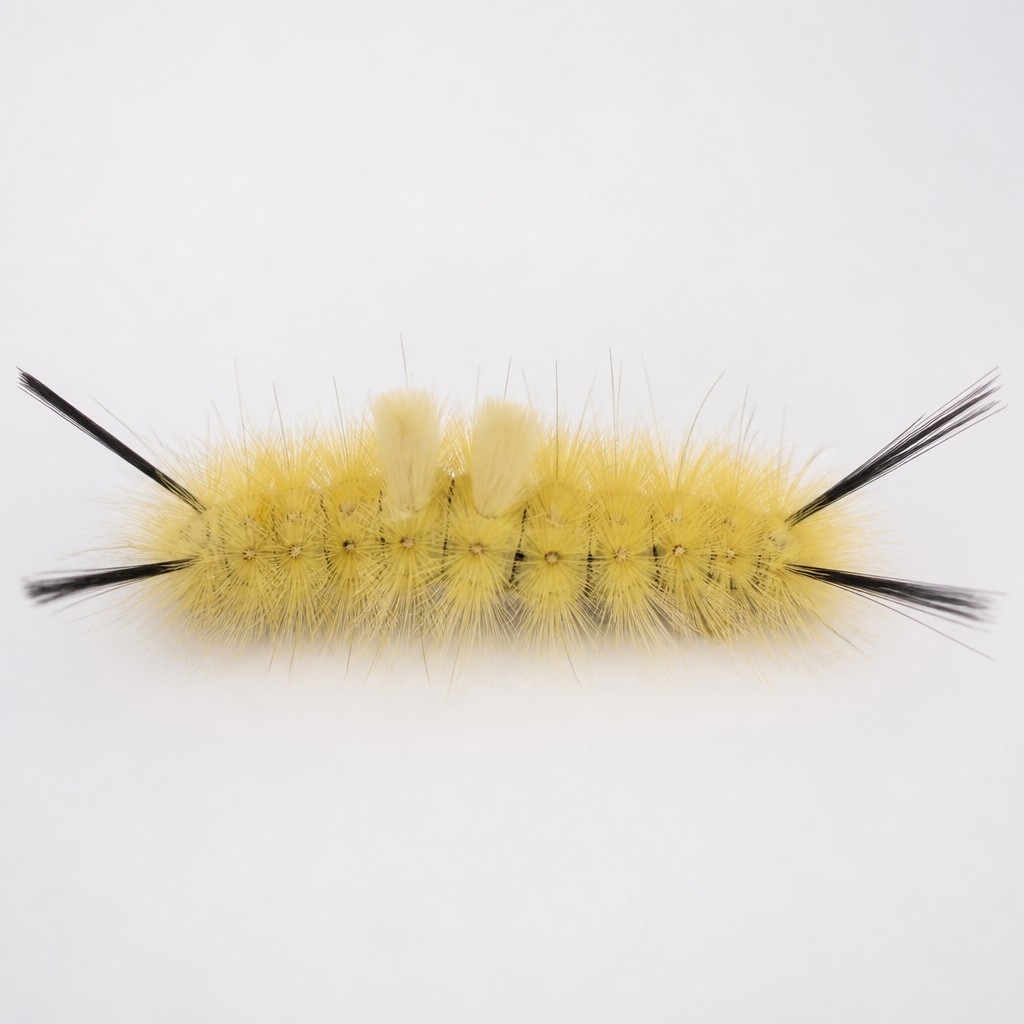
American Dagger Moth Caterpillar
A pale, sulfur-yellow to cream fuzzball bristling with dense tufts of hair and long black 'pencils' projecting from both ends, the American dagger moth caterpillar is one of the most recognizable hairy caterpillars on hardwood trees in fall.
caterpillar-larva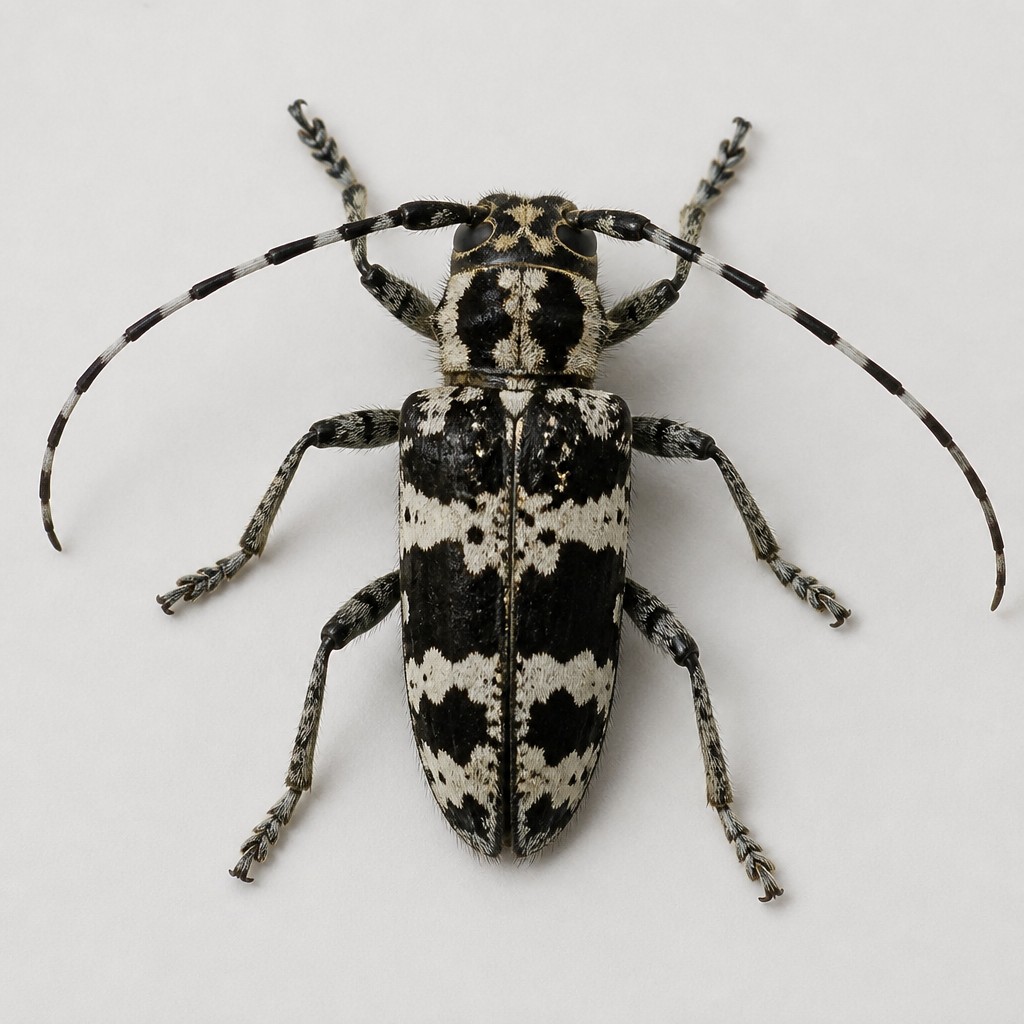
Cottonwood Borer
A large, boldly patterned longhorn beetle in black and chalky white checkerboard markings, often found clinging to the trunks of cottonwood and poplar trees near its larvae's root tunnels.
beetle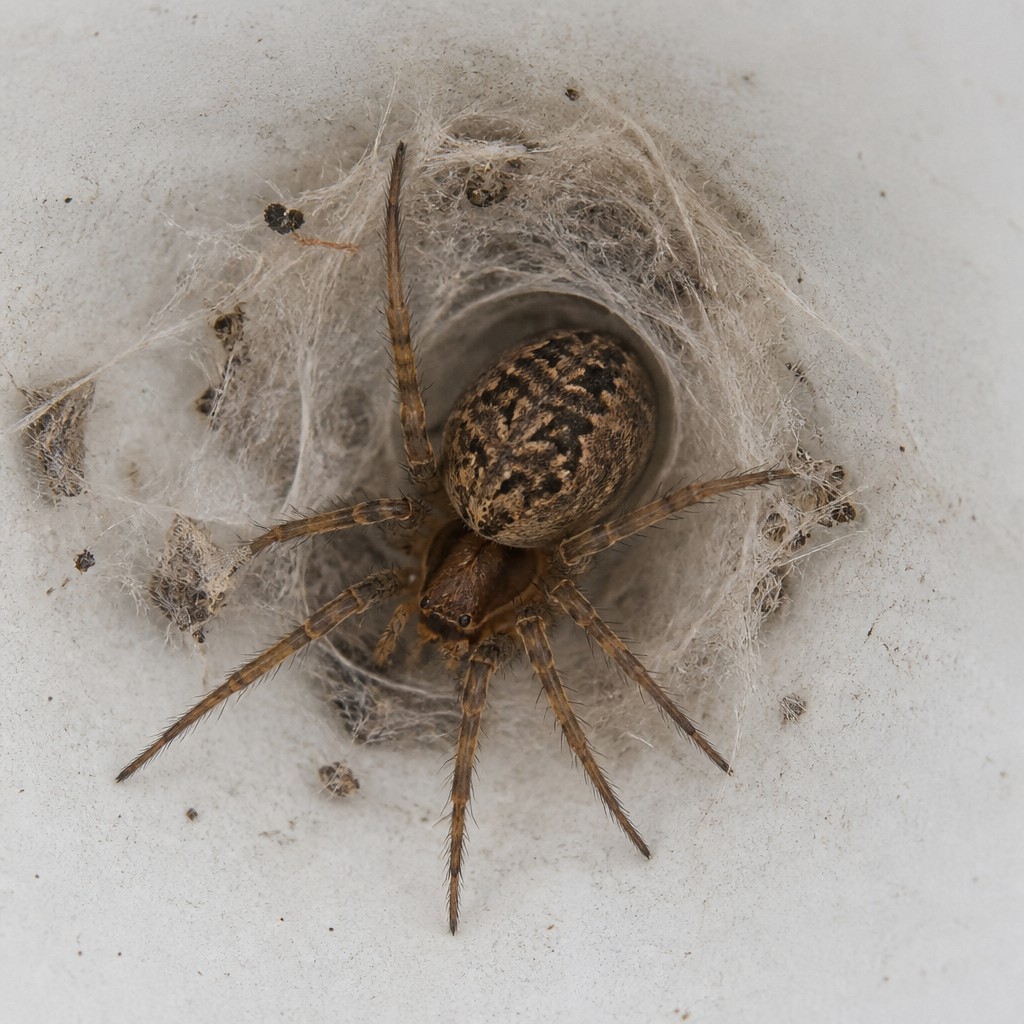
Common House Spider
Tucked into a messy tangle of silk in a quiet corner, the common house spider is one of the most familiar indoor spiders, quietly picking off flies and other small insects that blunder into its web.
spider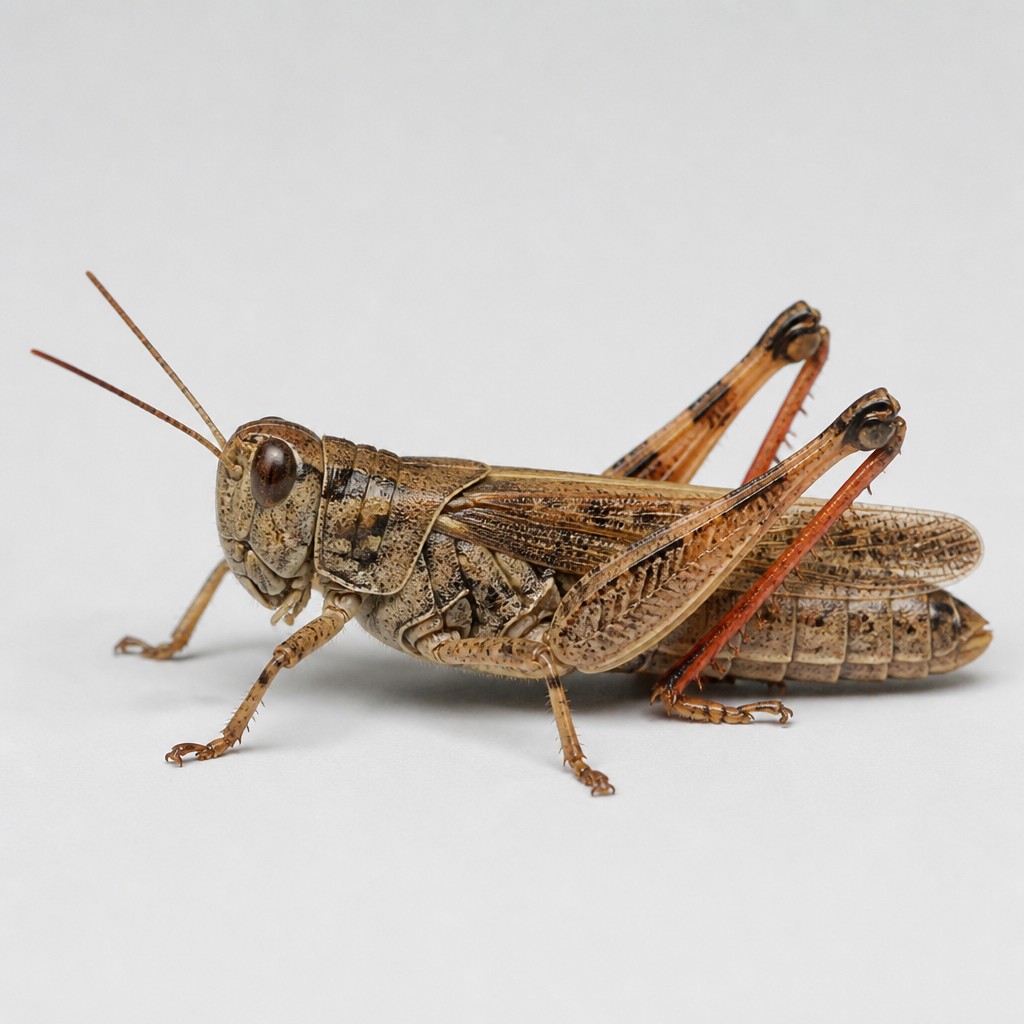
Red-legged Grasshopper
One of the most abundant and widespread grasshoppers in North America, the red-legged grasshopper is easily spotted by its reddish hind shins flashing amid a brown, mottled body.
grasshopper-cricket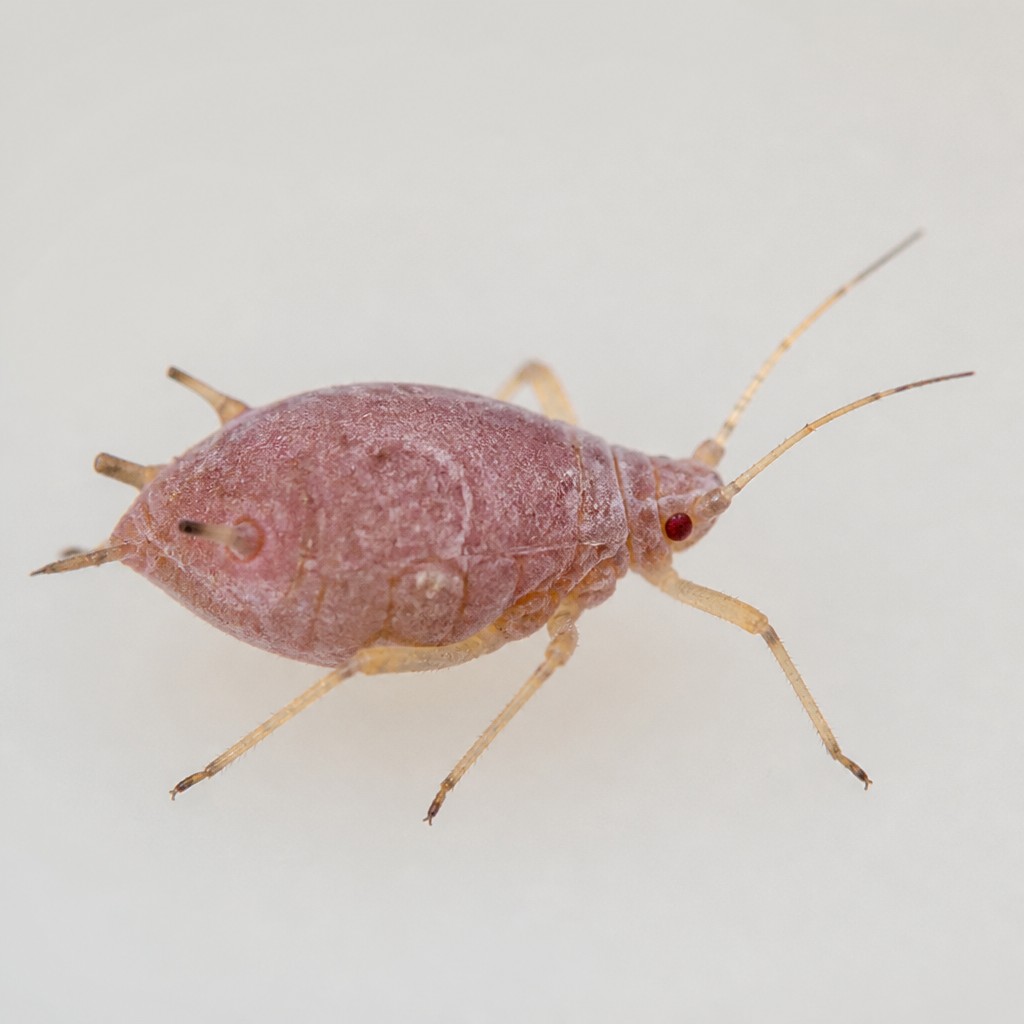
Rosy Apple Aphid
A small, dusty pink to purplish-gray aphid that clusters on apple foliage in spring, causing distinctive curled, reddened leaves that make its presence easy to spot even before the insects themselves are seen.
true-bug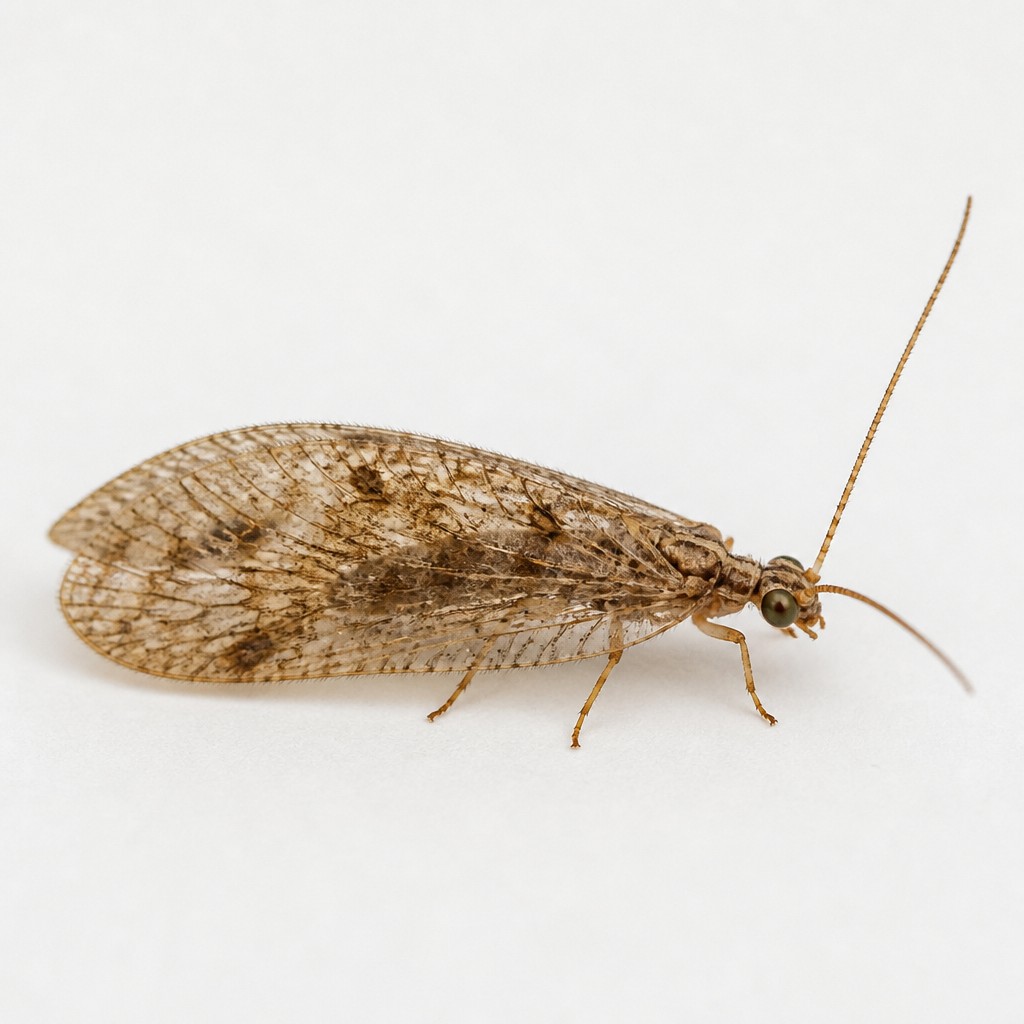
Brown Lacewing
Smaller and less conspicuous than its green relatives, the Brown Lacewing is a subtle but effective predator of aphids and other tiny insects in gardens, forests, and orchards.
other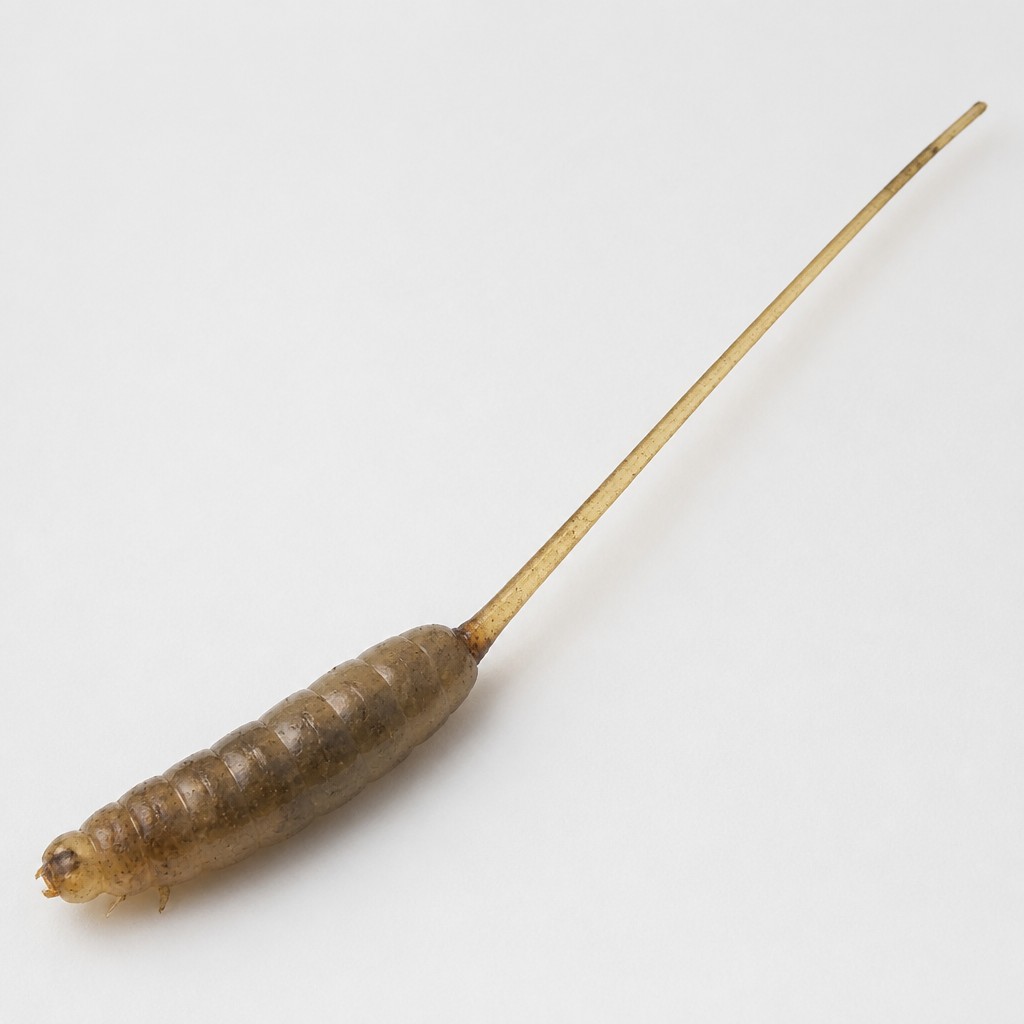
Rat-Tailed Maggot
Named for its long, thin, telescoping breathing tube, the rat-tailed maggot is the aquatic larva of the drone fly, thriving in stagnant, low-oxygen water where few other insects can survive.
aquatic-insect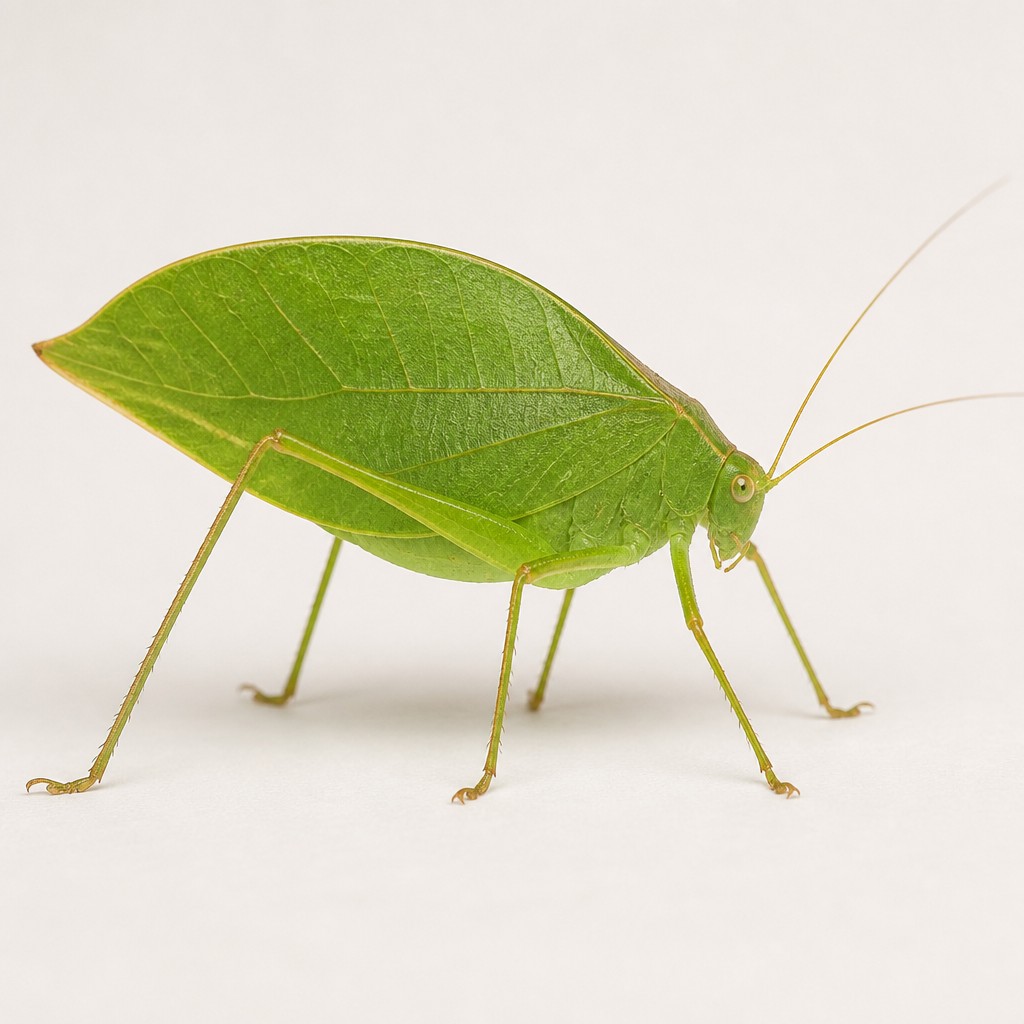
Common True Katydid
A living leaf that spends its life high in the treetops, the common true katydid is far more often heard than seen, producing the loud, rasping "katy-did, katy-didn't" chorus that fills eastern summer nights.
grasshopper-cricket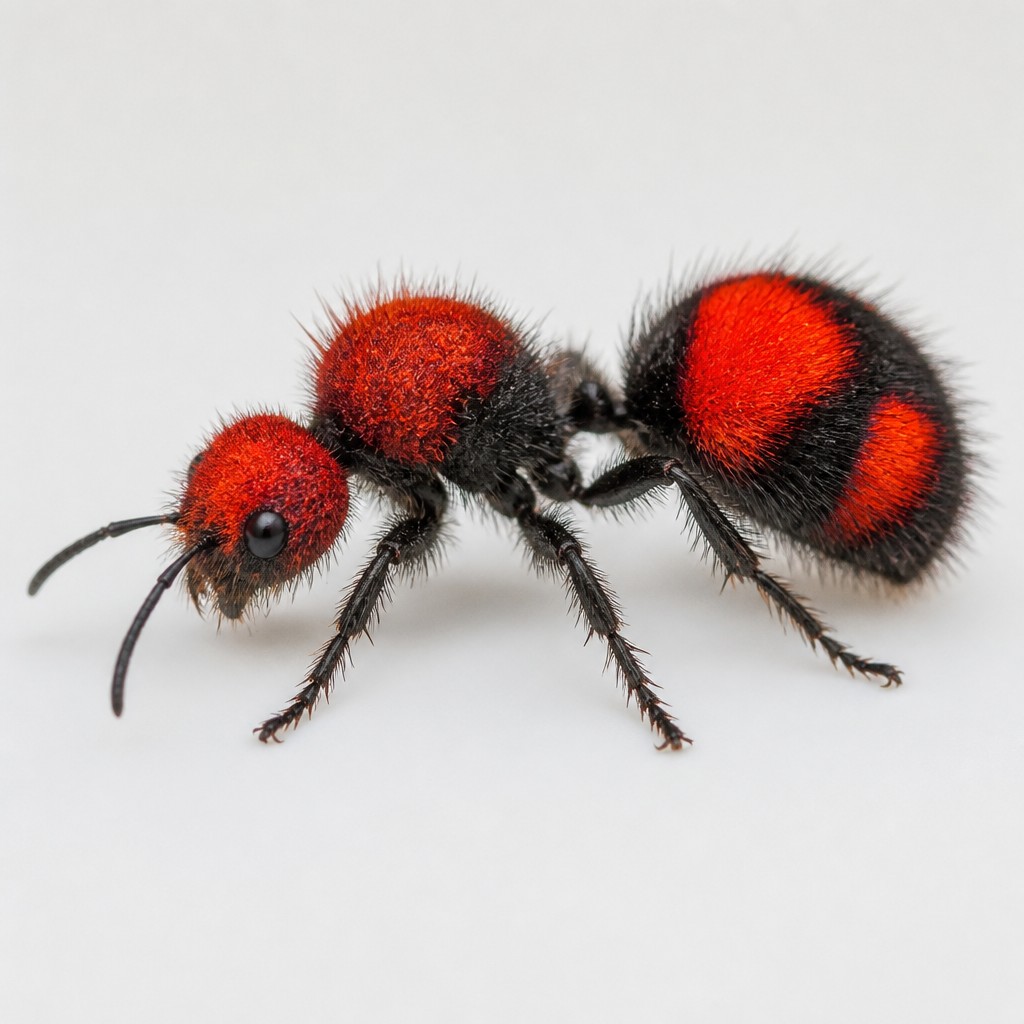
Velvet Ant
A densely fuzzy, brightly colored insect that looks like an oversized ant but is actually a wingless female wasp, instantly recognizable by its thick coat of red, orange, black, or white hair.
wasp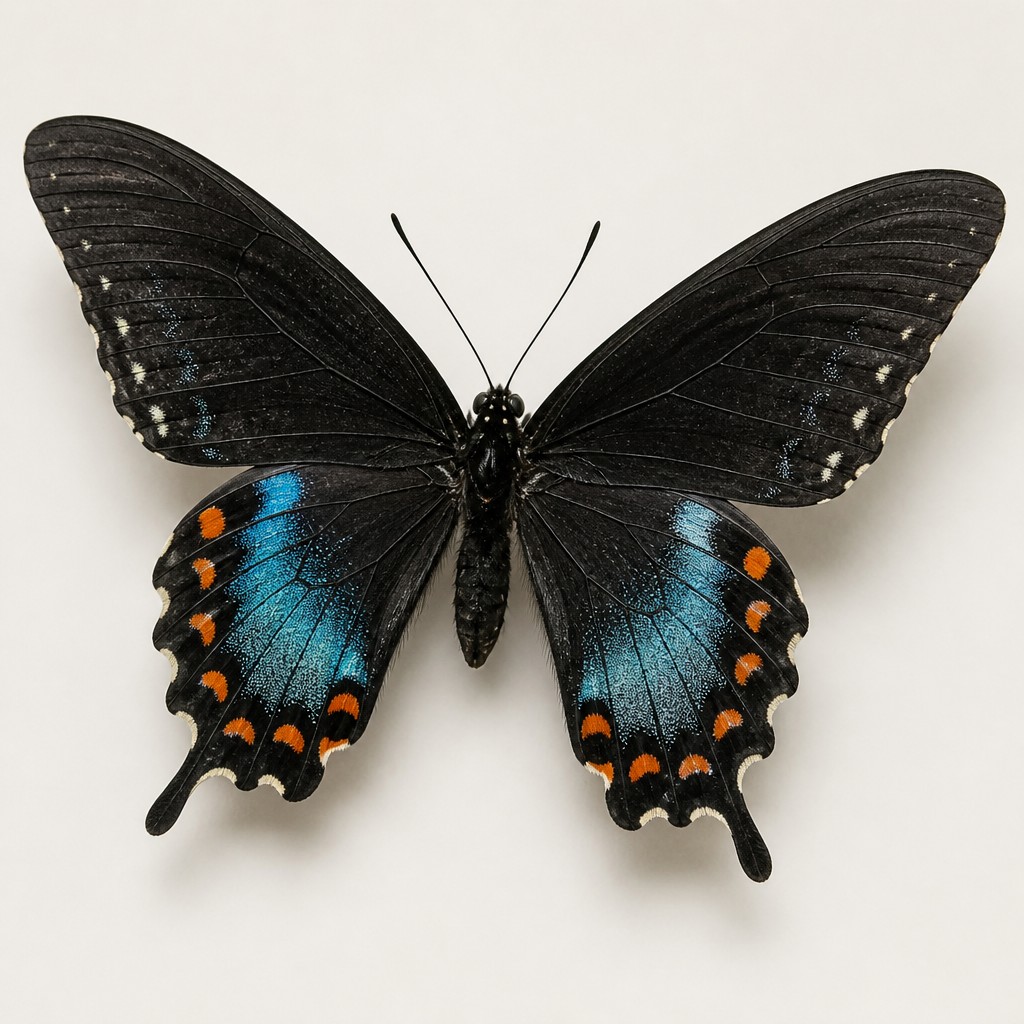
Pipevine Swallowtail
A striking black swallowtail with iridescent blue-green hindwings and a row of round orange spots beneath, whose toxin-sequestering caterpillars make it a model for several butterfly mimics.
butterfly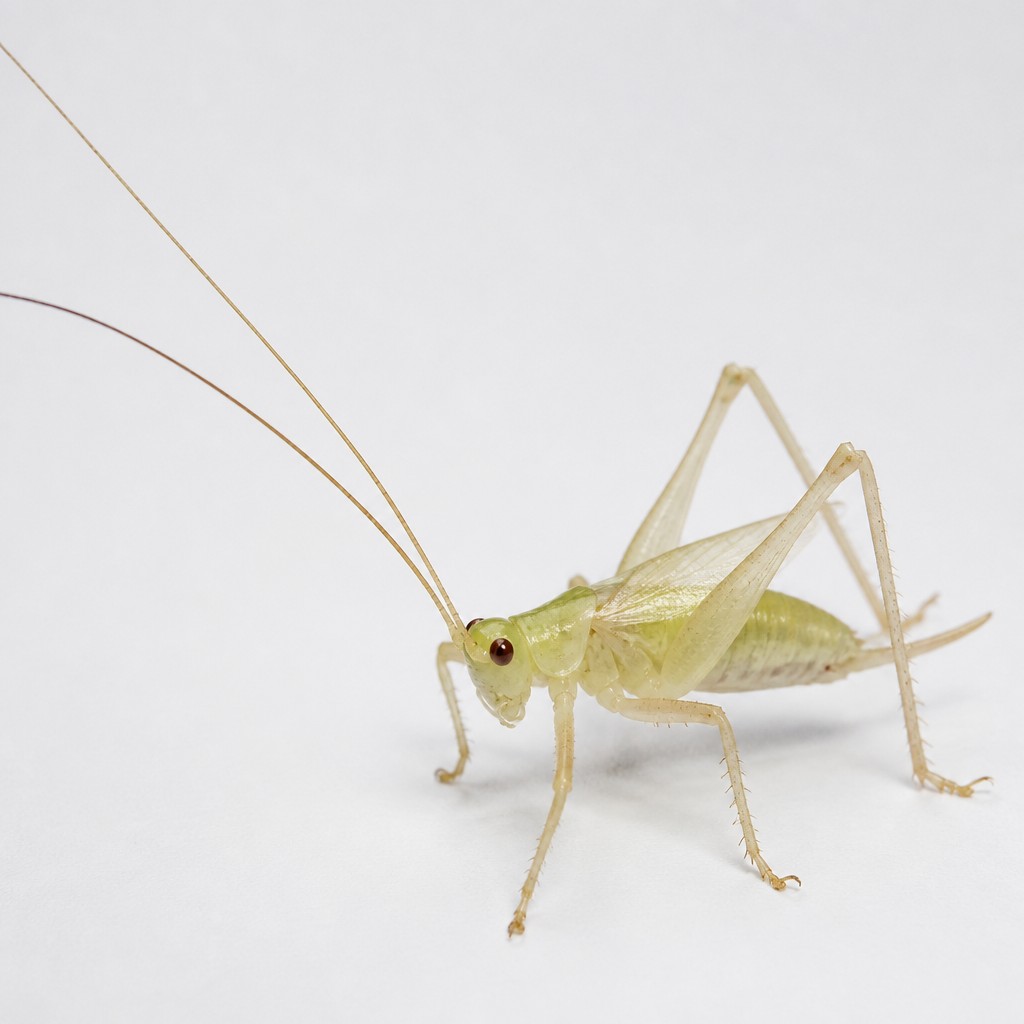
Snowy Tree Cricket
Nicknamed the thermometer cricket, this pale, delicate insect sings a steady, rhythmic chirp whose pace rises and falls so predictably with temperature that its chirp rate can be used to estimate the air temperature.
grasshopper-cricket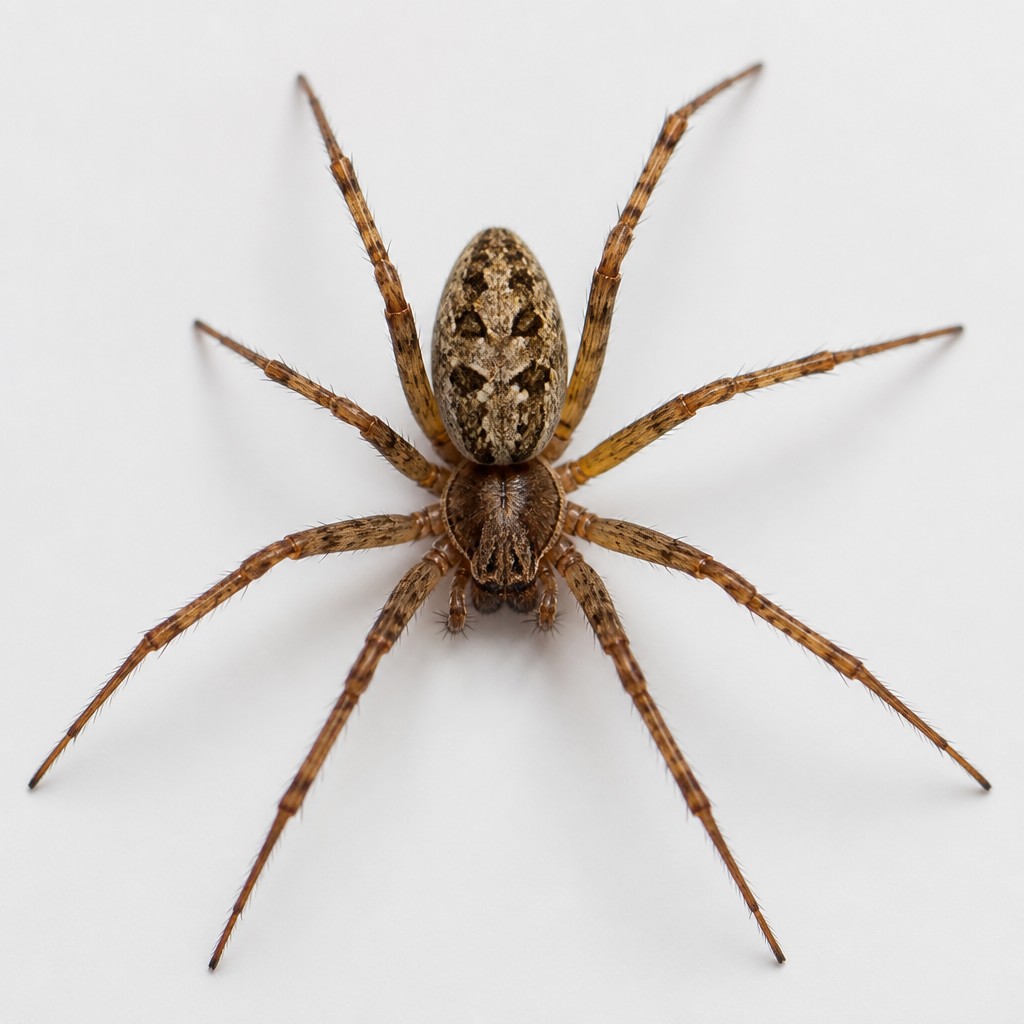
Brown Widow Spider
Named for its mottled tan-and-brown coloring rather than glossy black, the brown widow is easily recognized by its distinctive spiky, off-white egg sacs and an orange hourglass on its underside.
spider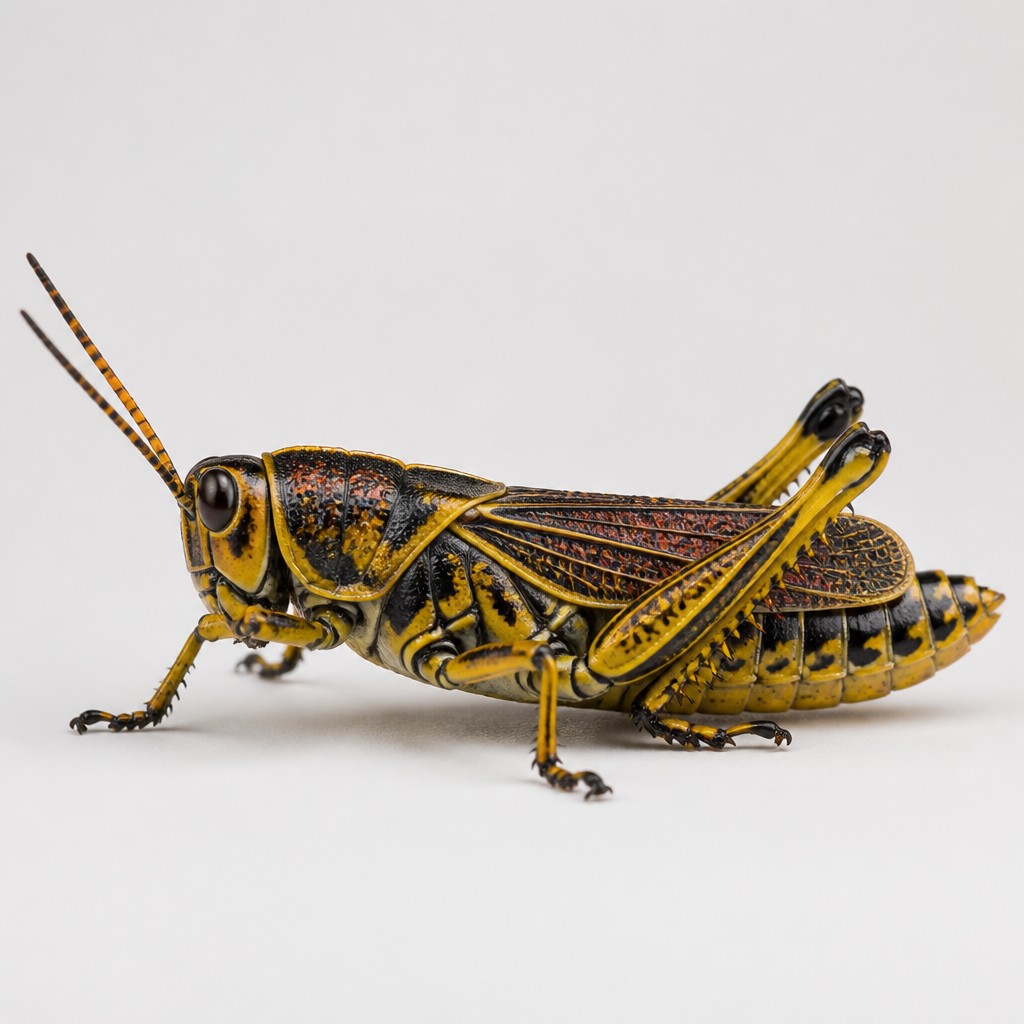
Eastern Lubber Grasshopper
One of the largest grasshoppers in North America, the eastern lubber is a slow, flightless giant clad in bold black, yellow, and red that announces its presence rather than hiding from it.
grasshopper-cricket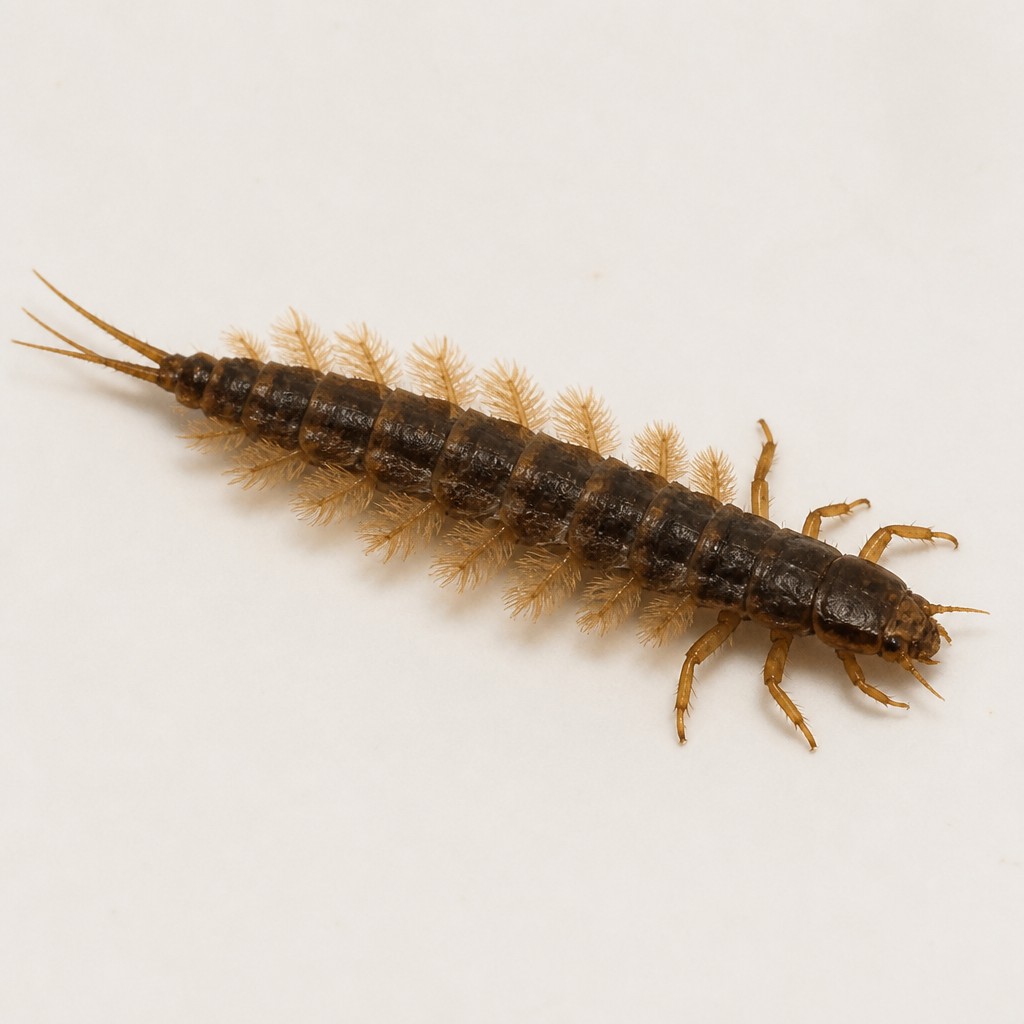
Alderfly Larva
Fringed with feathery gill filaments along its sides, the alderfly larva crawls through soft pond and stream sediments hunting smaller invertebrates before eventually leaving the water entirely to pupate on land.
aquatic-insect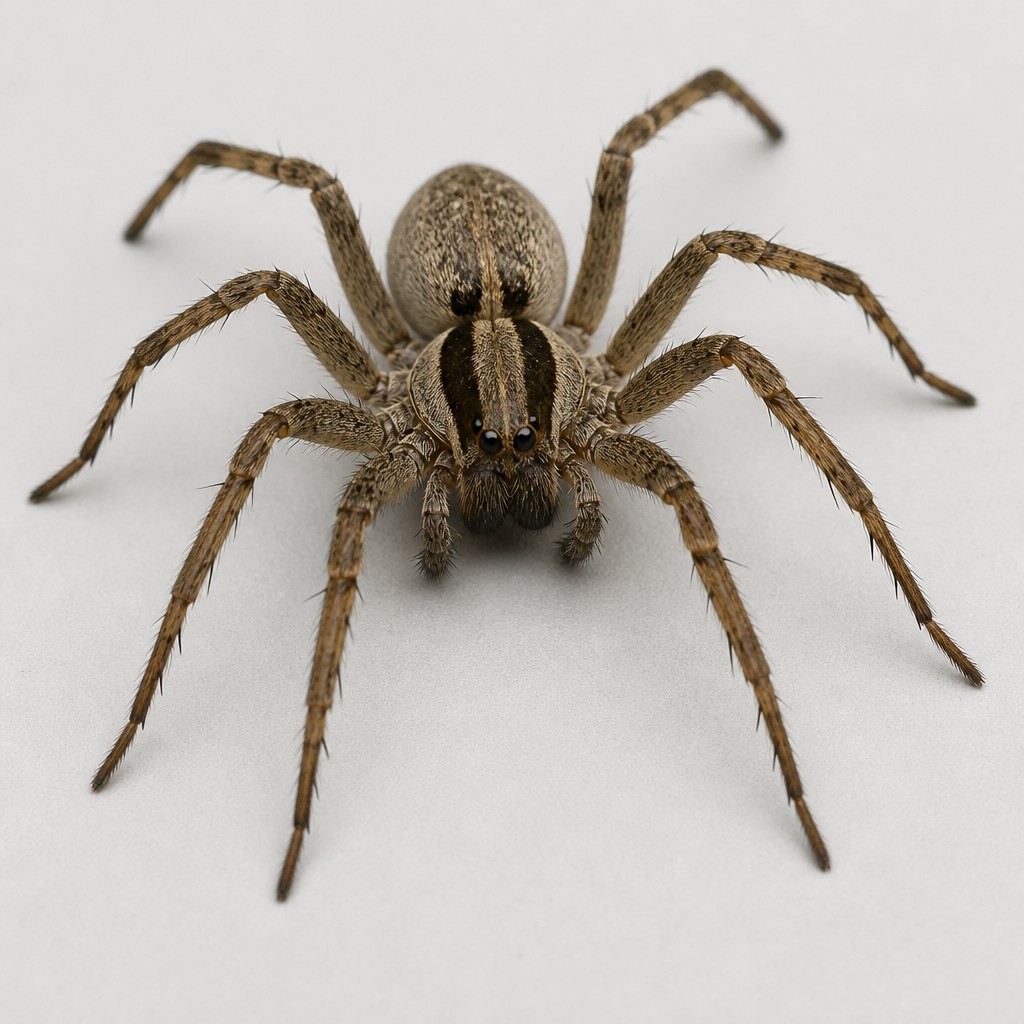
Funnel Weaver Spider
Nearly invisible until dew or morning frost outlines it in silver, the funnel weaver's sheet-and-tunnel web is a familiar sight across lawns and gardens, with its owner watching from the safety of a silken tube.
spider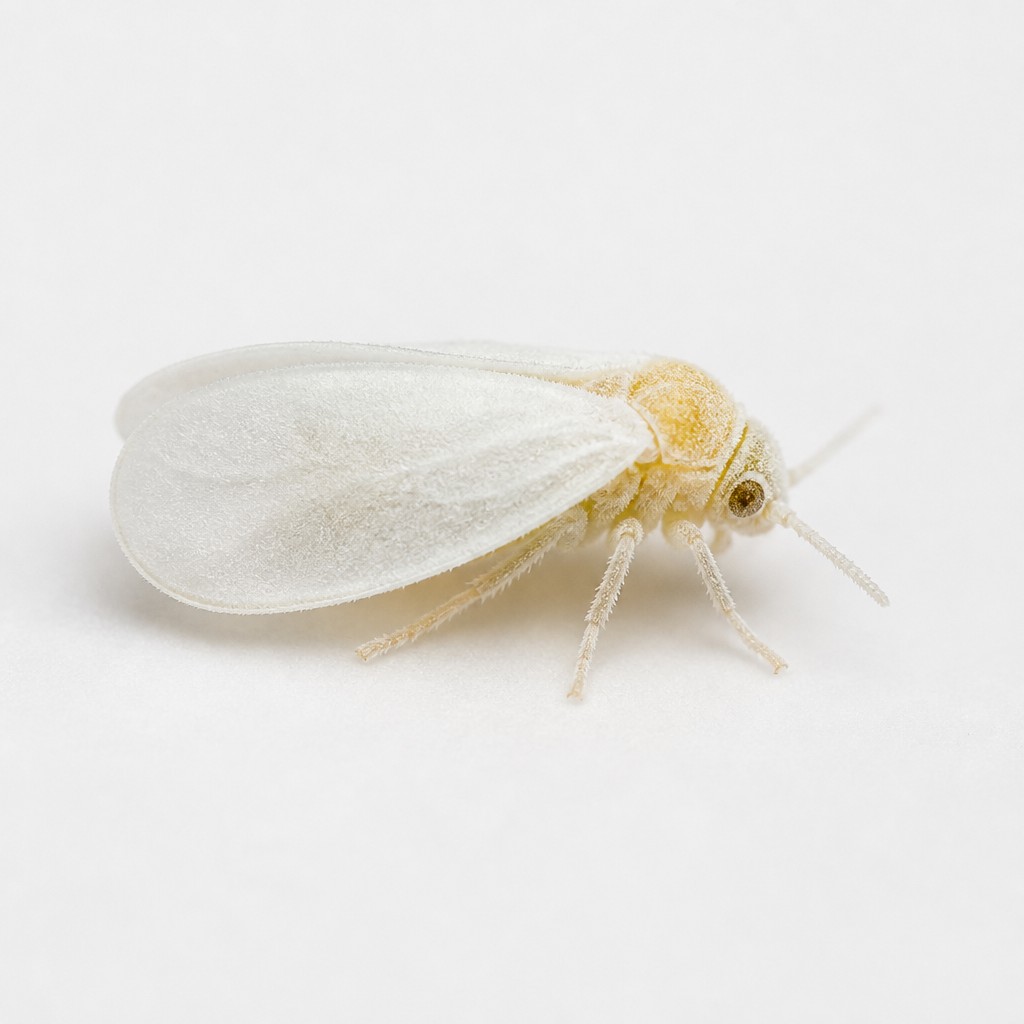
Whitefly
A tiny, moth-like white insect that clusters on the undersides of leaves and bursts into a snowy cloud when the plant is disturbed. Despite the name, it is not a true fly but a sap-feeding relative of aphids and scale insects.
true-bug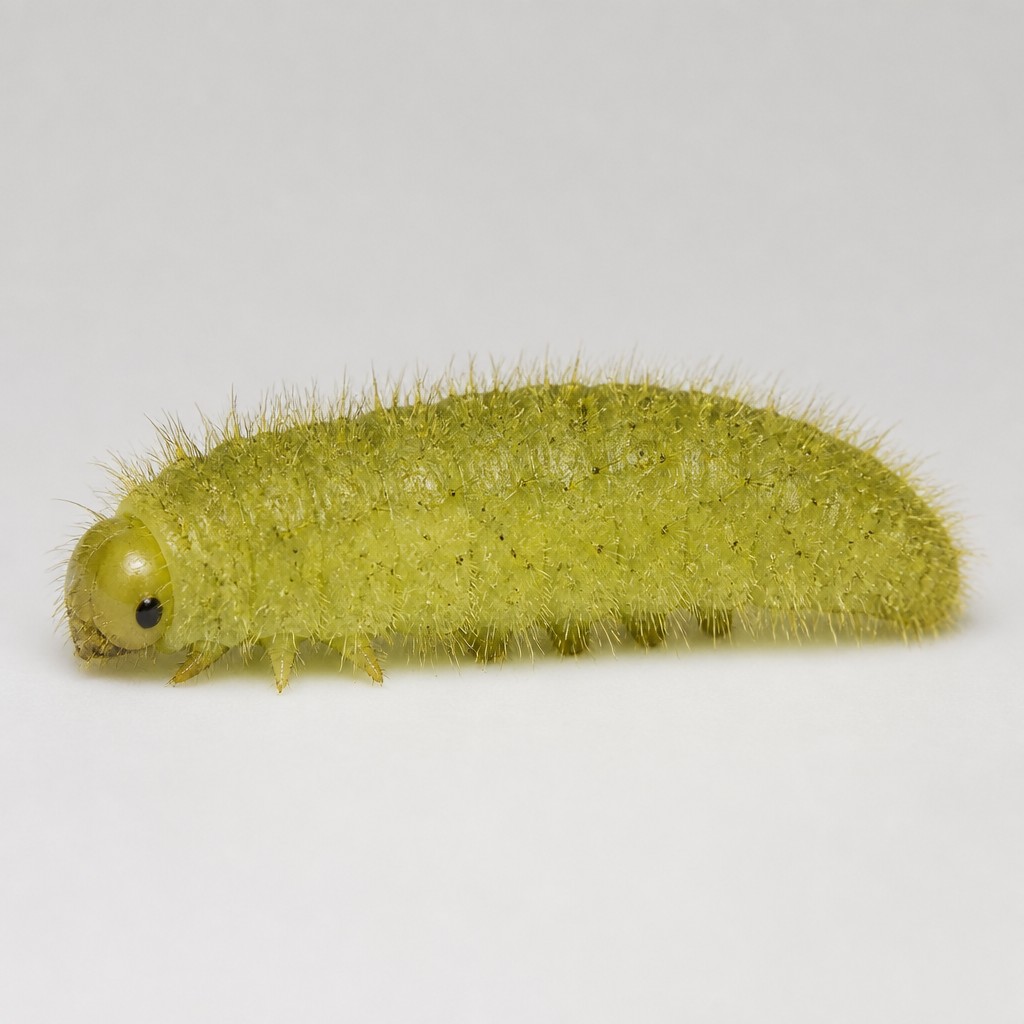
Bristly Rose Slug
Despite its caterpillar-like, slug-shaped body covered in fine bristles, this pale green larva is actually the offspring of a small sawfly and feeds on rose leaves by skeletonizing them from the underside.
caterpillar-larva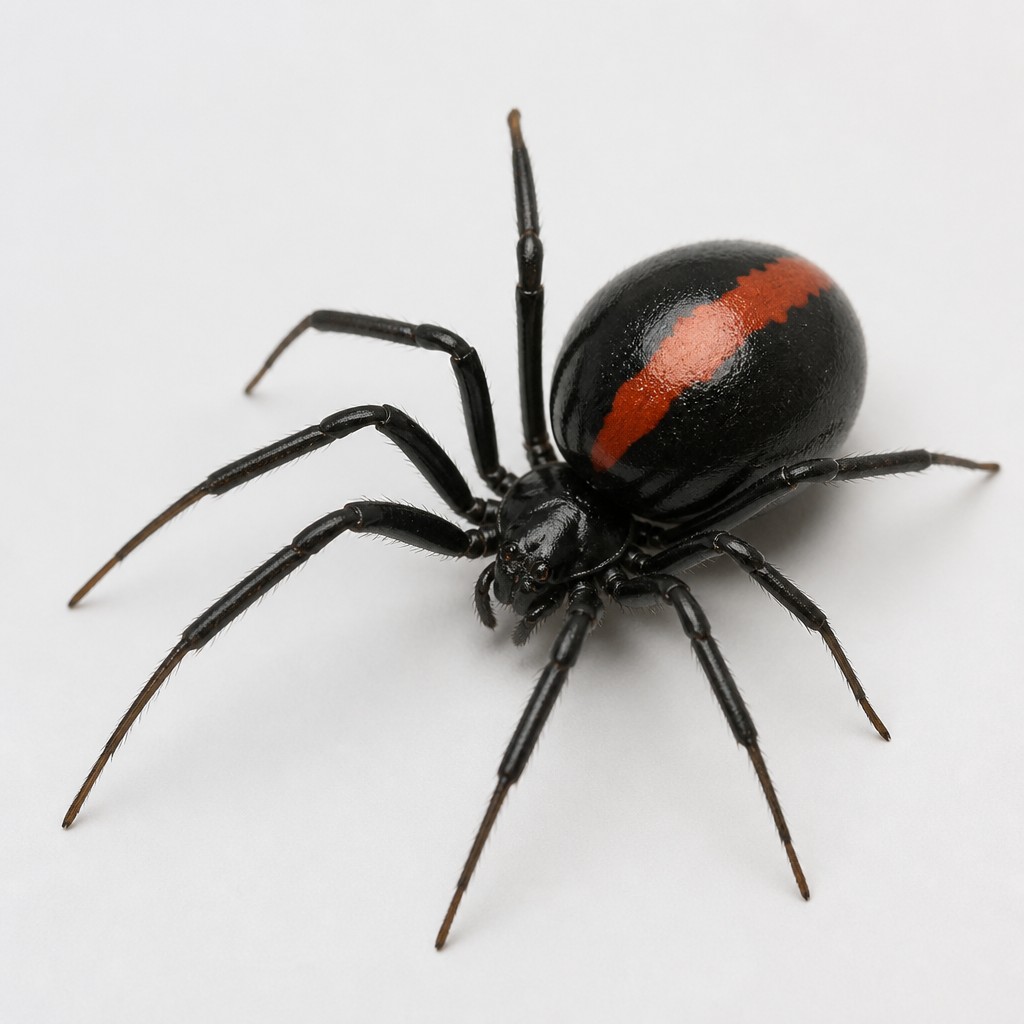
Redback Spider
A glossy black spider marked with a single bold red stripe down its back, the redback spider is one of Australia's most recognizable cobweb spiders, most often found tucked into dry, sheltered corners around homes and gardens.
spider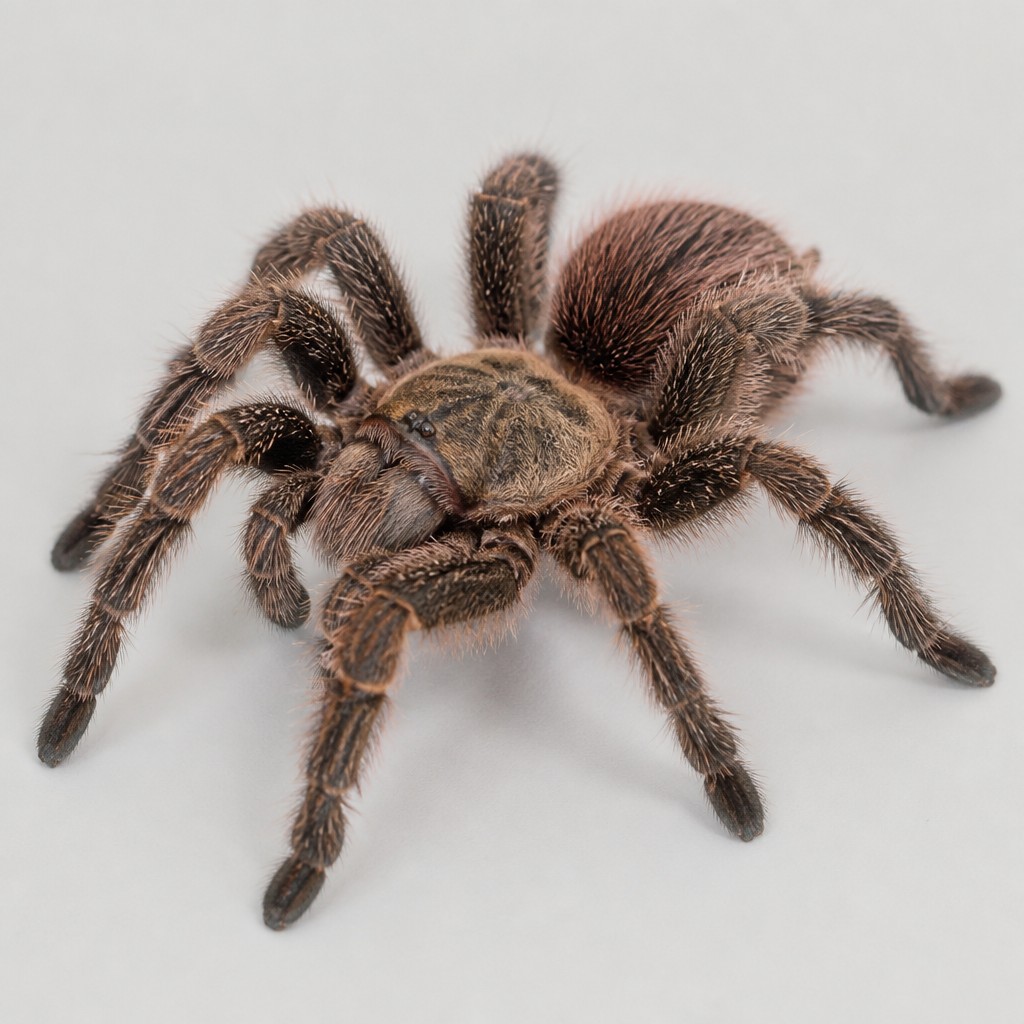
Rose Hair Tarantula
A calm, ground-dwelling tarantula from the deserts of Chile, the rose hair is named for the pinkish sheen its bristly hairs can take on in certain light, and is known for its slow, deliberate movements and generally placid temperament.
spider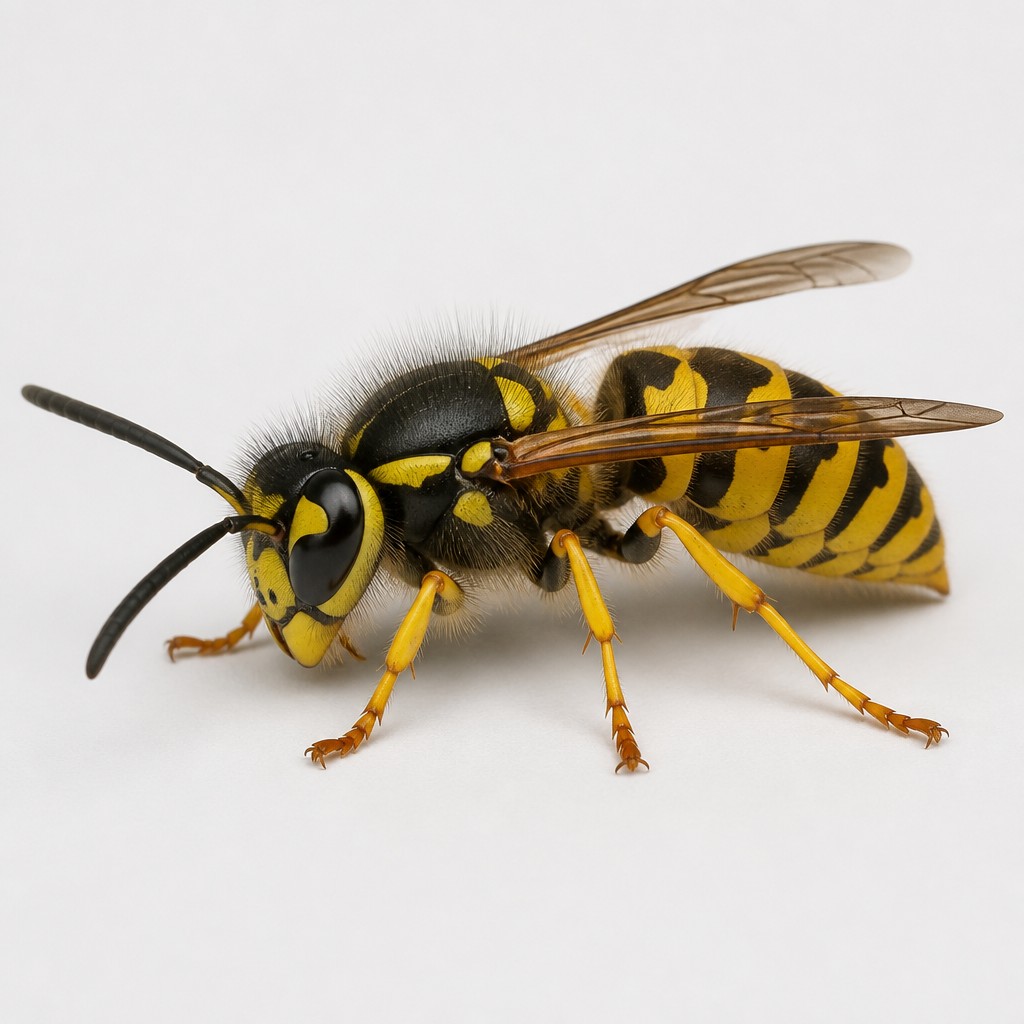
German Yellowjacket
A black-and-yellow social wasp closely resembling the common wasp, distinguished by three black facial dots, that builds large paper nests in wall voids and roof cavities and is widespread in both its native and introduced ranges.
wasp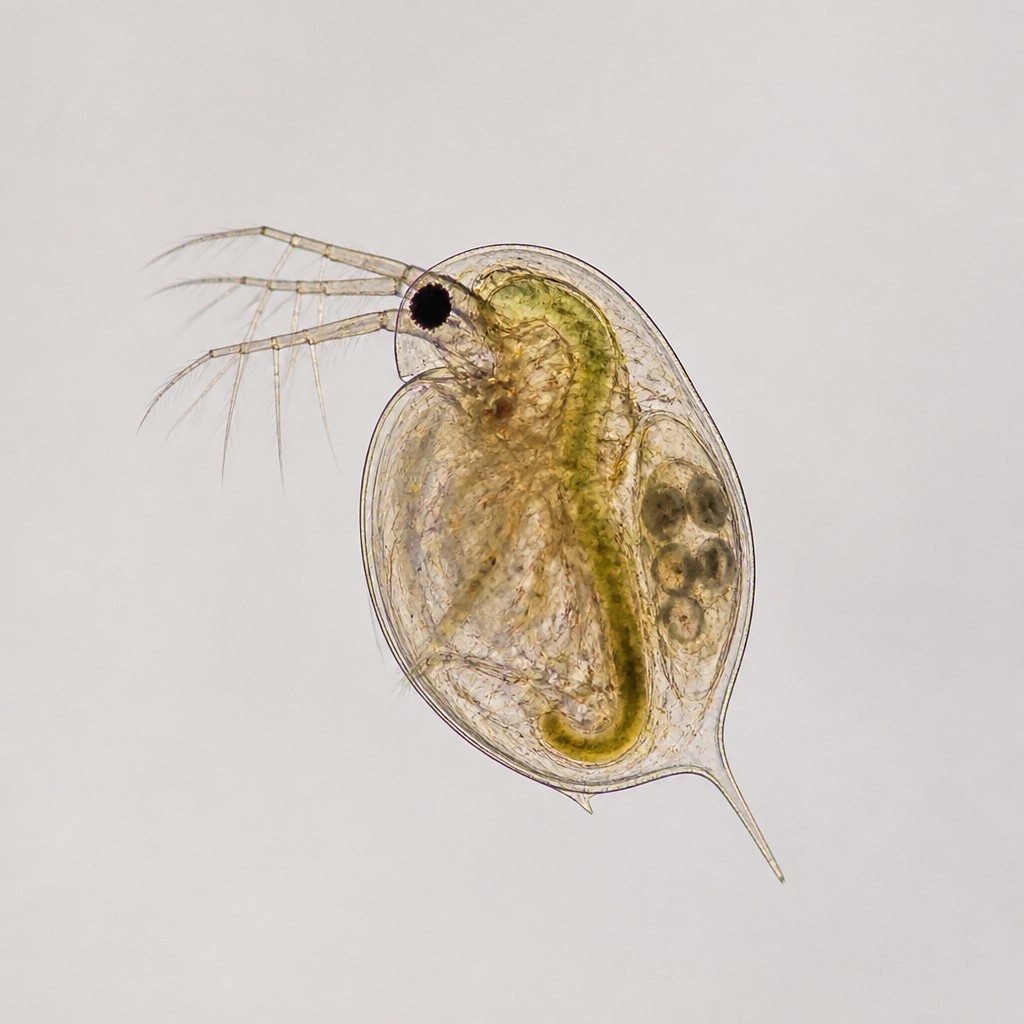
Water Flea
Despite the name, the water flea is not an insect at all but a tiny, jerky-swimming crustacean whose transparent body and single dark eye make it one of the most recognizable members of freshwater plankton.
other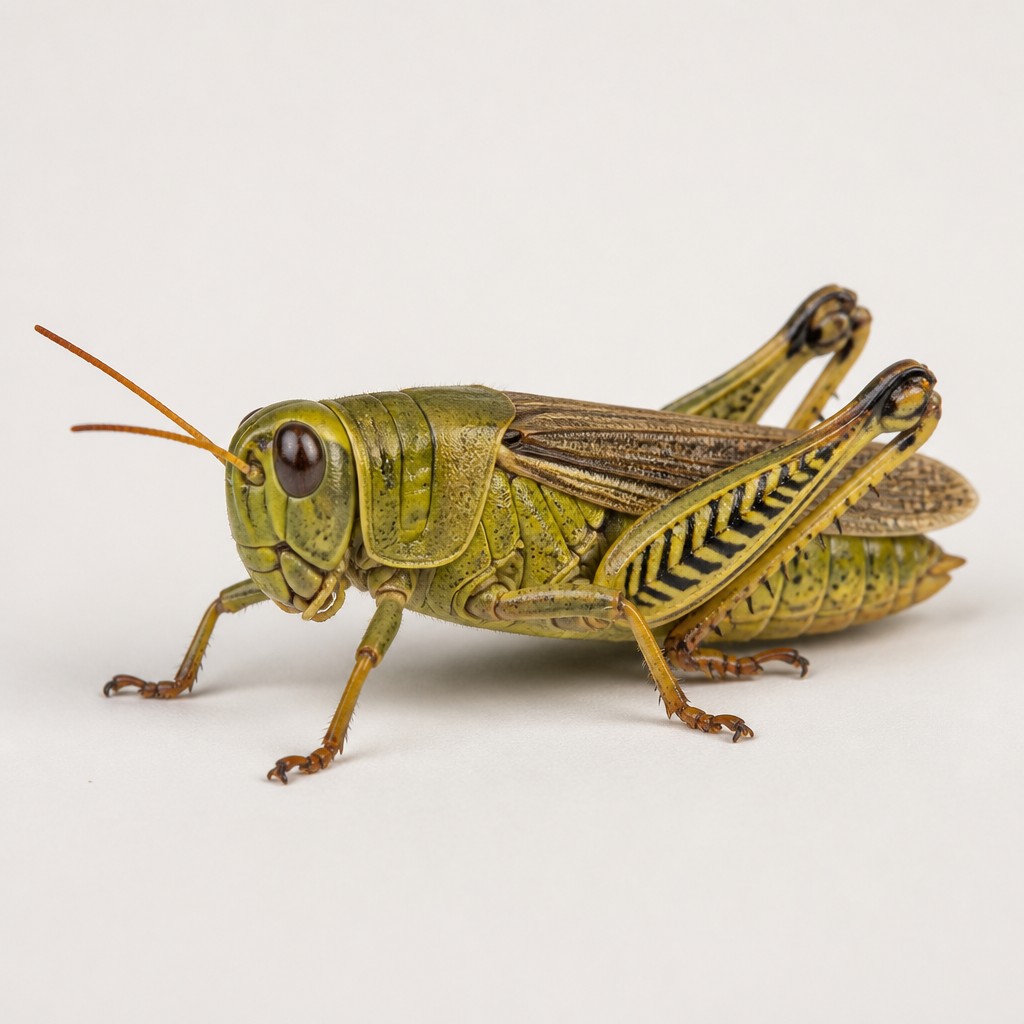
Differential Grasshopper
A large, robust grasshopper with a bold black herringbone pattern etched along its swollen hind legs, the differential grasshopper is one of the biggest and most recognizable pest grasshoppers in North America.
grasshopper-cricket