
Bug Encyclopedia
Search and identify bugs & insects — beetles, butterflies, moths, ants, bees, spiders and more — with size, habitat, danger, behavior, and how to tell them apart.
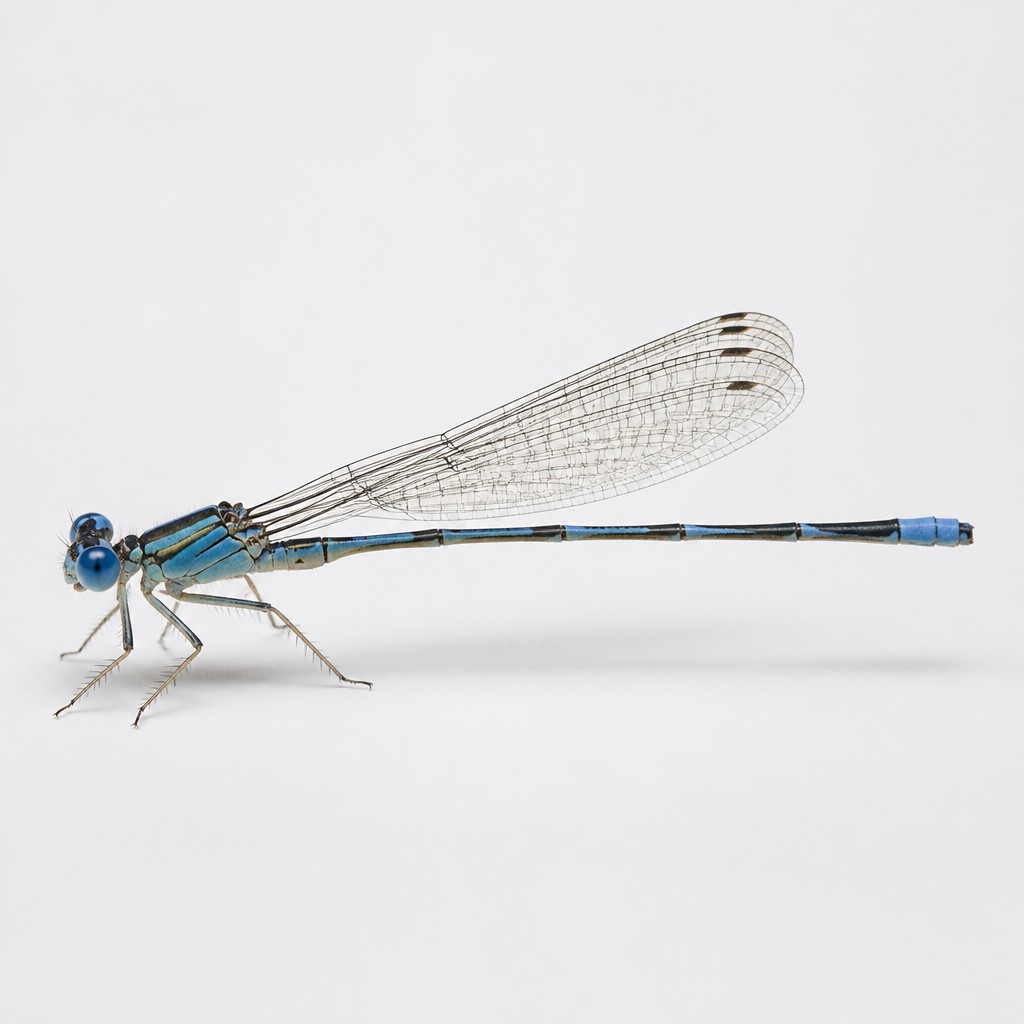
Damselfly
A slender, delicate relative of the dragonfly with widely spaced eyes and slim wings that fold together over its back at rest, often seen fluttering weakly among reeds and grasses at the water's edge.
dragonfly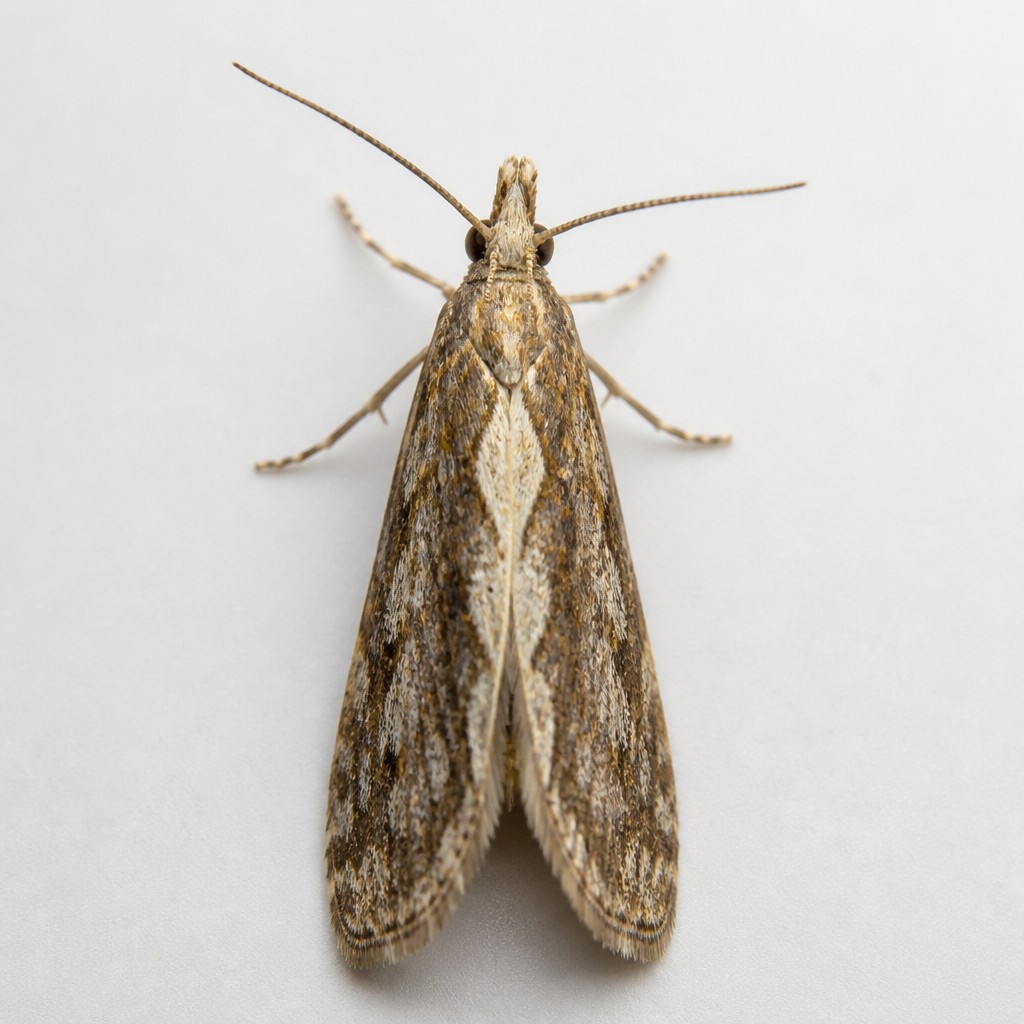
Diamondback Moth
A small, slender grey-brown moth named for the pale, diamond-shaped pattern that appears down its back when the wings are folded, best known as a widespread pest of cabbage and other brassica crops.
moth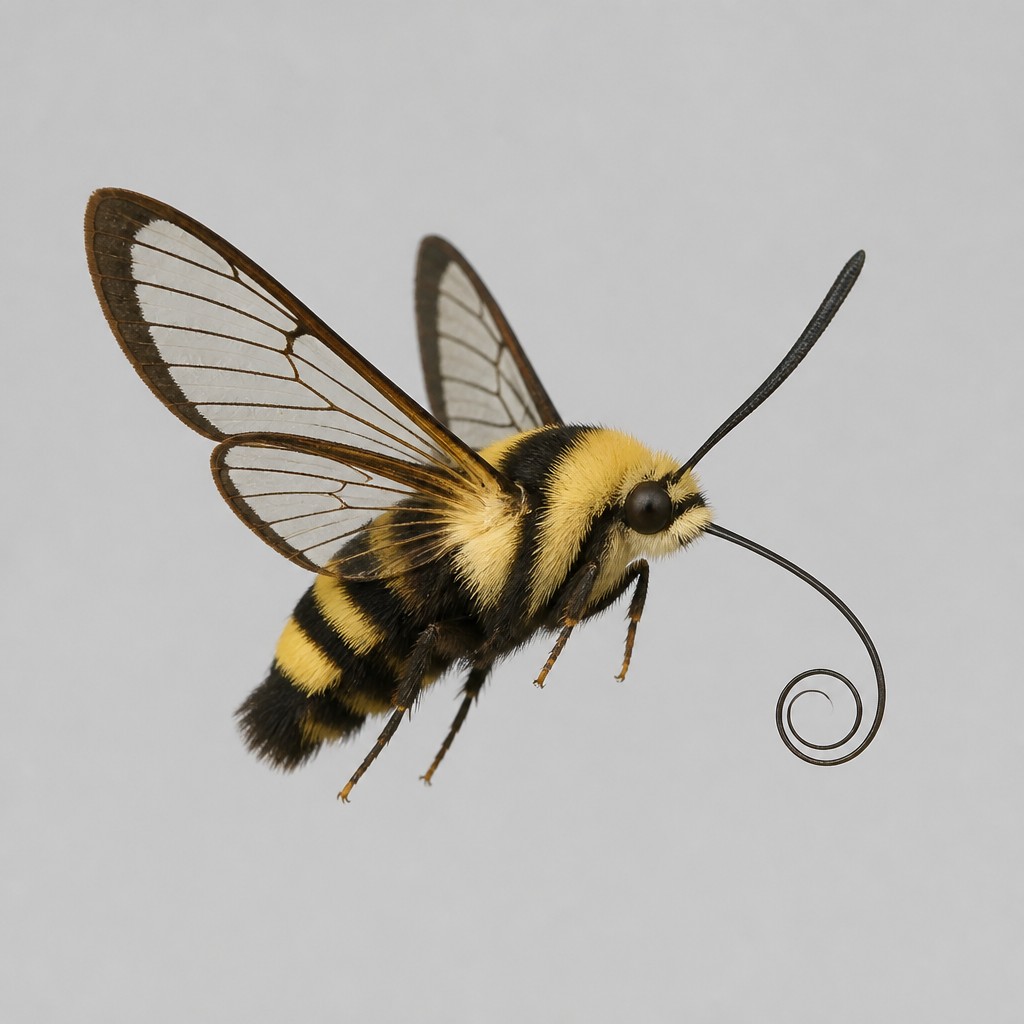
Snowberry Clearwing Moth
A day-flying sphinx moth with black-and-yellow banding and mostly transparent wings that closely mimics a bumblebee, hovering at flowers to feed through a long uncoiled proboscis.
moth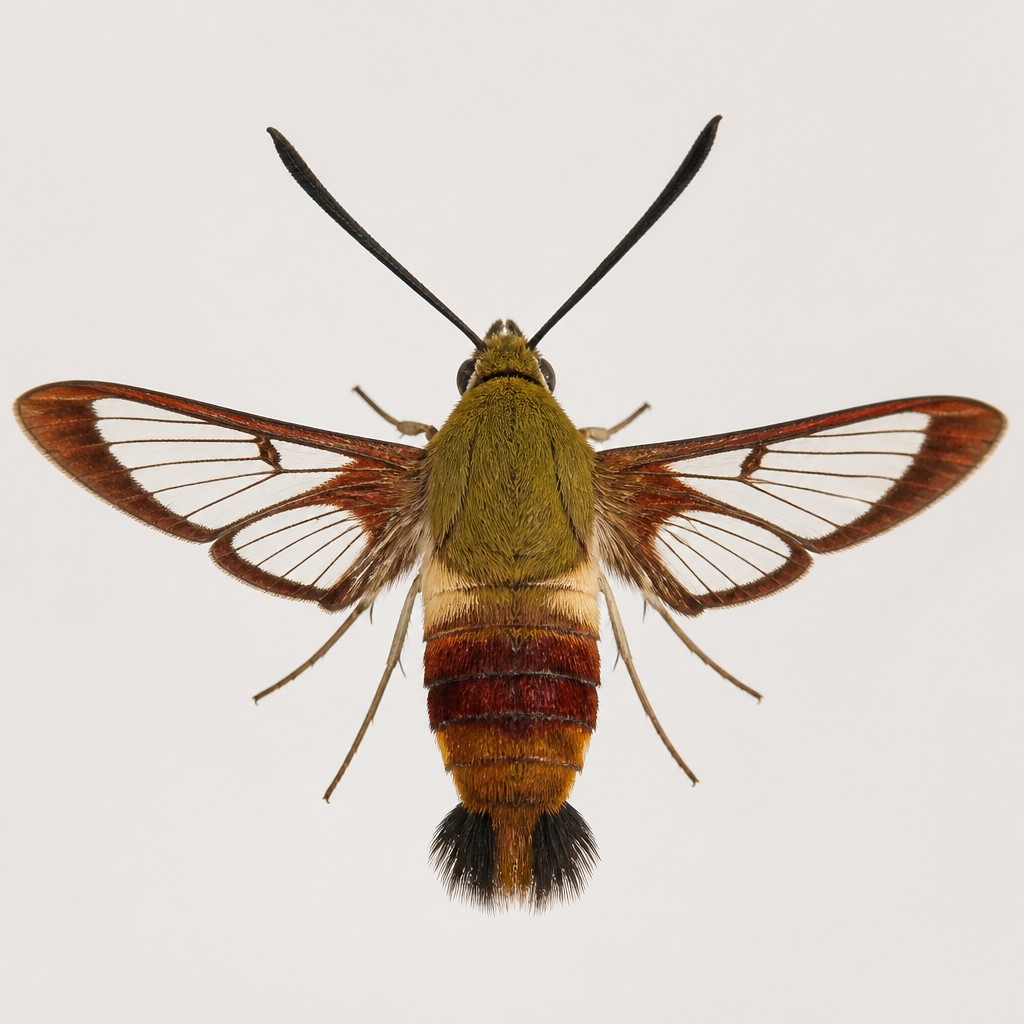
Hummingbird Clearwing Moth
A robust, olive-and-burgundy day-flying moth with mostly transparent wings that hovers at flowers exactly like a tiny hummingbird, unspooling a long proboscis to sip nectar.
moth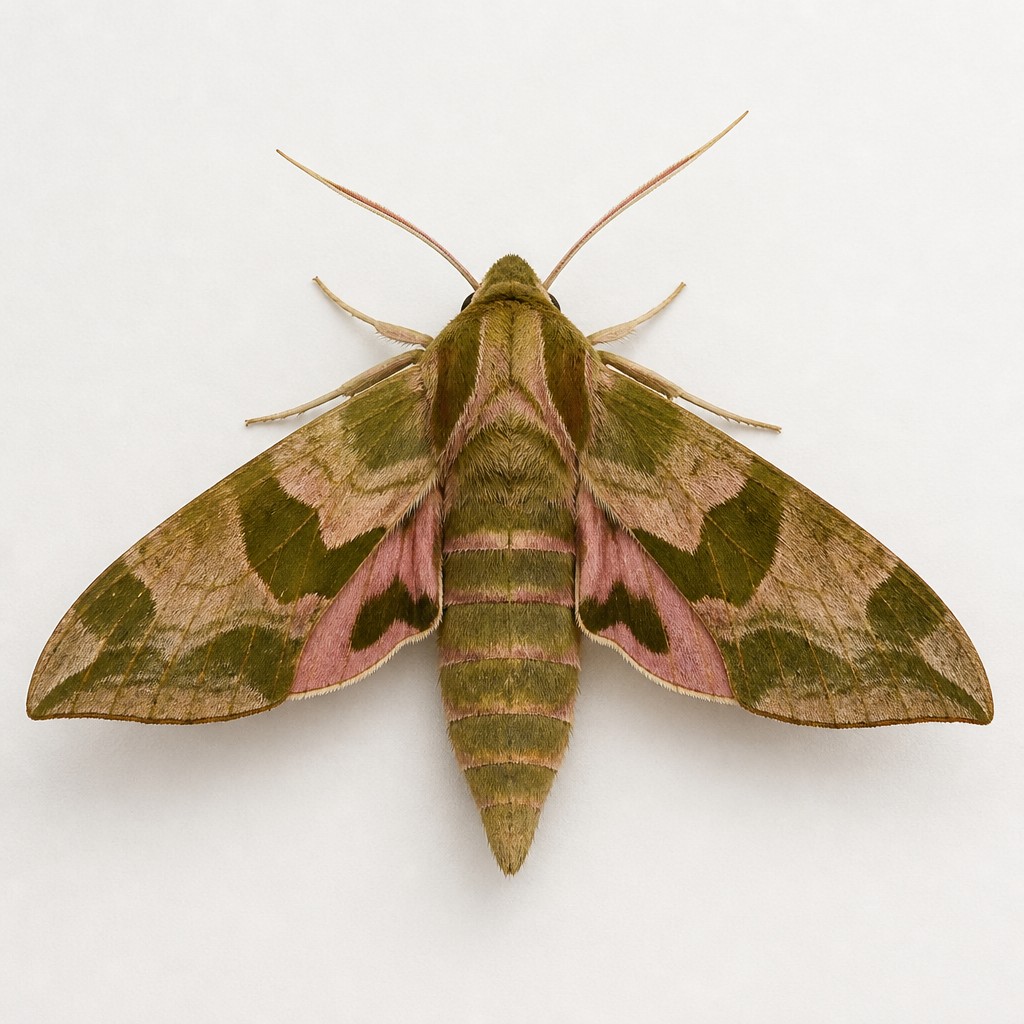
Pandora Sphinx Moth
A large, richly mottled sphinx moth in shades of olive-green and dusky pink, with a streamlined body and angular wing markings that provide excellent camouflage against bark and foliage.
moth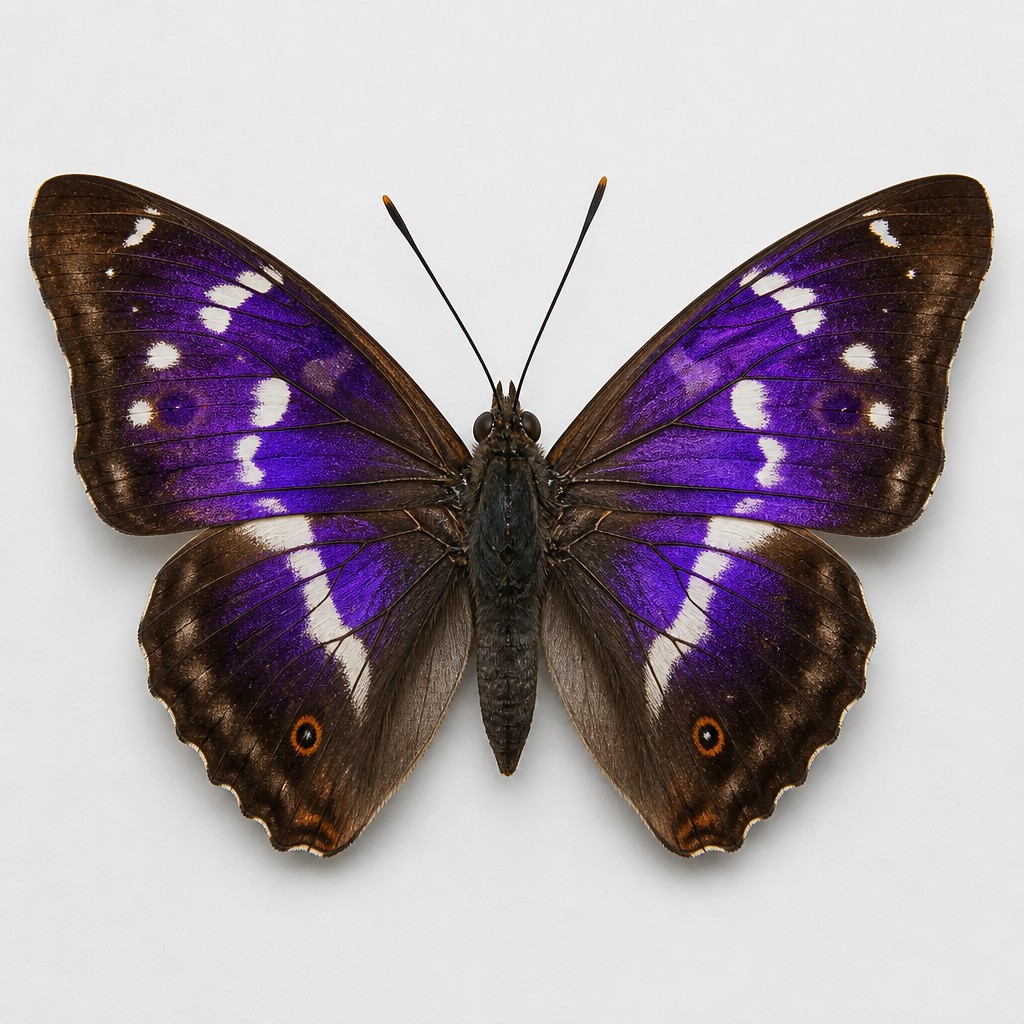
Purple Emperor
A large, elusive woodland butterfly whose males flash an iridescent purple sheen in sunlight, spending most of their time high in the treetop canopy rather than visiting flowers.
butterfly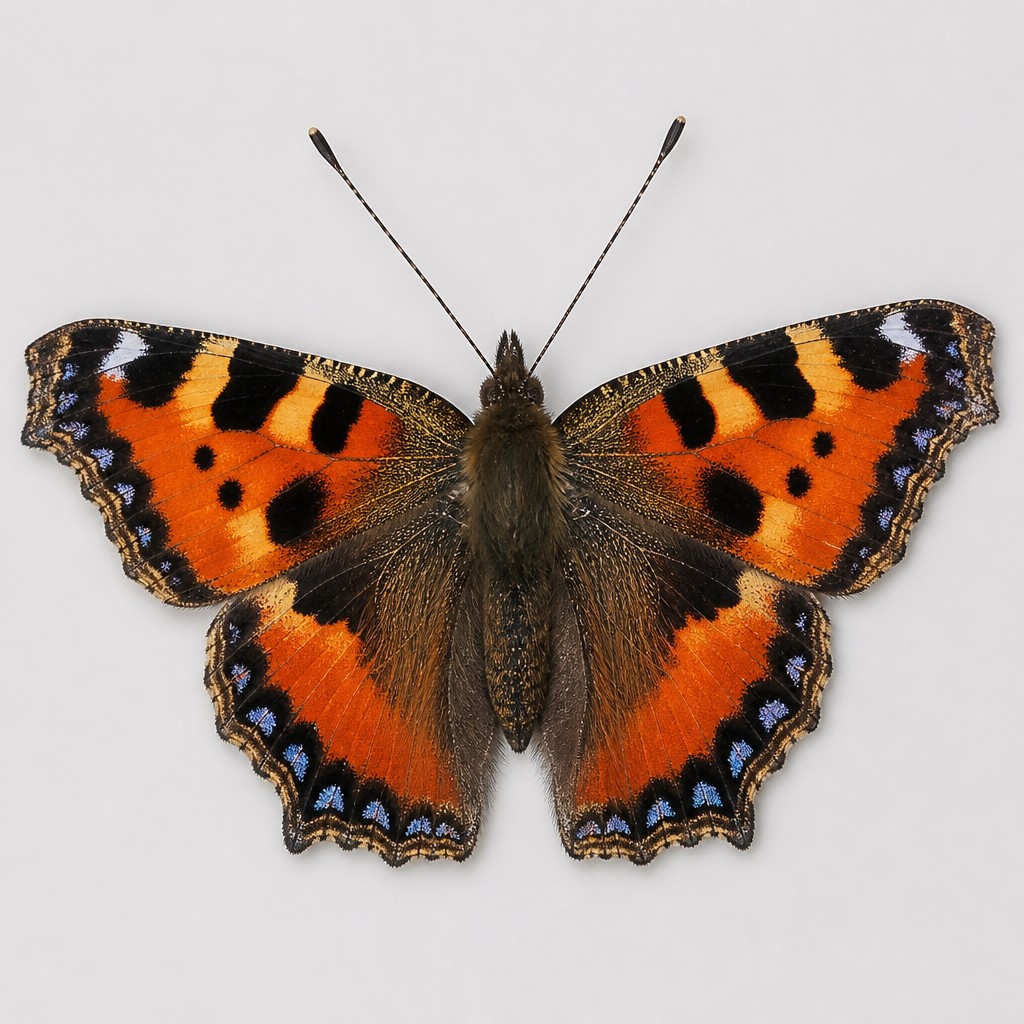
Small Tortoiseshell
A vivid orange-red European garden butterfly patterned with black and yellow blocks and a border of blue crescents, one of the most familiar and widely recognized butterflies across its range.
butterfly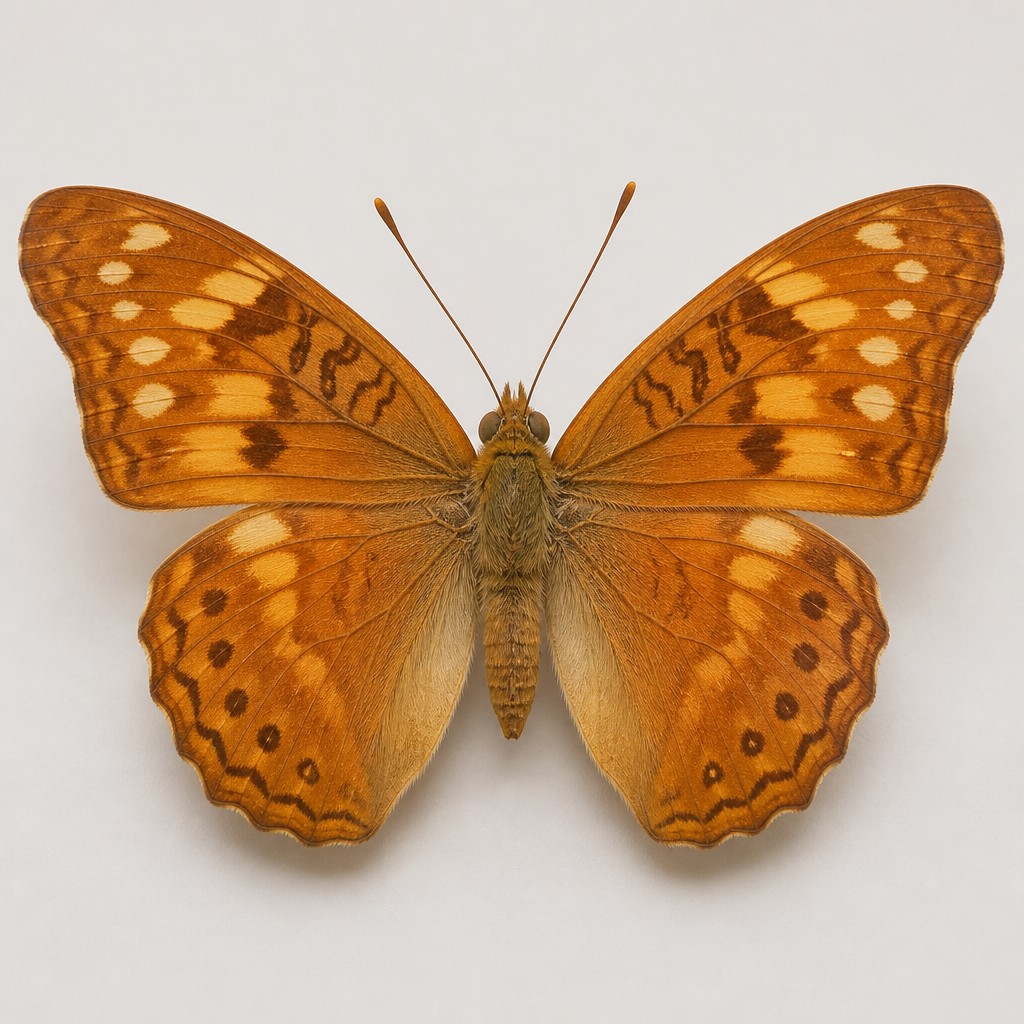
Tawny Emperor
A warm orange-brown woodland butterfly, close relative of the Hackberry Emperor, best distinguished by its lack of a forewing eyespot and its habit of feeding on sap and dung rather than flowers.
butterfly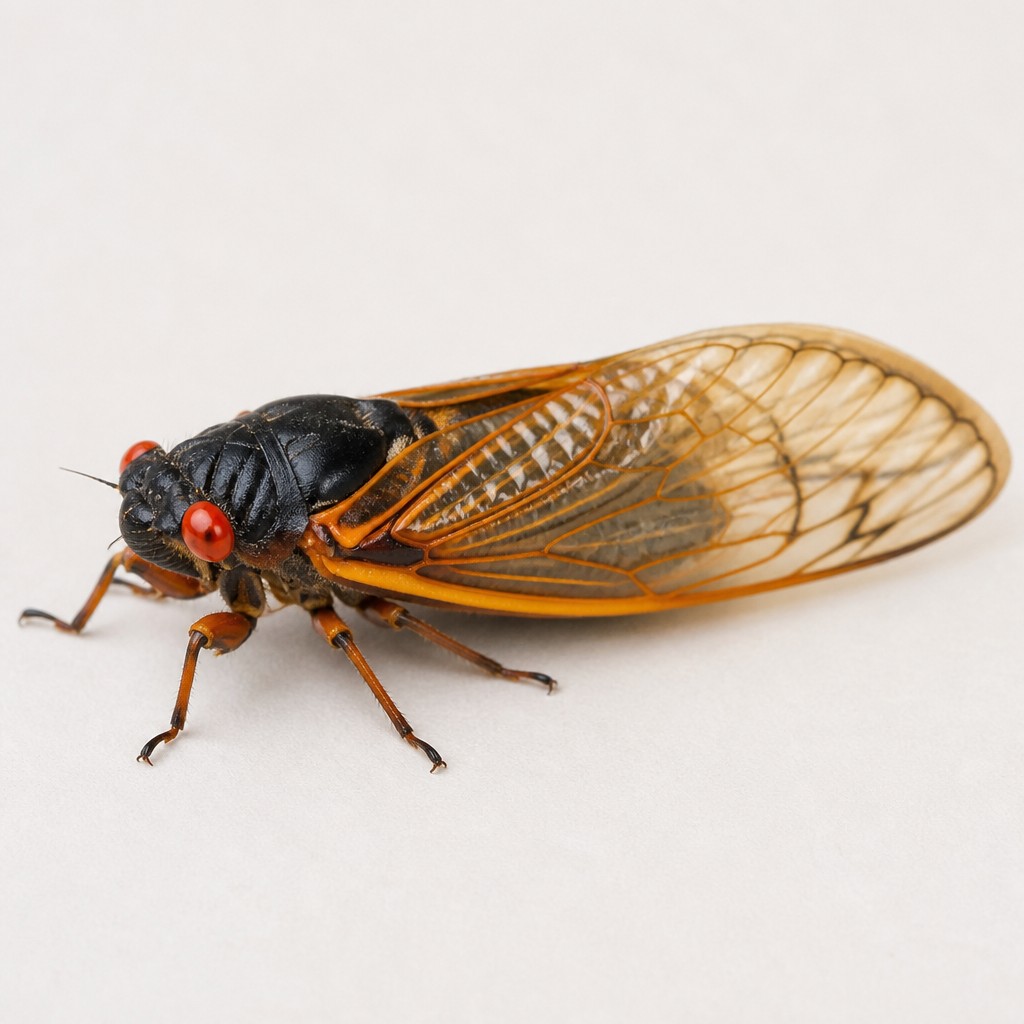
Periodical Cicada
A black-bodied cicada with striking red eyes and orange-veined wings, famous for emerging in massive, synchronized broods after spending 13 or 17 years developing underground.
true-bug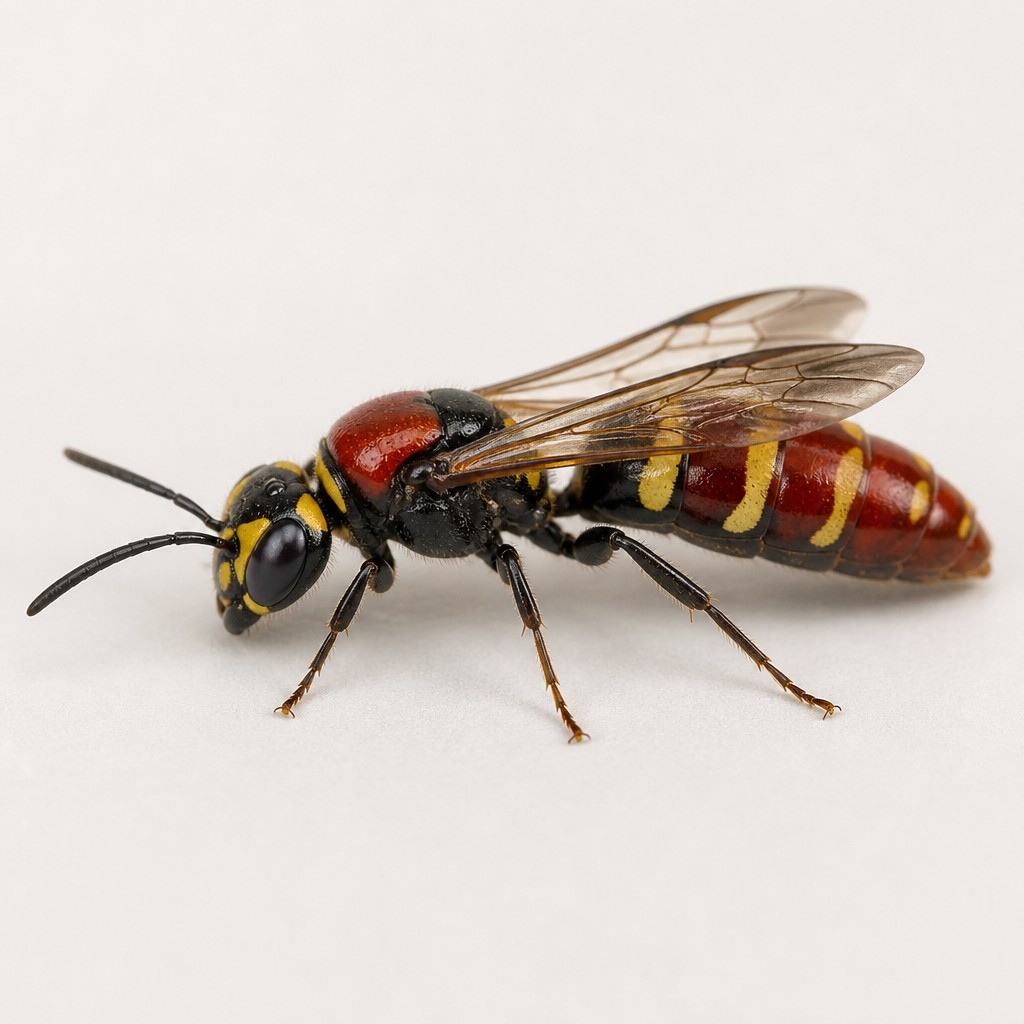
Cuckoo Bee
A slender, wasp-like bee that lacks pollen-carrying hairs because it never gathers its own pollen, instead sneaking into the nests of other solitary bees to lay eggs that hatch and consume the host's food stores.
bee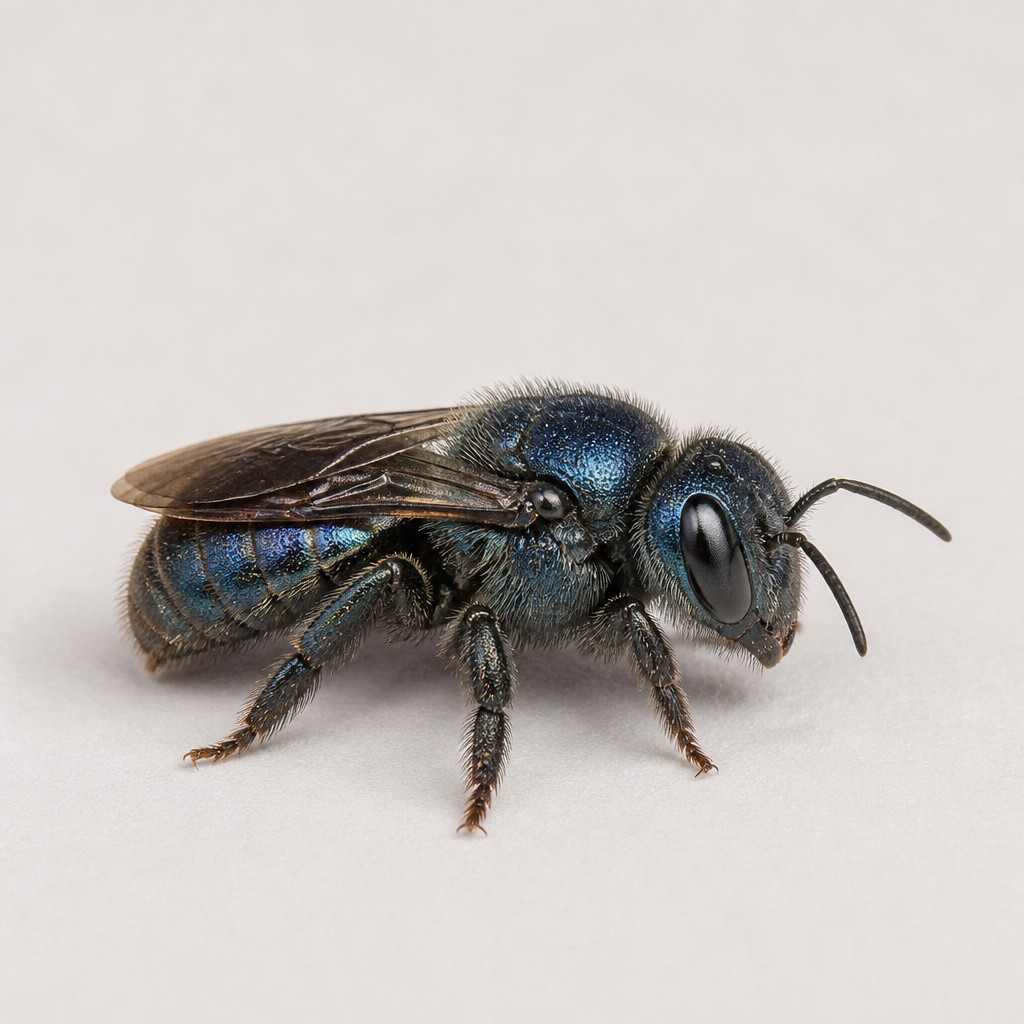
Blue Orchard Bee
A small, metallic blue-black solitary bee widely valued as an efficient early-spring pollinator of fruit trees, nesting in narrow tunnels and hollow stems rather than building hives.
bee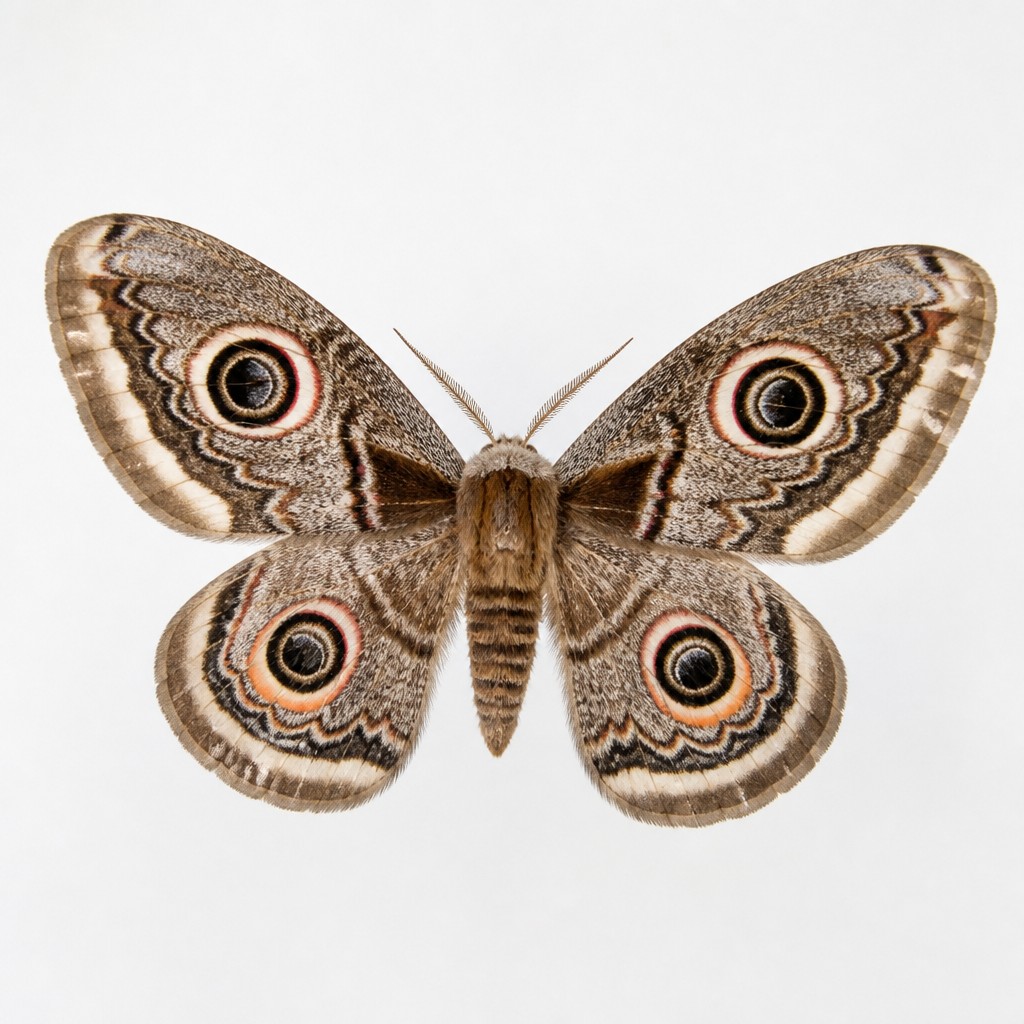
Small Emperor Moth
A striking day-flying moth with large eyespots on all four wings, gray-brown coloring in males and paler gray in the larger females, native to heathlands and open countryside across Europe.
moth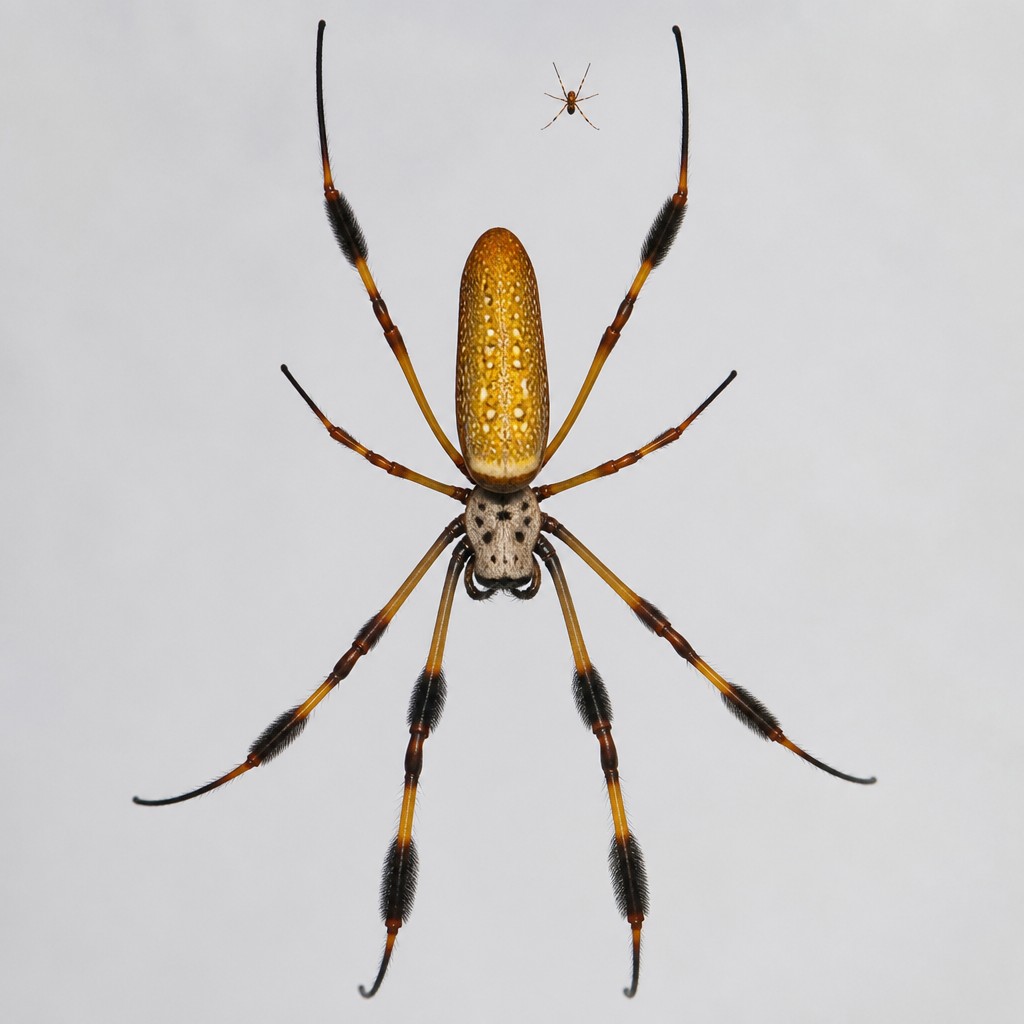
Golden Silk Orb-Weaver Spider
Famous for spinning enormous webs of shimmering golden silk, the golden silk orb-weaver is a large, long-legged spider of warm climates. Females dwarf the tiny males and hang head-down in their sprawling snares.
spider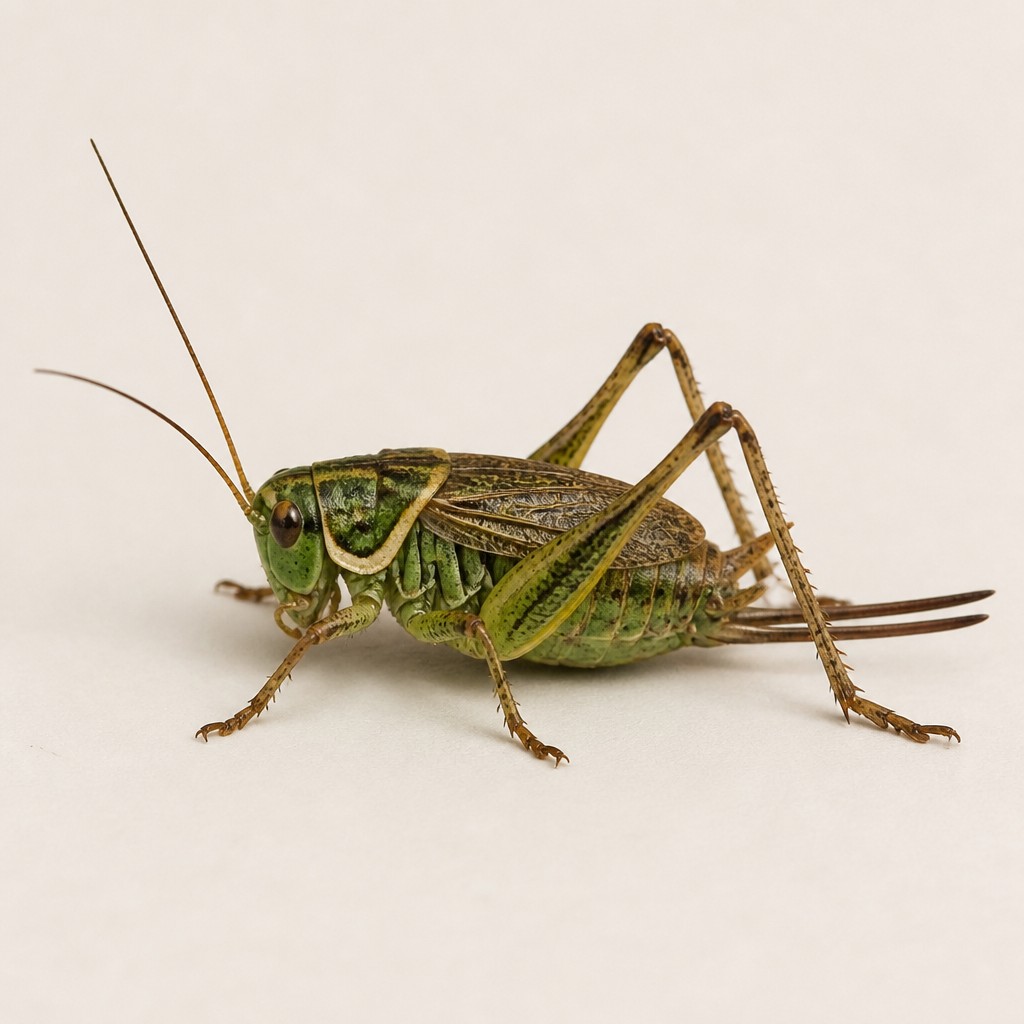
Roesel's Bush Cricket
Marked with a pale cream border along its thorax, this compact bush cricket produces a continuous, high-pitched, buzzing song reminiscent of an electrical hum from dense summer grass.
grasshopper-cricket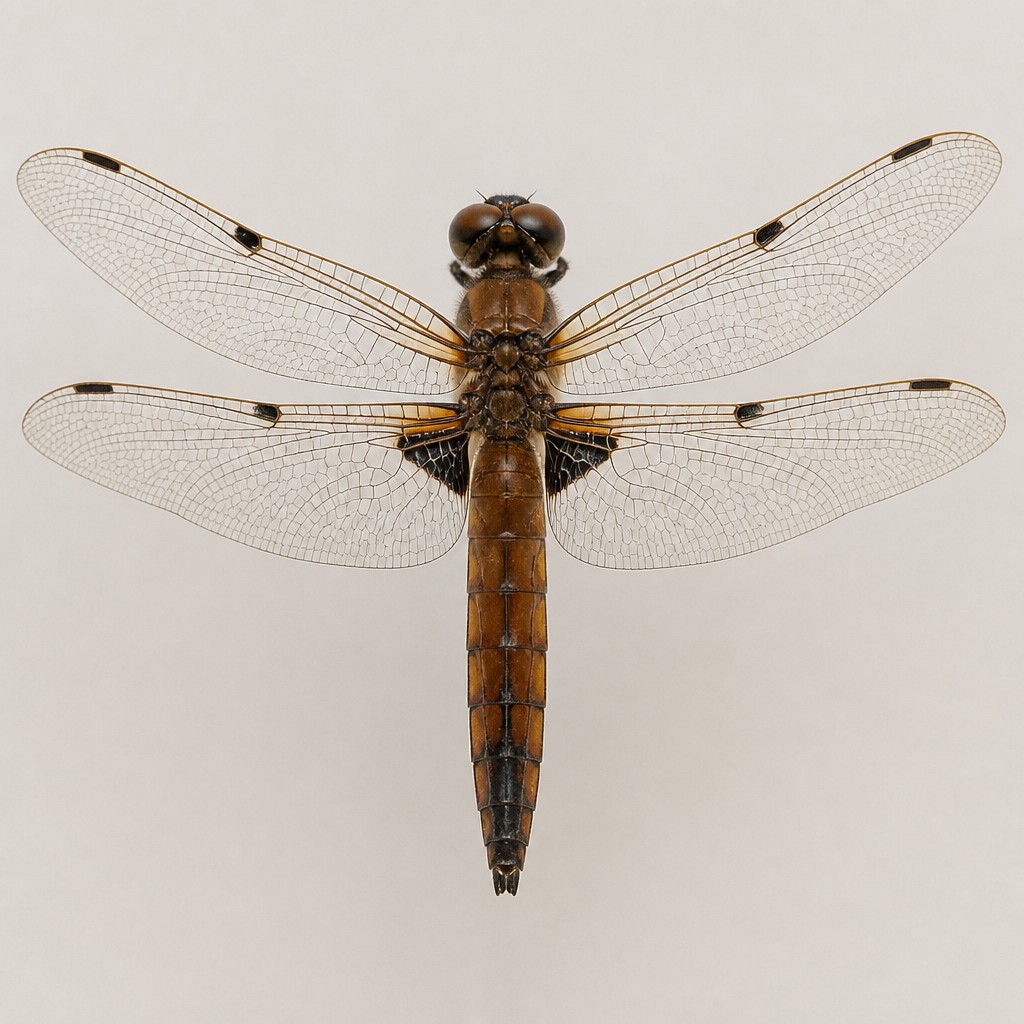
Four-spotted Skimmer
A brown, sturdily built dragonfly marked with a single dark spot on each wing, this holarctic species is famous for occasional mass emergences and long-distance swarming flights.
dragonfly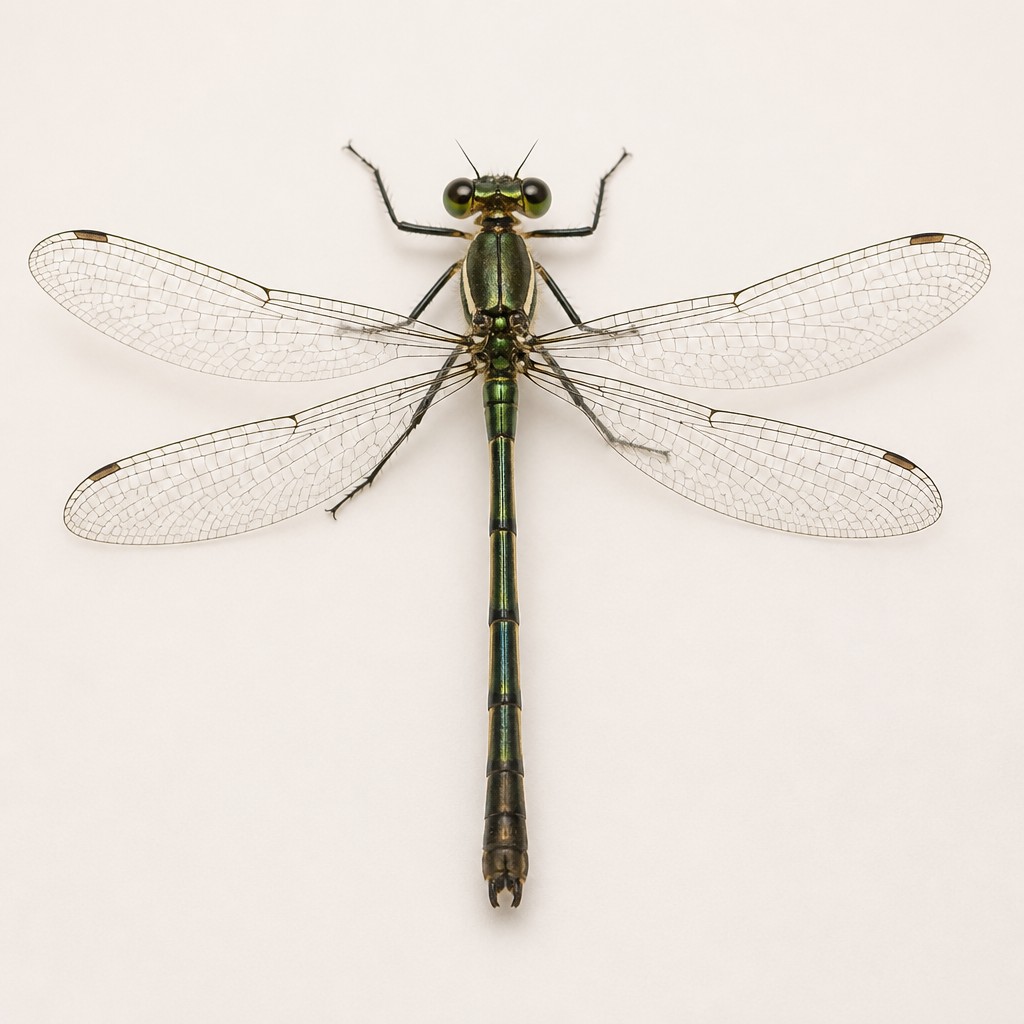
Emerald Spreadwing
A robust, metallic green damselfly of northern wetlands, the Emerald Spreadwing rests with its wings held open in the characteristic spreadwing posture and thrives in shallow, seasonal ponds.
dragonfly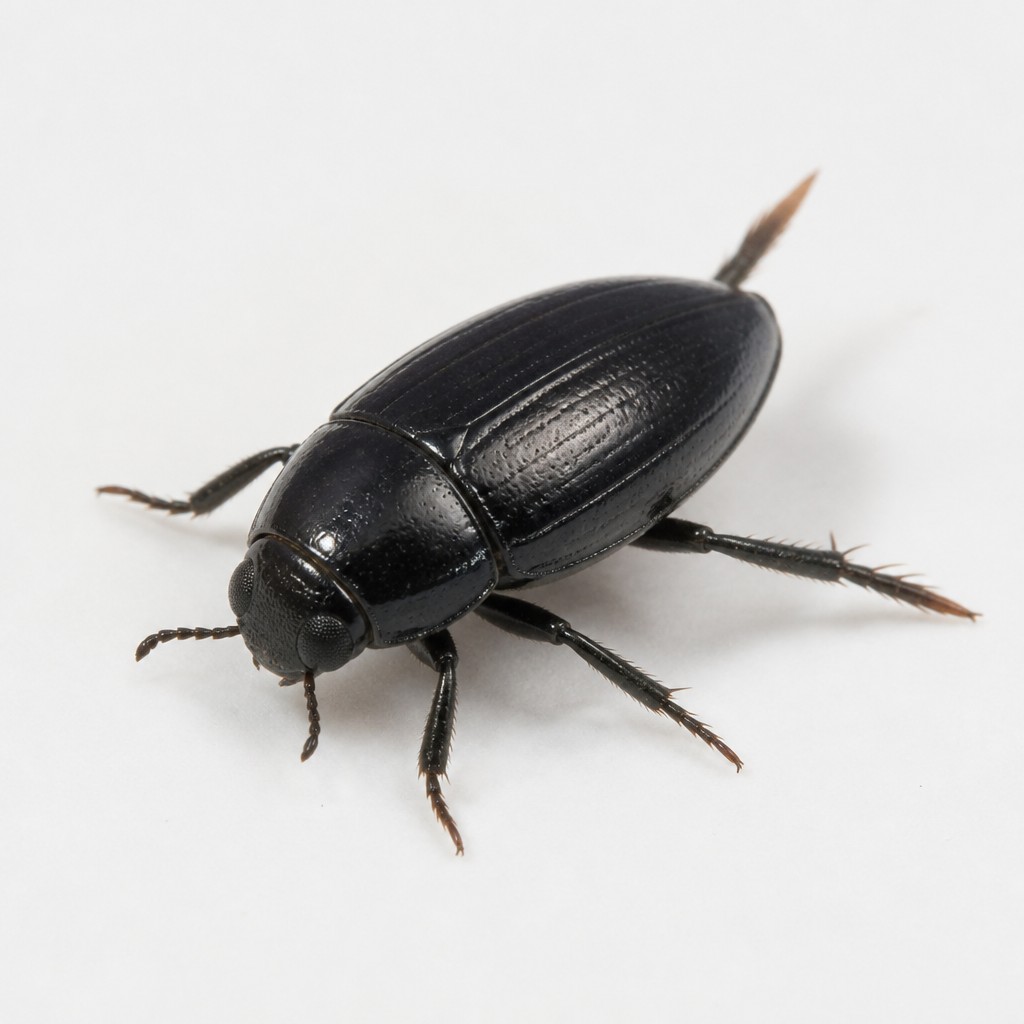
Whirligig Beetle
A small, glossy black beetle that spins and darts in rapid circles across the surface film of ponds, often gathered in loose groups, using divided eyes to see both above and below the water at once.
aquatic-insect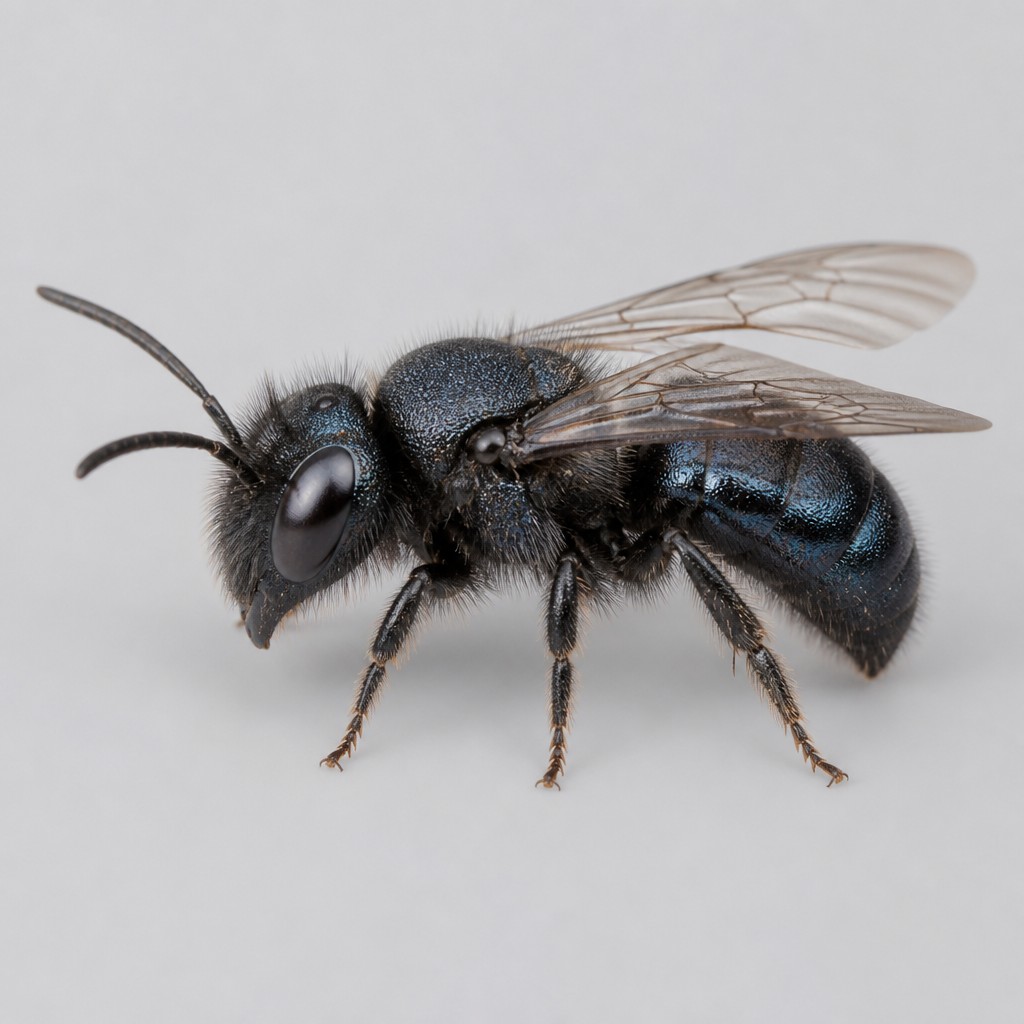
Mason Bee
A compact, metallic blue-black bee that nests in existing narrow cavities and seals its brood cells with mud, prized as one of the most efficient early-spring pollinators of fruit trees.
bee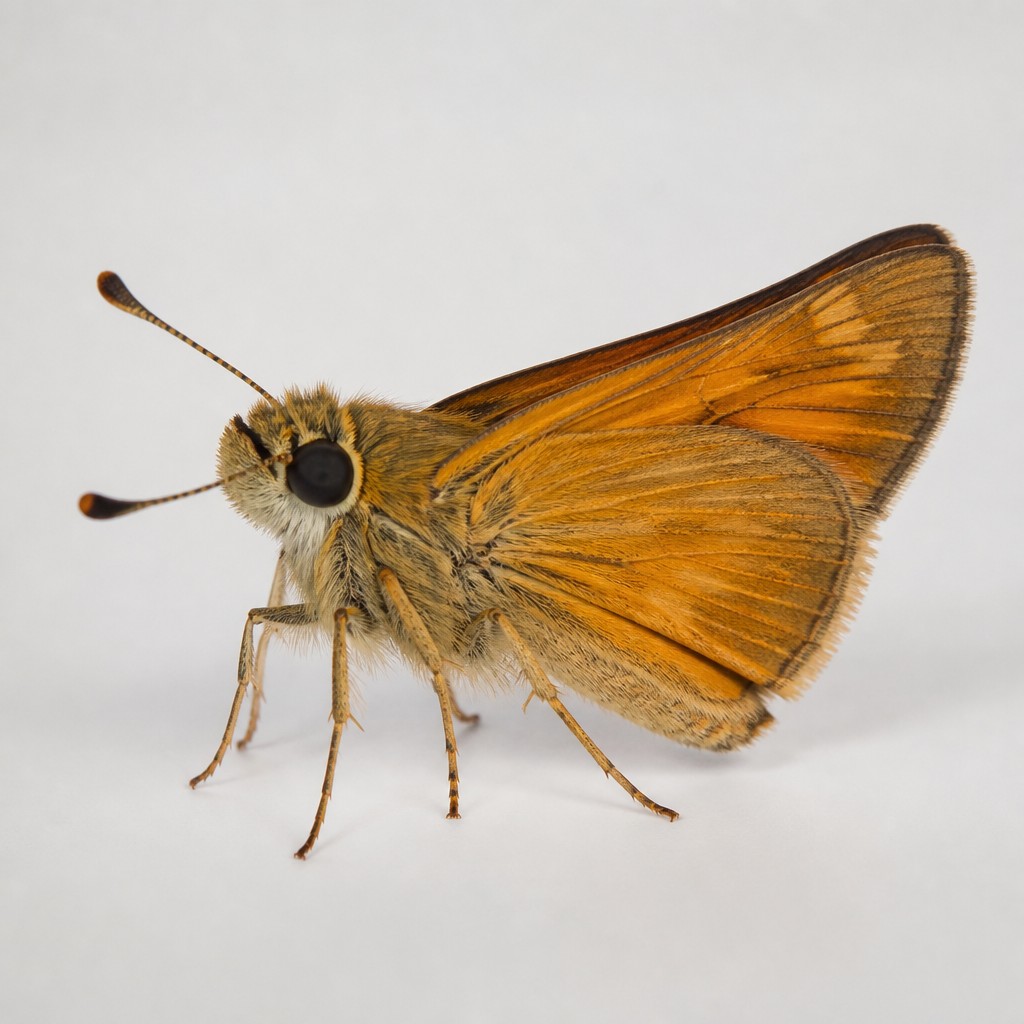
Skipper Butterfly
A stocky, fast-darting butterfly with a large head, hooked antennae tips, and thick furry body, intermediate in appearance between butterflies and moths, named for its quick, skipping flight.
butterfly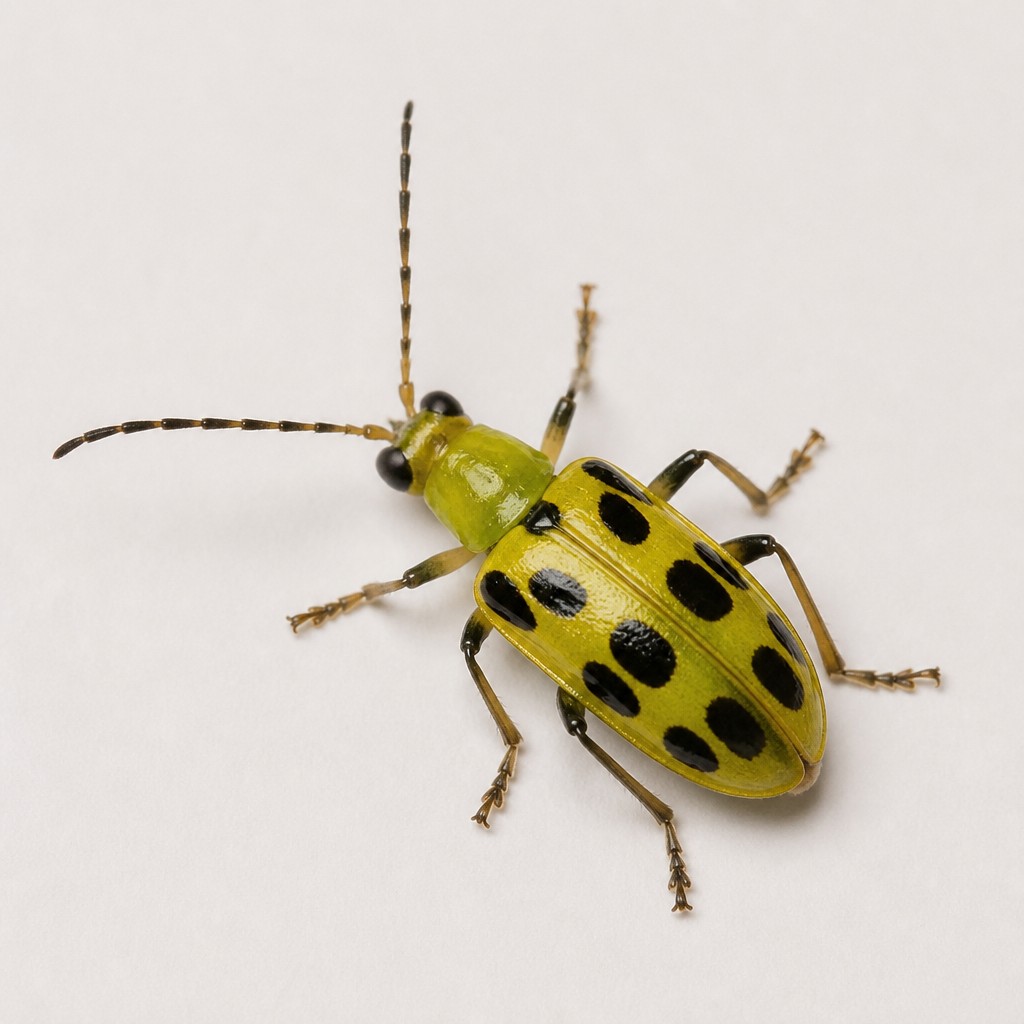
Cucumber Beetle
A small, brightly colored beetle patterned with black spots or stripes on a yellow-green background, commonly seen crawling on the flowers and leaves of cucumber and squash plants.
beetle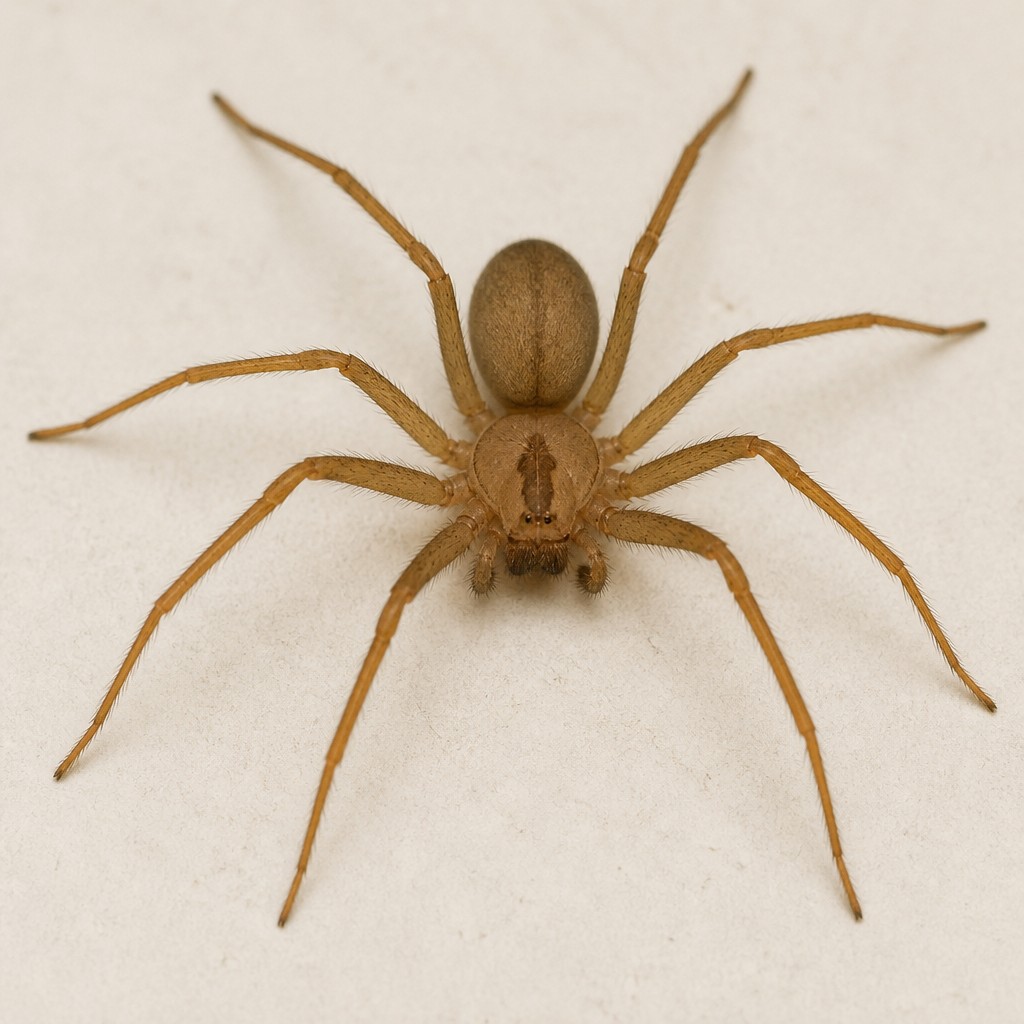
Brown Recluse Spider
A uniformly light-brown spider with a faint violin-shaped marking on its back and only six eyes instead of the usual eight, typically found hiding in dry, undisturbed indoor and outdoor spaces.
spider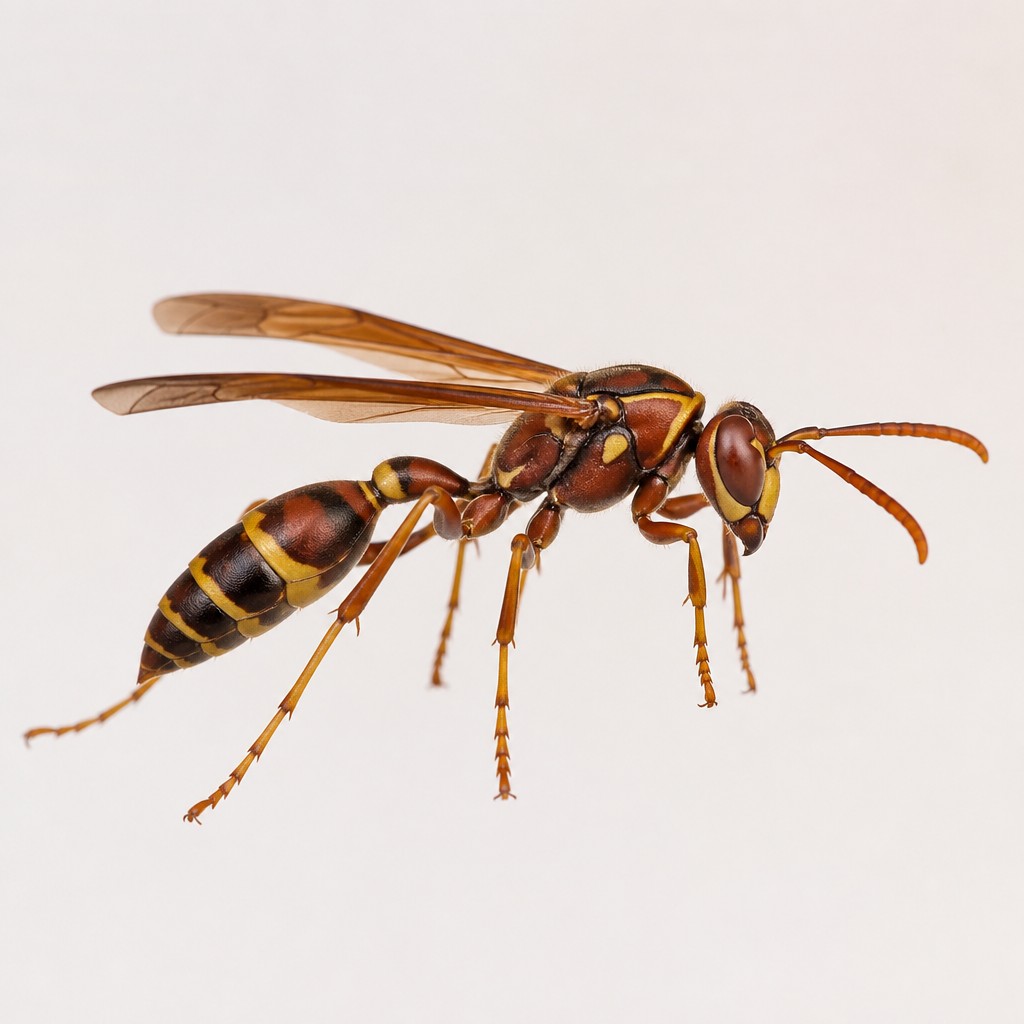
Paper Wasp
A slender, long-legged wasp with a narrow waist and reddish-brown to black coloring marked with yellow, recognized by its open, umbrella-shaped paper nest with visible hexagonal cells.
wasp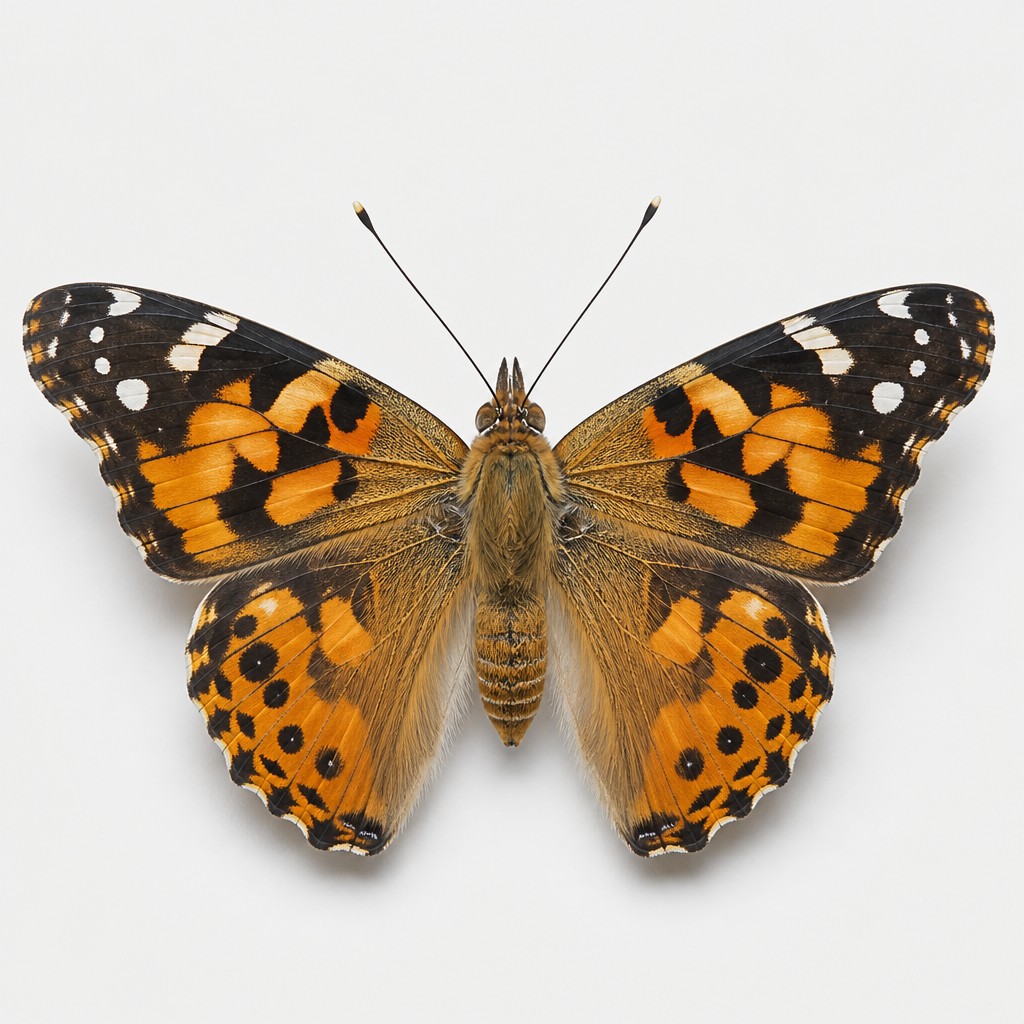
Painted Lady
One of the most widely distributed butterflies on Earth, recognized by its orange-and-black mosaic wings with white-spotted black tips and its habit of long-distance migration across continents.
butterfly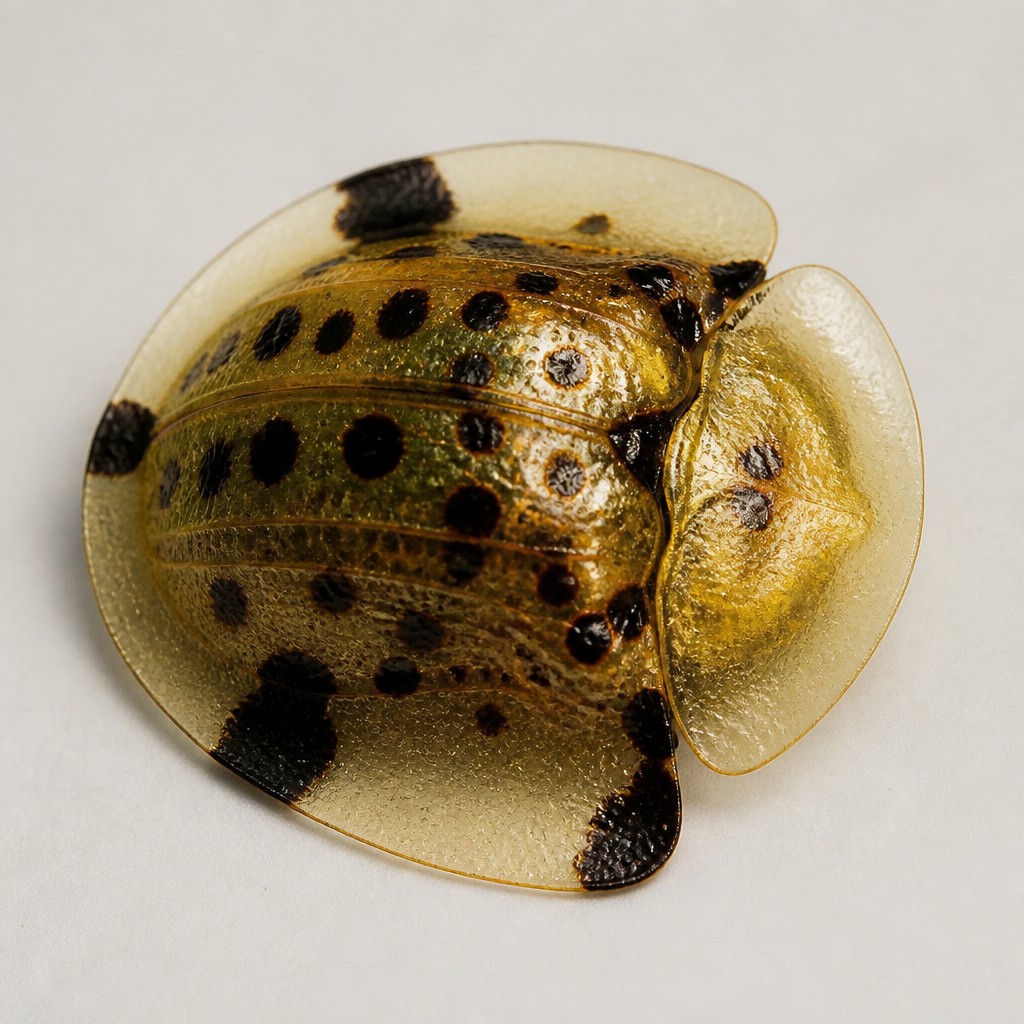
Tortoise Beetle
A small, flat, disc-shaped beetle whose expanded wing covers and pronotum hide its head and legs almost entirely, giving it the look of a miniature turtle shell crawling across a leaf.
beetle