
Bug Encyclopedia
Search and identify bugs & insects — beetles, butterflies, moths, ants, bees, spiders and more — with size, habitat, danger, behavior, and how to tell them apart.
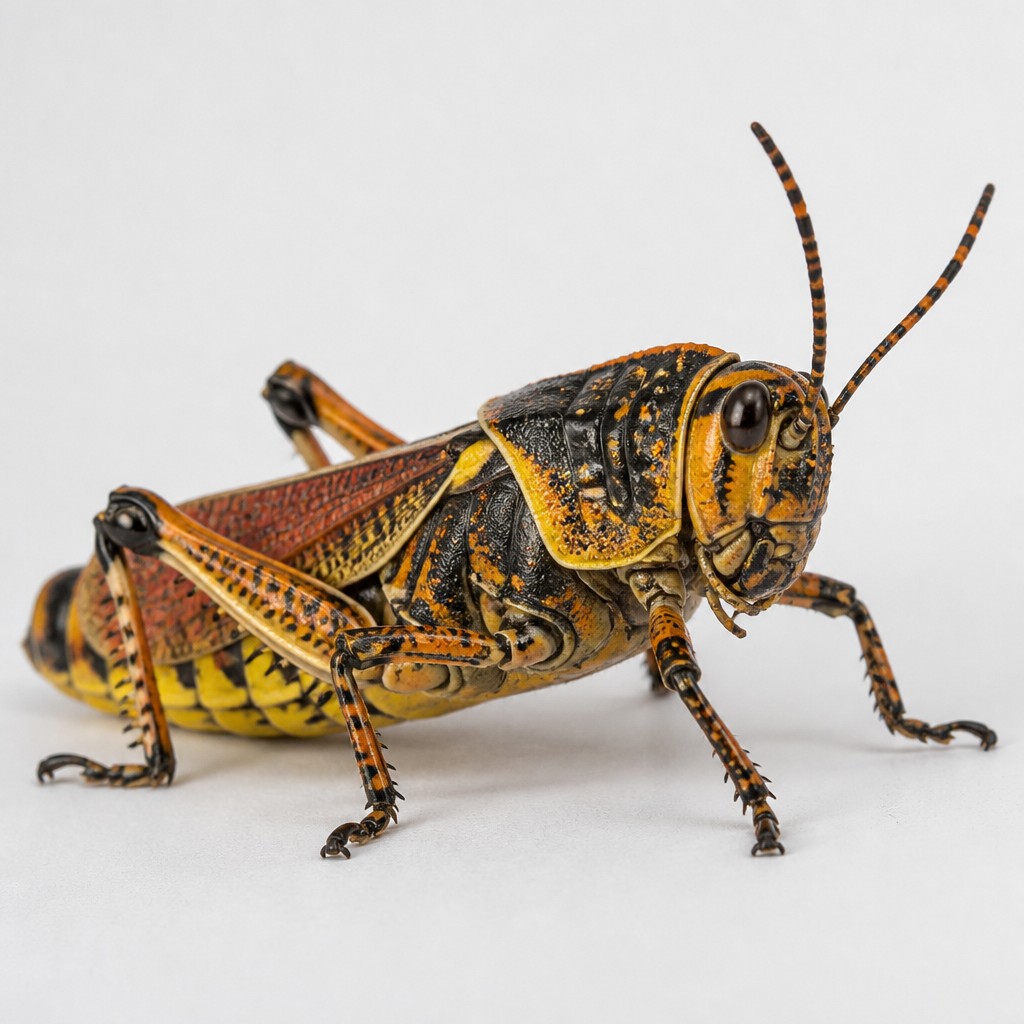
Lubber Grasshopper
Heavy-bodied and slow-moving, lubber grasshoppers make up for their poor flying ability with large size, bold coloring, and a lumbering, ground-bound lifestyle.
grasshopper-cricket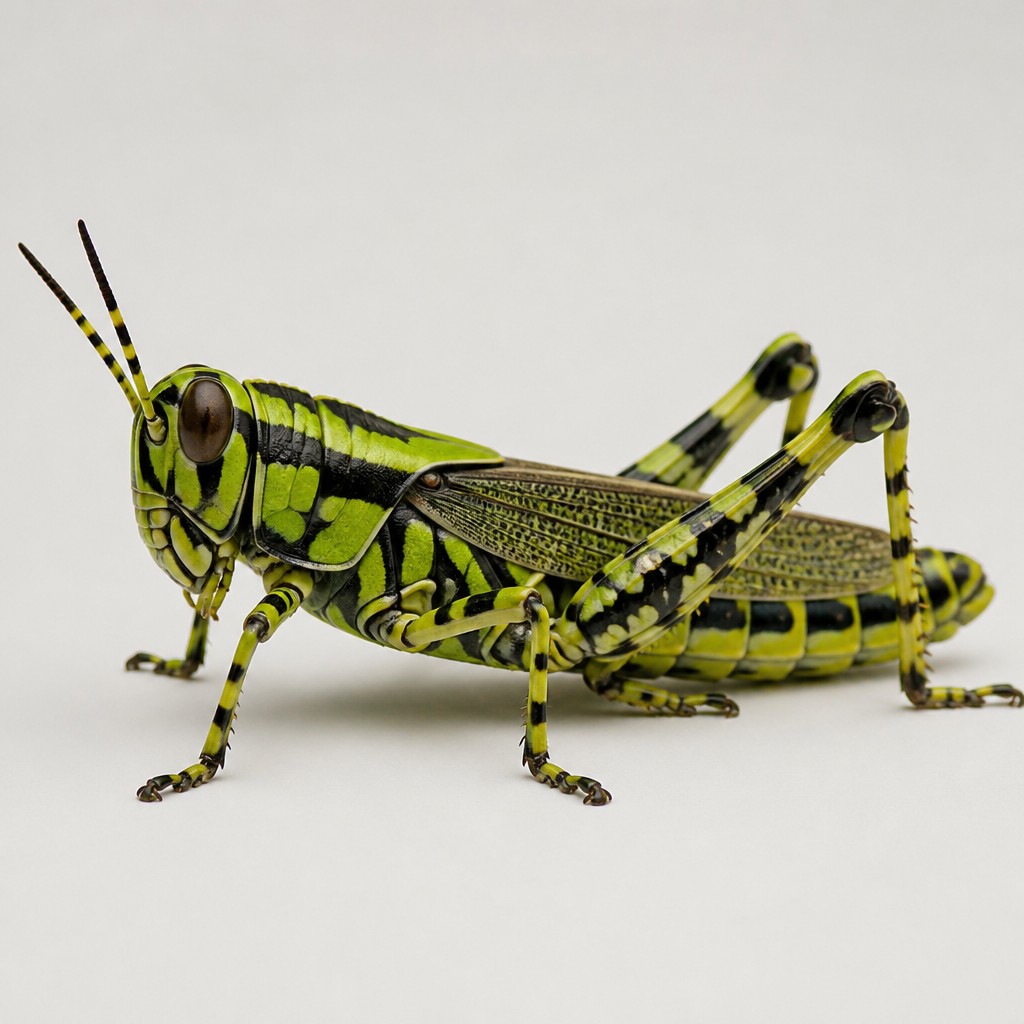
Painted Grasshopper
A large, boldly striped grasshopper of South Asia whose vivid green, yellow, and black pattern warns predators that it has fed on toxic milkweed plants.
grasshopper-cricket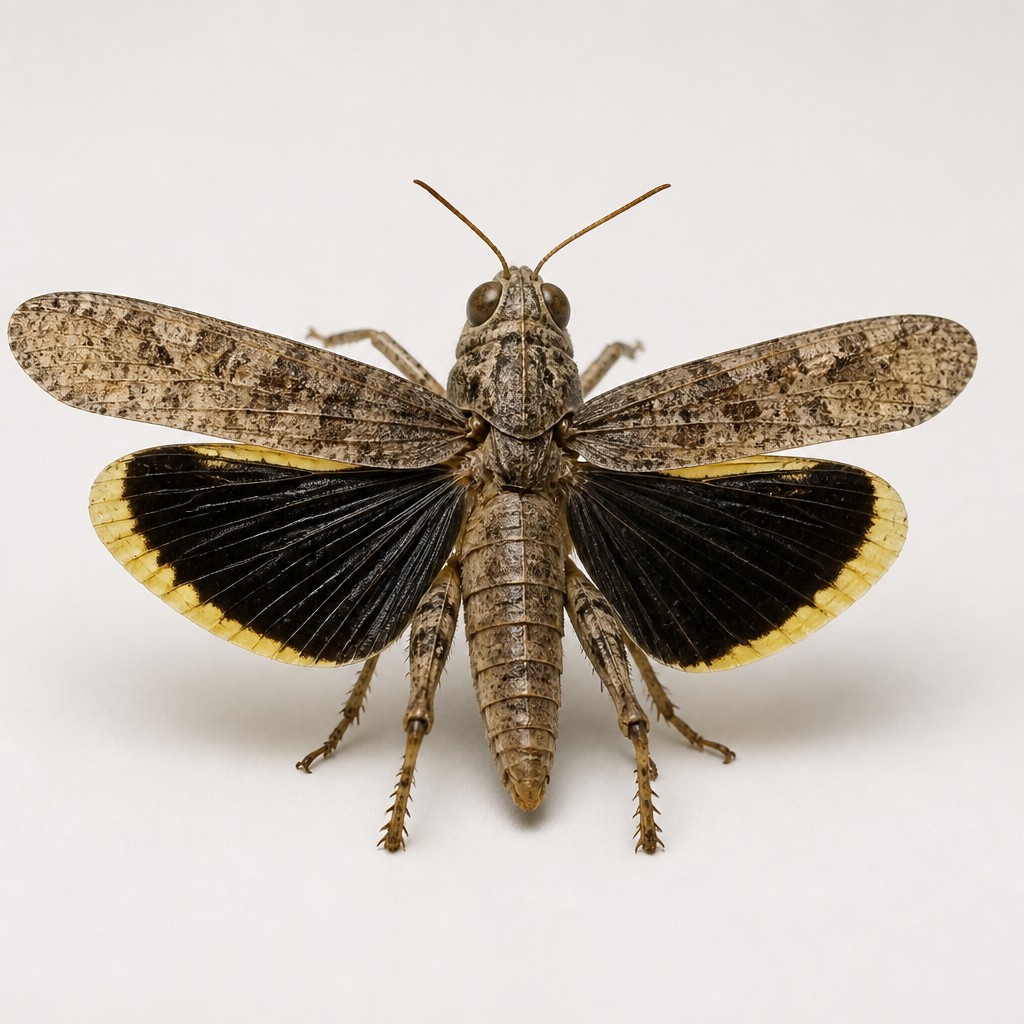
Carolina Grasshopper
Well camouflaged against dusty ground until it bursts into flight, the Carolina grasshopper flashes broad black hindwings edged in pale yellow before dropping back into invisibility.
grasshopper-cricket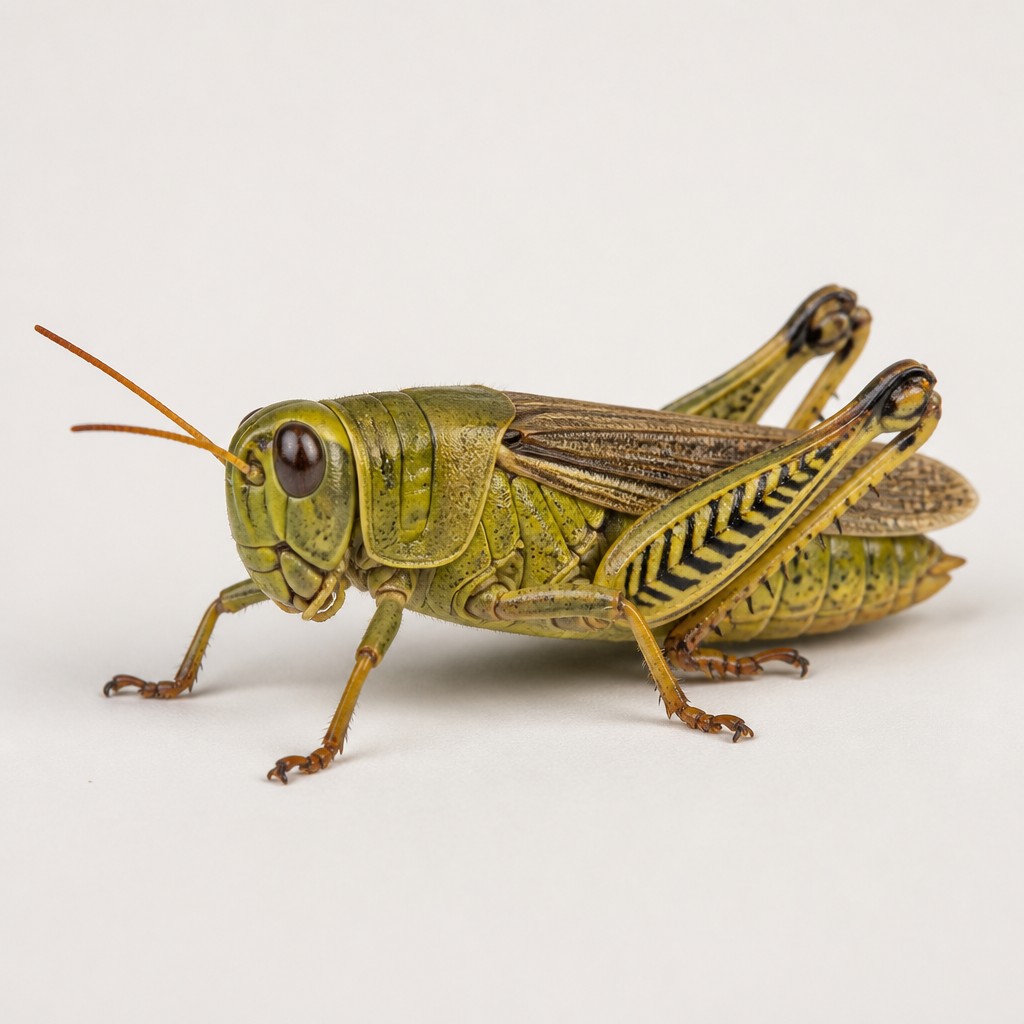
Differential Grasshopper
A large, robust grasshopper with a bold black herringbone pattern etched along its swollen hind legs, the differential grasshopper is one of the biggest and most recognizable pest grasshoppers in North America.
grasshopper-cricket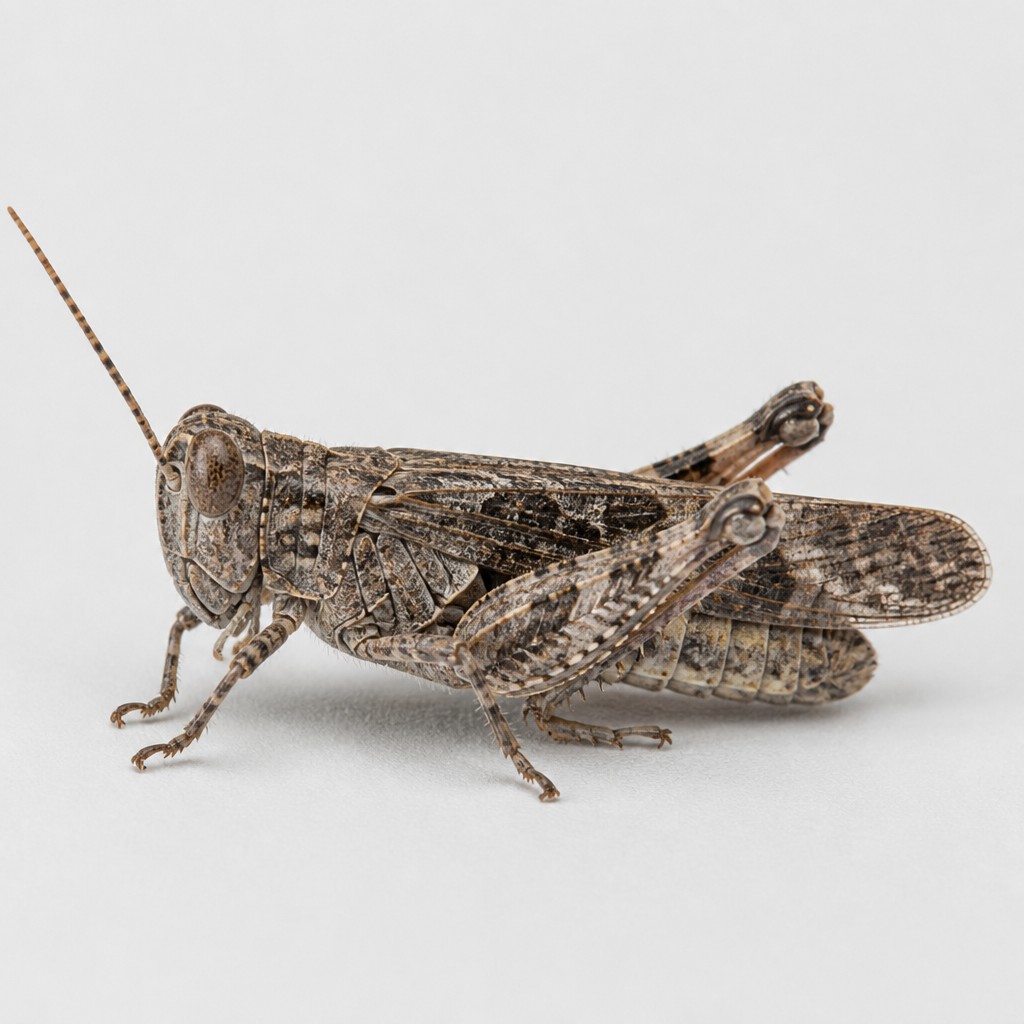
Blue-winged Grasshopper
A drab, camouflaged grasshopper that startles onlookers with a sudden flash of bright blue hindwings the instant it takes flight.
grasshopper-cricket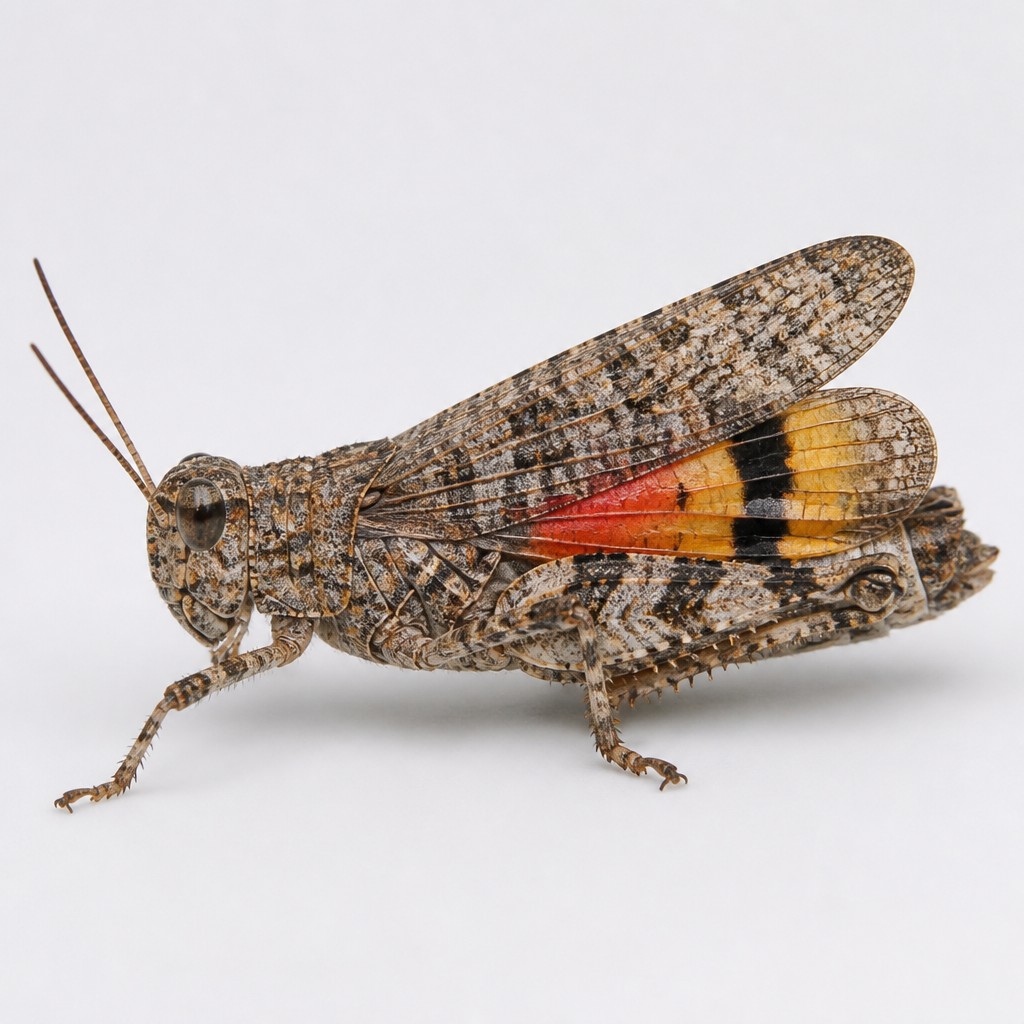
Band-winged Grasshopper
A camouflaged grasshopper that flashes vivid yellow, red, or blue hindwings in flight before vanishing again into the dust the instant it lands.
grasshopper-cricket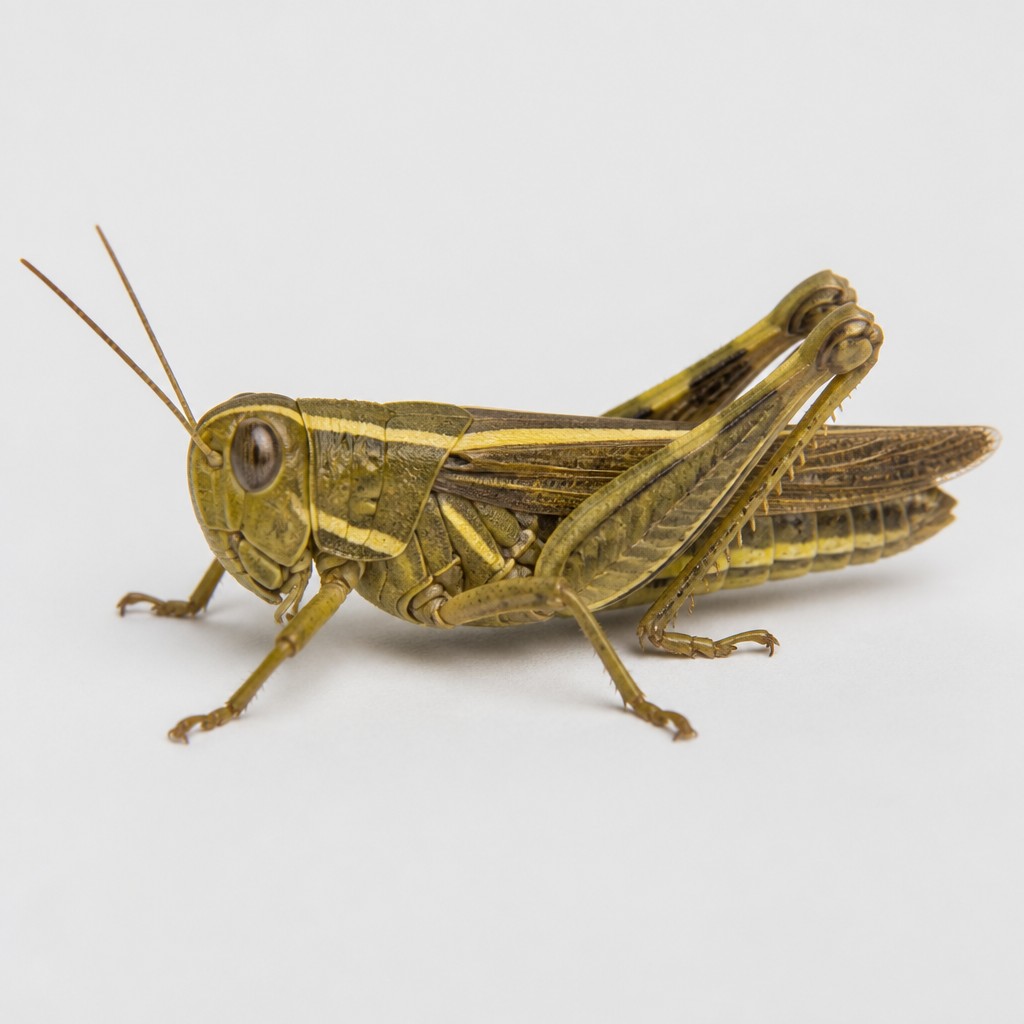
Two-striped Grasshopper
Easily spotted by the pair of pale cream stripes running the length of its body, the two-striped grasshopper is one of the largest and most economically important grasshoppers in North America.
grasshopper-cricket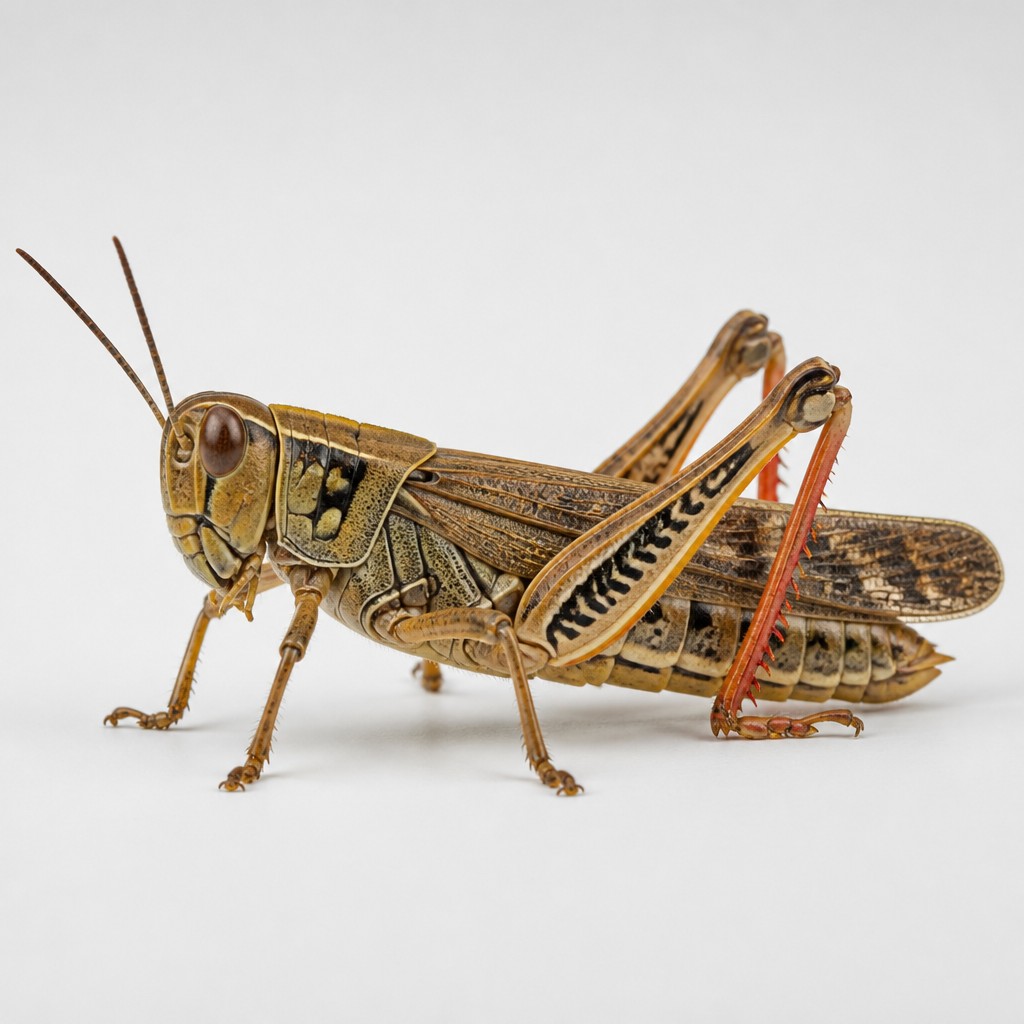
Spur-throated Grasshopper
One of the most familiar grasshopper groups in North America, named for the small spine on its throat and known for including some of the continent's most abundant rangeland species.
grasshopper-cricket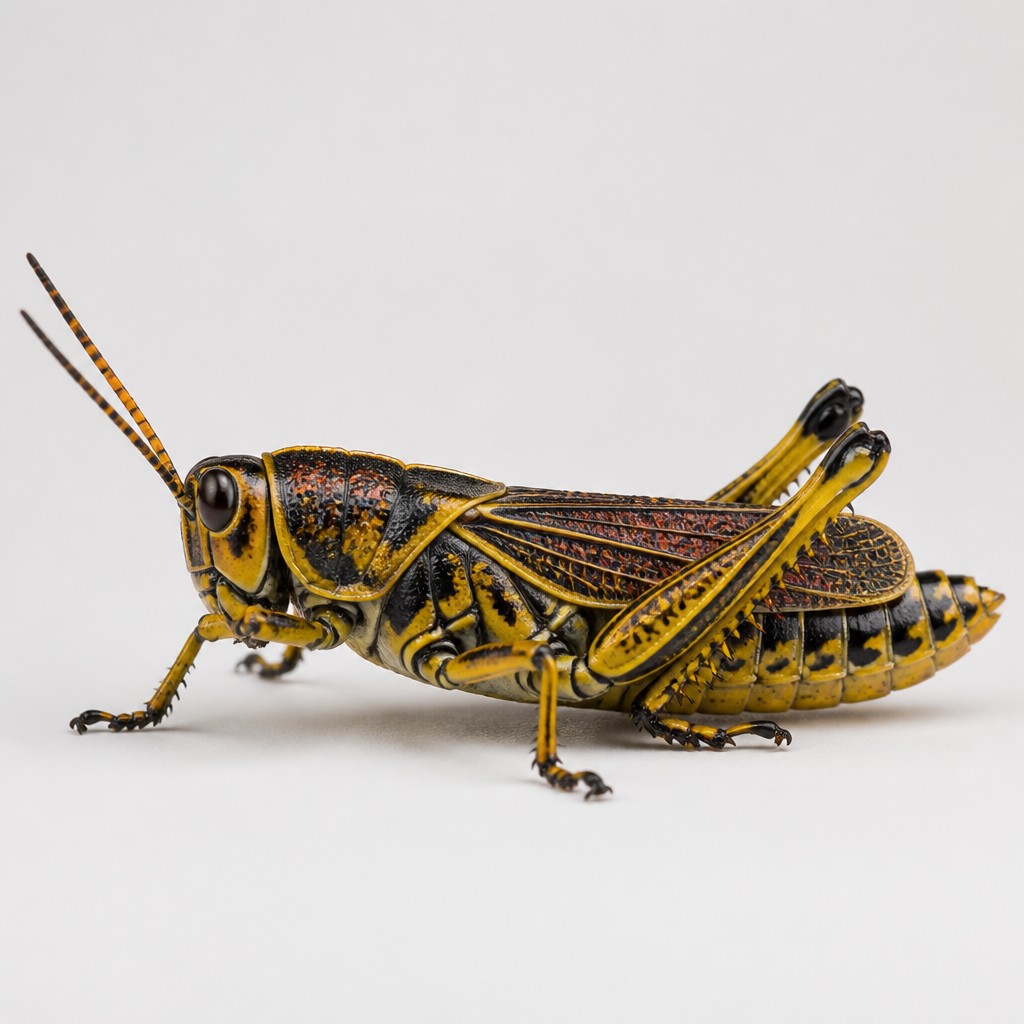
Eastern Lubber Grasshopper
One of the largest grasshoppers in North America, the eastern lubber is a slow, flightless giant clad in bold black, yellow, and red that announces its presence rather than hiding from it.
grasshopper-cricket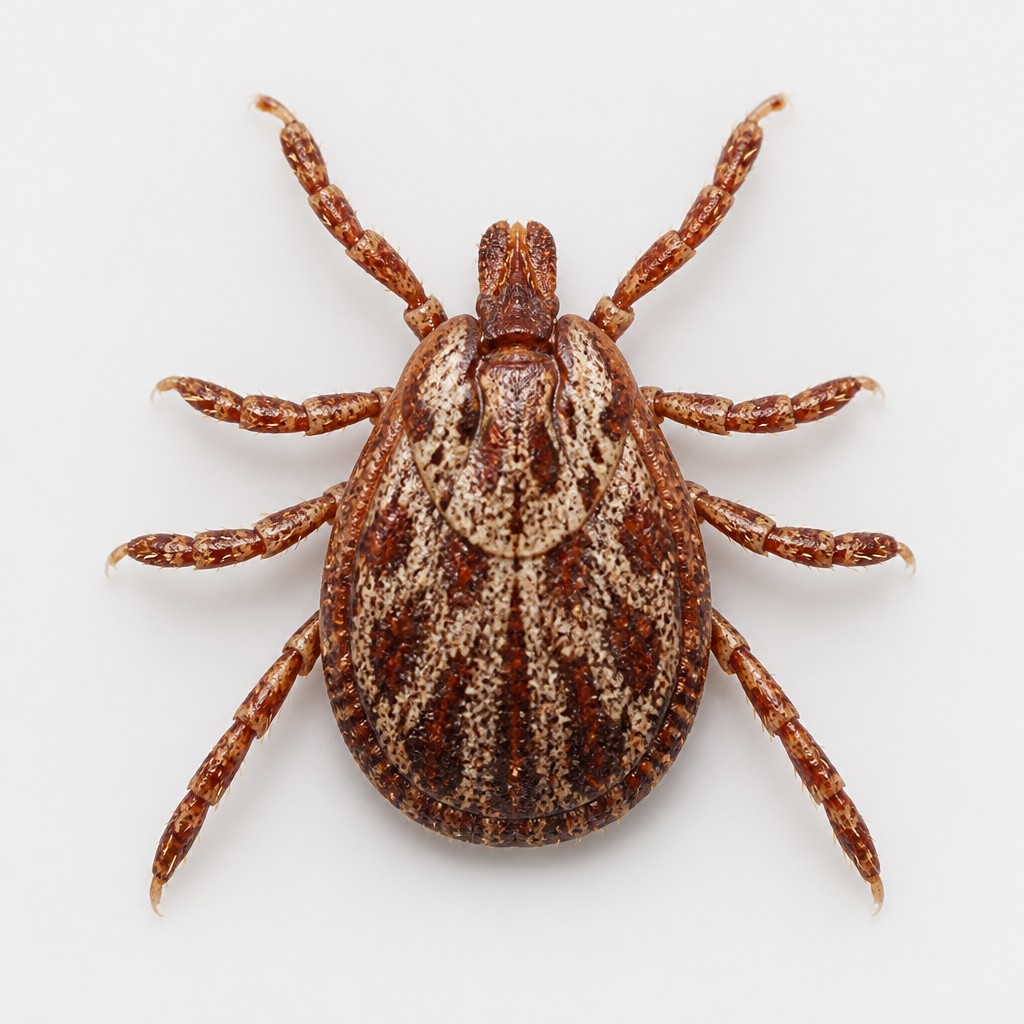
Rocky Mountain Wood Tick
A robust, ornately patterned tick of the western mountains that clings to shrubs and grasses waiting to grab a passing mammal.
arachnid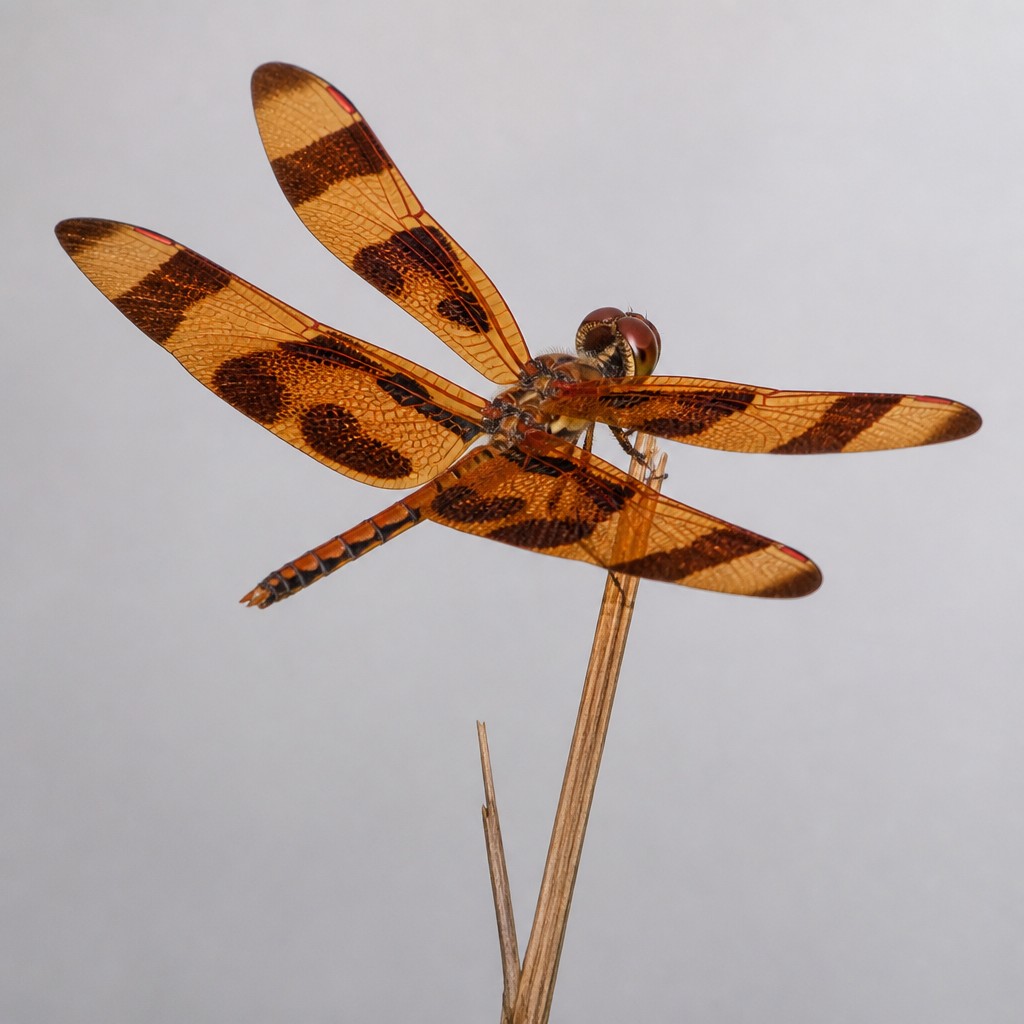
Halloween Pennant
With broad orange-amber wings banded in dark brown, this dragonfly perches conspicuously atop tall grass stems, swaying like a small flag in the breeze.
dragonfly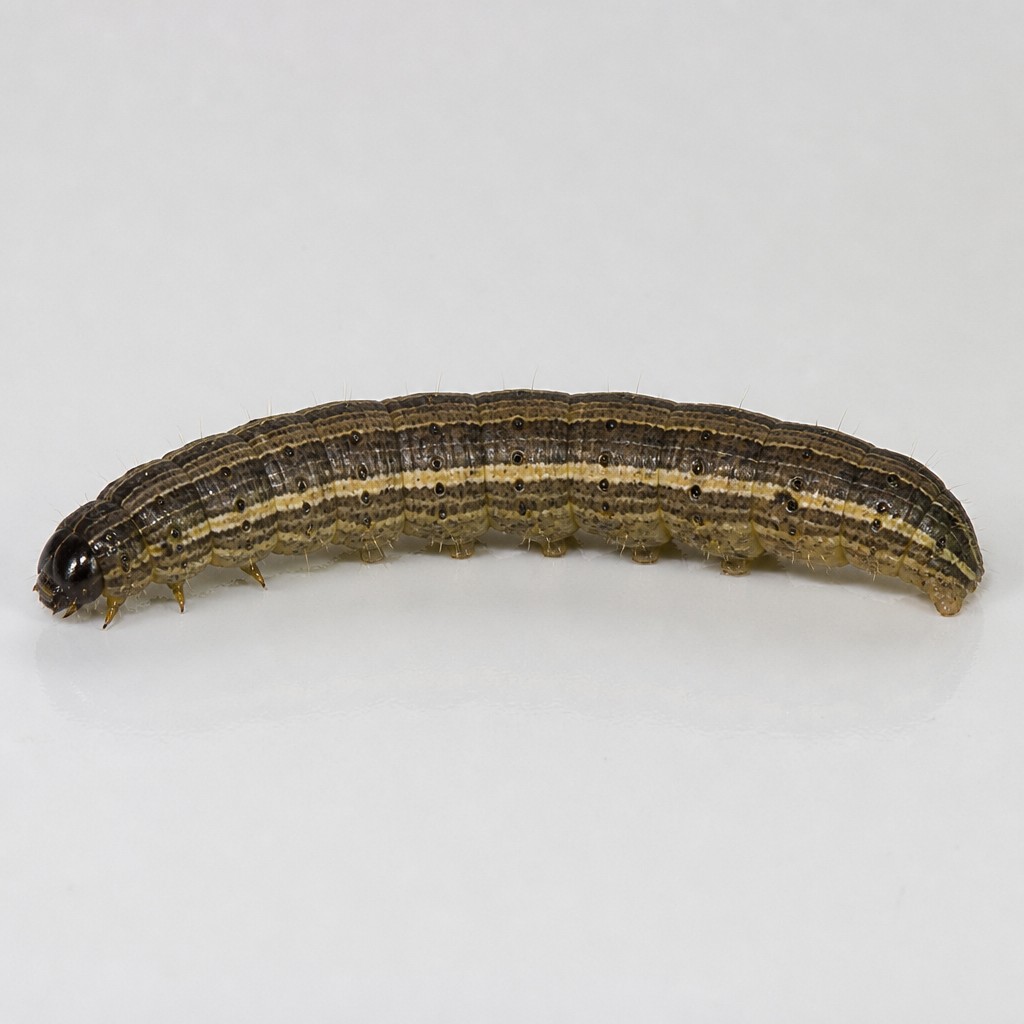
Armyworm
A striped, greenish-brown caterpillar that gets its name from its habit of migrating in dense, destructive groups across grass and grain fields.
caterpillar-larva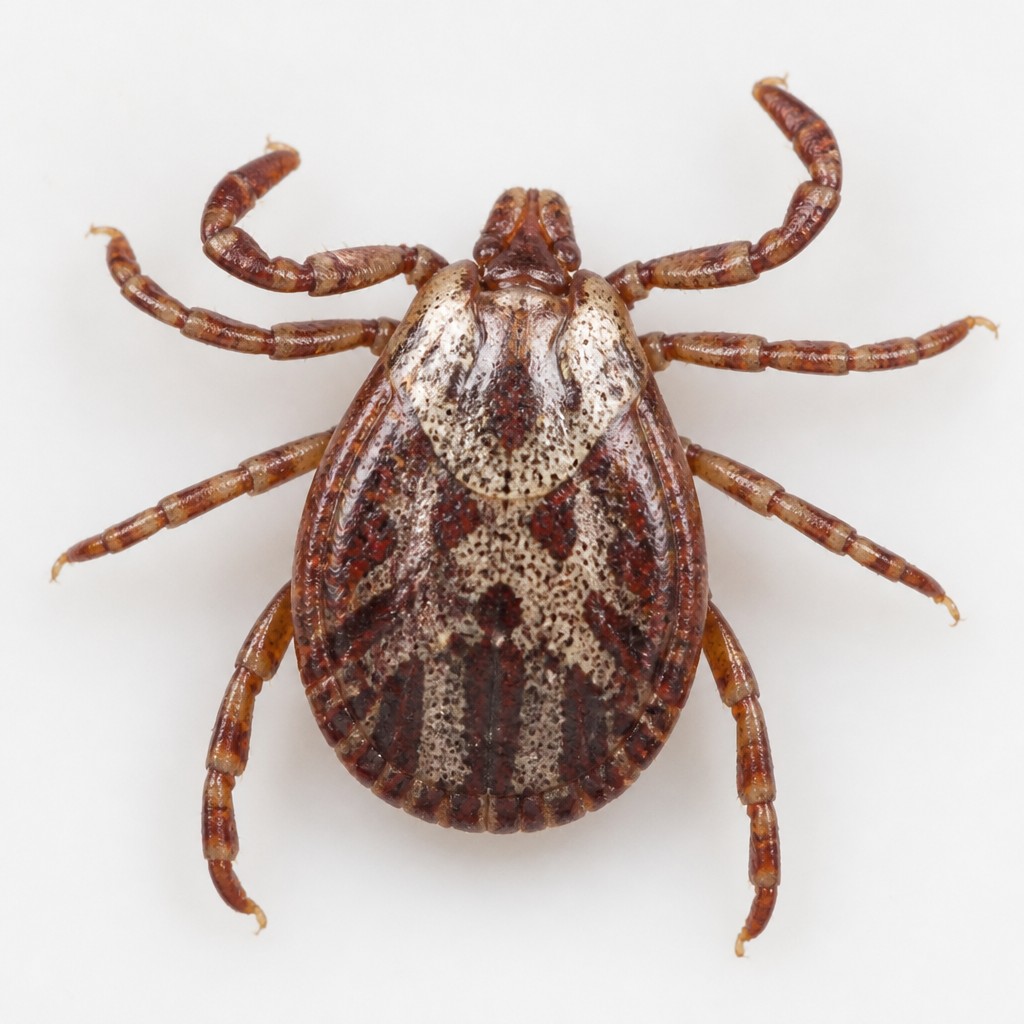
Dog Tick
A flattened, oval arachnid with mottled silvery markings that waits on grass tips and low brush for a passing host to climb aboard and attach.
arachnid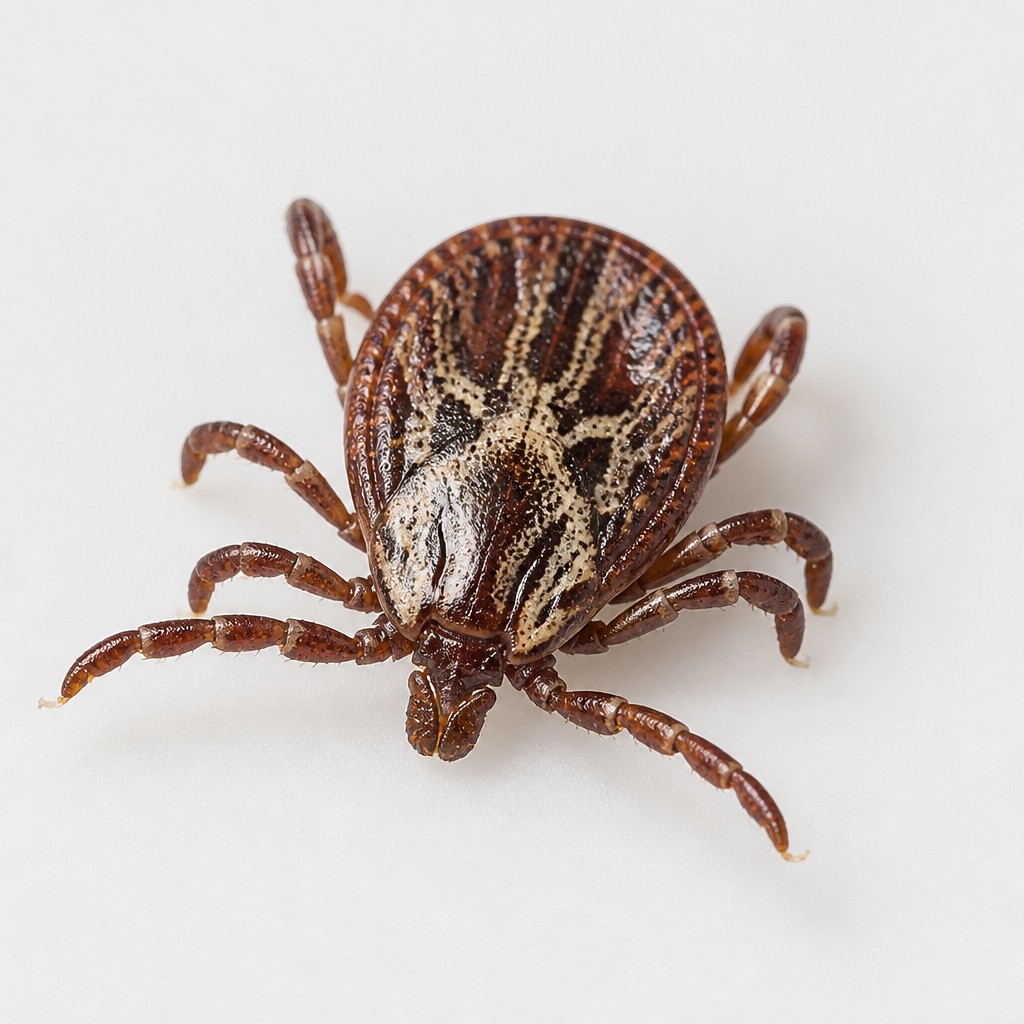
American Dog Tick
A stout, mottled brown-and-silver tick that waits on grass blades with its front legs outstretched, ready to latch onto a passing host.
arachnid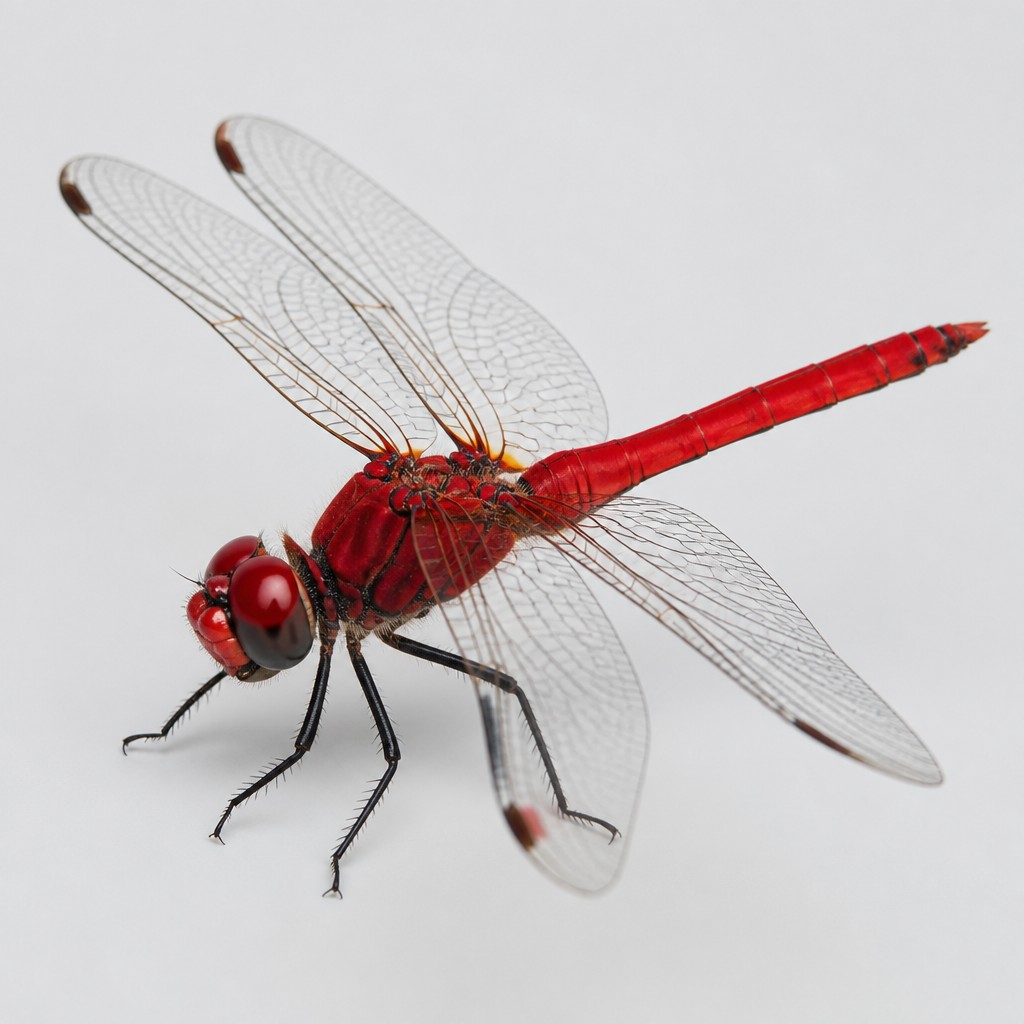
Ruby Meadowhawk
A small, brilliant-red dragonfly of late summer meadows, so intensely colored that mature males seem to glow when perched low in the grass.
dragonfly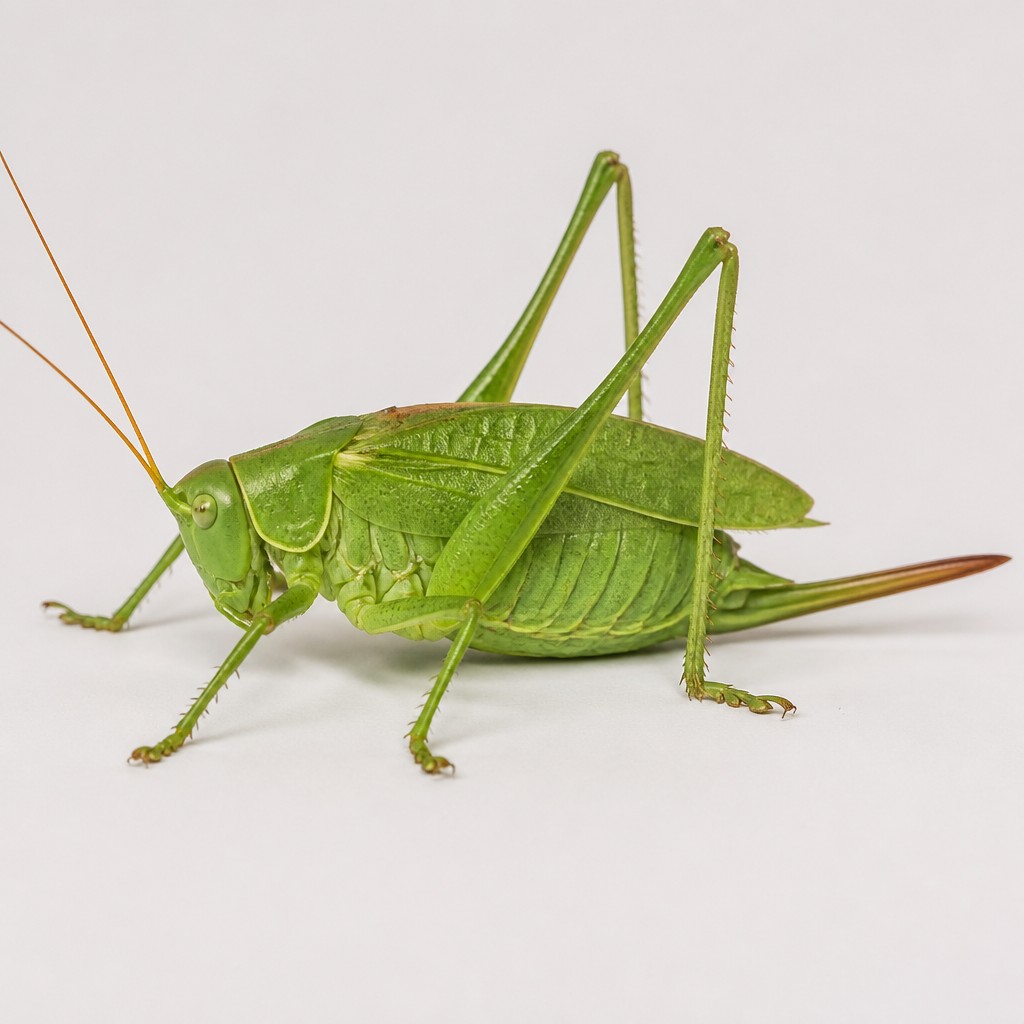
Great Green Bush Cricket
Europe's largest bush cricket, this brilliant grass-green insect fills warm summer evenings with a loud, sustained buzzing call audible from a considerable distance.
grasshopper-cricket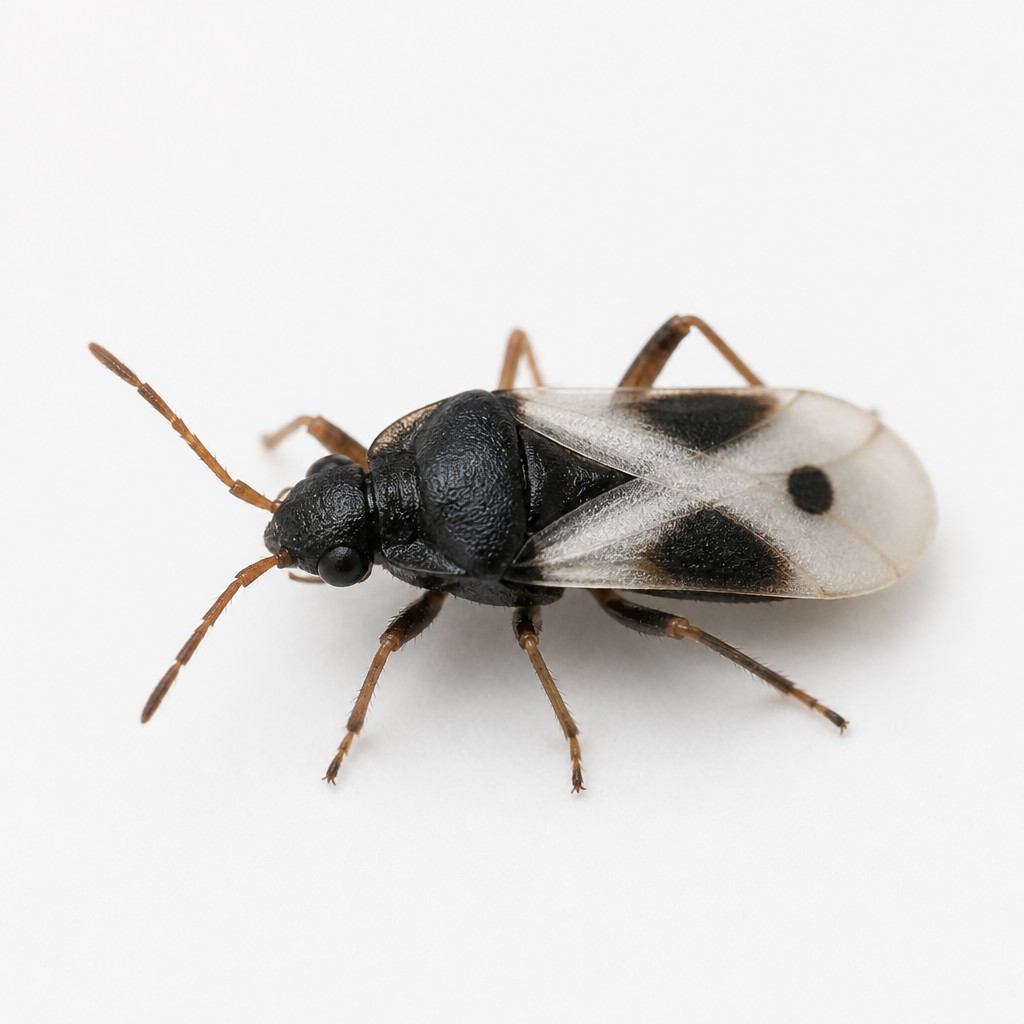
Chinch Bug
A tiny black-and-white true bug that feeds on grasses, often overlooked individually but capable of forming dense colonies in sunny, dry patches of lawn.
true-bug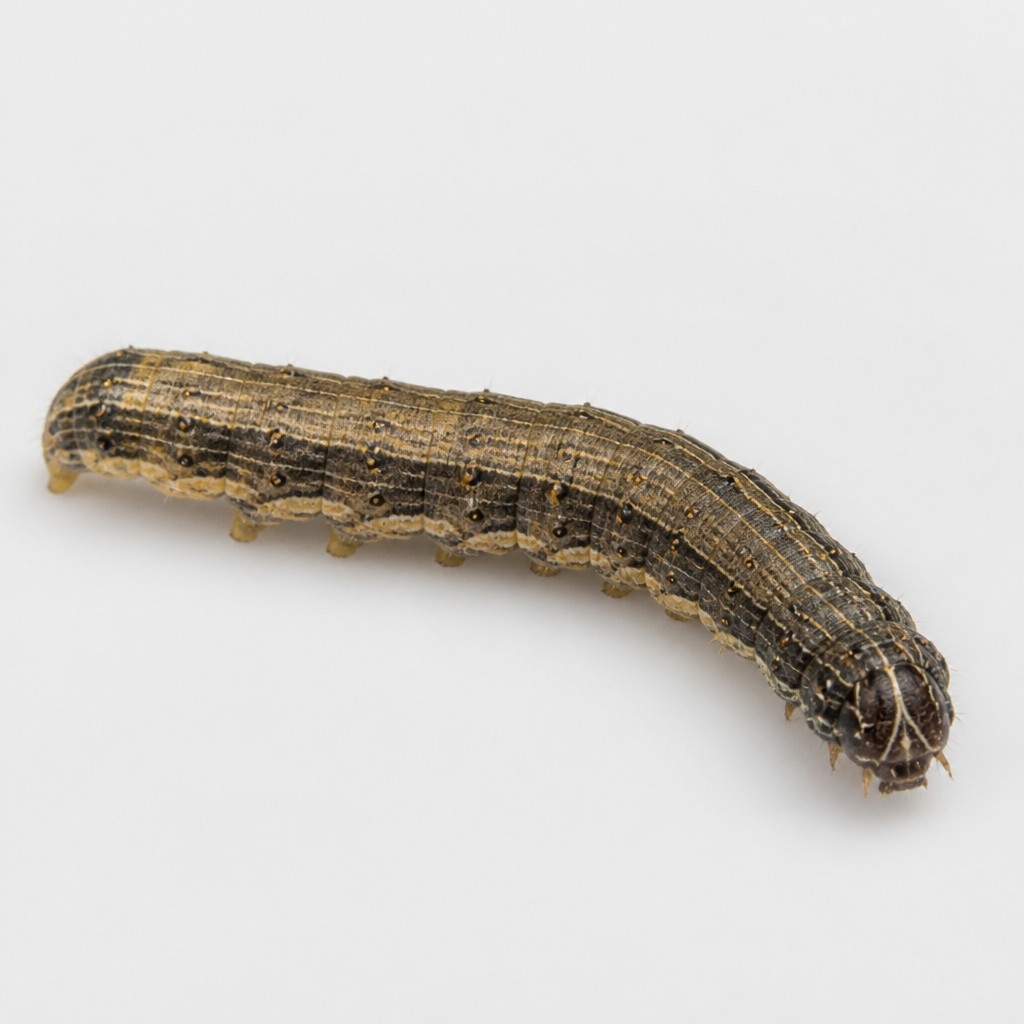
Fall Armyworm
A brownish-green caterpillar marked with a pale inverted "Y" on its head, notorious for rapid, large-scale outbreaks that devastate corn and other grass crops across the globe.
caterpillar-larva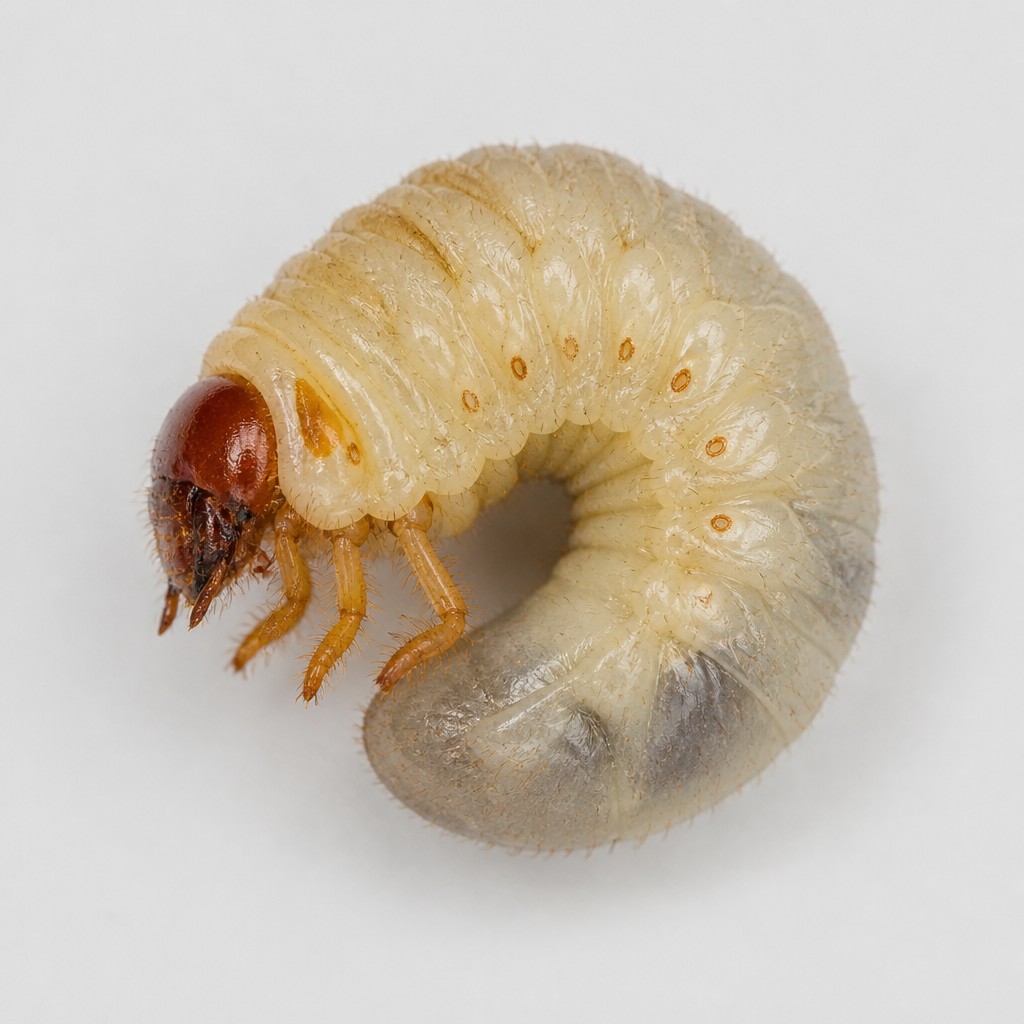
Grub Worm
A plump, C-shaped, creamy-white larva with a distinct brown head, living underground where it feeds on grass and plant roots before eventually maturing into a scarab beetle.
beetle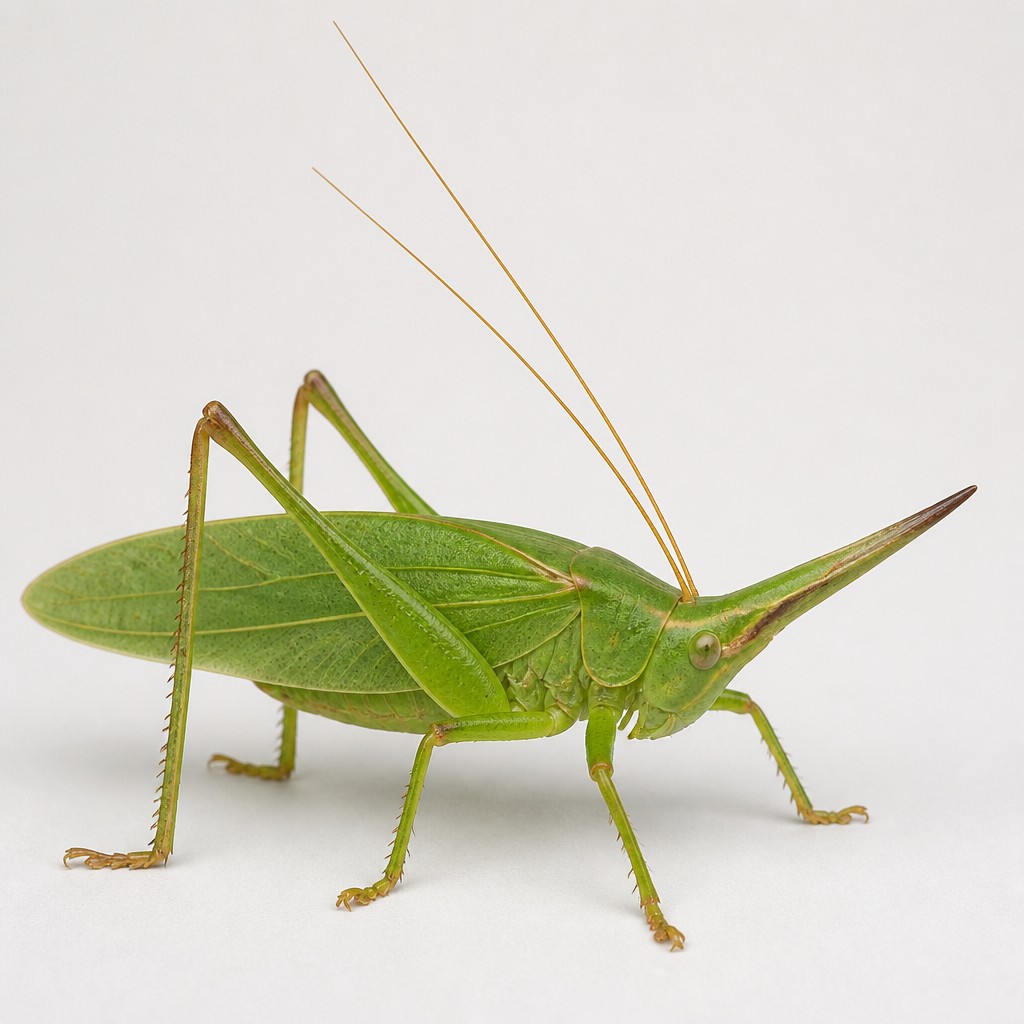
Cone-headed Katydid
A large, grass-colored katydid named for its sharply pointed, cone-shaped head, best known for producing some of the loudest, most sustained buzzing calls of any North American insect.
grasshopper-cricket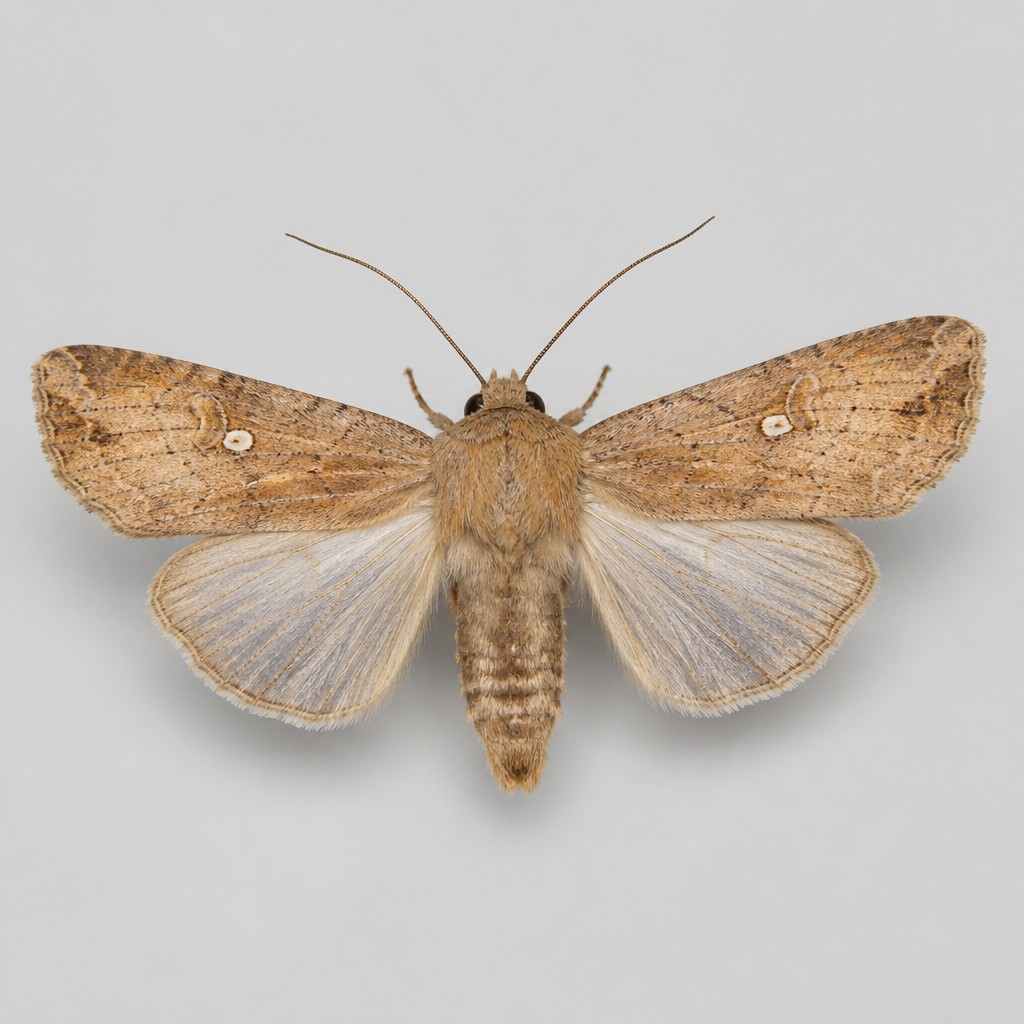
Armyworm Moth
A plain tan to reddish-brown moth whose caterpillars are famous for marching in large groups across fields, stripping grasses and grain crops as they move.
moth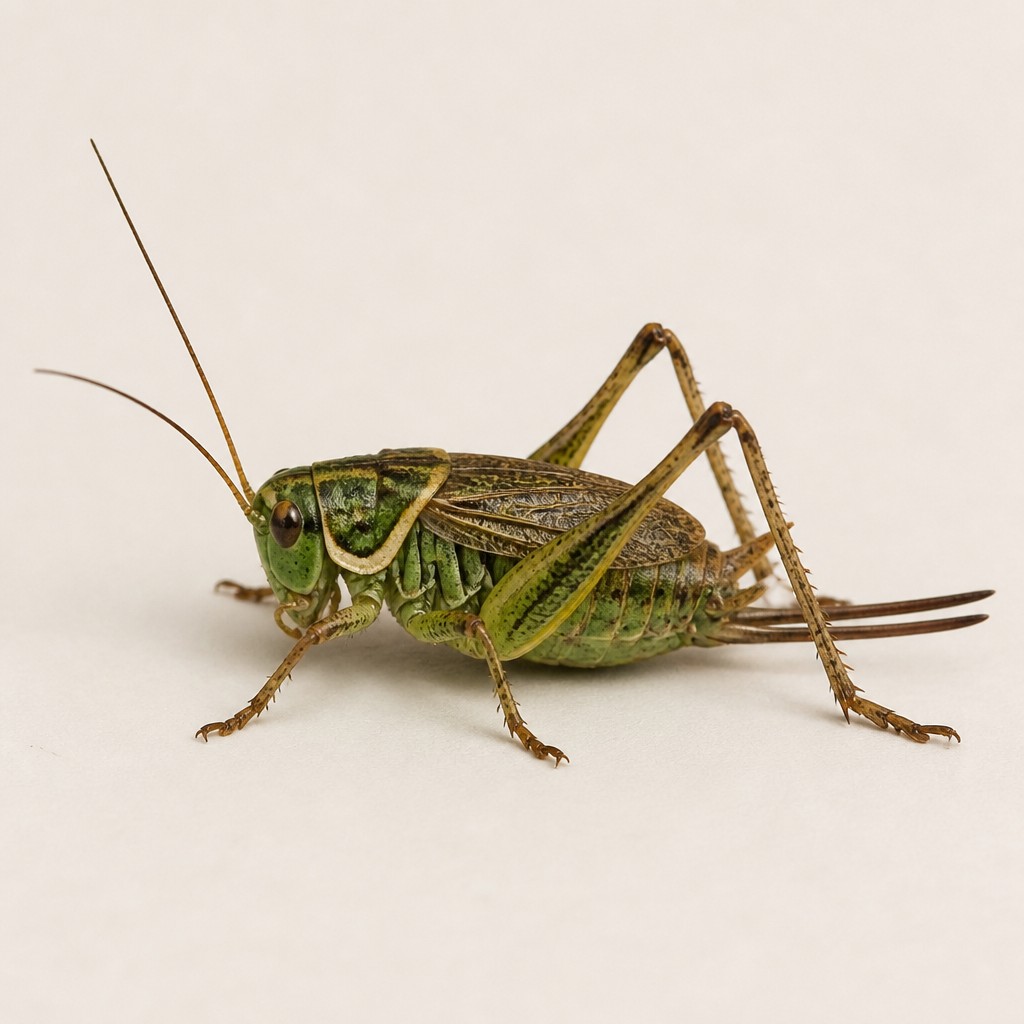
Roesel's Bush Cricket
Marked with a pale cream border along its thorax, this compact bush cricket produces a continuous, high-pitched, buzzing song reminiscent of an electrical hum from dense summer grass.
grasshopper-cricket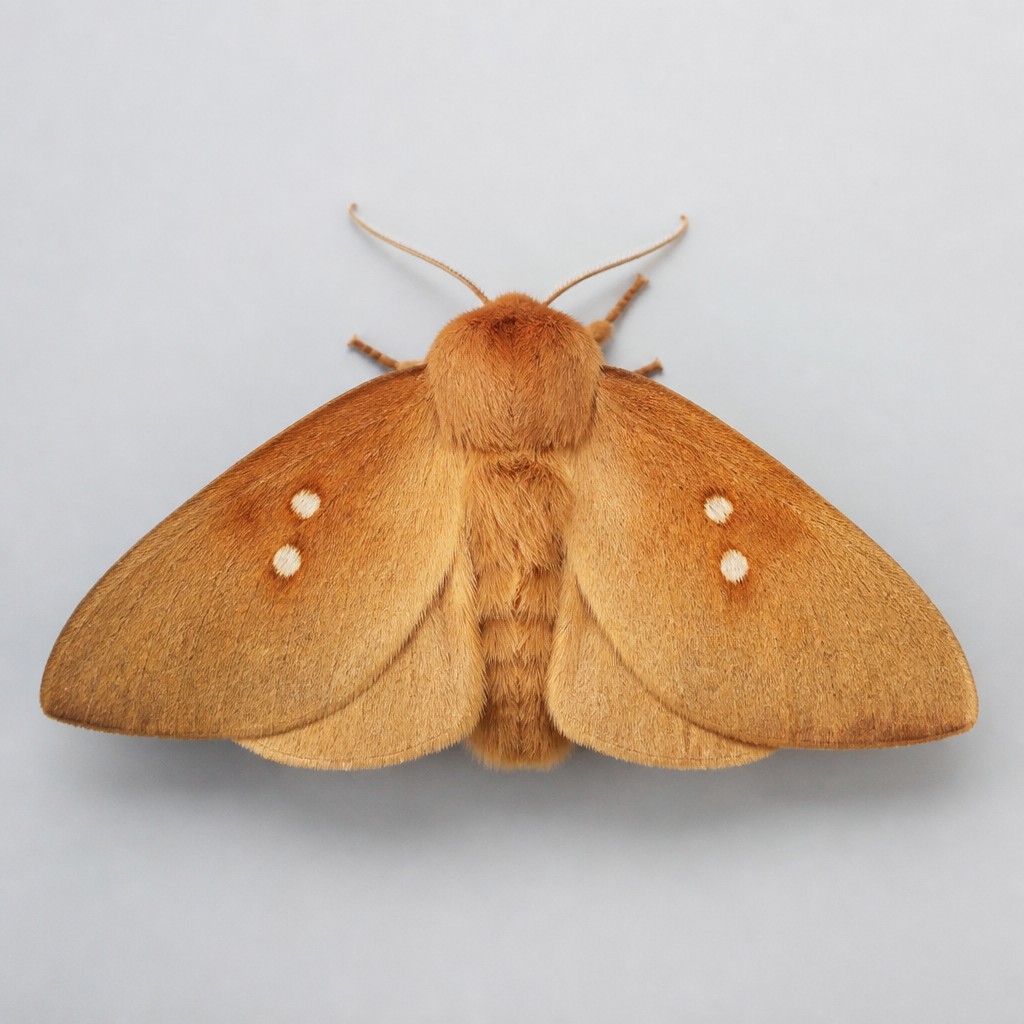
Drinker Moth
A stout, furry moth with warm tawny-orange to buff-brown wings marked by two small white spots on each forewing, named for its caterpillar's habit of drinking water droplets from grass blades.
moth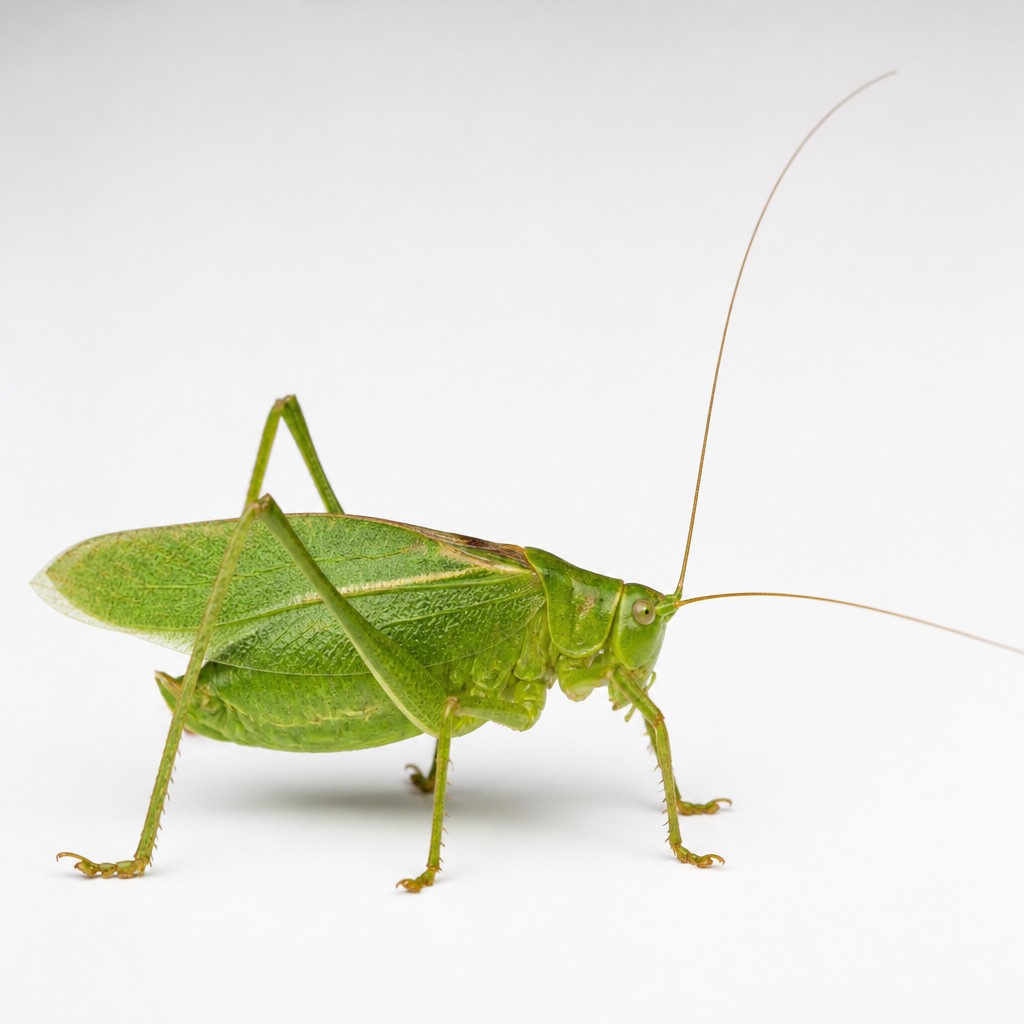
Bush Cricket
Known by its long, thread-like antennae and evening chorus of chirps, this leaf-colored insect spends its life hidden among grass and foliage, often heard far more often than seen.
grasshopper-cricket