
Bug Encyclopedia
Search and identify bugs & insects — beetles, butterflies, moths, ants, bees, spiders and more — with size, habitat, danger, behavior, and how to tell them apart.
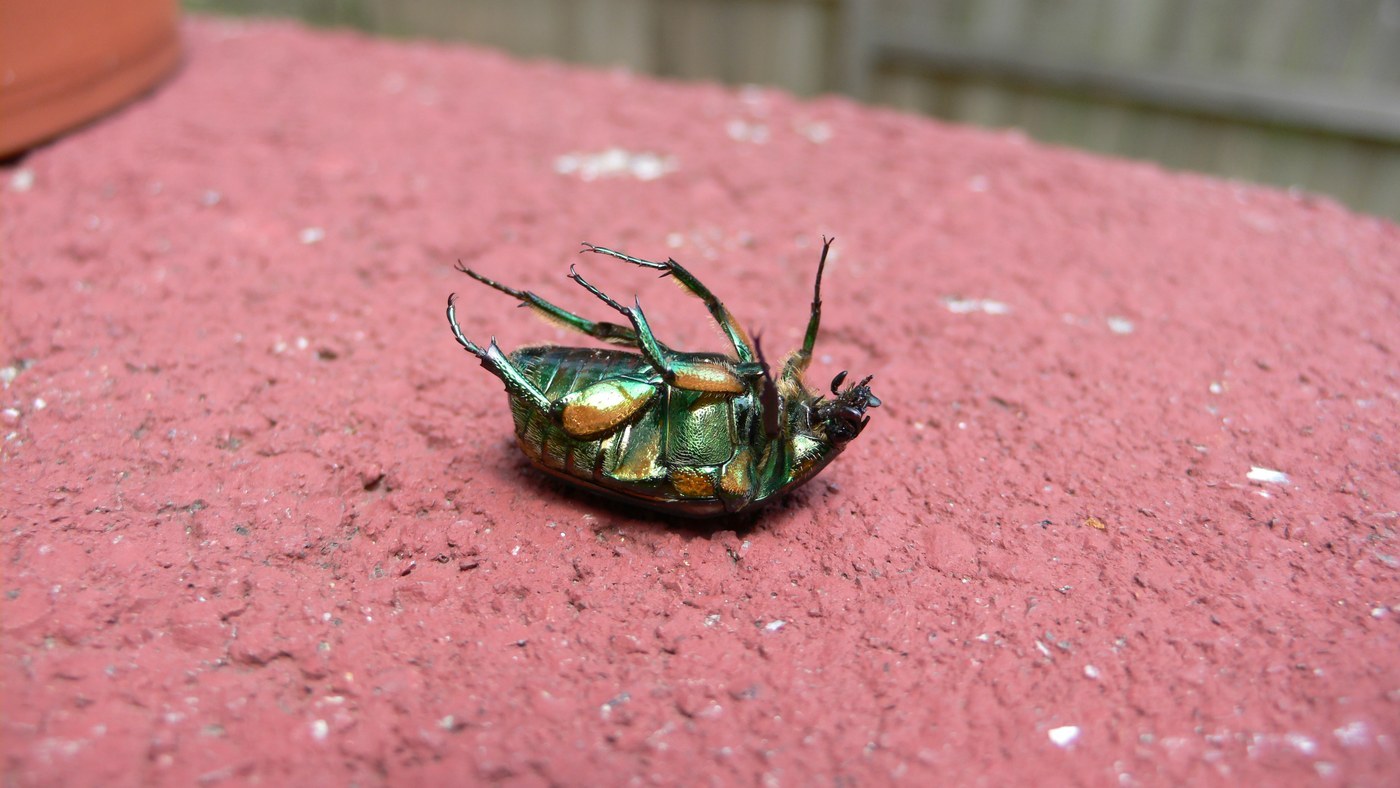
Green June Beetle
A large, velvety green scarab beetle with bronze edges that flies with a loud buzzing drone on warm summer days, often seen around ripening fruit.
beetle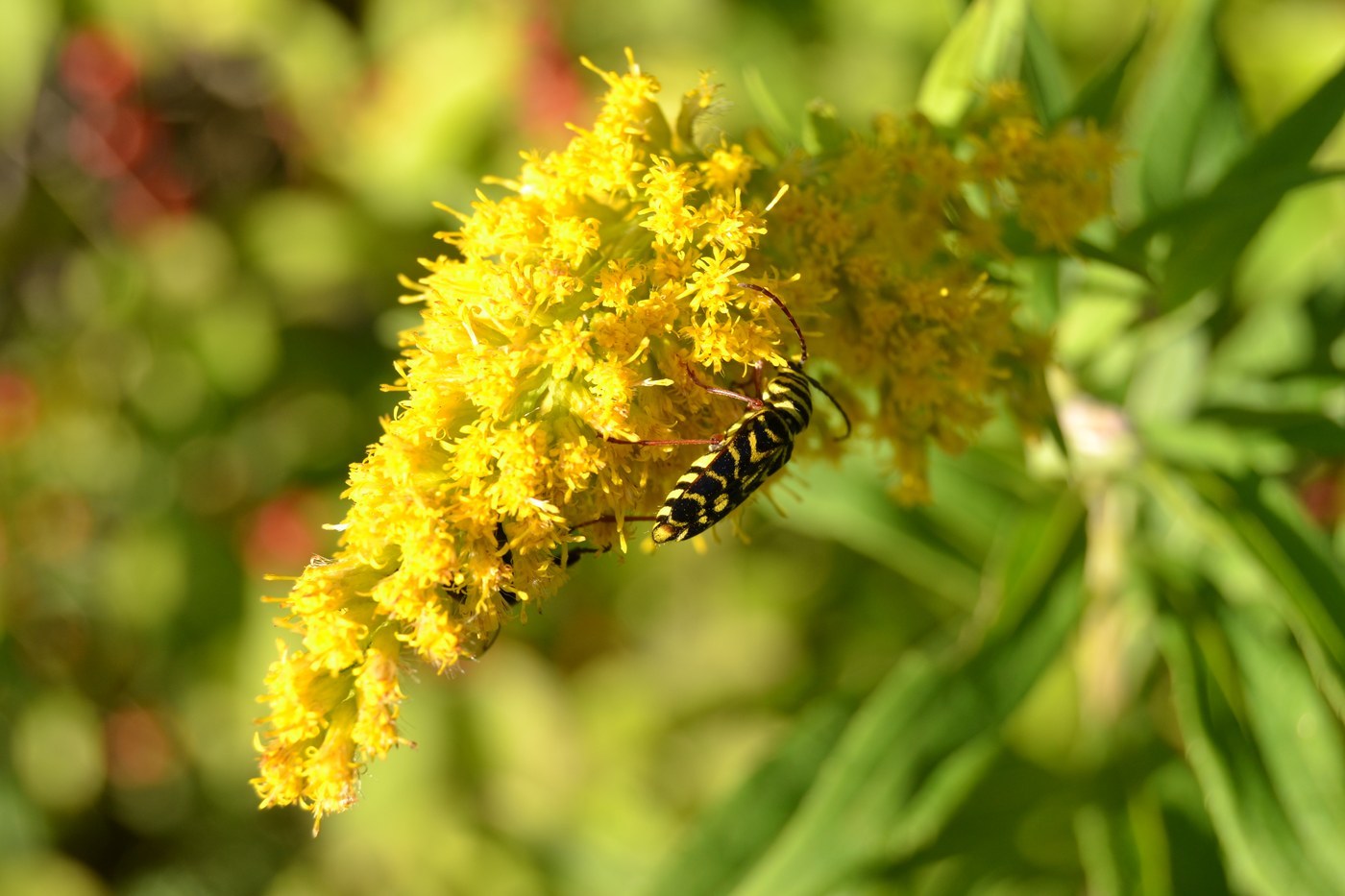
Locust Borer
A slender black longhorn beetle boldly striped with yellow, closely resembling a wasp, commonly seen visiting goldenrod flowers in autumn near black locust trees.
beetle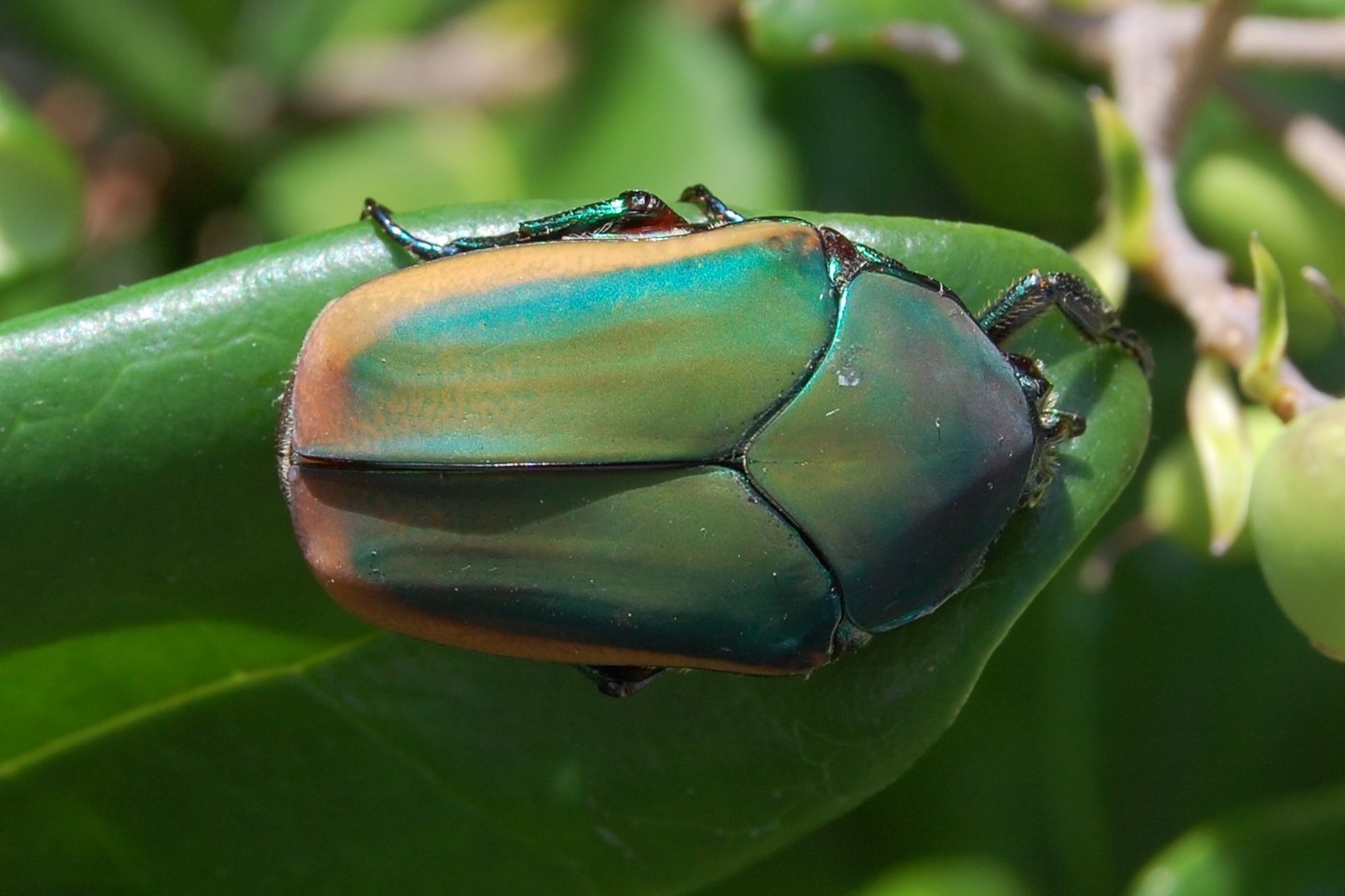
Fig Beetle
A large, dull metallic-green scarab beetle with a loud, buzzing flight, often seen crash-landing near ripe or overripe fruit and compost piles on warm summer days.
beetle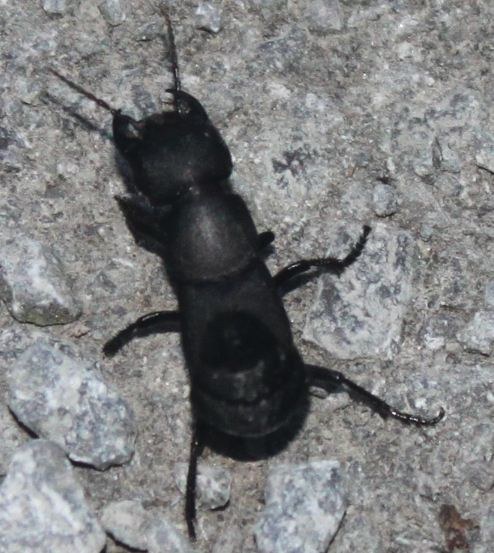
Devil's Coach Horse Beetle
A large, matte-black rove beetle that raises its flexible abdomen up and over its back like a scorpion's tail and gapes its jaws when threatened, one of the biggest and most dramatic rove beetles in Europe.
beetle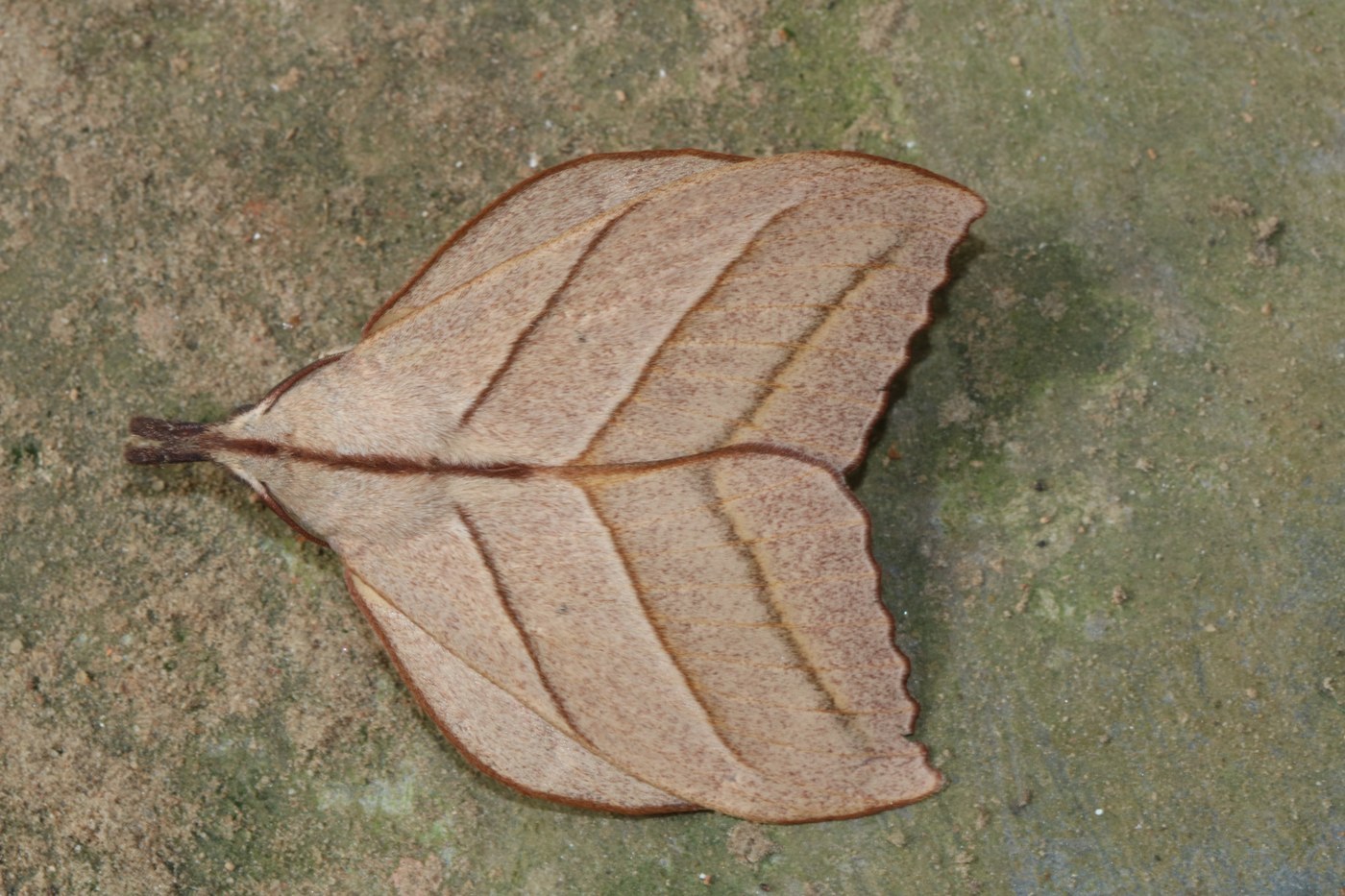
Moth
A broad group of scale-winged insects related to butterflies, typically nocturnal, with stout, often furry bodies and feathery or thread-like antennae.
moth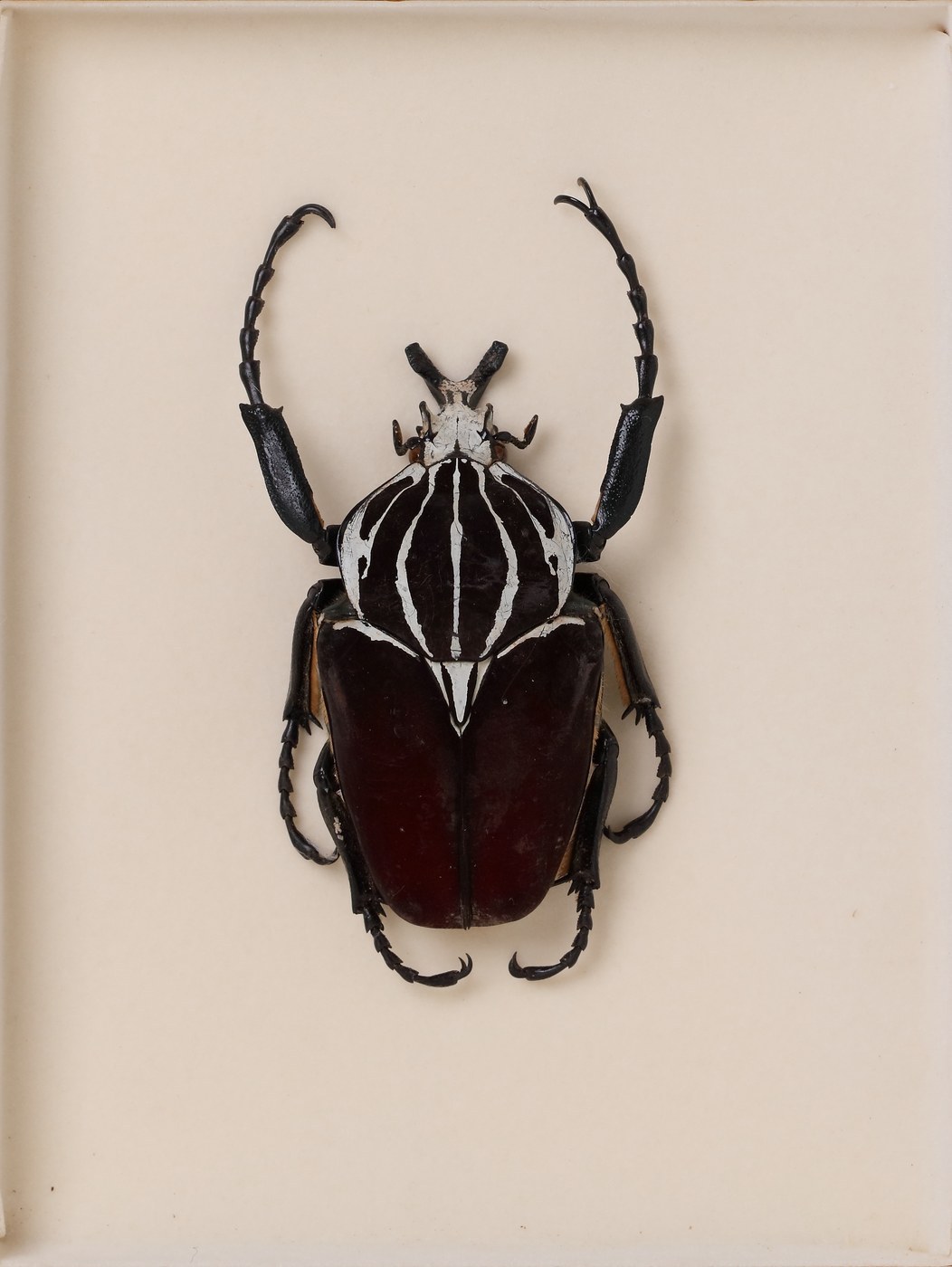
Goliath Beetle
One of the largest and heaviest beetles on Earth, a massive scarab with a bold pattern of black, white, and brown stripes across its shield-like body.
beetle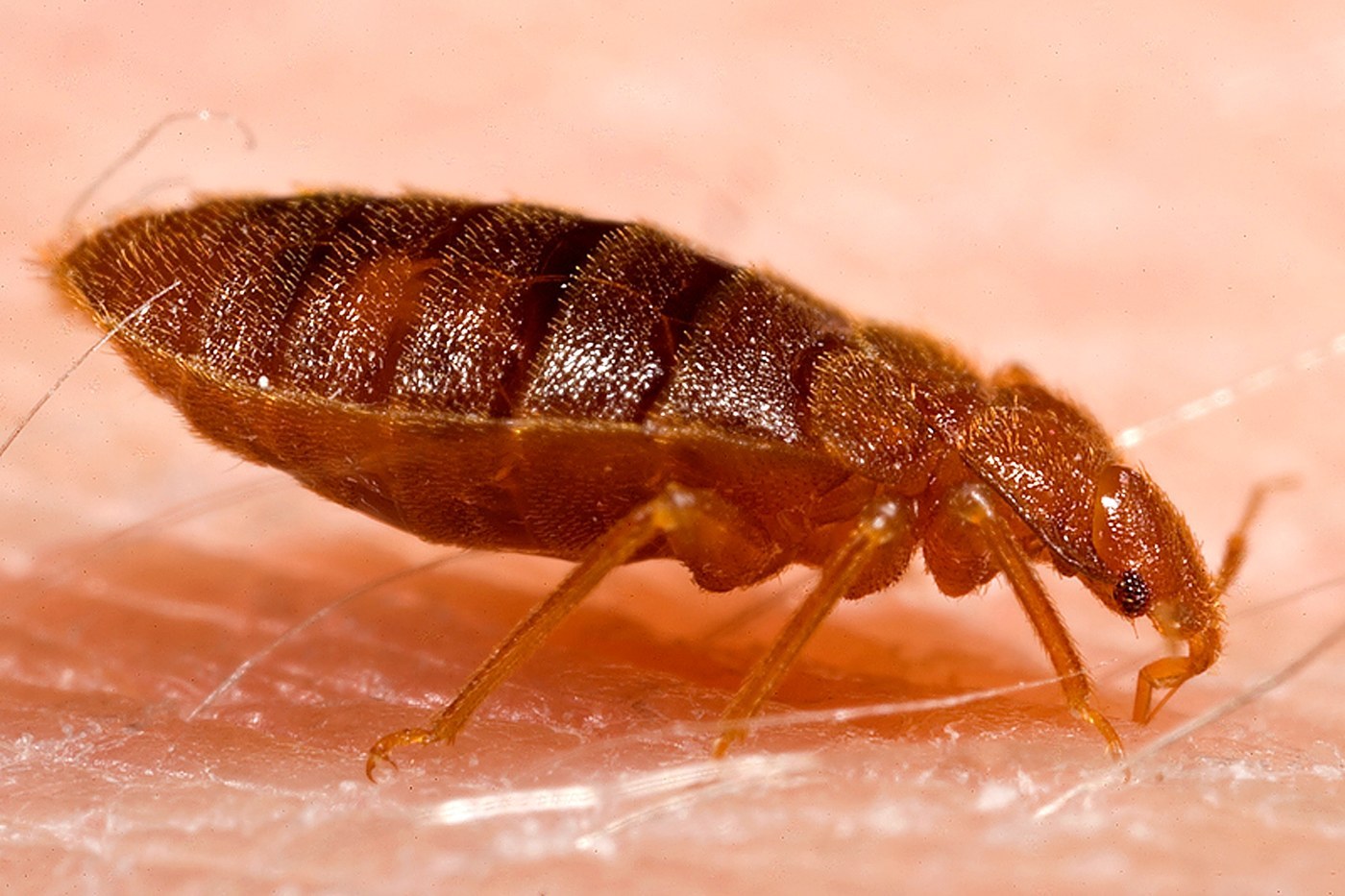
Bed Bug
A small, flat, reddish-brown, wingless insect shaped like an apple seed that hides in mattress seams and bed frames by day and emerges at night to feed.
true-bug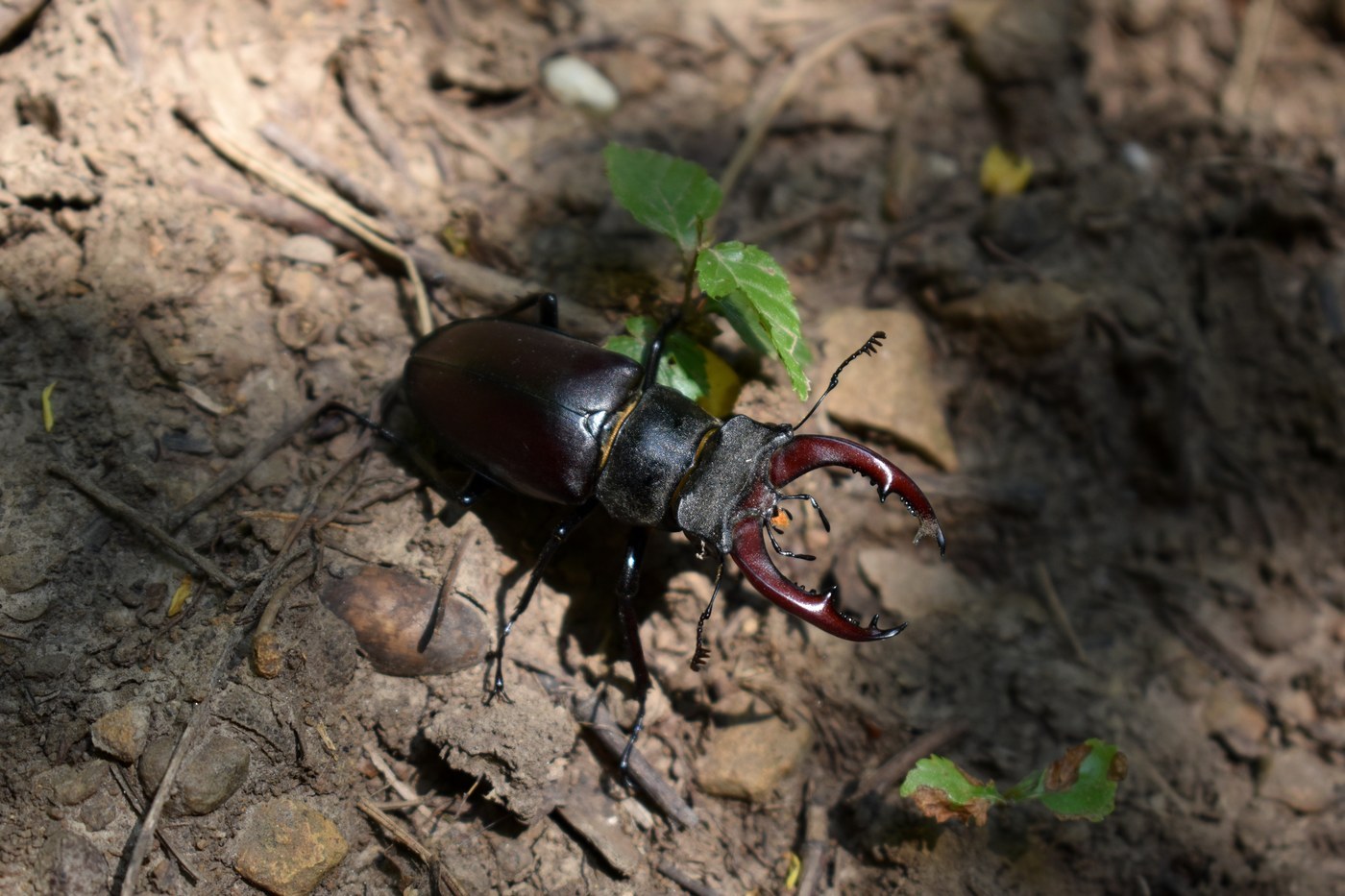
European Stag Beetle
Europe's largest beetle, a glossy dark brown insect in which males carry oversized antler-like mandibles used to wrestle rivals, resembling the antlers of a stag.
beetle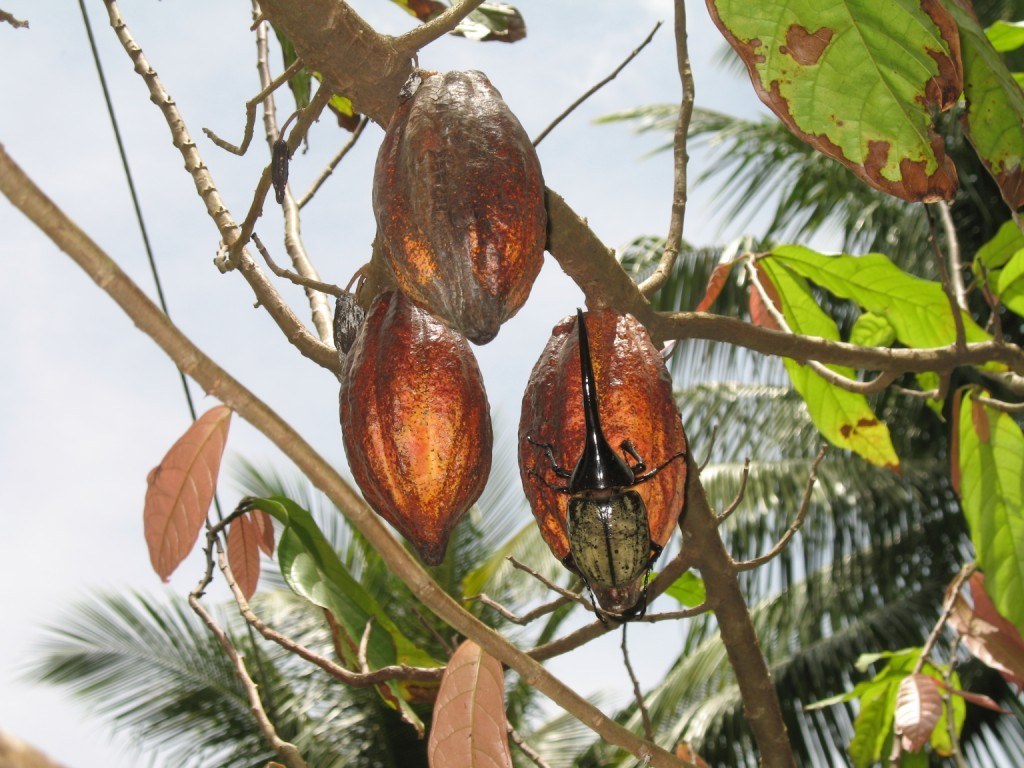
Hercules Beetle
One of the largest beetles in the world, with males bearing dramatic, forceps-like horns nearly as long as the rest of their armored, olive-green body.
beetleSpur-throated Grasshopper
One of the most familiar grasshopper groups in North America, named for the small spine on its throat and known for including some of the continent's most abundant rangeland species.
grasshopper-cricket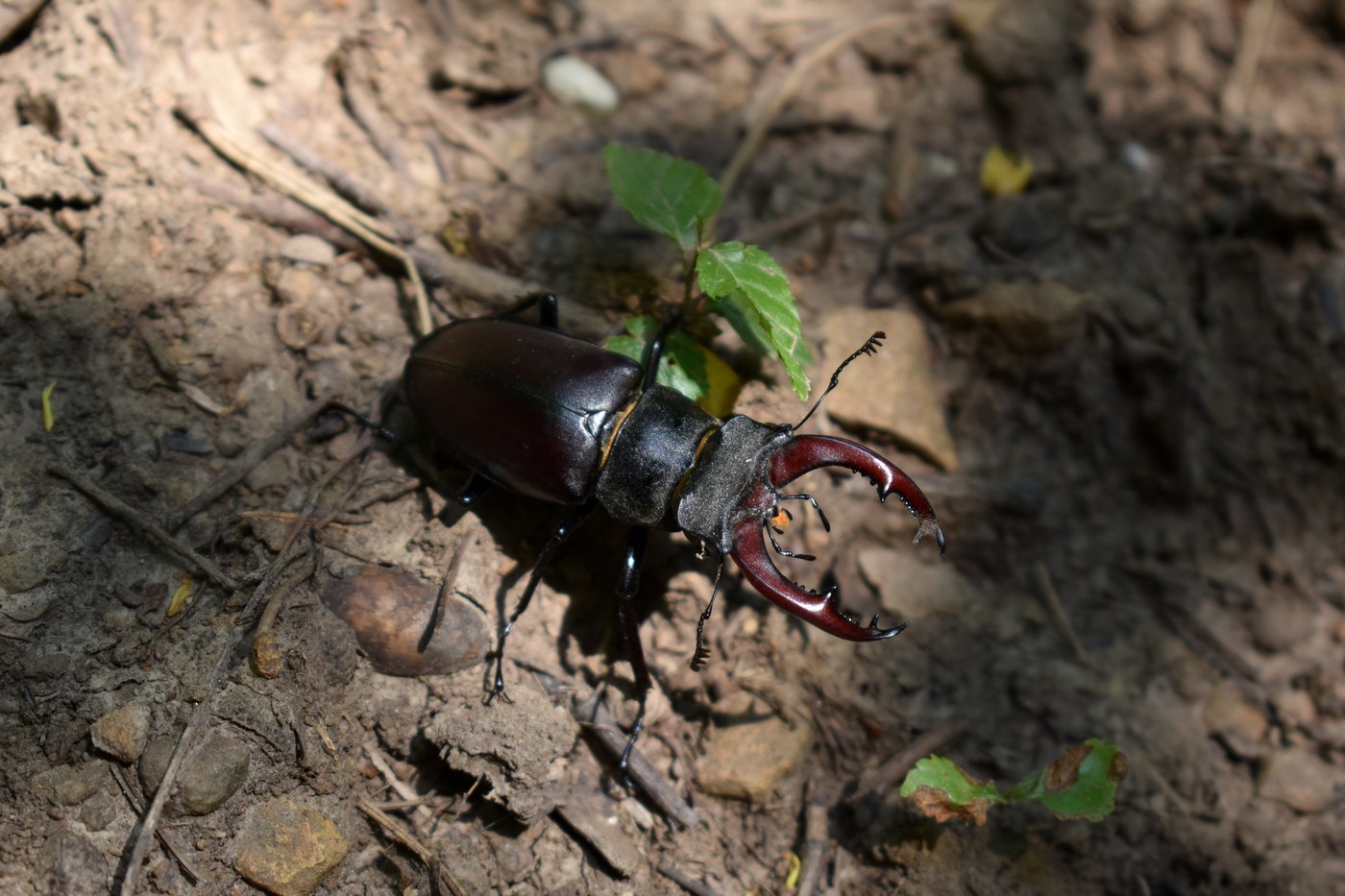
Stag Beetle
A large, glossy beetle whose males wield oversized, antler-like mandibles resembling a stag's rack of horns, used for wrestling rival males rather than for feeding.
beetle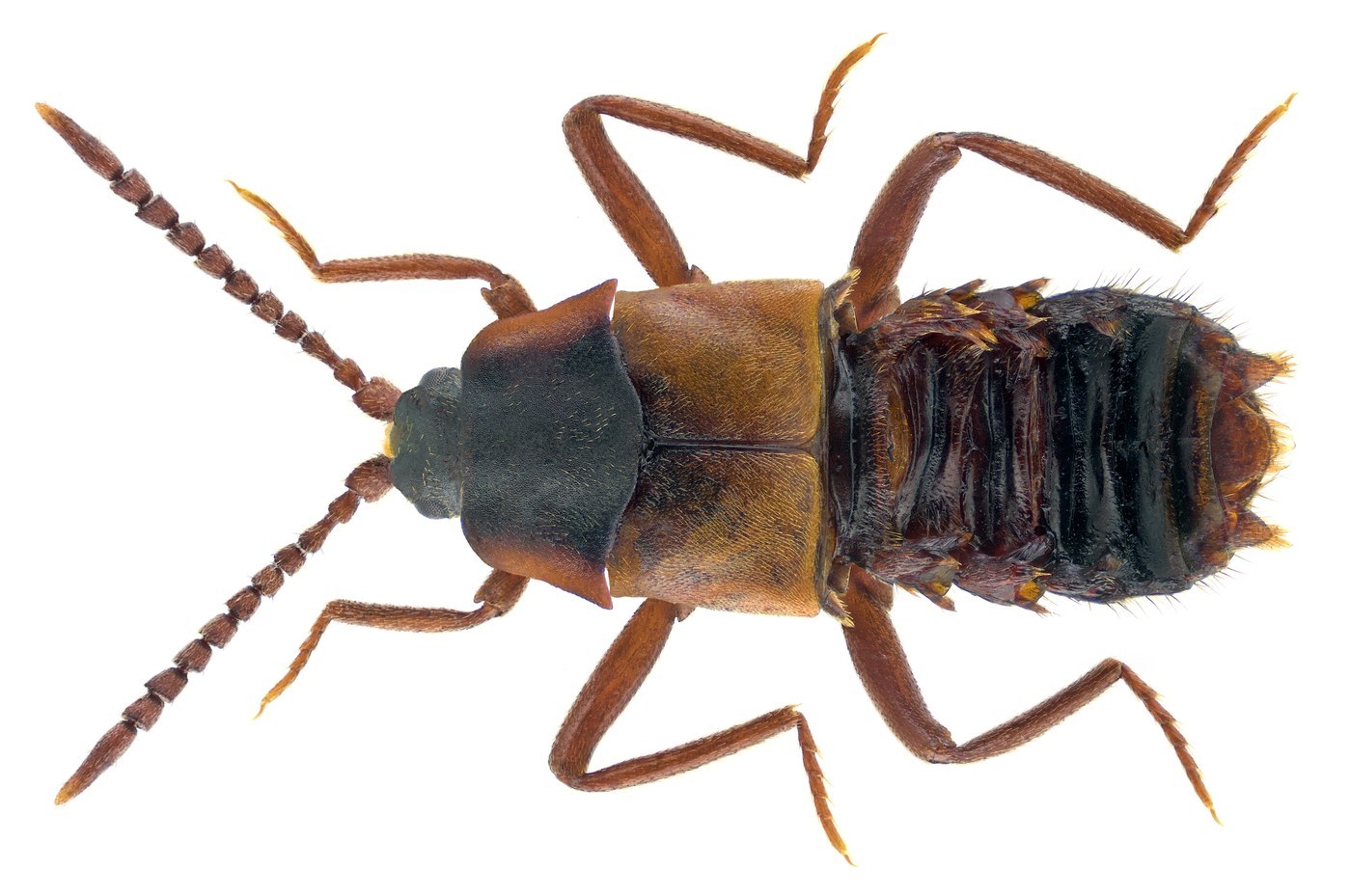
Rove Beetle
A slender, fast-running beetle with unusually short wing covers that leave much of its flexible abdomen exposed, often curling its tail upward like a scorpion when alarmed.
beetleWater Scavenger Beetle
Rounded and glossy, water scavenger beetles paddle through weedy ponds gathering air with a short antenna rather than a snorkel-like tube, feeding mostly on decaying plant matter and algae.
beetleGolden Tortoise Beetle
A tiny, dome-shaped beetle famous for its brilliant, mirror-like gold sheen, which it can dial down to a dull orange or spotted reddish tone within minutes when disturbed or handled.
beetle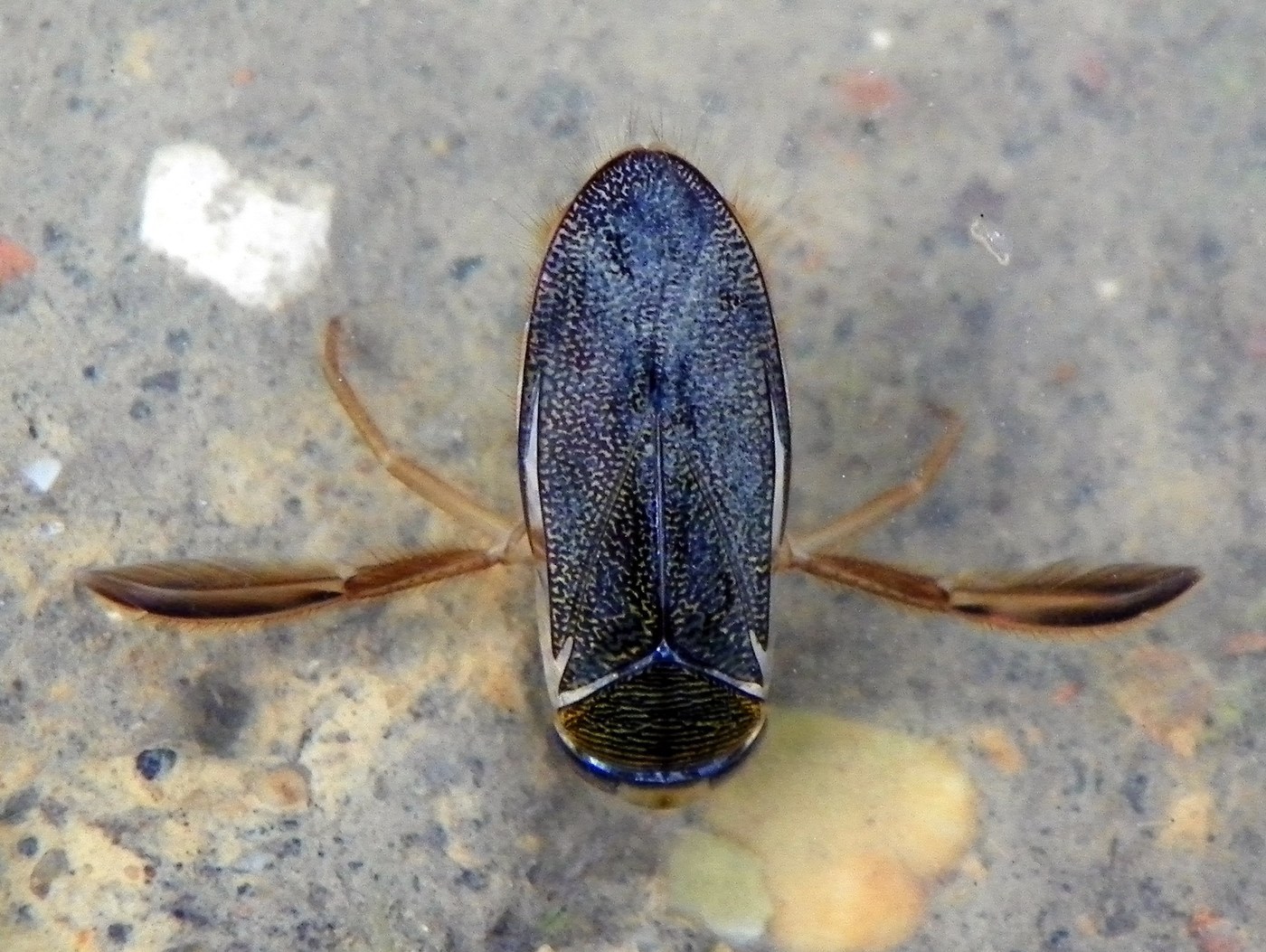
Water Boatman
A small, streamlined aquatic true bug with oar-like hind legs used for swimming, commonly seen gliding just beneath the surface of ponds and calm freshwater.
aquatic-insect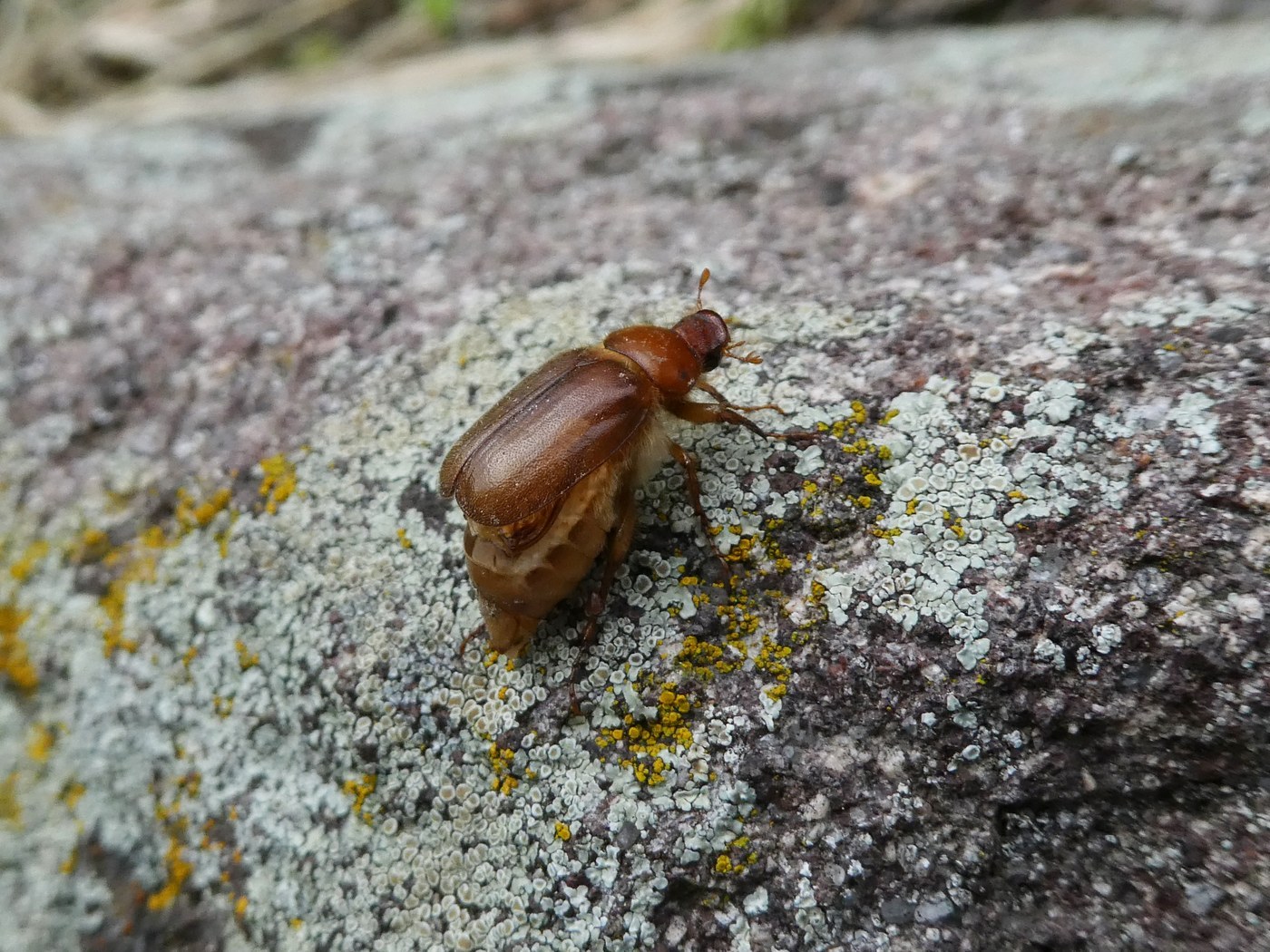
Scarab Beetle
A broad, often glossy beetle family recognized by its distinctive fan-like clubbed antennae, ranging from tiny dung-rollers to massive horned giants, found on every continent except Antarctica.
beetleFungus Gnat
A small, dark, mosquito-like fly with long legs and delicate smoky wings, often seen weakly fluttering around houseplants or crawling across damp potting soil.
fly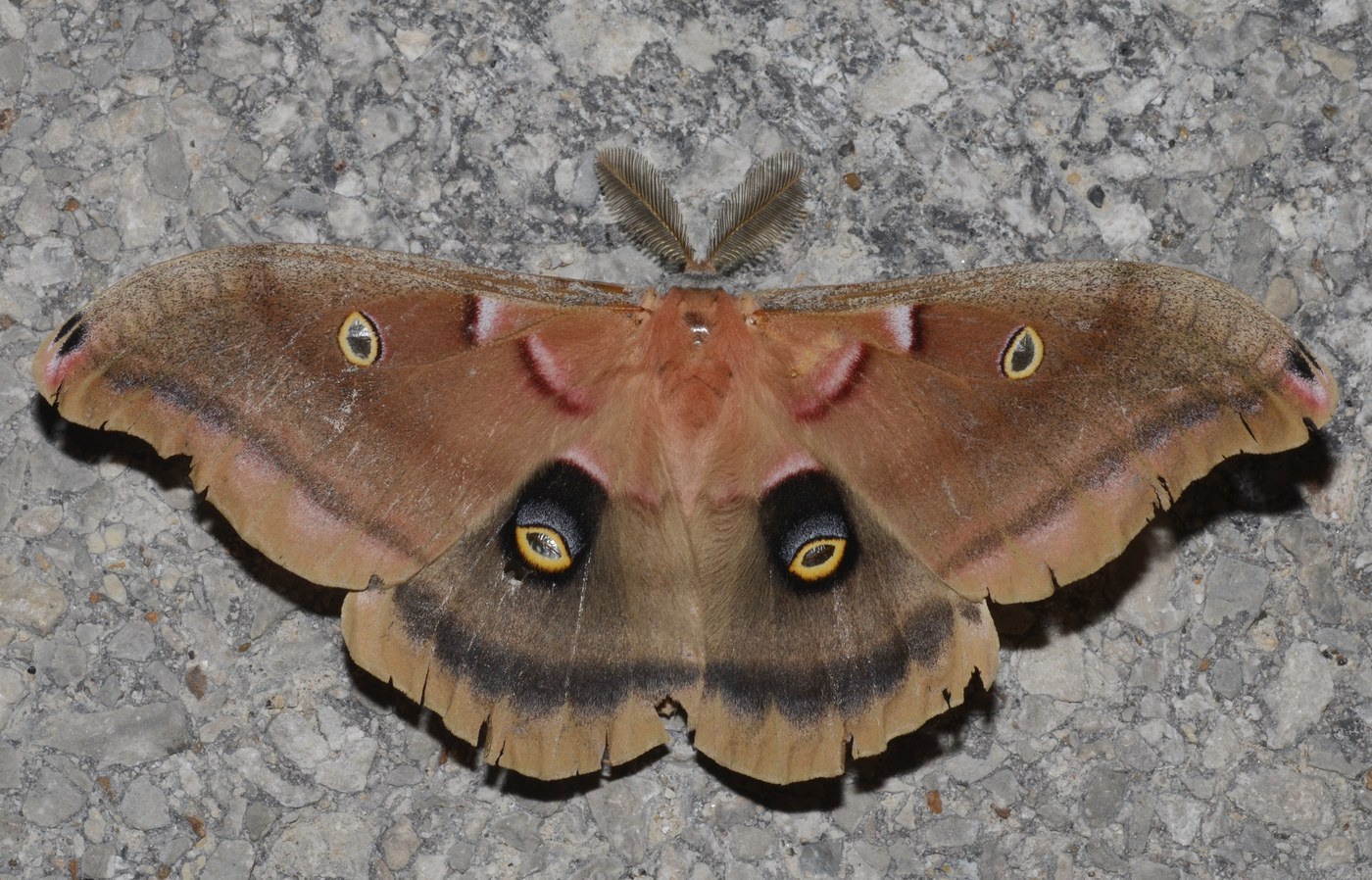
Antheraea Silkmoth
A large, robust silkmoth in the genus Antheraea with broad reddish-brown to tan wings, each marked with a prominent transparent, eye-like spot, representing a group of giant moths long valued for producing wild silk.
mothSnipe Fly
A slender, long-legged fly often seen perched head-down on a sunny tree trunk or fence post, patiently watching for smaller insects to ambush. Its tapered, wasp-like abdomen and habit of resting motionless with legs splayed give it a distinctive, almost sentry-like posture in woodland clearings.
fly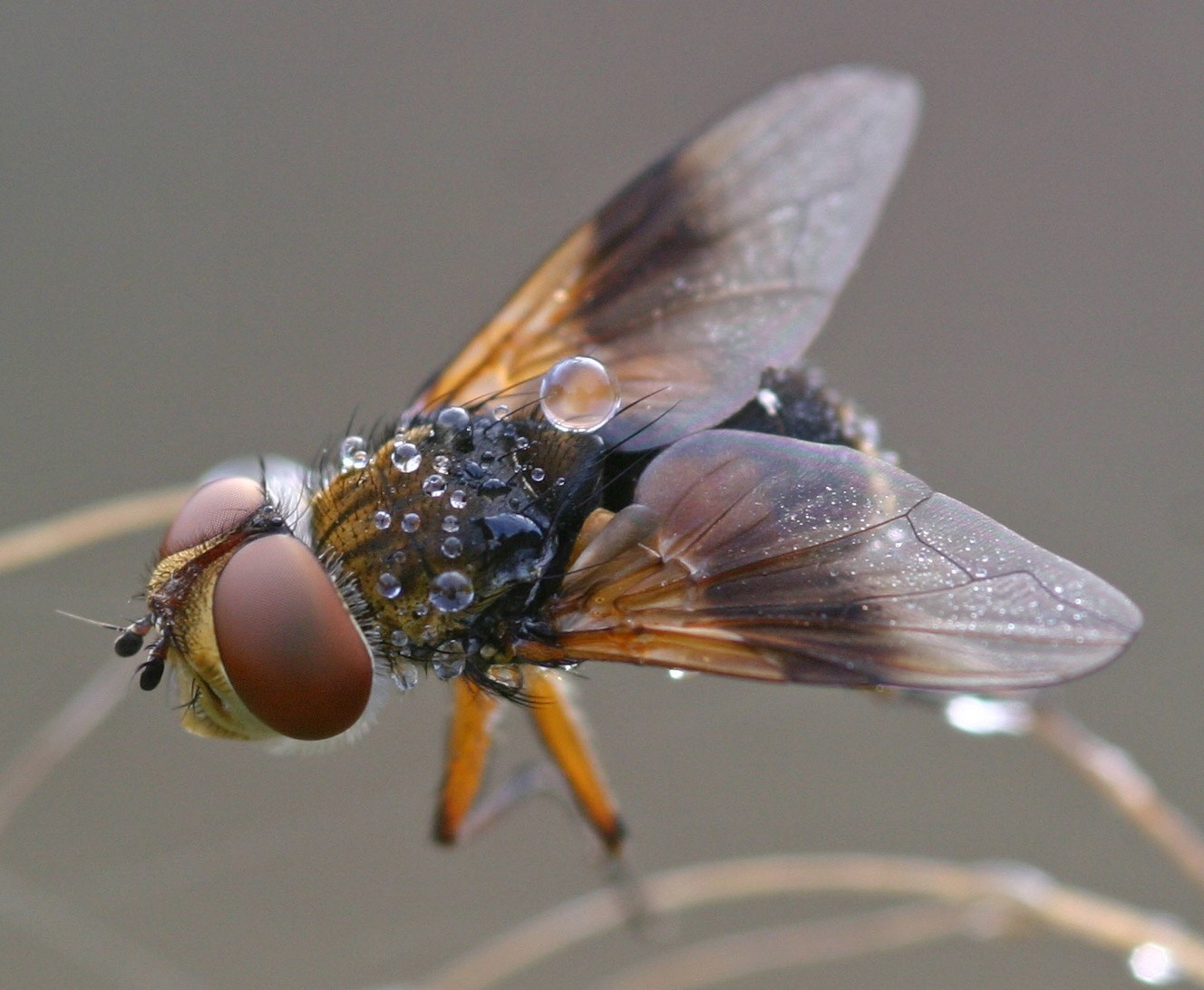
Tachinid Fly
A bristly, house-fly-like insect that looks unremarkable at a glance but hides one of the most important ecological roles among flies: its larvae develop as internal parasites of caterpillars, beetles, and other insects, quietly regulating populations across the landscape. Gardeners often welcome tachinid flies as natural allies against crop-damaging pests.
fly