
Bug Encyclopedia
Search and identify bugs & insects — beetles, butterflies, moths, ants, bees, spiders and more — with size, habitat, danger, behavior, and how to tell them apart.
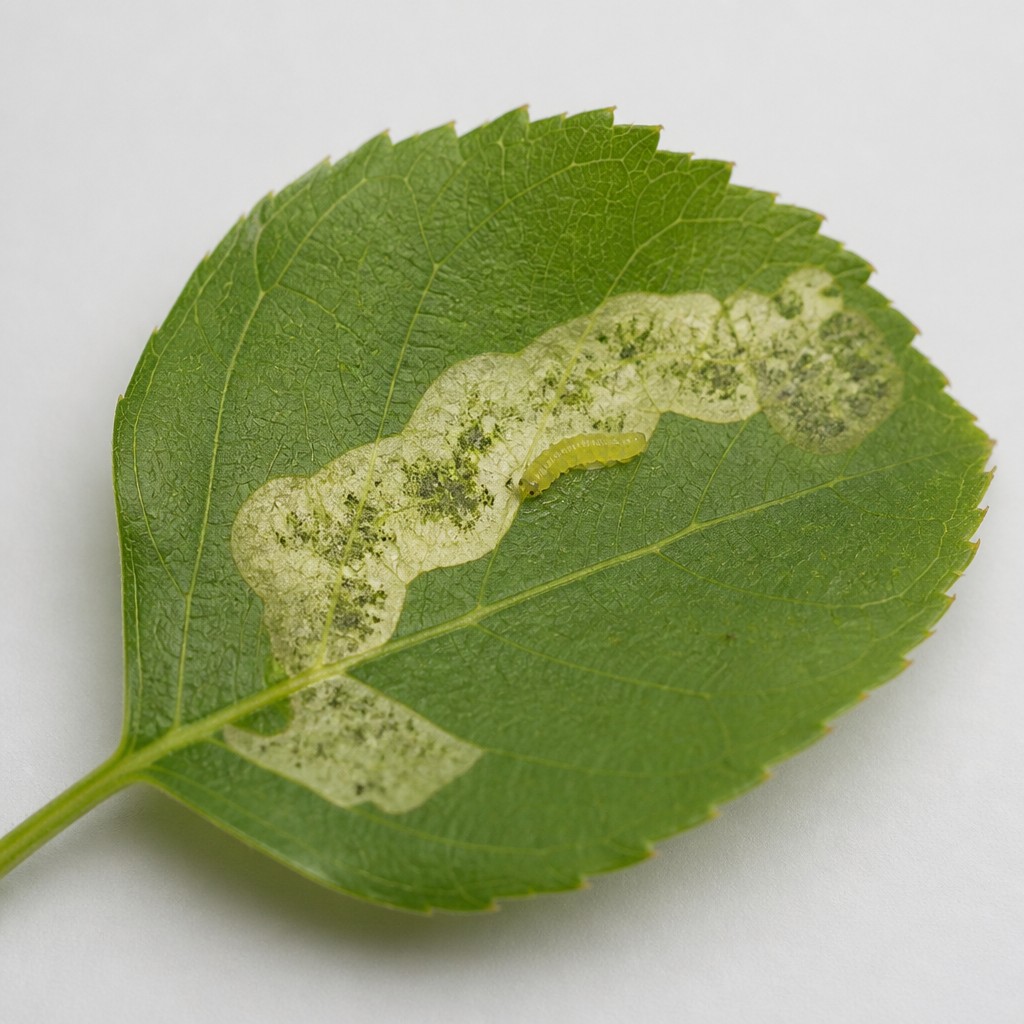
Leaf Miner
Rather than chewing from the outside, a leaf miner larva tunnels between the upper and lower surfaces of a leaf, leaving behind pale, winding trails or blotches that trace its path as it feeds.
fly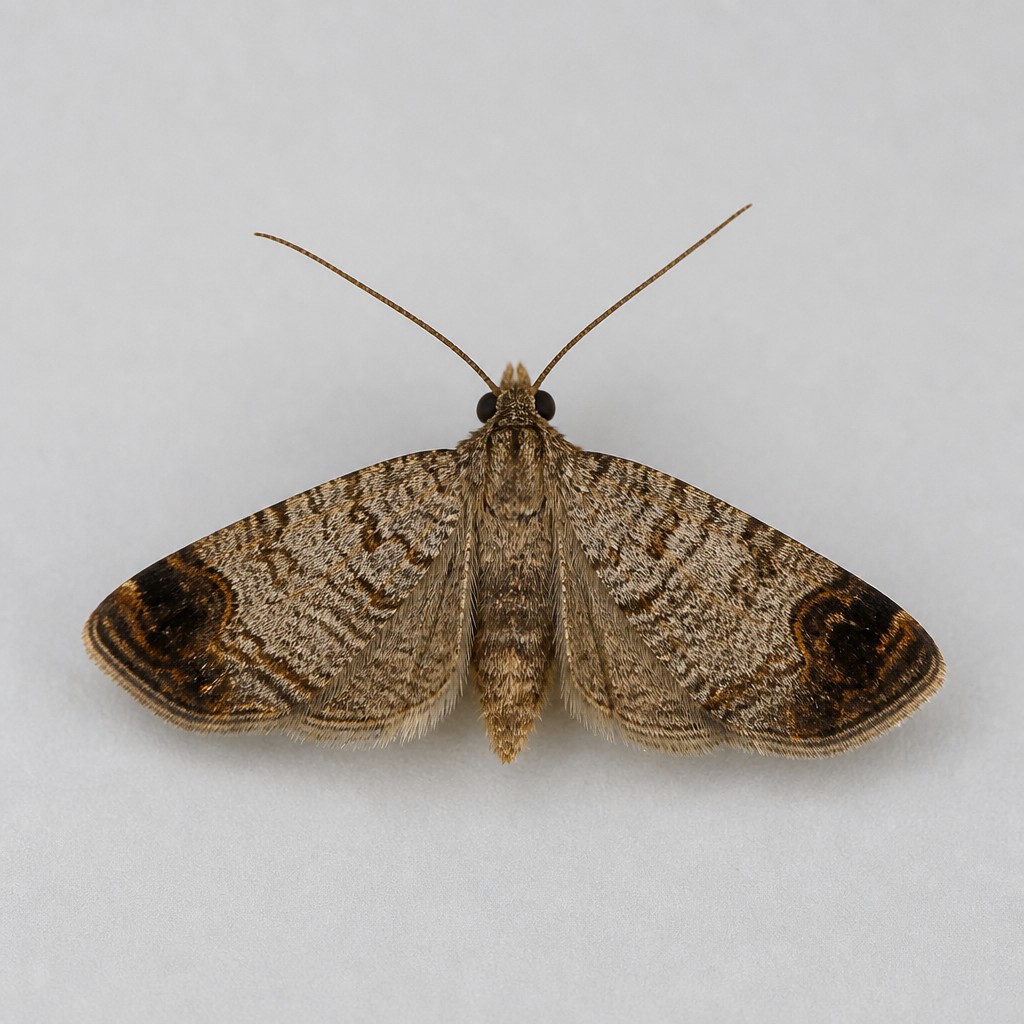
Codling Moth
A small, inconspicuous grey-brown moth best known through the work of its larva, the classic apple 'worm' that tunnels into fruit, making this tiny moth one of the most economically significant insects in orchards worldwide.
moth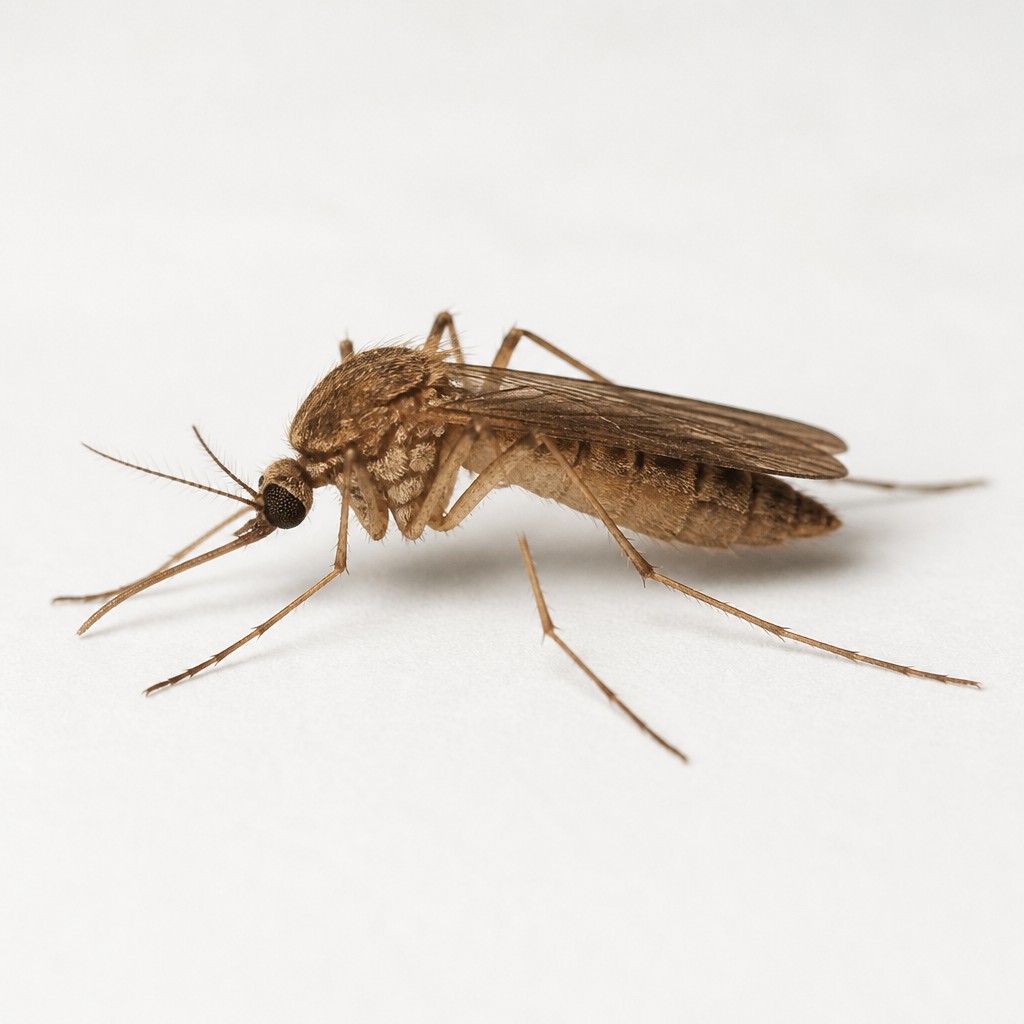
Culex Mosquito
A large, worldwide genus of plain brown mosquitoes recognizable by their blunt abdomens and habit of resting flat against surfaces.
fly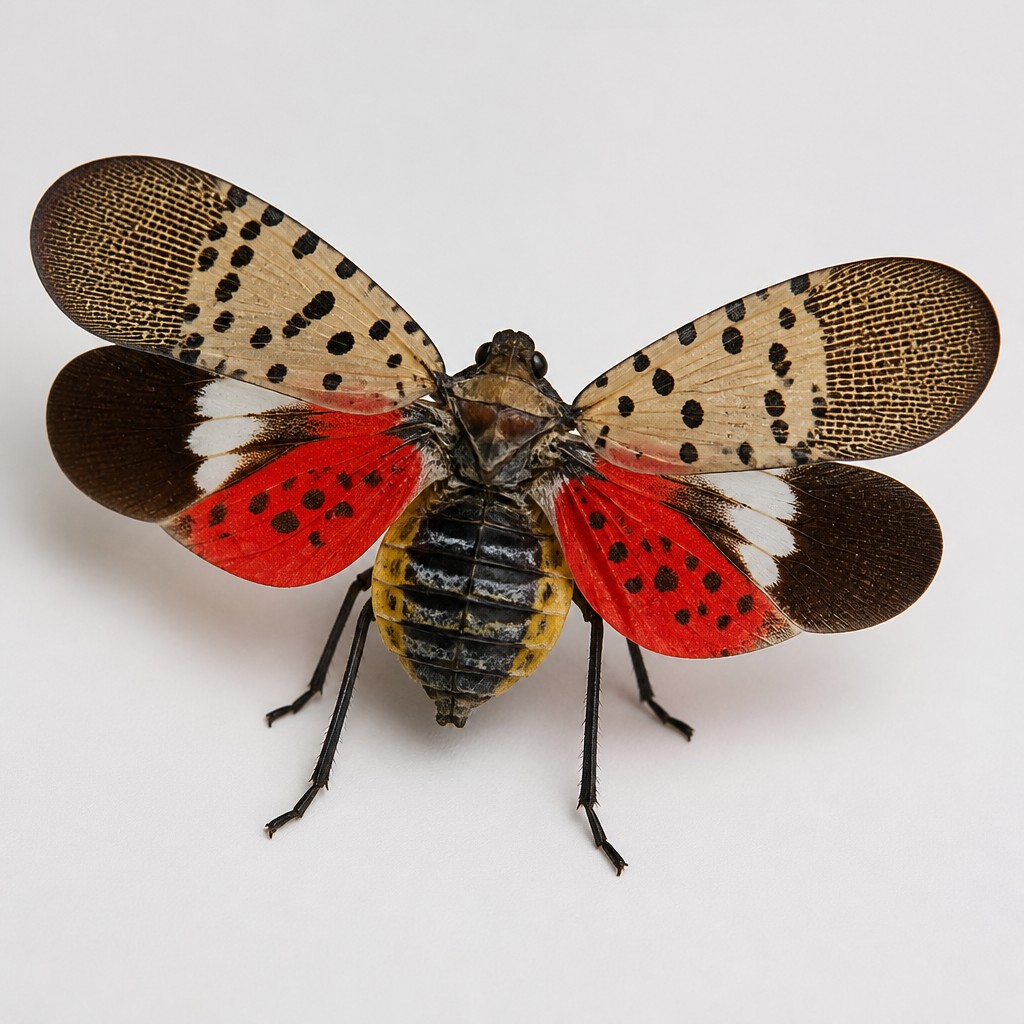
Spotted Lanternfly
A large, strikingly patterned planthopper with gray spotted forewings that flash to reveal crimson hindwings when it leaps or takes flight.
true-bug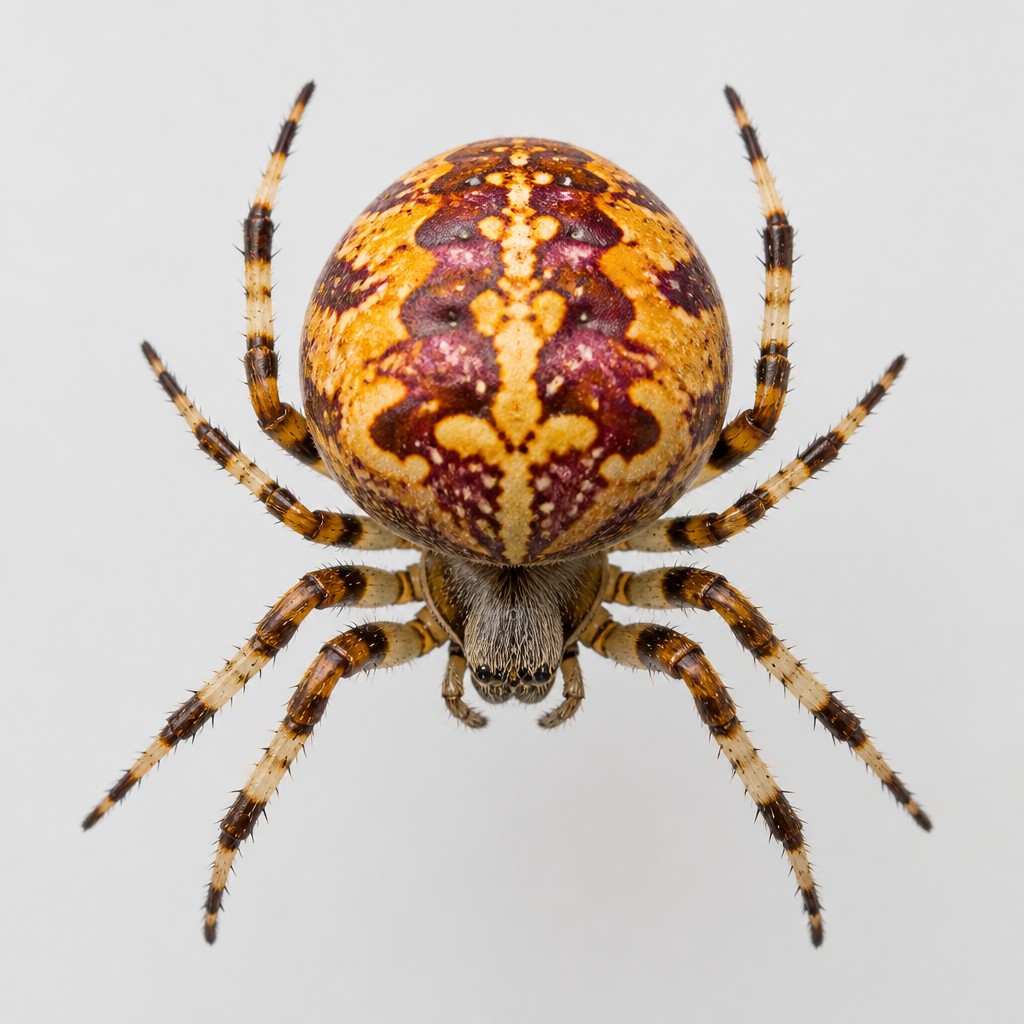
Marbled Orbweaver
A round-bodied orb weaver with a swollen, marbled orange-and-purple abdomen that builds large, symmetrical webs in damp woodland edges.
spider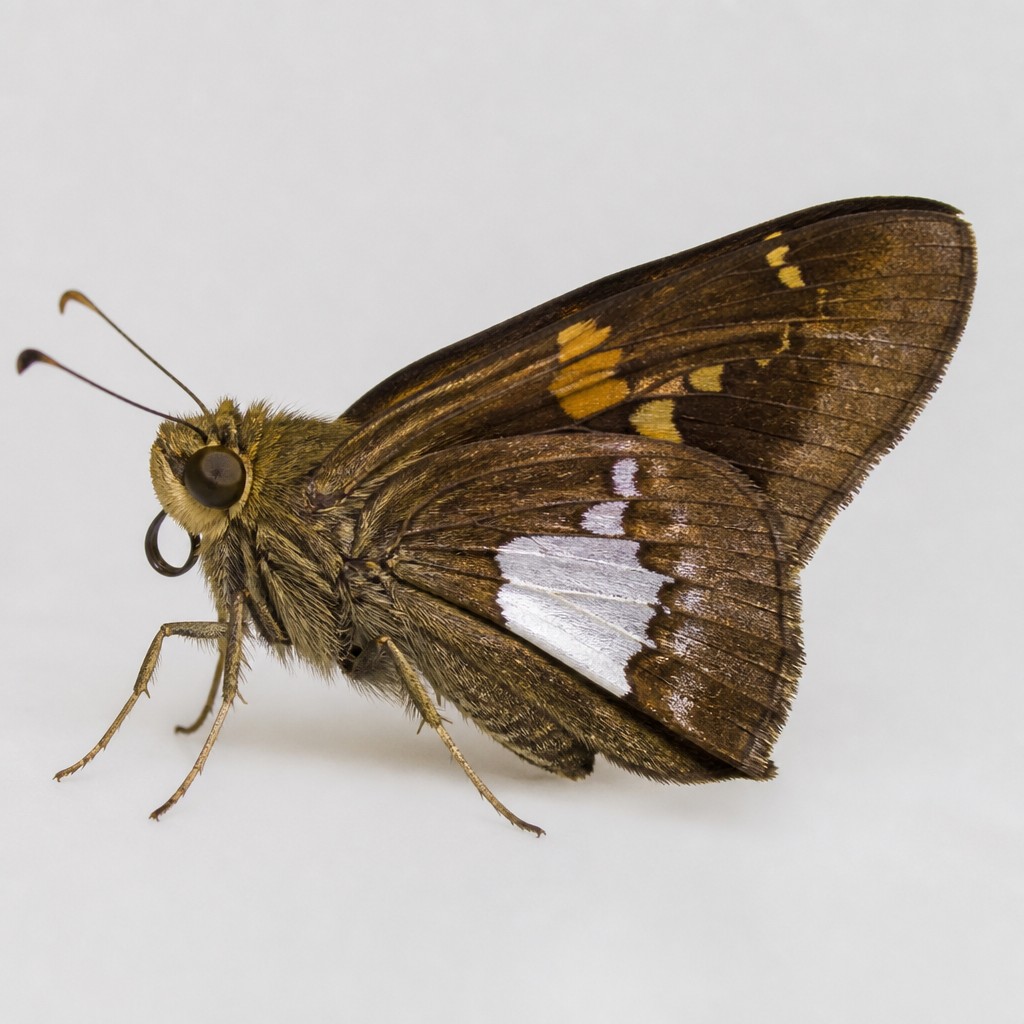
Silver-spotted Skipper
A large, chunky brown skipper instantly identified by the bold, translucent silvery-white patch splashed across the underside of each hindwing.
butterfly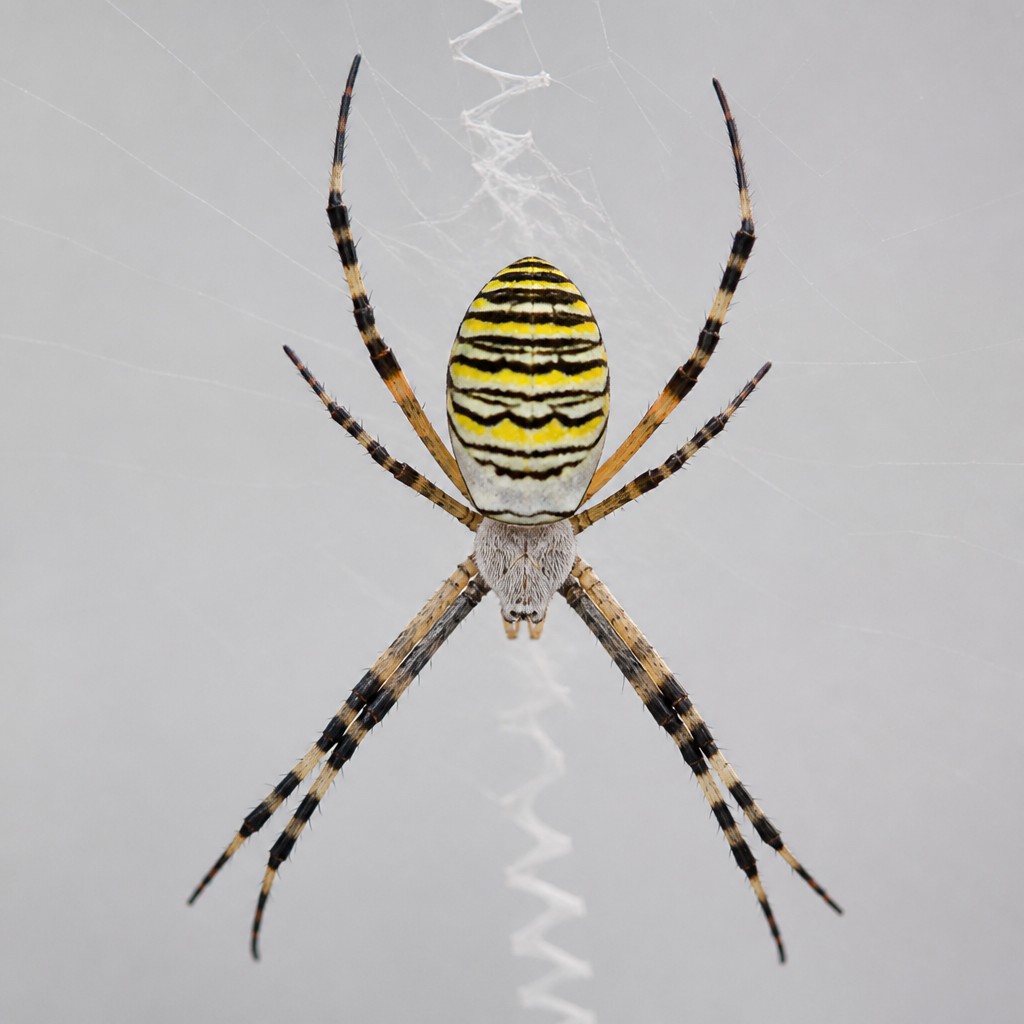
Banded Garden Spider
A large orb weaver with a silvery, banded abdomen striped in yellow and black, spinning a distinctive zigzag stabilimentum through the center of its web.
spider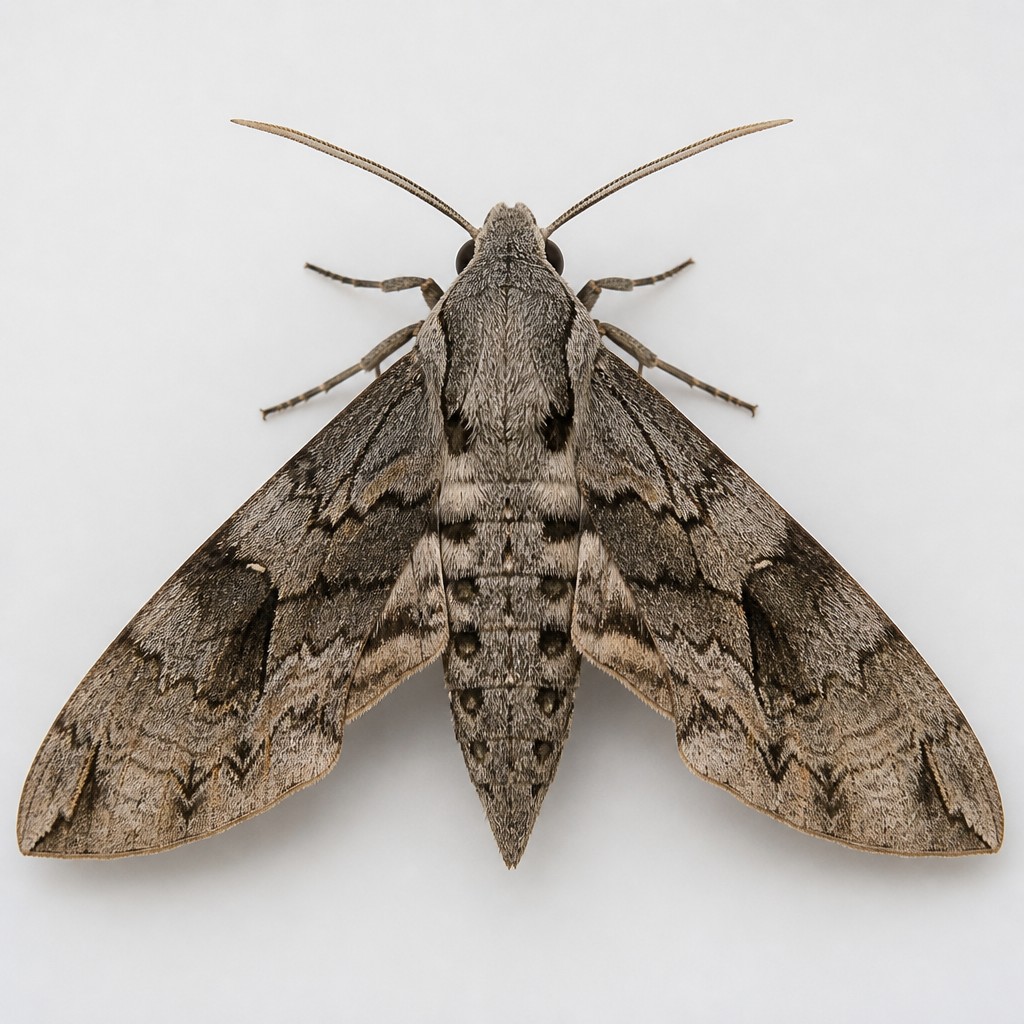
Sphinx Moth
A large, streamlined, fast-flying moth with narrow triangular wings and a robust, tapering body, famous for hovering at flowers at dusk like a hummingbird.
moth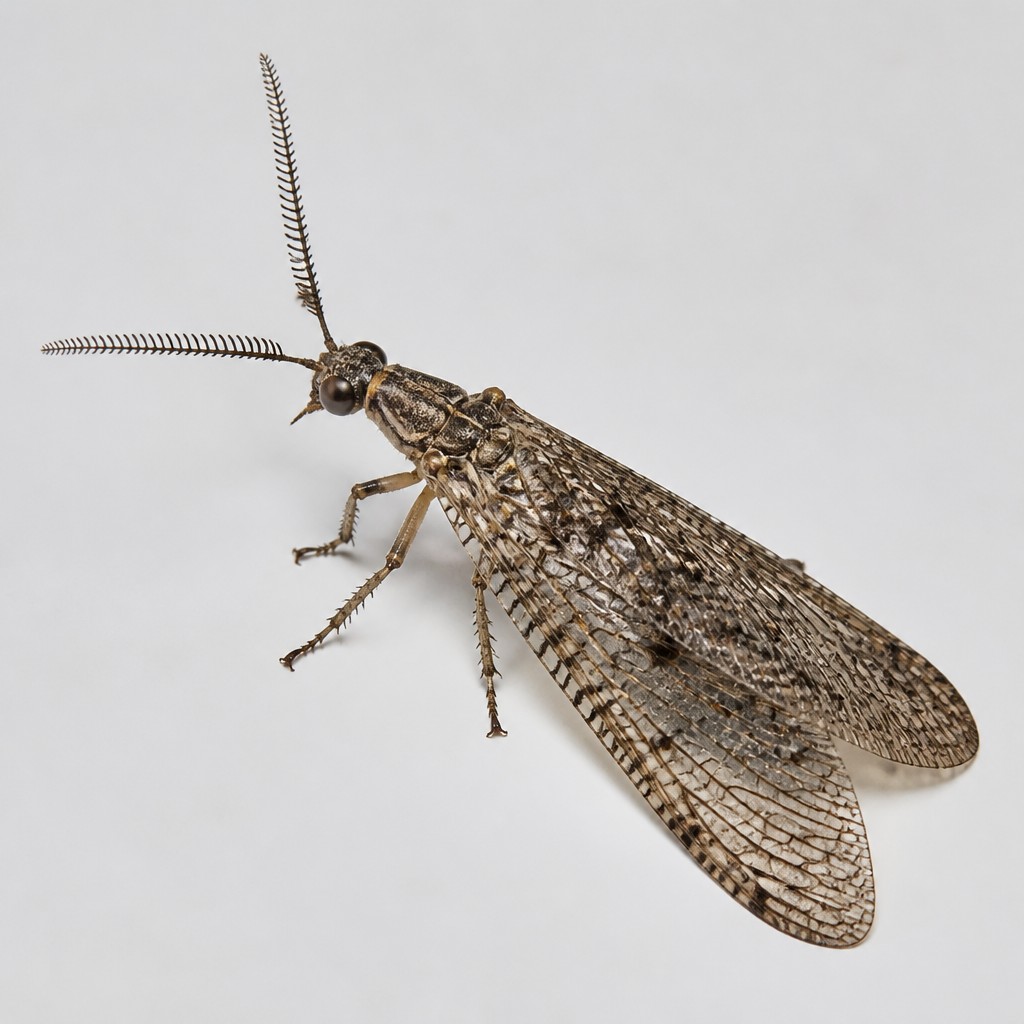
Fishfly
A smaller, more modestly built cousin of the dobsonfly, often mistaken for its larger relative but lacking the dramatic elongated mandibles of male dobsonflies.
aquatic-insect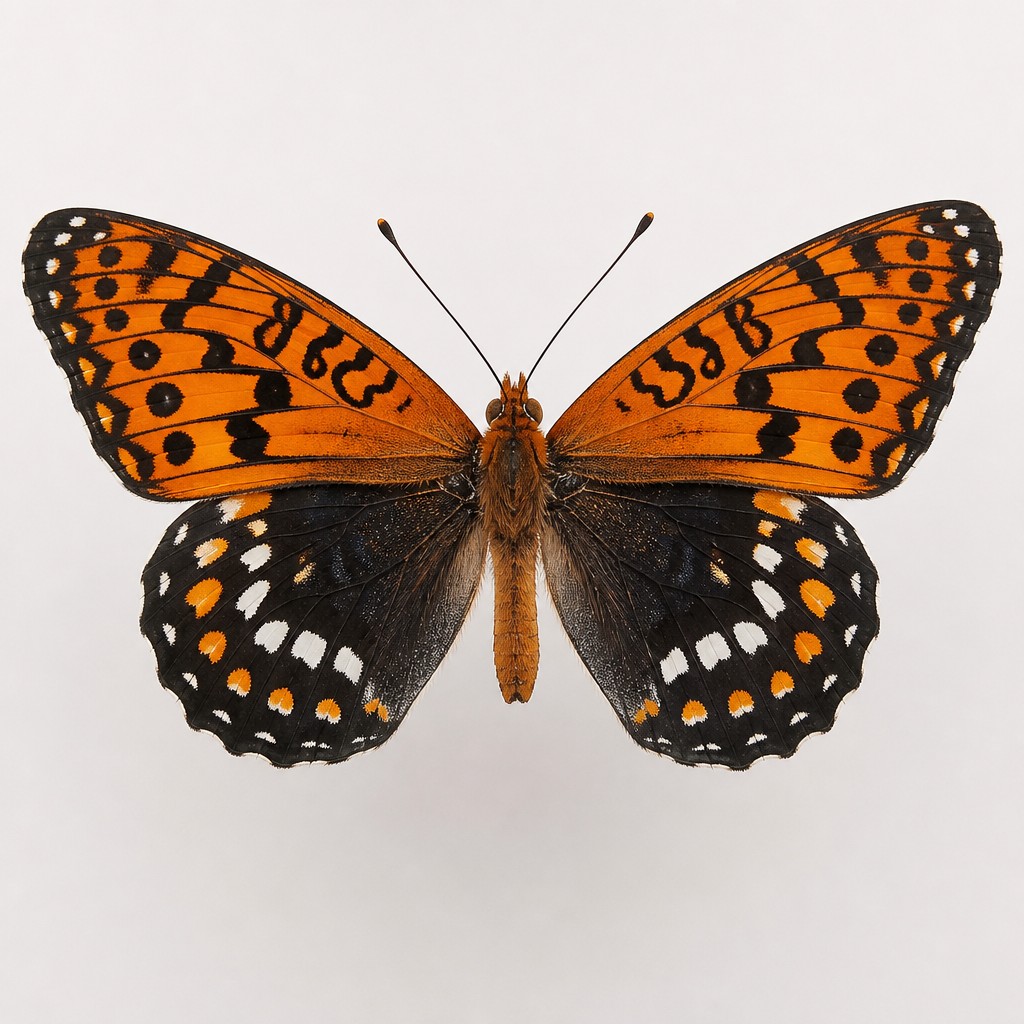
Regal Fritillary
A large, showy prairie butterfly with bright orange forewings and dramatically contrasting black hindwings dotted with rows of white and cream spots.
butterfly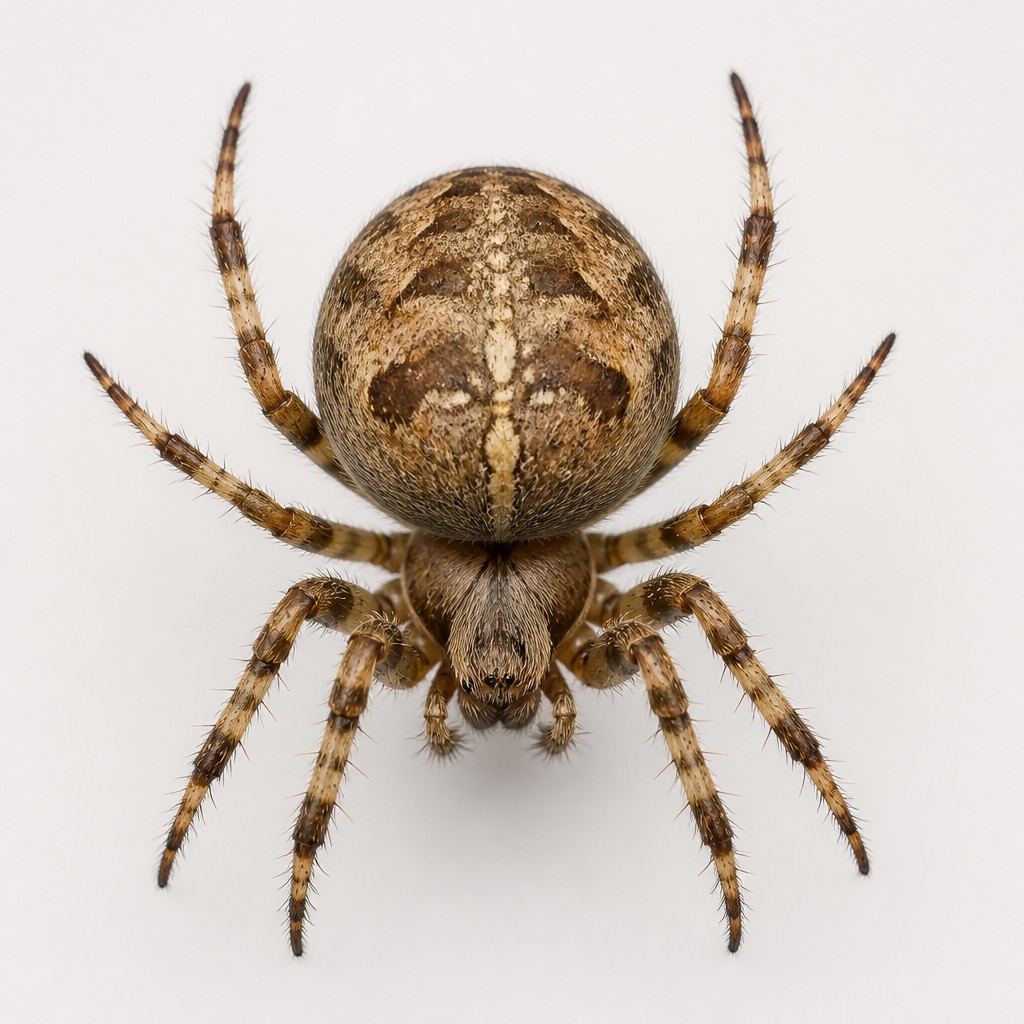
Barn Spider
A brownish, mottled orb weaver famous as the inspiration for Charlotte's Web, commonly found spinning large nightly webs on barns, porches, and other structures.
spider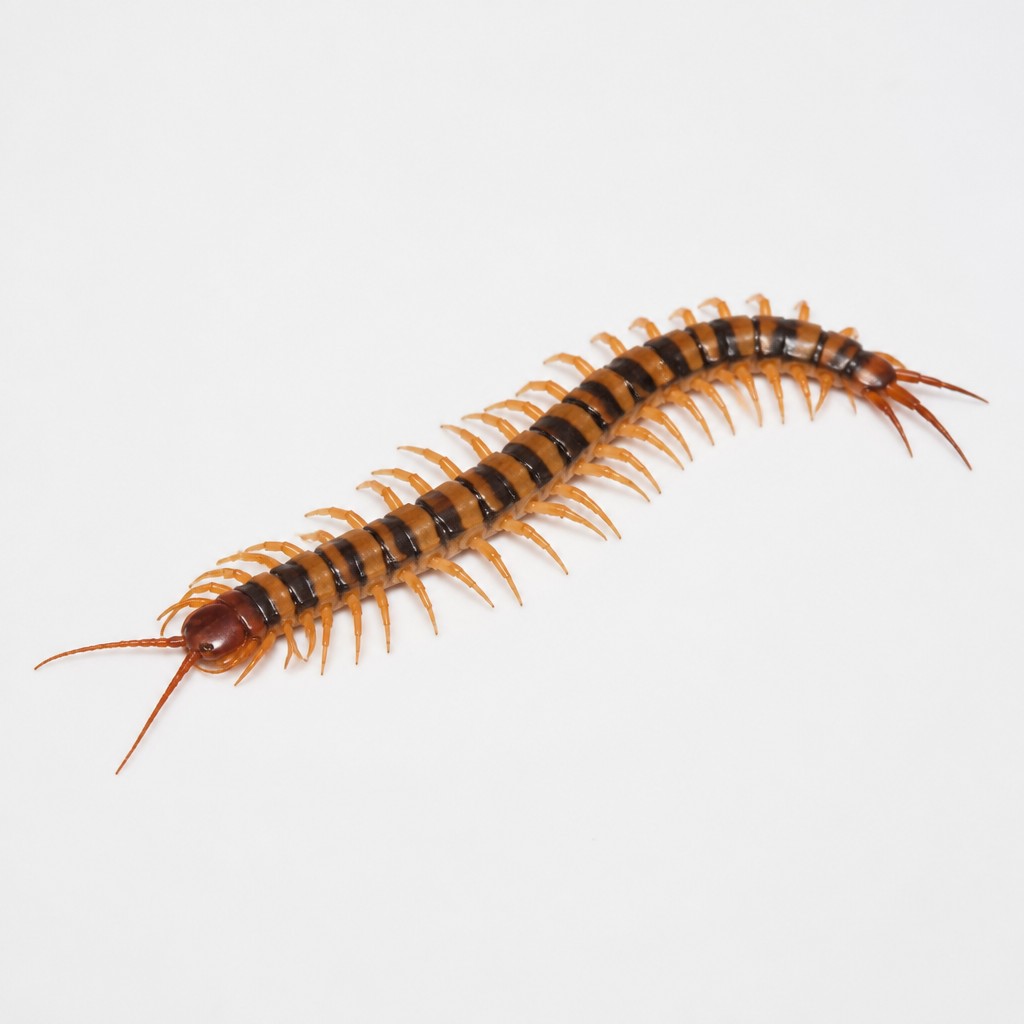
Tiger Centipede
A large, banded desert centipede with alternating dark and pale segments reminiscent of tiger stripes, capable of a fast, muscular scuttle across sand and rock.
myriapod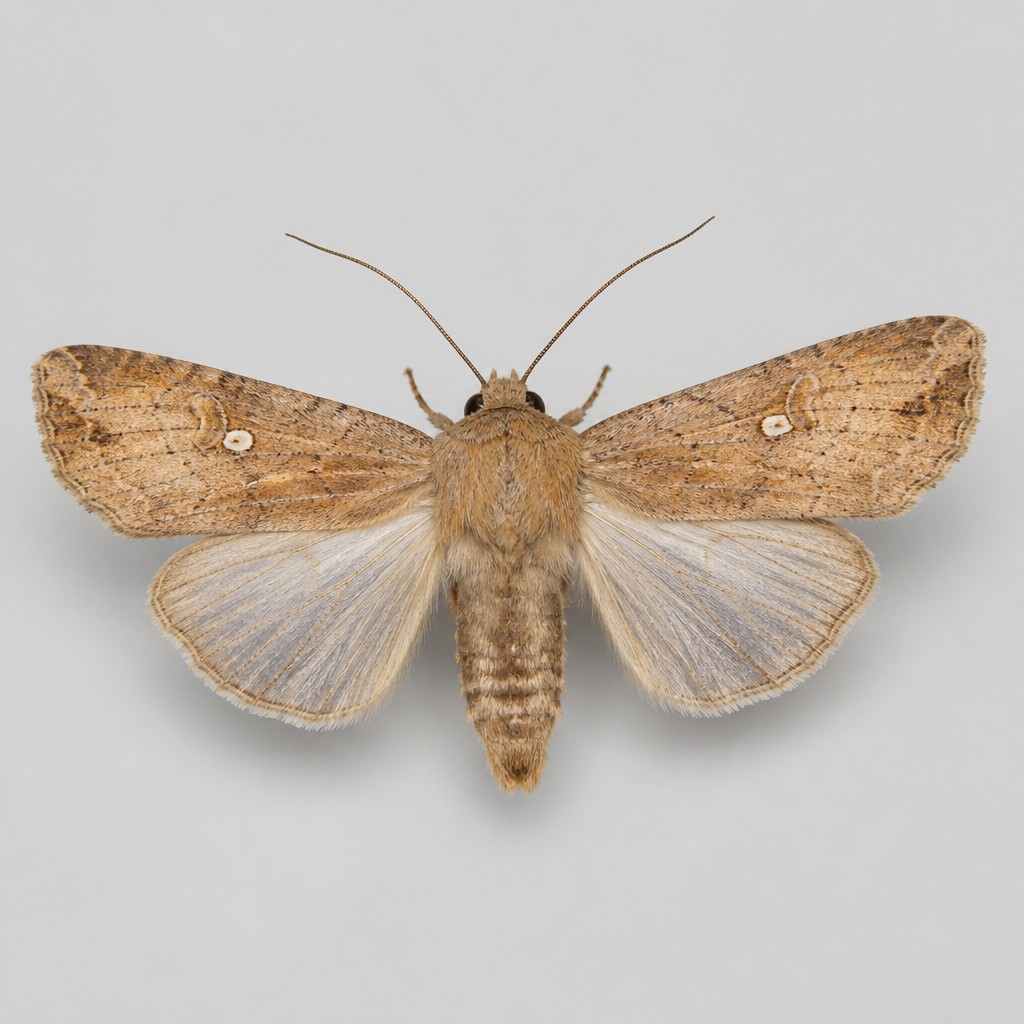
Armyworm Moth
A plain tan to reddish-brown moth whose caterpillars are famous for marching in large groups across fields, stripping grasses and grain crops as they move.
moth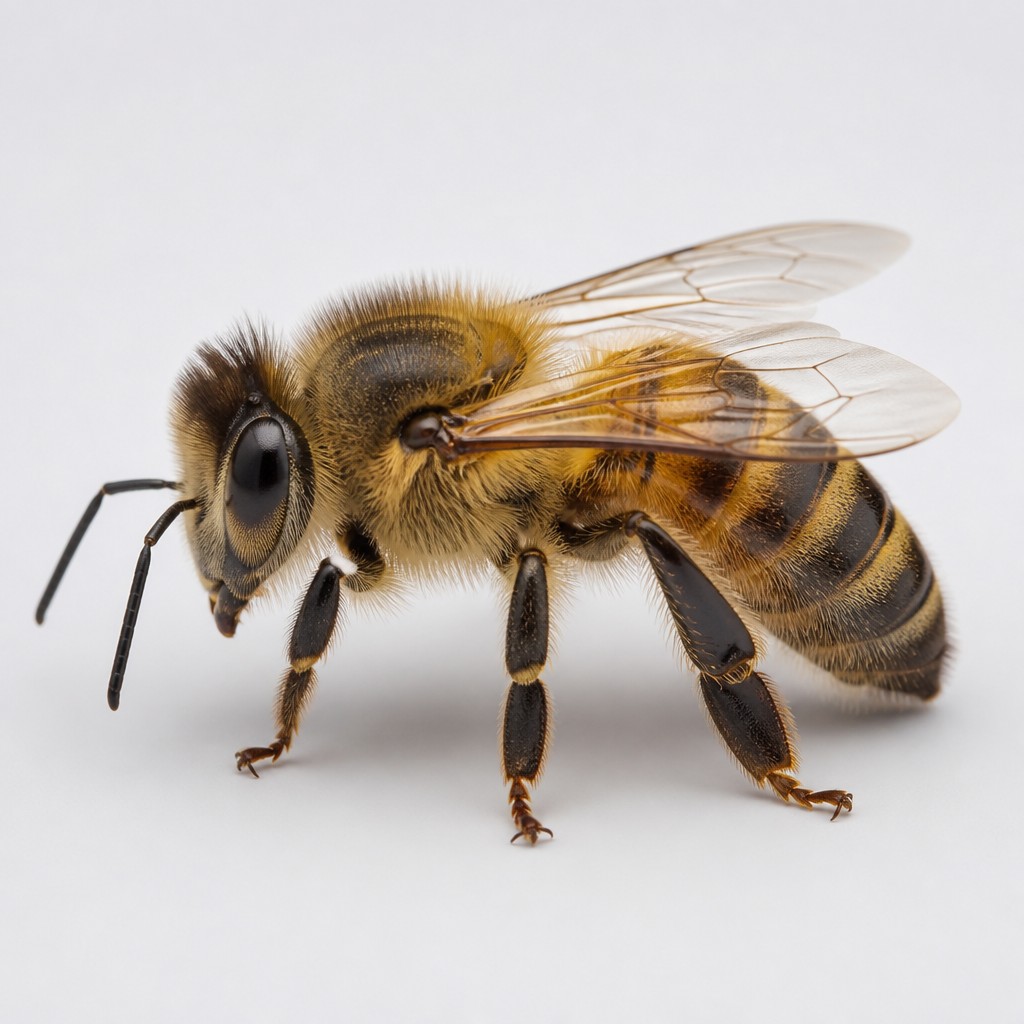
Honeybee
A fuzzy, golden-brown and black social bee that lives in large colonies, builds wax honeycomb, and is the primary managed pollinator of crops and wildflowers worldwide.
bee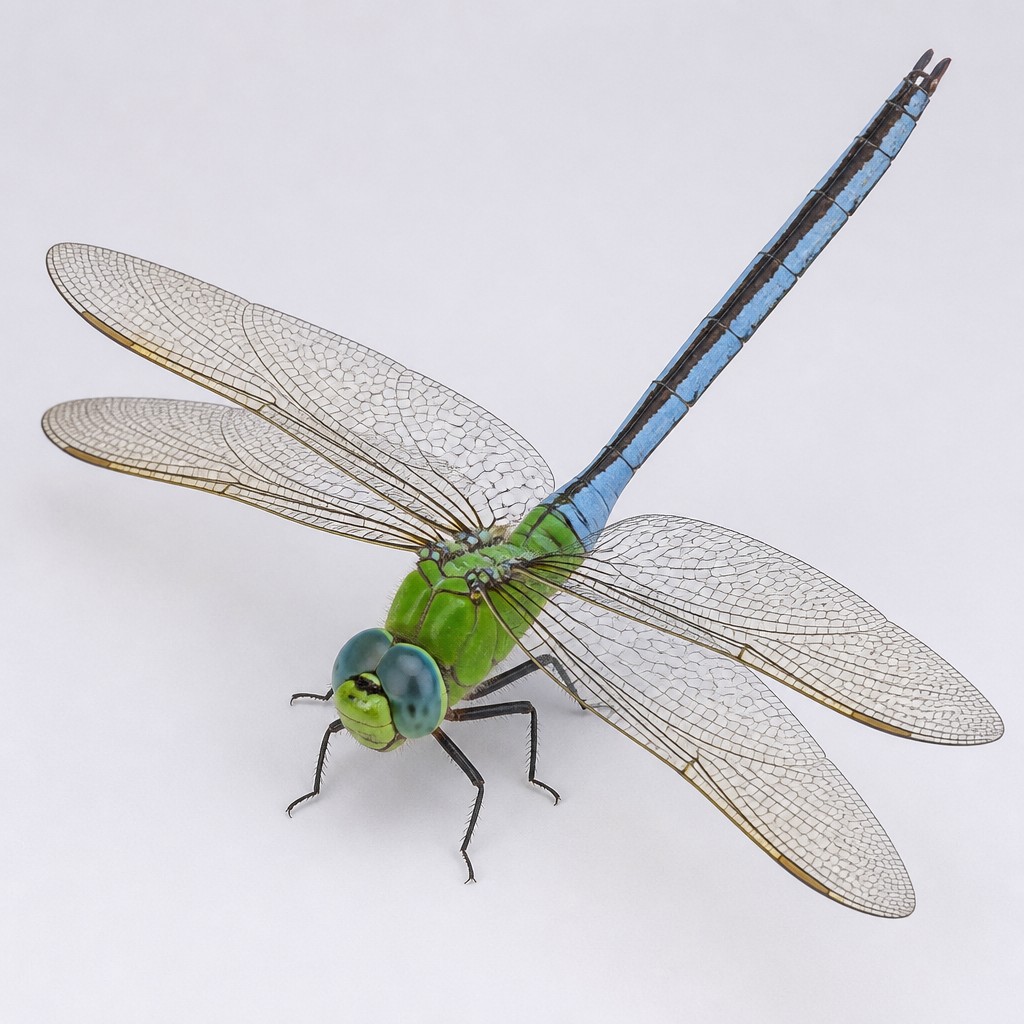
Common Green Darner
A large green-and-blue dragonfly and the official state insect of Washington, best known among dragonfly watchers for an annual migration that spans multiple generations.
dragonfly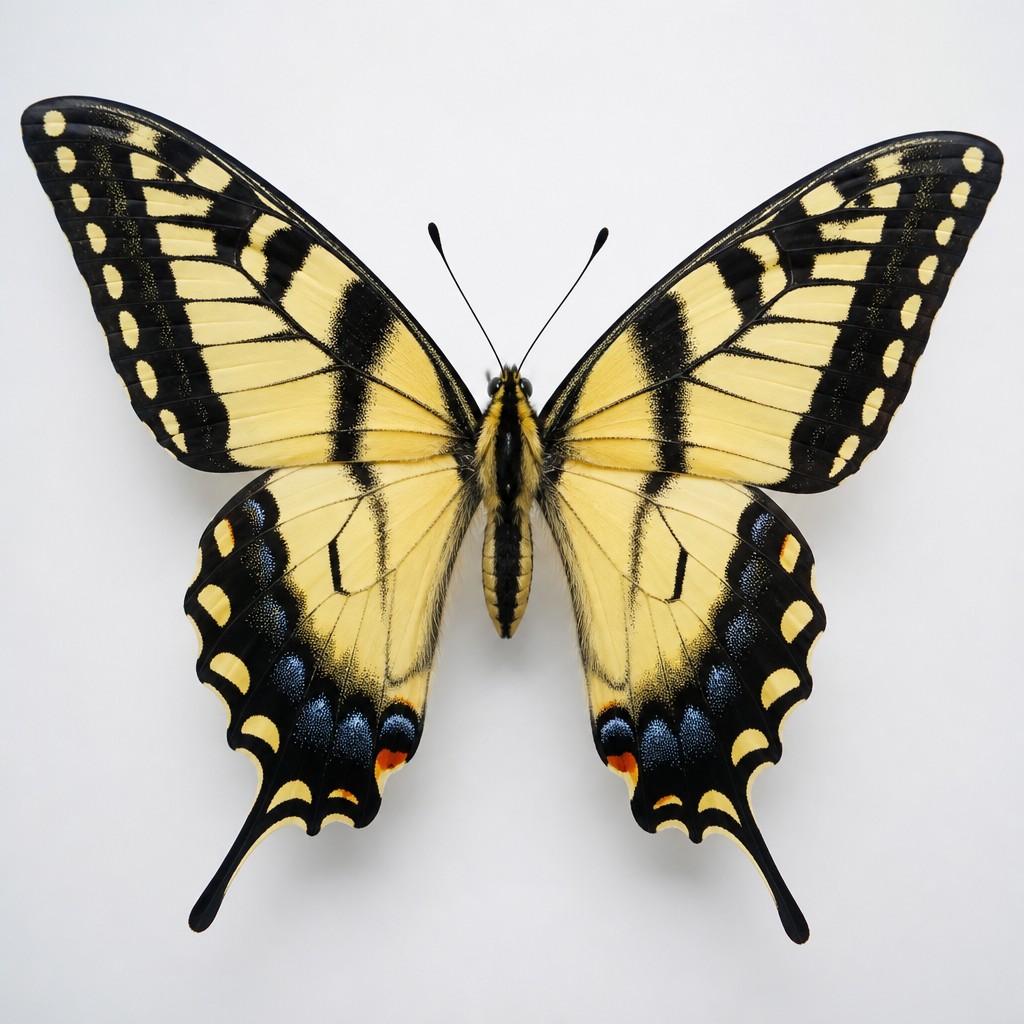
Swallowtail Butterfly
A large, showy butterfly named for the elongated, tail-like extensions on its hindwings, often seen gliding gracefully around gardens and flowering meadows.
butterfly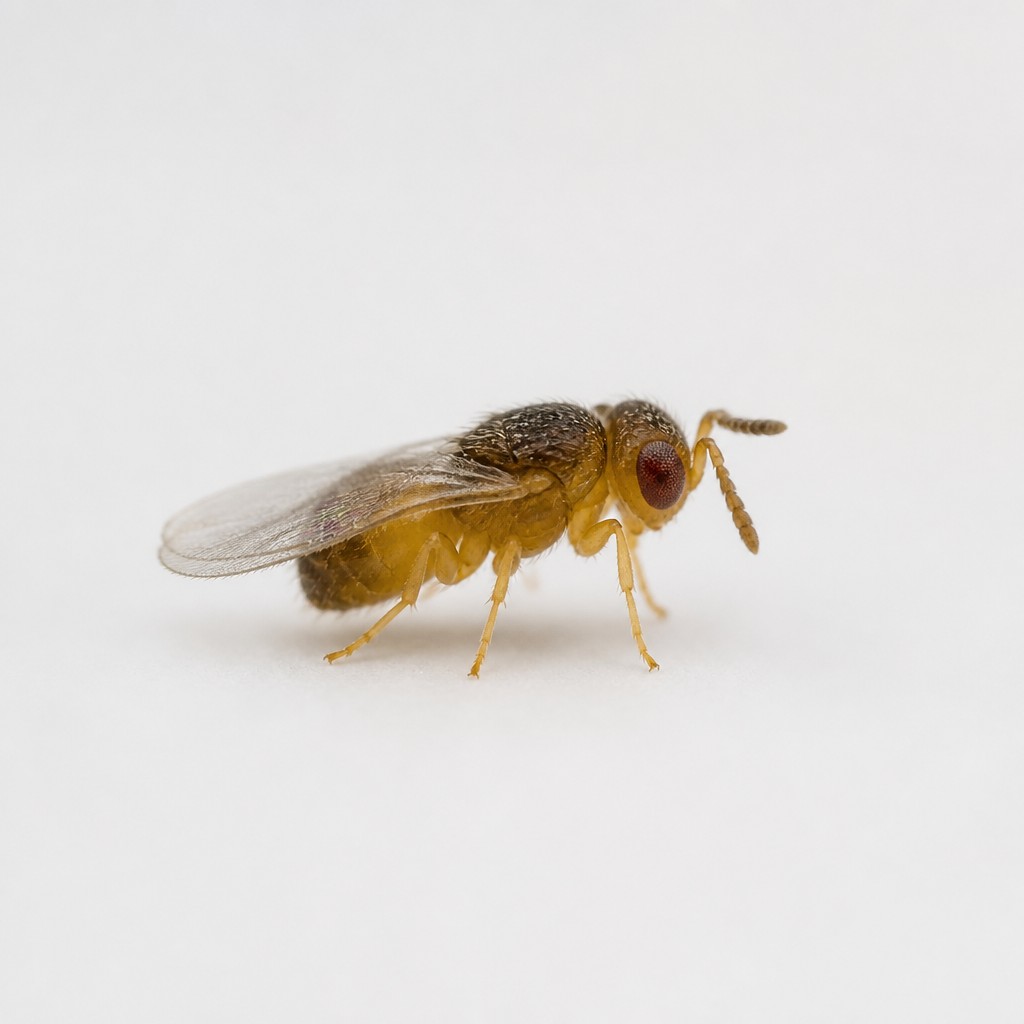
Trichogramma Wasp
Barely larger than a speck of dust, the trichogramma wasp is one of the tiniest insects known. These minute parasitoids lay their eggs inside the eggs of moths and butterflies.
wasp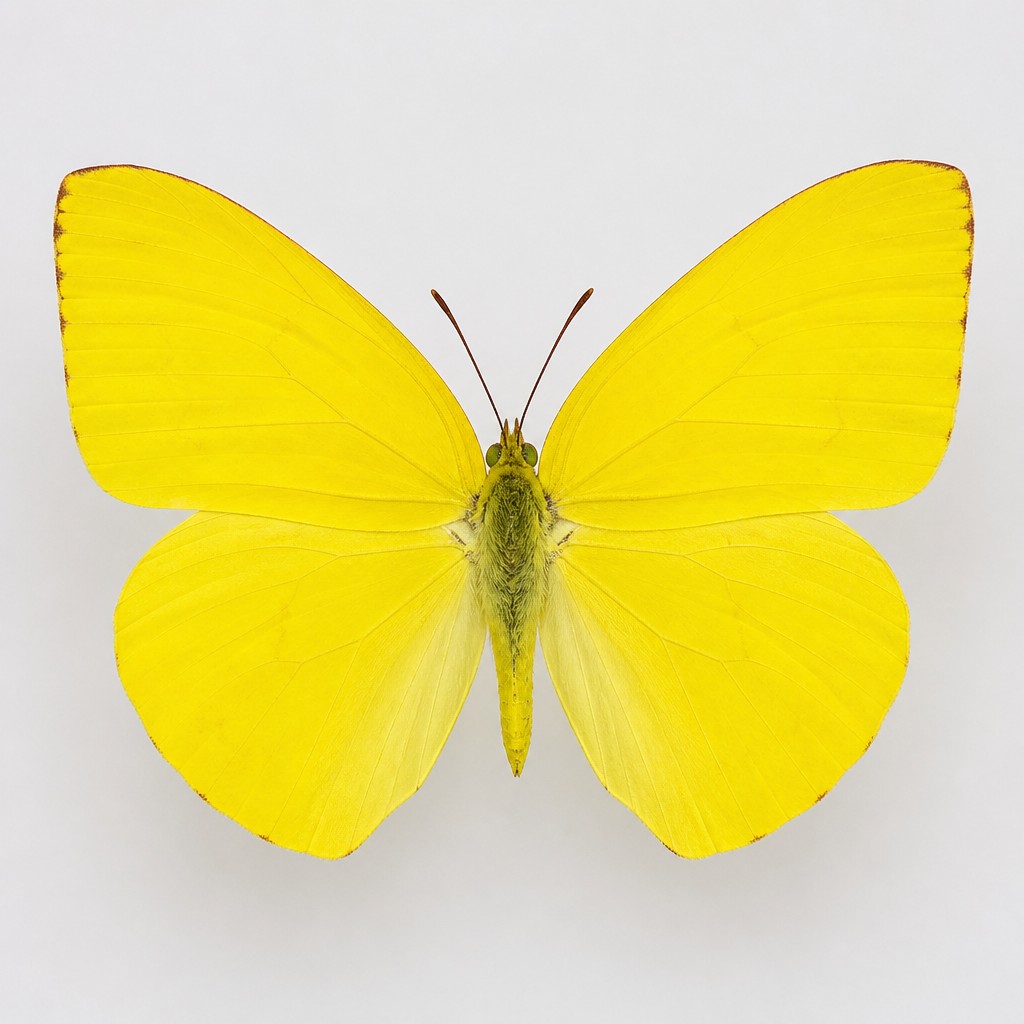
Cloudless Sulphur
A large, bright lemon-yellow butterfly that flies with strong, direct wingbeats and rarely shows any dark markings, giving it an almost uniformly 'cloudless' appearance.
butterfly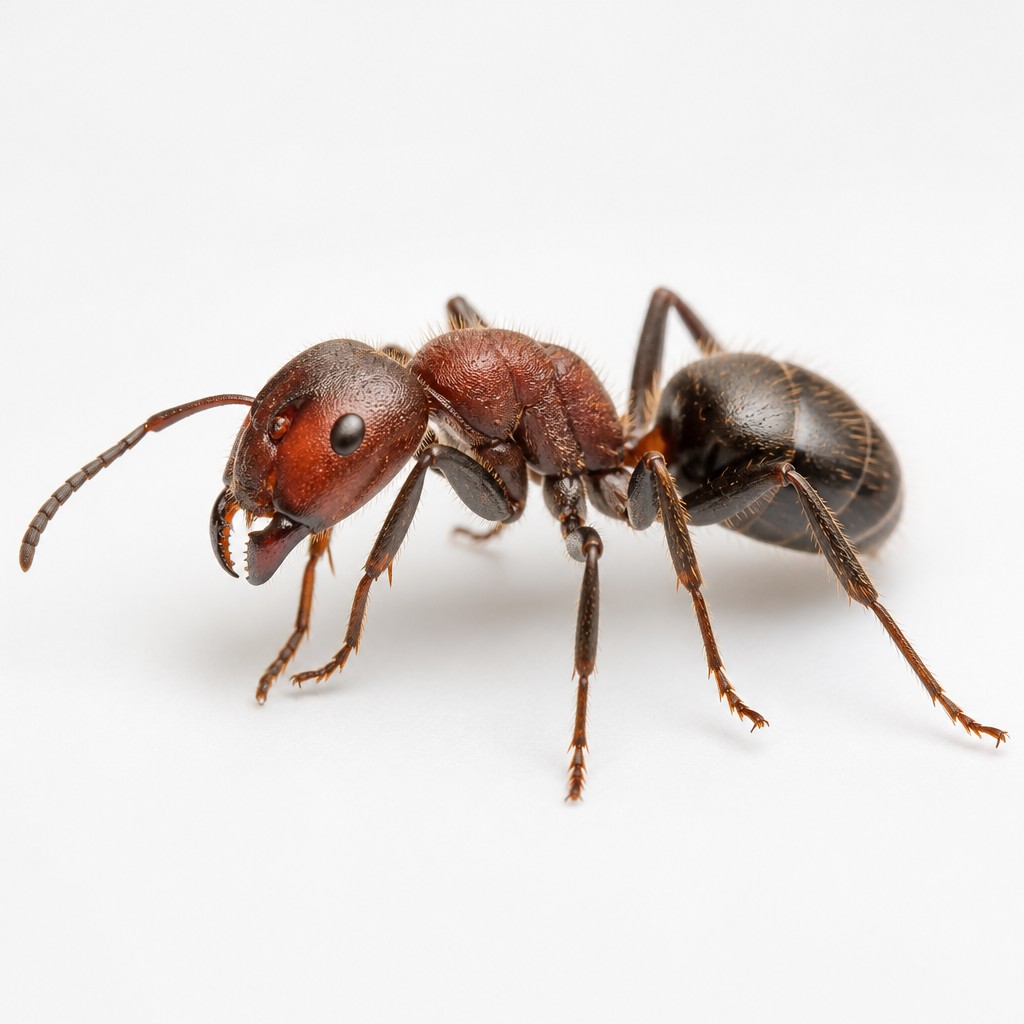
Red Wood Ant
A large woodland ant with a reddish-brown thorax and dark abdomen, famous for building towering dome-shaped mounds of pine needles and twigs in forest clearings.
ant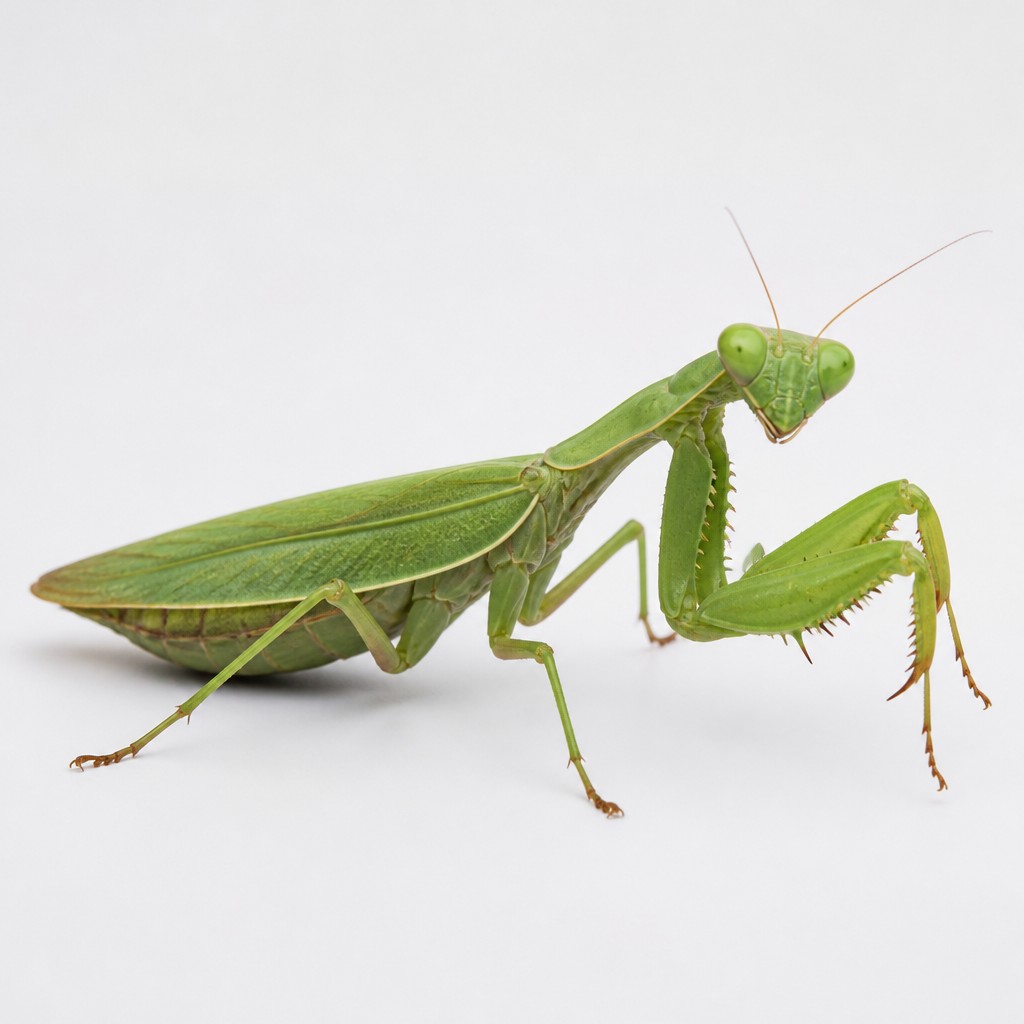
African Mantis
A large, sturdy green or brown mantis frequently found perched on garden shrubs, patiently scanning for insect prey with its sharply angled triangular head.
mantis-stick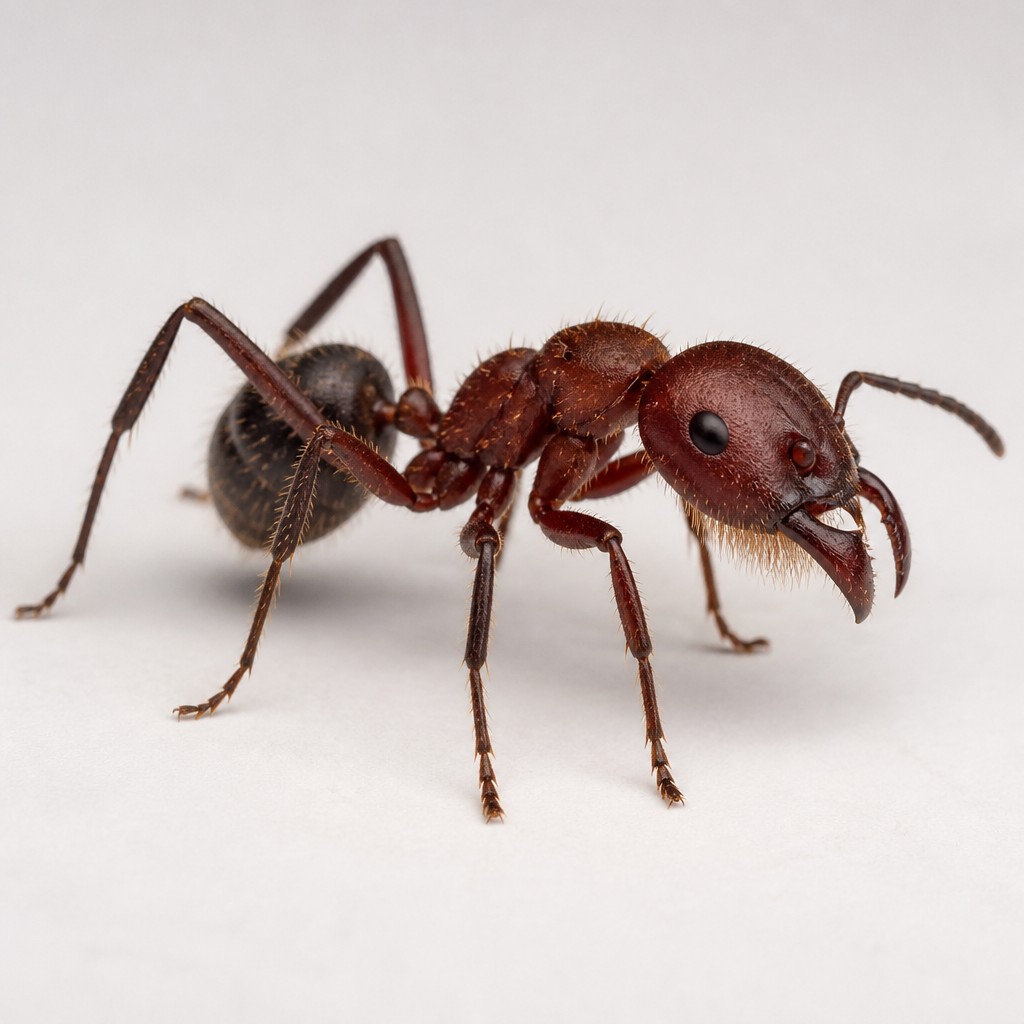
Harvester Ant
A large, industrious desert ant that clears a bare, sunburned disk of ground around its nest entrance while collecting and storing seeds by the thousands.
ant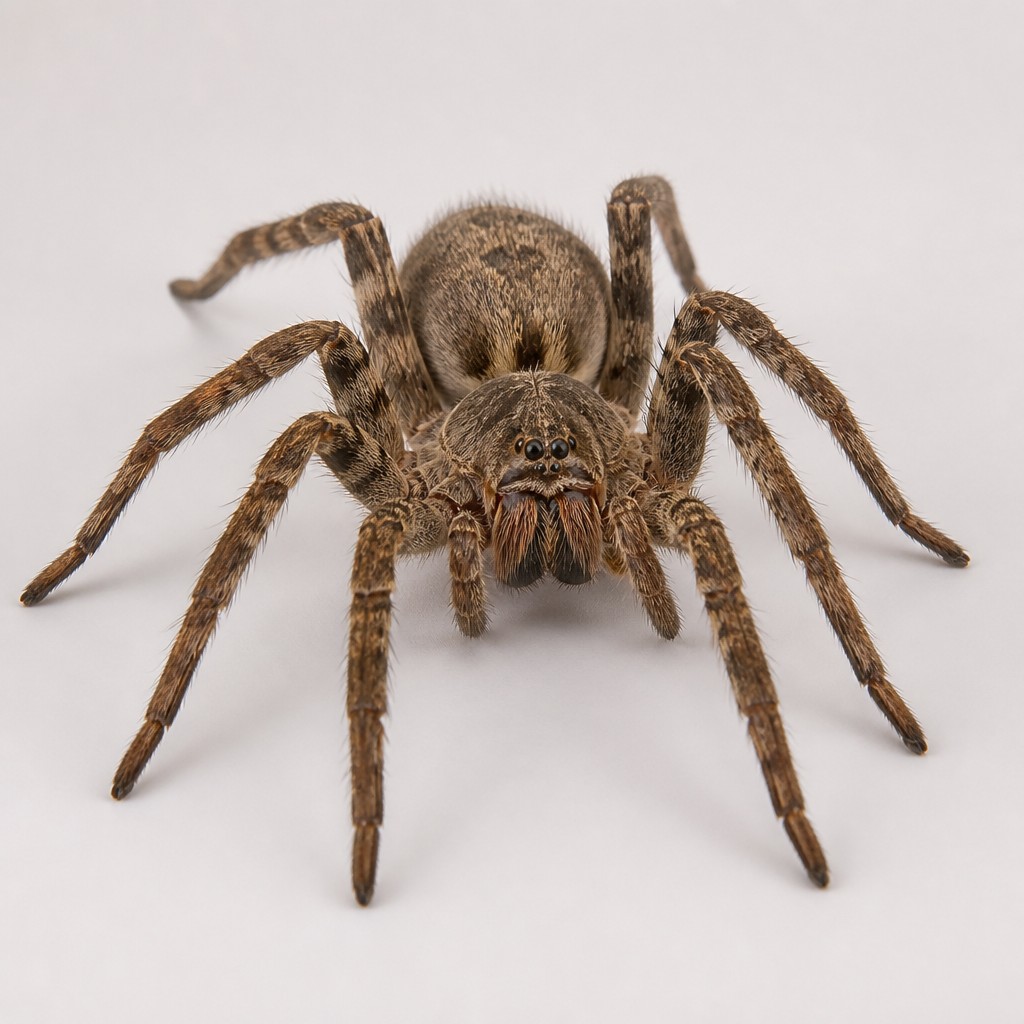
Wandering Spider
A large, fast-moving hunter that forages actively at night across leaf litter and low vegetation instead of relying on a web to catch its meals.
spider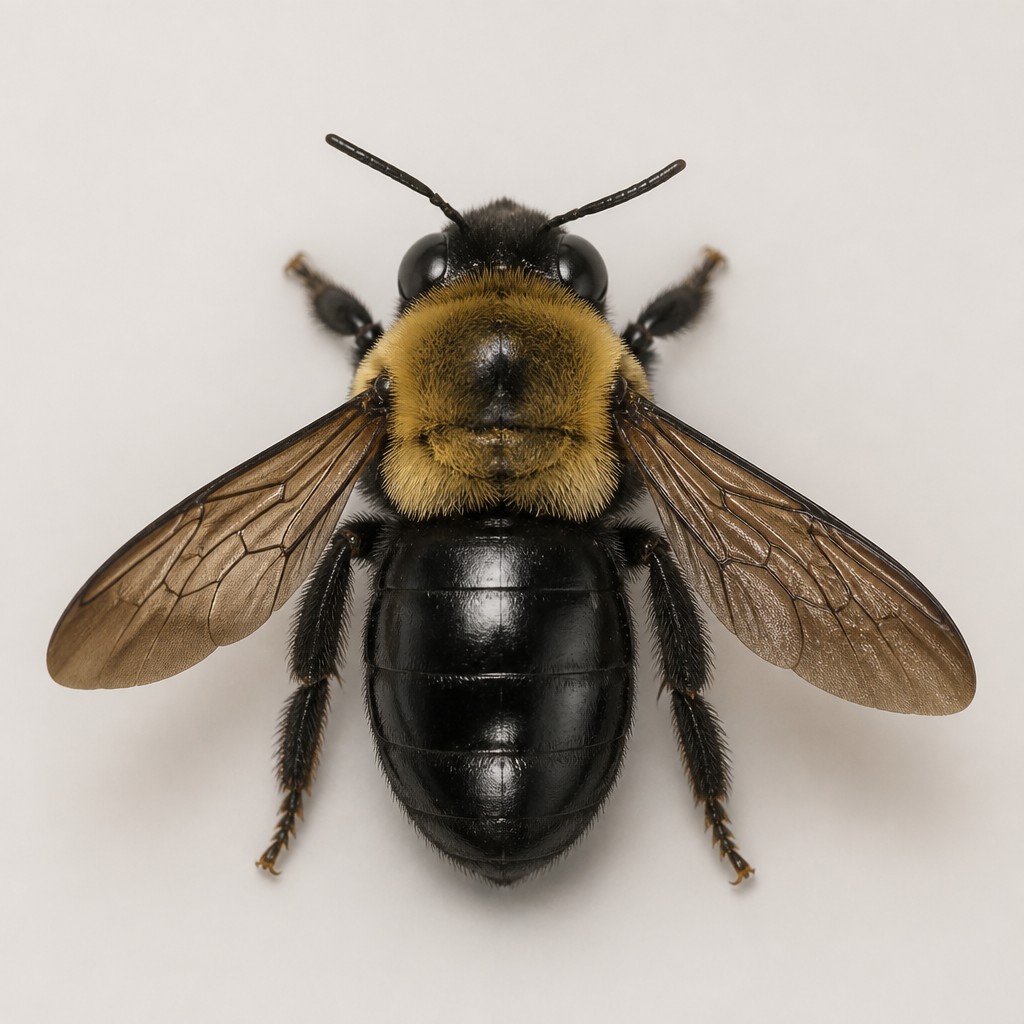
Carpenter Bee
A large, robust bee closely resembling a bumblebee but with a shiny, mostly bald black abdomen, known for excavating tunnel nests into bare, untreated wood.
bee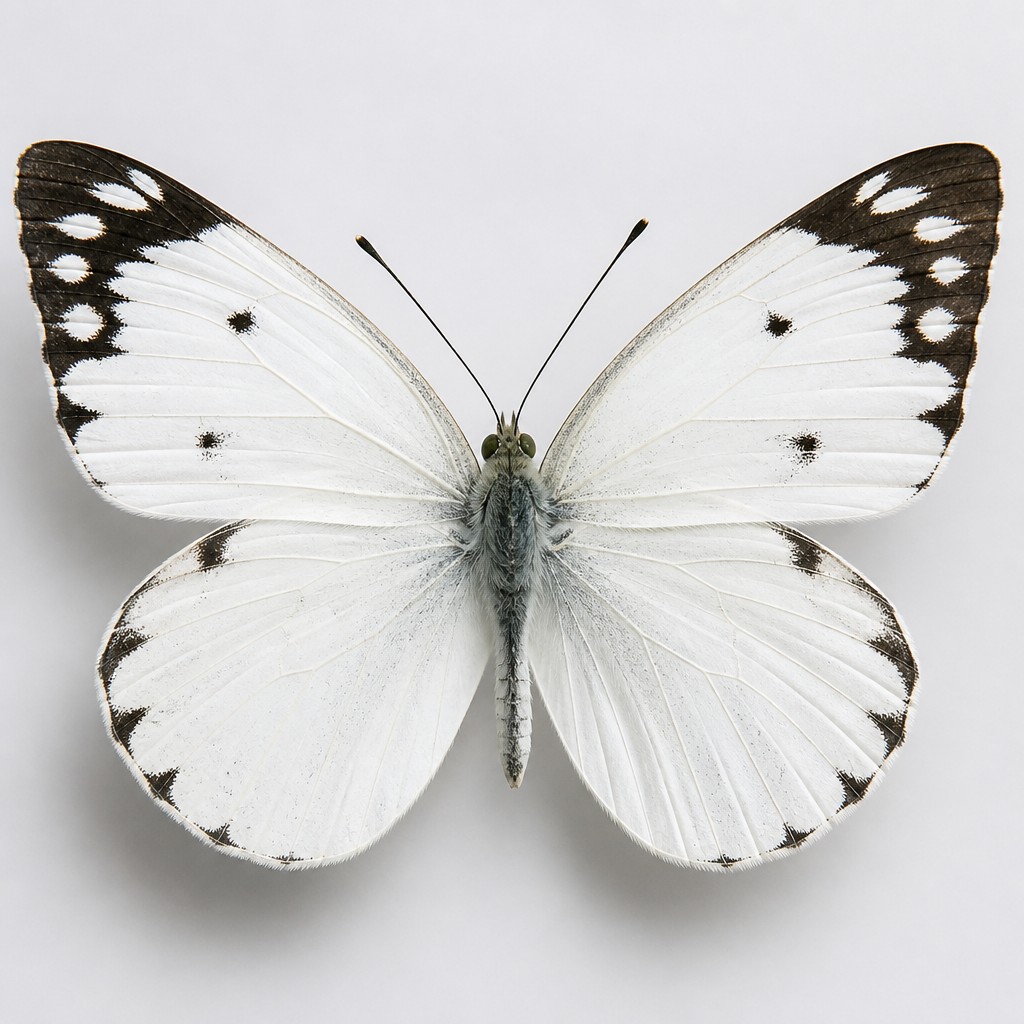
Great Southern White
A crisp white butterfly with contrasting black-and-white checkered wingtips, often seen in large numbers along coastal habitats and open fields of the southern United States.
butterfly