
Bug Encyclopedia
Search and identify bugs & insects — beetles, butterflies, moths, ants, bees, spiders and more — with size, habitat, danger, behavior, and how to tell them apart.
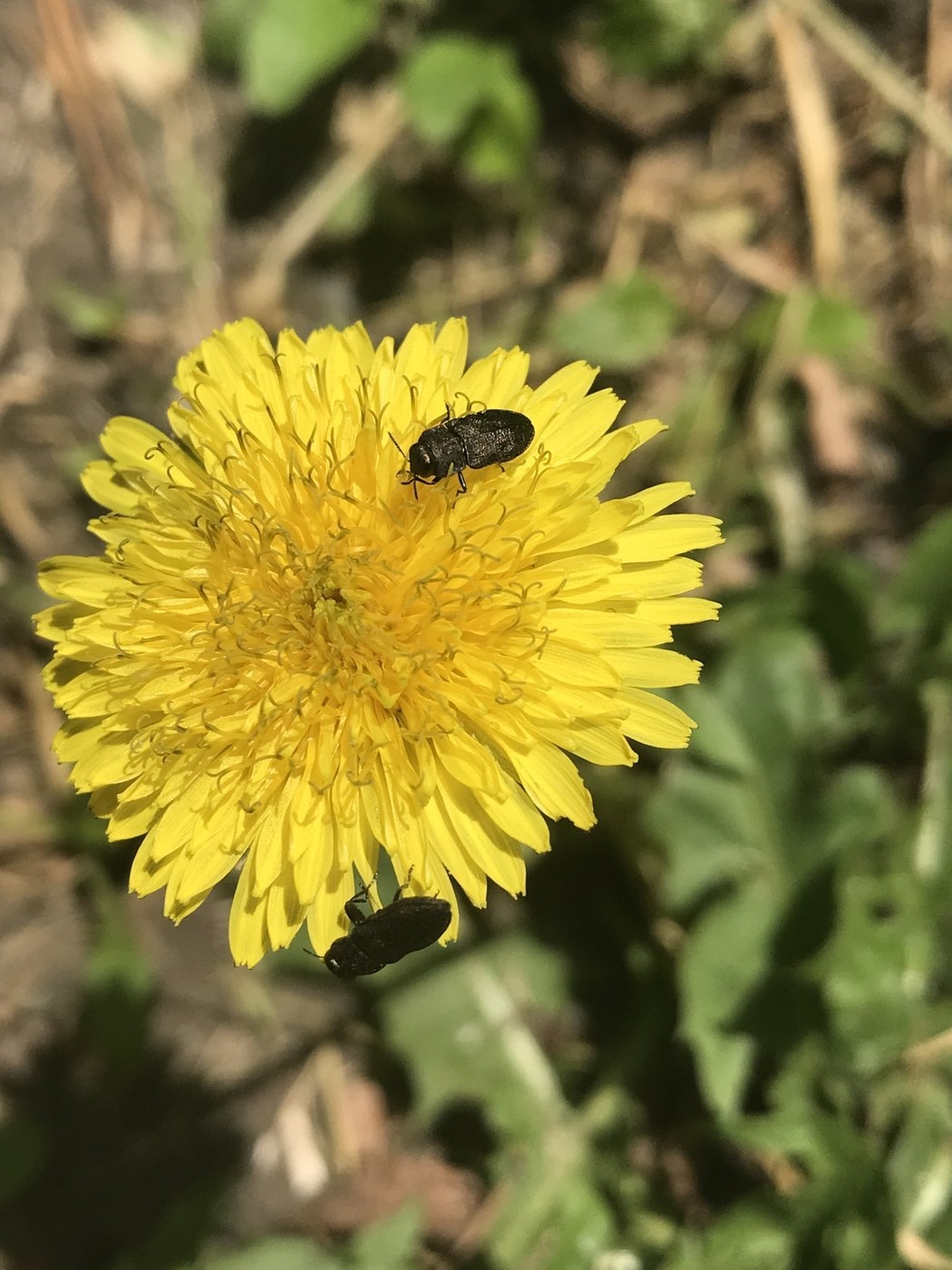
Jewel Beetle
A sleek, bullet-shaped beetle wrapped in brilliant iridescent metallic colors — green, copper, blue, or gold — that seem to shift with the angle of light.
beetleJune Bug
A chunky, reddish-brown to nearly black scarab beetle that bumbles noisily around porch lights on warm late-spring and early-summer evenings.
beetleCodling Moth Larva
The classic 'worm in the apple,' this pinkish-white caterpillar tunnels straight to the core of apples and pears, leaving a telltale frass-plugged entry hole behind.
caterpillar-larva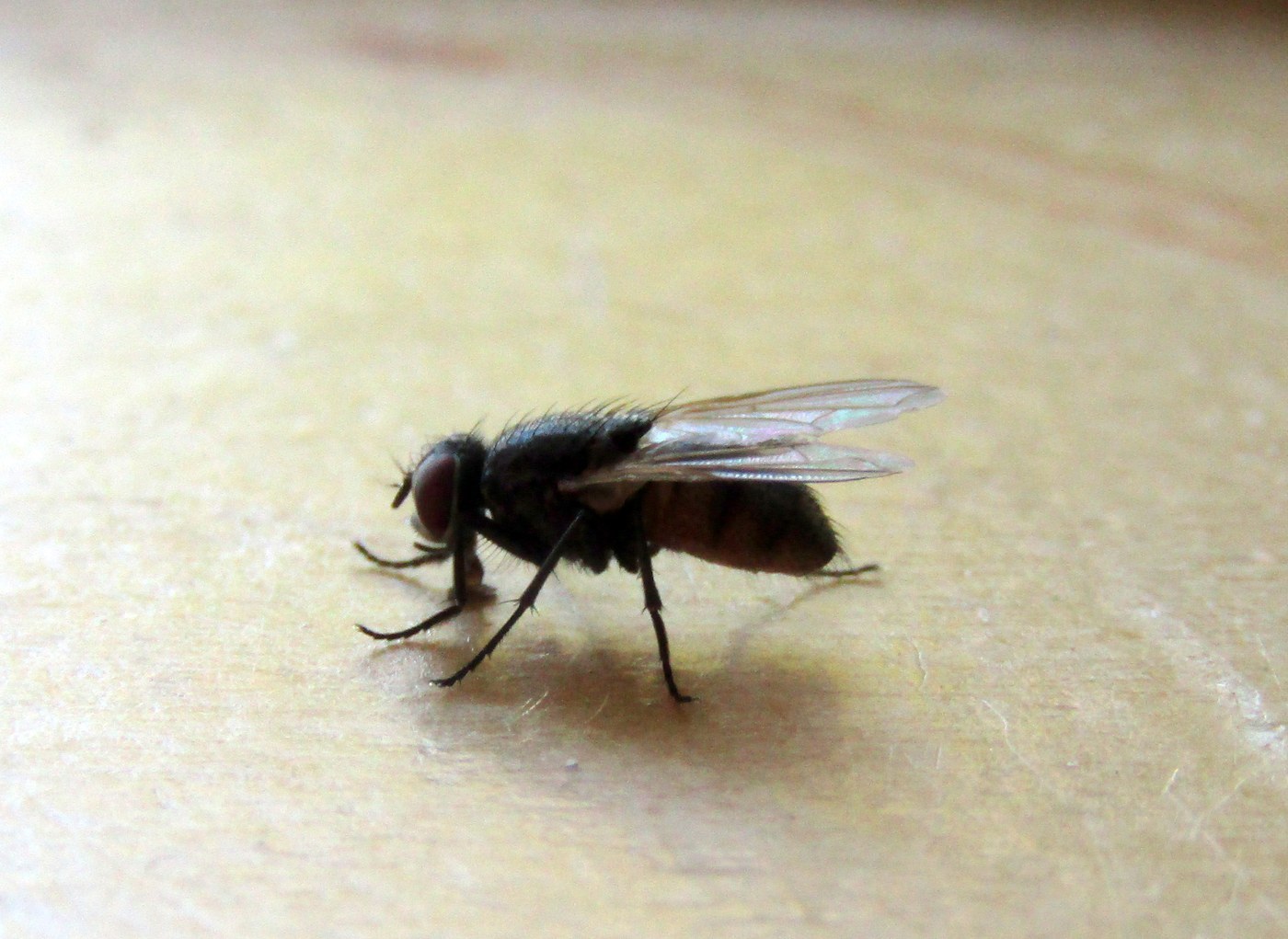
Common House Fly
A dull gray fly with four dark stripes down its back, the house fly is one of the most familiar insects on Earth, following people and their food waste to every continent.
fly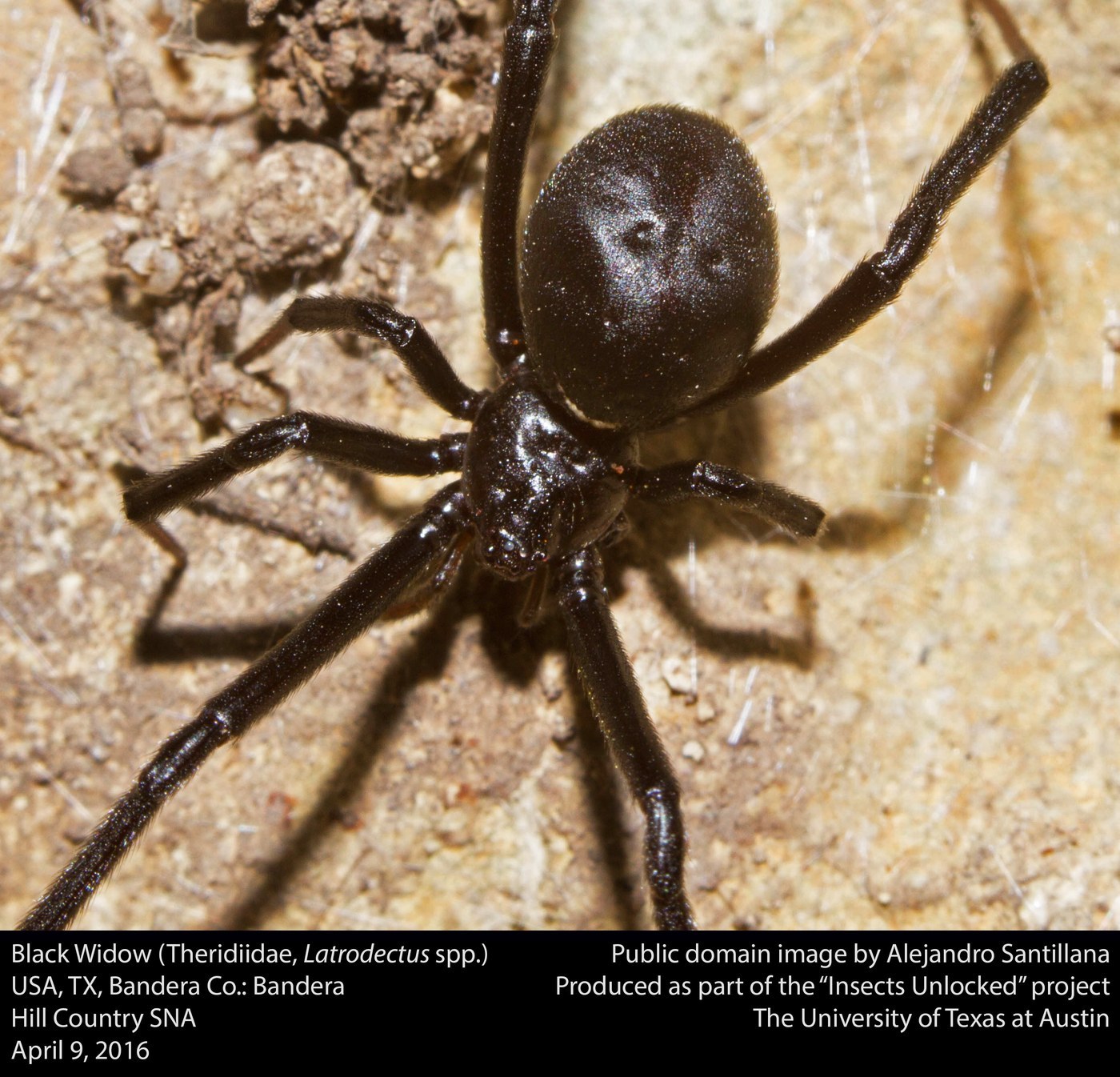
Comb-footed Spider
A diverse family of spiders defined by a row of tiny serrated bristles on their hind legs, used like a comb to fling silk over prey and wrap it up in an instant.
spider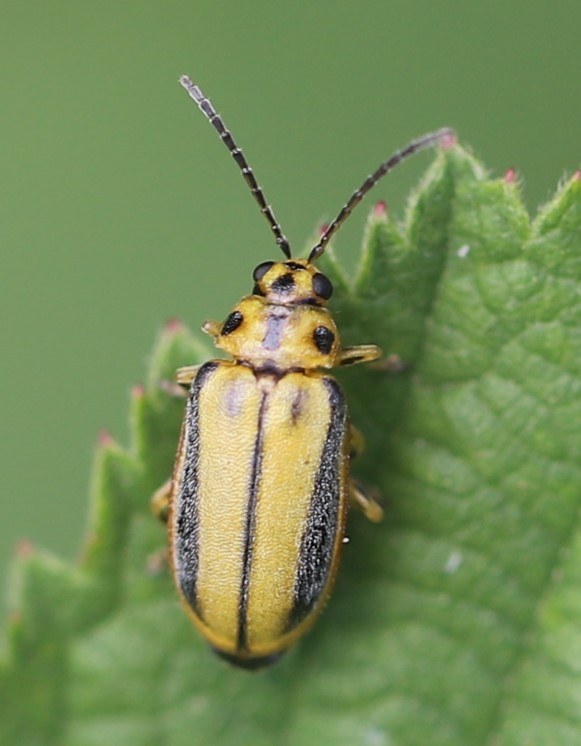
Elm Leaf Beetle
A yellow-green leaf beetle with dark side stripes that skeletonizes elm foliage and gathers in large numbers to overwinter in buildings.
beetleAnt-mimicking Mantis
As a tiny nymph, this mantis moves in quick, jerky bursts to imitate a scurrying ant, a clever disguise it gradually sheds as it grows into a typical-looking adult mantis.
mantis-stickAnt-mimic Spider
A slender jumping spider that walks on six legs while waving the front pair like antennae, convincingly passing itself off as an ant to fool predators and prey alike.
spider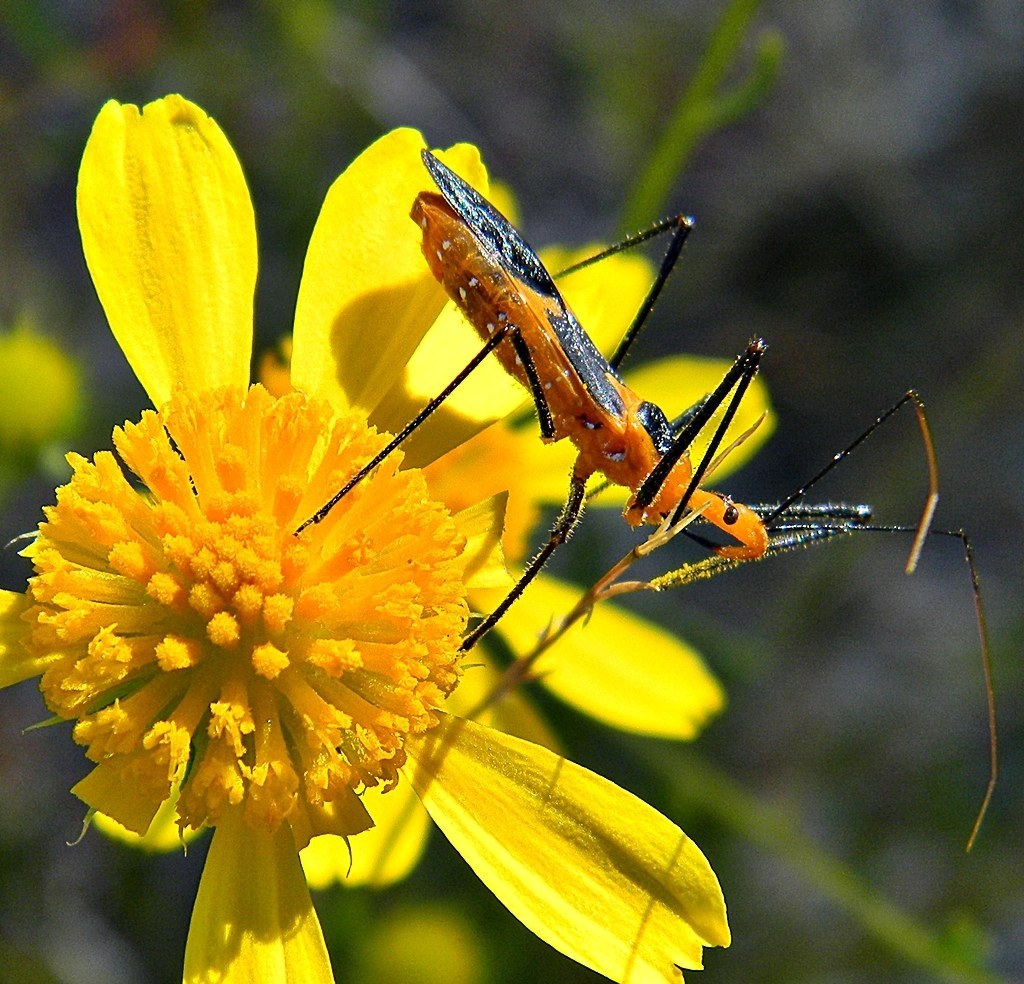
Assassin Bug
A slender, long-legged predatory true bug with a curved, needle-like beak used to ambush and pierce other insects, often patterned in bold orange, black, or red warning colors.
true-bug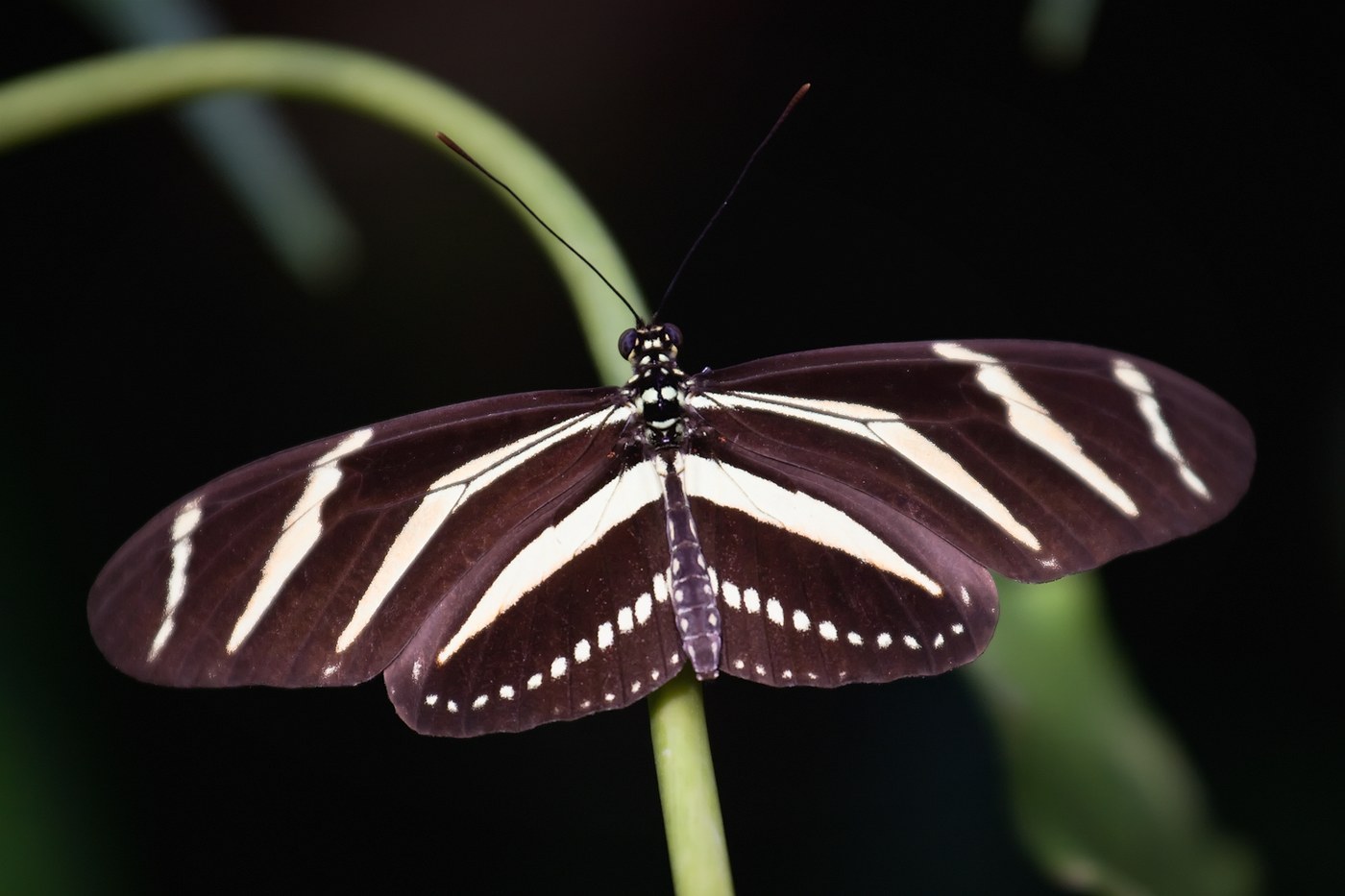
Zebra Longwing
A slow-flying, long-winged black butterfly striped boldly with yellow, unusual among butterflies for feeding on pollen as an adult, which extends its lifespan to several months.
butterflyTent Caterpillar
A social, blue-striped caterpillar that builds a conspicuous silken tent in the fork of a tree branch, sheltering large colonies of siblings that emerge together to feed on leaves.
caterpillar-larva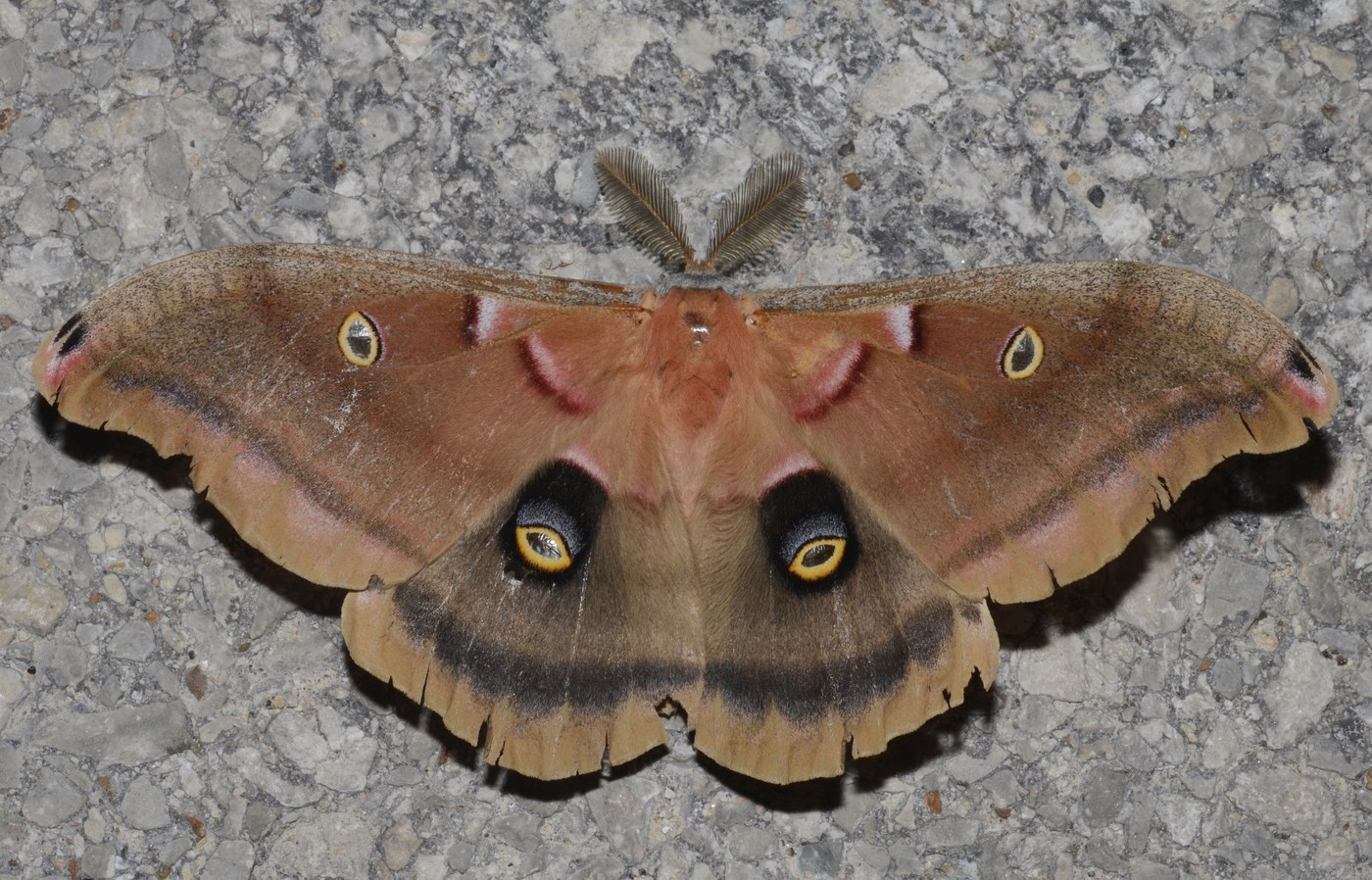
Polyphemus Moth
A large tan-to-golden-brown silkmoth named for the mythological one-eyed giant, thanks to the single large, transparent eyespot on each hindwing that flashes into view when the moth is startled.
moth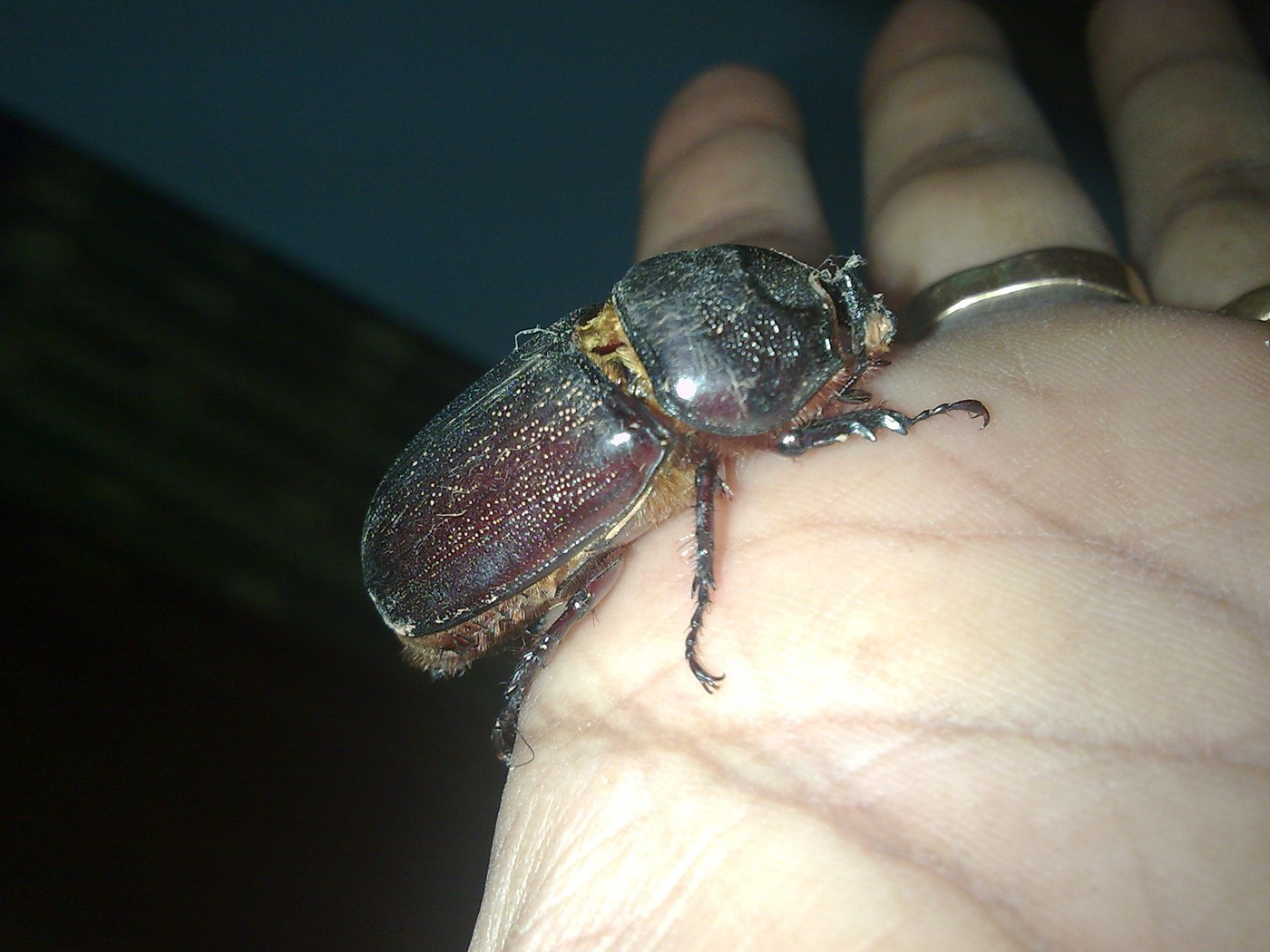
Rhinoceros Beetle
A massive, heavily armored beetle whose males sport a single large, curved horn projecting forward from the head, used to shove and flip rival males in contests of strength.
beetle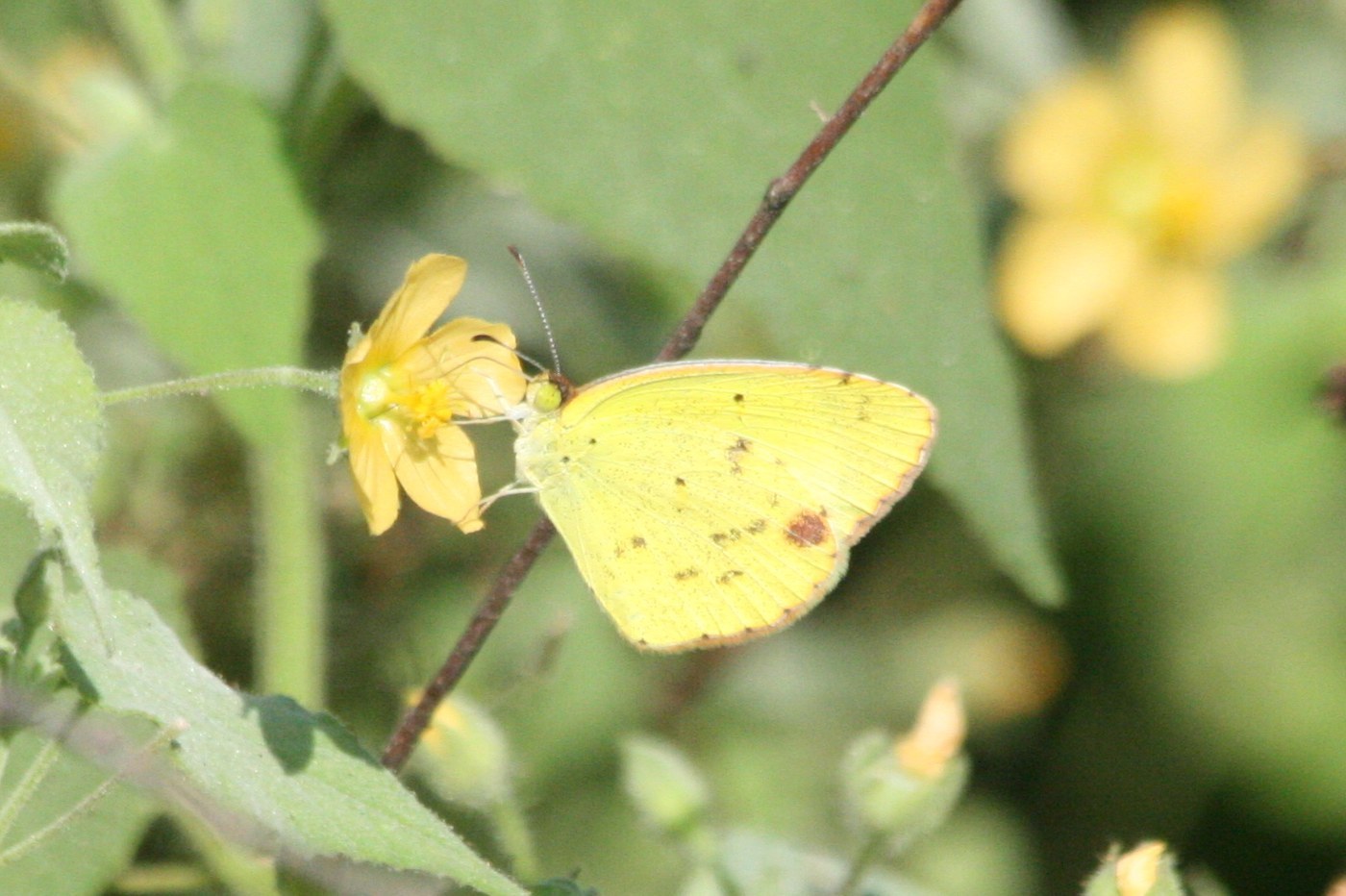
Little Yellow
A tiny, pale lemon-yellow butterfly with a thin, crisp black wing border, fluttering close to the ground in fields and roadsides across the southern and eastern United States.
butterflyGall Midge
A delicate, mosquito-like fly whose larvae trigger plants to grow strange, often colorful swellings called galls, each species usually tied to one particular host plant.
flyFireflies (Lightning Bug)
A soft-bodied beetle that turns summer evenings magical by flashing rhythmic patterns of cold light from its abdomen to attract mates across meadows and forest edges.
beetleHuntsman Spider
With legs splayed crab-like to either side of a flattened body, the huntsman spider is built for speed, capable of scuttling sideways across walls and tree trunks in pursuit of prey.
spider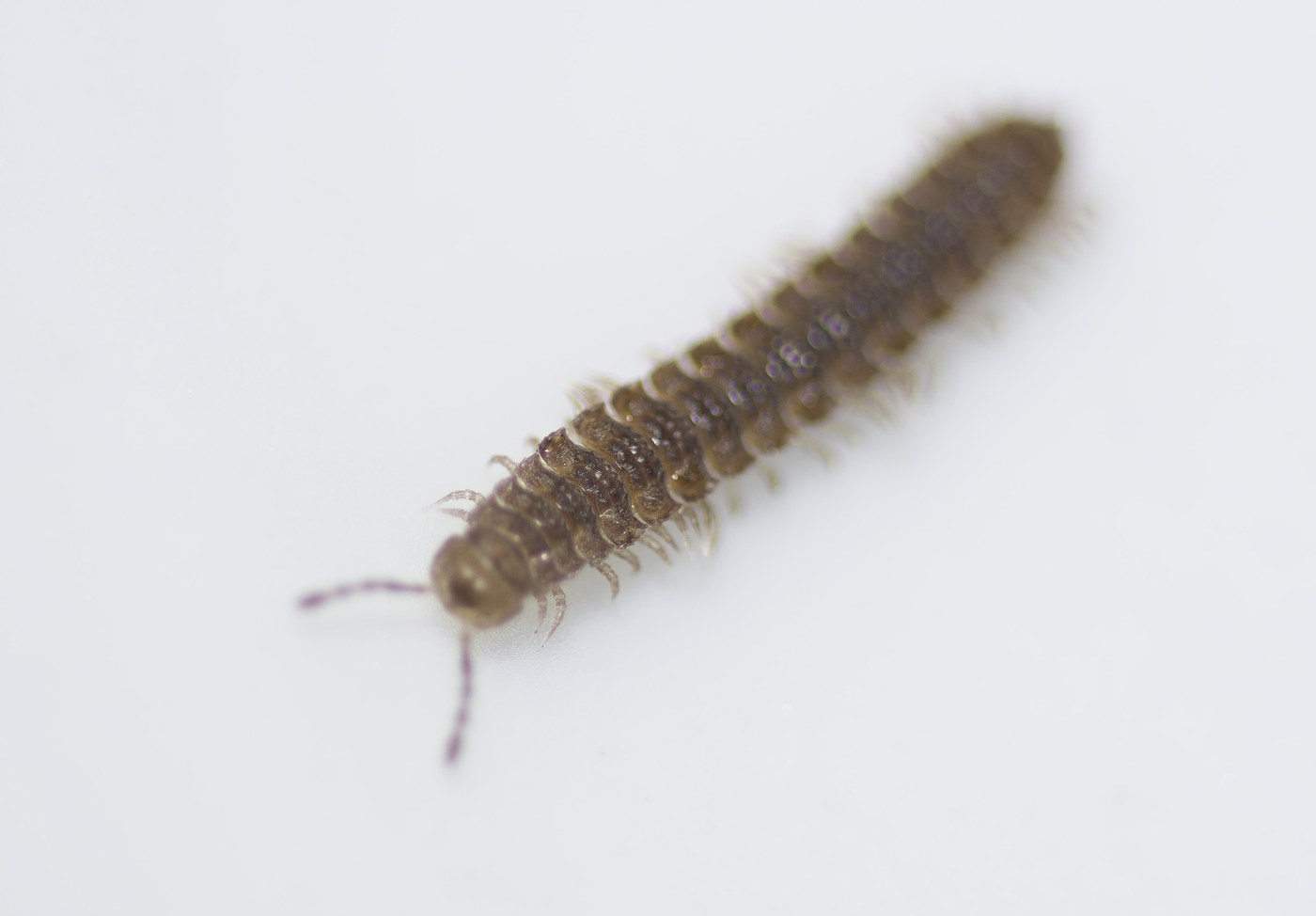
Flat-backed Millipede
A slow, armor-plated decomposer whose body segments flare into flat, wing-like keels, giving it a distinctly ribbed, tank-like silhouette compared to rounder millipedes.
myriapod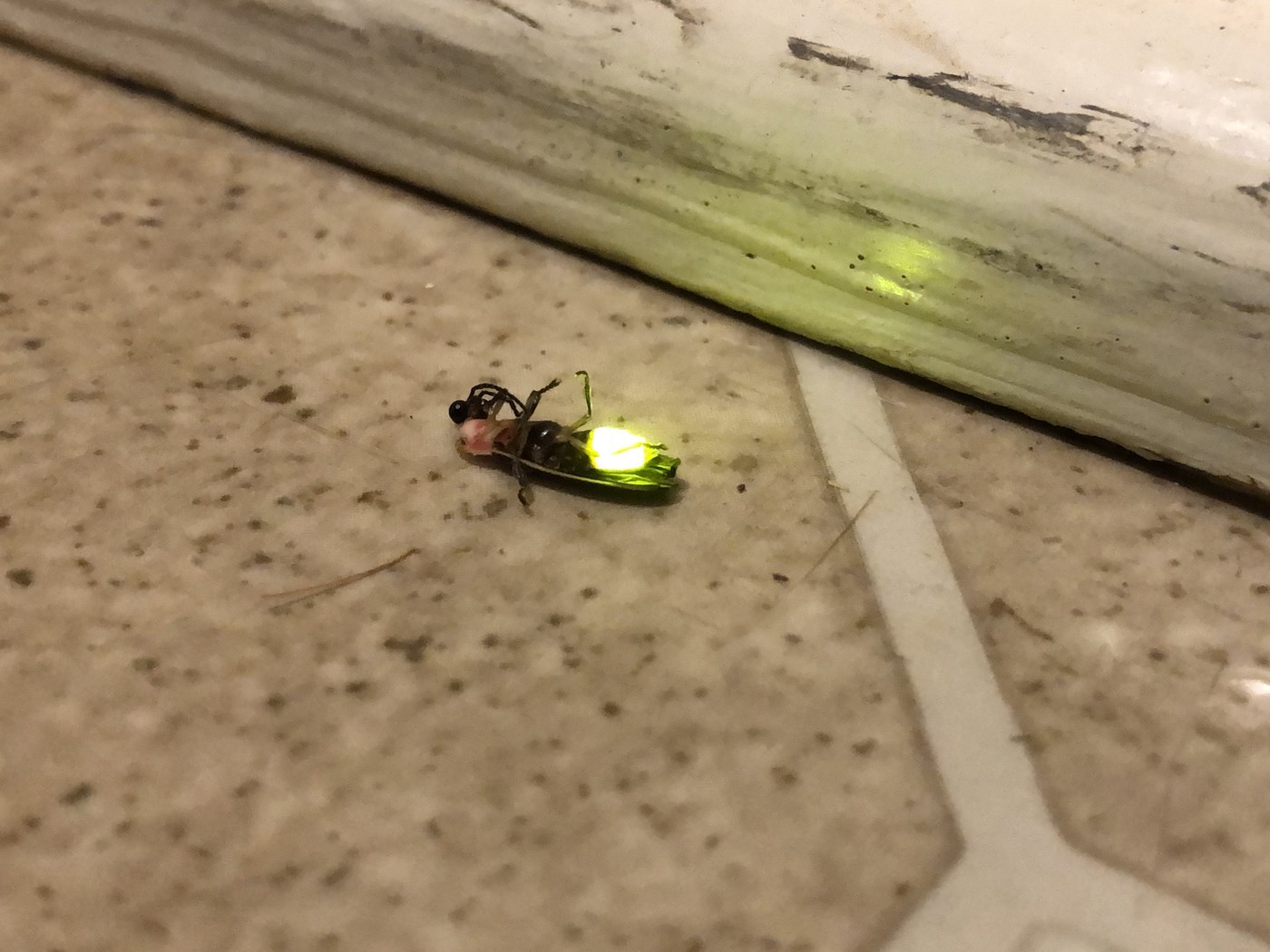
Firefly Beetle
A soft-bodied, dark beetle famous for producing rhythmic flashes of light from its abdomen at dusk, using bioluminescence to attract mates on warm summer evenings.
beetleGiant Centipede
A long, fast-moving, many-legged predator with a hardened segmented body and a pair of venom-injecting claws behind the head that it uses to overpower prey far larger than itself.
myriapod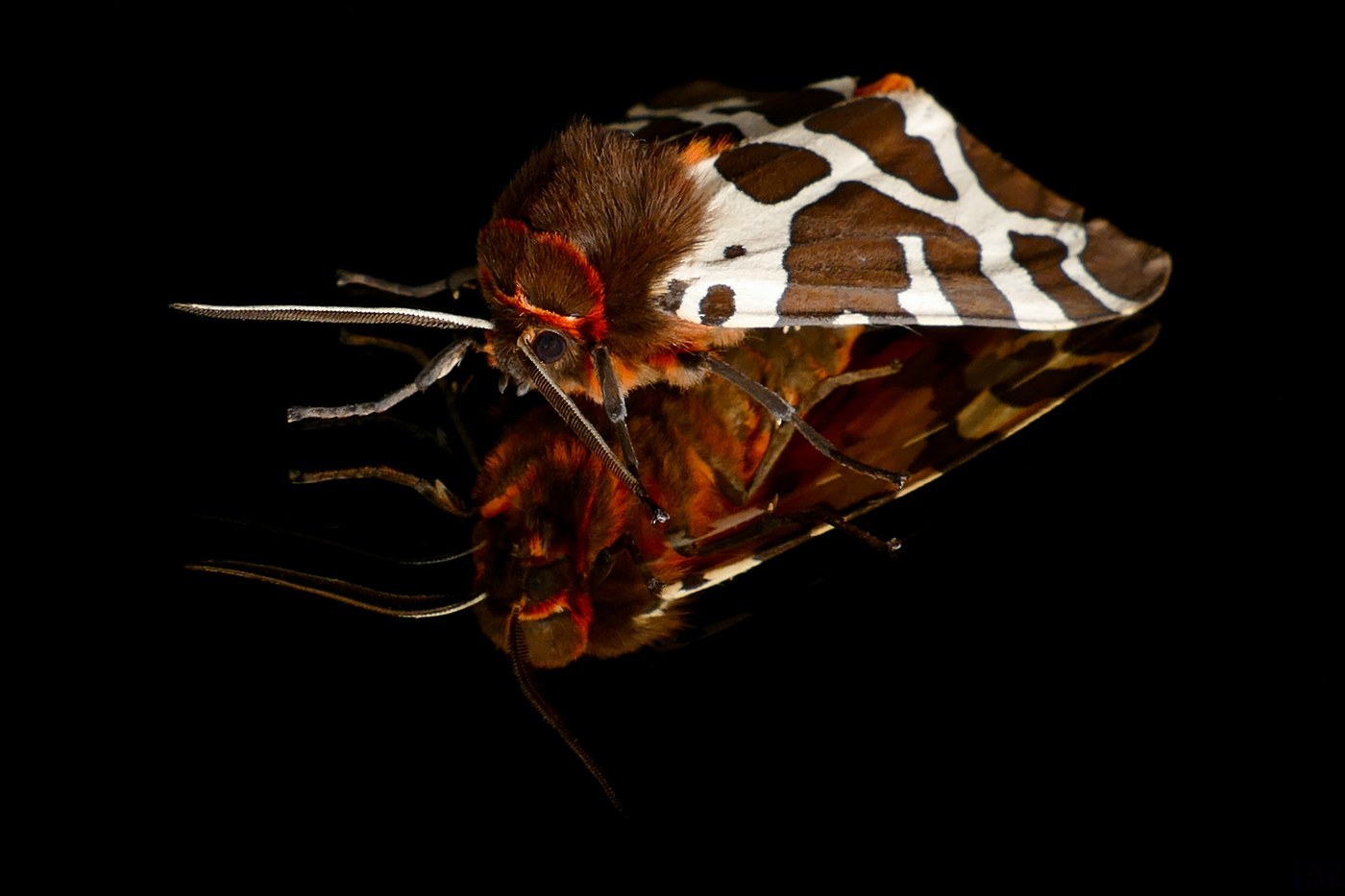
Garden Tiger Moth
A boldly patterned tiger moth with chocolate-brown, cream-marbled forewings that flash to reveal vivid orange hindwings dotted with blue-black spots when the moth is disturbed.
moth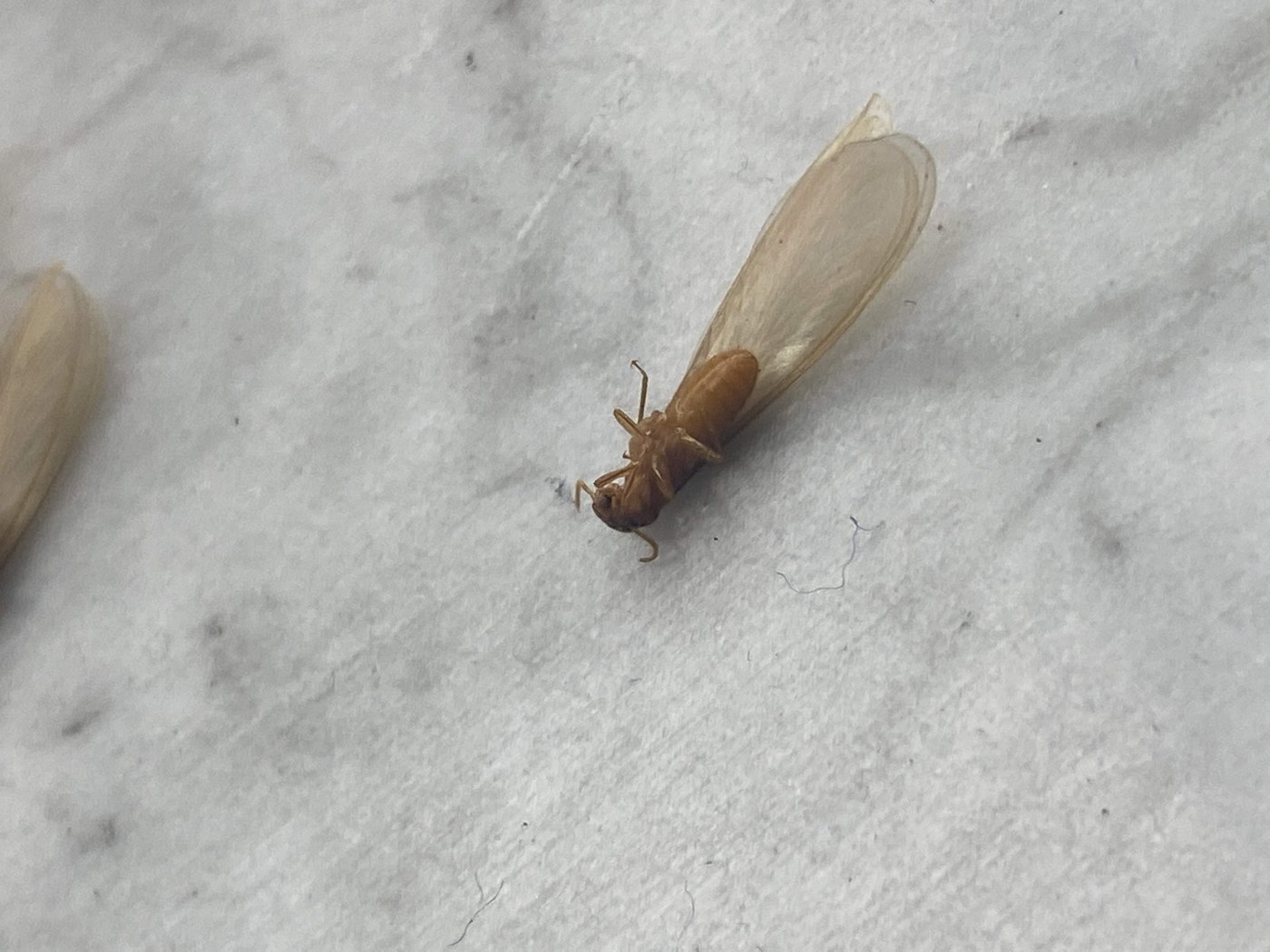
Formosan Subterranean Termite
A pale, aggressive subterranean termite native to East Asia that builds enormous colonies and can construct large above-ground carton nests in trees, walls, and structures.
other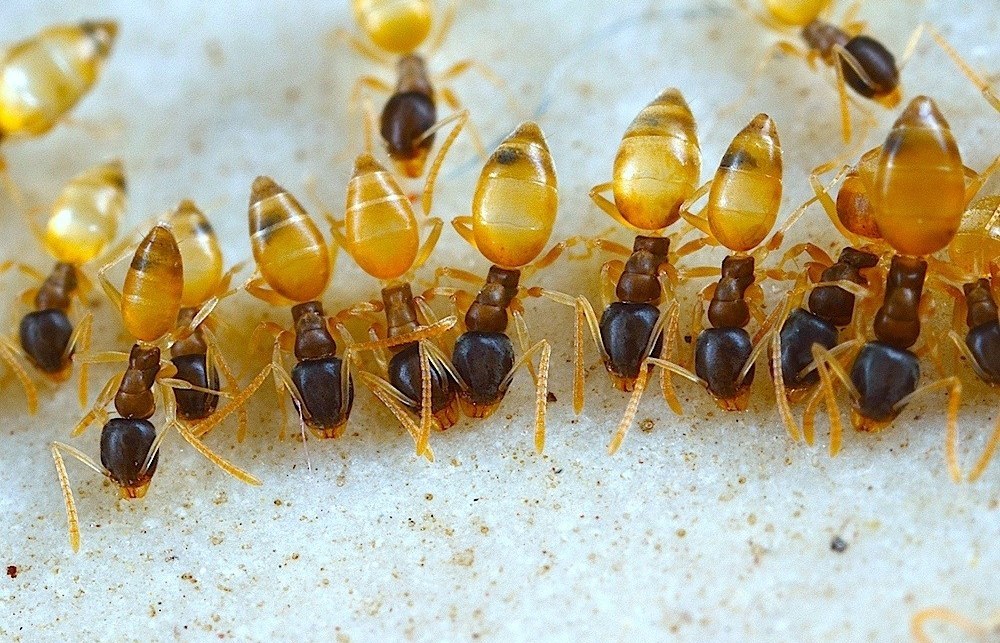
Ghost Ant
A minuscule ant with a dark head and pale, nearly translucent legs and abdomen that seem to vanish against light-colored surfaces, giving the species its ghostly common name.
ant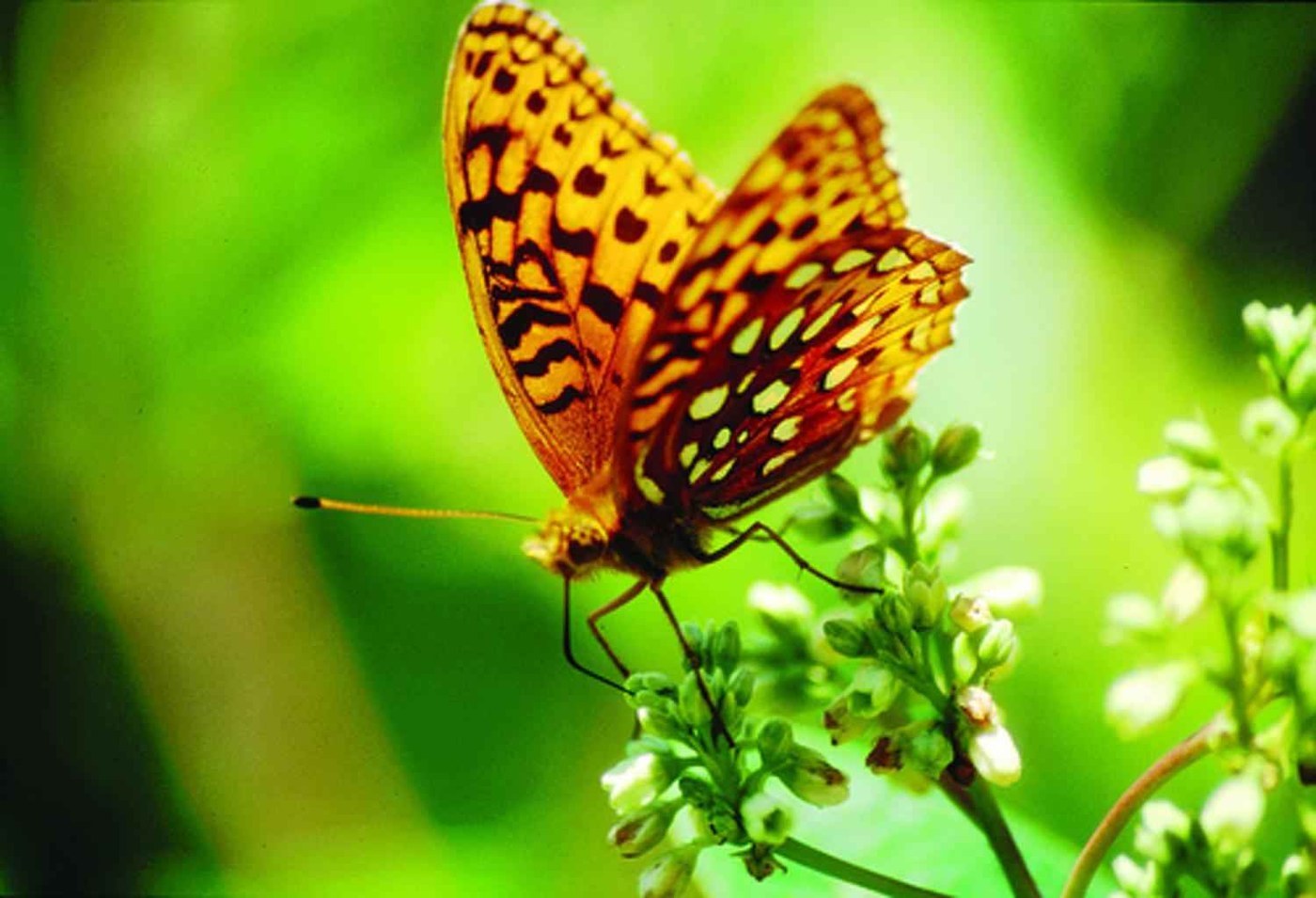
Great Spangled Fritillary
A large, robust orange butterfly with bold black markings above and a striking array of large silvery spangles on a tawny-brown underside, closely tied to woodland violets.
butterfly