
Bug Encyclopedia
Search and identify bugs & insects — beetles, butterflies, moths, ants, bees, spiders and more — with size, habitat, danger, behavior, and how to tell them apart.
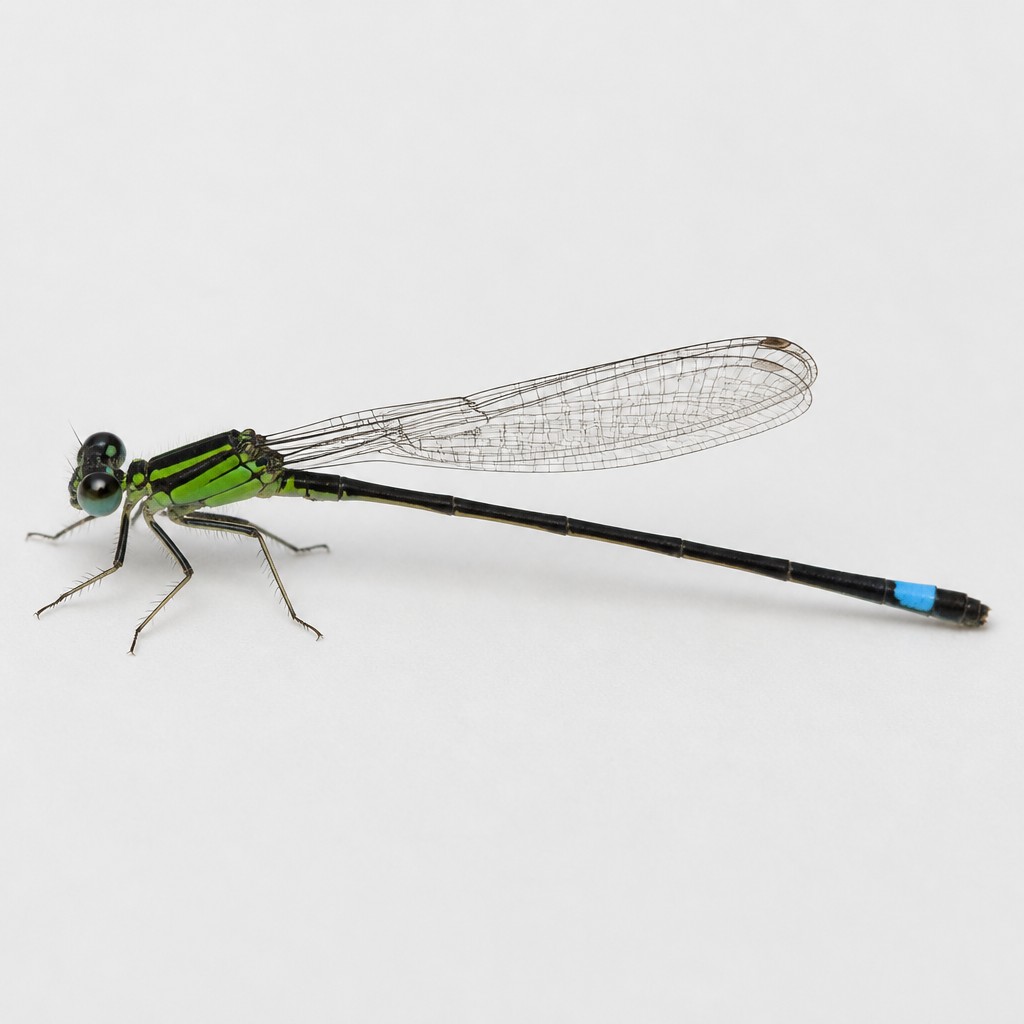
Eastern Forktail
One of the smallest and most adaptable damselflies in eastern North America, the Eastern Forktail thrives in everything from wild marshes to roadside ditches, with bright green-and-black males and color-changing females.
other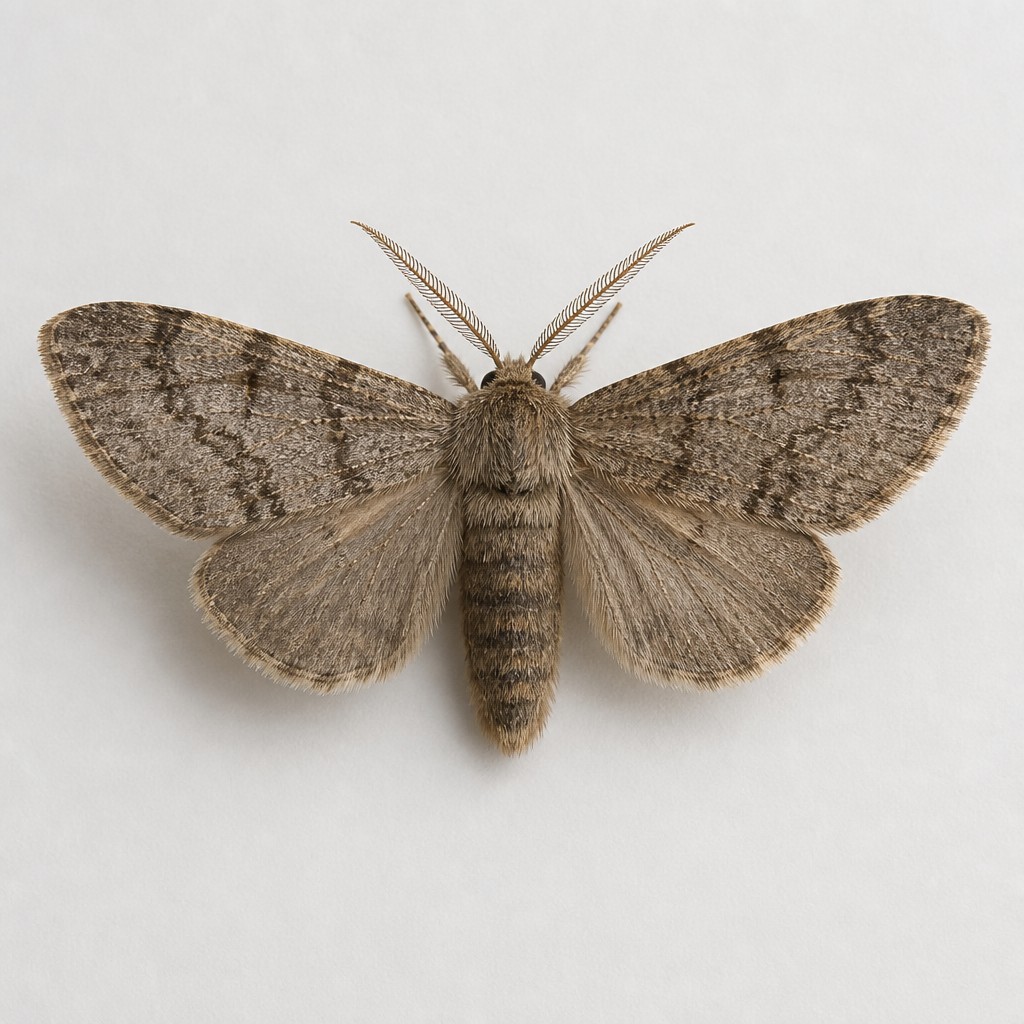
Pine Processionary Moth
An unremarkable grey-brown moth known almost entirely through its larvae, which build large silken nests in pine trees and travel to feed in long, head-to-tail processions covered in fine defensive hairs.
moth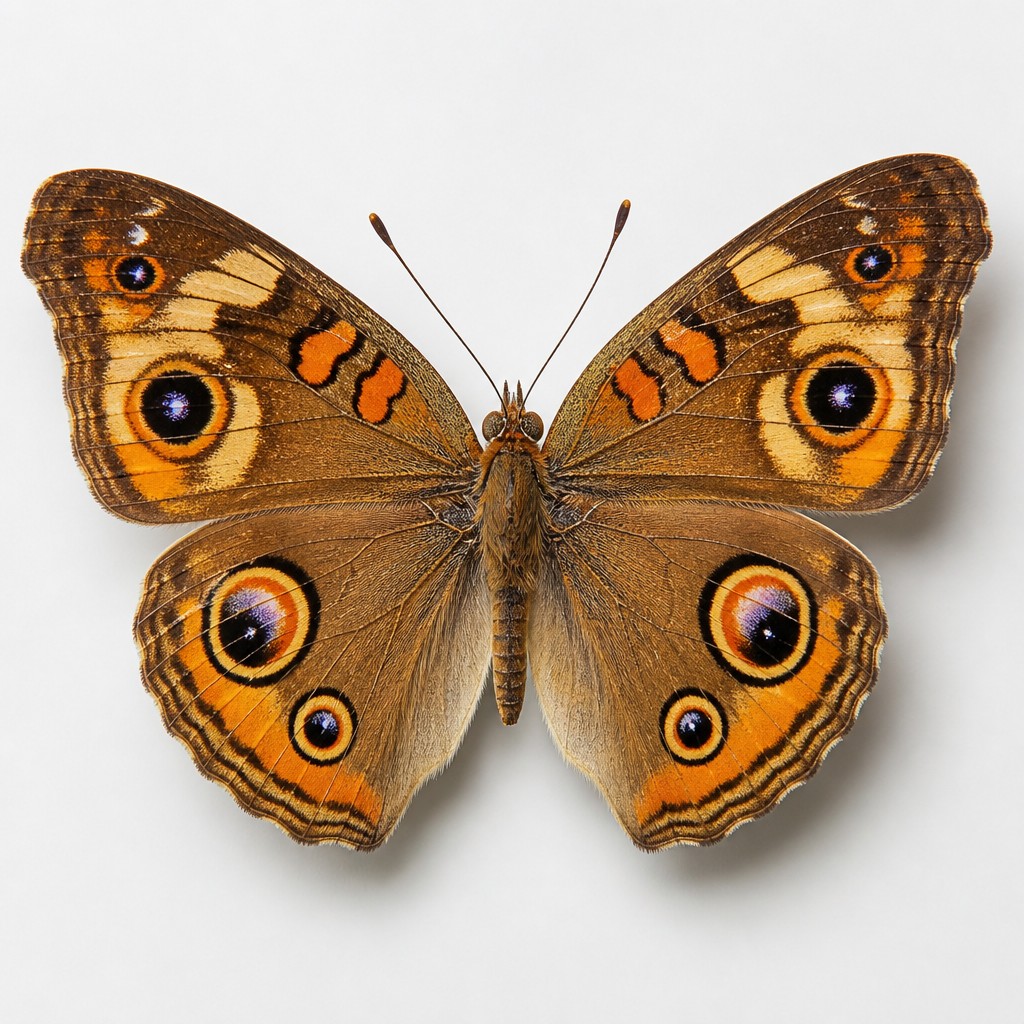
Common Buckeye
A medium-sized brown butterfly instantly recognizable by the large, colorful eyespots ringed in orange and blue on both its forewings and hindwings, thought to startle or deflect the attacks of predators.
butterfly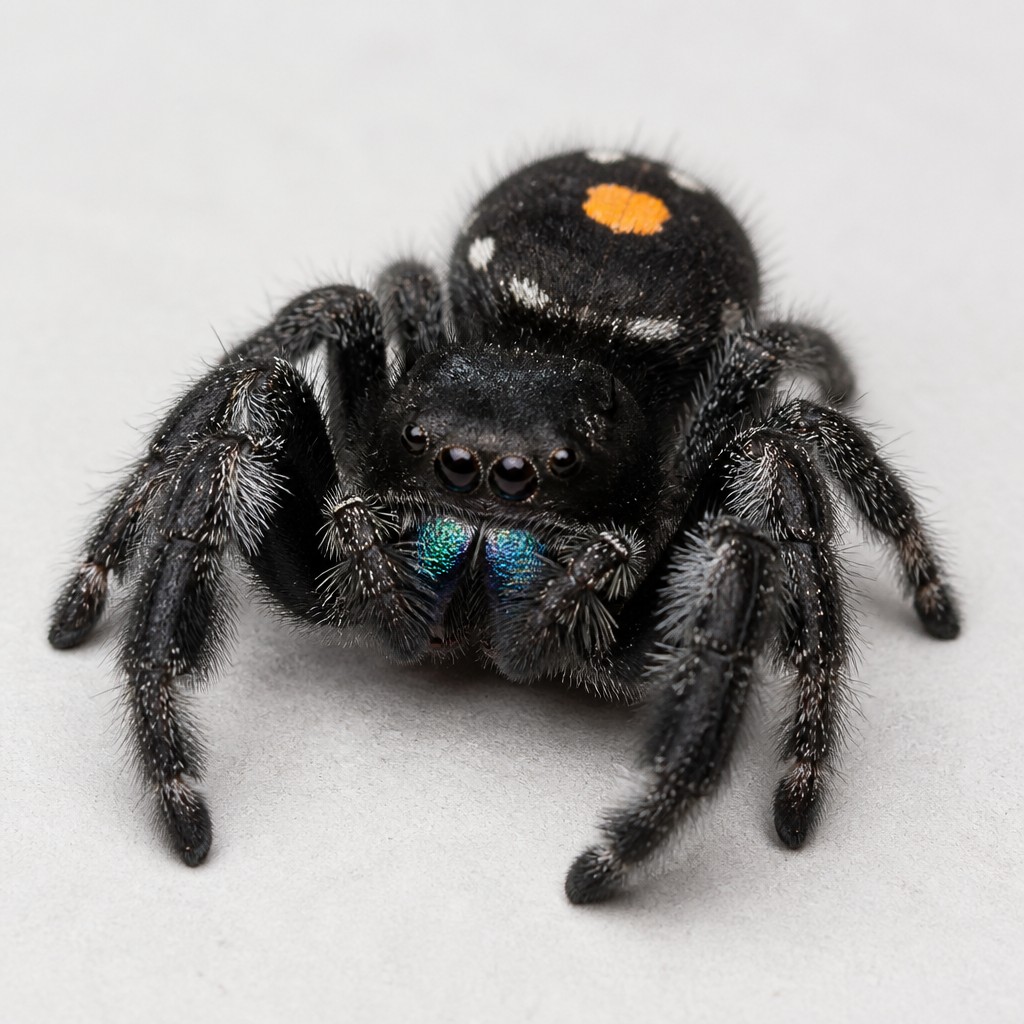
Bold Jumping Spider
A stocky, fuzzy black spider with iridescent green or blue mouthparts and a bold white or orange spot on its abdomen, the bold jumper is known for its excellent eyesight, curious behavior, and ability to leap many times its own body length.
spider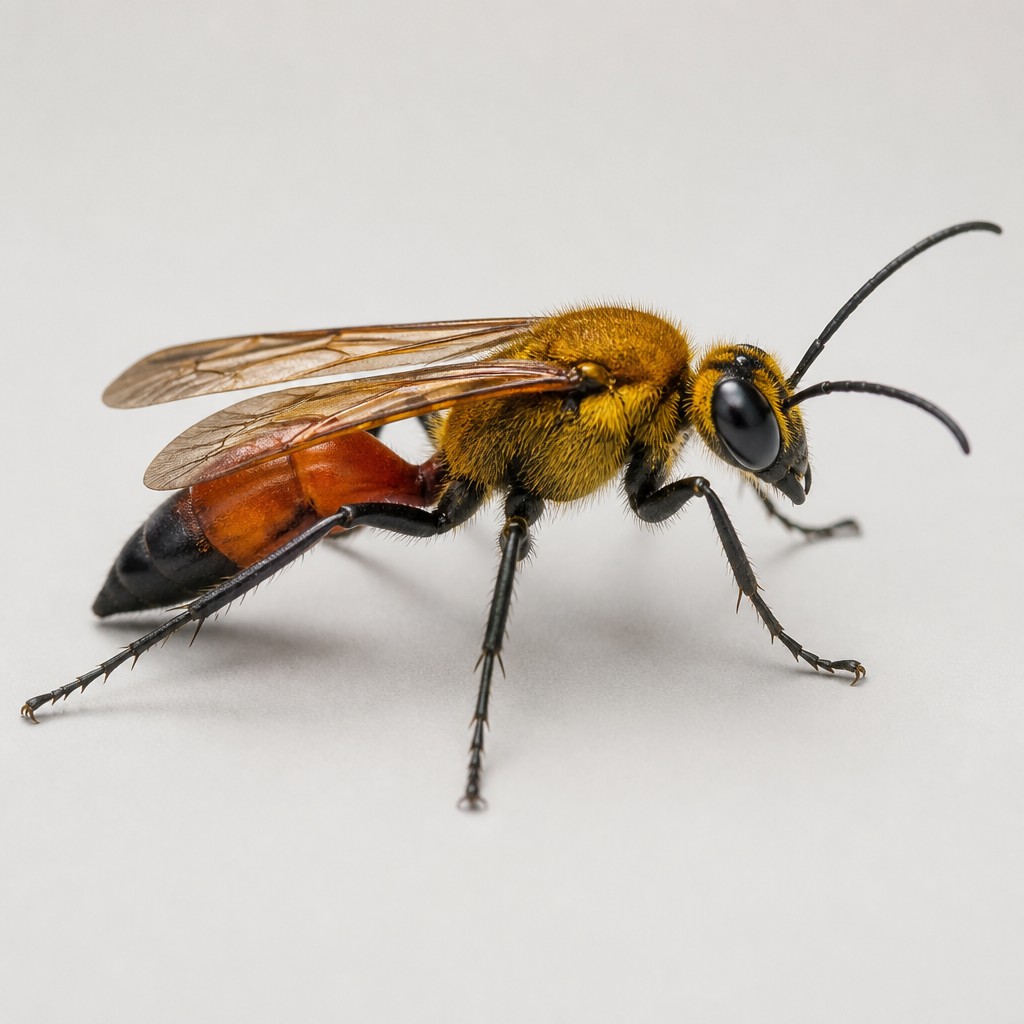
Great Golden Digger Wasp
A large, strikingly two-toned solitary wasp with a golden-haired thorax, reddish-orange midsection, and black-tipped abdomen, often seen digging burrows in bare soil to stock with paralyzed katydids and crickets.
wasp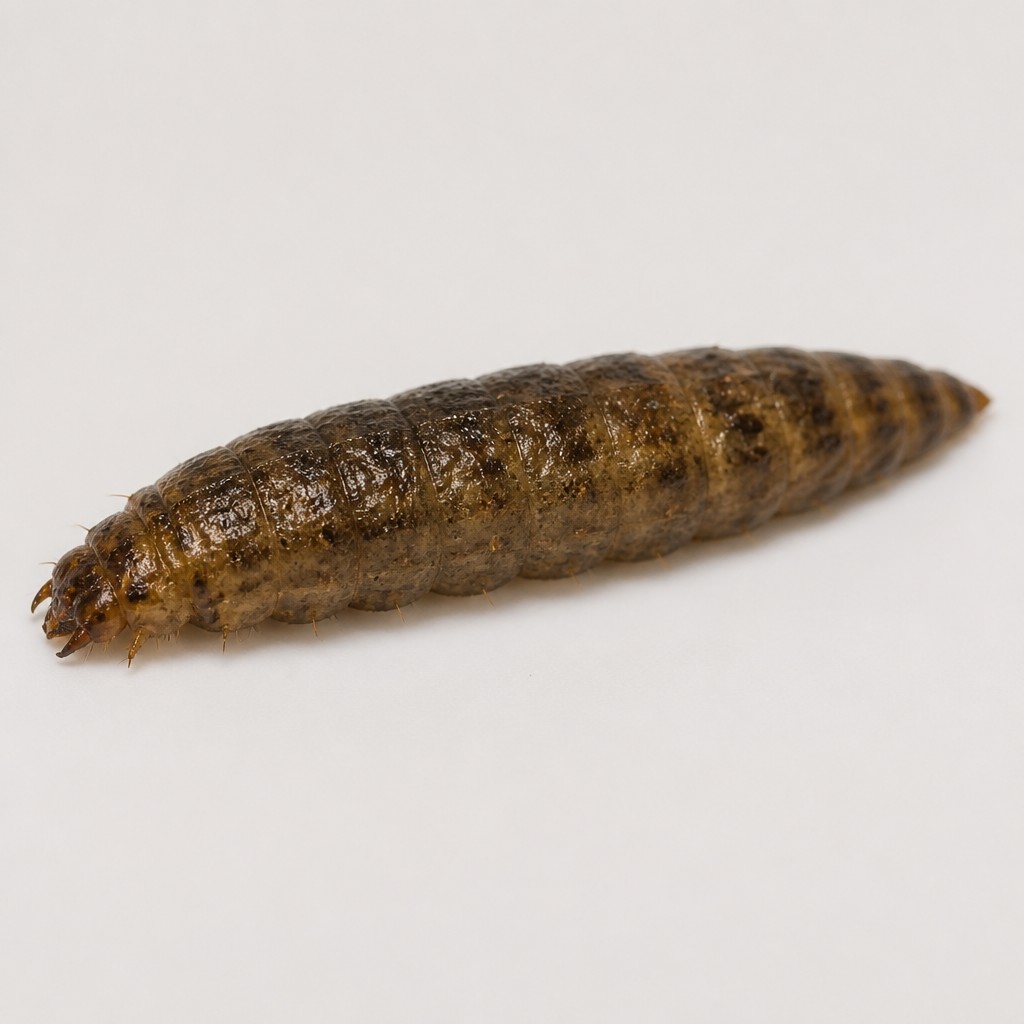
Horse Fly Larva
Hidden in the wet mud along pond and stream margins, the horse fly larva is a tapered, tough-skinned predator that hunts other small soil and mud-dwelling invertebrates before eventually transforming into the familiar biting fly.
aquatic-insect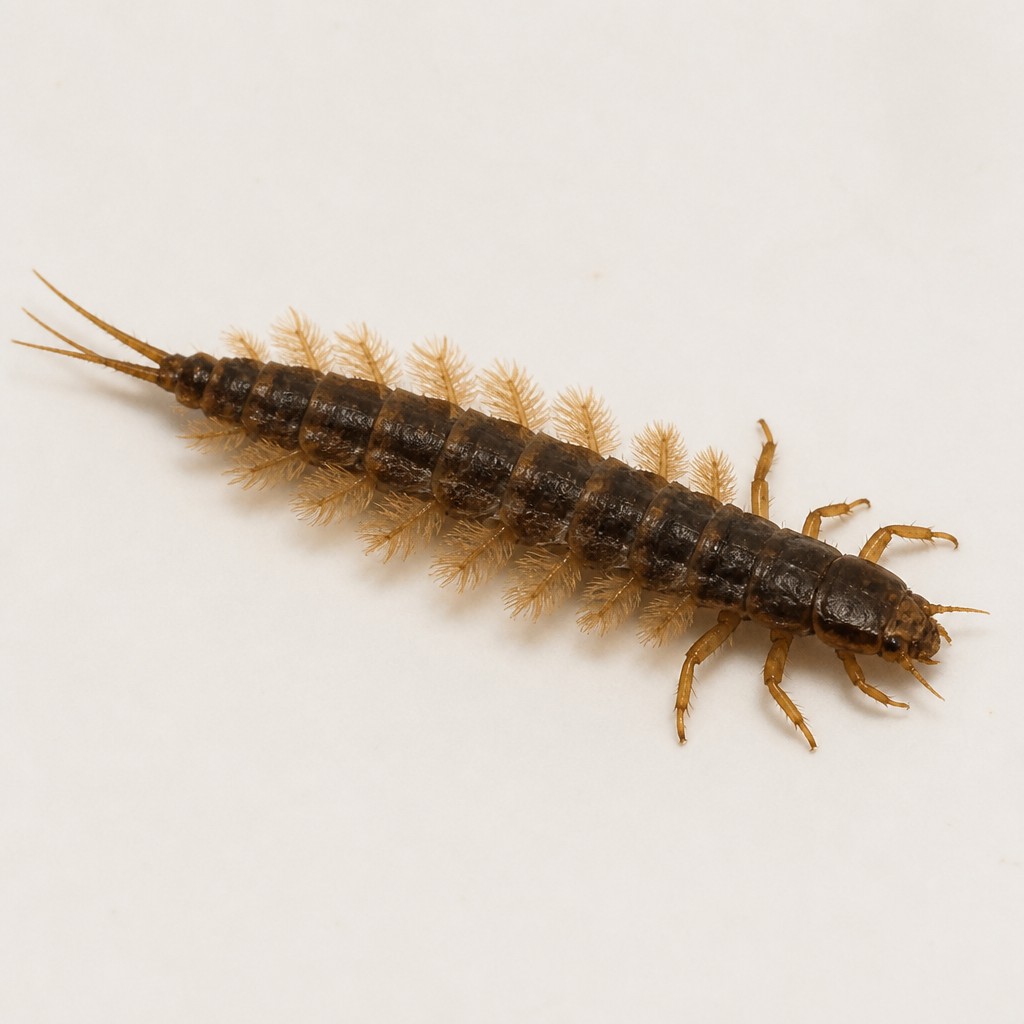
Alderfly Larva
Fringed with feathery gill filaments along its sides, the alderfly larva crawls through soft pond and stream sediments hunting smaller invertebrates before eventually leaving the water entirely to pupate on land.
aquatic-insect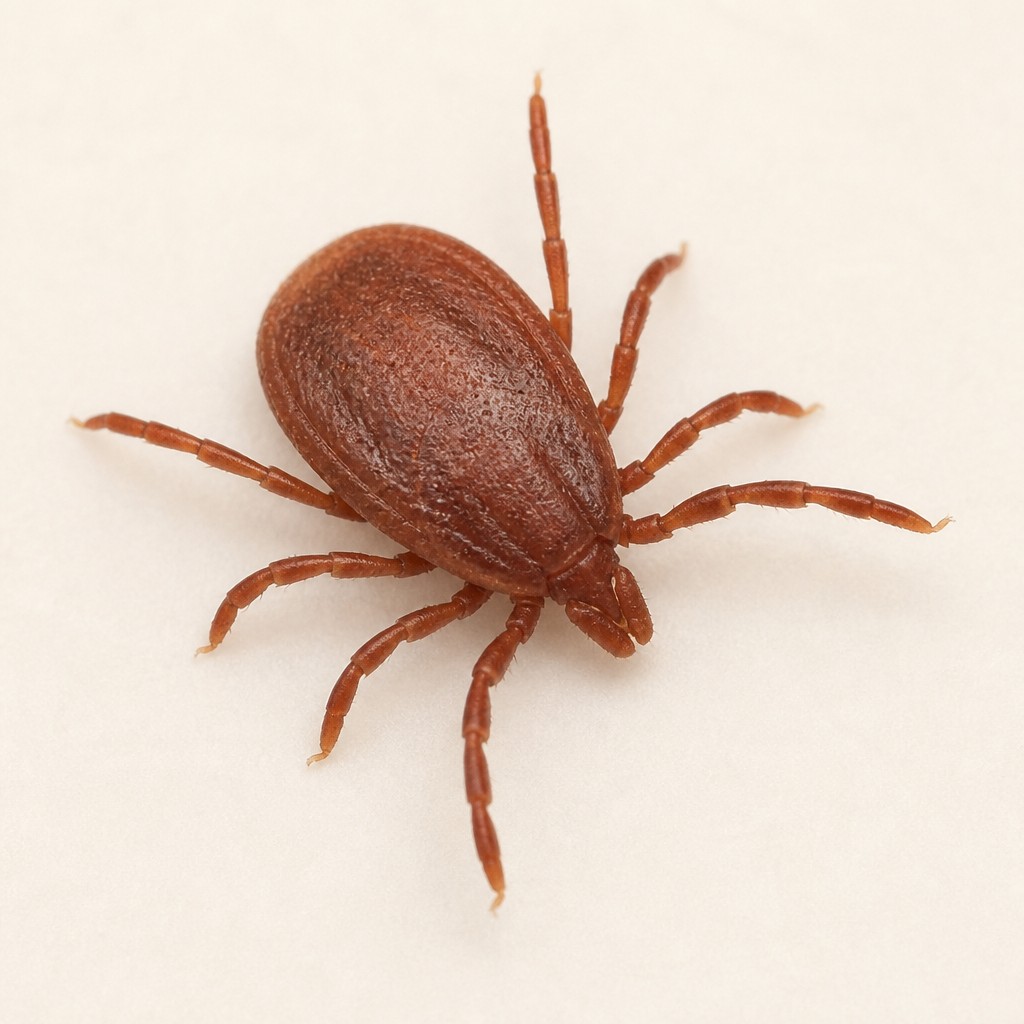
Brown Dog Tick
A uniformly reddish-brown tick with an elongated body, the brown dog tick is unusual among ticks for being able to complete its entire life cycle indoors around wherever dogs rest. It has spread to warm regions worldwide largely by traveling with its preferred host.
arachnid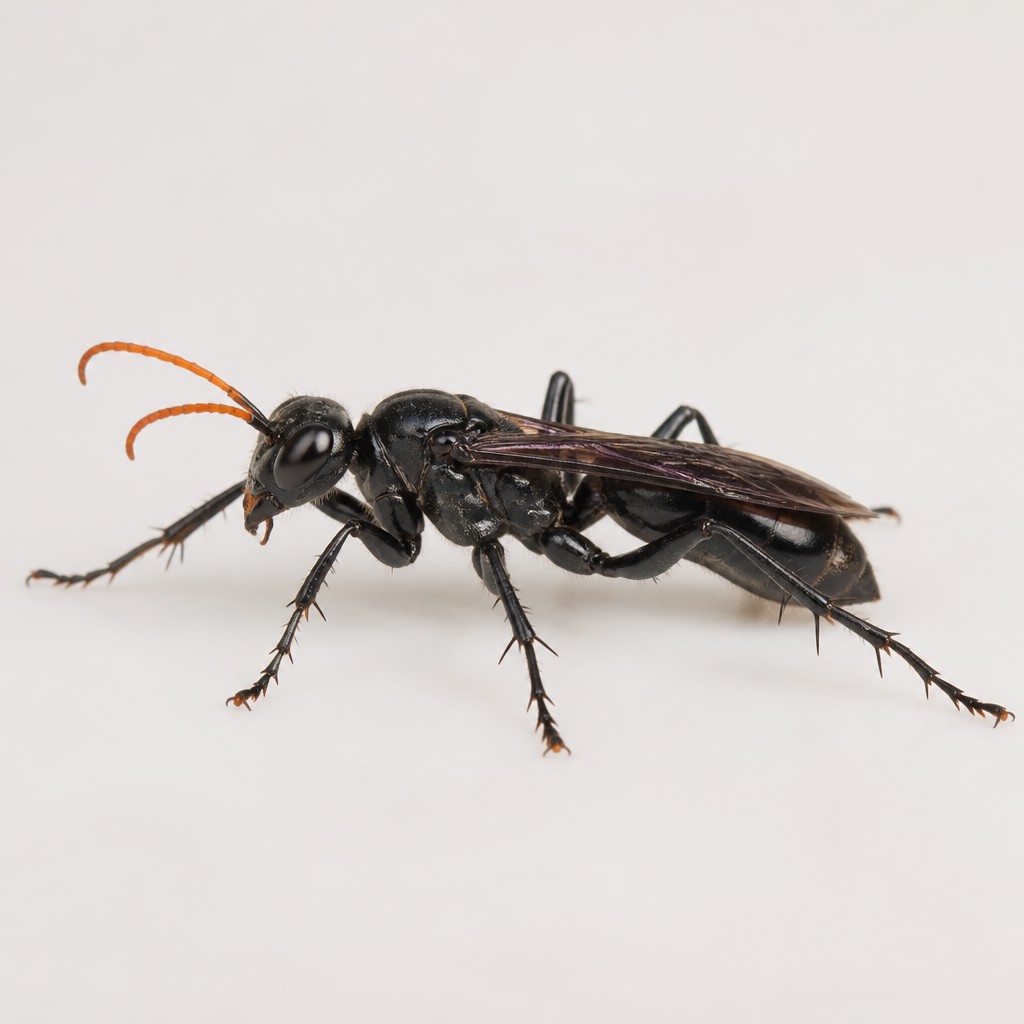
Spider Wasp
A quick, nervous-flying solitary wasp with long spiny legs and constantly flicking wings, recognized for its habit of running across open ground in short bursts while hunting spiders to paralyze and store for its young.
wasp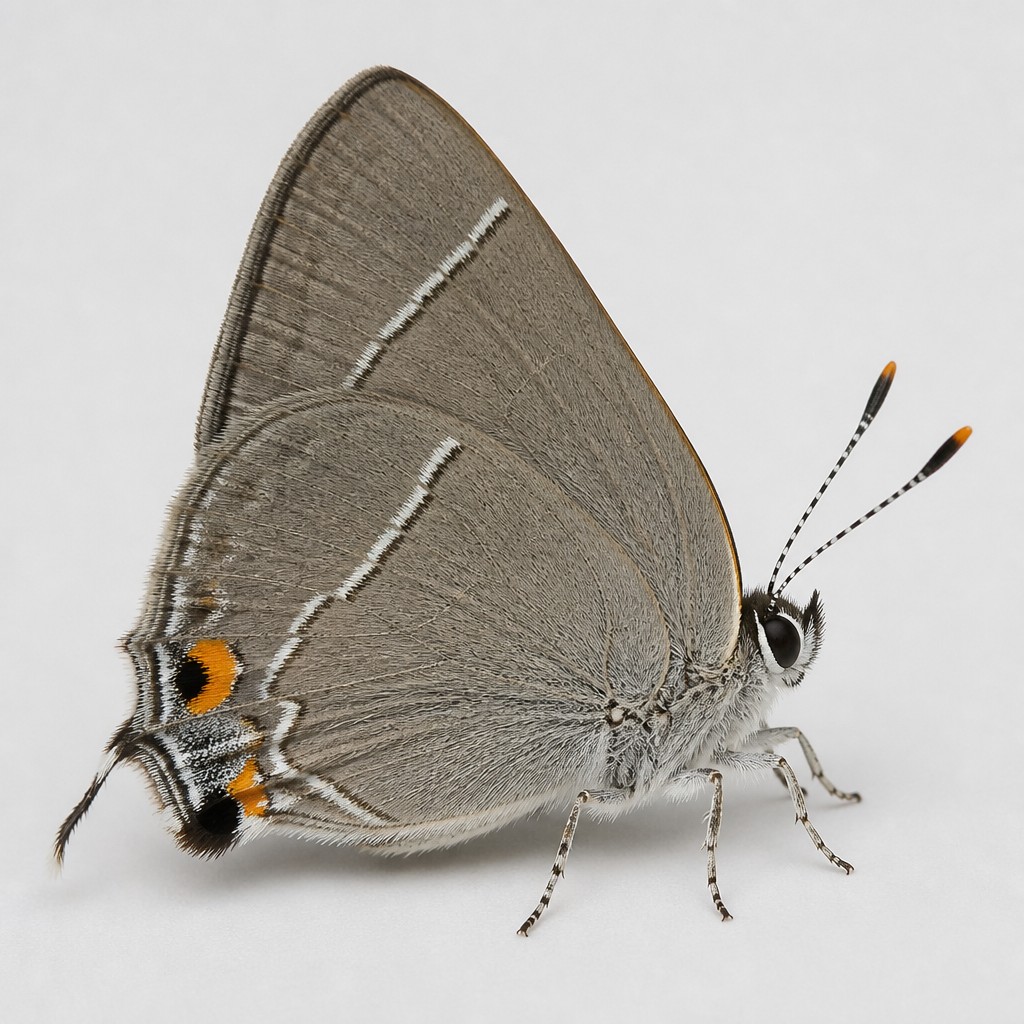
Gray Hairstreak
A small slate-gray butterfly with thin white lines, an orange-capped black spot near the hindwing tail, and one of the broadest host-plant ranges of any North American butterfly, making it a familiar visitor to gardens and fields alike.
butterfly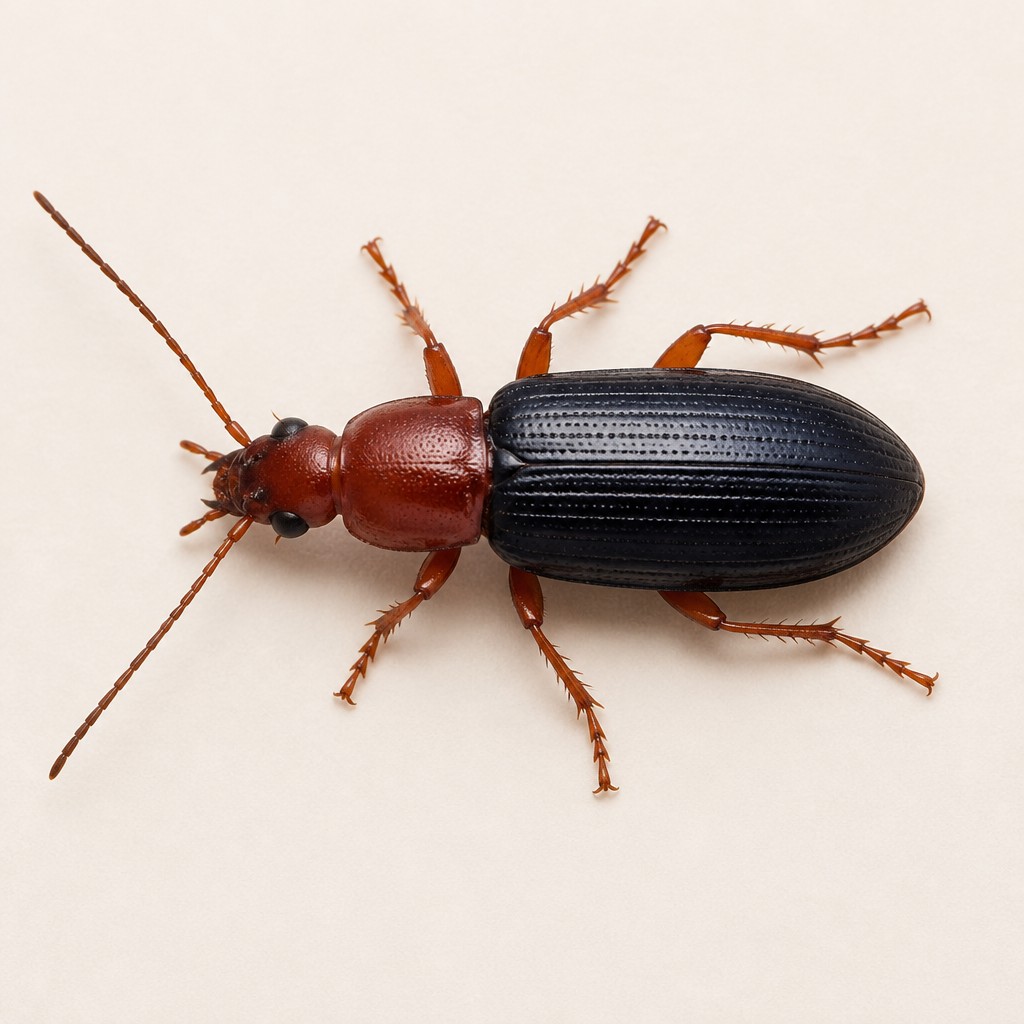
Bombardier Beetle
A dark, quick-moving ground beetle famous for firing a hot, audible chemical spray from its abdomen when disturbed, using two-tone coloring of a reddish head and thorax against blue-black wing covers as a warning signal.
beetle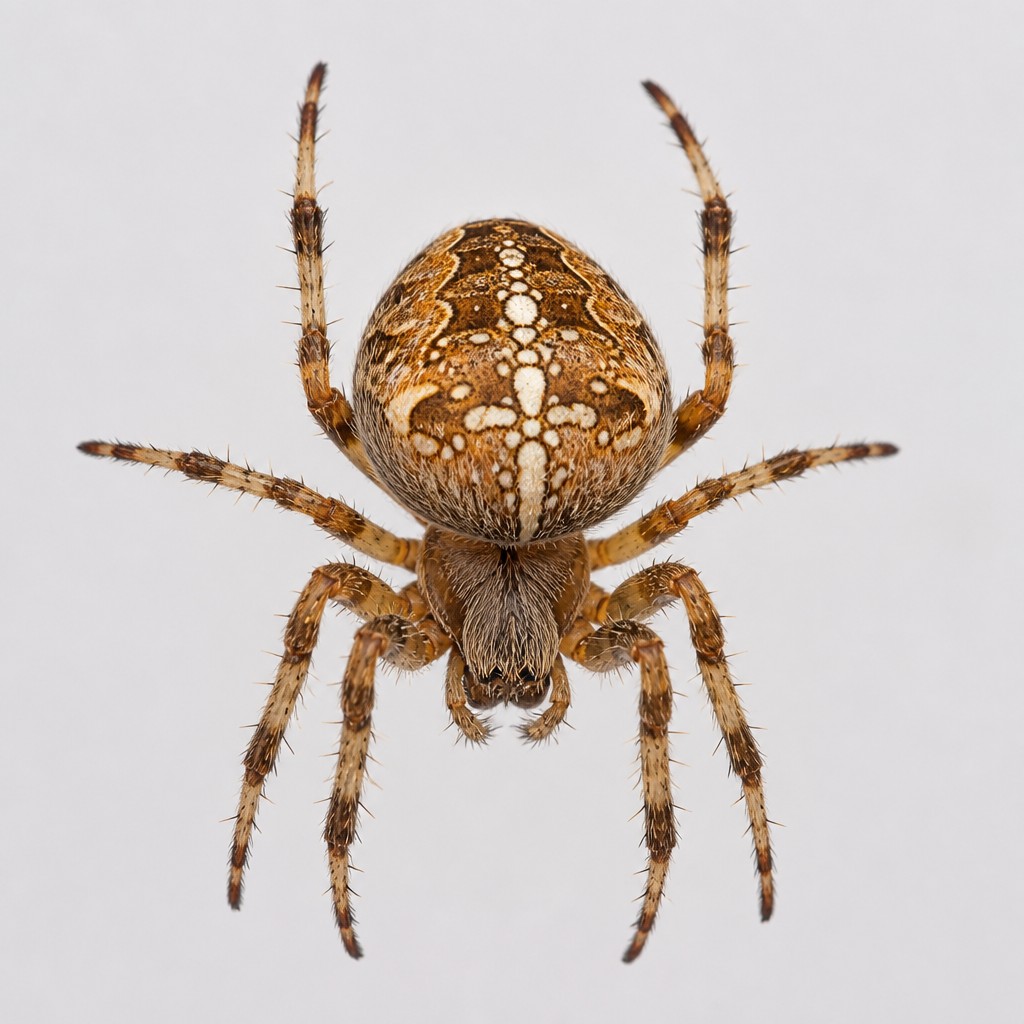
Cross Orbweaver
Named for the pale cross of dots marking its rounded abdomen, the cross orbweaver spins one of the most classic wheel-shaped webs, rebuilding it fresh nearly every night to keep its silk sticky and effective.
spider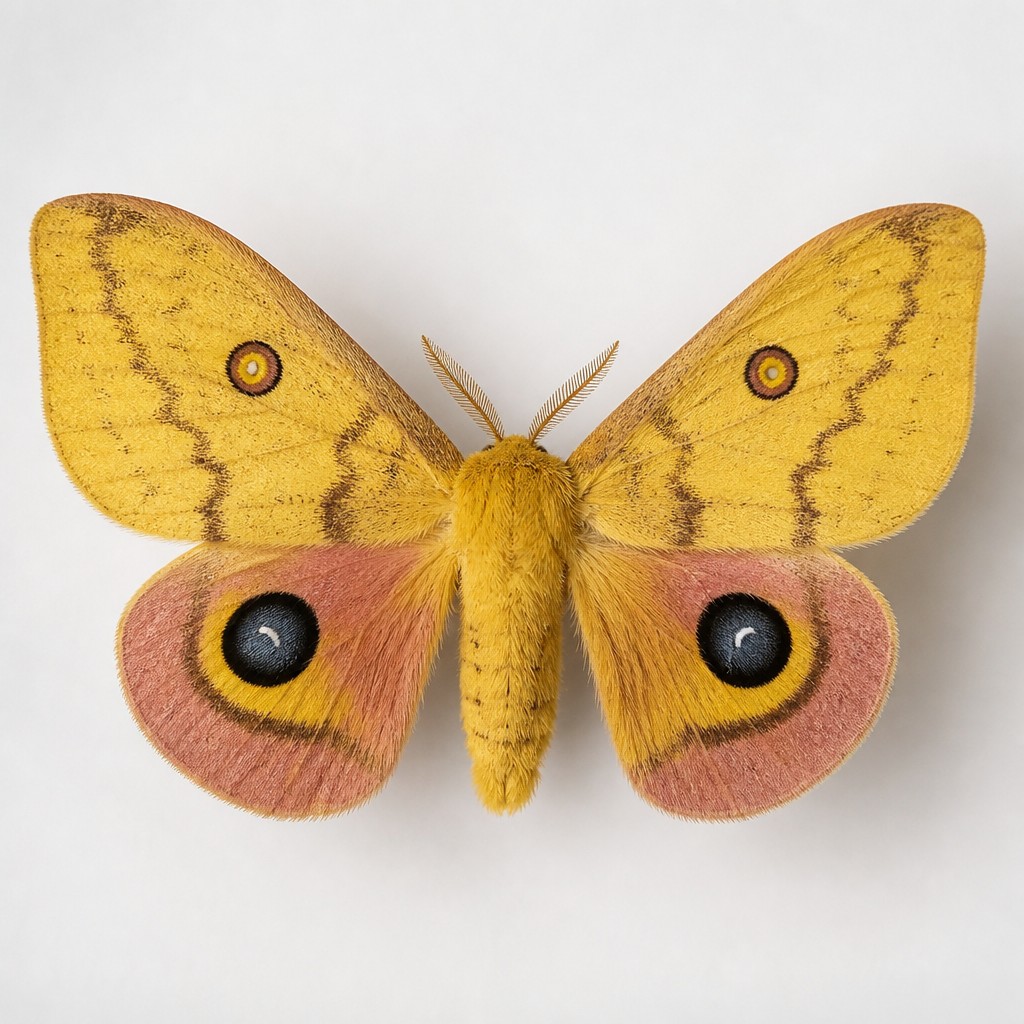
Io Moth
A striking yellow (male) or reddish-brown (female) silkmoth instantly recognizable by the large, dark eyespot ringed in blue and black on each hindwing, flashed suddenly to startle predators.
moth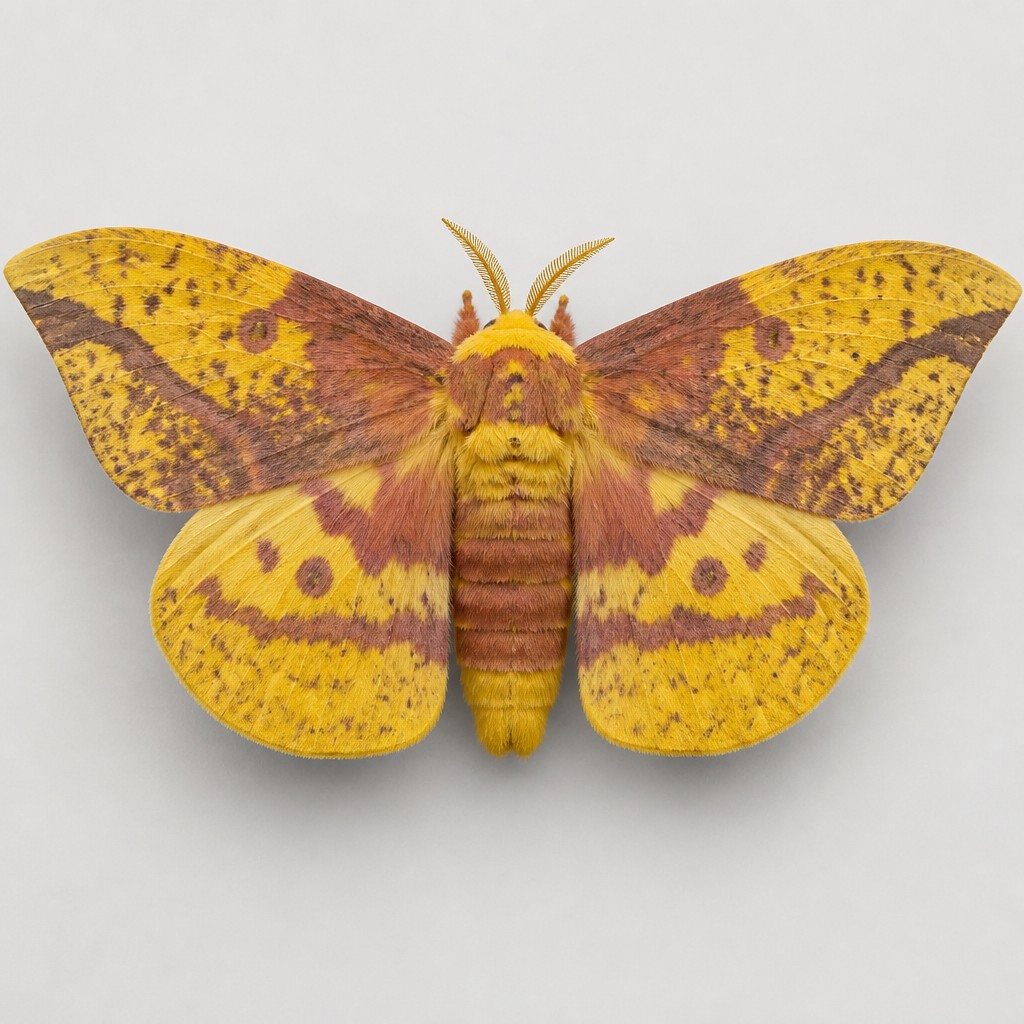
Imperial Moth
One of the largest and most variably patterned silk moths in North America, with broad yellow wings mottled in shades of purple, brown, and pink, and a caterpillar that can grow to impressive size on a wide range of forest trees.
moth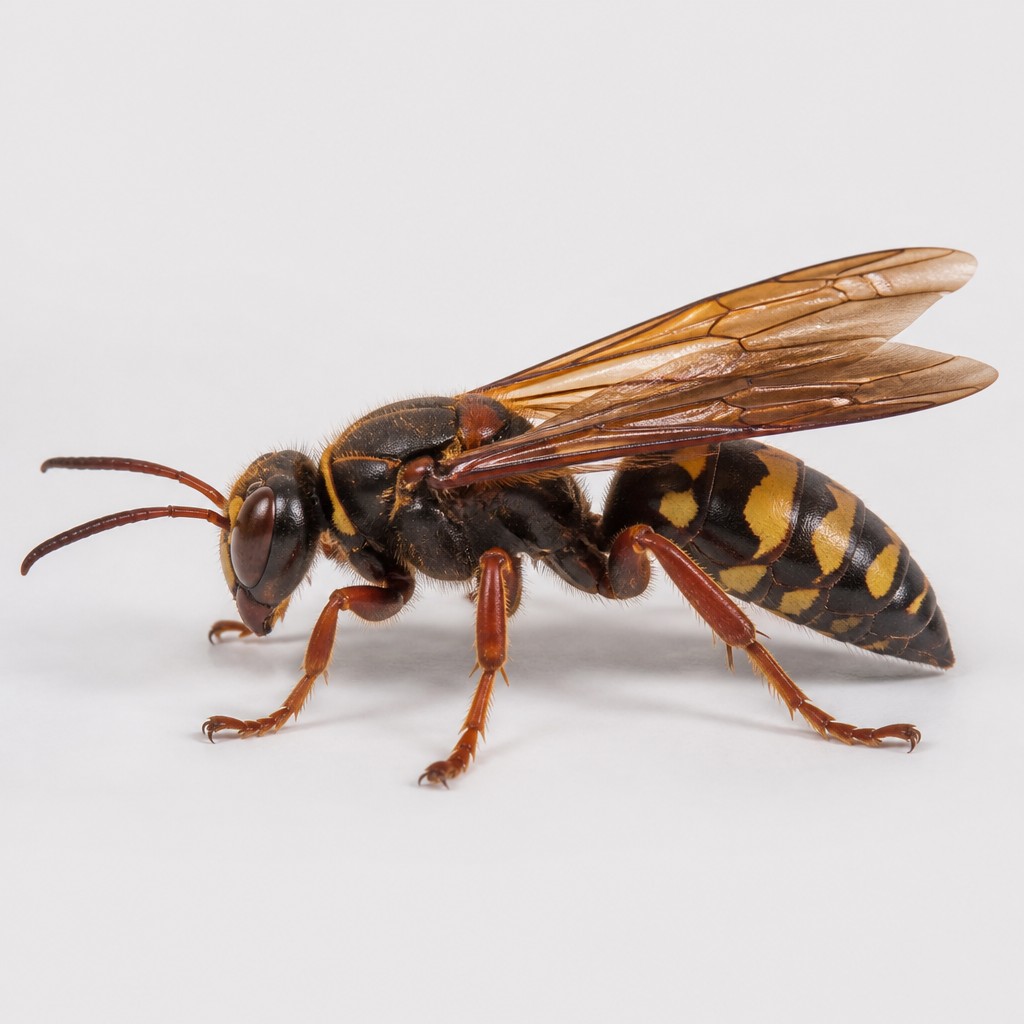
Cicada Killer Wasp
One of the largest wasps in North America, a robust rust-and-black or yellow-marked digger wasp that excavates burrows in bare soil and specializes in hunting cicadas to provision its underground nest.
wasp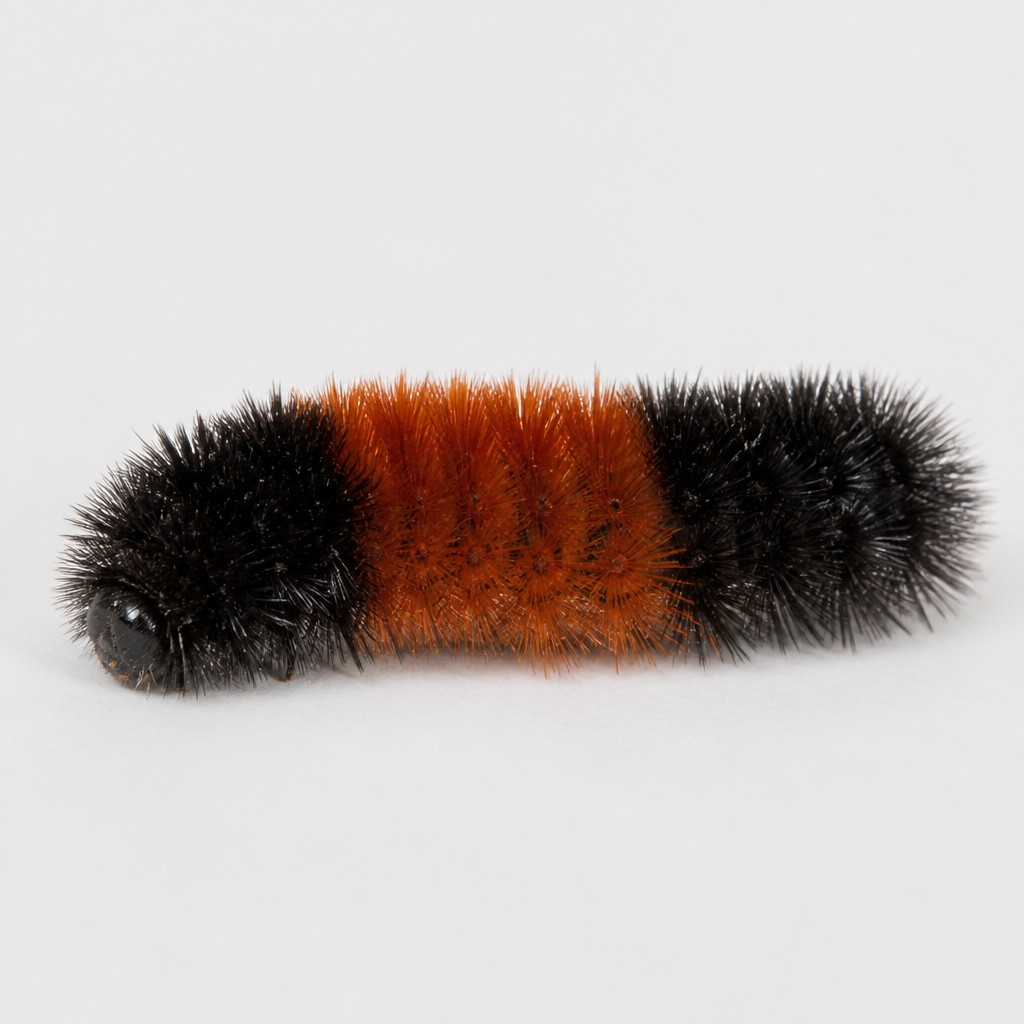
Woolly Bear Caterpillar
A densely bristled caterpillar banded in black at both ends with a rusty-orange middle section, famous in folklore for supposedly predicting winter severity and for rolling into a tight ball when touched.
caterpillar-larva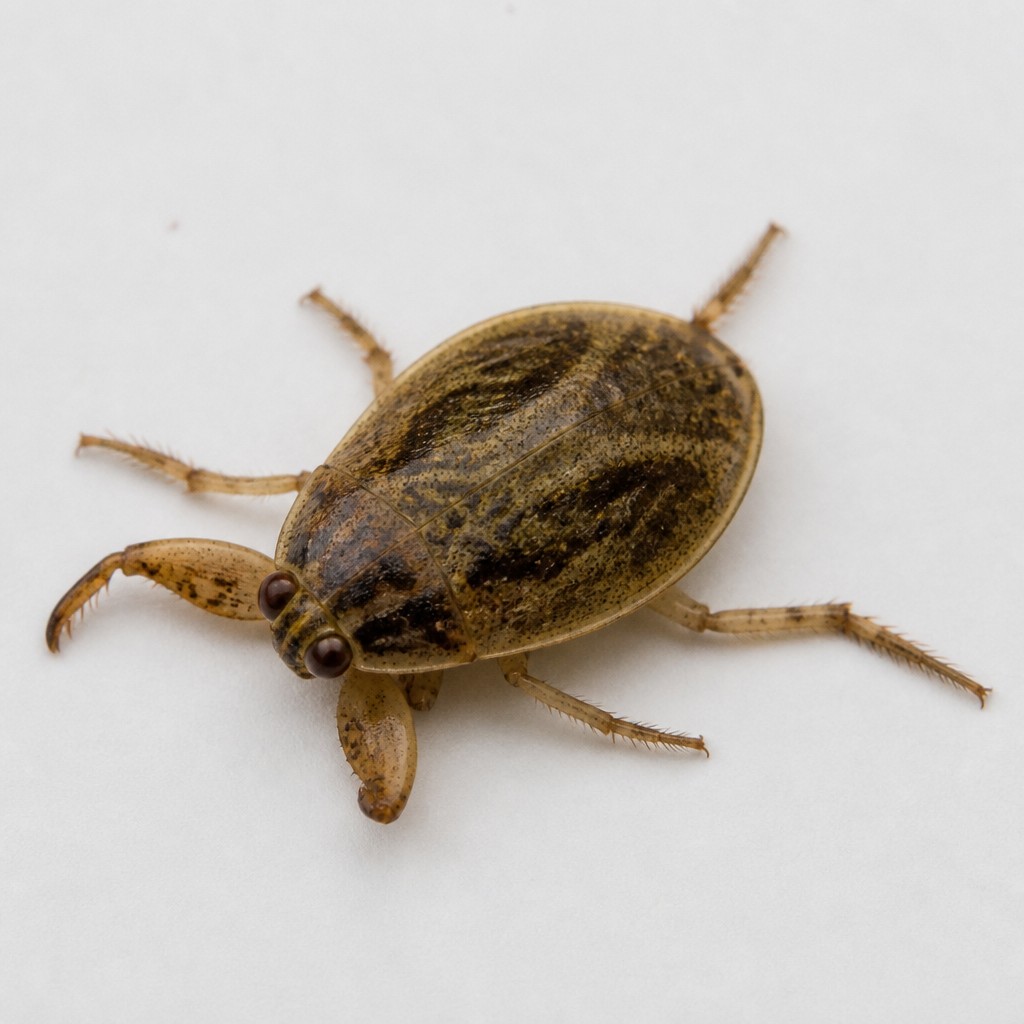
Creeping Water Bug
Broad, oval, and flattened like a tiny shield, the creeping water bug crawls methodically through submerged vegetation rather than swimming freely, using its stout, raptorial front legs to seize prey.
true-bug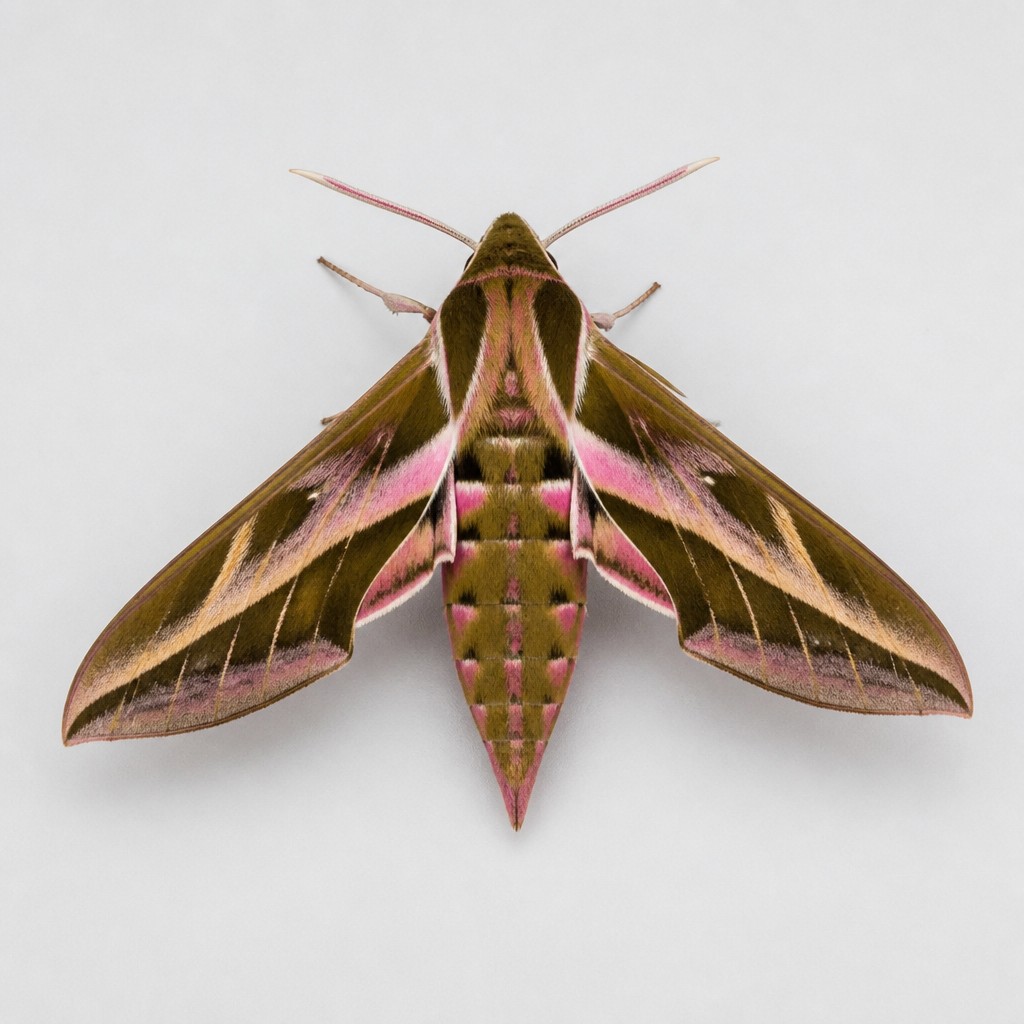
Oleander Hawk-Moth
A large, strikingly camouflaged hawk-moth patterned in swirling olive-green, pink, and cream stripes that resemble oleander foliage, with a streamlined, torpedo-shaped body built for fast, hovering flight.
moth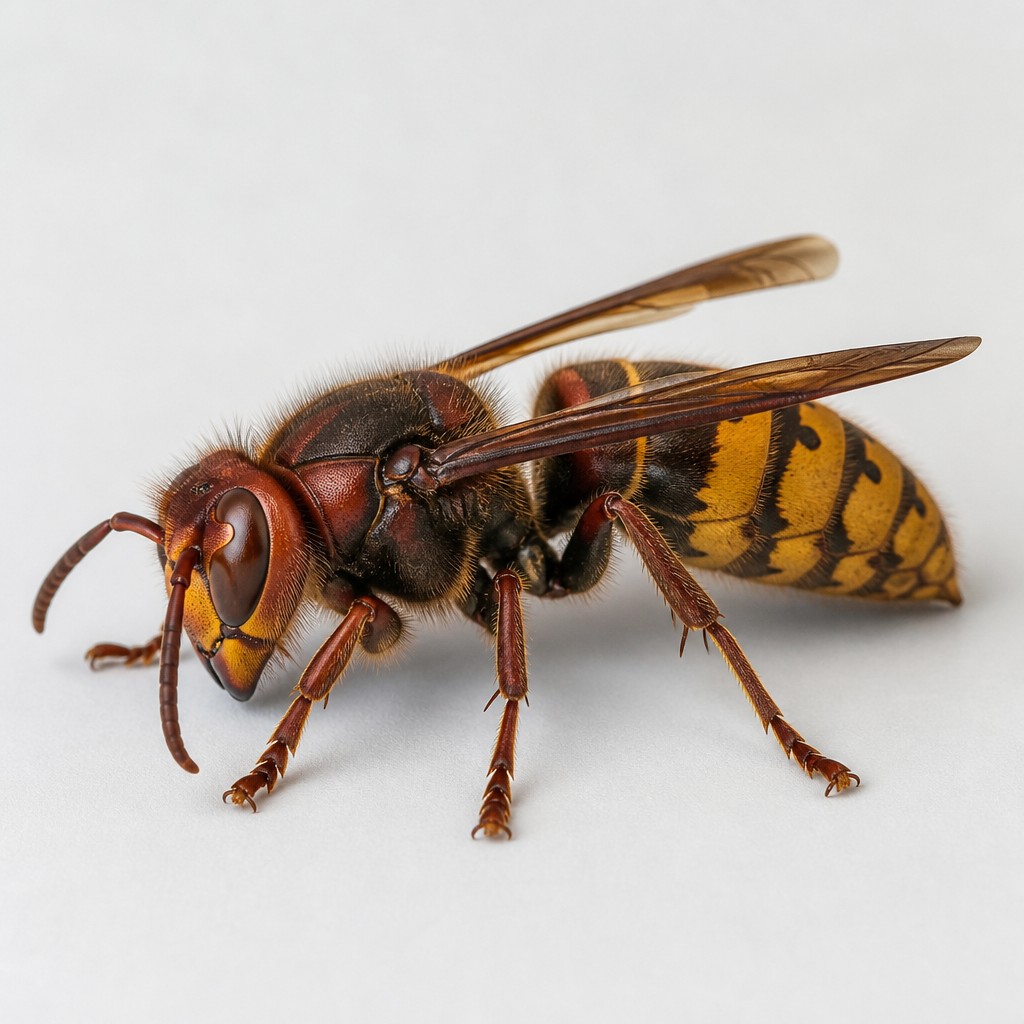
European Hornet
A large, robust wasp with a reddish-brown thorax, yellow-and-brown striped abdomen, and a distinctive habit of nesting in hollow trees, making it the largest true hornet native to Europe and introduced to eastern North America.
wasp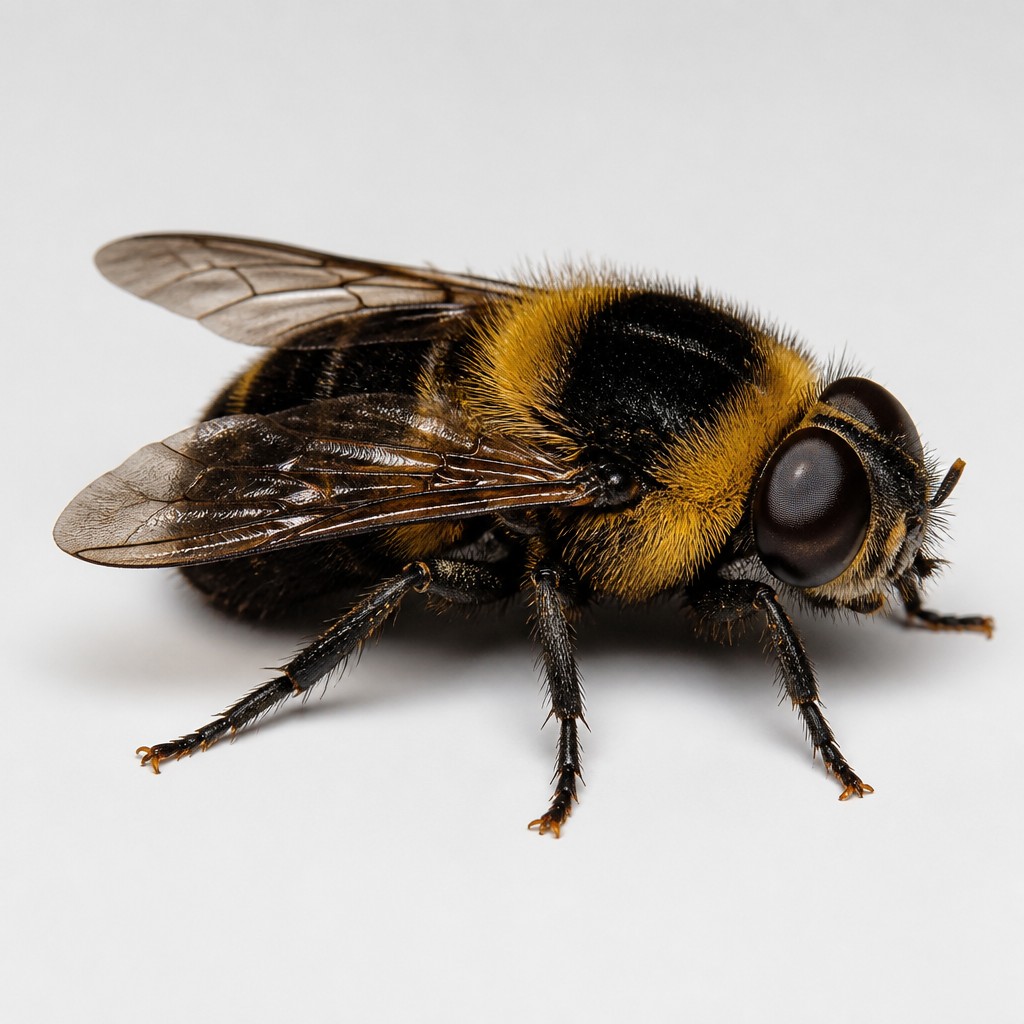
Bot Fly
A stocky, bumblebee-mimicking fly whose adults never feed and live only long enough to mate and locate a rodent or rabbit burrow for their eggs. Despite their harmless, buzzing adult stage, bot flies are best known through the larvae that develop as internal parasites of small mammals.
fly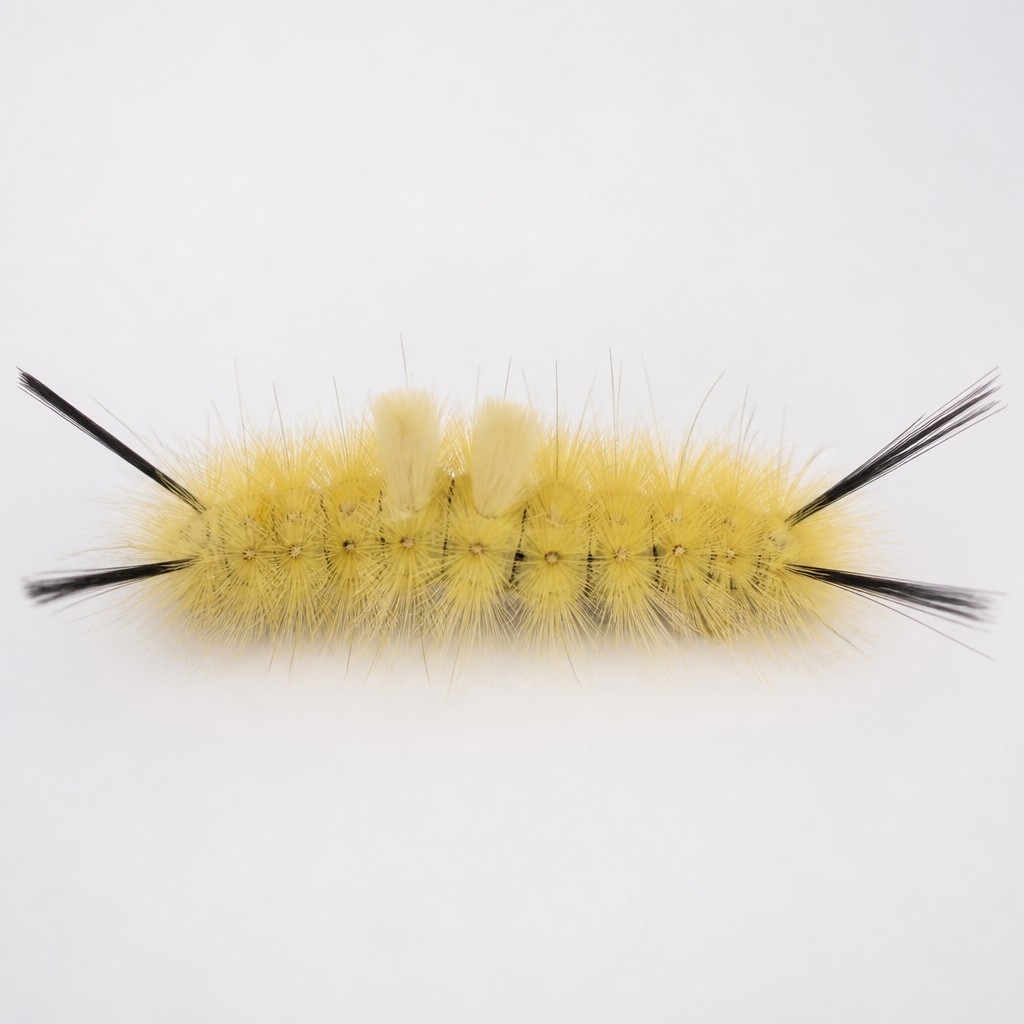
American Dagger Moth Caterpillar
A pale, sulfur-yellow to cream fuzzball bristling with dense tufts of hair and long black 'pencils' projecting from both ends, the American dagger moth caterpillar is one of the most recognizable hairy caterpillars on hardwood trees in fall.
caterpillar-larva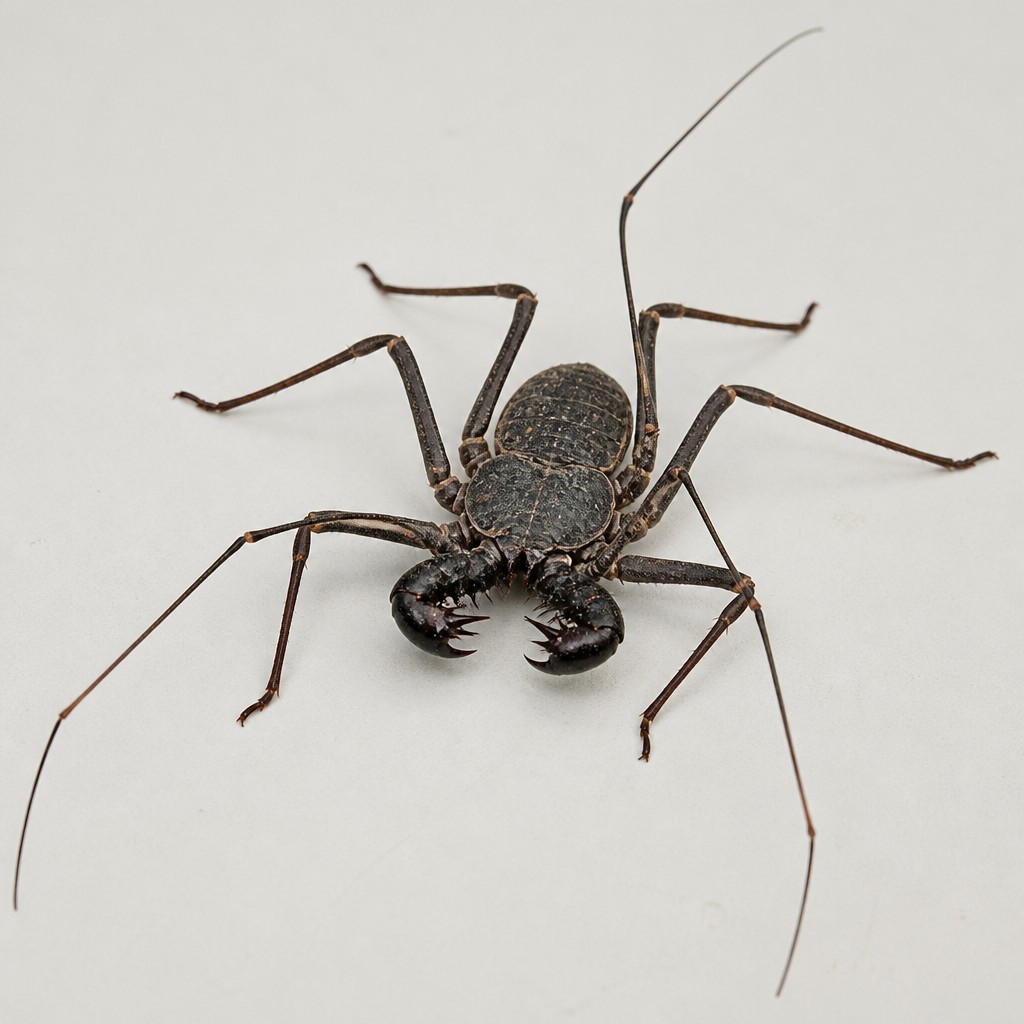
Whip Scorpion
A flattened, spider-like arachnid with a pair of extraordinarily long, whip-thin front legs used to feel out its surroundings in the dark, and large spiny pedipalps held out front like a crab's claws. Despite the name and fearsome appearance, it has no stinger and no fangs.
arachnid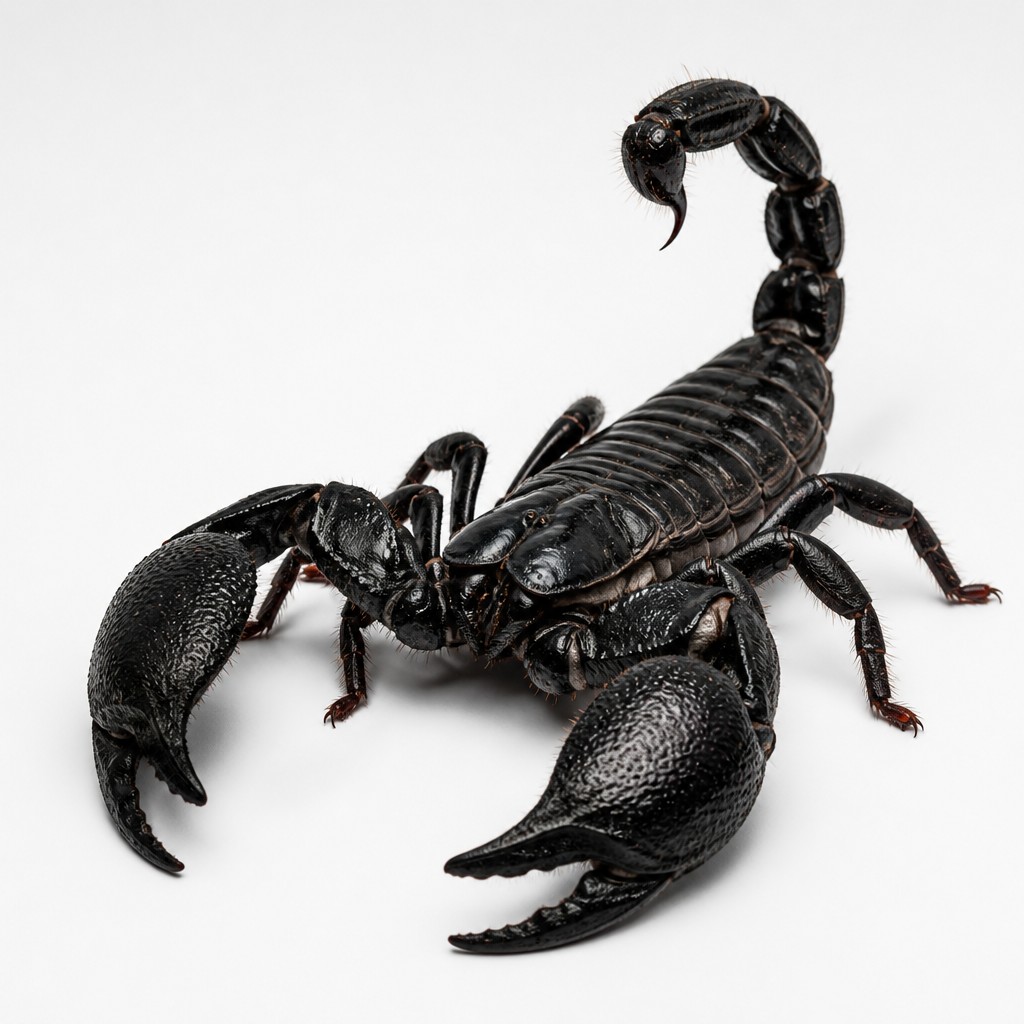
Emperor Scorpion
A massive, glossy black scorpion with heavy, oversized pincers built for crushing prey rather than stinging it, the emperor scorpion is one of the biggest and most recognizable scorpions on Earth. It digs deep burrows in rainforest soil and is unusual among scorpions for tolerating close family groups.
arachnid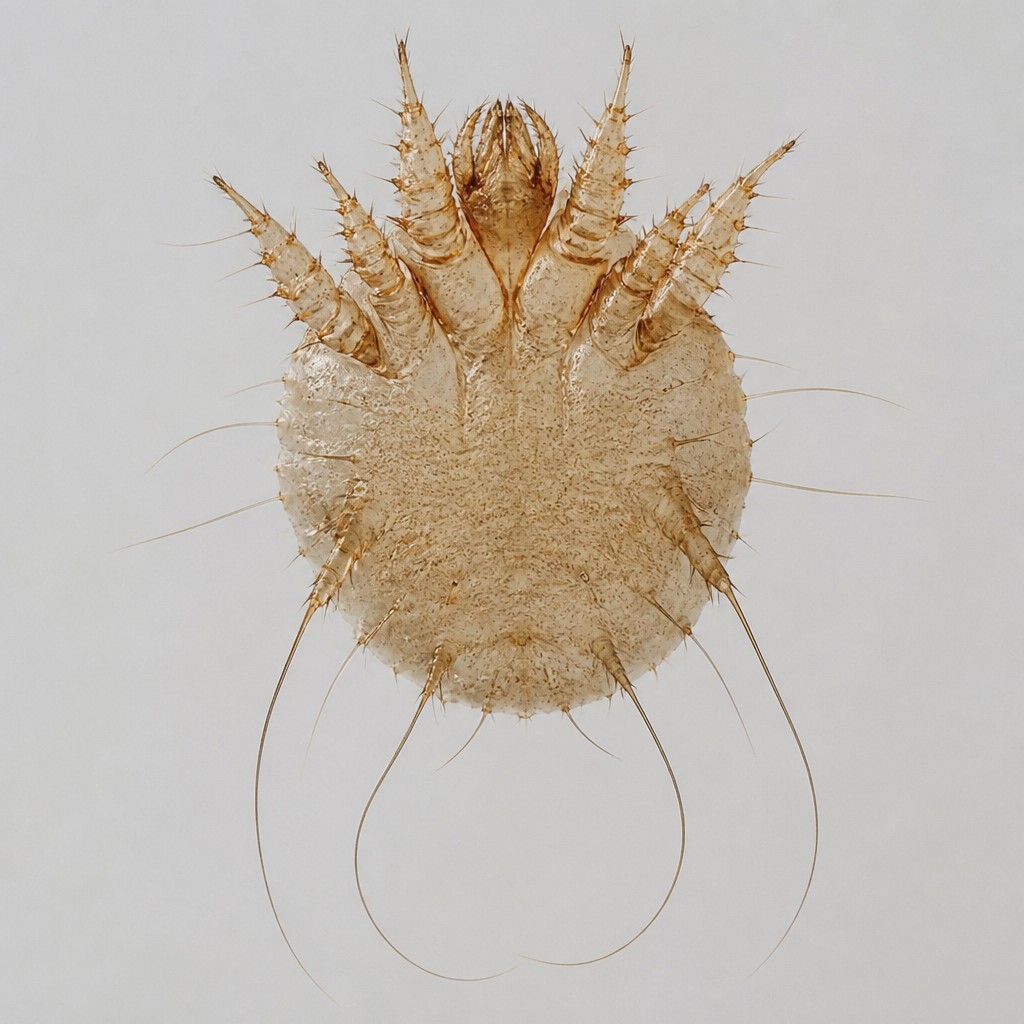
Scabies Mite
A microscopic, eyeless mite that spends its entire life cycle burrowed within the outer layer of a mammal's skin, among the smallest arachnids known to science. Unlike free-living mites, it has no independent existence away from a host and is studied primarily through microscopic examination rather than direct observation.
arachnid