
Bug Encyclopedia
Search and identify bugs & insects — beetles, butterflies, moths, ants, bees, spiders and more — with size, habitat, danger, behavior, and how to tell them apart.
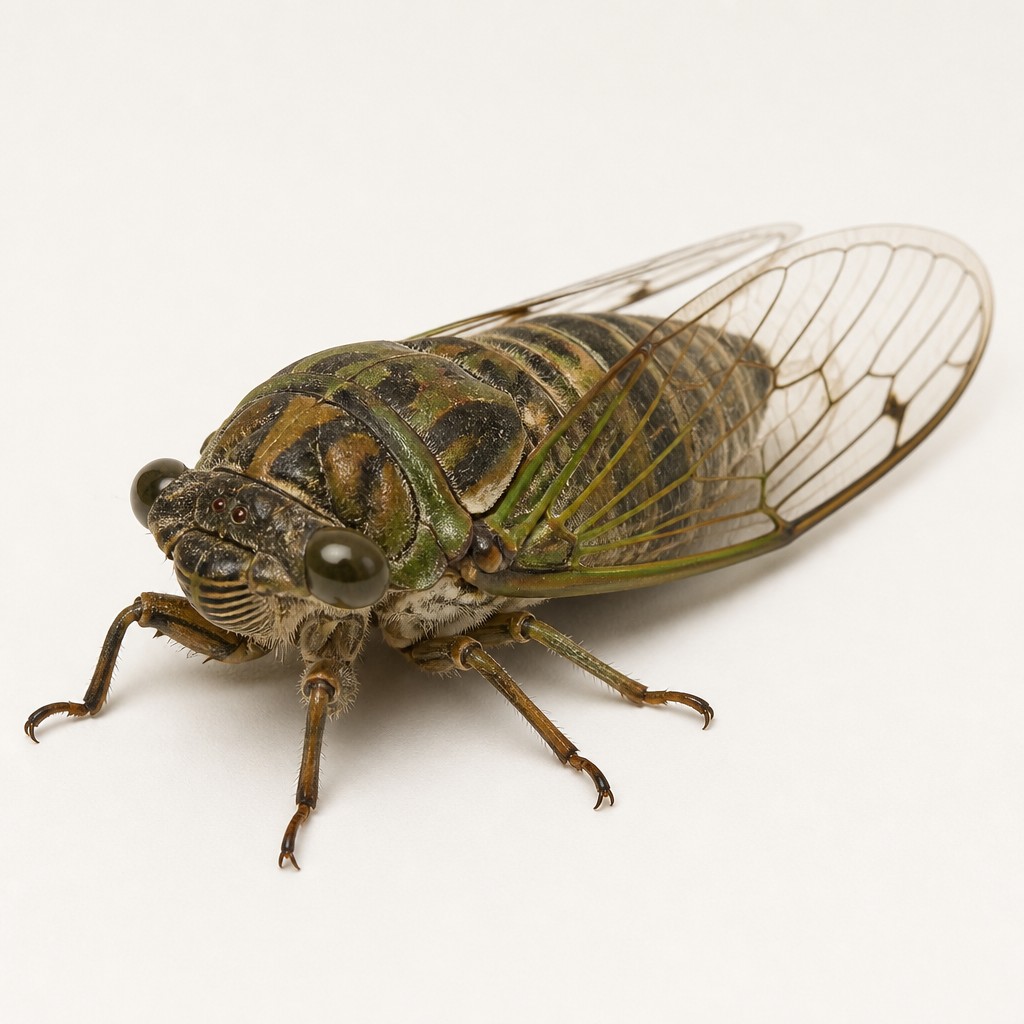
Cicada Killer's Prey Cicada
A large, thick-bodied, clear-winged insect best known for the loud, buzzing chorus males produce from treetops on hot summer afternoons, and a preferred prey item of the cicada killer wasp.
true-bug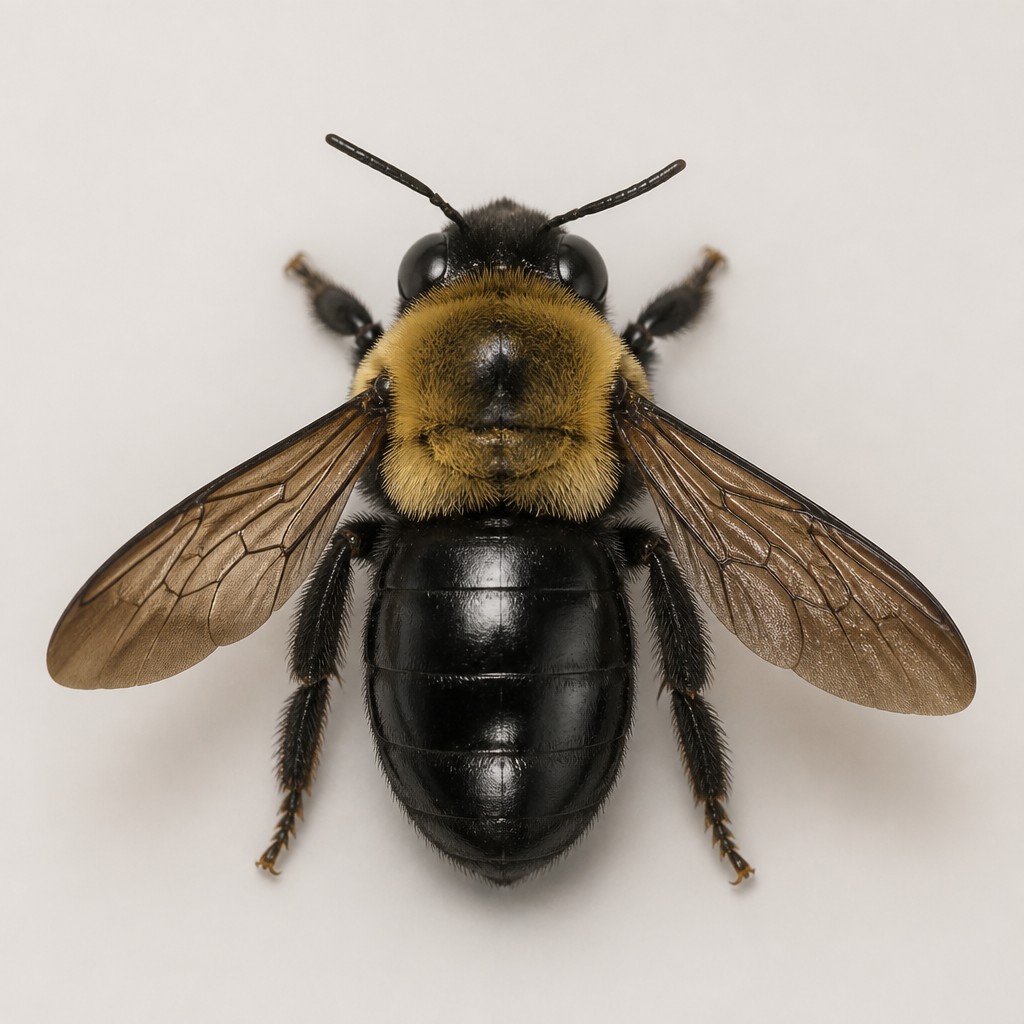
Carpenter Bee
A large, robust bee closely resembling a bumblebee but with a shiny, mostly bald black abdomen, known for excavating tunnel nests into bare, untreated wood.
bee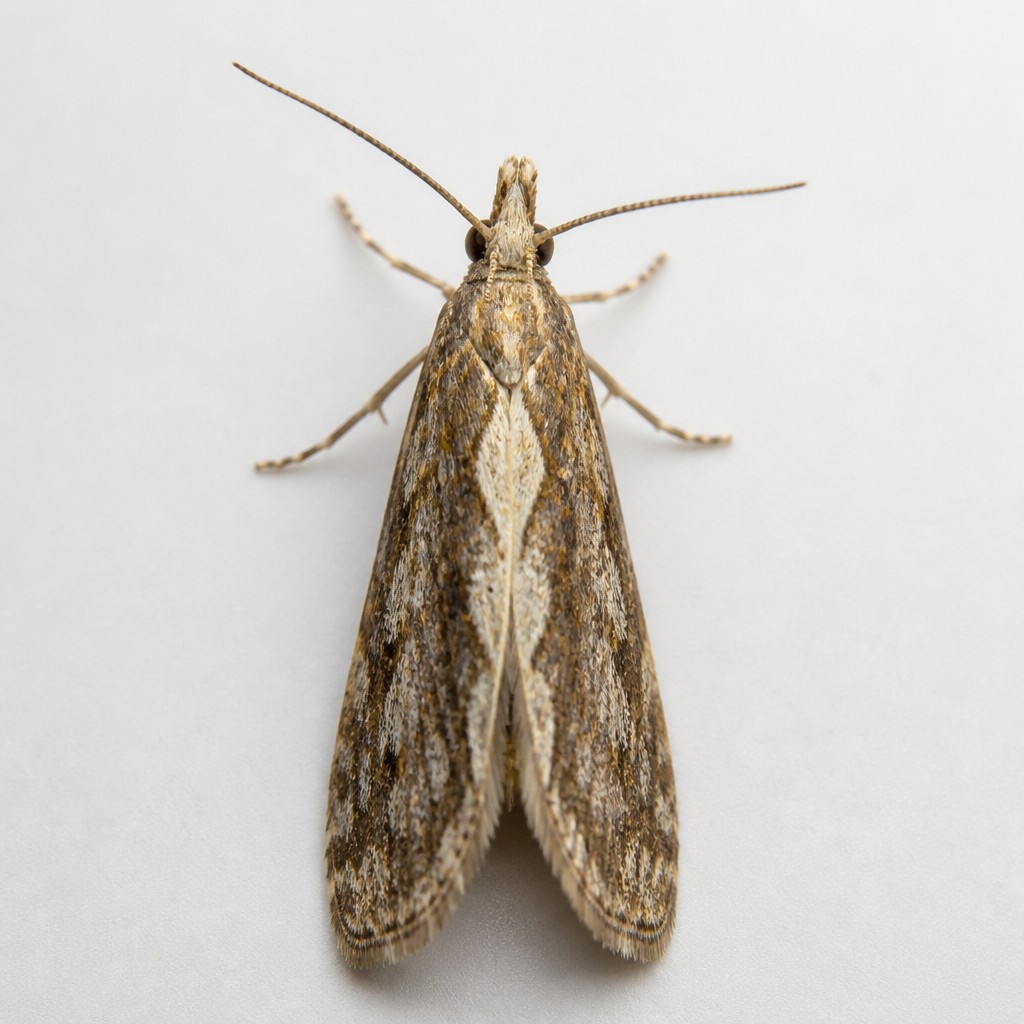
Diamondback Moth
A small, slender grey-brown moth named for the pale, diamond-shaped pattern that appears down its back when the wings are folded, best known as a widespread pest of cabbage and other brassica crops.
moth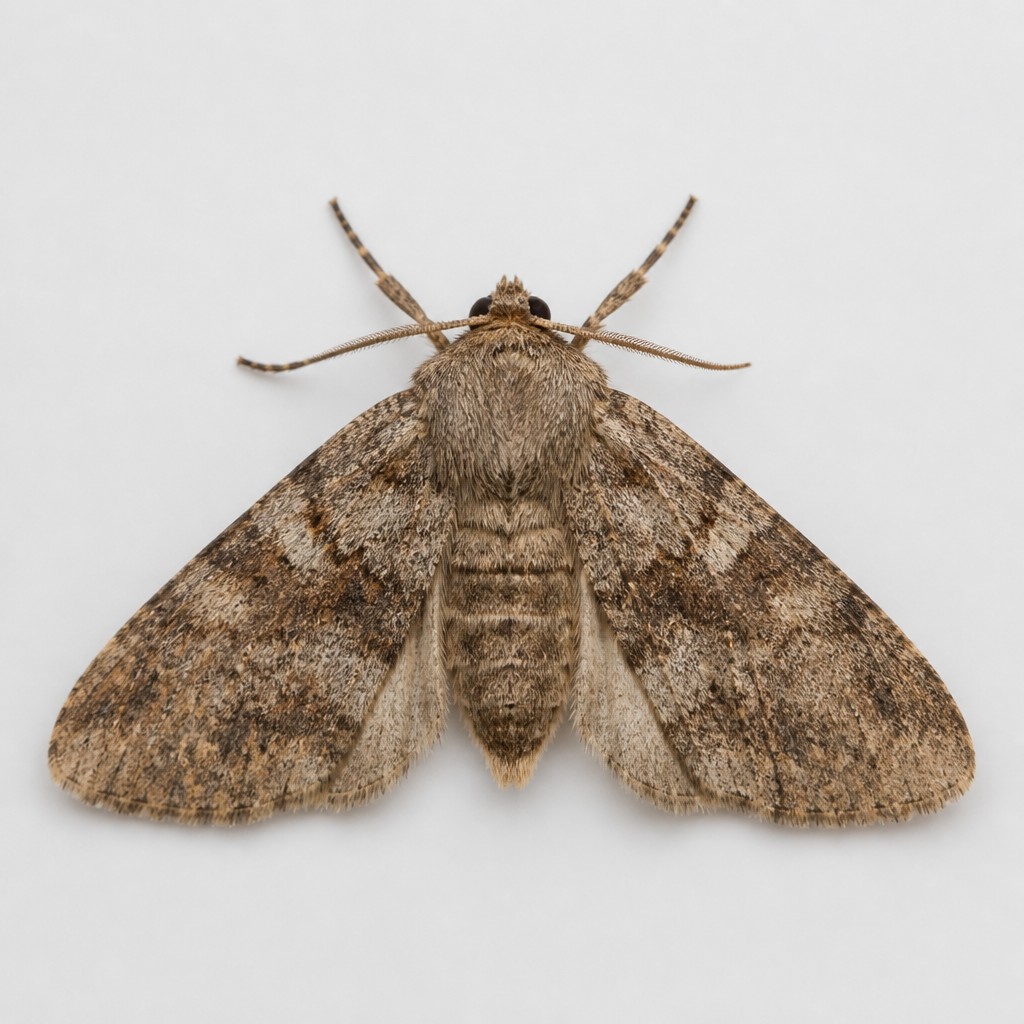
Bogong Moth
A modest brown, mottled moth famous for its extraordinary mass seasonal migration across thousands of kilometers to cool alpine caves in the Australian mountains, forming one of the largest known insect migrations by biomass.
moth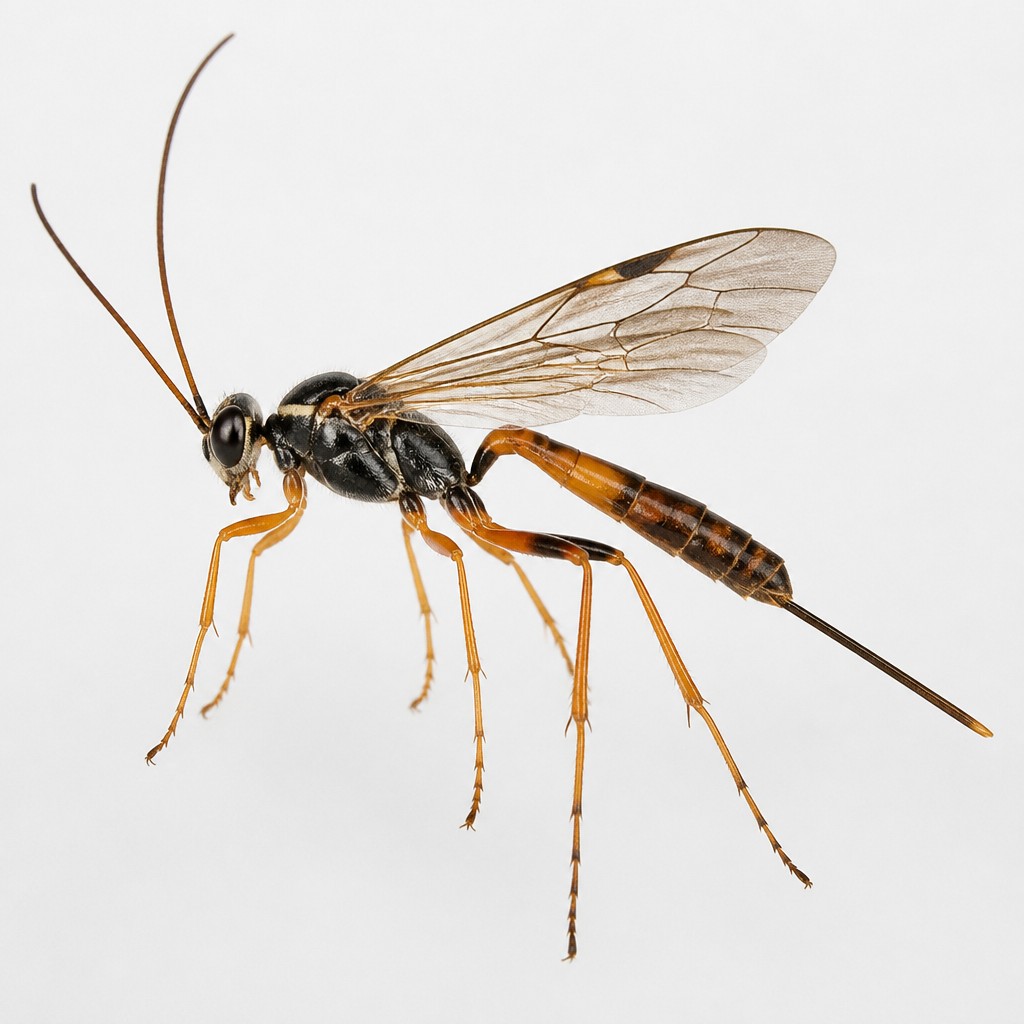
Ichneumon Wasp
A slender, long-antennaed parasitoid wasp, often mistaken for a giant mosquito or a stinging insect, that is best known for the extraordinarily long ovipositor some species use to drill into wood and lay eggs on hidden larvae.
wasp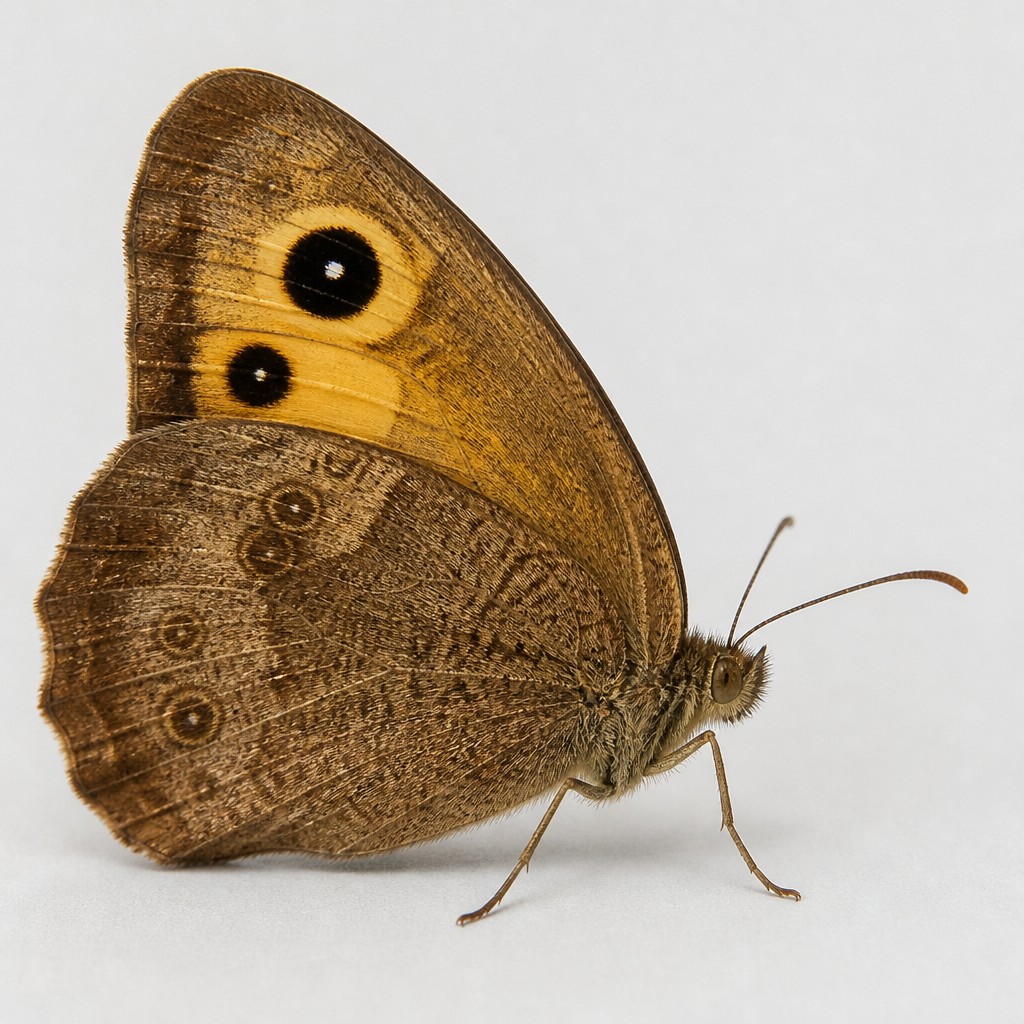
Common Wood-Nymph
A large brown grassland butterfly with a bold yellow patch and one or two prominent black eyespots on the forewing, known for its bouncing, low-to-the-ground flight.
butterfly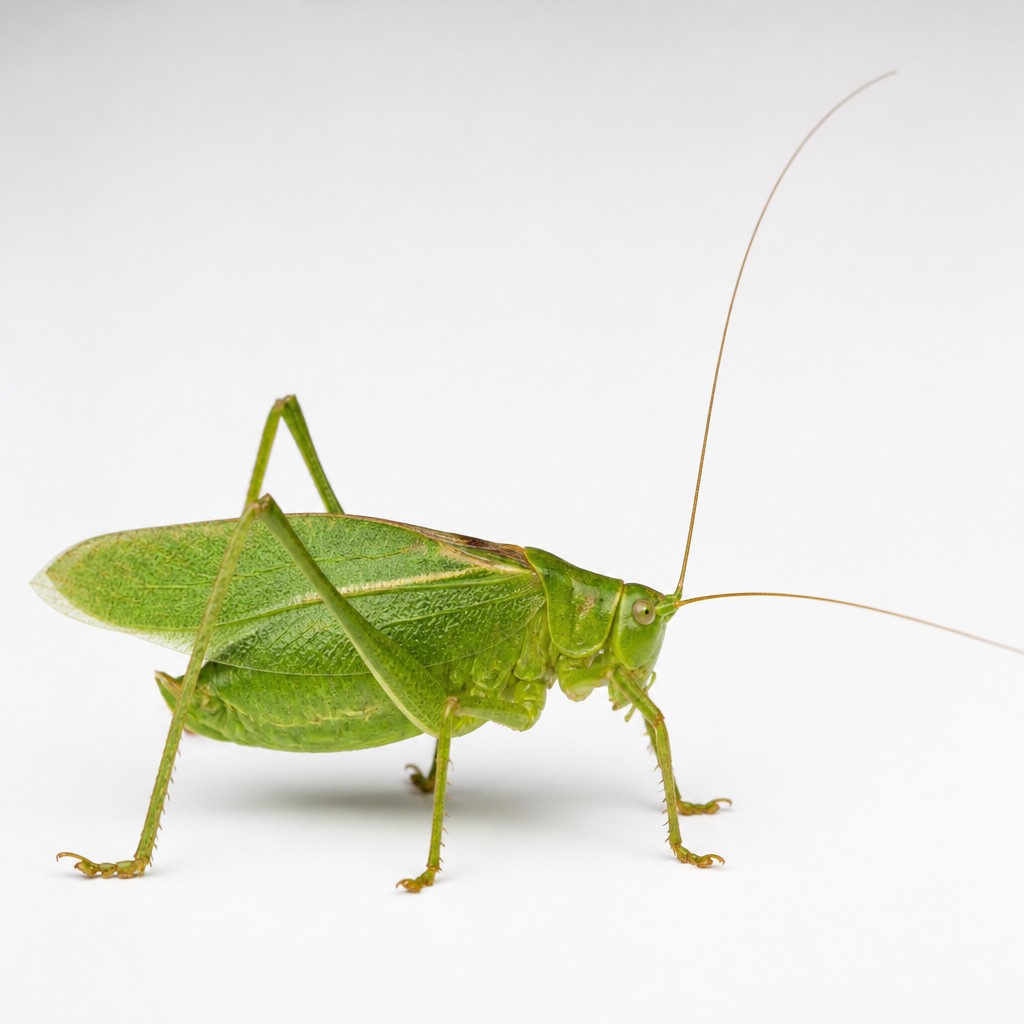
Bush Cricket
Known by its long, thread-like antennae and evening chorus of chirps, this leaf-colored insect spends its life hidden among grass and foliage, often heard far more often than seen.
grasshopper-cricket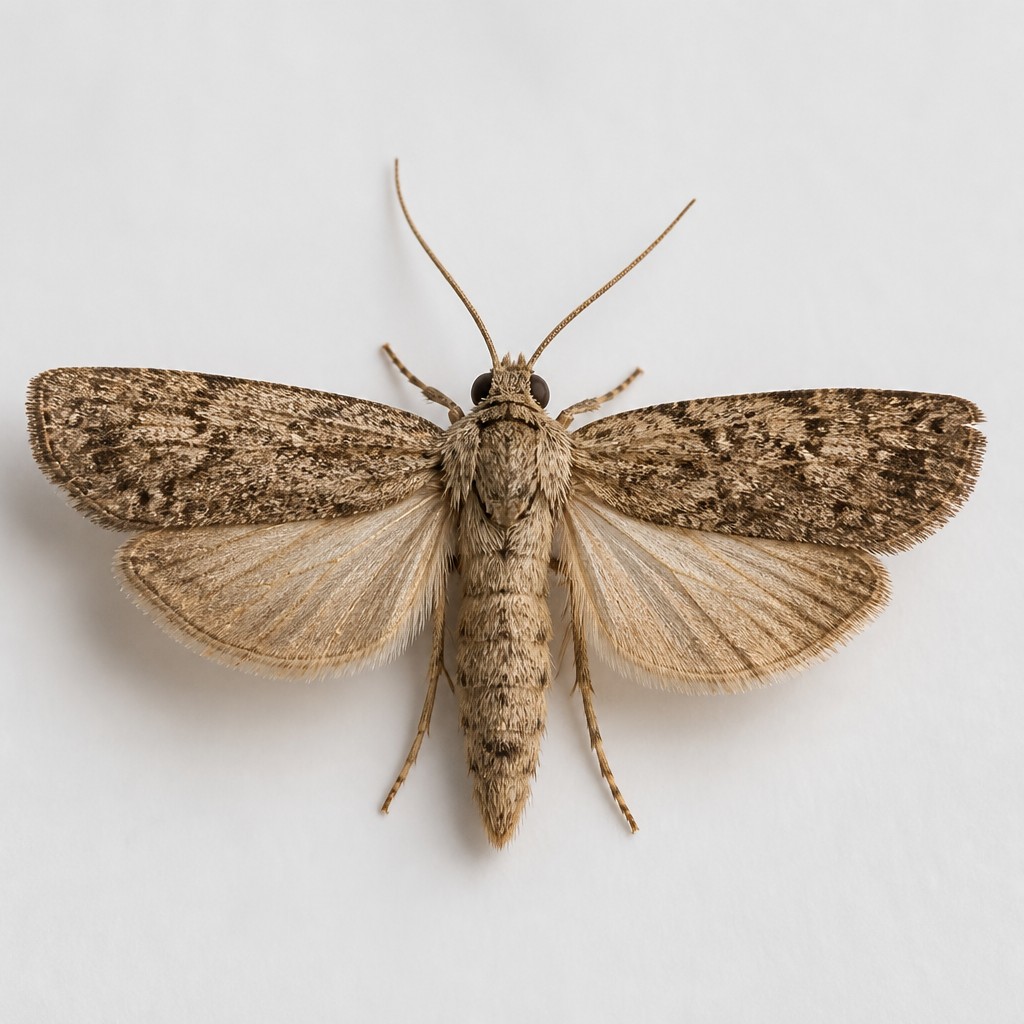
Wax Moth
A plain grey-brown moth whose larvae tunnel through beeswax honeycomb, spinning silk webbing as they feed, making it a well-known pest of beekeeping operations.
moth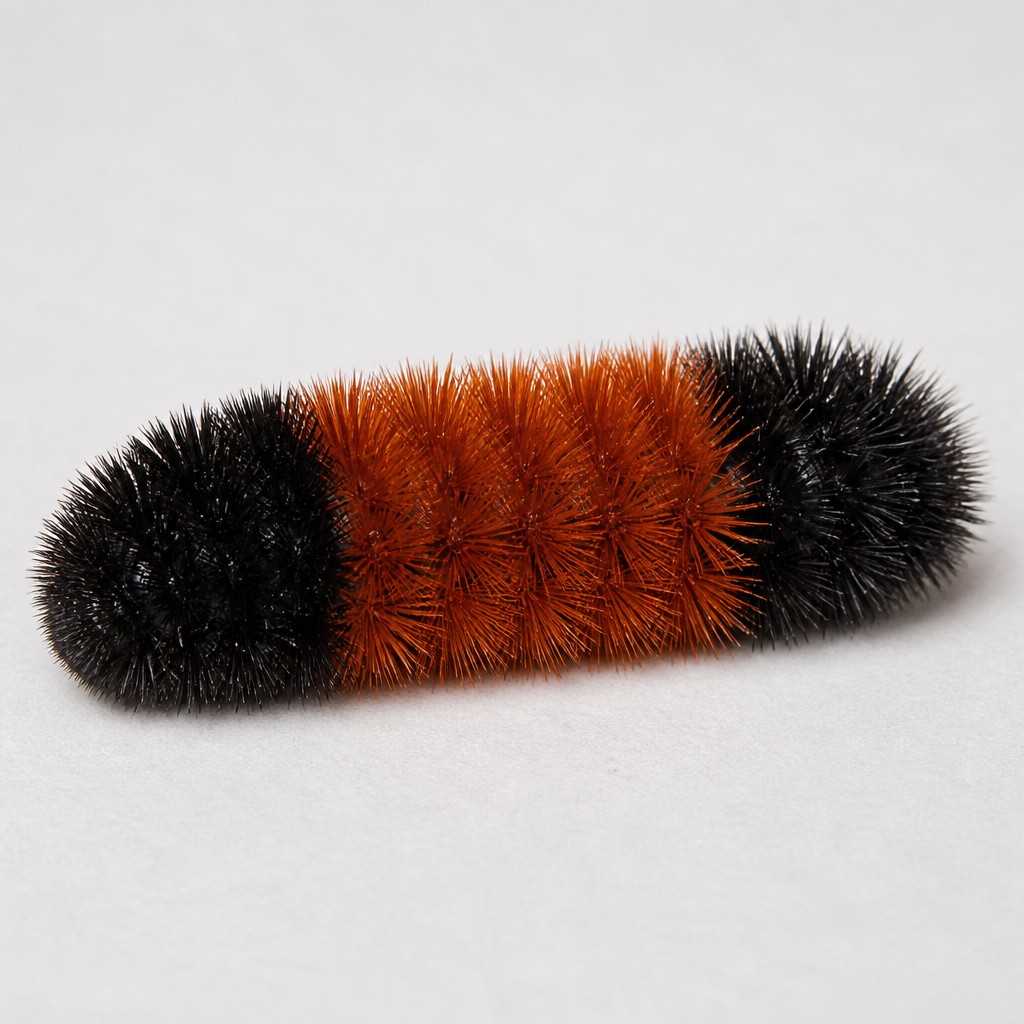
Banded Woolly Bear Moth
Best known as the black-and-rust-banded fuzzy caterpillar that famously curls into a ball when disturbed, this species matures into a plain golden-orange to tan tiger moth.
moth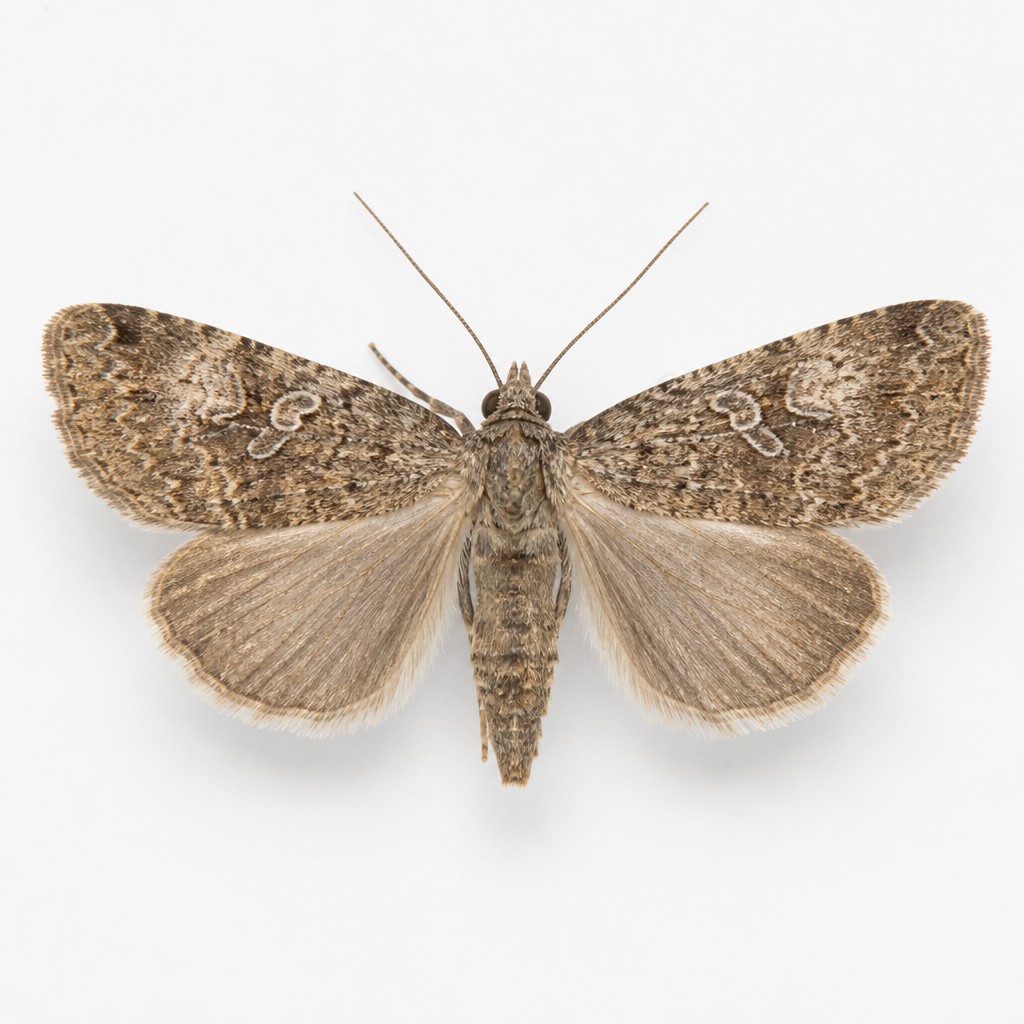
Cabbage Looper Moth
A drab mottled-brown moth best known for its pale green, looping caterpillar that arches its back like an inchworm while feeding on garden vegetables.
moth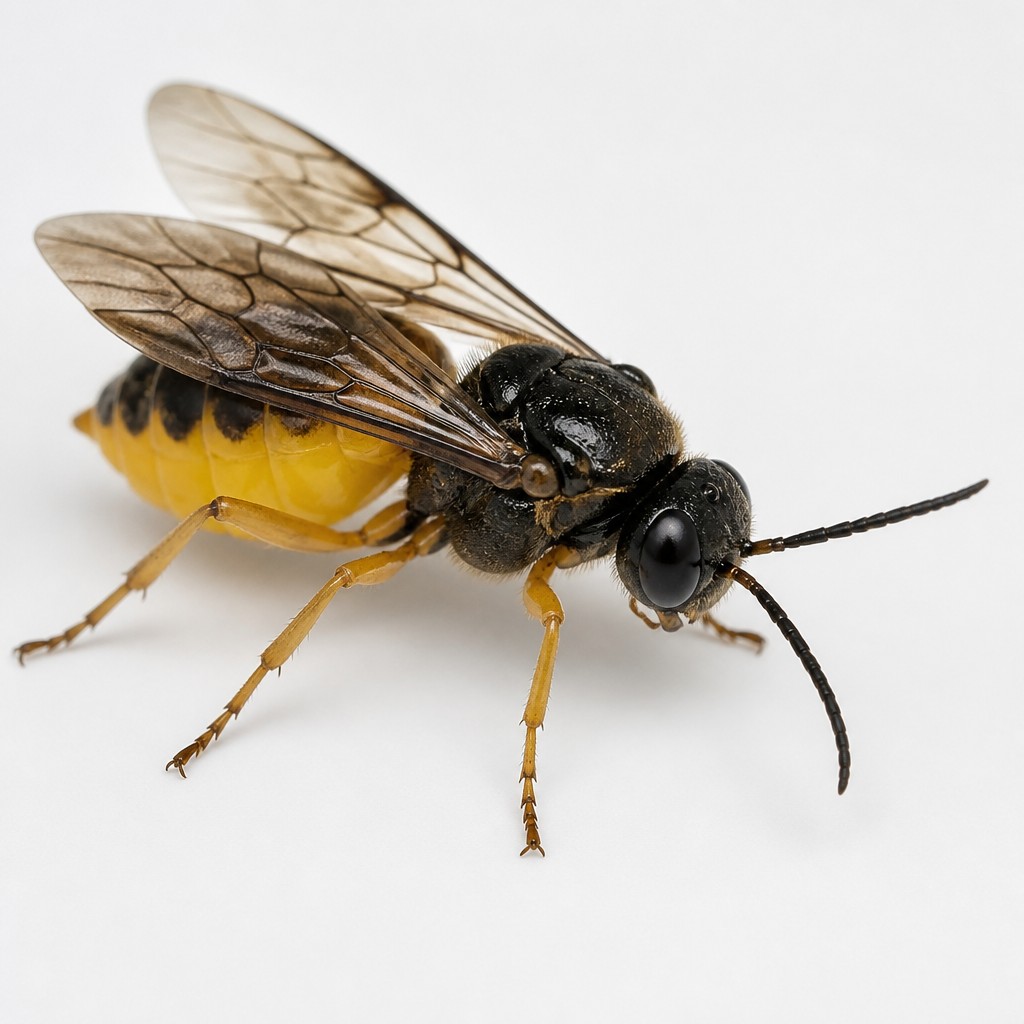
Sawfly
A wasp relative that never stings, best known for its caterpillar-like larvae that strip leaves from roses, pines, and other garden plants in tidy rows.
wasp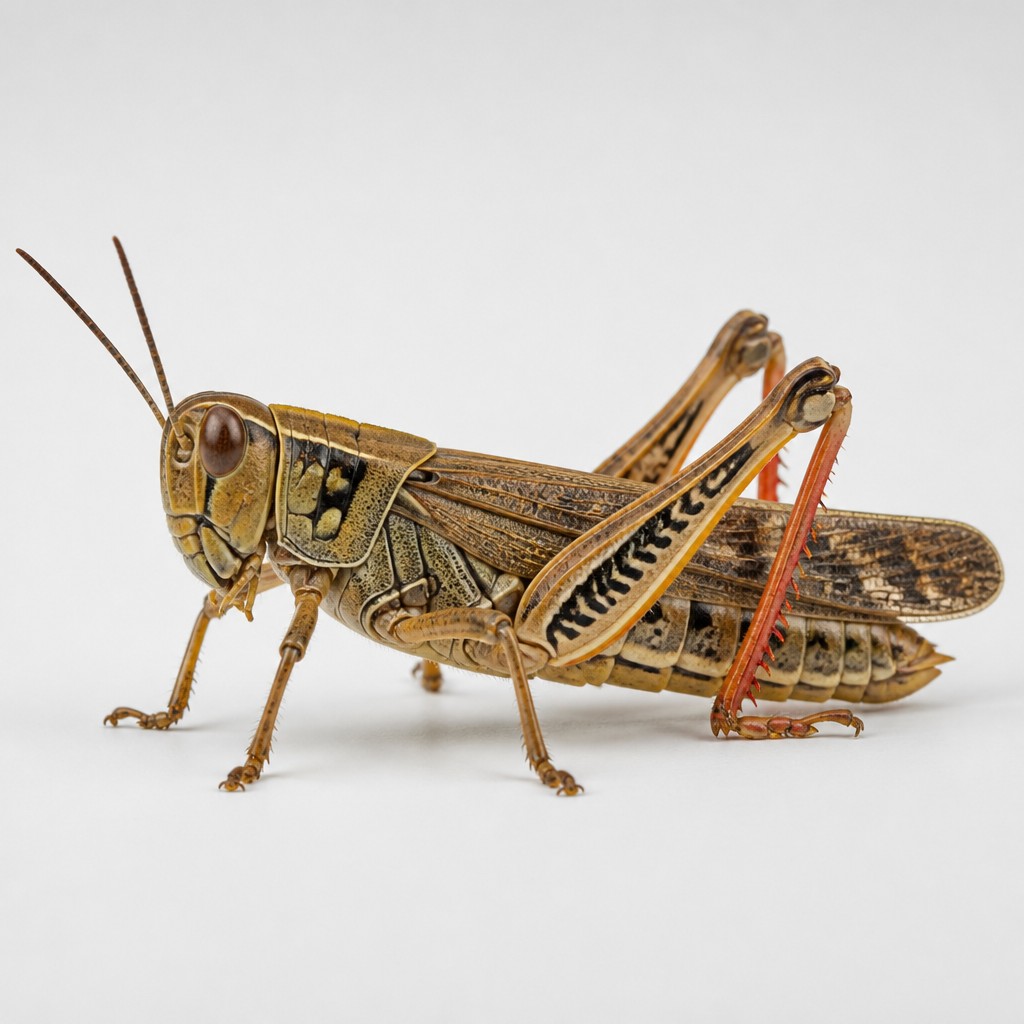
Spur-throated Grasshopper
One of the most familiar grasshopper groups in North America, named for the small spine on its throat and known for including some of the continent's most abundant rangeland species.
grasshopper-cricket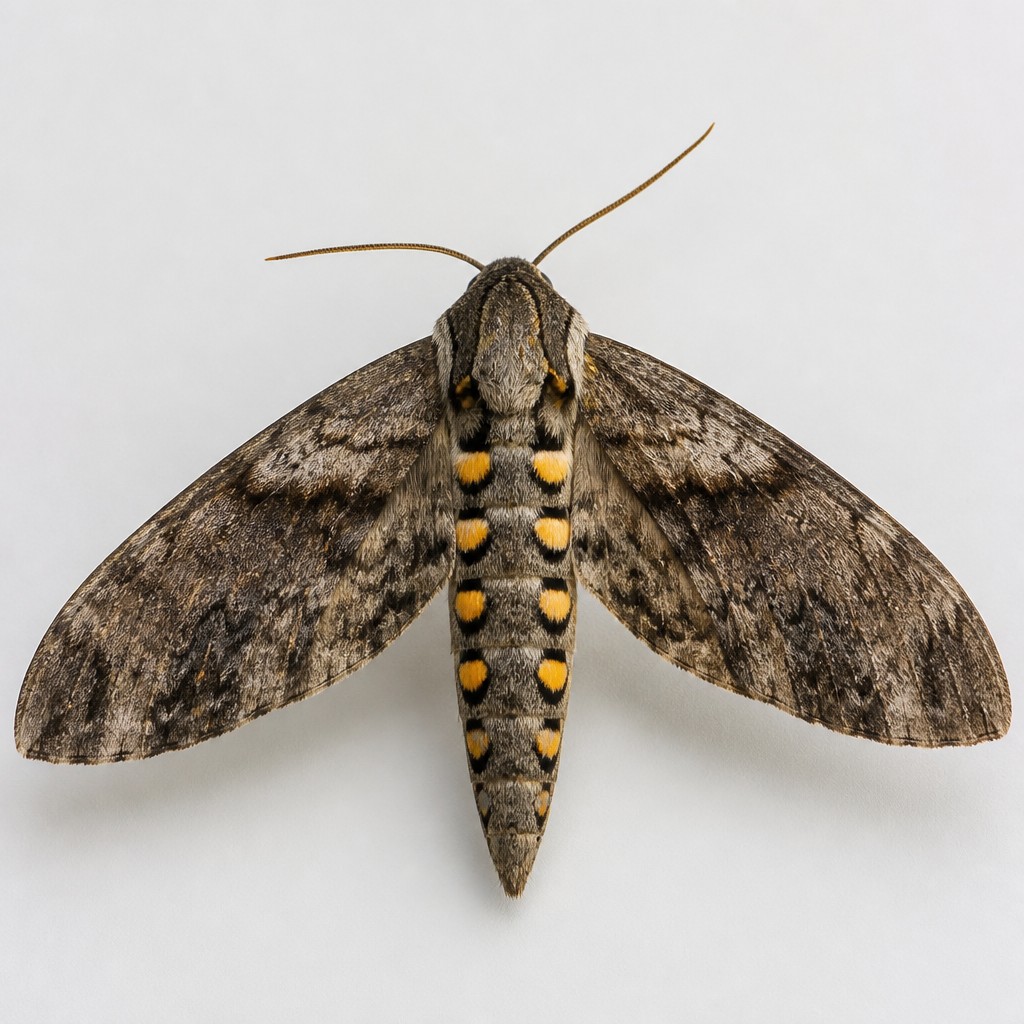
Tomato Hornworm Moth (Five-spotted Hawkmoth)
A large, robust grey-brown sphinx moth named for the five pairs of yellow-orange spots along its abdomen, best known as the adult form of the large green tomato hornworm caterpillar familiar to home gardeners.
moth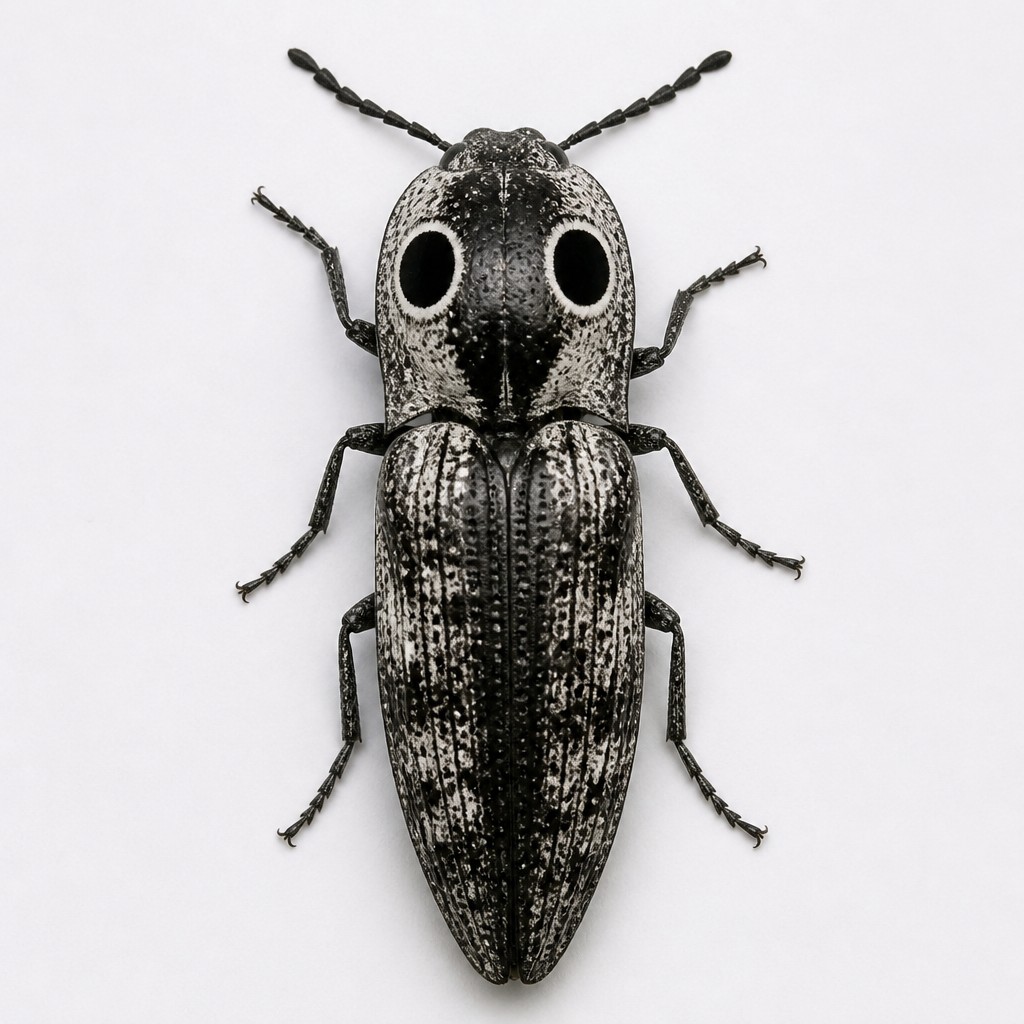
Eyed Click Beetle
A large, mottled black-and-white beetle marked with two prominent false eyespots on its thorax, well known for its ability to snap its body into the air with an audible click when flipped onto its back.
beetle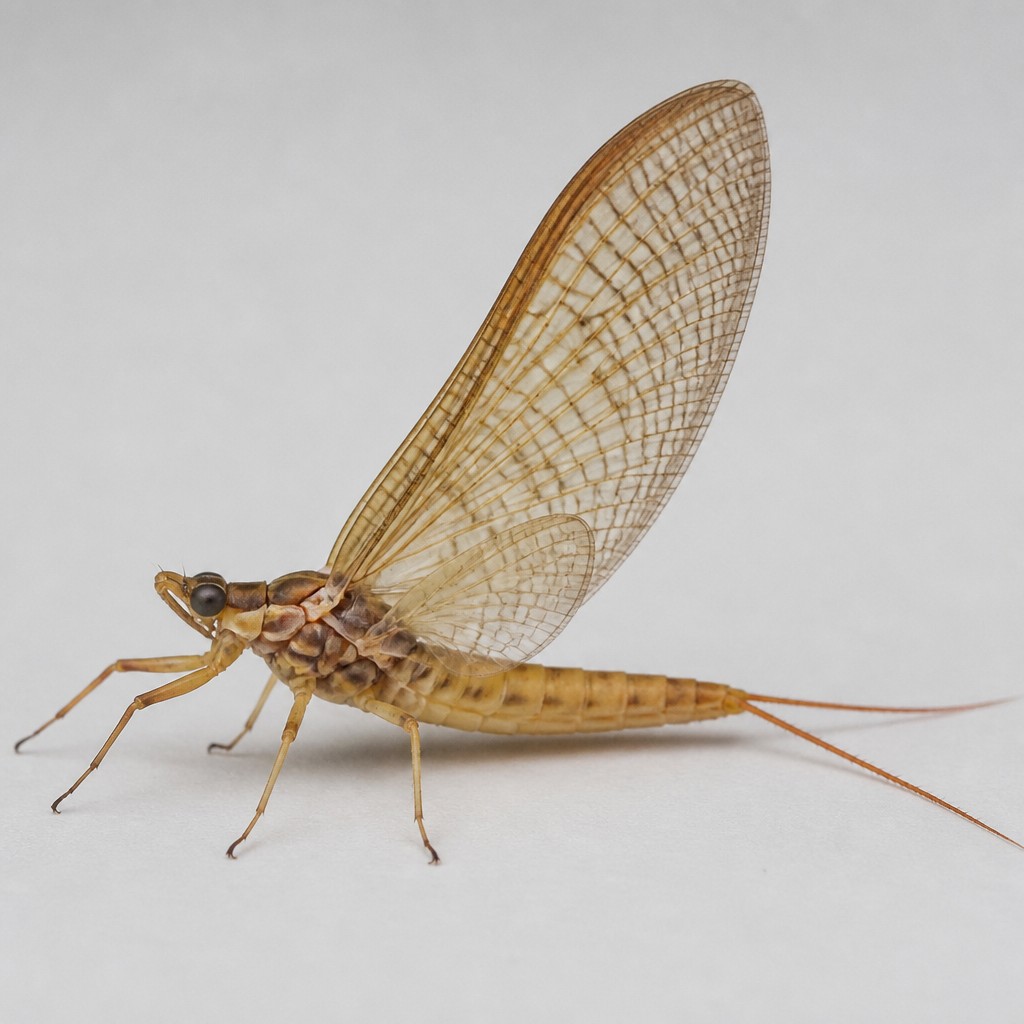
Giant Mayfly
Known for emerging by the billions in summer swarms so dense they can show up on weather radar, the Giant Mayfly is one of the largest and most abundant mayflies in North America.
aquatic-insect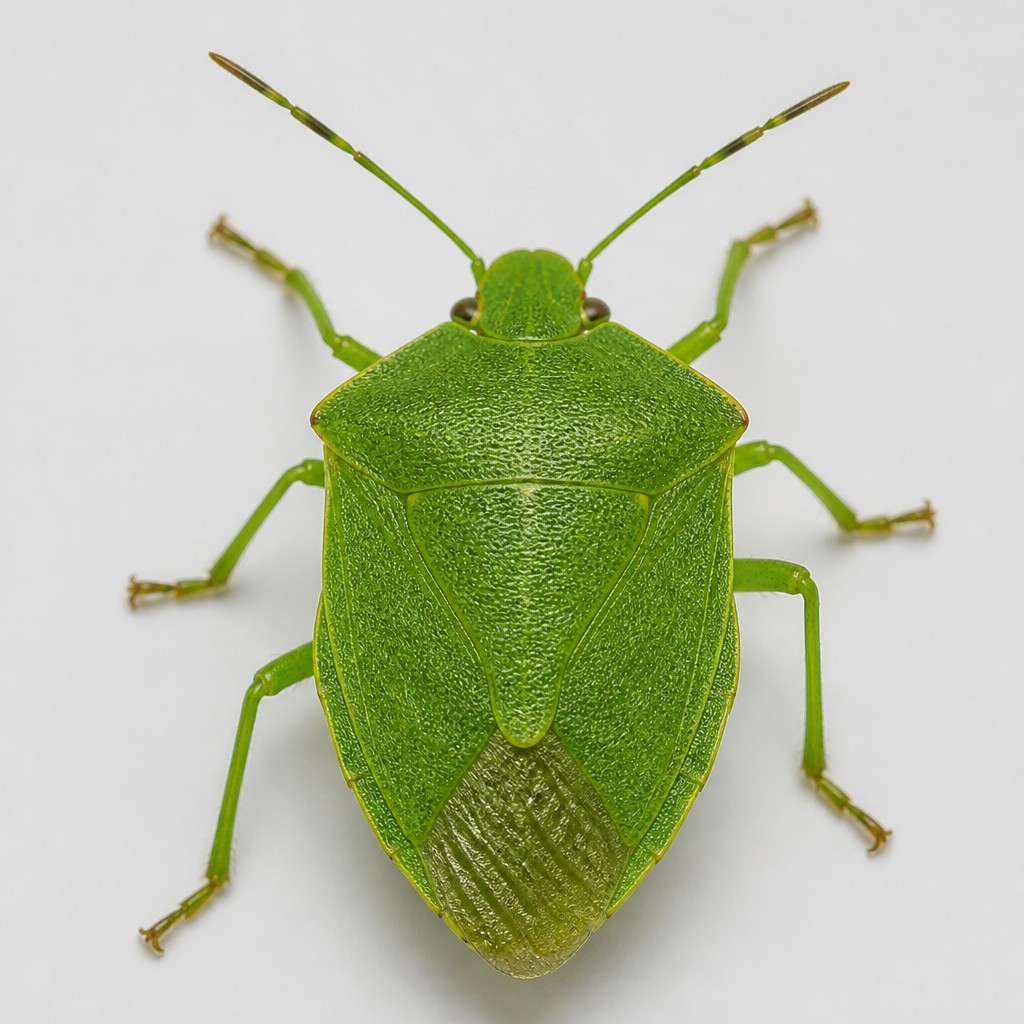
Green Stink Bug
A broad, shield-shaped bug in solid bright green with a shell-like appearance, easily disturbed off host plants and known for releasing a pungent odor when handled.
true-bug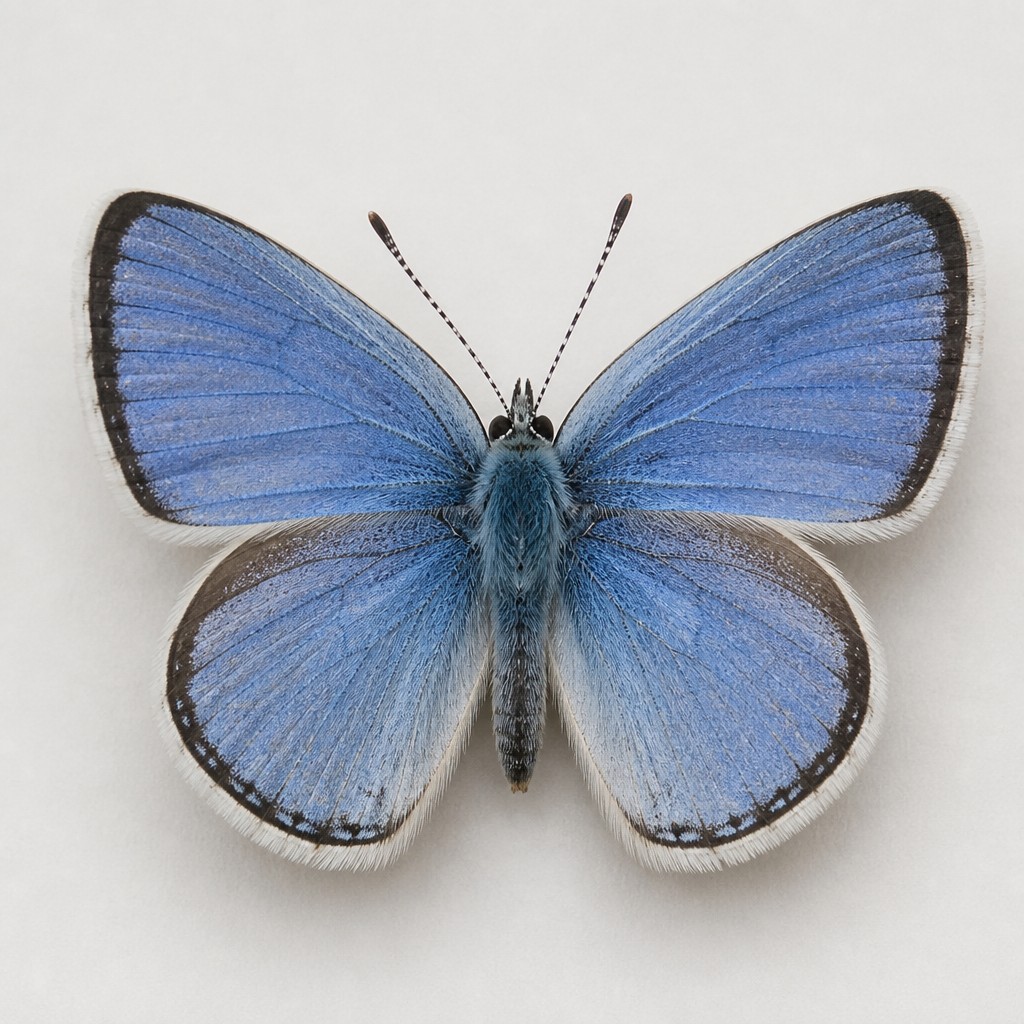
Karner Blue
A tiny, silvery-blue butterfly dependent entirely on wild lupine and now known chiefly from a small number of protected sandy-soil habitats in the Great Lakes and Northeast.
butterfly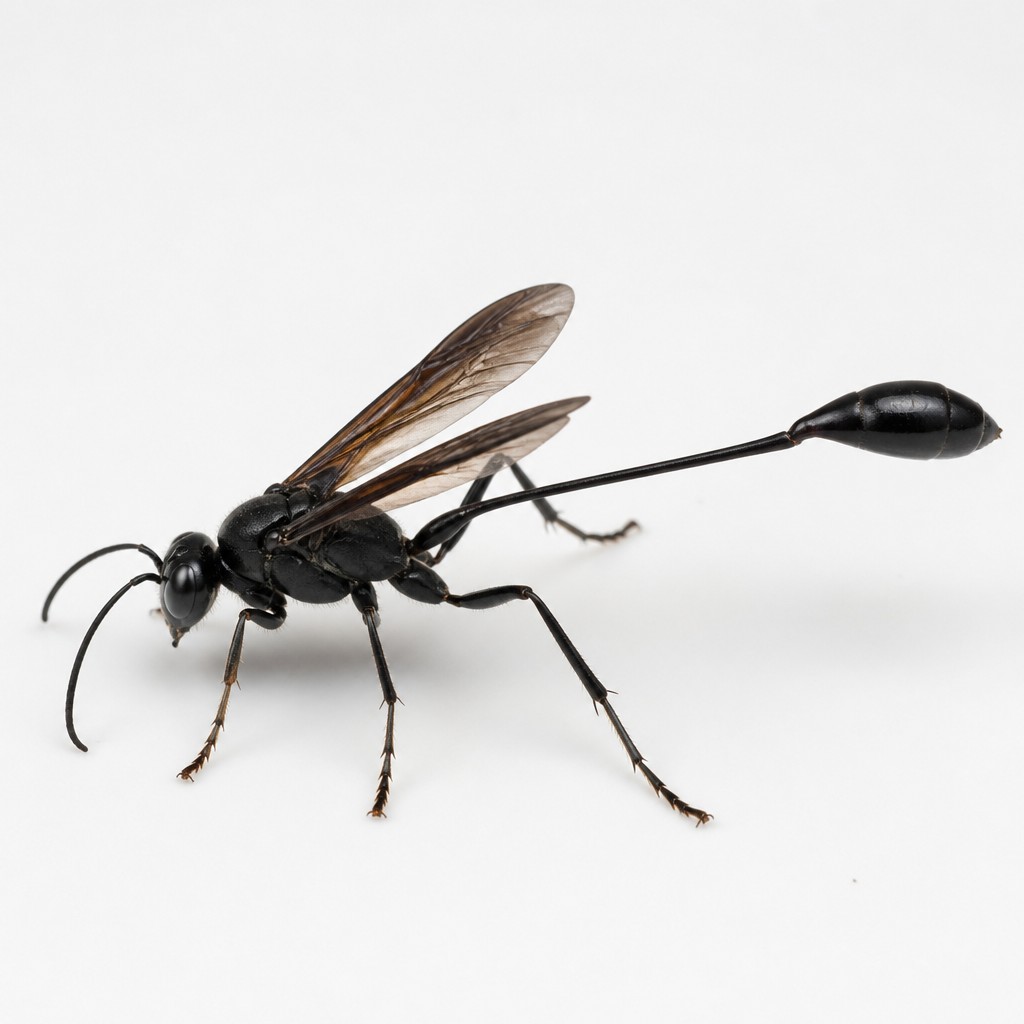
Mud Dauber
A slender, non-aggressive solitary wasp with a distinctively long, thread-like waist, known for constructing tube- or pot-shaped nests out of mud pellets on walls and eaves.
wasp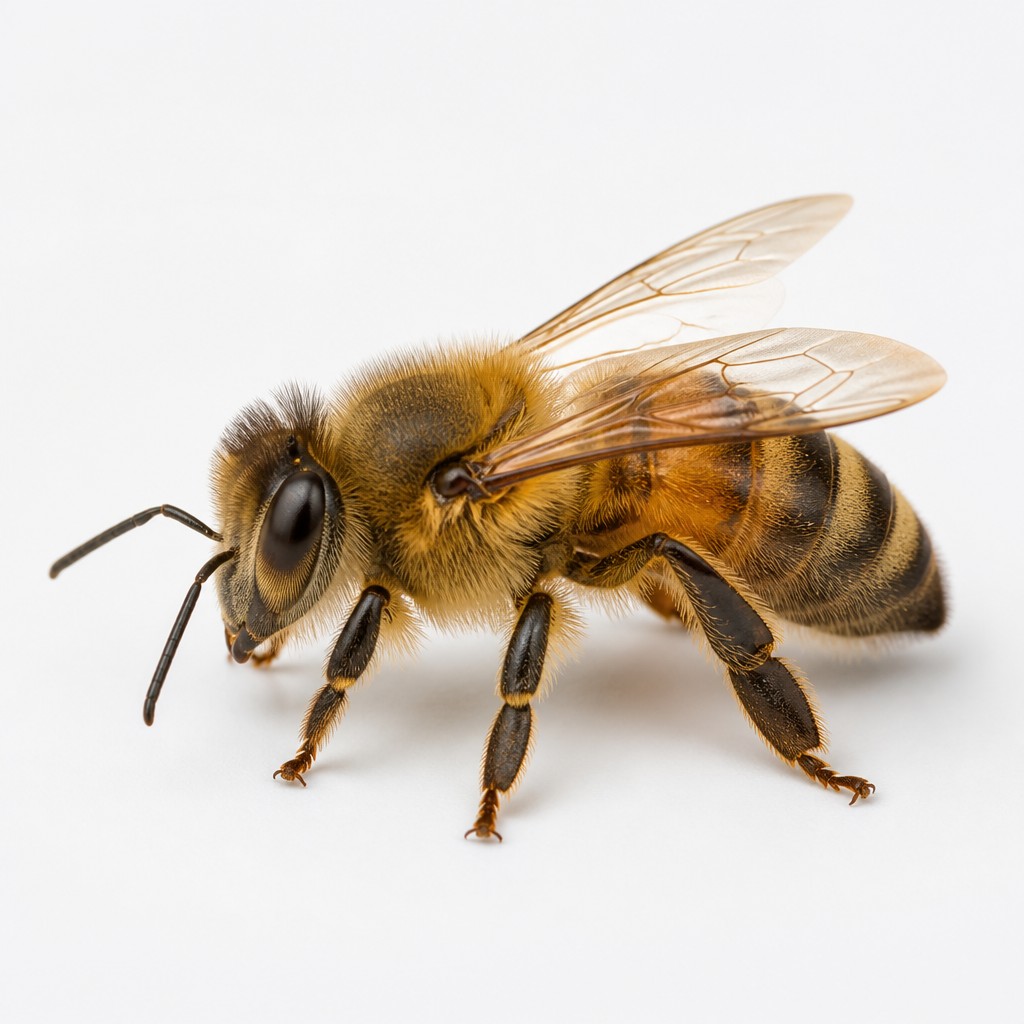
Honey Bee
A fuzzy, golden-brown and black-banded bee that lives in large, highly organized colonies, best known for its role in pollination and its production of wax comb and honey.
bee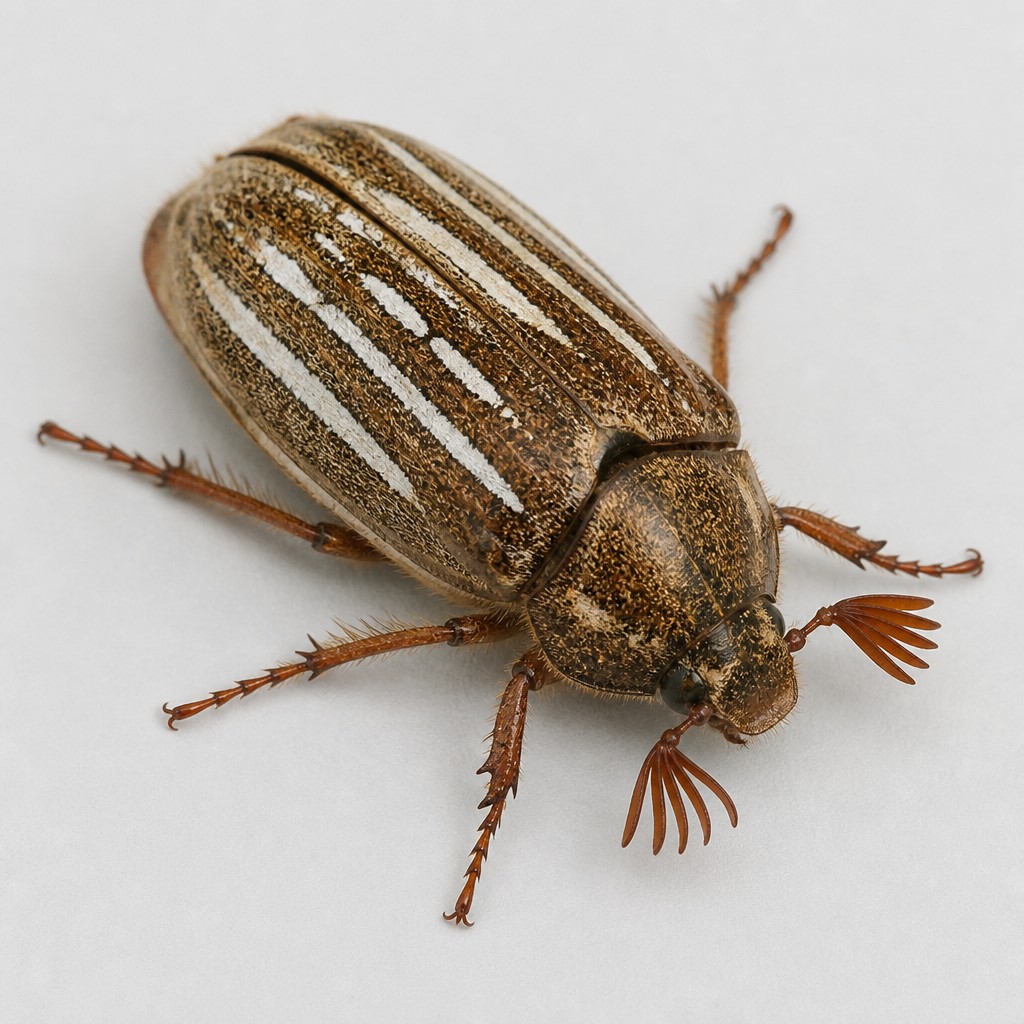
Ten-lined June Beetle
A large, brown scarab beetle marked with bold white racing stripes down its wing covers, known for its loud buzzing flight and hissing defensive squeak.
beetle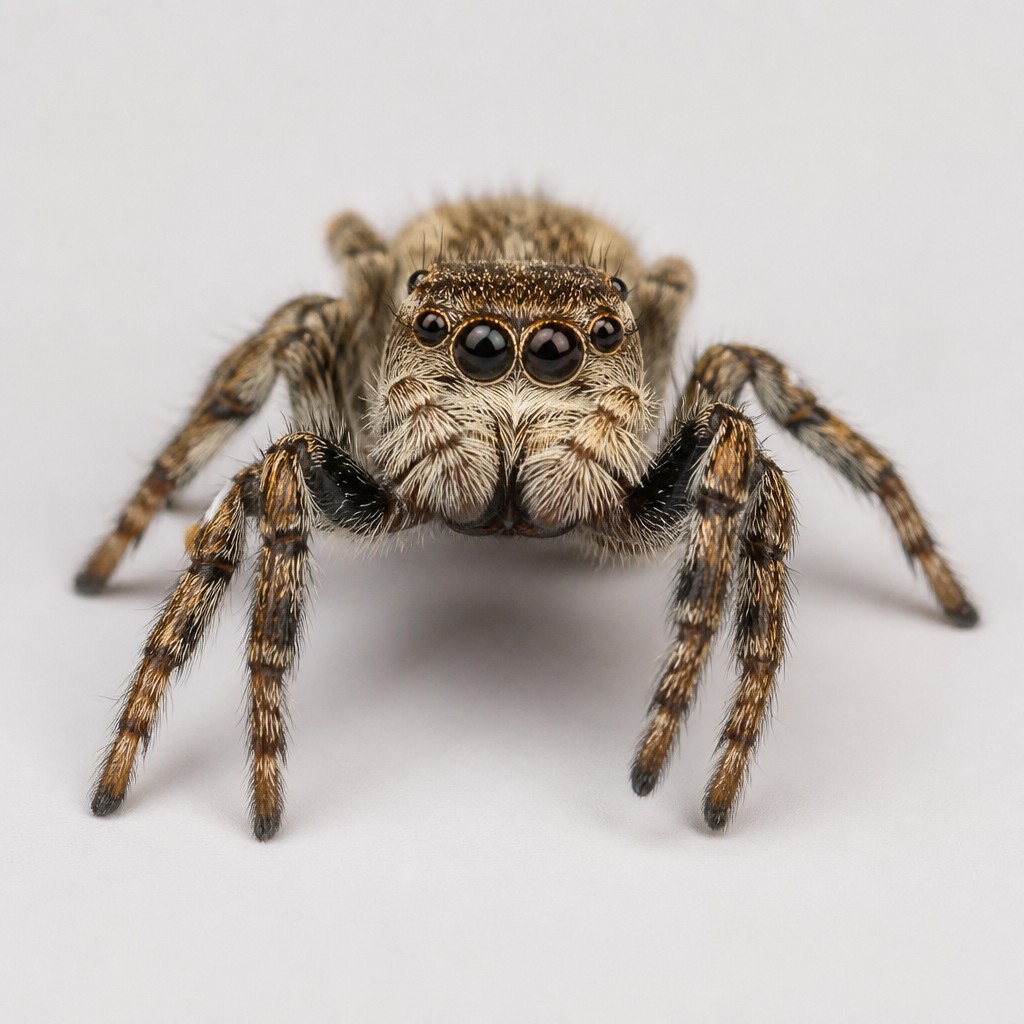
Jumping Spider
A compact, often furry, day-active spider with unusually large forward-facing eyes that give it an alert, curious look, known for stalking prey and pouncing in a sudden leap.
spider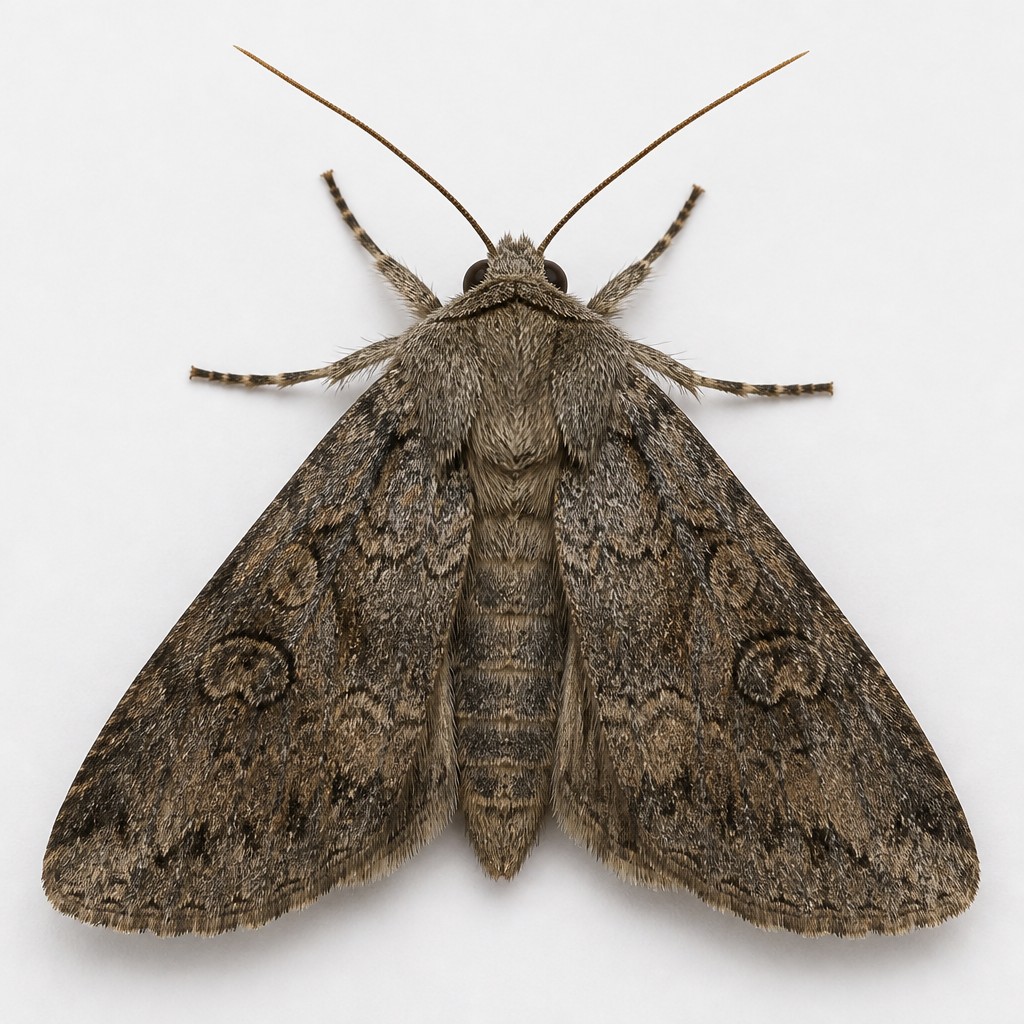
Gypsy Cutworm Moth
A plain, mottled grey-brown night-flying moth whose stout, soil-dwelling larvae are known as cutworms for their habit of severing young plant stems near ground level.
moth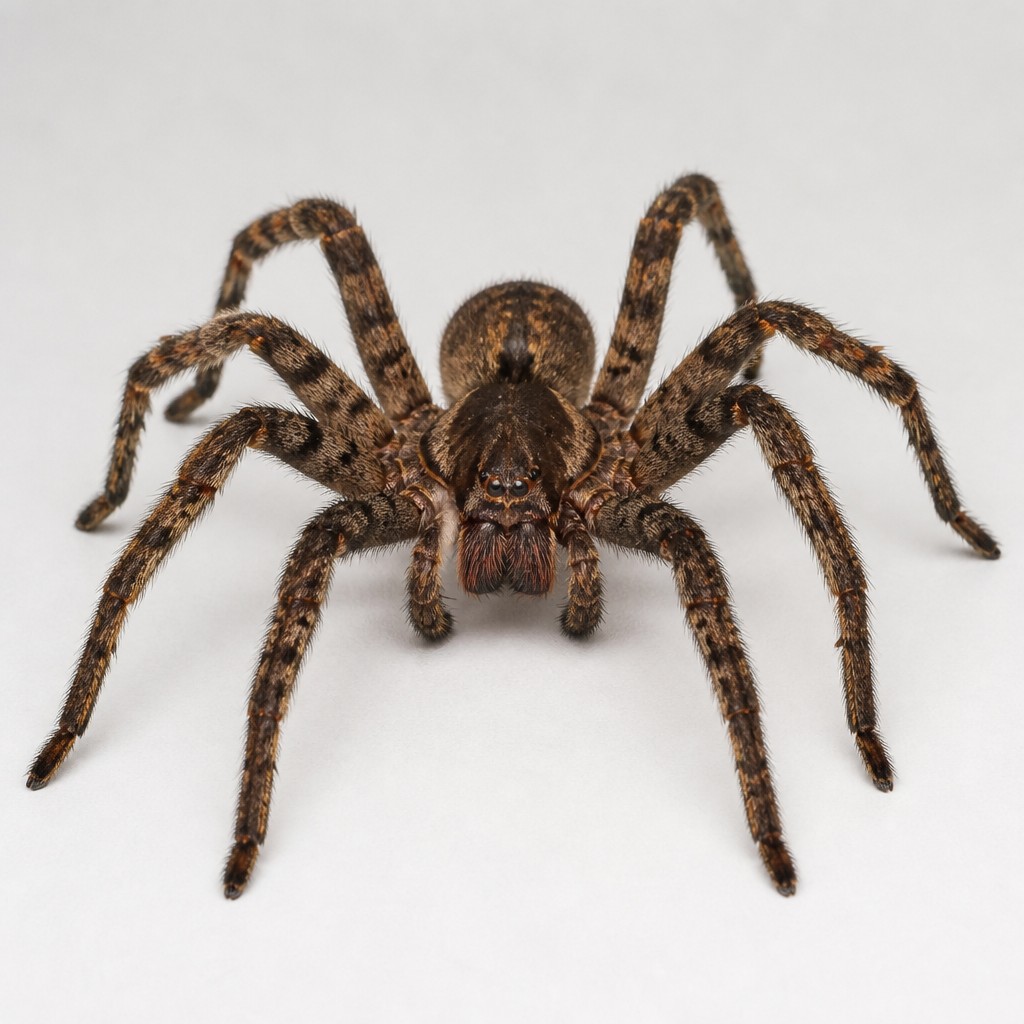
Brazilian Wandering Spider
A fast, ground-dwelling hunter of the South American rainforest floor, the Brazilian wandering spider builds no web at all, instead actively roaming at night in search of prey and occasionally turning up in shipments of bananas, which earned it a widely known nickname.
spider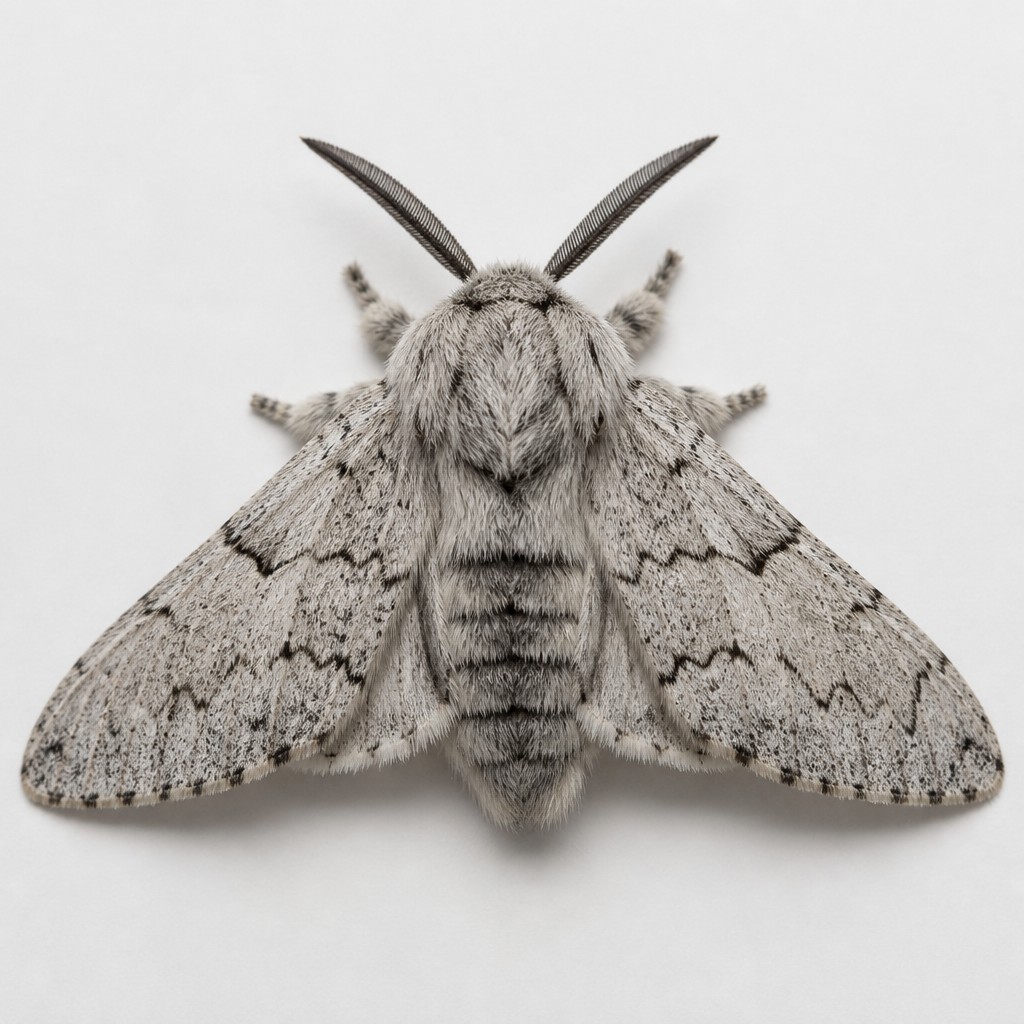
Puss Moth
A stout, furry gray-and-white moth named for its dense, cat-like coat of hair, best known for its bizarre green caterpillar with a hump-backed, face-like front end and forked tail filaments used in defensive displays.
moth