
Bug Encyclopedia
Search and identify bugs & insects — beetles, butterflies, moths, ants, bees, spiders and more — with size, habitat, danger, behavior, and how to tell them apart.
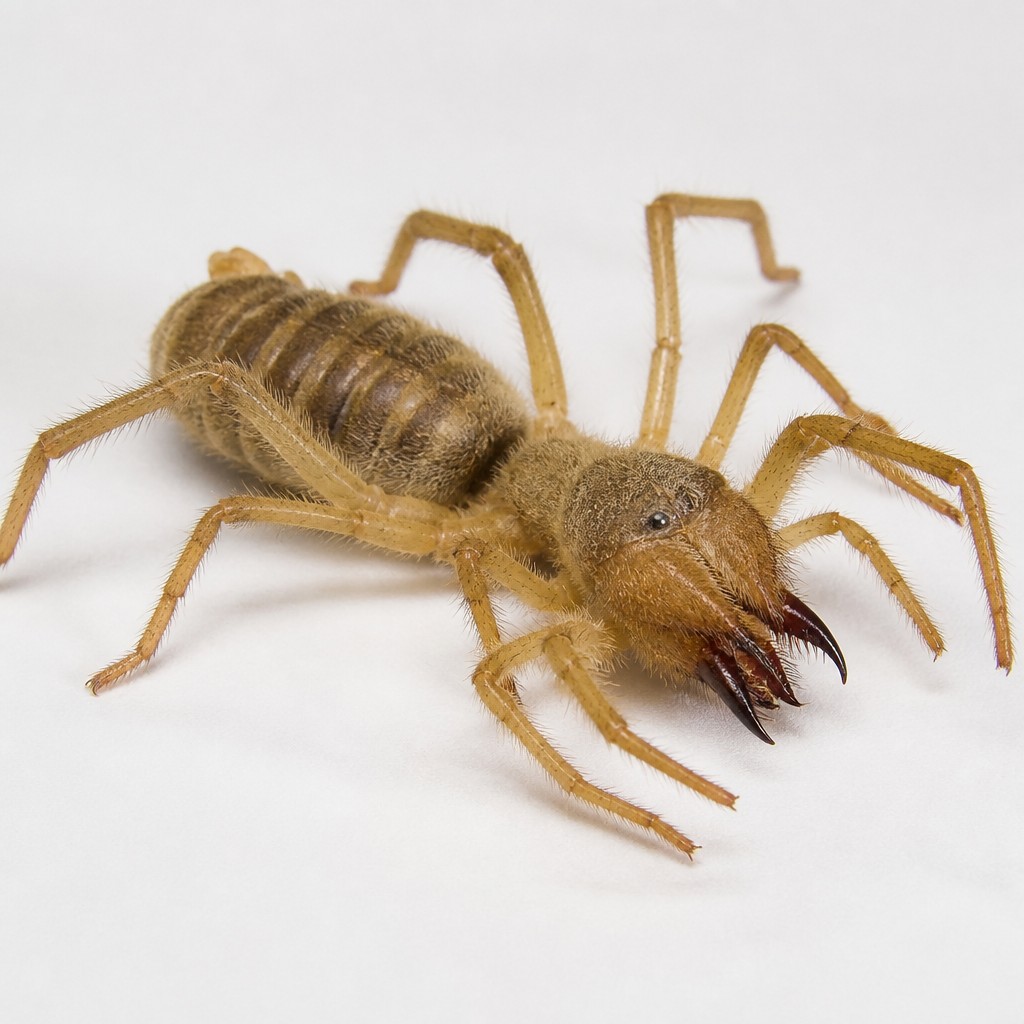
Camel Spider
A fast-running desert arachnid, neither a true spider nor scorpion, with enormous jaw-like chelicerae and a reputation exaggerated far beyond its actual behavior.
arachnid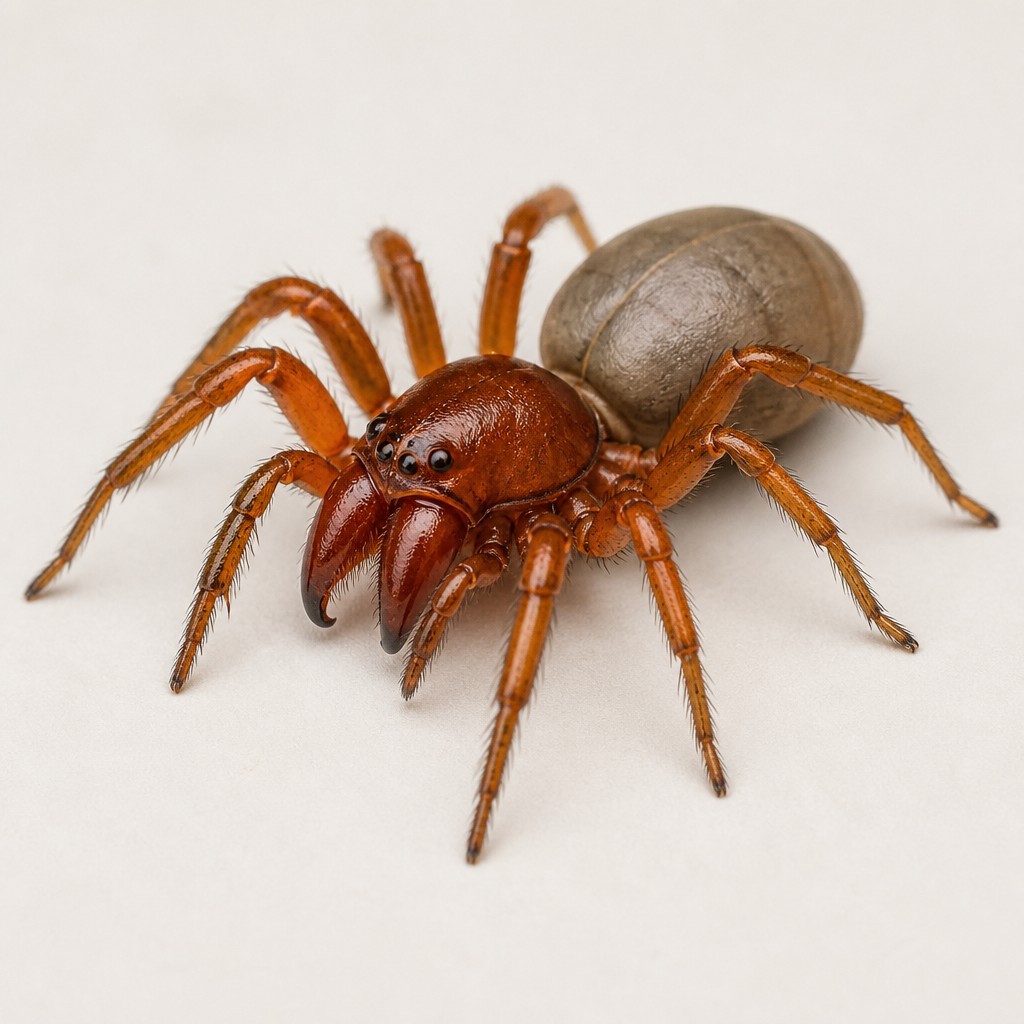
Woodlouse Spider
A reddish-brown spider with oversized forward-pointing jaws specialized for piercing the armored shells of woodlice, often found lurking under damp stones and mulch.
spider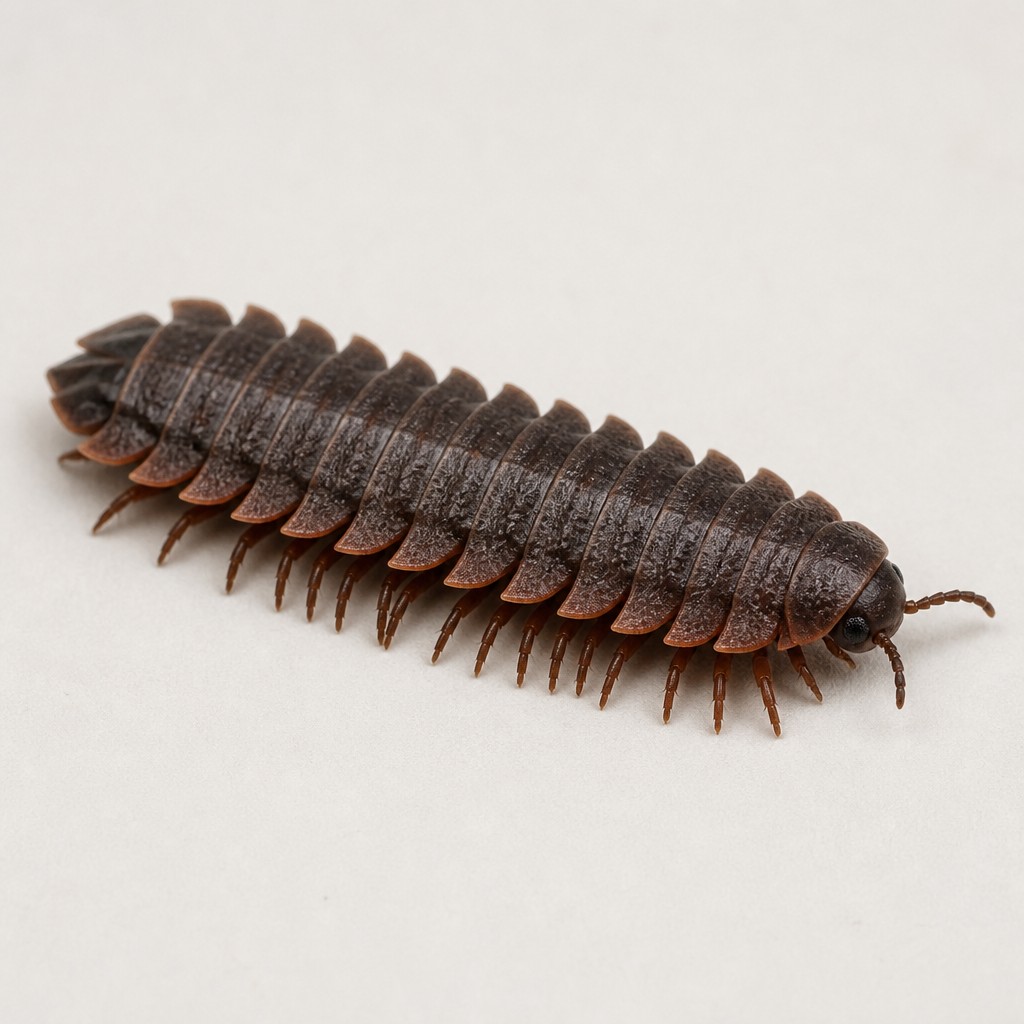
Flat-backed Millipede
A slow, armor-plated decomposer whose body segments flare into flat, wing-like keels, giving it a distinctly ribbed, tank-like silhouette compared to rounder millipedes.
myriapod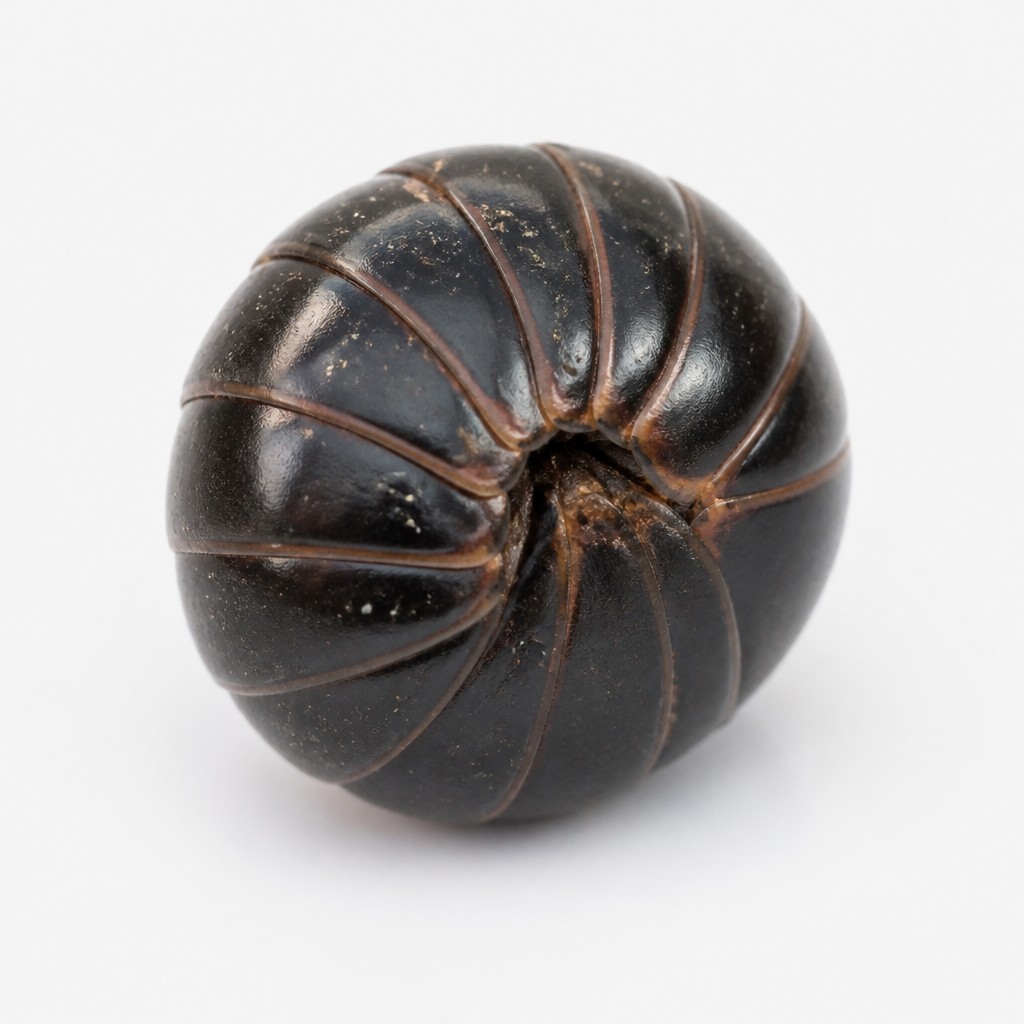
Pill Millipede
A short, heavily armored millipede that rolls into a tight, perfect ball when disturbed, closely resembling a pill bug but built from far fewer, broader body segments.
myriapod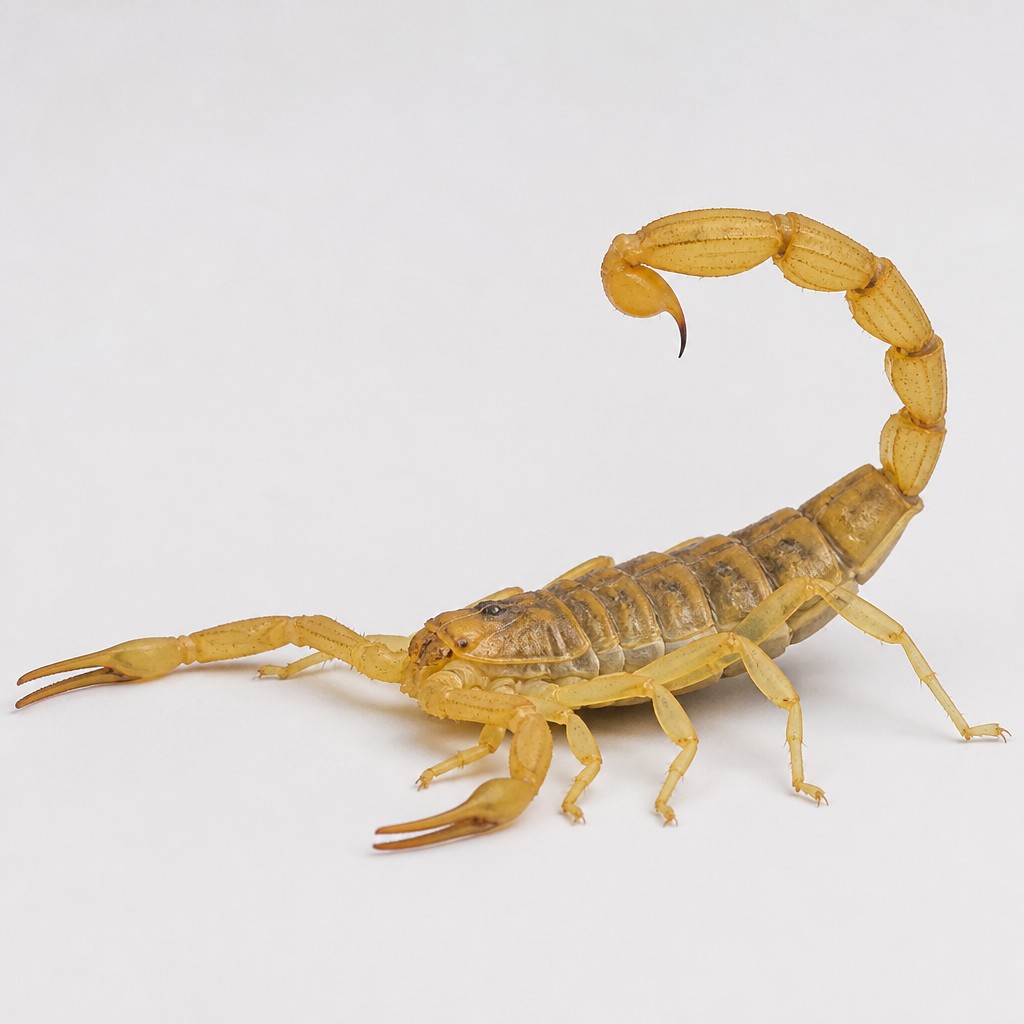
Deathstalker Scorpion
A slender, pale yellow scorpion of Middle Eastern and North African deserts, famed for its striking coloration and status as one of the most studied scorpions in scientific research.
arachnid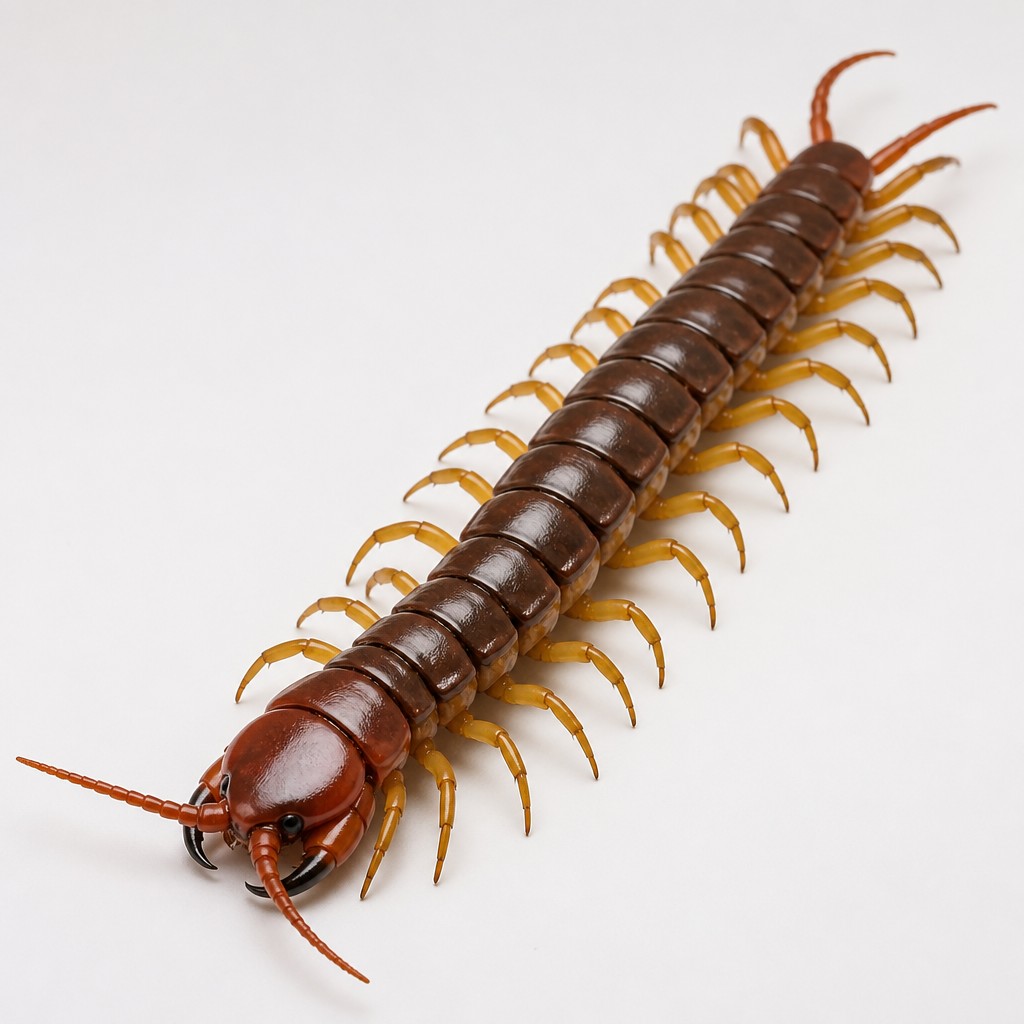
Giant Centipede
A long, fast-moving, many-legged predator with a hardened segmented body and a pair of venom-injecting claws behind the head that it uses to overpower prey far larger than itself.
myriapod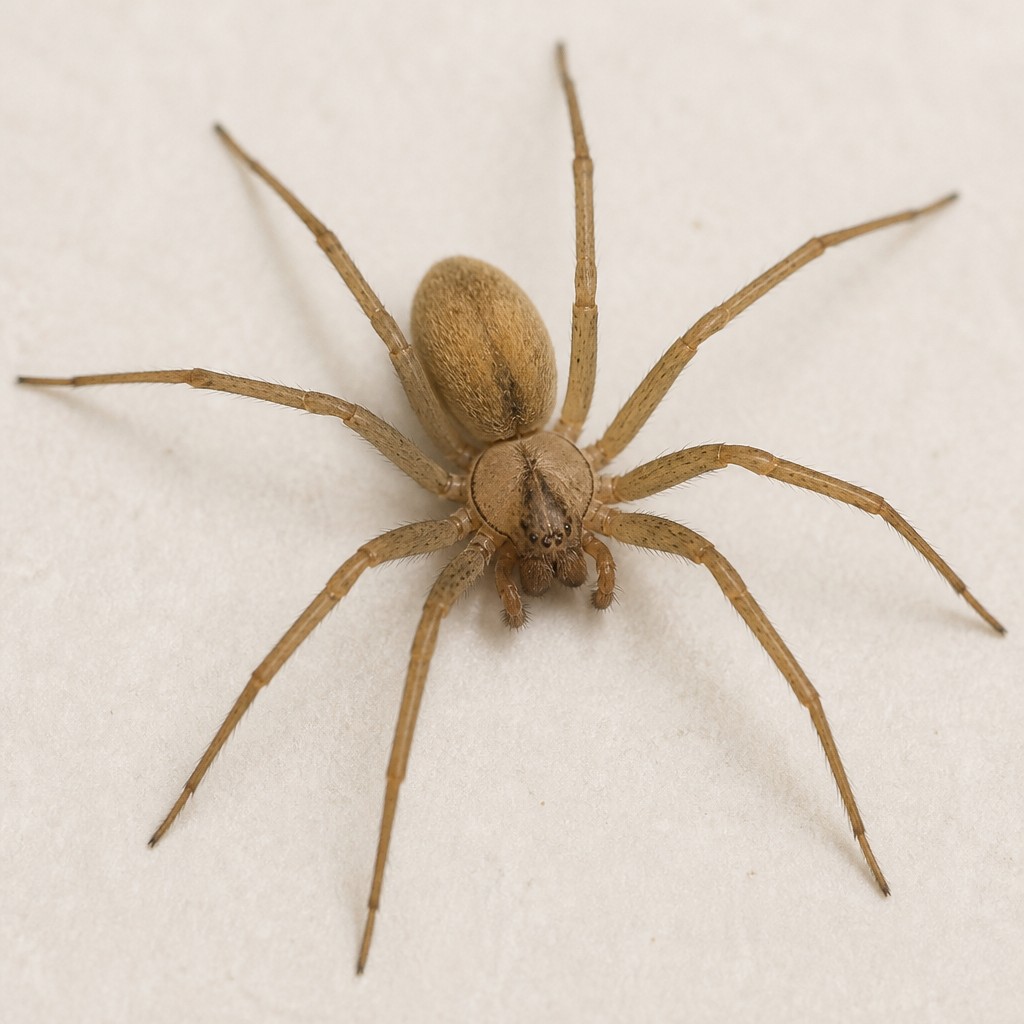
Recluse Spider
A pale, unassuming spider recognized by its dark violin-shaped marking and unusual six-eyed arrangement, spending most of its time hidden in quiet, undisturbed corners.
spider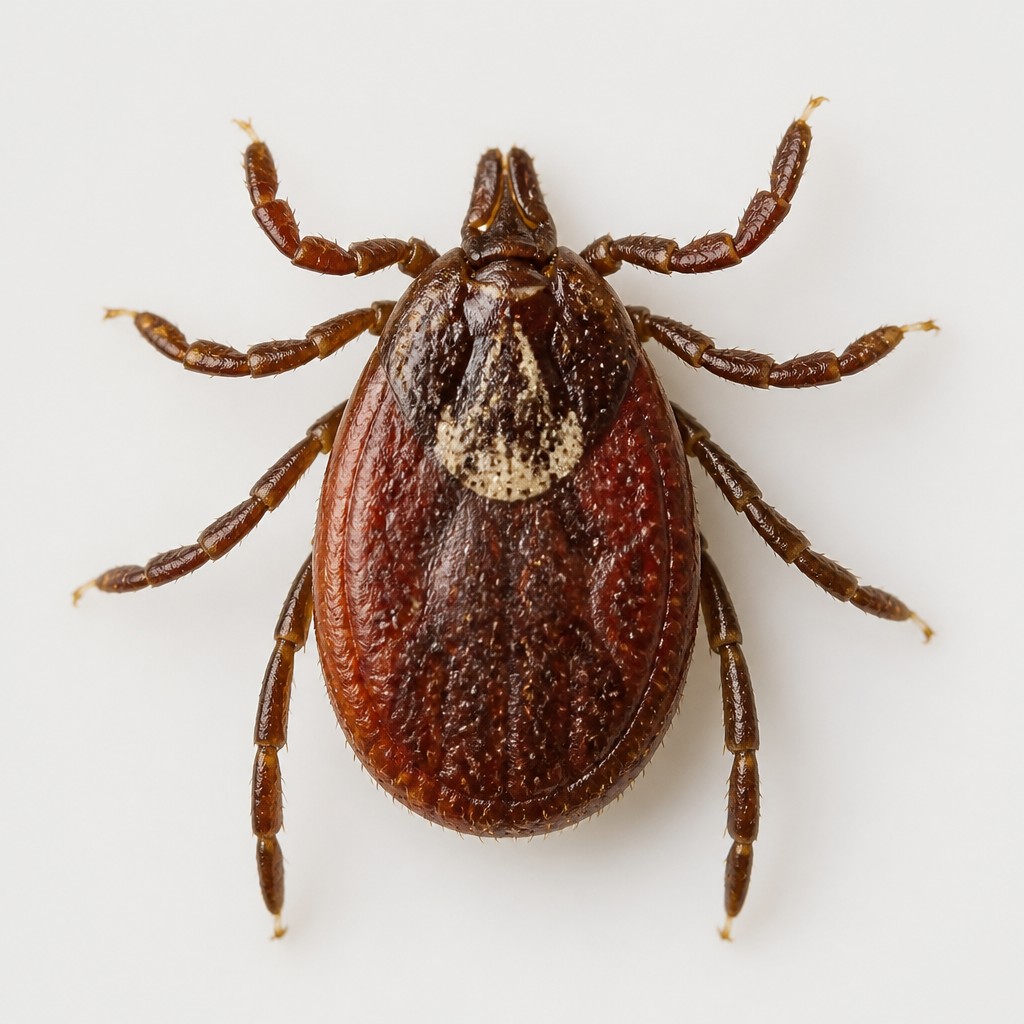
Tick
A small, flattened, oval arachnid with a hard shield-like plate on its back that waits on vegetation and attaches to passing hosts to feed on blood, swelling considerably once fed.
arachnid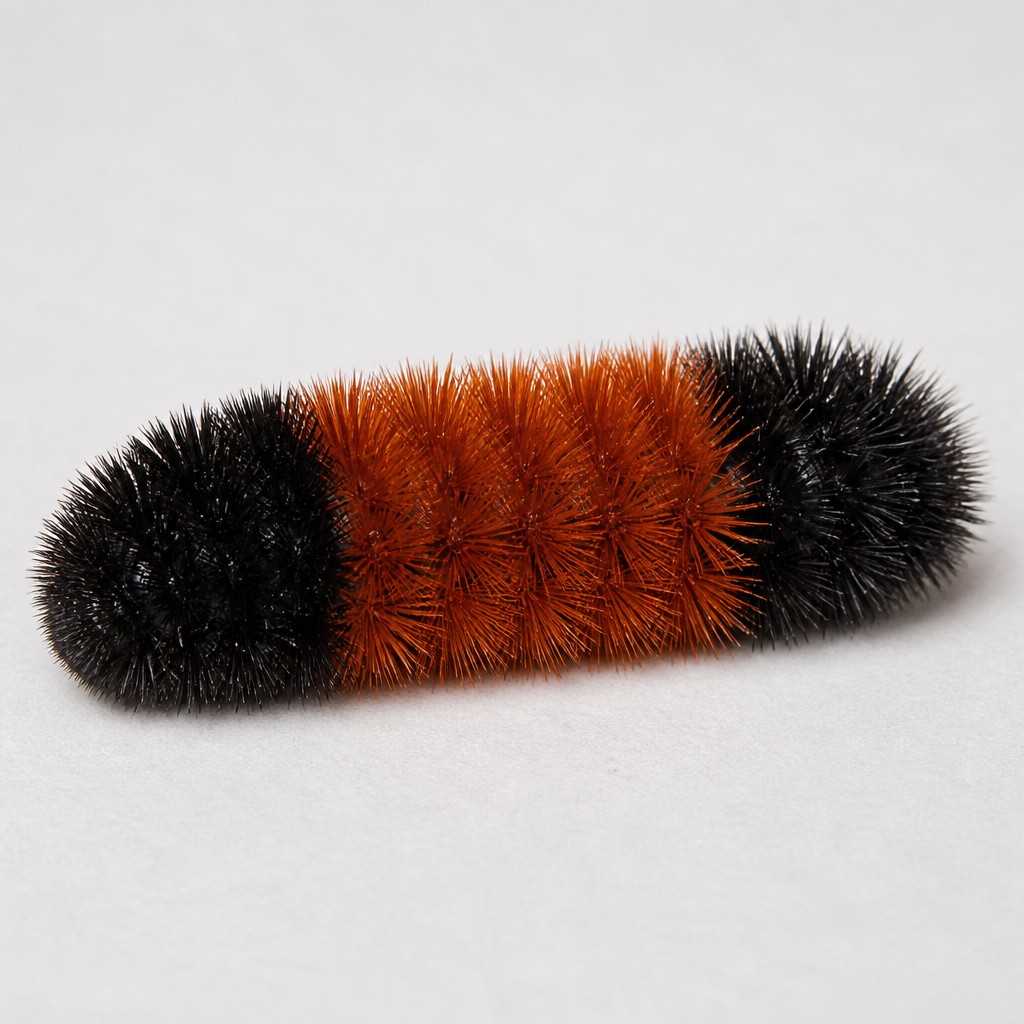
Banded Woolly Bear Moth
Best known as the black-and-rust-banded fuzzy caterpillar that famously curls into a ball when disturbed, this species matures into a plain golden-orange to tan tiger moth.
moth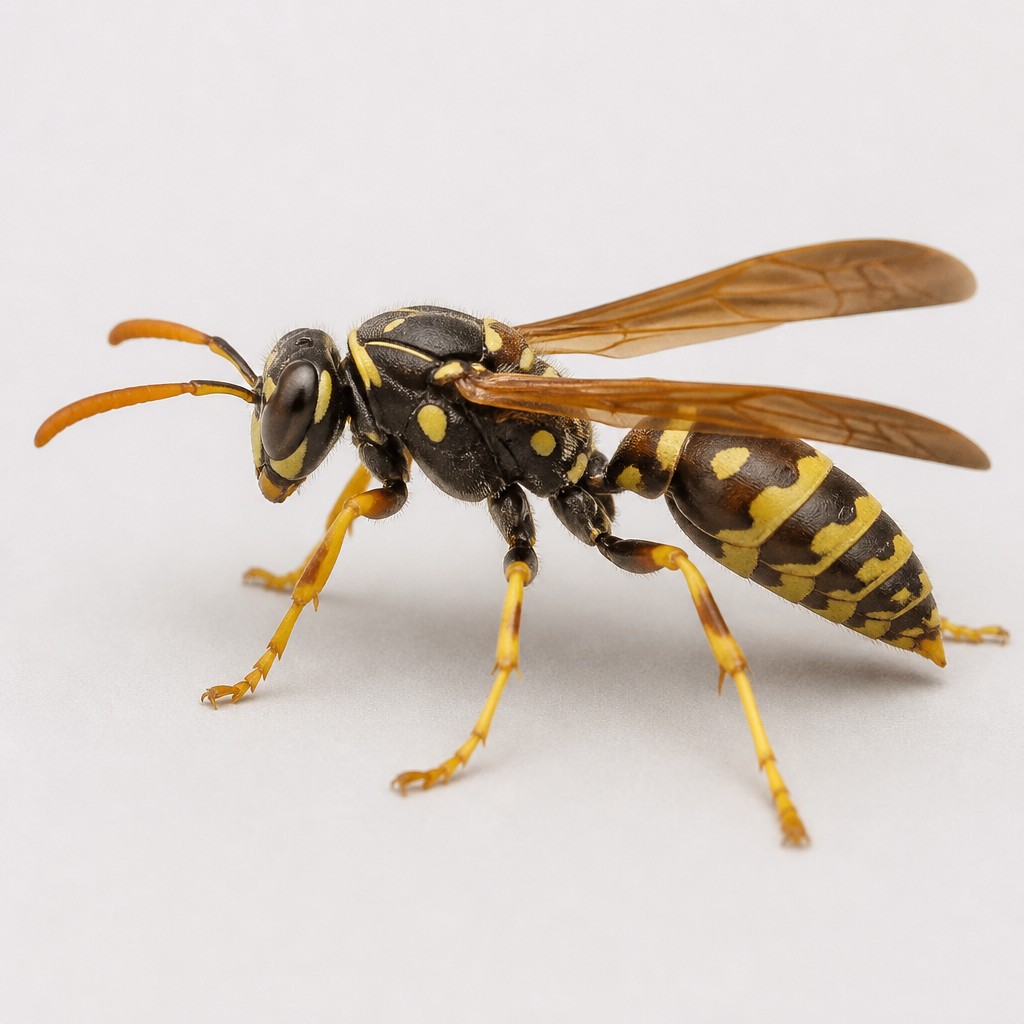
European Paper Wasp
A slender, orange-antennaed social wasp that builds small, open umbrella-shaped paper combs under eaves and ledges, now common well beyond its native European range.
wasp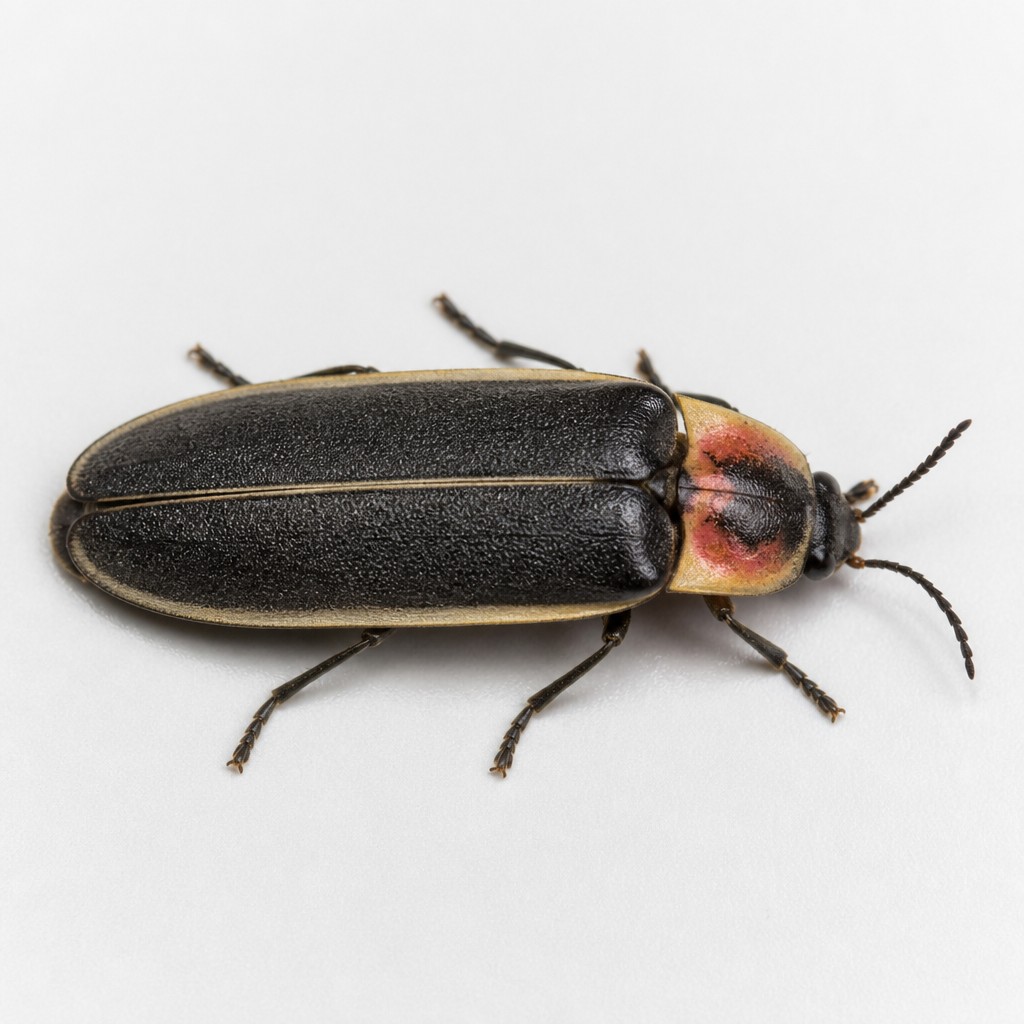
Firefly Beetle
A soft-bodied, dark beetle famous for producing rhythmic flashes of light from its abdomen at dusk, using bioluminescence to attract mates on warm summer evenings.
beetle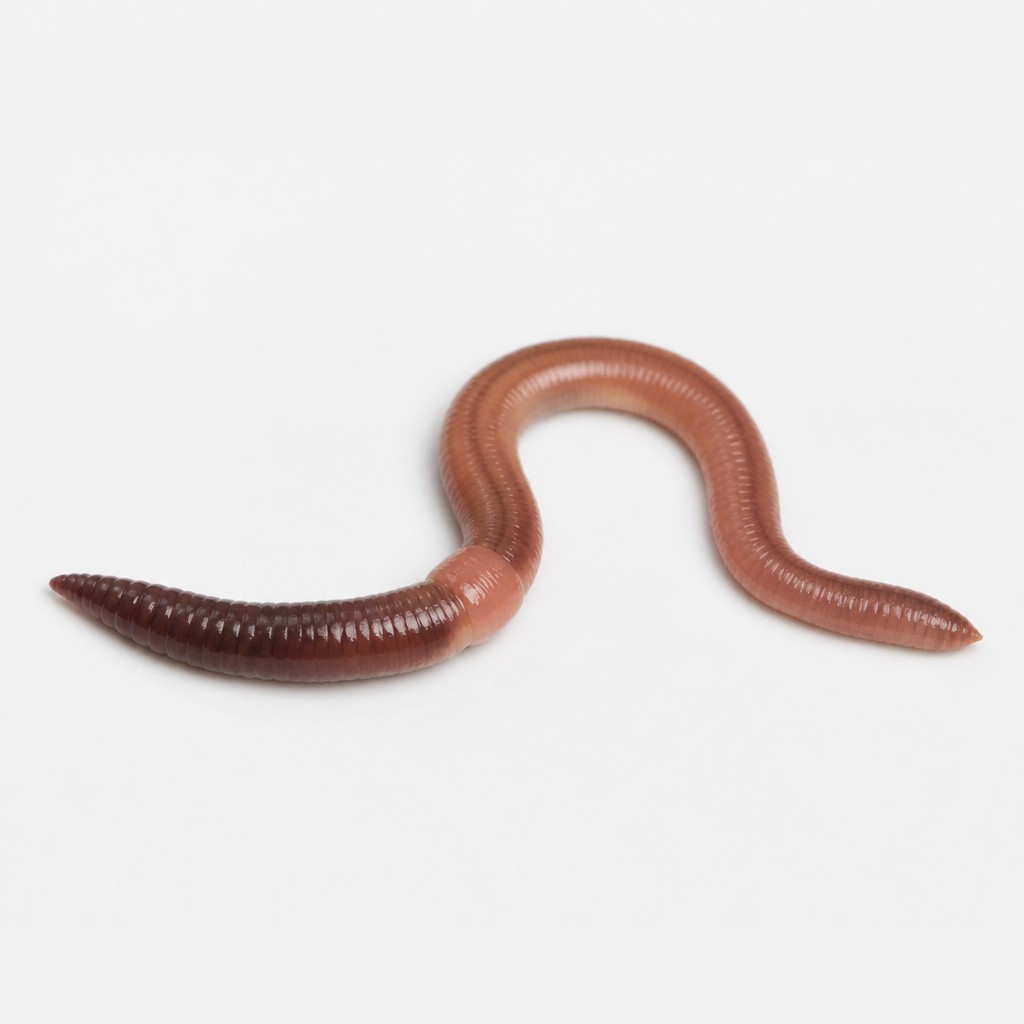
Earthworm
A long, smooth, segmented soil-dweller with no legs, eyes, or shell, best recognized by its ringed body and the pale saddle-like band (clitellum) found on mature individuals.
other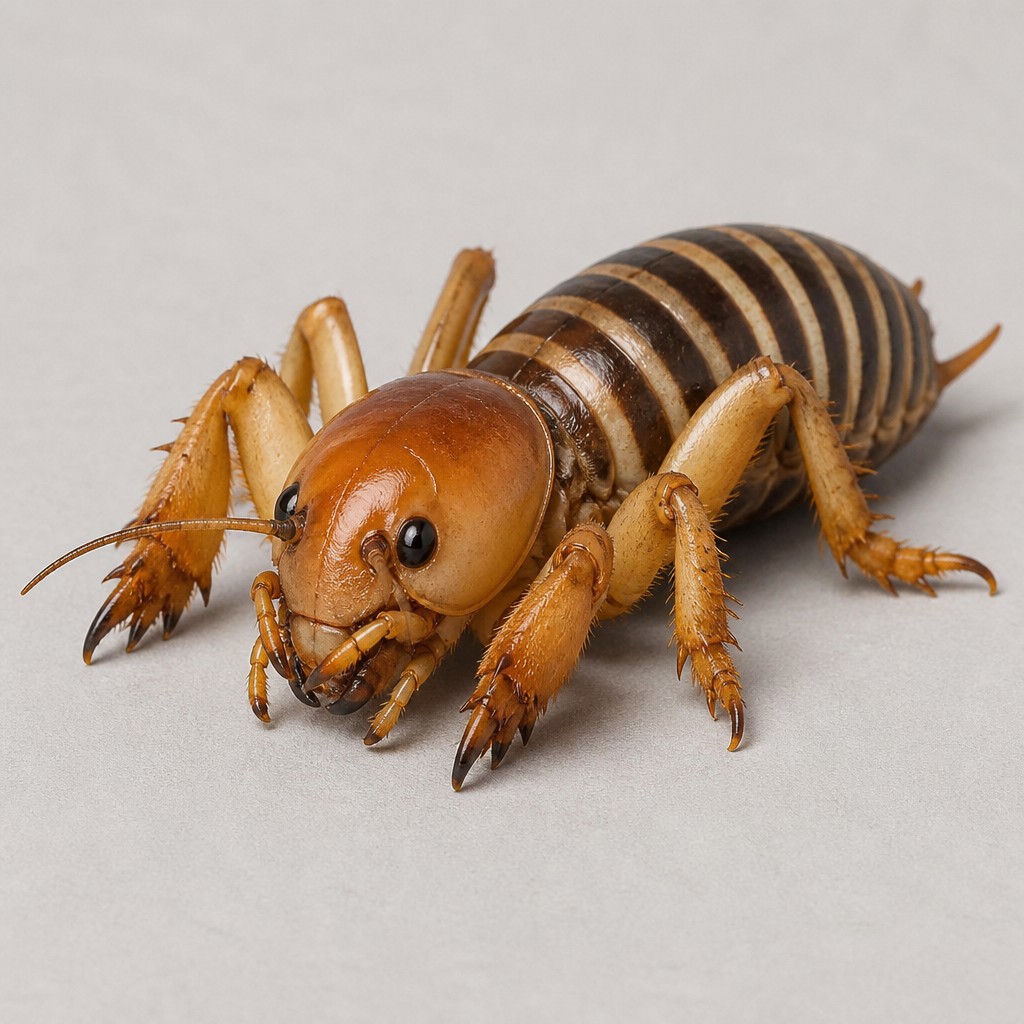
Jerusalem Cricket
A large, wingless, ground-dwelling insect with a shiny amber body, a strikingly human-like face, and a robust, banded abdomen, most often uncovered while digging in soil.
grasshopper-cricket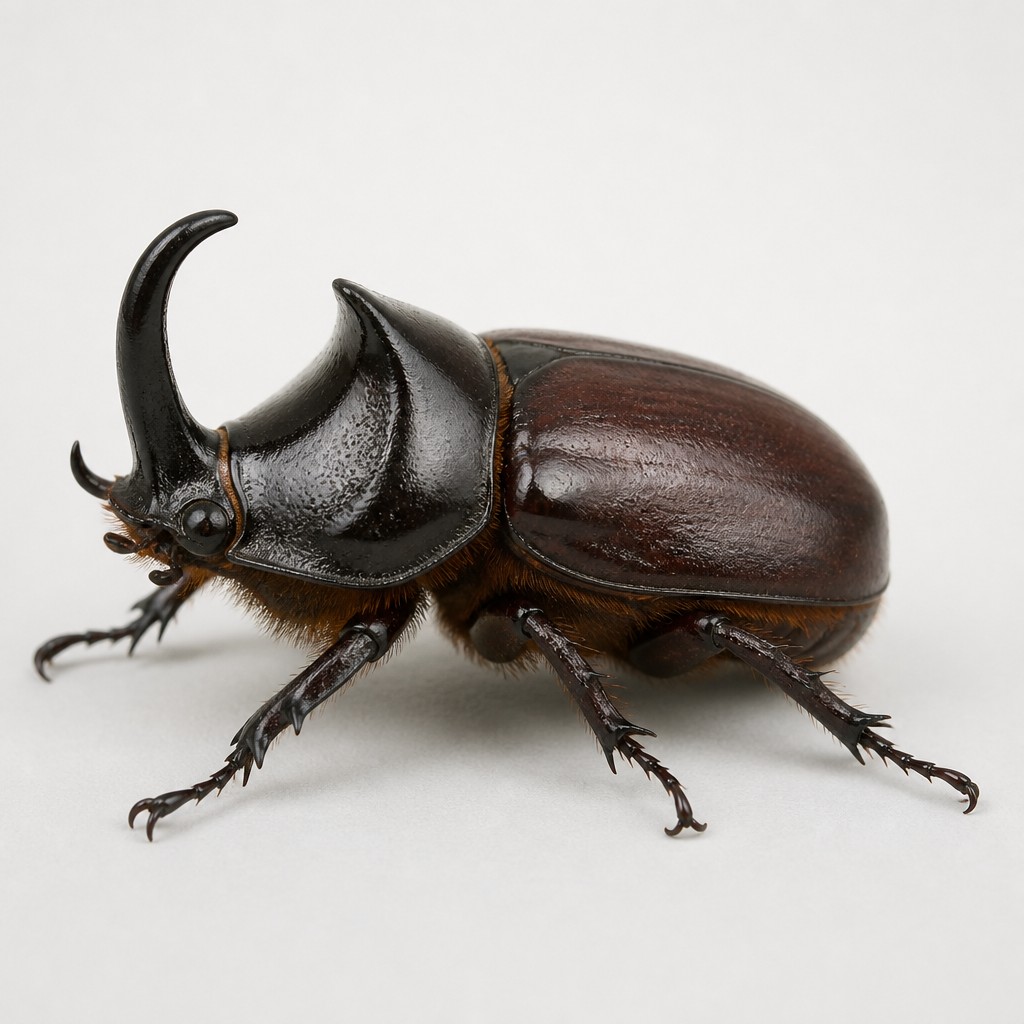
Rhinoceros Beetle
A massive, heavily armored beetle whose males sport a single large, curved horn projecting forward from the head, used to shove and flip rival males in contests of strength.
beetle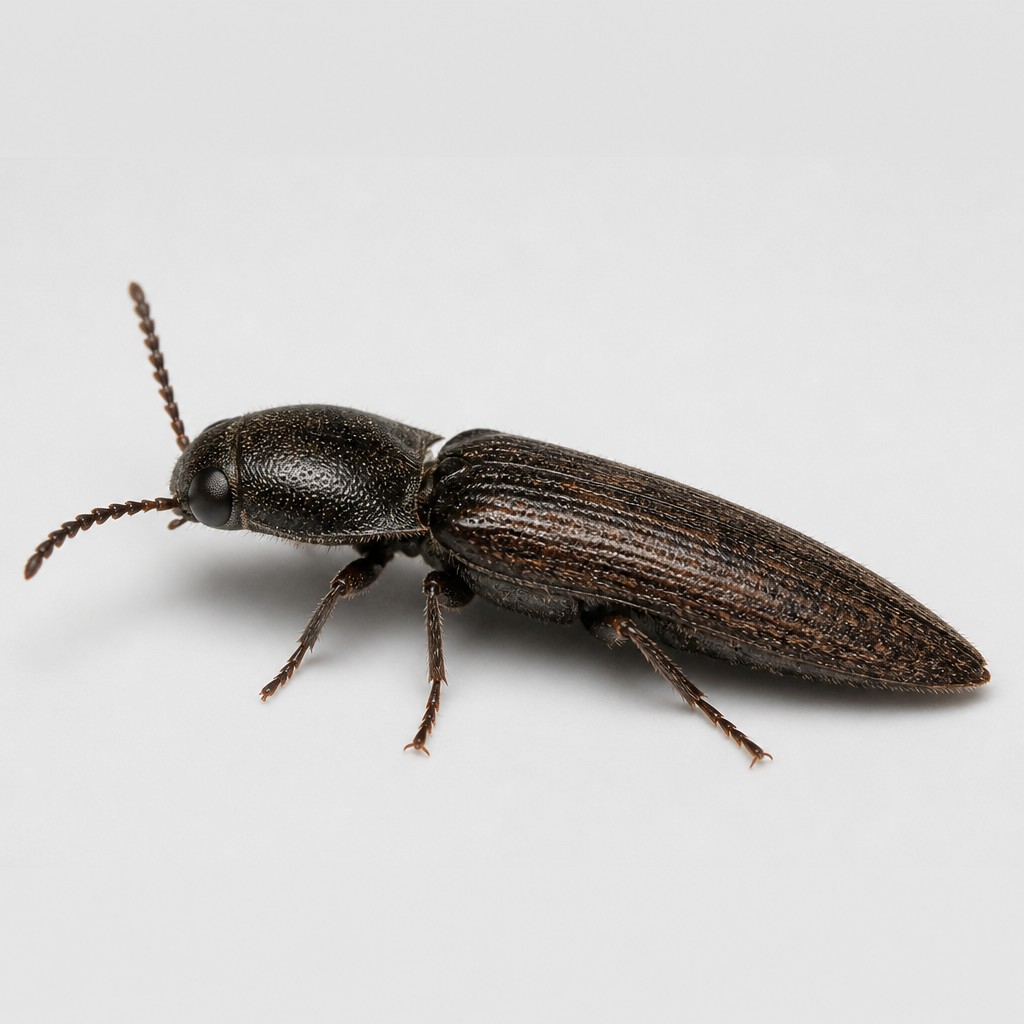
Click Beetle
An elongated, streamlined beetle famous for the audible clicking snap it makes to flip itself upright when placed on its back, a spring-loaded escape mechanism unique to this family.
beetle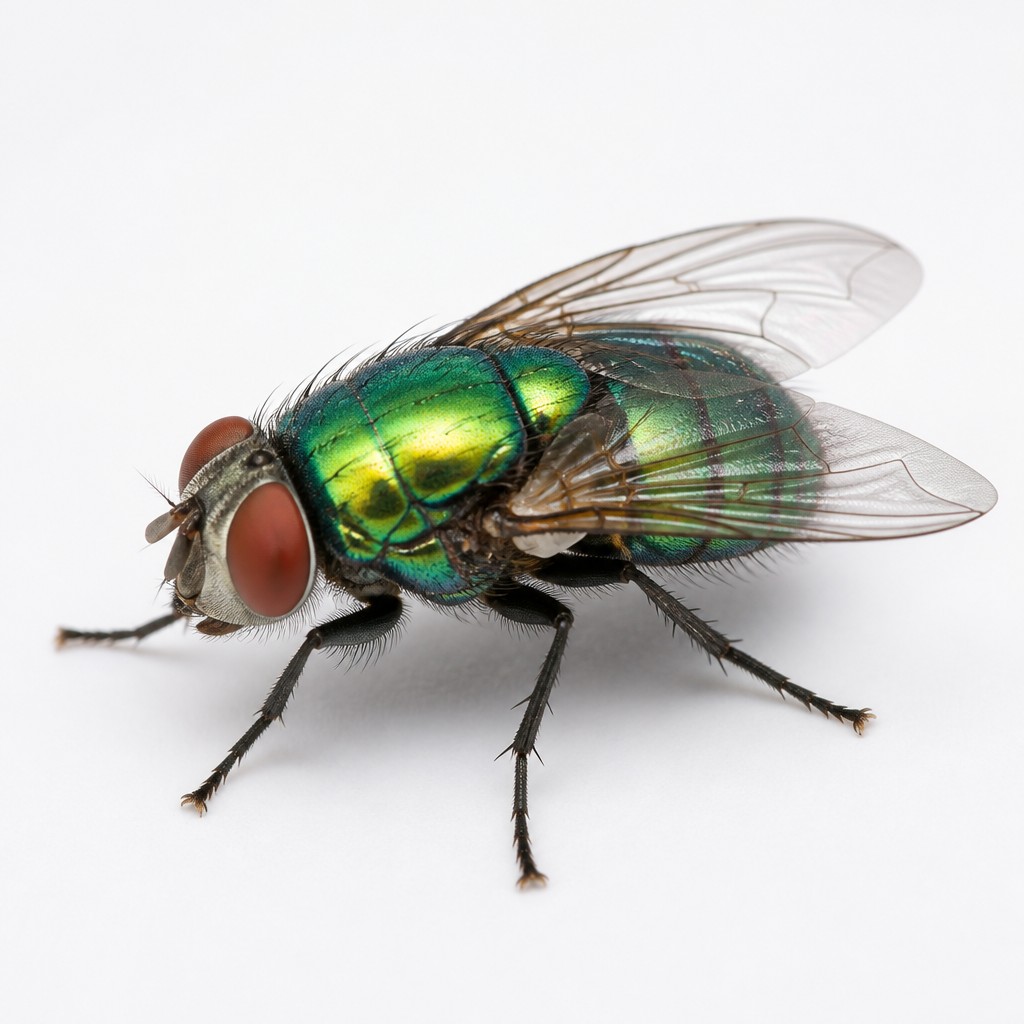
Green Bottle Fly
A brilliantly iridescent, metallic green fly frequently seen basking on sunny surfaces outdoors, easily recognized by its shining emerald body and quick, buzzing flight.
fly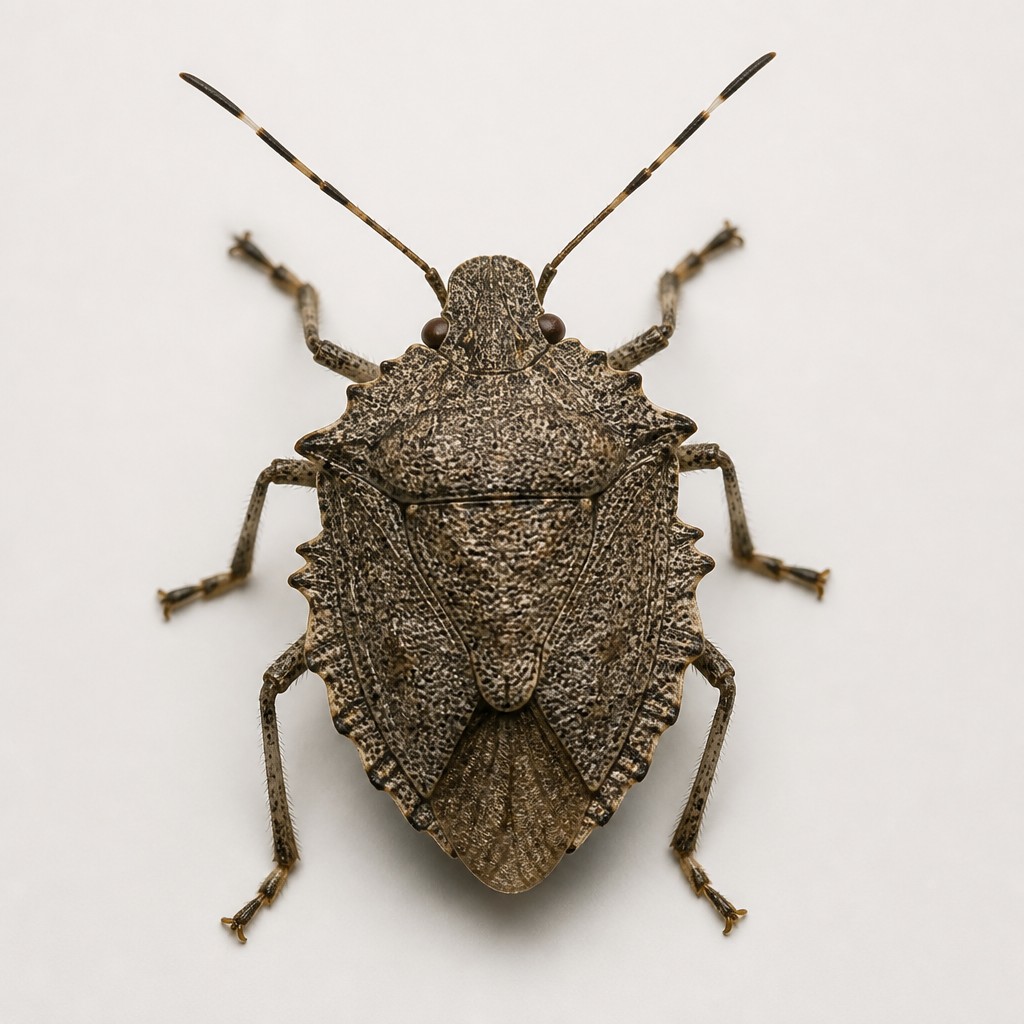
Rough Stink Bug
A gray-brown, textured stink bug with an irregular, jagged-edged outline that blends seamlessly against tree bark, making it one of the best-camouflaged members of its family.
true-bug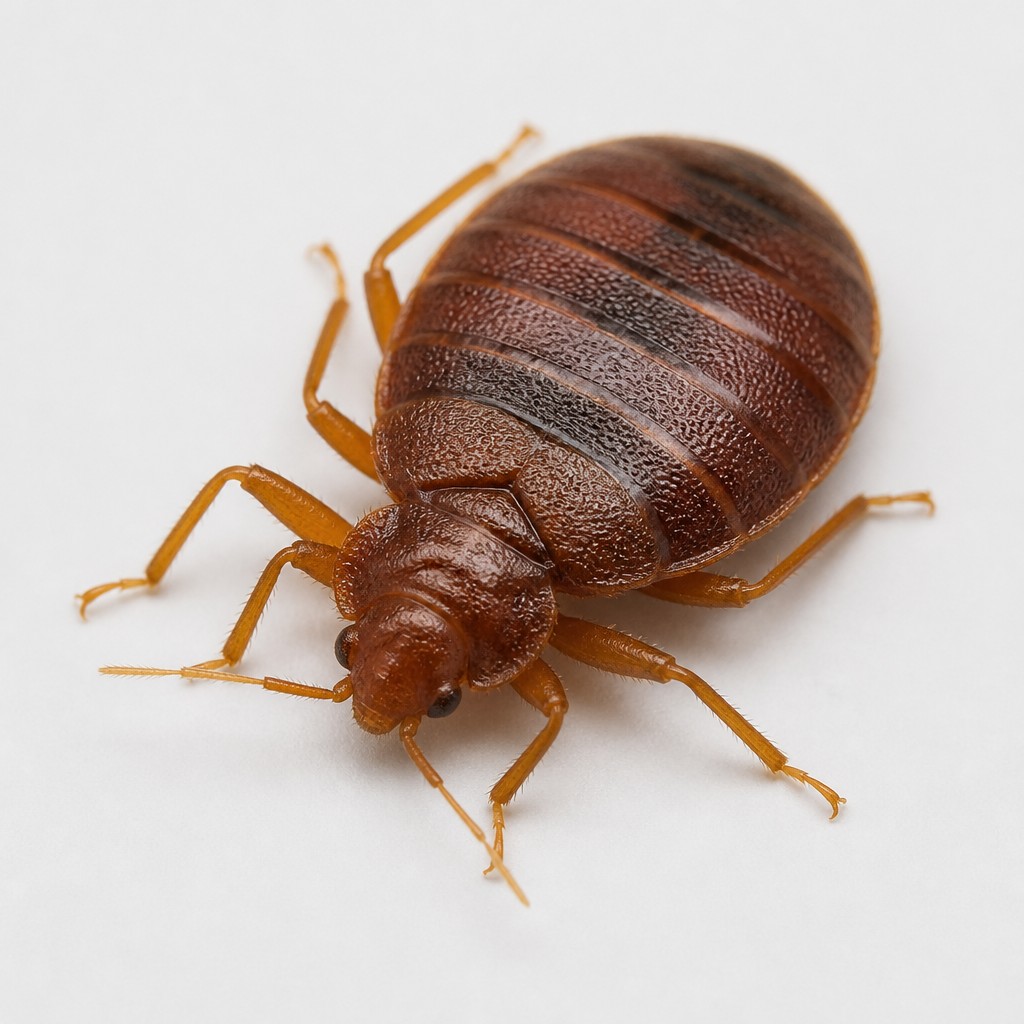
Bed Bug (Bat Bug)
A small, flat, reddish-brown, wingless true bug that hides in tight seams and crevices by day and feeds on blood at night, closely related to the bat bug, which occupies a similar niche in bat roosts.
true-bug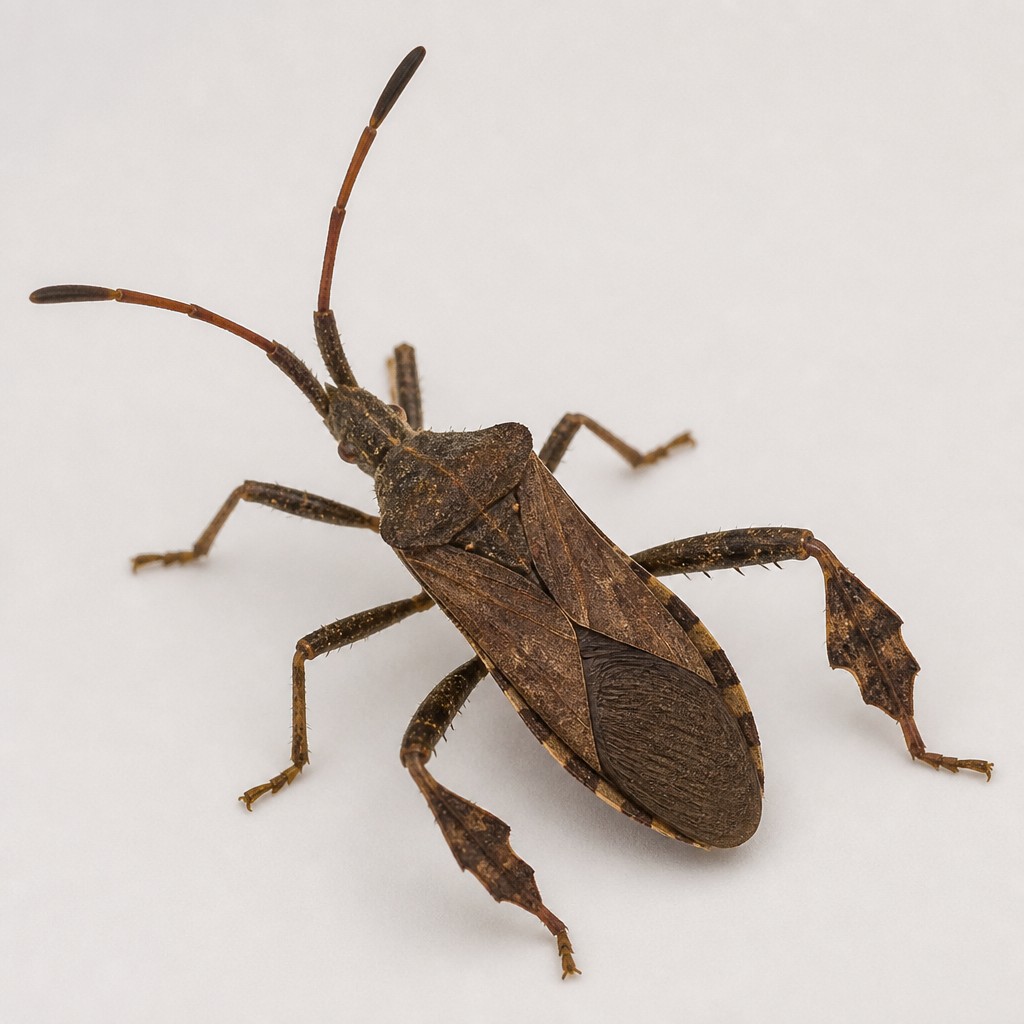
Leaf-Footed Bug
A large, elongated brown true bug named for the flattened, leaf-shaped expansions on its hind legs, often found feeding on fruits, seeds, and vegetables in gardens and orchards.
true-bug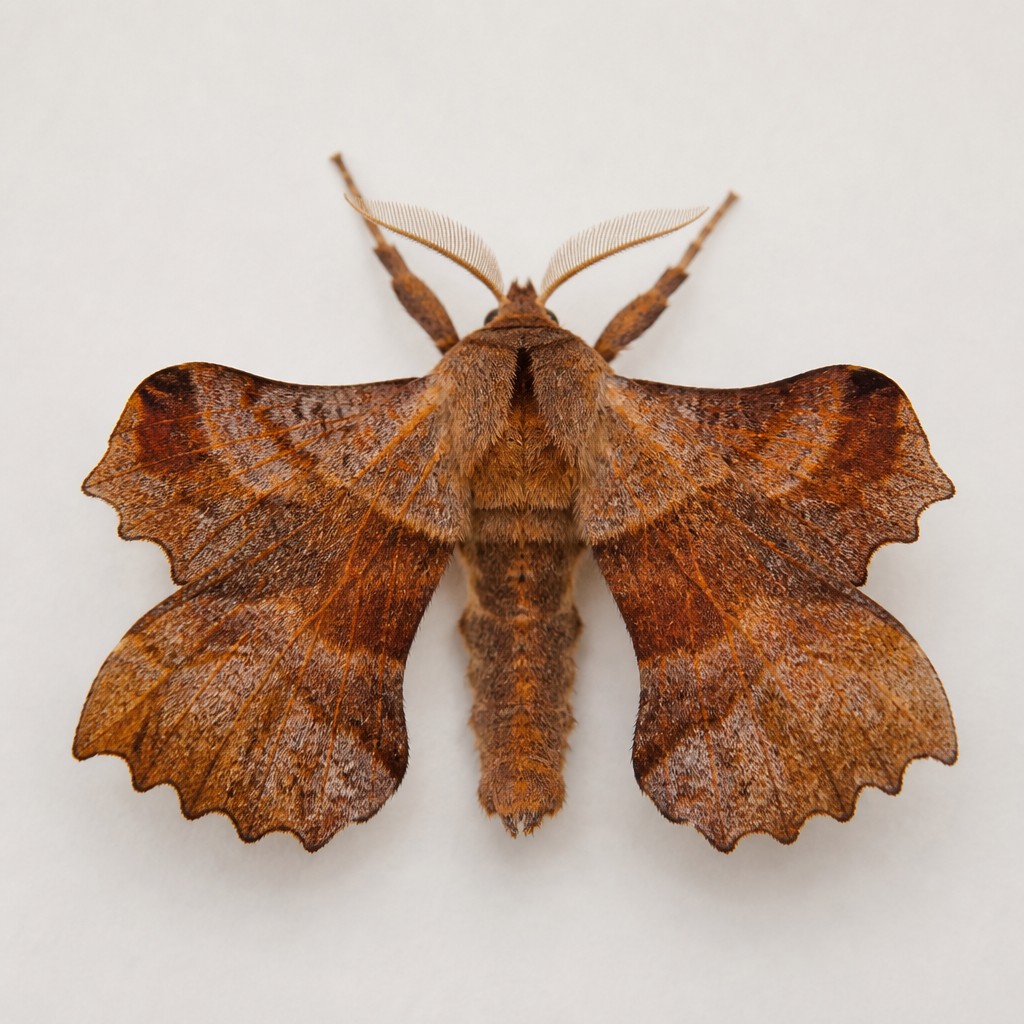
Lappet Moth
A large, richly textured moth with deeply scalloped, russet-brown wings that fold into an uncanny dead-leaf silhouette, one of the most convincing leaf mimics among European moths.
moth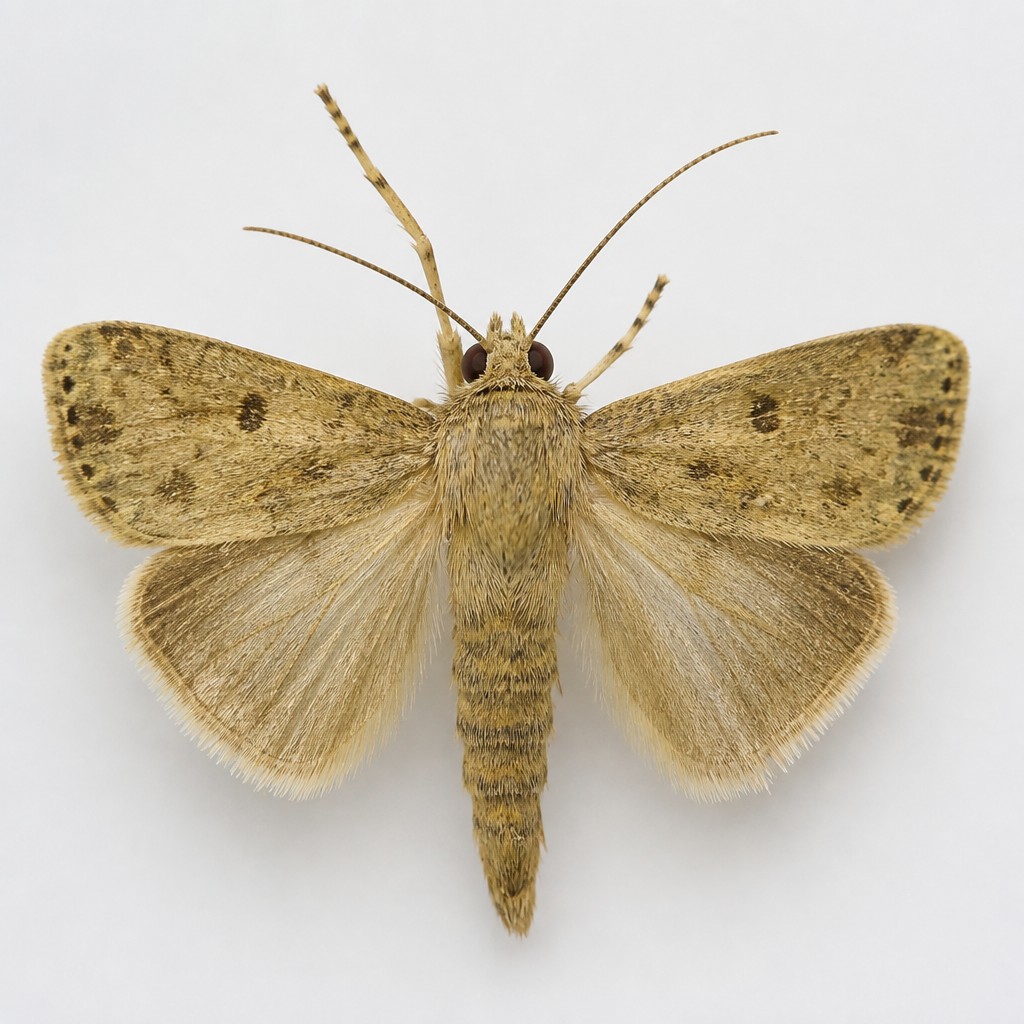
Corn Earworm Moth
A tan to olive-colored moth whose caterpillar, the corn earworm, is one of the most economically significant crop pests in North America, feeding inside corn ears, tomatoes, and cotton bolls.
moth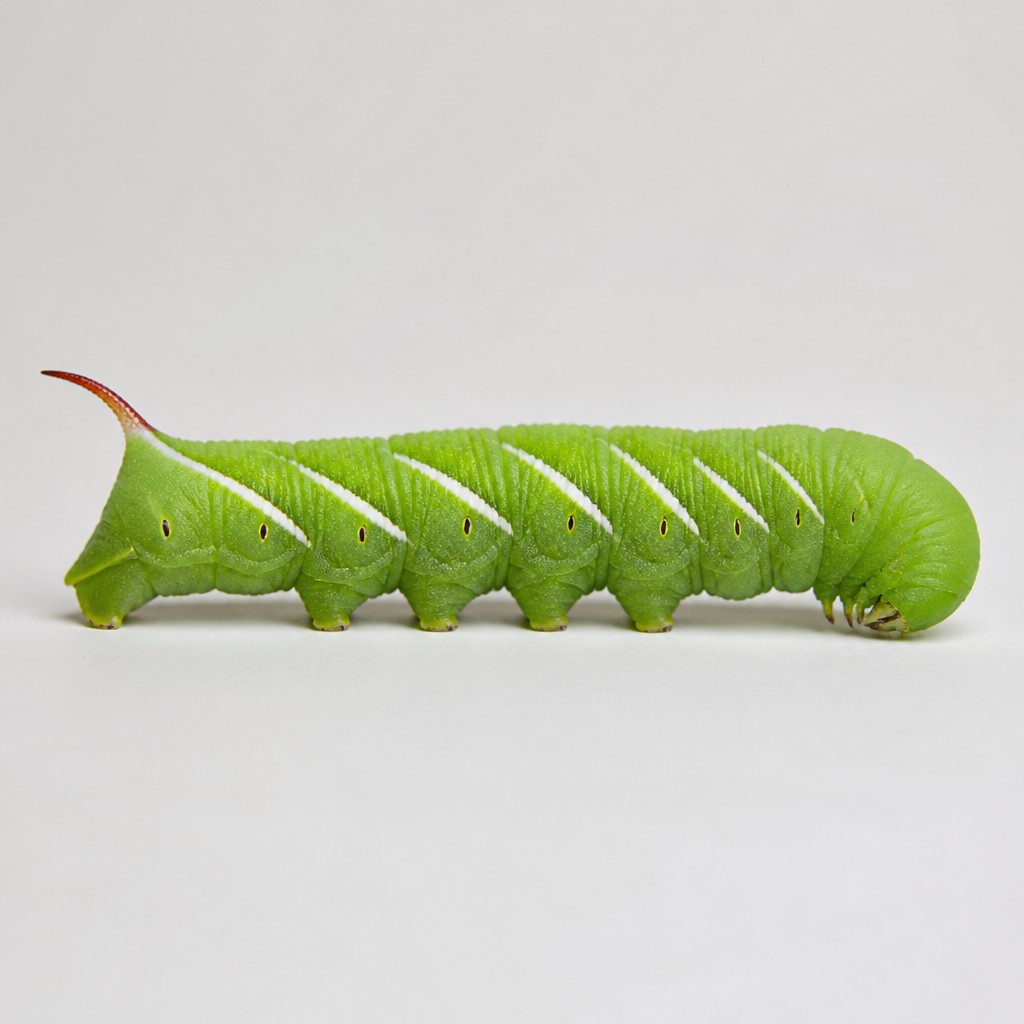
Tomato Hornworm
A large, thick green caterpillar with diagonal white stripes and a distinctive curved horn at its tail end, often found stripping leaves from tomato plants in gardens.
caterpillar-larva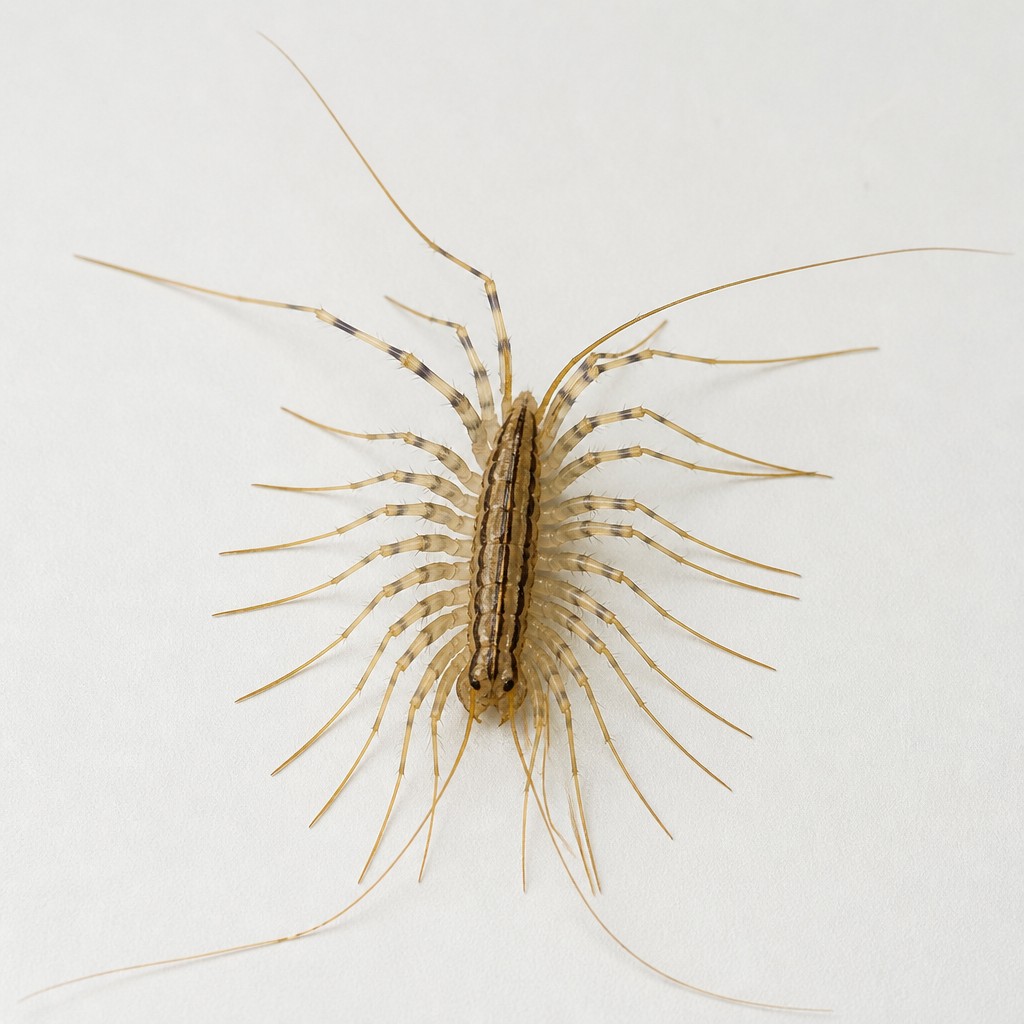
House Centipede
A fast, wiry arthropod with 15 pairs of extremely long, banded legs that make it look far bigger than its actual body size, often seen darting across bathroom or basement floors at night.
myriapod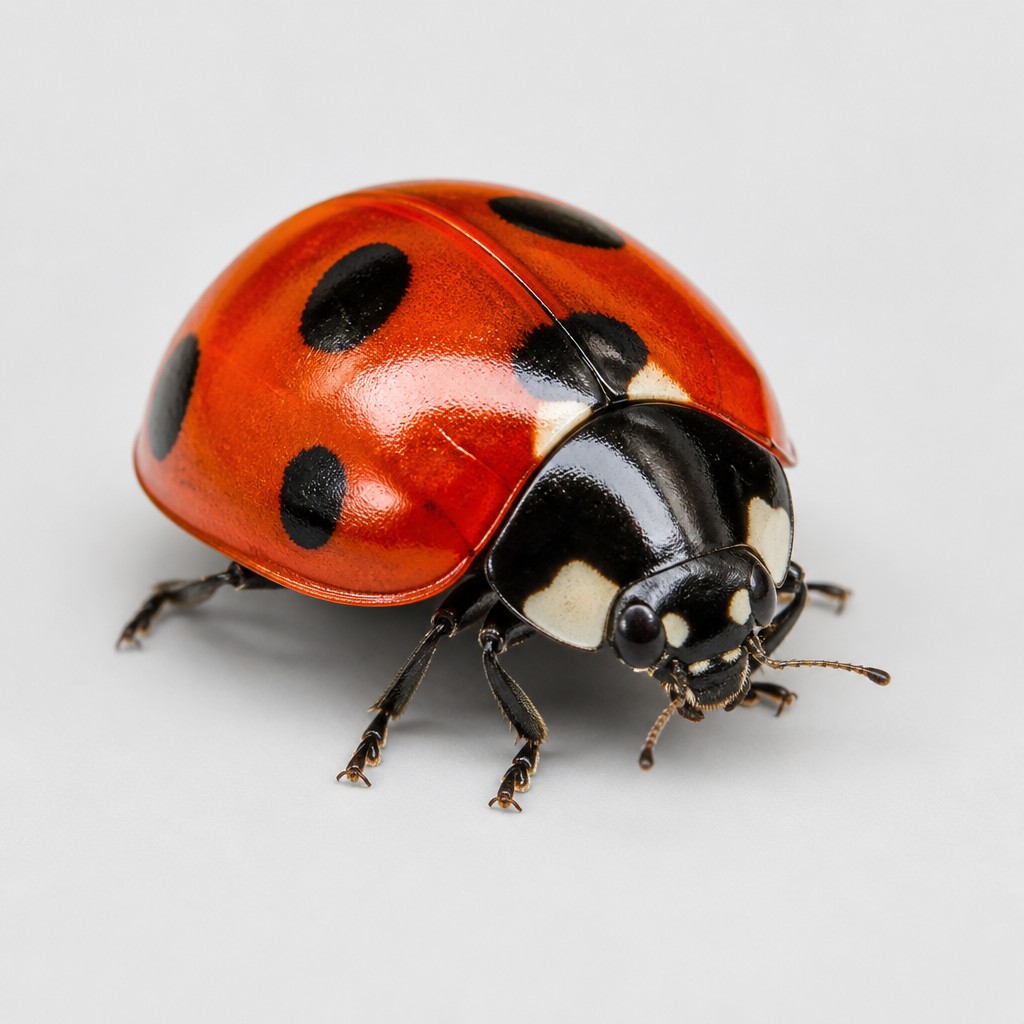
Ladybug
A small, round, brightly colored beetle with a domed, shiny shell typically red or orange with black spots, one of the most recognizable and beloved beetles found in gardens worldwide.
beetle