
Bug Encyclopedia
Search and identify bugs & insects — beetles, butterflies, moths, ants, bees, spiders and more — with size, habitat, danger, behavior, and how to tell them apart.
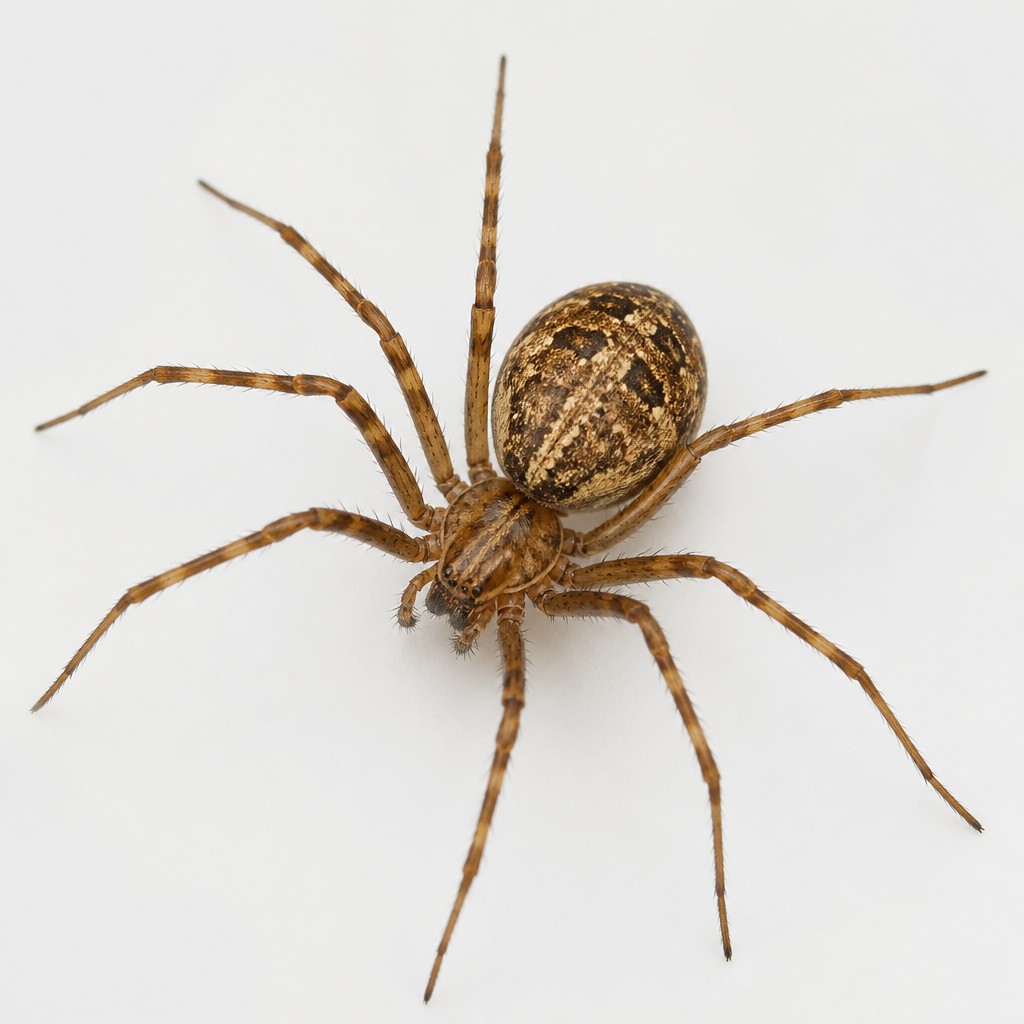
Cave Spider
A long-legged orb weaver adapted to the twilight zone of caves, spinning large webs across cavern mouths and dangling its egg sacs from silk threads deep within the darkness.
spider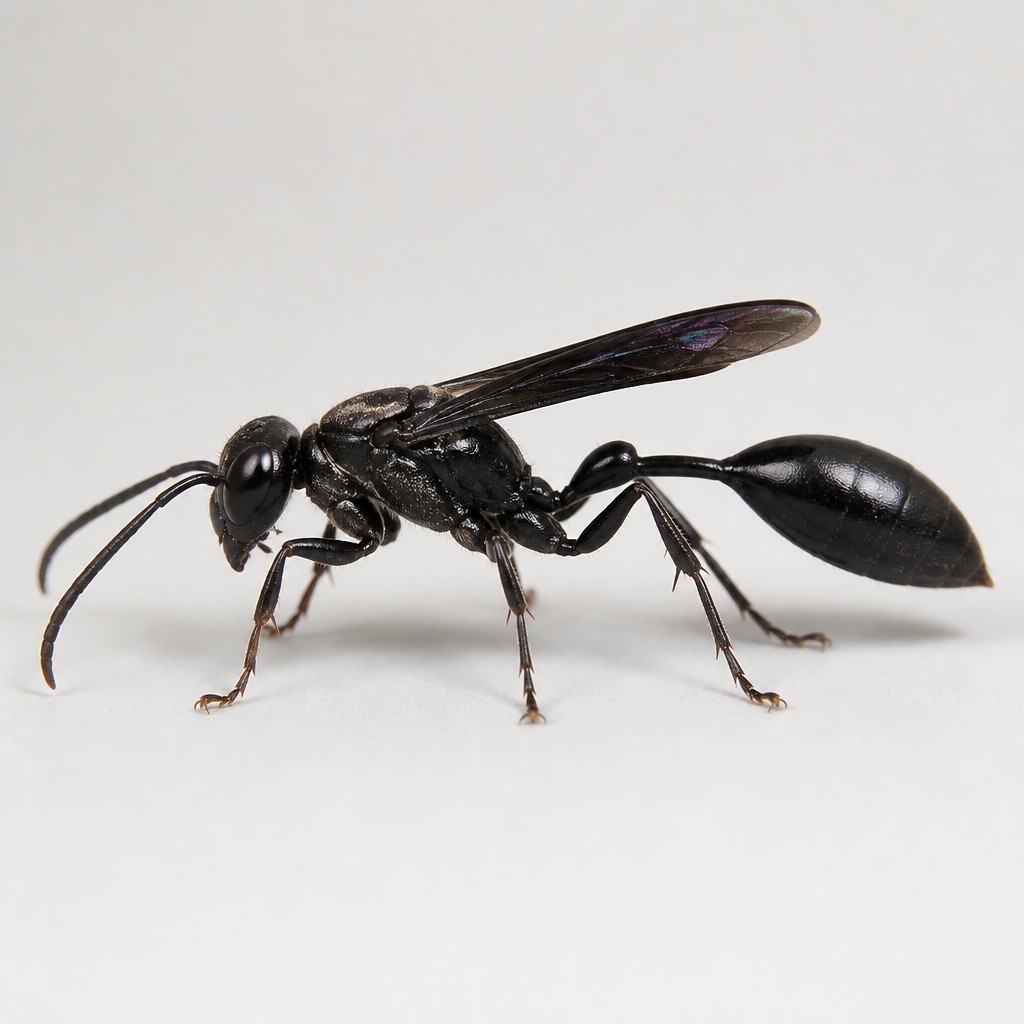
Mud Wasp
A slender, thread-waisted solitary wasp famous for plastering rows of tube-shaped mud cells under eaves and porch ceilings, each one stocked with paralyzed spiders for its larva.
wasp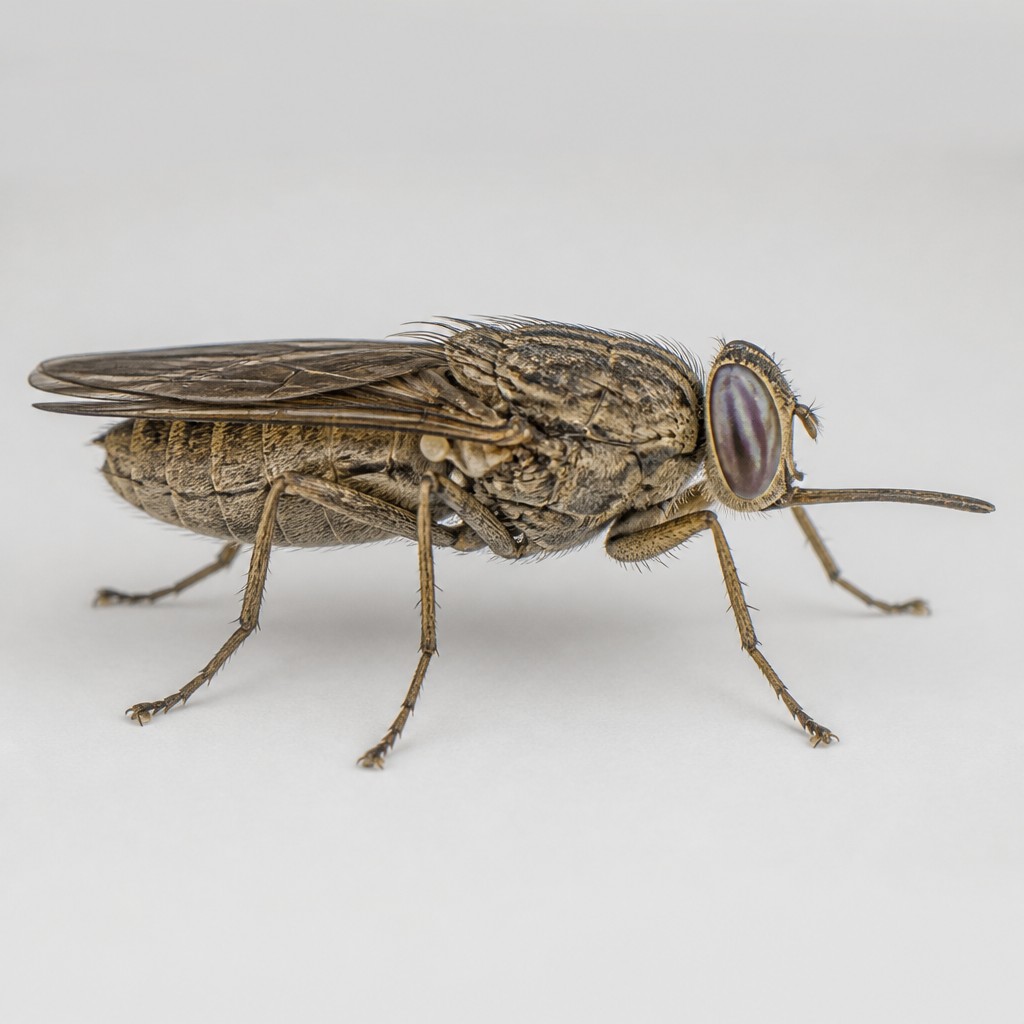
Tsetse Fly
A stout grayish-brown fly of African woodlands whose rigid, forward-jutting proboscis and scissor-folded wings set it apart from any ordinary house fly.
fly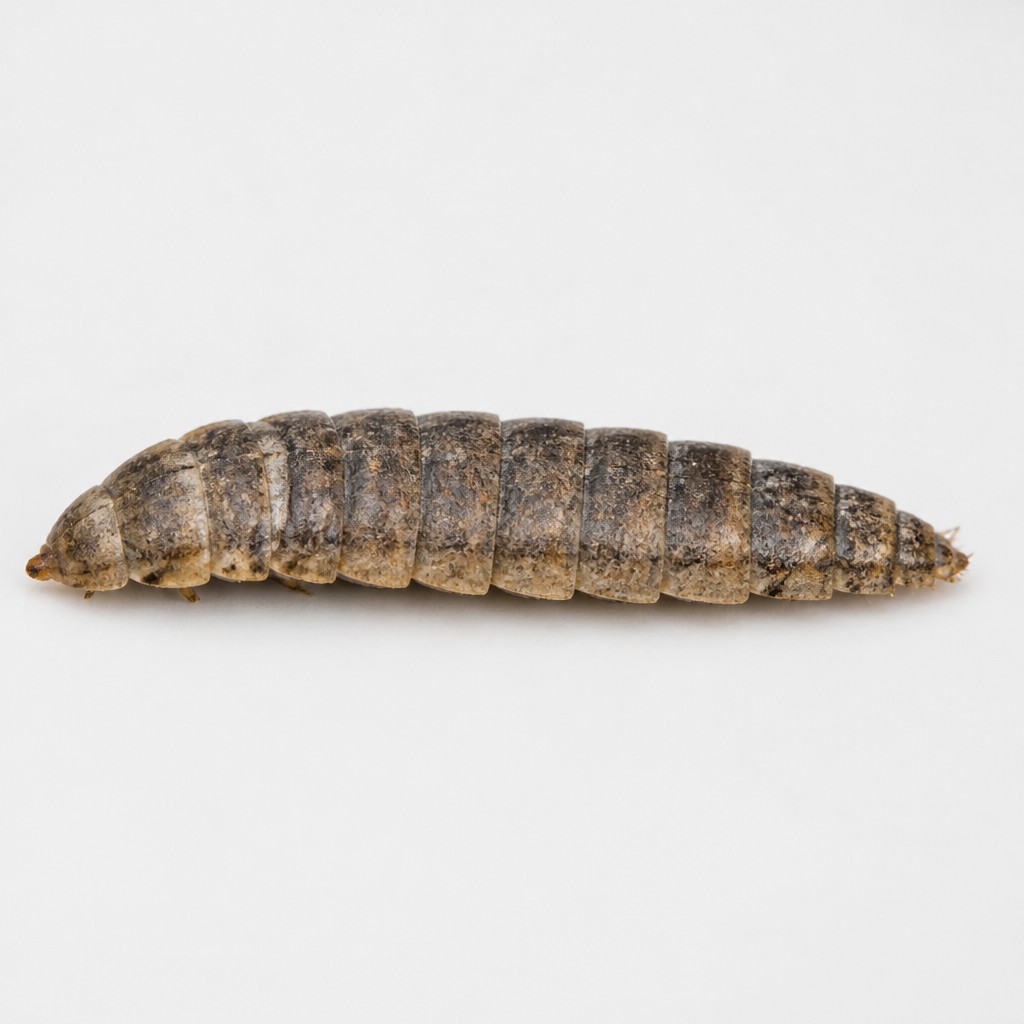
Soldier Fly Larva
Flattened, leathery, and tapered at both ends, the soldier fly larva drifts just beneath the surface film of ponds and marshes, filtering algae and organic debris while breathing through a fringe of water-repellent hairs at its tail.
aquatic-insect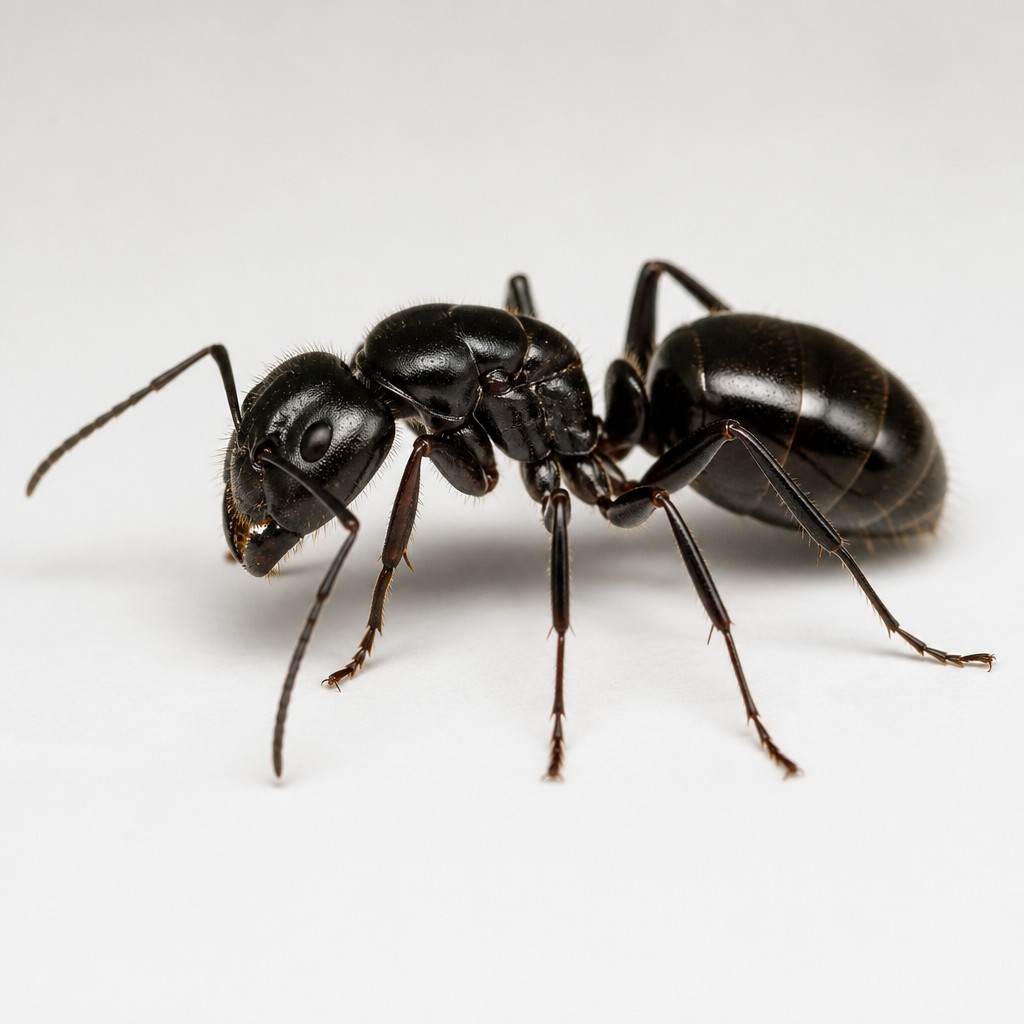
Carpenter Ant
A large, often shiny black ant that excavates smooth tunnels in dead or damp wood for nesting, recognizable by its size, evenly rounded thorax, and elbowed antennae.
ant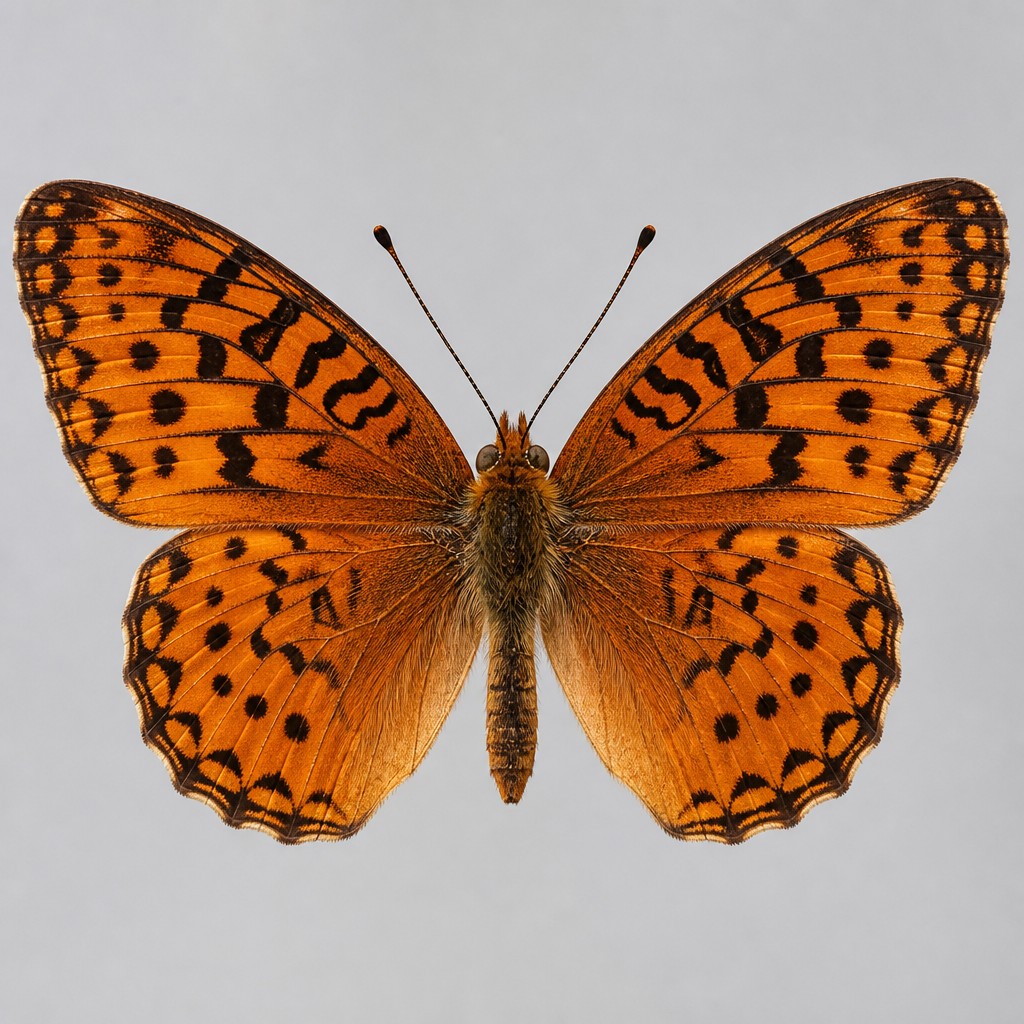
Great Spangled Fritillary
A large, robust orange butterfly with bold black markings above and a striking array of large silvery spangles on a tawny-brown underside, closely tied to woodland violets.
butterfly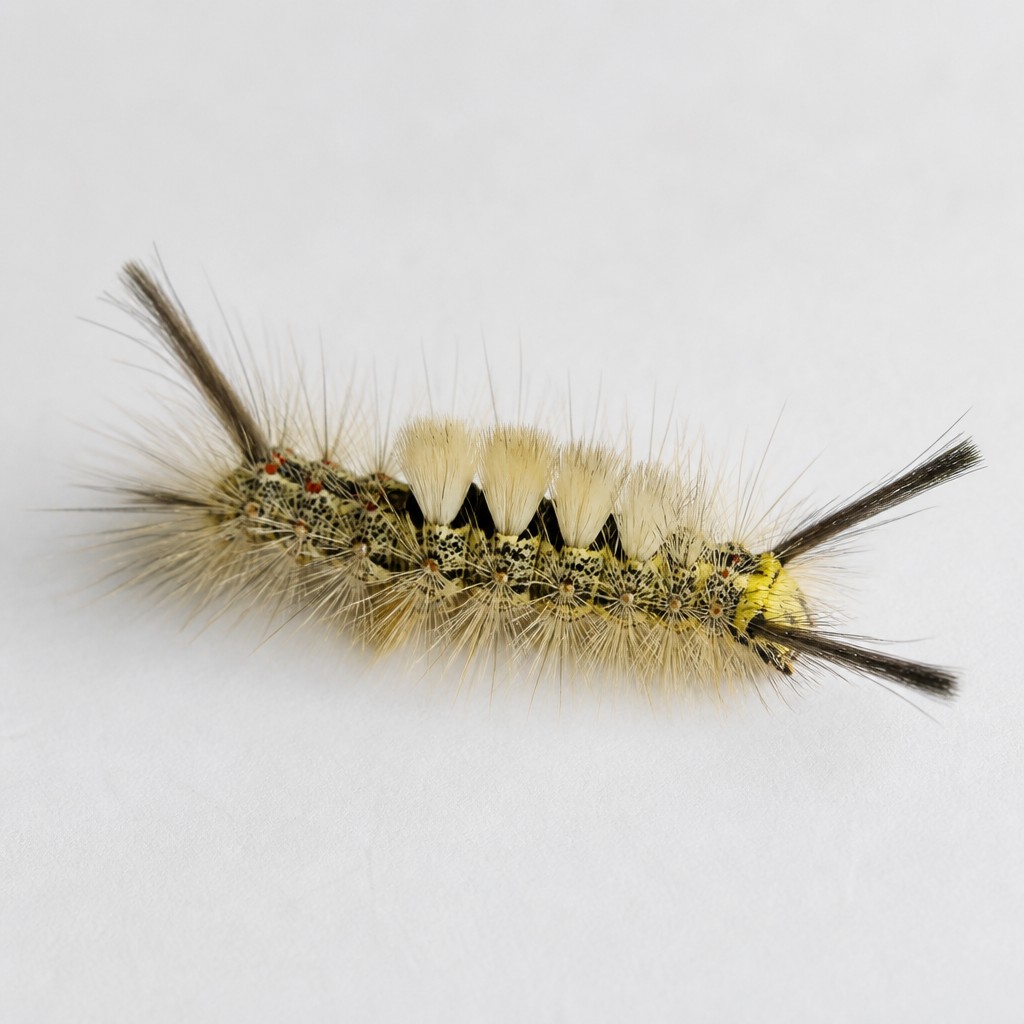
Tussock Moth Caterpillar
A boldly tufted caterpillar bristling with dense brush-like hair tussocks and long dark pencil plumes that give it an almost punk-rock silhouette.
caterpillar-larva
Ironclad Beetle
A slow-moving, mottled gray beetle famed for having one of the hardest, most crush-resistant exoskeletons of any insect, often found clinging motionless to dead wood or tree bark.
beetle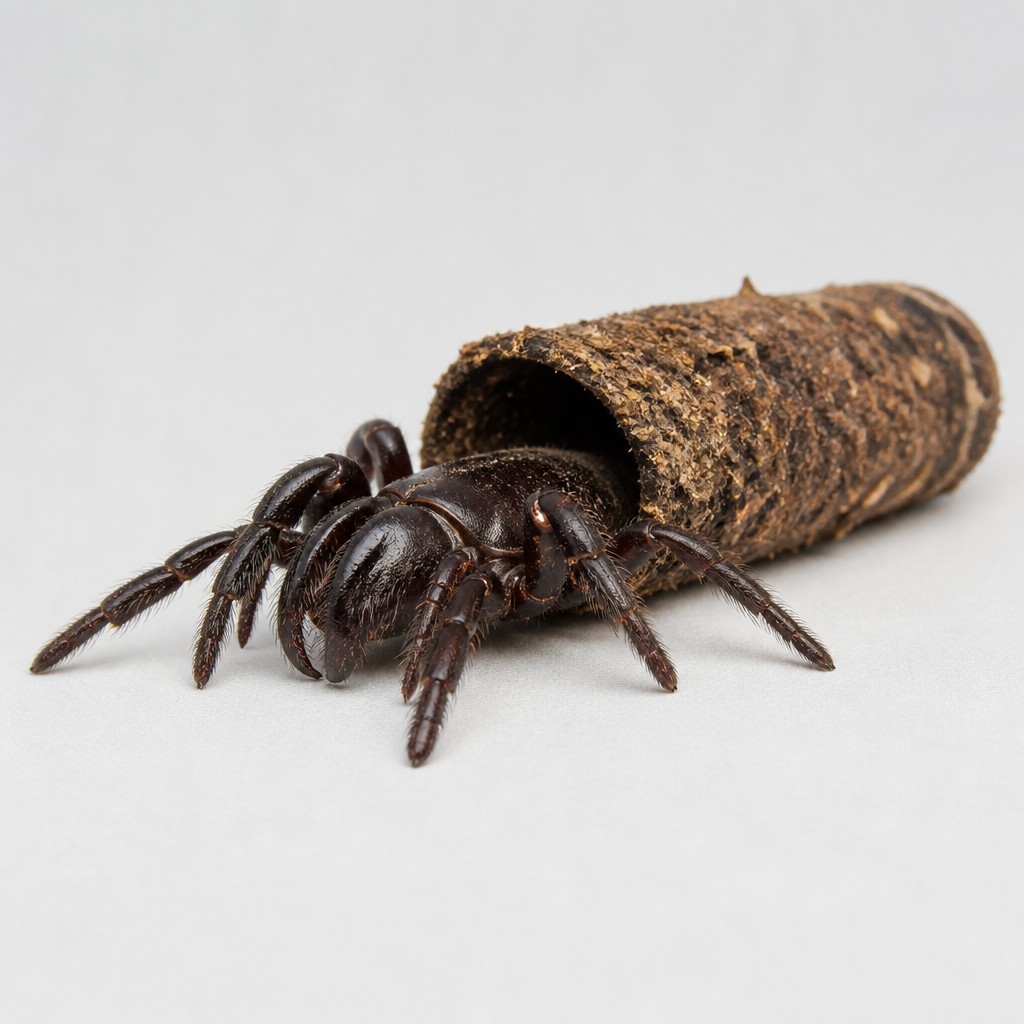
Purseweb Spider
A secretive, tube-dwelling spider that spends nearly its entire life hidden inside a silk-lined burrow extension camouflaged with soil and debris on the surface.
spider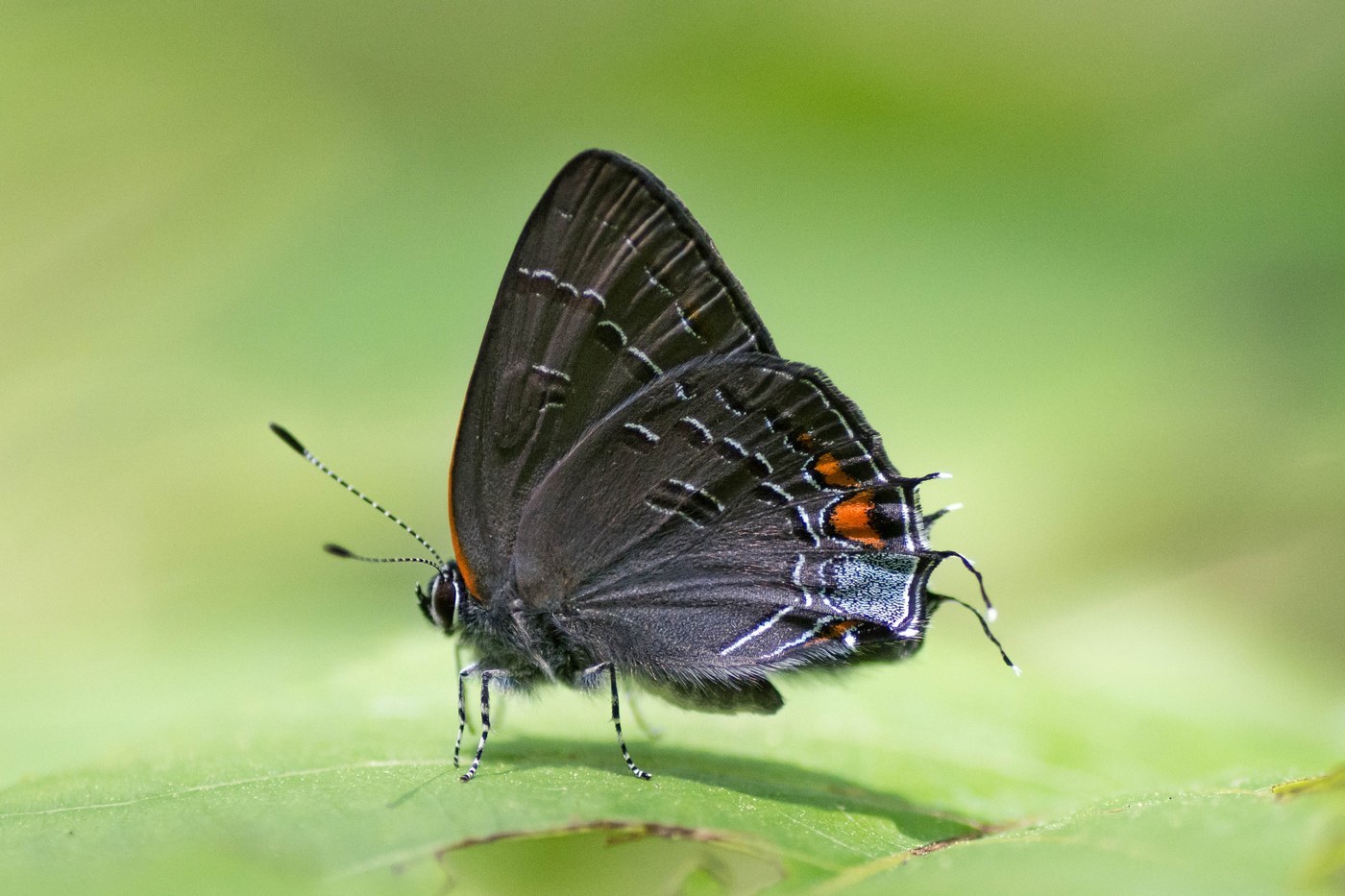
Banded Hairstreak
A gray-brown, tailed hairstreak marked by a postmedian band of white-edged dark spots on the hindwing underside and a small orange-capped blue spot near the tail, closely tied to oak and hickory woodlands.
butterfly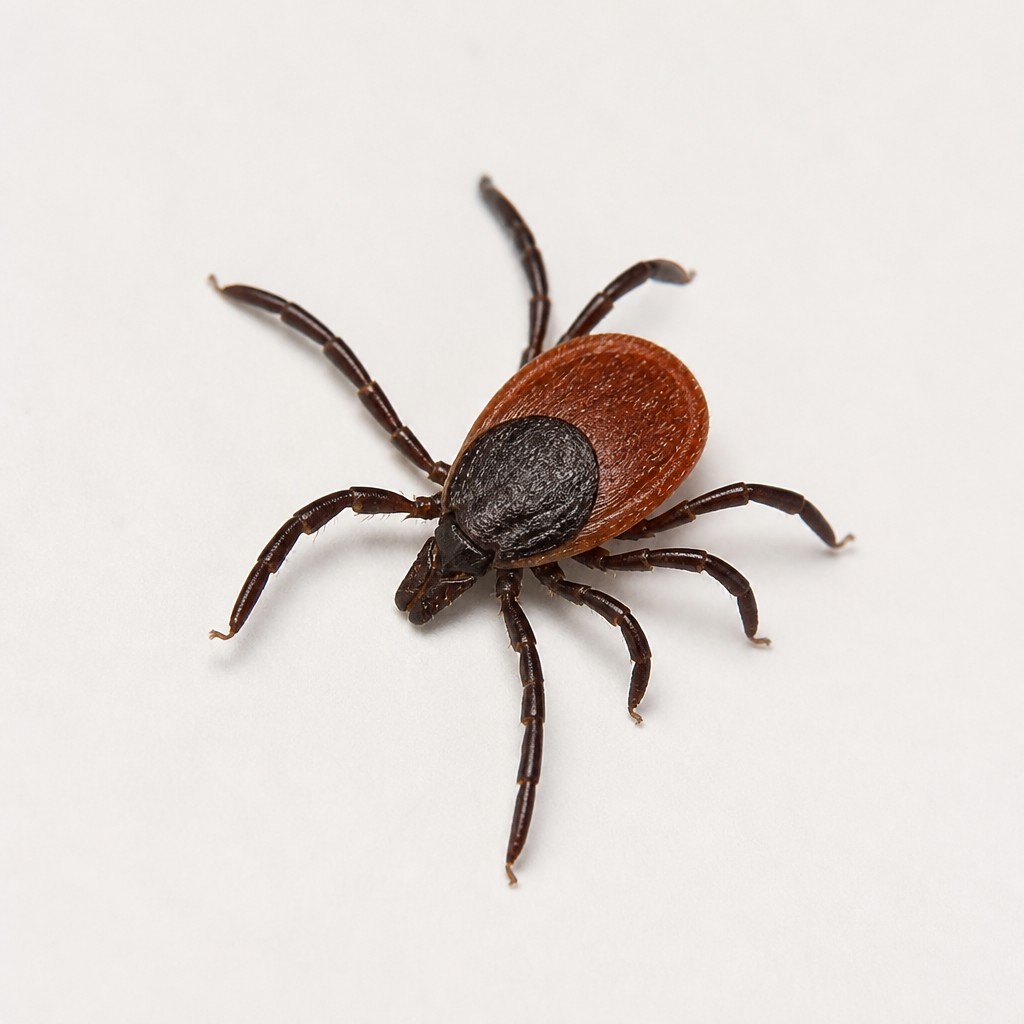
Deer Tick
A small, dark-legged tick with a reddish-brown, teardrop-shaped body, noticeably smaller than many other common tick species and often found questing in wooded or grassy edge habitats.
arachnid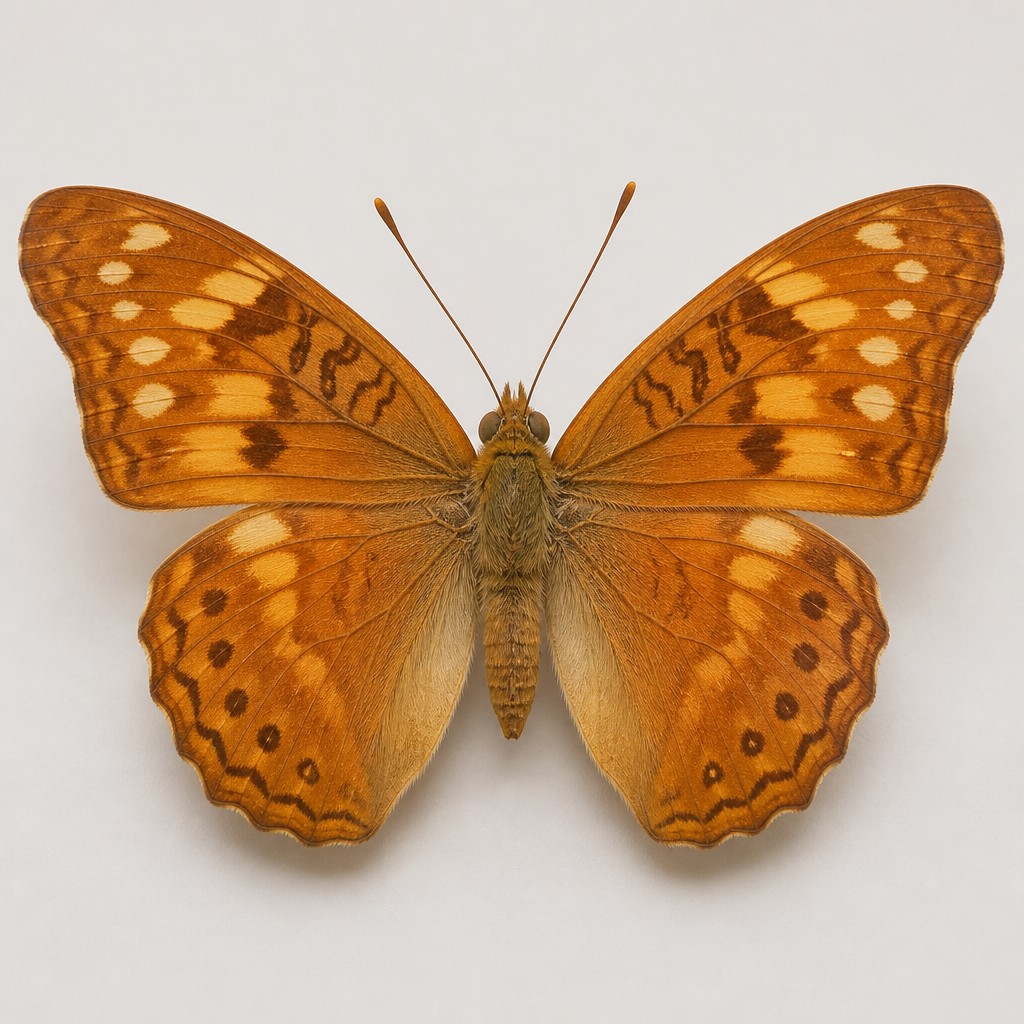
Tawny Emperor
A warm orange-brown woodland butterfly, close relative of the Hackberry Emperor, best distinguished by its lack of a forewing eyespot and its habit of feeding on sap and dung rather than flowers.
butterfly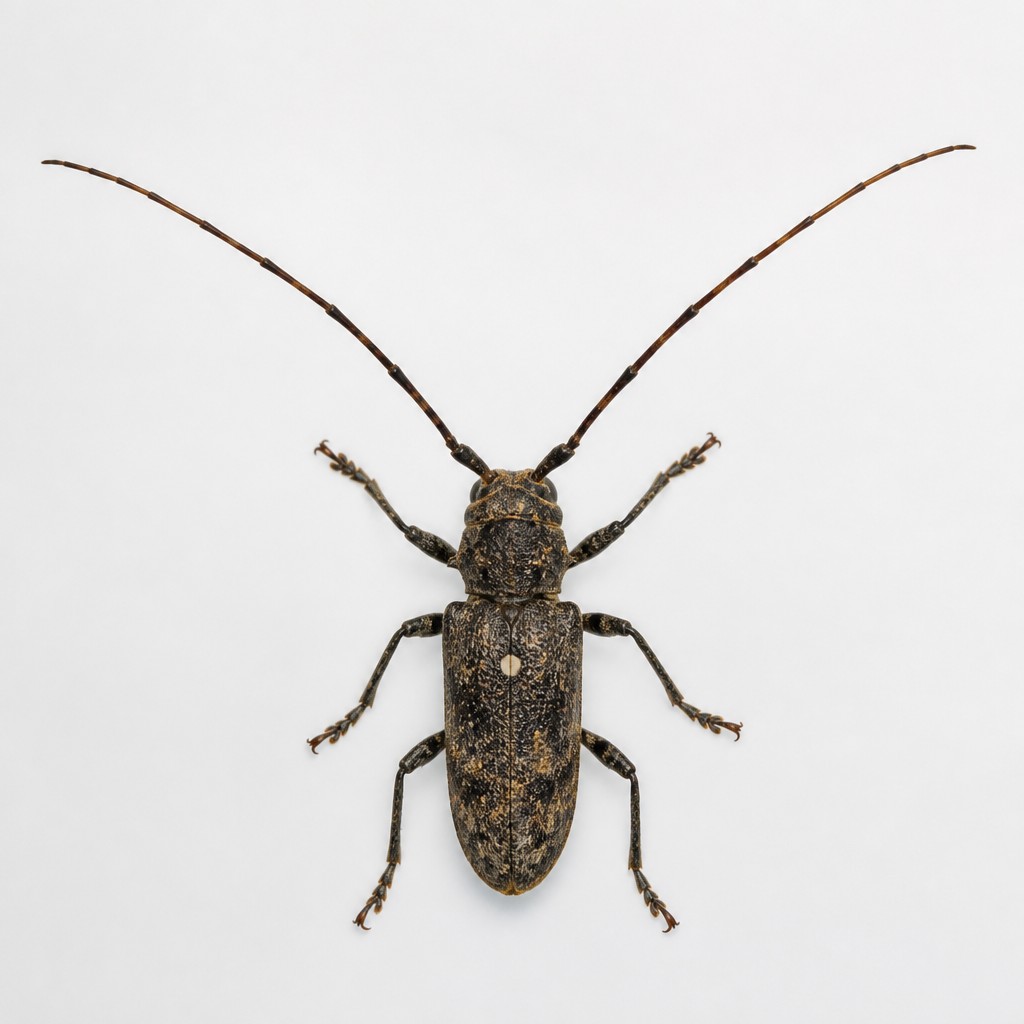
Pine Sawyer Beetle
A large, long-antennaed longhorn beetle of pine and spruce forests, mottled gray-brown to black, that produces a rasping sound when handled and whose larvae tunnel deep into dead or dying conifer wood.
beetle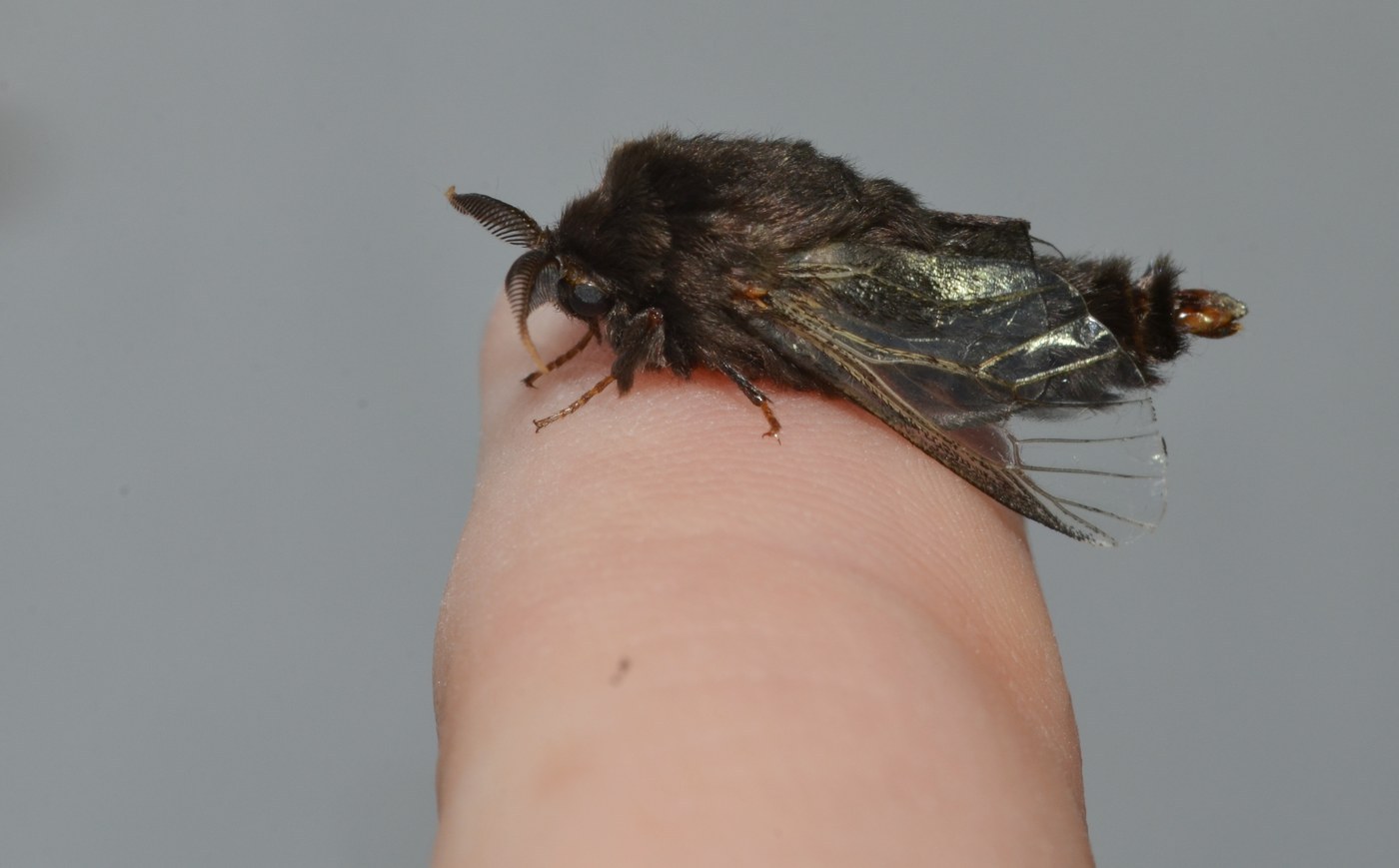
Bagworm
A caterpillar that constructs and lives inside a spindle-shaped case of silk and plant debris, dragging its portable shelter along as it feeds on tree foliage.
caterpillar-larva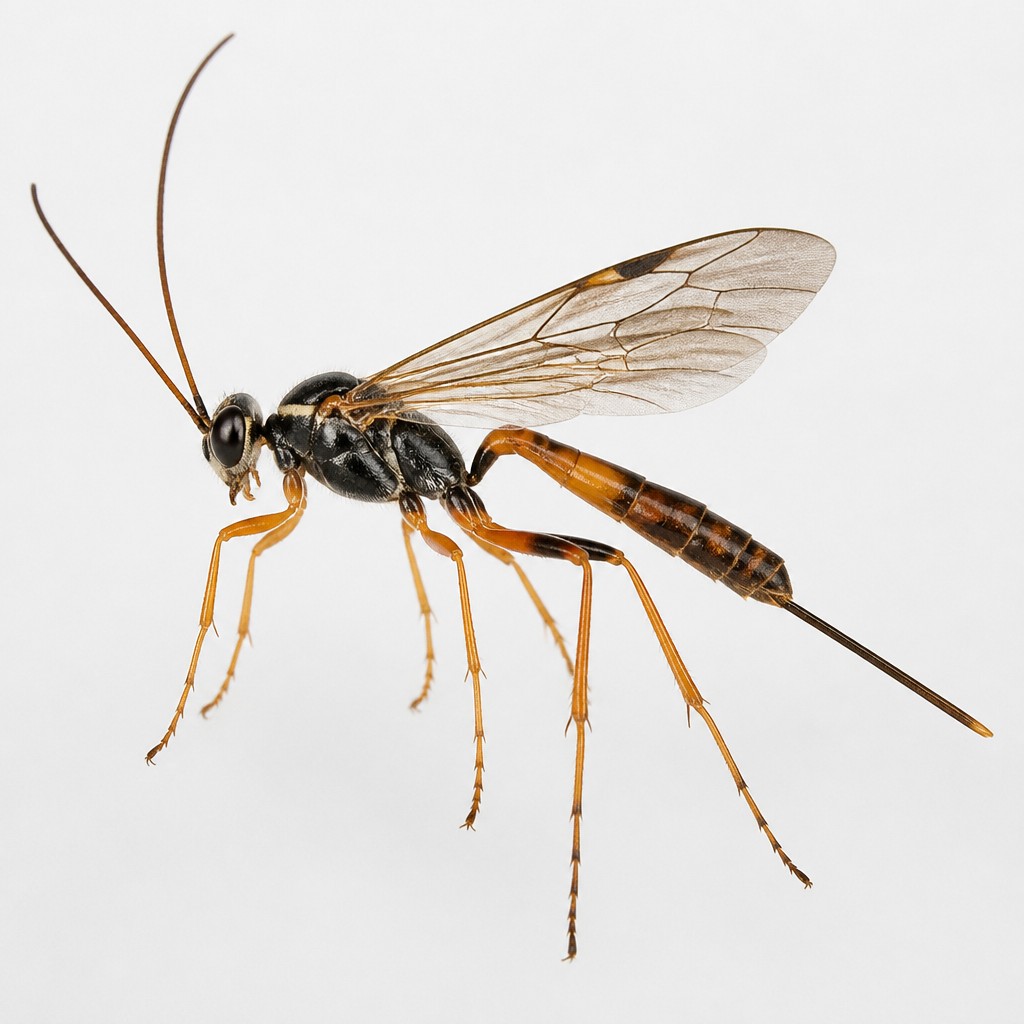
Ichneumon Wasp
A slender, long-antennaed parasitoid wasp, often mistaken for a giant mosquito or a stinging insect, that is best known for the extraordinarily long ovipositor some species use to drill into wood and lay eggs on hidden larvae.
wasp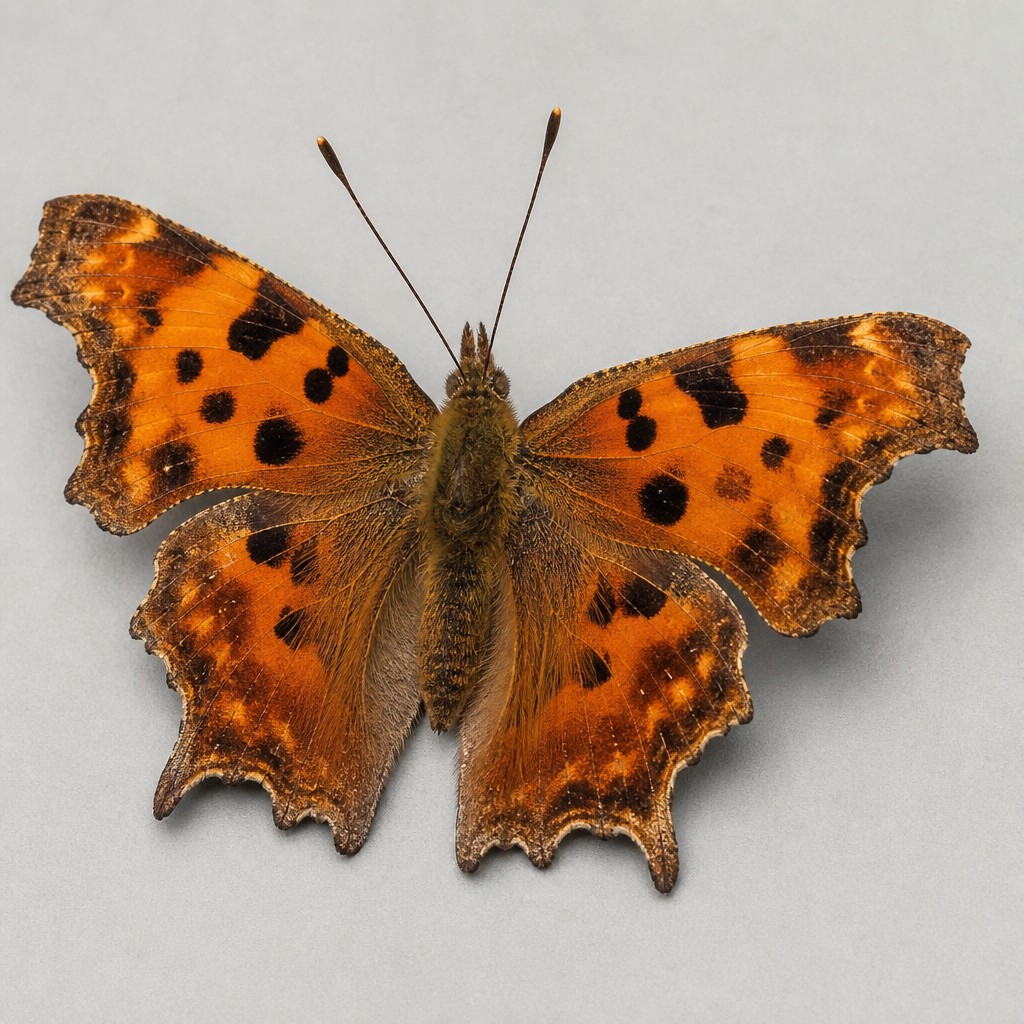
Eastern Comma
A ragged-edged orange-and-brown woodland butterfly named for the small, silvery comma-shaped mark on the underside of its hindwing, with a cryptic dead-leaf pattern that camouflages it perfectly when its wings are closed.
butterfly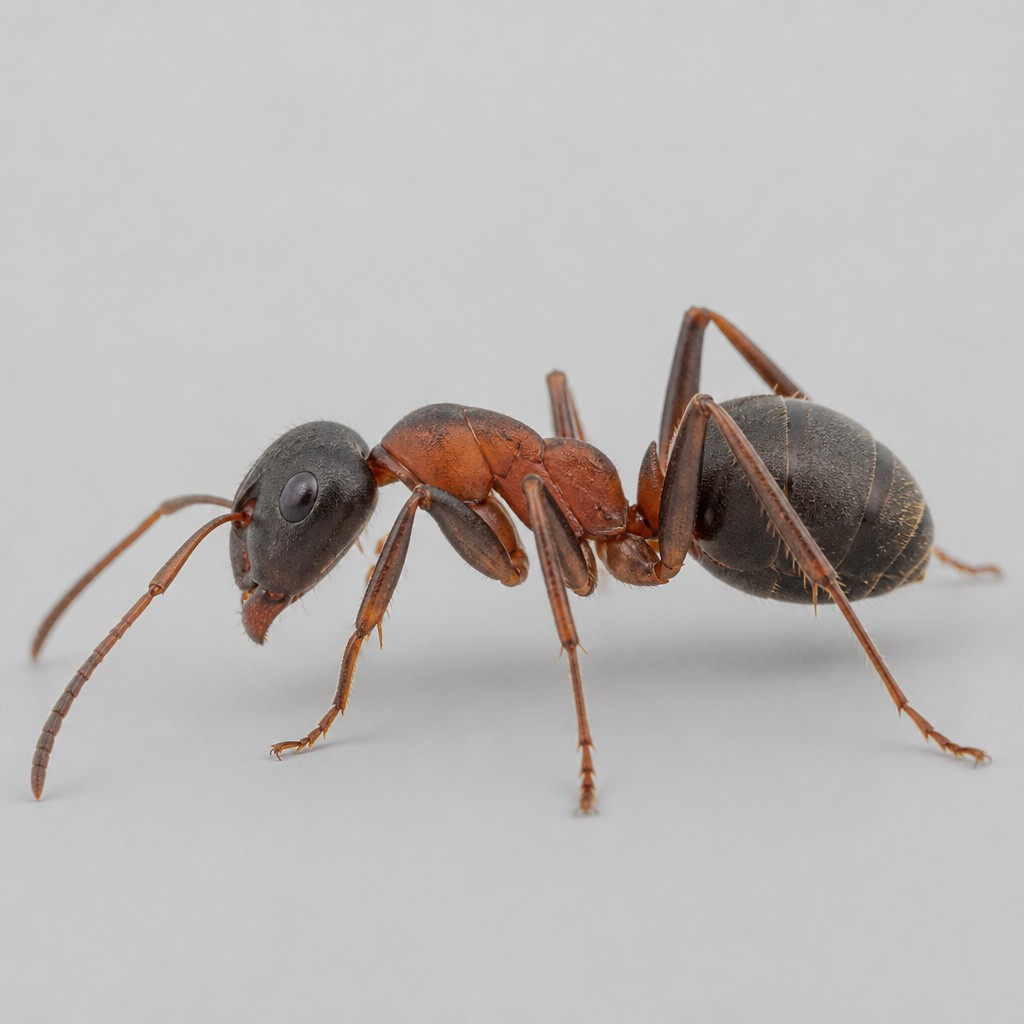
Field Ant
A large, common outdoor ant that builds conspicuous mound nests of soil and plant debris in sunny open ground and defends itself by spraying formic acid rather than stinging.
ant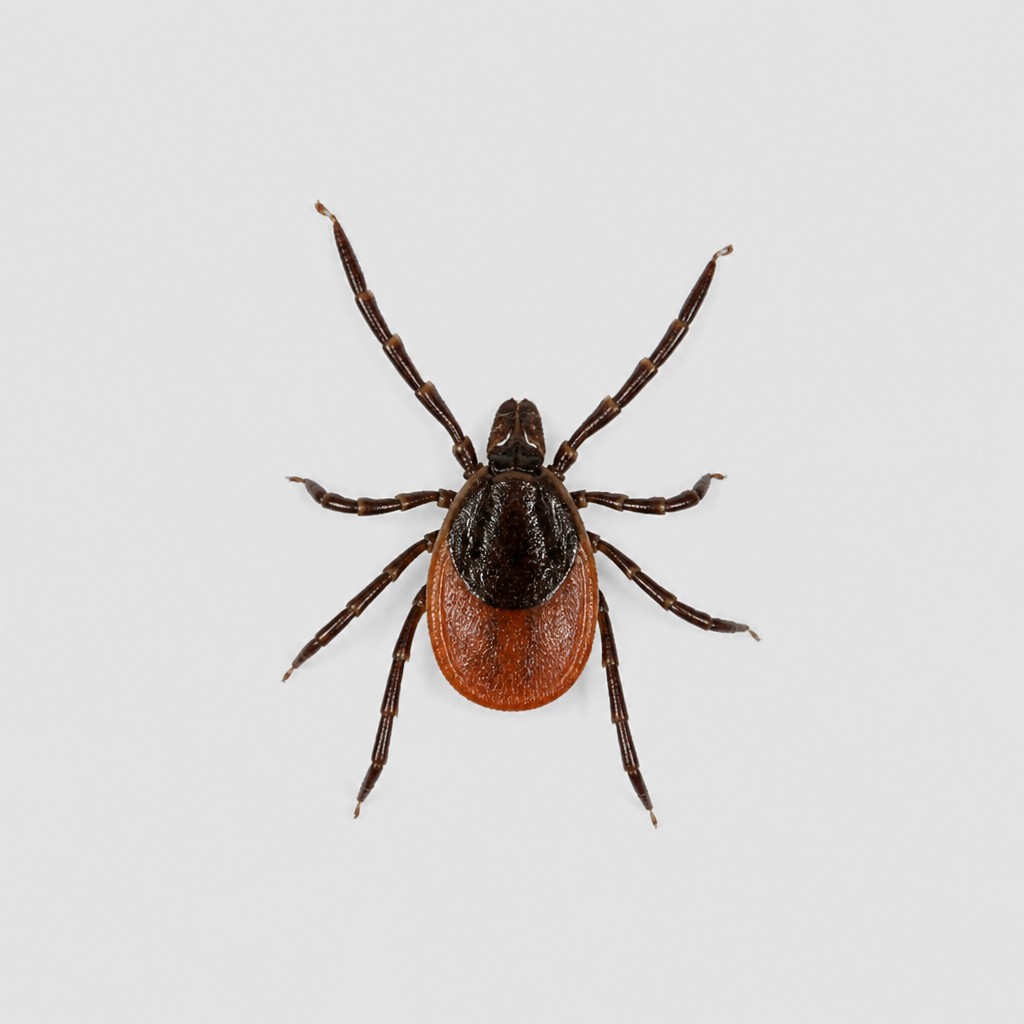
Blacklegged Tick
A tiny, teardrop-shaped tick with dark legs and a reddish-brown abdomen that lurks in leaf litter along woodland trails.
arachnid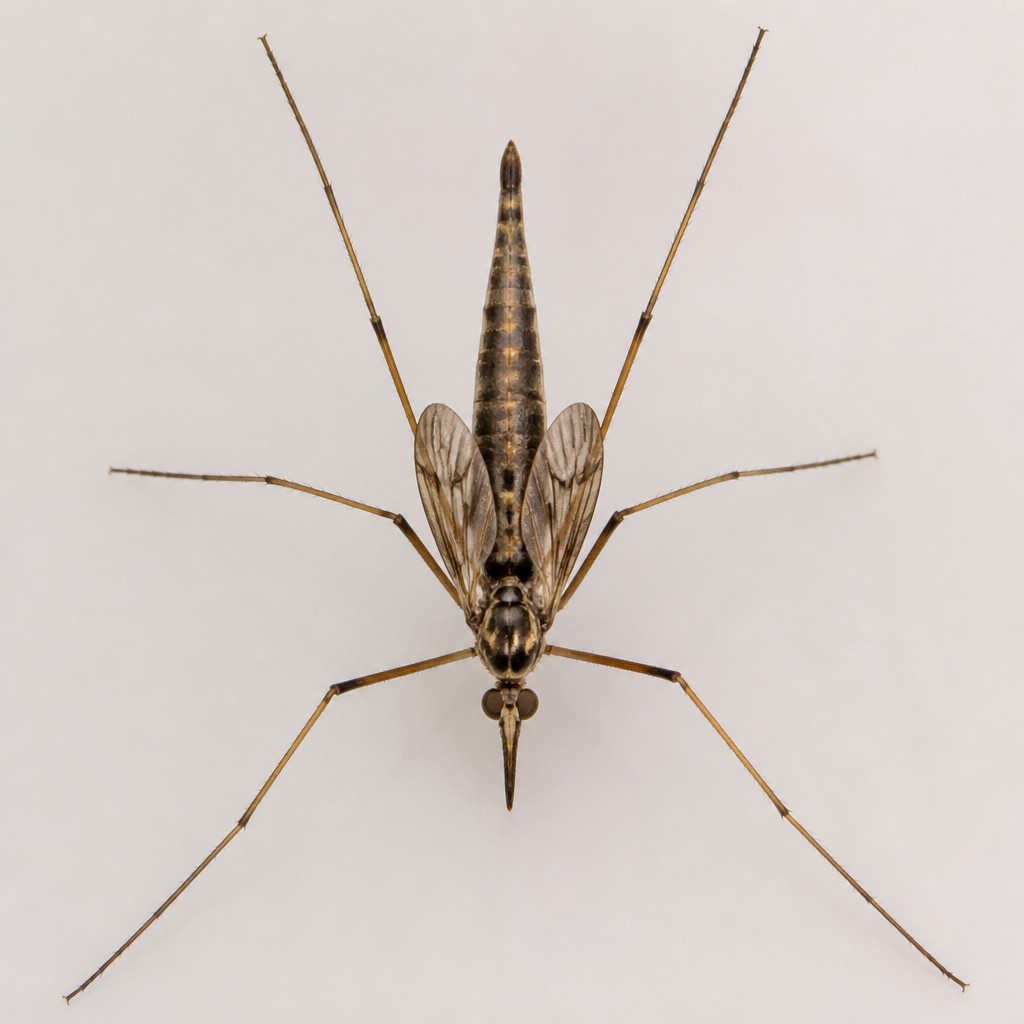
Snipe Fly
A slender, long-legged fly often seen perched head-down on a sunny tree trunk or fence post, patiently watching for smaller insects to ambush. Its tapered, wasp-like abdomen and habit of resting motionless with legs splayed give it a distinctive, almost sentry-like posture in woodland clearings.
fly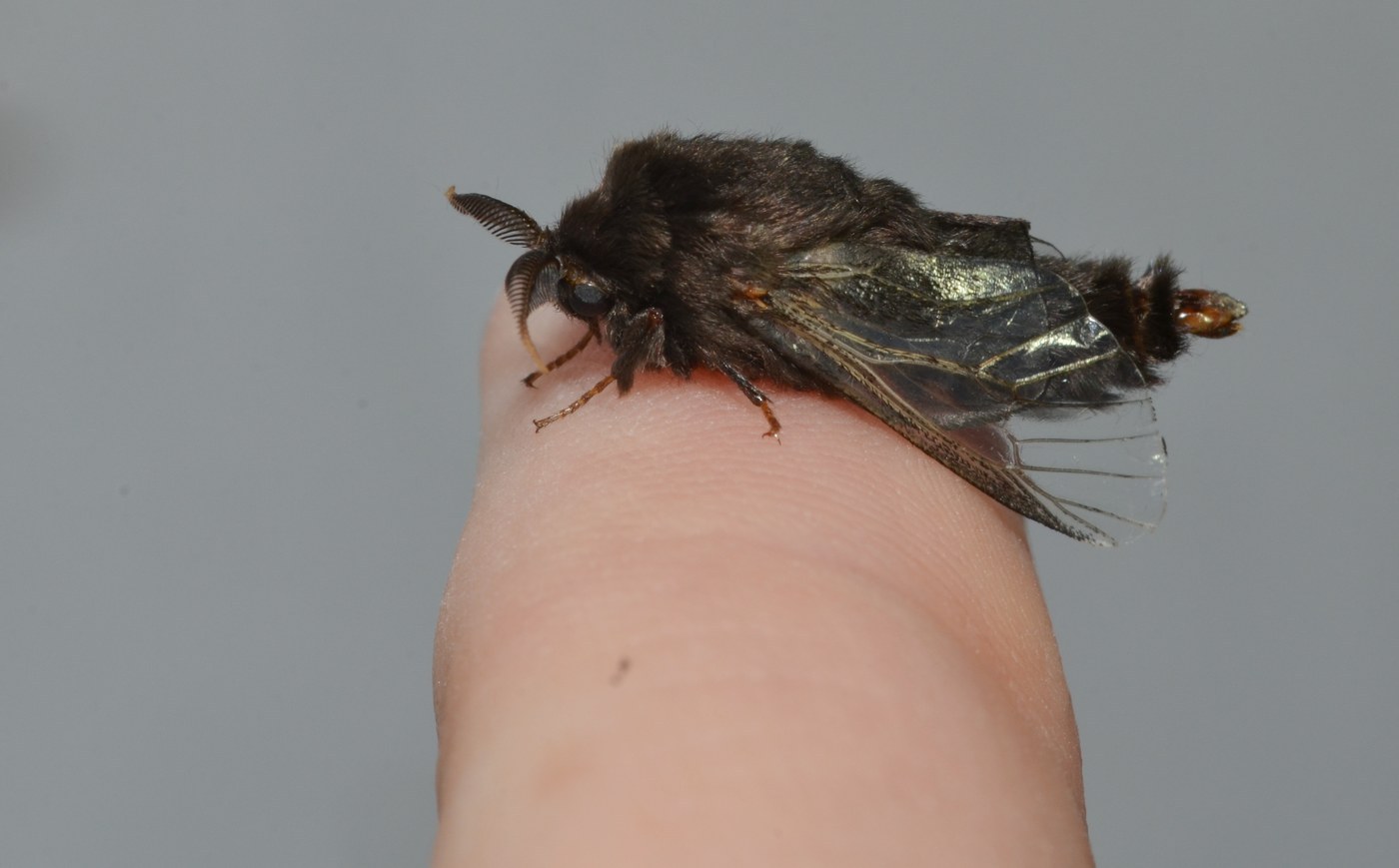
Bagworm Moth
A moth best known for its larva's habit of constructing and living inside a spindle-shaped case of silk and plant debris that hangs from twigs, with adult males a plain sooty-winged moth and females remaining wingless and grub-like inside the bag for life.
moth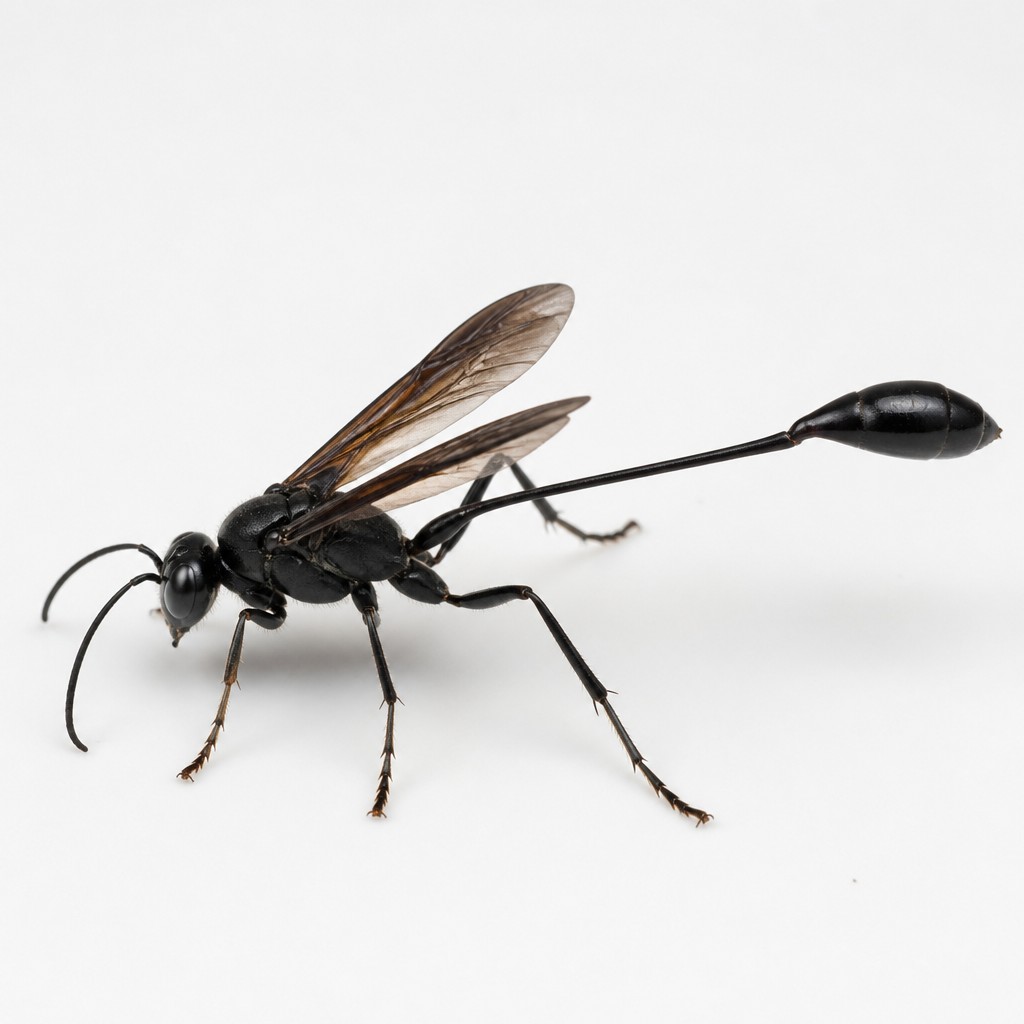
Mud Dauber
A slender, non-aggressive solitary wasp with a distinctively long, thread-like waist, known for constructing tube- or pot-shaped nests out of mud pellets on walls and eaves.
wasp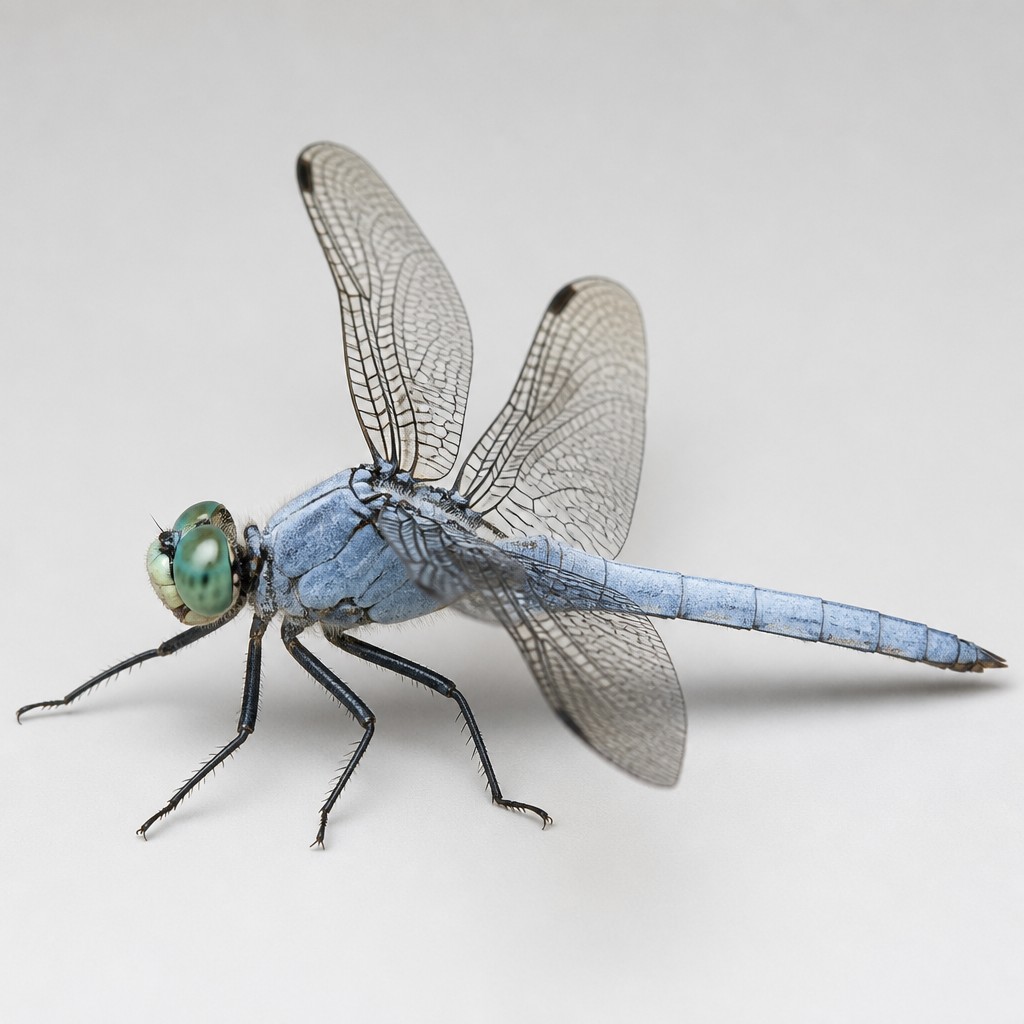
Great Blue Skimmer
One of North America's largest skimmers, the Great Blue Skimmer's powdery sky-blue body and pale green eyes make it stand out as it cruises woodland pond edges.
dragonfly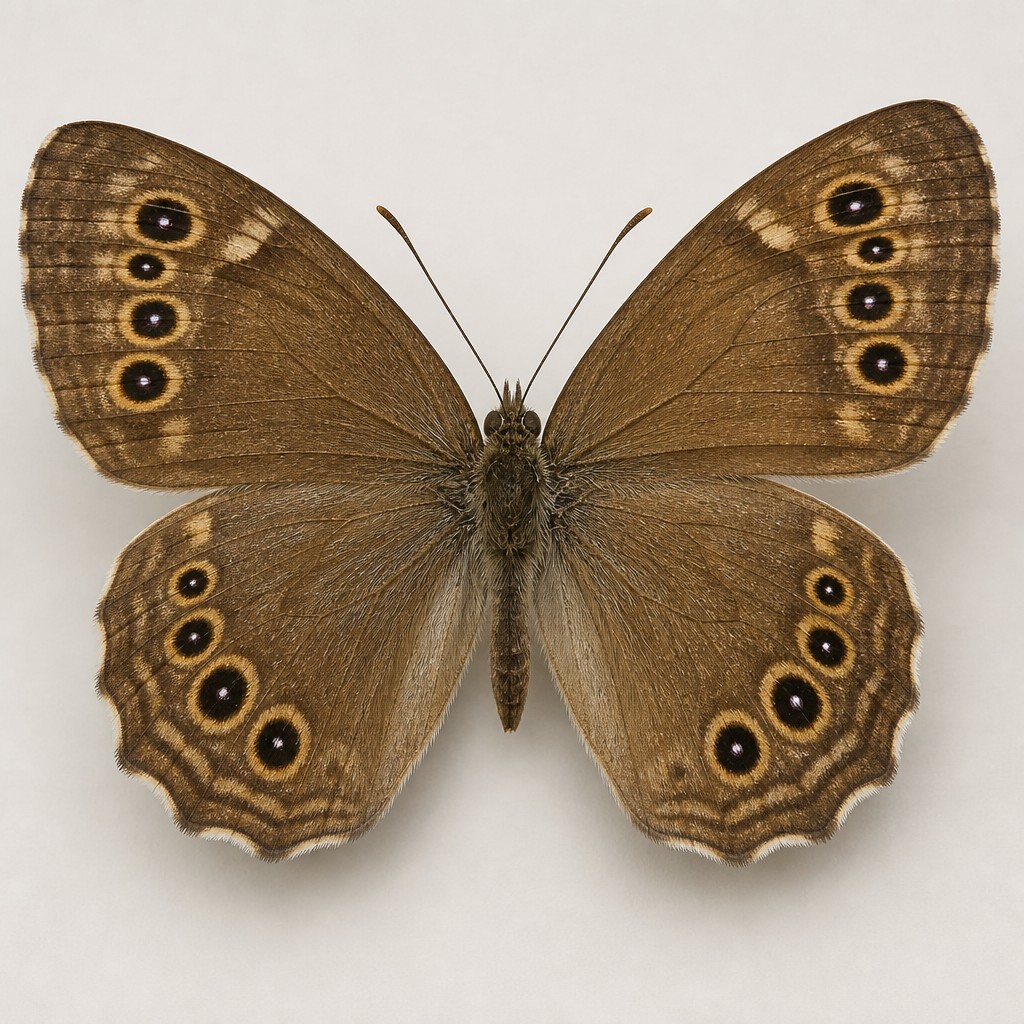
Northern Pearly-eye
A shade-loving brown woodland butterfly with rows of dark, pale-ringed eyespots, more often seen resting on tree trunks in forest gaps than flying in open sun.
butterfly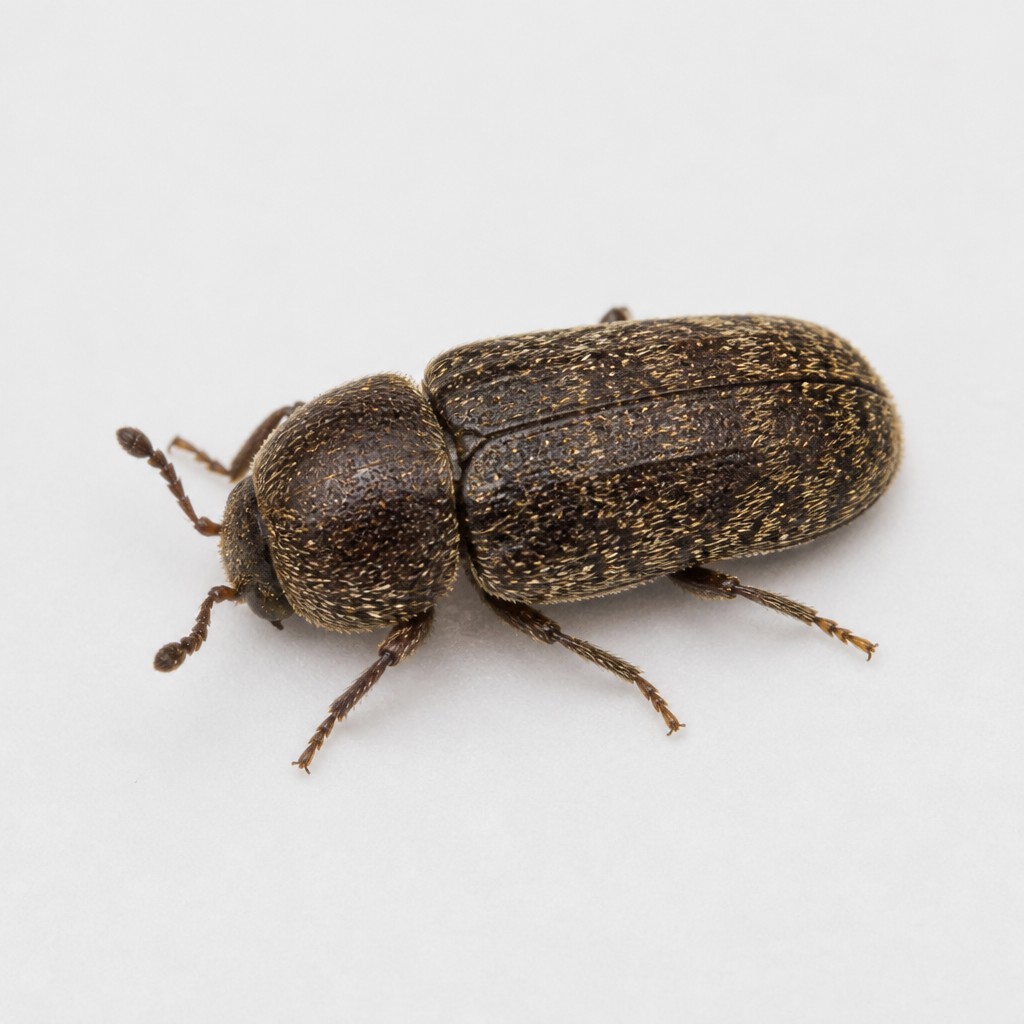
Death Watch Beetle
A mottled brown wood-boring beetle famous for the faint ticking sound it taps out inside old timbers, once thought by superstitious listeners to be an omen of death.
beetle