
Bug Encyclopedia
Search and identify bugs & insects — beetles, butterflies, moths, ants, bees, spiders and more — with size, habitat, danger, behavior, and how to tell them apart.
American Dagger Moth Caterpillar
A pale, sulfur-yellow to cream fuzzball bristling with dense tufts of hair and long black 'pencils' projecting from both ends, the American dagger moth caterpillar is one of the most recognizable hairy caterpillars on hardwood trees in fall.
caterpillar-larva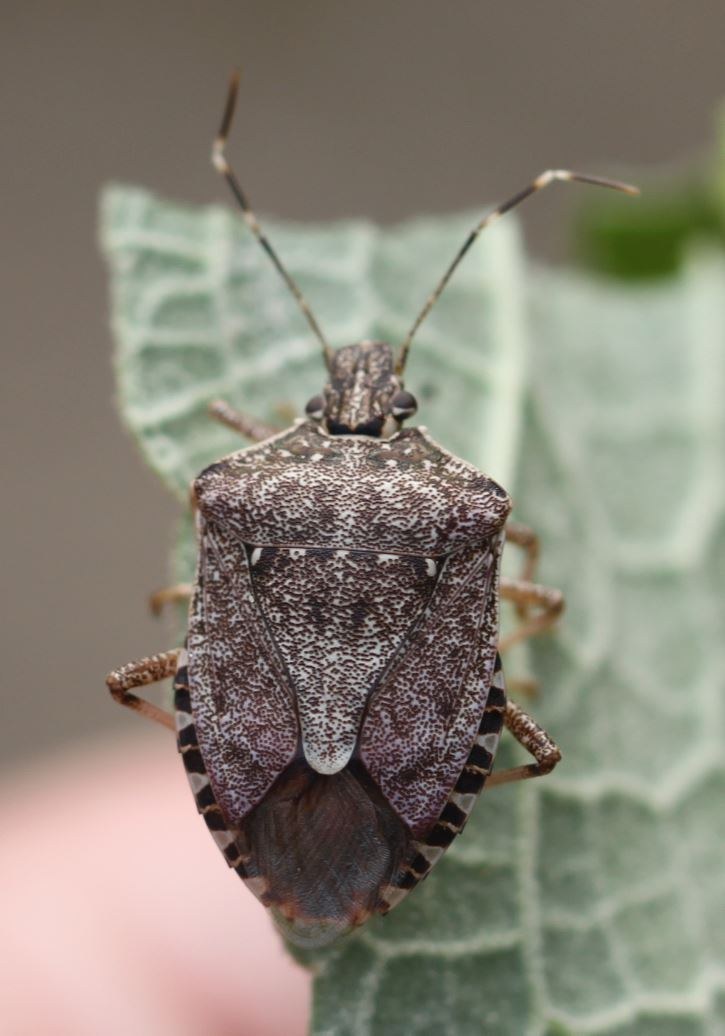
Brown Marmorated Stink Bug
An invasive, mottled brown stink bug identified by alternating light and dark bands on its antennae and abdomen edges, well known for gathering in large numbers on and inside buildings each fall.
true-bug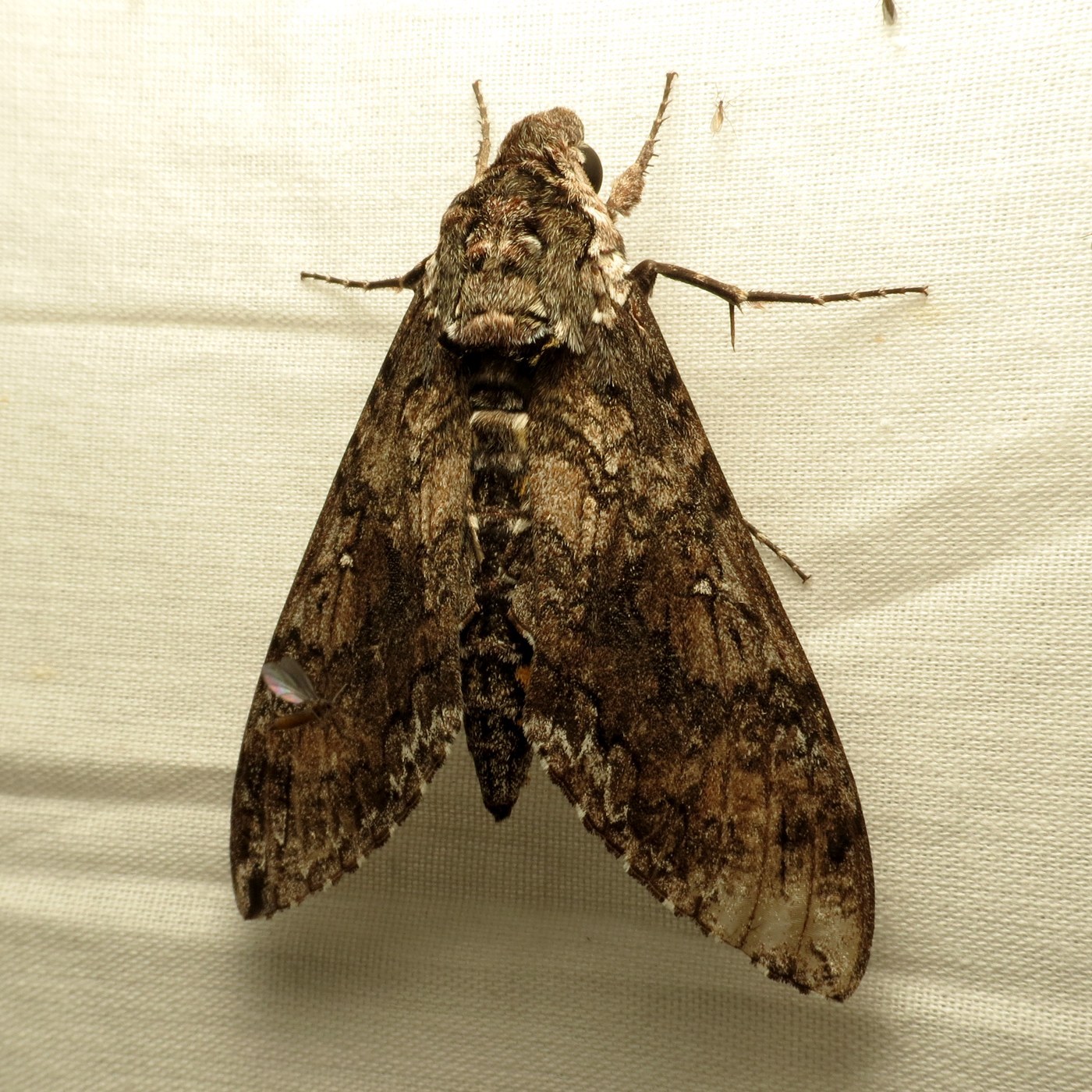
Tobacco Hornworm Moth (Carolina Sphinx)
A large, streamlined gray-brown sphinx moth with six pairs of orange spots along its abdomen, best known as the adult stage of the tobacco hornworm caterpillar that feeds on tomato and tobacco plants.
moth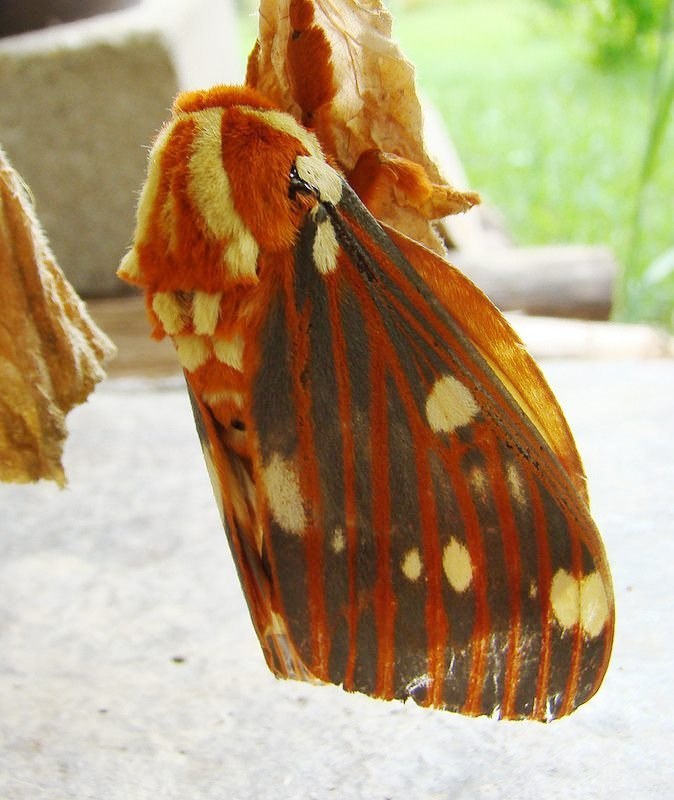
Regal Moth (Hickory Horned Devil)
One of the largest moths in North America, with orange-red and gray-veined wings on the adult, best known for its enormous, formidable-looking caterpillar, the hickory horned devil, a blue-green giant bristling with long orange spines.
moth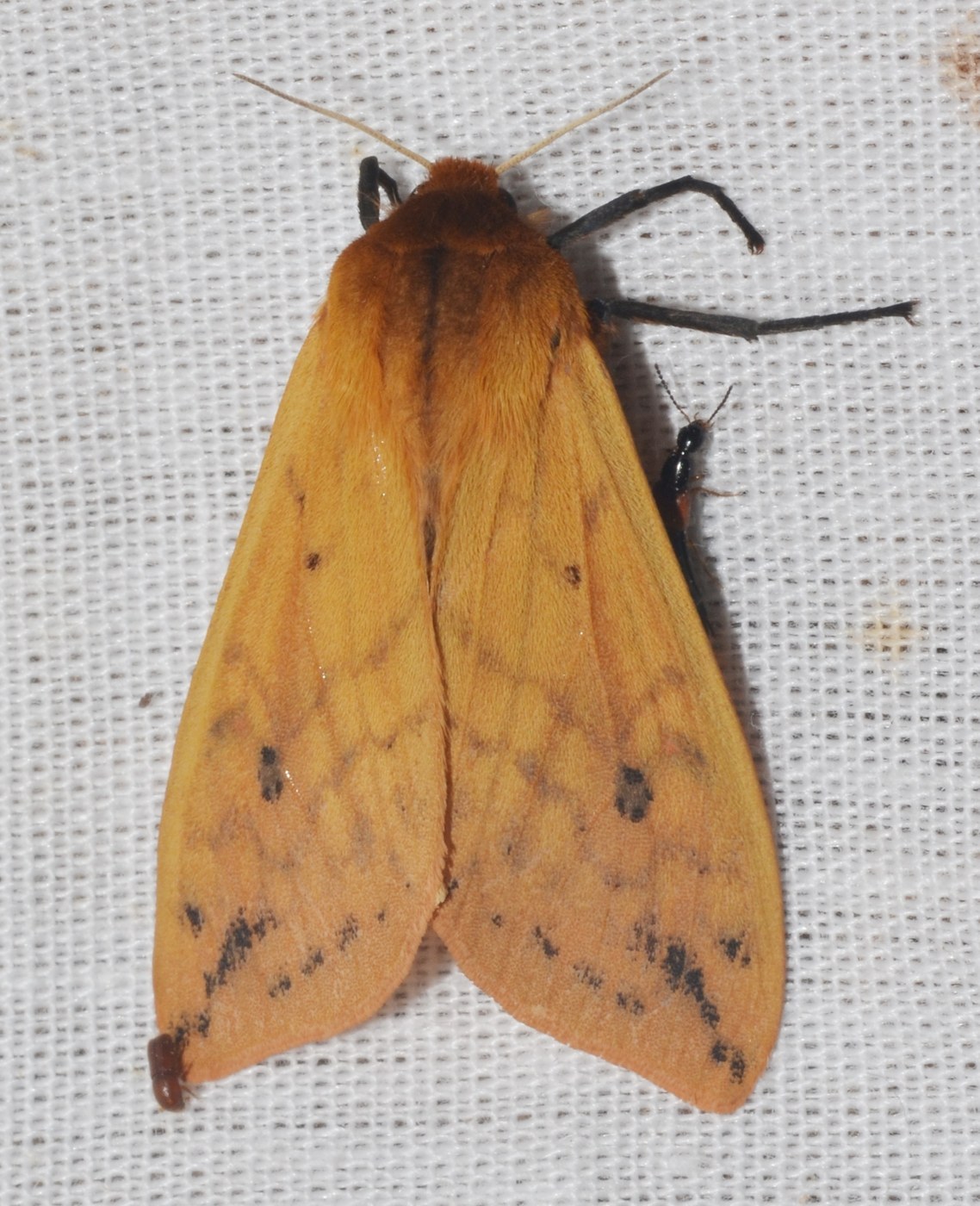
Isabella Tiger Moth (Woolly Bear)
Famous chiefly in its larval stage as the banded woolly bear caterpillar, this tiger moth's fuzzy black-and-rust-colored caterpillar is a familiar autumn sight, while the adult is a soft, tawny-orange moth with a stout, furry body.
moth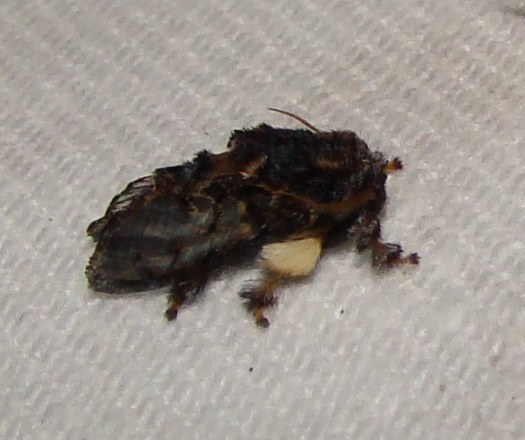
Hag Moth Caterpillar (Monkey Slug)
One of the strangest caterpillars in North America, with curling, hair-covered arm-like projections that make it look uncannily like a tiny tuft of matted fur or a miniature spider monkey.
caterpillar-larva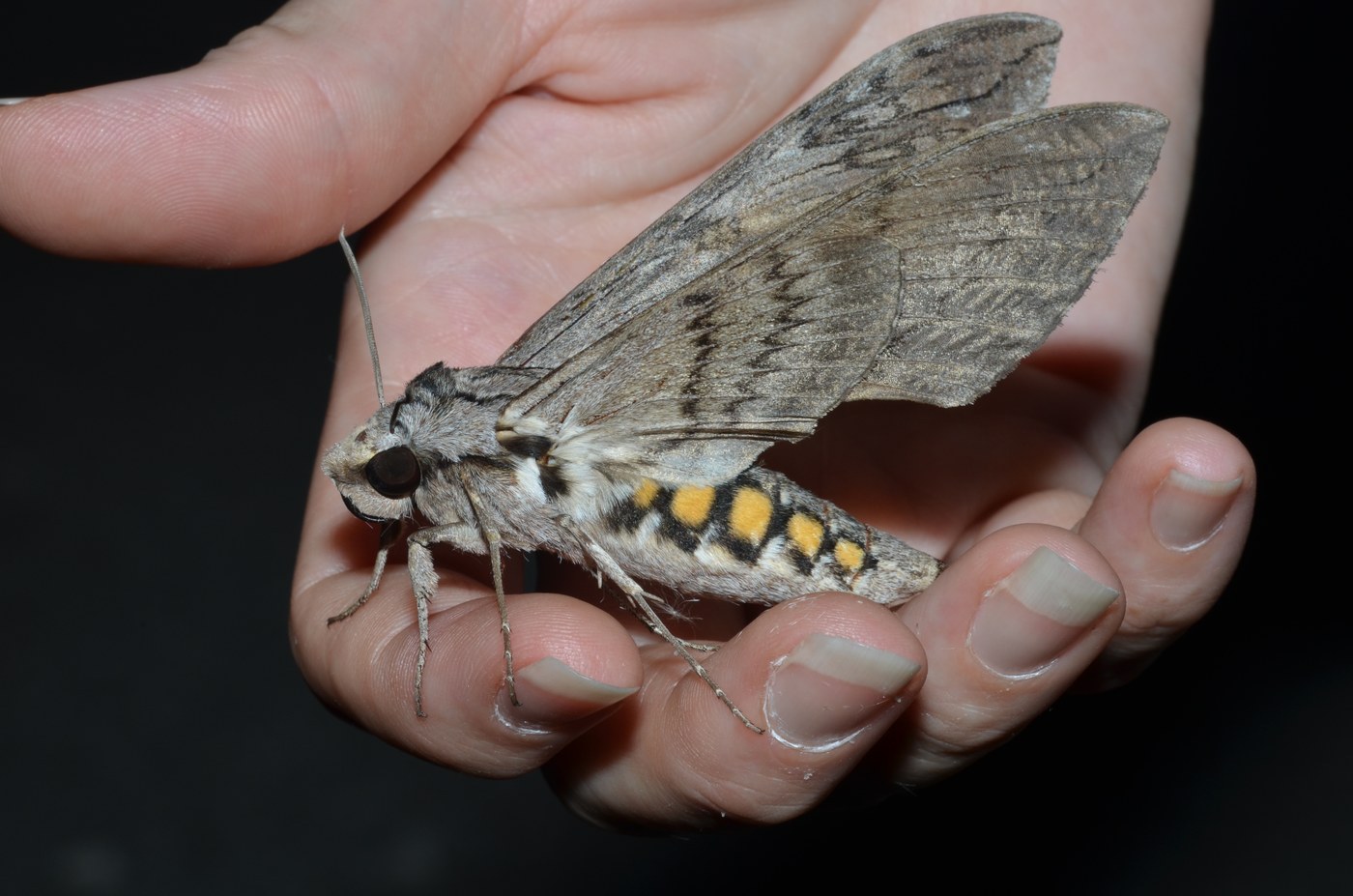
Tomato Hornworm Moth (Five-spotted Hawkmoth)
A large, robust grey-brown sphinx moth named for the five pairs of yellow-orange spots along its abdomen, best known as the adult form of the large green tomato hornworm caterpillar familiar to home gardeners.
moth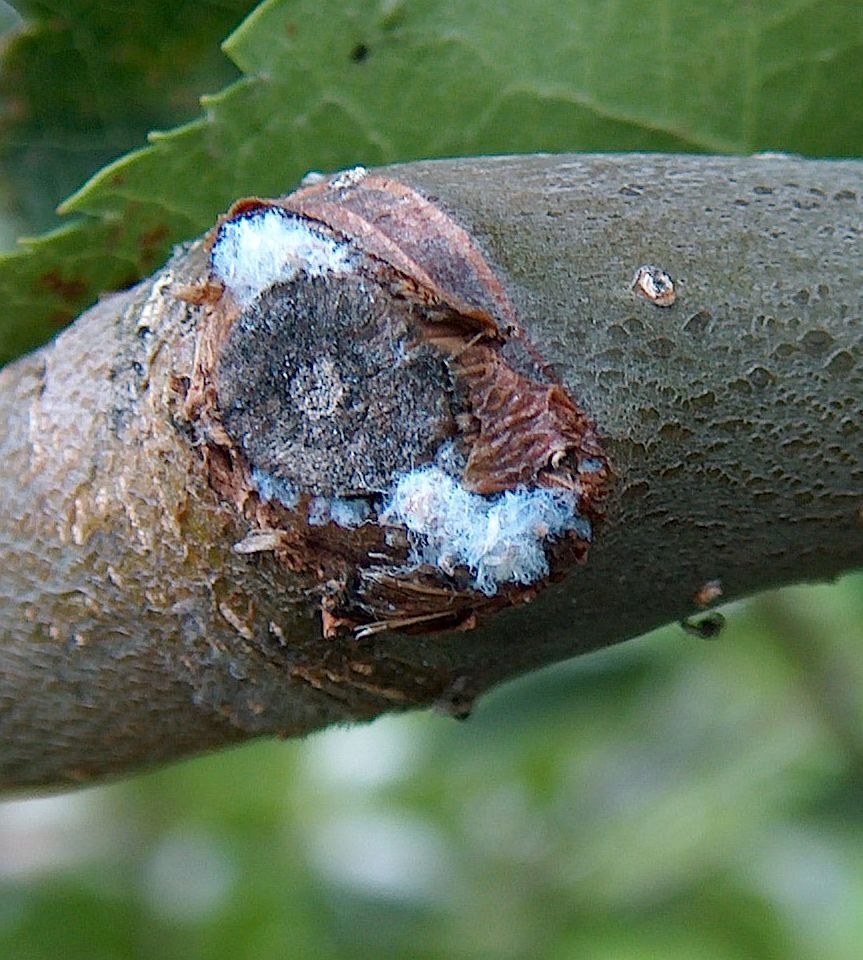
Woolly Aphid
A tiny, soft-bodied aphid that hides beneath a dense coat of white, cottony wax filaments, often appearing as fuzzy white patches clustered on bark or twigs rather than as recognizable insects.
true-bugToe-Biter
One of the largest true bugs in the world, the toe-biter is a broad, flattened ambush predator that lies in wait among pond vegetation, seizing prey many times its own size with powerful raptorial front legs.
true-bug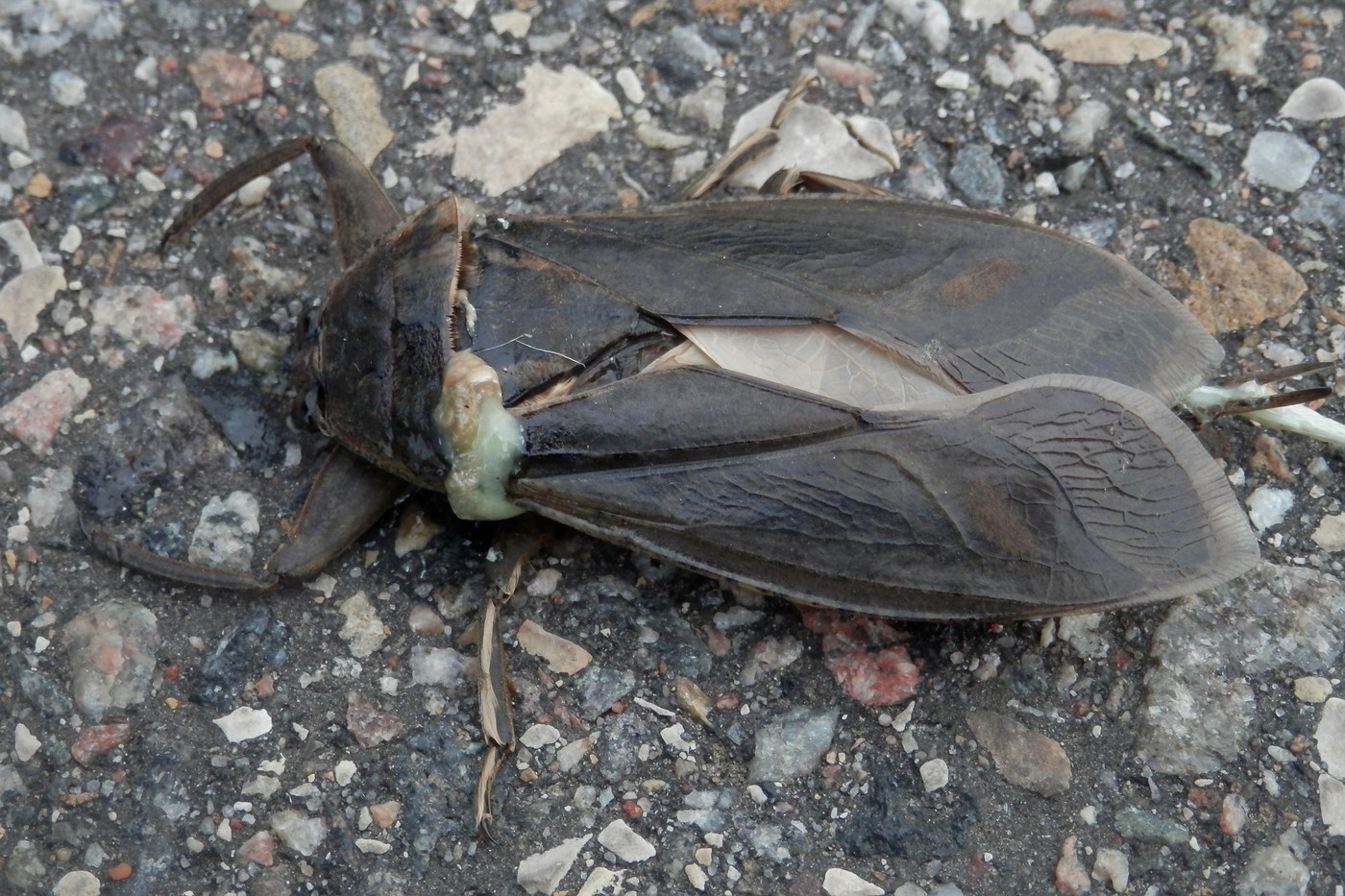
Giant Water Bug
A massive, flattened oval true bug with powerful grasping front legs, the giant water bug is North America's largest aquatic insect and an ambush predator lurking just below the surface of still water.
aquatic-insectFireflies (Lightning Bug)
A soft-bodied beetle that turns summer evenings magical by flashing rhythmic patterns of cold light from its abdomen to attract mates across meadows and forest edges.
beetle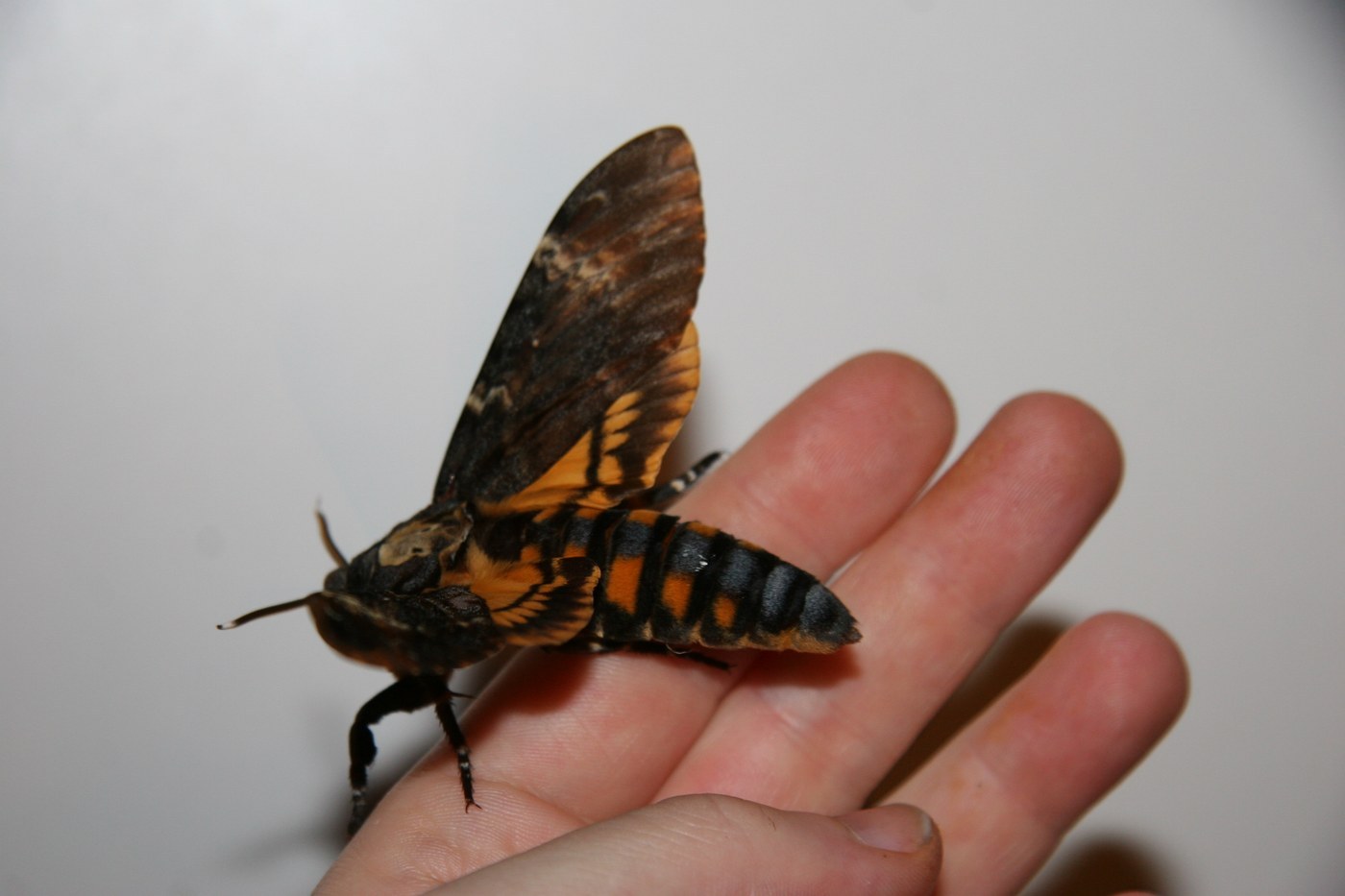
Death's-head Hawkmoth
A large, thick-bodied hawkmoth instantly recognized by the pale, skull-and-crossbones marking on its furry thorax, famous for entering beehives and letting out a shrill squeak when disturbed.
moth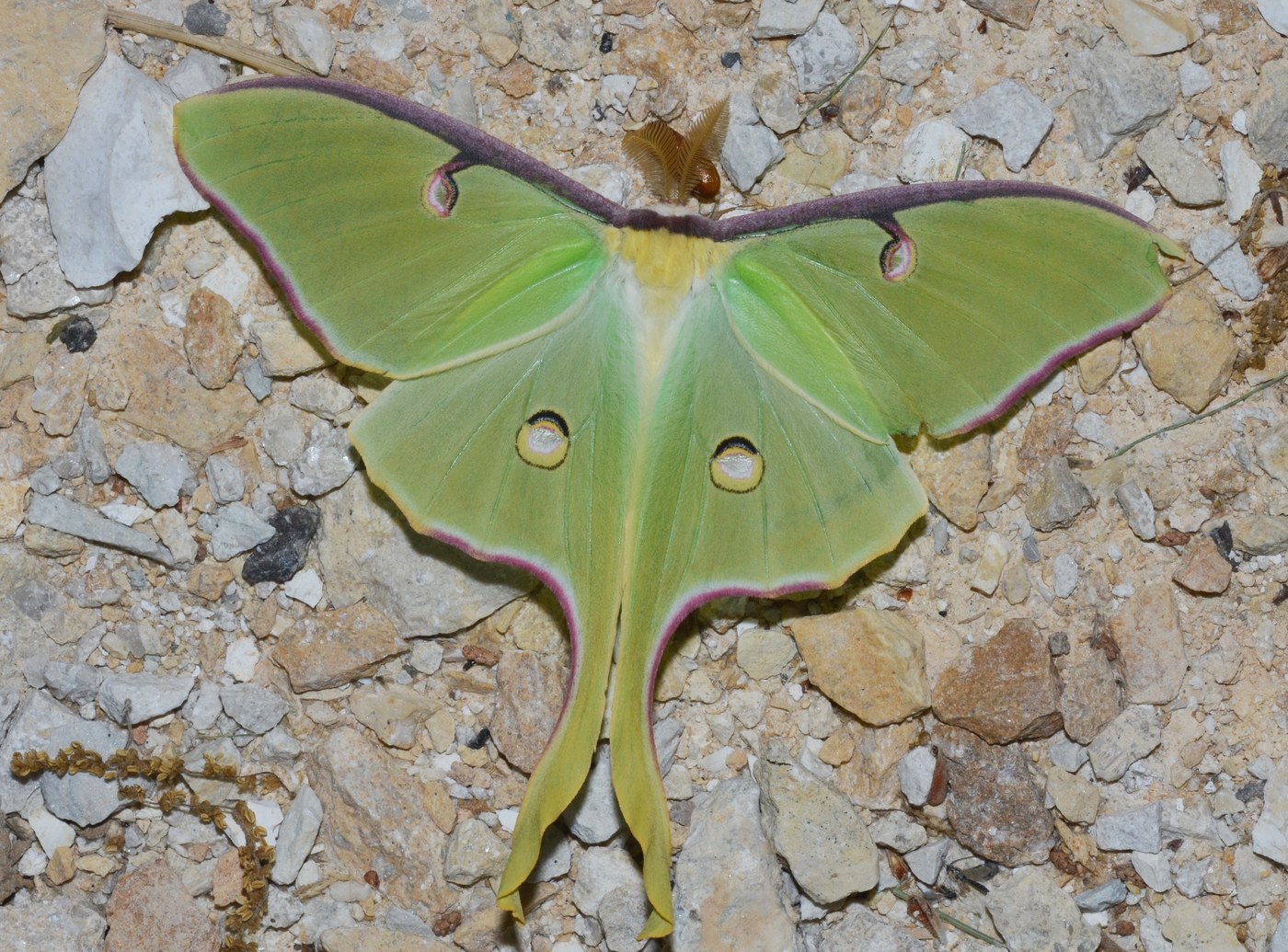
Luna Silkmoth
A large, pale lime-green silkmoth with long, trailing tails on its hindwings and delicate eyespots, widely regarded as one of the most striking moths in North America.
moth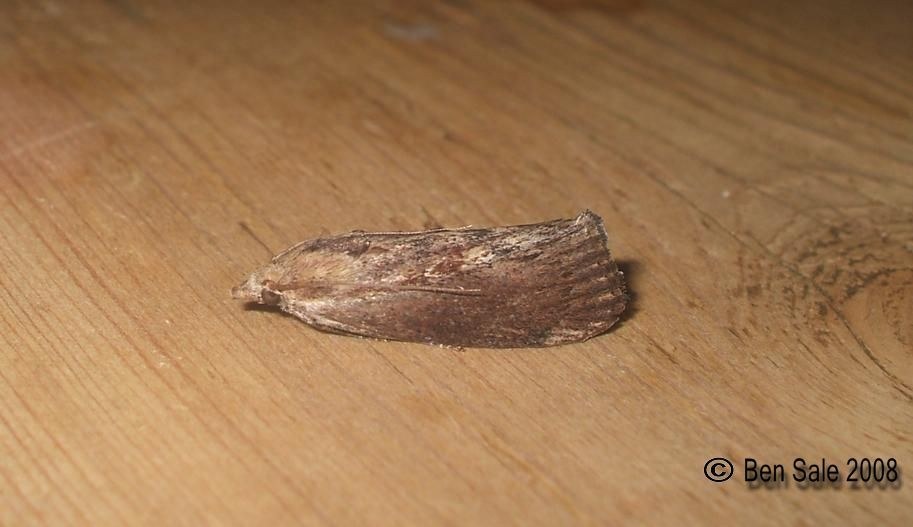
Waxworm
A soft, cream-colored grub found tunneling through beeswax comb, the waxworm is the larva of the wax moth and has become a household staple as fishing bait and reptile feed.
caterpillar-larva
Hickory Horned Devil
An enormous, blue-green caterpillar armed with long, curved orange-red horns tipped in black, giving it a fearsome dragon-like appearance despite being completely harmless.
caterpillar-larva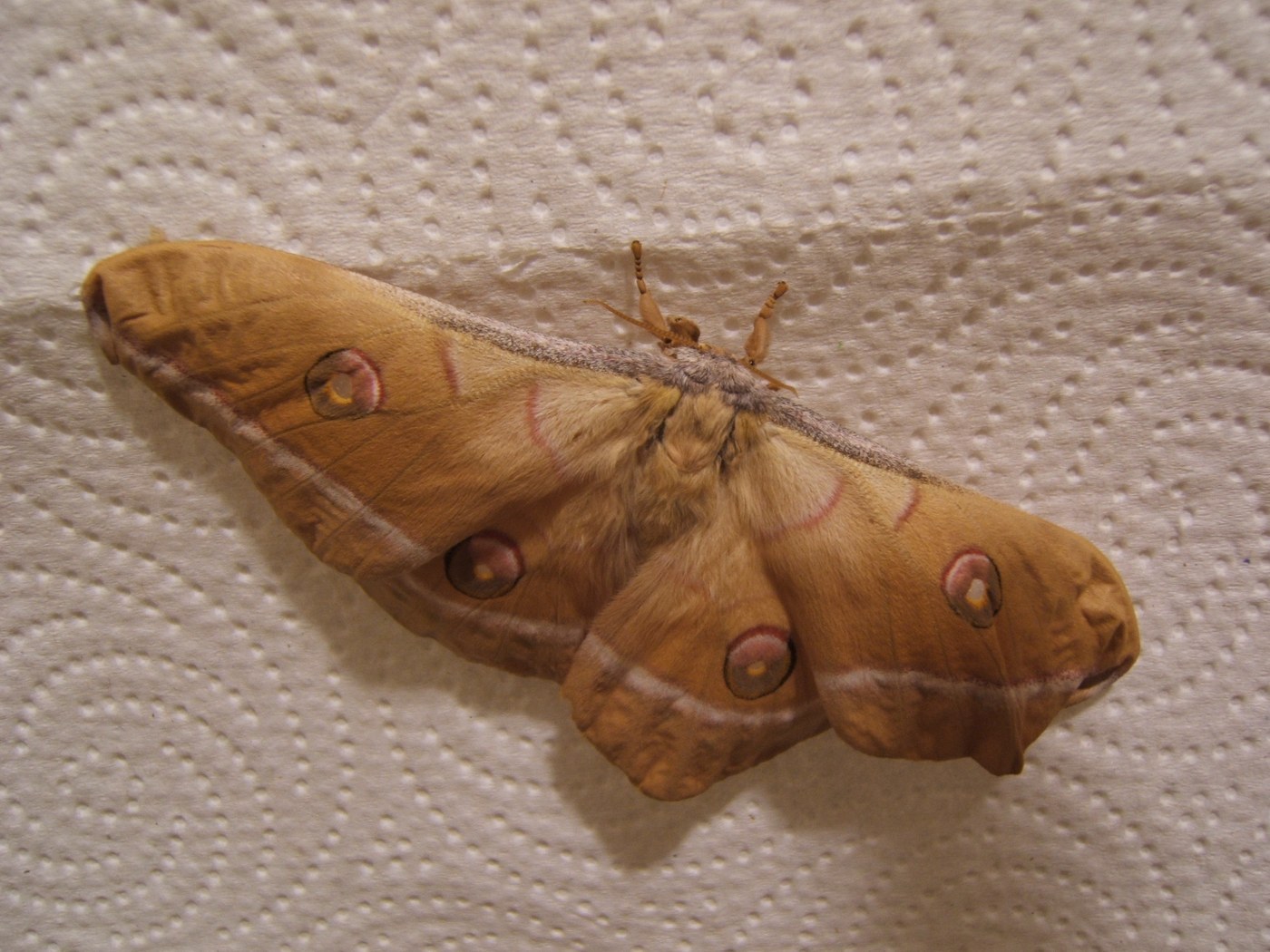
Chinese Oak Silkmoth
A large, rust-brown silkmoth with prominent transparent eyespots on all four wings, native to oak forests of China and long cultivated there for coarse tussah silk production.
moth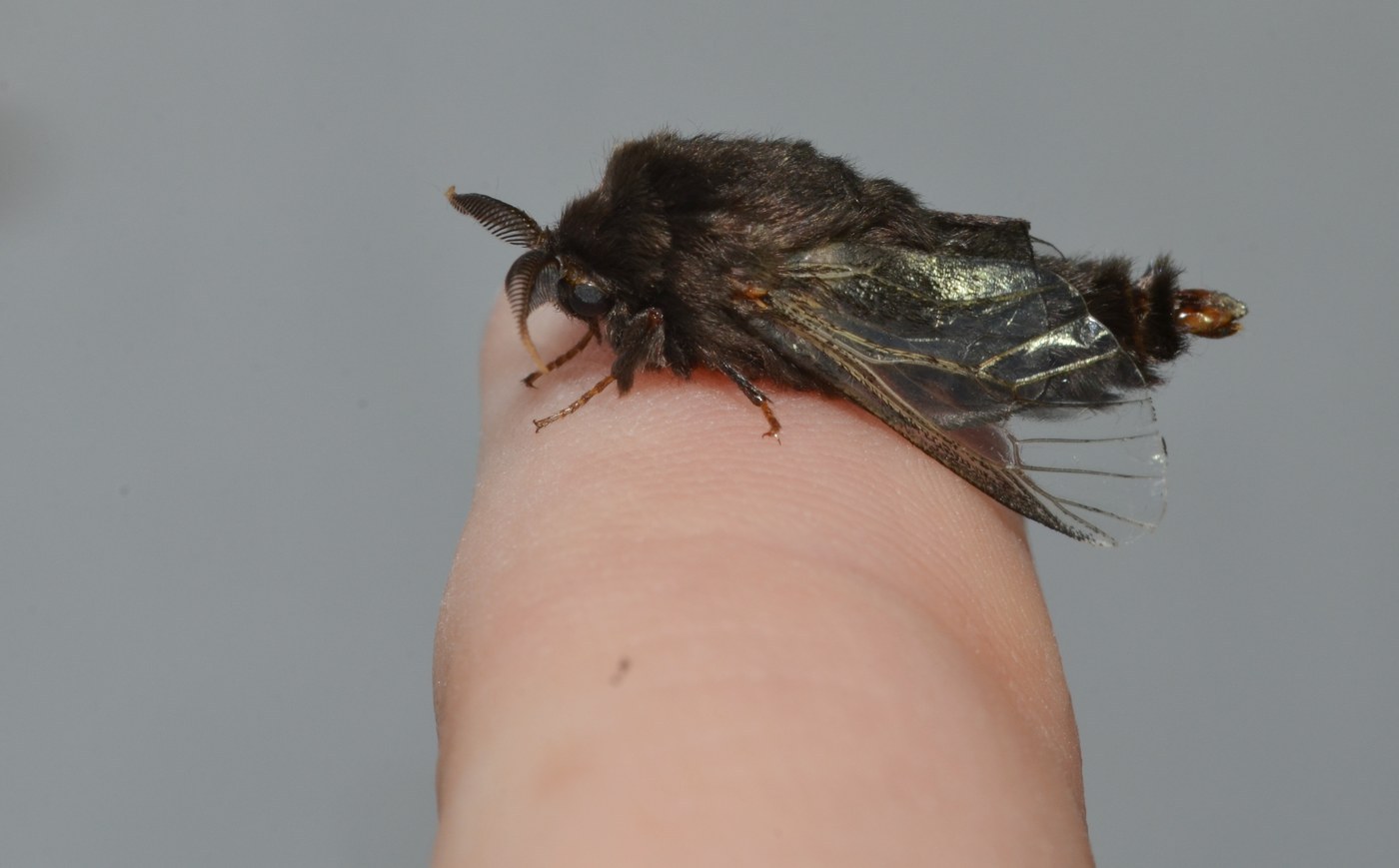
Bagworm
A caterpillar that constructs and lives inside a spindle-shaped case of silk and plant debris, dragging its portable shelter along as it feeds on tree foliage.
caterpillar-larva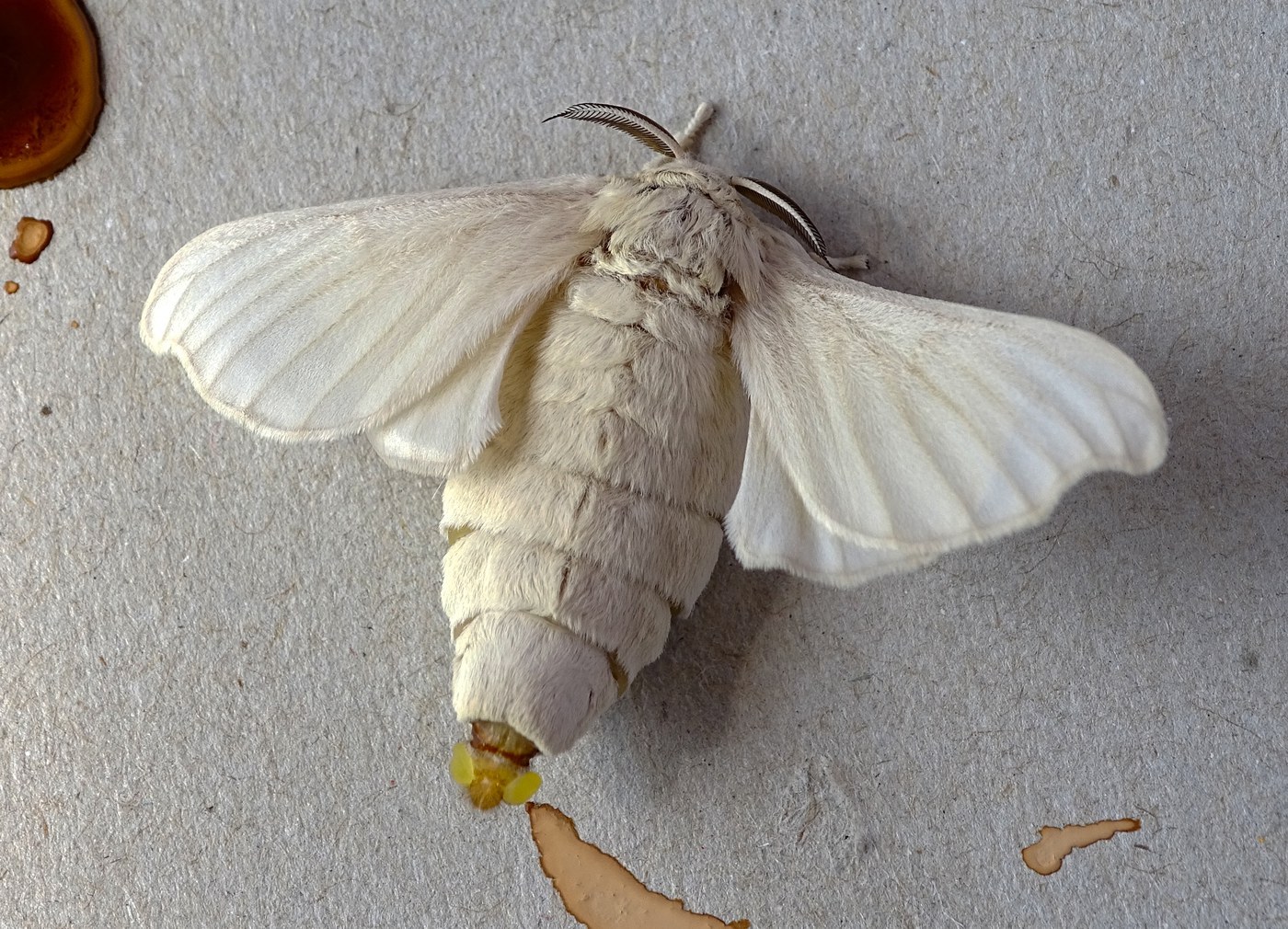
Silkworm
Plump, pale, and utterly dependent on humans, the silkworm is the domesticated caterpillar behind thousands of years of silk production, spinning a single continuous thread of silk to form its cocoon.
caterpillar-larva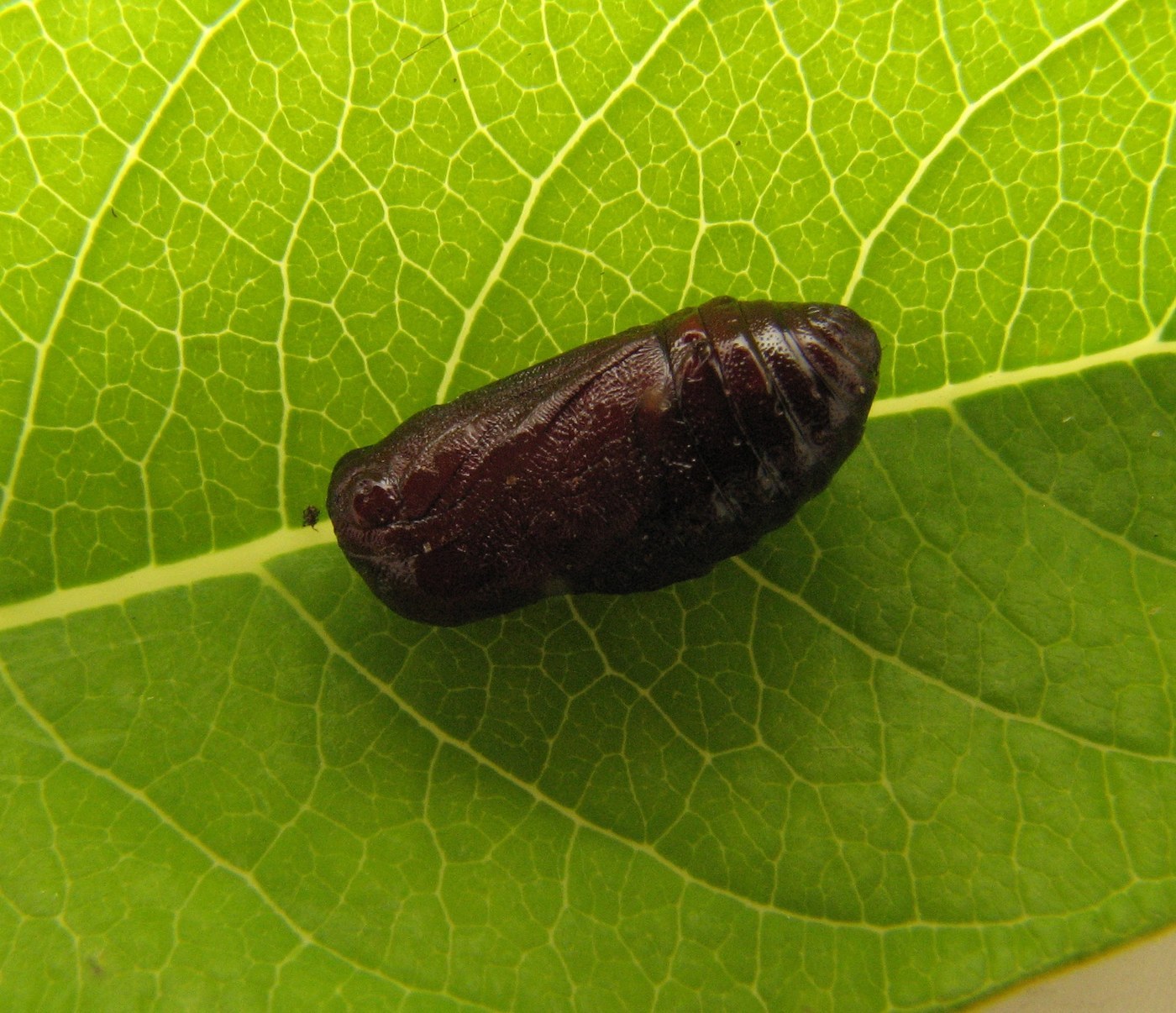
Milkweed Tussock Caterpillar
Rows of dense orange, black, and white hair tufts run down the back of this milkweed specialist, whose young larvae feed in tight groups that skeletonize milkweed leaves before dispersing to feed alone.
caterpillar-larvaSod Webworm
A dull, grayish-green caterpillar that hides in silk-lined burrows by day and emerges at night to chew grass blades down to the thatch.
caterpillar-larva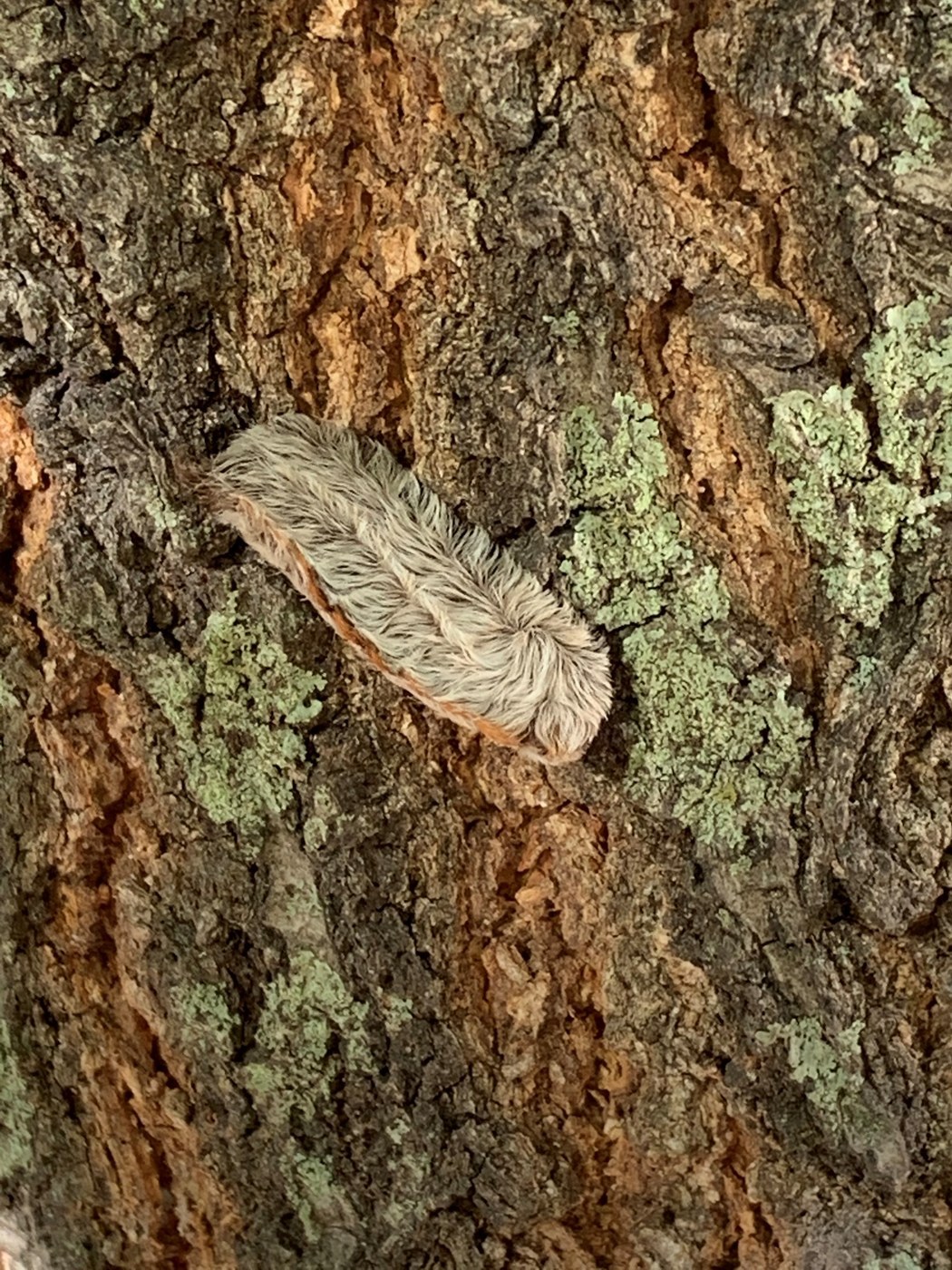
Puss Caterpillar
A caterpillar disguised as a tuft of soft fur, its dense coat of silky hairs conceals rows of spines beneath, making it one of the most deceptively harmless-looking stinging caterpillars in North America.
caterpillar-larva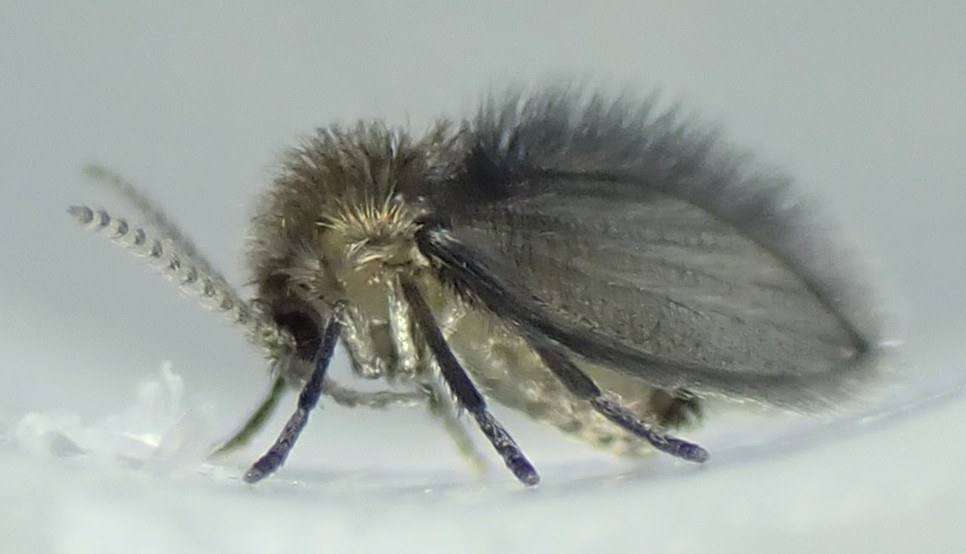
Drain Fly
A tiny, fuzzy gray-tan fly with broad, moth-like wings held tent-fashion over its body, often seen resting motionless on bathroom walls near drains.
fly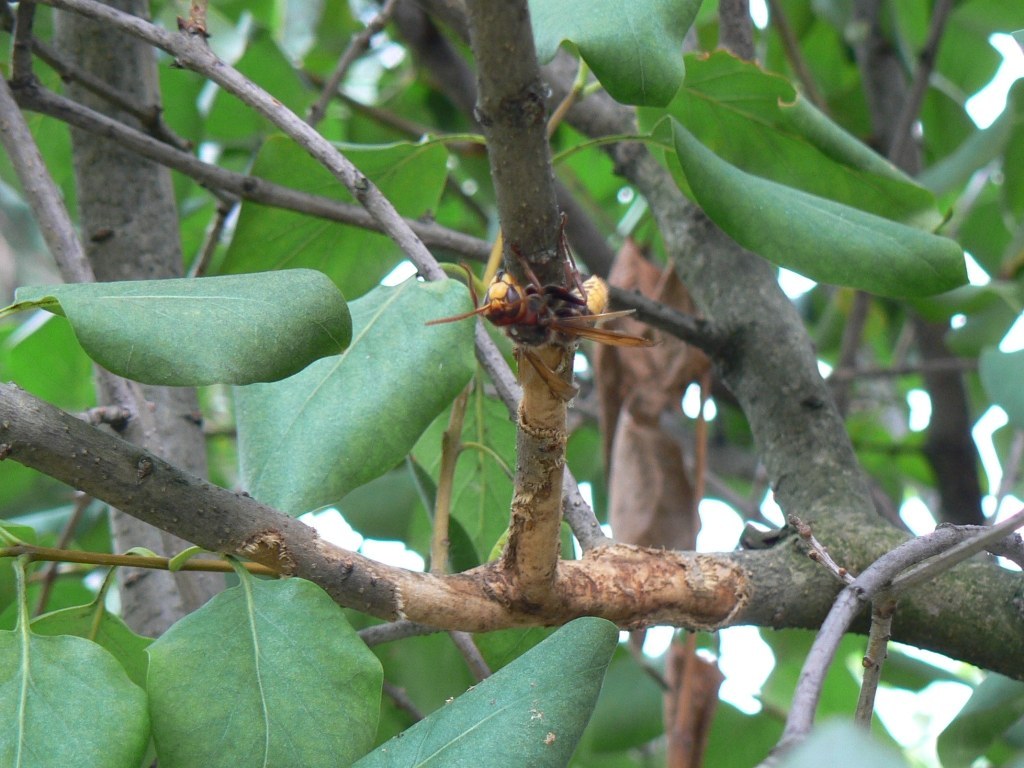
European Hornet
A large, robust wasp with a reddish-brown thorax, yellow-and-brown striped abdomen, and a distinctive habit of nesting in hollow trees, making it the largest true hornet native to Europe and introduced to eastern North America.
wasp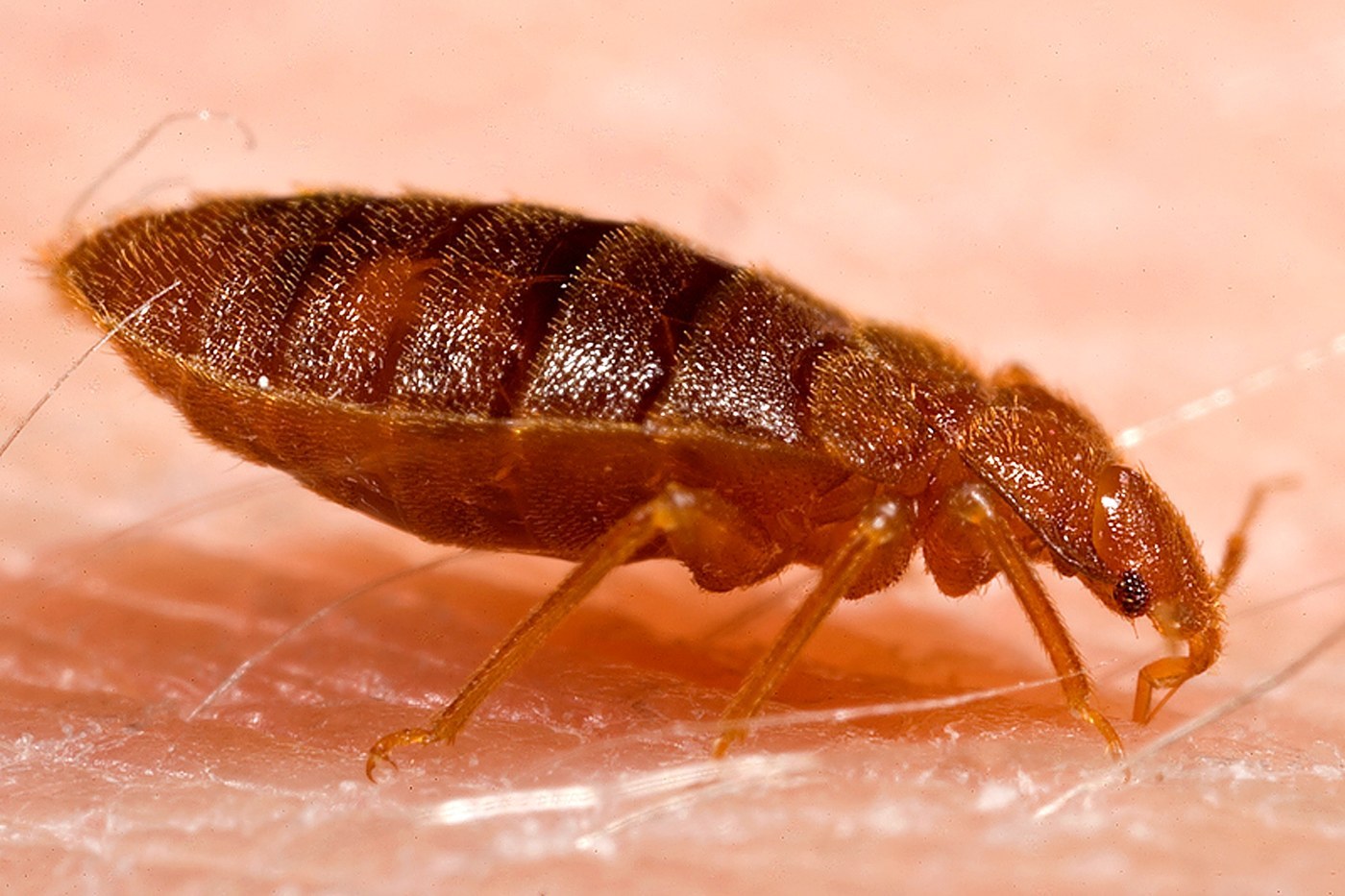
Bed Bug
A small, flat, reddish-brown, wingless insect shaped like an apple seed that hides in mattress seams and bed frames by day and emerges at night to feed.
true-bug