
Bug Encyclopedia
Search and identify bugs & insects — beetles, butterflies, moths, ants, bees, spiders and more — with size, habitat, danger, behavior, and how to tell them apart.
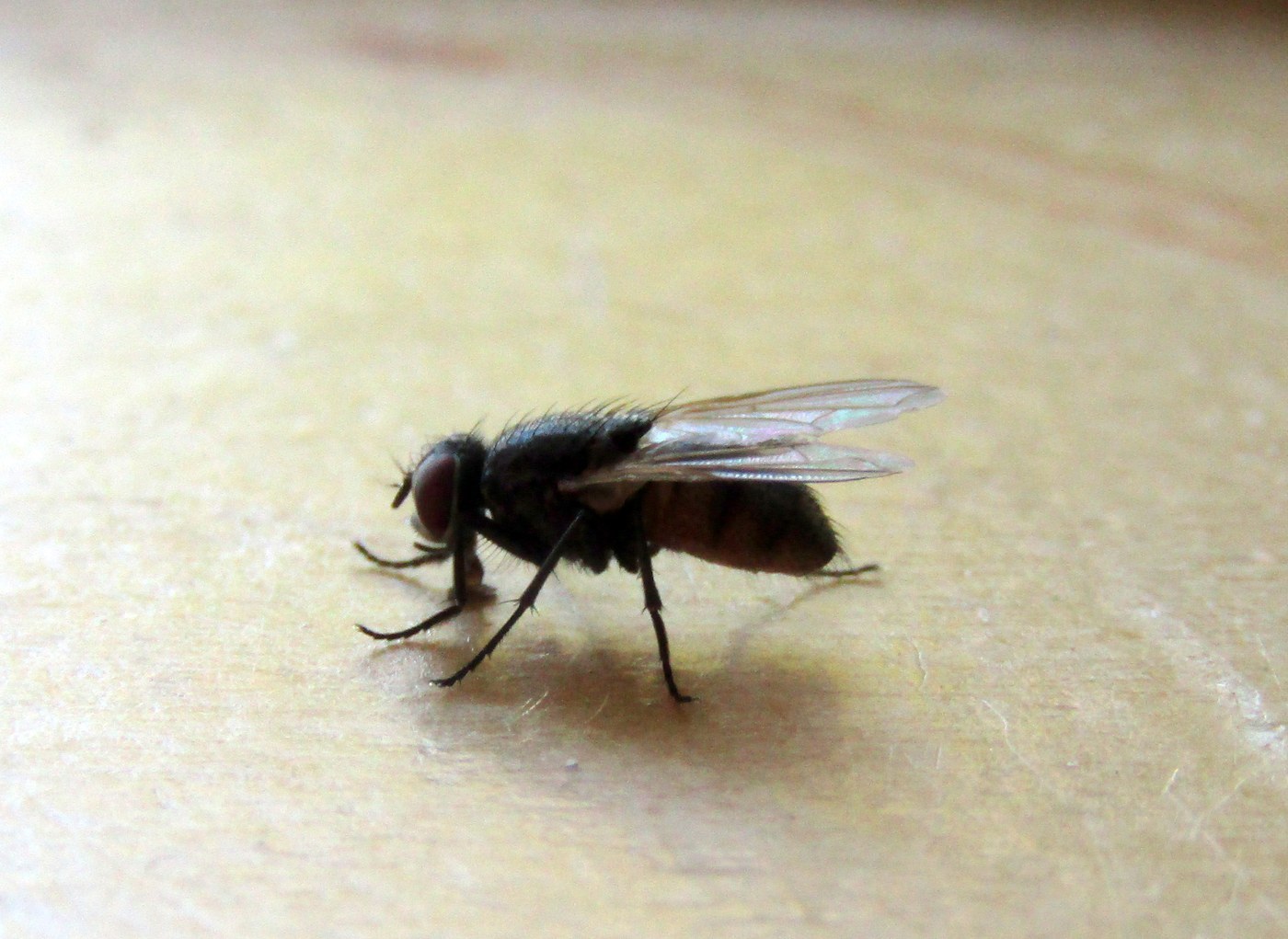
Common House Fly
A dull gray fly with four dark stripes down its back, the house fly is one of the most familiar insects on Earth, following people and their food waste to every continent.
fly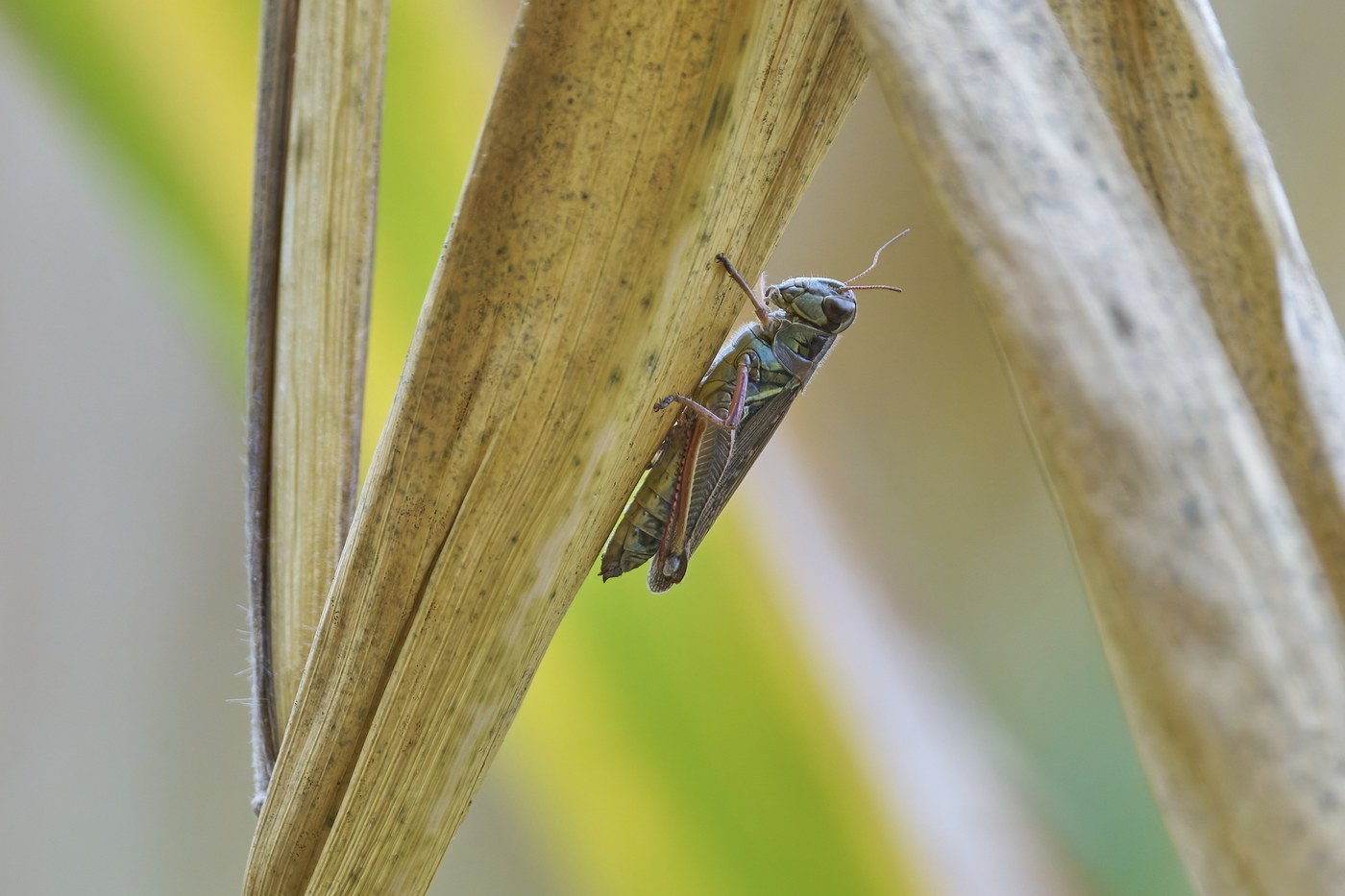
Red-legged Grasshopper
One of the most abundant and widespread grasshoppers in North America, the red-legged grasshopper is easily spotted by its reddish hind shins flashing amid a brown, mottled body.
grasshopper-cricketCone-headed Katydid
A large, grass-colored katydid named for its sharply pointed, cone-shaped head, best known for producing some of the loudest, most sustained buzzing calls of any North American insect.
grasshopper-cricket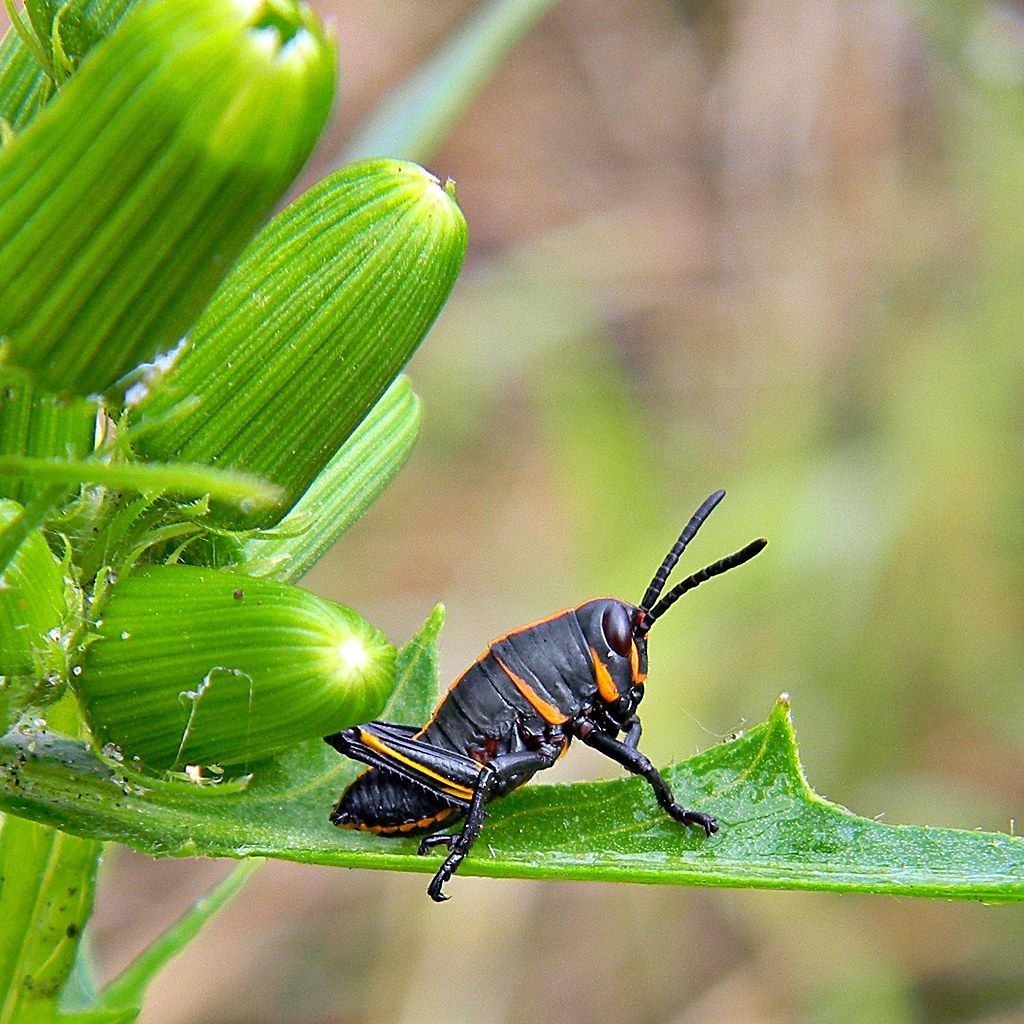
Eastern Lubber Grasshopper
One of the largest grasshoppers in North America, the eastern lubber is a slow, flightless giant clad in bold black, yellow, and red that announces its presence rather than hiding from it.
grasshopper-cricketDragonhunter
North America's largest clubtail, the Dragonhunter is a powerful predator that lives up to its name by capturing and eating other dragonflies, including species nearly its own size.
dragonfly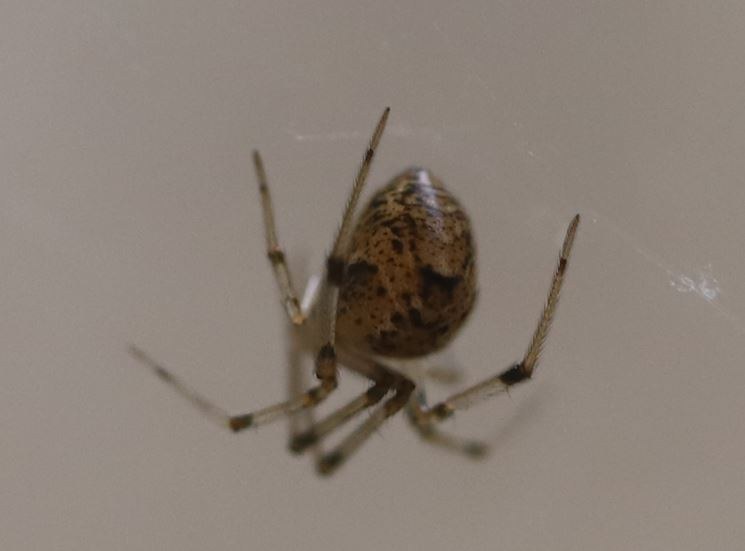
Common House Spider
Tucked into a messy tangle of silk in a quiet corner, the common house spider is one of the most familiar indoor spiders, quietly picking off flies and other small insects that blunder into its web.
spider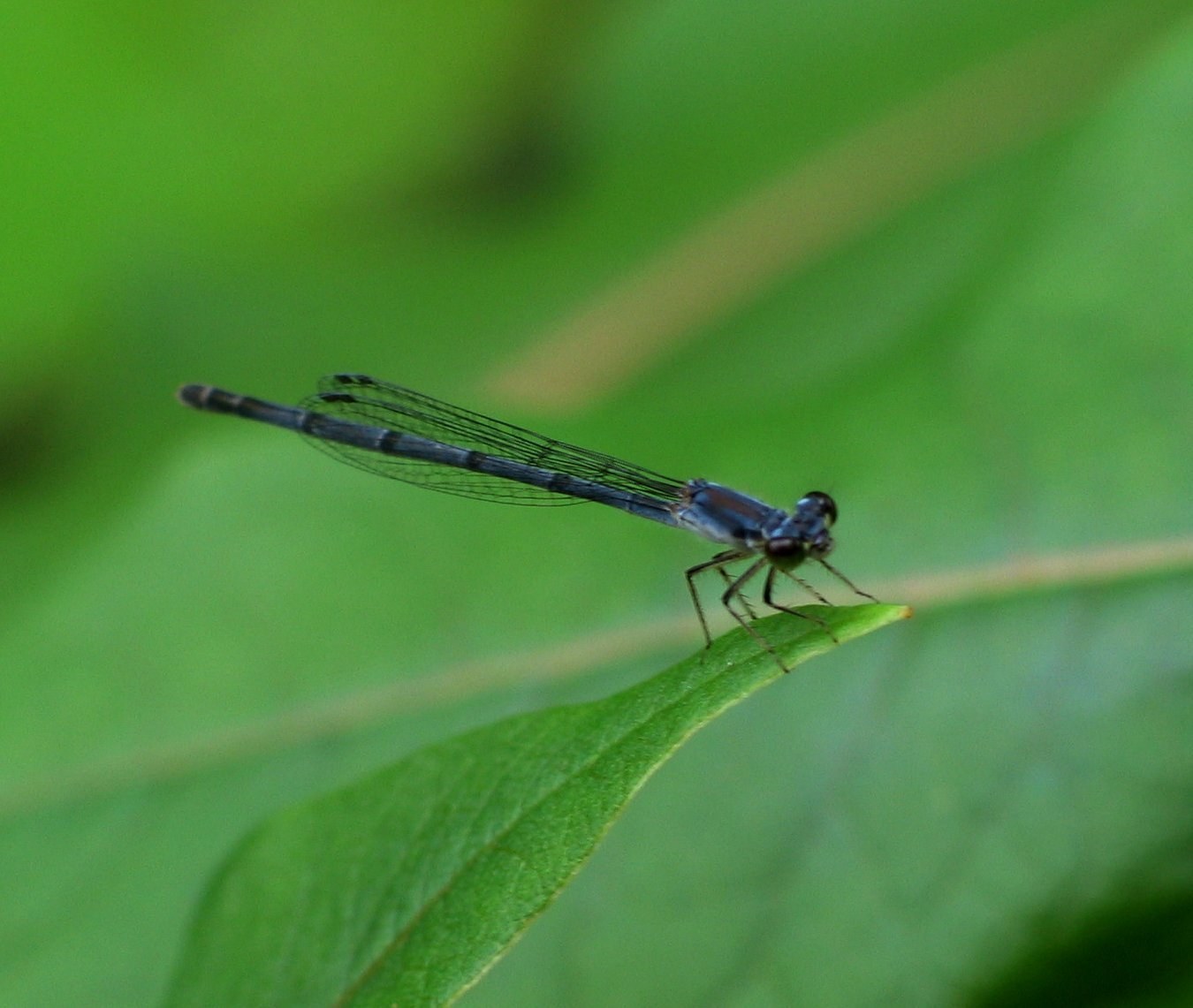
Familiar Bluet
One of the most widespread and abundant damselflies in North America, the Familiar Bluet's slender sky-blue and black body is a near-constant sight over ponds and lakes in warm months.
other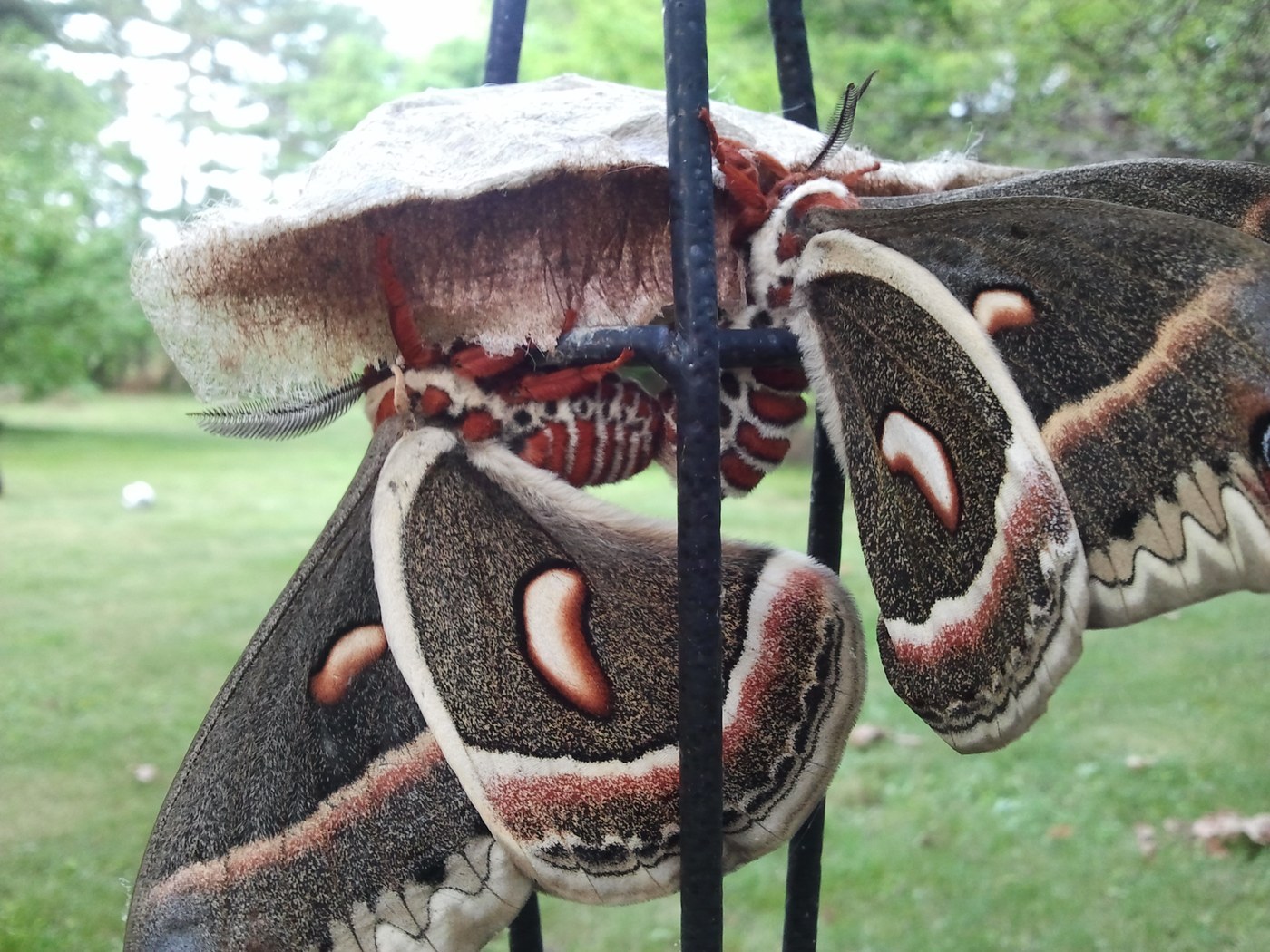
Cecropia Moth
North America's largest native moth, the Cecropia is a spectacular giant silkmoth with reddish-brown wings marked by crescent-shaped white spots and bold bands of red, white, and tan.
mothGreen Lacewing
With delicate pale green wings and glittering golden eyes, the Green Lacewing is a familiar garden insect whose larvae are voracious predators of aphids and other soft-bodied pests.
other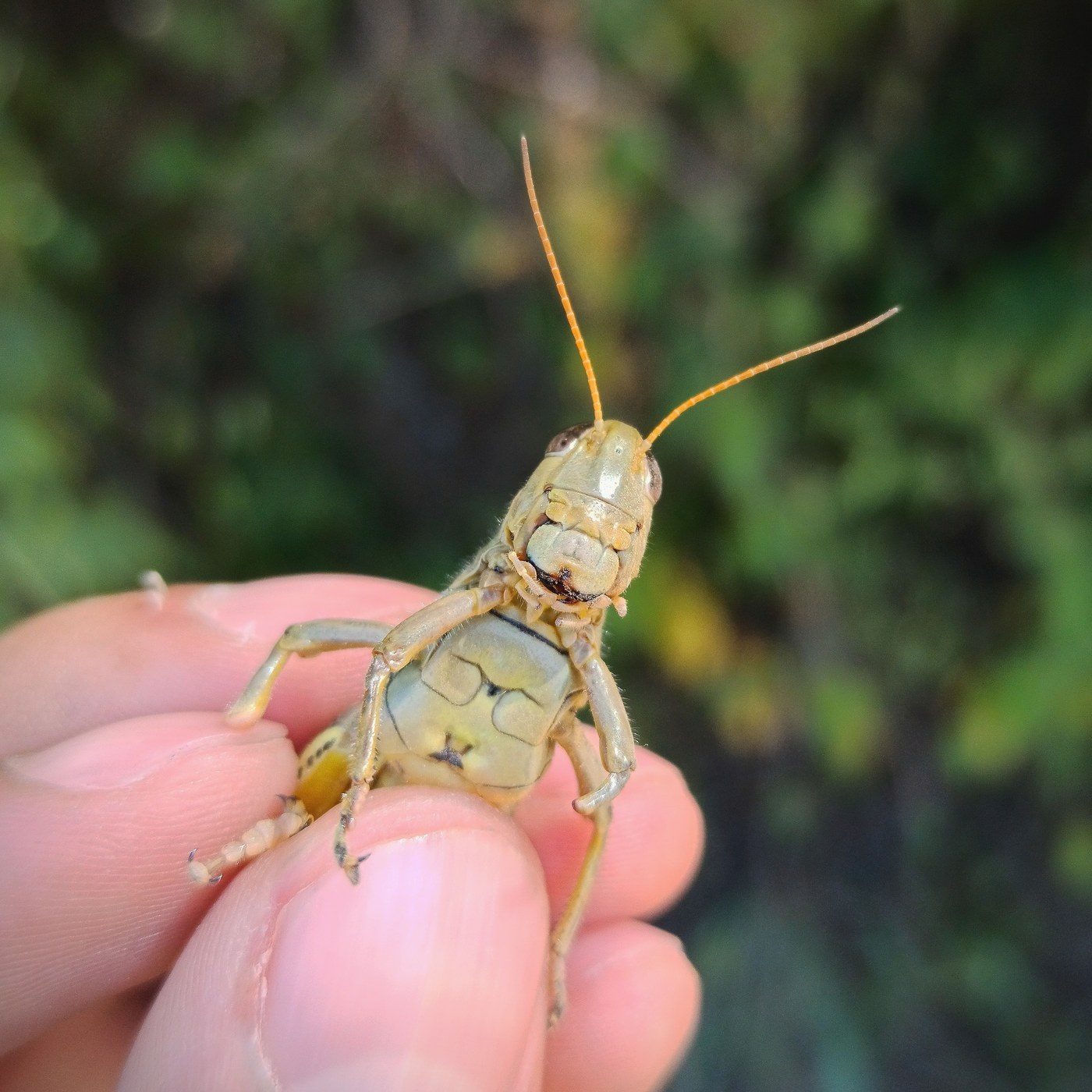
Differential Grasshopper
A large, robust grasshopper with a bold black herringbone pattern etched along its swollen hind legs, the differential grasshopper is one of the biggest and most recognizable pest grasshoppers in North America.
grasshopper-cricket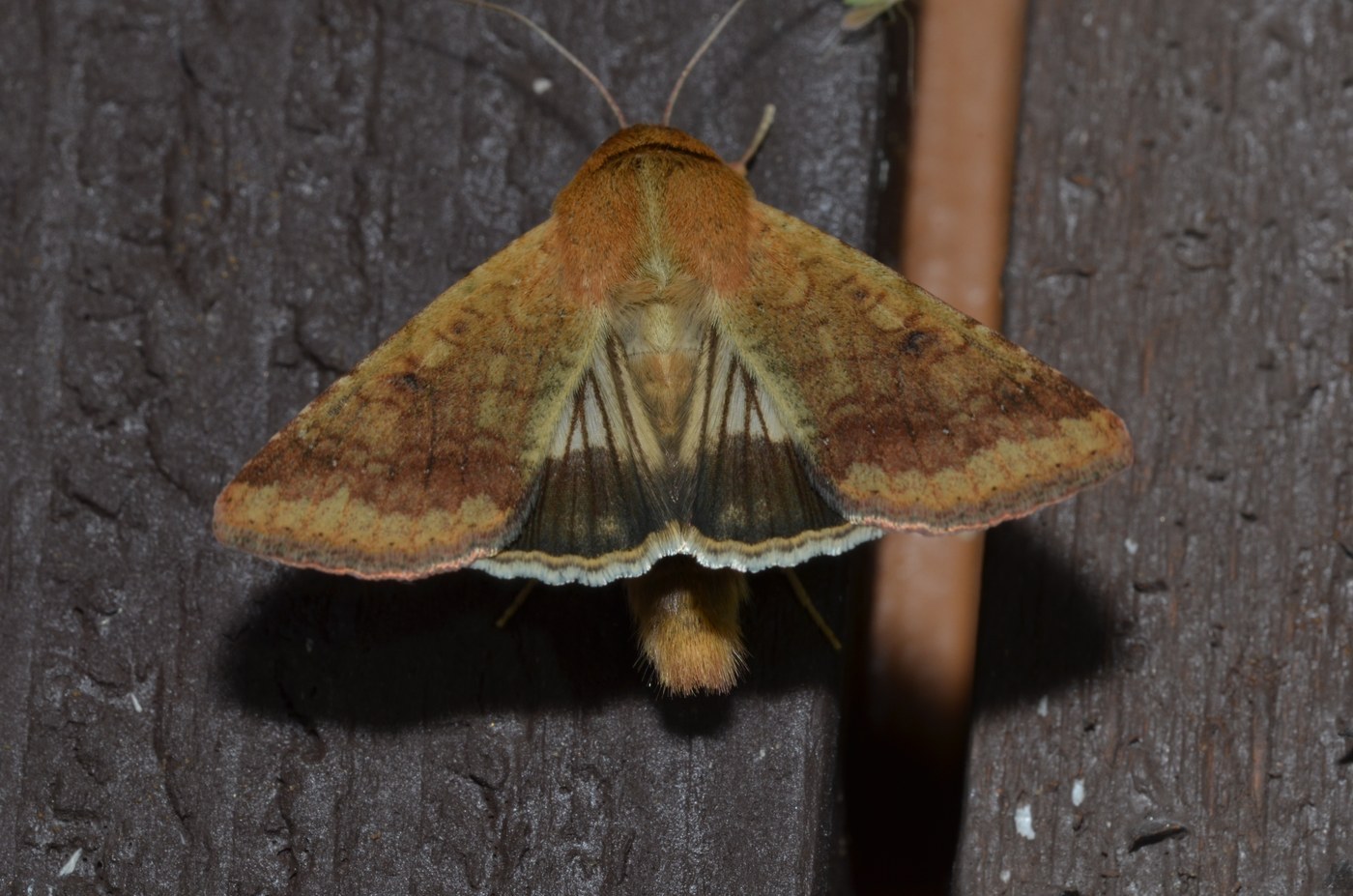
Corn Earworm
A color-variable caterpillar, ranging from pale green to reddish-brown, that burrows headfirst into corn ears and is one of the most economically significant crop pests in North America.
caterpillar-larva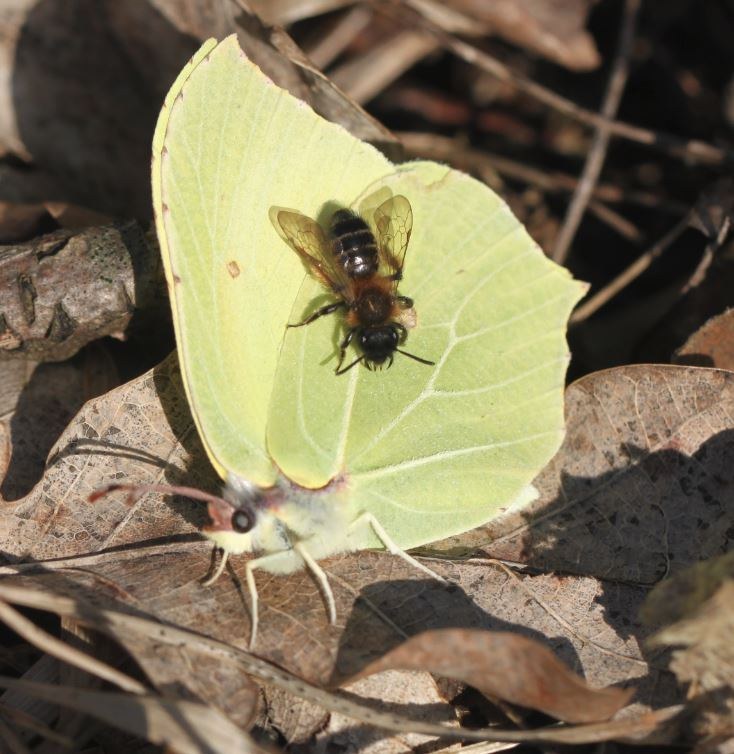
Brimstone Butterfly
A sulphur-yellow, leaf-shaped butterfly whose folded wings mimic a fresh green leaf so convincingly it is often credited as the origin of the word 'butterfly'.
butterfly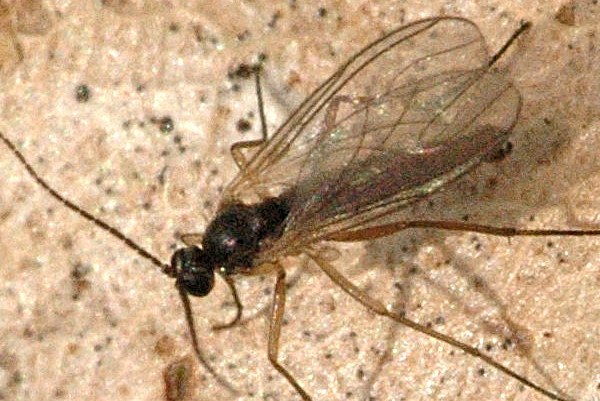
Aphid Midge
A delicate, long-legged midge whose orange larvae are voracious aphid hunters. The aphid midge is a prized natural enemy of aphids in gardens and greenhouses.
flyTarantula Hawk Wasp
A giant metallic-blue wasp with rust-orange wings, the tarantula hawk is one of the largest wasps in the world. Females hunt tarantulas as living food for their single offspring.
wasp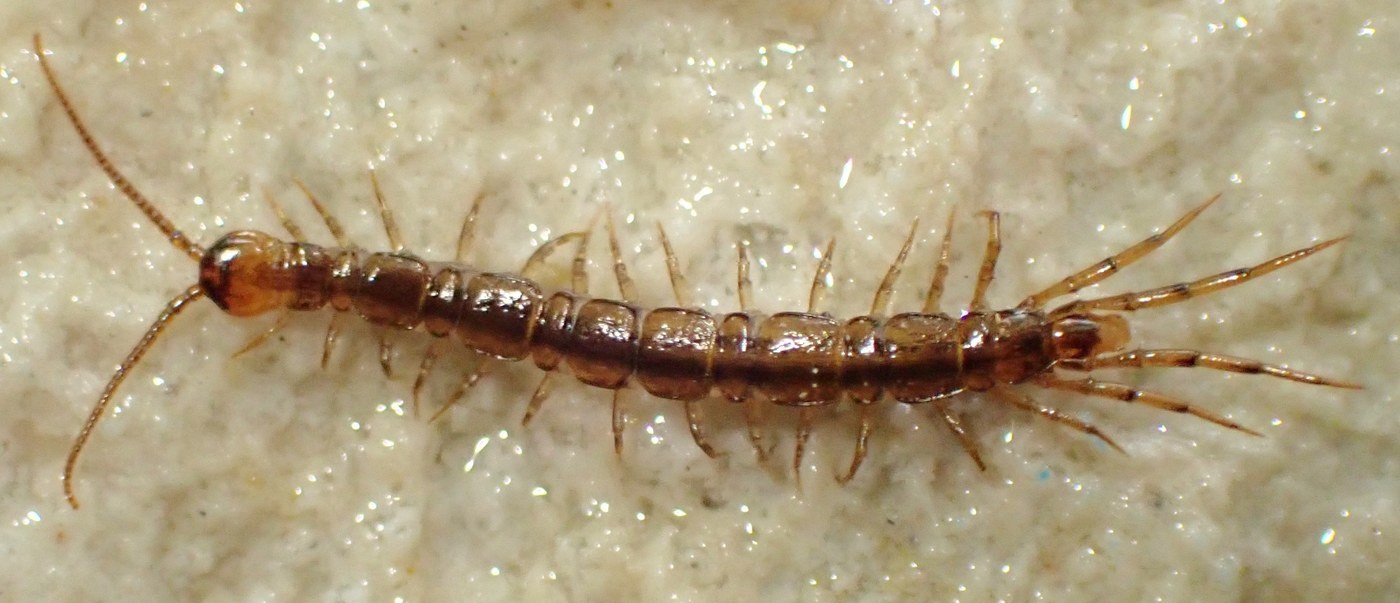
Stone Centipede
A quick, flattened, reddish-brown centipede that darts for cover the instant its stone or log shelter is lifted, one of the most commonly seen centipedes in temperate gardens.
myriapod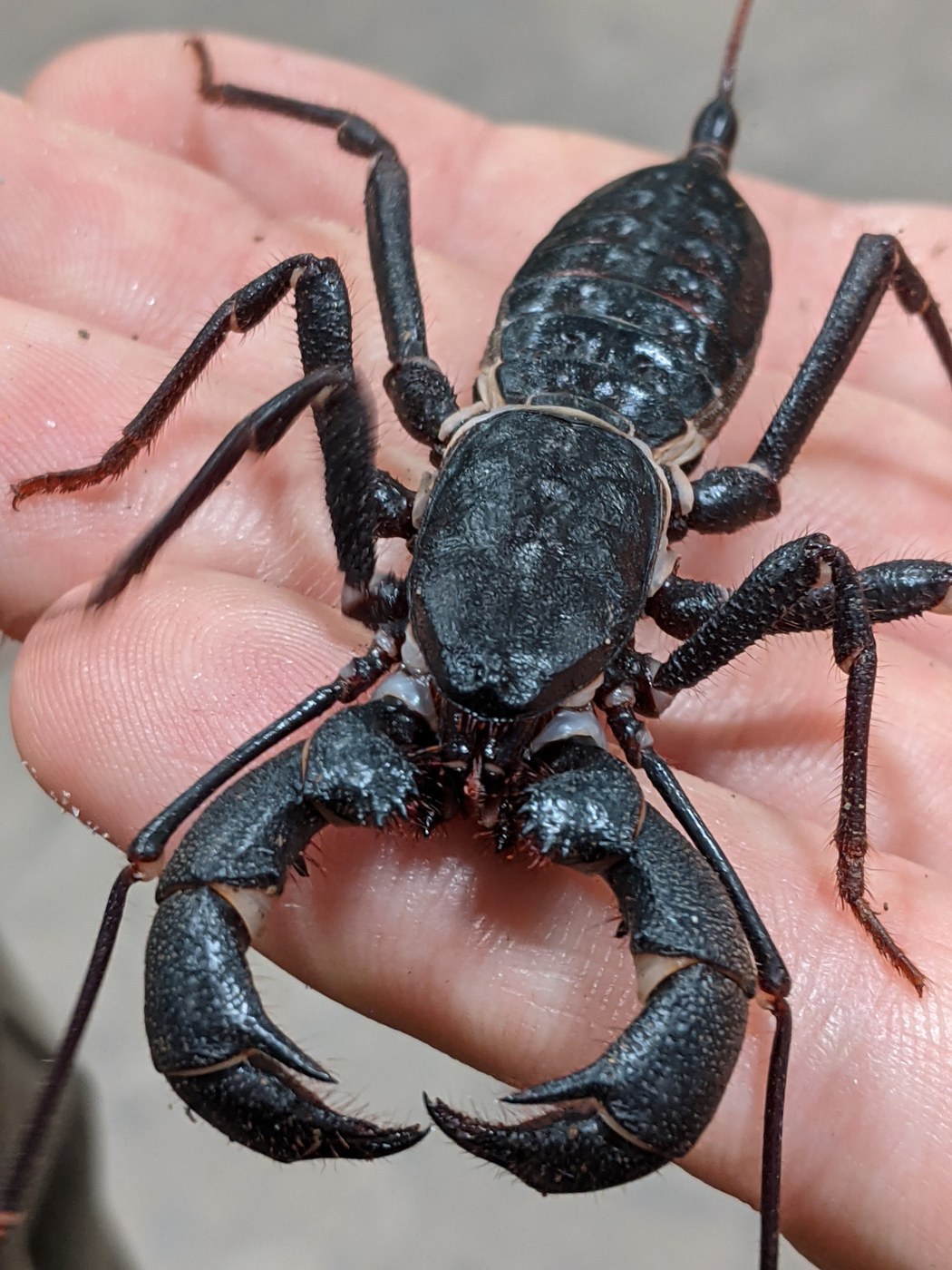
Vinegaroon
A robust, dark, scorpion-like arachnid whose long, thin whip for a tail gives it its name, and whose signature defense is spraying a concentrated mist of vinegar-scented fluid rather than stinging. Despite its intimidating look, it has no venom at all.
arachnid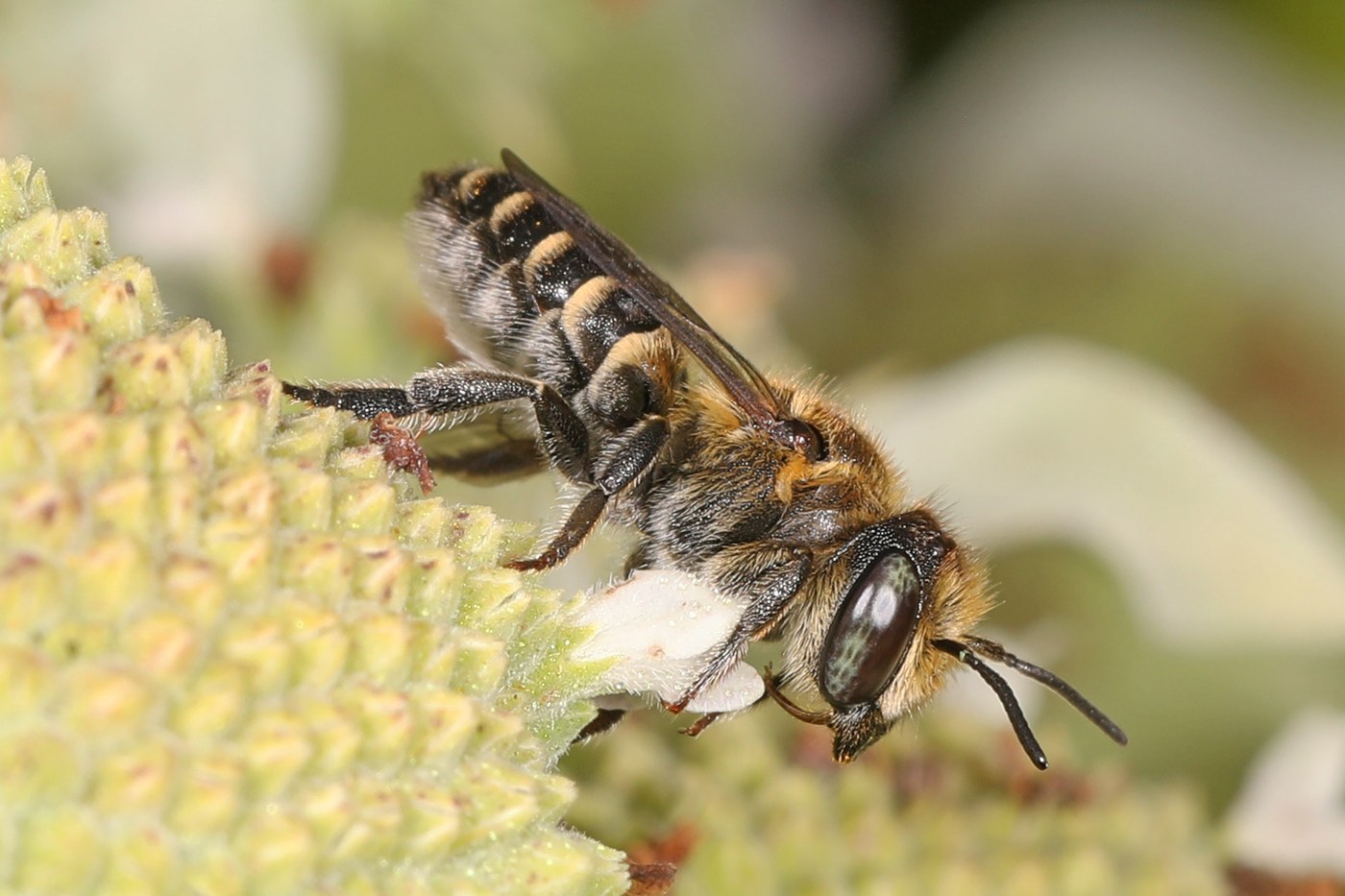
Leafcutter Bee
A stout, dark-bodied bee best known not for how it looks but for the neat, circular or oval notches it cuts from leaves, which it uses to line and seal its nest cells.
bee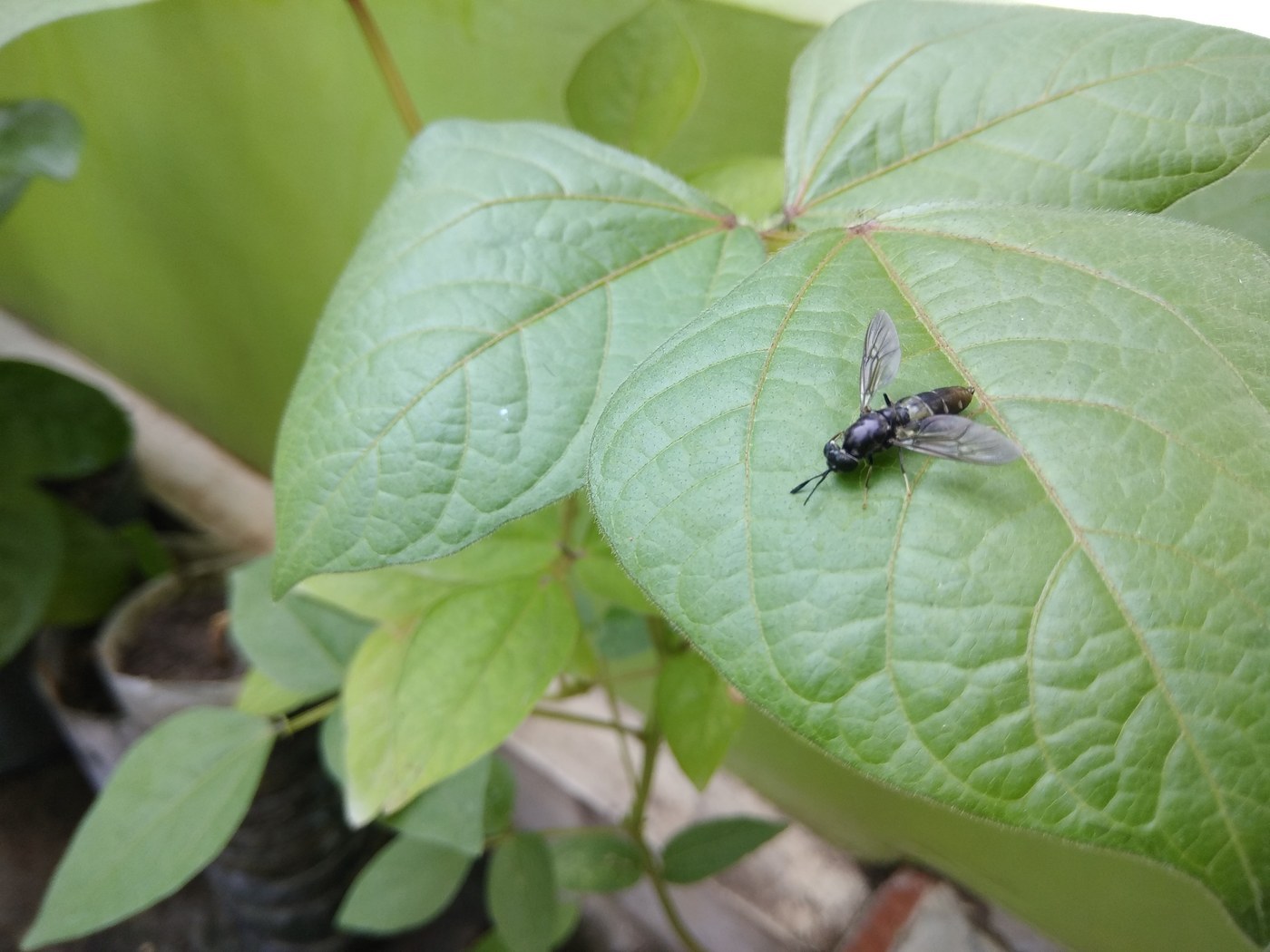
Black Soldier Fly
A sleek, dark, wasp-like fly whose larvae are voracious decomposers of decaying organic material, while the short-lived adults do not feed at all.
fly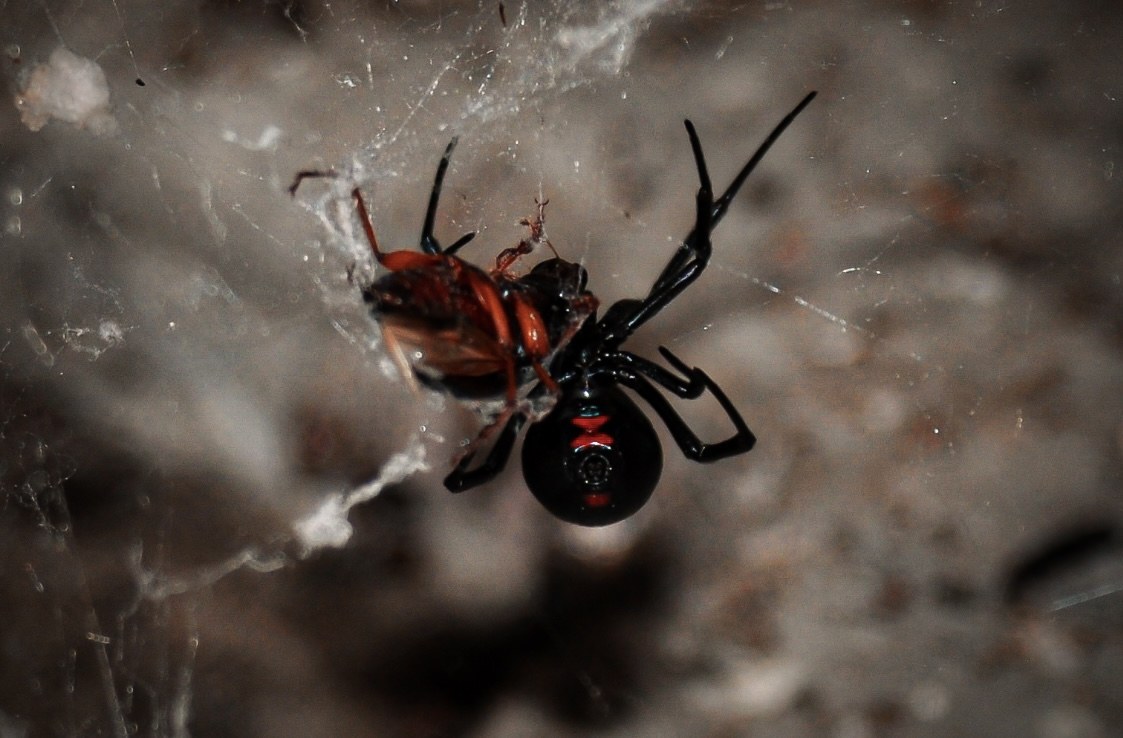
Southern Black Widow
Glossy jet-black and marked with a bright red hourglass on the underside of its rounded abdomen, the southern black widow is one of the most recognizable spiders in North America, typically found tucked into quiet, undisturbed corners rather than out in the open.
spider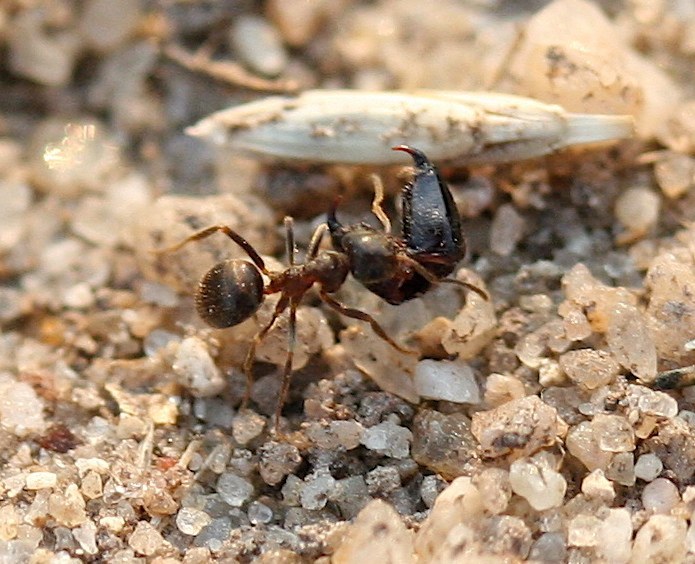
Ant
A small eusocial insect that lives in highly organized colonies, instantly recognizable by its narrow pinched waist, elbowed antennae, and single-file foraging trails.
antMayfly
A delicate insect with upright, sail-like wings and long, thread-thin tail filaments, famous for emerging by the millions in brief, synchronized swarms before dying within a day or two.
aquatic-insectTermite Swarmer
A dense, short-lived cloud of dark, equal-winged insects pouring from a crack in soil or wood, each one a would-be founder of a brand-new termite colony.
other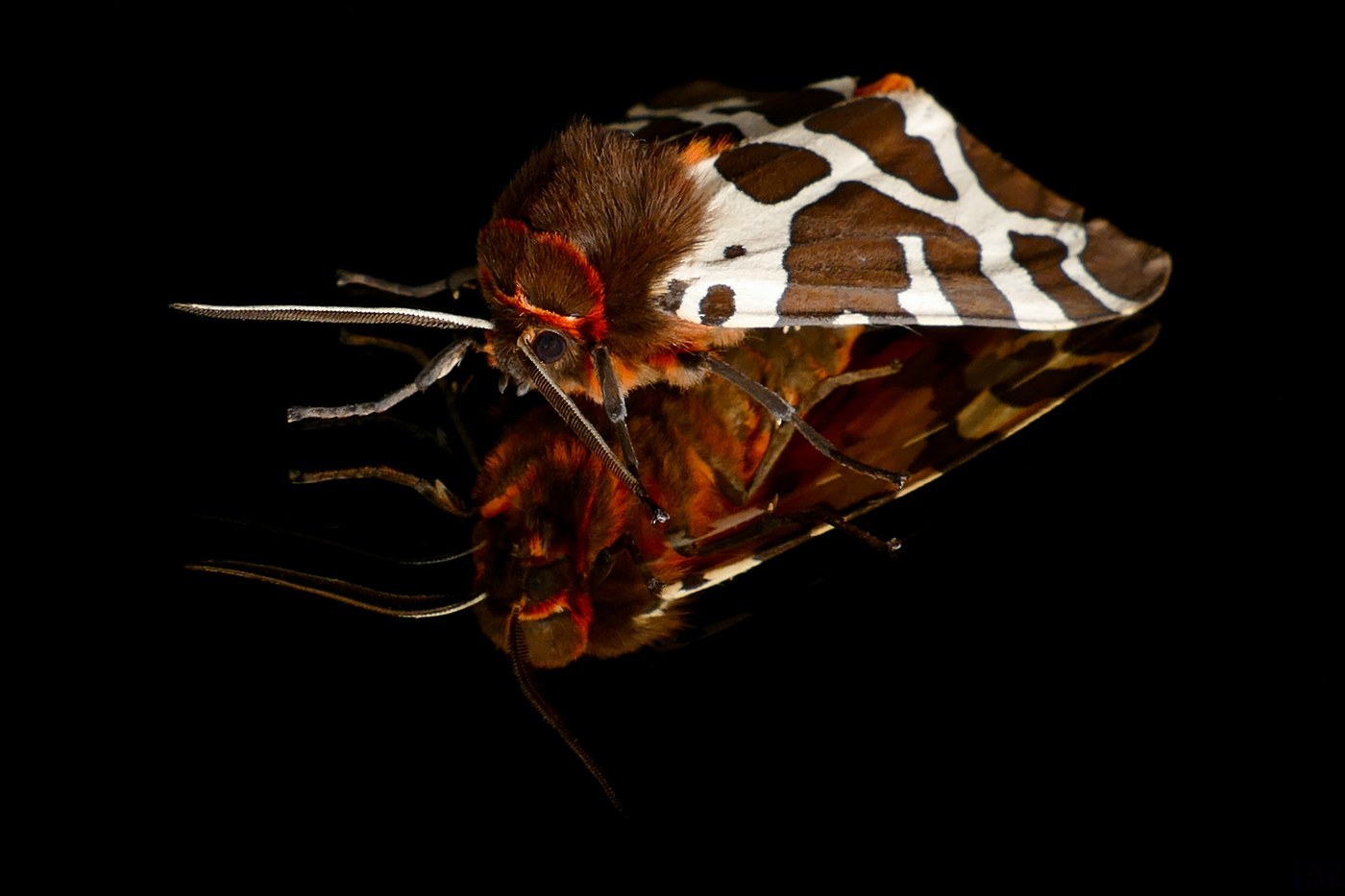
Garden Tiger Moth
A boldly patterned tiger moth with chocolate-brown, cream-marbled forewings that flash to reveal vivid orange hindwings dotted with blue-black spots when the moth is disturbed.
moth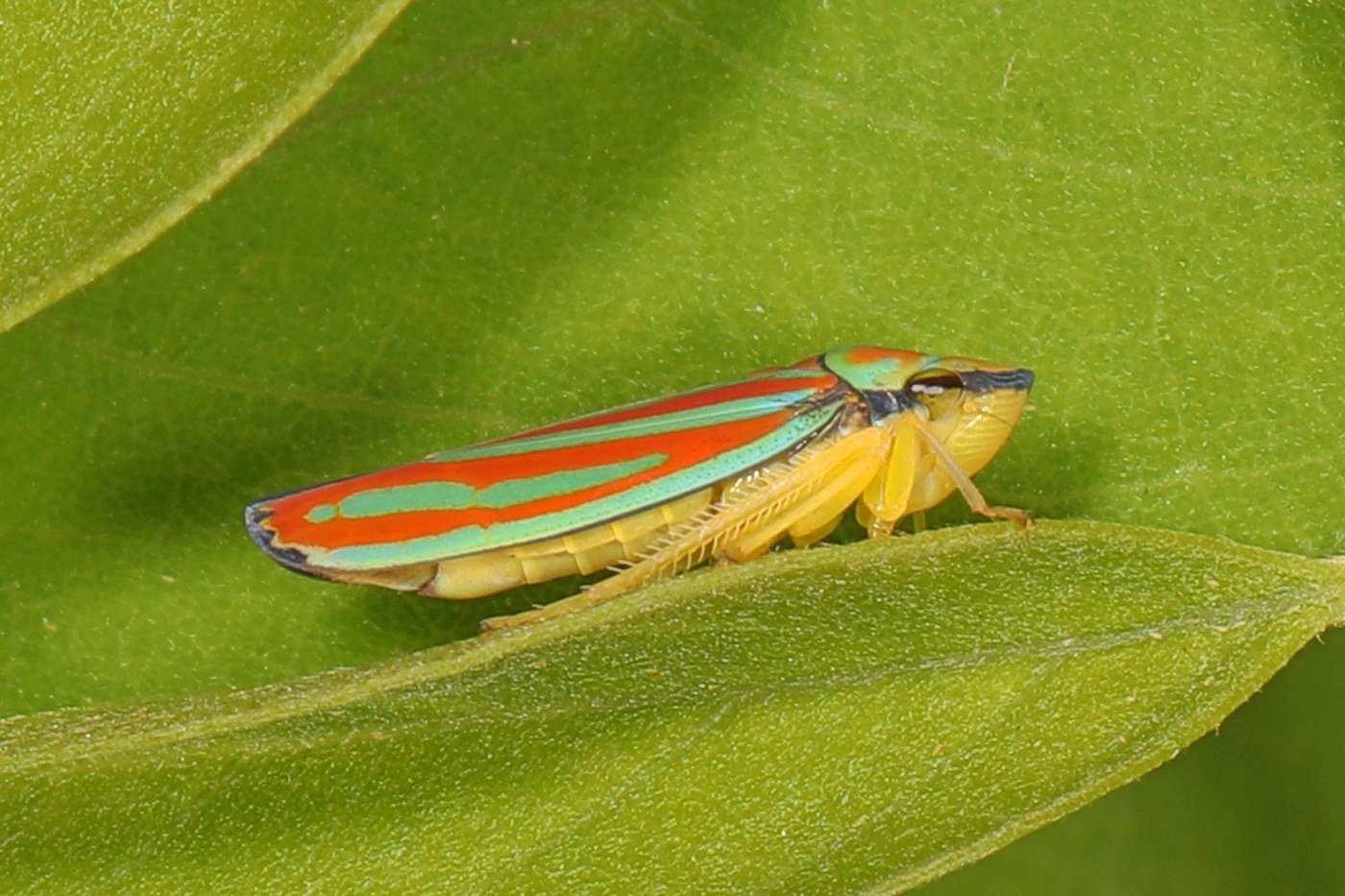
Leafhopper
A small, wedge-shaped insect that darts sideways and springs away in quick hops when disturbed, often brightly striped or patterned and found clinging to the underside of leaves.
true-bug