
Bug Encyclopedia
Search and identify bugs & insects — beetles, butterflies, moths, ants, bees, spiders and more — with size, habitat, danger, behavior, and how to tell them apart.
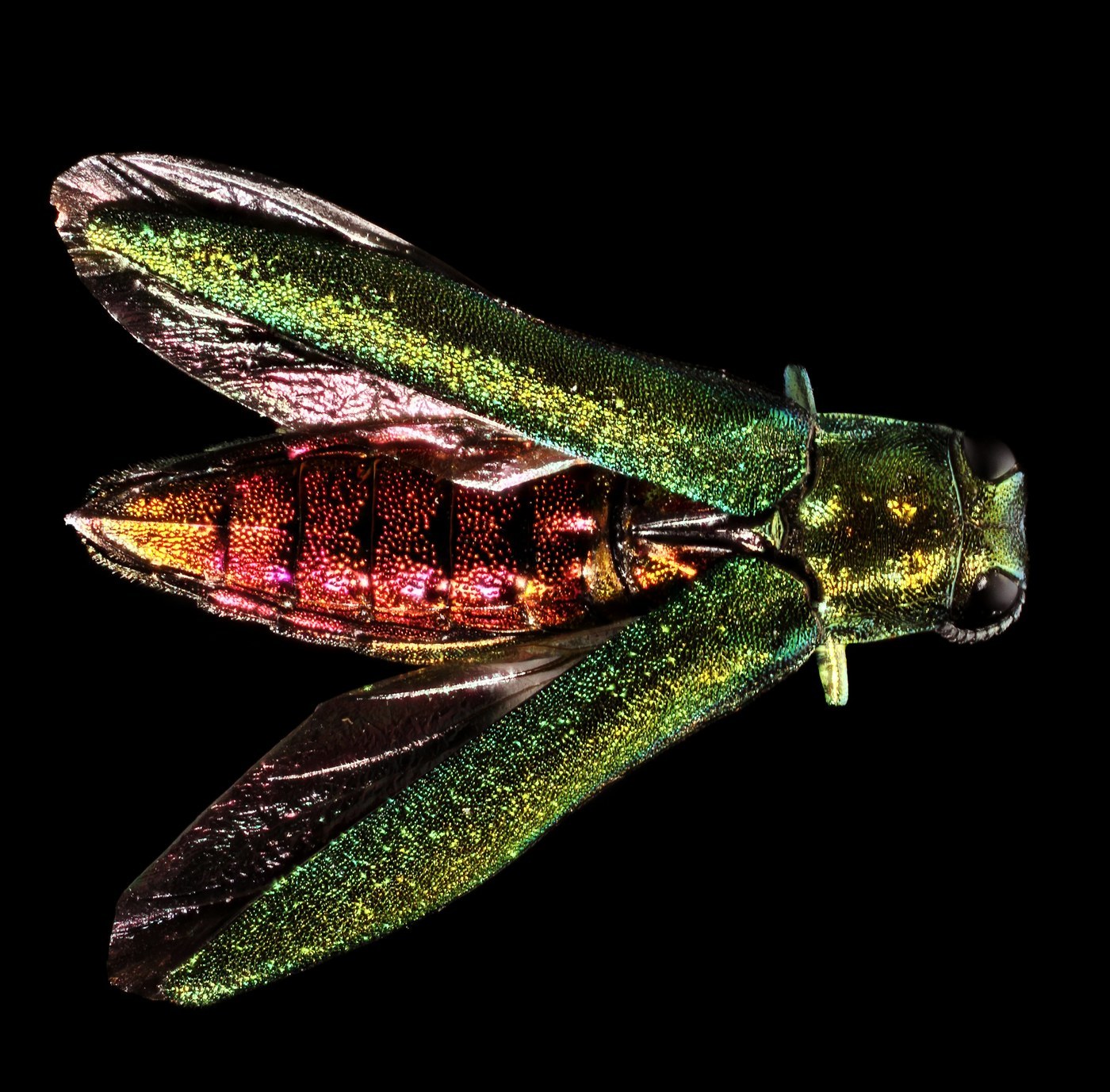
Emerald Ash Borer
A slender, bullet-shaped beetle with brilliant metallic-green coloring, whose bark-tunneling larvae feed almost exclusively within ash trees.
beetle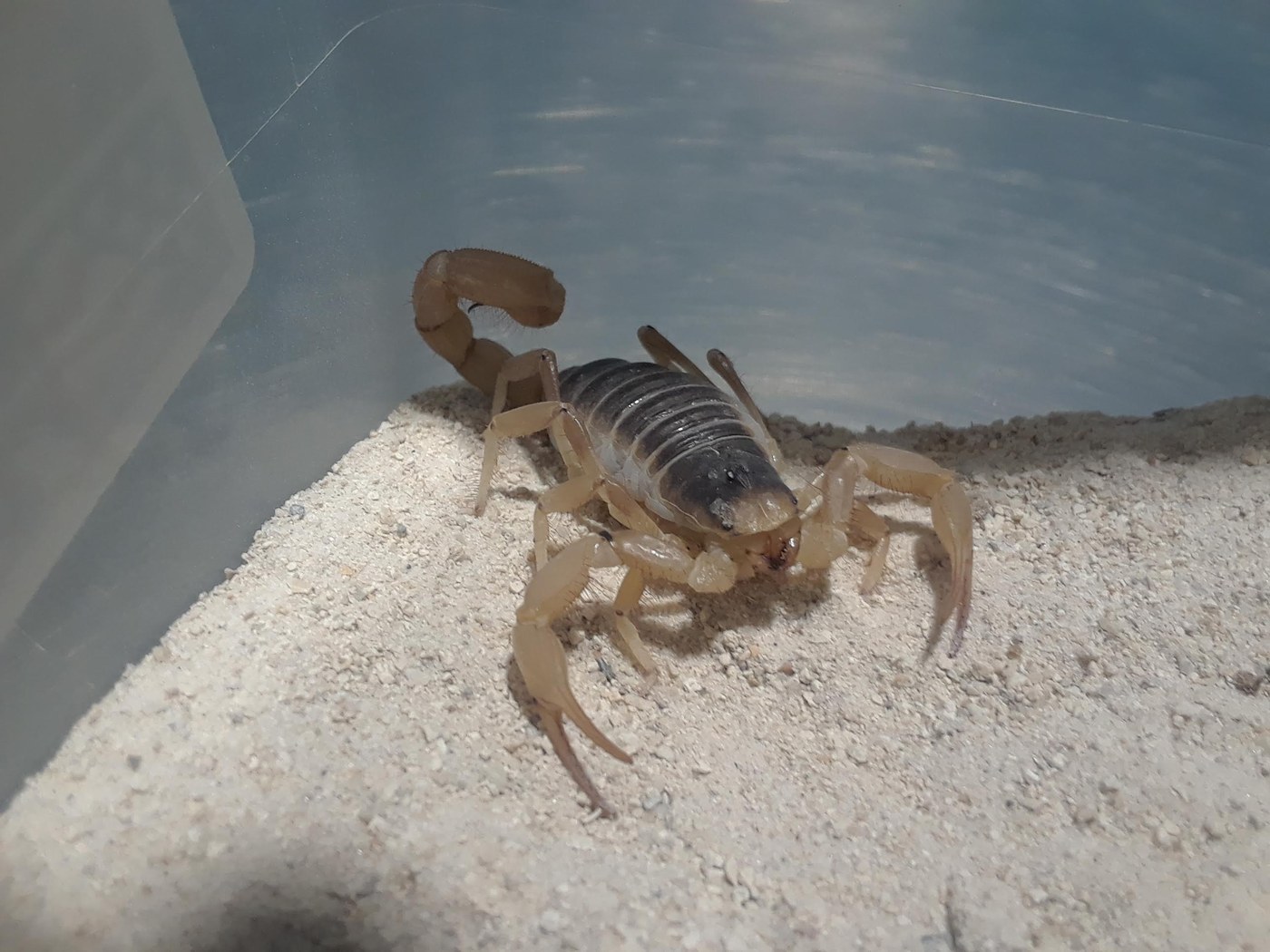
Giant Desert Hairy Scorpion
The largest scorpion in North America, a robust golden-brown giant covered in fine bristles that digs deep burrows in the desert sand and hunts after dark.
arachnid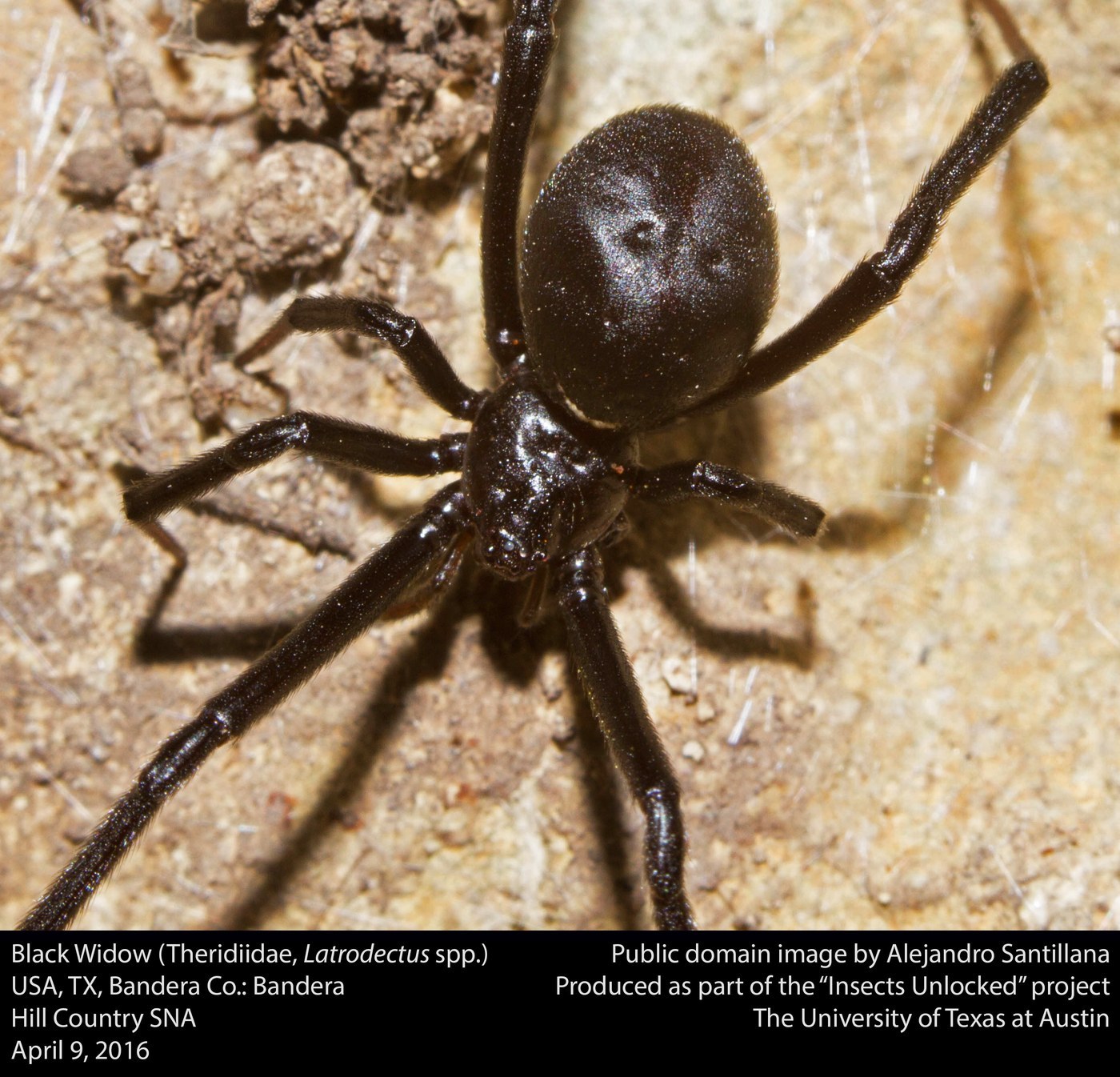
Comb-footed Spider
A diverse family of spiders defined by a row of tiny serrated bristles on their hind legs, used like a comb to fling silk over prey and wrap it up in an instant.
spiderSpiny Oak-slug Caterpillar
A tiny, flattened slug-shaped caterpillar in shades of green, orange, or purple, bristling with clusters of branched spines that can deliver a sting if handled.
caterpillar-larva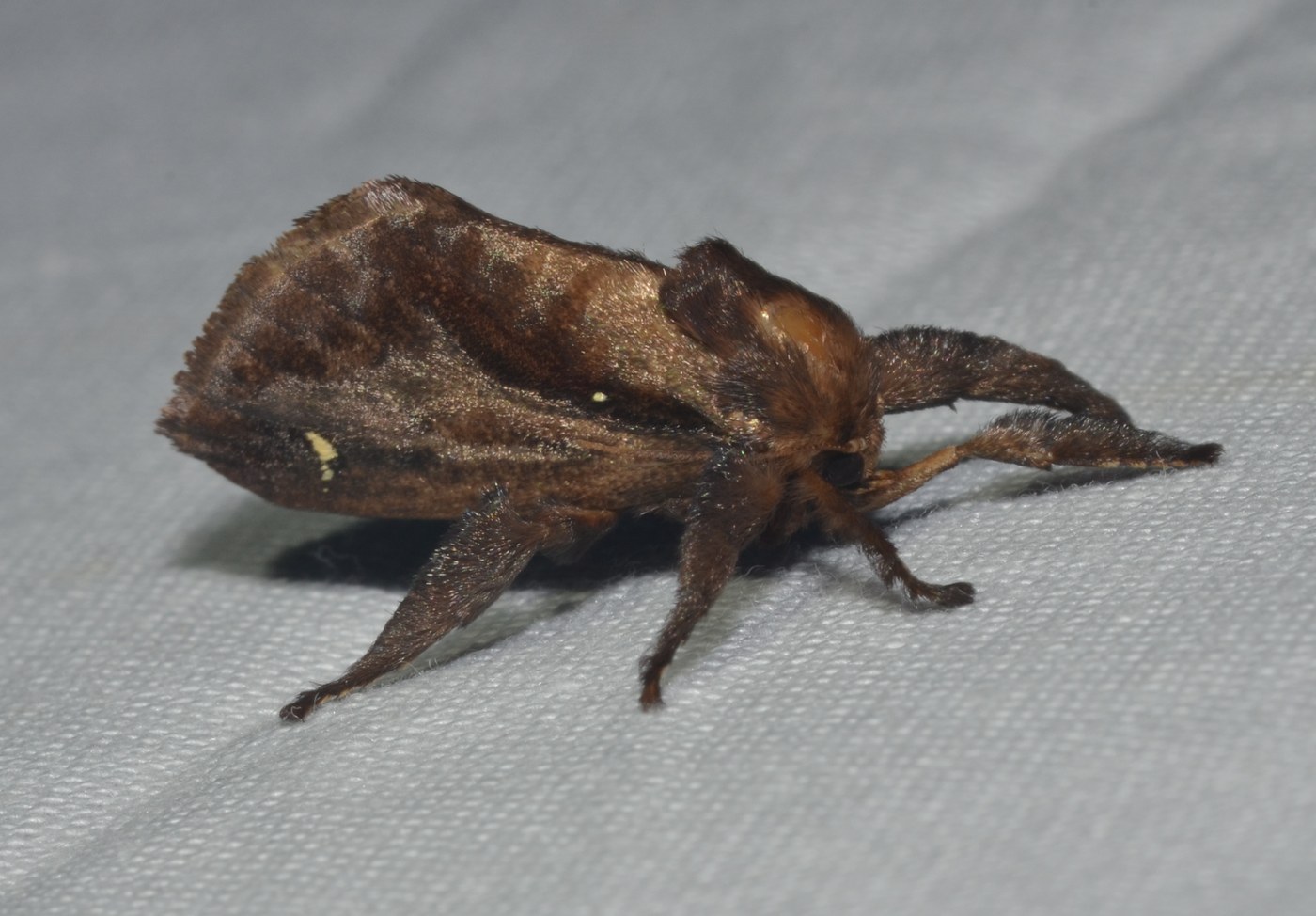
Saddleback Caterpillar
An unmistakable stout caterpillar with a bright green saddle-shaped patch on a brown back, bristling with clusters of spines along its stocky body.
caterpillar-larva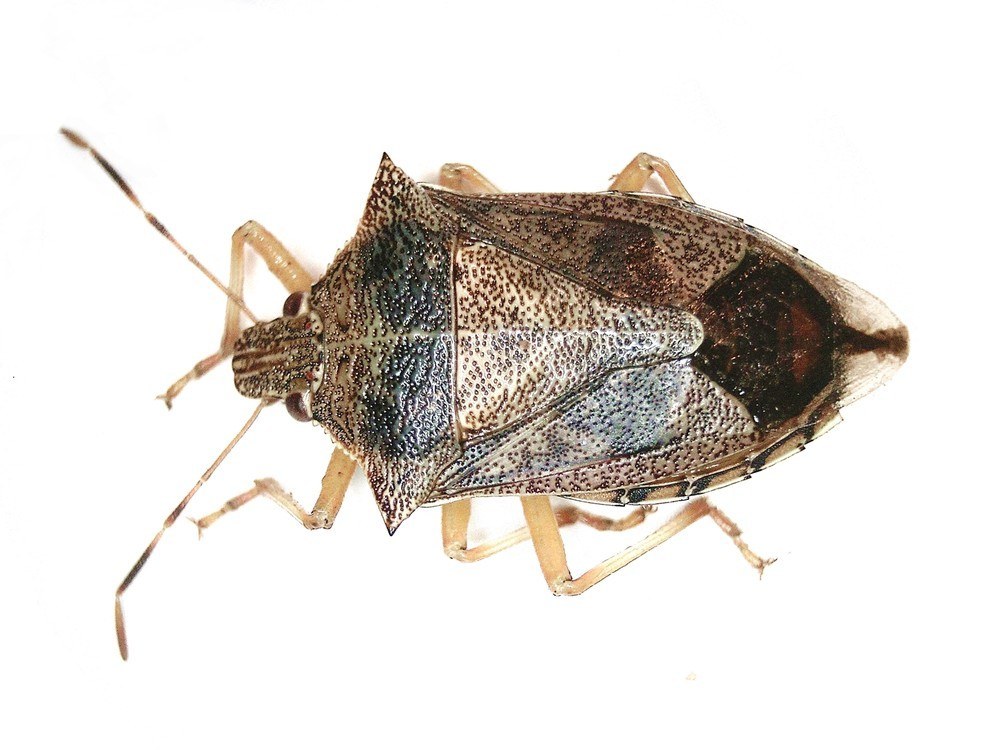
Spined Soldier Bug
A predatory stink bug identified by the sharp, pointed spines projecting from its shoulders, valued in gardens and farm fields for hunting caterpillars, beetle larvae, and other pest insects.
true-bugPredatory Stink Bug
Unlike its plant-feeding relatives, the predatory stink bug is a hunter that spears caterpillars and beetle larvae with a stout beak. The spined soldier bug is a familiar shield-shaped garden ally.
true-bugSilverfish Firebrat
Two closely related, wingless, silvery or mottled insects with fish-like darting movements and three long tail bristles, one favoring damp basements and the other thriving near warm ovens and furnaces.
other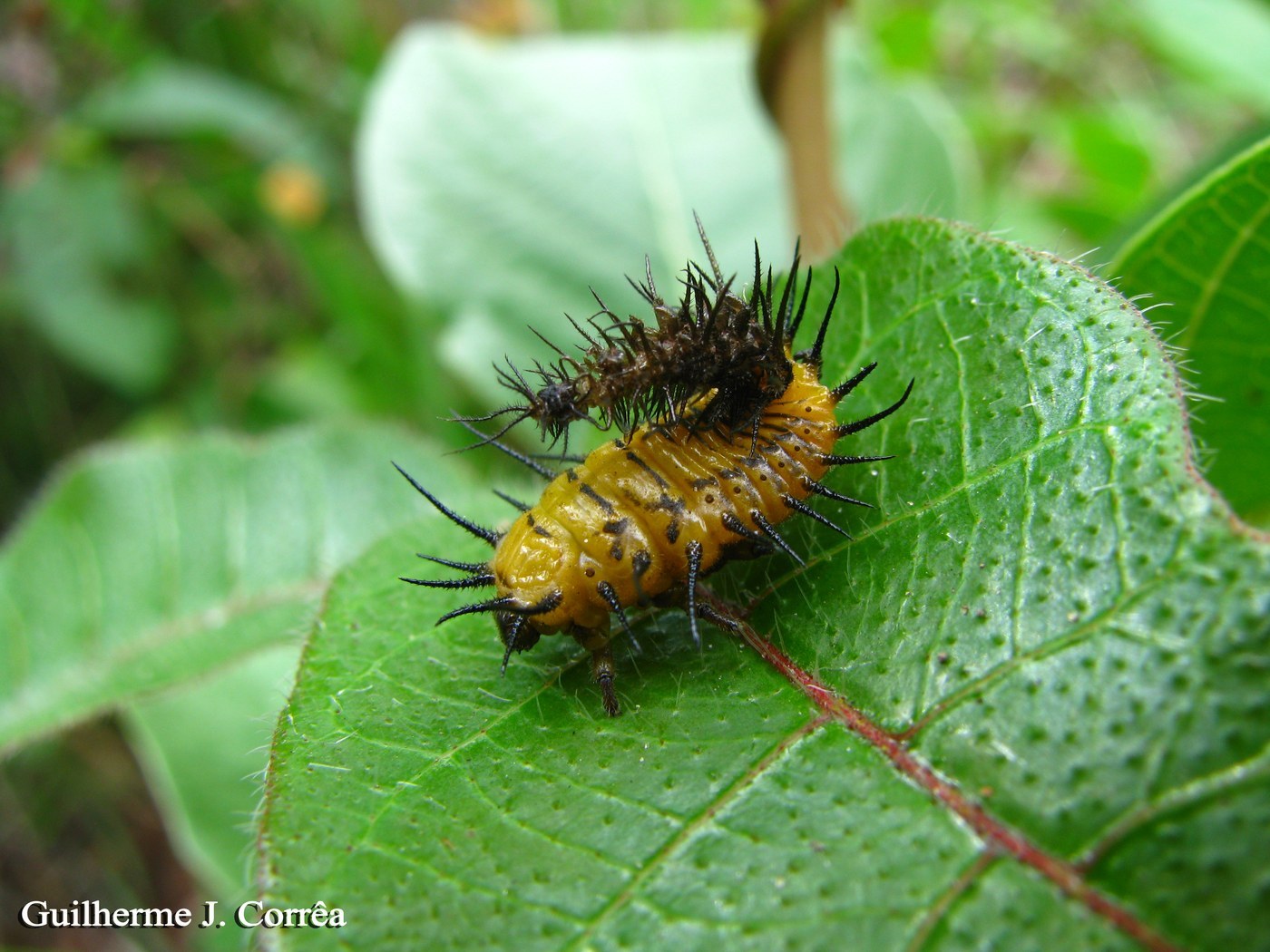
Gulf Fritillary Caterpillar
A vivid burnt-orange caterpillar bristling with rows of branched black spines that specializes almost exclusively on passionflower vines.
caterpillar-larva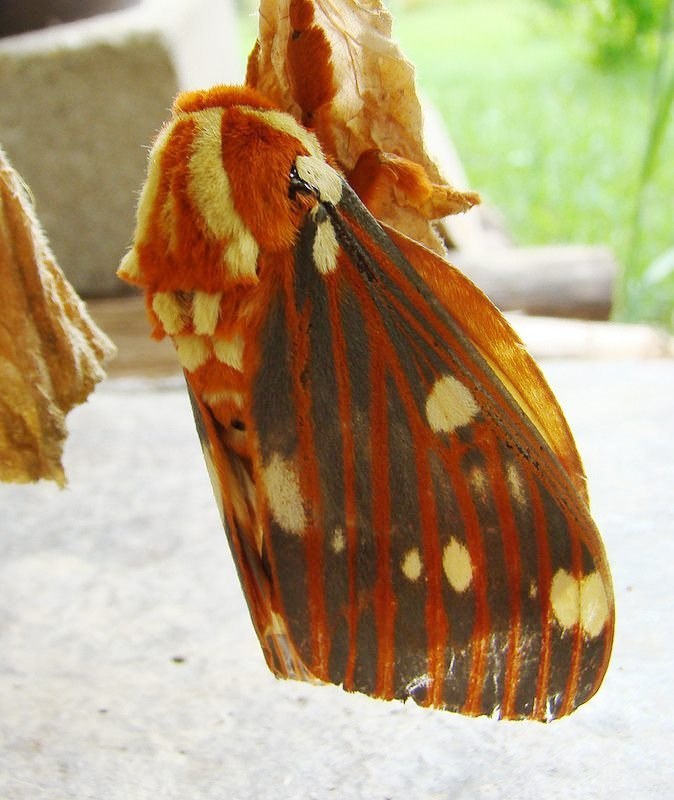
Regal Moth (Hickory Horned Devil)
One of the largest moths in North America, with orange-red and gray-veined wings on the adult, best known for its enormous, formidable-looking caterpillar, the hickory horned devil, a blue-green giant bristling with long orange spines.
moth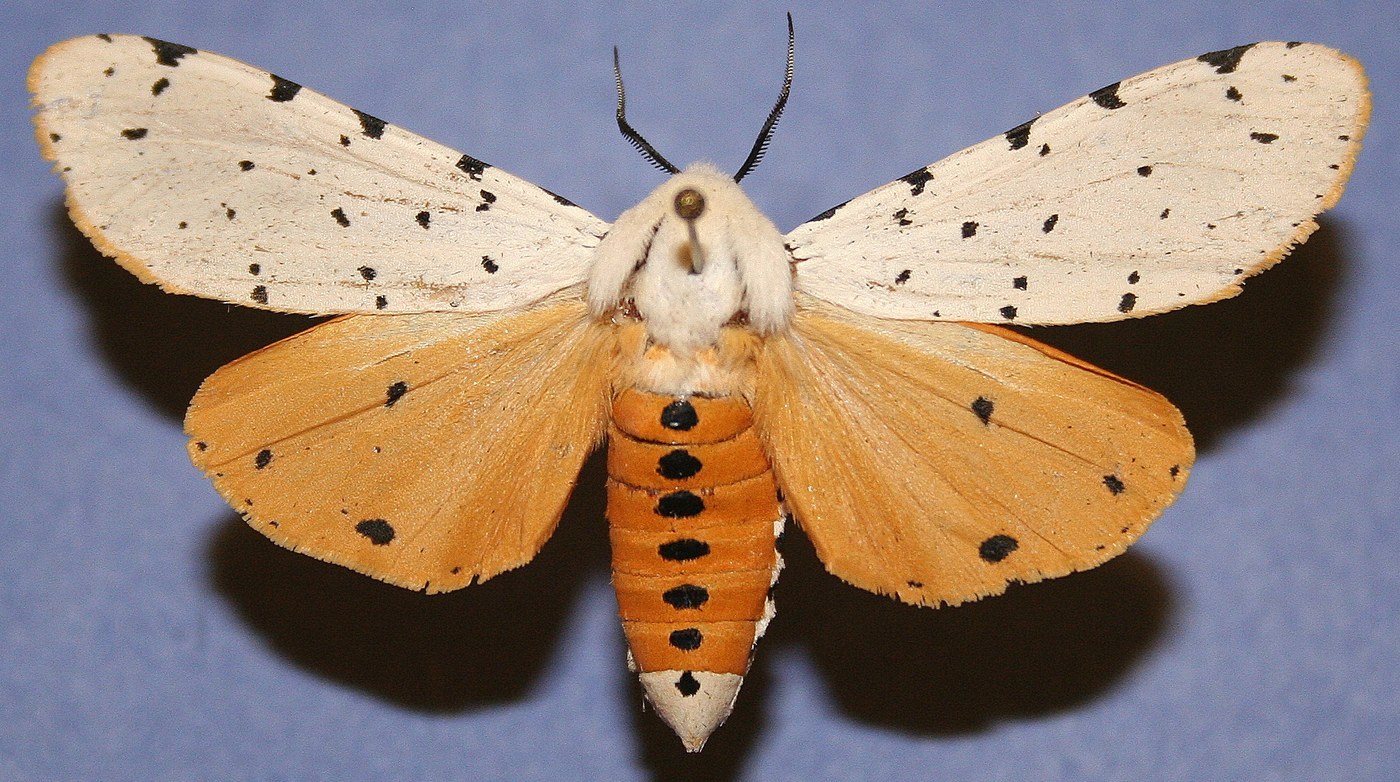
Salt Marsh Moth
A fluffy white tiger moth with black-speckled forewings and an orange-and-black abdomen, best known through its fast-moving, densely bristled caterpillar that wanders widely in late summer.
mothRootworm
Working unseen below ground, rootworm larvae chew tunnels through the root systems of corn and other crops, the underground counterpart to the small, often striped or spotted beetles seen on leaves and flowers above.
beetle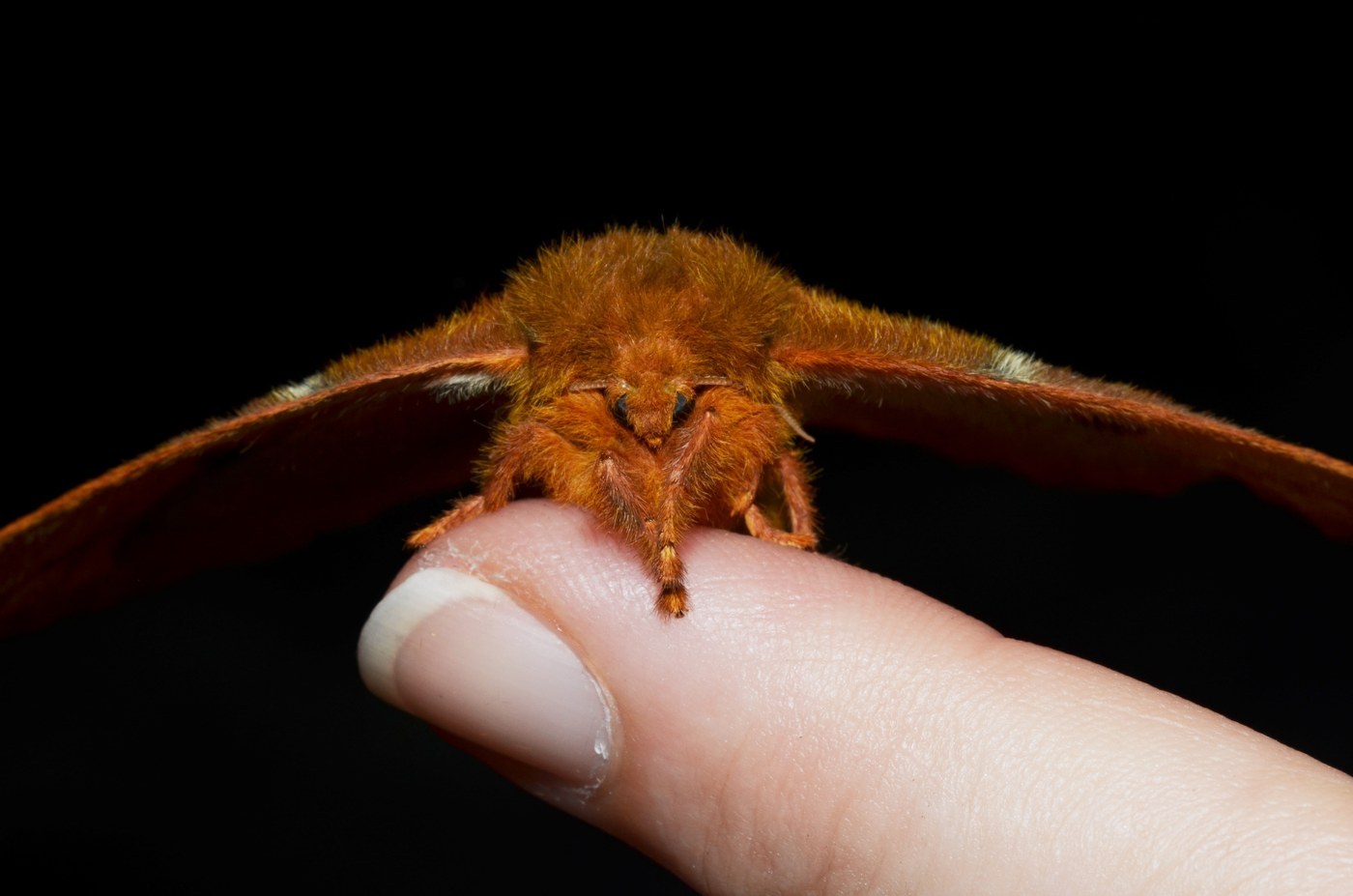
Io Moth Caterpillar
A bright lime-green caterpillar bristling with clusters of branching, stinging spines and thin red and white racing stripes along its sides.
caterpillar-larvaTussock Moth Caterpillar
A boldly tufted caterpillar bristling with dense brush-like hair tussocks and long dark pencil plumes that give it an almost punk-rock silhouette.
caterpillar-larva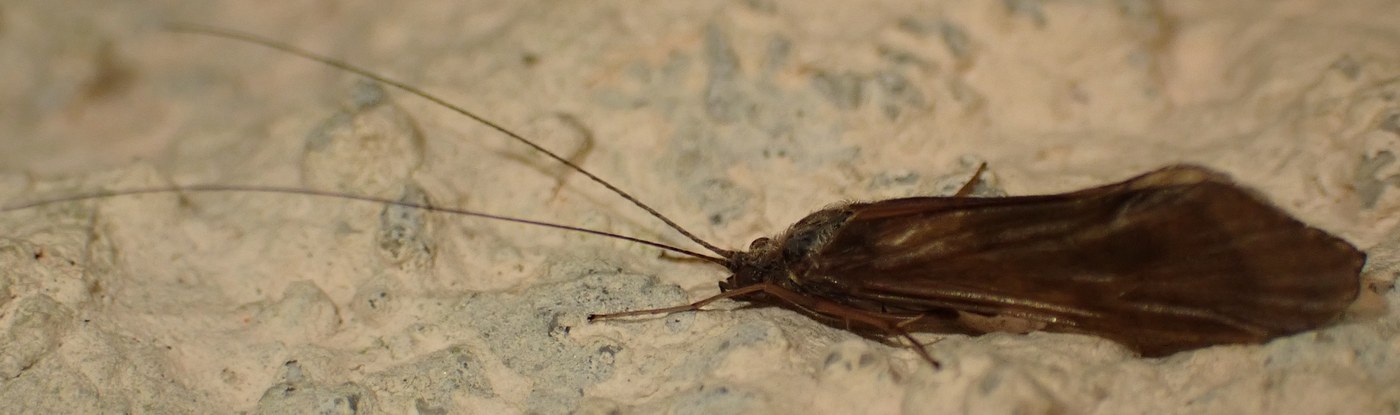
Caddisfly
A moth-like insect whose larvae are famous for constructing portable protective cases out of silk and whatever sand, twigs, or debris they can find.
aquatic-insectOnion Fly
A slender gray fly closely related to houseflies whose white legless larvae bore into onion bulbs, feeding in clusters within a single rotting bulb.
fly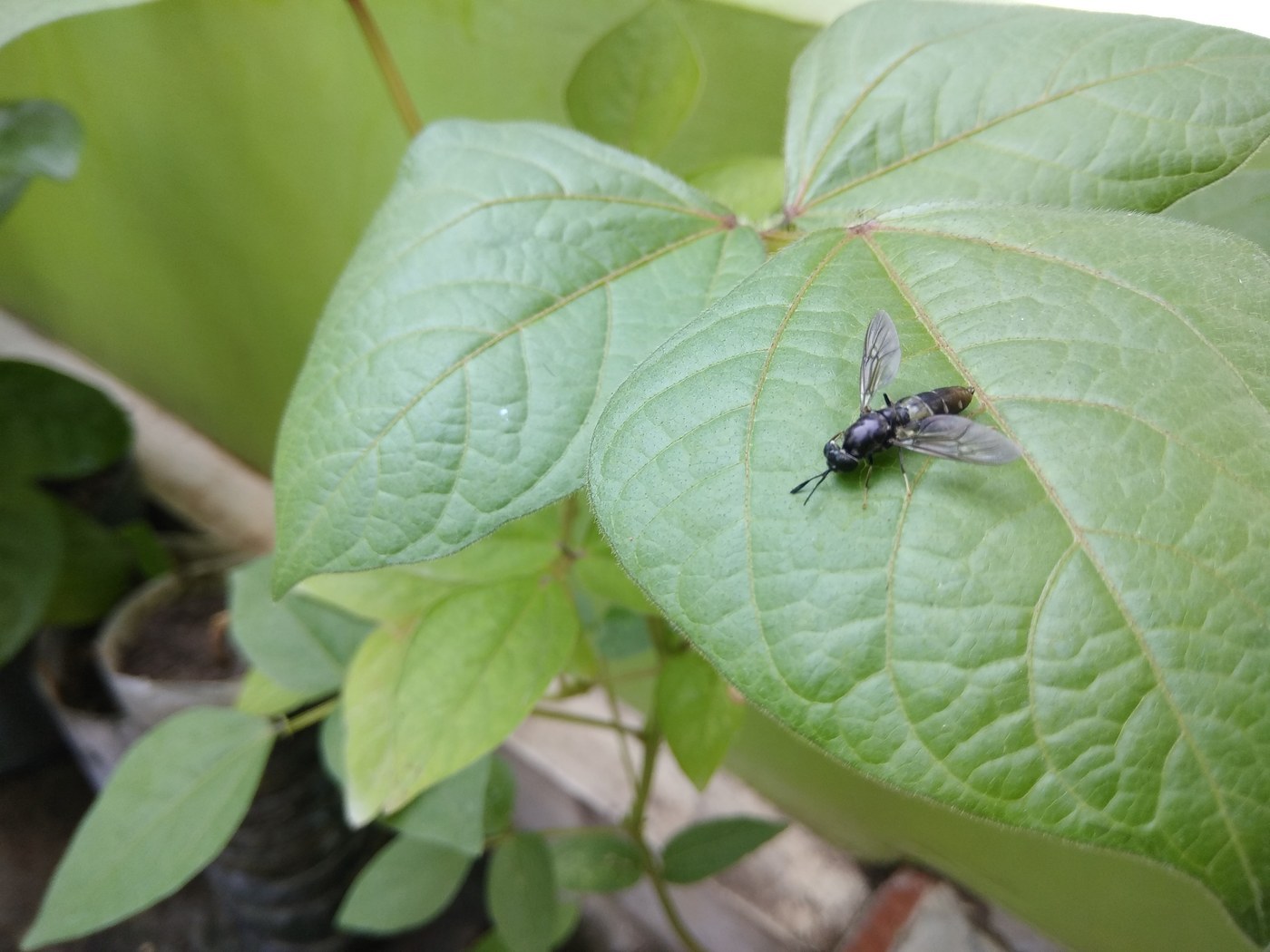
Black Soldier Fly
A sleek, dark, wasp-like fly whose larvae are voracious decomposers of decaying organic material, while the short-lived adults do not feed at all.
fly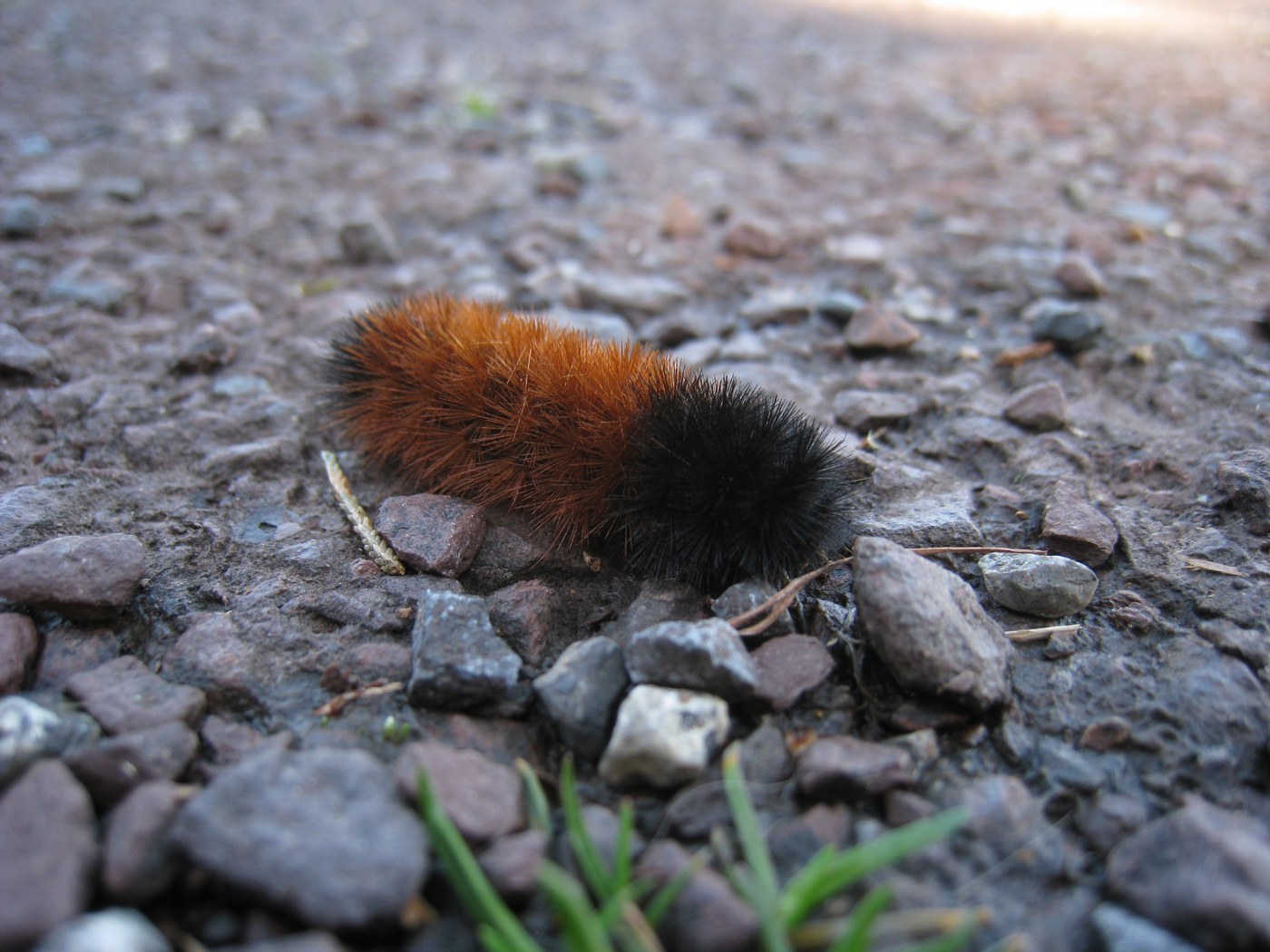
Woolly Bear Caterpillar
A densely bristled caterpillar banded in black at both ends with a rusty-orange middle section, famous in folklore for supposedly predicting winter severity and for rolling into a tight ball when touched.
caterpillar-larvaGreen Lacewing
With delicate pale green wings and glittering golden eyes, the Green Lacewing is a familiar garden insect whose larvae are voracious predators of aphids and other soft-bodied pests.
otherGall Wasp
A minuscule, rarely seen wasp whose larvae trigger plants, especially oaks, to grow distinctive round or spiky growths called galls that serve as both shelter and food supply.
wasp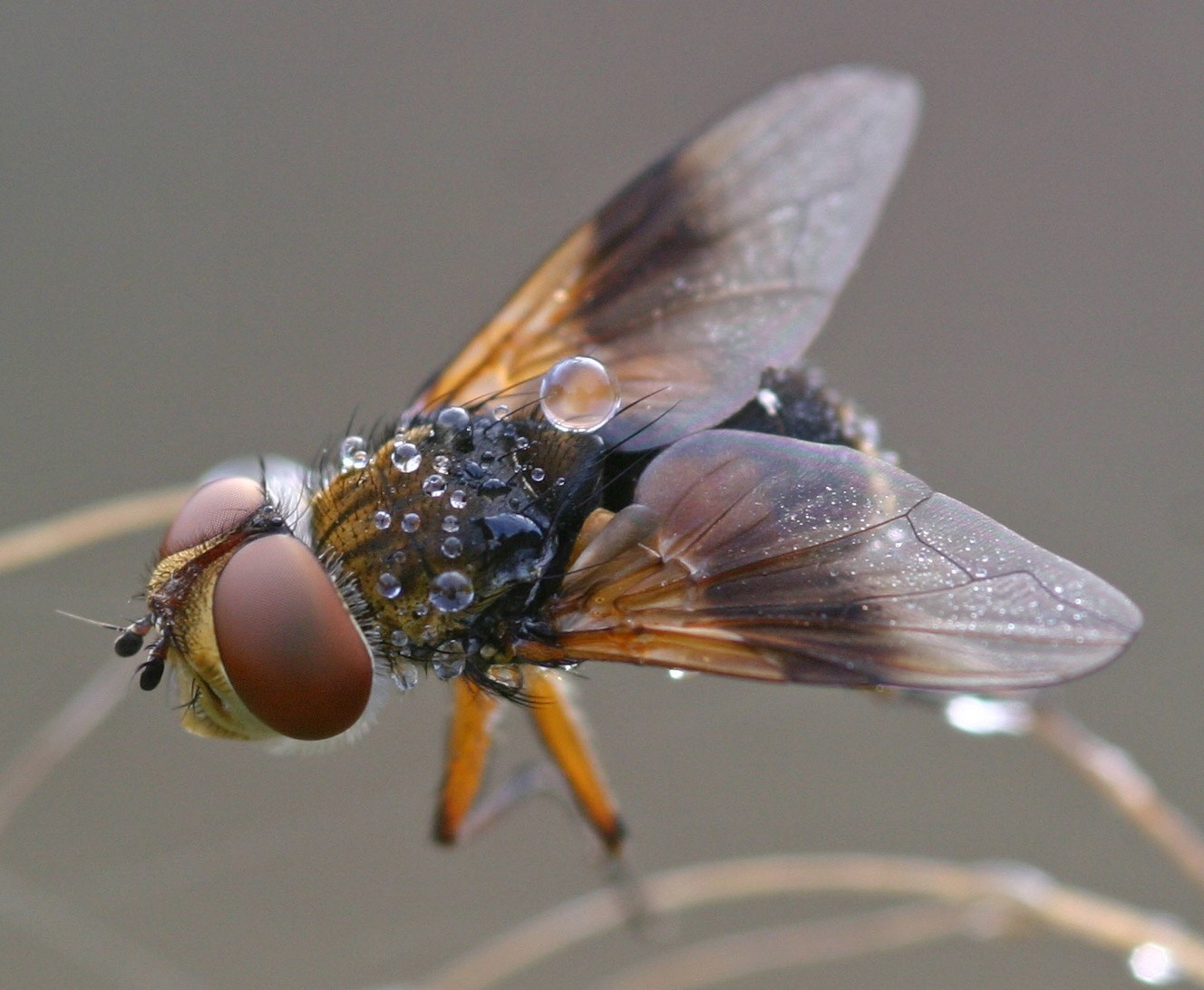
Tachinid Fly
A bristly, house-fly-like insect that looks unremarkable at a glance but hides one of the most important ecological roles among flies: its larvae develop as internal parasites of caterpillars, beetles, and other insects, quietly regulating populations across the landscape. Gardeners often welcome tachinid flies as natural allies against crop-damaging pests.
flyIchneumon Wasp
A slender, long-antennaed parasitoid wasp, often mistaken for a giant mosquito or a stinging insect, that is best known for the extraordinarily long ovipositor some species use to drill into wood and lay eggs on hidden larvae.
waspAmerican Dagger Moth Caterpillar
A pale, sulfur-yellow to cream fuzzball bristling with dense tufts of hair and long black 'pencils' projecting from both ends, the American dagger moth caterpillar is one of the most recognizable hairy caterpillars on hardwood trees in fall.
caterpillar-larva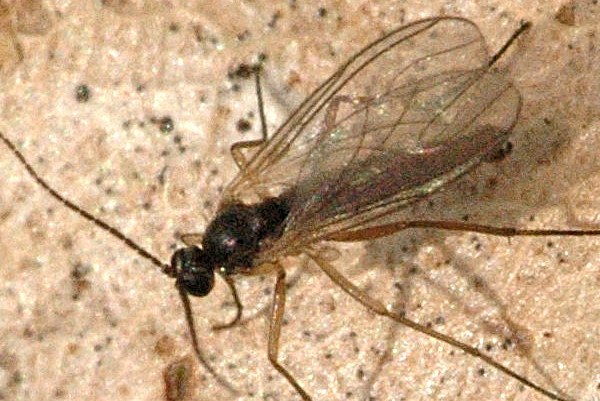
Aphid Midge
A delicate, long-legged midge whose orange larvae are voracious aphid hunters. The aphid midge is a prized natural enemy of aphids in gardens and greenhouses.
fly