
Bug Encyclopedia
Search and identify bugs & insects — beetles, butterflies, moths, ants, bees, spiders and more — with size, habitat, danger, behavior, and how to tell them apart.
Lace Bug
A tiny, flattened true bug with delicately sculpted, lace-like wings resembling fine netting, the lace bug feeds in colonies on the undersides of leaves, leaving a stippled, bleached pattern on foliage.
true-bug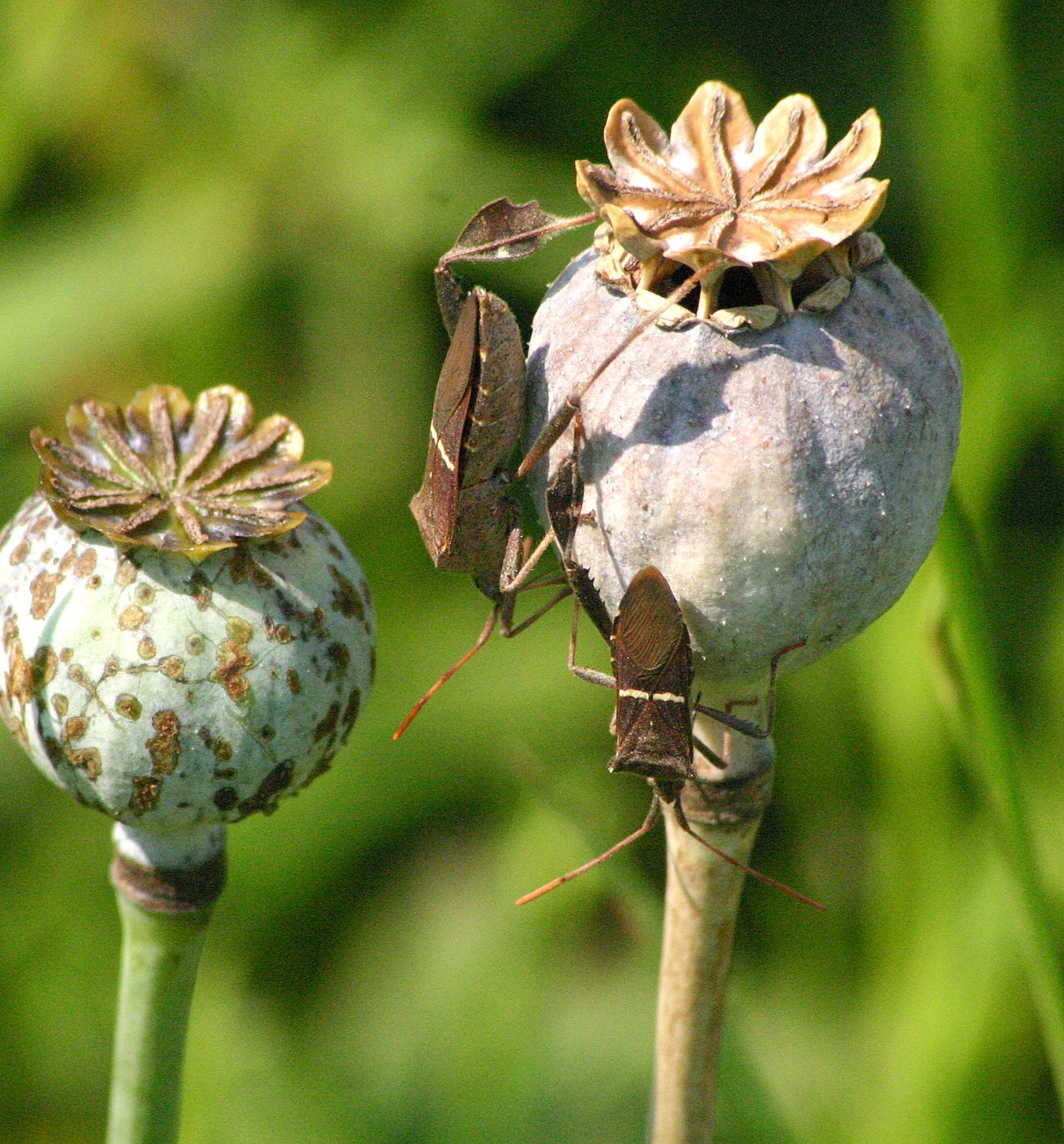
Leaf-Footed Bug
A large, elongated brown true bug named for the flattened, leaf-shaped expansions on its hind legs, often found feeding on fruits, seeds, and vegetables in gardens and orchards.
true-bug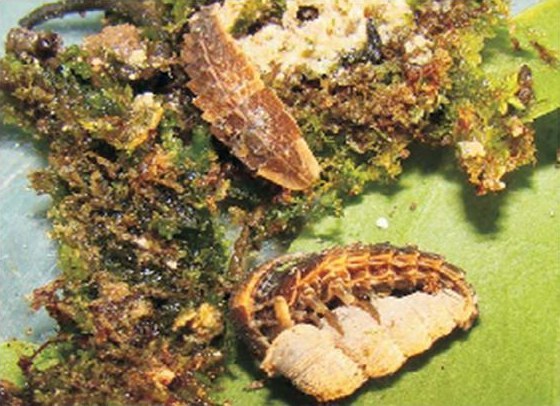
Fireflies Larvae Glowworm
The larval form of fireflies, often called glowworms, are flattened, segmented crawlers that glow with a steady greenish light. These little predators hunt slugs, snails, and worms in damp ground.
beetle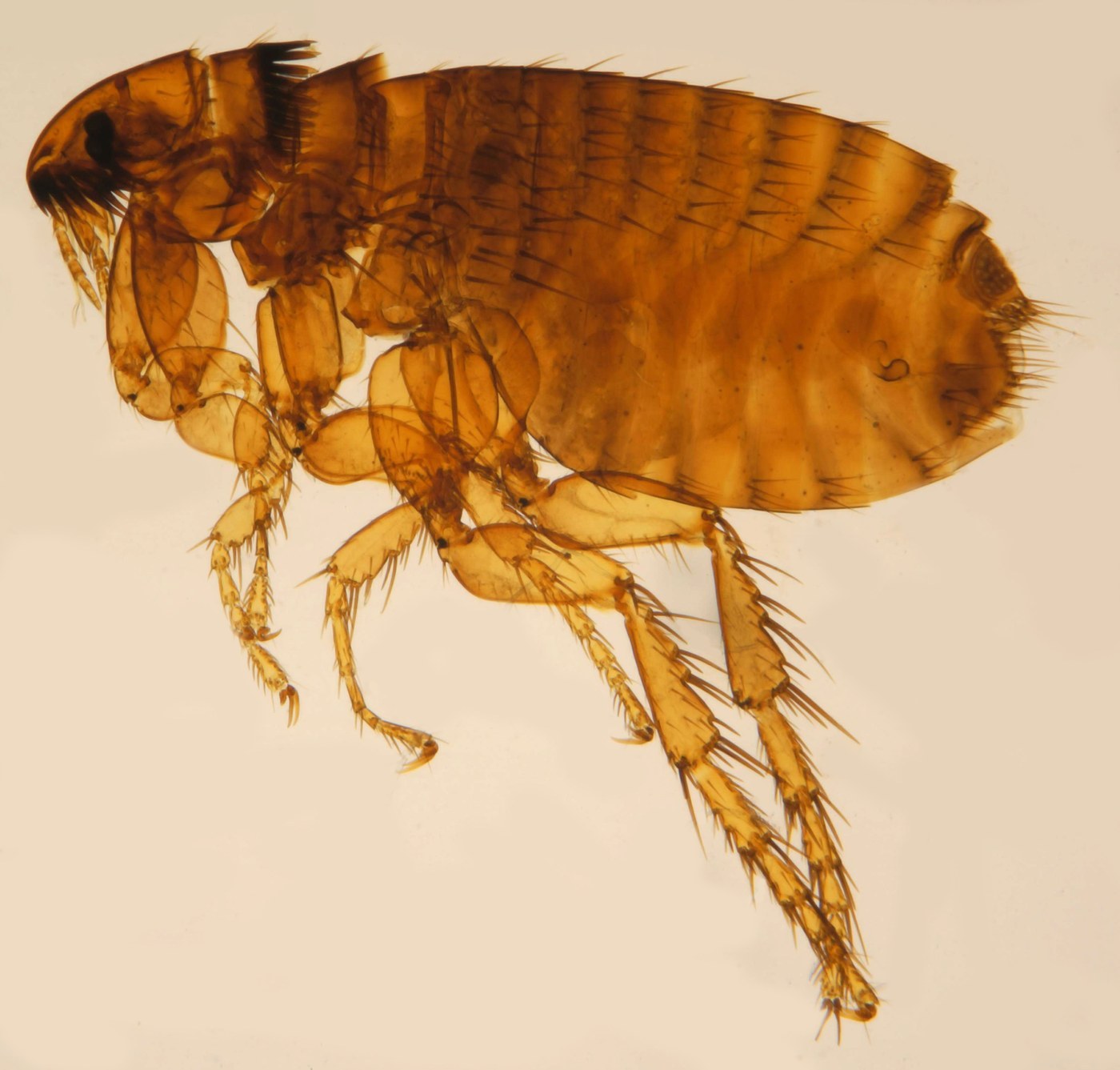
Flea
A tiny, wingless, laterally flattened insect built for moving swiftly through fur, famous for its powerful hind legs that allow it to leap many times its own body length.
other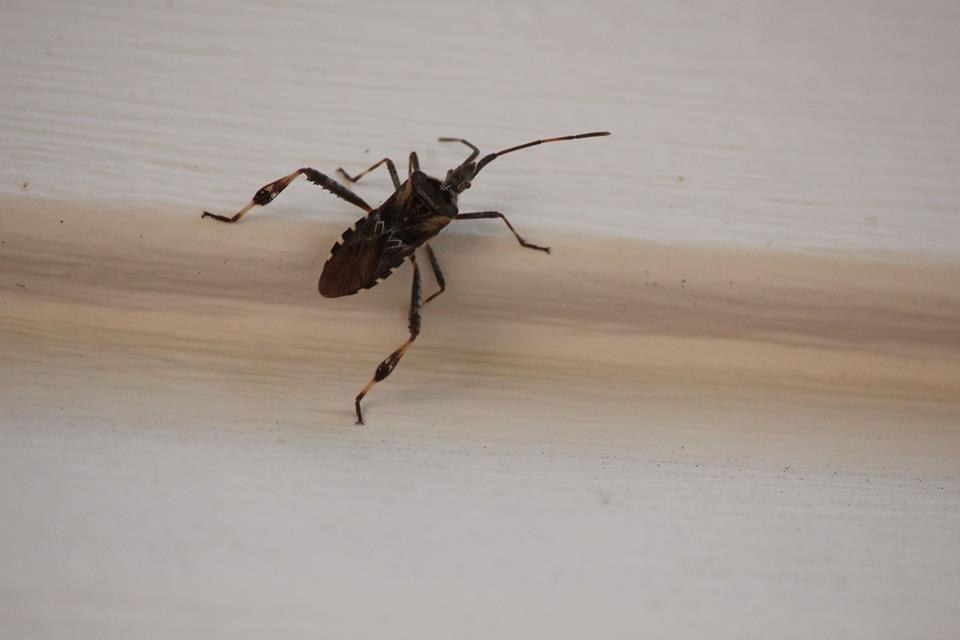
Western Conifer Seed Bug
A large brown true bug with flattened, leaf-shaped hind legs, native to conifer forests of the western United States but now widespread and notorious for gathering on and inside buildings as cooler weather approaches.
true-bug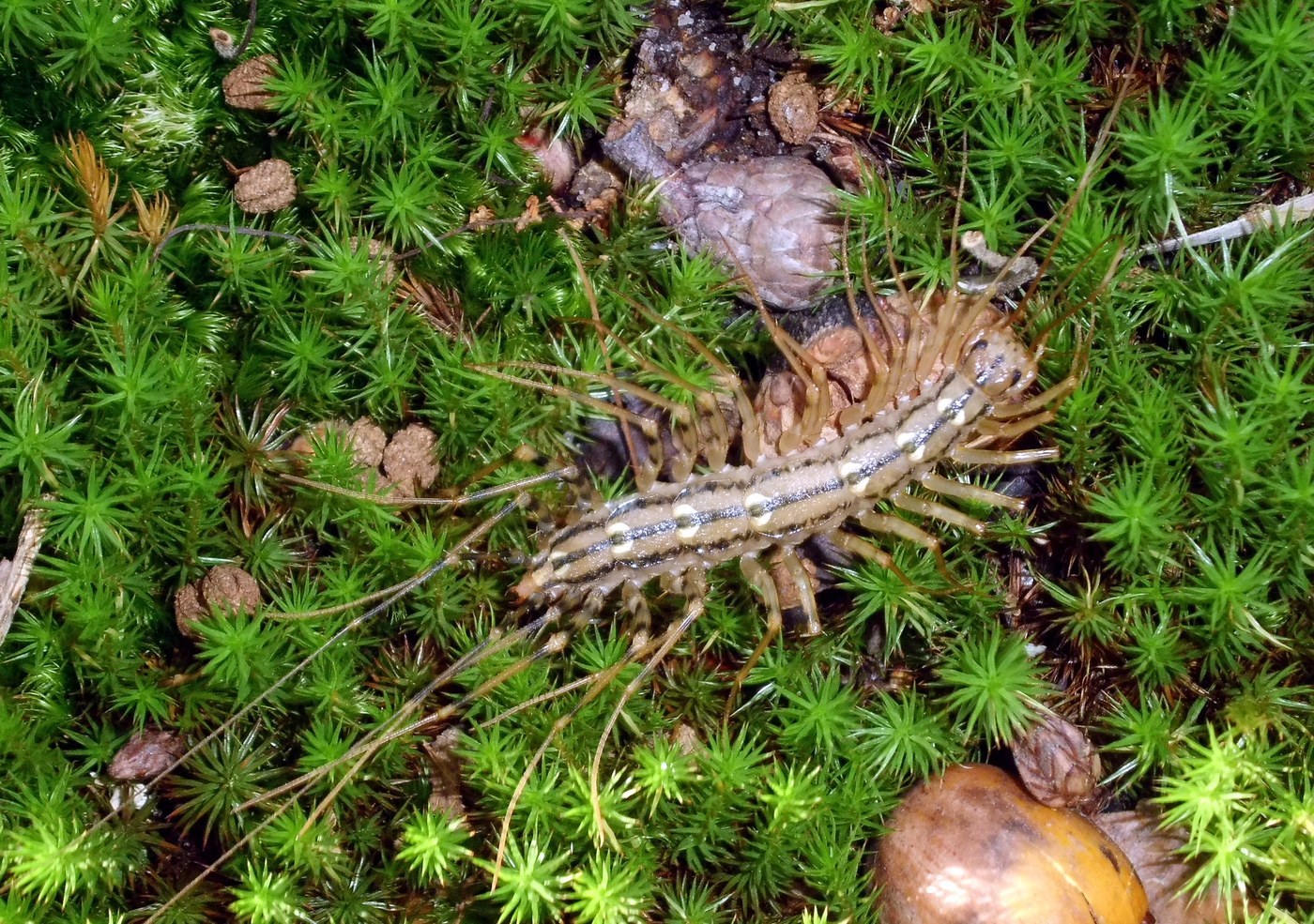
Centipede
A fast-moving, flattened, many-legged predator with one pair of long legs per body segment, instantly recognizable by its speed and, in the house centipede, its remarkably long, banded legs.
myriapodCreeping Water Bug
Broad, oval, and flattened like a tiny shield, the creeping water bug crawls methodically through submerged vegetation rather than swimming freely, using its stout, raptorial front legs to seize prey.
true-bug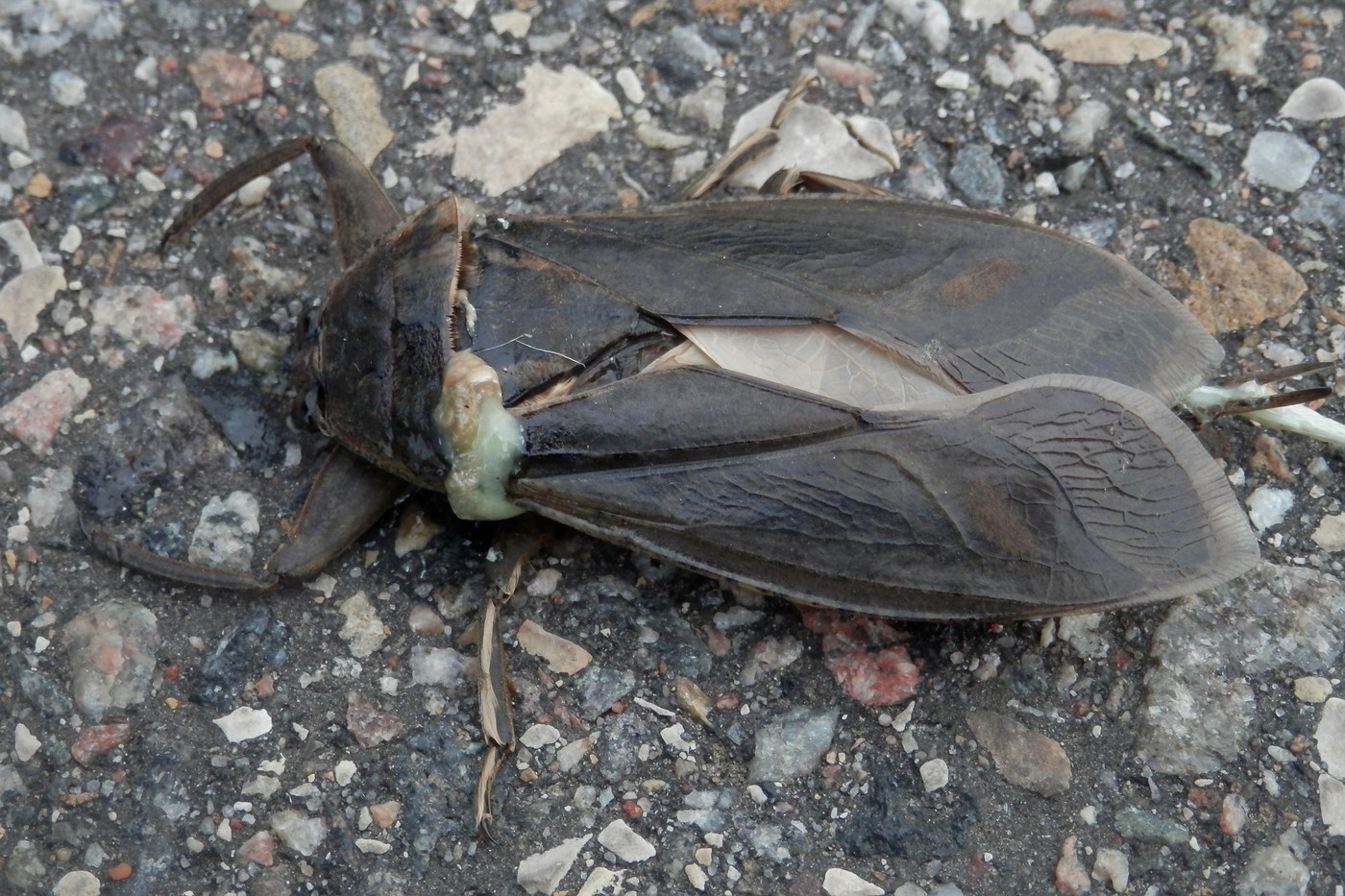
Giant Water Bug
A massive, flattened oval true bug with powerful grasping front legs, the giant water bug is North America's largest aquatic insect and an ambush predator lurking just below the surface of still water.
aquatic-insectFishfly Larva
A flattened, armor-plated predator of stream bottoms, the fishfly larva spends one to three years underwater seizing prey with sickle-shaped jaws before briefly taking wing as a short-lived winged adult.
aquatic-insectToe-Biter
One of the largest true bugs in the world, the toe-biter is a broad, flattened ambush predator that lies in wait among pond vegetation, seizing prey many times its own size with powerful raptorial front legs.
true-bugSoldier Fly Larva
Flattened, leathery, and tapered at both ends, the soldier fly larva drifts just beneath the surface film of ponds and marshes, filtering algae and organic debris while breathing through a fringe of water-repellent hairs at its tail.
aquatic-insectWhip Scorpion
A flattened, spider-like arachnid with a pair of extraordinarily long, whip-thin front legs used to feel out its surroundings in the dark, and large spiny pedipalps held out front like a crab's claws. Despite the name and fearsome appearance, it has no stinger and no fangs.
arachnid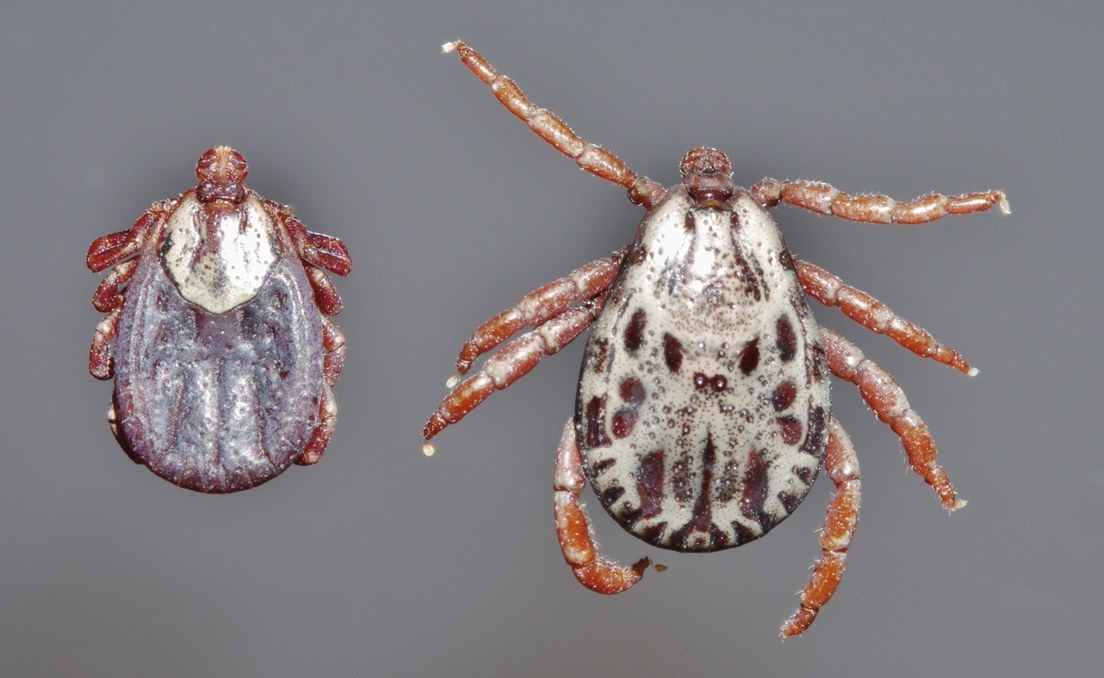
Wood Tick
A flattened, ornately patterned tick that waits on low brush in the Rocky Mountain foothills, ready to grab onto large mammals passing within reach. Its mottled, shield-marked back makes it one of the more distinctive North American ticks to identify.
arachnidLouse Fly
A flattened, leathery-bodied fly that clamps onto fur or feathers with stout claws and scuttles sideways like a tiny crab rather than taking flight when disturbed. Several species shed their wings for good once they settle on a permanent host, spending the rest of their lives buried in fleece or plumage.
flyFirefly
A soft-bodied, dusk-flying beetle famous for the bioluminescent flashes it produces from its abdomen to attract mates on warm summer evenings.
beetle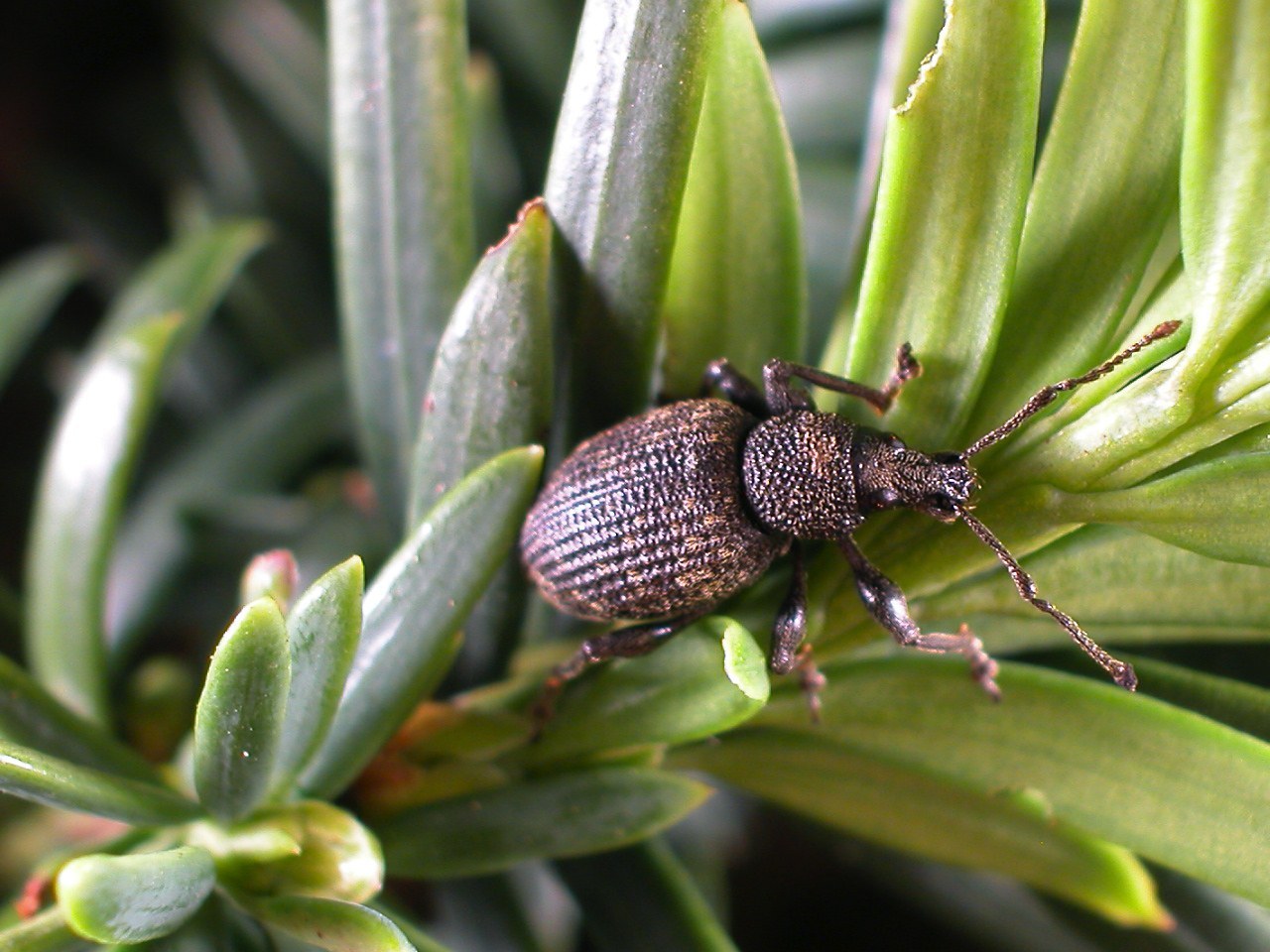
Vine Weevil
A slow, flightless, matte-black beetle that hides by day and emerges at night to notch neat semicircular bites from the edges of leaves.
beetle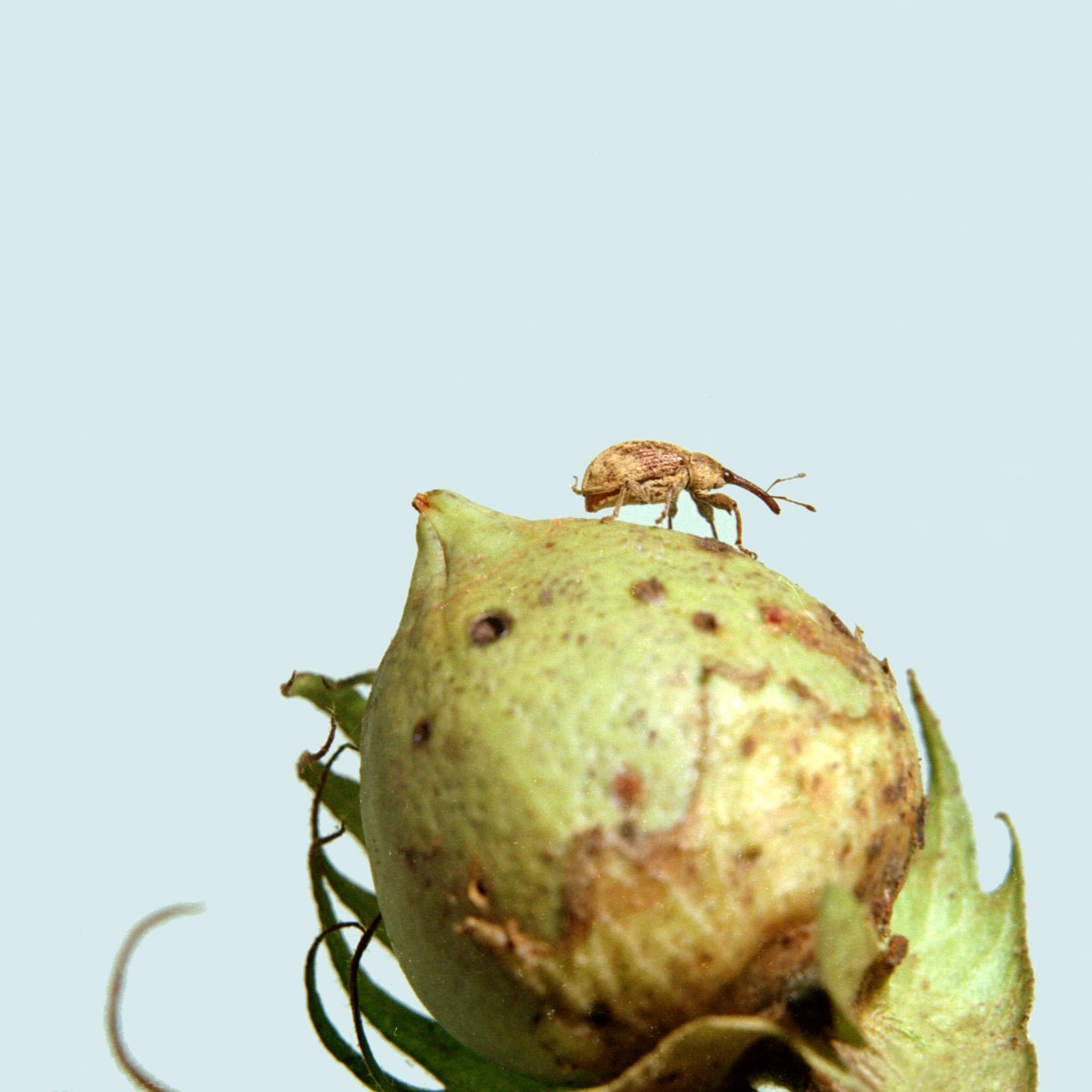
Boll Weevil
A small, grayish-brown snout beetle with a long, curved rostrum, historically famous for its close feeding association with cotton flower buds and bolls.
beetle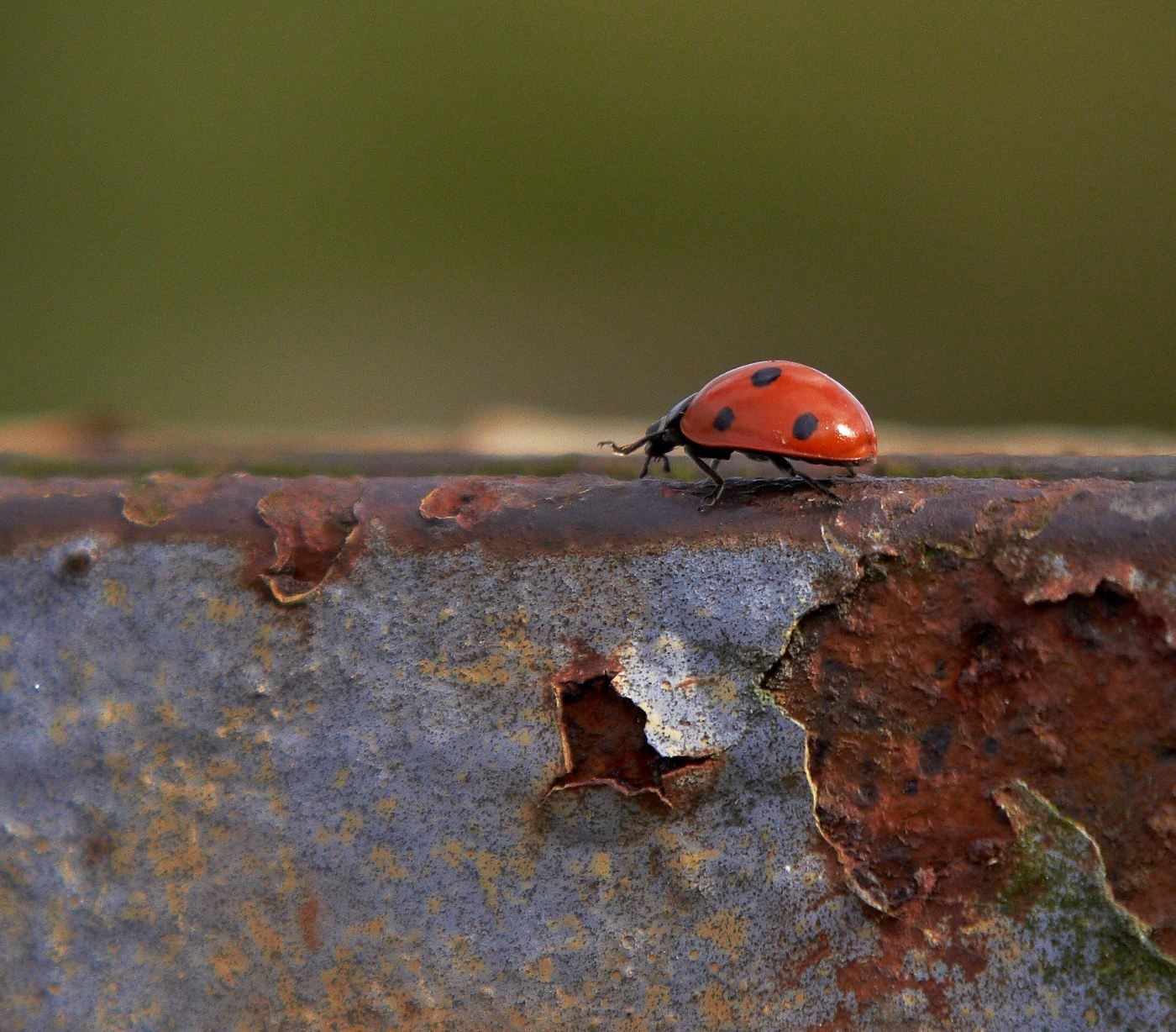
Seven-spotted Ladybird
A classic bright red ladybird with exactly seven black spots, one of the most iconic and widely recognized beetles in the world.
beetle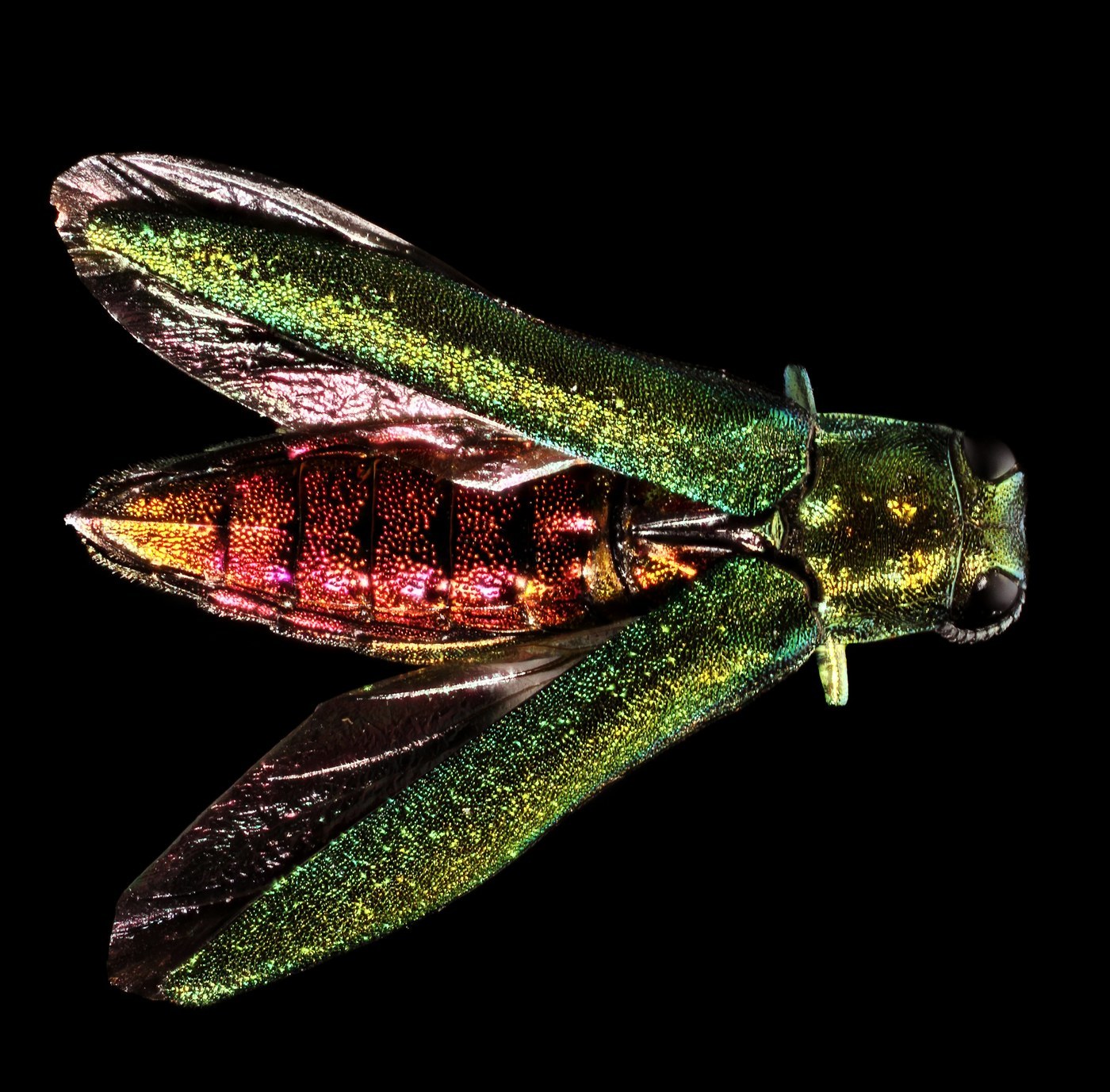
Emerald Ash Borer
A slender, bullet-shaped beetle with brilliant metallic-green coloring, whose bark-tunneling larvae feed almost exclusively within ash trees.
beetle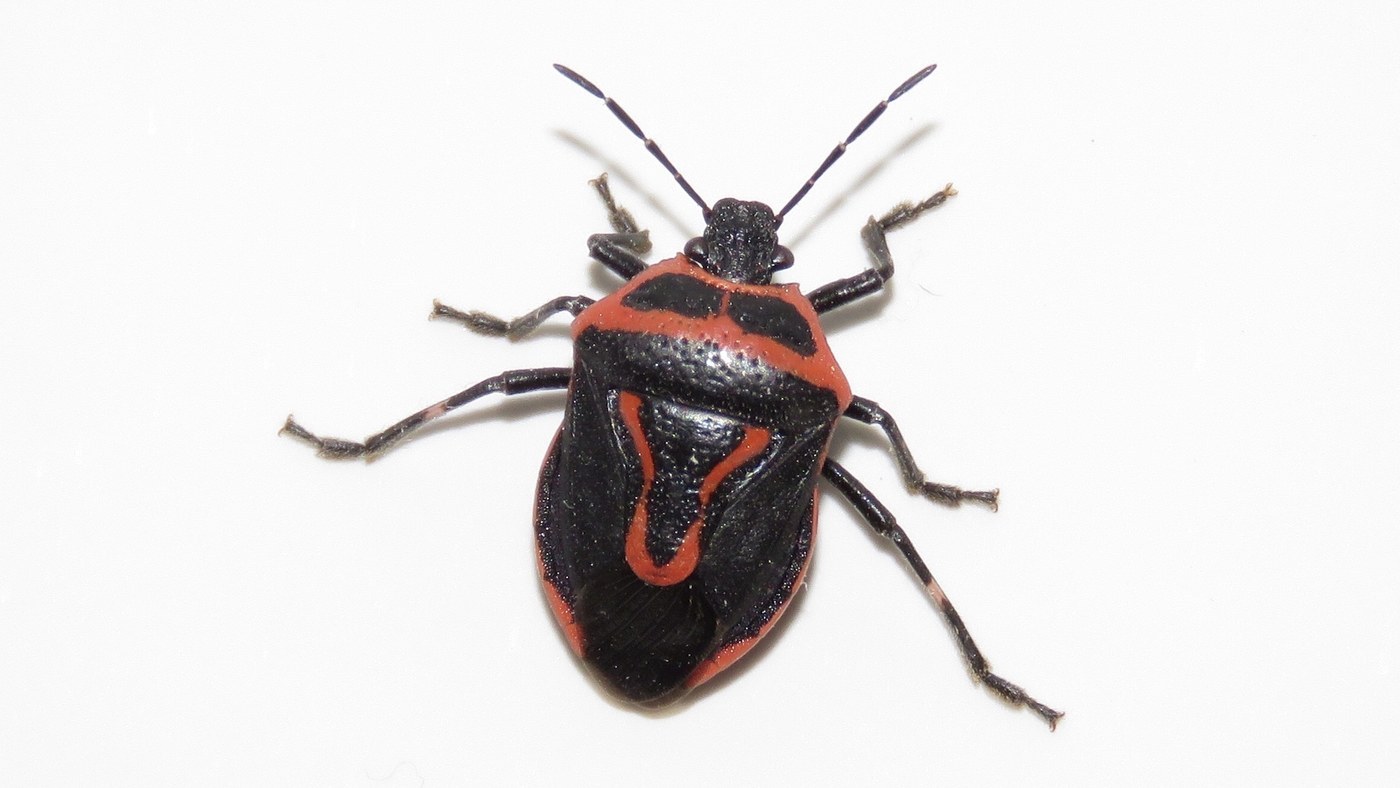
Two-Spotted Stink Bug
A boldly patterned black-and-orange predatory stink bug named for the pair of dark spots on its back, best known for hunting Colorado potato beetle larvae in gardens and fields.
true-bugFireflies (Lightning Bug)
A soft-bodied beetle that turns summer evenings magical by flashing rhythmic patterns of cold light from its abdomen to attract mates across meadows and forest edges.
beetle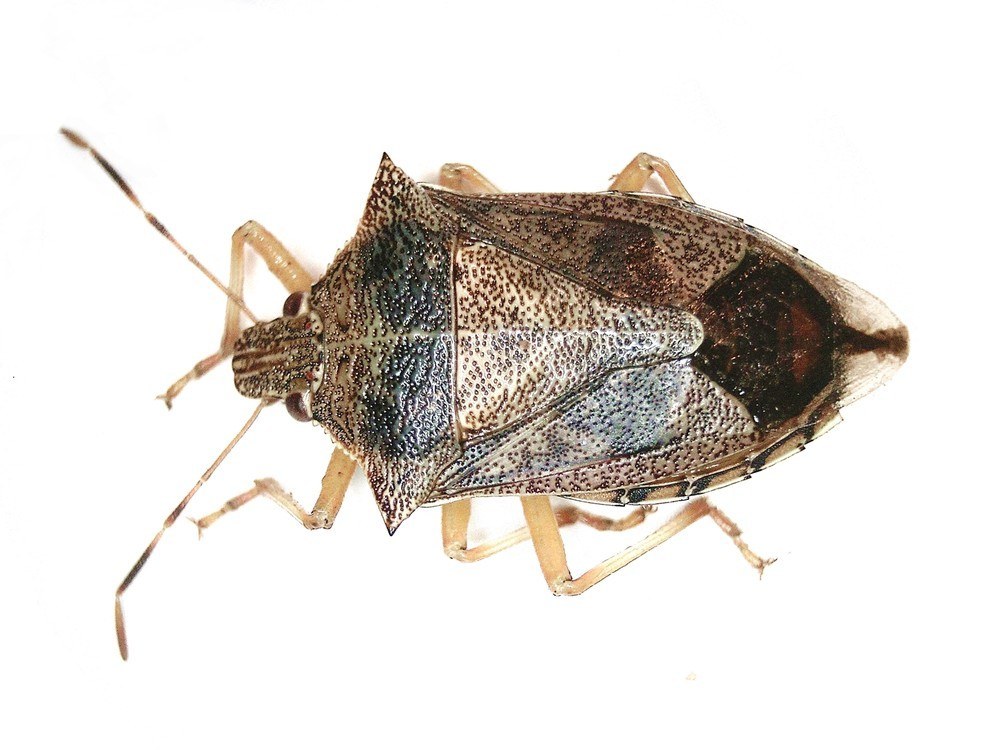
Spined Soldier Bug
A predatory stink bug identified by the sharp, pointed spines projecting from its shoulders, valued in gardens and farm fields for hunting caterpillars, beetle larvae, and other pest insects.
true-bug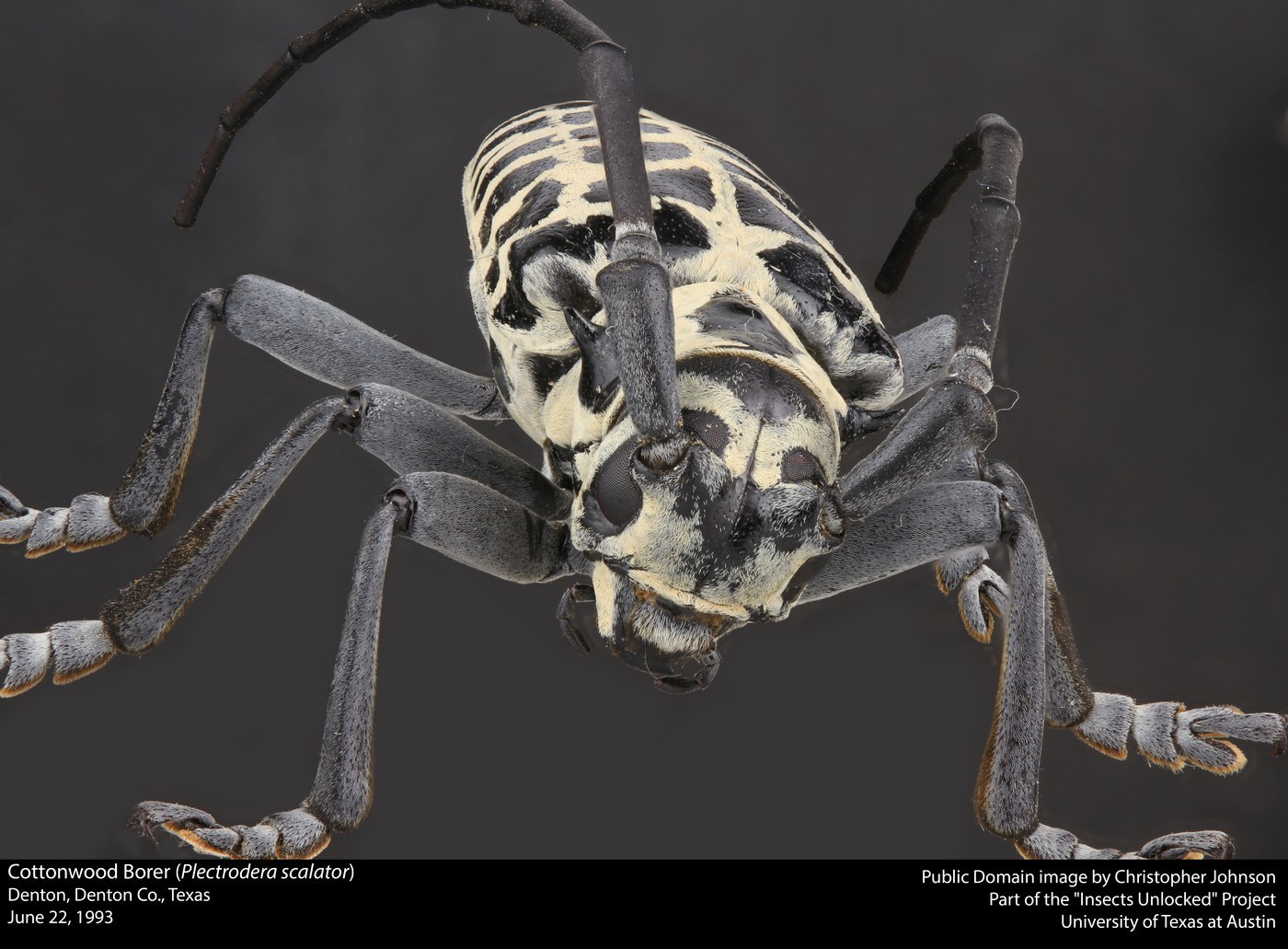
Cottonwood Borer
A large, boldly patterned longhorn beetle in black and chalky white checkerboard markings, often found clinging to the trunks of cottonwood and poplar trees near its larvae's root tunnels.
beetlePredatory Stink Bug
Unlike its plant-feeding relatives, the predatory stink bug is a hunter that spears caterpillars and beetle larvae with a stout beak. The spined soldier bug is a familiar shield-shaped garden ally.
true-bug