
Bug Encyclopedia
Search and identify bugs & insects — beetles, butterflies, moths, ants, bees, spiders and more — with size, habitat, danger, behavior, and how to tell them apart.
Army Ant
A nomadic predator that never builds a permanent nest, instead forming temporary living bivouacs from its own linked bodies and sweeping through the forest floor in massive predatory raids.
antPainted Lady Caterpillar
A spiky, mottled caterpillar that spins loose silk webbing over thistle or mallow leaves and hides inside its own protective tent while feeding.
caterpillar-larvaDiving Beetle Larva (Water Tiger)
Nicknamed the water tiger, the larva of a predaceous diving beetle is an elongated, sickle-jawed hunter that stalks the shallows and seizes prey many times its own size.
beetle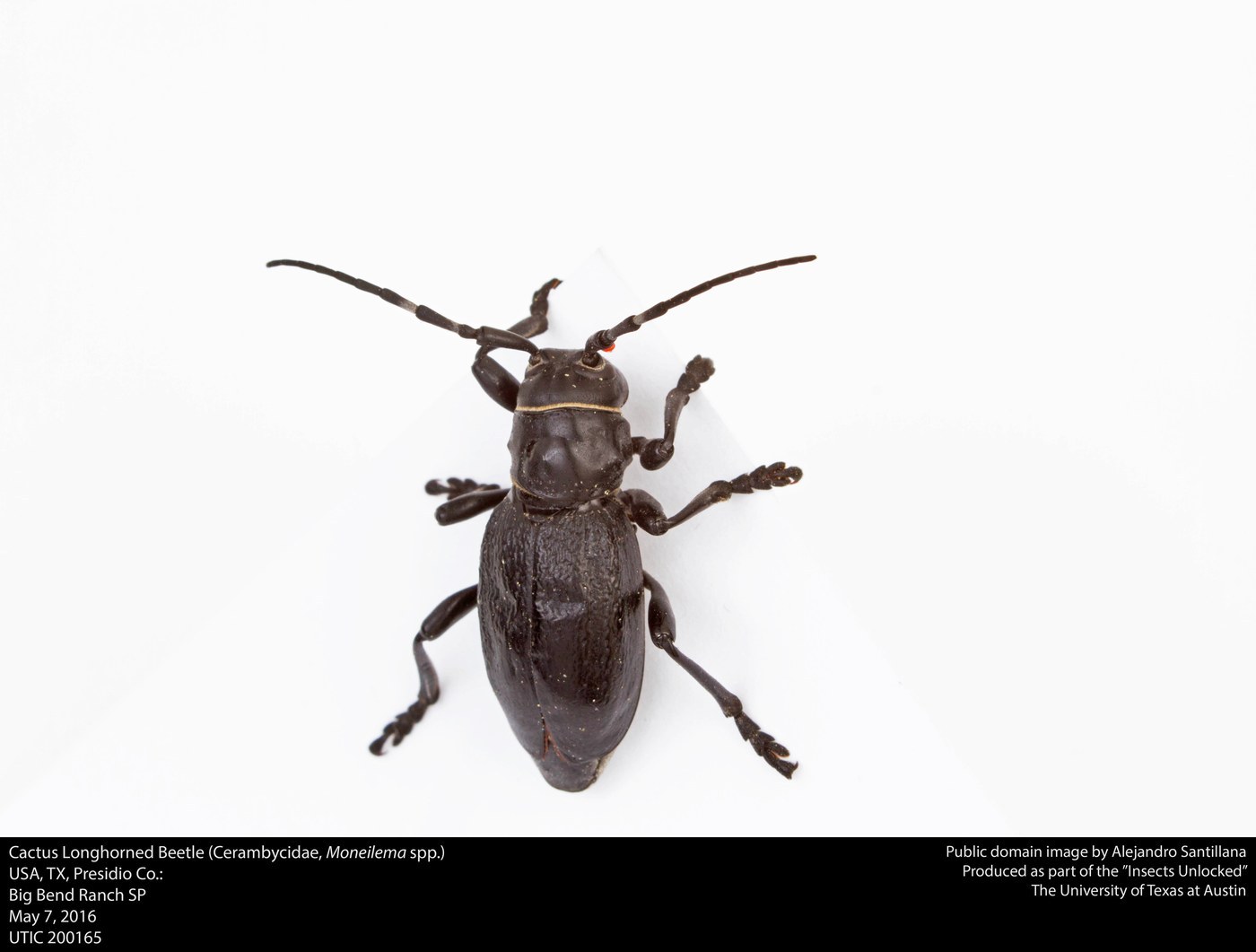
Longhorn Beetle
A beetle instantly recognizable by antennae often longer than its own body, ranging from small woodland species to large, dramatically patterned tropical and temperate forms.
beetleDragonhunter
North America's largest clubtail, the Dragonhunter is a powerful predator that lives up to its name by capturing and eating other dragonflies, including species nearly its own size.
dragonflyToe-Biter
One of the largest true bugs in the world, the toe-biter is a broad, flattened ambush predator that lies in wait among pond vegetation, seizing prey many times its own size with powerful raptorial front legs.
true-bug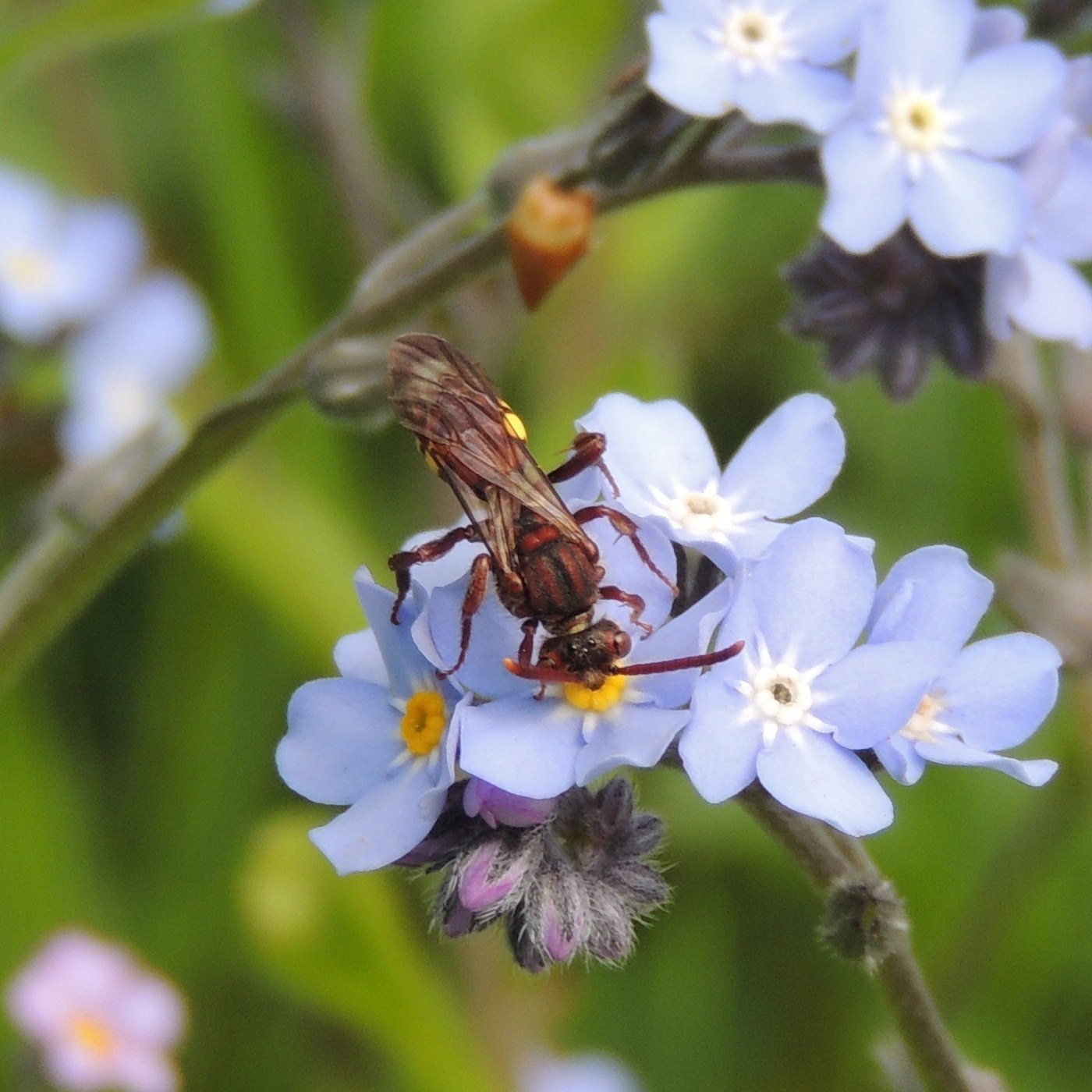
Cuckoo Bee
A slender, wasp-like bee that lacks pollen-carrying hairs because it never gathers its own pollen, instead sneaking into the nests of other solitary bees to lay eggs that hatch and consume the host's food stores.
beeWeaver Ant
A tree-dwelling ant that builds its nest by stitching living leaves together with silk produced by its own larvae, forming elaborate arboreal colonies defended fiercely by its workers.
antSpicebush Swallowtail Caterpillar
A bulging-eyed green caterpillar that lives folded inside its own silk-stitched leaf tent, looking every bit like a miniature snake peering out from cover.
caterpillar-larva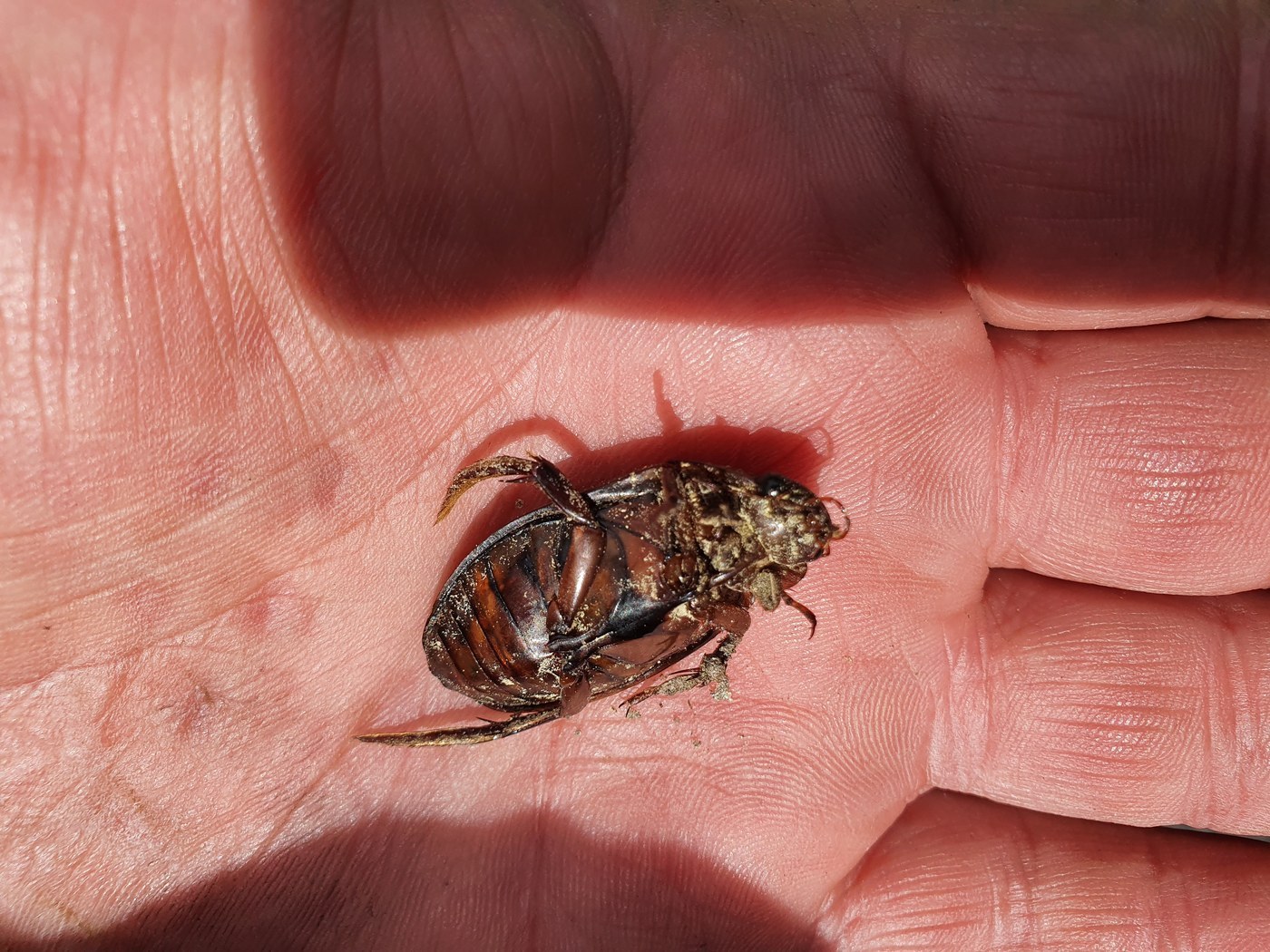
Diving Beetle
A smooth, streamlined, dark-bodied beetle with broad, fringed hind legs built for swimming, an active underwater predator that carries its own air supply beneath its wing covers.
aquatic-insect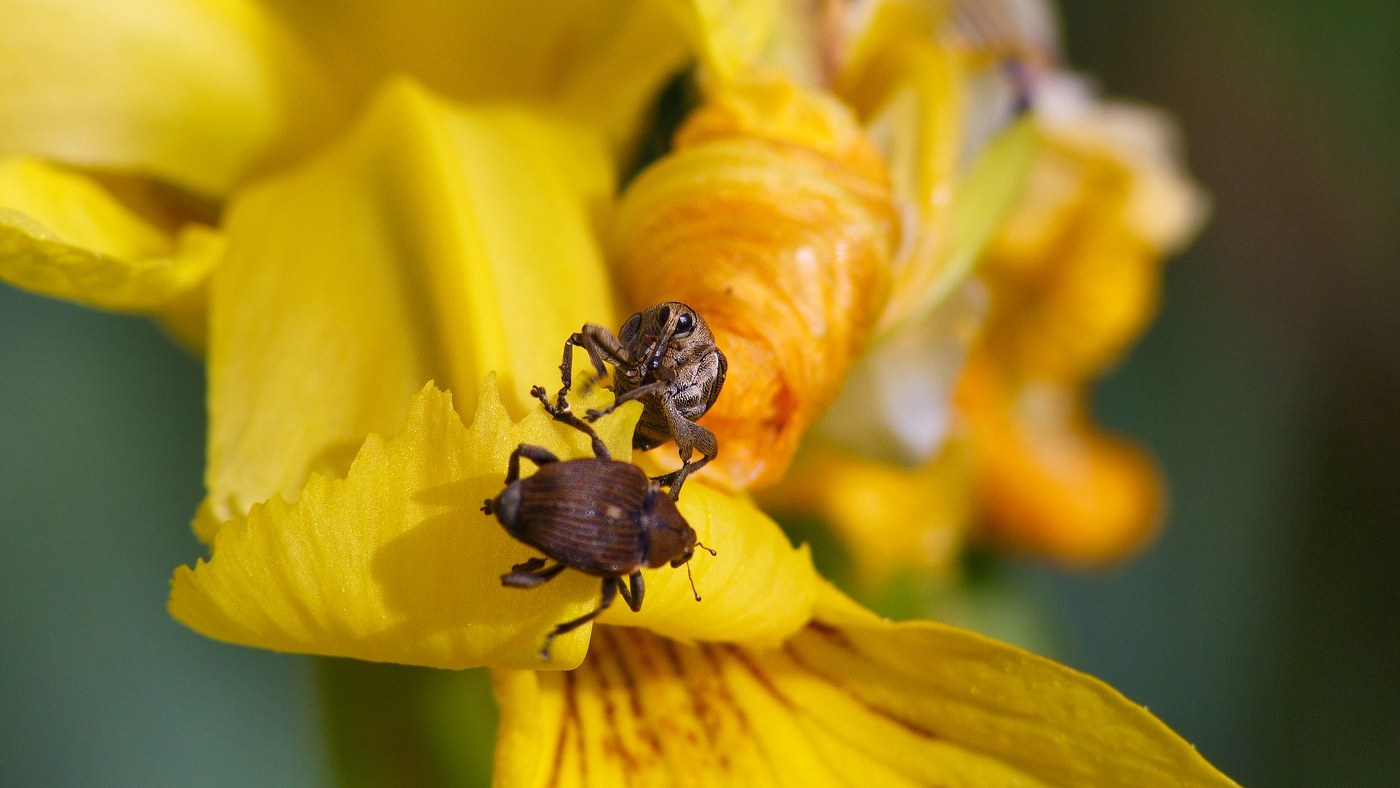
Acorn Weevil
A small brown weevil with an extraordinarily long, thread-thin snout, often longer than its own body, which it uses to drill into developing acorns before laying its eggs inside.
beetle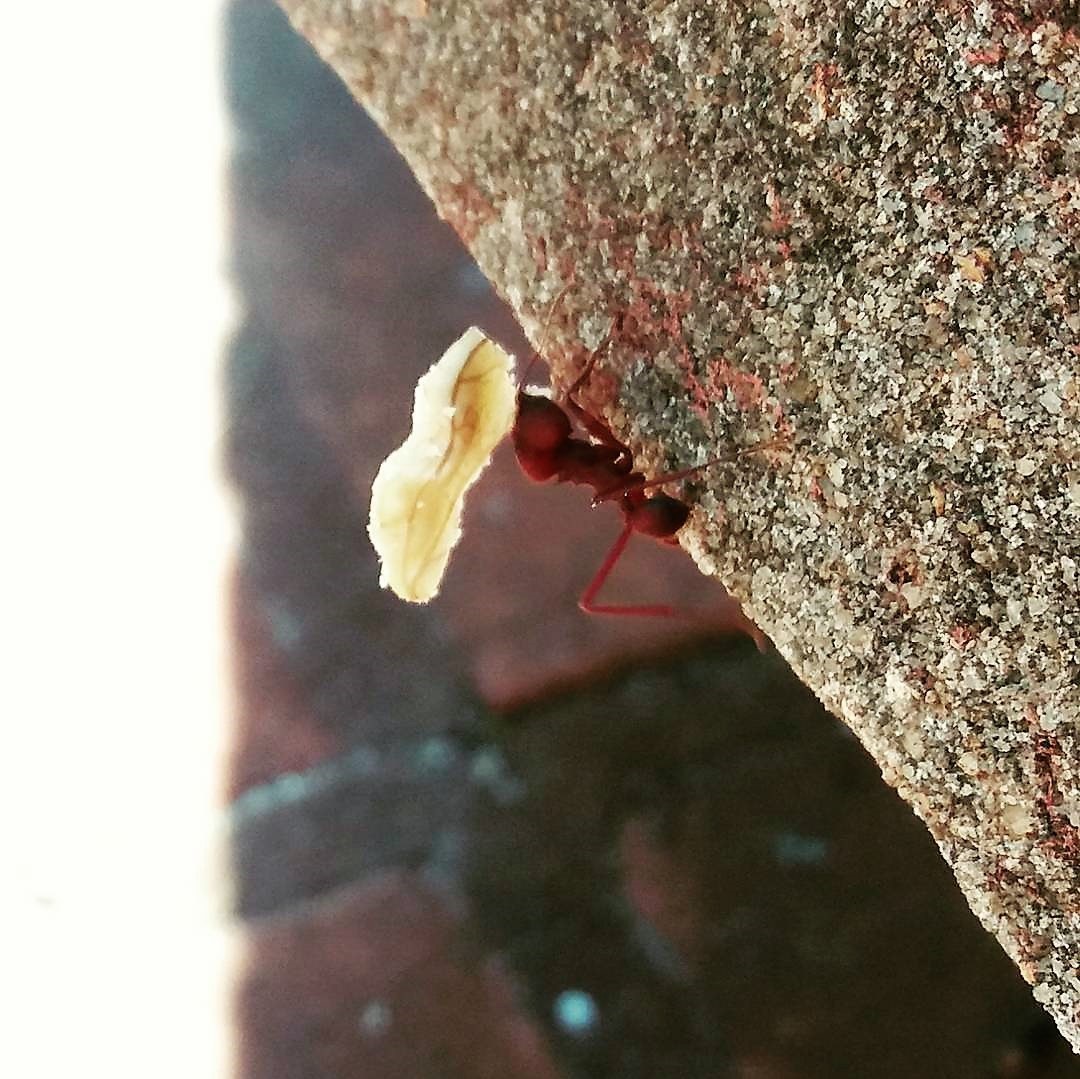
Leafcutter Ant
A highly organized ant famous for marching in long trails while carrying disc-shaped pieces of leaf many times their own size, which they use to cultivate fungus gardens deep underground.
ant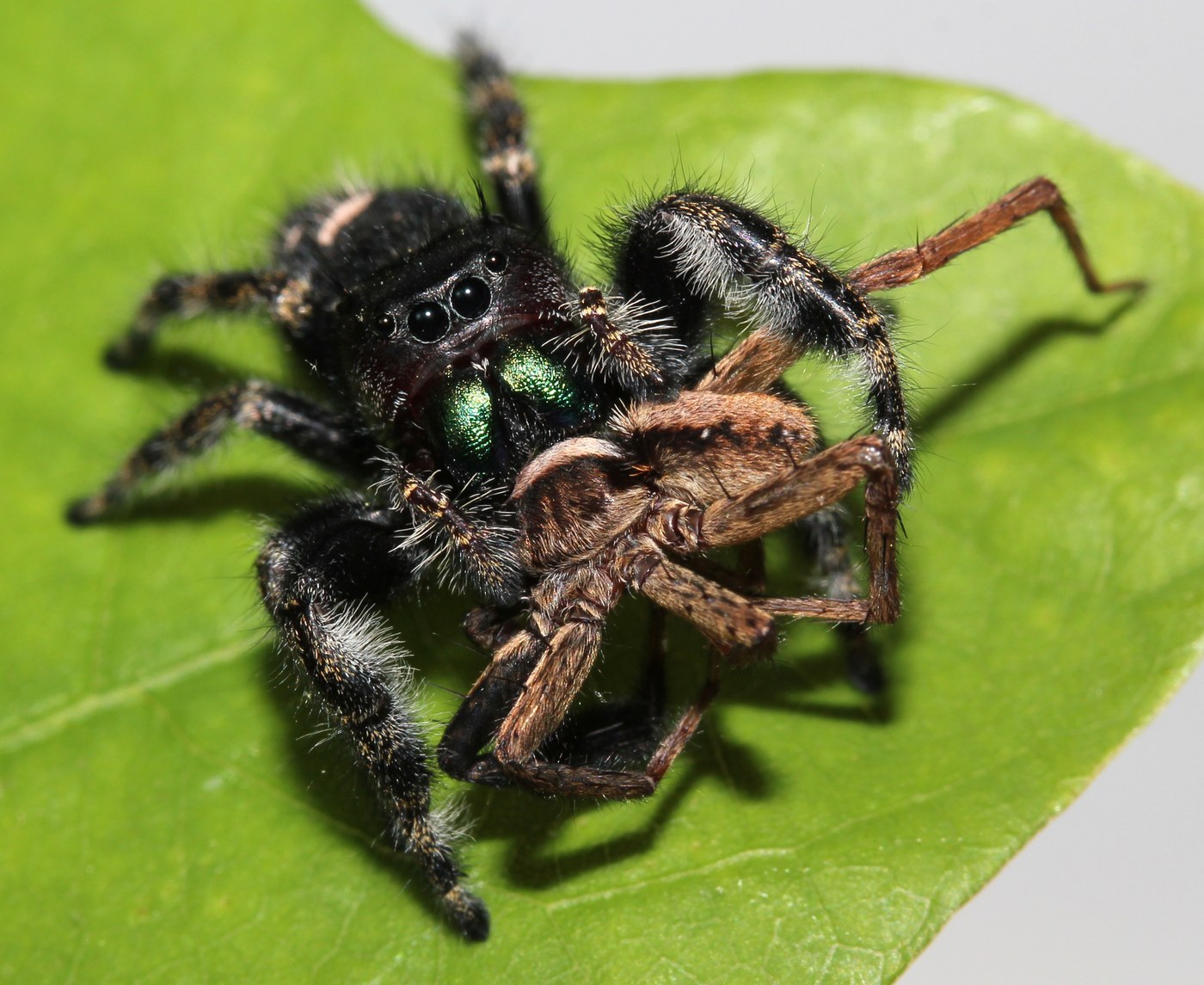
Bold Jumping Spider
A stocky, fuzzy black spider with iridescent green or blue mouthparts and a bold white or orange spot on its abdomen, the bold jumper is known for its excellent eyesight, curious behavior, and ability to leap many times its own body length.
spider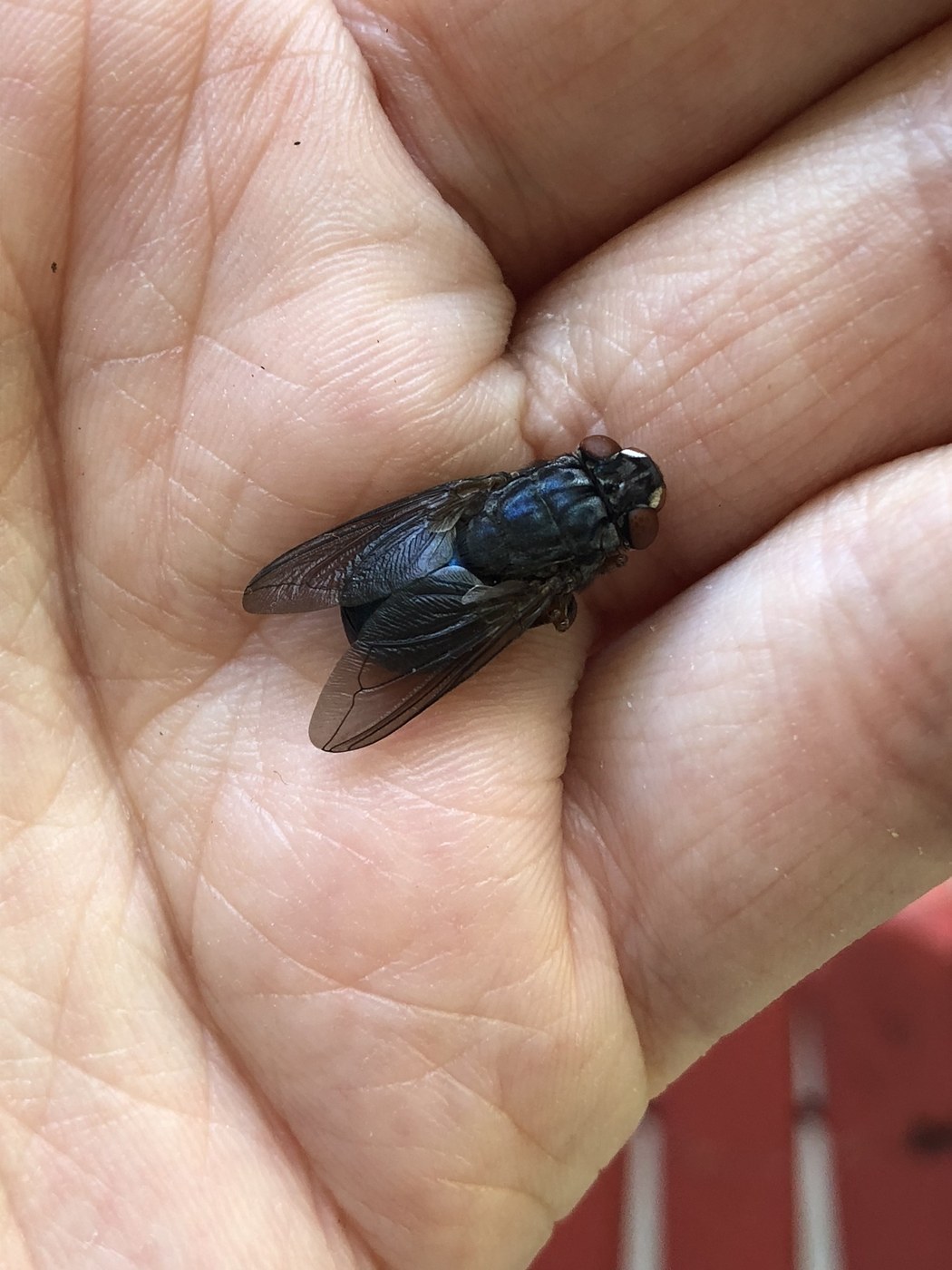
Human Bot Fly
A stout, dark-bodied fly from the American tropics famous for an unusual reproductive trick: it captures a blood-feeding mosquito mid-flight and glues its own eggs to the mosquito's body before releasing it to carry them to a future host. The adult itself is rarely seen, spending most of its short life in shaded forest understory.
fly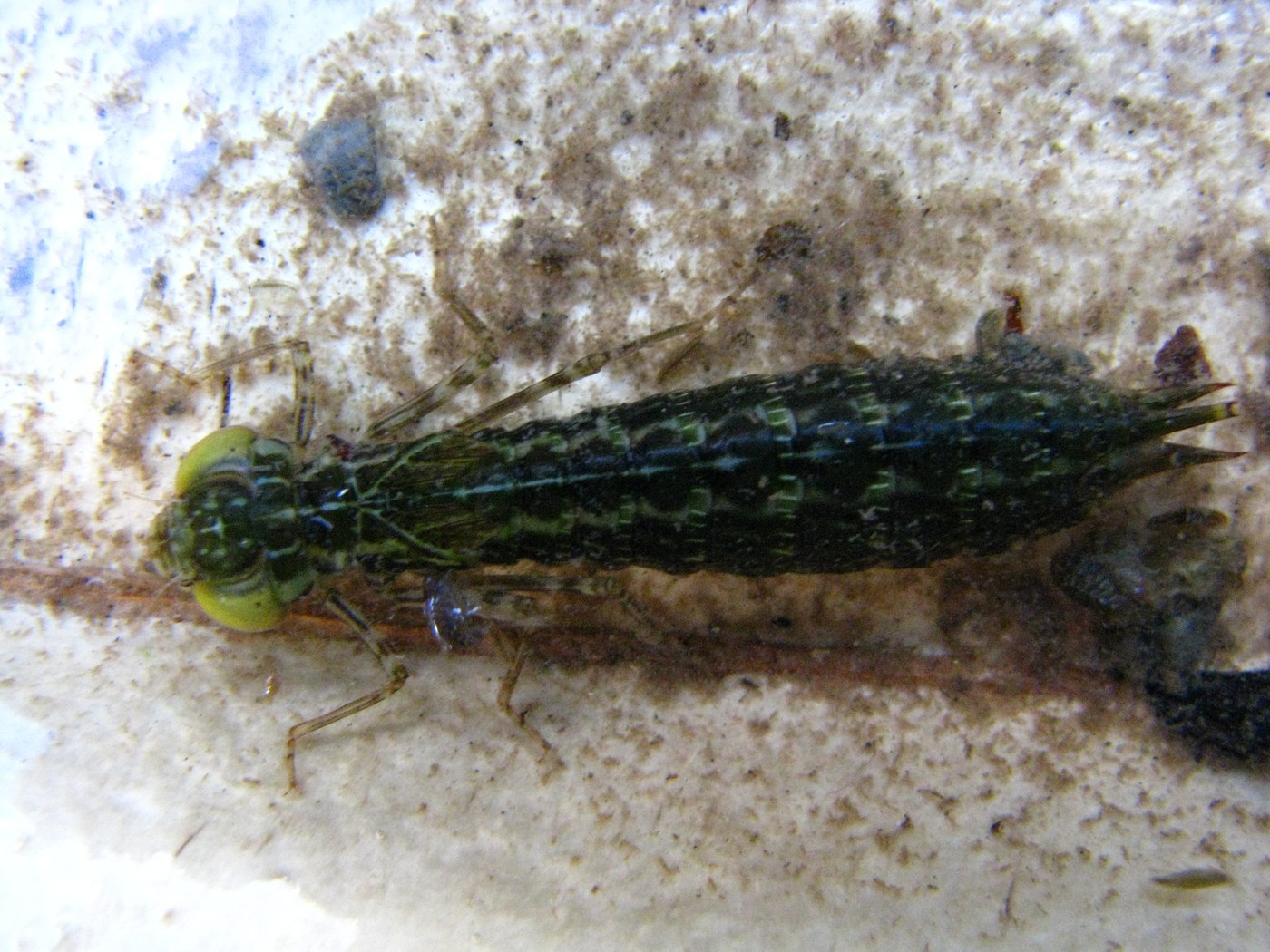
Dragonfly Nymph
A stocky, camouflaged underwater predator that spends months or years stalking prey along the pond bottom before transforming into an aerial dragonfly.
aquatic-insectMayfly Nymph
A short-lived aquatic grazer with feathery gills along its abdomen, living for months underwater before a brief, spectacular mass emergence as a winged adult.
aquatic-insect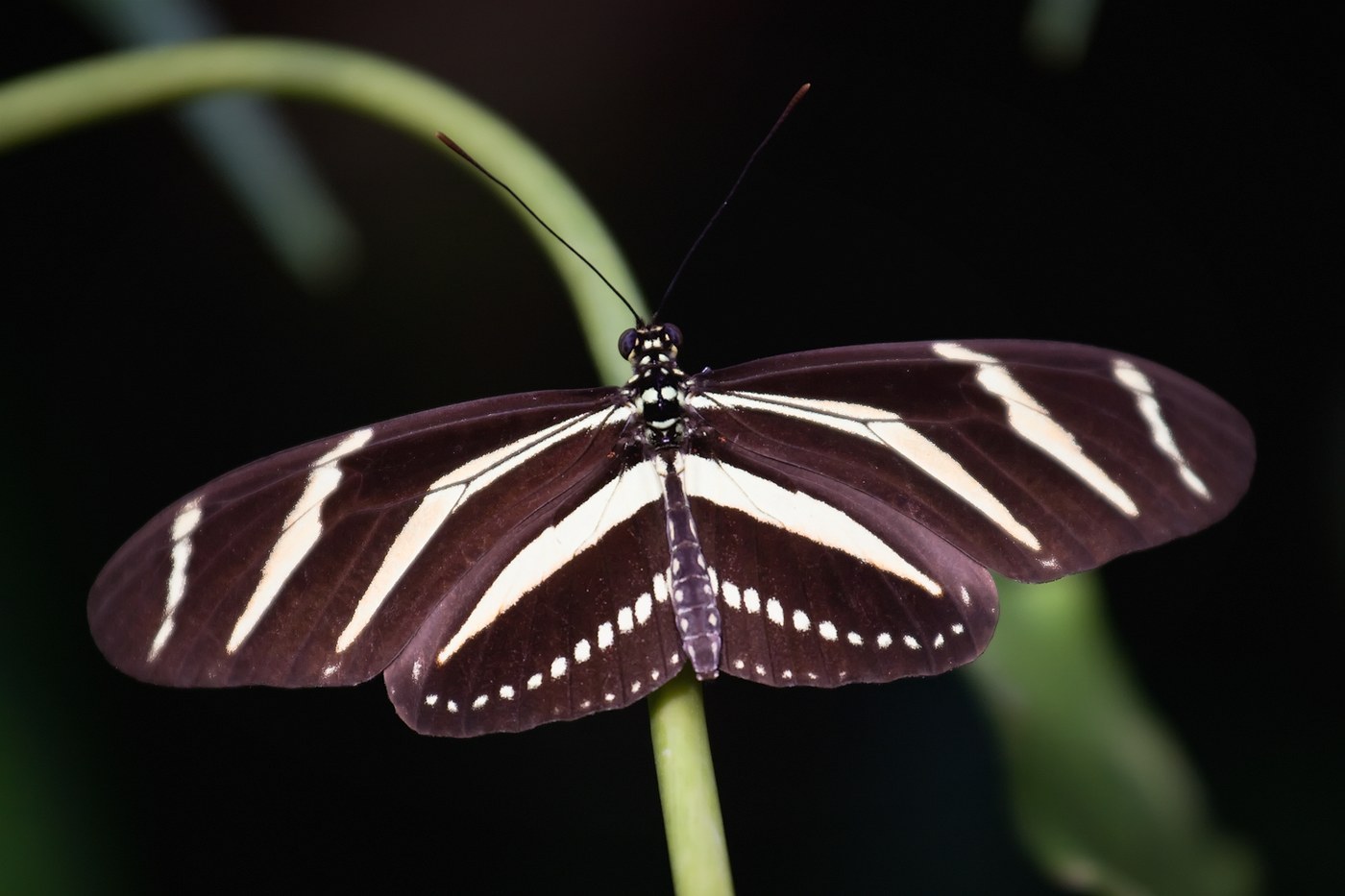
Zebra Longwing
A slow-flying, long-winged black butterfly striped boldly with yellow, unusual among butterflies for feeding on pollen as an adult, which extends its lifespan to several months.
butterfly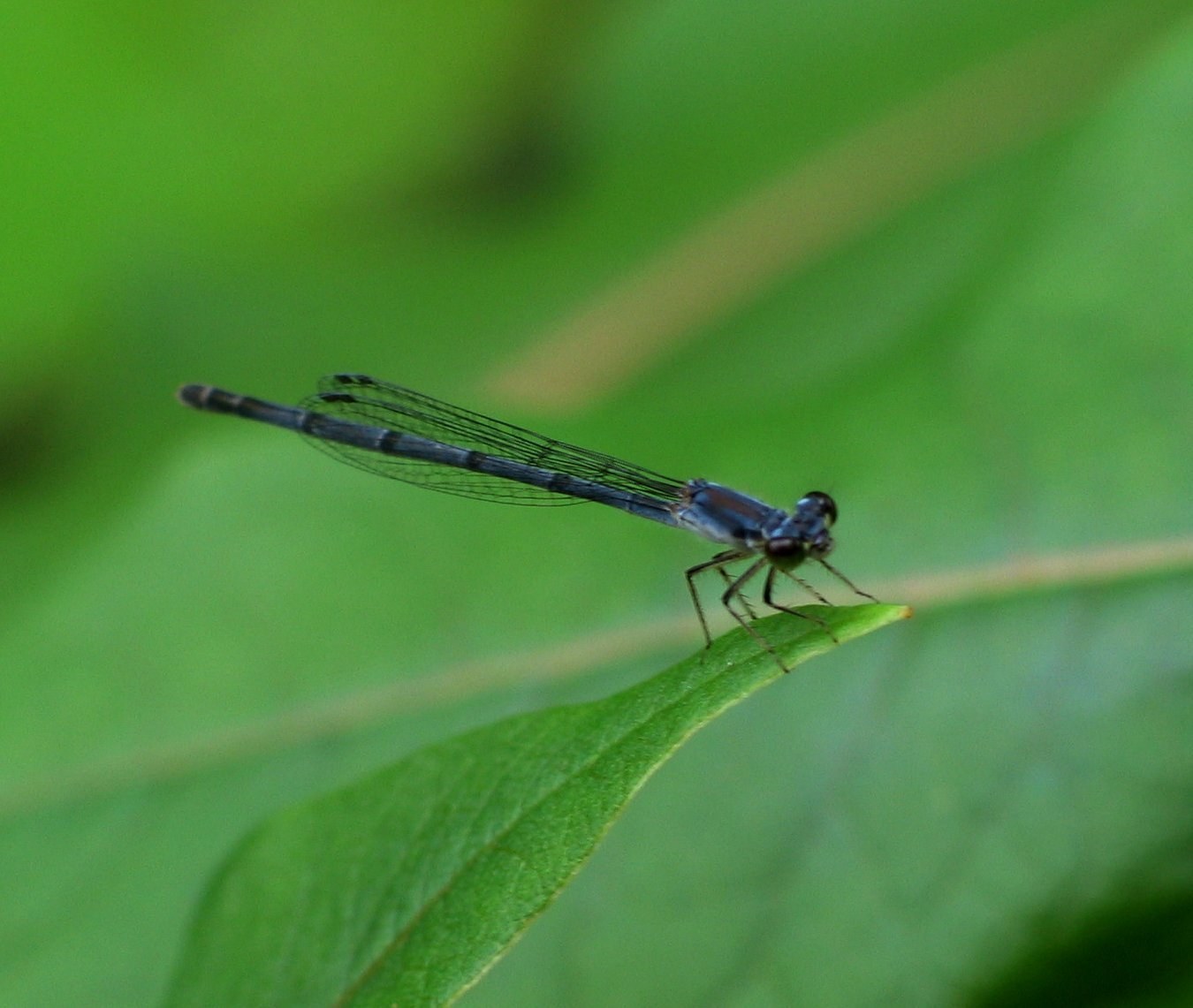
Familiar Bluet
One of the most widespread and abundant damselflies in North America, the Familiar Bluet's slender sky-blue and black body is a near-constant sight over ponds and lakes in warm months.
otherCave Spider
A long-legged orb weaver adapted to the twilight zone of caves, spinning large webs across cavern mouths and dangling its egg sacs from silk threads deep within the darkness.
spiderMarch Fly
A stout, all-black fly that emerges in sudden, dense swarms during the first warm days of spring, often dangling its long hind legs conspicuously in slow, low flight over grass. Its name comes from its habit of appearing reliably around the start of the month, sometimes on cue near a particular saint's feast day in the traditional European calendar.
fly