
Bug Encyclopedia
Search and identify bugs & insects — beetles, butterflies, moths, ants, bees, spiders and more — with size, habitat, danger, behavior, and how to tell them apart.
Cobweb Spider
A common household spider that spins a messy, three-dimensional tangle of silk in dark corners and drags entangled insects up into the maze to feed.
spider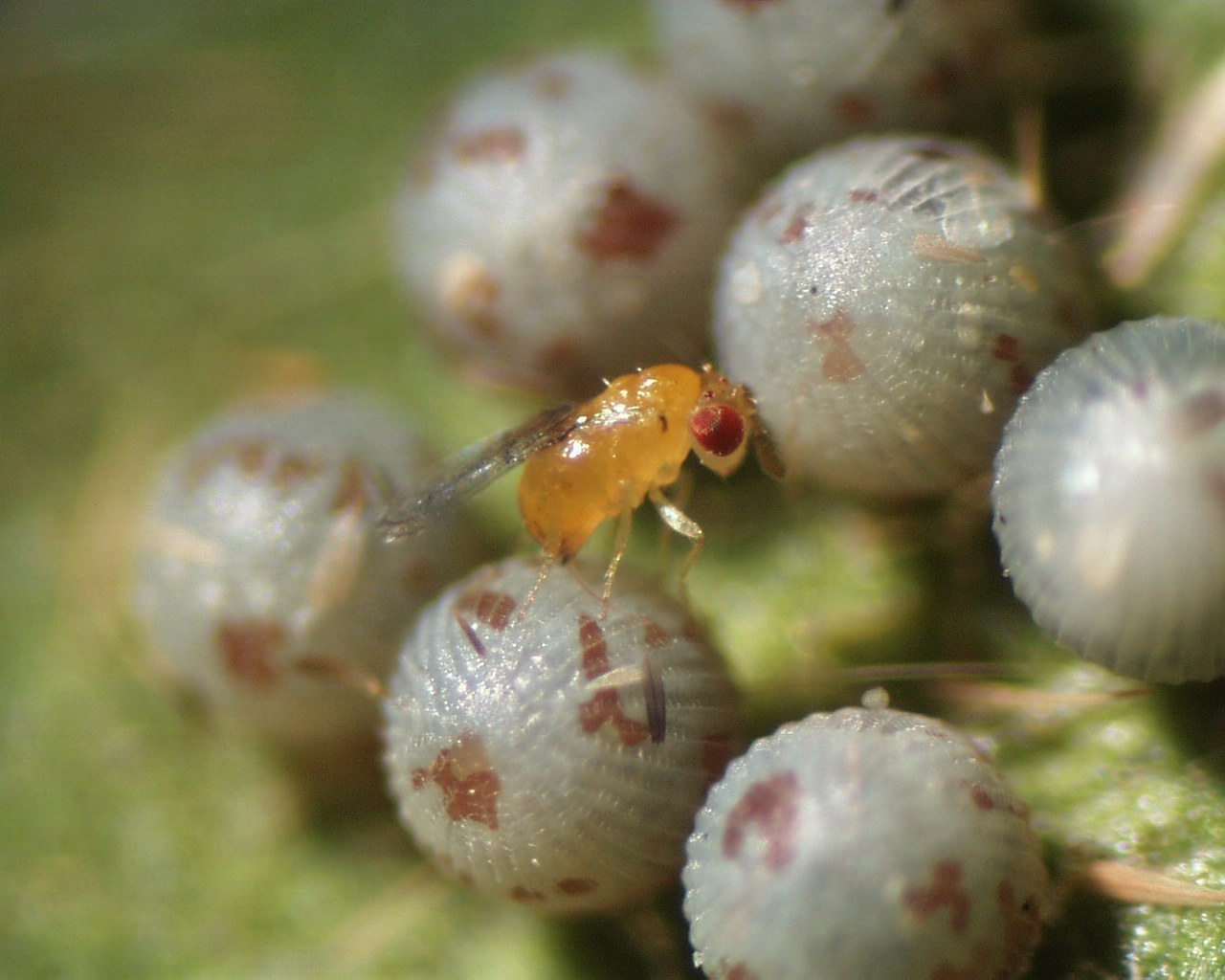
Trichogramma Wasp
Barely larger than a speck of dust, the trichogramma wasp is one of the tiniest insects known. These minute parasitoids lay their eggs inside the eggs of moths and butterflies.
wasp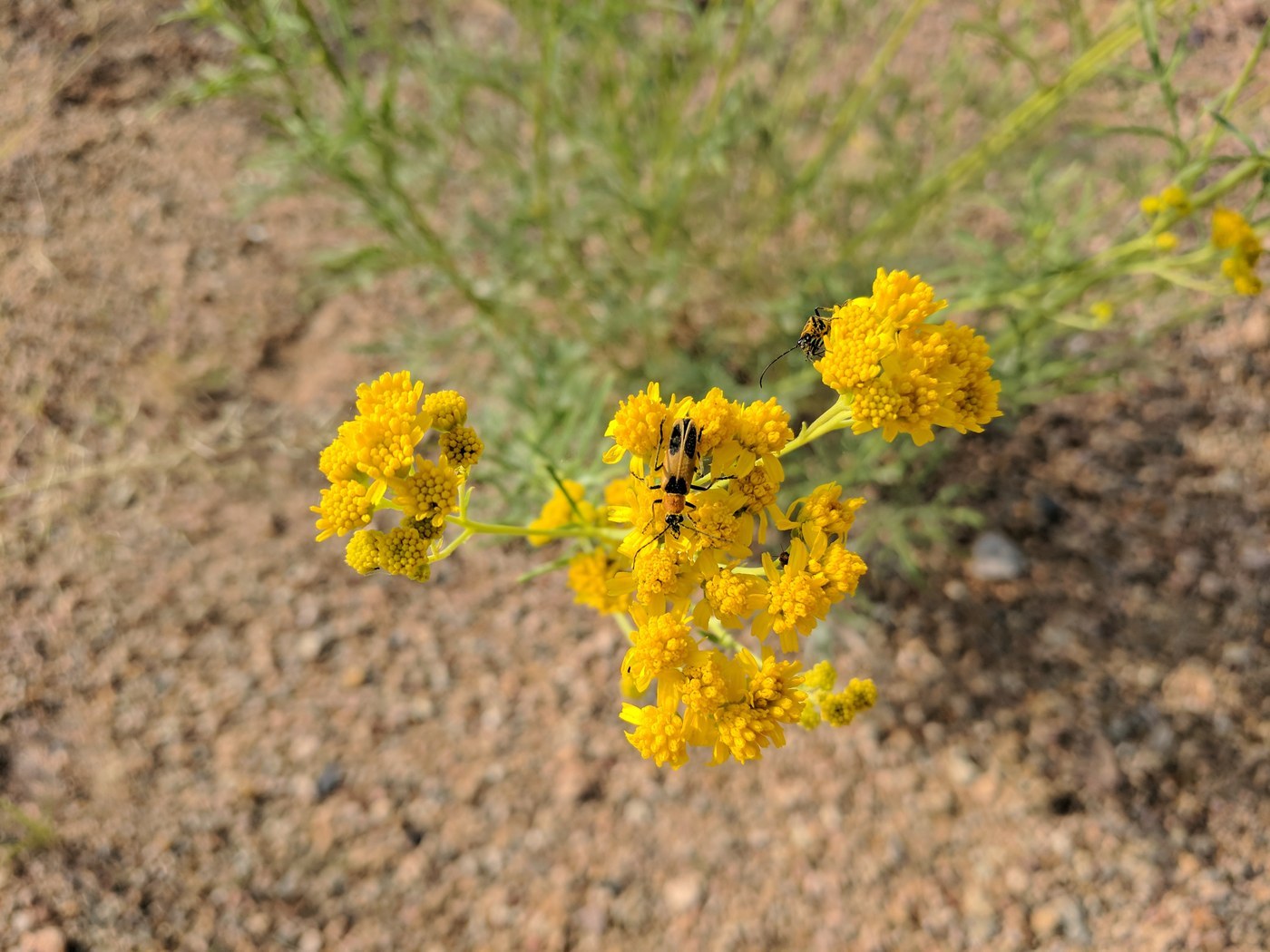
Soldier Beetle
A slender, soft-bodied beetle in orange and black or yellow and brown, often seen clustered on late-summer flowers where it feeds on pollen, nectar, and small insects.
beetle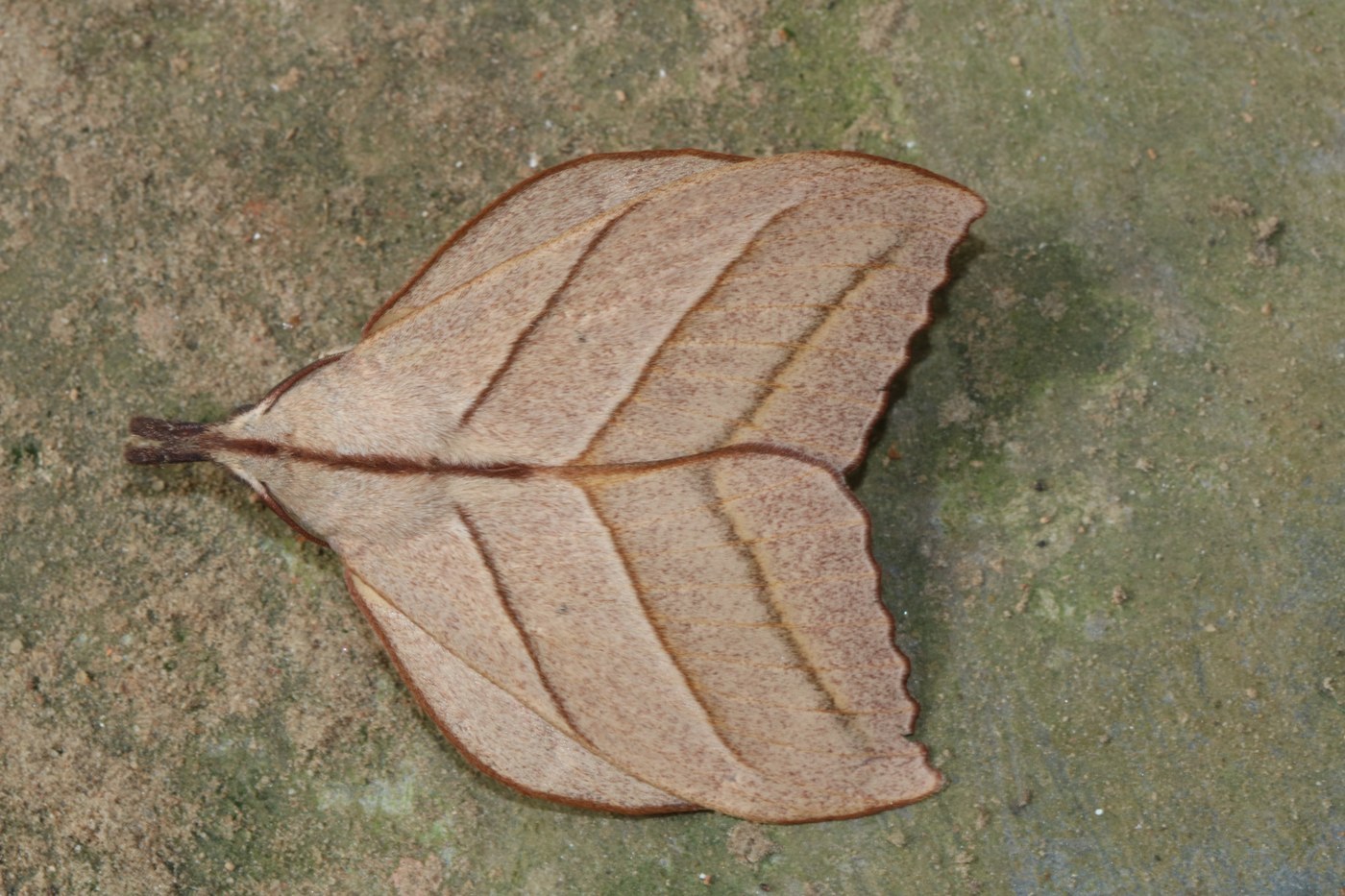
Moth
A broad group of scale-winged insects related to butterflies, typically nocturnal, with stout, often furry bodies and feathery or thread-like antennae.
moth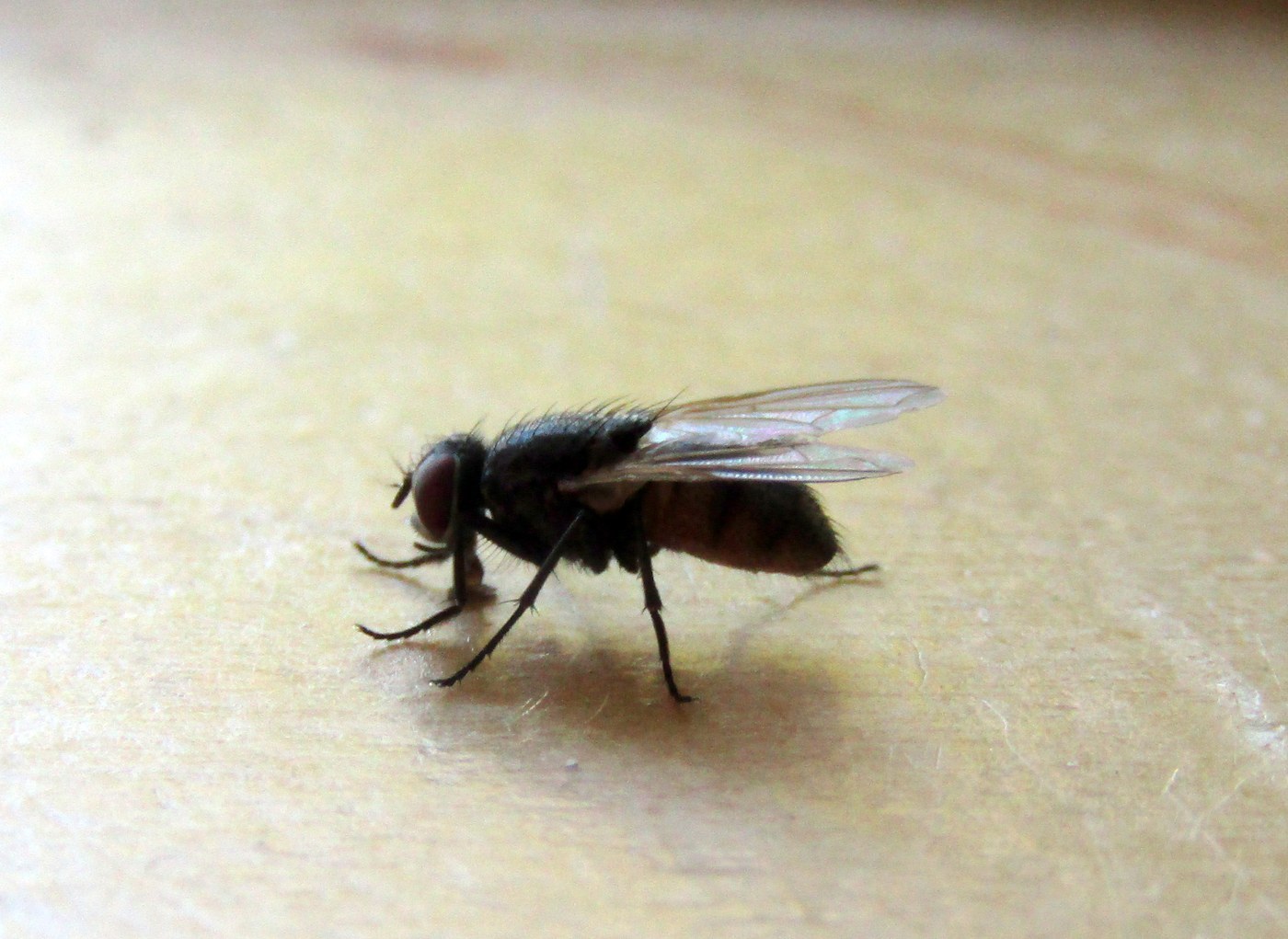
Common House Fly
A dull gray fly with four dark stripes down its back, the house fly is one of the most familiar insects on Earth, following people and their food waste to every continent.
fly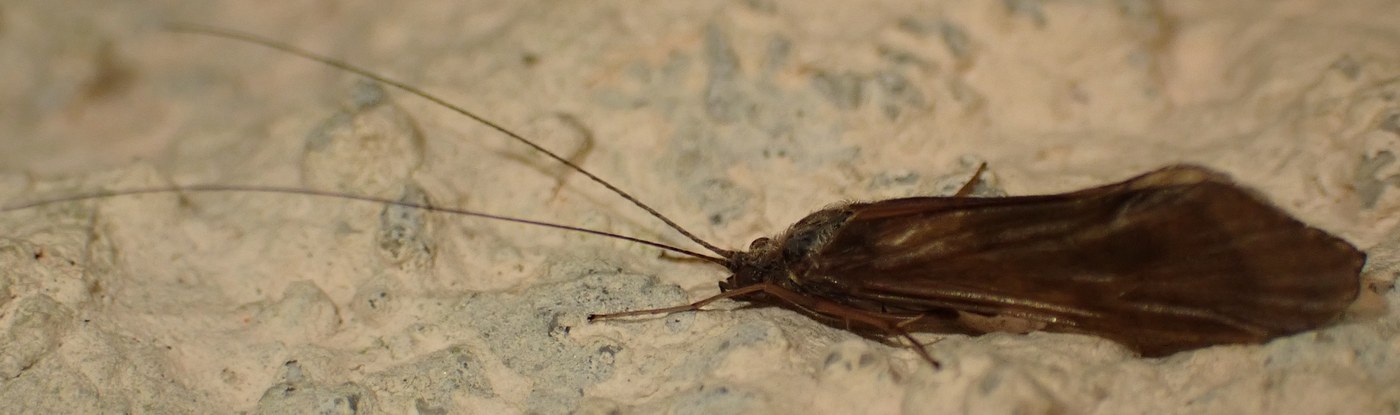
Caddisfly
A moth-like insect whose larvae are famous for constructing portable protective cases out of silk and whatever sand, twigs, or debris they can find.
aquatic-insect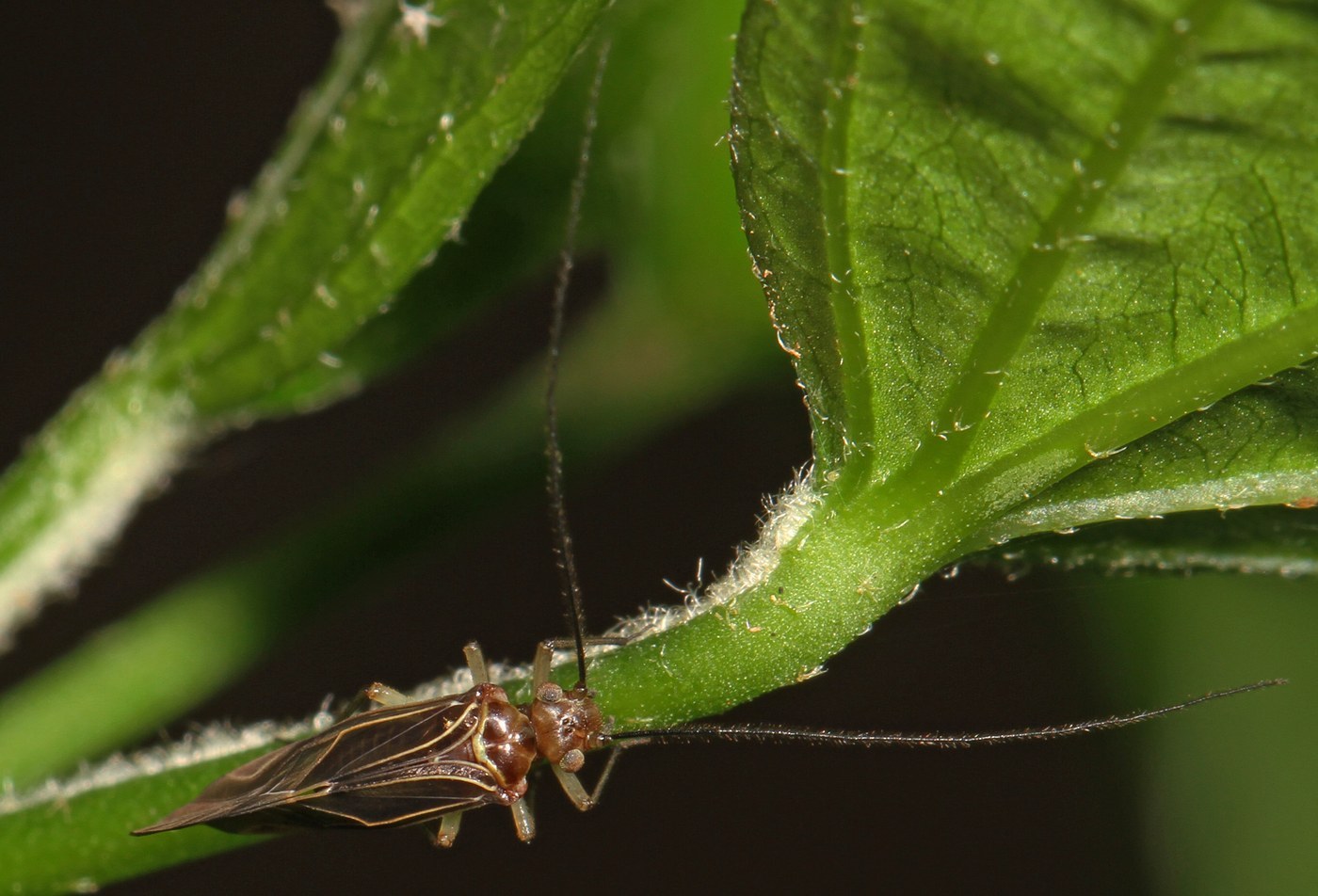
Bark Louse
A small, soft-bodied insect often seen in dense, moving herds on tree trunks, the bark louse grazes on algae, lichen, and fungal residue coating bark surfaces.
other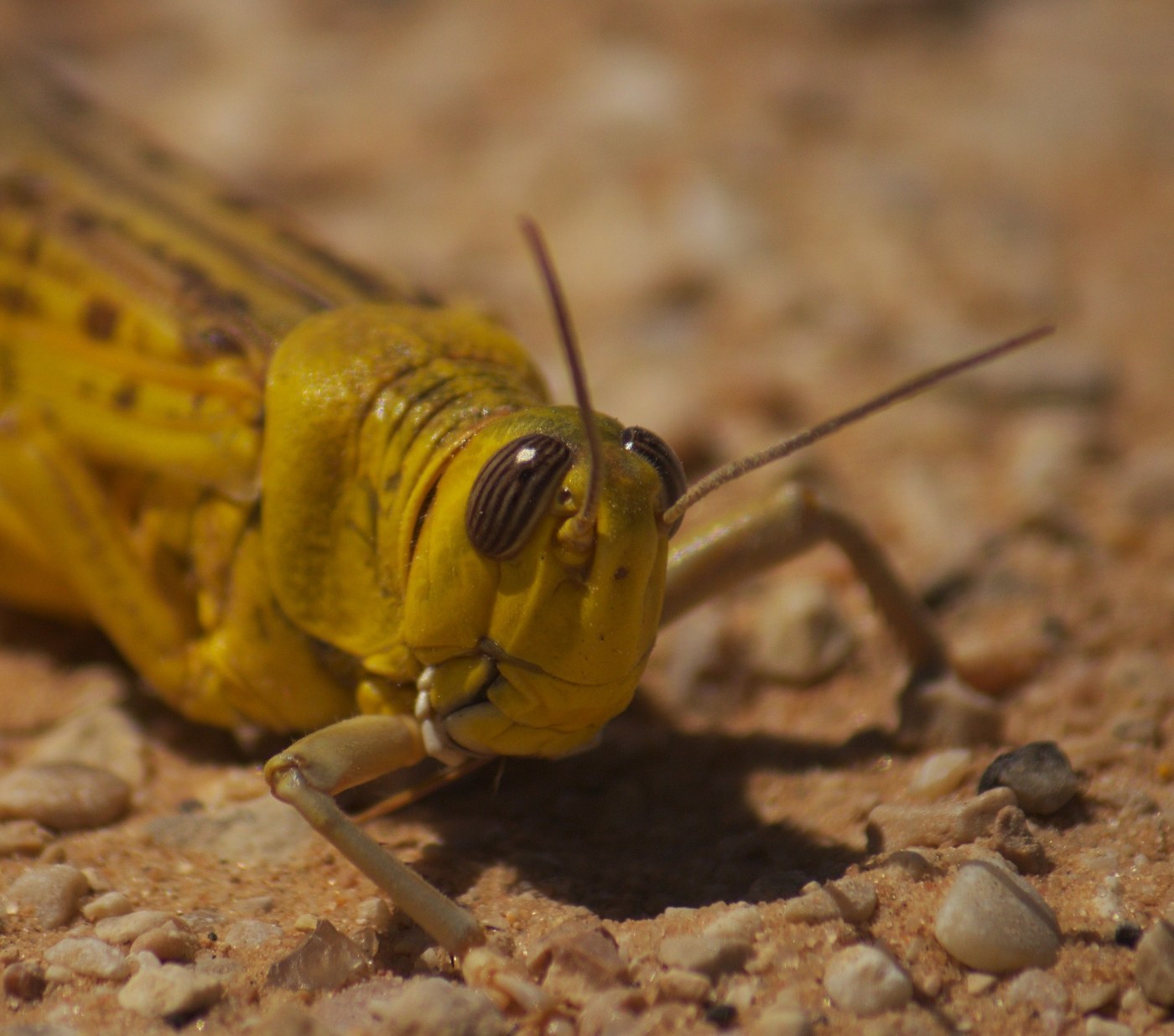
Desert Locust
A large, powerful grasshopper capable of forming some of the most extensive and historically devastating insect swarms on Earth, transforming from a solitary desert dweller into a densely packed migrating horde under the right conditions.
grasshopper-cricket
African Mantis
A large, sturdy green or brown mantis frequently found perched on garden shrubs, patiently scanning for insect prey with its sharply angled triangular head.
mantis-stick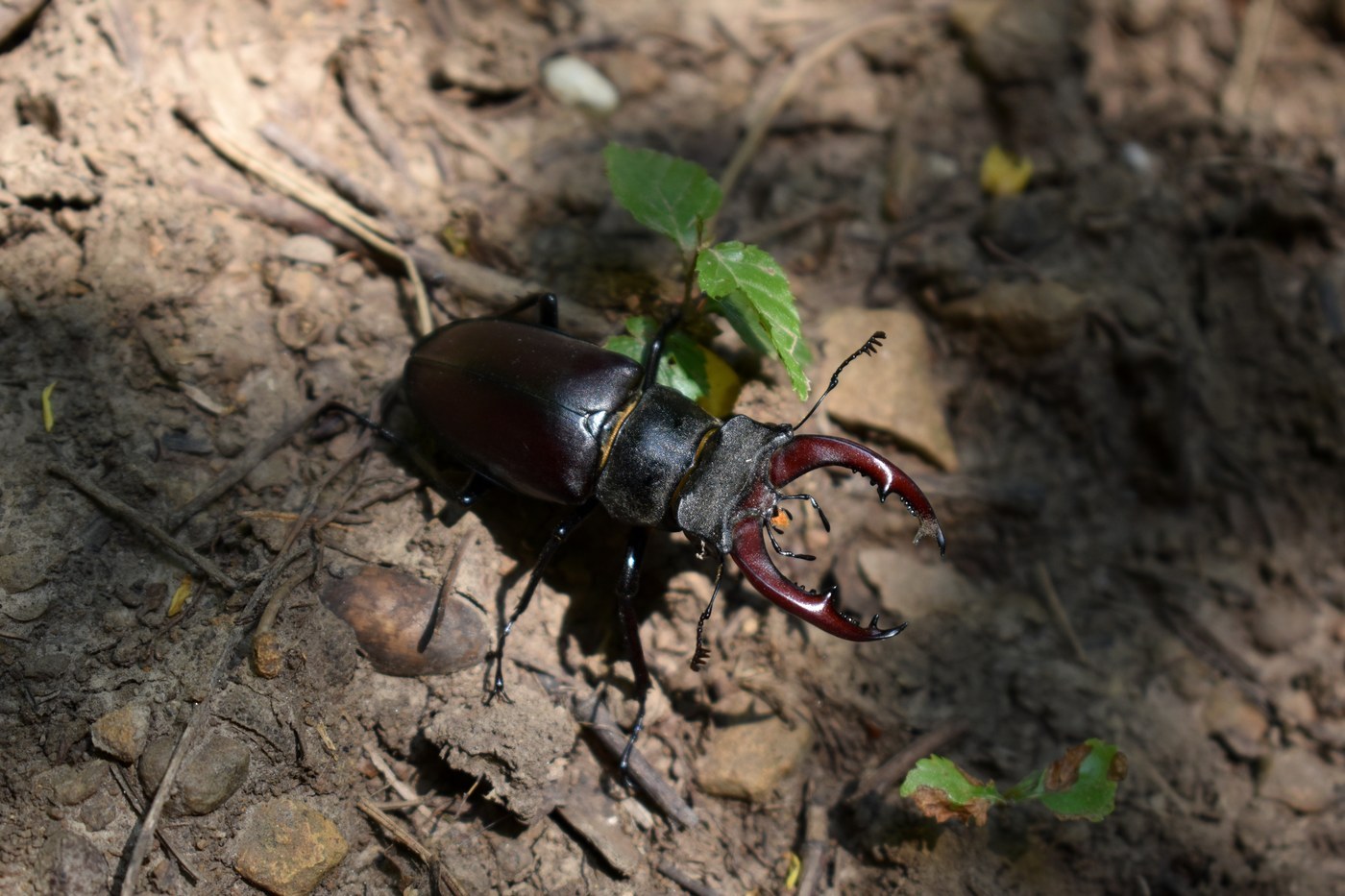
European Stag Beetle
Europe's largest beetle, a glossy dark brown insect in which males carry oversized antler-like mandibles used to wrestle rivals, resembling the antlers of a stag.
beetle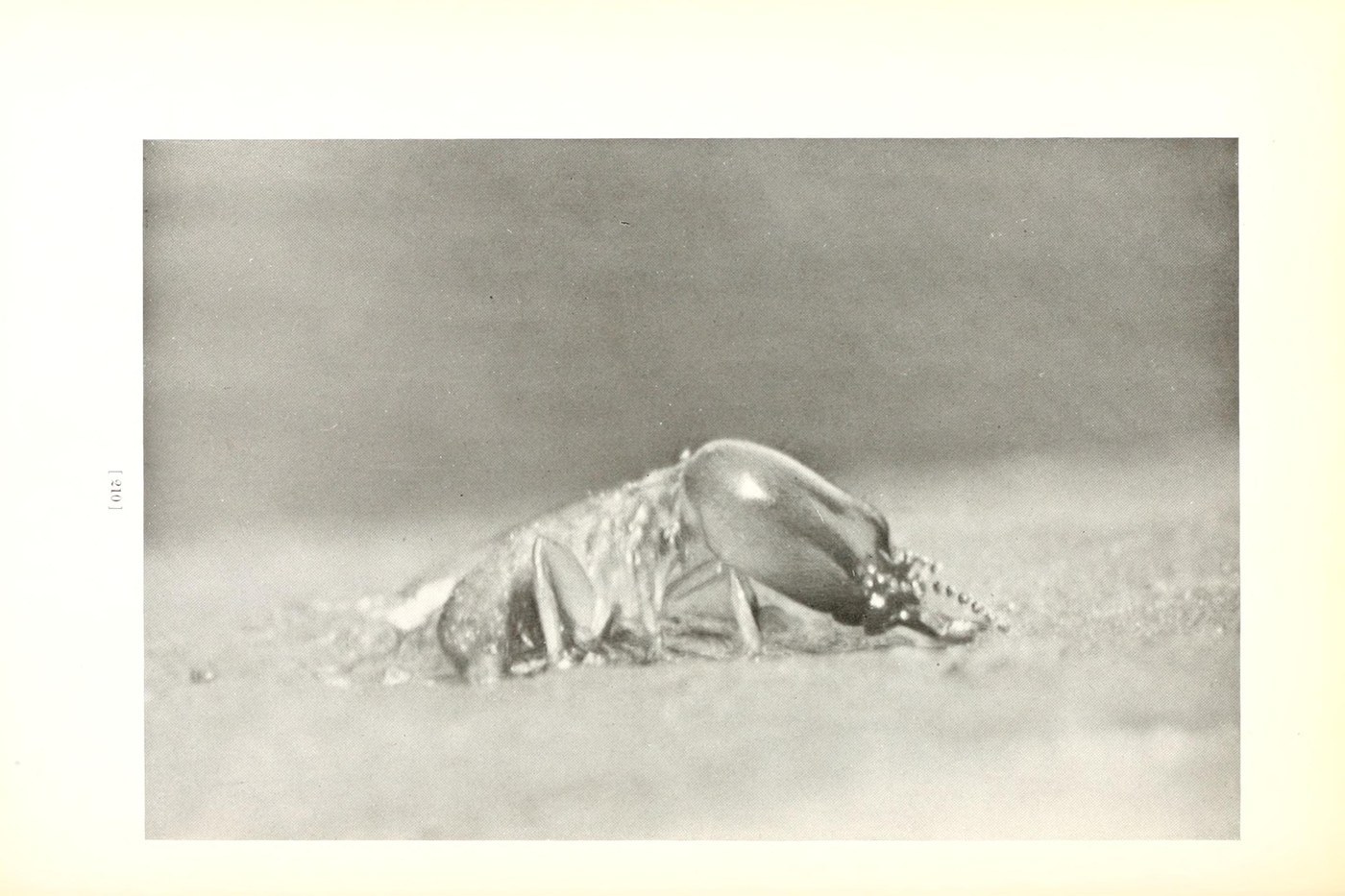
Eastern Subterranean Termite
A pale, soft-bodied social insect that lives in vast underground colonies and builds mud tubes to reach and feed on wood cellulose, including structural timber.
otherBush Cricket
Known by its long, thread-like antennae and evening chorus of chirps, this leaf-colored insect spends its life hidden among grass and foliage, often heard far more often than seen.
grasshopper-cricket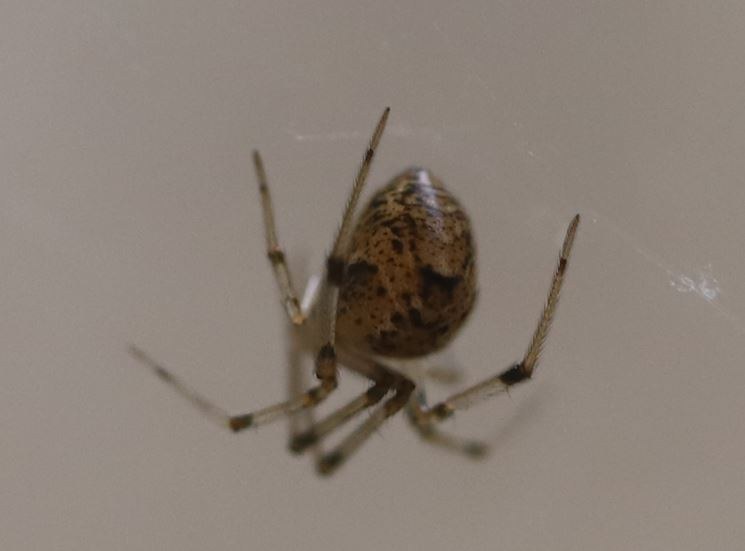
Common House Spider
Tucked into a messy tangle of silk in a quiet corner, the common house spider is one of the most familiar indoor spiders, quietly picking off flies and other small insects that blunder into its web.
spider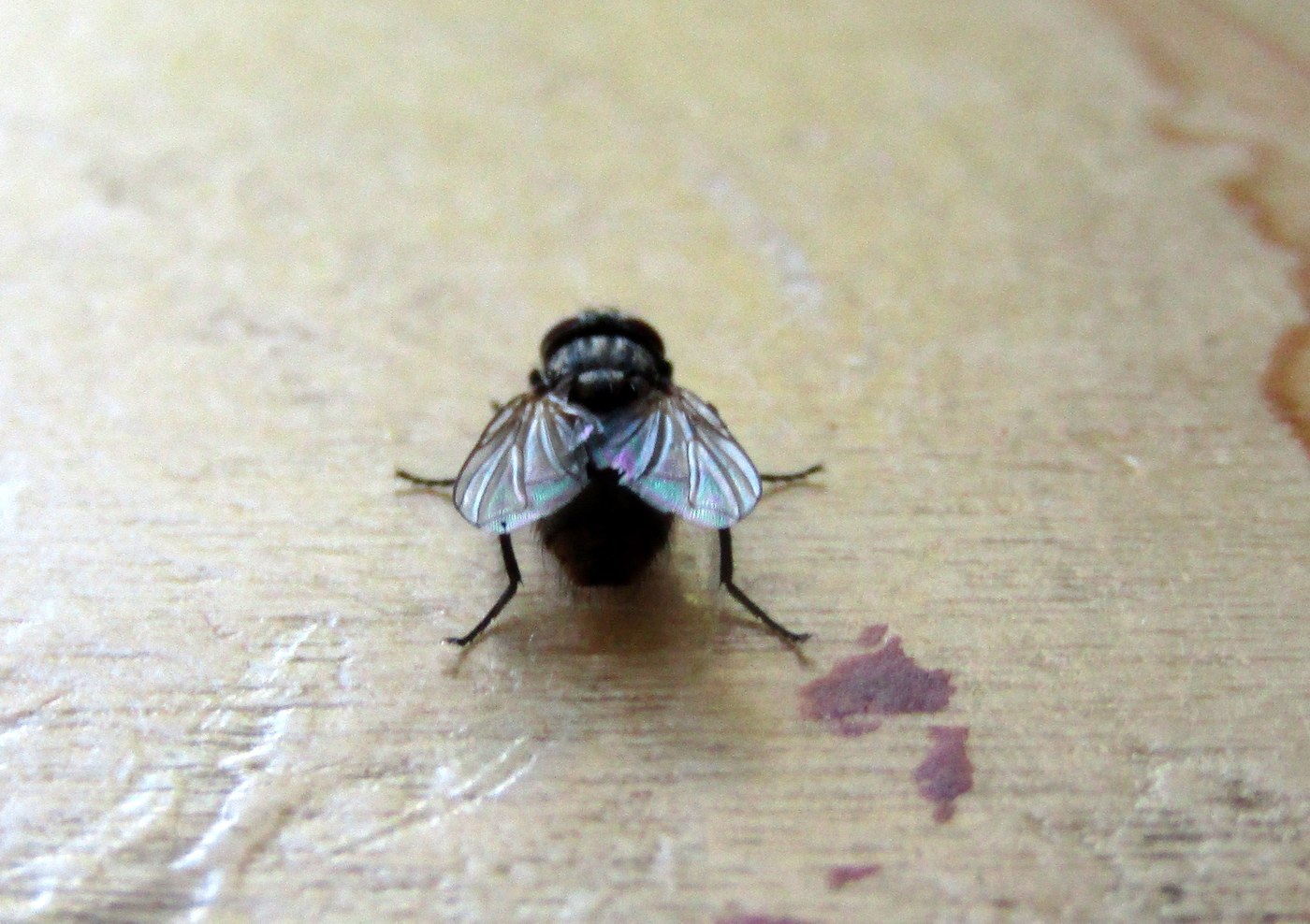
Common Housefly
A dull gray fly with four dark stripes on its thorax and large reddish eyes, one of the most widespread insects on Earth thanks to its close association with human food and waste.
fly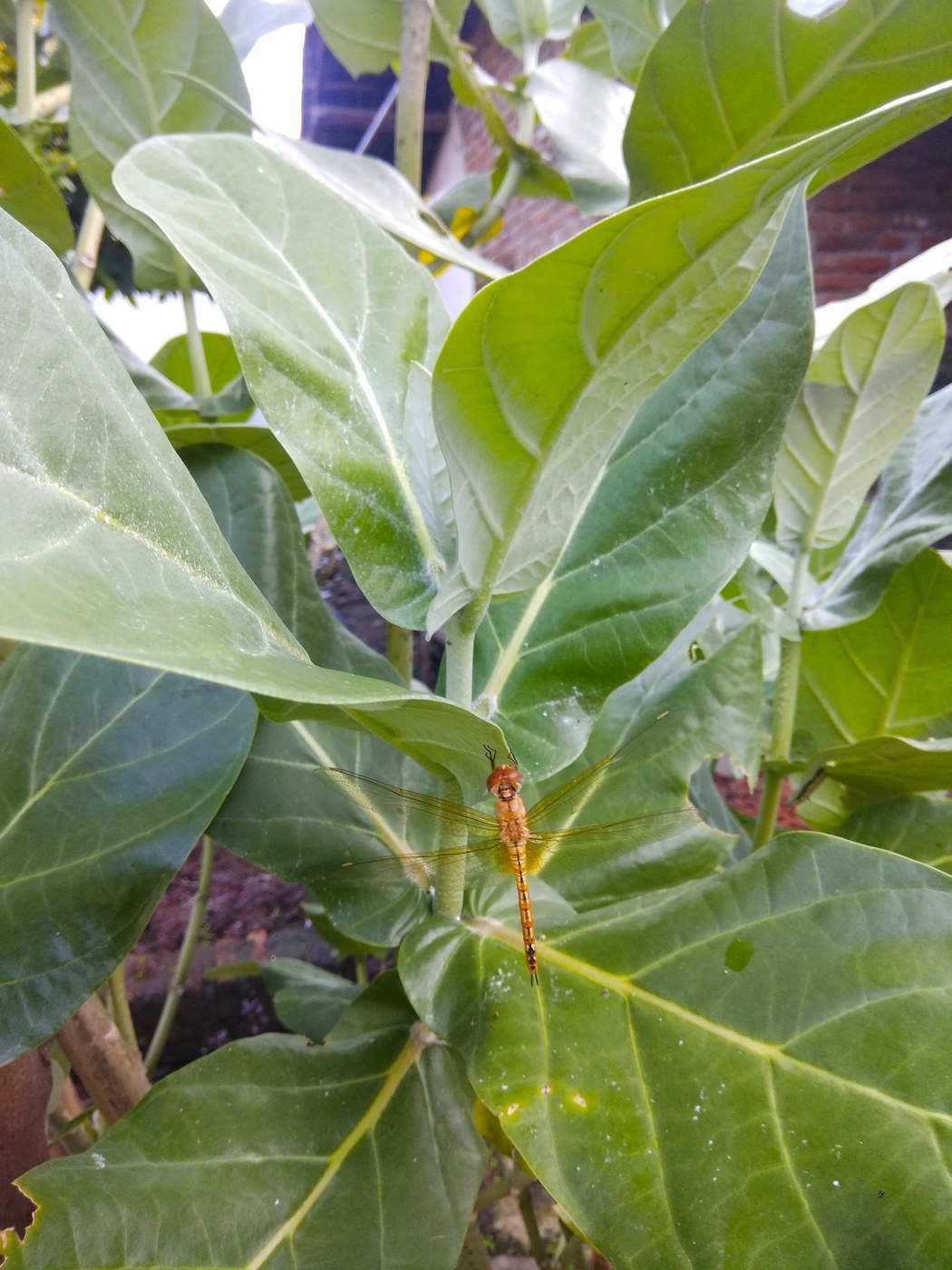
Wandering Glider
One of the most widely traveled insects on Earth, this golden dragonfly rides high-altitude winds across oceans and continents, rarely landing as it forages endlessly on the wing.
dragonfly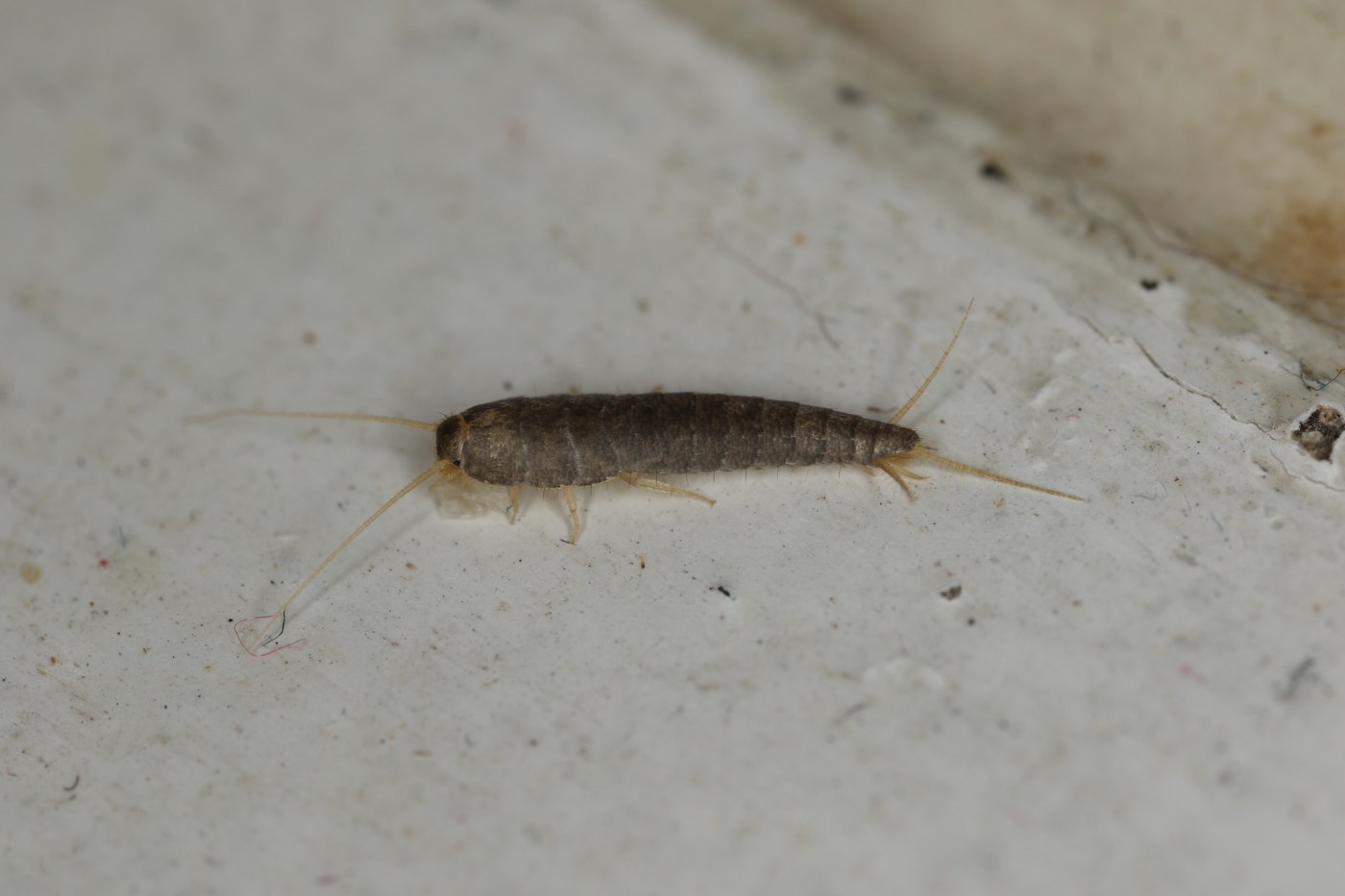
Silverfish
A wingless, silvery-gray insect with a tapered, fish-like body and three long tail bristles, known for its quick, darting movements and preference for dark, humid hiding spots.
other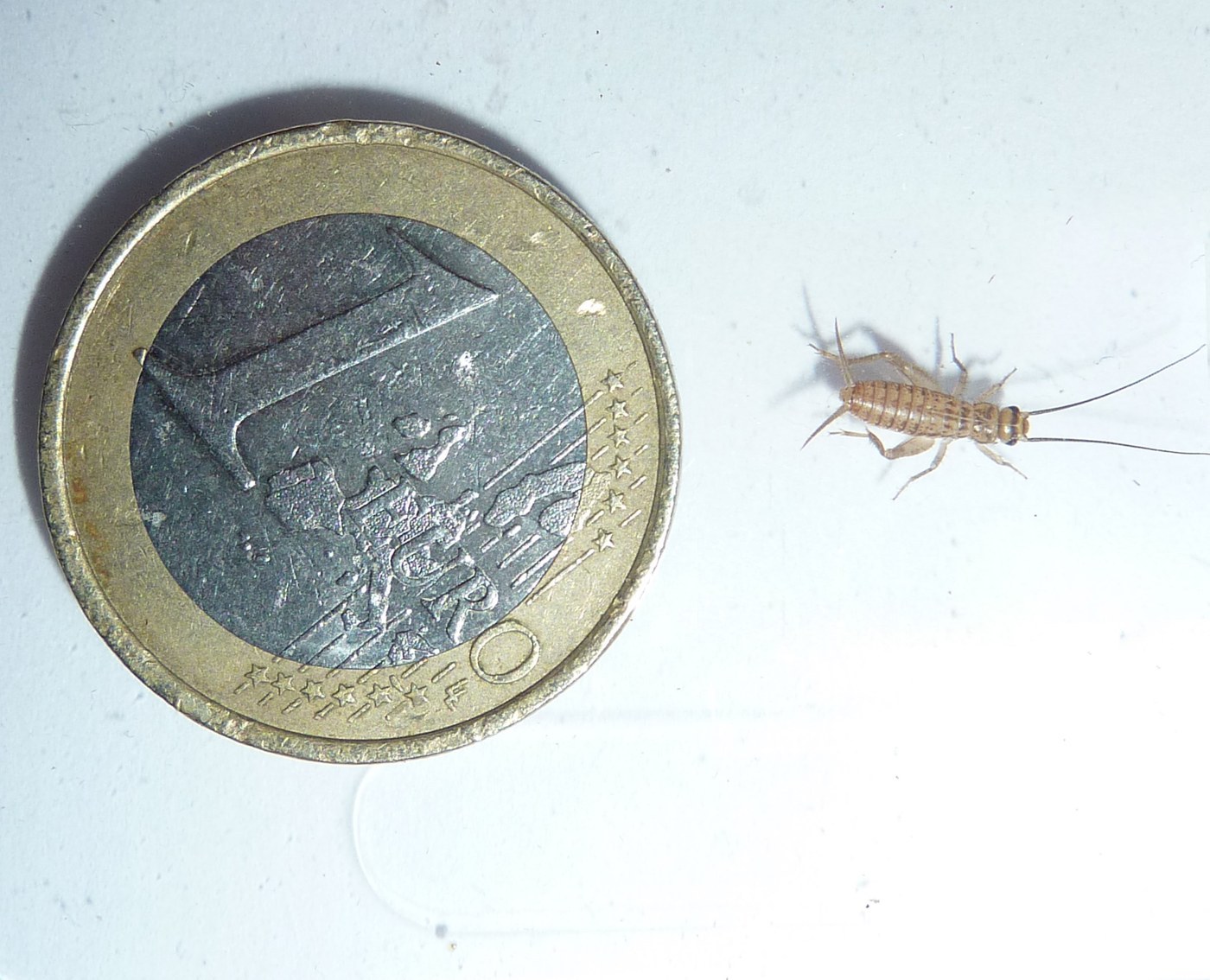
House Cricket
A pale tan, dark-banded cricket originally from warm regions of Asia that has spread worldwide both as an occasional indoor nuisance and as a widely farmed feeder insect.
grasshopper-cricket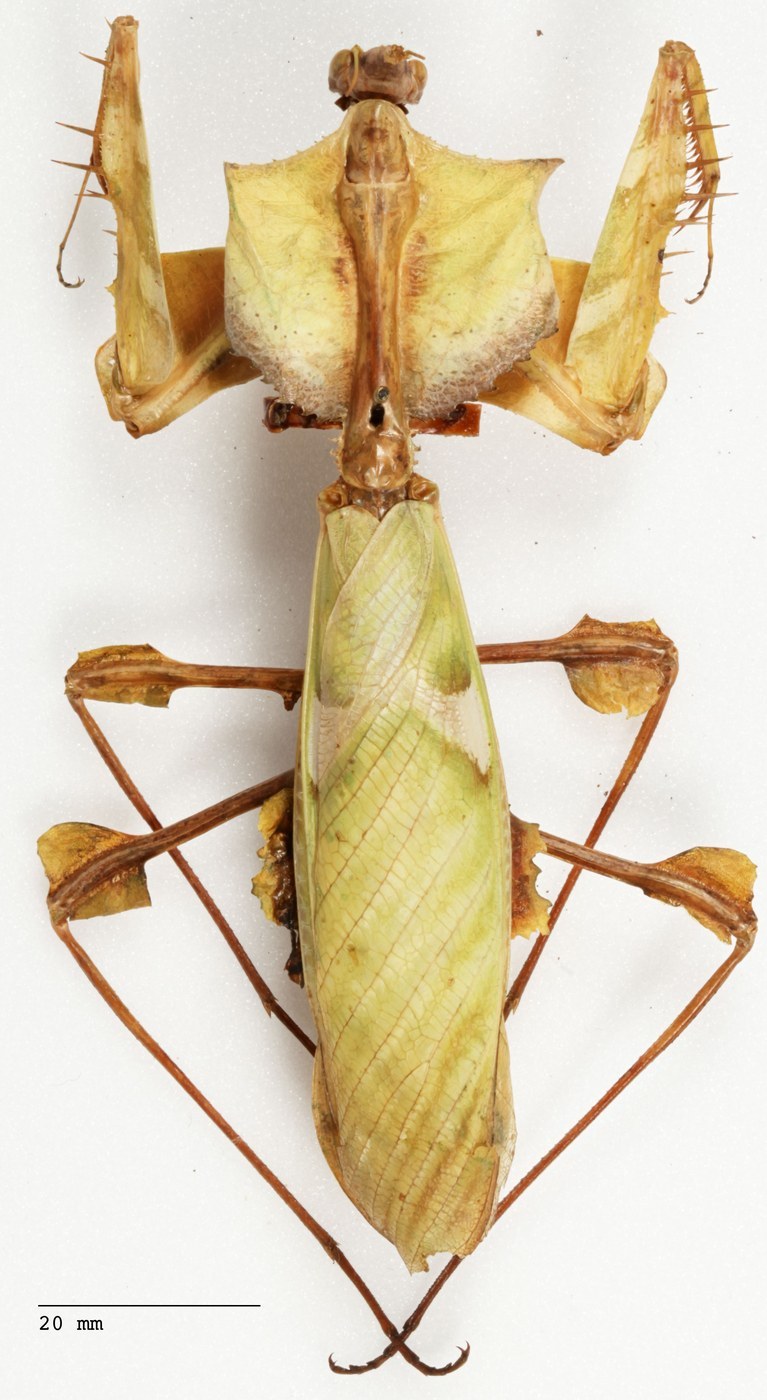
Devil's Flower Mantis
One of the largest mantis species on Earth, this striking insect can suddenly rear up and fan out vividly colored wings and legs into a dramatic, flower-like threat display.
mantis-stickIronclad Beetle
A slow-moving, mottled gray beetle famed for having one of the hardest, most crush-resistant exoskeletons of any insect, often found clinging motionless to dead wood or tree bark.
beetle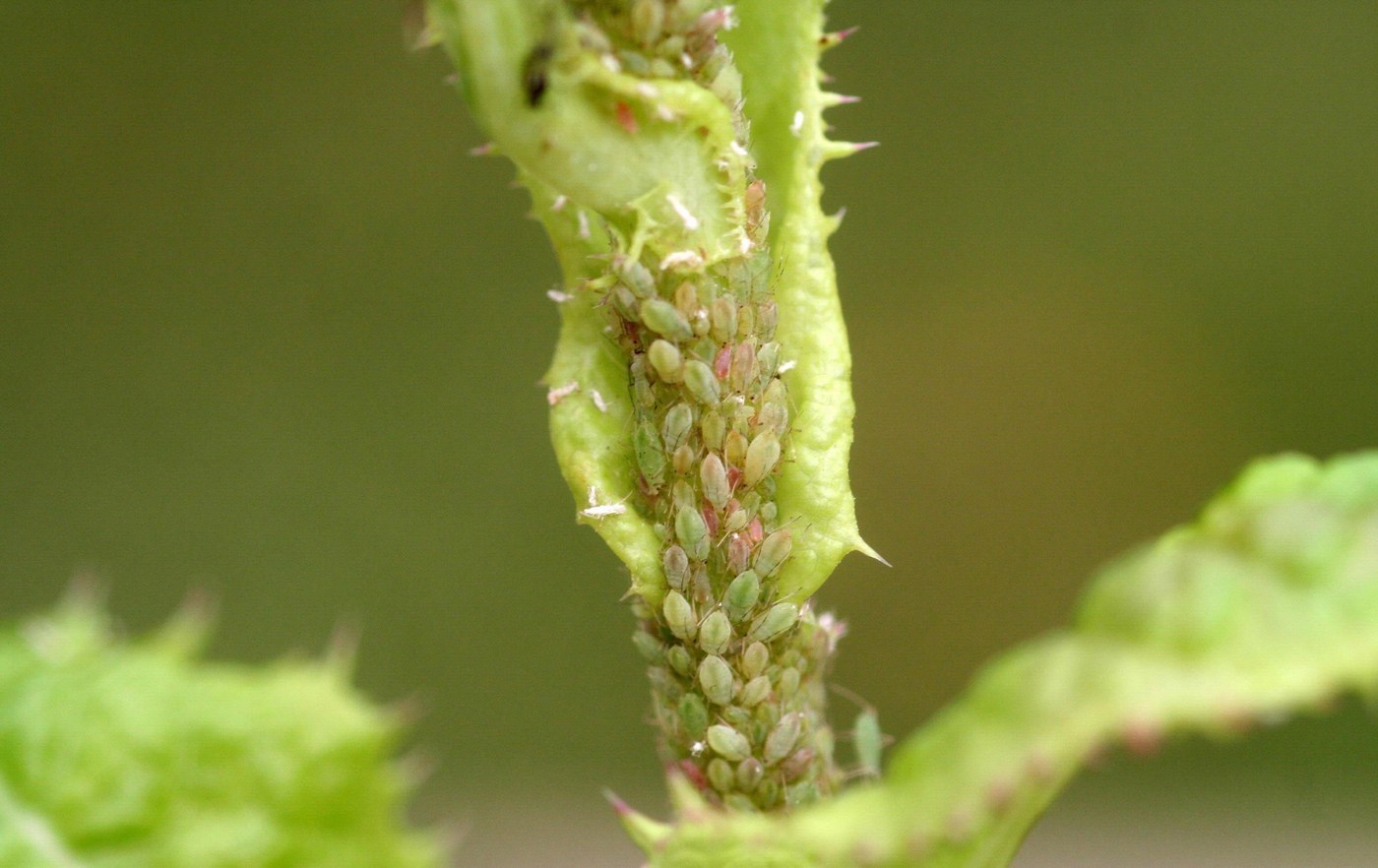
Aphid
A tiny, soft-bodied, pear-shaped insect that clusters in dense colonies on plant stems and leaf undersides, feeding on sap through needle-like mouthparts and often coated in sweet honeydew.
true-bug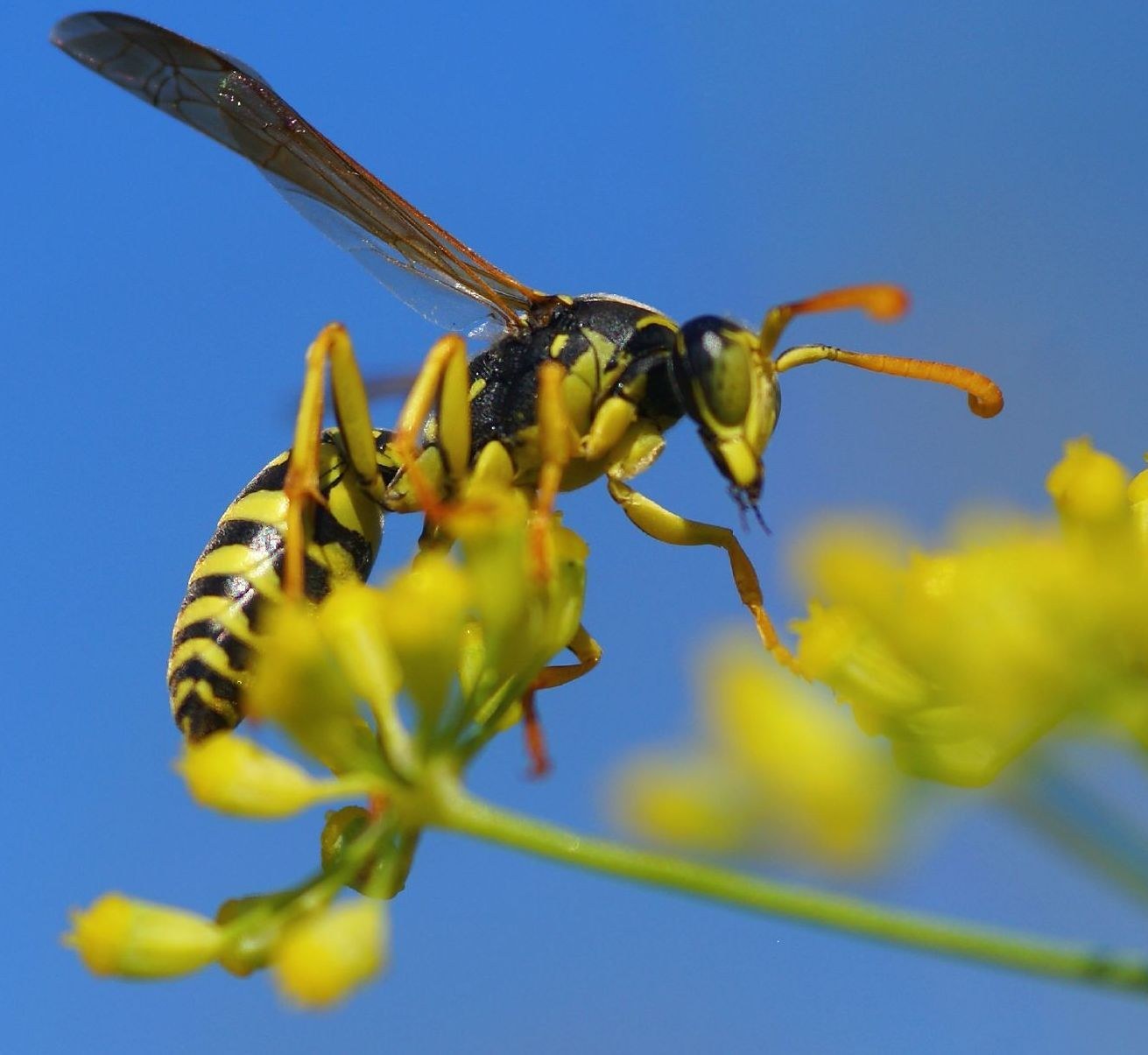
Wasp
A slender-waisted, smooth-bodied flying insect typically banded in black and yellow, recognizable by its narrow 'wasp waist' and folded wings, and often social, building paper nests in colonies.
wasp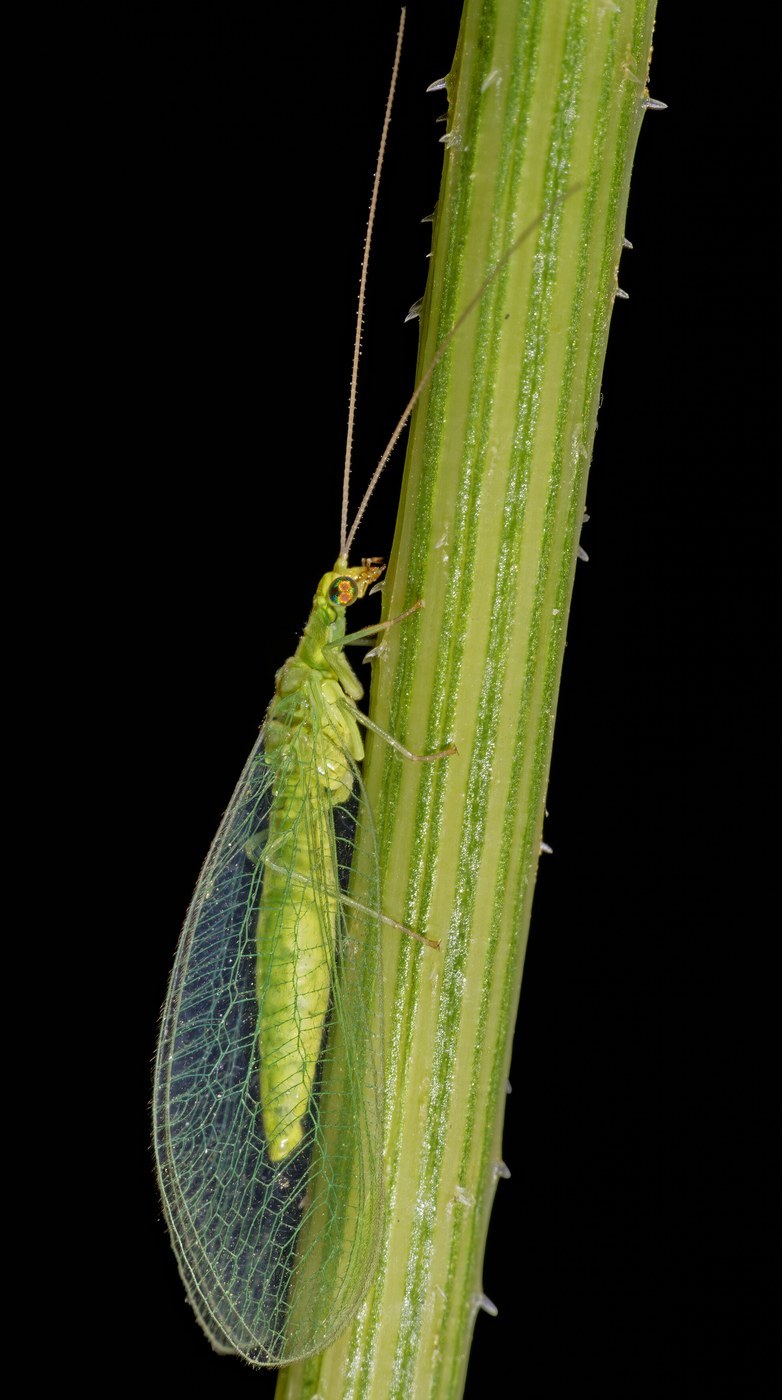
Lacewing
A delicate, pale green insect with large, transparent, intricately veined wings and shining golden or copper-colored eyes, valued as a natural predator of aphids in its larval form.
otherGreen Lacewing
With delicate pale green wings and glittering golden eyes, the Green Lacewing is a familiar garden insect whose larvae are voracious predators of aphids and other soft-bodied pests.
other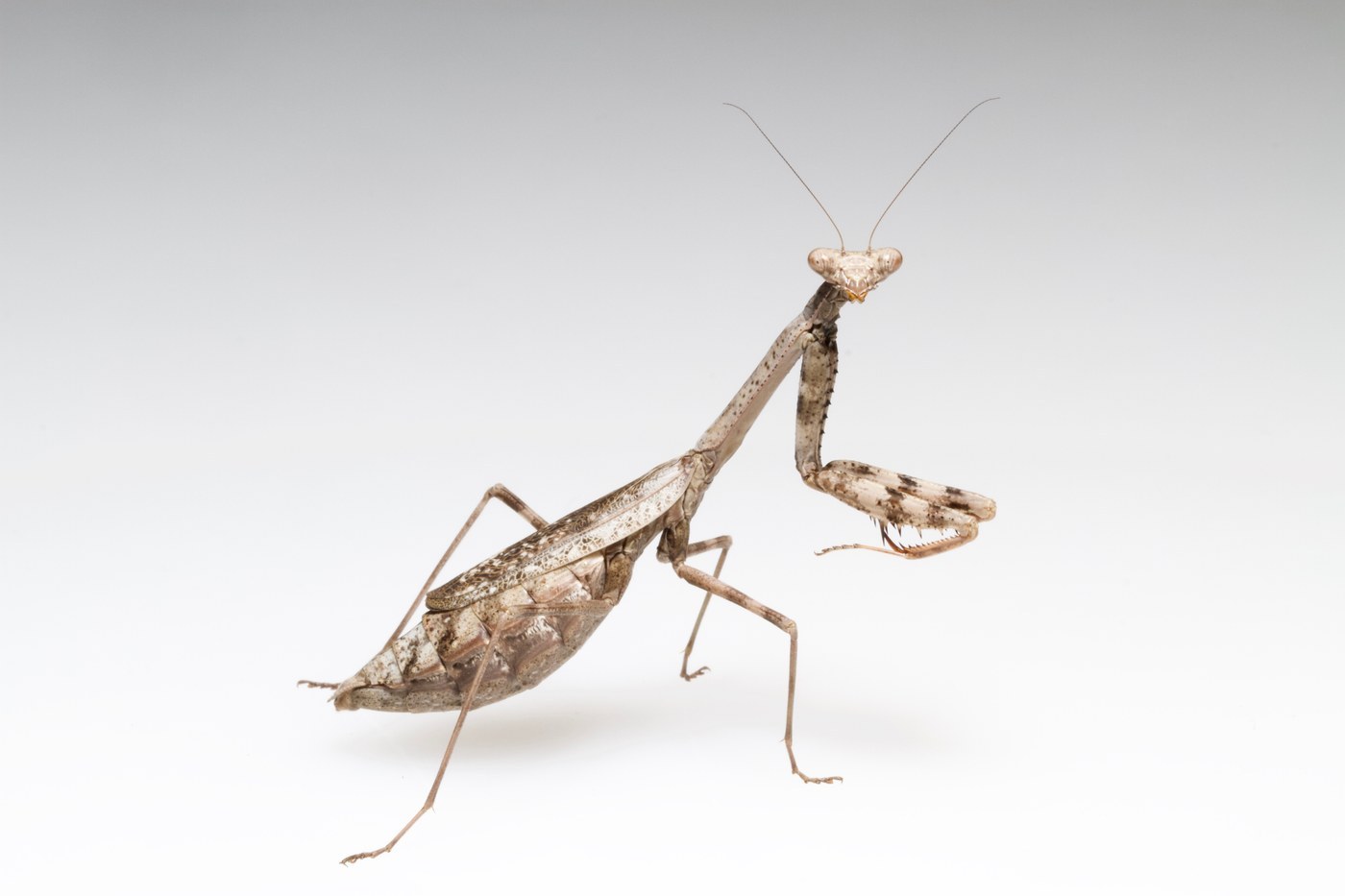
Carolina Mantis
A mottled gray-brown mantis native to the southeastern and south-central United States, smaller and more camouflaged than its introduced Chinese relative, and recognized as the state insect of South Carolina.
mantis-stick