
Bug Encyclopedia
Search and identify bugs & insects — beetles, butterflies, moths, ants, bees, spiders and more — with size, habitat, danger, behavior, and how to tell them apart.
Firefly
A soft-bodied, dusk-flying beetle famous for the bioluminescent flashes it produces from its abdomen to attract mates on warm summer evenings.
beetle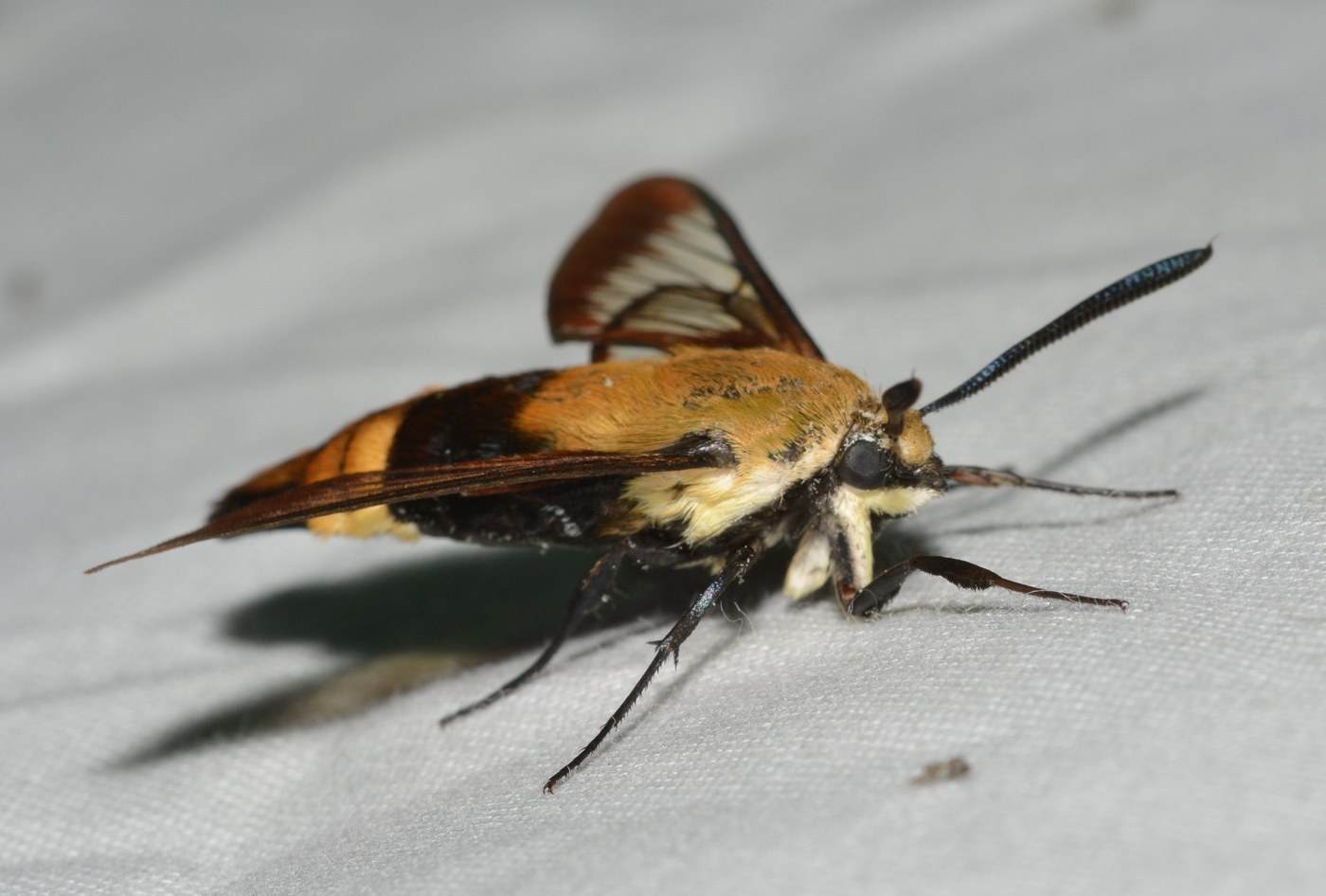
Bumblebee Moth
A fuzzy, day-flying sphinx moth that hovers at flowers like a bee, with mostly clear wings and a black-and-yellow banded body that mimics a bumblebee.
mothHummingbird Moth
Hovering at flowers with a blur of wings and a long uncoiling tongue, the hummingbird moth is easily mistaken for a tiny hummingbird. These plump, fast-flying hawk moths feed on nectar in broad daylight.
moth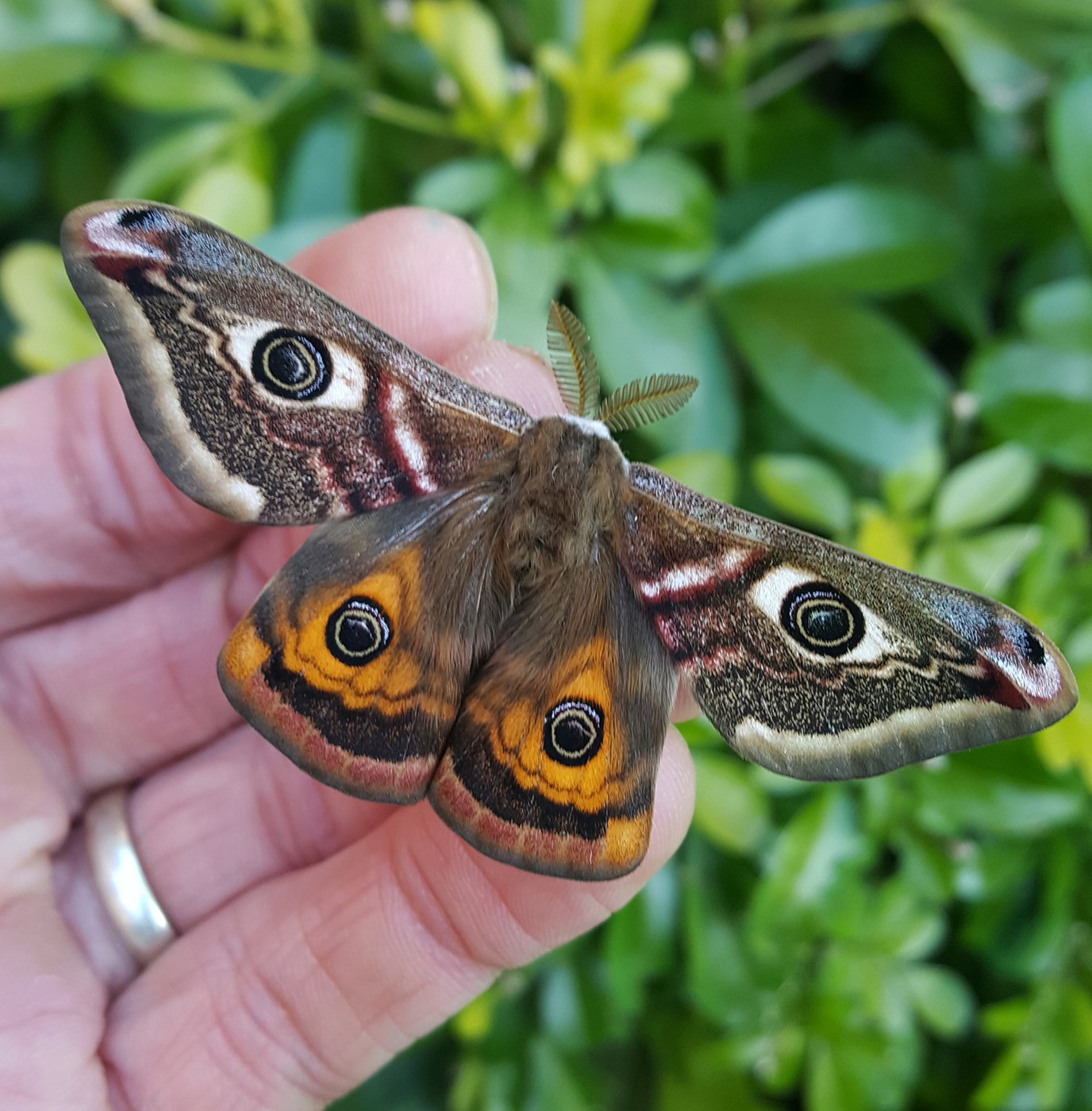
Emperor Moth
A striking silk moth with a large eyespot on each of its four wings, showing pronounced differences between the smaller, orange-brown, day-flying males and the larger, greyer, night-flying females.
moth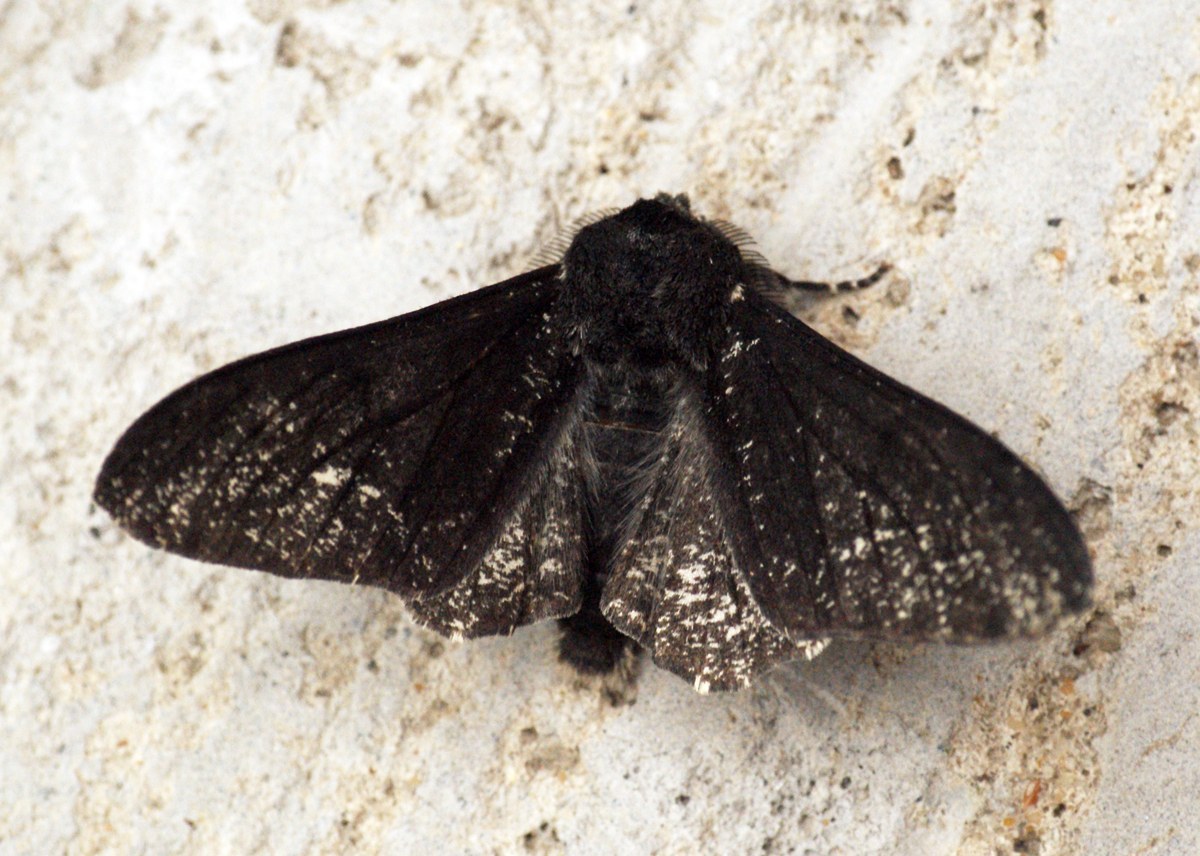
Peppered Moth
A medium-sized moth with finely speckled black-and-white wings that camouflage it against lichen-covered bark, world-famous as a textbook example of evolution in action during the industrial era.
moth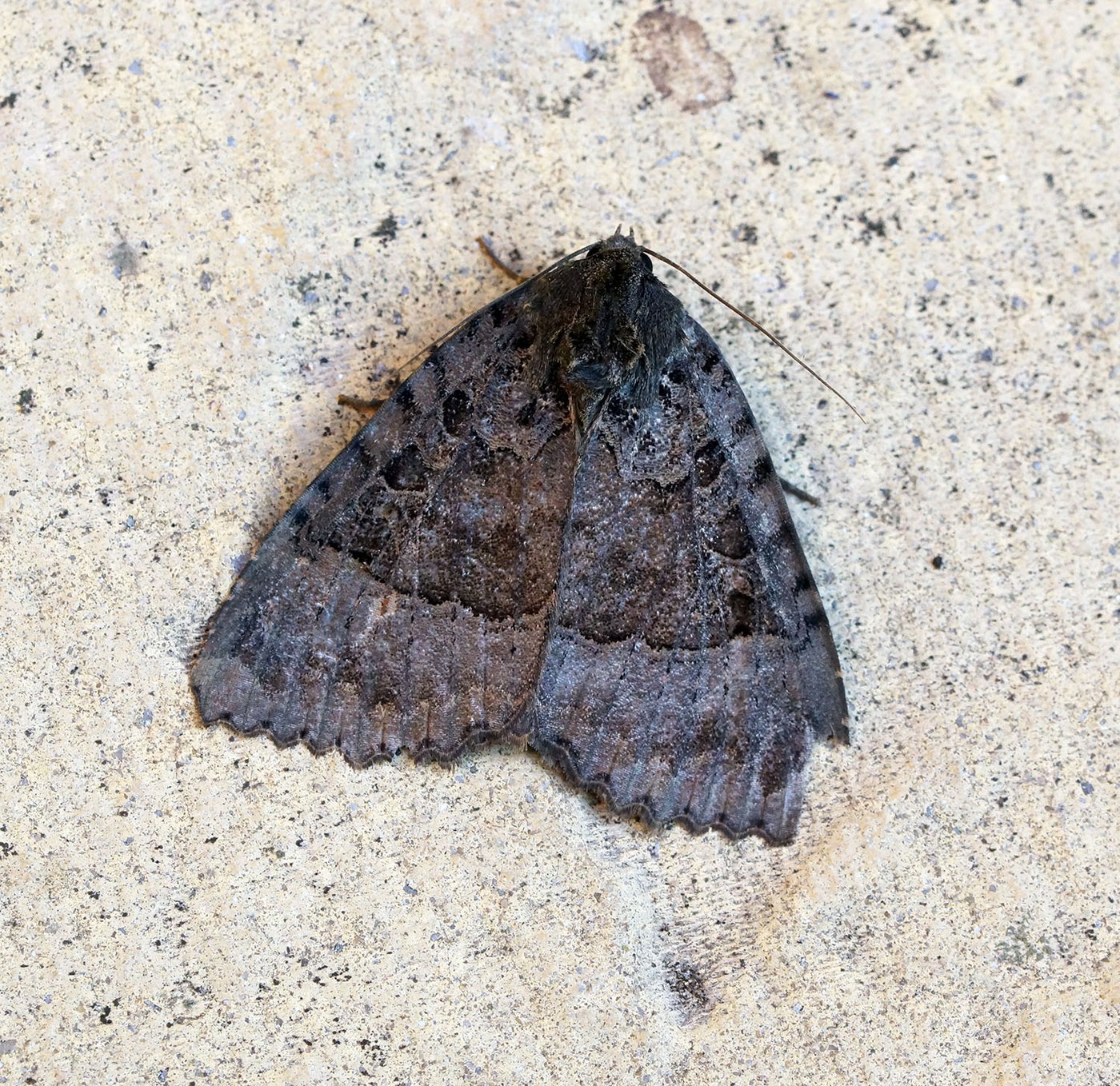
Old Lady Moth
A large, dusky brown noctuid moth with an intricate, wood-grain-like pattern of dark streaks and pale flecks across broad wings, often found resting motionless in sheds and against tree bark by day.
moth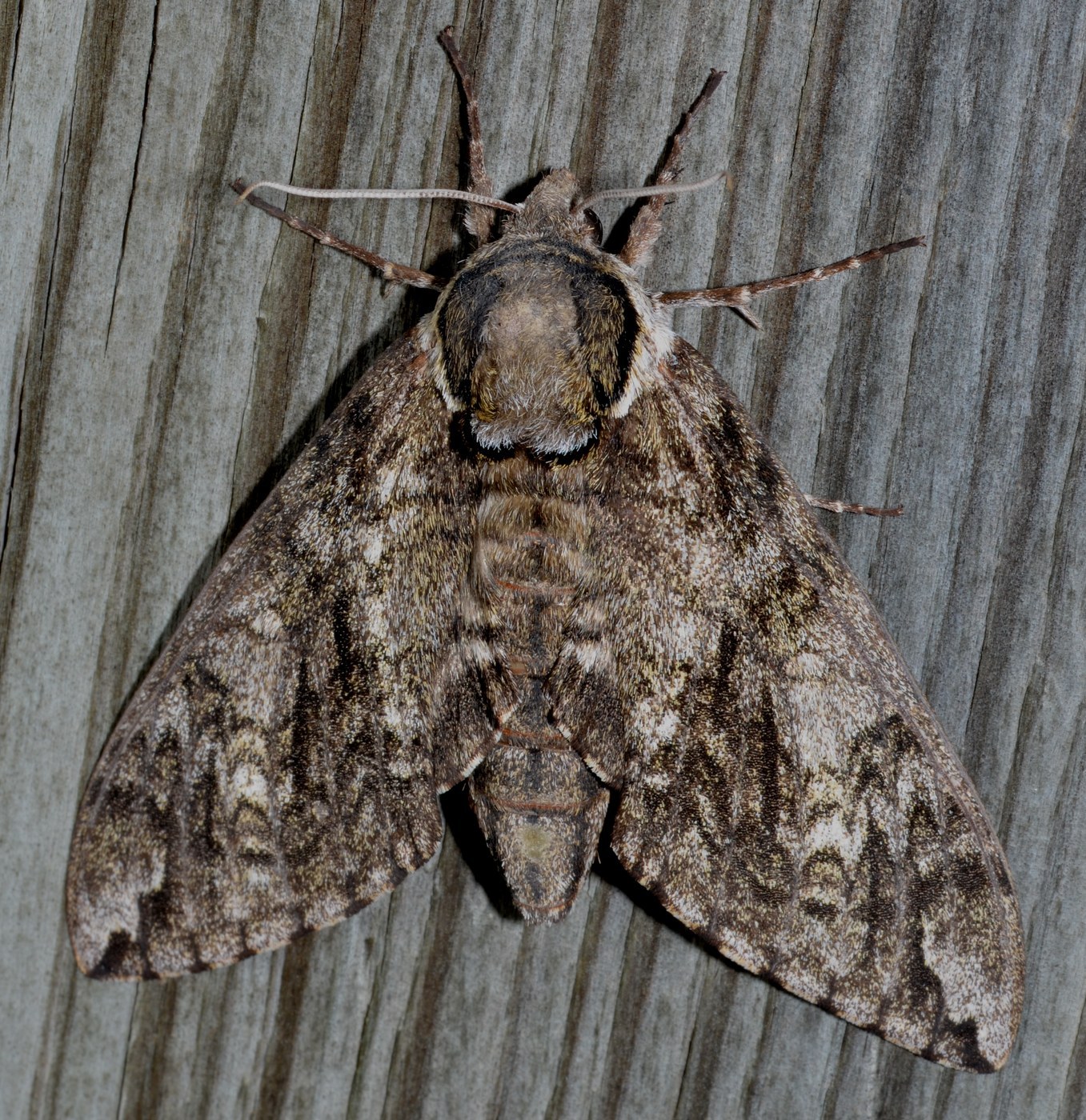
Waved Sphinx Moth
A large gray-brown sphinx moth with fine wavy dark lines across the forewings and a scalloped outer wing margin, closely resembling a piece of weathered tree bark when at rest.
mothIronclad Beetle
A slow-moving, mottled gray beetle famed for having one of the hardest, most crush-resistant exoskeletons of any insect, often found clinging motionless to dead wood or tree bark.
beetle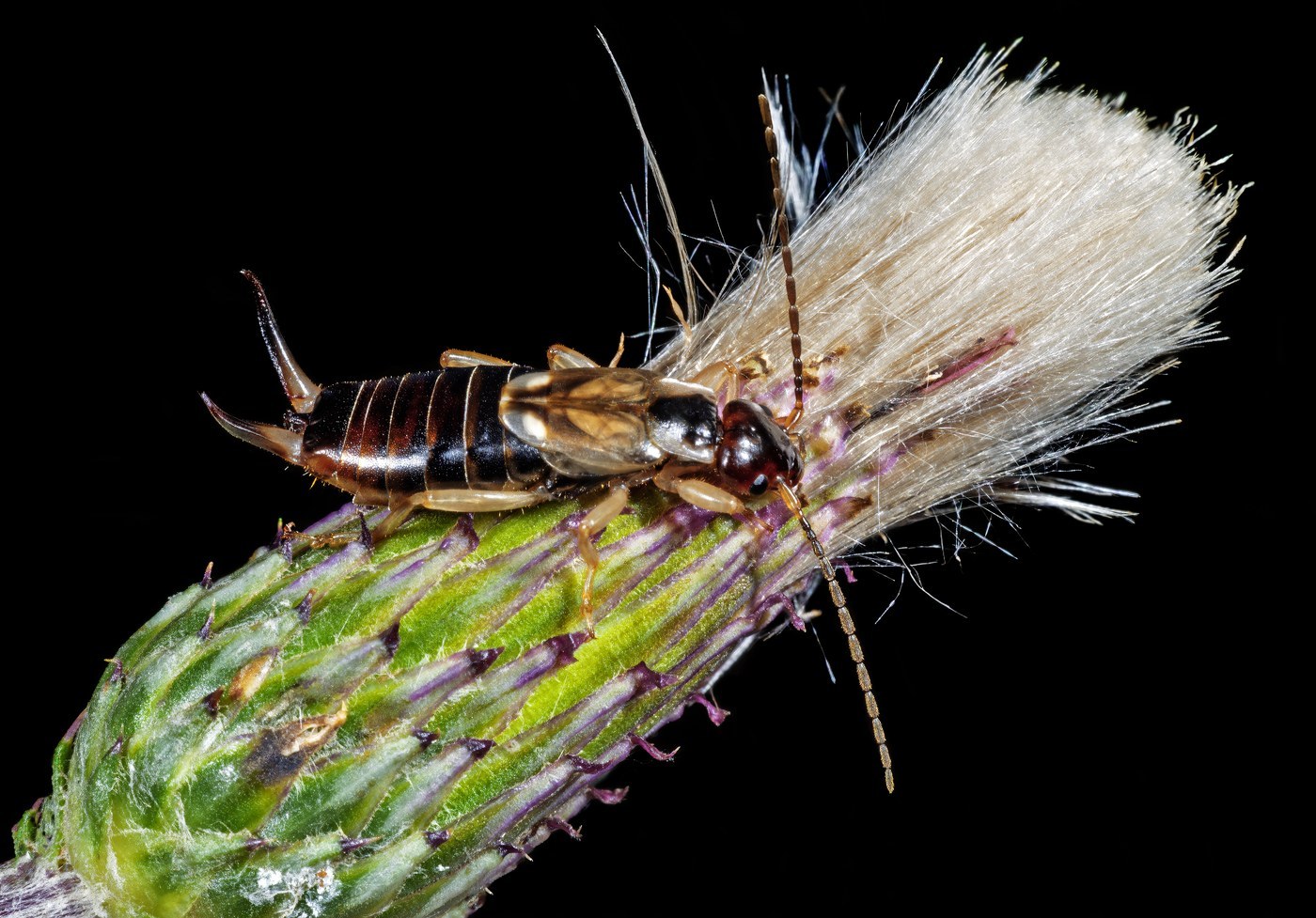
Earwig
A slender, reddish-brown insect easily identified by the pair of curved, forceps-like pincers at the tip of its abdomen, often found hiding under mulch, bark, or garden debris by day.
other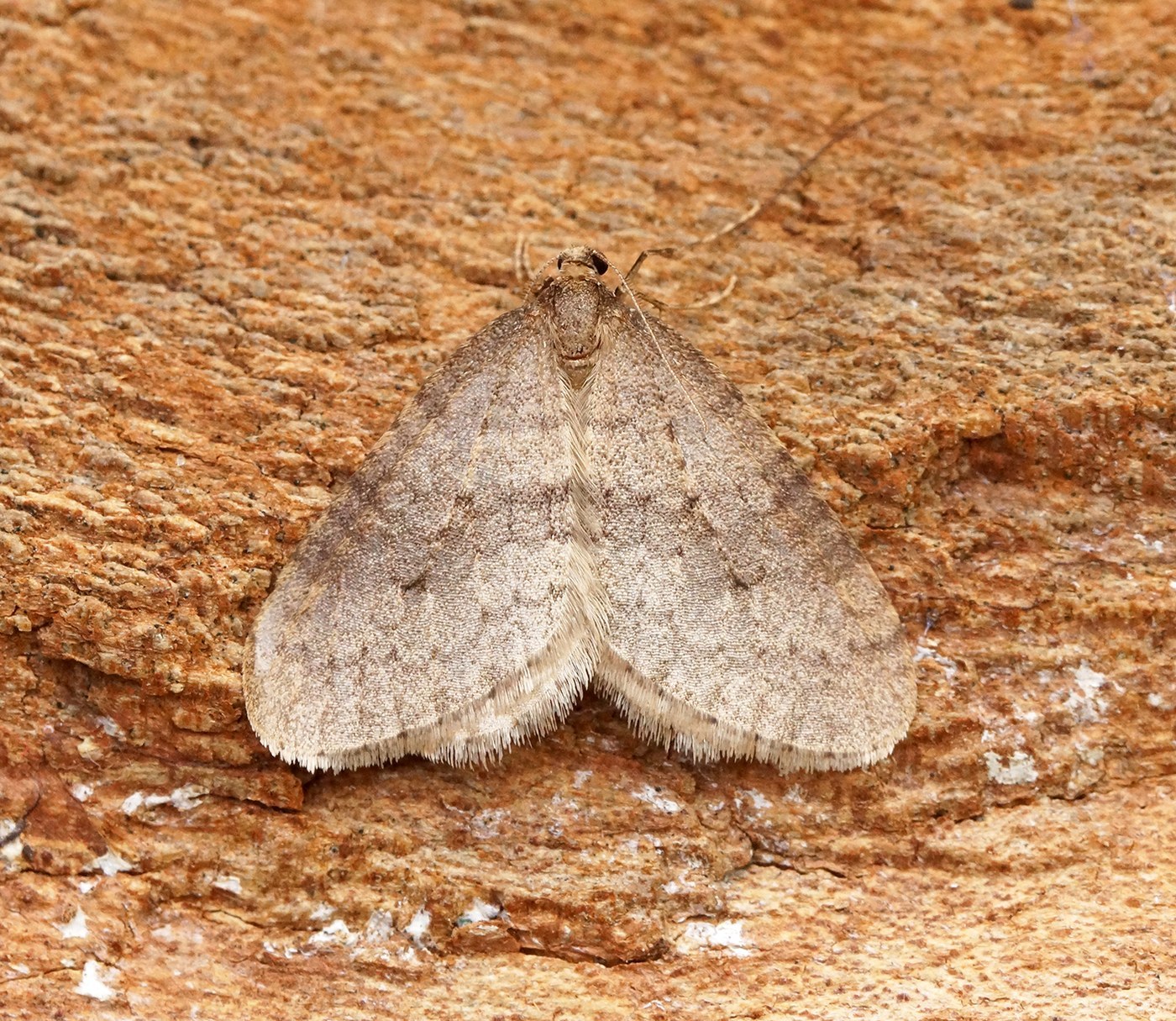
Winter Moth
A small tan-brown moth unusual for flying in the cold of late autumn and early winter, with strongly dimorphic sexes: fully winged males and flightless, near-wingless females that climb tree trunks to lay eggs.
moth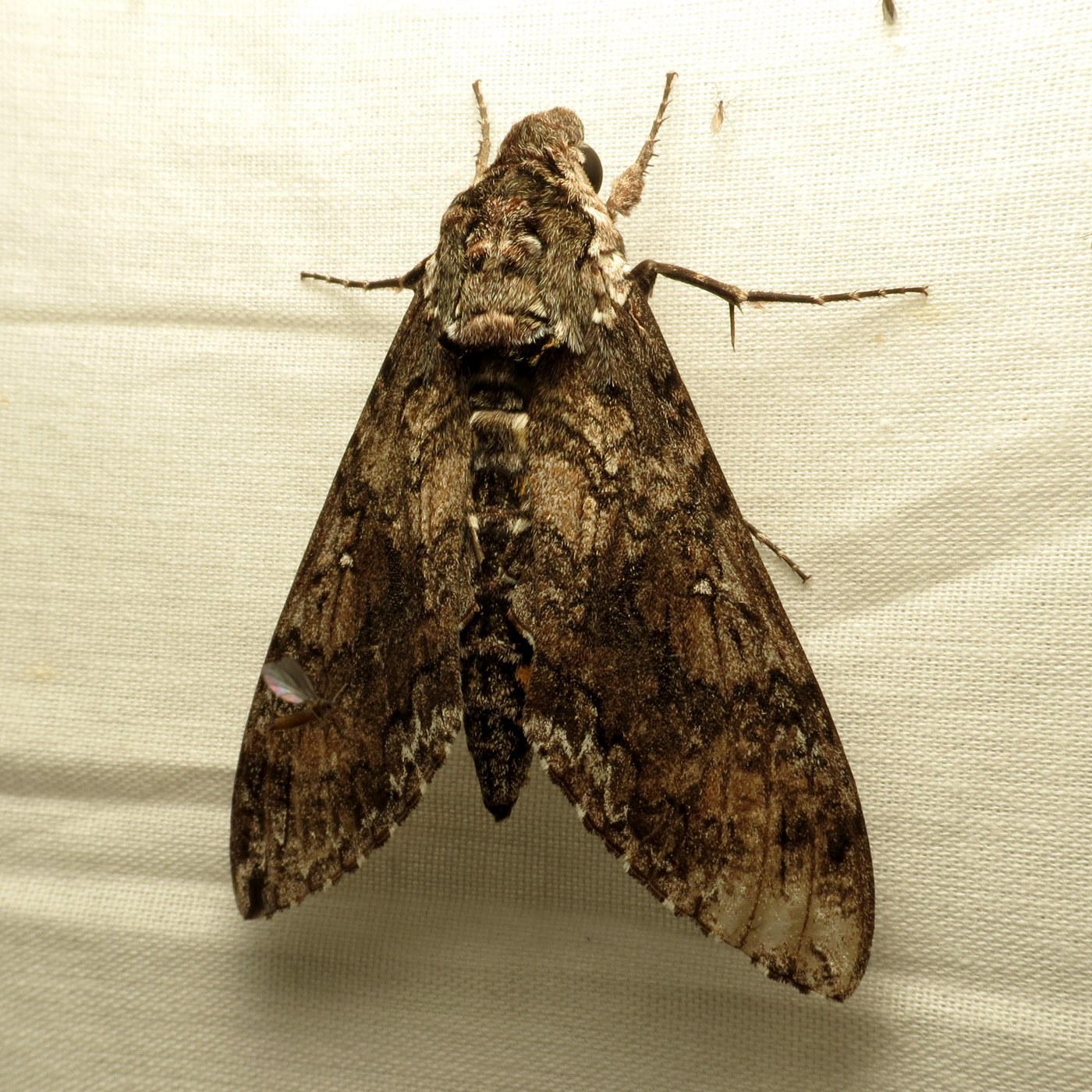
Sphinx Moth
A large, streamlined, fast-flying moth with narrow triangular wings and a robust, tapering body, famous for hovering at flowers at dusk like a hummingbird.
moth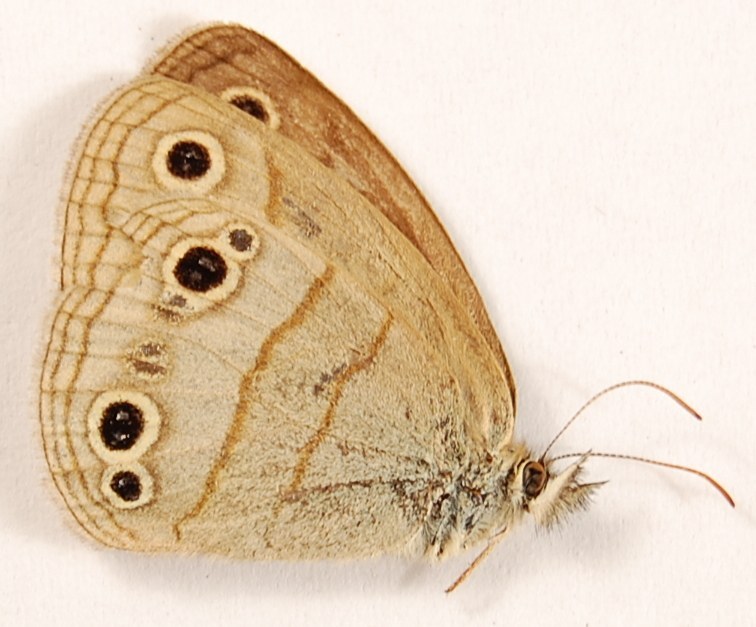
Little Wood-Satyr
A small, weak-flying brown butterfly with two prominent yellow-ringed eyespots on each wing, common along shaded woodland edges in late spring.
butterfly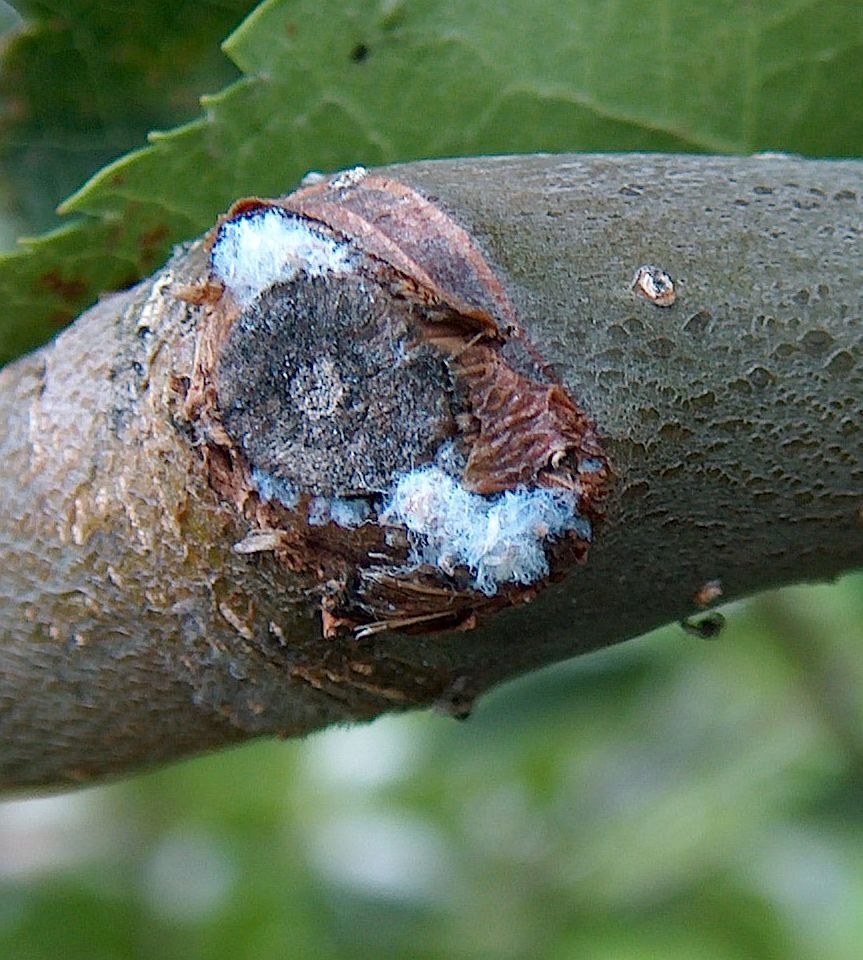
Woolly Aphid
A tiny, soft-bodied aphid that hides beneath a dense coat of white, cottony wax filaments, often appearing as fuzzy white patches clustered on bark or twigs rather than as recognizable insects.
true-bug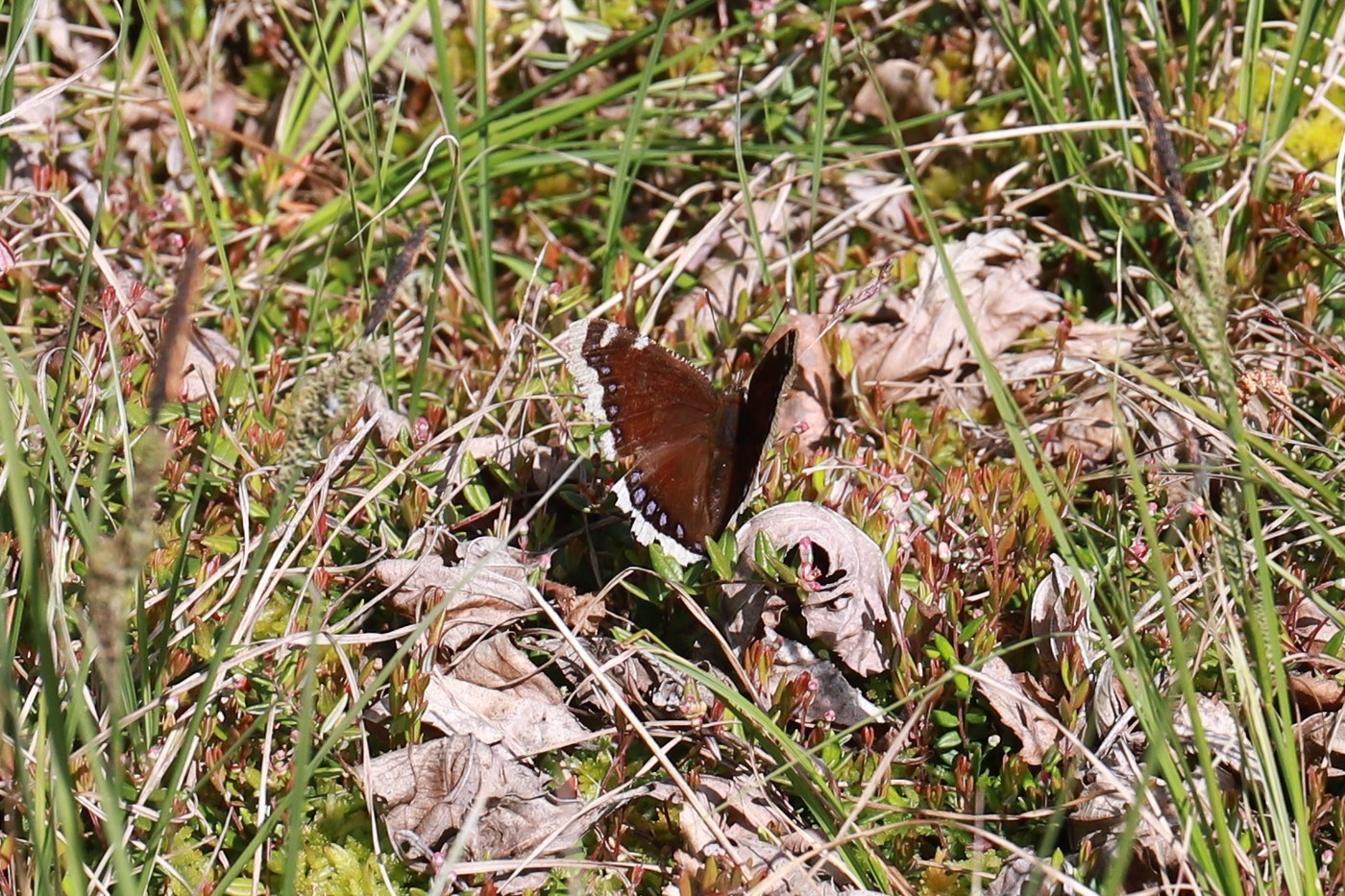
Mourning Cloak
A dark, velvety maroon-brown butterfly edged with a ragged cream-yellow border and a row of iridescent blue spots, notable for overwintering as an adult and often being one of the very first butterflies seen flying in early spring.
butterflyGlowworm Beetle
A beetle whose females remain larva-like and glowing for their entire lives, producing rows of soft greenish light along their segmented, worm-like bodies, while males develop into small, feathery-antennaed flying beetles.
beetle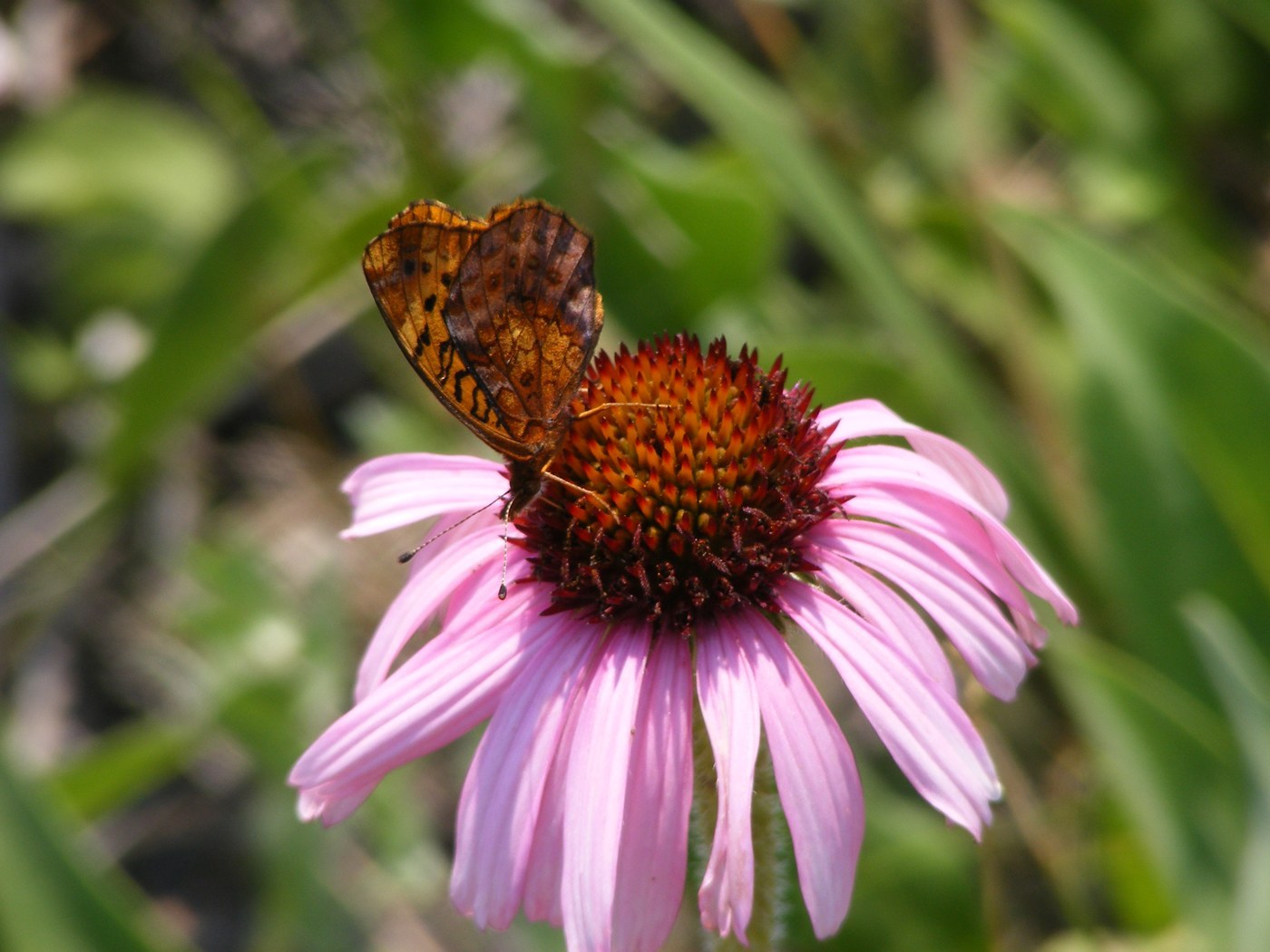
Meadow Fritillary
A small, fast-flying orange-and-black fritillary of open grassy fields, easily told from its larger cousins by its lack of silvery spots on the underside of the hindwing.
butterflyDamselfly Nymph
A slender aquatic predator with three feathery tail gills, patiently stalking small prey among pond plants before emerging as a delicate flying damselfly.
aquatic-insect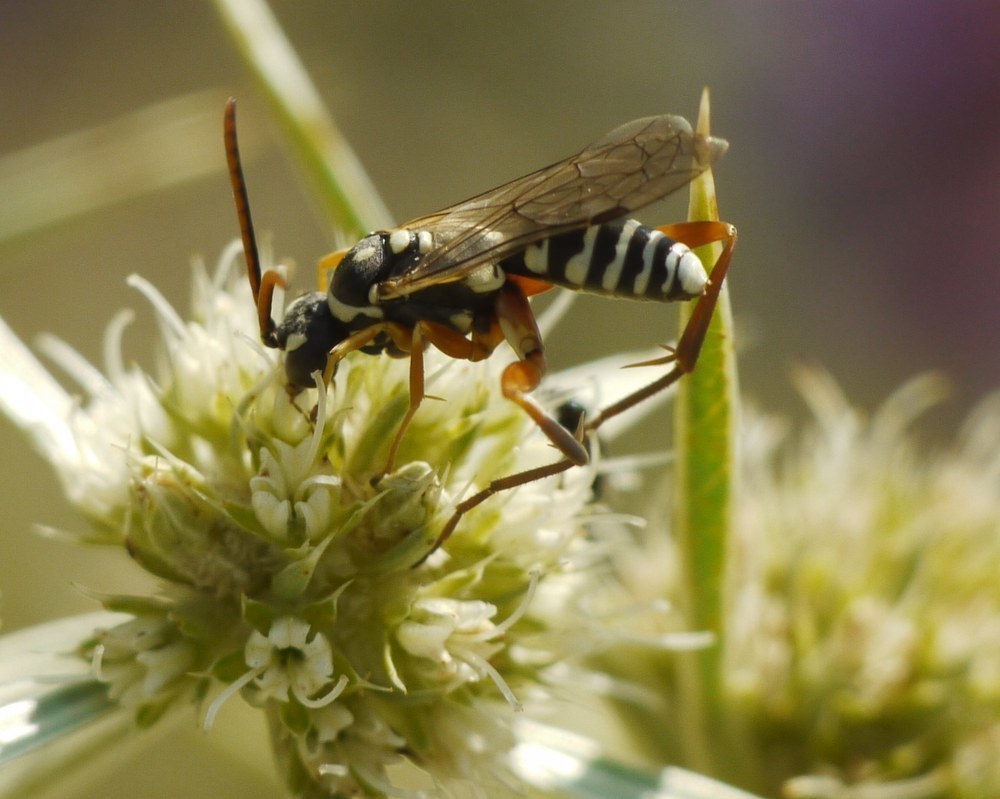
Spider Wasp
A quick, nervous-flying solitary wasp with long spiny legs and constantly flicking wings, recognized for its habit of running across open ground in short bursts while hunting spiders to paralyze and store for its young.
wasp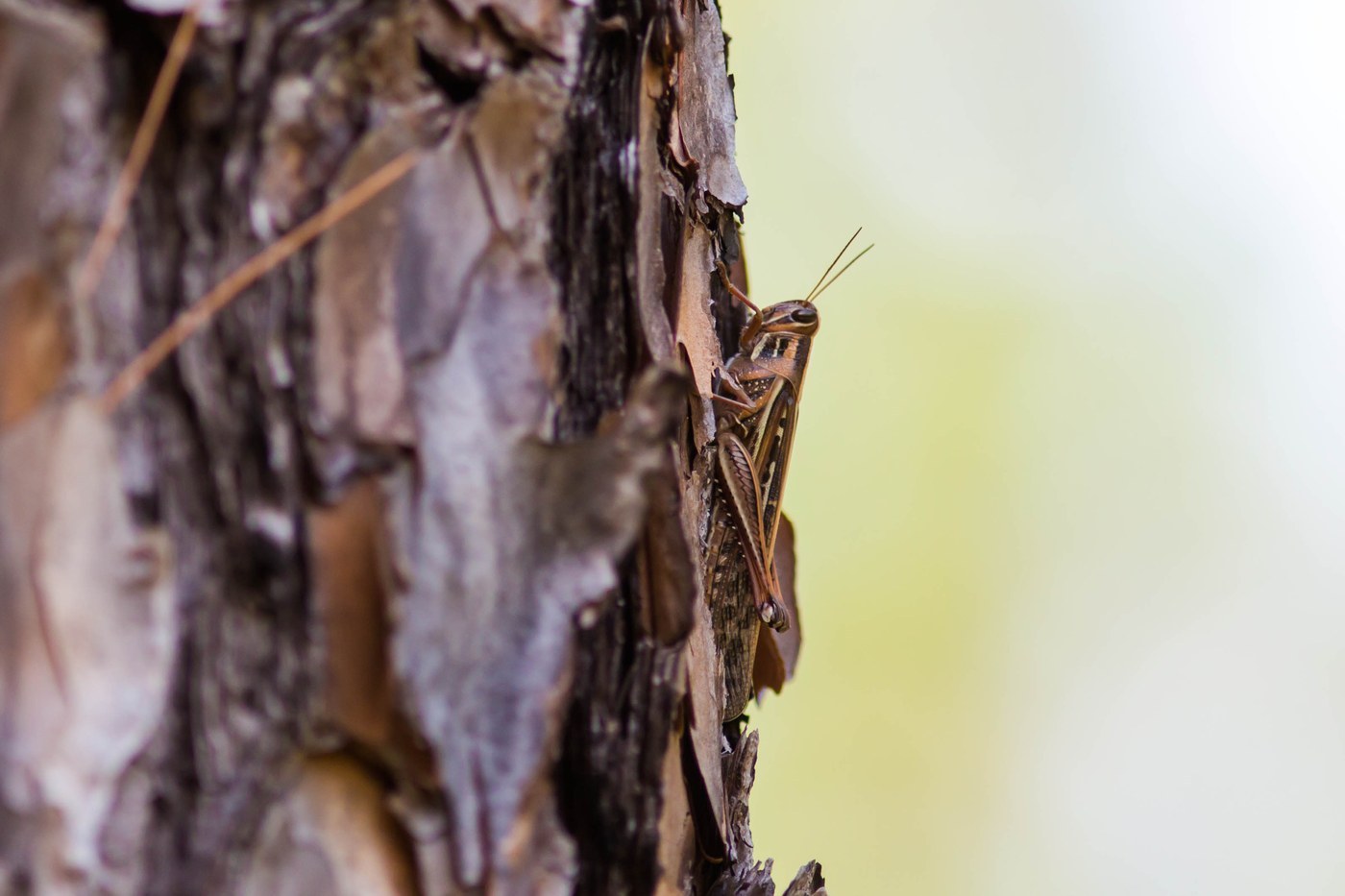
American Grasshopper
A large, strong-flying grasshopper related to the locusts of the Old World, the American grasshopper can occasionally form dense, damaging aggregations across the southern United States.
grasshopper-cricket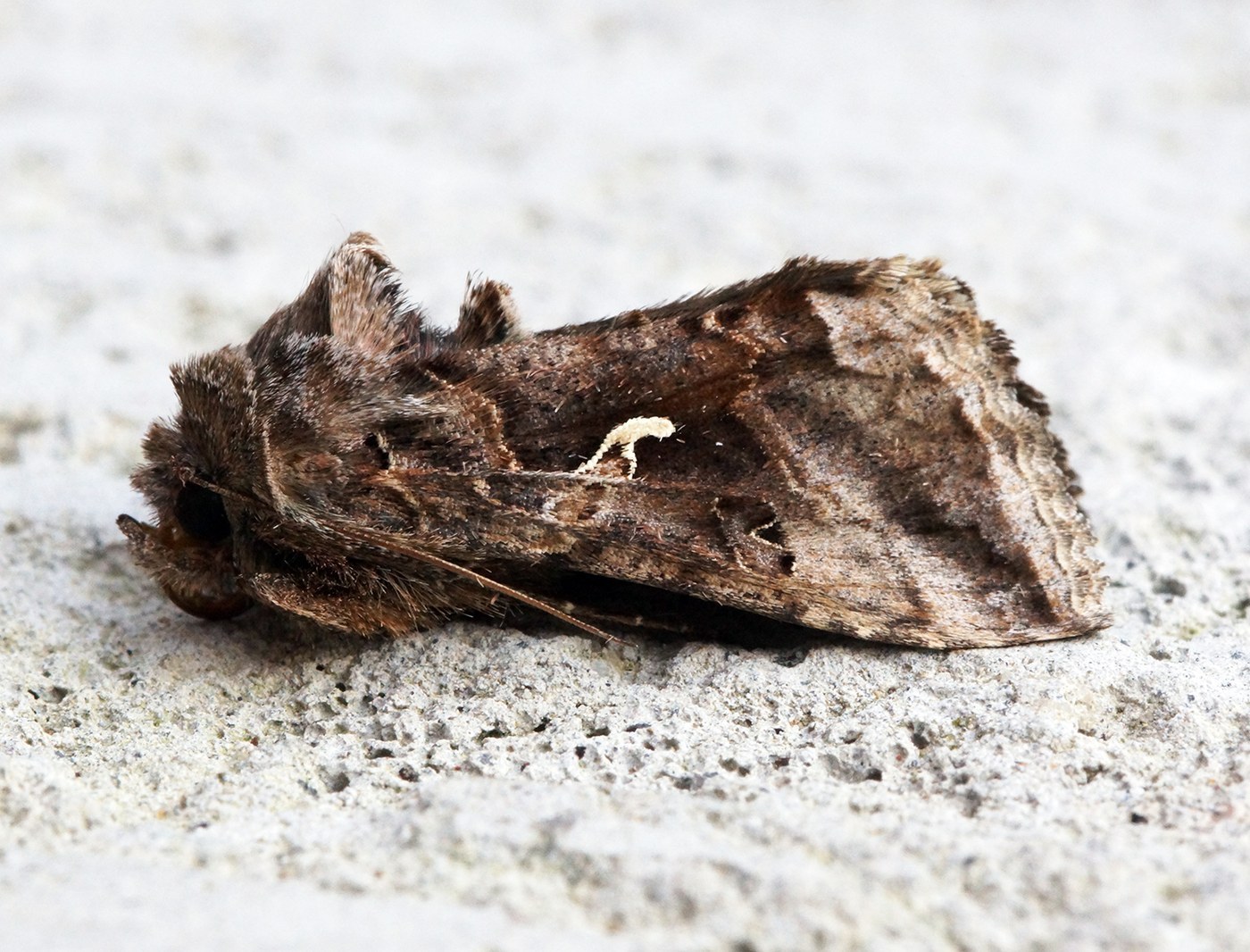
Silver Y Moth
A fast-flying, day-active noctuid moth named for the metallic silver Y- or gamma-shaped mark on each mottled grey-brown forewing, famous for its long-distance migratory flights.
mothDigger Bee
A robust, fast-flying, densely furry solitary bee that excavates tunnels in bare or sloped soil, often confused with bumble bees due to its bulky, hairy build and loud buzzing flight.
bee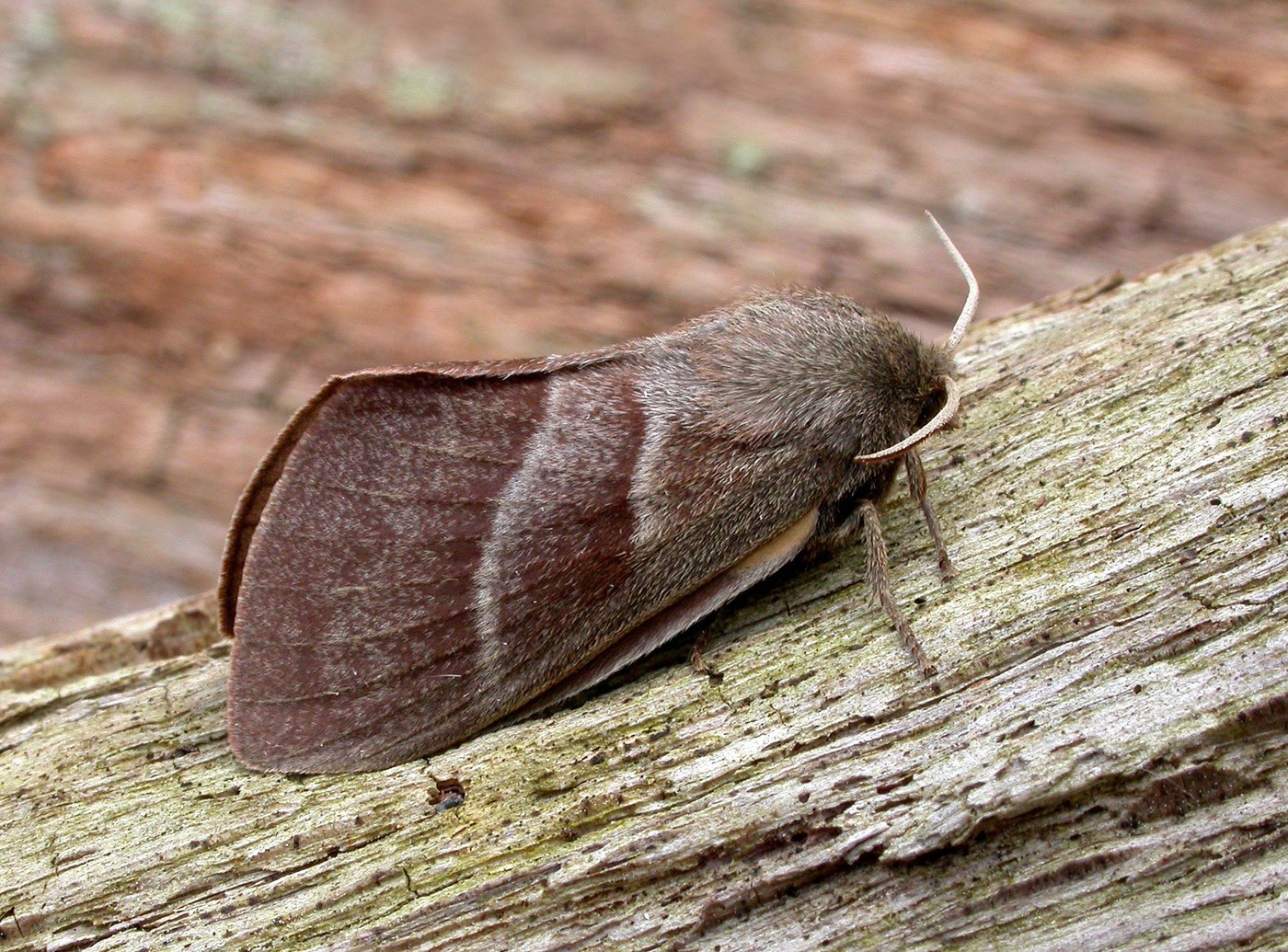
Fox Moth
A stout, reddish-brown moth with a pale diagonal band across each forewing, closely resembling a fox in color, most often noticed as its large, densely furred dark caterpillar basking on open ground in spring.
moth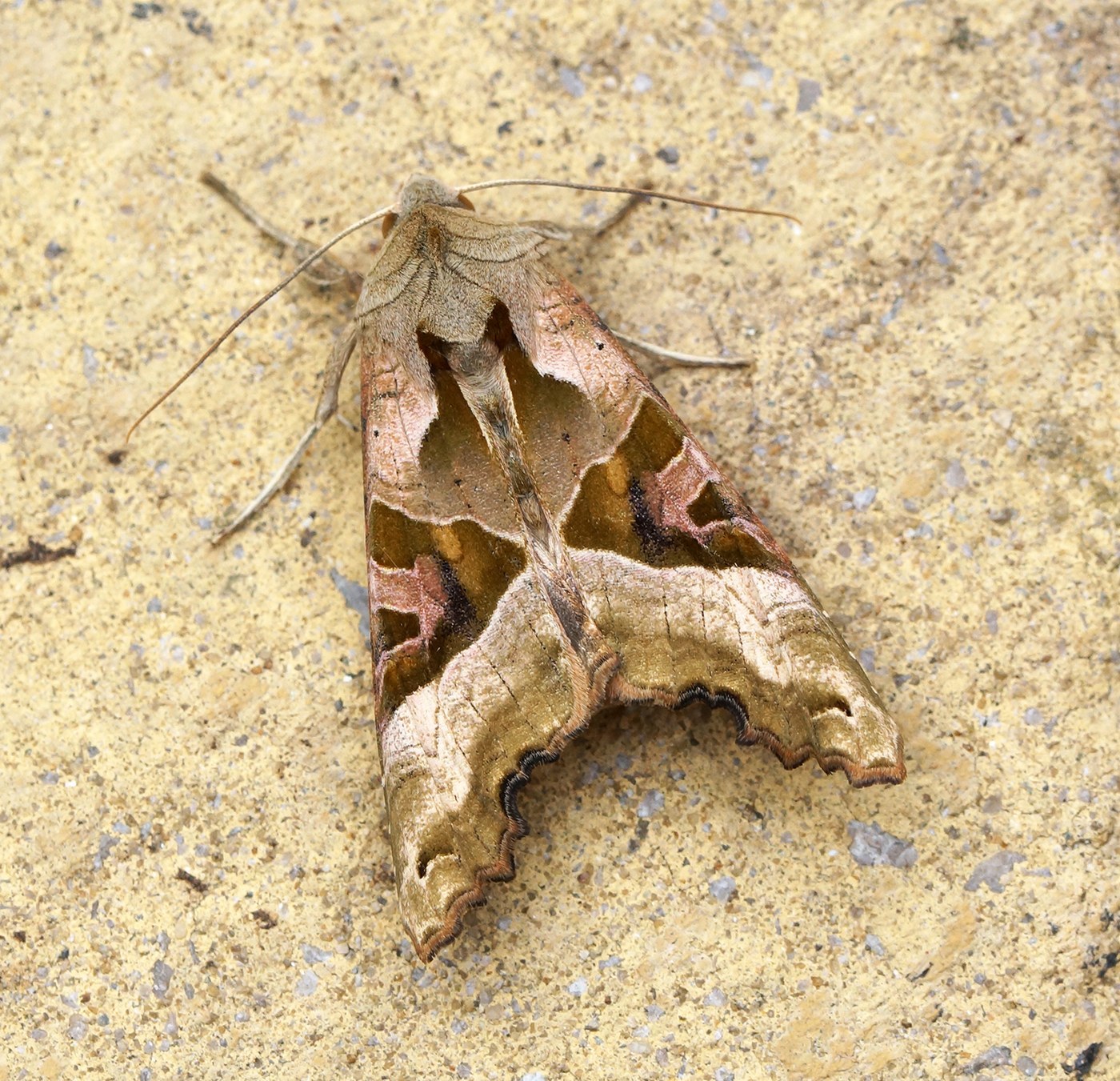
Angle Shades Moth
A common night-flying moth whose forewings fold into a crumpled, tent-like shape that mimics a withered or damaged leaf, marked with bold olive-green and pinkish-brown zigzag bands.
moth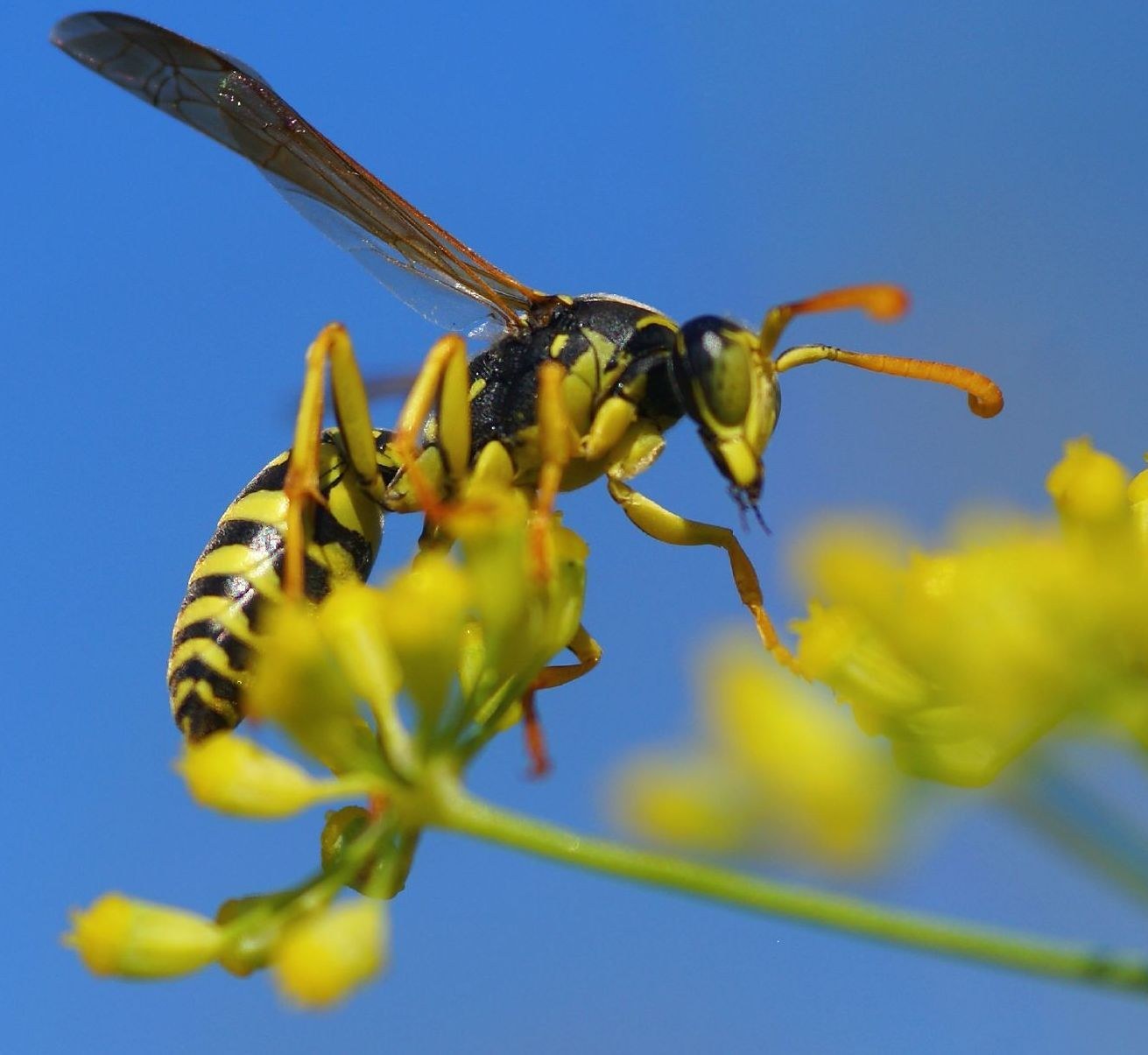
Wasp
A slender-waisted, smooth-bodied flying insect typically banded in black and yellow, recognizable by its narrow 'wasp waist' and folded wings, and often social, building paper nests in colonies.
wasp