
Bug Encyclopedia
Search and identify bugs & insects — beetles, butterflies, moths, ants, bees, spiders and more — with size, habitat, danger, behavior, and how to tell them apart.
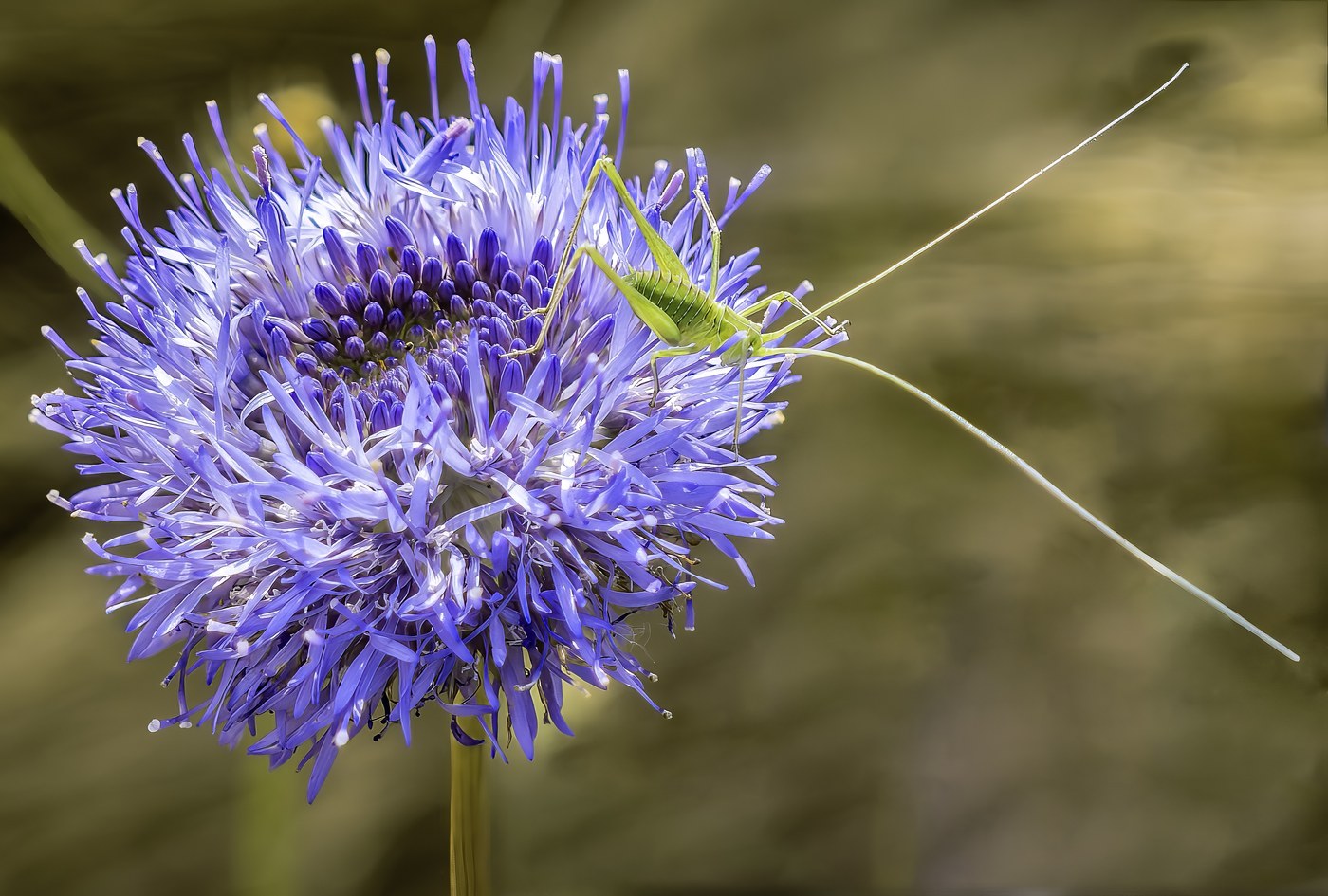
Great Green Bush Cricket
Europe's largest bush cricket, this brilliant grass-green insect fills warm summer evenings with a loud, sustained buzzing call audible from a considerable distance.
grasshopper-cricket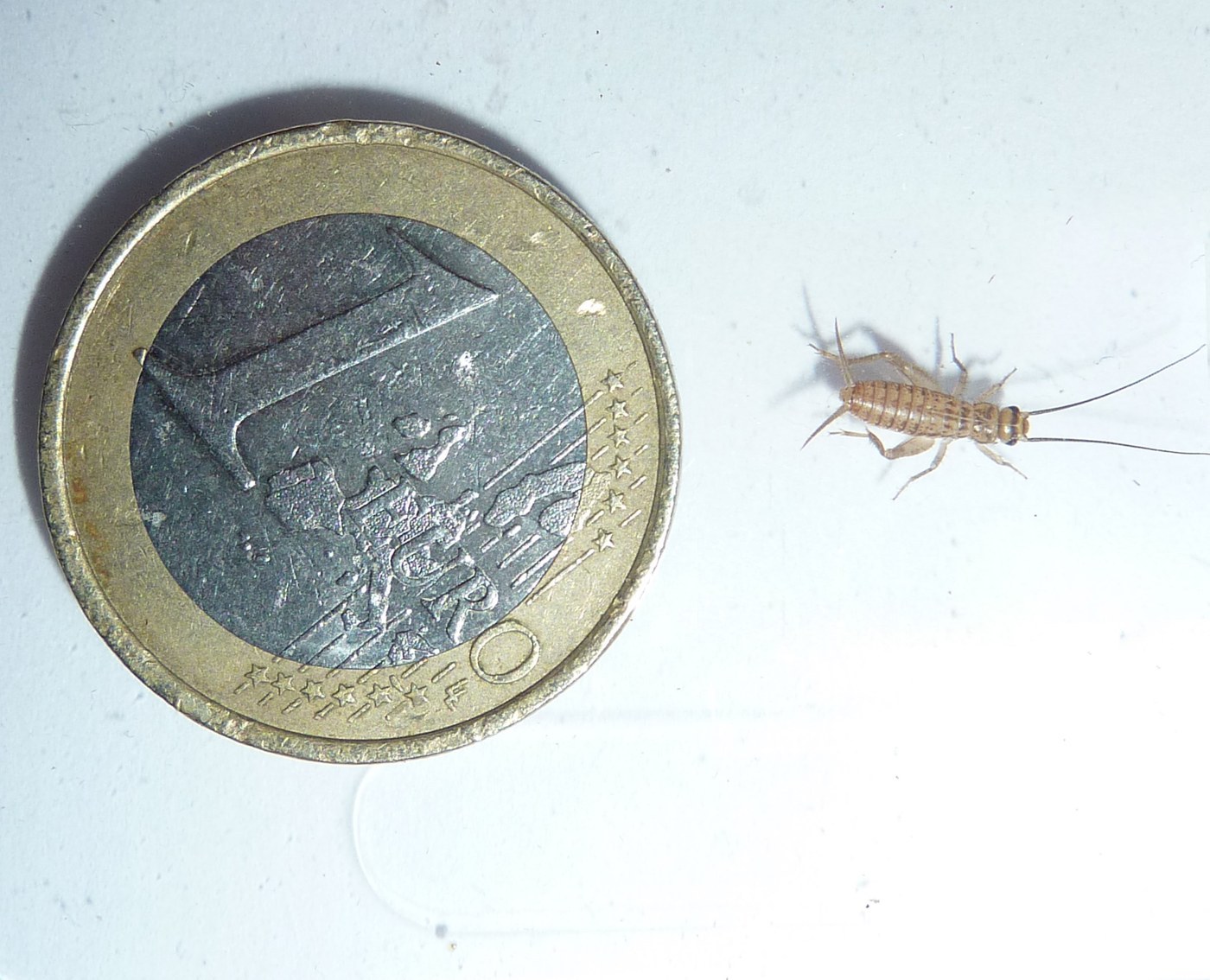
House Cricket
A pale tan, dark-banded cricket originally from warm regions of Asia that has spread worldwide both as an occasional indoor nuisance and as a widely farmed feeder insect.
grasshopper-cricket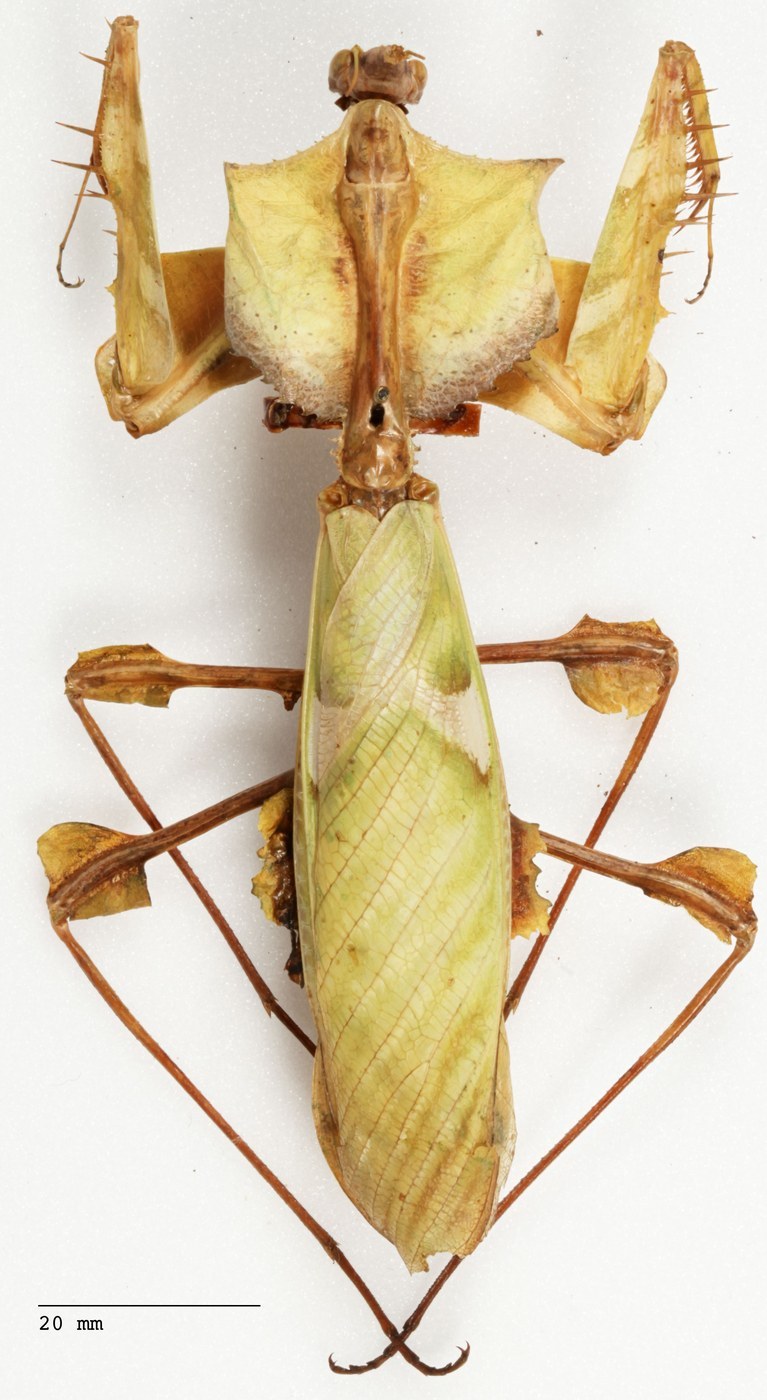
Devil's Flower Mantis
One of the largest mantis species on Earth, this striking insect can suddenly rear up and fan out vividly colored wings and legs into a dramatic, flower-like threat display.
mantis-stickIronclad Beetle
A slow-moving, mottled gray beetle famed for having one of the hardest, most crush-resistant exoskeletons of any insect, often found clinging motionless to dead wood or tree bark.
beetleDamsel Bug
A slender, tan to brown true bug with a narrow head and elongated front legs adapted for grasping, the damsel bug is a common predator patrolling foliage for soft-bodied insects.
true-bug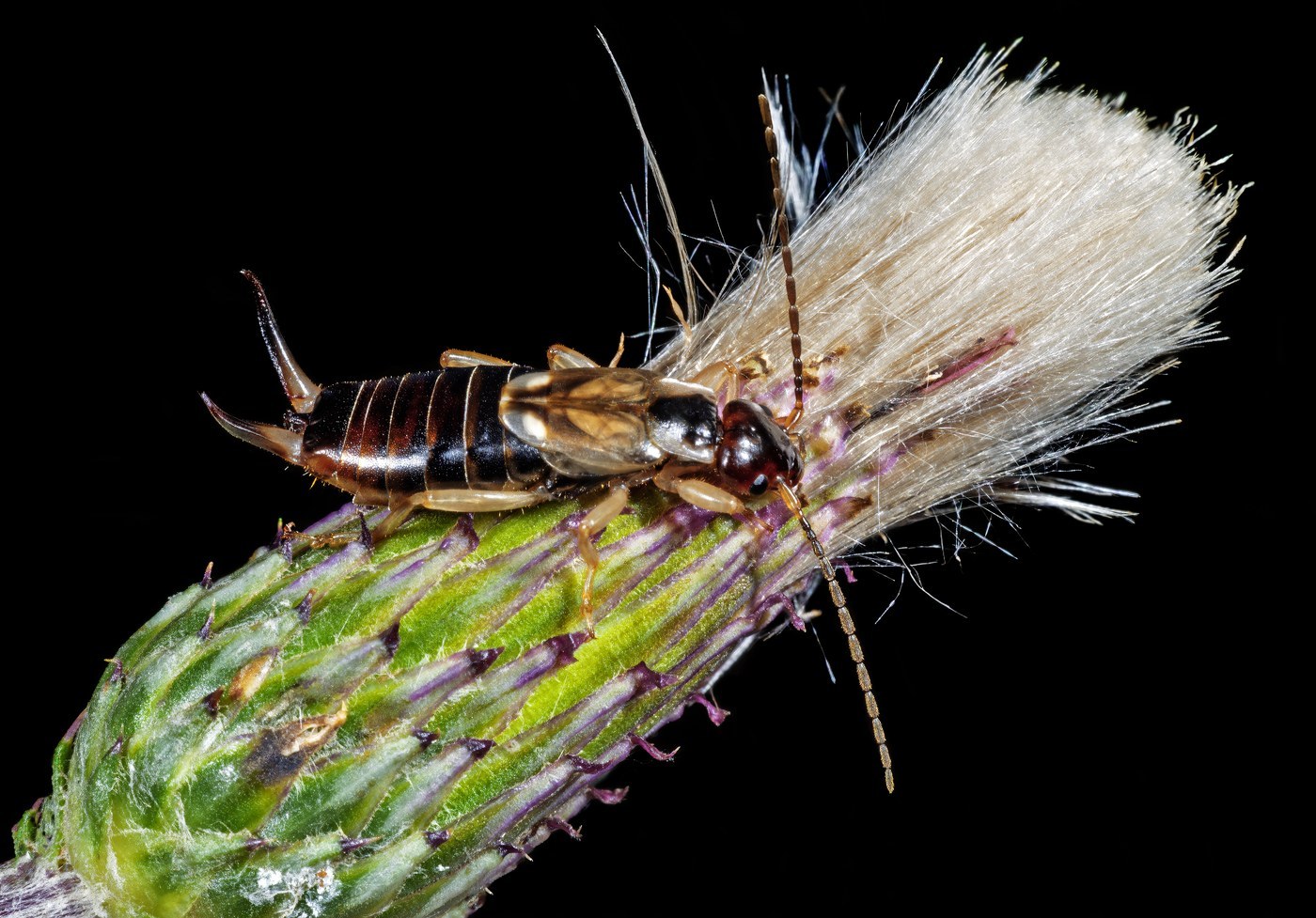
Earwig
A slender, reddish-brown insect easily identified by the pair of curved, forceps-like pincers at the tip of its abdomen, often found hiding under mulch, bark, or garden debris by day.
otherCricket
A dark, round-headed jumping insect best known for the rhythmic chirping song produced by males rubbing their forewings together, often heard rather than seen after dusk.
grasshopper-cricket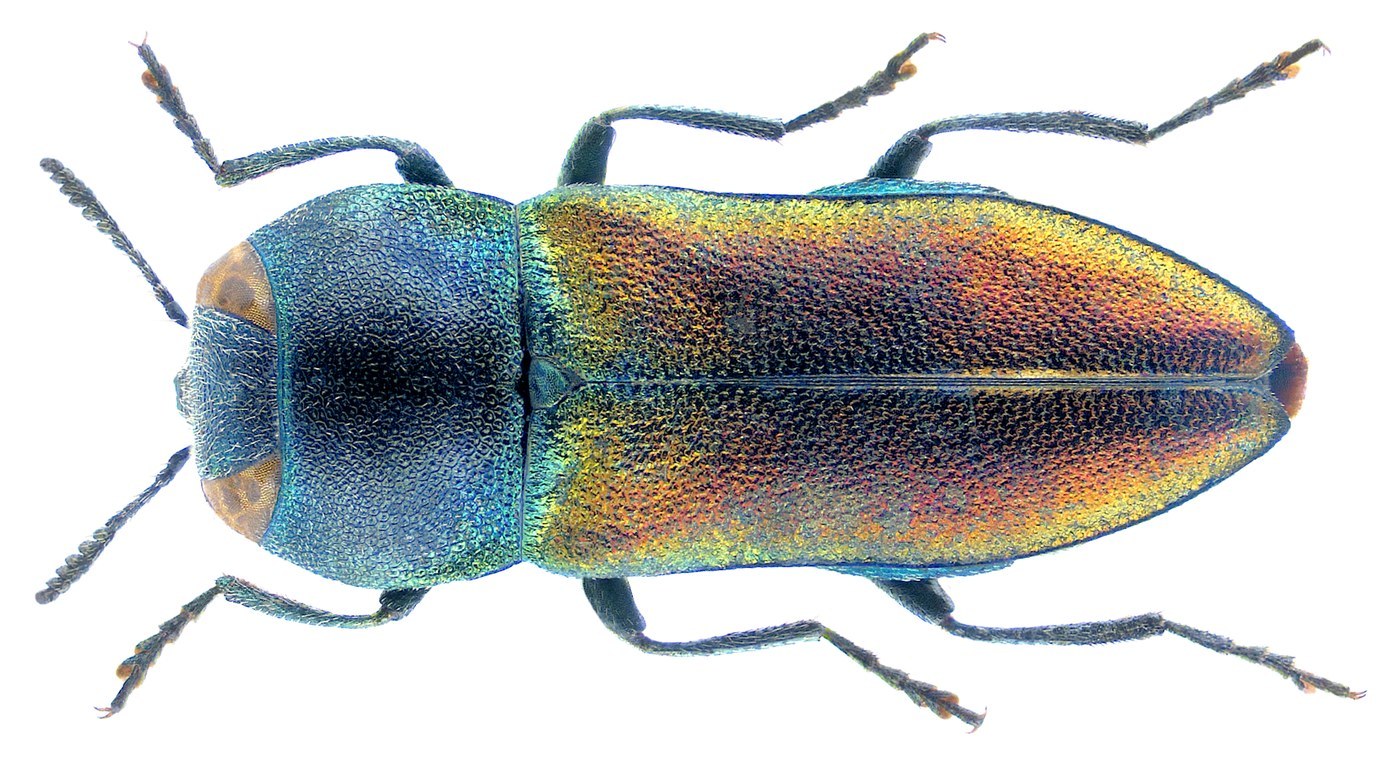
Metallic Wood-boring Beetle
The North American common name for jewel beetles, emphasizing the wood-tunneling habits of their larvae, which leave telltale flattened, D-shaped exit holes in bark of stressed or dying trees.
beetle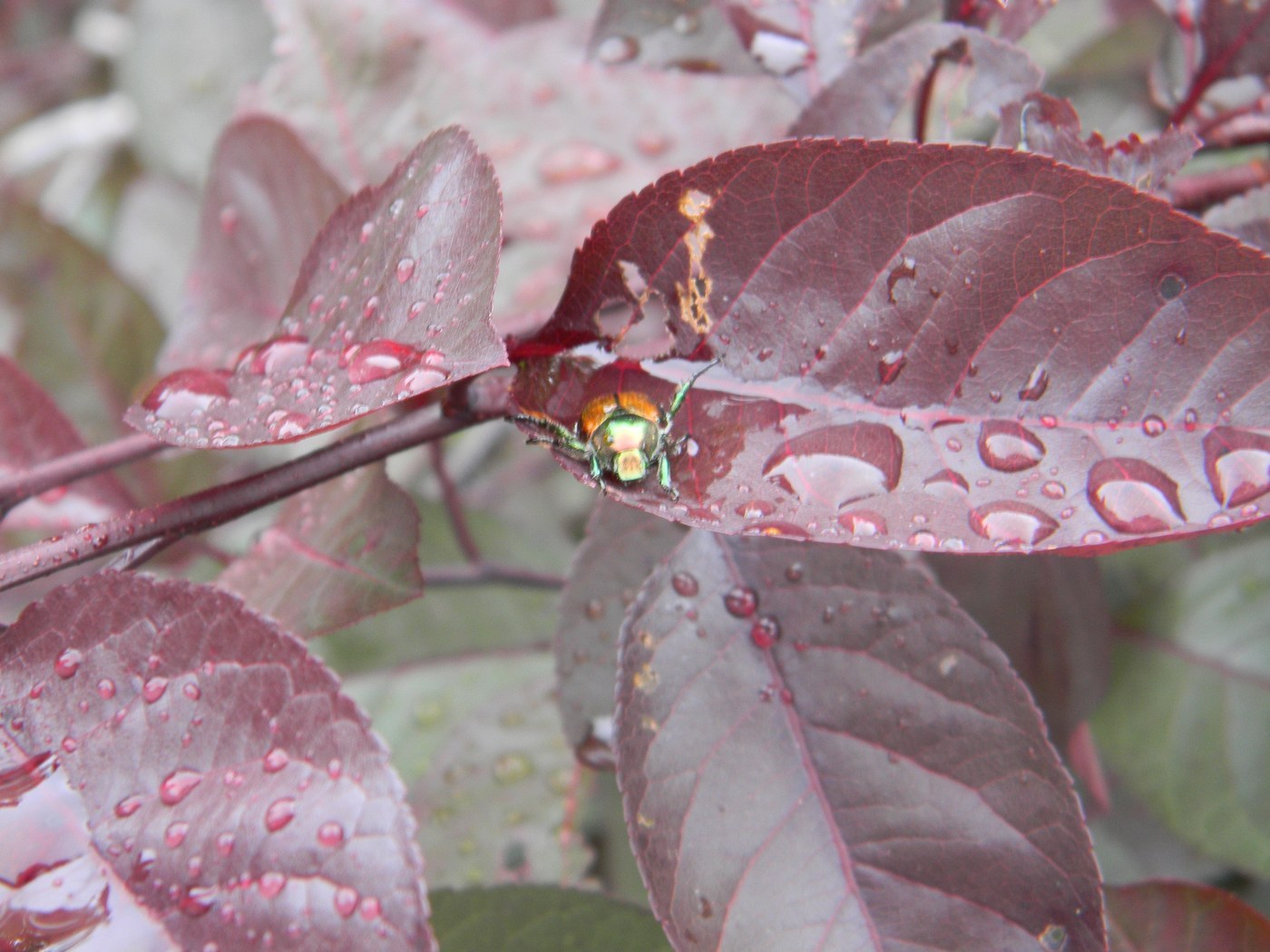
Japanese Beetle
A small, iridescent beetle with a metallic green head and thorax and coppery-bronze wing covers, notorious for skeletonizing the leaves of roses, grapevines, and hundreds of other garden plants.
beetle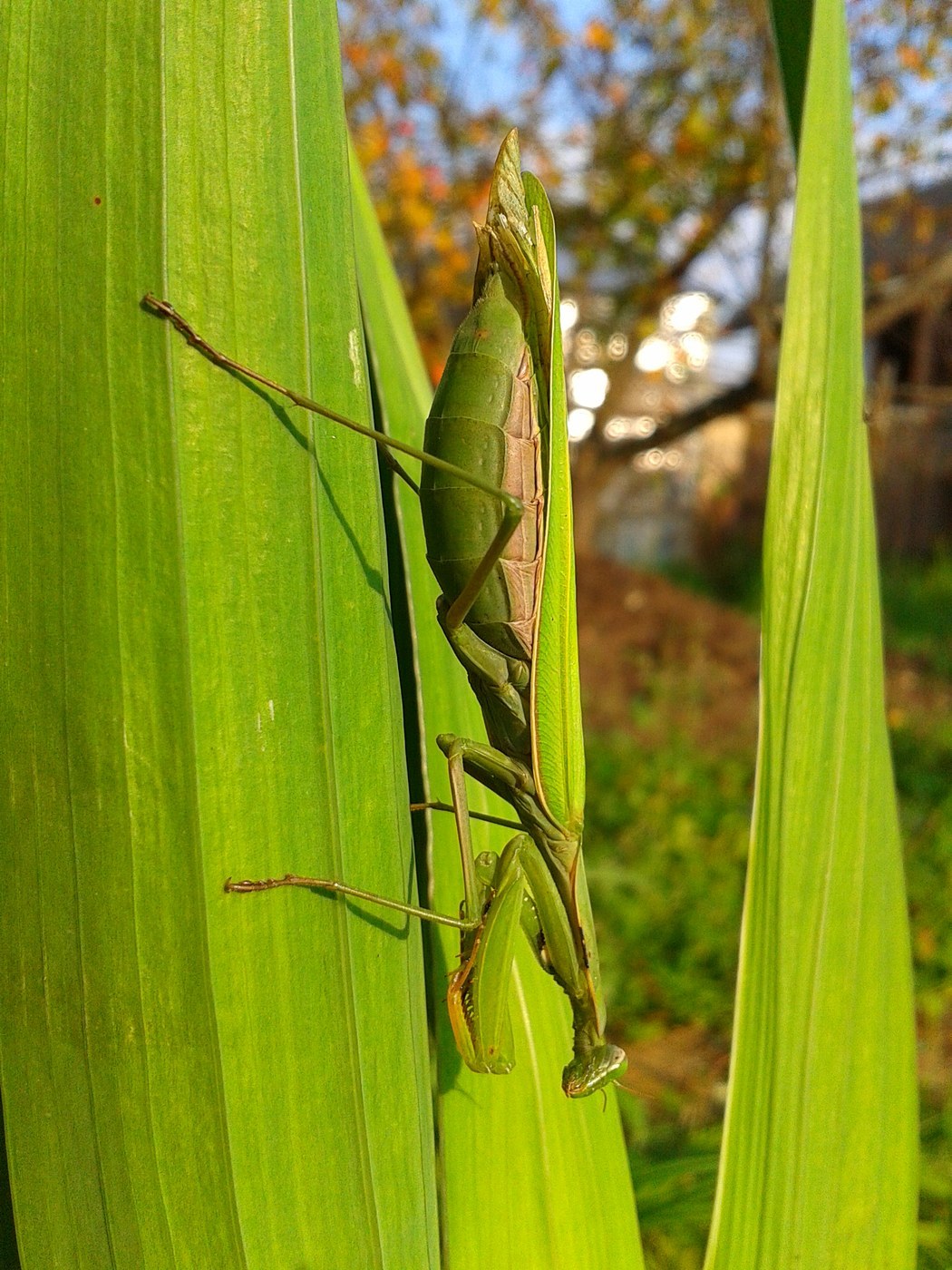
European Mantis
A slender, typically bright green mantis native to Europe, Africa, and Asia, now widely established in North America, easily recognized by a small dark bullseye mark on the inside of its front legs.
mantis-stick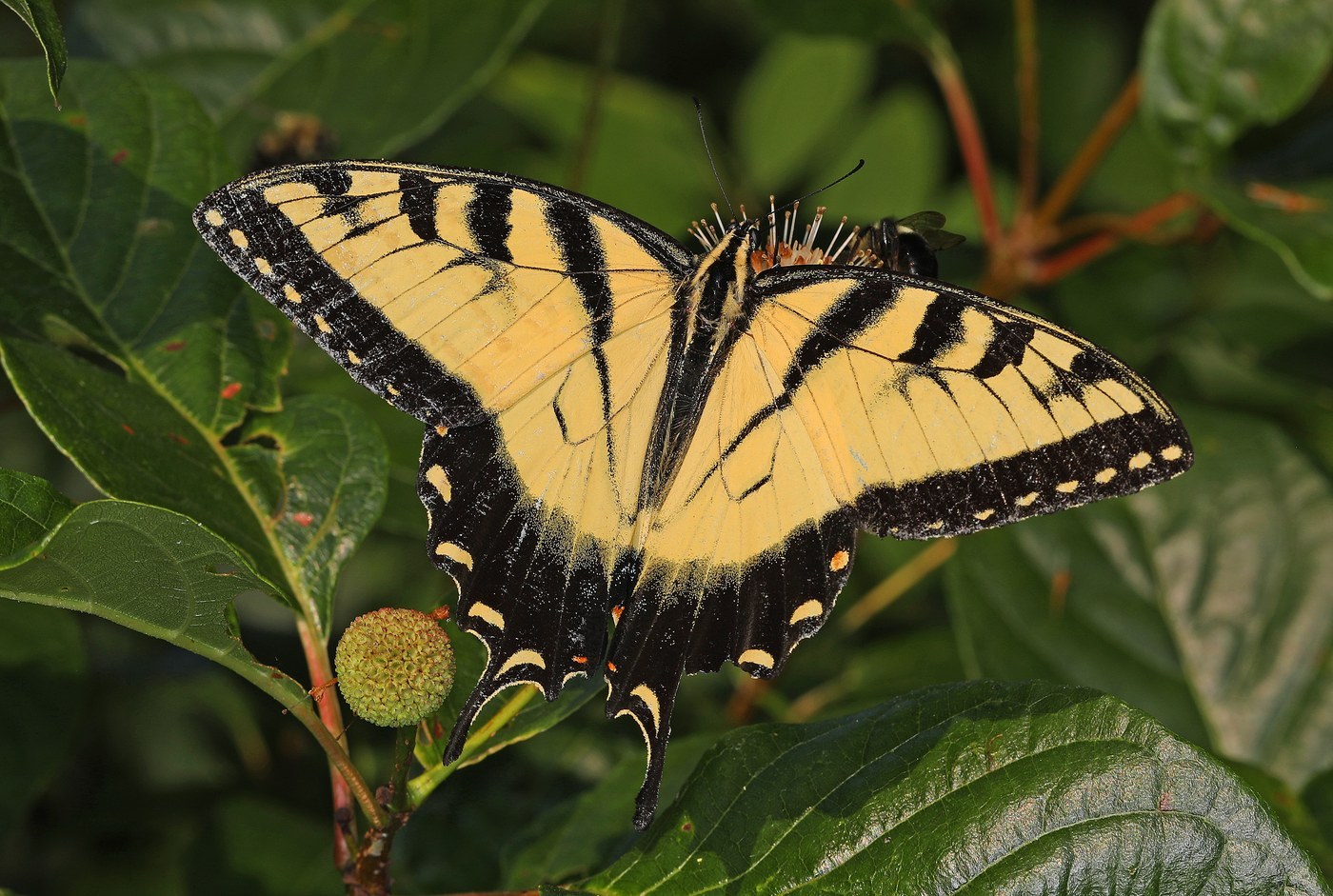
Eastern Tiger Swallowtail
A large, showy yellow-and-black striped swallowtail with elegant tail extensions on the hindwings, one of the most recognizable butterflies of eastern North American woodlands and gardens.
butterfly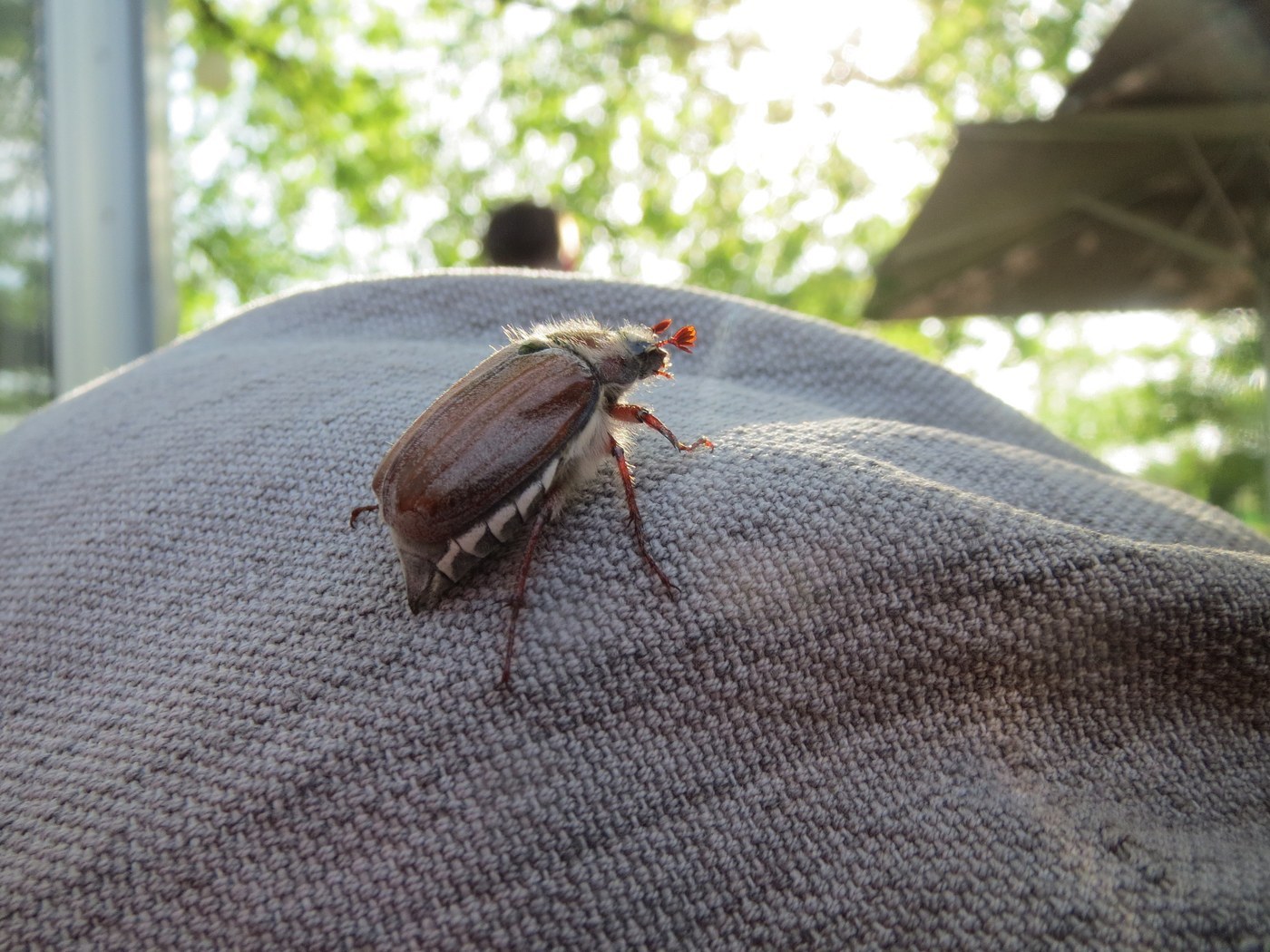
Cockchafer
A large, reddish-brown scarab beetle with distinctive fan-shaped antennae, famous for its noisy, clumsy evening flights around trees in late spring, giving rise to its alternate name, the May bug.
beetleDampwood Termite
A relatively large termite that nests directly inside heavily moistened, decaying wood such as rotting logs and stumps, needing no soil contact but requiring consistently damp timber.
otherBumble Bee Queen
The large, robust foundress of a bumble bee colony, noticeably bigger and fuzzier than her worker offspring, seen alone in early spring searching for a nesting cavity before her colony's first workers emerge.
bee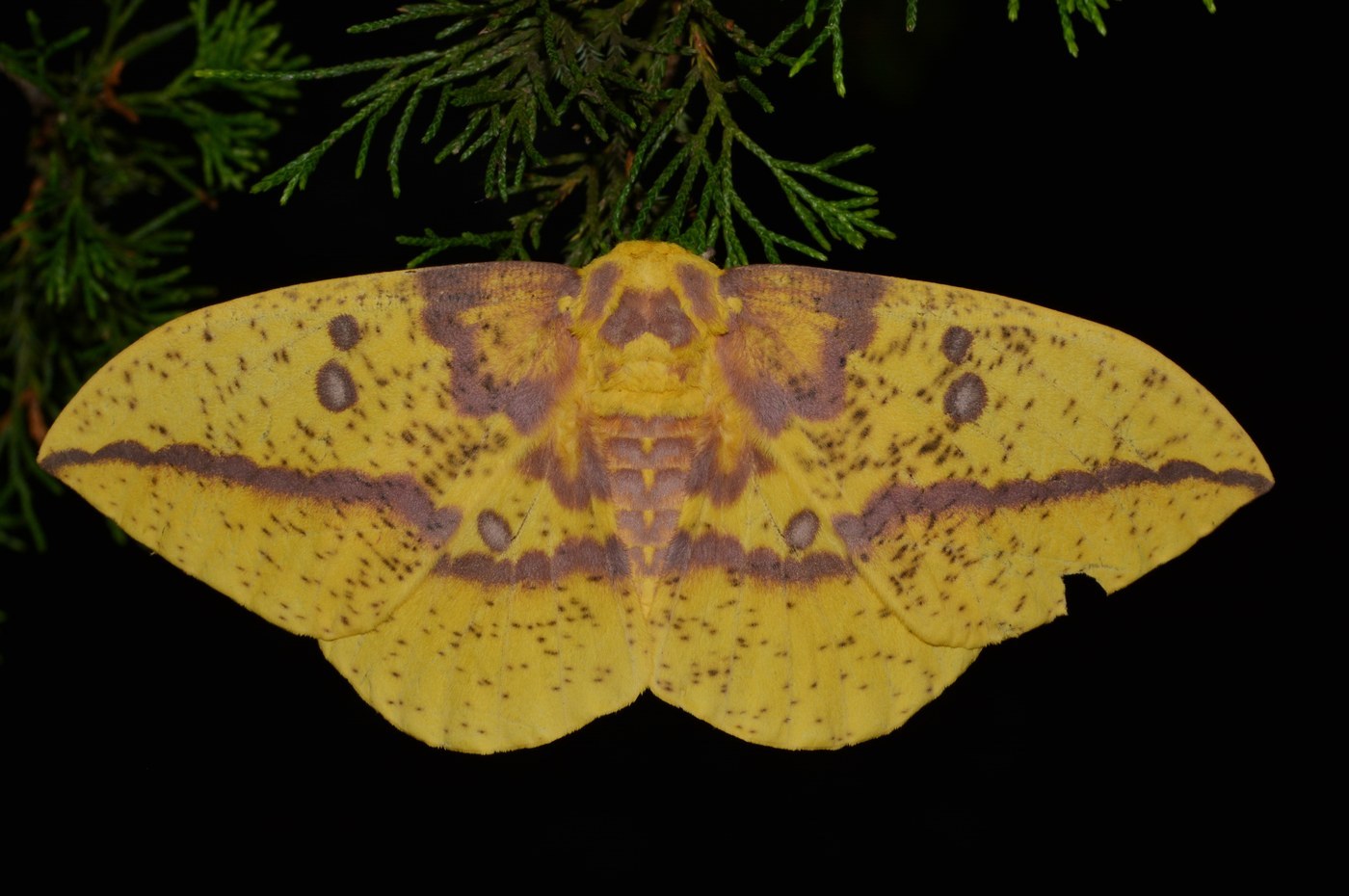
Imperial Moth
One of the largest and most variably patterned silk moths in North America, with broad yellow wings mottled in shades of purple, brown, and pink, and a caterpillar that can grow to impressive size on a wide range of forest trees.
mothLanternfly (Spotted Lanternfly)
A strikingly patterned planthopper with grey, spotted forewings that flash to reveal crimson hindwings when it leaps, now notorious as an invasive agricultural pest far from its native range.
true-bug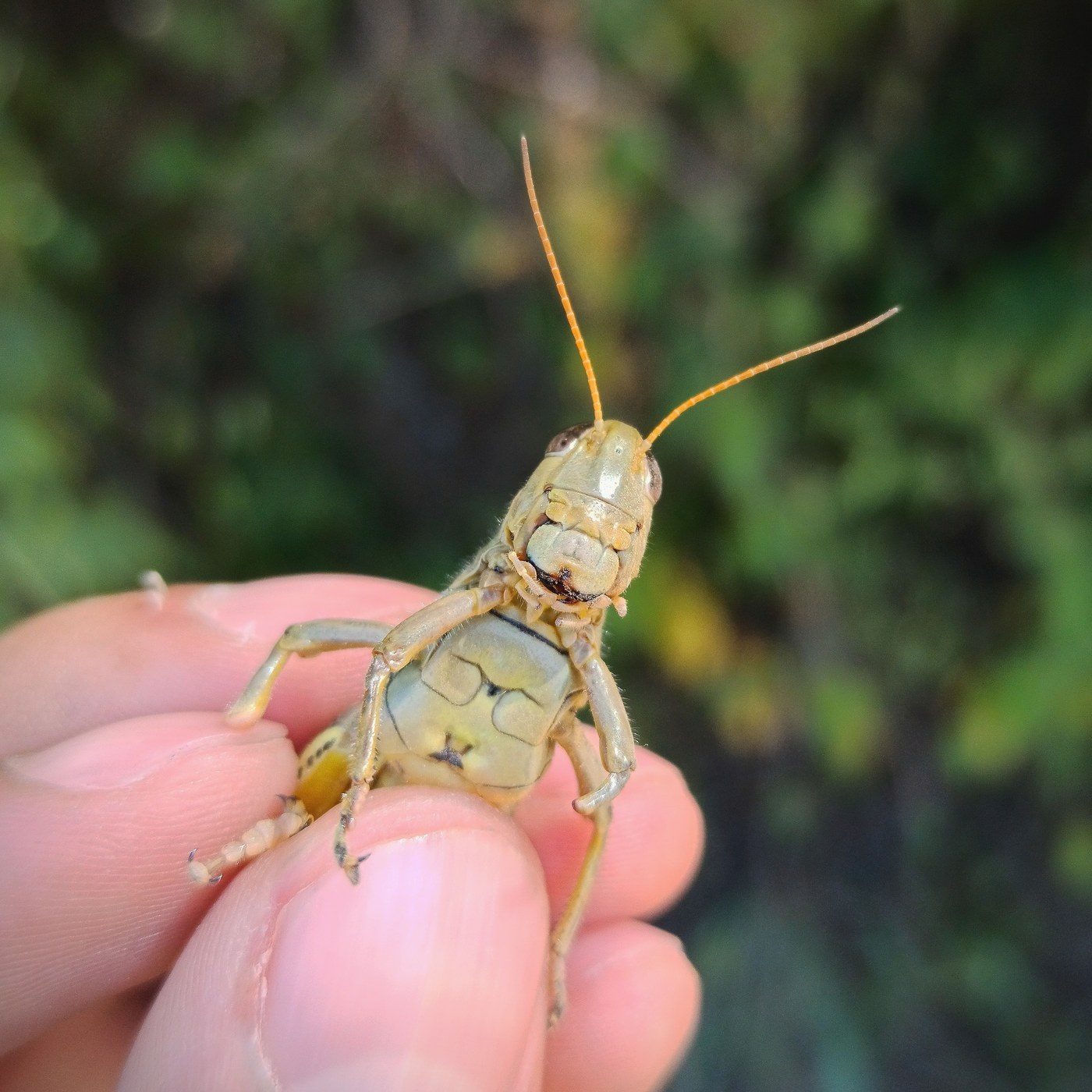
Differential Grasshopper
A large, robust grasshopper with a bold black herringbone pattern etched along its swollen hind legs, the differential grasshopper is one of the biggest and most recognizable pest grasshoppers in North America.
grasshopper-cricket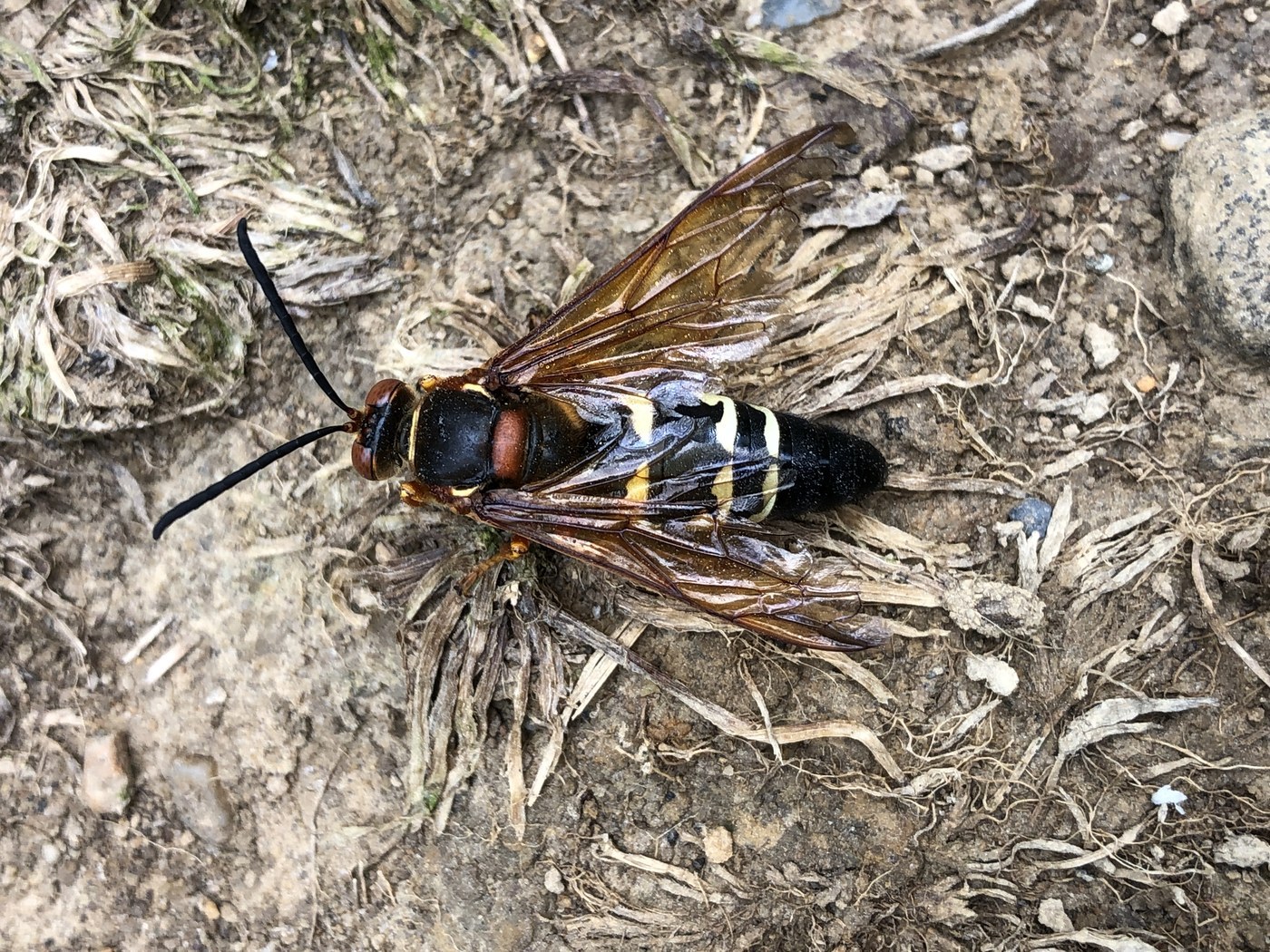
Cicada Killer Wasp
One of the largest wasps in North America, a robust rust-and-black or yellow-marked digger wasp that excavates burrows in bare soil and specializes in hunting cicadas to provision its underground nest.
wasp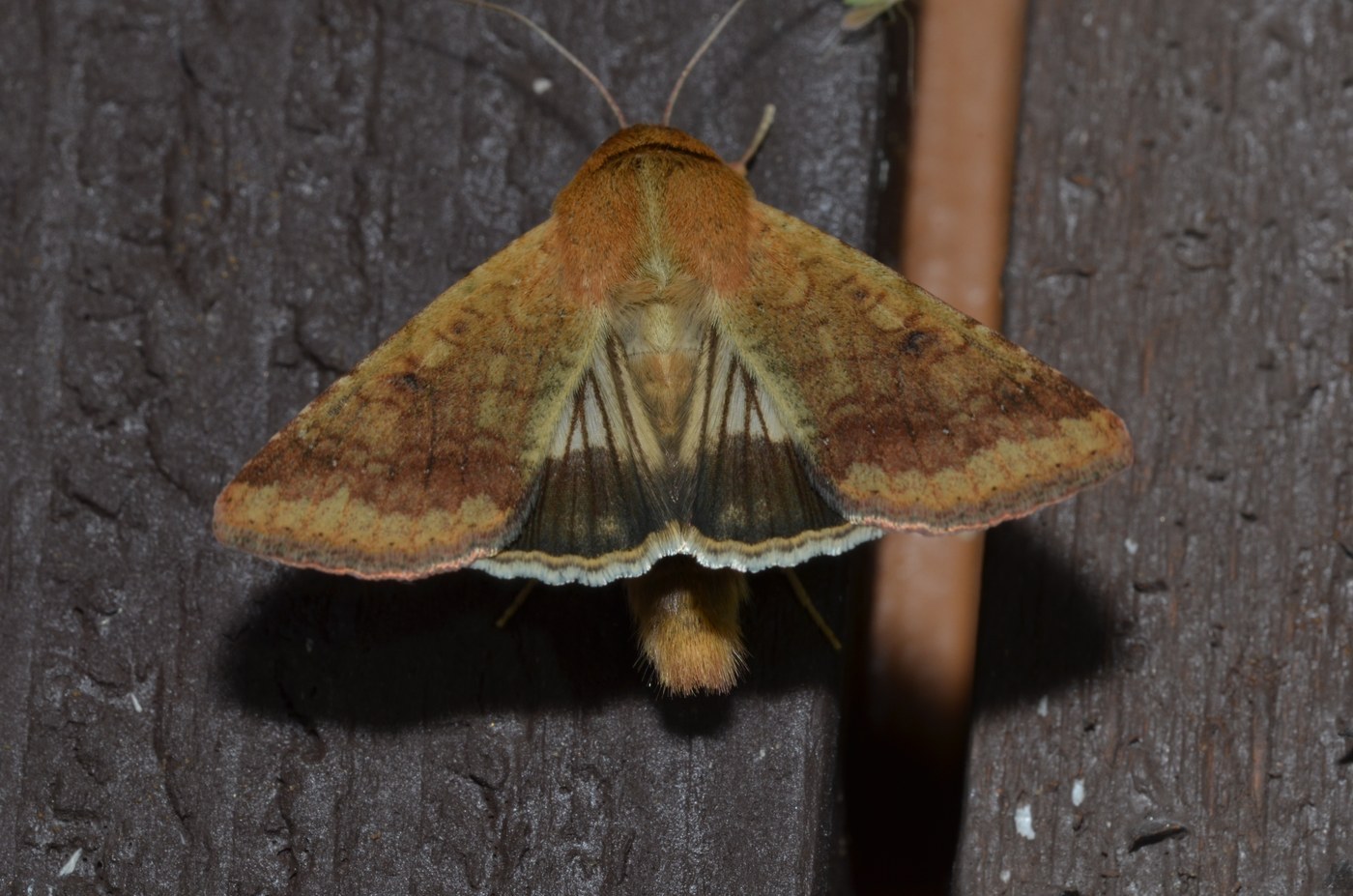
Corn Earworm
A color-variable caterpillar, ranging from pale green to reddish-brown, that burrows headfirst into corn ears and is one of the most economically significant crop pests in North America.
caterpillar-larva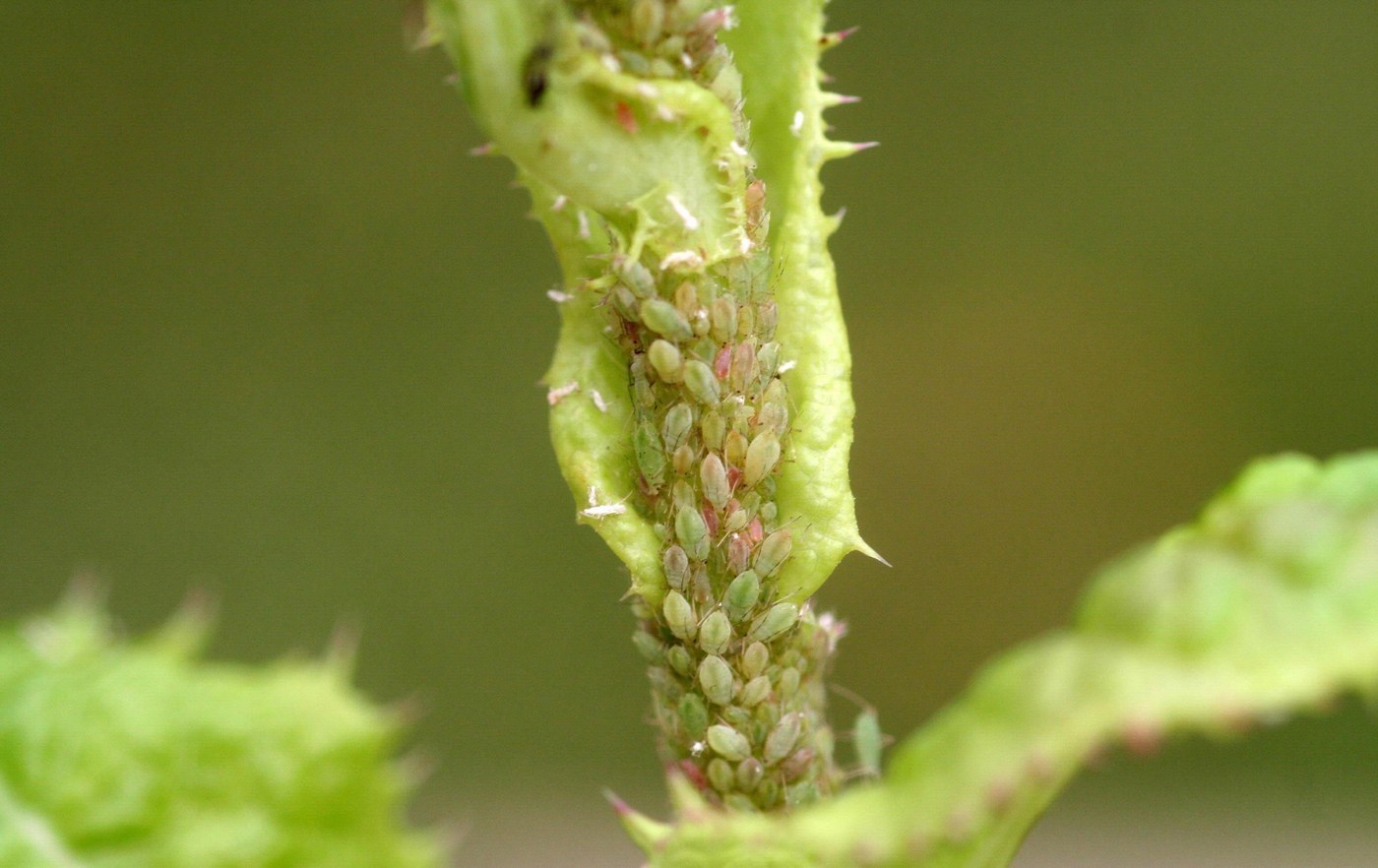
Aphid
A tiny, soft-bodied, pear-shaped insect that clusters in dense colonies on plant stems and leaf undersides, feeding on sap through needle-like mouthparts and often coated in sweet honeydew.
true-bug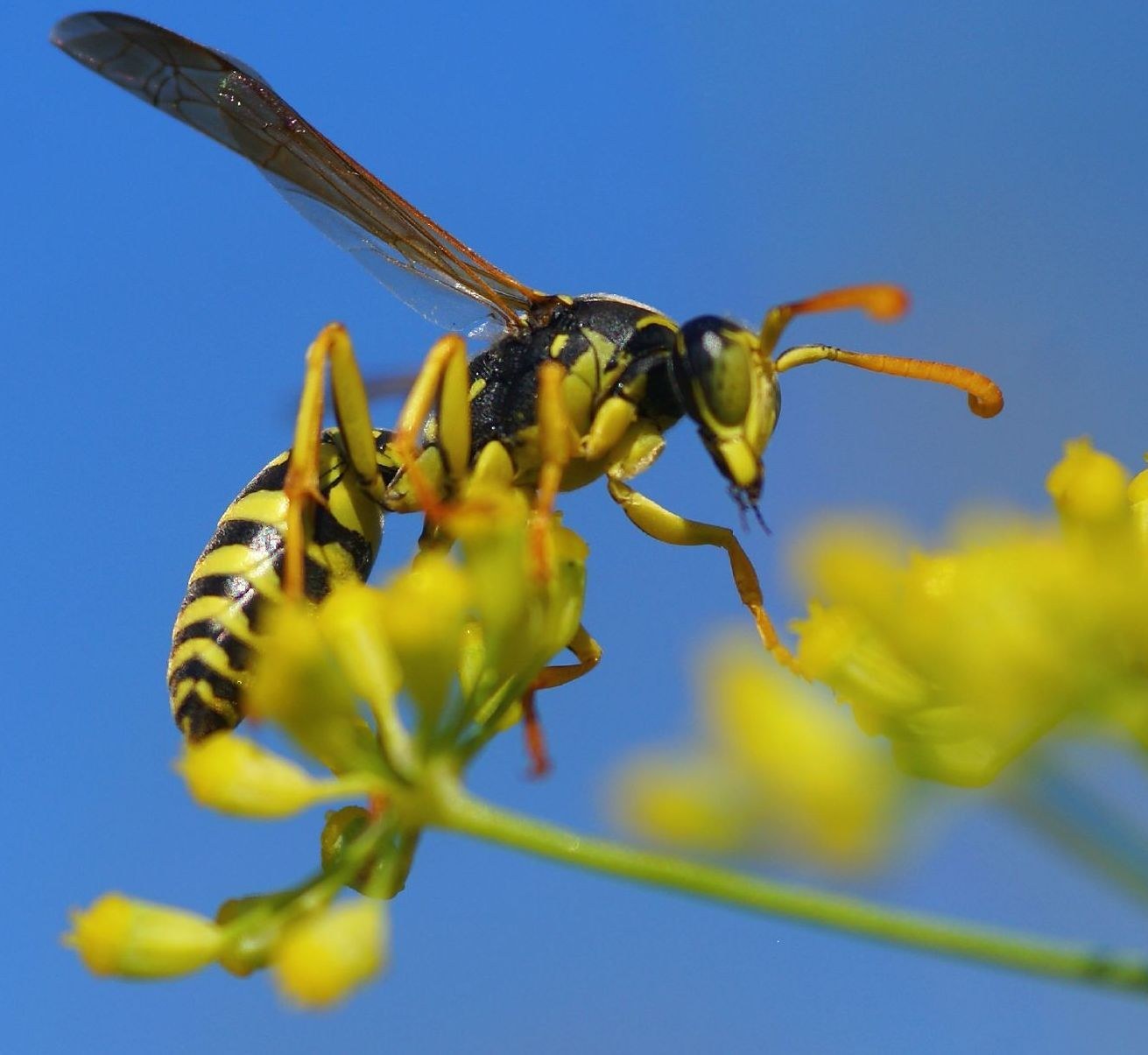
Wasp
A slender-waisted, smooth-bodied flying insect typically banded in black and yellow, recognizable by its narrow 'wasp waist' and folded wings, and often social, building paper nests in colonies.
wasp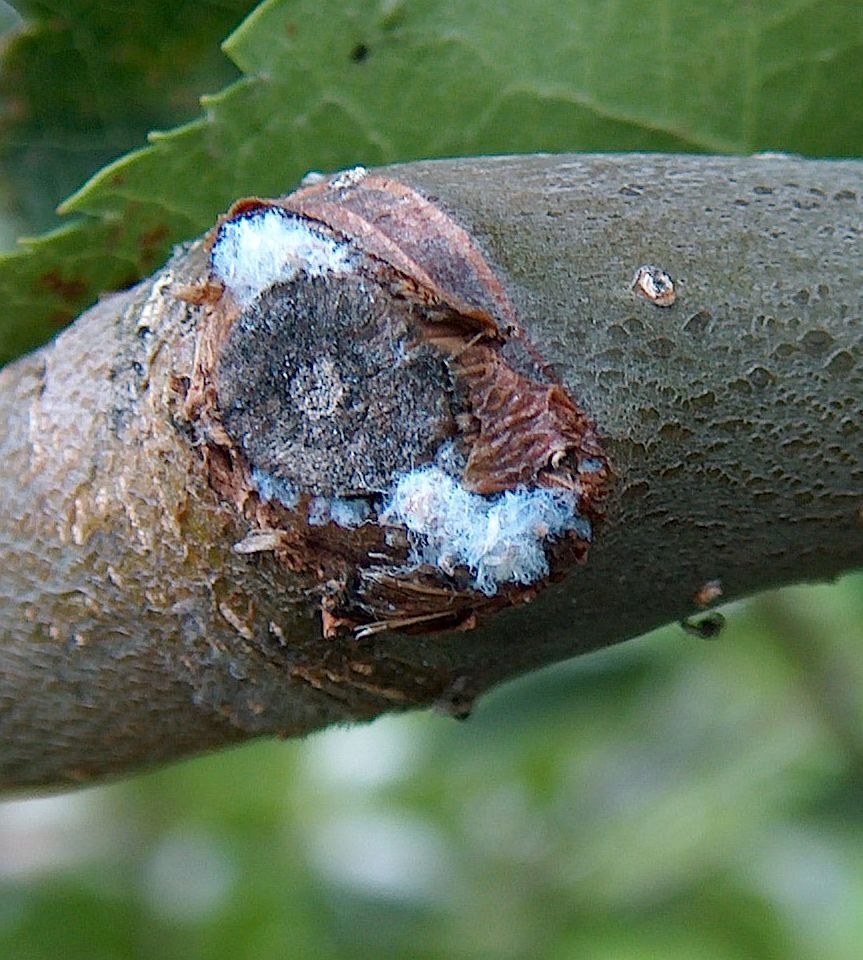
Woolly Aphid
A tiny, soft-bodied aphid that hides beneath a dense coat of white, cottony wax filaments, often appearing as fuzzy white patches clustered on bark or twigs rather than as recognizable insects.
true-bug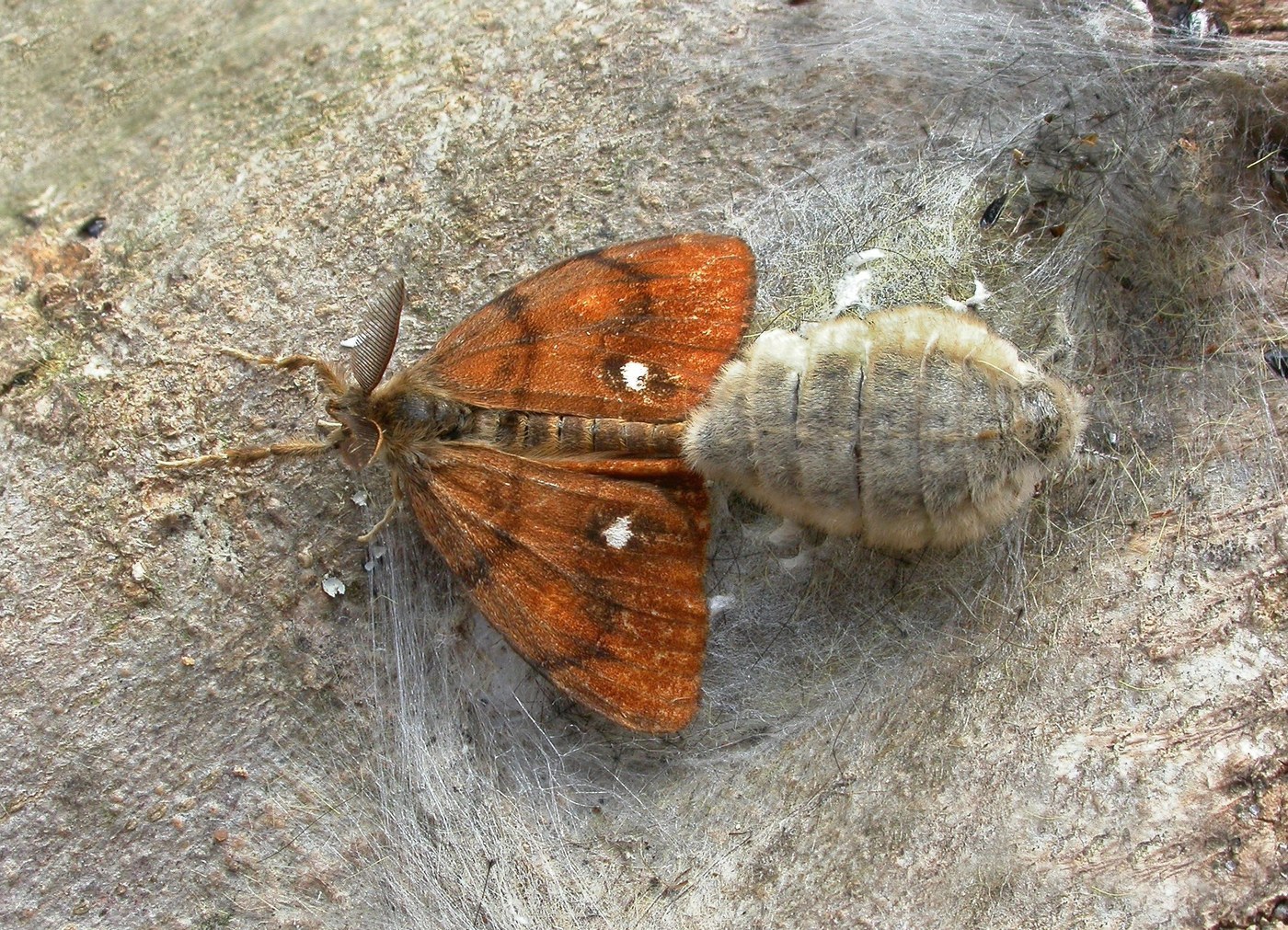
Vaporer Moth
A tussock moth with dramatic sexual differences: the male is a small rusty-brown day-flying moth with a white wing spot, while the female is a flightless, wingless gray sac-like insect that never leaves her cocoon.
moth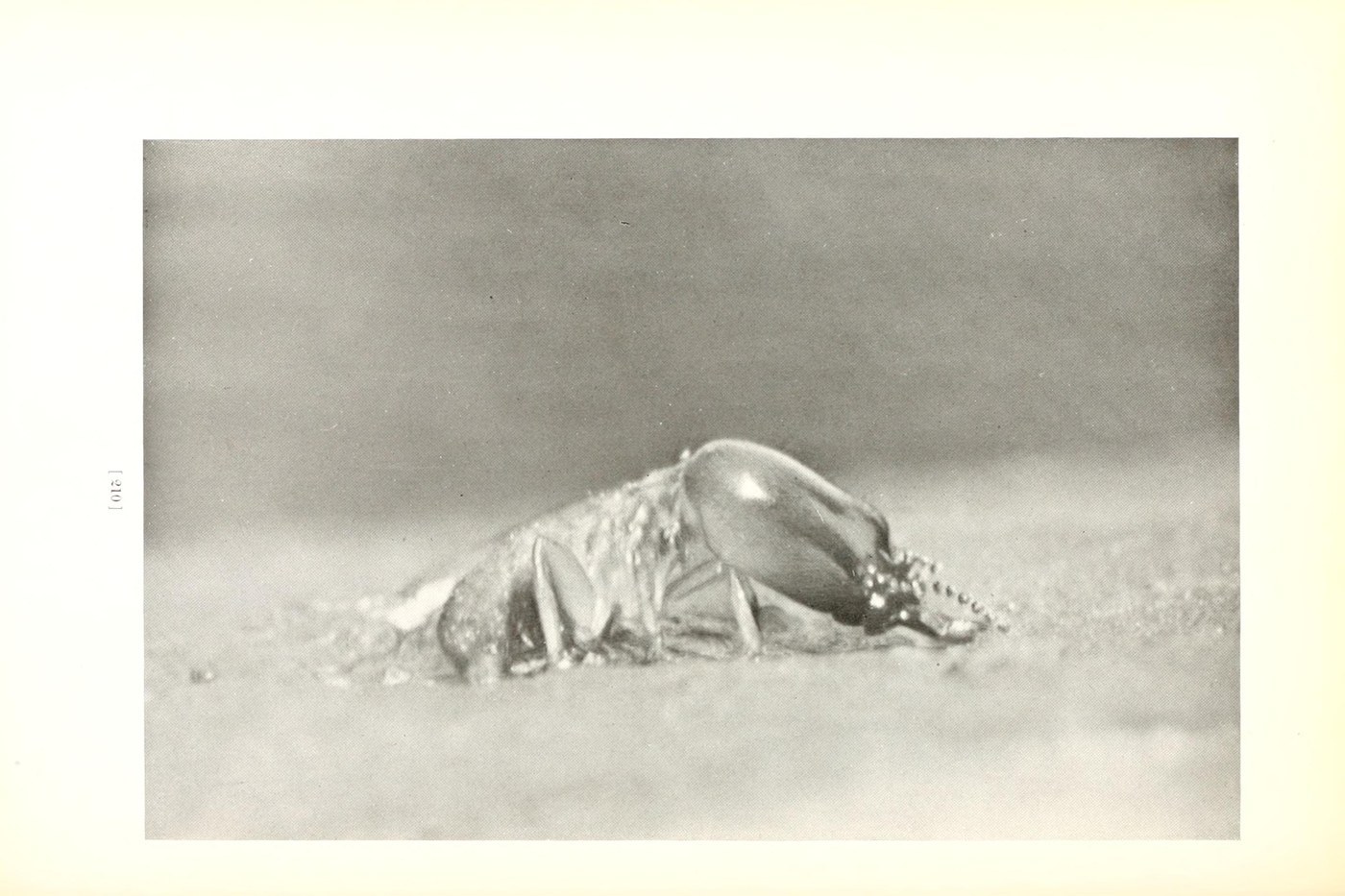
Termite
A pale, soft-bodied social insect that lives in hidden colonies and feeds on cellulose in wood and plant debris, often mistaken for an ant despite belonging to an entirely different insect order.
other