
Bug Encyclopedia
Search and identify bugs & insects — beetles, butterflies, moths, ants, bees, spiders and more — with size, habitat, danger, behavior, and how to tell them apart.
Antlion
An insect best known for its larval stage, the doodlebug, which digs a small conical pit trap in loose sand to ambush unwary ants, while the winged adult resembles a slender, delicate damselfly.
other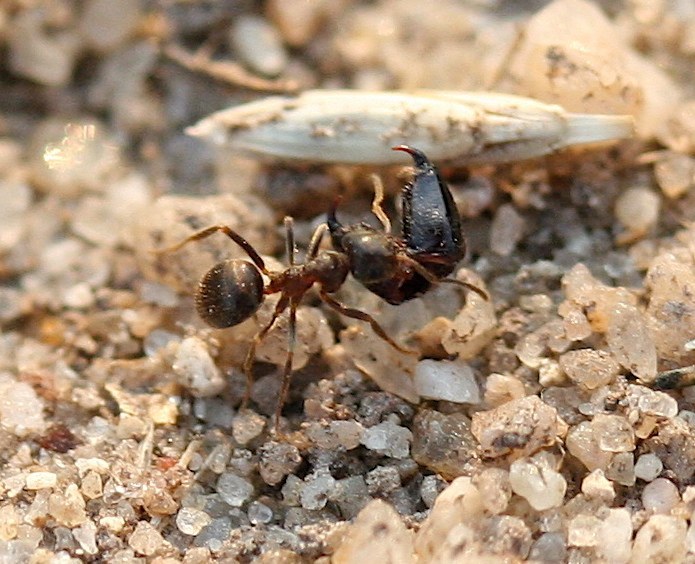
Black Garden Ant
A familiar small, glossy black ant that forms visible foraging trails across patios and garden paths and nests beneath stones, pavers, and lawns.
ant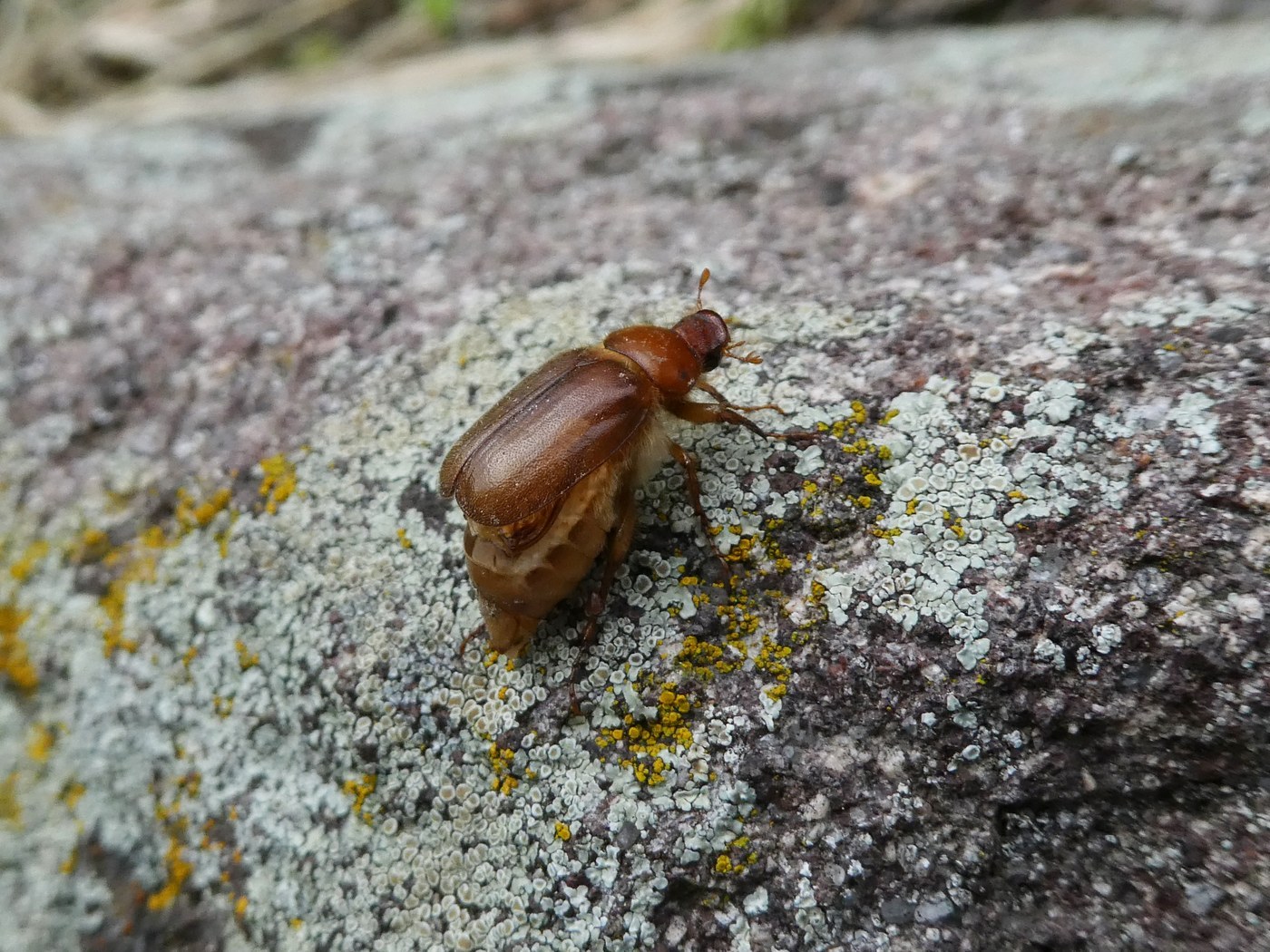
Scarab Beetle
A broad, often glossy beetle family recognized by its distinctive fan-like clubbed antennae, ranging from tiny dung-rollers to massive horned giants, found on every continent except Antarctica.
beetleShield Bug (Stink Bug)
A broad, shield-shaped true bug that releases a sharp, pungent odour from glands on its body when disturbed, a defence that gives the whole family its common name.
true-bugSugar Ant
A common name for several large, sugar-loving ants, most famously the black-and-orange banded sugar ant of Australia, known for its persistent nighttime foraging around kitchens and picnics.
ant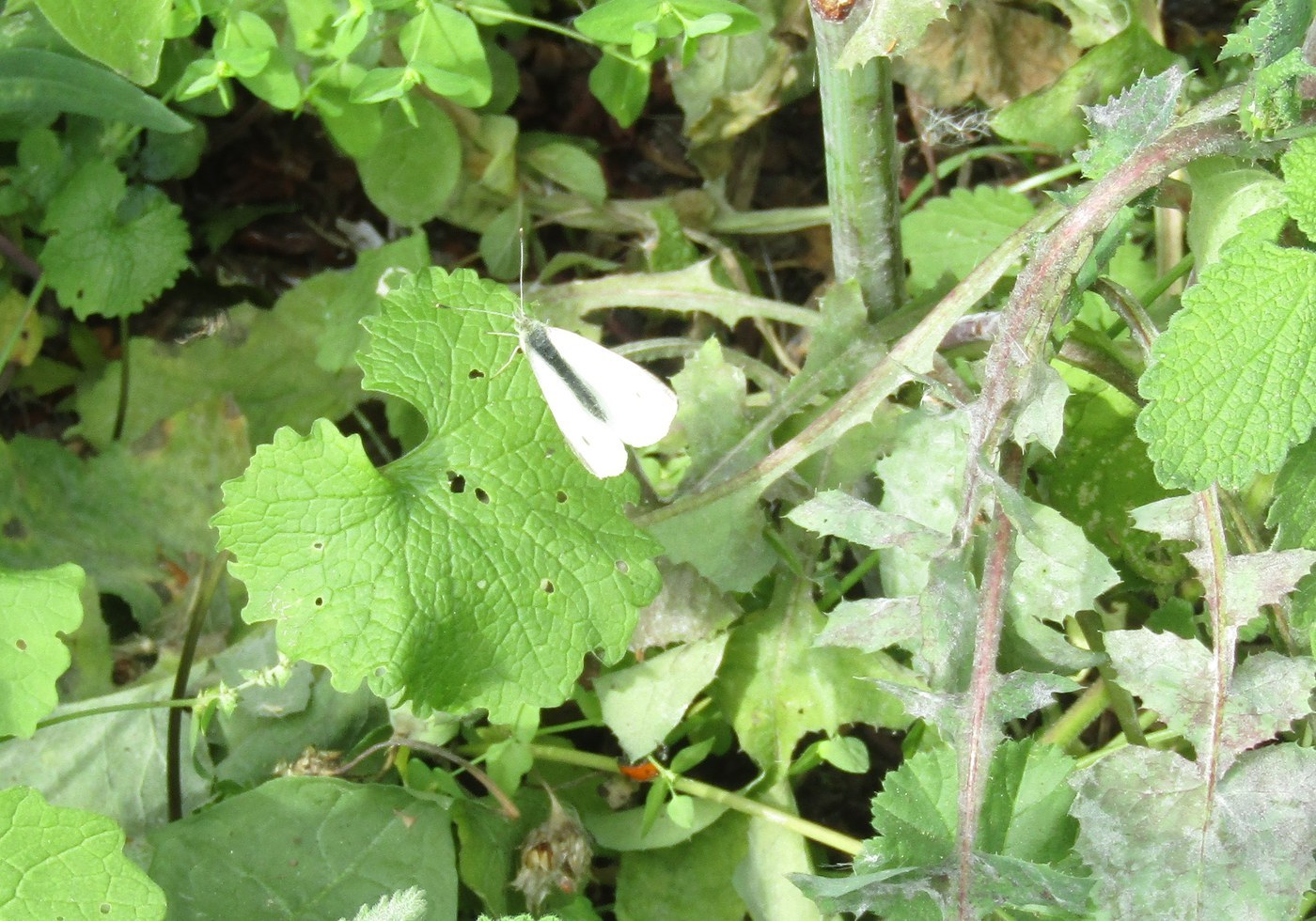
Cabbage White
A common, small white butterfly with one or two black wing spots, whose green caterpillars are a familiar sight feeding on cabbage-family garden plants.
butterfly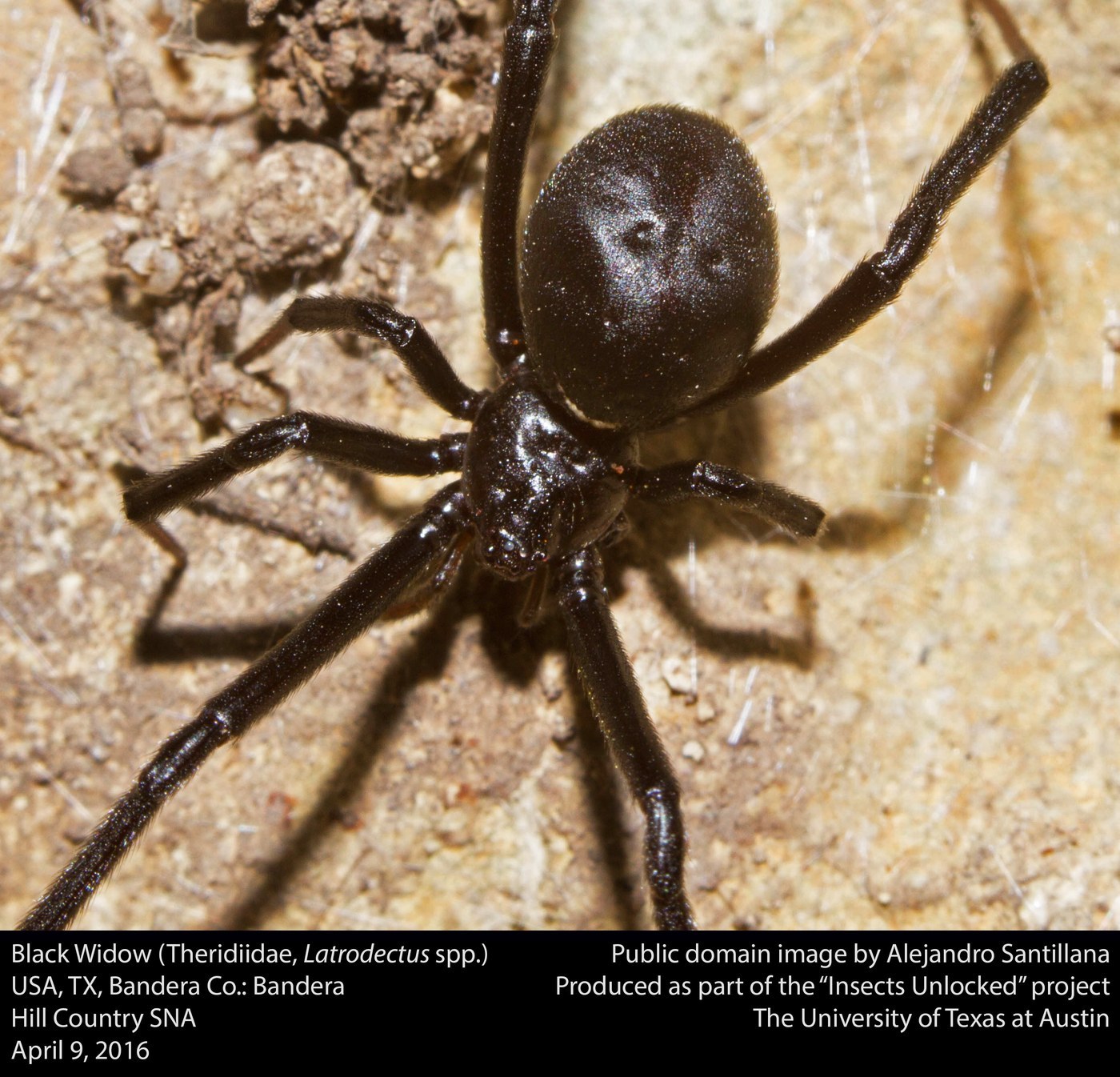
Comb-footed Spider
A diverse family of spiders defined by a row of tiny serrated bristles on their hind legs, used like a comb to fling silk over prey and wrap it up in an instant.
spider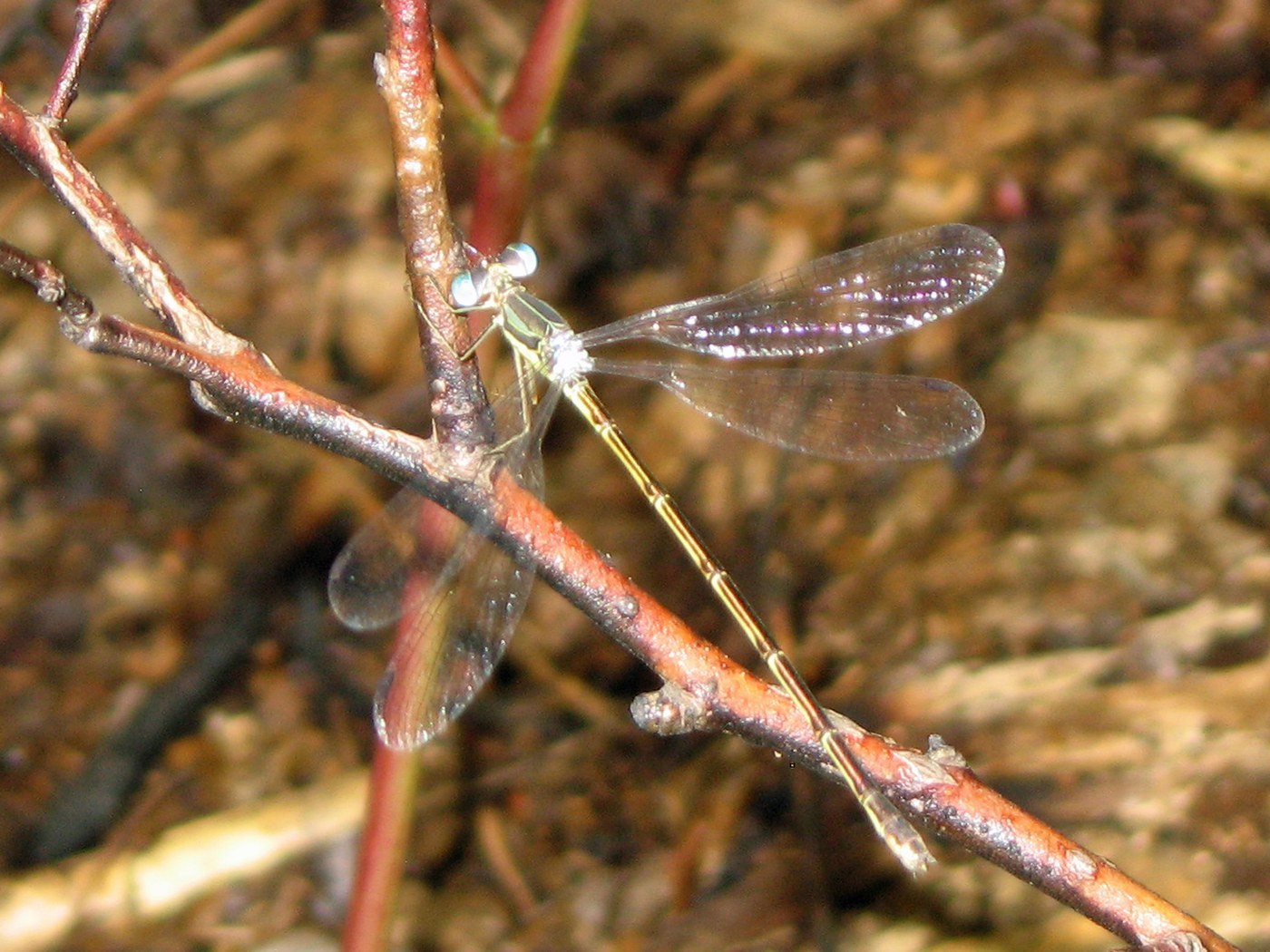
Common Spreadwing
True to its family name, the Common Spreadwing perches with its wings held out at an angle rather than folded together, setting it apart from most other damselflies.
dragonfly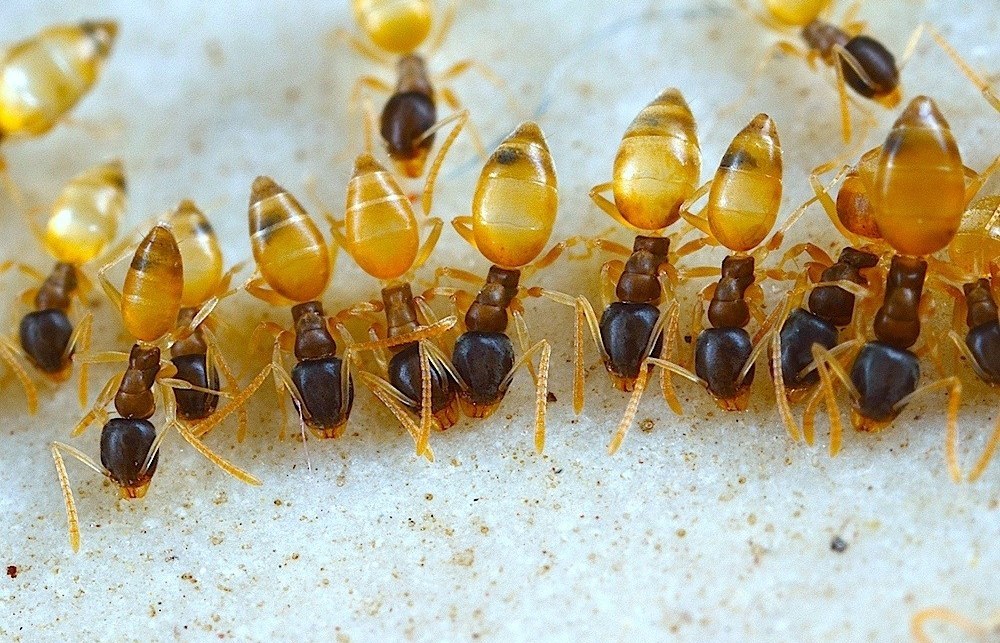
Ghost Ant
A minuscule ant with a dark head and pale, nearly translucent legs and abdomen that seem to vanish against light-colored surfaces, giving the species its ghostly common name.
antField Ant
A large, common outdoor ant that builds conspicuous mound nests of soil and plant debris in sunny open ground and defends itself by spraying formic acid rather than stinging.
antAnt-mimic Spider
A slender jumping spider that walks on six legs while waving the front pair like antennae, convincingly passing itself off as an ant to fool predators and prey alike.
spiderAcrobat Ant
A small ant named for its habit of raising its distinctive heart-shaped abdomen up over its body like an acrobat when disturbed or alarmed.
ant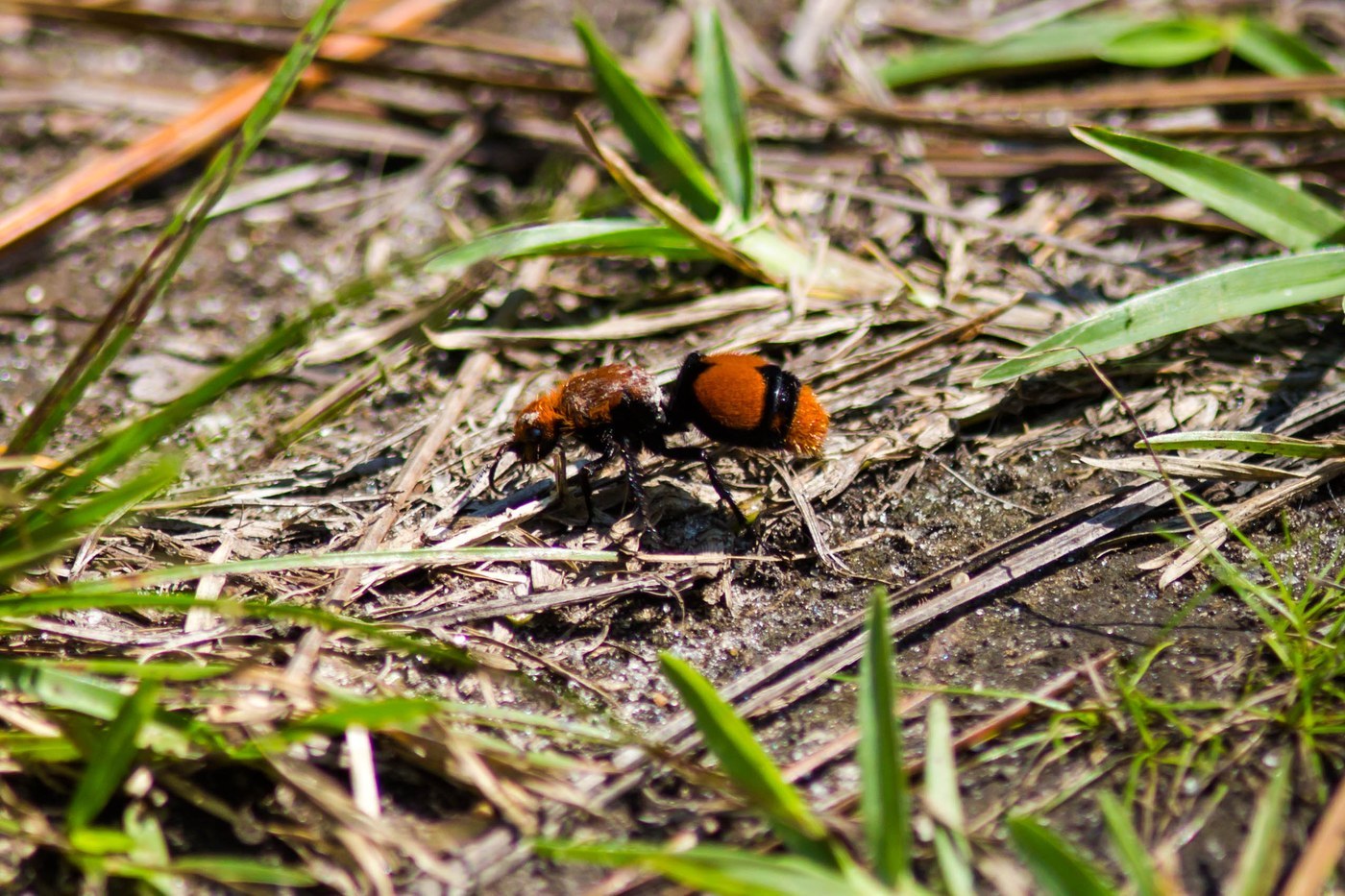
Velvet Ant
A densely fuzzy, brightly colored insect that looks like an oversized ant but is actually a wingless female wasp, instantly recognizable by its thick coat of red, orange, black, or white hair.
wasp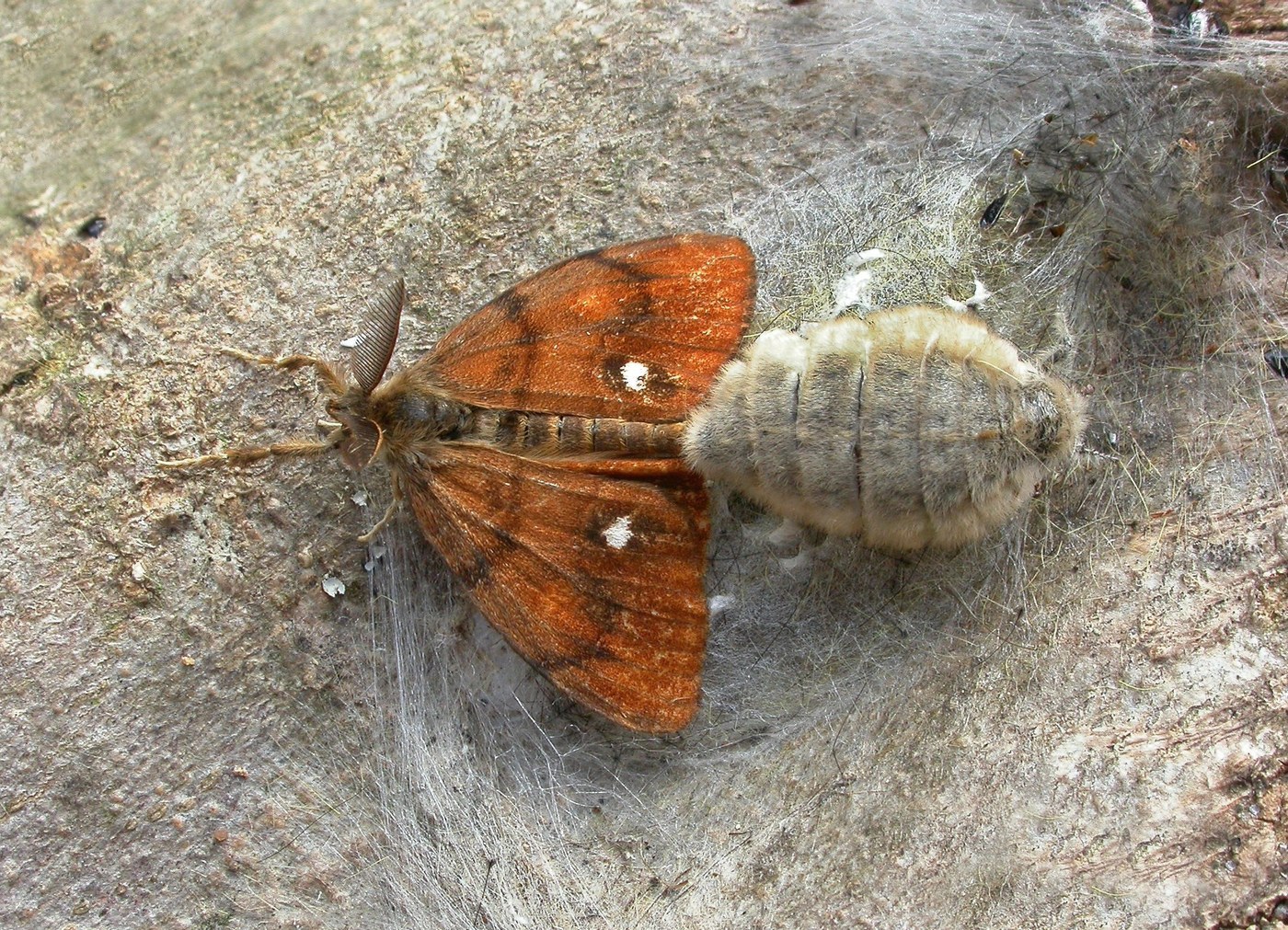
Vapourer Moth
A small tussock moth with striking sexual dimorphism: rusty-orange, day-flying males with feathery antennae contrast with flightless, grub-like grey females that never leave their cocoon to lay eggs.
moth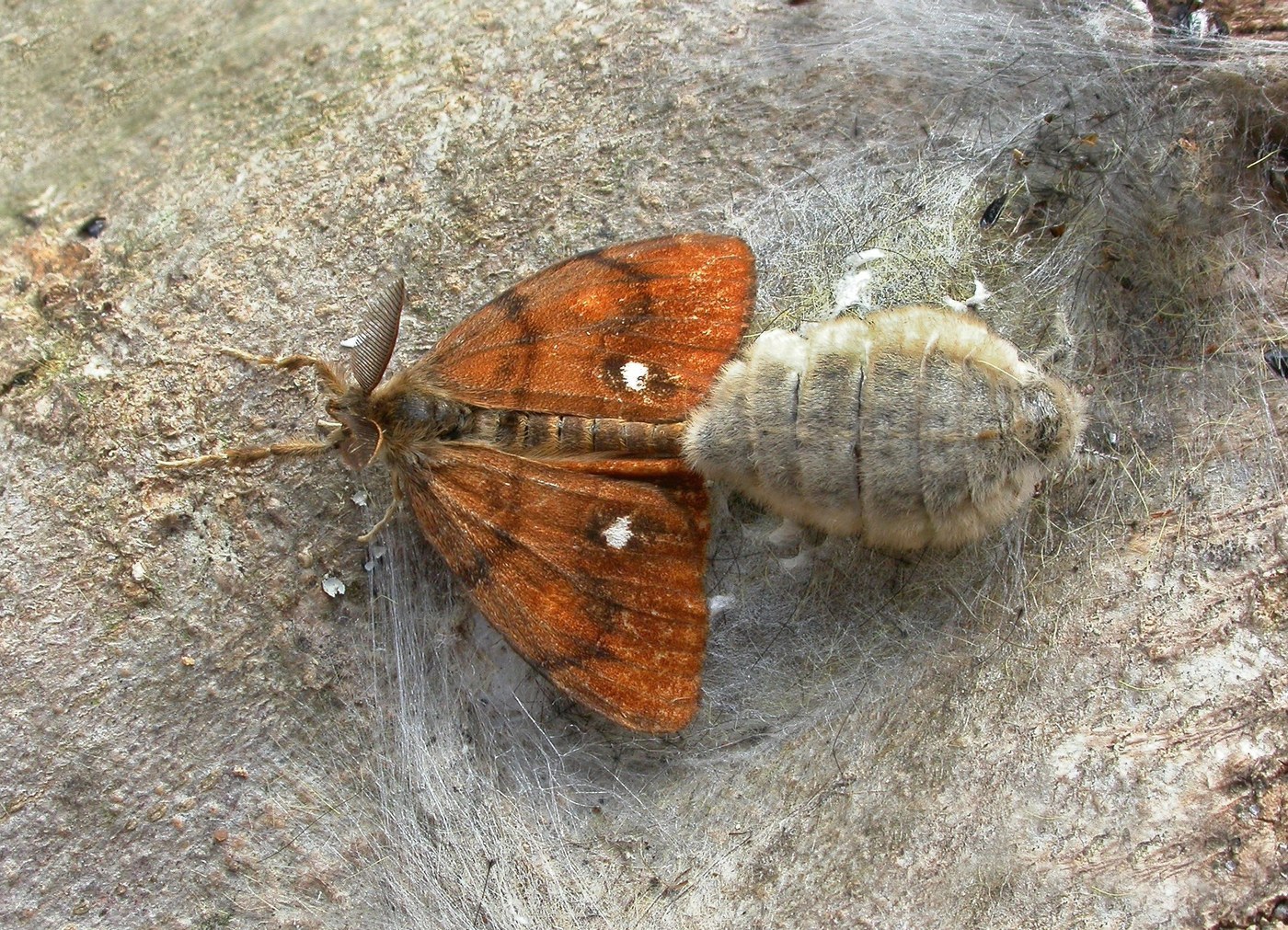
Vaporer Moth
A tussock moth with dramatic sexual differences: the male is a small rusty-brown day-flying moth with a white wing spot, while the female is a flightless, wingless gray sac-like insect that never leaves her cocoon.
moth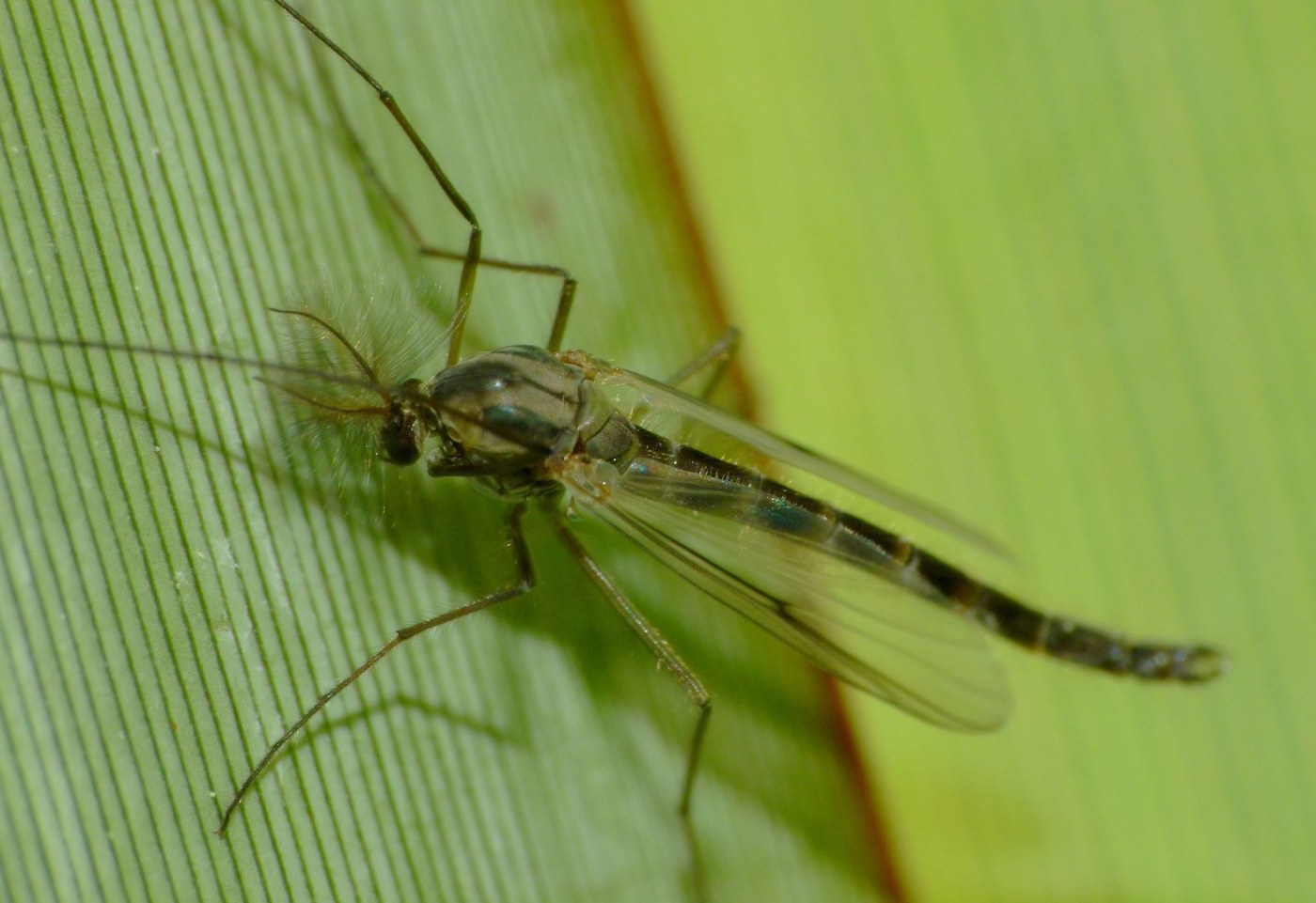
Midge
A slender, mosquito-like fly that forms dense swarms near water at dusk, easily mistaken for a mosquito but lacking any biting mouthparts.
fly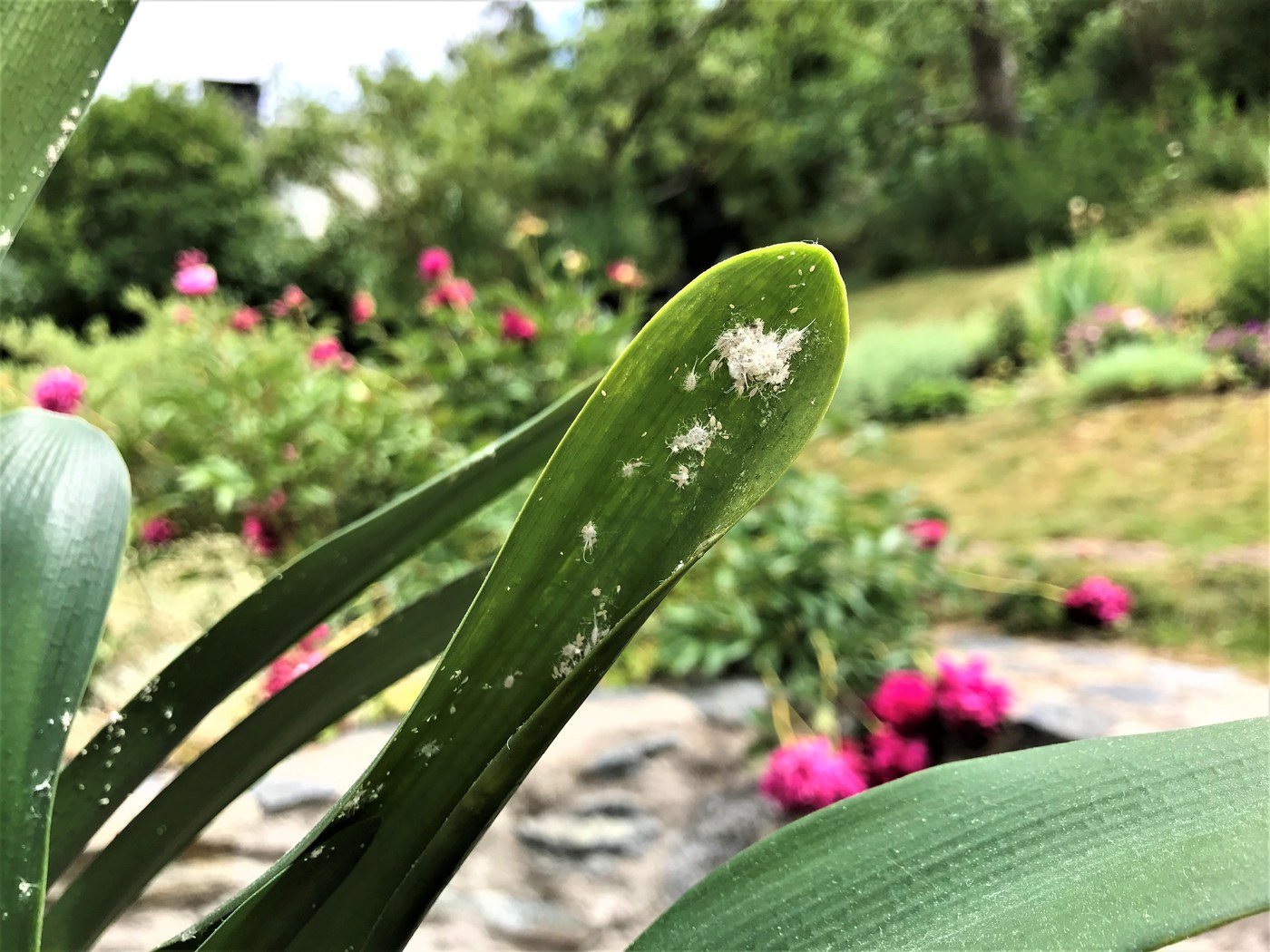
Mealybug
A soft, oval insect coated in a powdery white waxy secretion that gives it a fuzzy, cotton-like appearance, typically found clustered in leaf joints and along stems of houseplants.
true-bug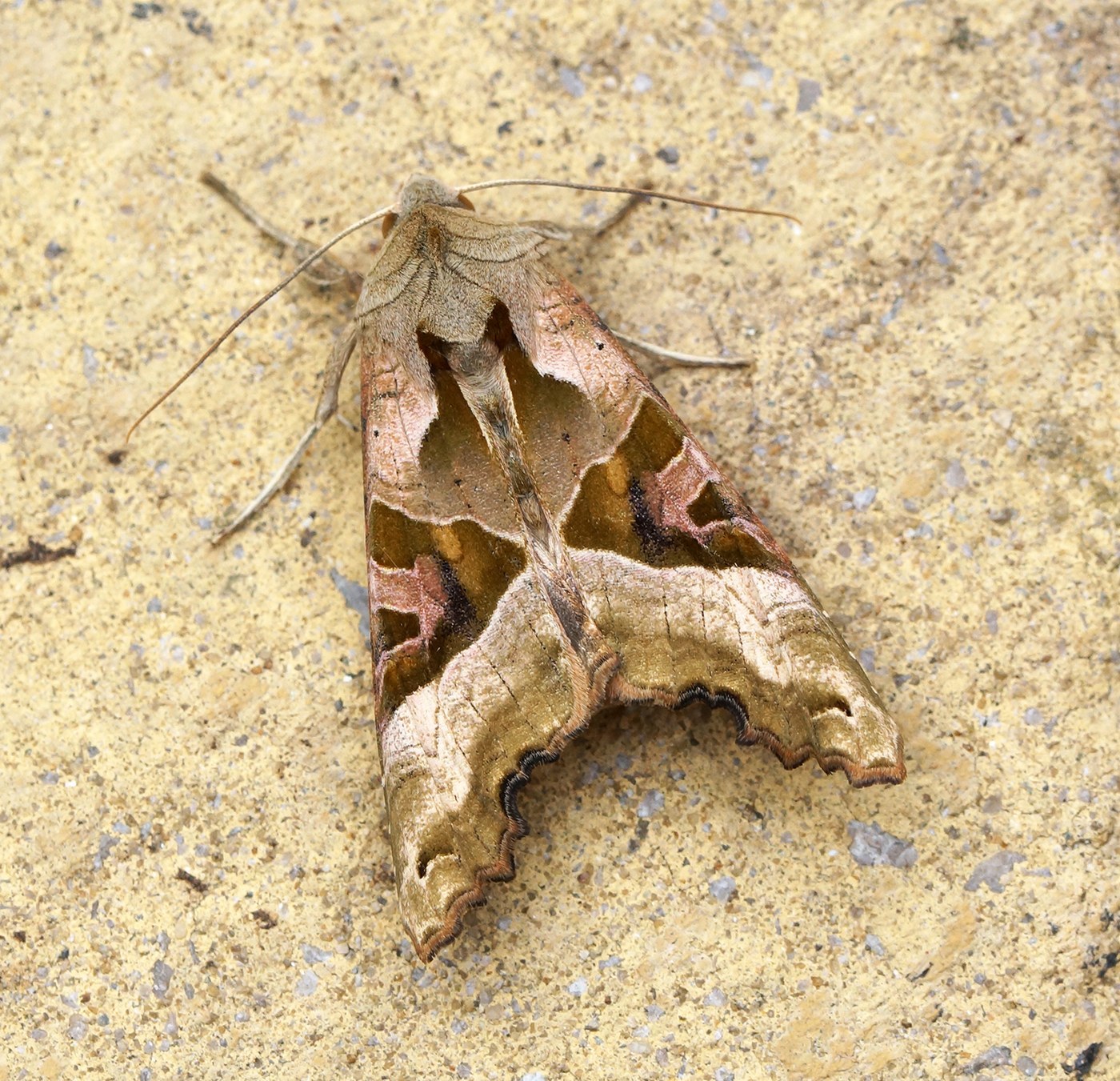
Angle Shades Moth
A common night-flying moth whose forewings fold into a crumpled, tent-like shape that mimics a withered or damaged leaf, marked with bold olive-green and pinkish-brown zigzag bands.
moth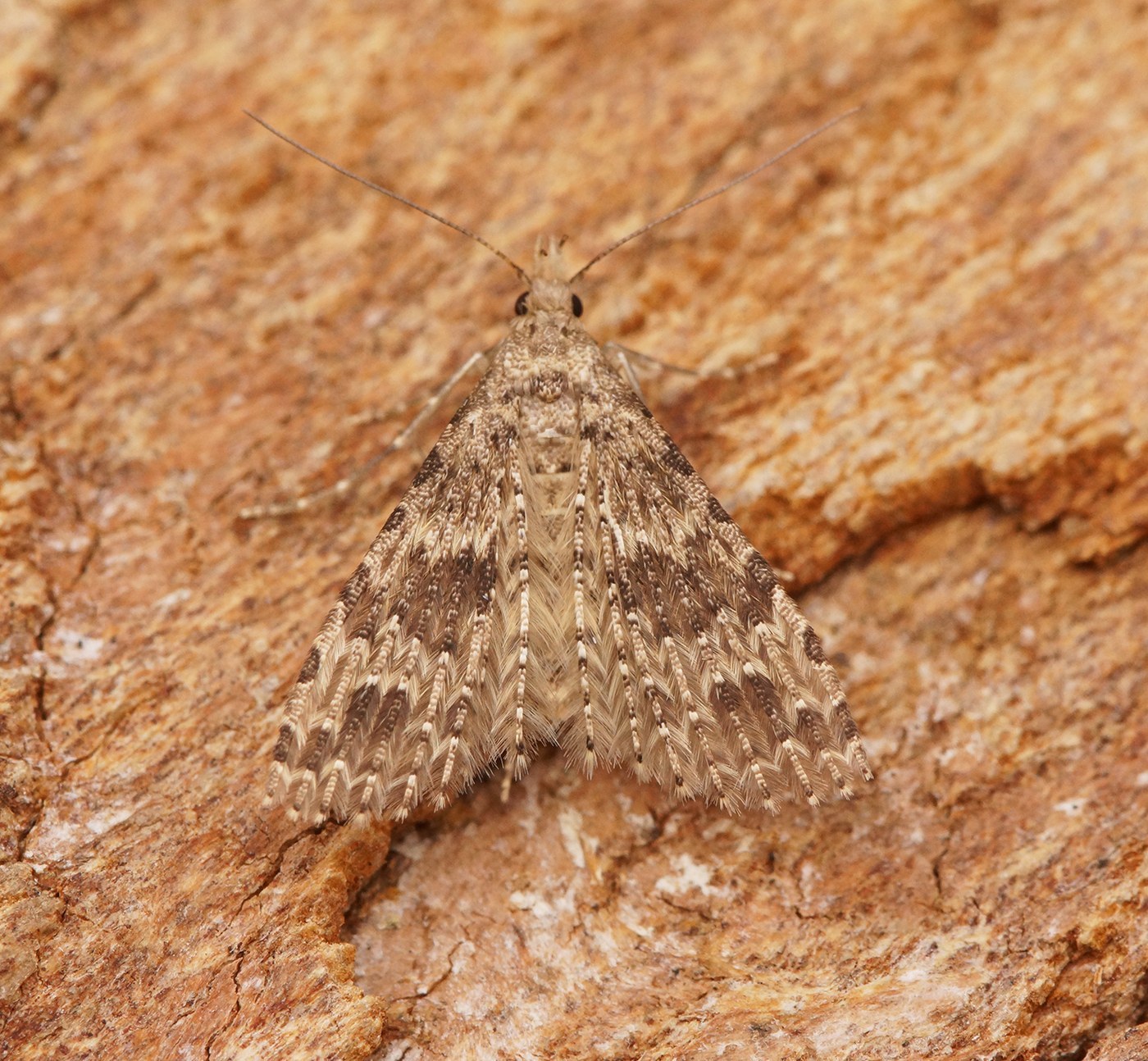
Twenty-plume Moth
A tiny, unusual moth whose wings are each divided into numerous slender, feather-like plumes rather than solid membranes, giving it a delicate, fringed appearance unlike almost any other moth.
moth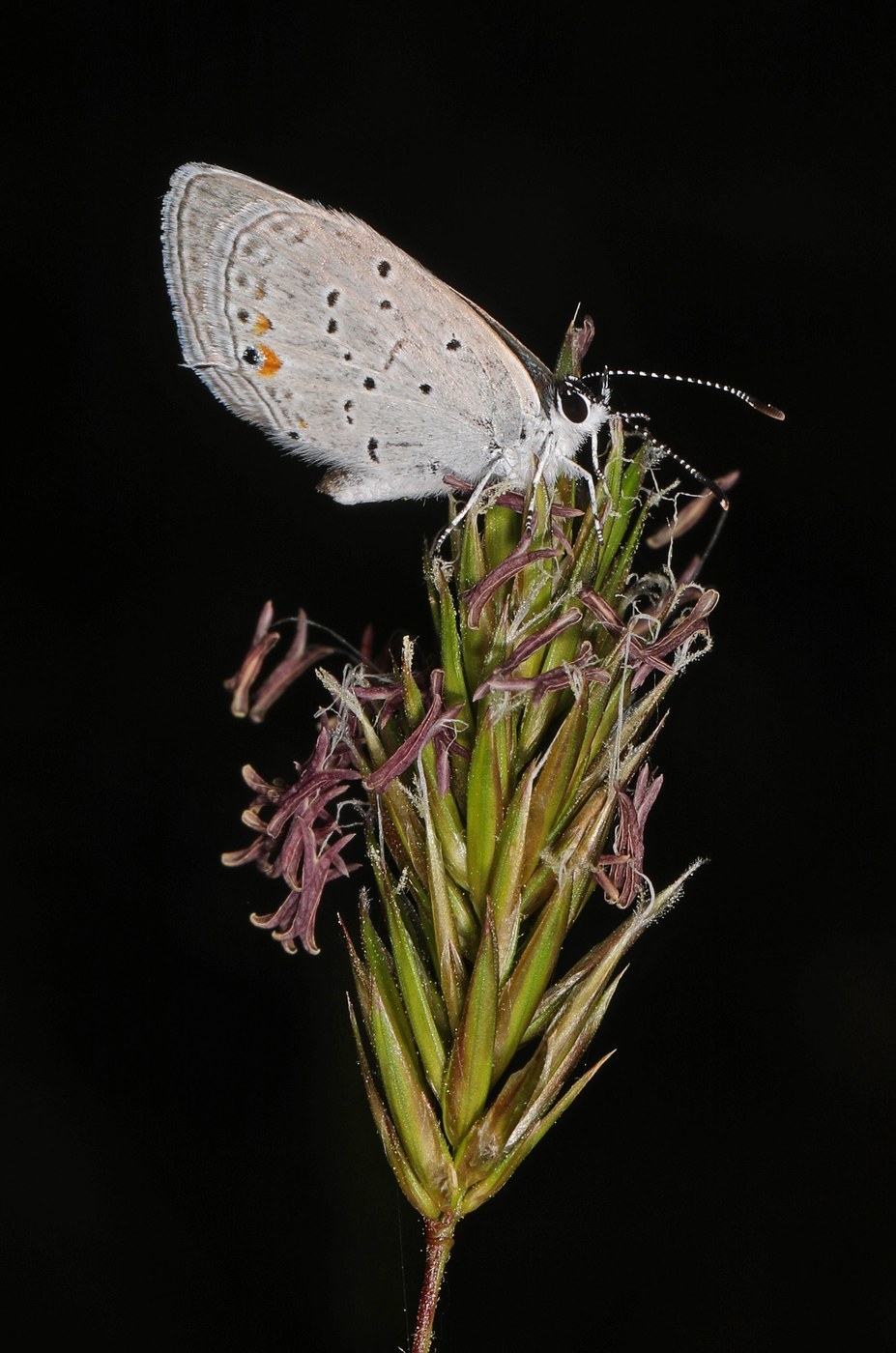
Eastern Tailed-Blue
A tiny gossamer-wing butterfly with a delicate thread-like tail on each hindwing and a small orange spot near the tail base, common in open weedy habitats throughout the eastern half of North America.
butterfly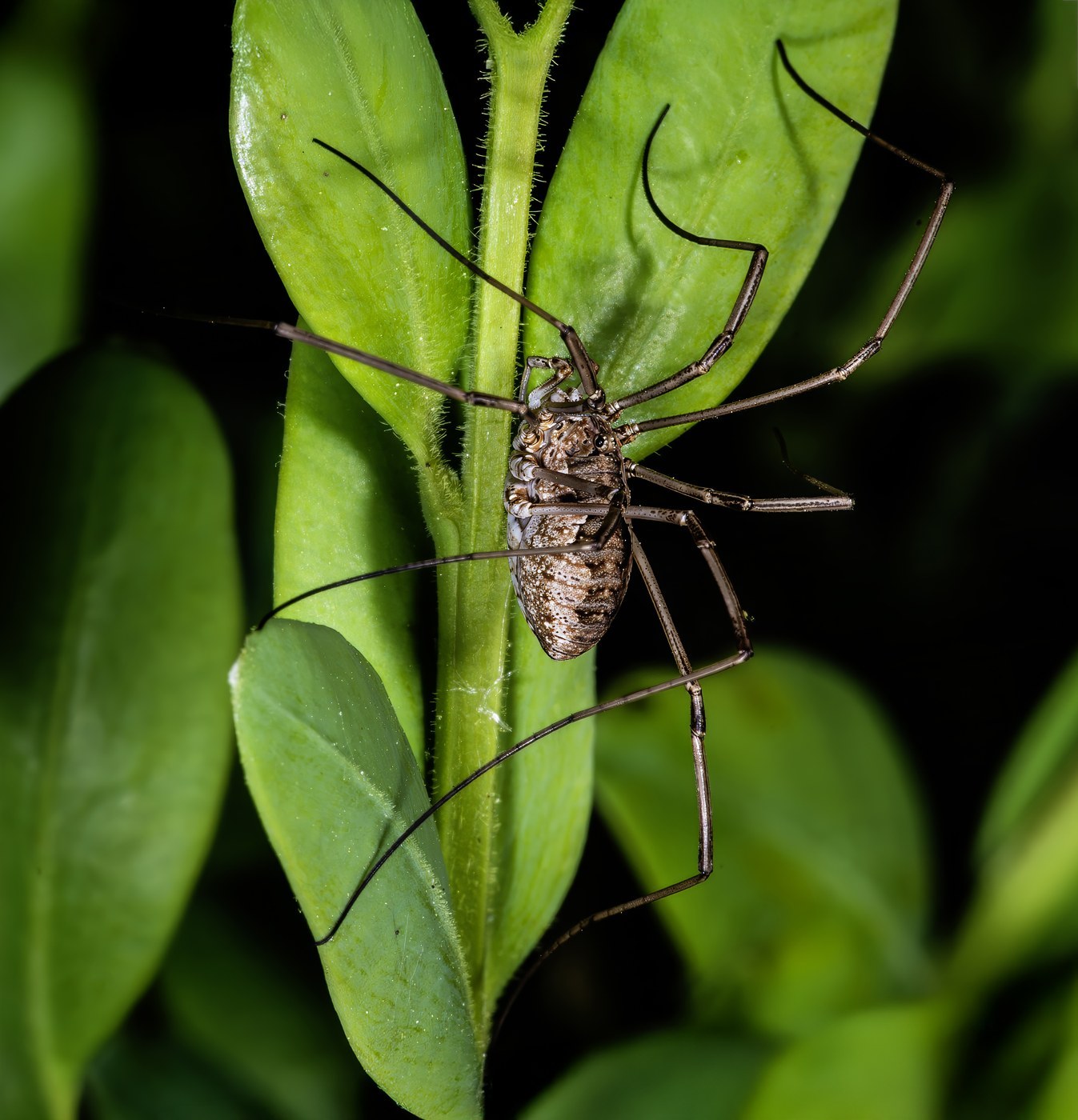
Harvestman
An arachnid built almost entirely of legs, with a single compact, oval body segment and no waist separating it into two parts like a true spider. Common in gardens and forests worldwide, it scuttles along on impossibly long, thin legs scavenging for food after dark.
arachnid