
Bug Encyclopedia
Search and identify bugs & insects — beetles, butterflies, moths, ants, bees, spiders and more — with size, habitat, danger, behavior, and how to tell them apart.
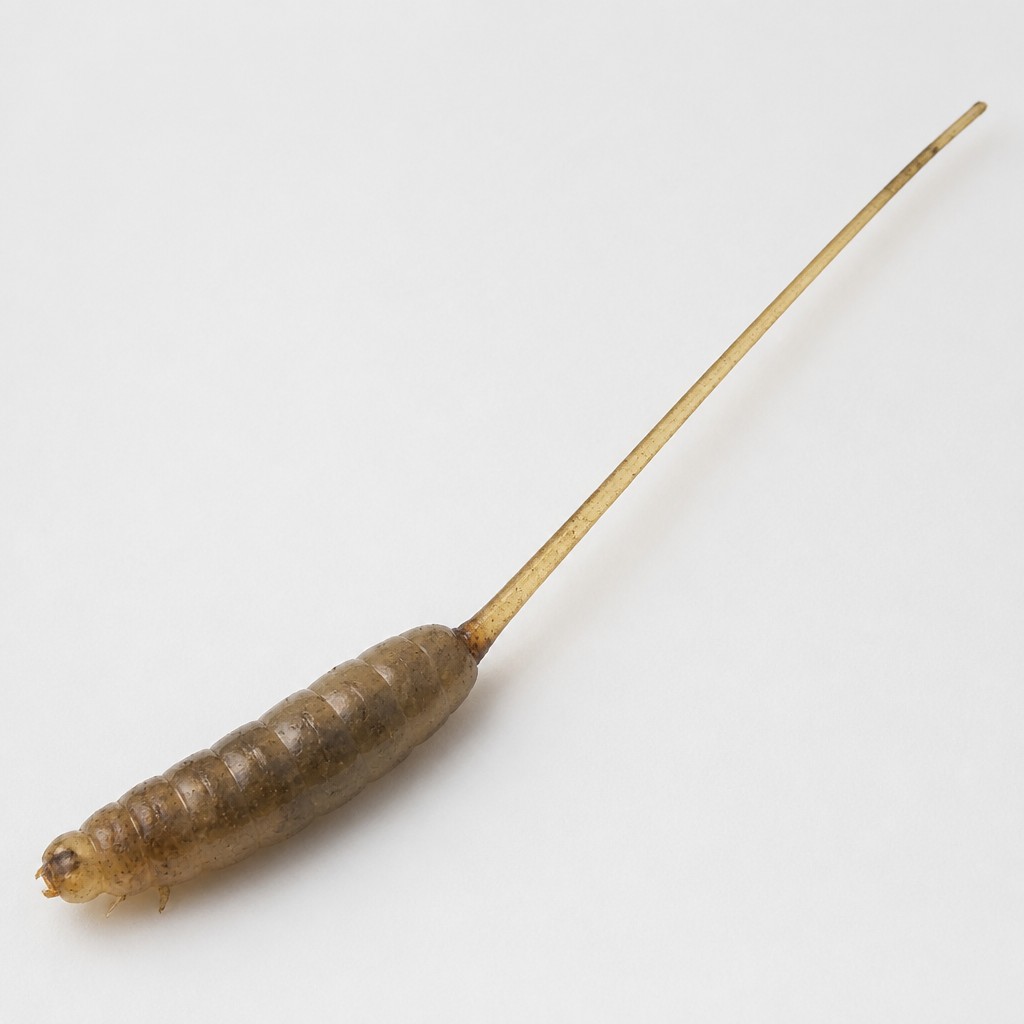
Rat-Tailed Maggot
Named for its long, thin, telescoping breathing tube, the rat-tailed maggot is the aquatic larva of the drone fly, thriving in stagnant, low-oxygen water where few other insects can survive.
aquatic-insect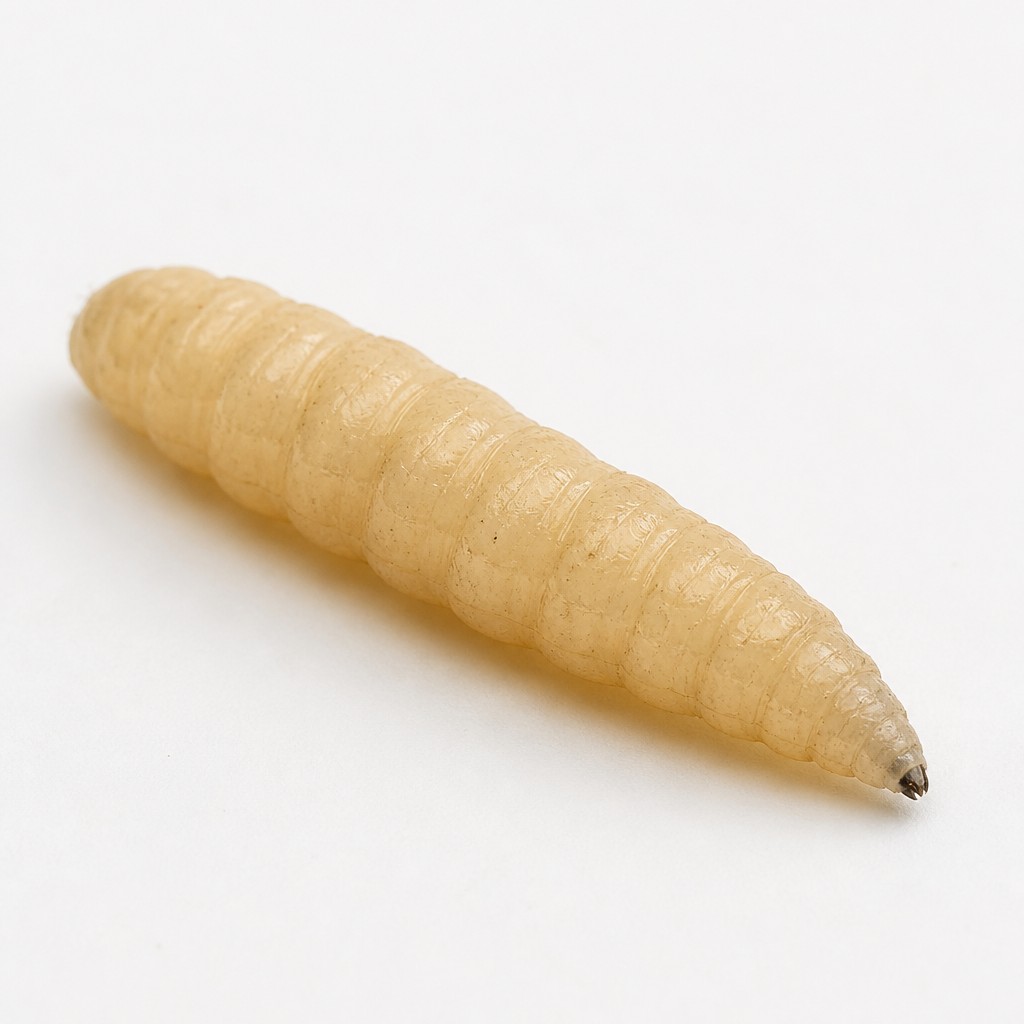
Maggot
A pale, legless, tapering grub that wriggles through rotting food and organic waste, the larval stage of a fly.
caterpillar-larva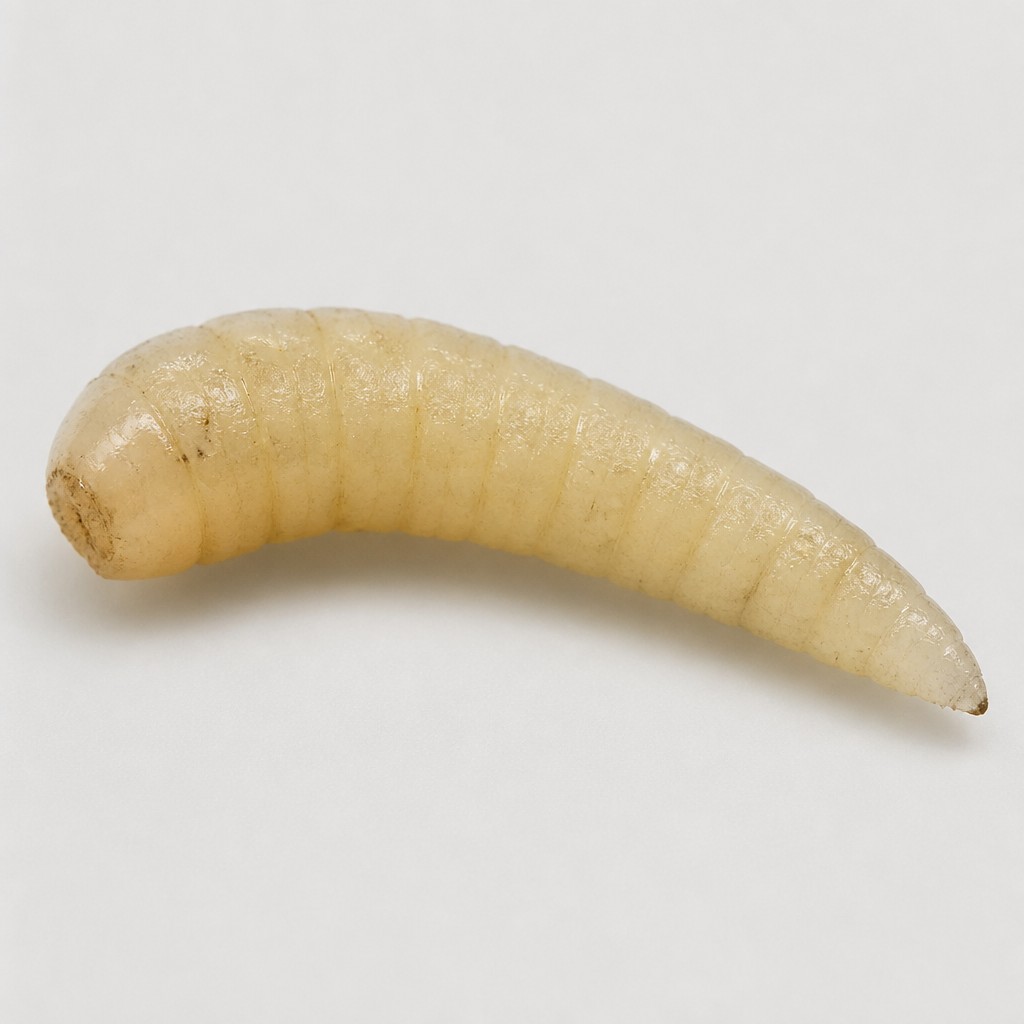
Root Maggot
A small, legless white grub that lives hidden in the soil, tunneling into the roots of cabbage-family vegetables where it feeds unseen.
fly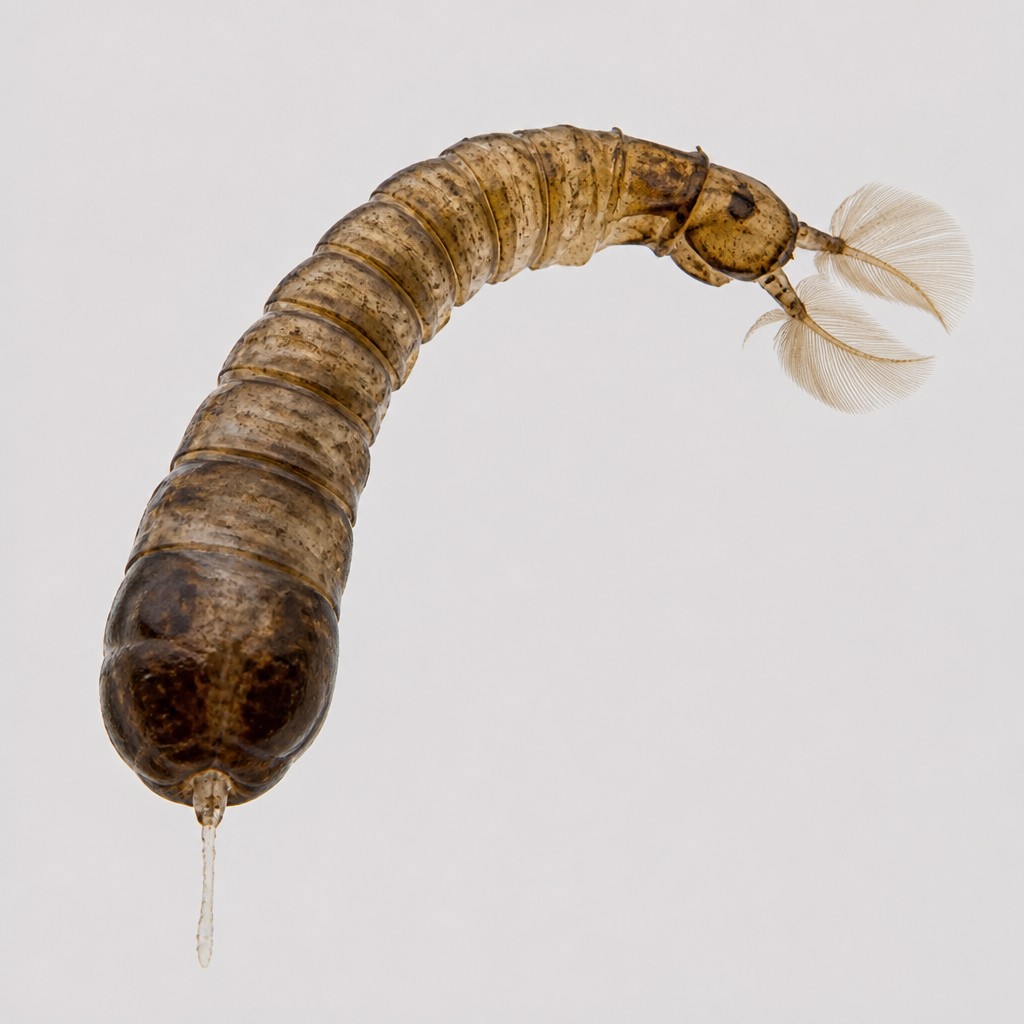
Black Fly Larva
Anchored to submerged rocks in fast-flowing streams by a silken thread, the black fly larva bends into the current and combs the water for drifting particles with a pair of delicate, fan-shaped feeding brushes.
aquatic-insect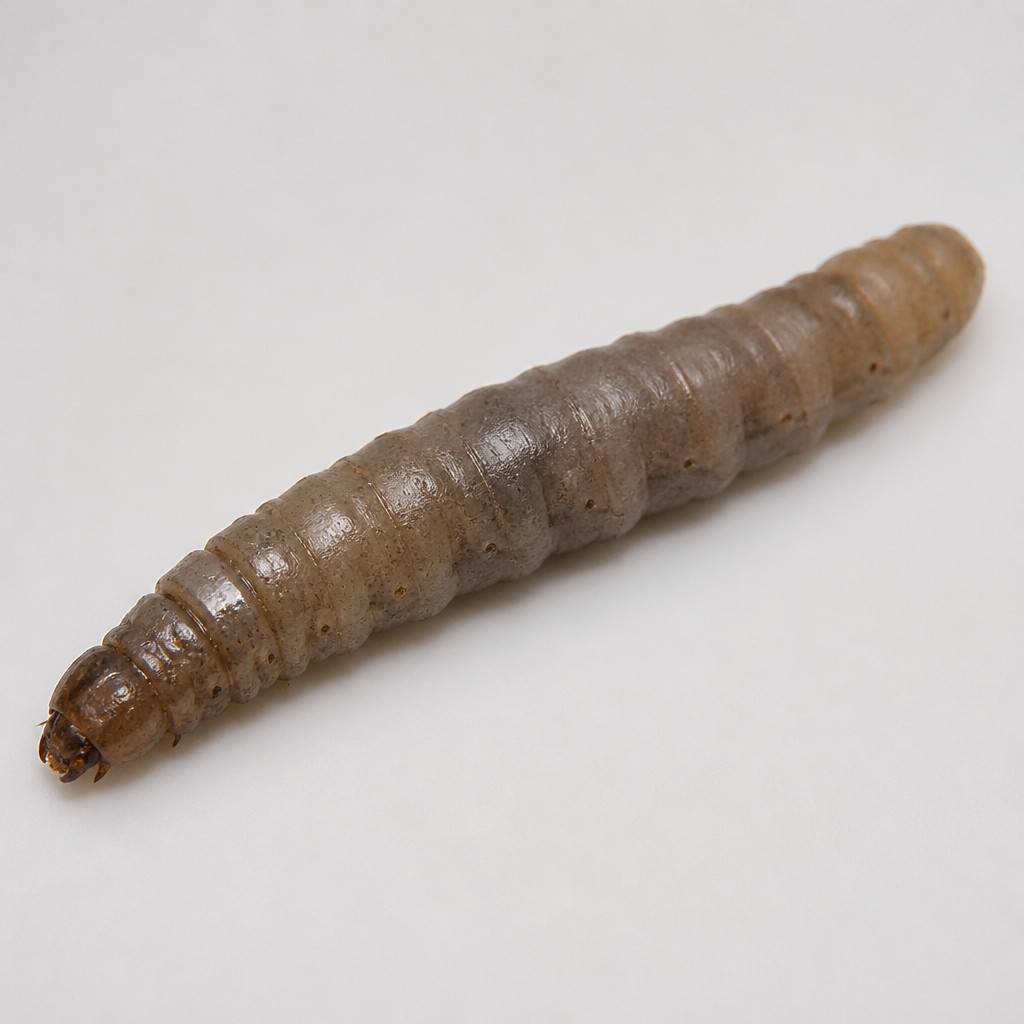
Crane Fly Larva
Thick-skinned and worm-like, the crane fly larva, often called a leatherjacket, burrows through wet mud and decaying vegetation at the edges of ponds and streams, breaking down plant material as it grows.
aquatic-insect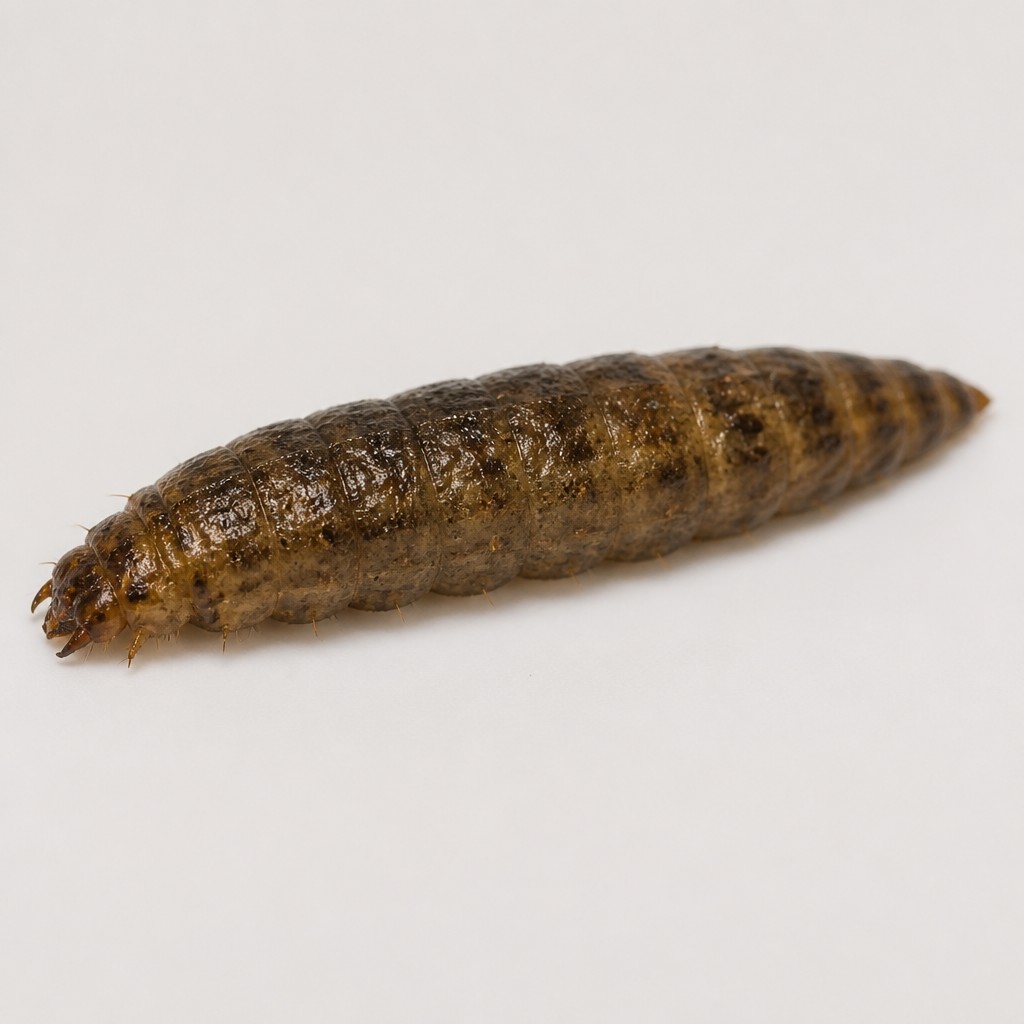
Horse Fly Larva
Hidden in the wet mud along pond and stream margins, the horse fly larva is a tapered, tough-skinned predator that hunts other small soil and mud-dwelling invertebrates before eventually transforming into the familiar biting fly.
aquatic-insect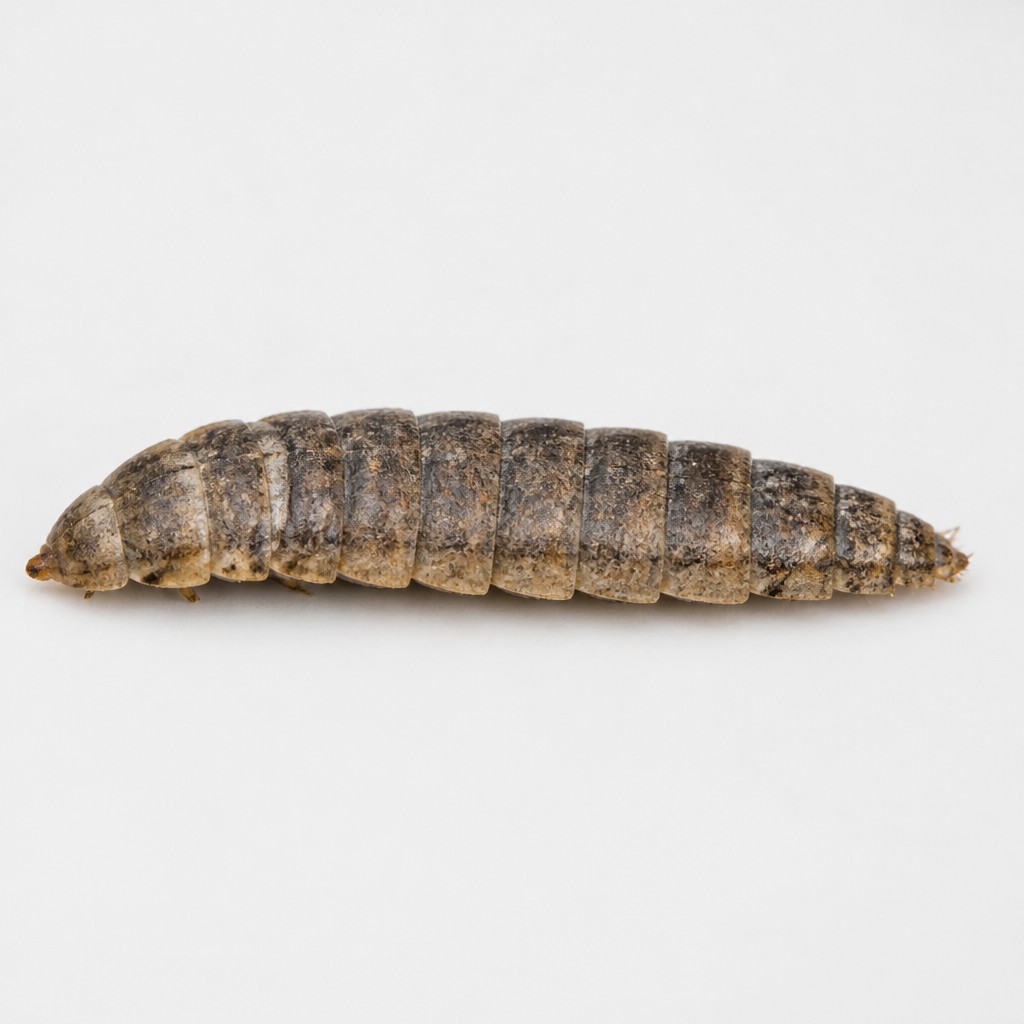
Soldier Fly Larva
Flattened, leathery, and tapered at both ends, the soldier fly larva drifts just beneath the surface film of ponds and marshes, filtering algae and organic debris while breathing through a fringe of water-repellent hairs at its tail.
aquatic-insect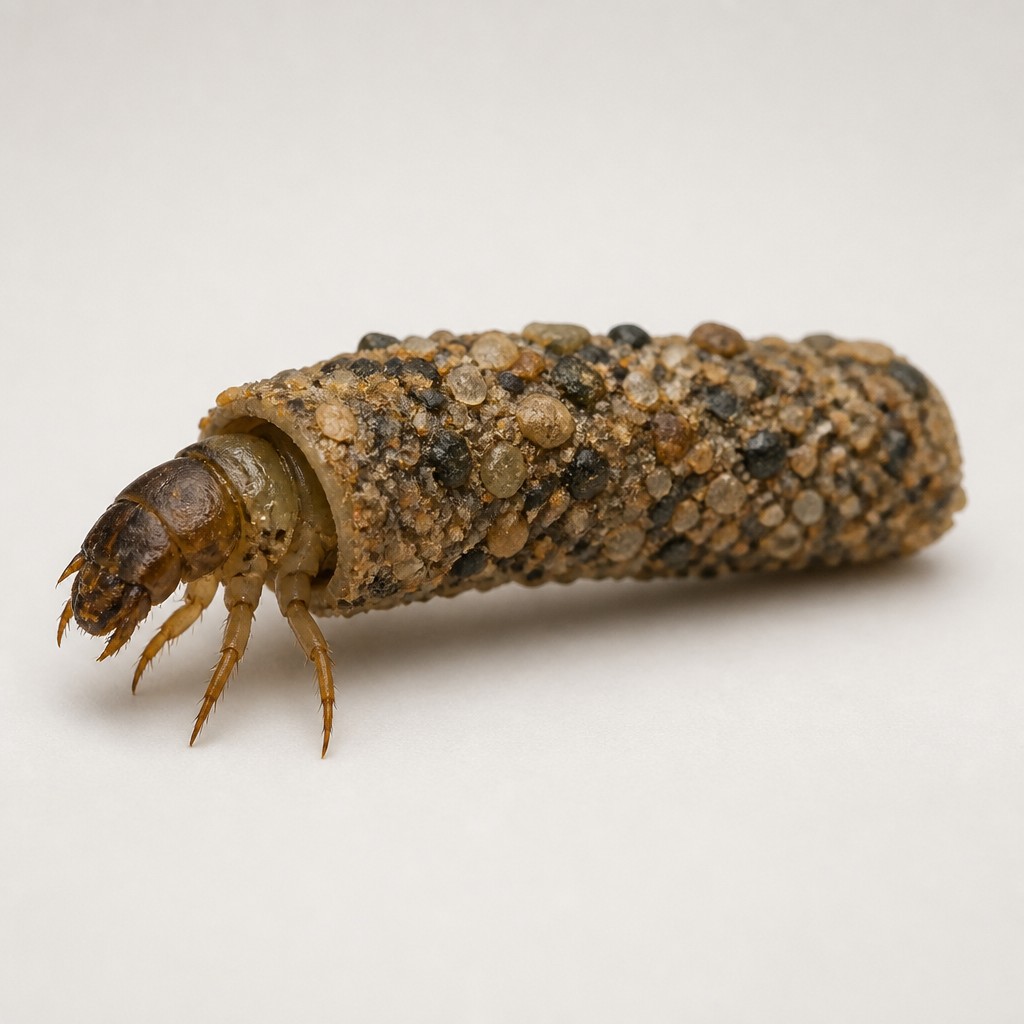
Caddisfly Larva
A soft-bodied aquatic larva famous for building a portable protective case from sand, gravel, or plant debris bound together with silk.
aquatic-insect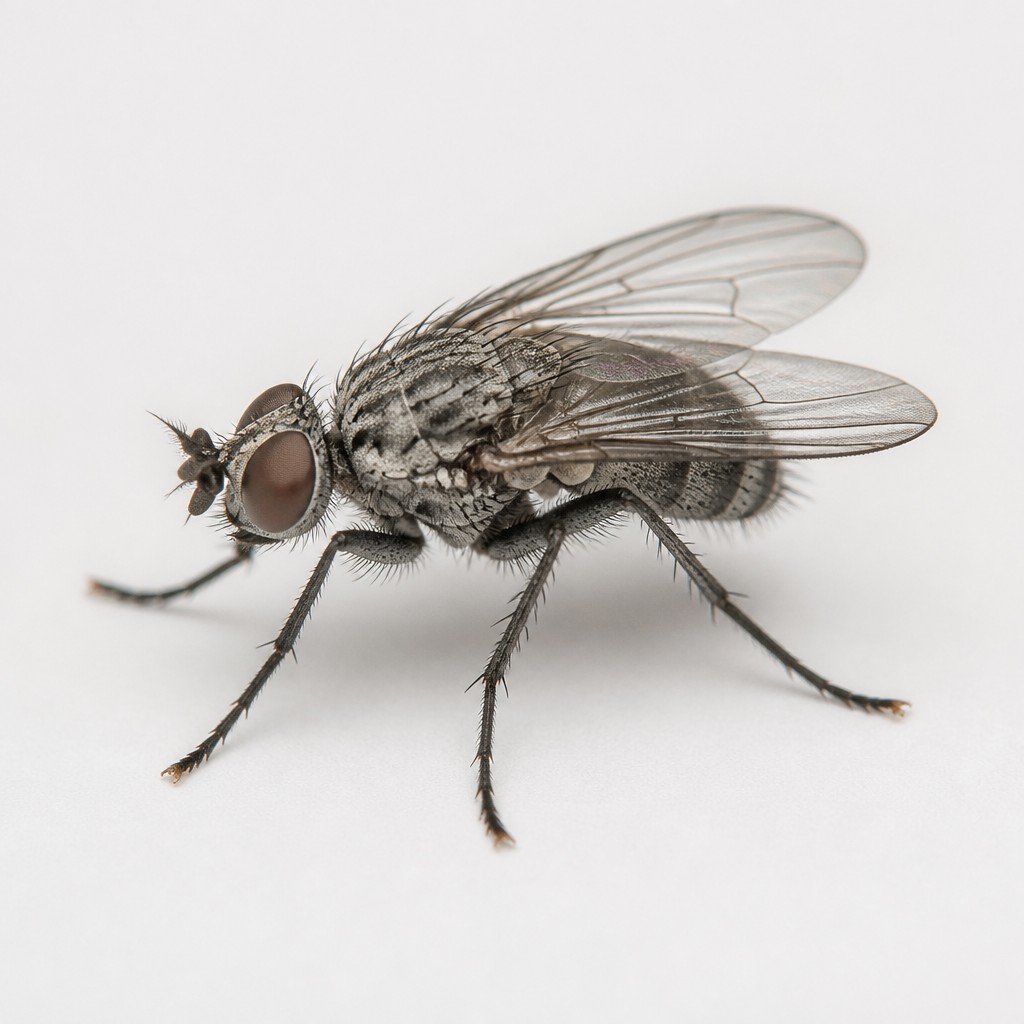
Onion Fly
A slender gray fly closely related to houseflies whose white legless larvae bore into onion bulbs, feeding in clusters within a single rotting bulb.
fly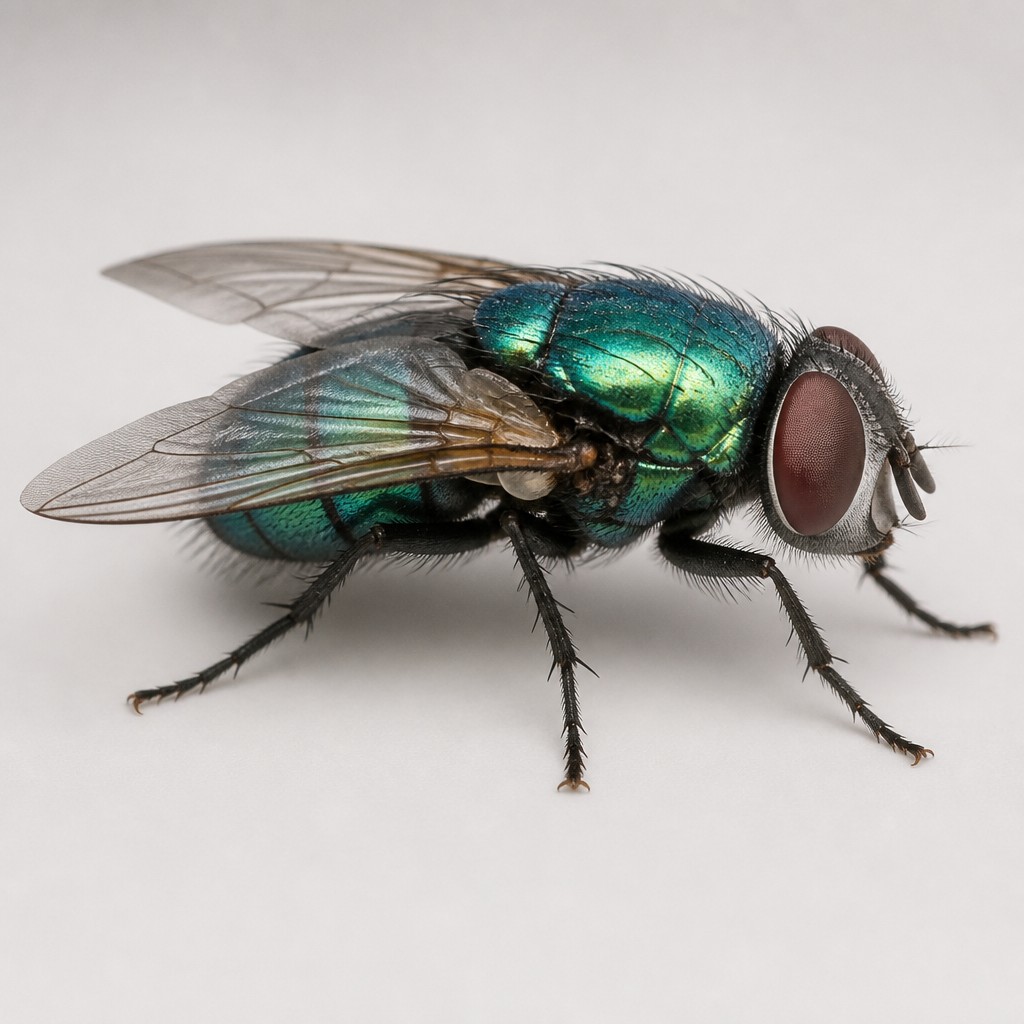
Screwworm Fly
A metallic blue-green blowfly whose larvae are unusual among maggots for feeding on living tissue rather than carrion, drawn to even small open wounds on warm-blooded animals. The species has been the target of one of the most successful large-scale insect eradication campaigns in history across much of North America.
fly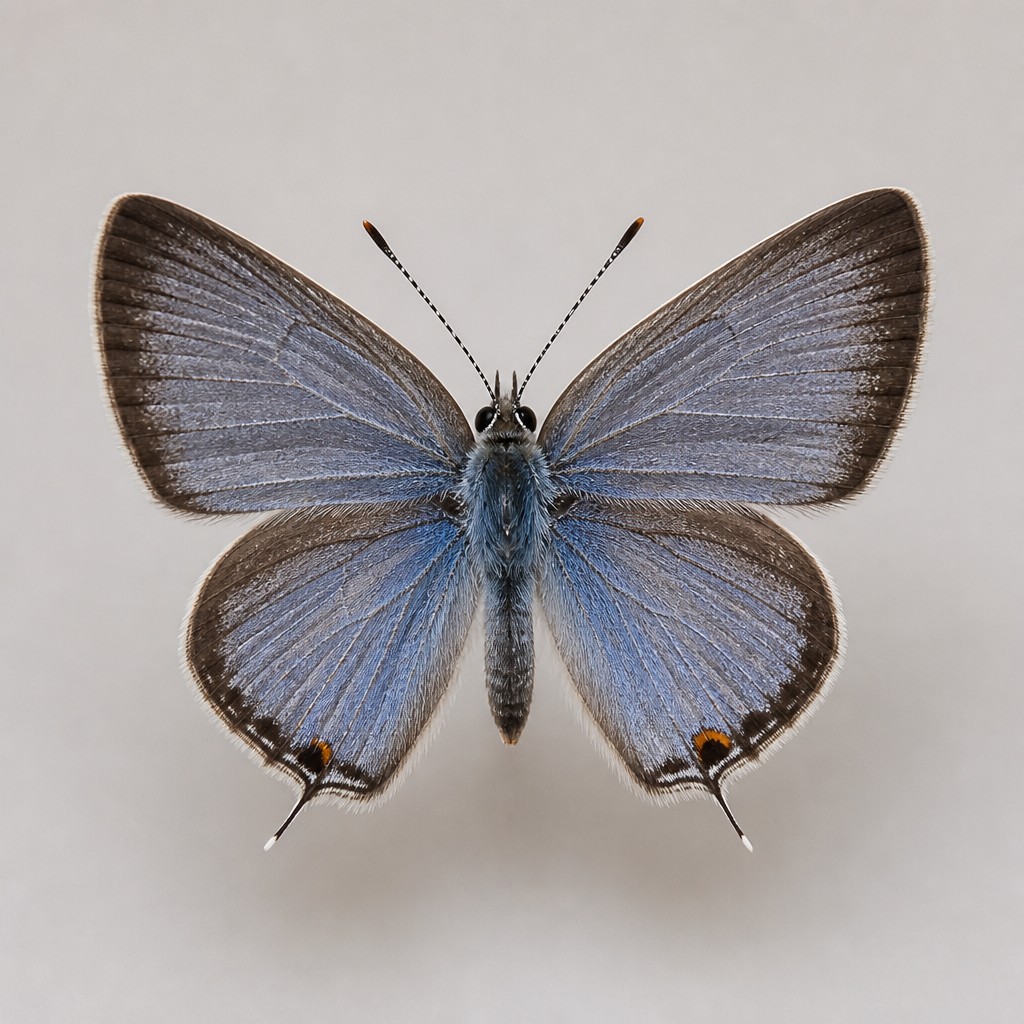
Eastern Tailed-Blue
A tiny gossamer-wing butterfly with a delicate thread-like tail on each hindwing and a small orange spot near the tail base, common in open weedy habitats throughout the eastern half of North America.
butterfly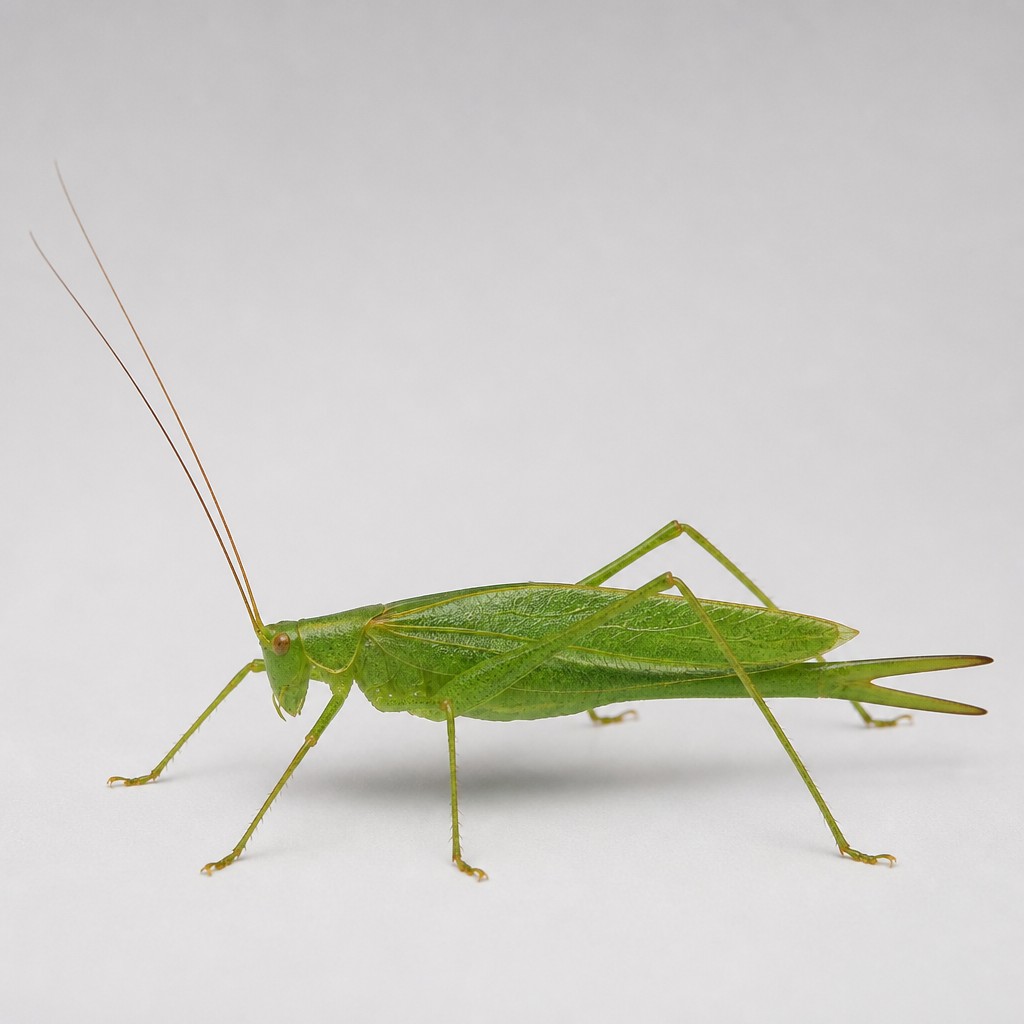
Fork-tailed Bush Katydid
Slimmer and greener than its treetop relatives, the fork-tailed bush katydid lives among shrubs and garden plants, with males identified by the distinctive forked appendages at the tip of the abdomen that give the species its name.
grasshopper-cricket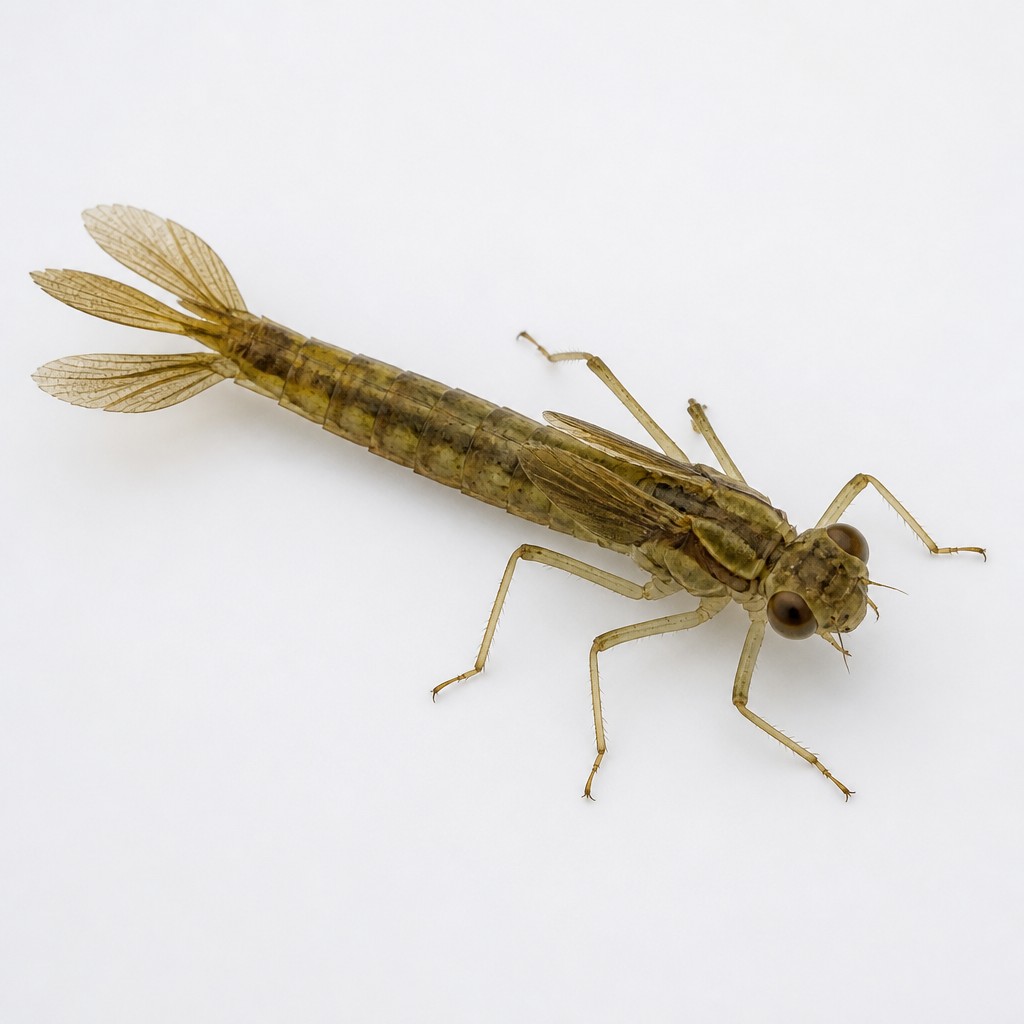
Damselfly Nymph
A slender aquatic predator with three feathery tail gills, patiently stalking small prey among pond plants before emerging as a delicate flying damselfly.
aquatic-insect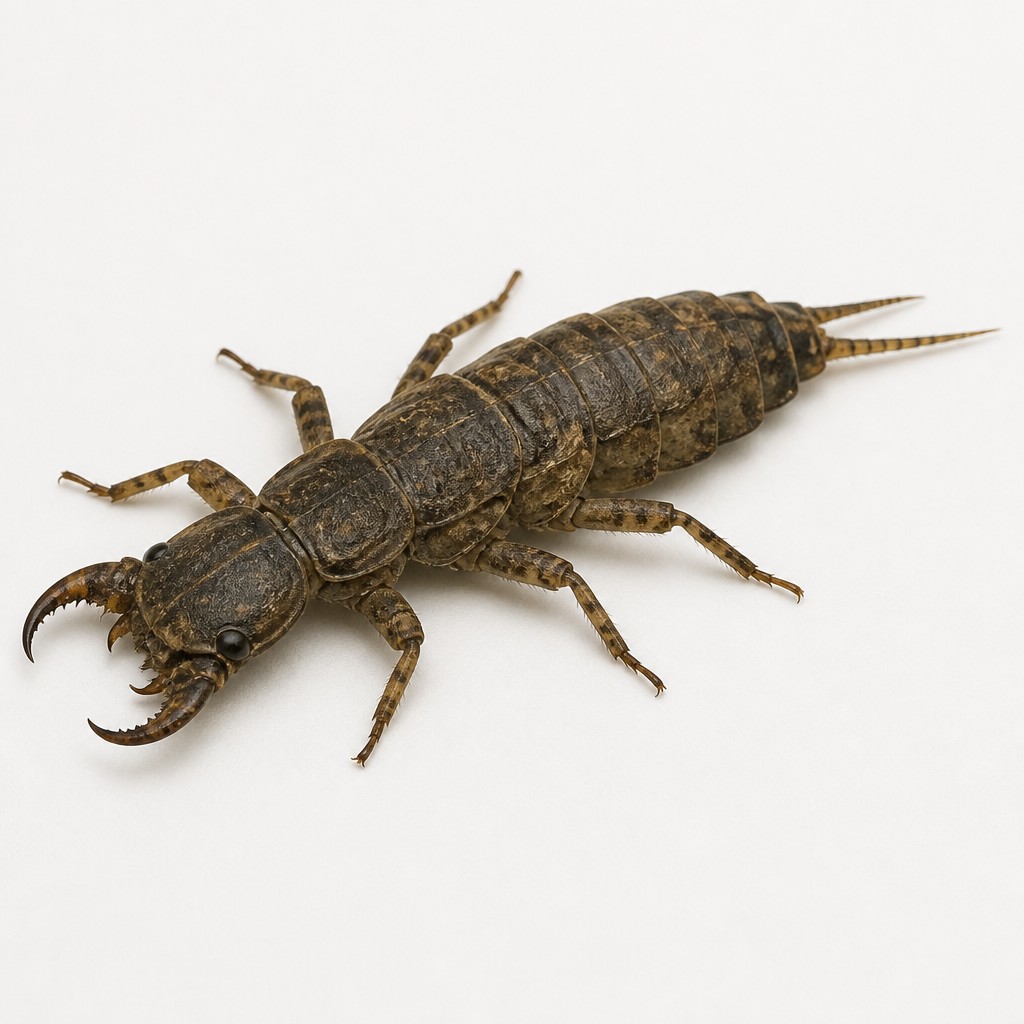
Fishfly Larva
A flattened, armor-plated predator of stream bottoms, the fishfly larva spends one to three years underwater seizing prey with sickle-shaped jaws before briefly taking wing as a short-lived winged adult.
aquatic-insect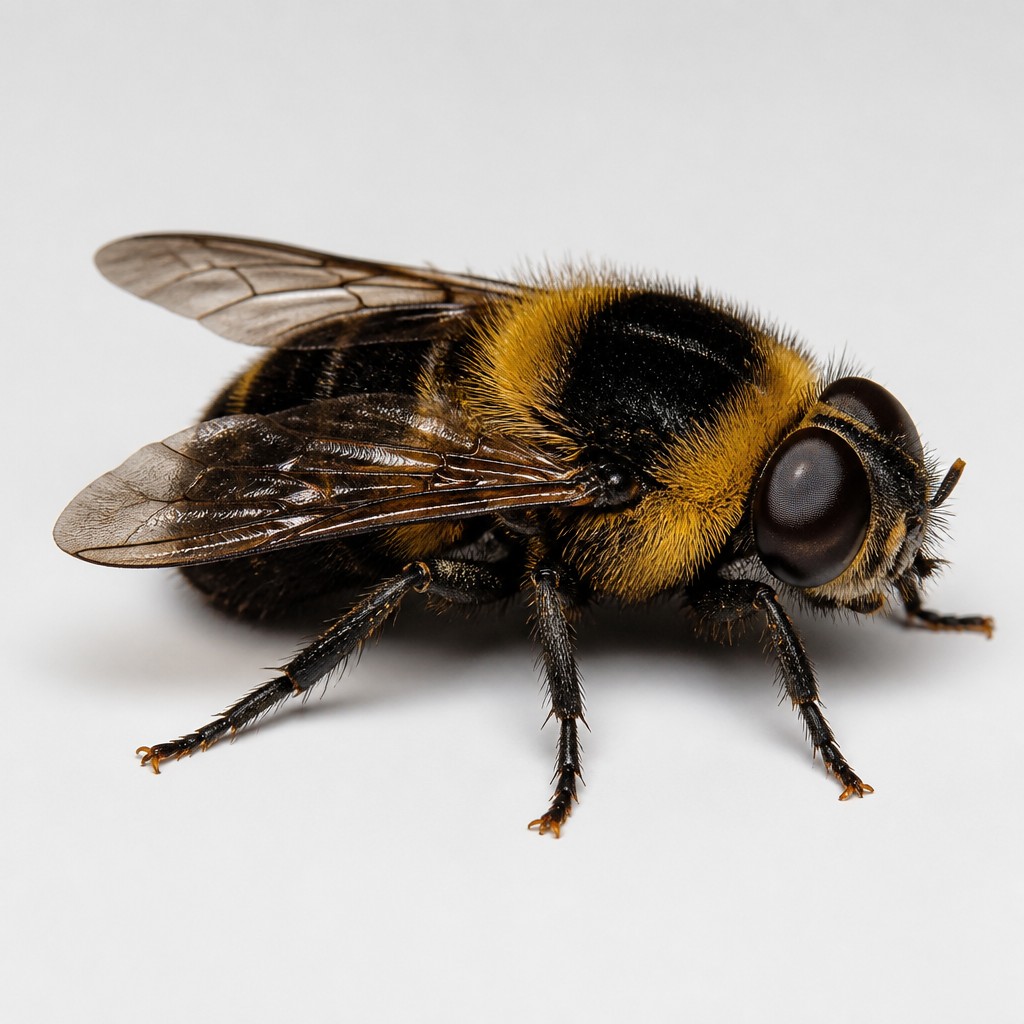
Bot Fly
A stocky, bumblebee-mimicking fly whose adults never feed and live only long enough to mate and locate a rodent or rabbit burrow for their eggs. Despite their harmless, buzzing adult stage, bot flies are best known through the larvae that develop as internal parasites of small mammals.
fly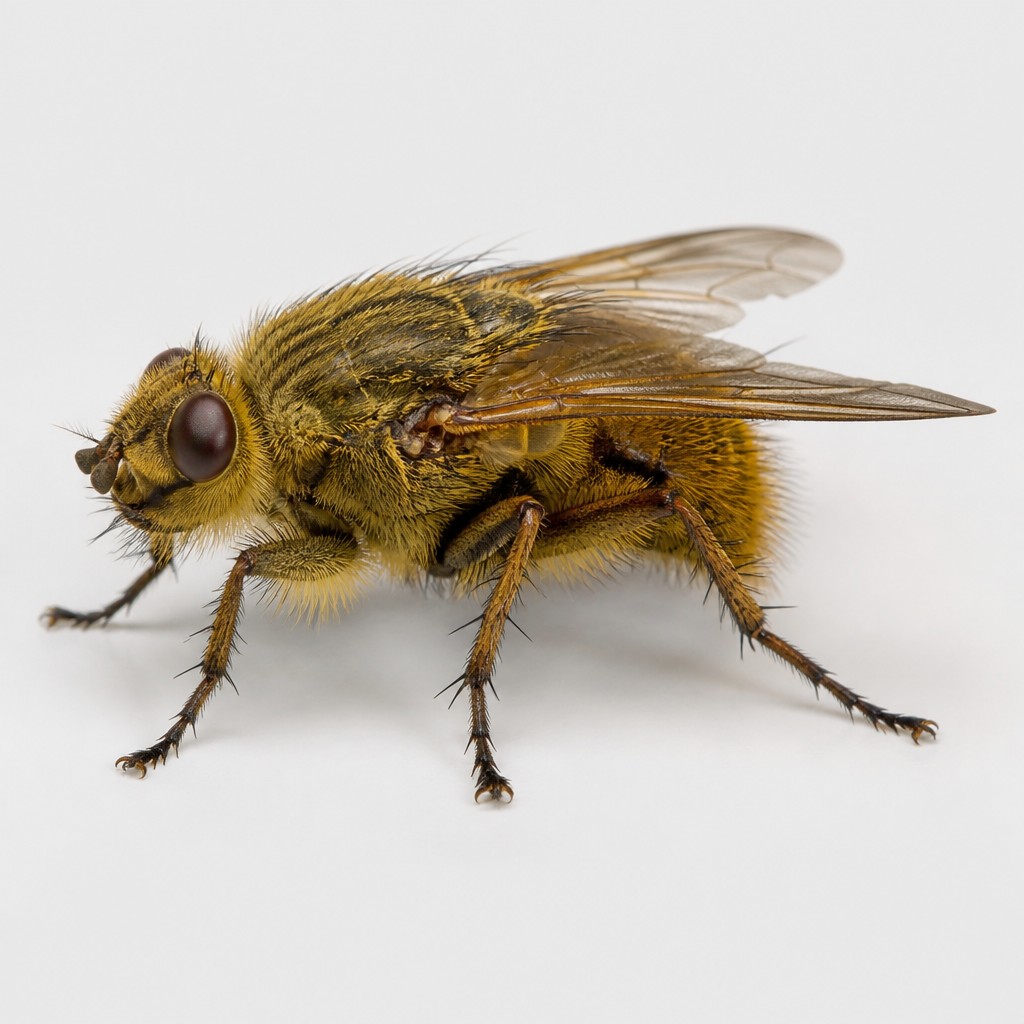
Dung Fly
A hairy, often golden-hued fly commonly seen perched on fresh manure in pastures, where it hunts smaller insects as an adult while its larvae develop within the dung itself.
fly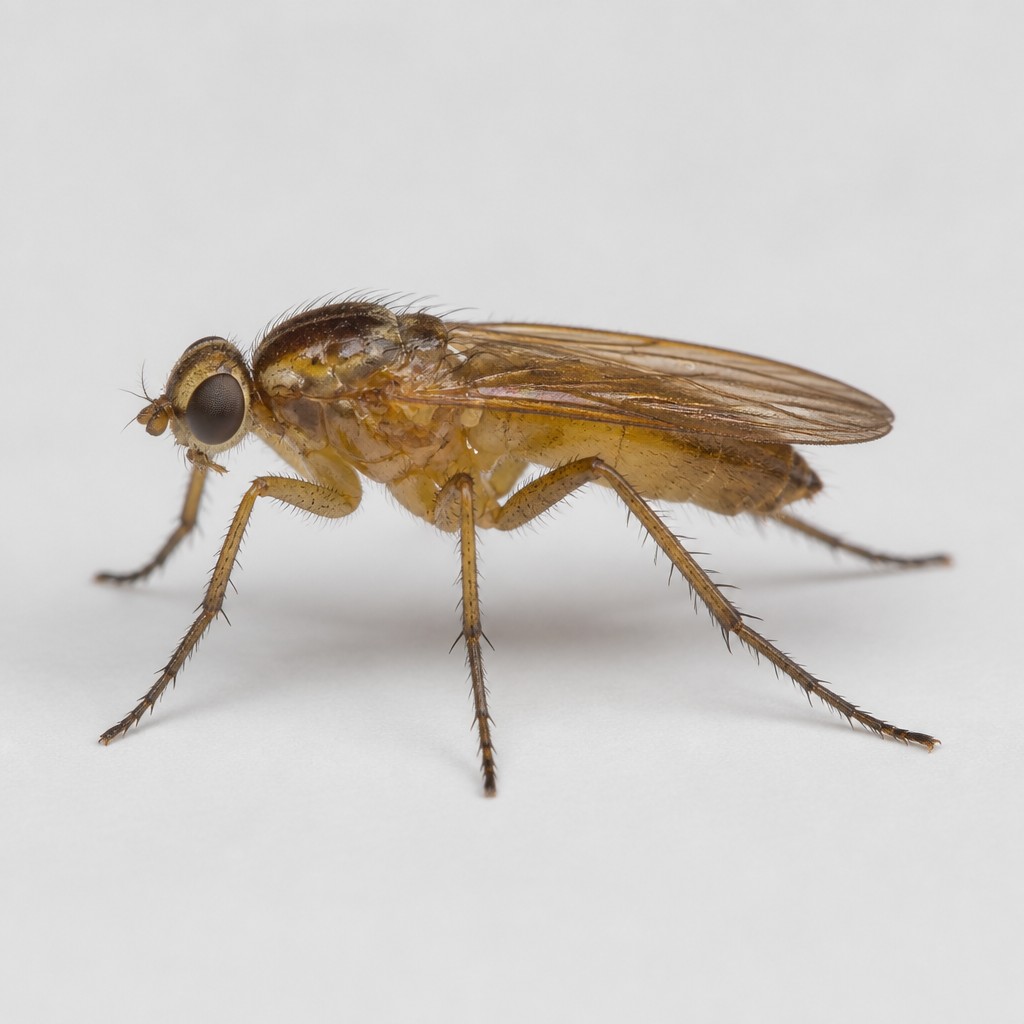
Marsh Fly
A slender, unassuming fly best known for larvae with a remarkable diet: nearly every species in the family feeds on aquatic or terrestrial snails and slugs, making marsh flies natural specialists in wetland food webs. Adults are often found resting quietly on sedges and other marsh vegetation near the water's edge.
fly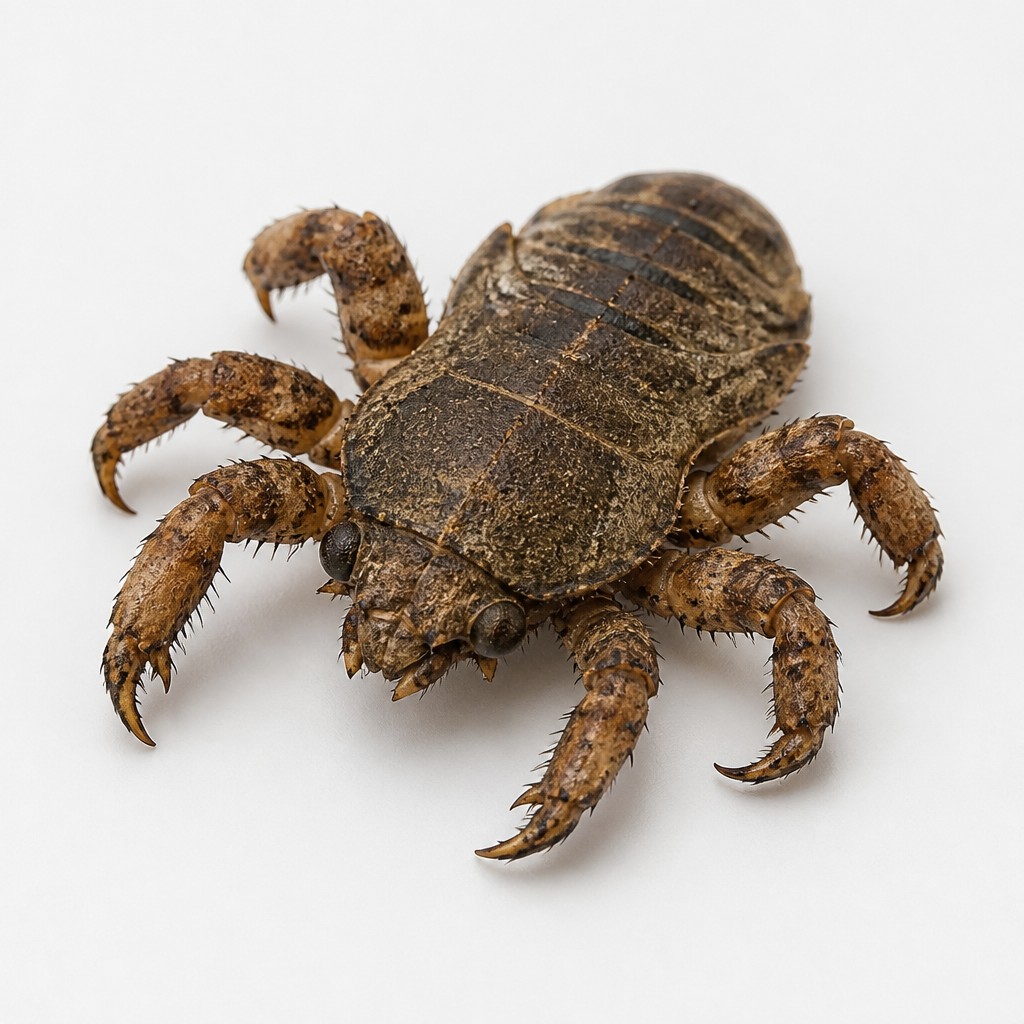
Louse Fly
A flattened, leathery-bodied fly that clamps onto fur or feathers with stout claws and scuttles sideways like a tiny crab rather than taking flight when disturbed. Several species shed their wings for good once they settle on a permanent host, spending the rest of their lives buried in fleece or plumage.
fly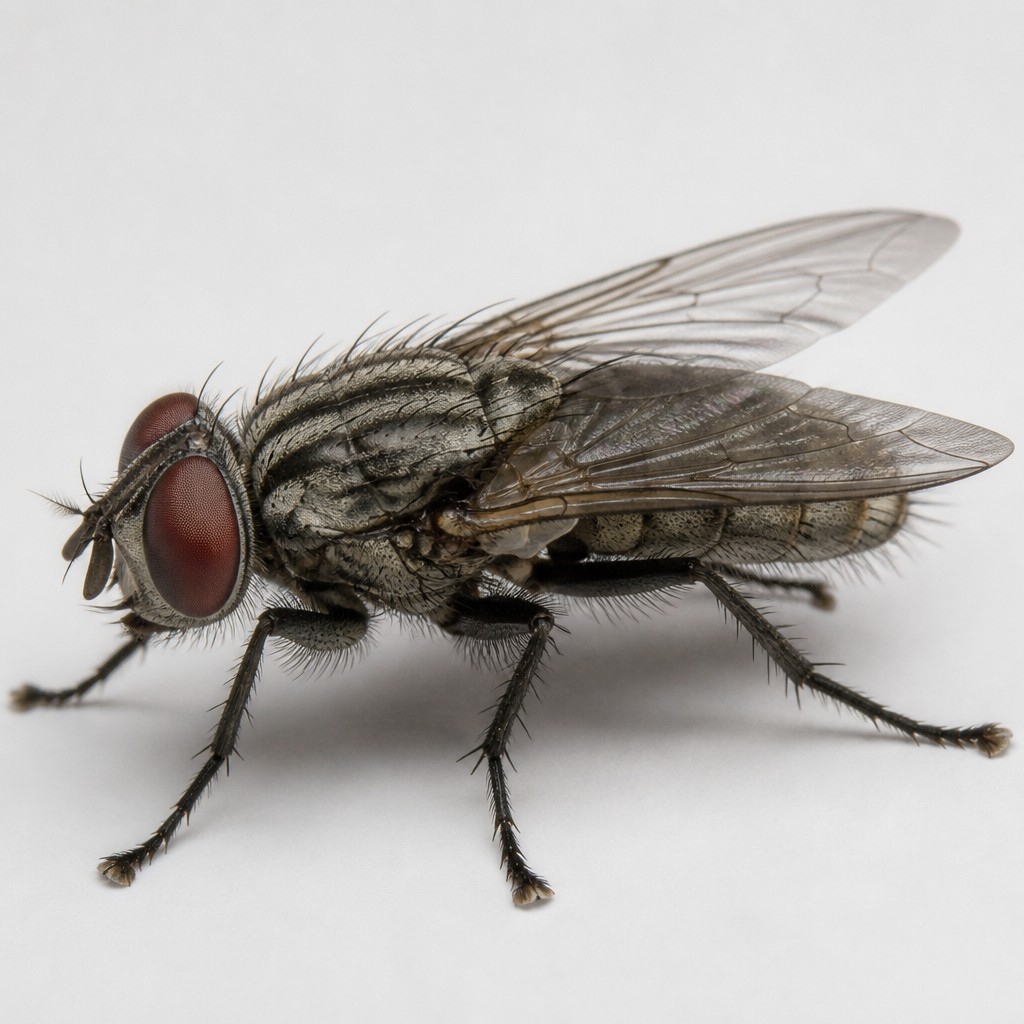
Face Fly
A house fly look-alike that clusters persistently around the eyes, muzzle, and face of grazing livestock to feed on moisture and secretions.
fly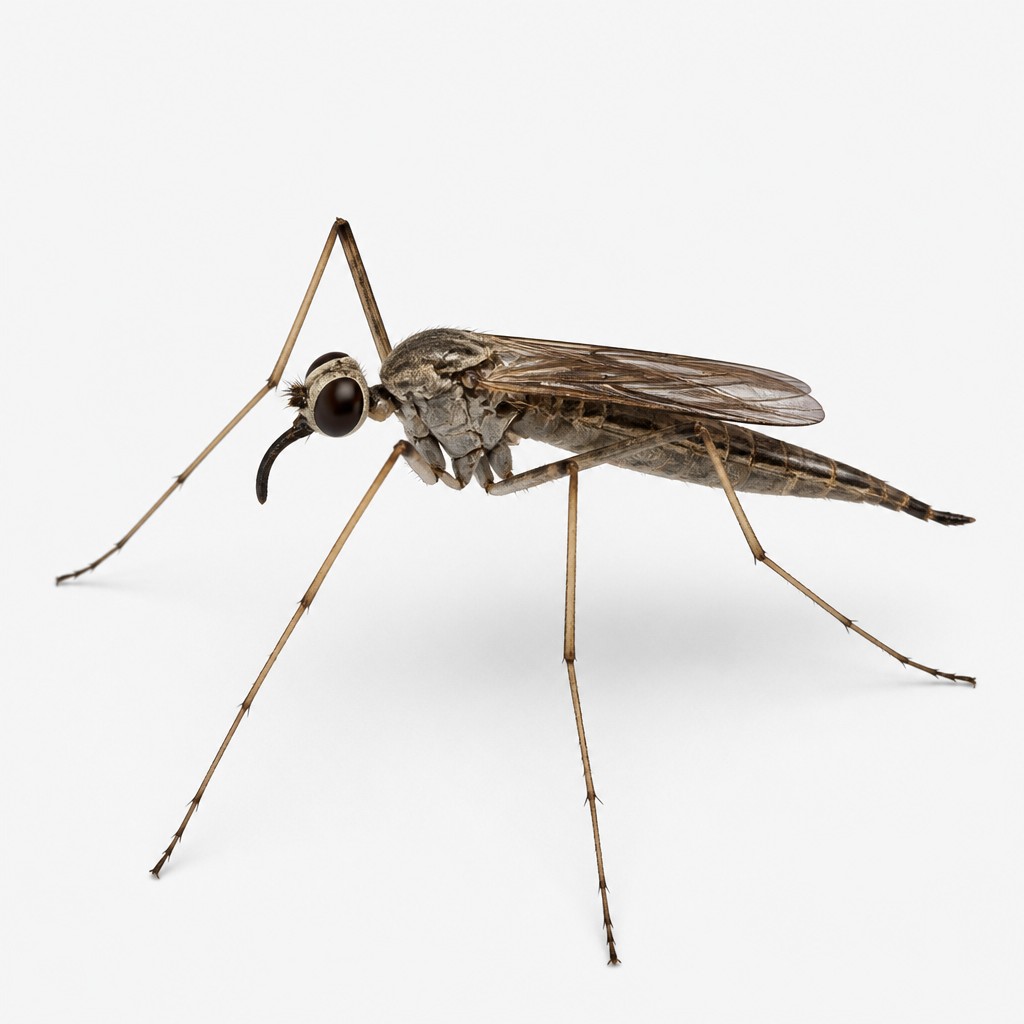
Dance Fly
A slender, long-legged predatory fly named for the swarming courtship dances males perform at dusk, often while carrying a captured insect as an offering.
fly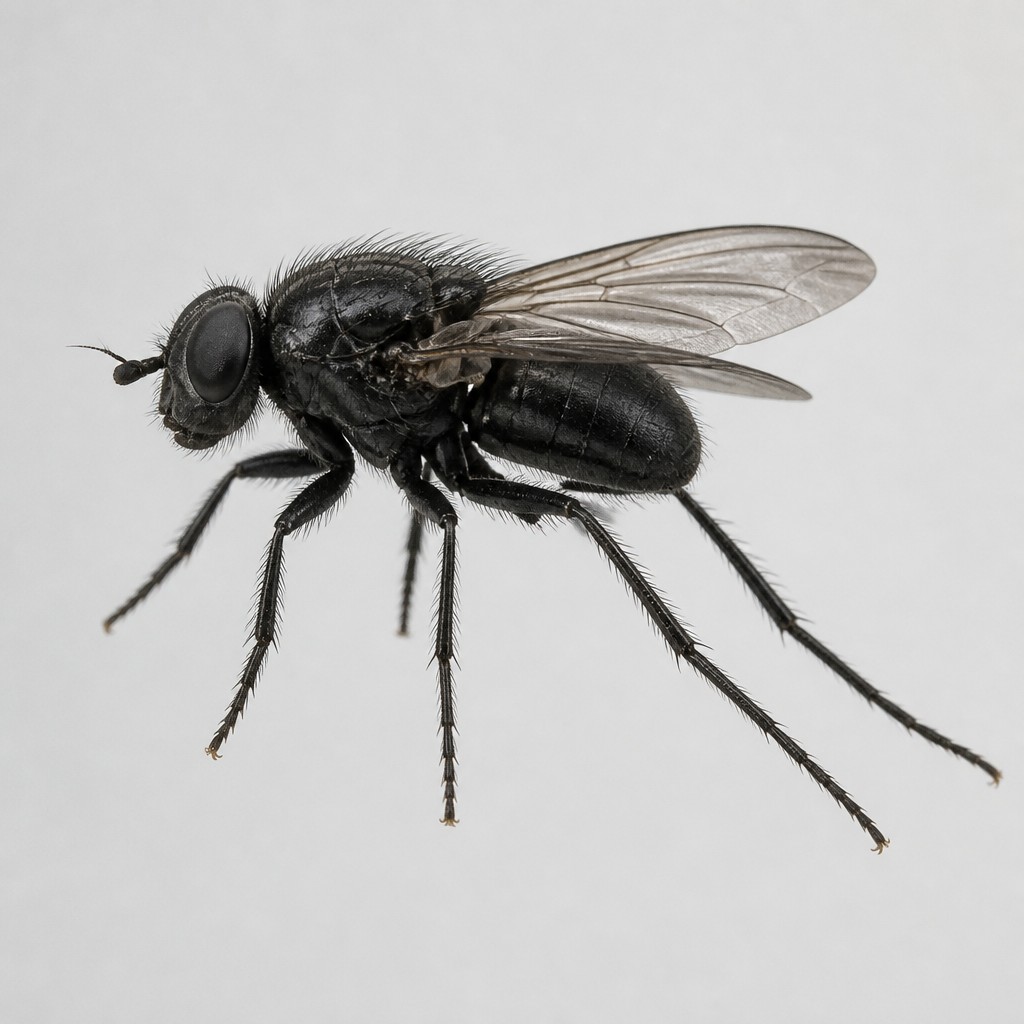
March Fly
A stout, all-black fly that emerges in sudden, dense swarms during the first warm days of spring, often dangling its long hind legs conspicuously in slow, low flight over grass. Its name comes from its habit of appearing reliably around the start of the month, sometimes on cue near a particular saint's feast day in the traditional European calendar.
fly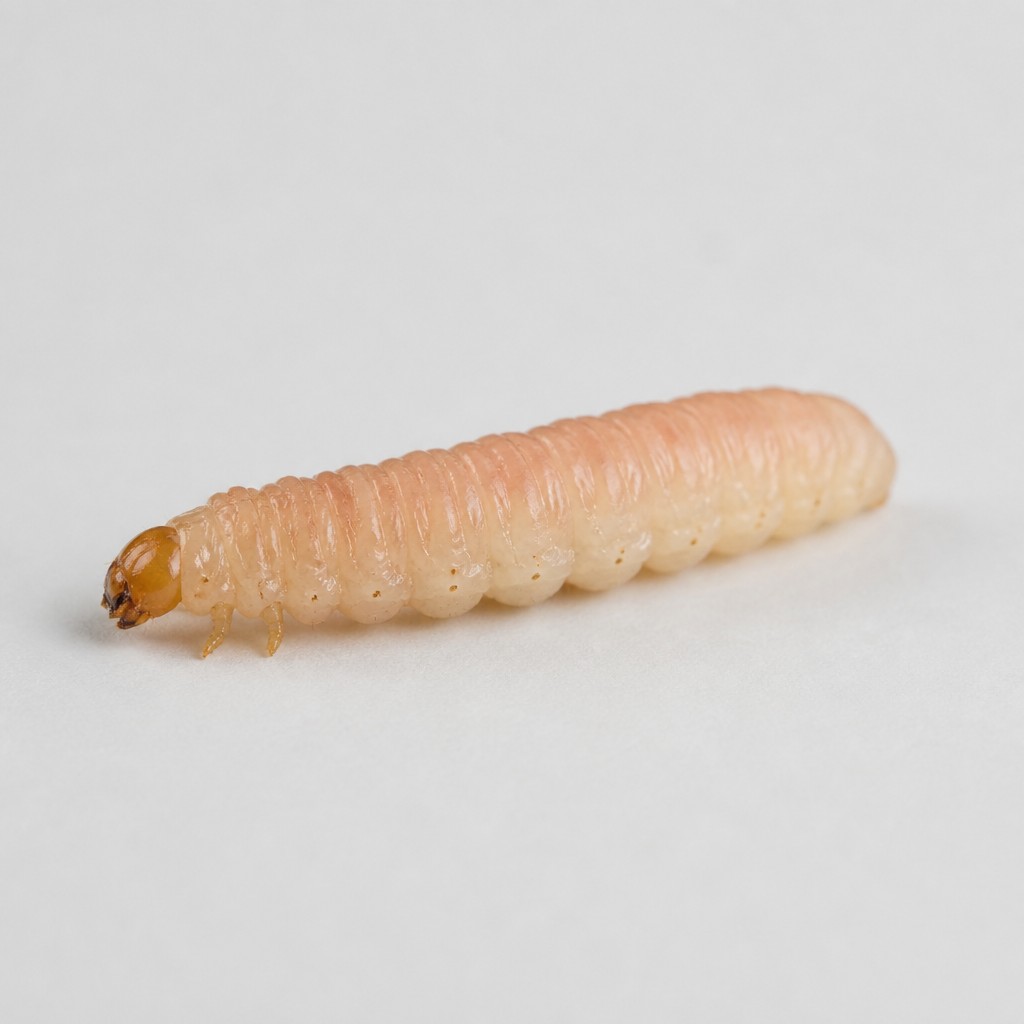
Codling Moth Larva
The classic 'worm in the apple,' this pinkish-white caterpillar tunnels straight to the core of apples and pears, leaving a telltale frass-plugged entry hole behind.
caterpillar-larva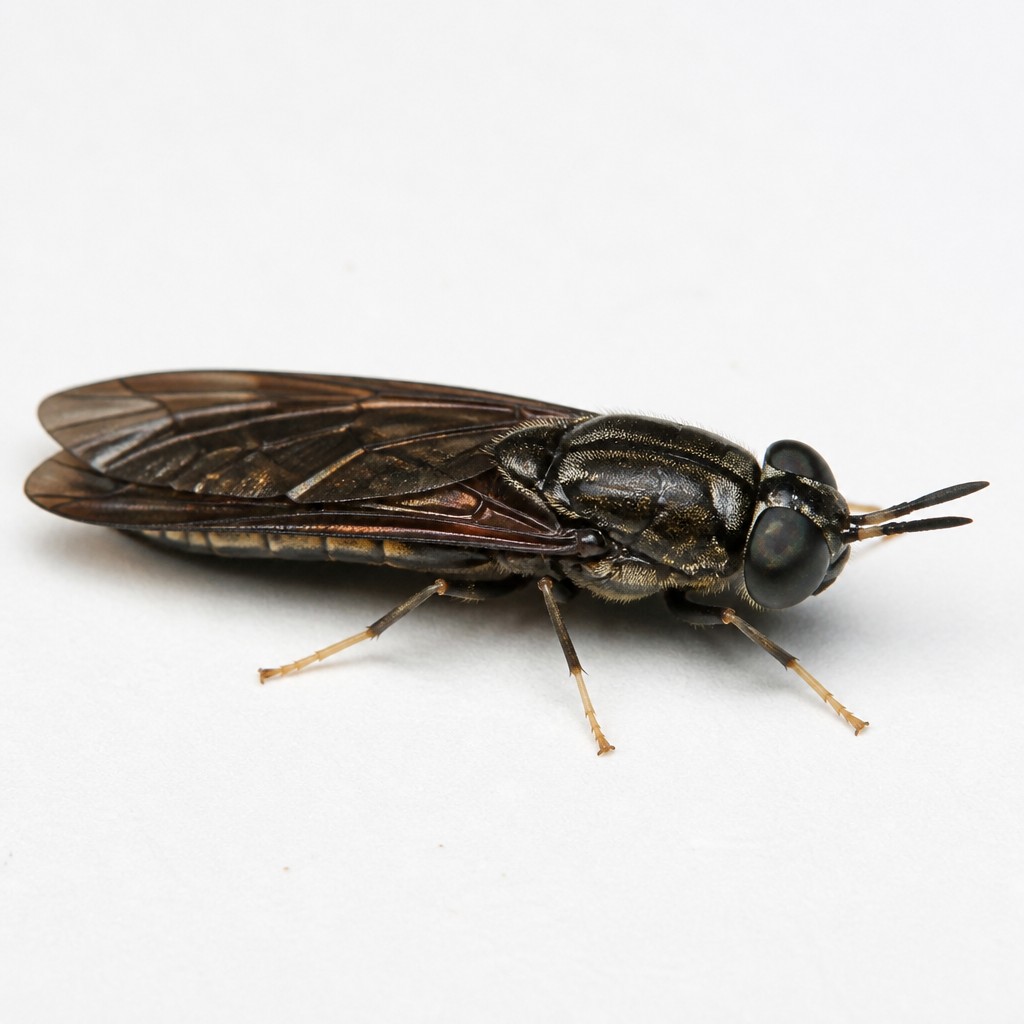
Soldier Fly
A wasp-mimicking fly with a flattened, often metallic body that spends its larval life quietly breaking down decaying plant matter or aquatic debris.
fly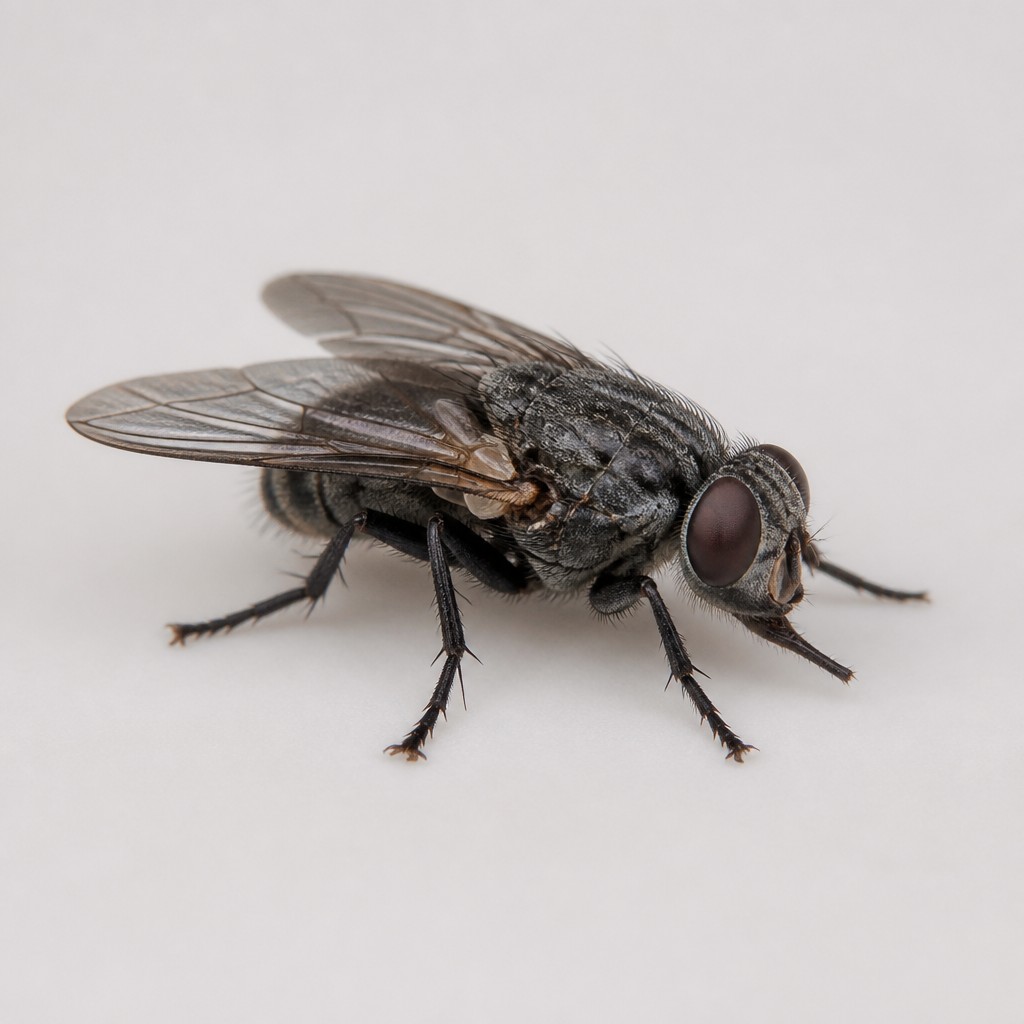
Horn Fly
A tiny, dark fly that clusters in dense patches on the backs and shoulders of grazing cattle, using piercing mouthparts to take frequent small blood meals.
fly