
Bug Encyclopedia
Search and identify bugs & insects — beetles, butterflies, moths, ants, bees, spiders and more — with size, habitat, danger, behavior, and how to tell them apart.
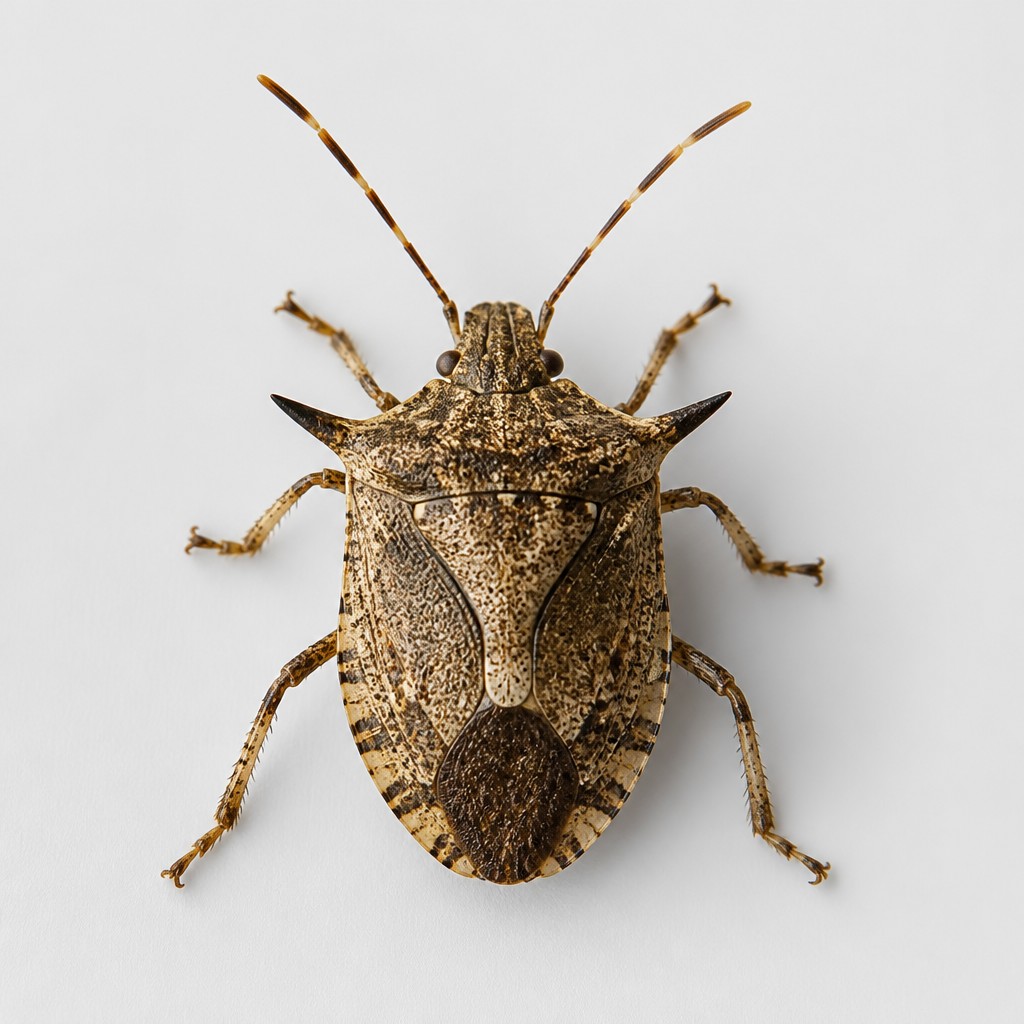
Spined Soldier Bug
A predatory stink bug identified by the sharp, pointed spines projecting from its shoulders, valued in gardens and farm fields for hunting caterpillars, beetle larvae, and other pest insects.
true-bug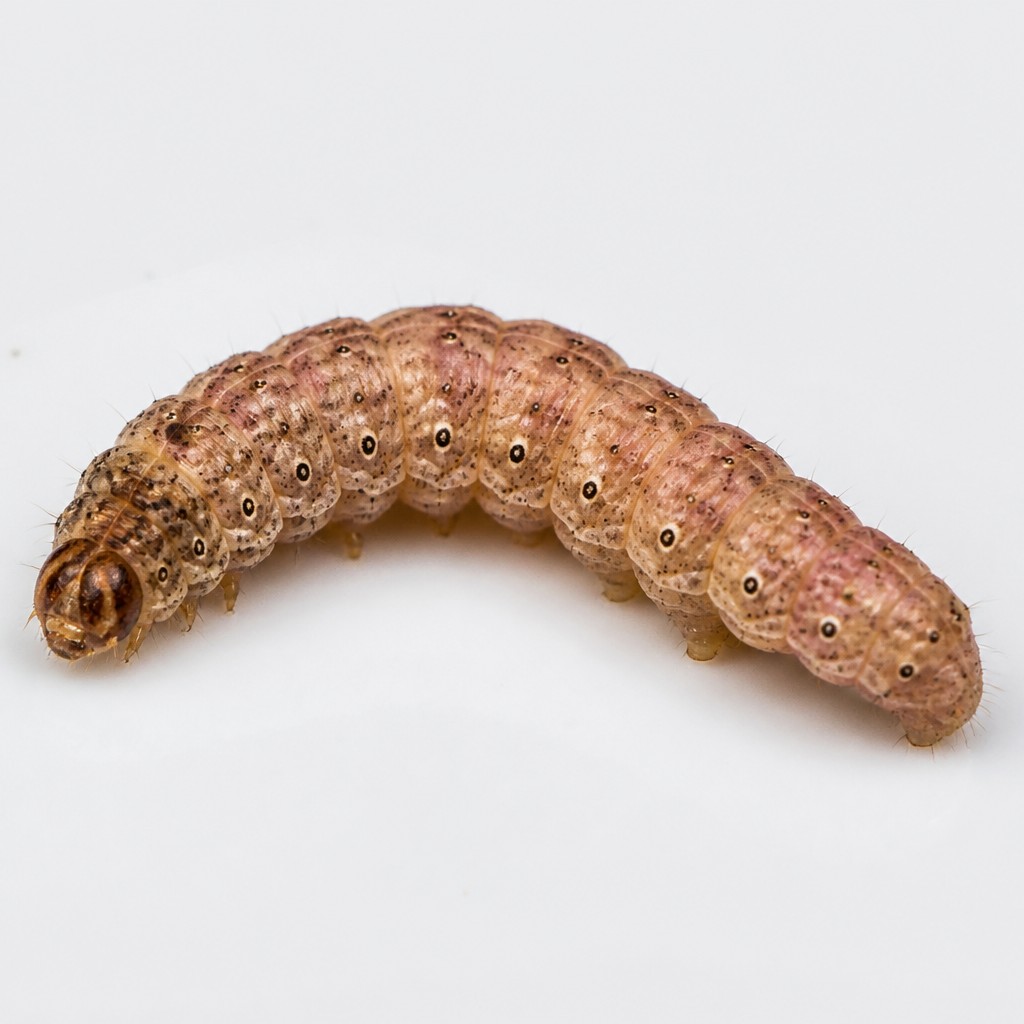
Cotton Bollworm
A variably colored caterpillar, ranging from green to brown to nearly pink, that burrows into cotton bolls, corn ears, and tomato fruit, feeding concealed inside the very structures it damages.
caterpillar-larva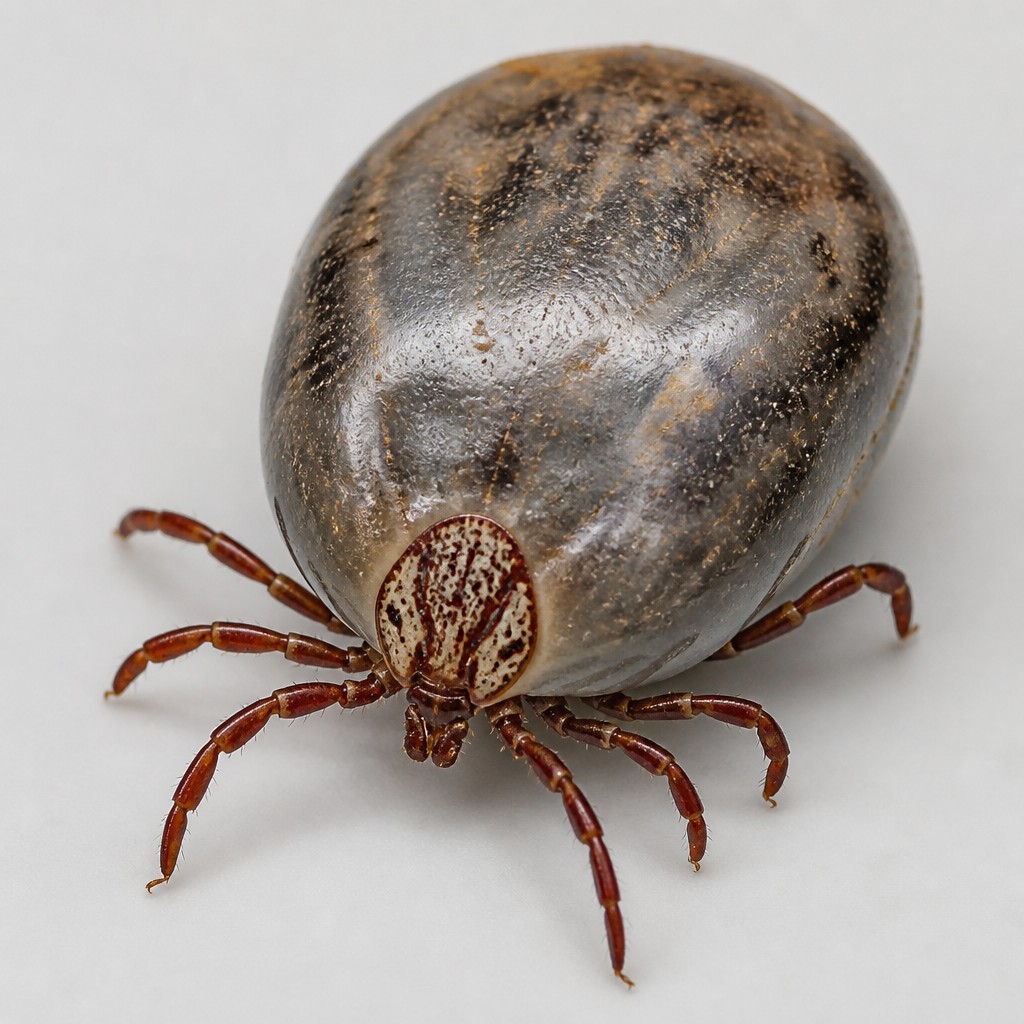
Wood Tick
A flattened, ornately patterned tick that waits on low brush in the Rocky Mountain foothills, ready to grab onto large mammals passing within reach. Its mottled, shield-marked back makes it one of the more distinctive North American ticks to identify.
arachnid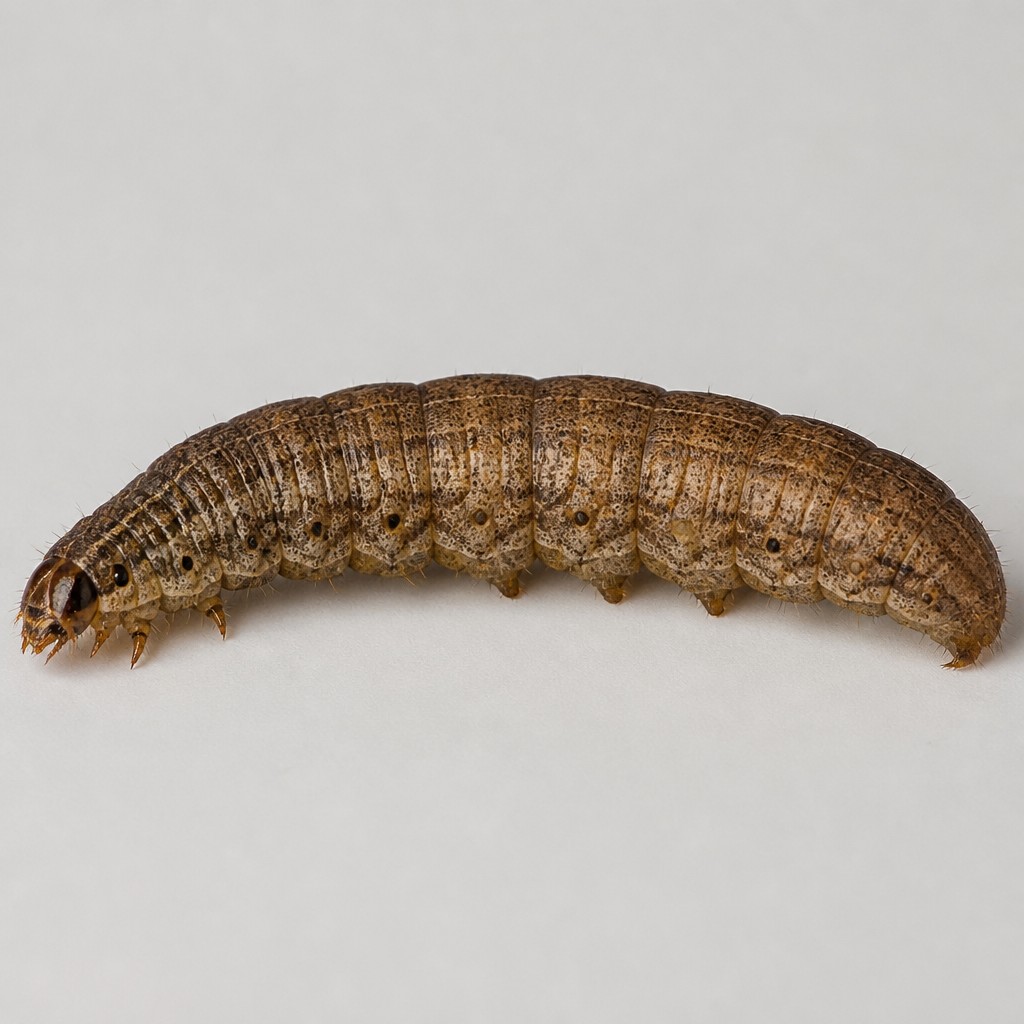
Bollworm
One of the most economically significant caterpillars in North American agriculture, the bollworm changes color from green to brown to pink across its life and bores into cotton bolls, corn ears, and tomato fruit alike.
caterpillar-larva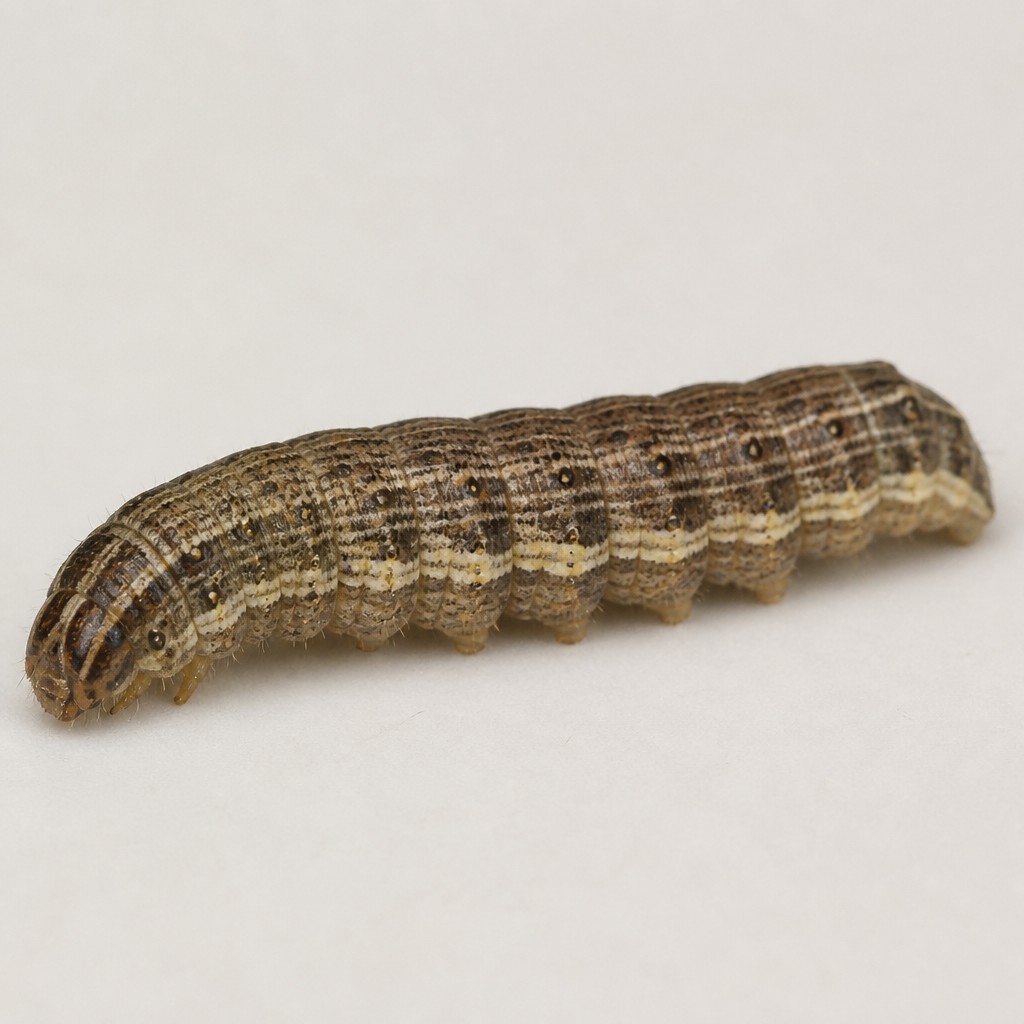
Corn Earworm
A color-variable caterpillar, ranging from pale green to reddish-brown, that burrows headfirst into corn ears and is one of the most economically significant crop pests in North America.
caterpillar-larva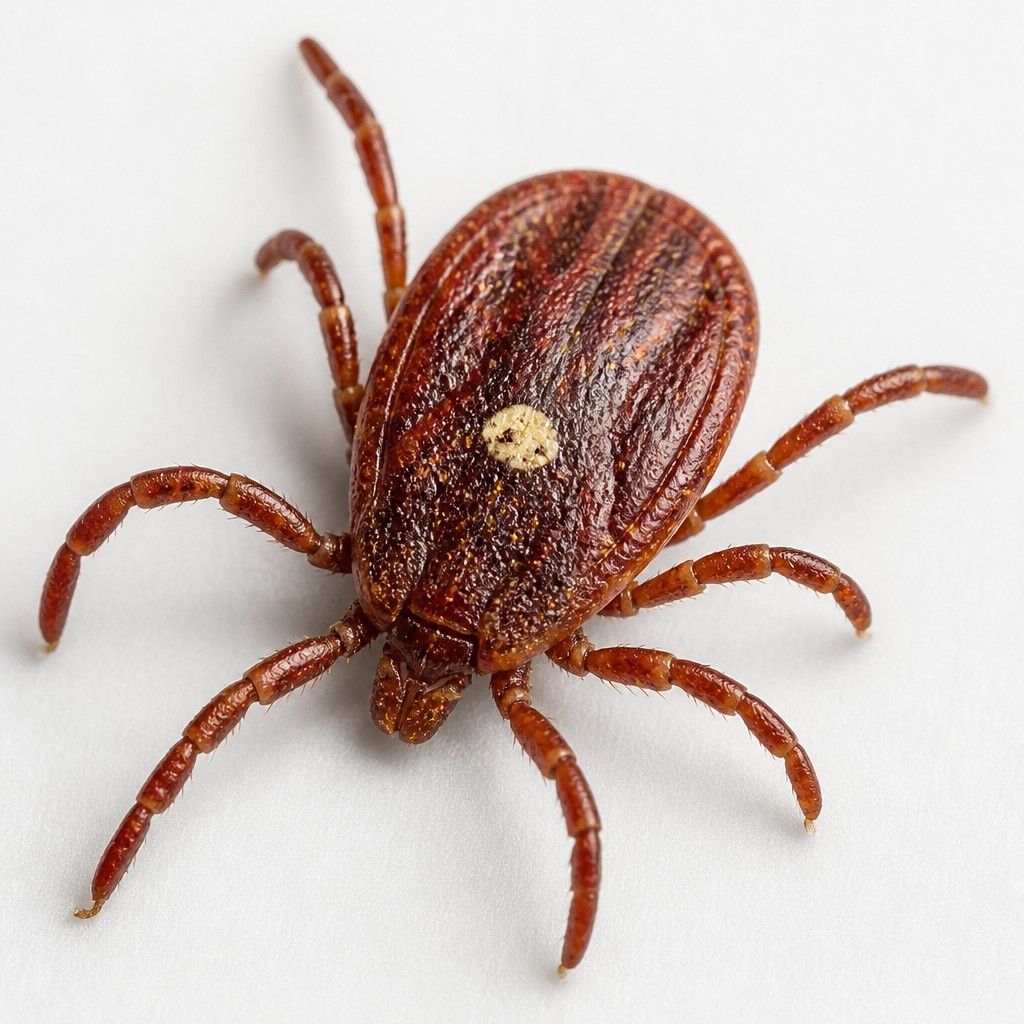
Lone Star Tick
Named for the single silvery-white spot on the back of the adult female, the lone star tick is unusually active for a tick, moving toward hosts rather than simply waiting for them to pass. Its reddish-brown, ornamented body makes it one of the easier North American ticks to identify at a glance.
arachnid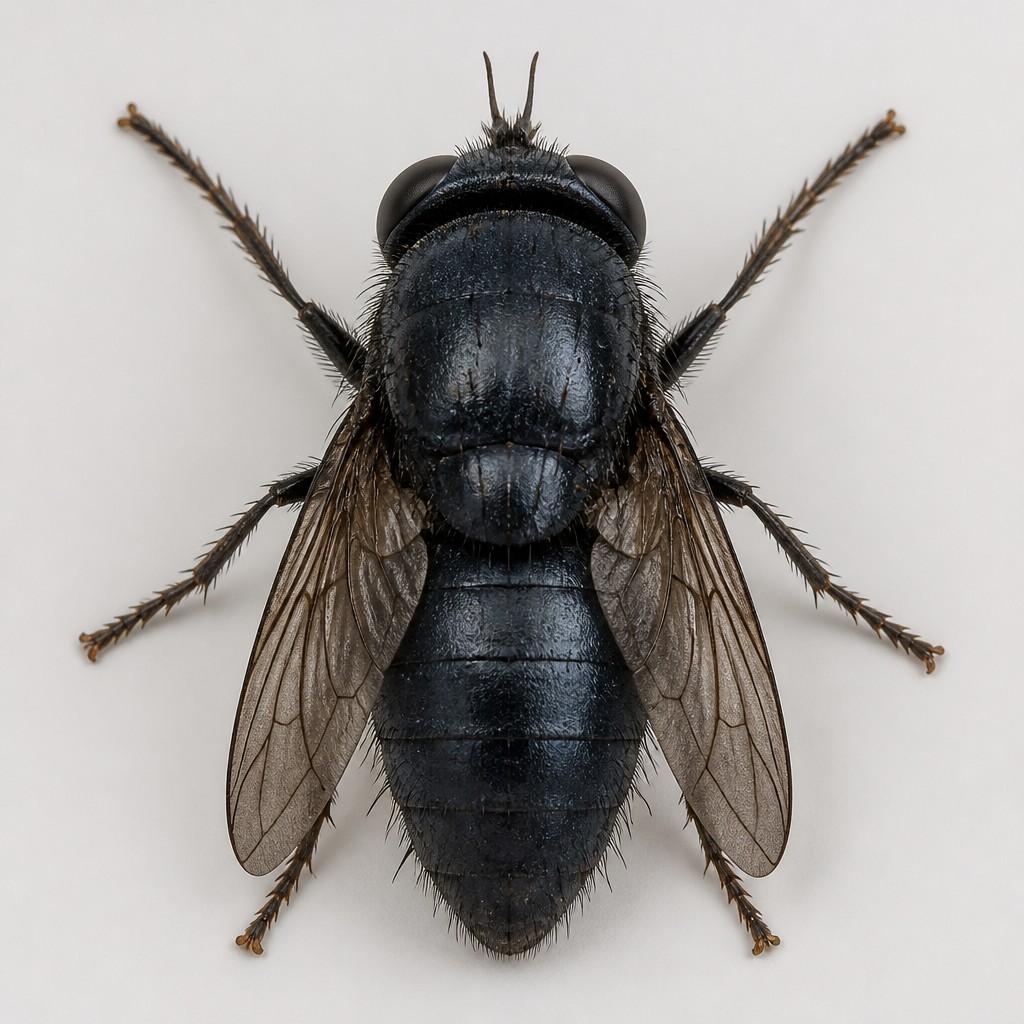
Human Bot Fly
A stout, dark-bodied fly from the American tropics famous for an unusual reproductive trick: it captures a blood-feeding mosquito mid-flight and glues its own eggs to the mosquito's body before releasing it to carry them to a future host. The adult itself is rarely seen, spending most of its short life in shaded forest understory.
fly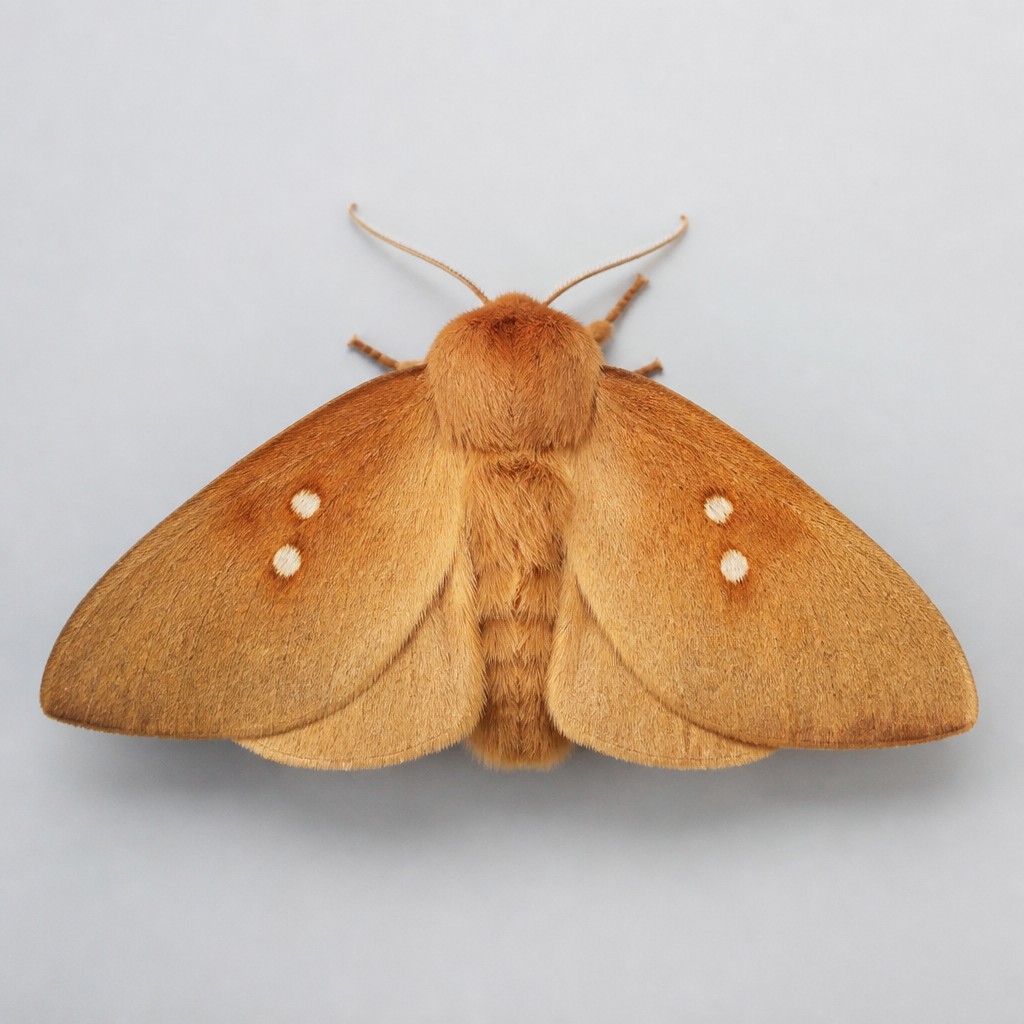
Drinker Moth
A stout, furry moth with warm tawny-orange to buff-brown wings marked by two small white spots on each forewing, named for its caterpillar's habit of drinking water droplets from grass blades.
moth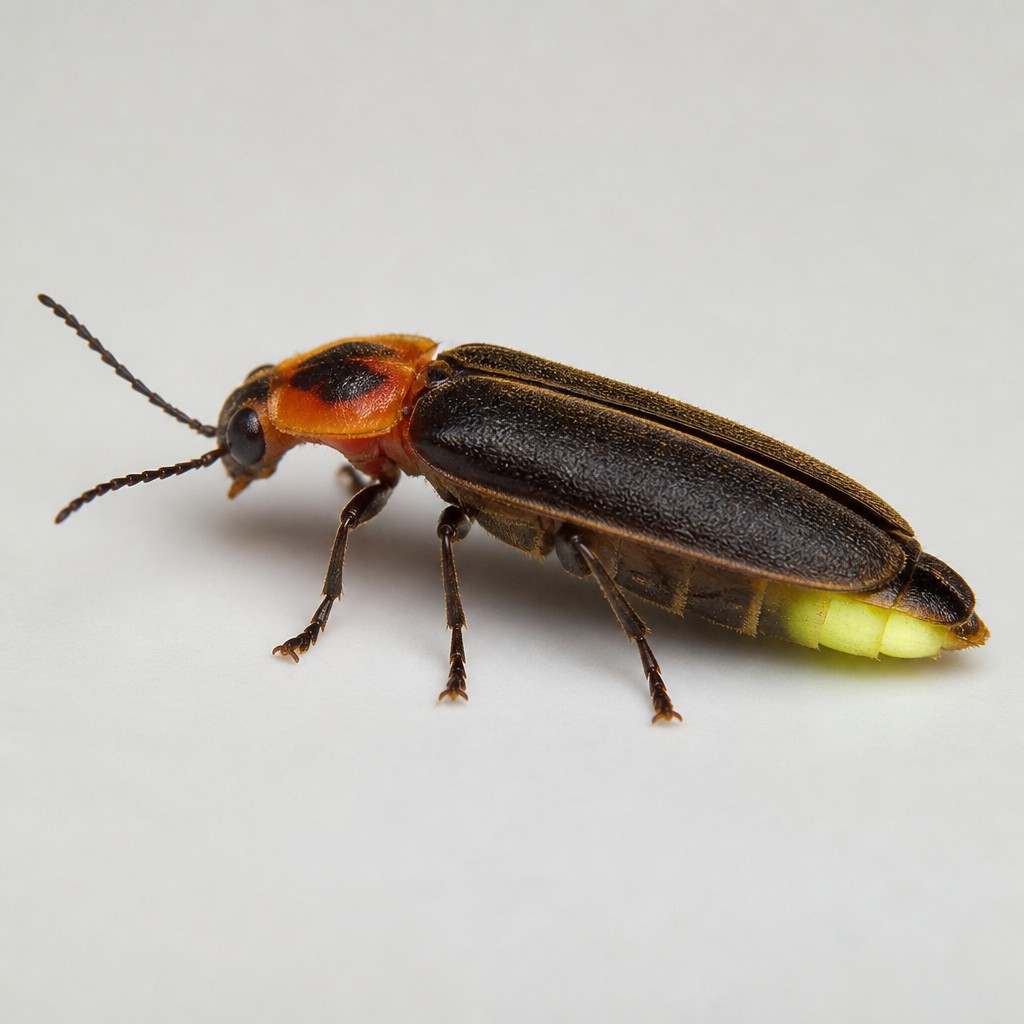
Firefly
A soft-bodied, dusk-flying beetle famous for the bioluminescent flashes it produces from its abdomen to attract mates on warm summer evenings.
beetle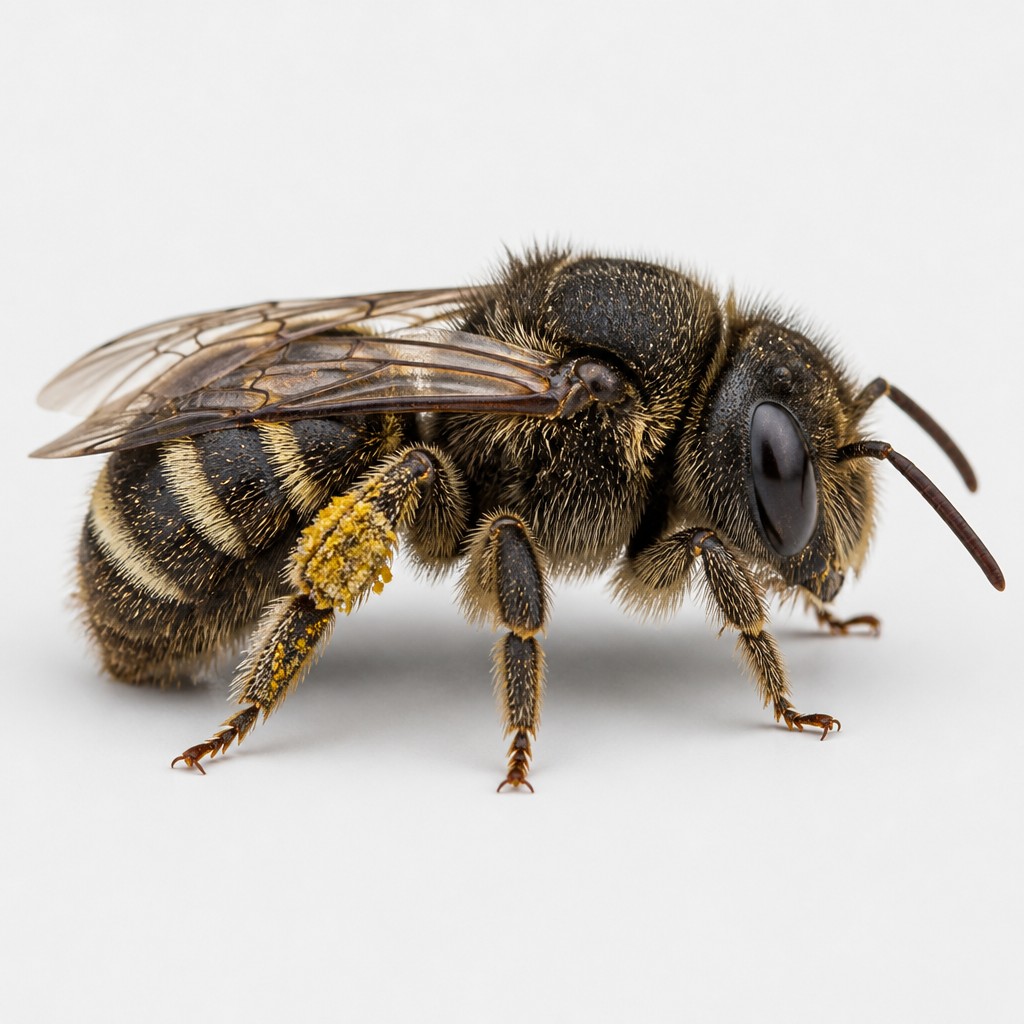
Leafcutter Bee
A stout, dark-bodied bee best known not for how it looks but for the neat, circular or oval notches it cuts from leaves, which it uses to line and seal its nest cells.
bee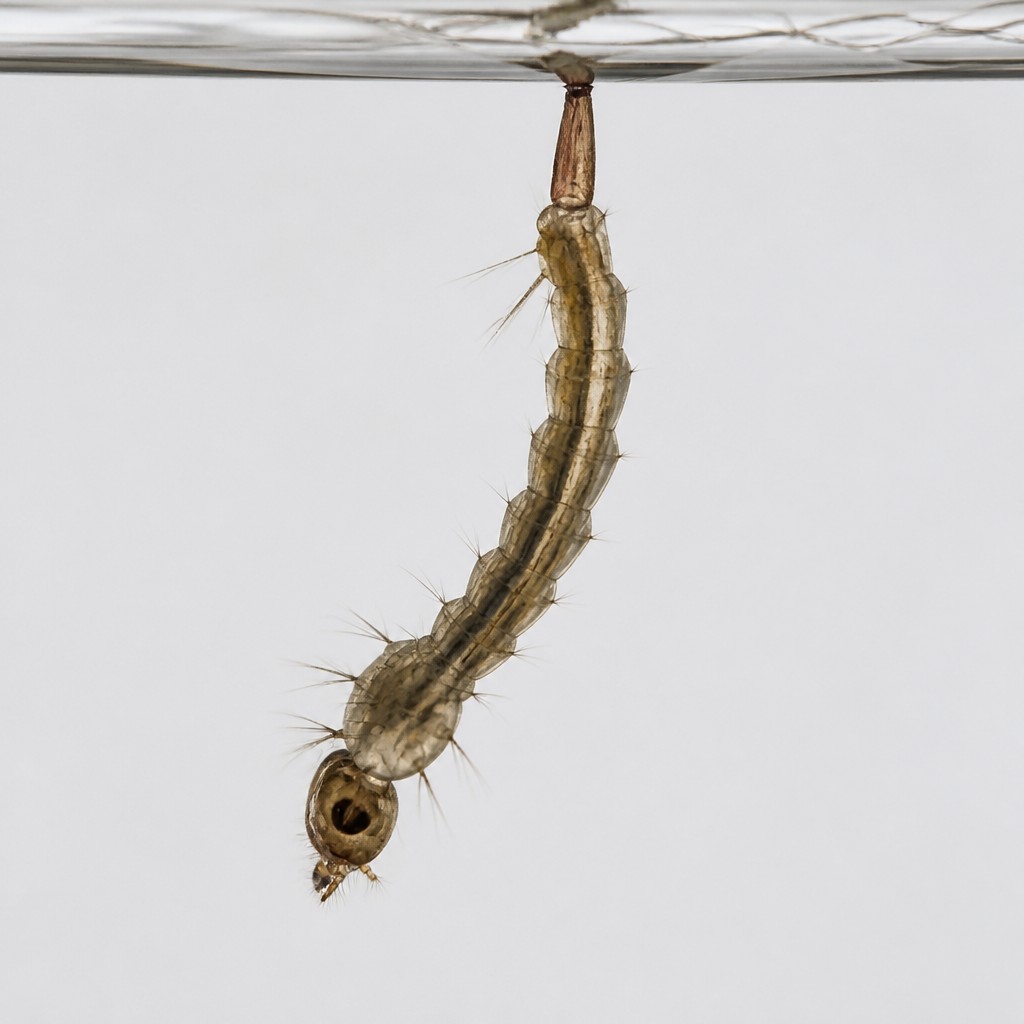
Mosquito Larva
A wriggling, comma-shaped aquatic larva that hangs from the water's surface to breathe before transforming into a flying adult mosquito.
aquatic-insect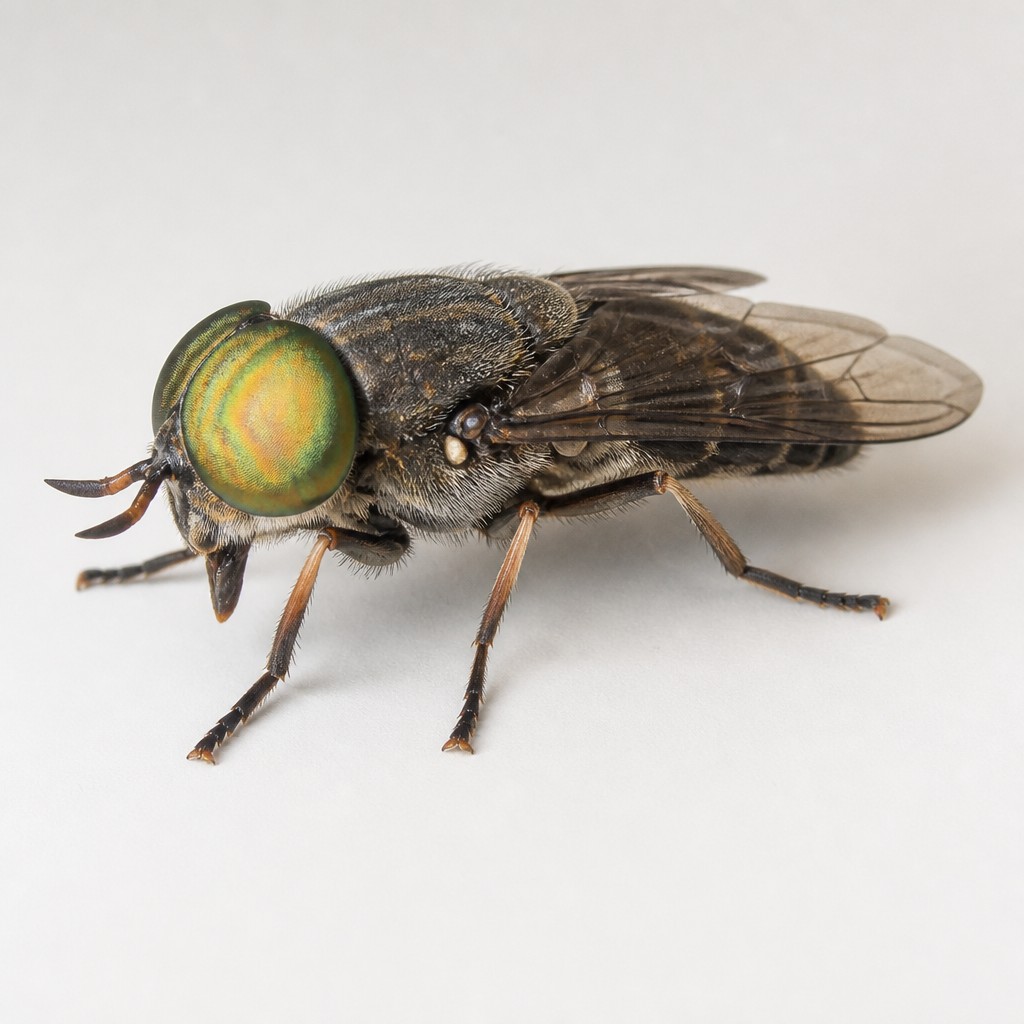
Greenhead Fly
A stout, strikingly green-eyed horse fly that emerges from Atlantic salt marshes in midsummer swarms, where the females bite to feed on blood.
fly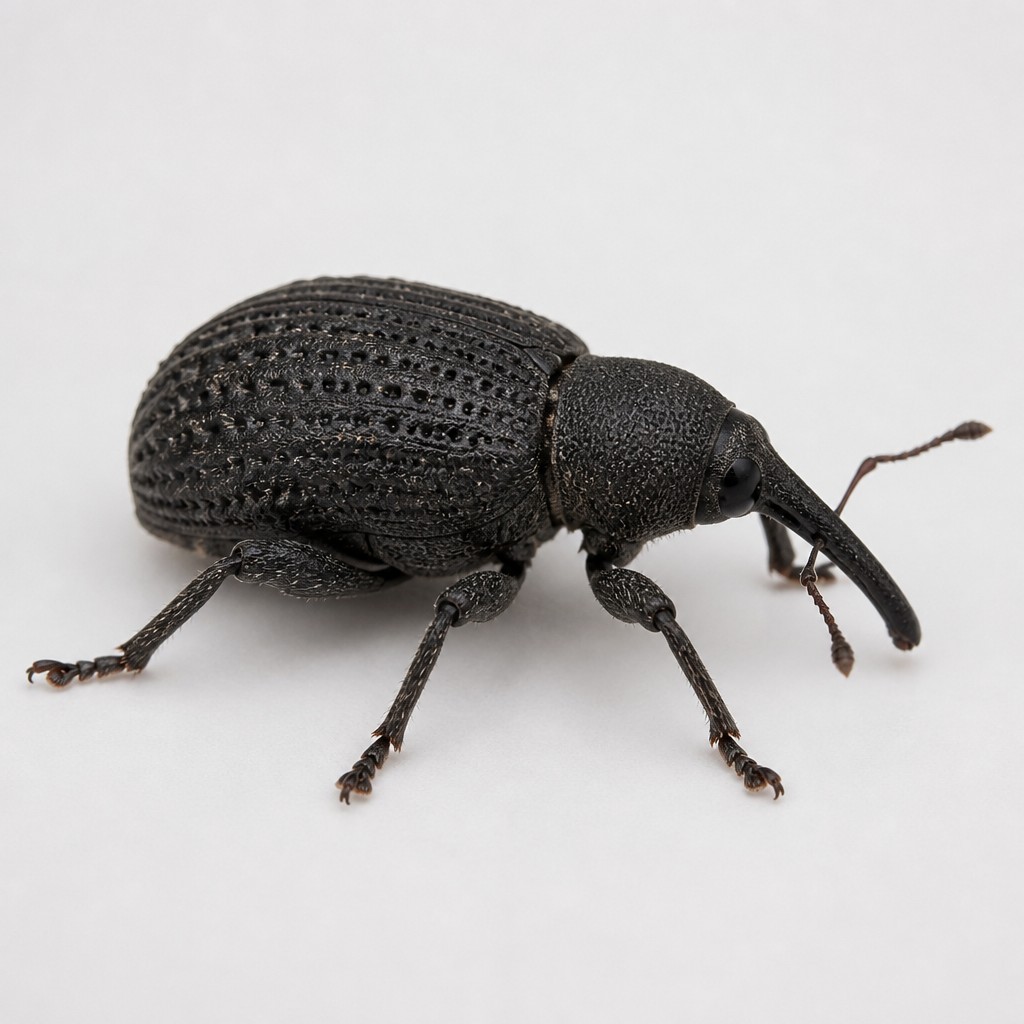
Vine Weevil
A slow, flightless, matte-black beetle that hides by day and emerges at night to notch neat semicircular bites from the edges of leaves.
beetle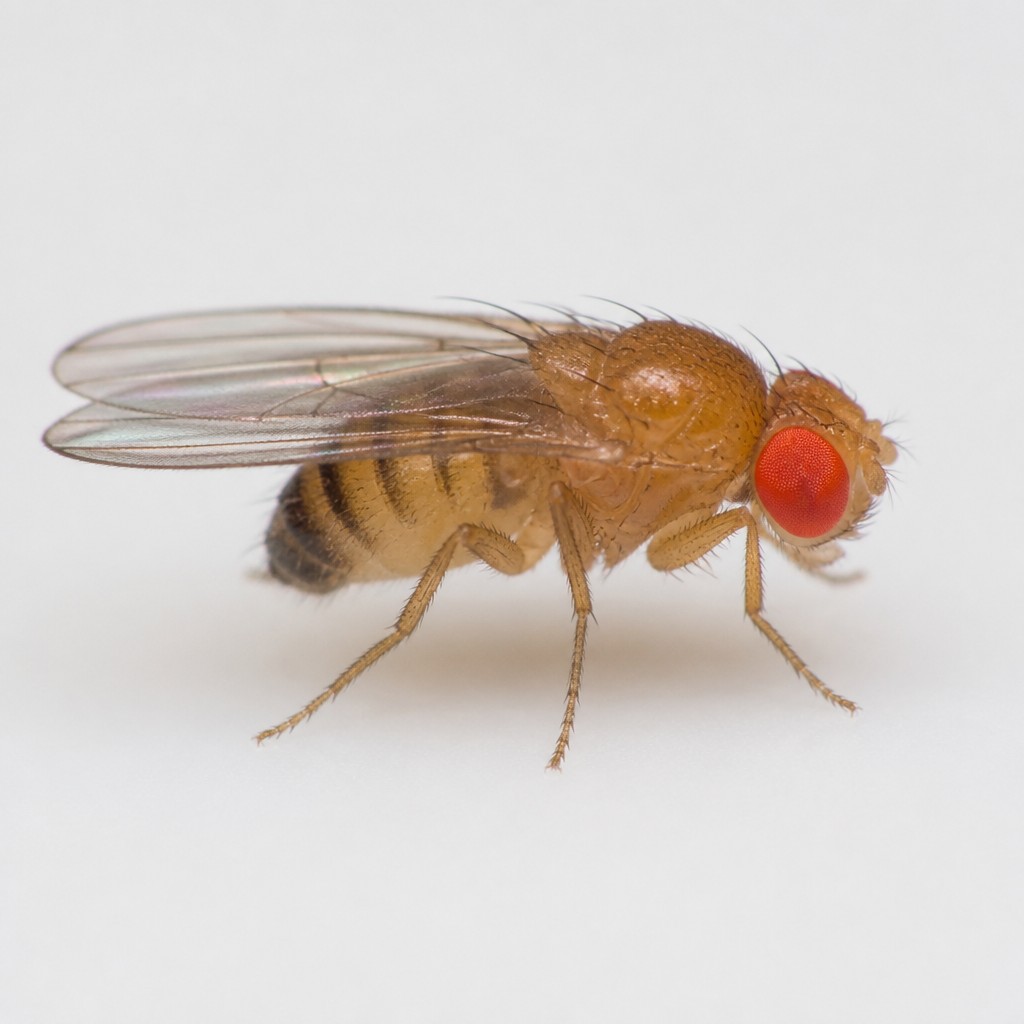
Fruit Fly (Vinegar Fly)
A tiny tan fly with bright red eyes that seems to appear from nowhere the moment a piece of fruit begins to overripen or a splash of wine is left uncovered.
fly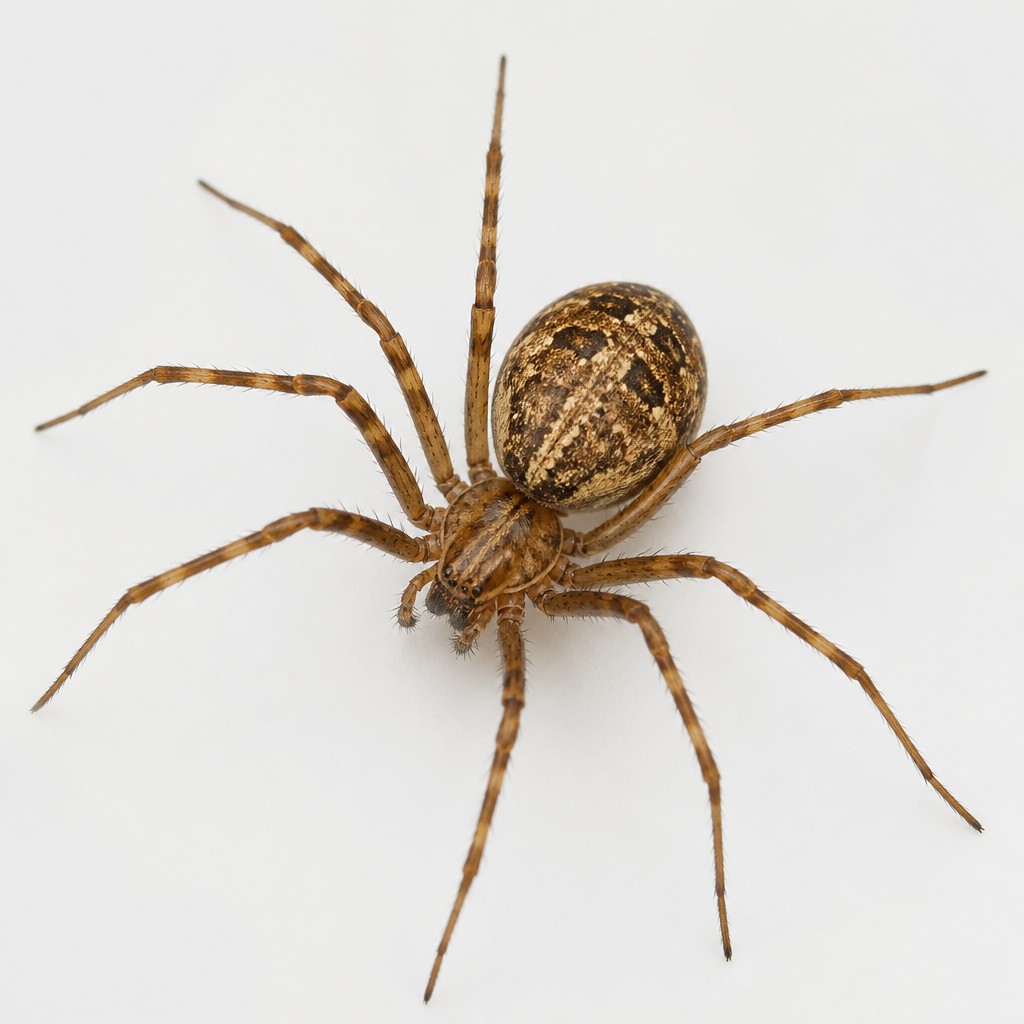
Cave Spider
A long-legged orb weaver adapted to the twilight zone of caves, spinning large webs across cavern mouths and dangling its egg sacs from silk threads deep within the darkness.
spider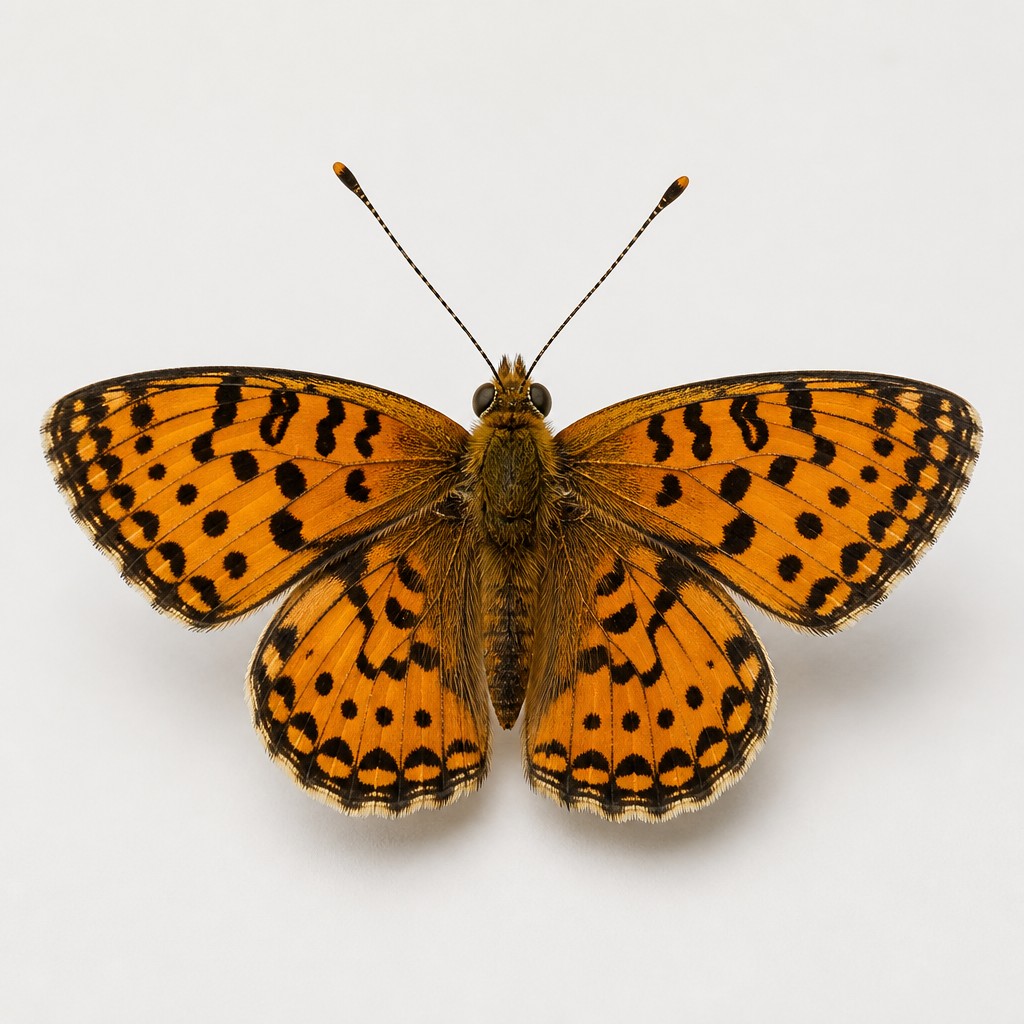
Meadow Fritillary
A small, fast-flying orange-and-black fritillary of open grassy fields, easily told from its larger cousins by its lack of silvery spots on the underside of the hindwing.
butterfly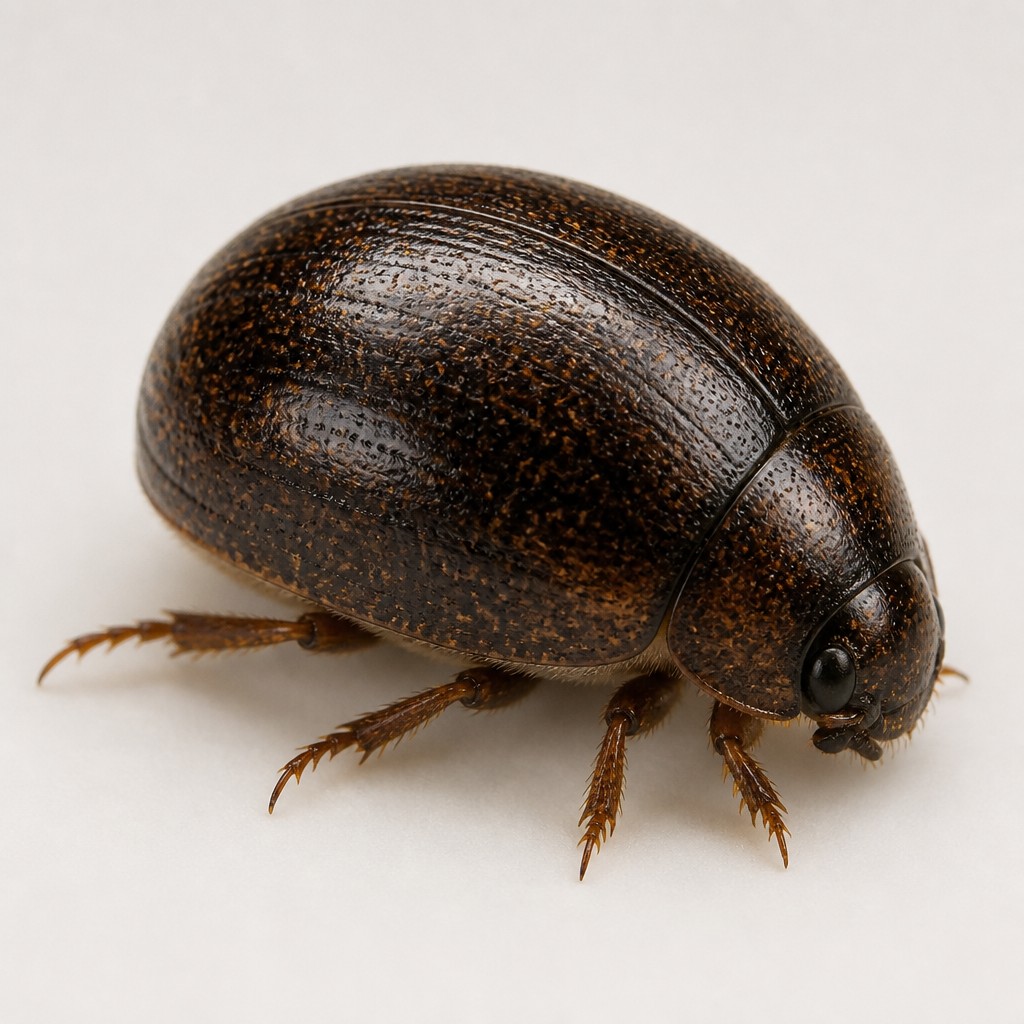
Screech Beetle
This small, oval water beetle earns its name from the loud squeak it produces when picked up, a sound made by rubbing internal body parts together rather than by any vocal organ.
beetle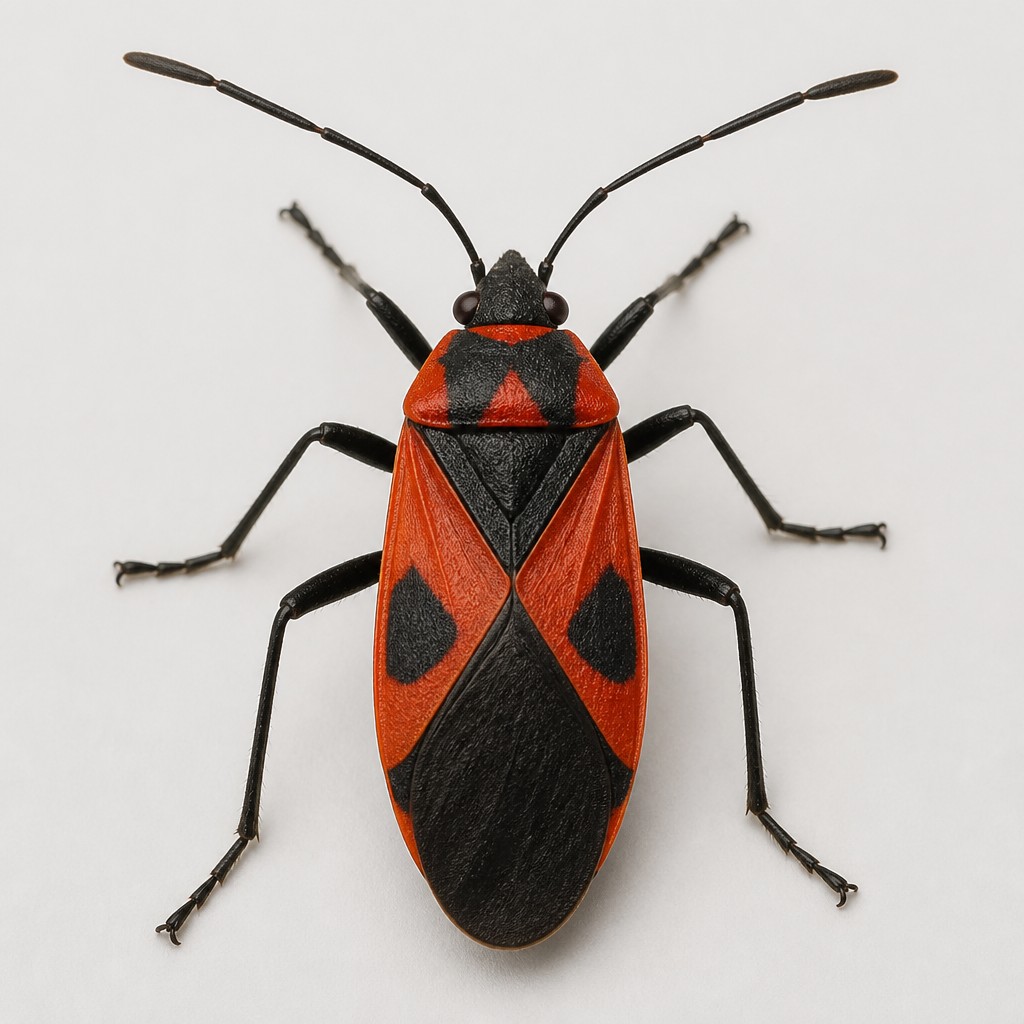
Milkweed Bug
A bold orange-and-black true bug that clusters conspicuously on milkweed seed pods, its warning colours advertising the plant toxins it safely stores from its host.
true-bug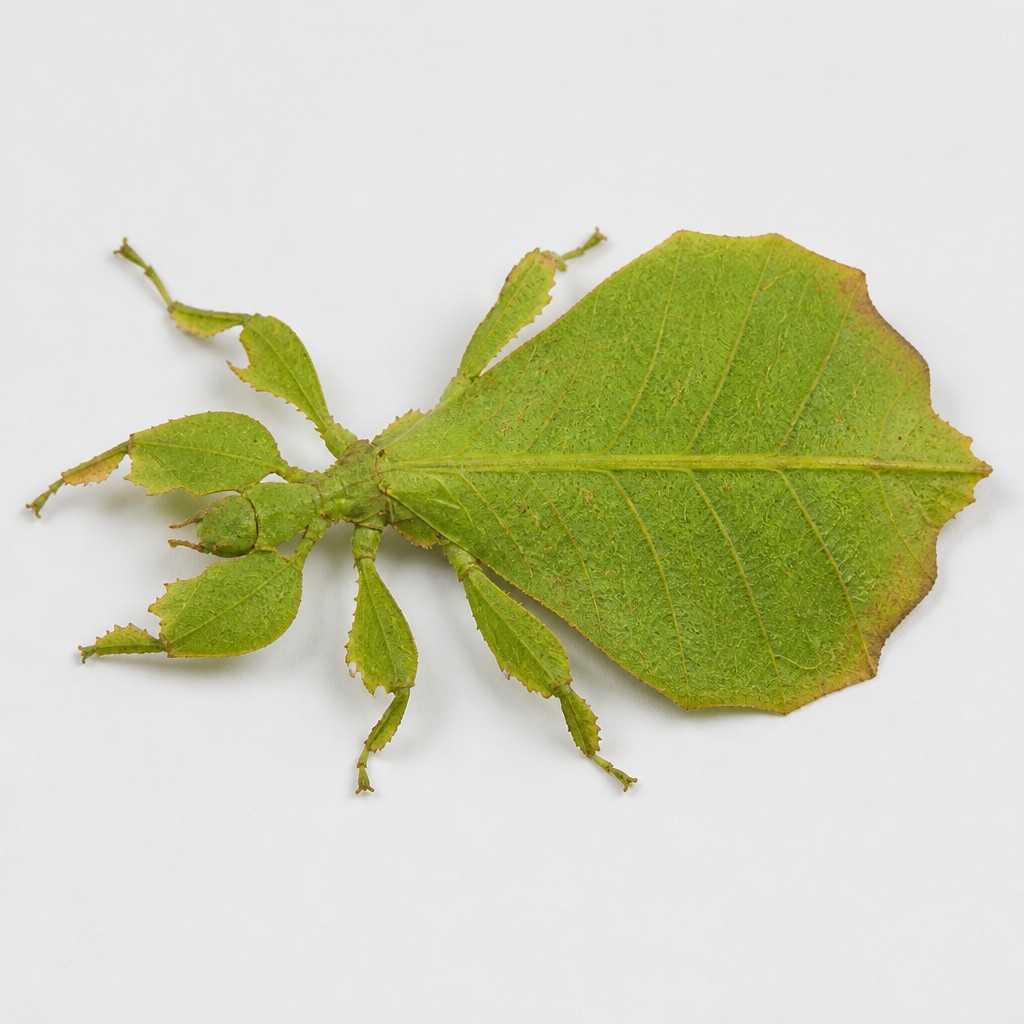
Javanese Leaf Insect
A broad, veined, leaf-green body makes this insect nearly indistinguishable from the foliage it feeds on, a masterclass in disguise native to the forests of Southeast Asia.
mantis-stick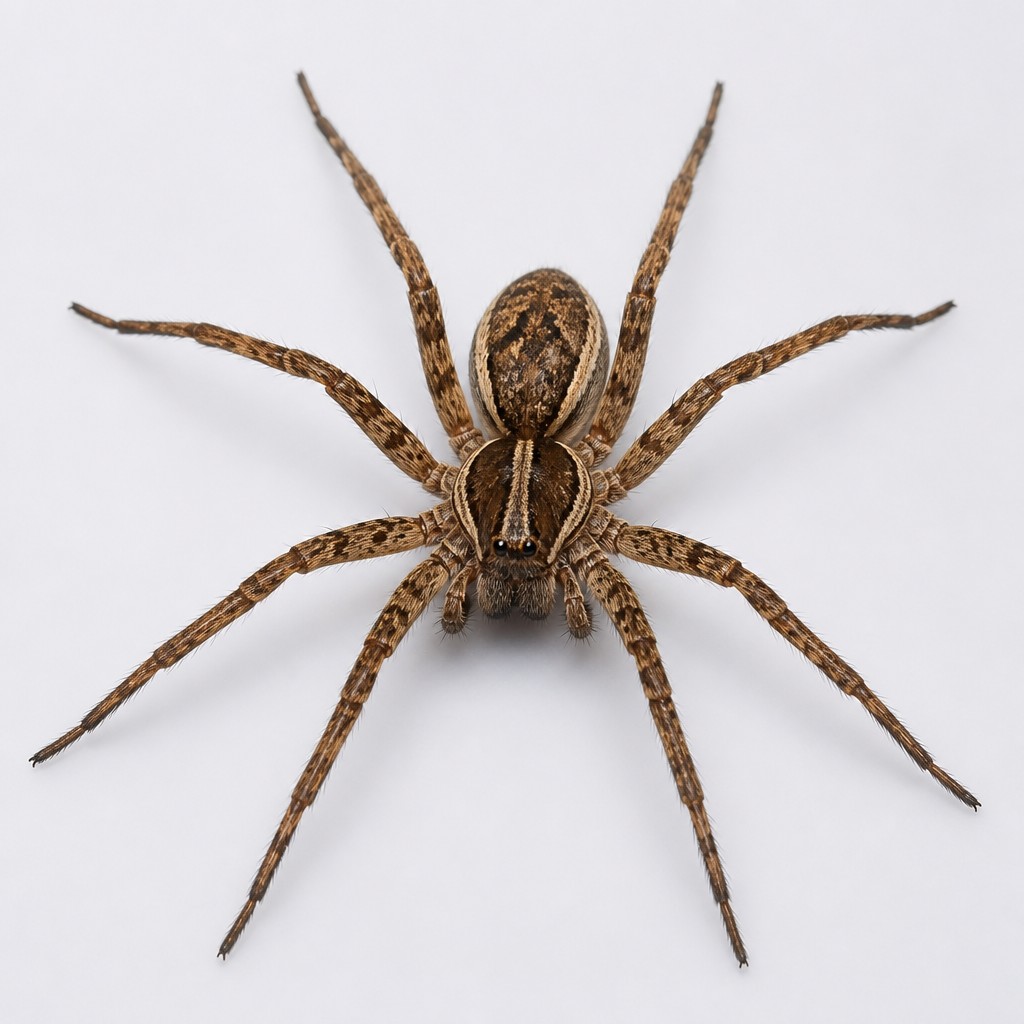
Fishing Spider
One of the largest spiders in North America, the fishing spider can walk on water, dive beneath the surface to escape danger, and ambush small fish and tadpoles with its front legs from the water's edge.
spider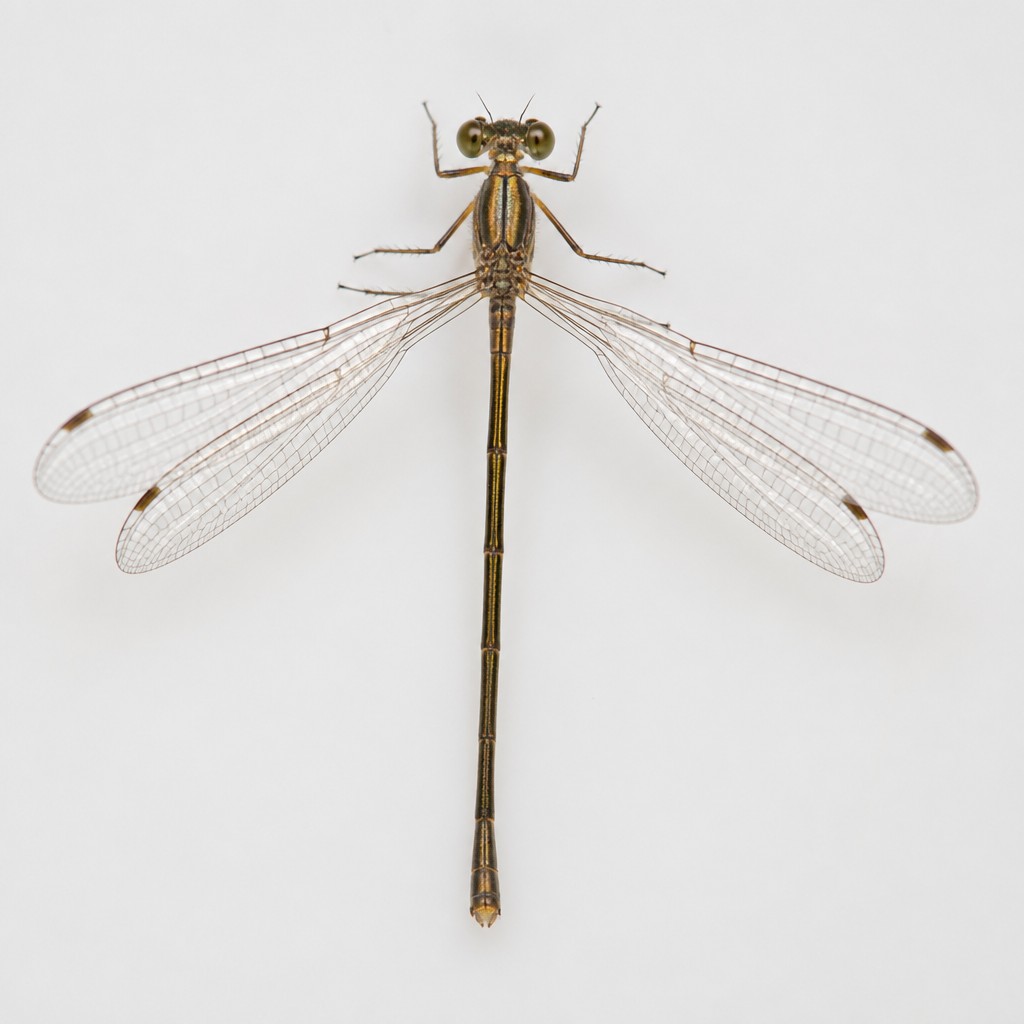
Common Spreadwing
True to its family name, the Common Spreadwing perches with its wings held out at an angle rather than folded together, setting it apart from most other damselflies.
dragonfly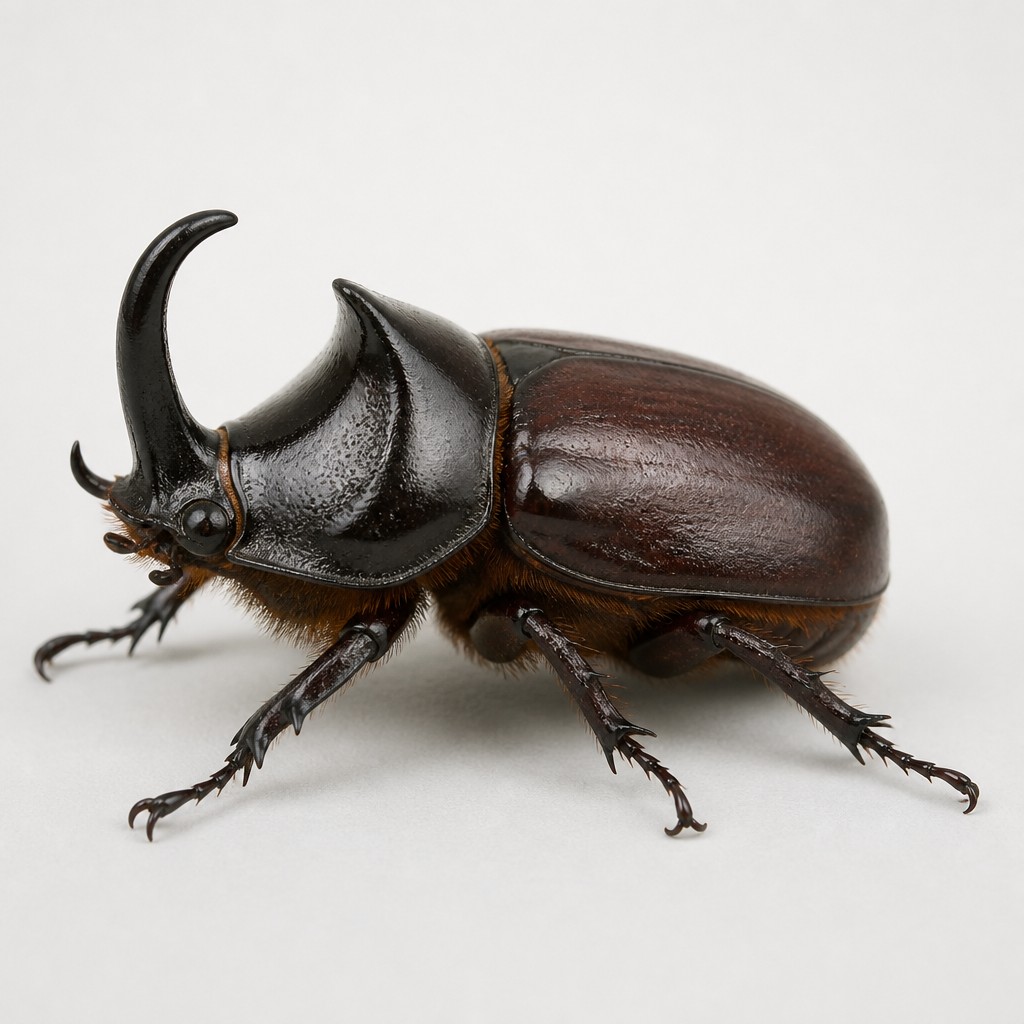
Rhinoceros Beetle
A massive, heavily armored beetle whose males sport a single large, curved horn projecting forward from the head, used to shove and flip rival males in contests of strength.
beetleAmerican Dagger Moth Caterpillar
A pale, sulfur-yellow to cream fuzzball bristling with dense tufts of hair and long black 'pencils' projecting from both ends, the American dagger moth caterpillar is one of the most recognizable hairy caterpillars on hardwood trees in fall.
caterpillar-larva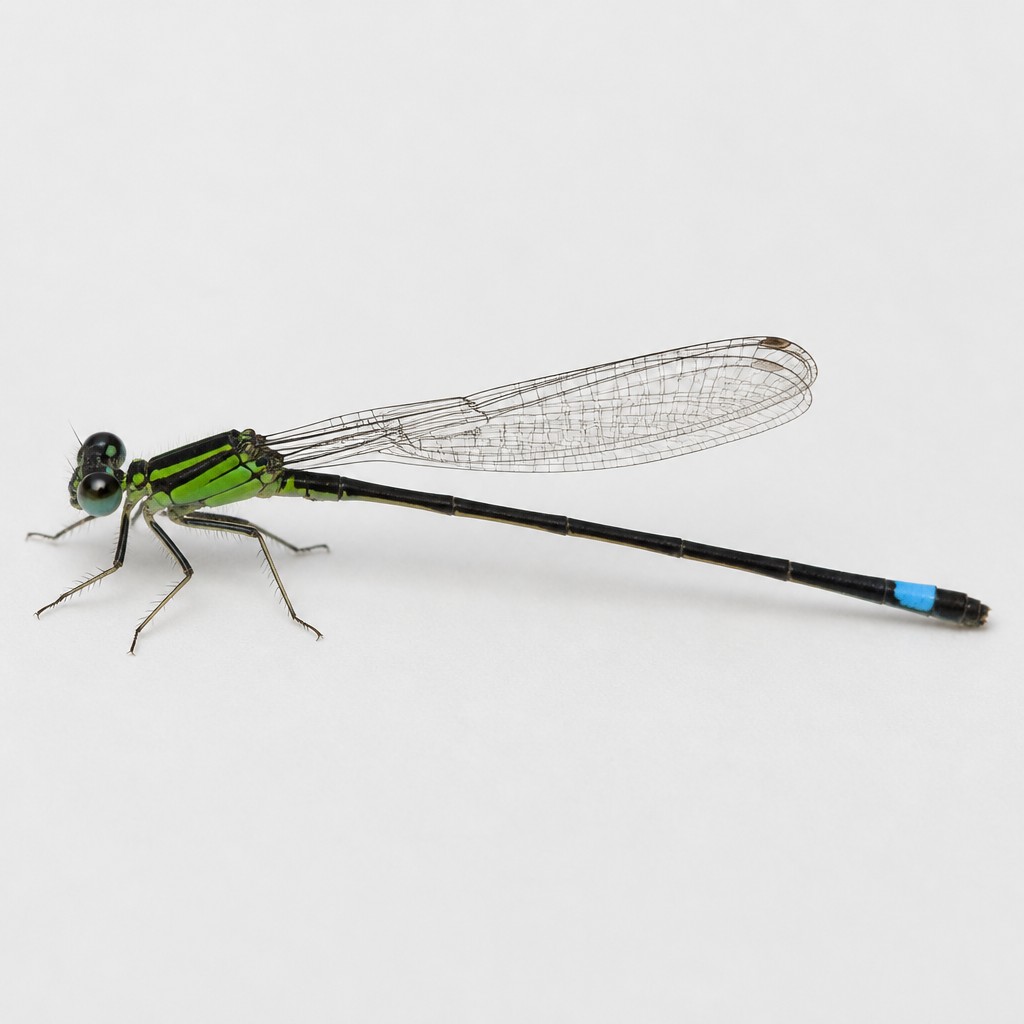
Eastern Forktail
One of the smallest and most adaptable damselflies in eastern North America, the Eastern Forktail thrives in everything from wild marshes to roadside ditches, with bright green-and-black males and color-changing females.
other