
Bug Encyclopedia
Search and identify bugs & insects — beetles, butterflies, moths, ants, bees, spiders and more — with size, habitat, danger, behavior, and how to tell them apart.
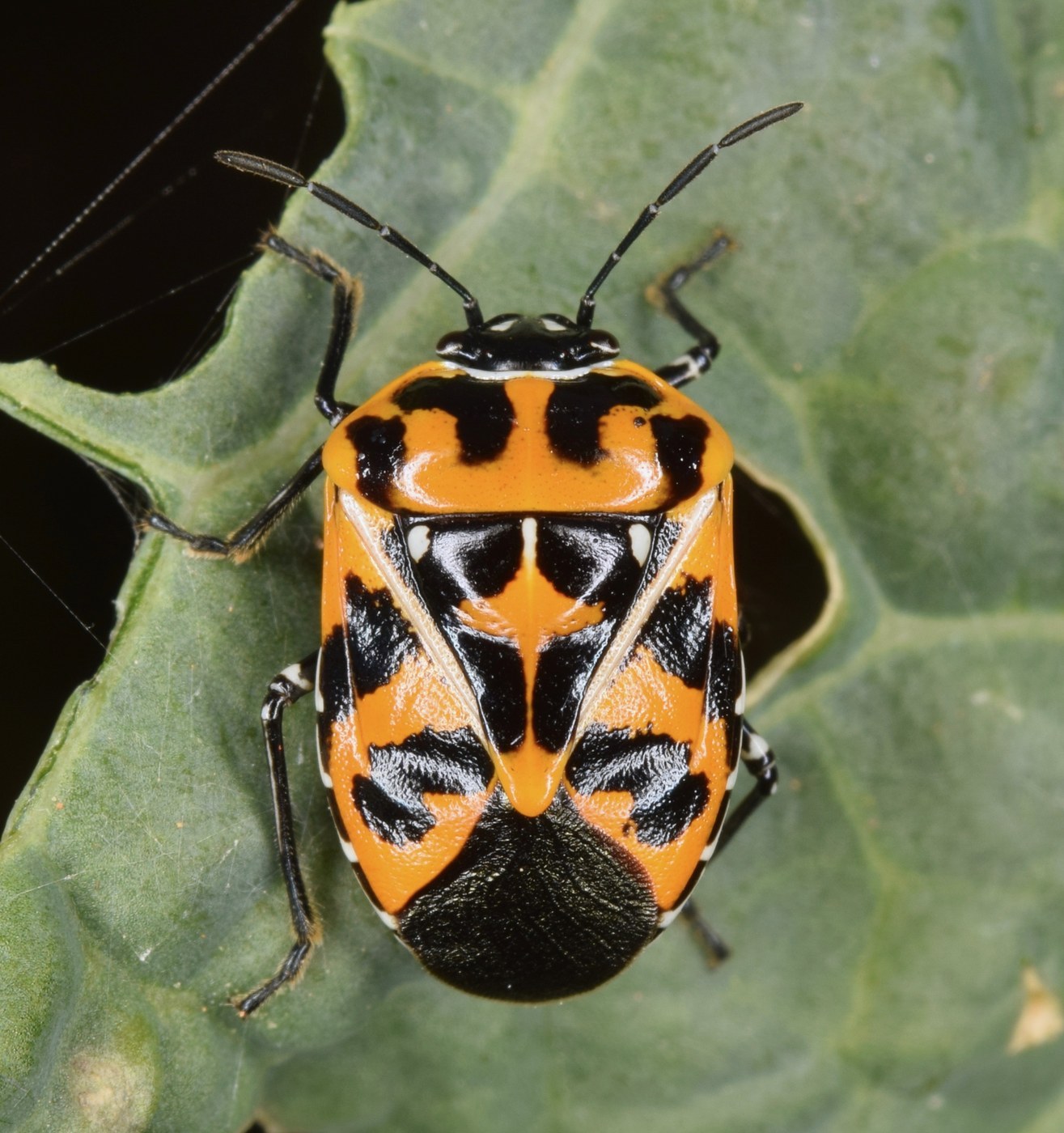
Harlequin Bug
A shield-shaped stink bug painted in bold black-and-orange (or red-and-yellow) blotches, making it one of the most colorful and easily recognized true bugs on cabbage and other cole crops.
true-bug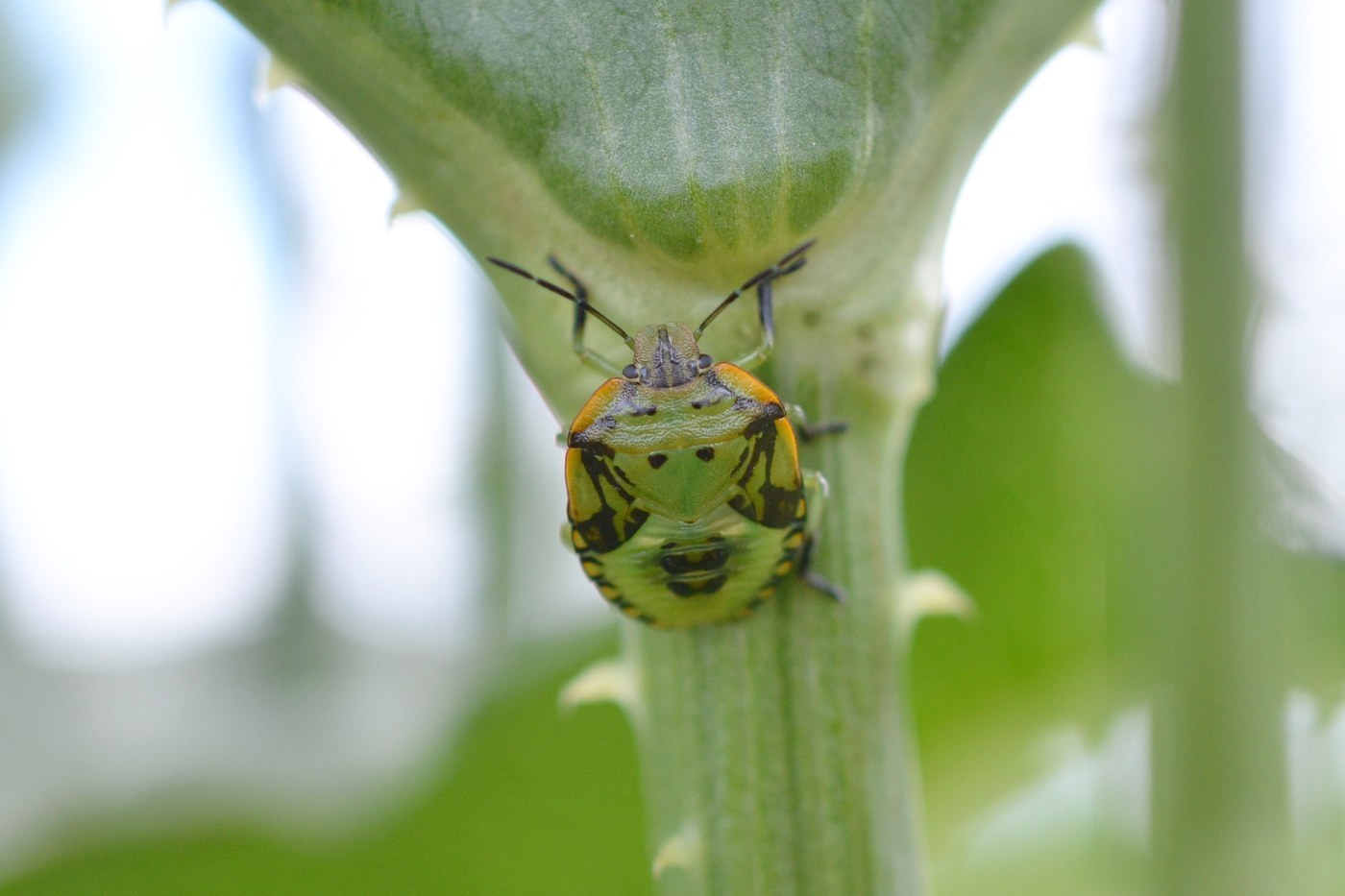
Green Stink Bug
A broad, shield-shaped bug in solid bright green with a shell-like appearance, easily disturbed off host plants and known for releasing a pungent odor when handled.
true-bug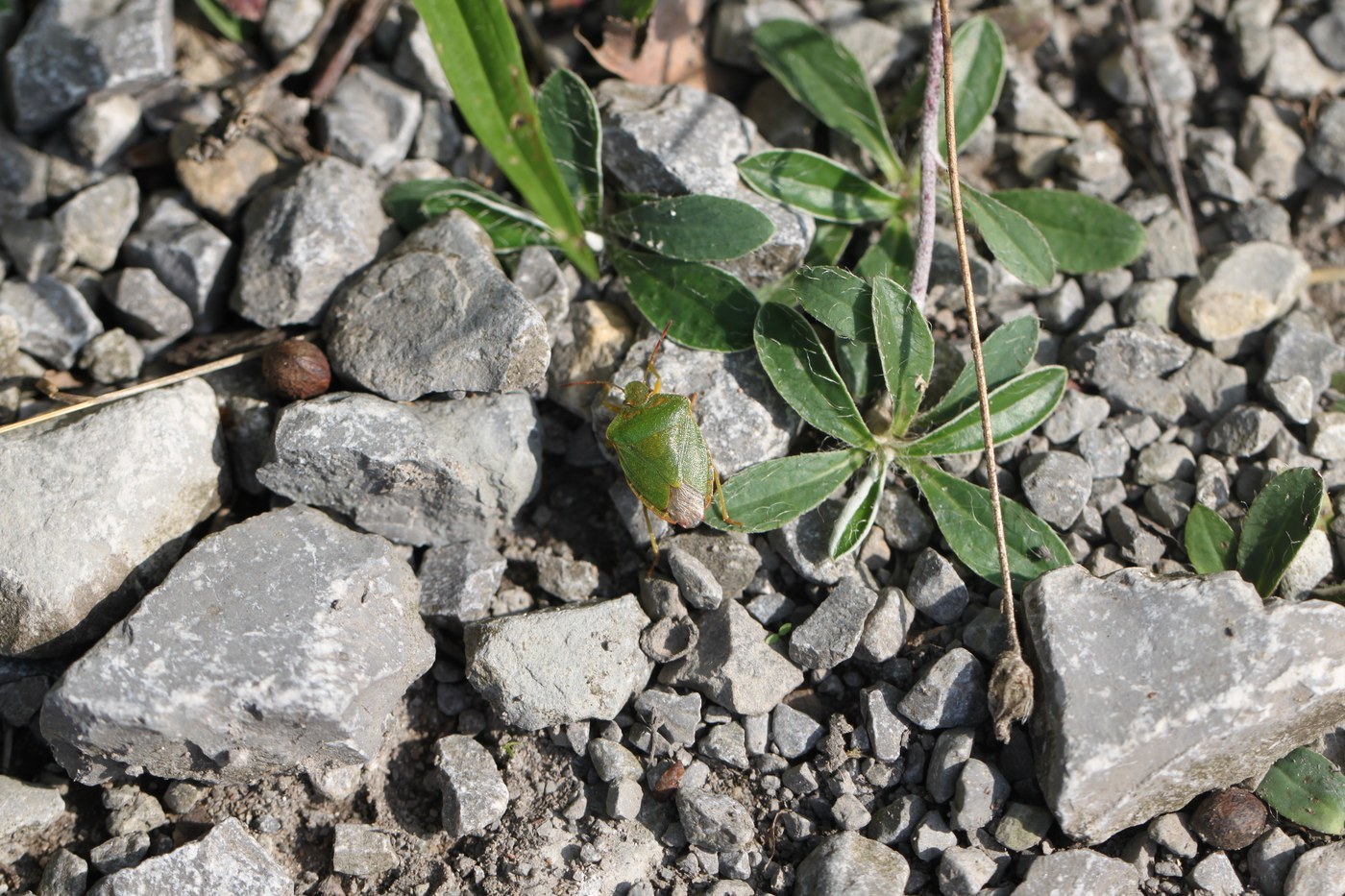
Green Shield Bug
A broad, shield-shaped true bug in solid bright green with a bronzy tinge in autumn, the green shield bug is one of the most commonly encountered stink bugs in European gardens and hedgerows.
true-bug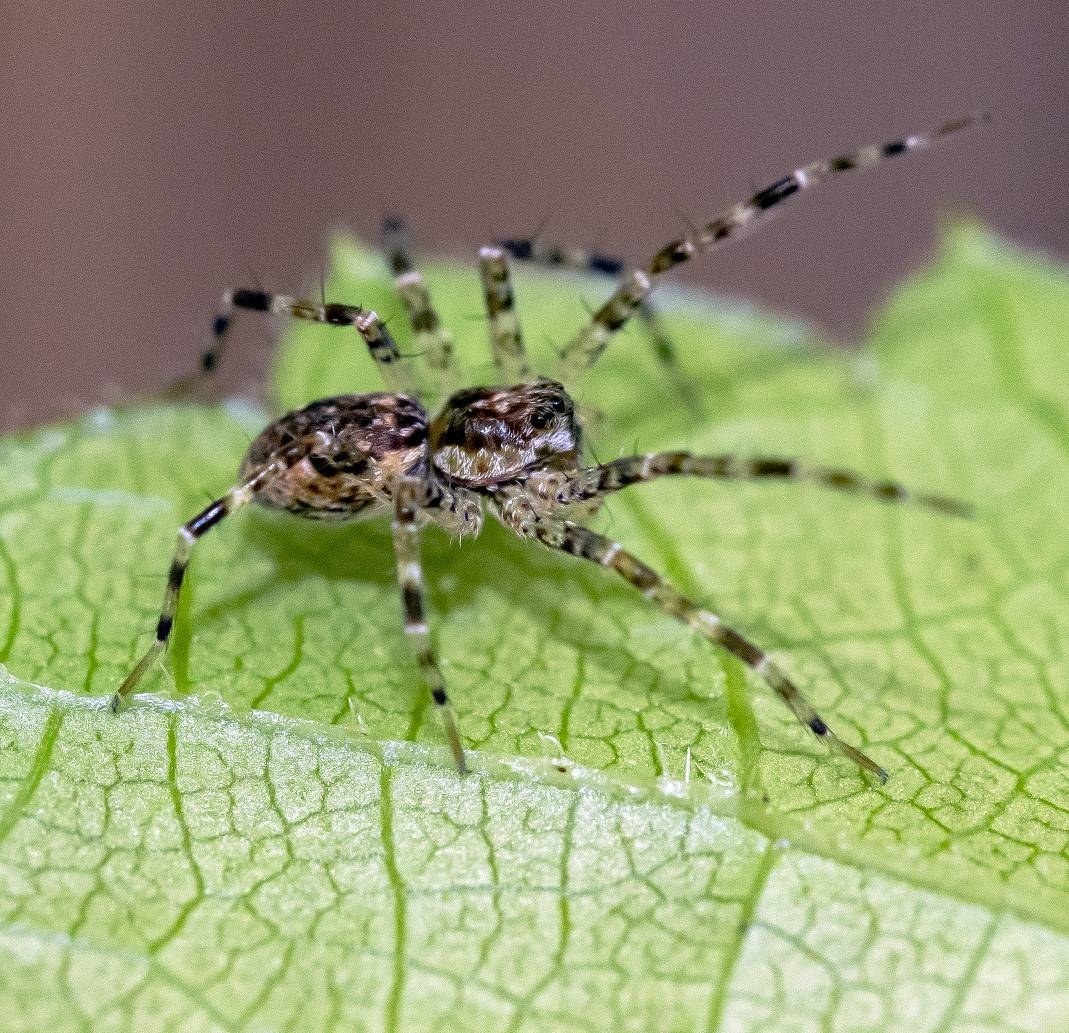
Fishing Spider
One of the largest spiders in North America, the fishing spider can walk on water, dive beneath the surface to escape danger, and ambush small fish and tadpoles with its front legs from the water's edge.
spider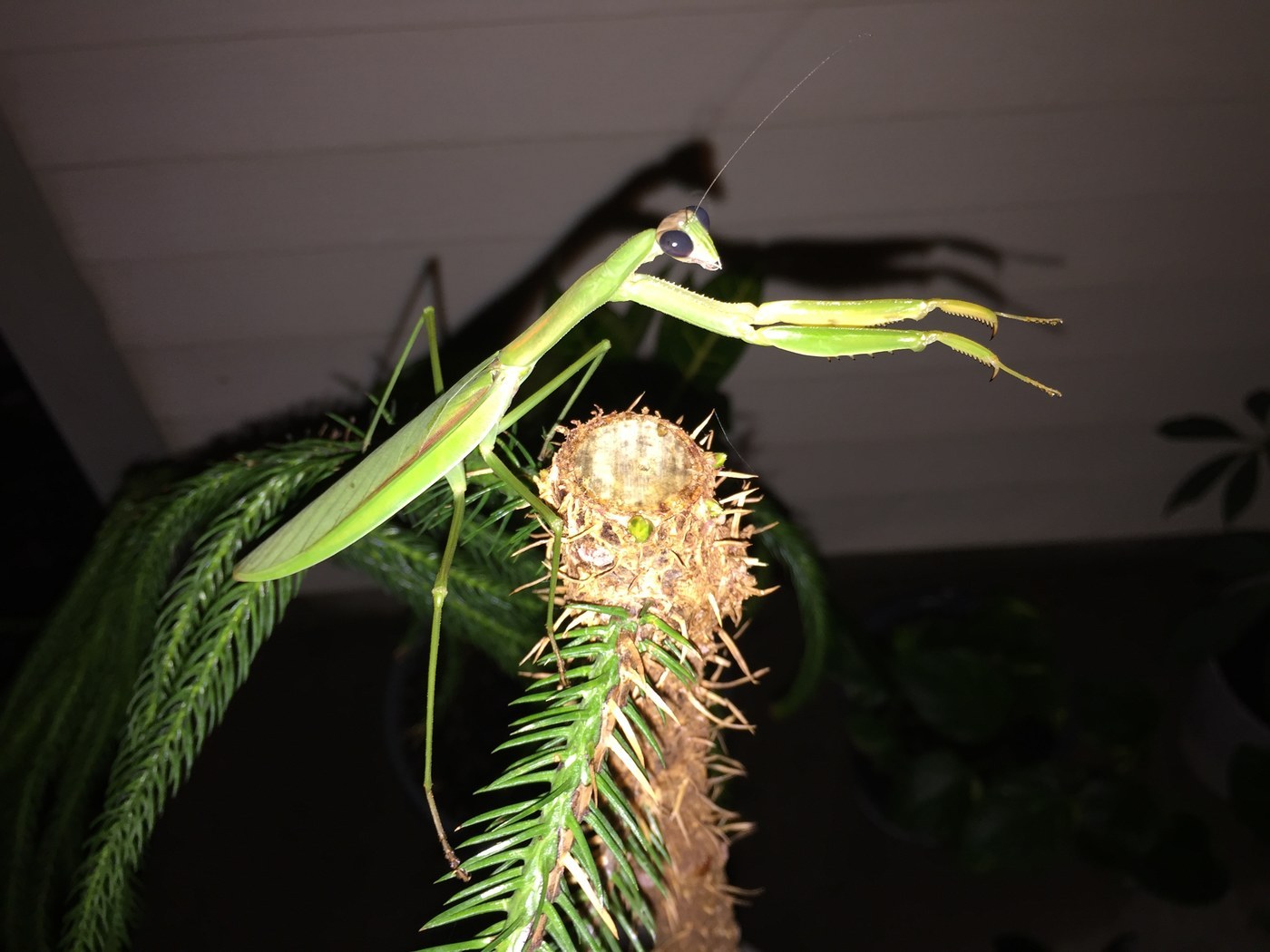
Chinese Mantis
One of the largest praying mantises found in North America, an introduced species with a lean brown-and-green body and grasping spined forelegs built for ambushing insect prey.
mantis-stick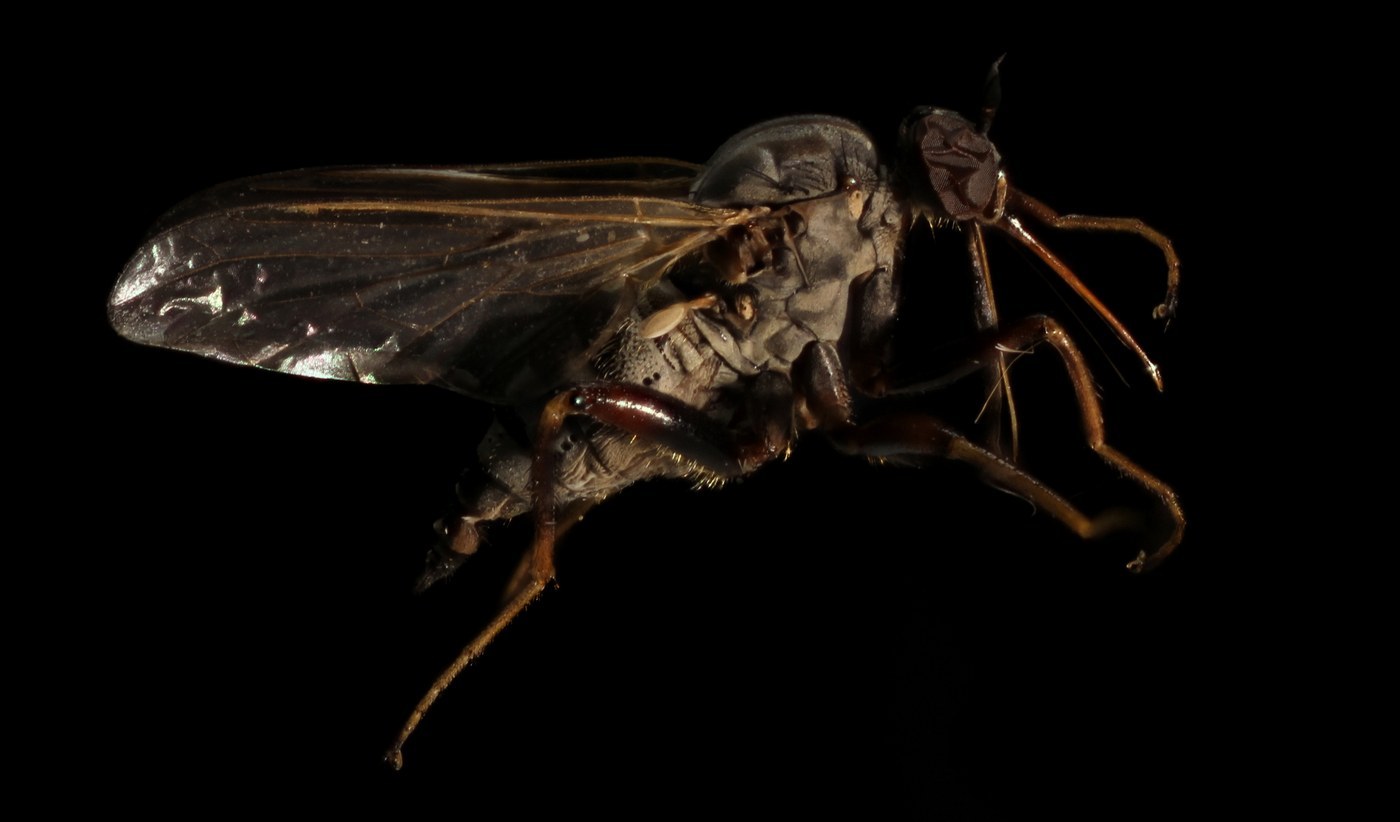
Dance Fly
A slender, long-legged predatory fly named for the swarming courtship dances males perform at dusk, often while carrying a captured insect as an offering.
fly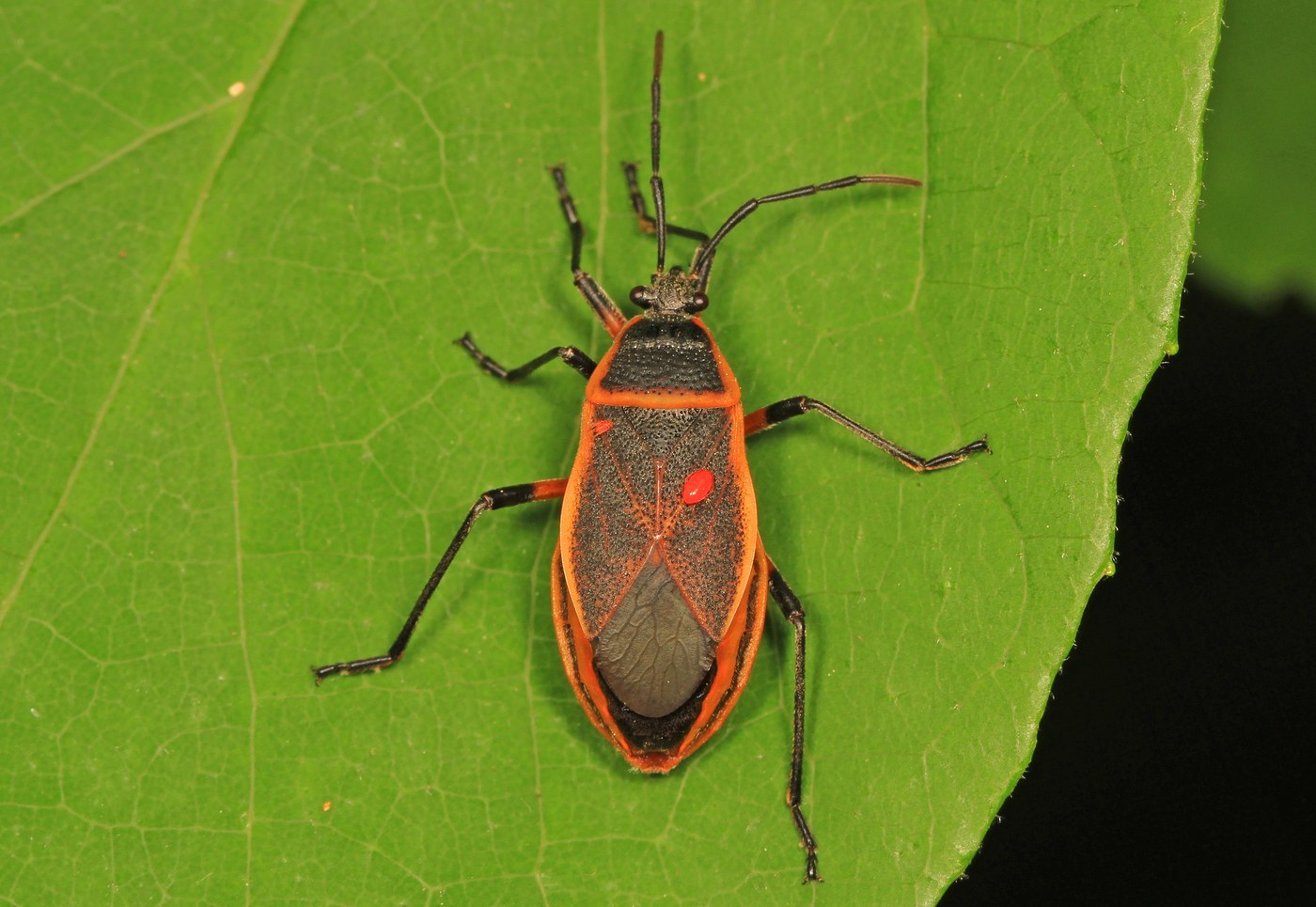
Bordered Plant Bug
A dark, oval-bodied true bug with a distinct pale margin around its wing edges, often mistaken for a large ant or beetle when its nymphs cluster together in tight groups.
true-bug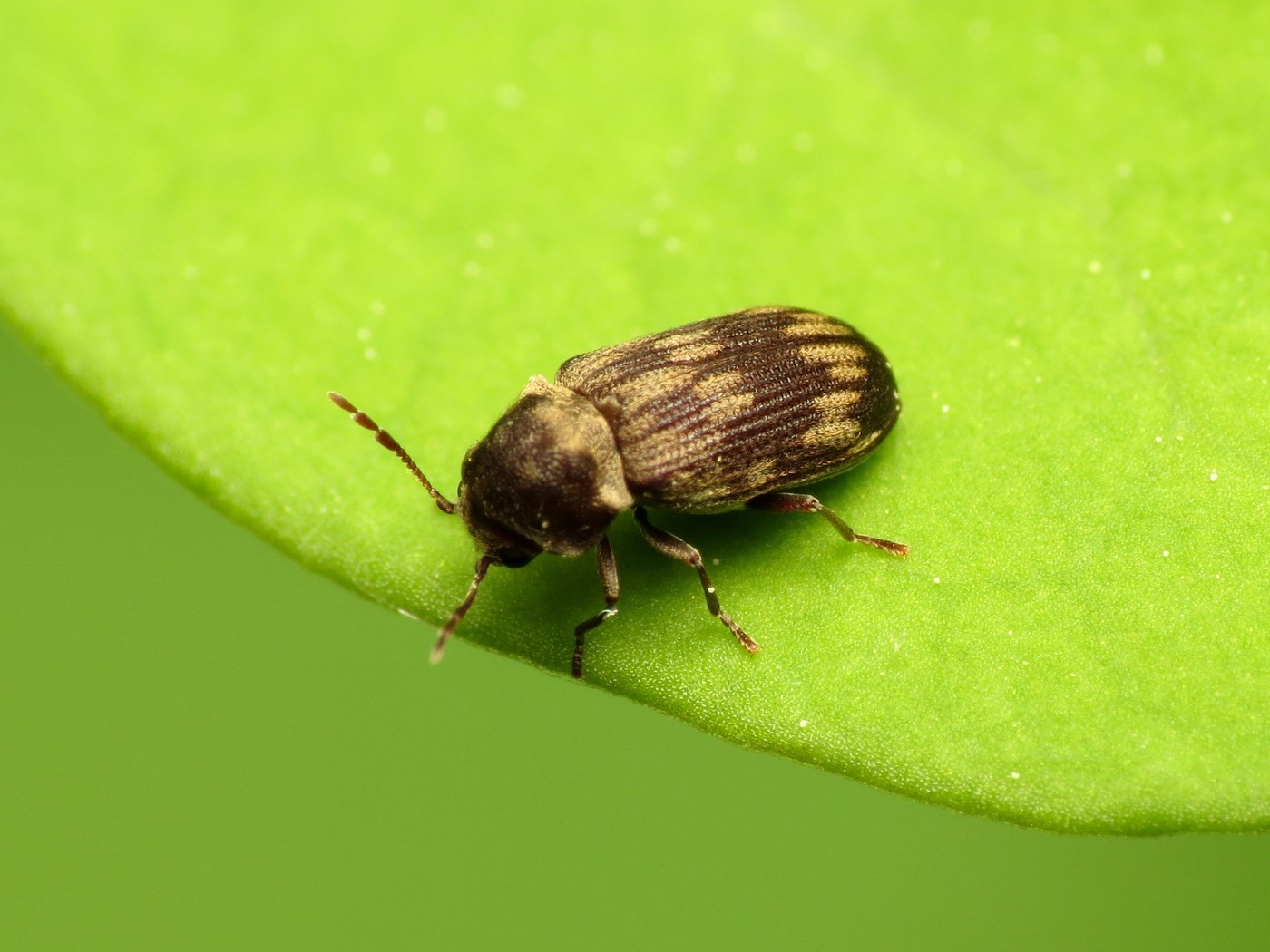
Death Watch Beetle
A mottled brown wood-boring beetle famous for the faint ticking sound it taps out inside old timbers, once thought by superstitious listeners to be an omen of death.
beetle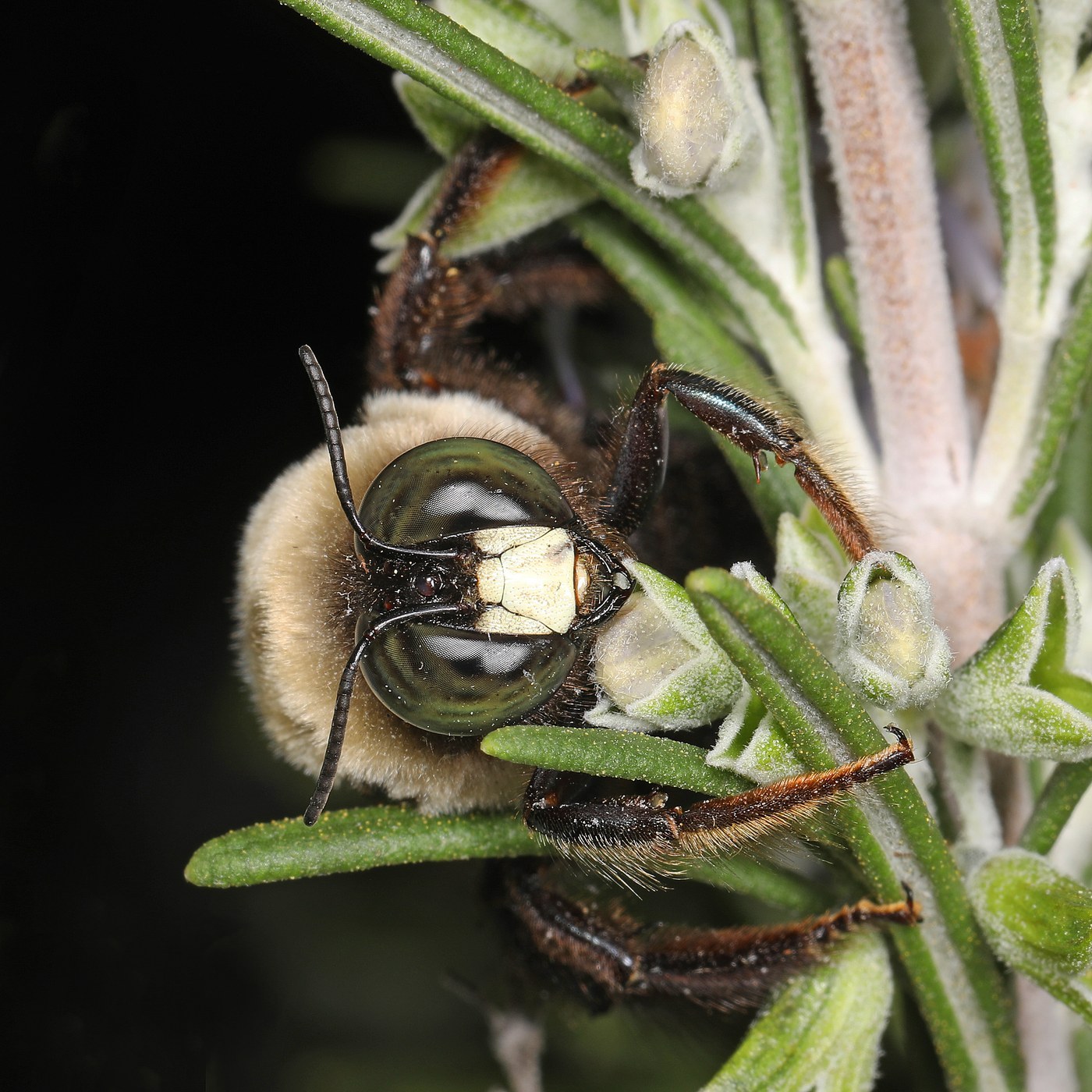
Carpenter Bee
A large, robust bee closely resembling a bumblebee but with a shiny, mostly bald black abdomen, known for excavating tunnel nests into bare, untreated wood.
bee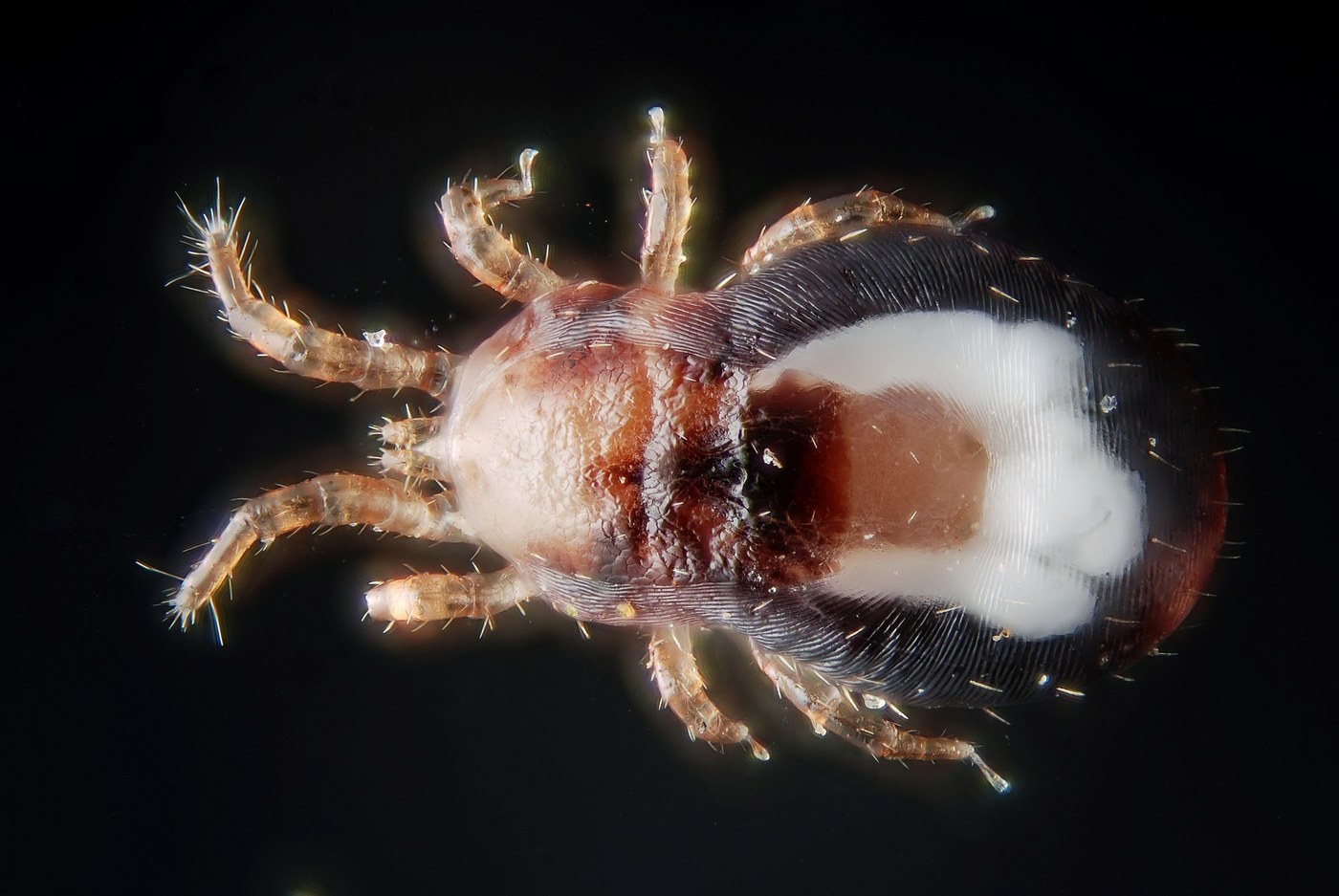
Chicken Mite
A tiny, blood-feeding mite that hides in cracks and crevices of poultry housing by day and emerges at night to feed on roosting birds, turning a dull gray to deep red after a blood meal.
arachnid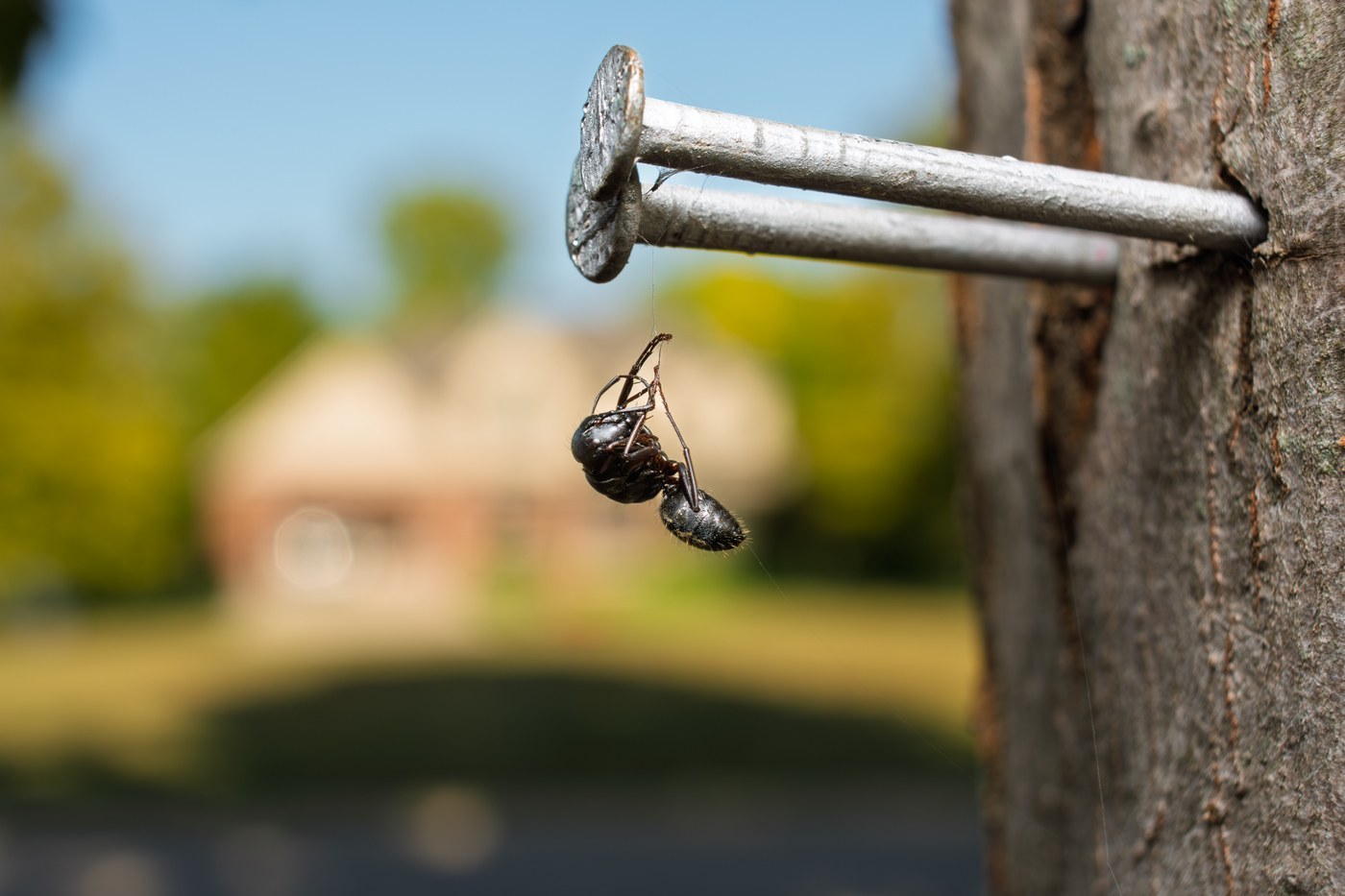
Carpenter Ant
A large, often shiny black ant that excavates smooth tunnels in dead or damp wood for nesting, recognizable by its size, evenly rounded thorax, and elbowed antennae.
ant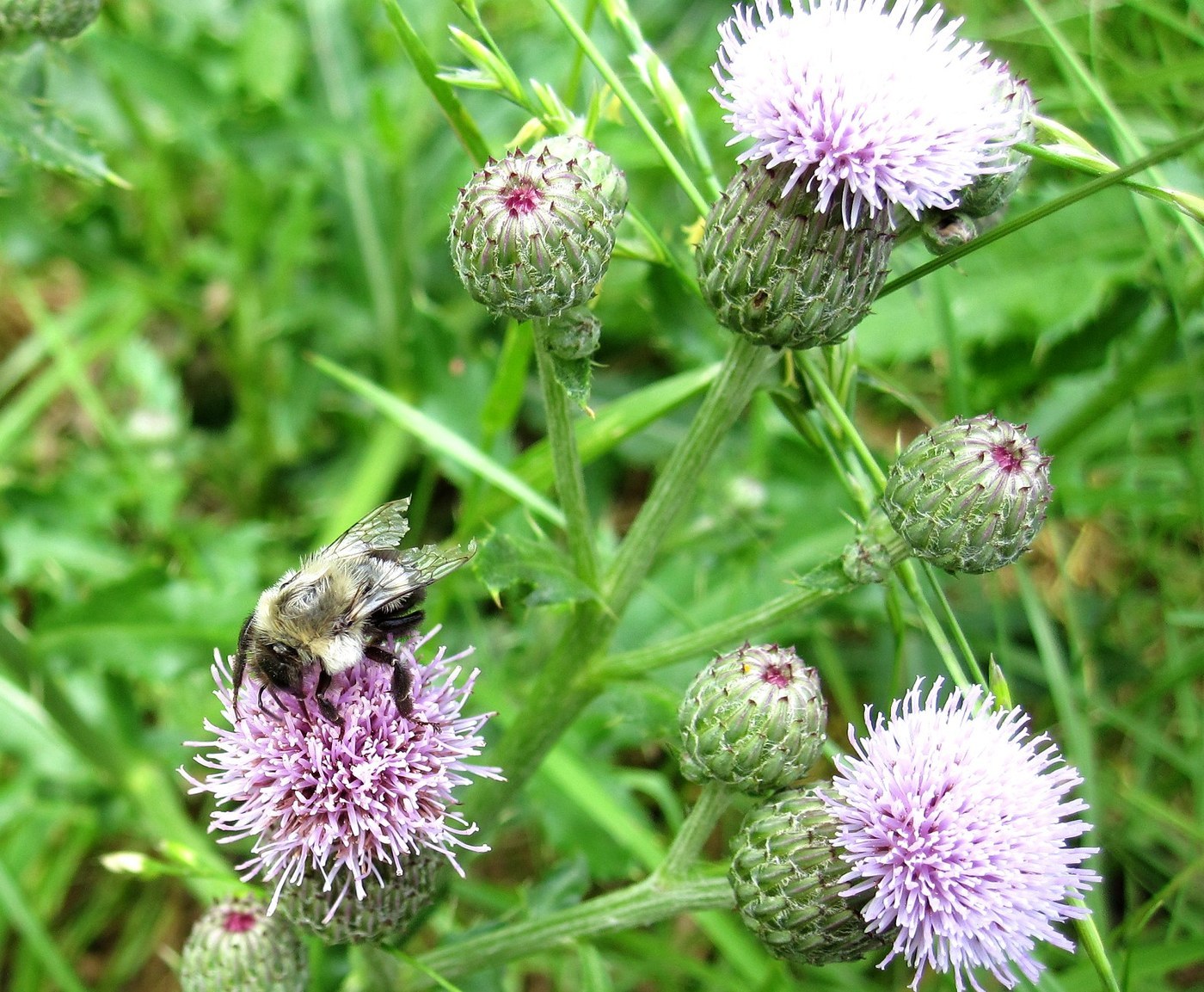
Bumblebee
A large, round, densely furry bee with bold black-and-yellow banding, known for its loud, low-pitched buzz and its ability to fly and forage in cooler temperatures than most other bees.
bee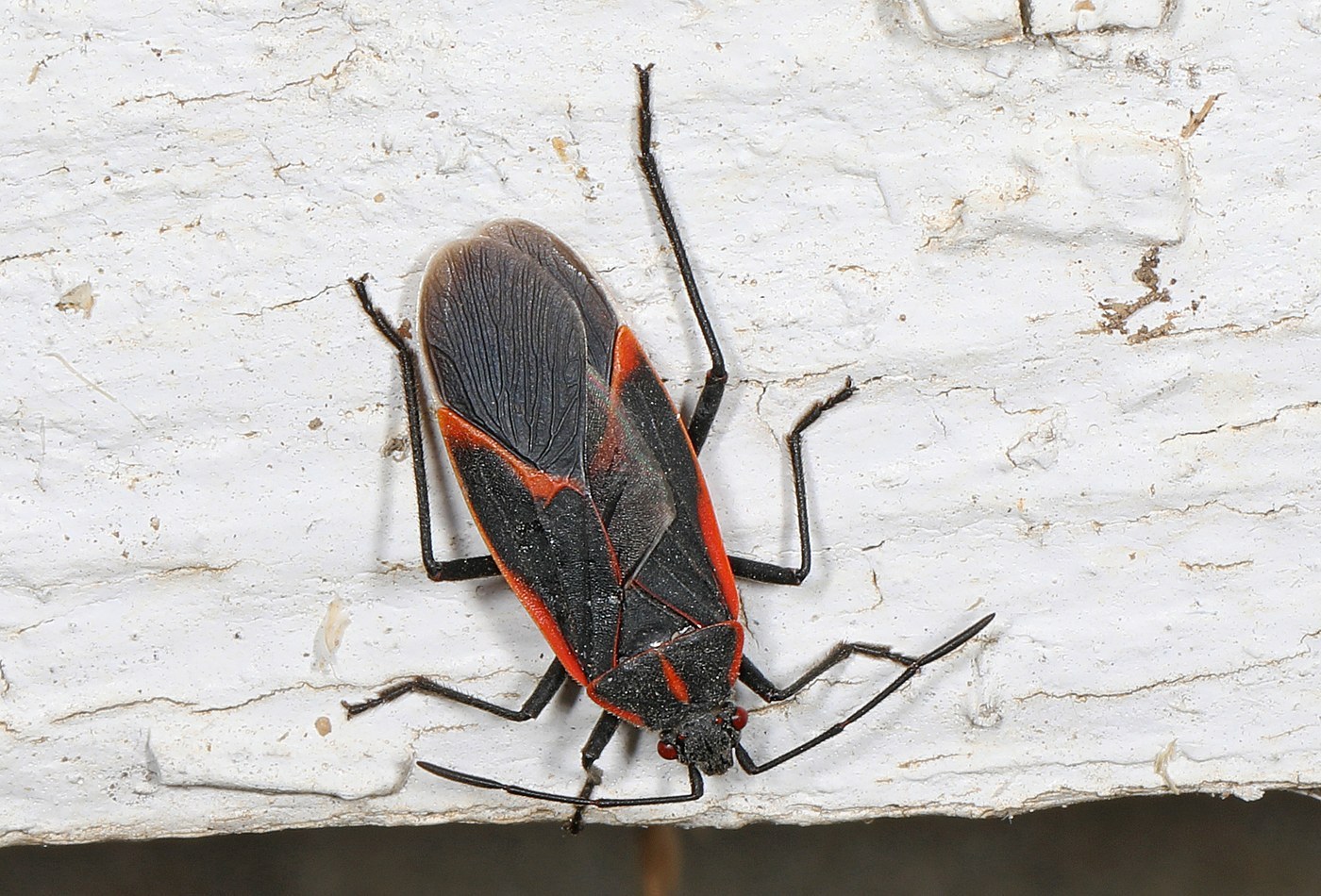
Boxelder Bug
A slender black true bug marked with three bold red-orange stripes on its thorax and red wing veins, famous for massing by the hundreds on tree trunks and sun-warmed walls in autumn.
true-bug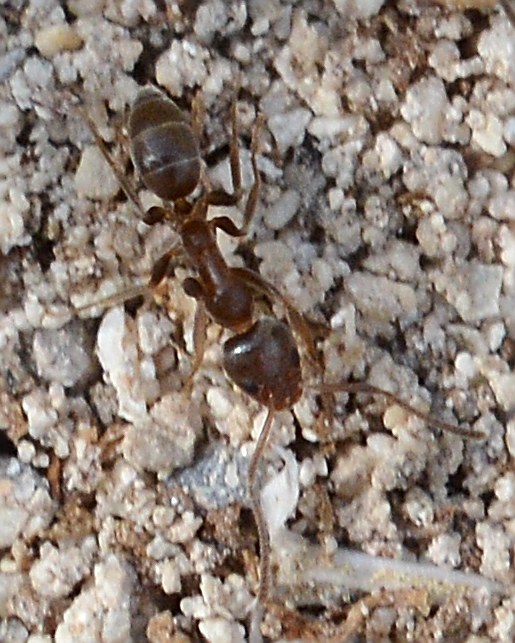
Argentine Ant
A small, uniformly light-brown ant that forms enormous, cooperative supercolonies stretching across entire regions rather than defending small individual nests.
ant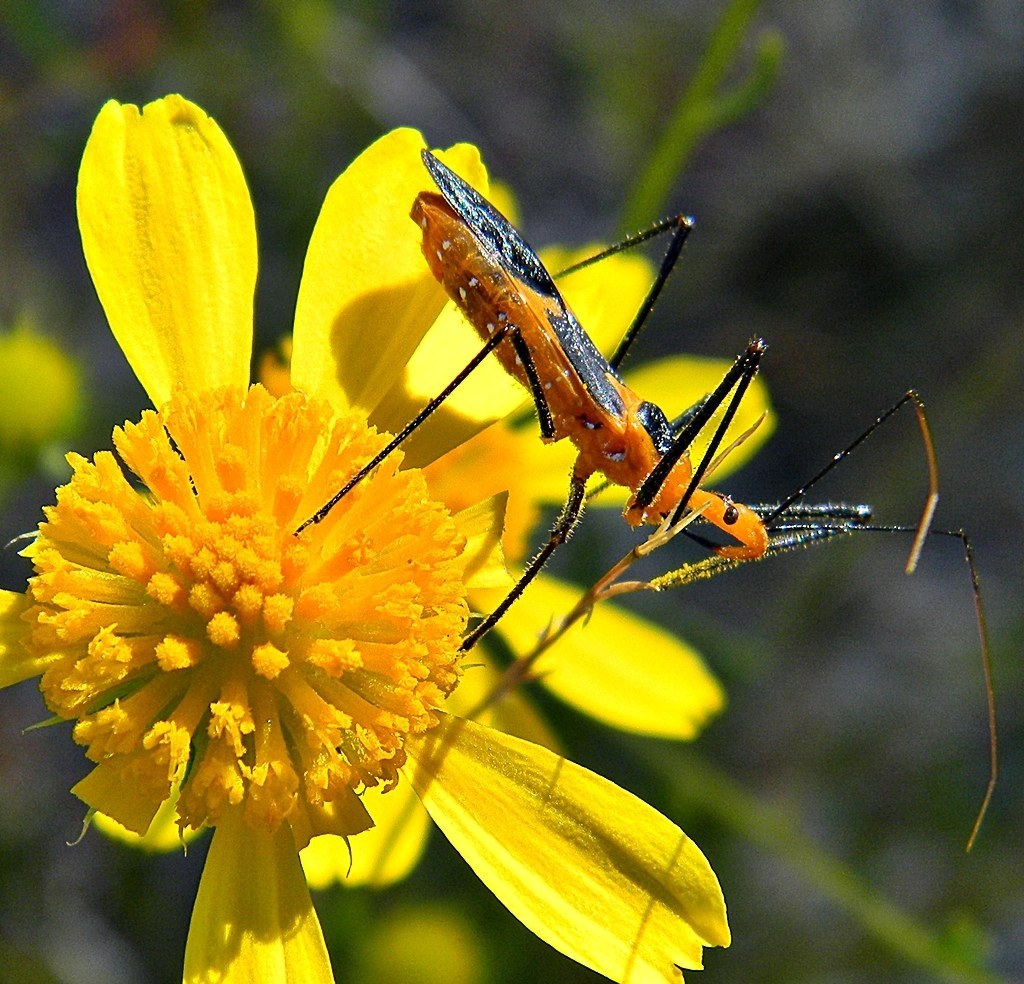
Assassin Bug
A slender, long-legged predatory true bug with a curved, needle-like beak used to ambush and pierce other insects, often patterned in bold orange, black, or red warning colors.
true-bug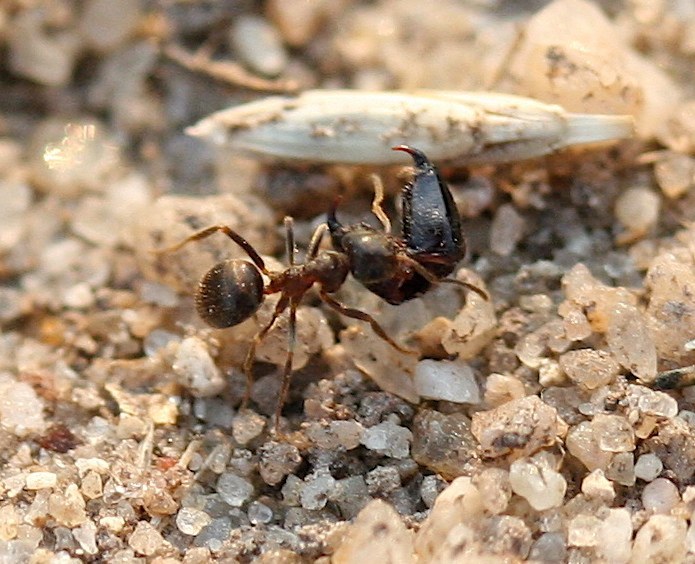
Ant
A small eusocial insect that lives in highly organized colonies, instantly recognizable by its narrow pinched waist, elbowed antennae, and single-file foraging trails.
ant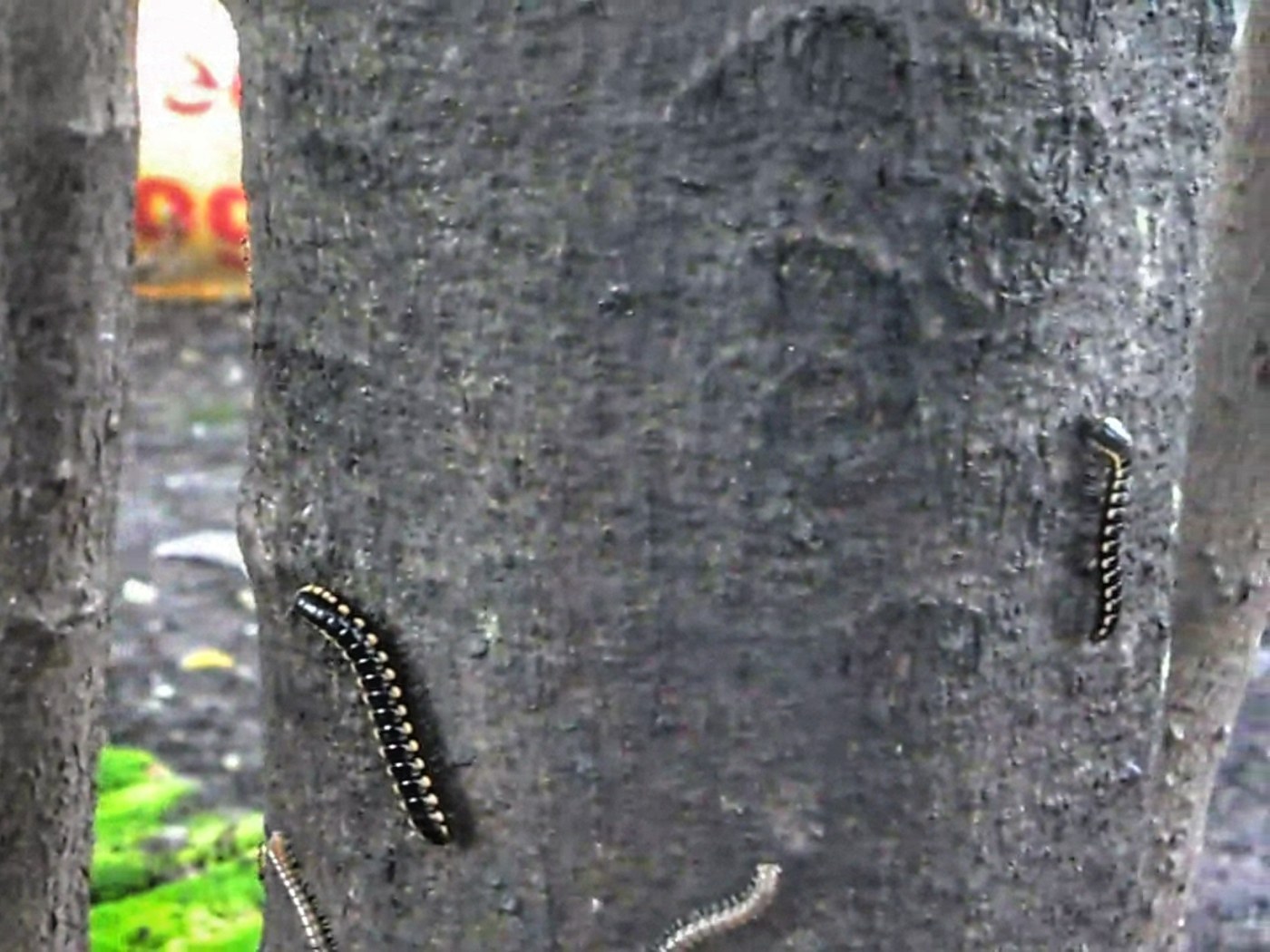
Yellow-spotted Millipede
A striking black millipede lined with bright yellow-orange spots along its flanks, one of the most recognizable invertebrates of the Pacific coast's damp forest floors.
myriapod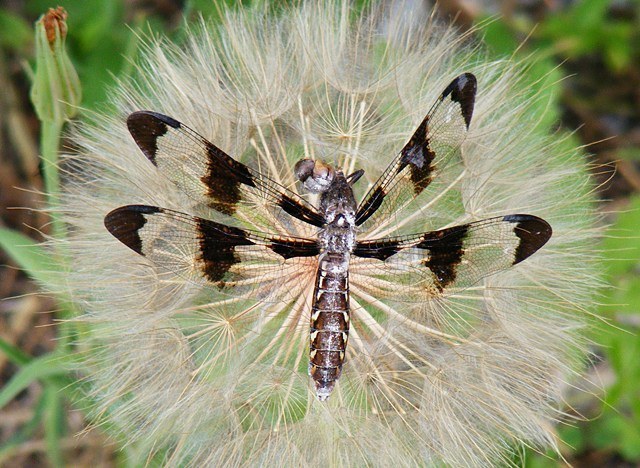
Twelve-spotted Skimmer
A big, boldly patterned skimmer whose wings each carry three chocolate-brown patches, and whose mature males add chalky white flashes between them for a striking black-and-white flicker in flight.
dragonflyTent Caterpillar
A social, blue-striped caterpillar that builds a conspicuous silken tent in the fork of a tree branch, sheltering large colonies of siblings that emerge together to feed on leaves.
caterpillar-larva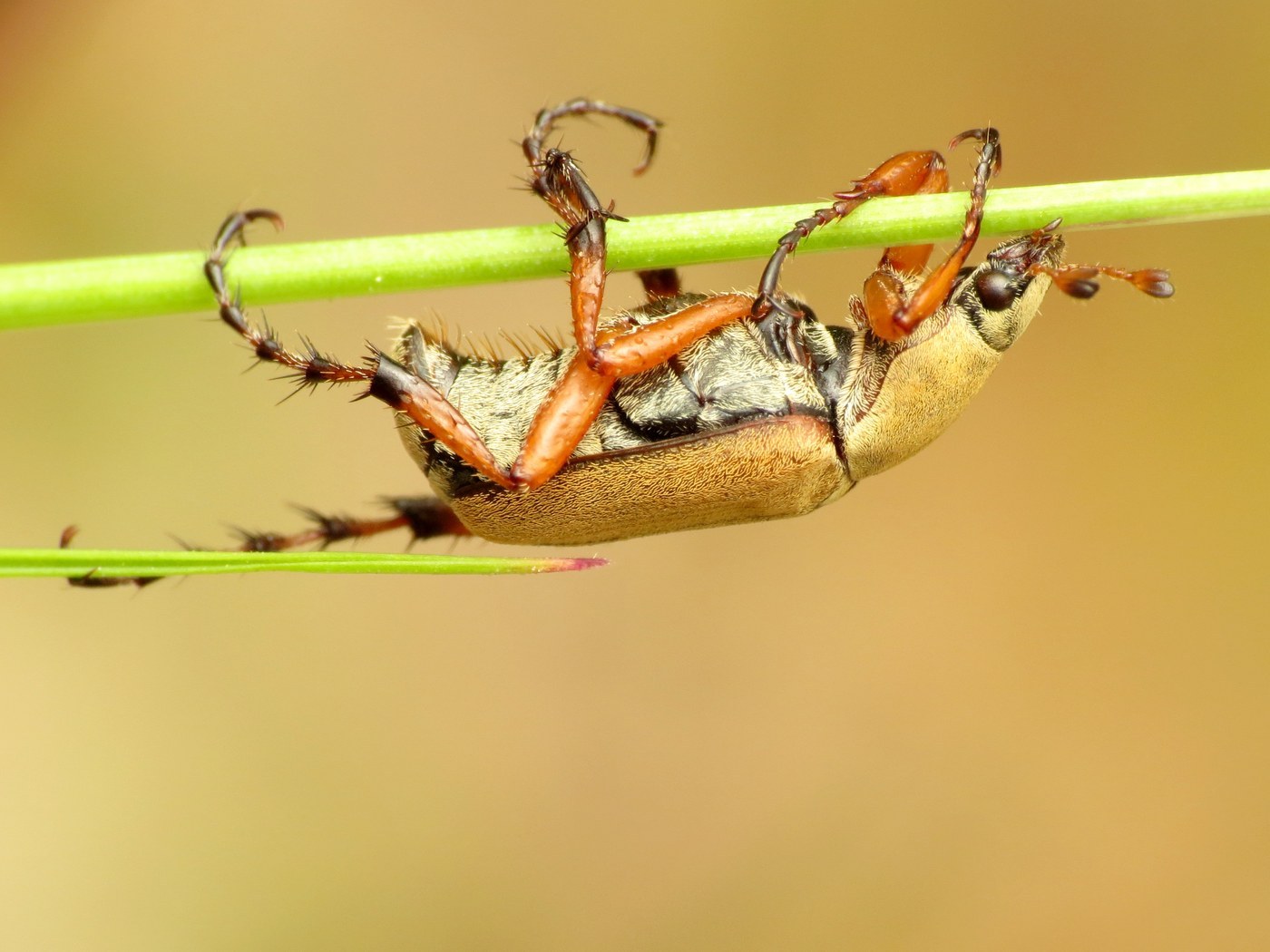
Rose Chafer
A slender, tan, long-legged scarab beetle that gathers in swarms on rose blossoms and other flowers in late spring, chewing petals and foliage into a lacy, skeletonized pattern.
beetleSpotted Camel Cricket
A wingless, humpbacked cricket relative with mottled markings and enormous hind legs, more often found lurking in damp basements and cellars than singing in a meadow.
grasshopper-cricketRecluse Spider
A pale, unassuming spider recognized by its dark violin-shaped marking and unusual six-eyed arrangement, spending most of its time hidden in quiet, undisturbed corners.
spider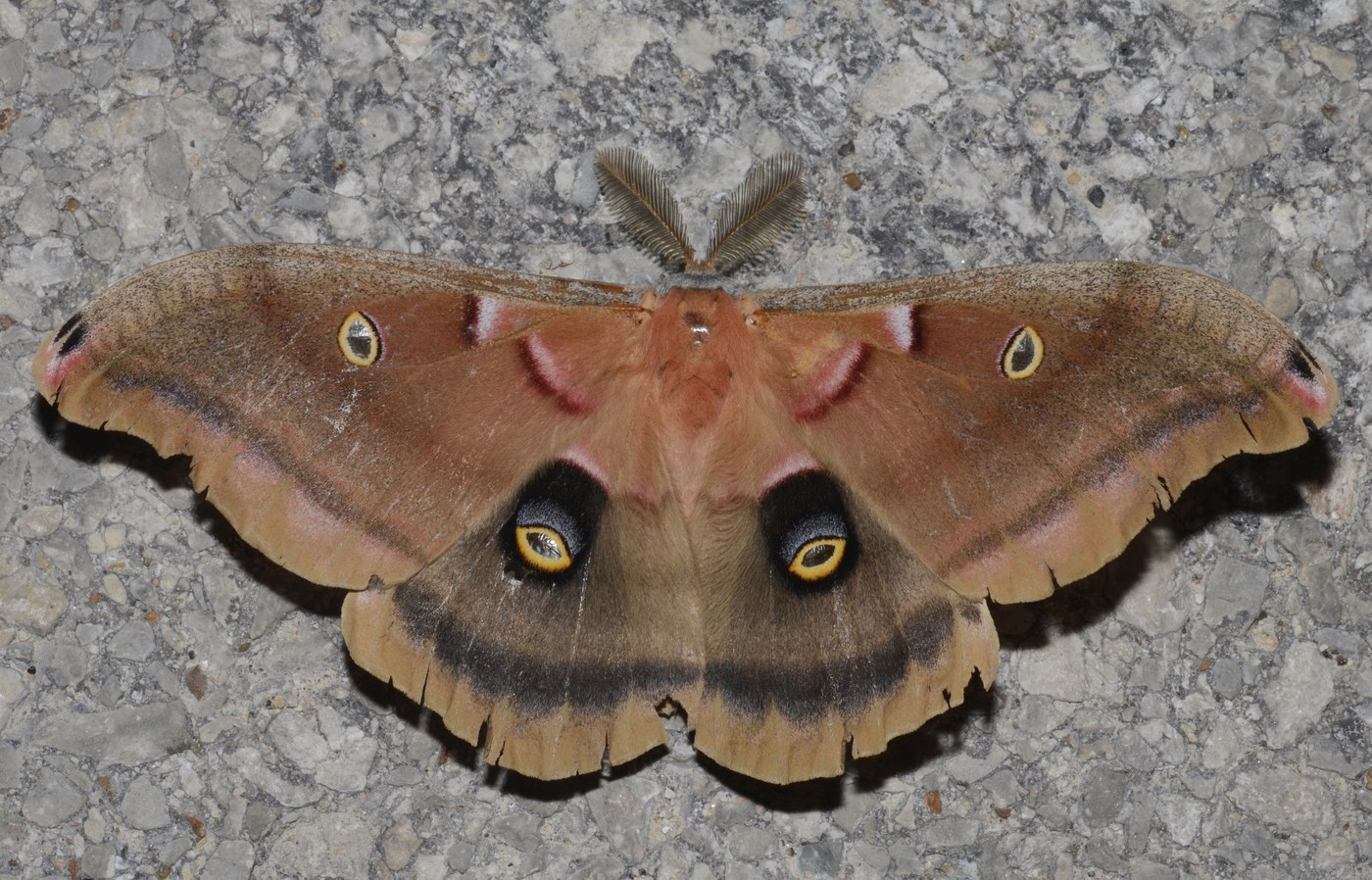
Polyphemus Moth
A large tan-to-golden-brown silkmoth named for the mythological one-eyed giant, thanks to the single large, transparent eyespot on each hindwing that flashes into view when the moth is startled.
moth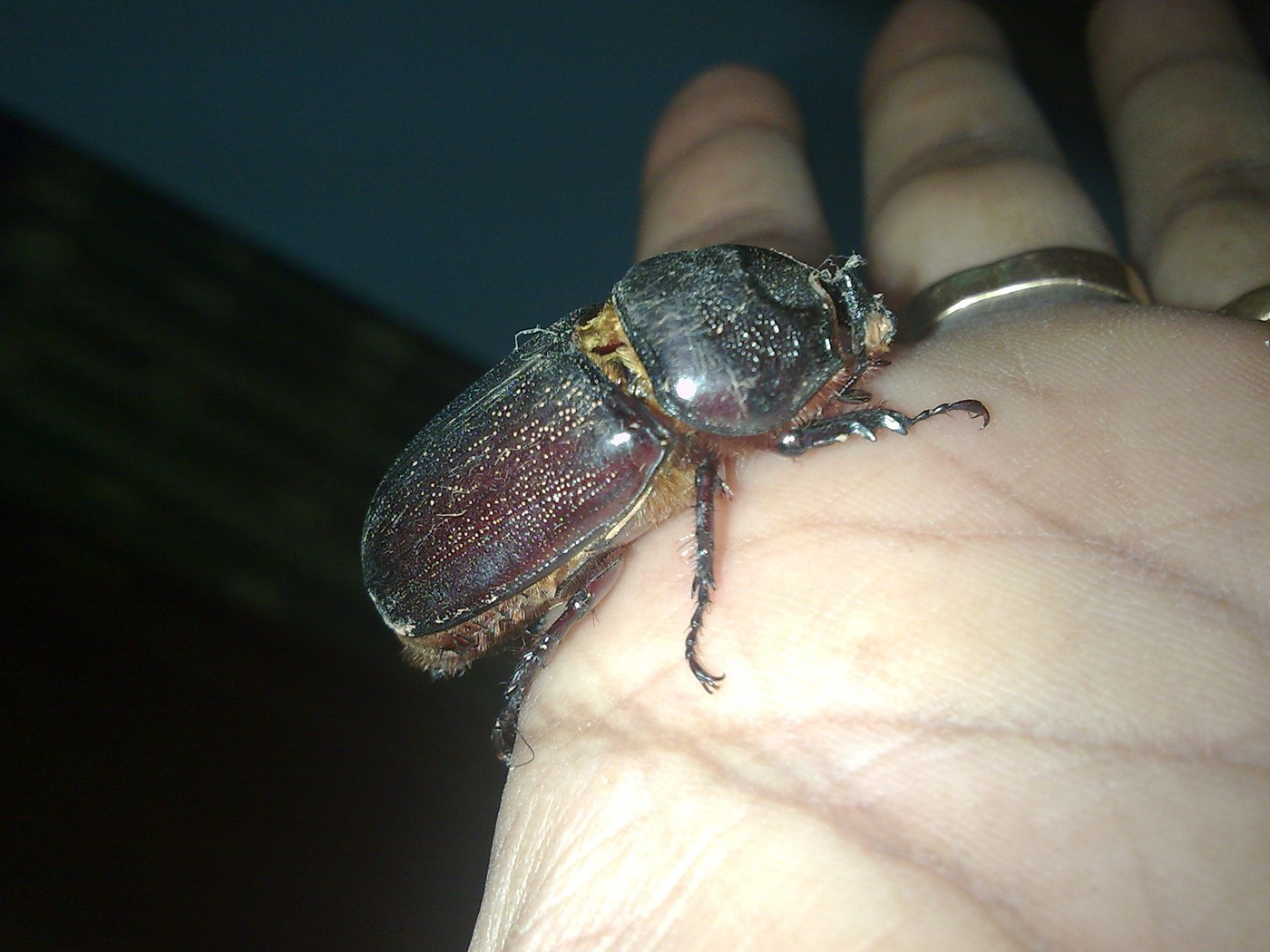
Rhinoceros Beetle
A massive, heavily armored beetle whose males sport a single large, curved horn projecting forward from the head, used to shove and flip rival males in contests of strength.
beetle