
Bug Encyclopedia
Search and identify bugs & insects — beetles, butterflies, moths, ants, bees, spiders and more — with size, habitat, danger, behavior, and how to tell them apart.
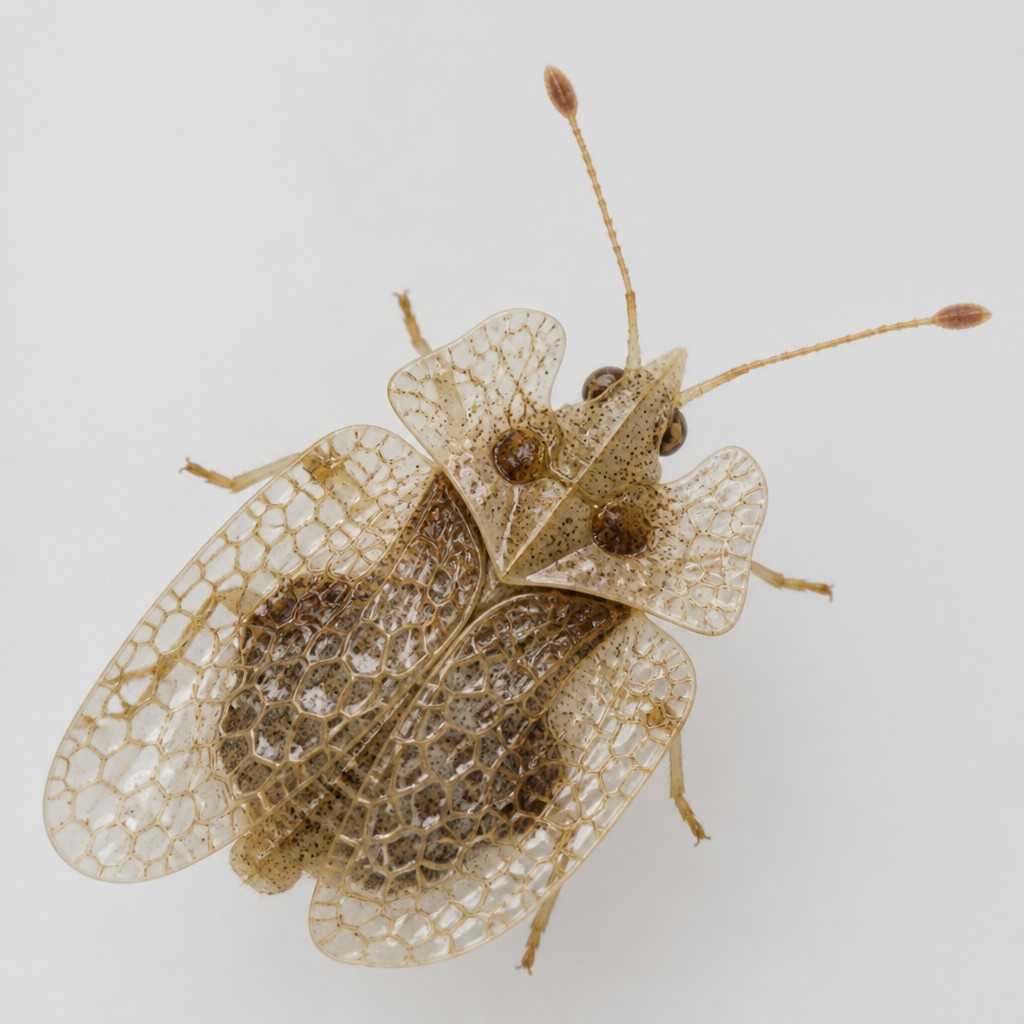
Lace Bug
A tiny, flattened true bug with delicately sculpted, lace-like wings resembling fine netting, the lace bug feeds in colonies on the undersides of leaves, leaving a stippled, bleached pattern on foliage.
true-bug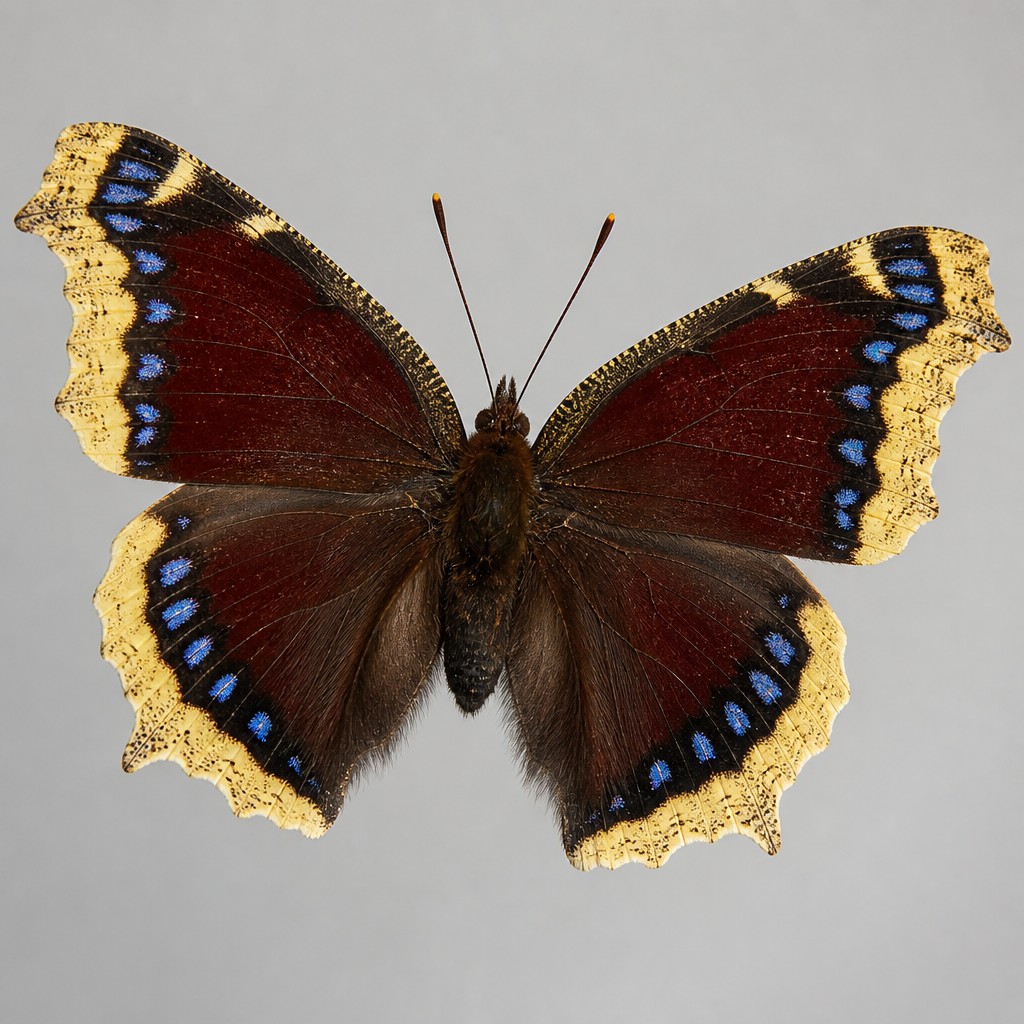
Mourning Cloak Butterfly
A deep maroon-brown butterfly bordered with a cream-yellow band and a row of iridescent blue spots, unusual among butterflies for overwintering as an adult and being one of the first to appear in early spring.
butterfly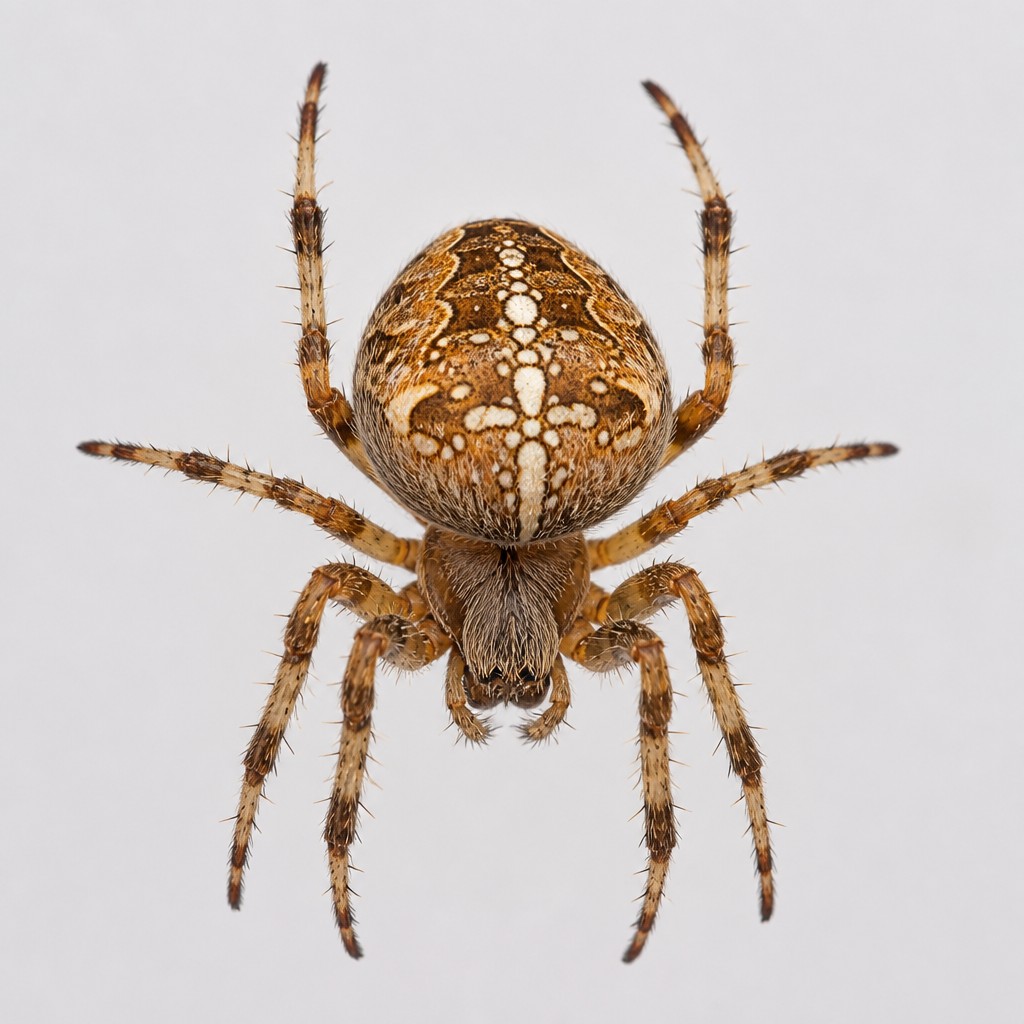
Cross Orbweaver
Named for the pale cross of dots marking its rounded abdomen, the cross orbweaver spins one of the most classic wheel-shaped webs, rebuilding it fresh nearly every night to keep its silk sticky and effective.
spider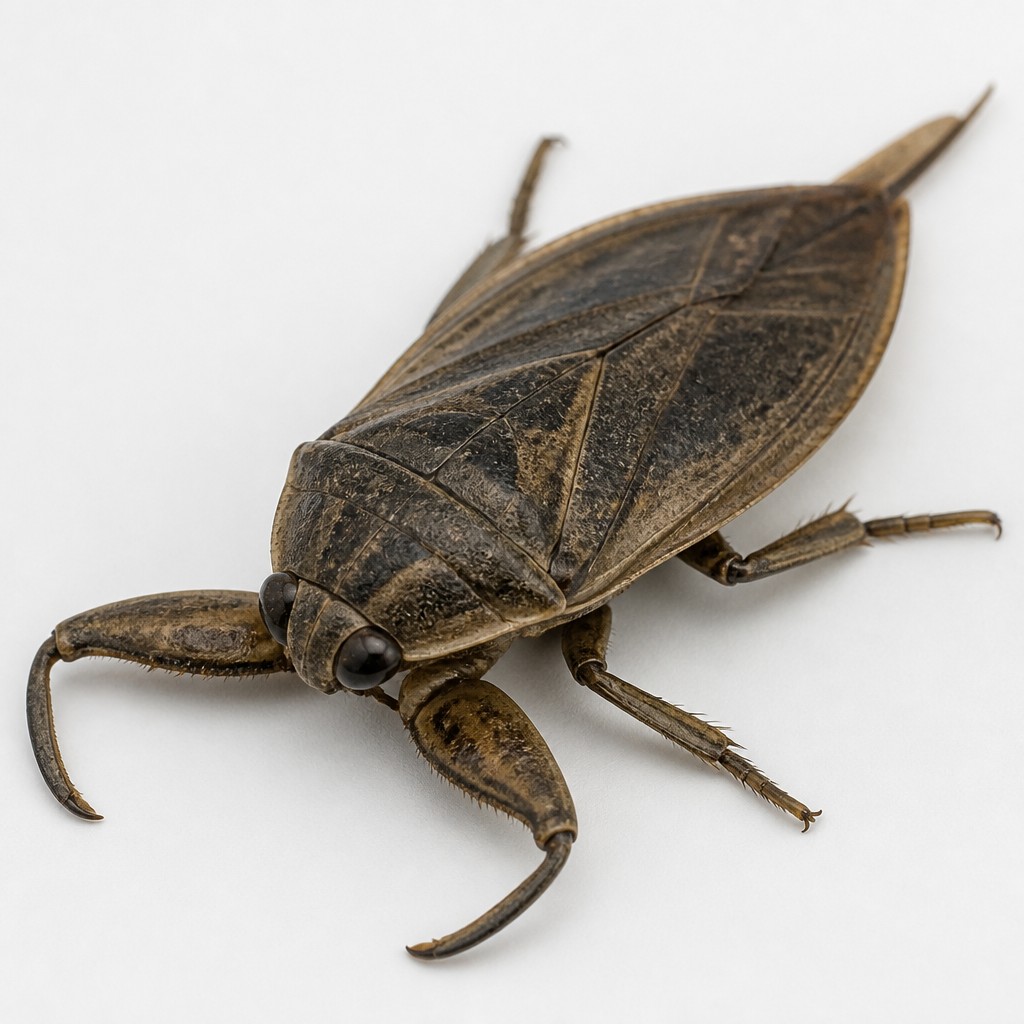
Giant Water Bug
A massive, flattened oval true bug with powerful grasping front legs, the giant water bug is North America's largest aquatic insect and an ambush predator lurking just below the surface of still water.
aquatic-insect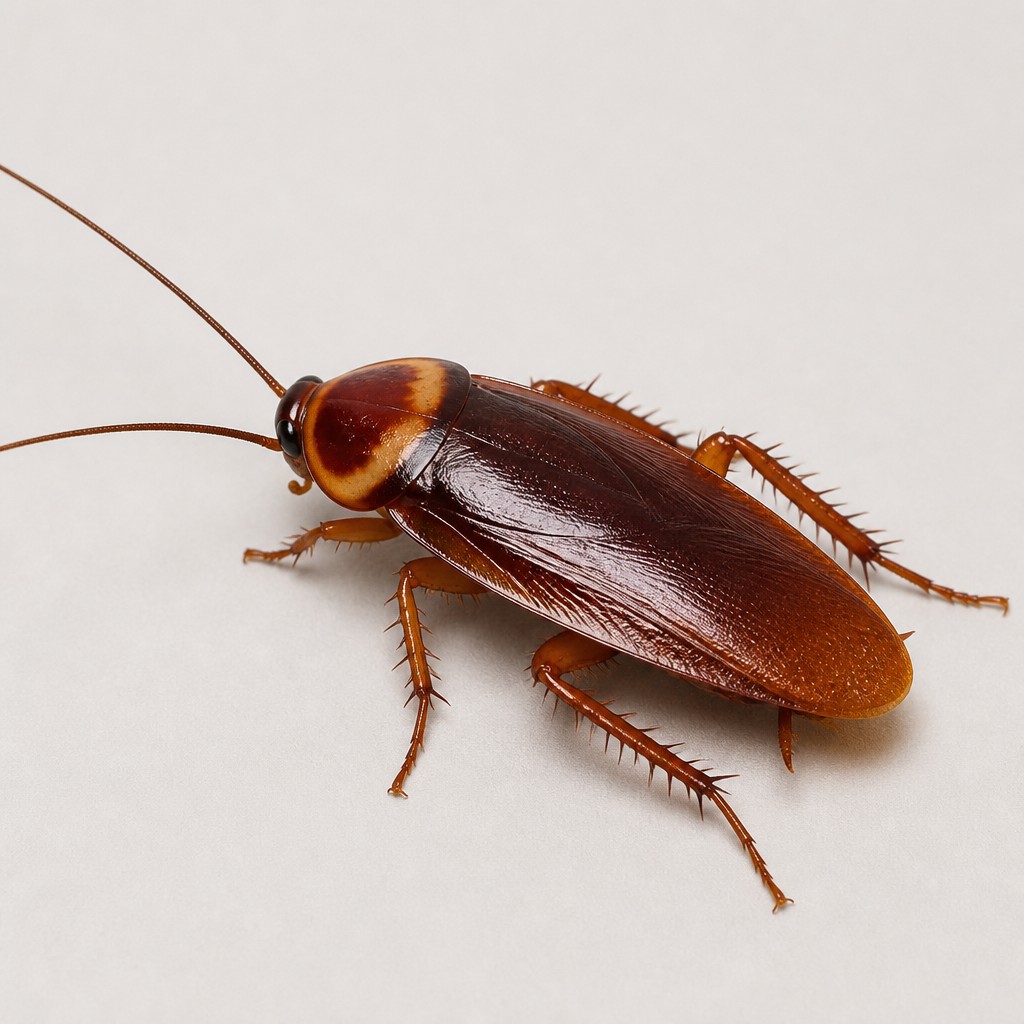
American Cockroach
The largest common house-infesting cockroach, a reddish-brown, glossy insect with long antennae and a pale yellowish band edging the shield behind its head, capable of both fast running and short bursts of flight.
other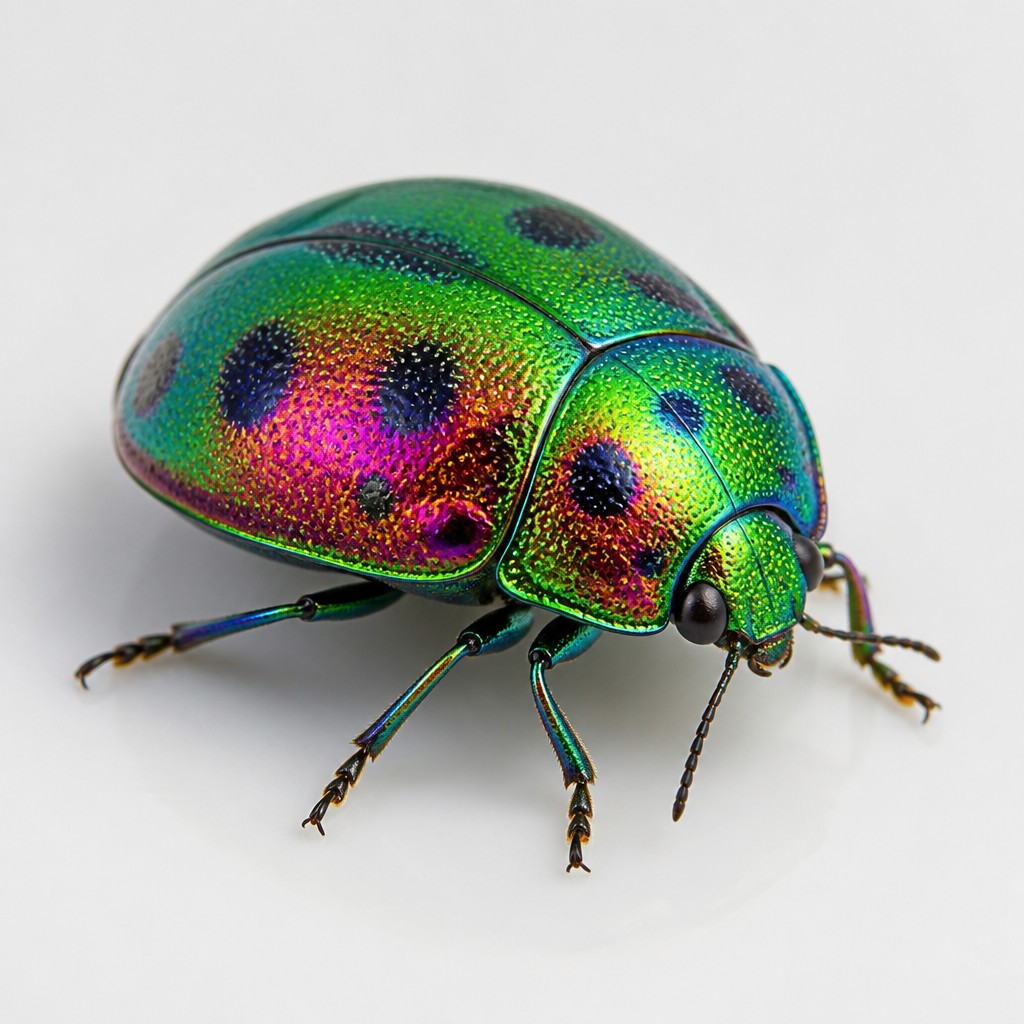
Jewel Bug
A living gemstone of the insect world, the jewel bug shimmers in dazzling metallic greens, blues, reds, and golds. Its enlarged shield-like back covers the entire body, making it look like a polished piece of enamelware.
true-bug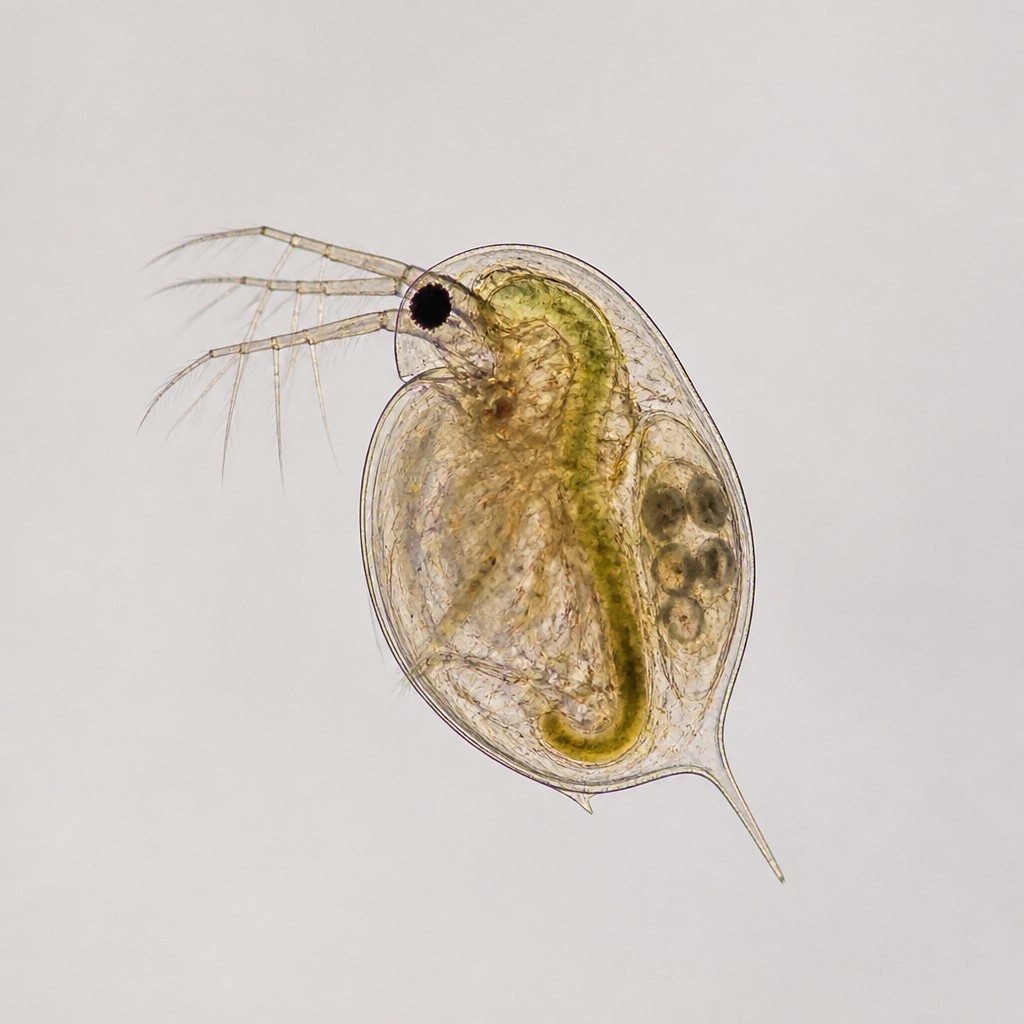
Water Flea
Despite the name, the water flea is not an insect at all but a tiny, jerky-swimming crustacean whose transparent body and single dark eye make it one of the most recognizable members of freshwater plankton.
other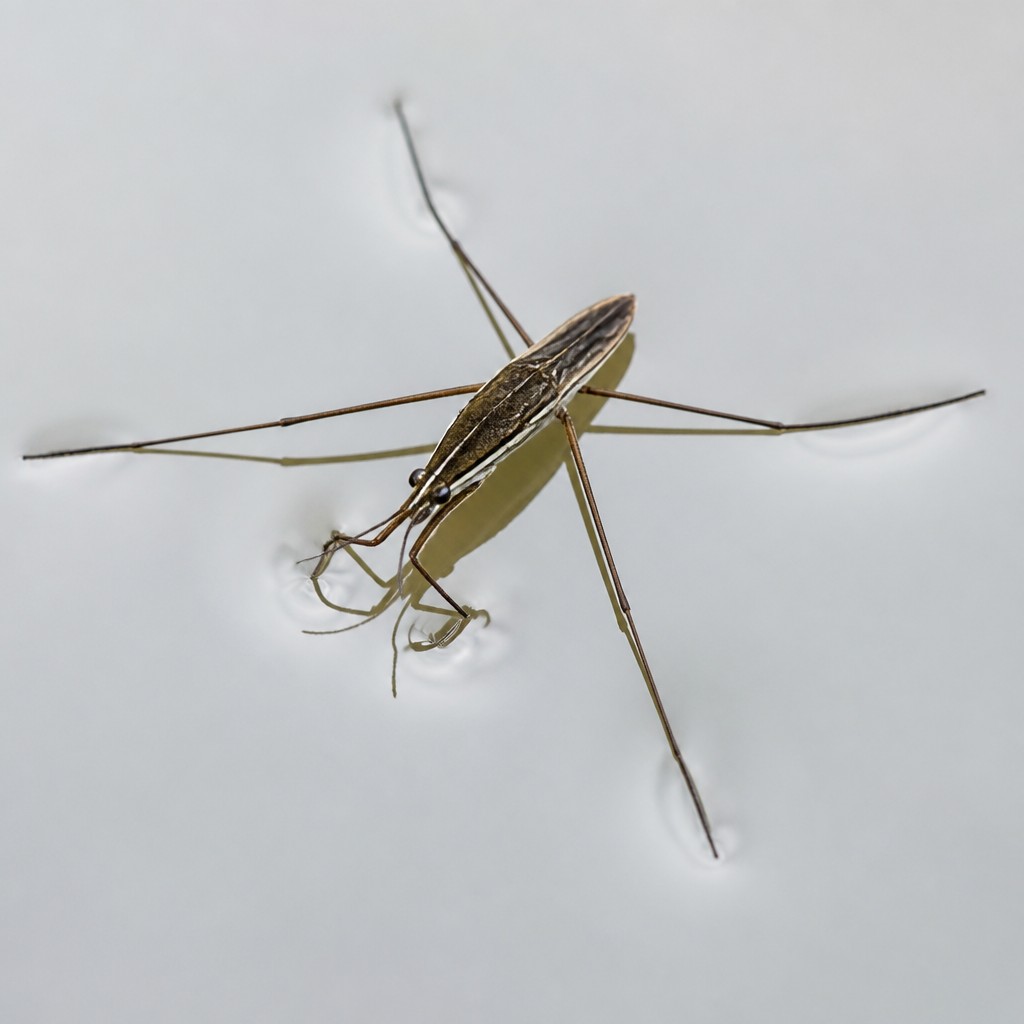
Pond Skater
Skimming effortlessly across the surface of still water on long, spindly legs, the pond skater uses ripples to detect struggling insects, which it seizes and pierces with needle-like mouthparts.
true-bug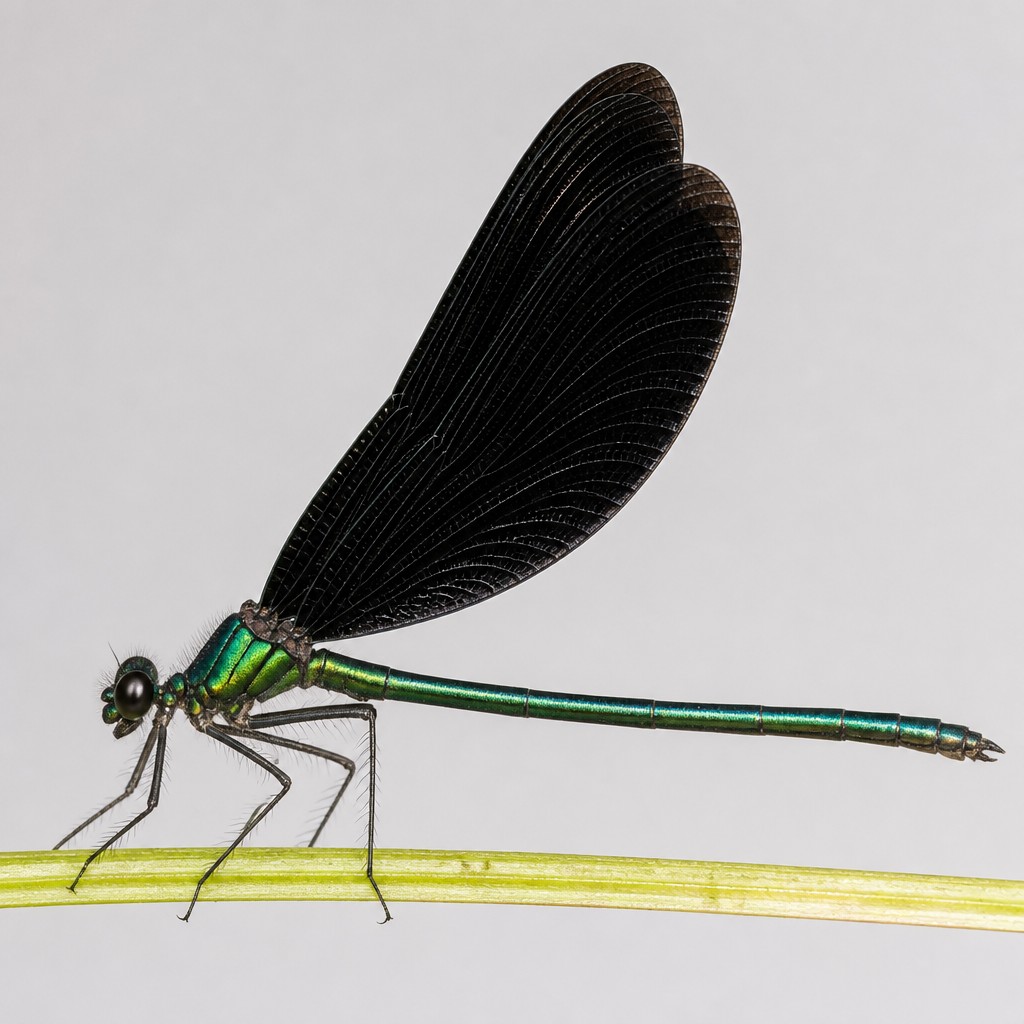
Ebony Jewelwing Damselfly
With a metallic emerald body and wings of solid inky black, the ebony jewelwing flutters like a delicate butterfly along shaded forest streams rather than darting like most other damselflies.
dragonfly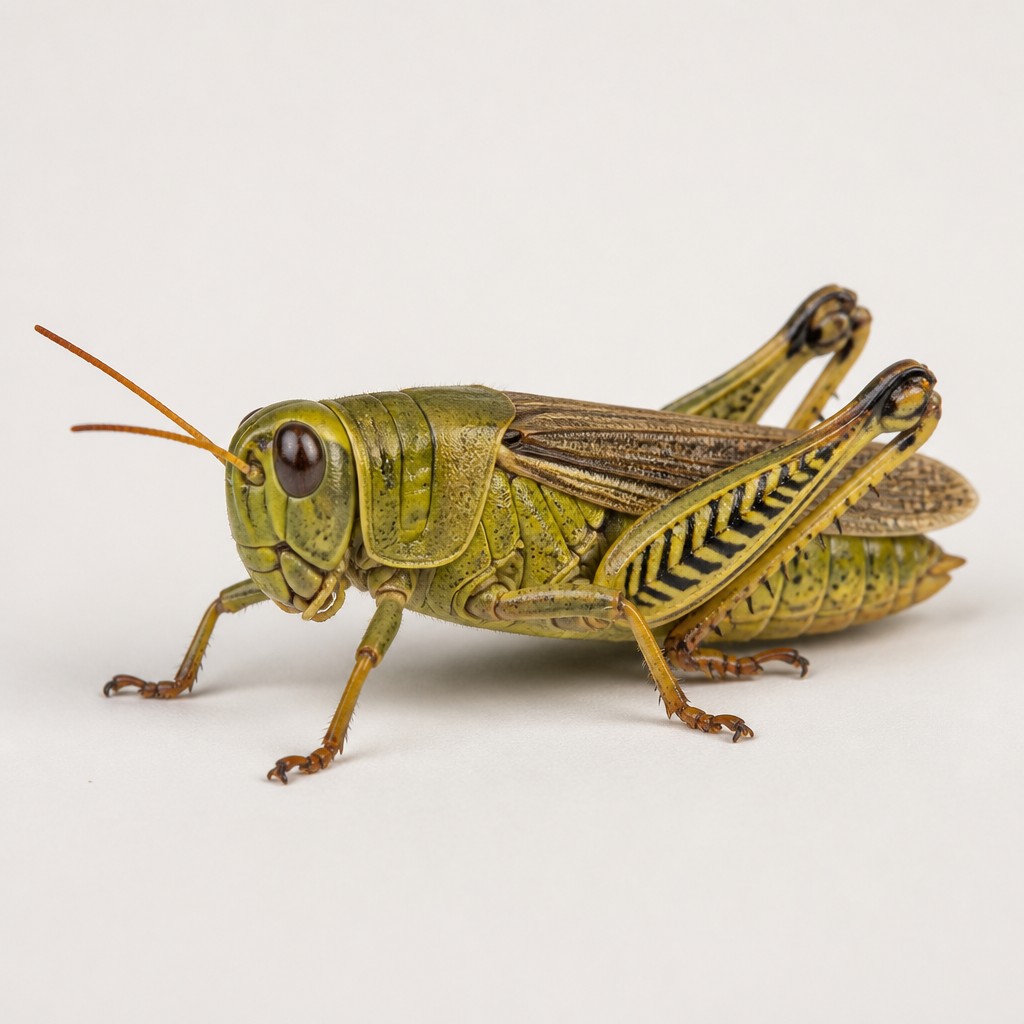
Differential Grasshopper
A large, robust grasshopper with a bold black herringbone pattern etched along its swollen hind legs, the differential grasshopper is one of the biggest and most recognizable pest grasshoppers in North America.
grasshopper-cricket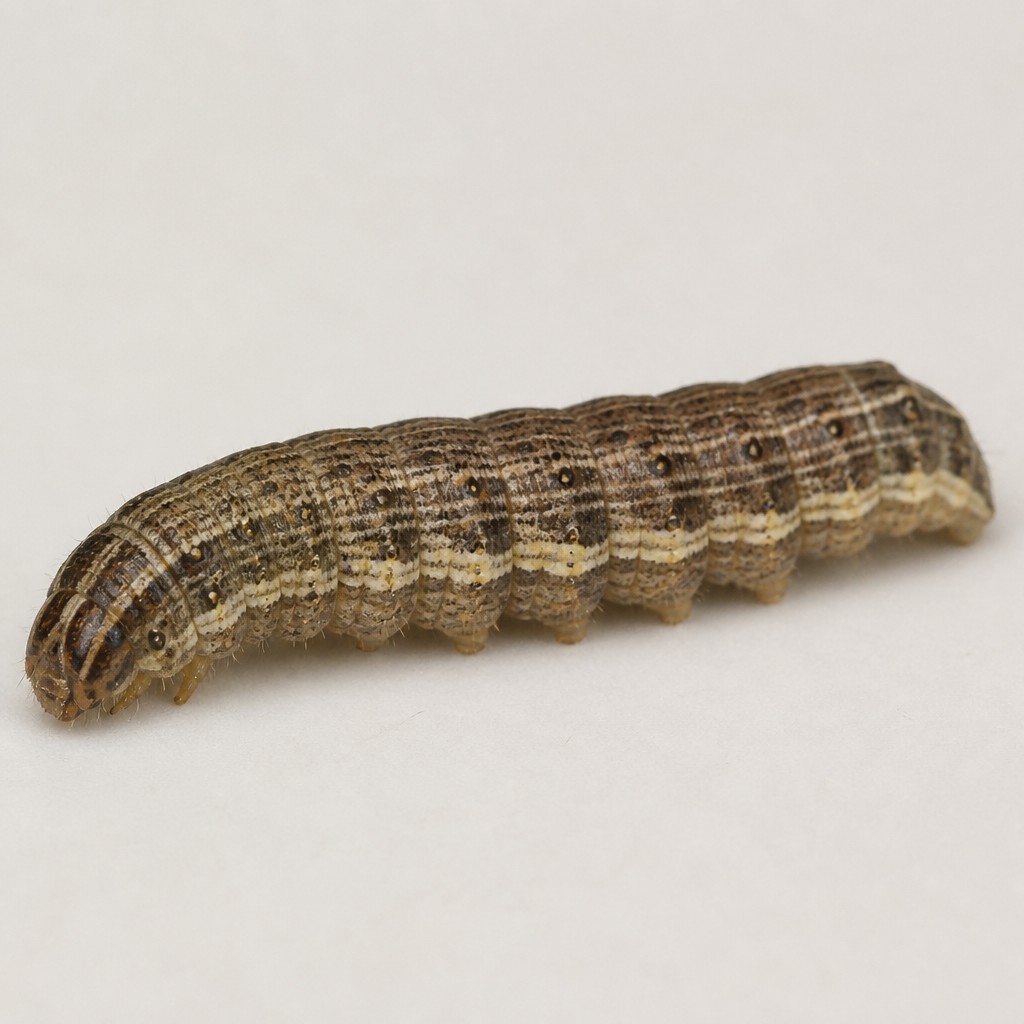
Corn Earworm
A color-variable caterpillar, ranging from pale green to reddish-brown, that burrows headfirst into corn ears and is one of the most economically significant crop pests in North America.
caterpillar-larva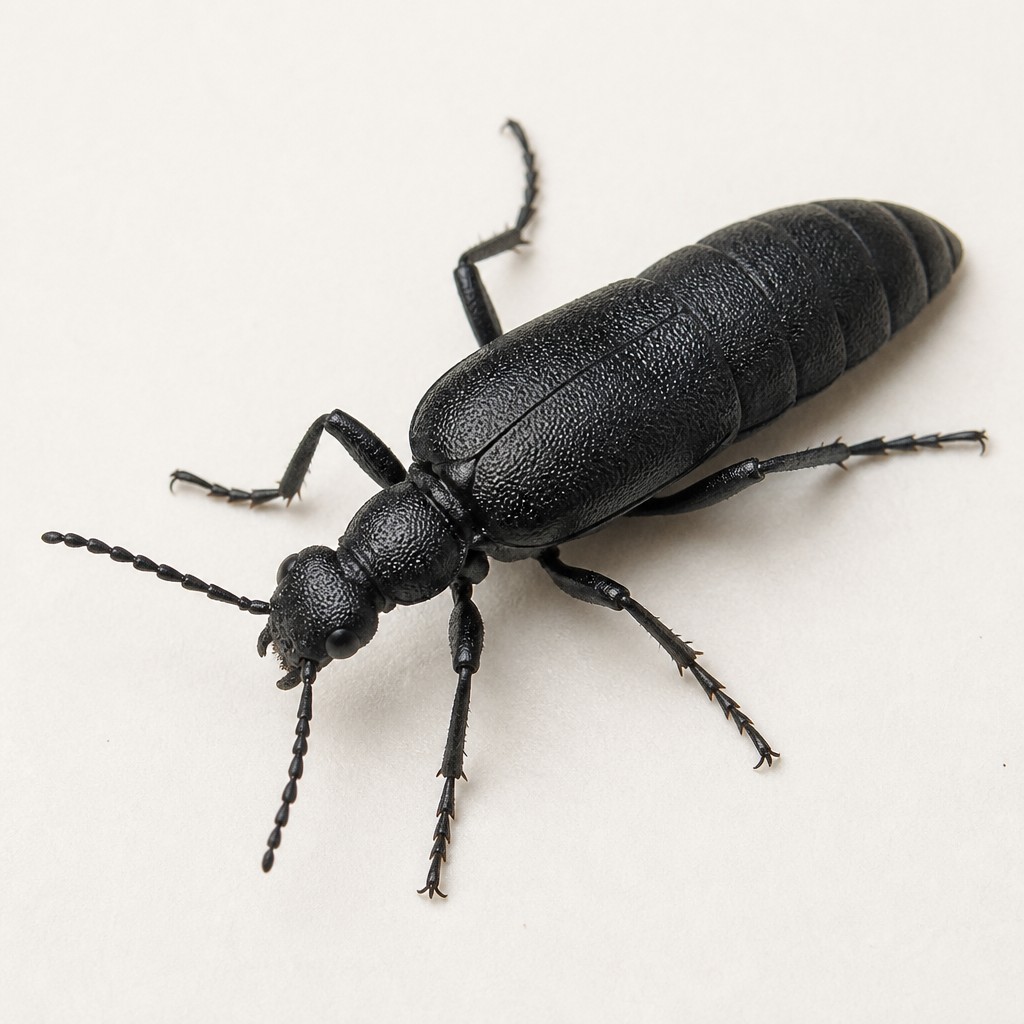
Blister Beetle
An elongated, soft-bodied beetle with a distinctly narrow neck, often seen feeding in small groups on flowers, and known for releasing a defensive chemical from its leg joints when disturbed.
beetle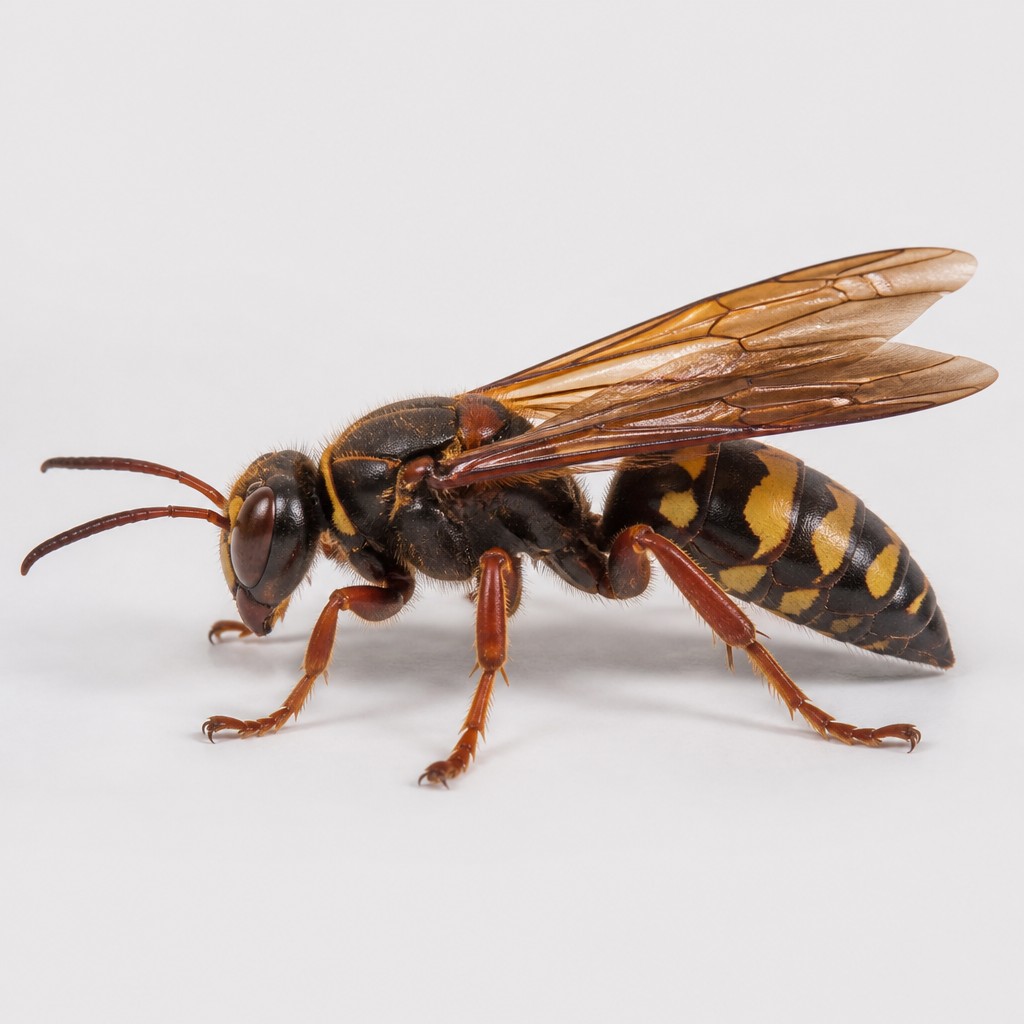
Cicada Killer Wasp
One of the largest wasps in North America, a robust rust-and-black or yellow-marked digger wasp that excavates burrows in bare soil and specializes in hunting cicadas to provision its underground nest.
wasp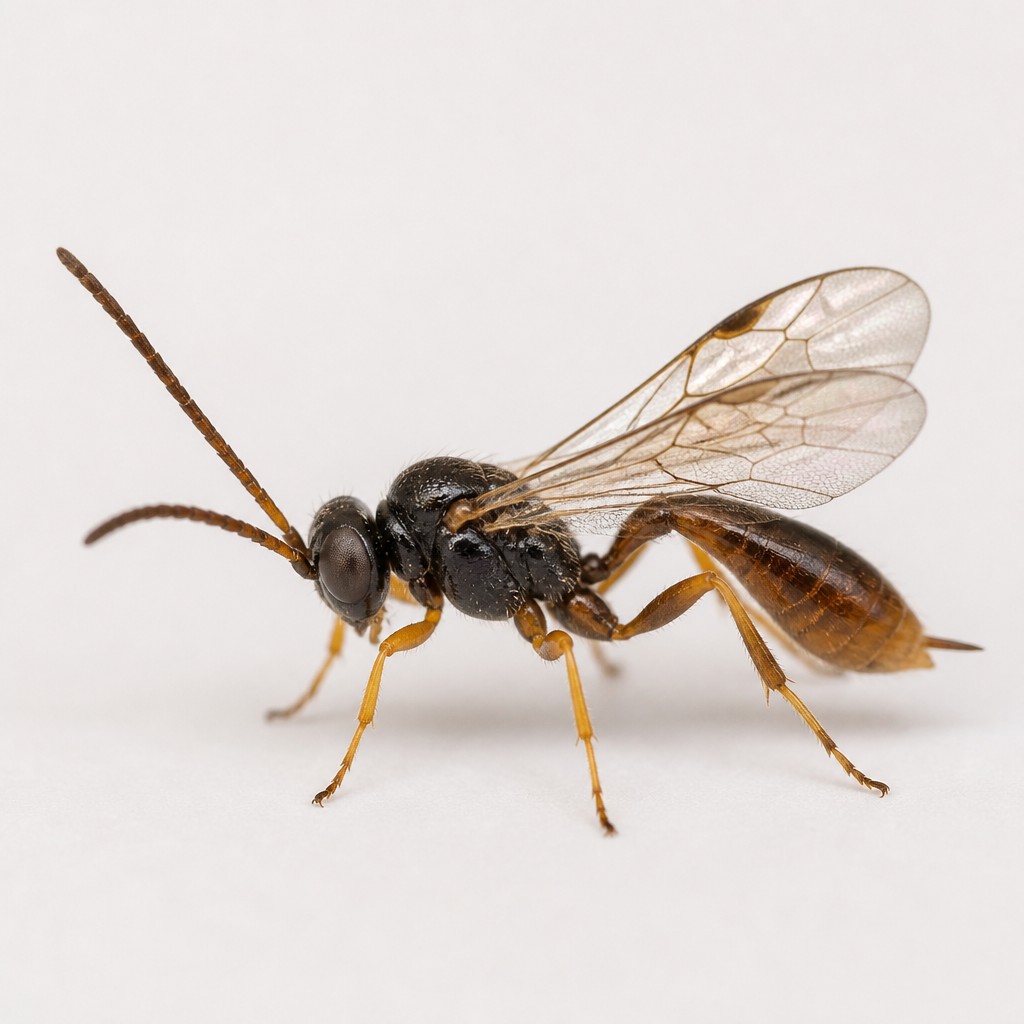
Braconid Wasp
A tiny, often overlooked parasitoid wasp best known for laying eggs inside caterpillars and other insect hosts, sometimes leaving telltale clusters of small white cocoons on a host's back.
wasp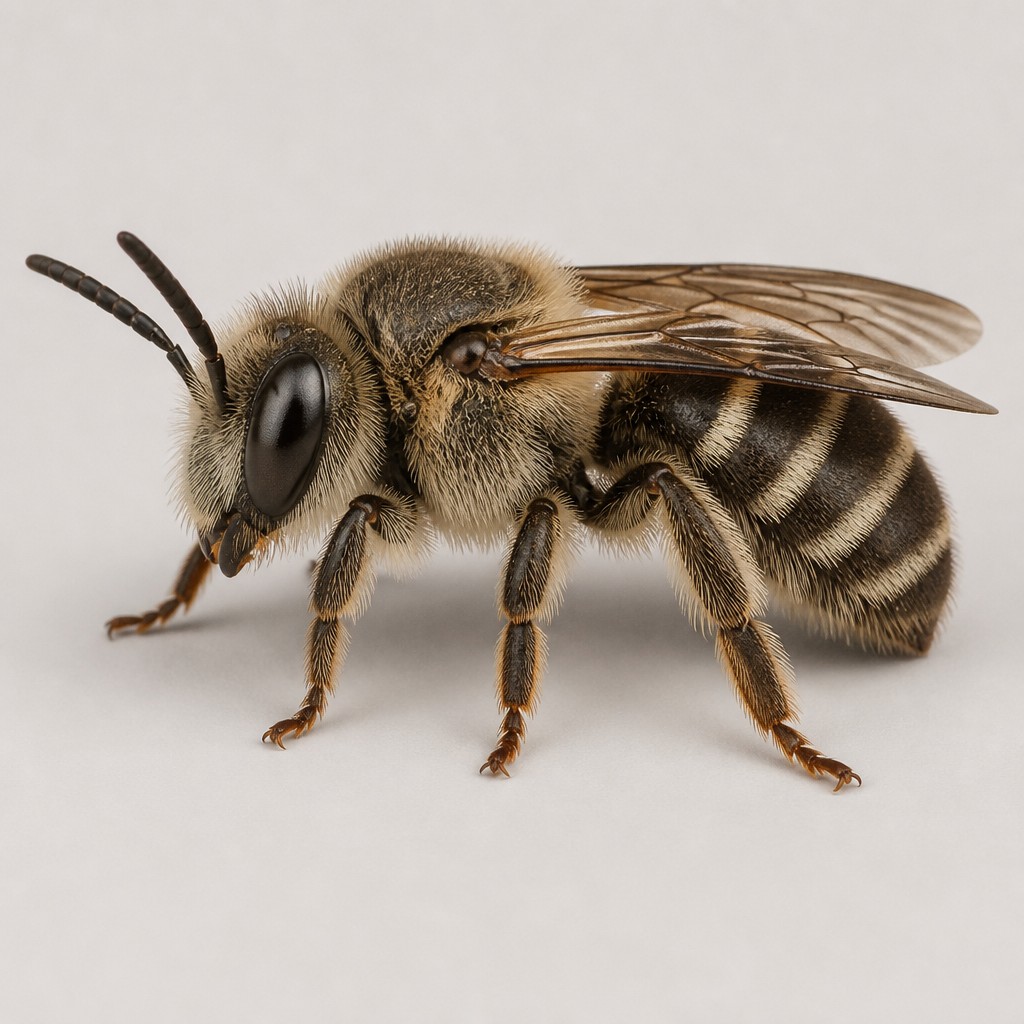
Squash Bee
A robust, early-rising solitary bee specialized in visiting squash, pumpkin, and gourd flowers, often seen foraging in the cool early morning hours before many other pollinators are active.
bee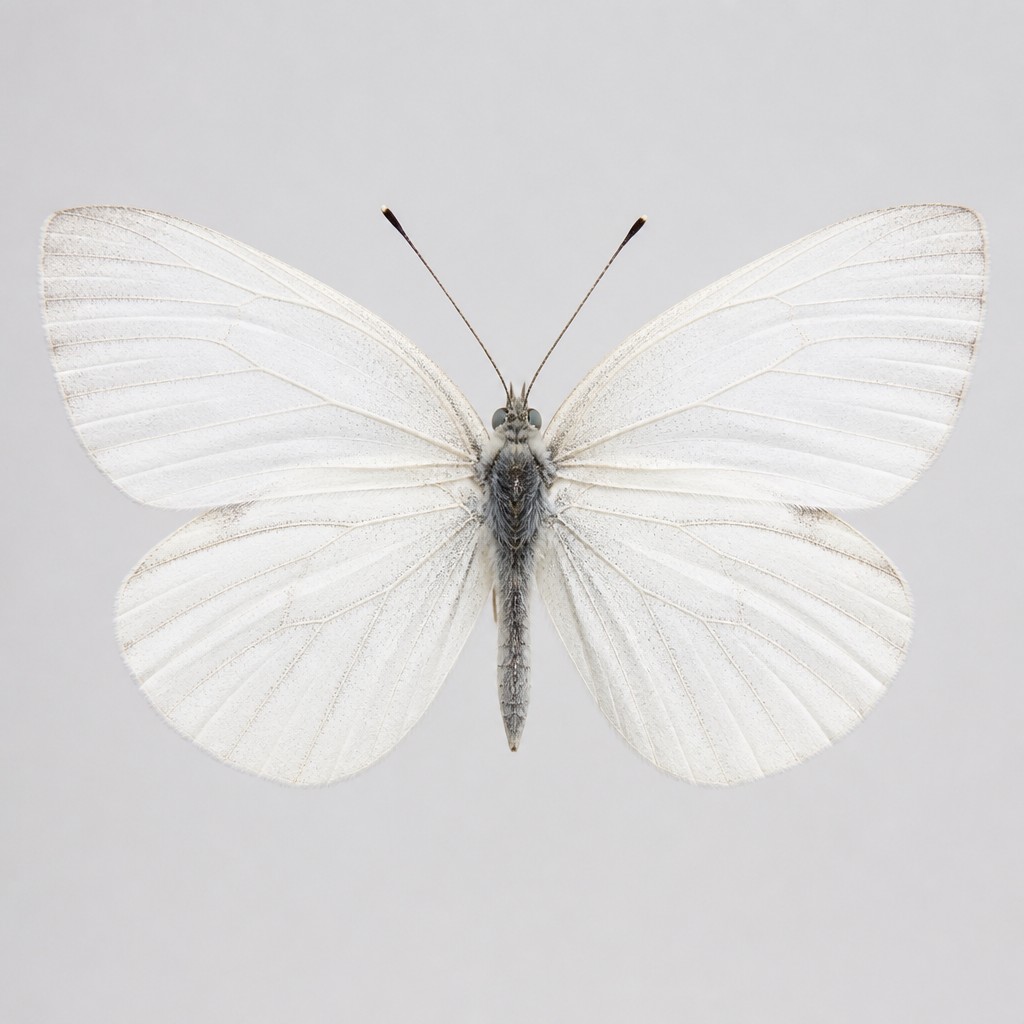
West Virginia White
A delicate, pure-white spring butterfly of eastern hardwood forests with faint gray veining on the underside, flying only for a few weeks each year before its short-lived toothwort host plants fade.
butterfly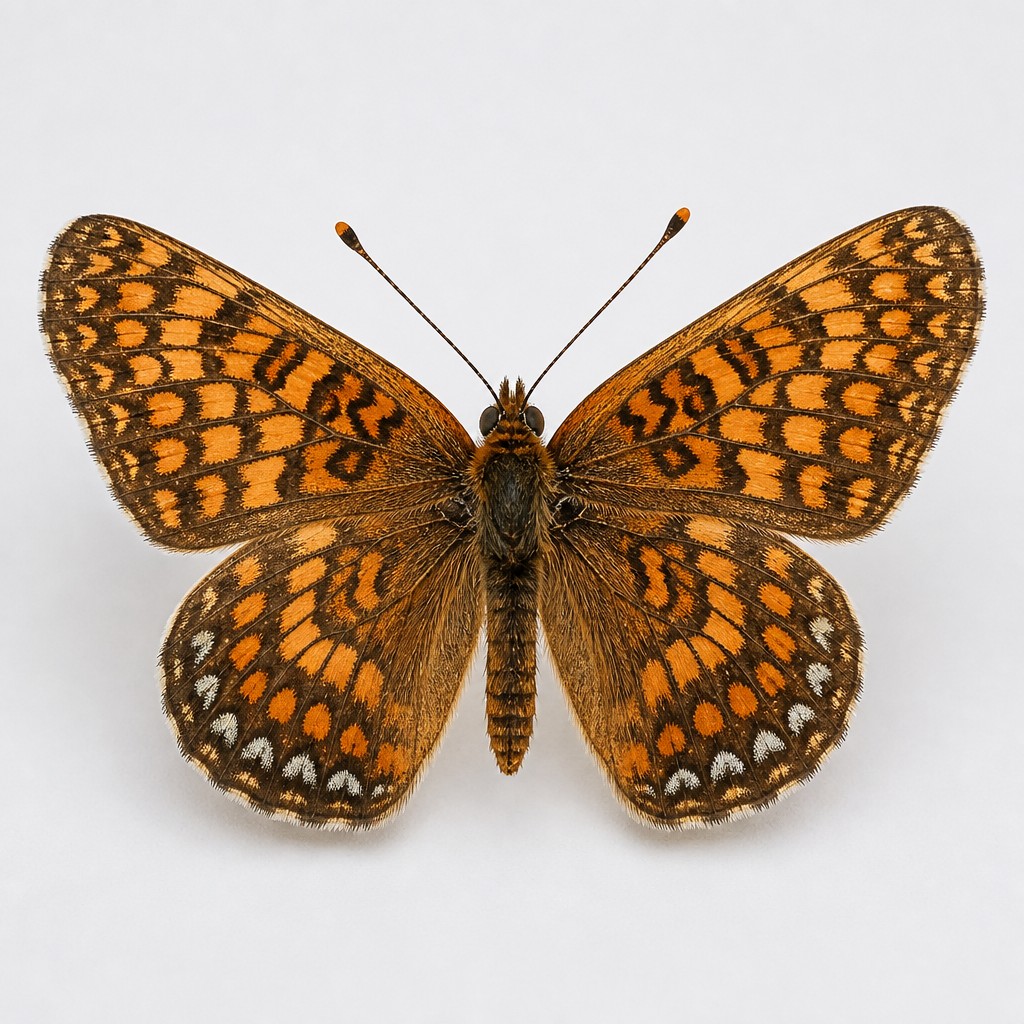
Silvery Checkerspot
An orange-brown checkered butterfly named for the row of small silvery-white crescent spots along the underside hindwing margin, commonly seen nectaring at composite flowers in open habitats.
butterfly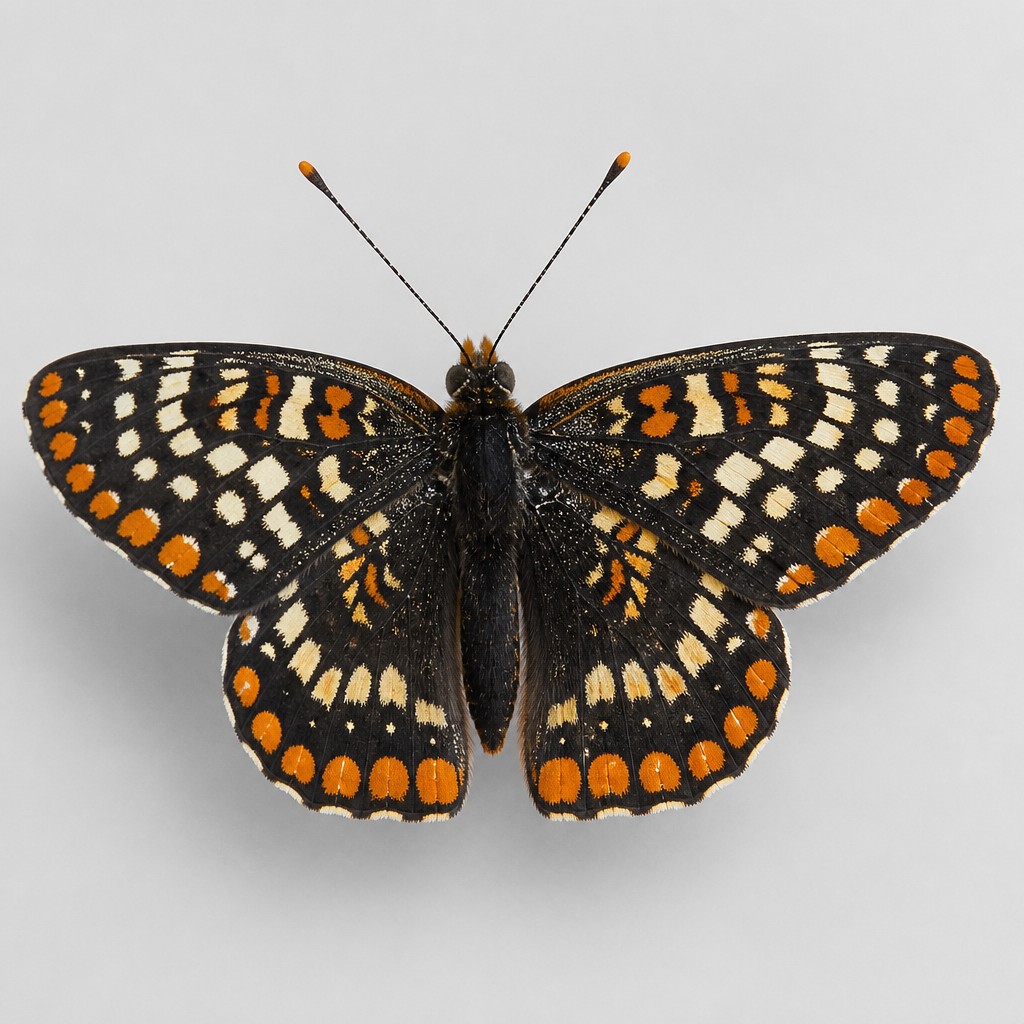
Baltimore Checkerspot
A striking black butterfly checkered with rows of orange and cream-white spots, closely associated with wet meadows and its turtlehead host plant, and recognized as a state insect symbol in parts of its range.
butterfly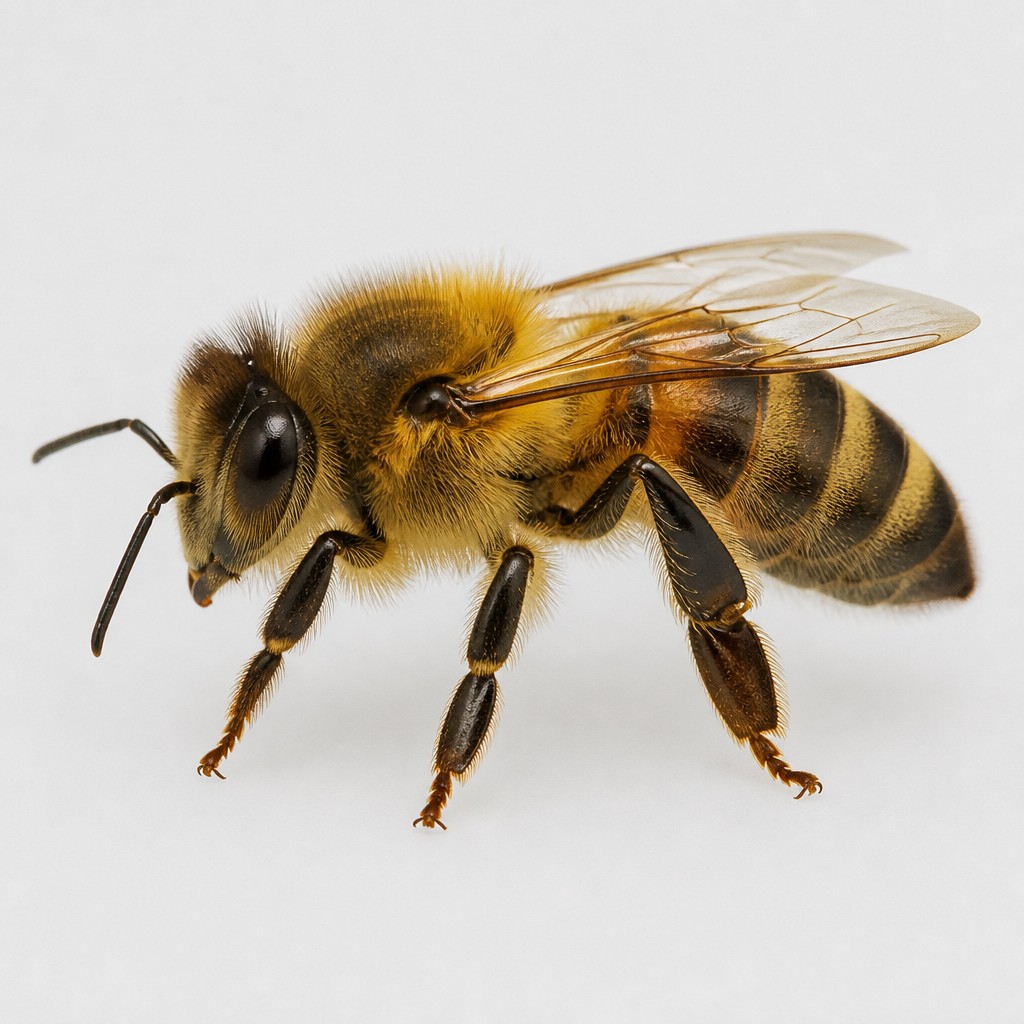
Africanized Honeybee (Killer Bee)
A hybrid strain of the western honey bee, nearly identical in appearance to common honey bees but known for more easily triggered, faster, and more numerous defensive responses when a colony is disturbed.
bee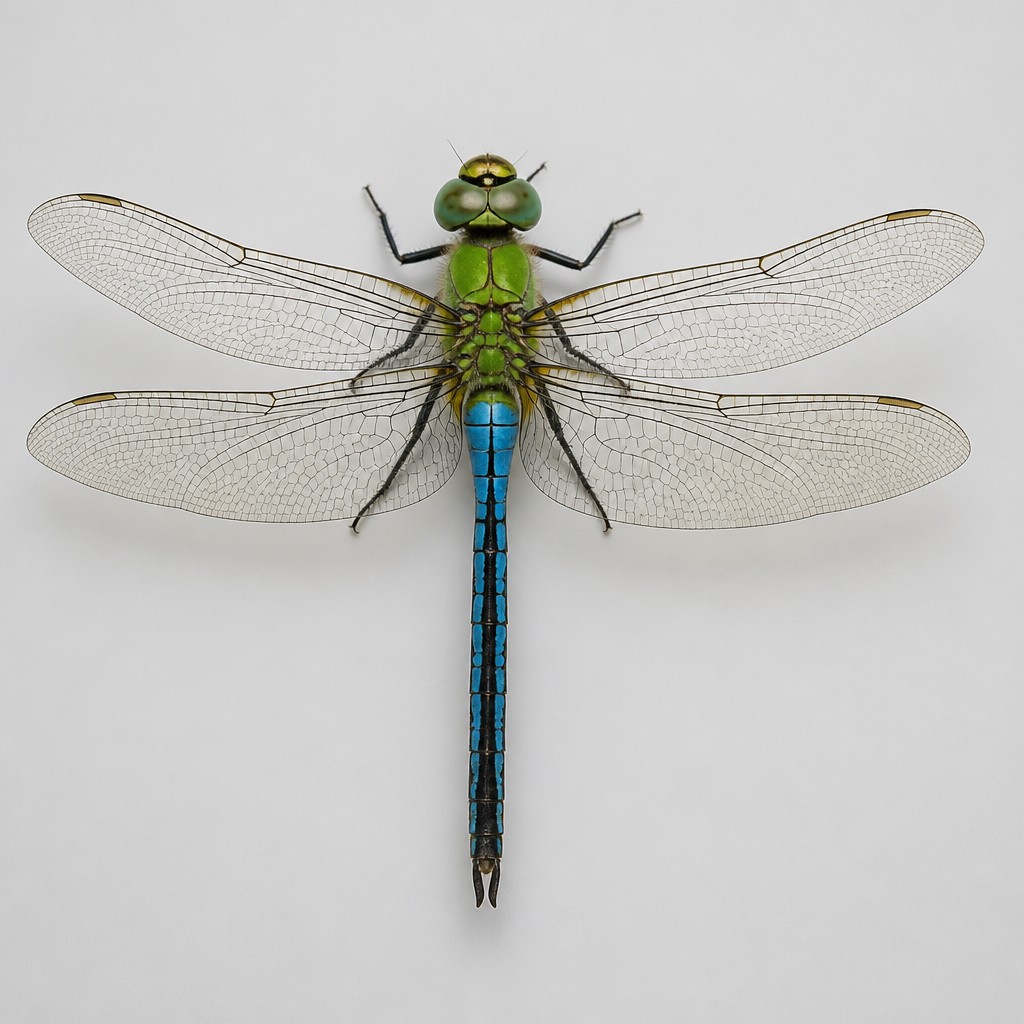
Green Darner Dragonfly
One of the largest and most widespread dragonflies in North America, its green thorax and target-marked face make it unmistakable as it patrols open water on powerful wings.
dragonfly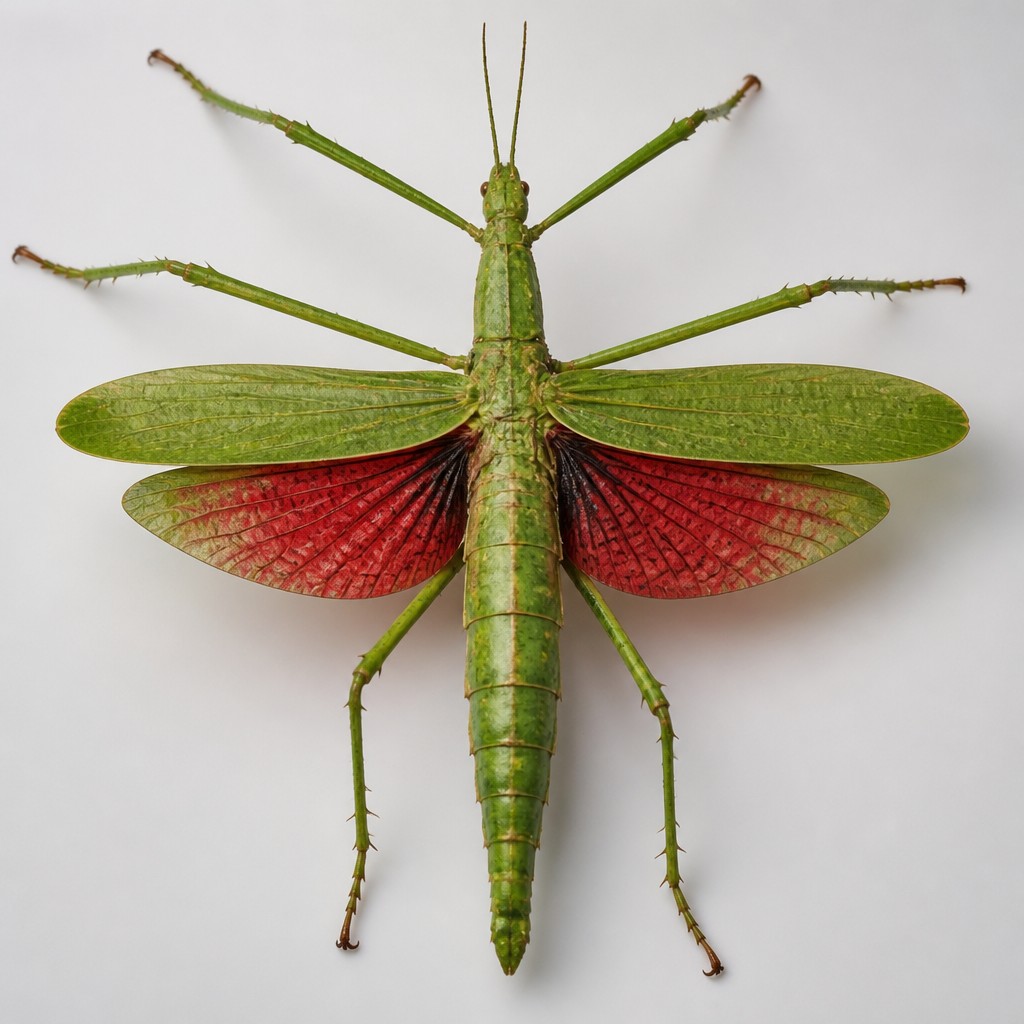
Goliath Stick Insect
One of the largest stick insects in the world, this vivid green giant unfurls startling crimson underwings when startled, briefly abandoning its disguise as foliage.
mantis-stick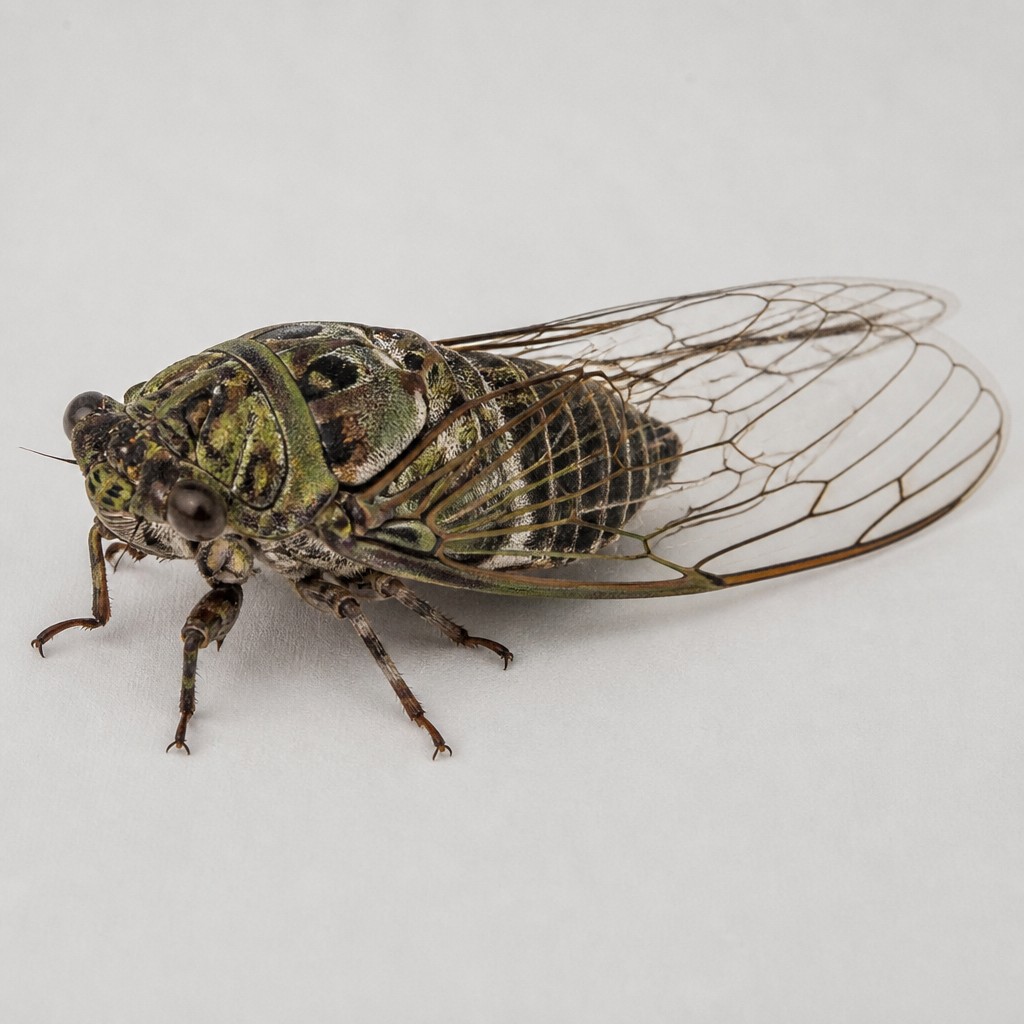
Dog-Day Cicada
A stout, thick-bodied cicada with mottled green and brown camouflage patterning, named for its loud droning calls heard during the hot "dog days" of late summer.
true-bug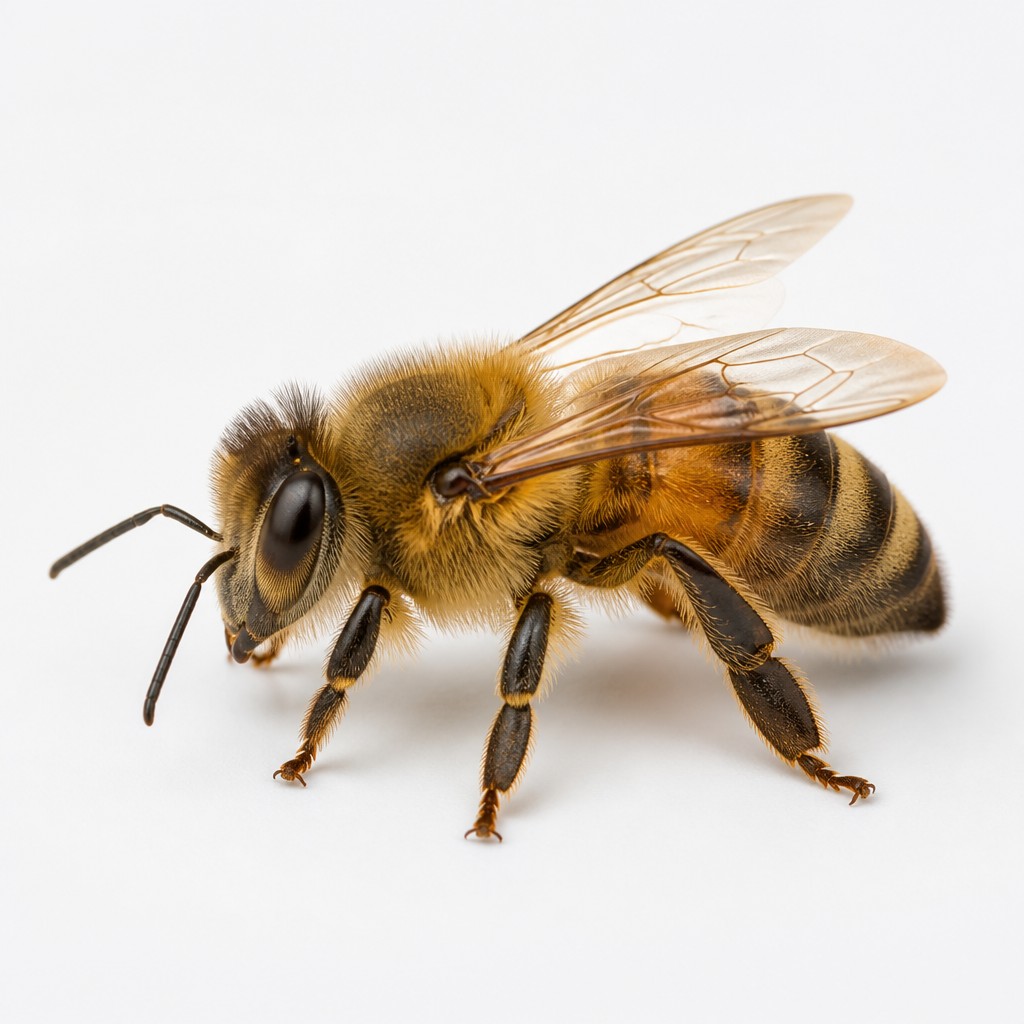
Honey Bee
A fuzzy, golden-brown and black-banded bee that lives in large, highly organized colonies, best known for its role in pollination and its production of wax comb and honey.
bee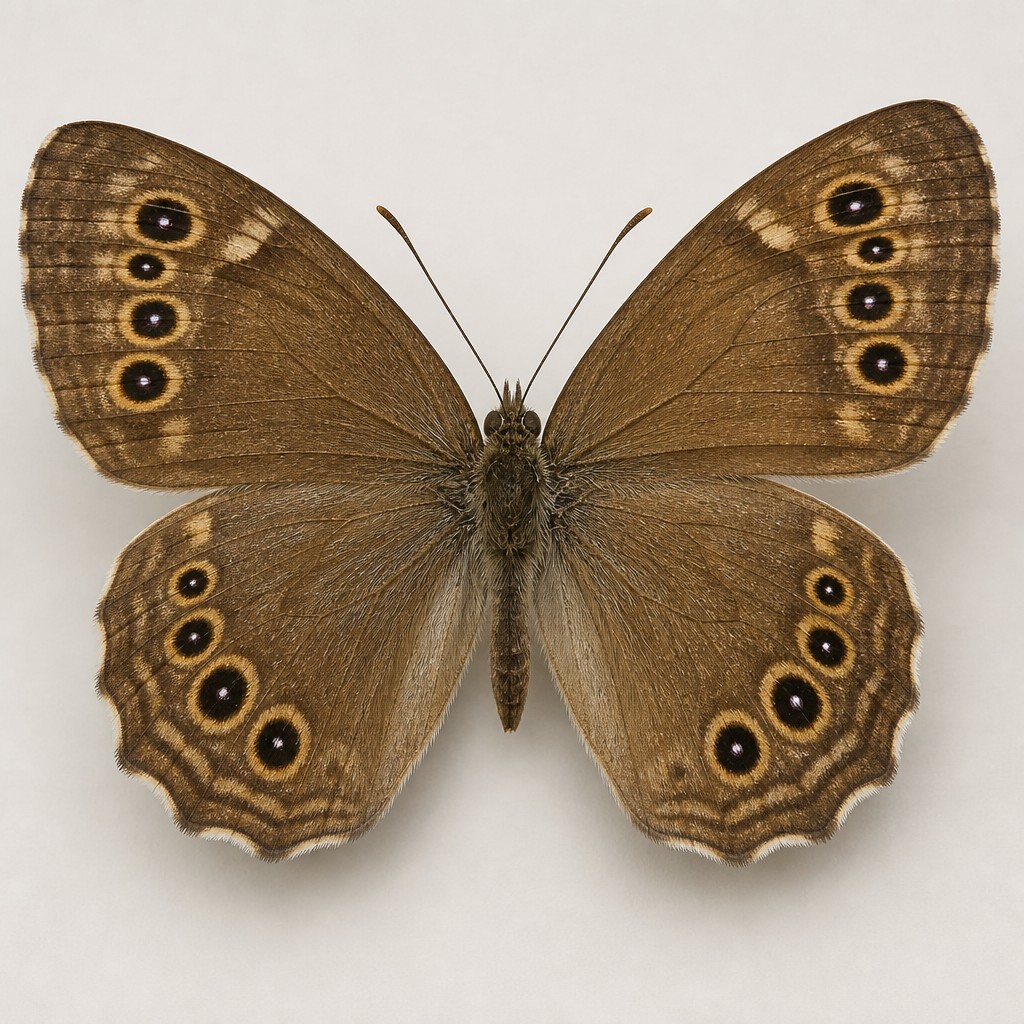
Northern Pearly-eye
A shade-loving brown woodland butterfly with rows of dark, pale-ringed eyespots, more often seen resting on tree trunks in forest gaps than flying in open sun.
butterfly