
Bug Encyclopedia
Search and identify bugs & insects — beetles, butterflies, moths, ants, bees, spiders and more — with size, habitat, danger, behavior, and how to tell them apart.
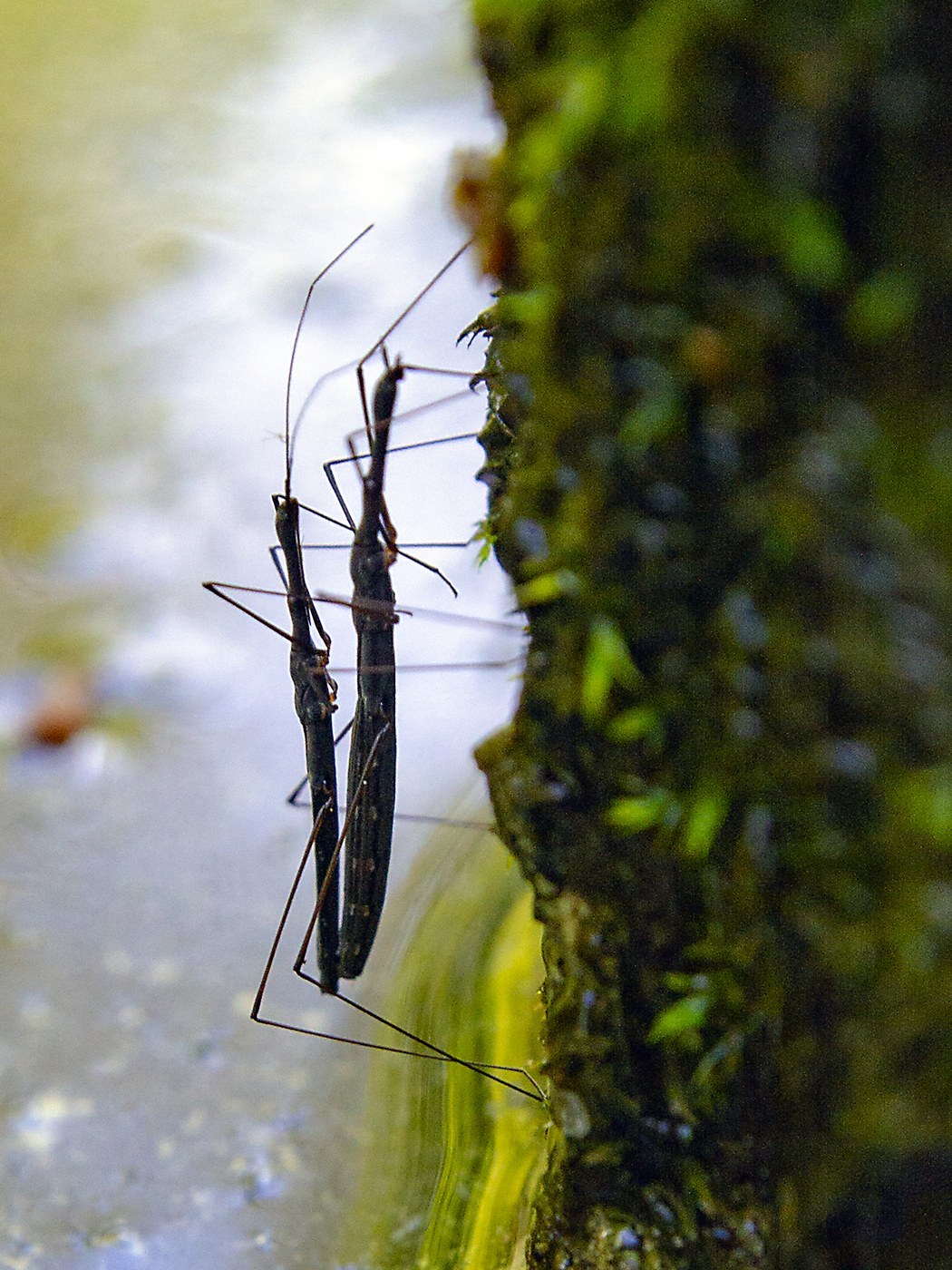
Water Measurer
Thin as a splinter and slow-stepping across the surface film, the water measurer creeps along pond edges spearing tiny prey with its needle-like snout.
true-bug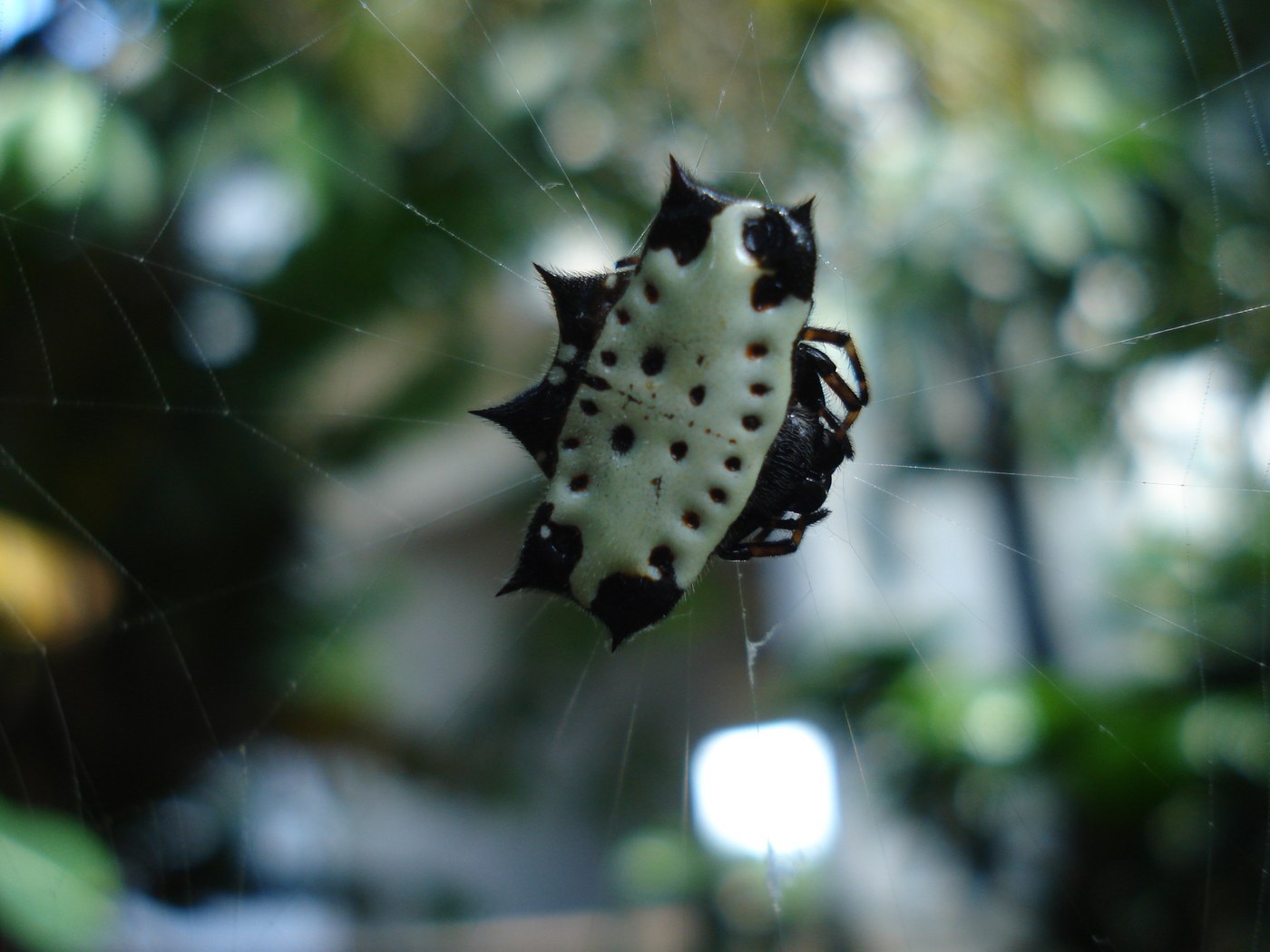
Spiny Orb Weaver
A small, hard-shelled orb weaver shaped like a tiny crab, with six sharp spines projecting from a brightly colored abdomen suspended in a neat wheel-shaped web.
spider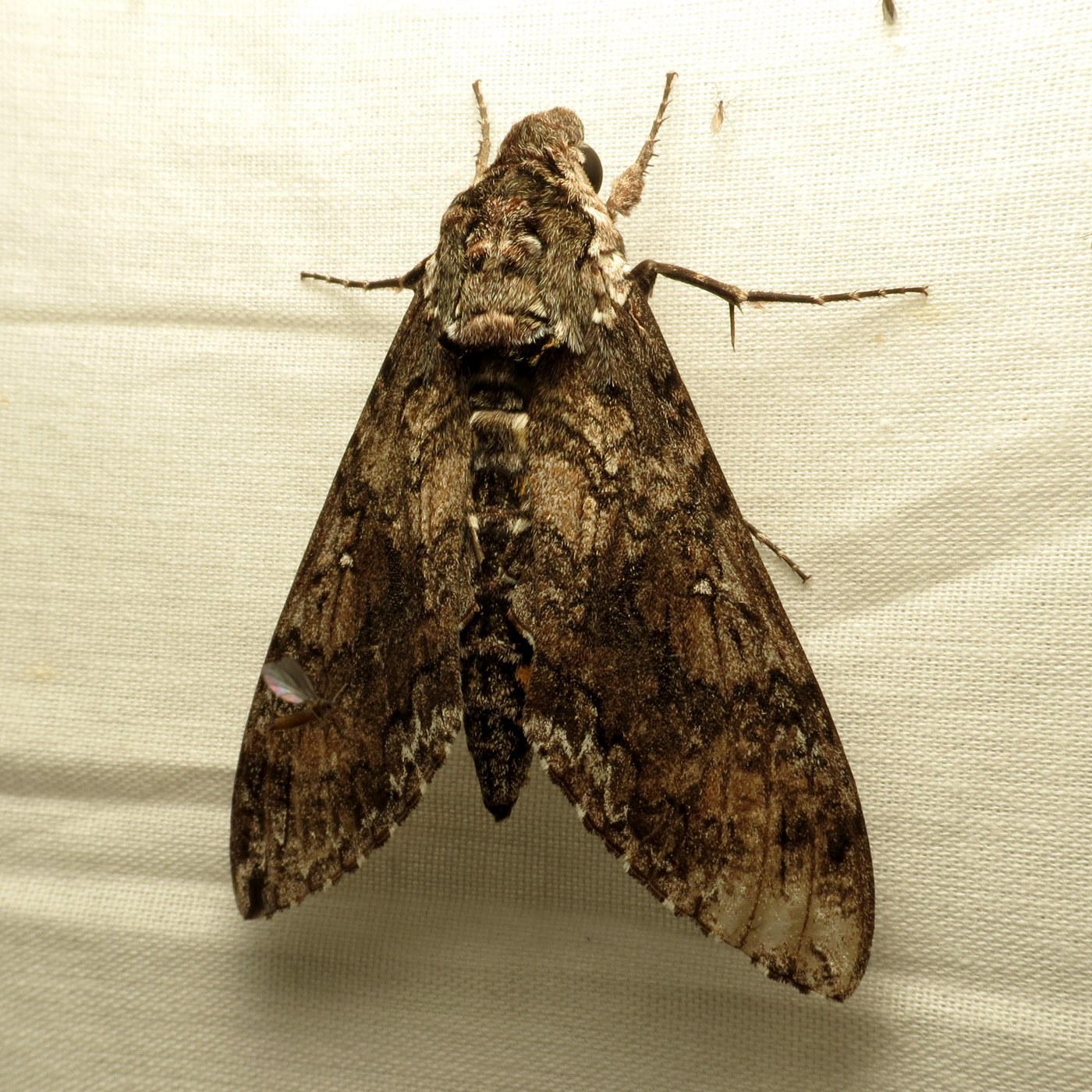
Sphinx Moth
A large, streamlined, fast-flying moth with narrow triangular wings and a robust, tapering body, famous for hovering at flowers at dusk like a hummingbird.
moth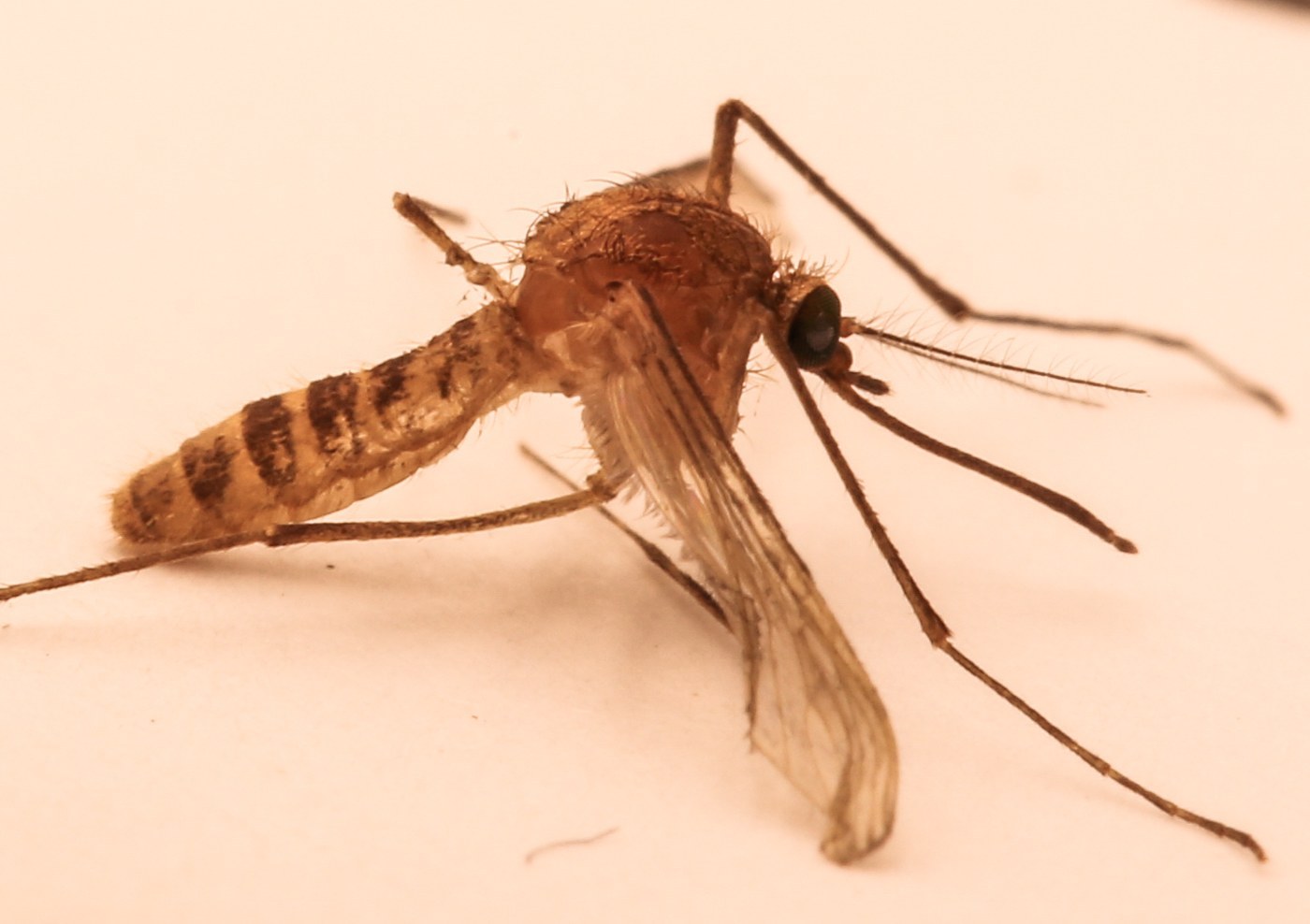
Mosquito
A slender, long-legged fly with a needle-like proboscis, narrow wings, and a distinctive high-pitched wing hum, most active around dawn, dusk, and in shaded, humid areas.
fly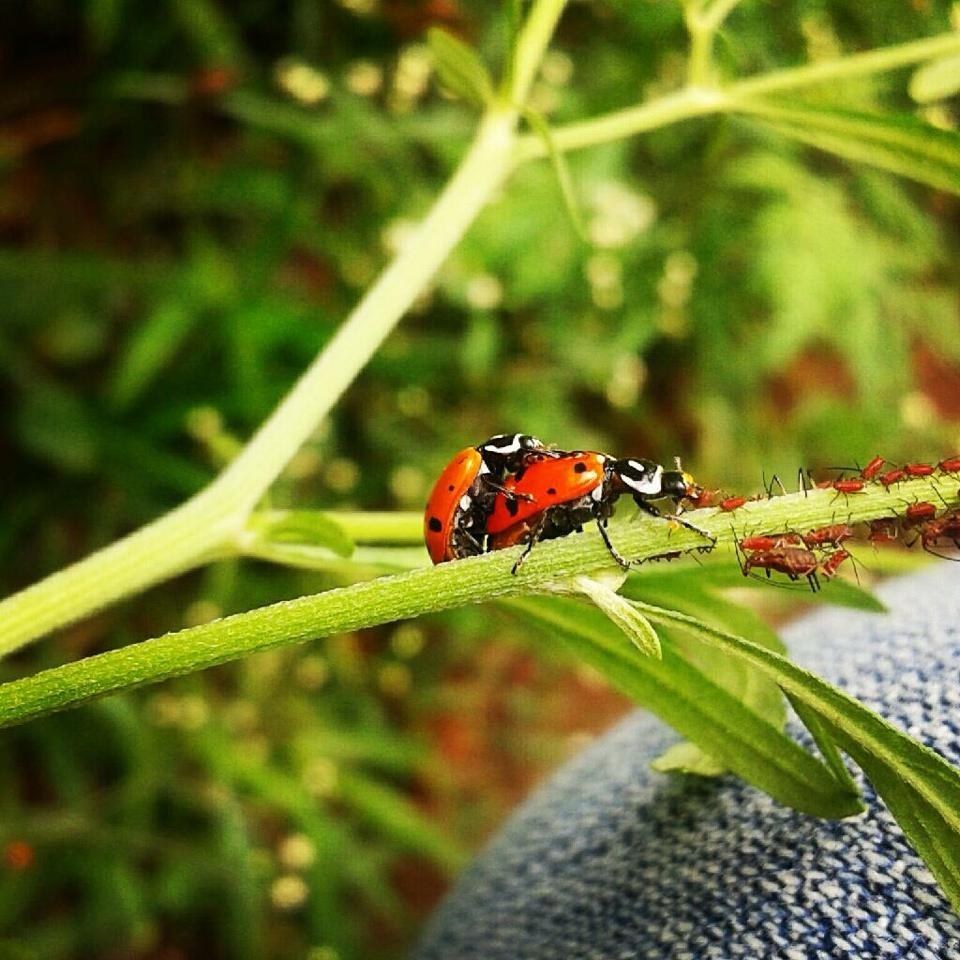
Convergent Ladybird Beetle
A common orange-red ladybird with black spots and two distinctive converging white lines on its thorax, widely valued as a natural aphid predator.
beetle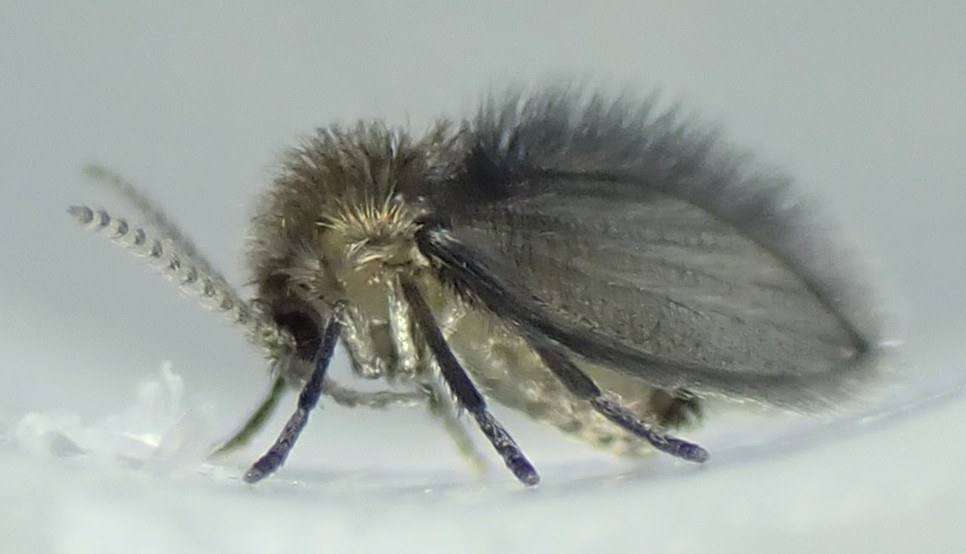
Drain Fly
A tiny, fuzzy gray-tan fly with broad, moth-like wings held tent-fashion over its body, often seen resting motionless on bathroom walls near drains.
fly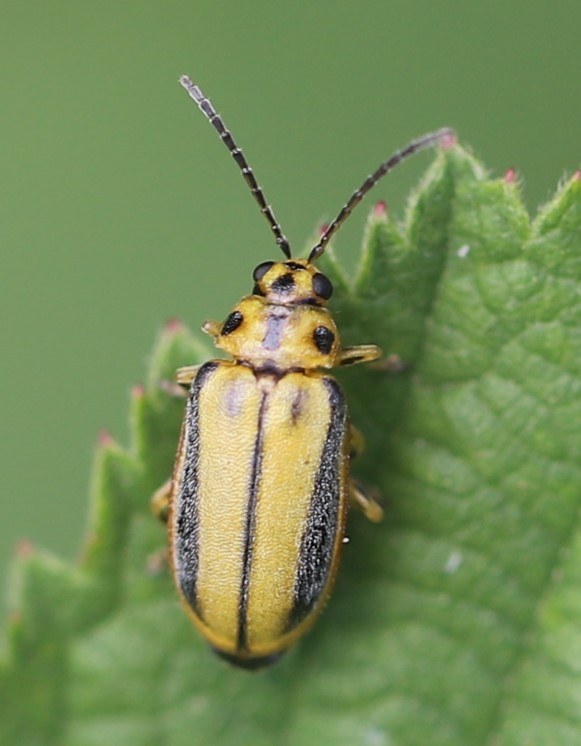
Elm Leaf Beetle
A yellow-green leaf beetle with dark side stripes that skeletonizes elm foliage and gathers in large numbers to overwinter in buildings.
beetle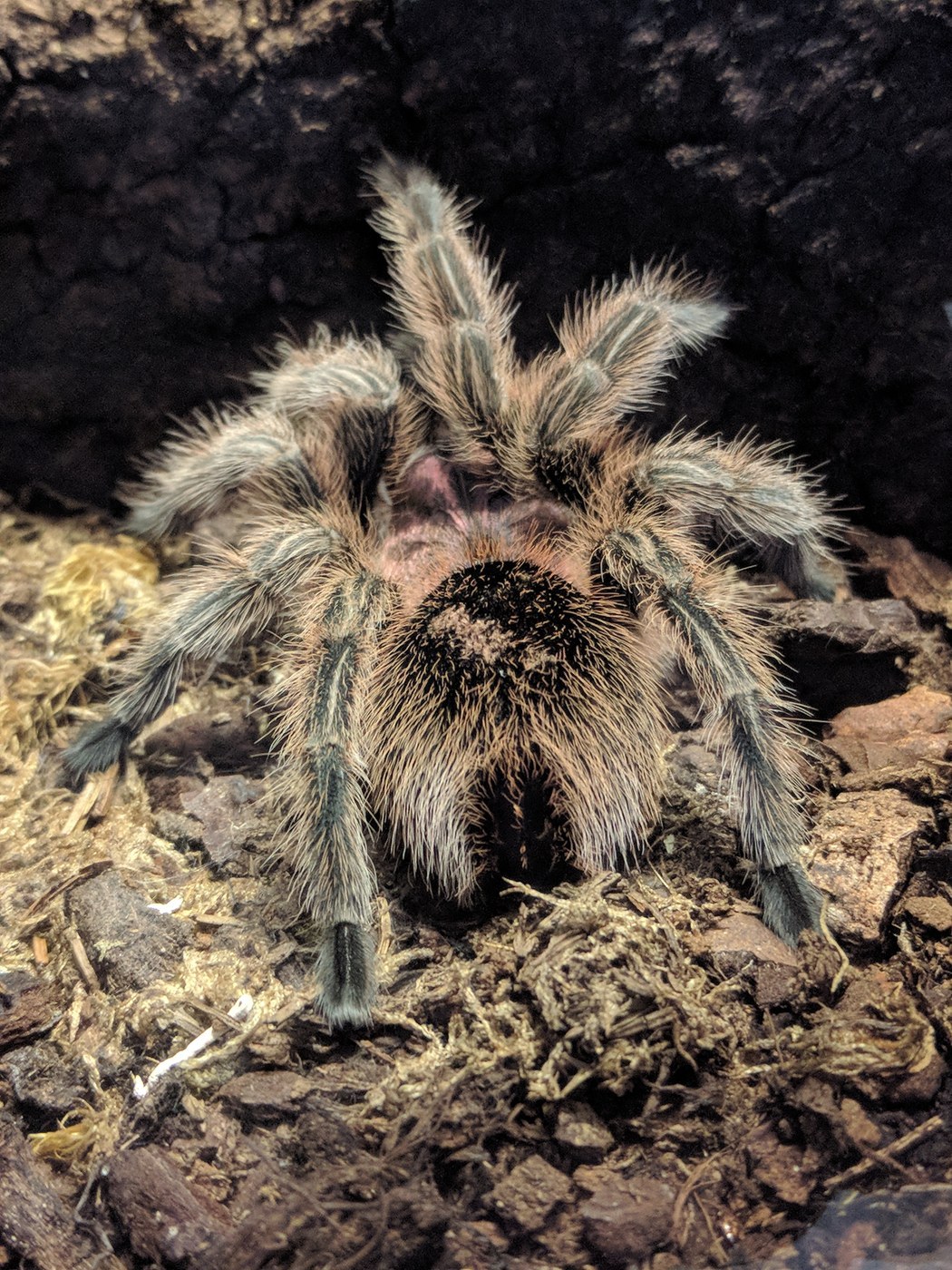
Rose Hair Tarantula
A calm, ground-dwelling tarantula from the deserts of Chile, the rose hair is named for the pinkish sheen its bristly hairs can take on in certain light, and is known for its slow, deliberate movements and generally placid temperament.
spiderPine Processionary Moth
An unremarkable grey-brown moth known almost entirely through its larvae, which build large silken nests in pine trees and travel to feed in long, head-to-tail processions covered in fine defensive hairs.
mothGerman Yellowjacket
A black-and-yellow social wasp closely resembling the common wasp, distinguished by three black facial dots, that builds large paper nests in wall voids and roof cavities and is widespread in both its native and introduced ranges.
wasp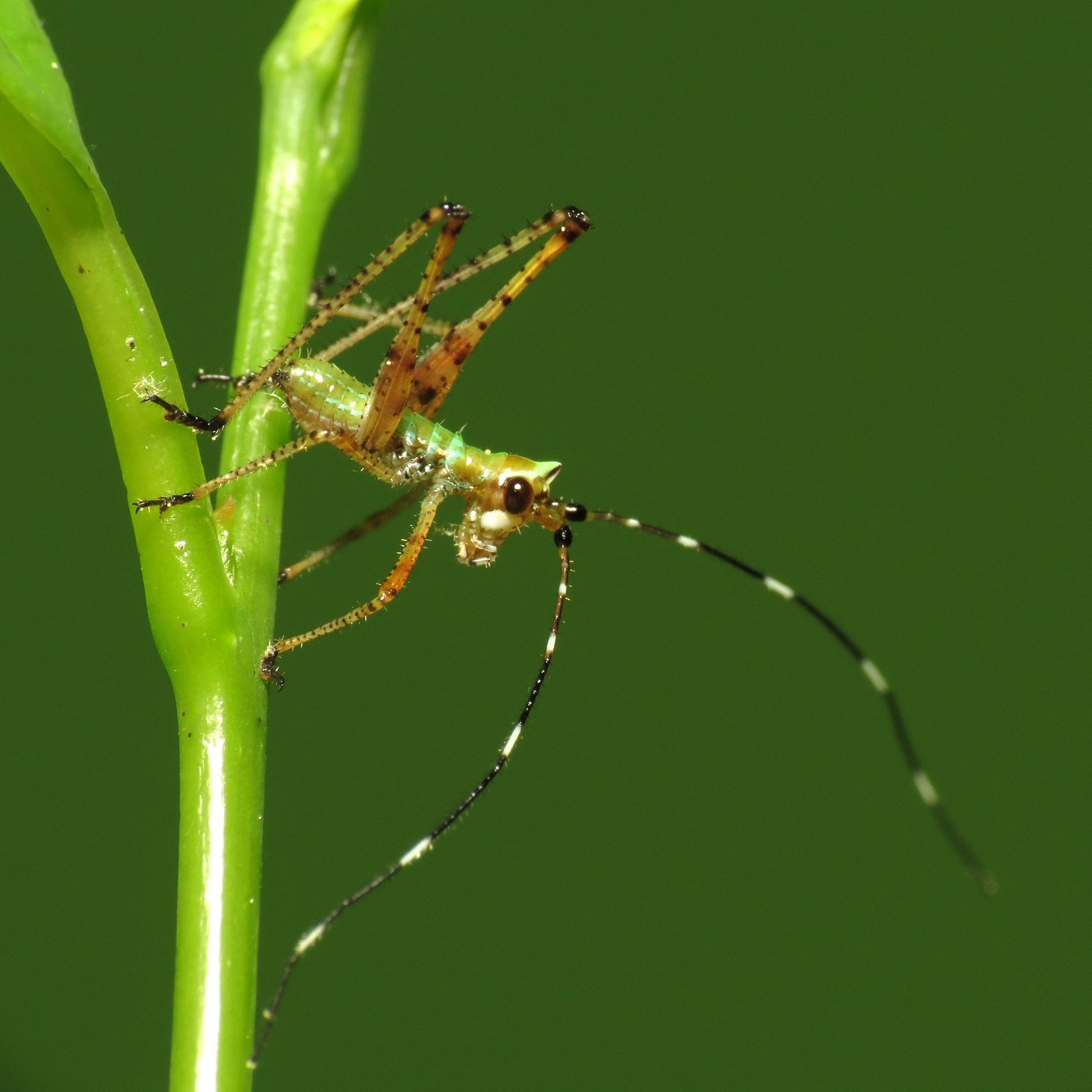
Fork-tailed Bush Katydid
Slimmer and greener than its treetop relatives, the fork-tailed bush katydid lives among shrubs and garden plants, with males identified by the distinctive forked appendages at the tip of the abdomen that give the species its name.
grasshopper-cricket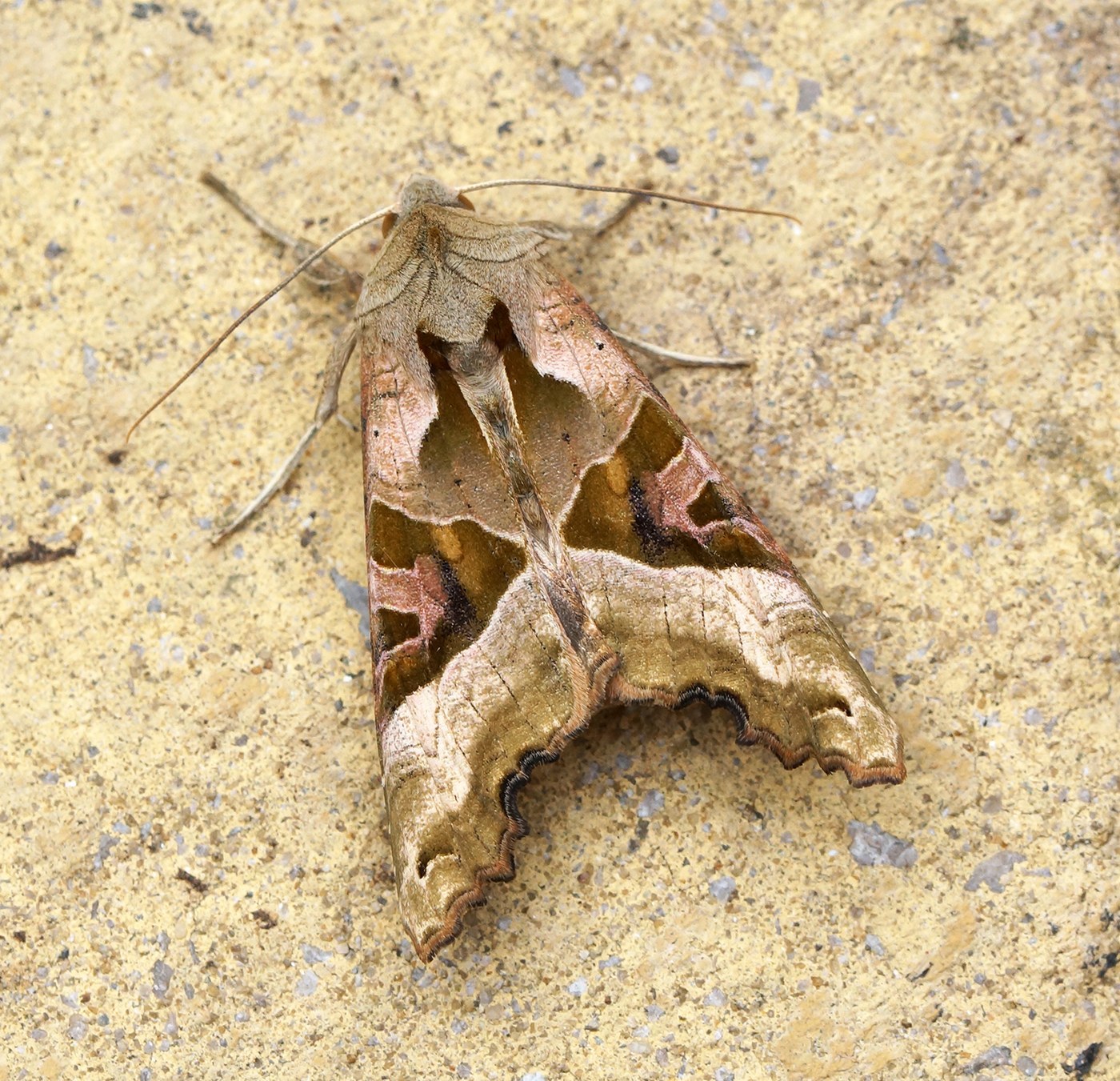
Angle Shades Moth
A common night-flying moth whose forewings fold into a crumpled, tent-like shape that mimics a withered or damaged leaf, marked with bold olive-green and pinkish-brown zigzag bands.
mothPurseweb Spider
A secretive, tube-dwelling spider that spends nearly its entire life hidden inside a silk-lined burrow extension camouflaged with soil and debris on the surface.
spider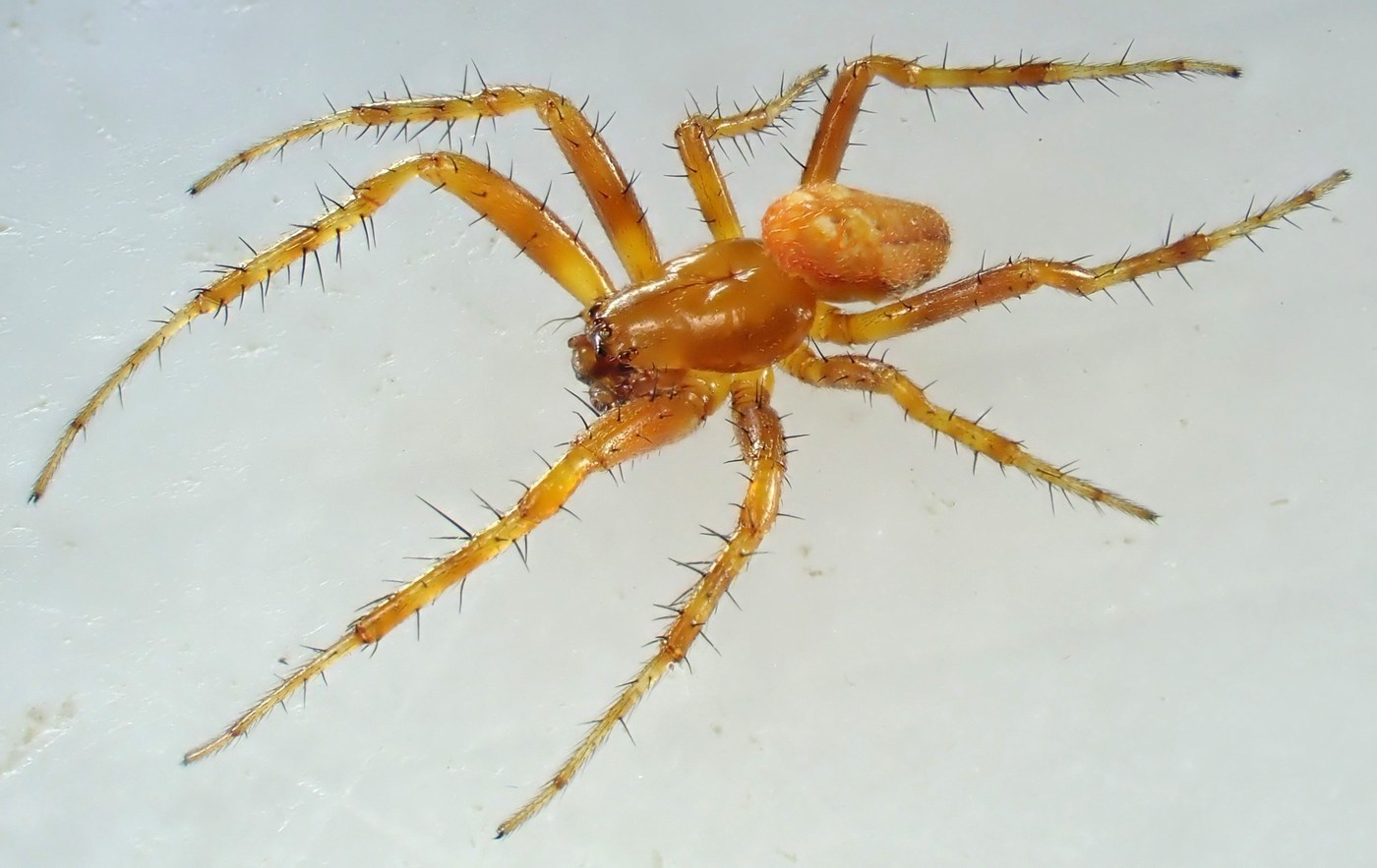
Orb Weaver Spider
A stout-bodied spider best known for spinning the classic, near-perfect circular "orb" web strung between plants, eaves, or fences, often rebuilt fresh each night.
spiderCutworm
A plump, dull gray-brown caterpillar that hides in soil by day and emerges at night to sever young seedlings at the base, curling tightly into a C-shape when disturbed.
caterpillar-larva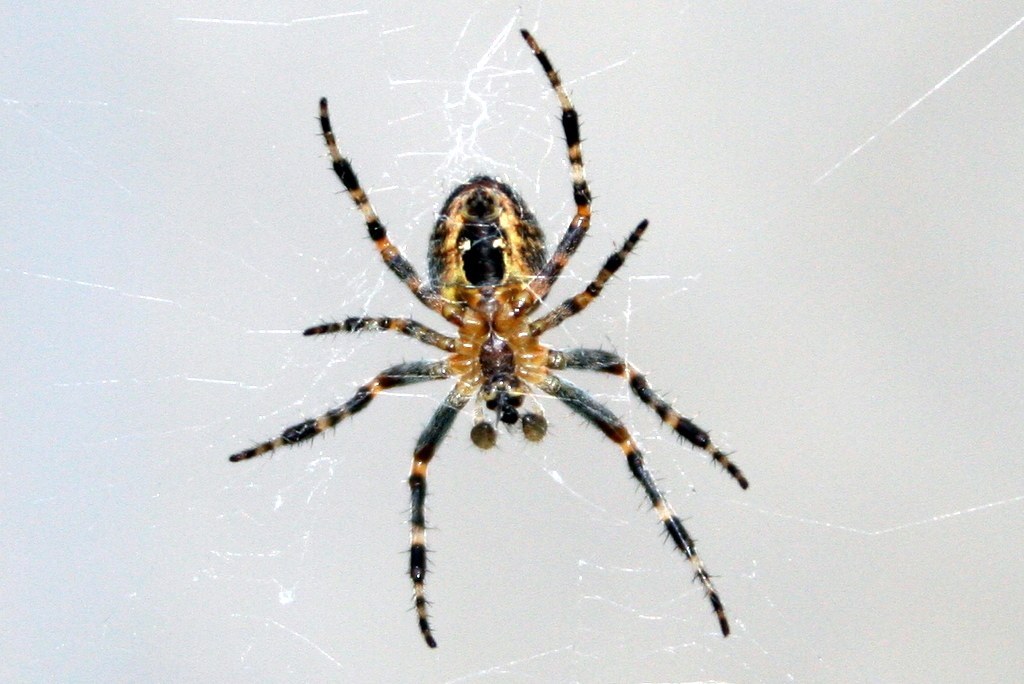
Barn Spider
A brownish, mottled orb weaver famous as the inspiration for Charlotte's Web, commonly found spinning large nightly webs on barns, porches, and other structures.
spider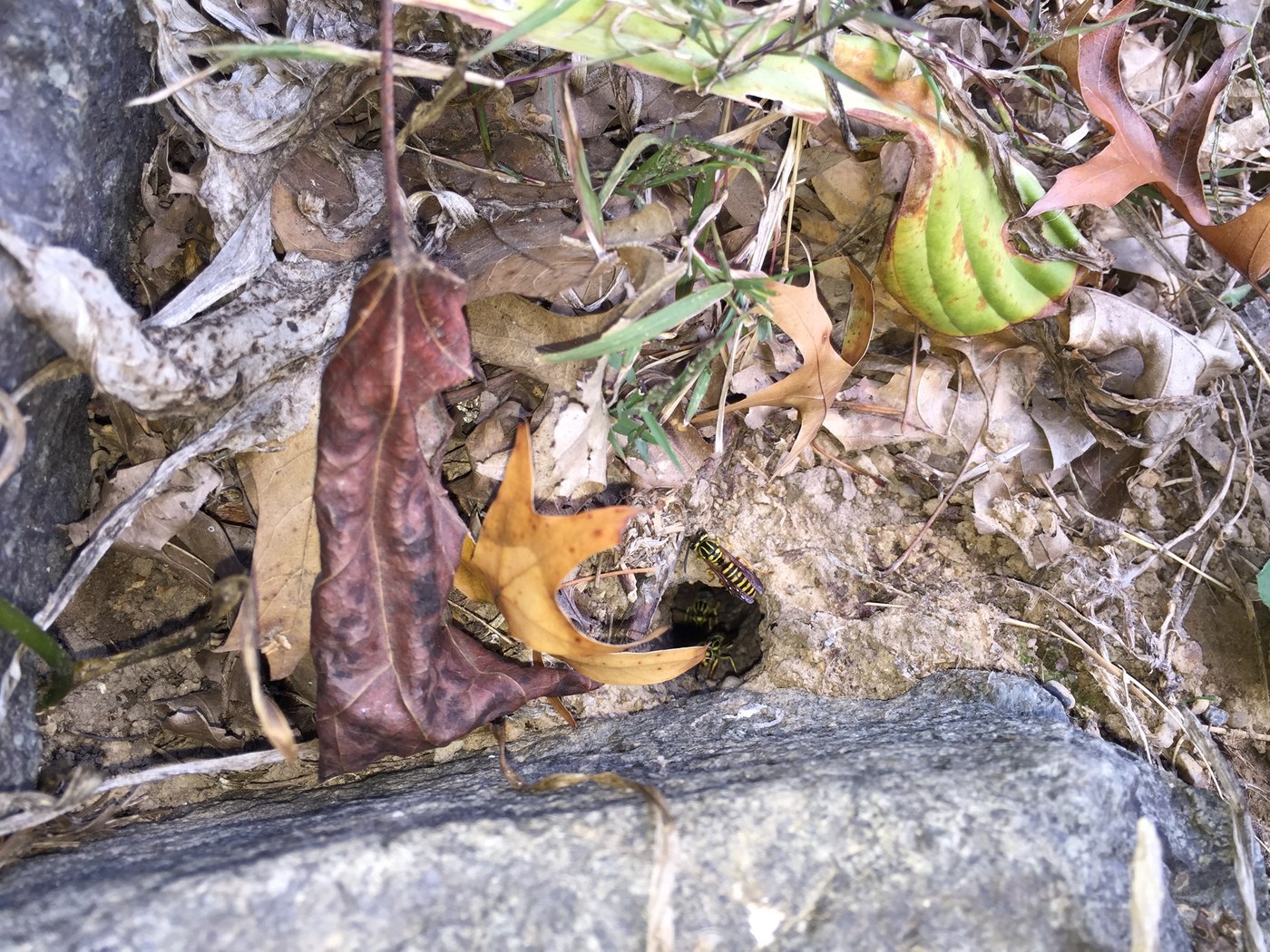
Yellow Jacket
A smooth-bodied, boldly banded black-and-yellow wasp with a narrow waist, often seen hovering aggressively around outdoor food and sugary drinks in late summer.
wasp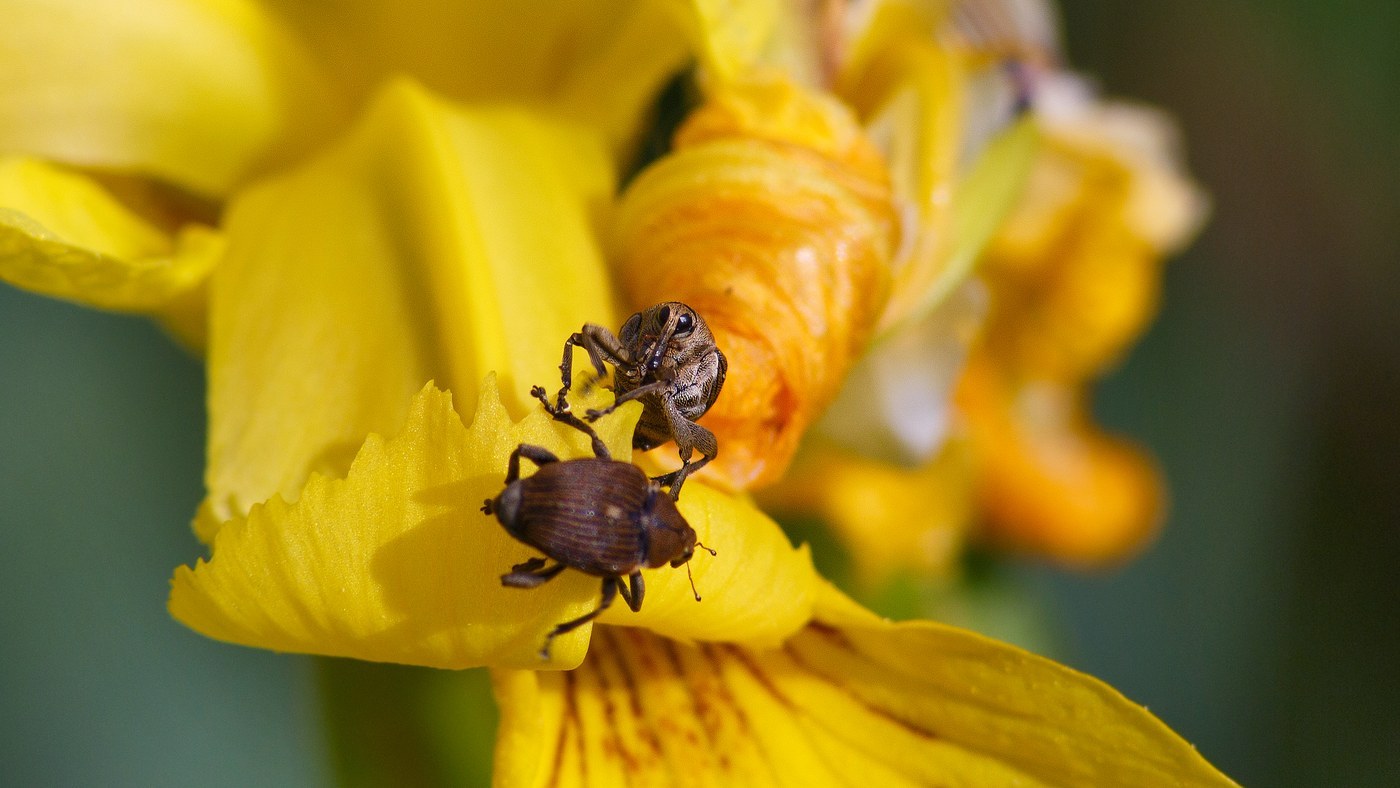
Snout Beetle
A small beetle instantly recognized by its elongated, downward-curving snout, tipped with chewing mouthparts, used to bore into seeds, nuts, stems, or fruit.
beetle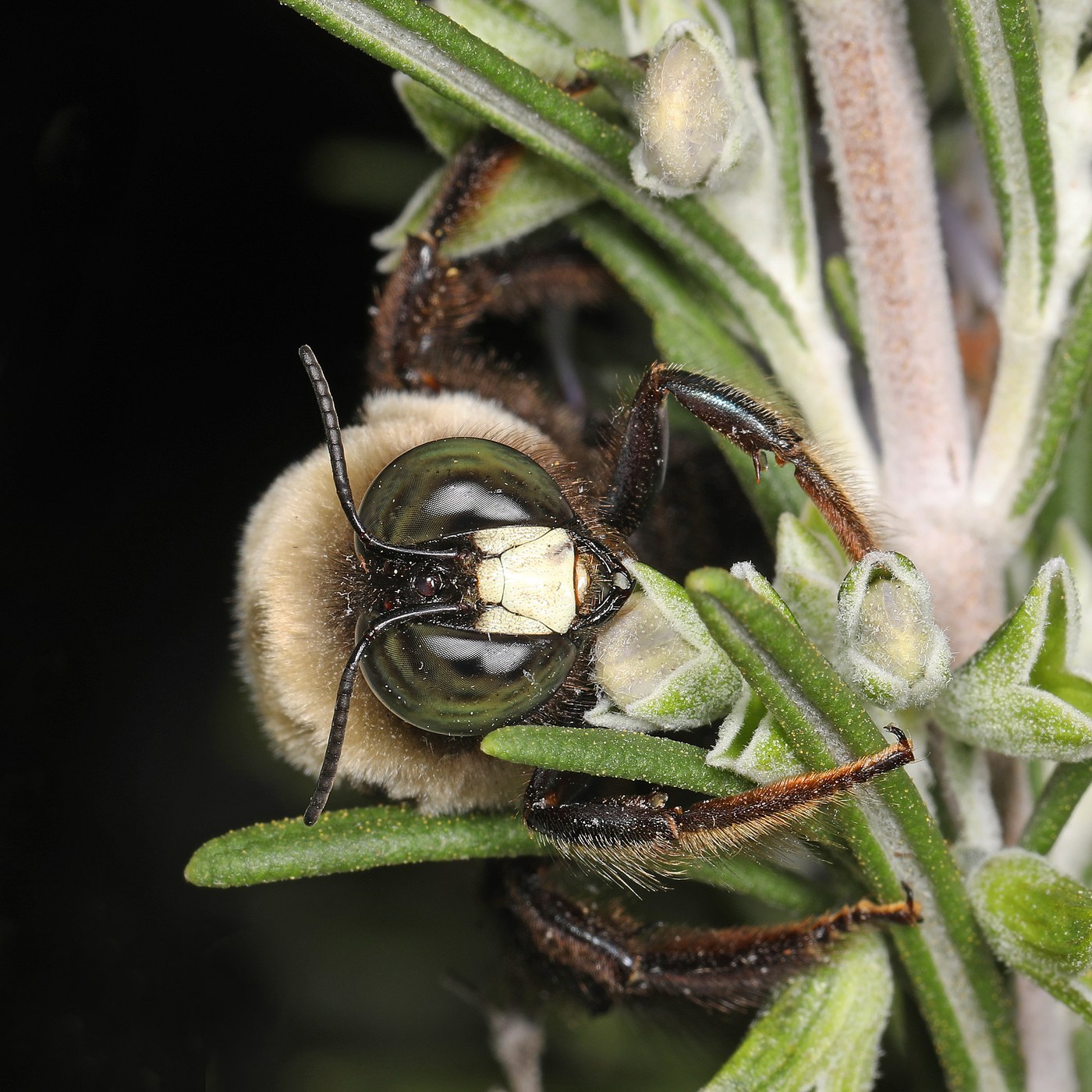
Bumblebee Carpenter Bee
A large, robust bee that closely resembles a bumblebee at a glance but has a smooth, shiny, hairless abdomen and a habit of boring round nesting tunnels into bare wood.
bee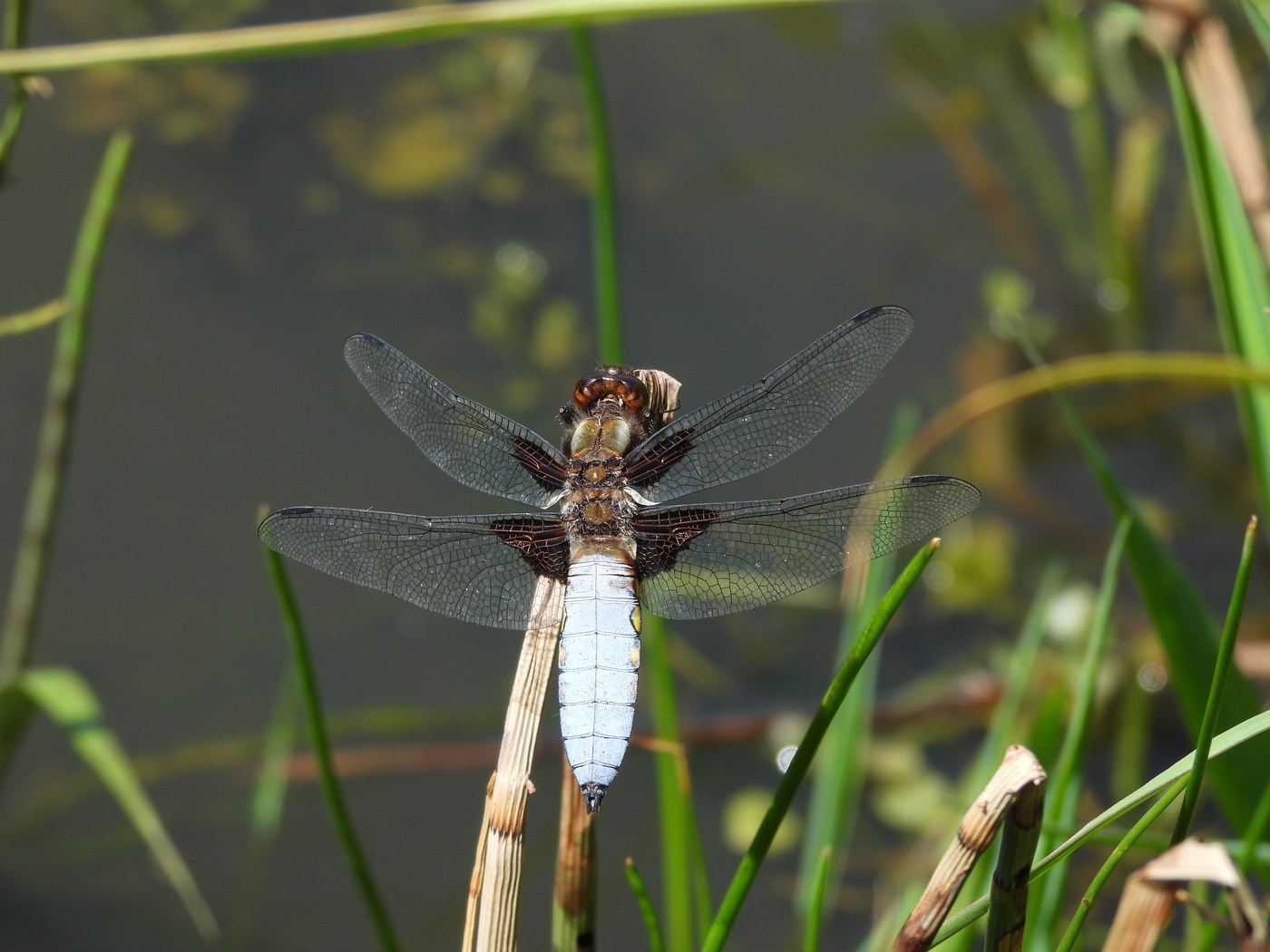
Broad-Bodied Chaser
A stout, flat-bodied dragonfly that is often the first to colonise a new garden pond, with males showing a powdery pale blue abdomen and females a warm golden-brown one.
dragonfly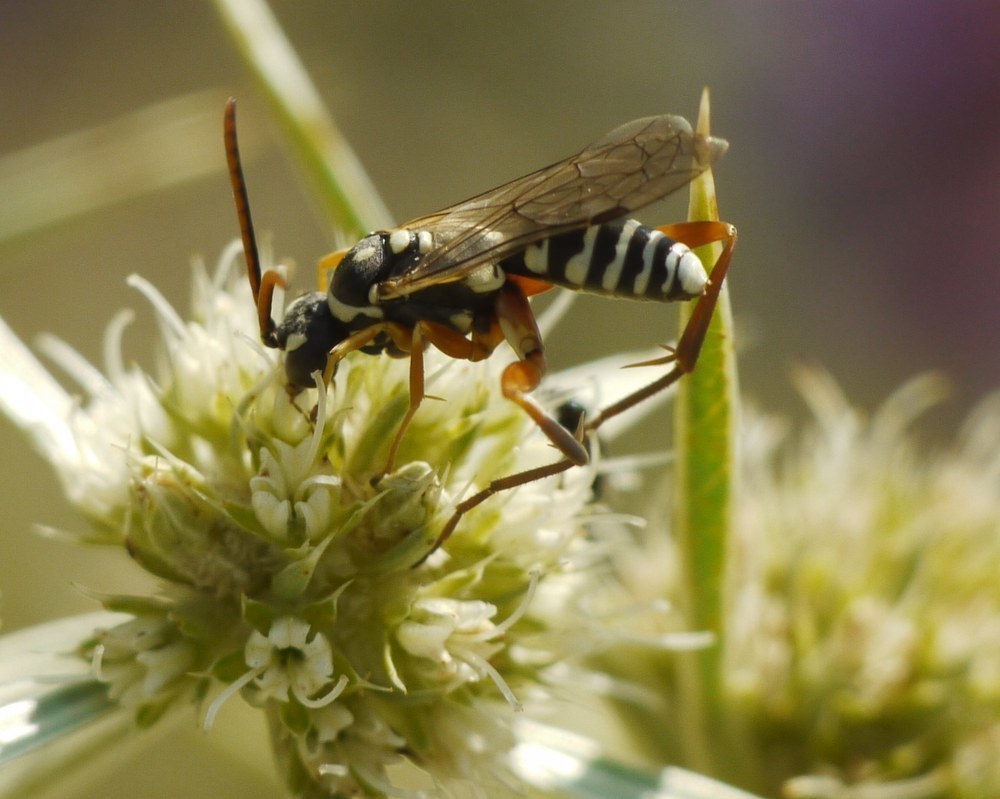
Spider Wasp
A quick, nervous-flying solitary wasp with long spiny legs and constantly flicking wings, recognized for its habit of running across open ground in short bursts while hunting spiders to paralyze and store for its young.
wasp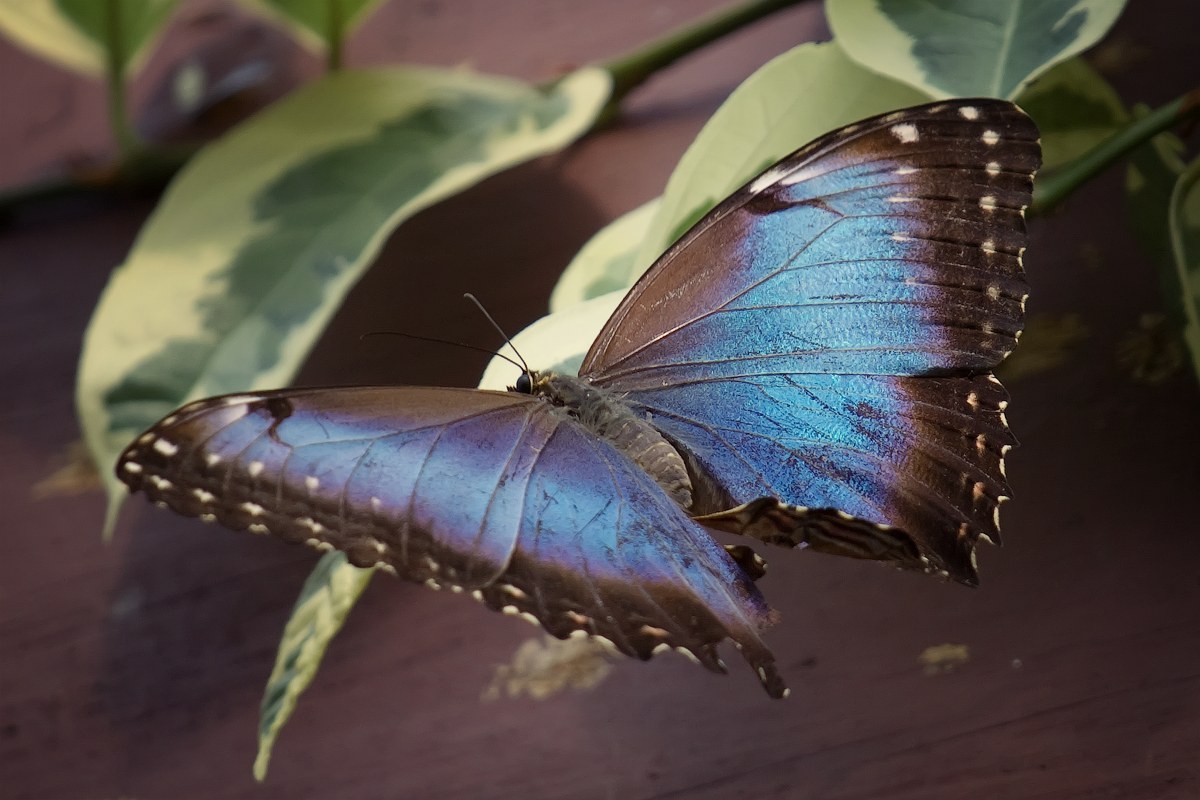
Blue Morpho
A large Neotropical butterfly famed for the brilliant, shimmering iridescent blue of its wing uppersides, which flashes vividly in flight and disappears instantly when the cryptic brown underside is exposed at rest.
butterfly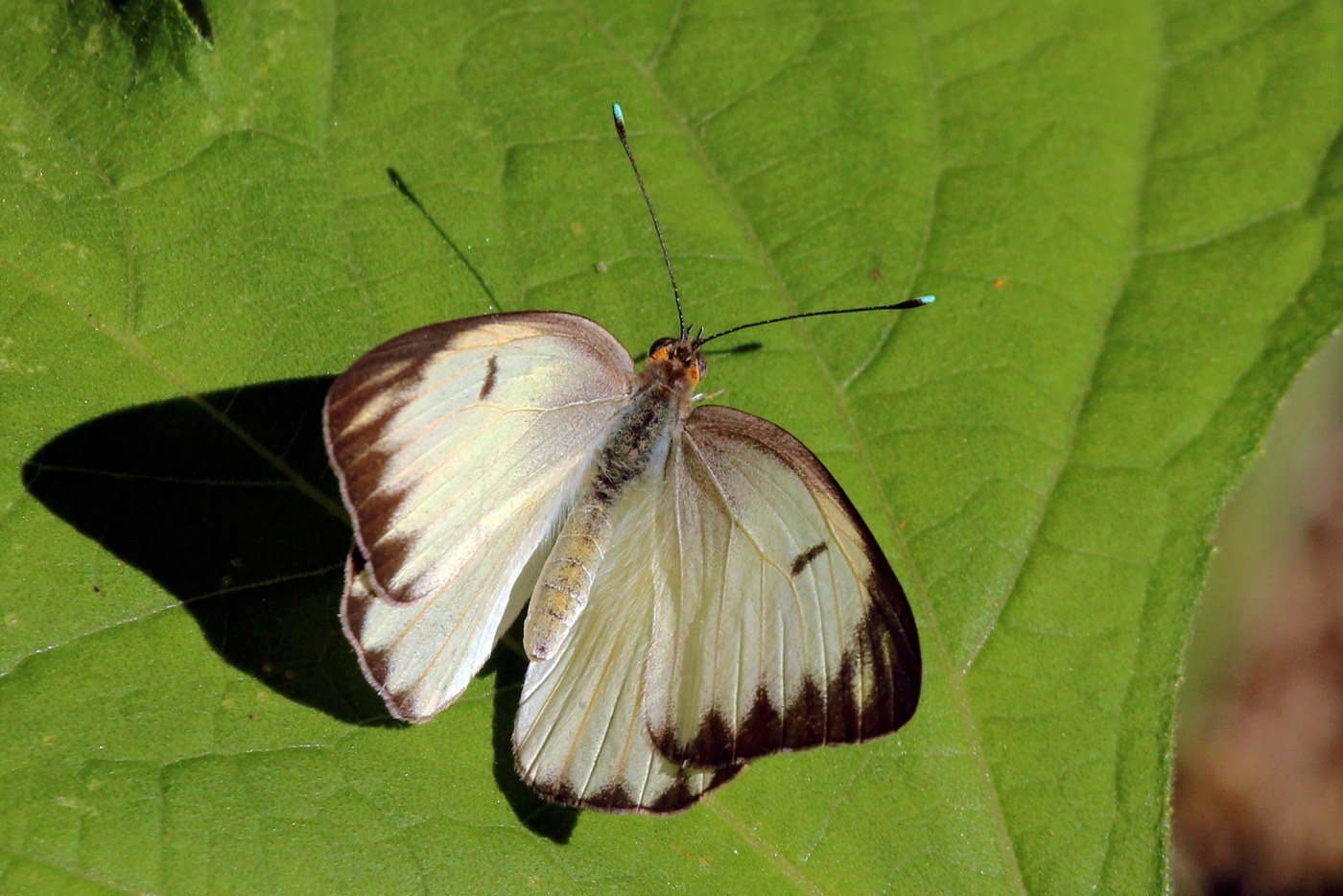
Great Southern White
A crisp white butterfly with contrasting black-and-white checkered wingtips, often seen in large numbers along coastal habitats and open fields of the southern United States.
butterfly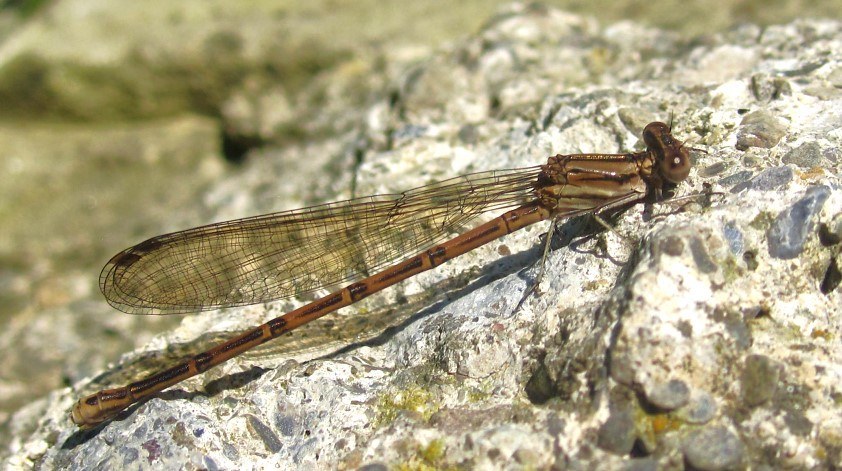
Variable Dancer
True to its name, the Variable Dancer shows striking regional color variation, with eastern males often displaying a rich violet-purple hue rarely seen in other damselflies.
dragonfly