
Bug Encyclopedia
Search and identify bugs & insects — beetles, butterflies, moths, ants, bees, spiders and more — with size, habitat, danger, behavior, and how to tell them apart.
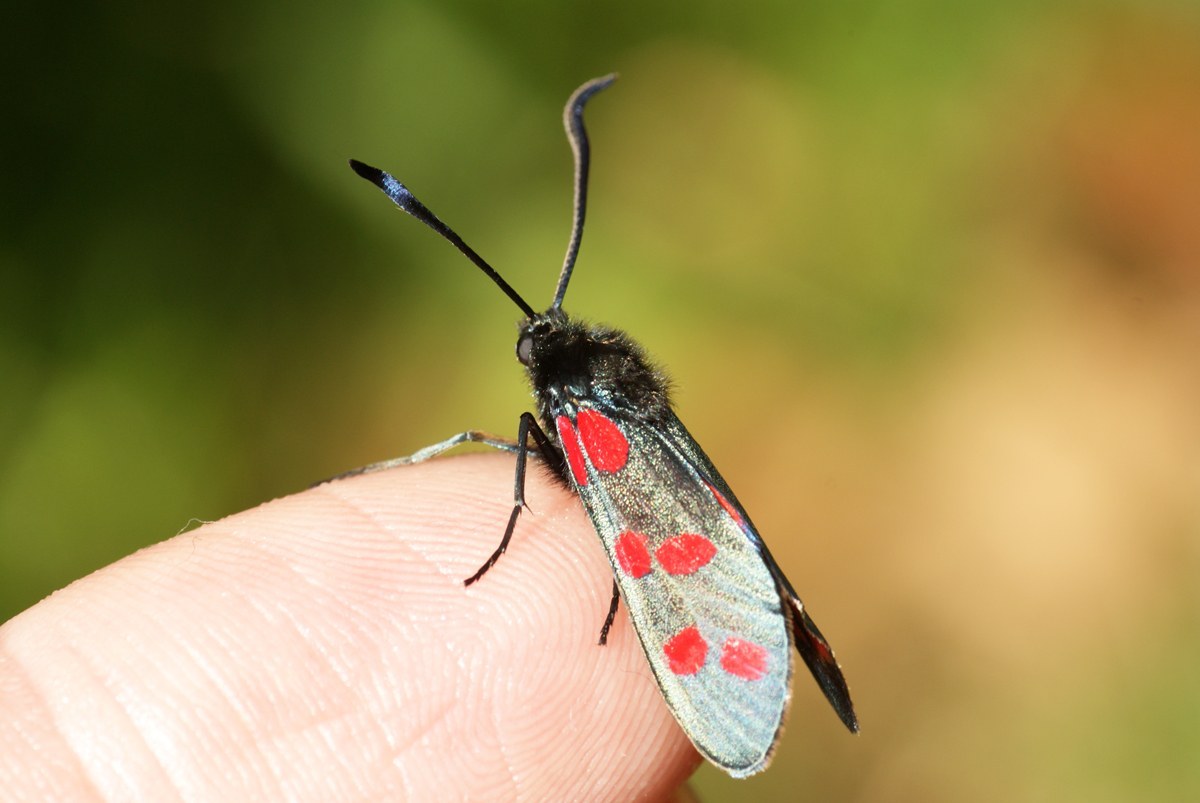
Six-spot Burnet Moth
A day-flying moth with glossy black-green forewings marked by six bold red spots and vivid crimson hindwings, a striking warning-colored insect often mistaken for a butterfly as it visits summer wildflowers.
moth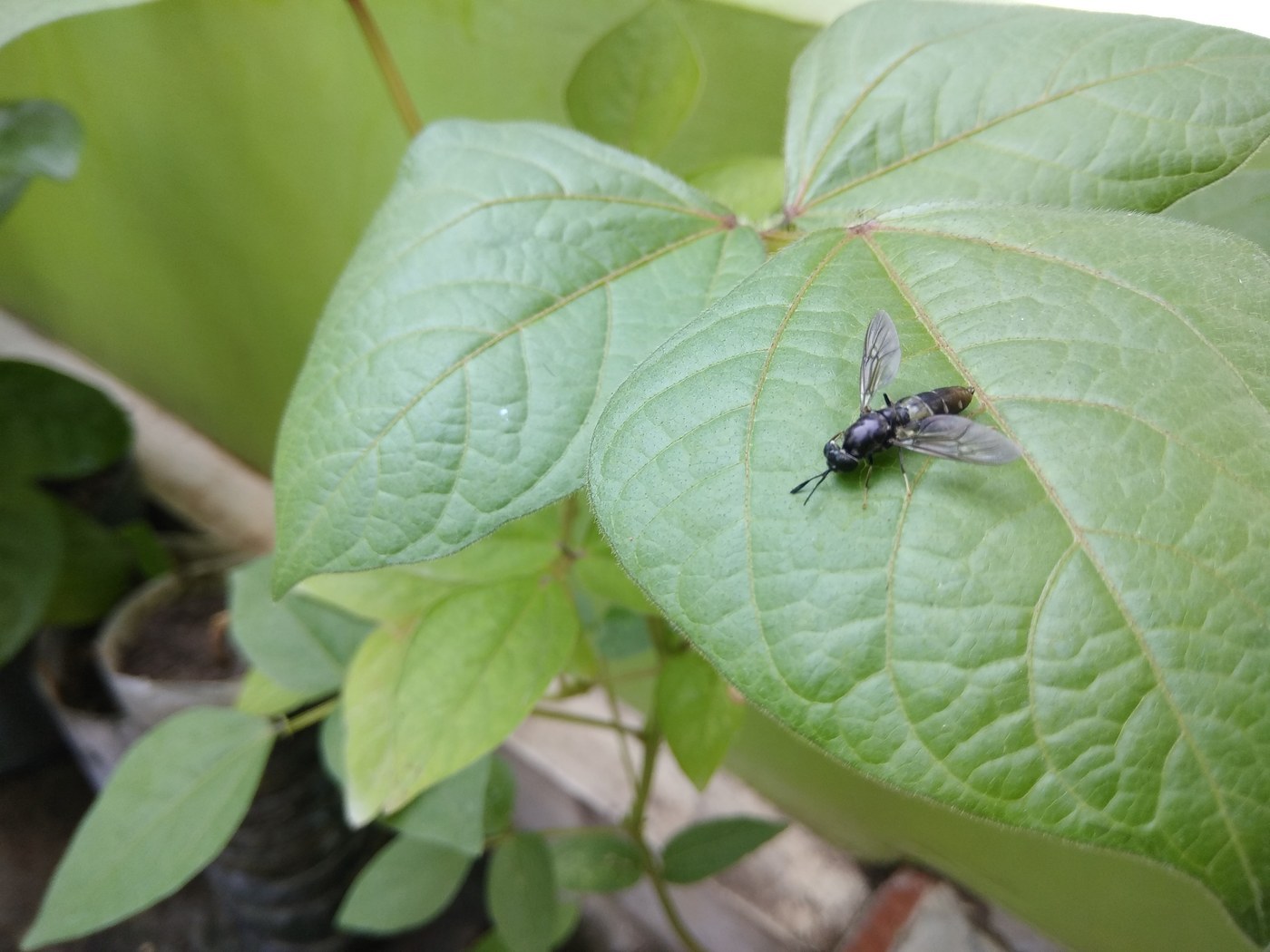
Black Soldier Fly
A sleek, dark, wasp-like fly whose larvae are voracious decomposers of decaying organic material, while the short-lived adults do not feed at all.
fly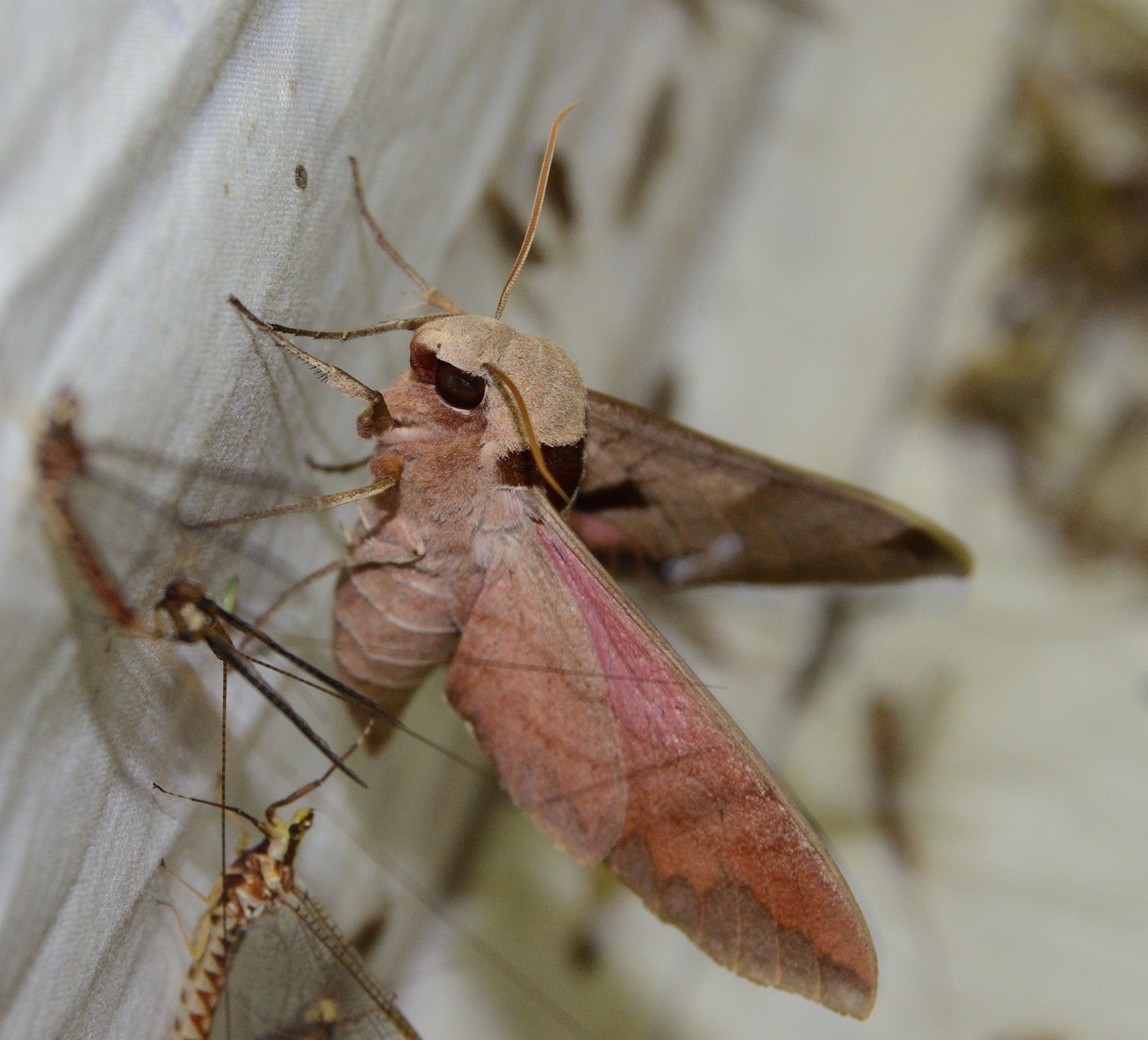
Achemon Sphinx Moth
A large, streamlined sphinx moth with pinkish-brown forewings marked by darker scalloped patches and rosy pink hindwings edged in black, closely tied to grapevines as a larval host.
moth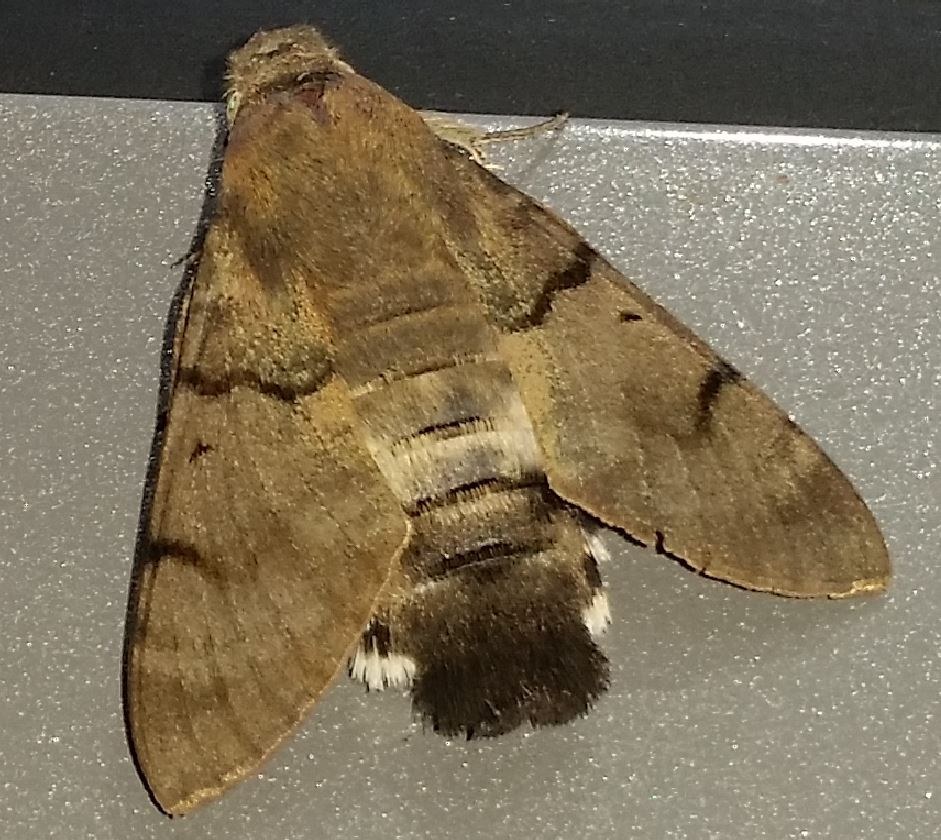
Hummingbird Hawk-Moth
A day-flying moth that hovers in front of flowers on blurring wings while unspooling a long proboscis to sip nectar, so closely mimicking a hummingbird in flight that it is frequently mistaken for one.
moth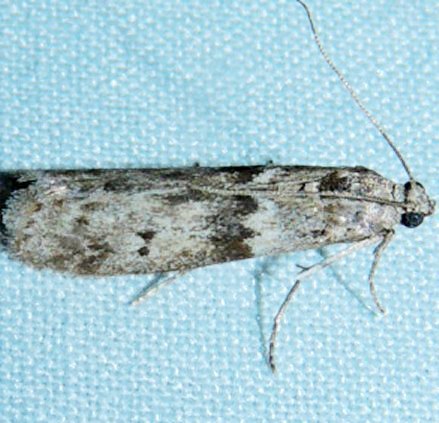
Mediterranean Flour Moth
A small, pale grey moth with fine dark wavy lines on its forewings, whose larvae spin webbing through flour, grain, and other stored dry food products, making it a well-known pest of mills and pantries.
moth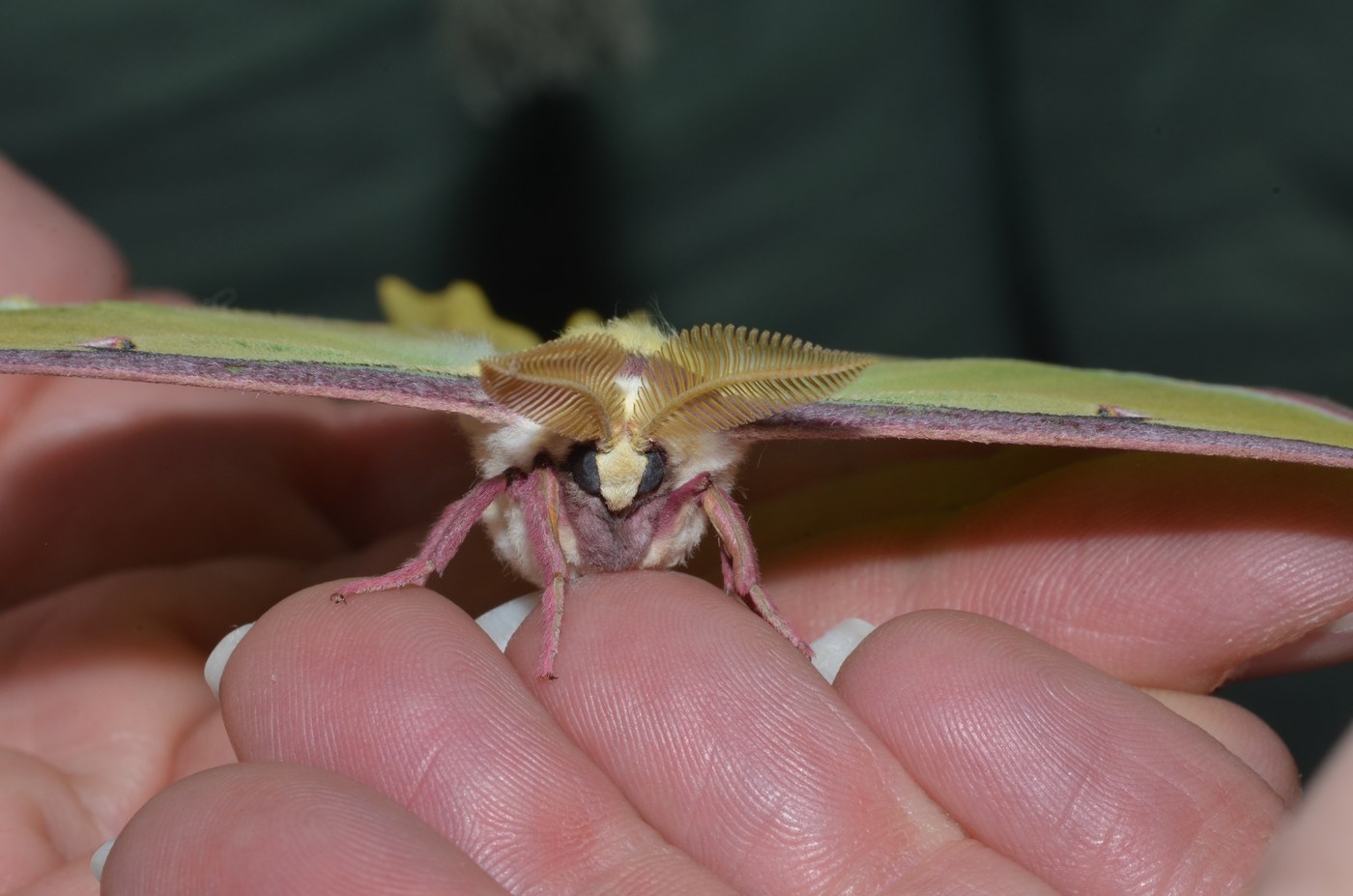
Luna Moth Caterpillar
A large, plump, apple-green caterpillar with faint yellow side stripes and rows of small red-orange tubercles, the larval form of one of North America's most beautiful giant silk moths.
caterpillar-larvaMadagascan Sunset Moth
A day-flying moth with iridescent wings that shimmer through bands of green, blue, red, and gold, so vividly colored that it is frequently mistaken for a butterfly despite being a true moth.
moth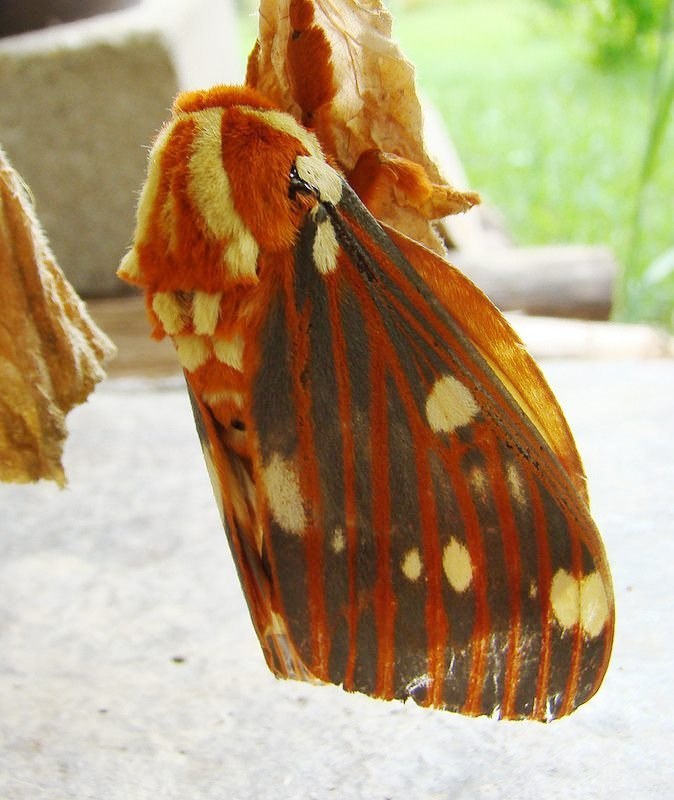
Regal Moth (Hickory Horned Devil)
One of the largest moths in North America, with orange-red and gray-veined wings on the adult, best known for its enormous, formidable-looking caterpillar, the hickory horned devil, a blue-green giant bristling with long orange spines.
moth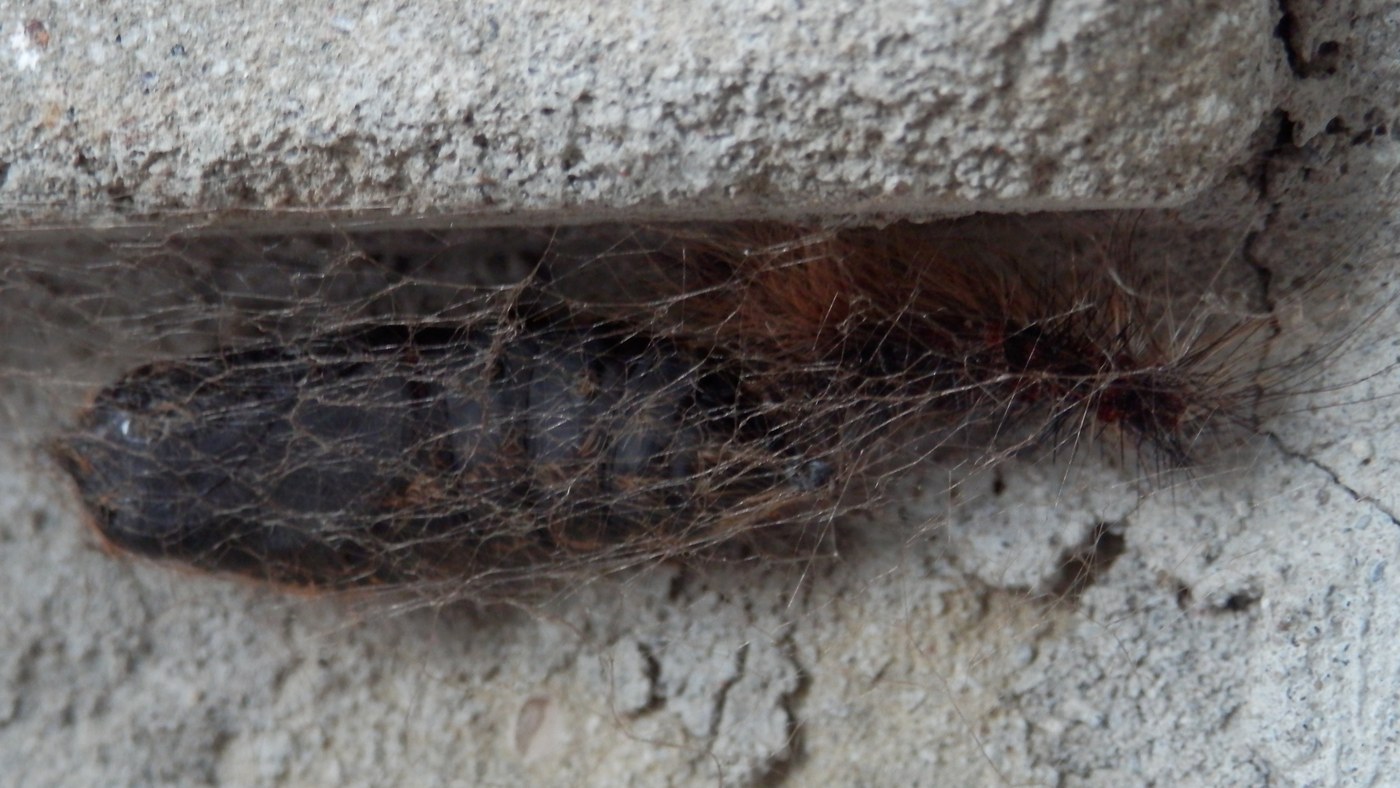
Gypsy Moth Caterpillar (Spongy Moth)
A bristly, blue-and-red-spotted caterpillar that can strip entire hardwood forests bare during major outbreak years.
caterpillar-larva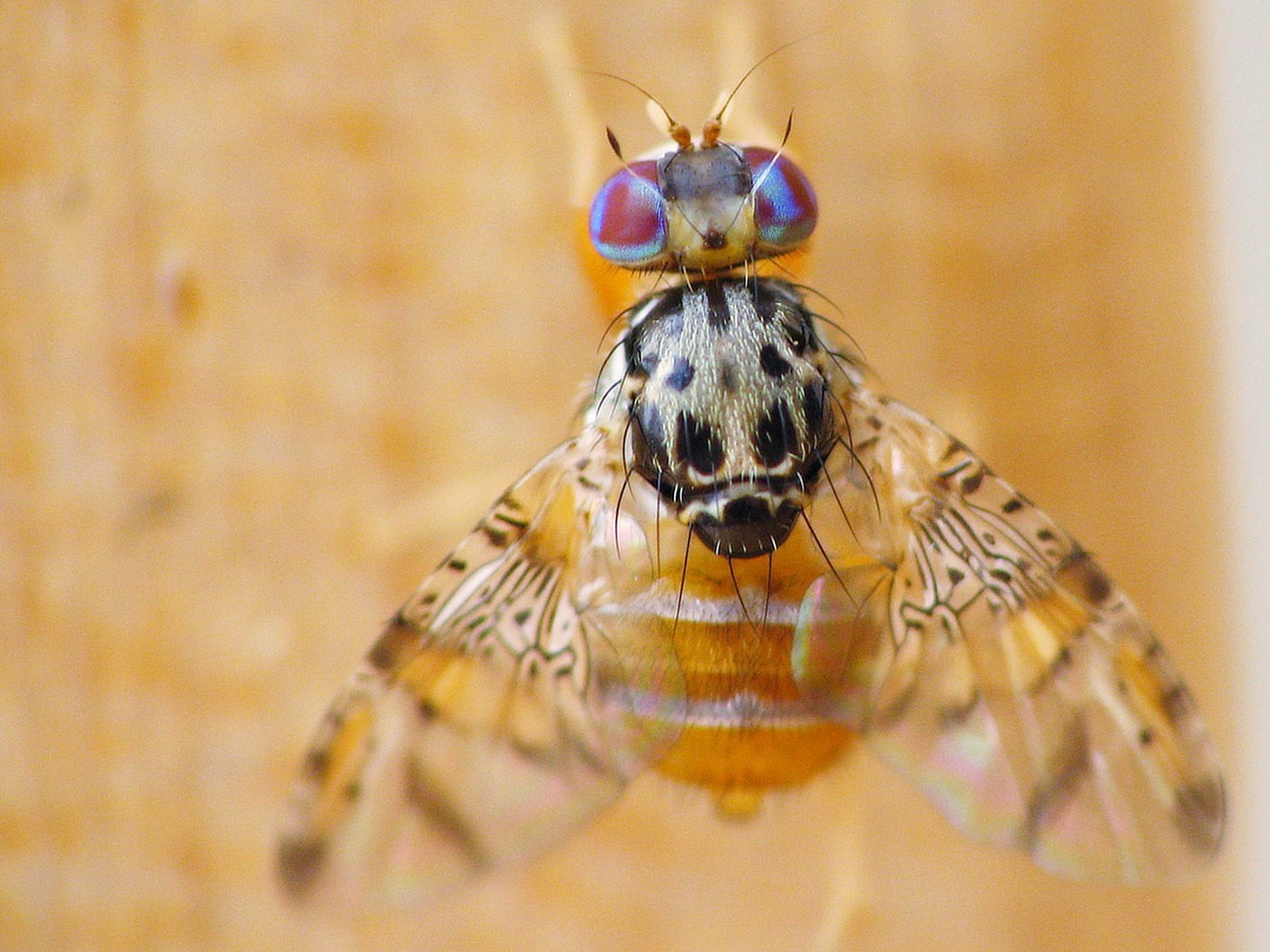
Fruit Fly (Mediterranean)
A small but strikingly patterned fly with mottled, banded wings held out to the sides in a fan and a body dotted with silvery spots, best known for larvae that tunnel through ripening fruit. Native to sub-Saharan Africa, it has spread with human trade to become one of the most widely recognized fruit-infesting insects in the world.
fly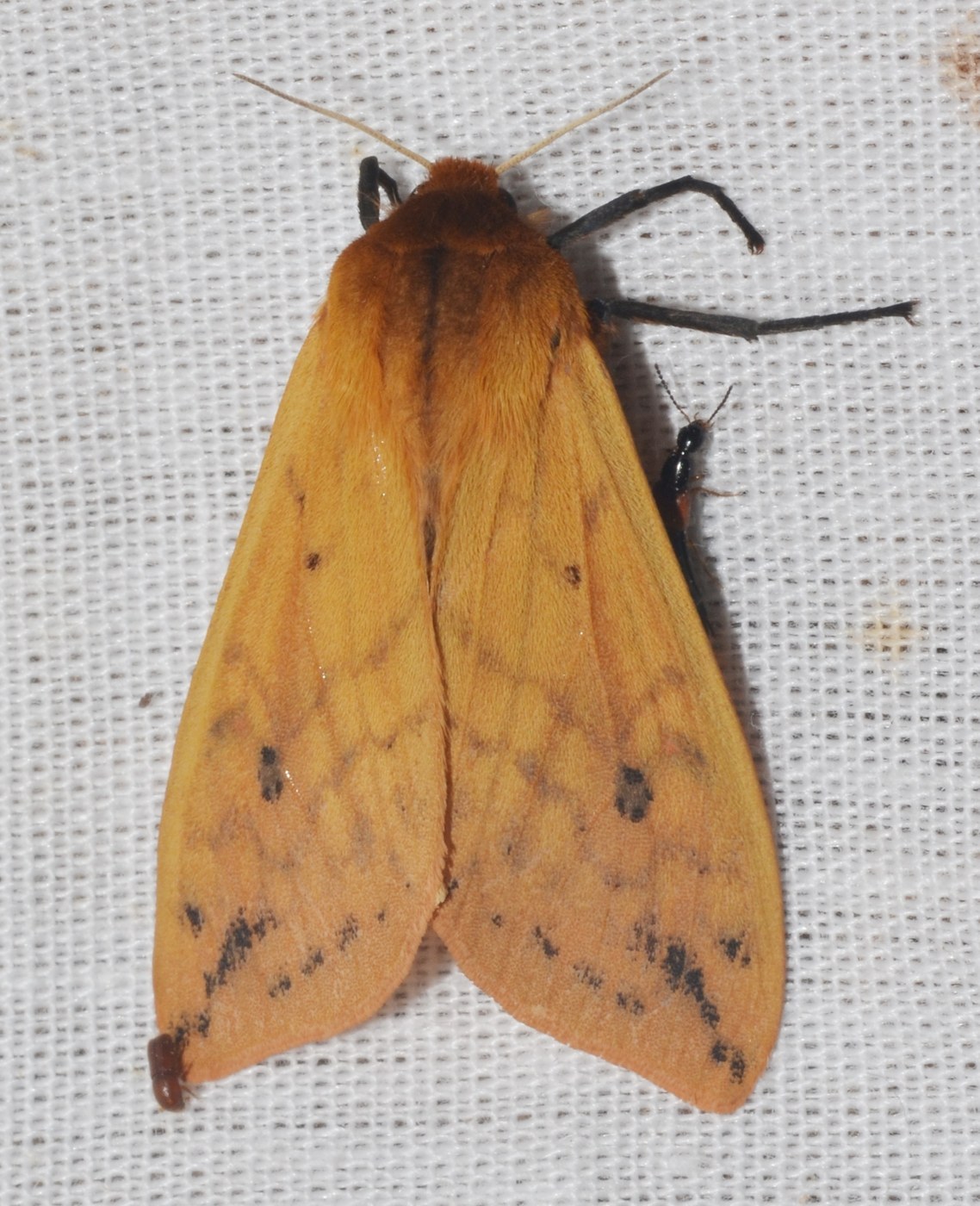
Isabella Tiger Moth (Woolly Bear)
Famous chiefly in its larval stage as the banded woolly bear caterpillar, this tiger moth's fuzzy black-and-rust-colored caterpillar is a familiar autumn sight, while the adult is a soft, tawny-orange moth with a stout, furry body.
moth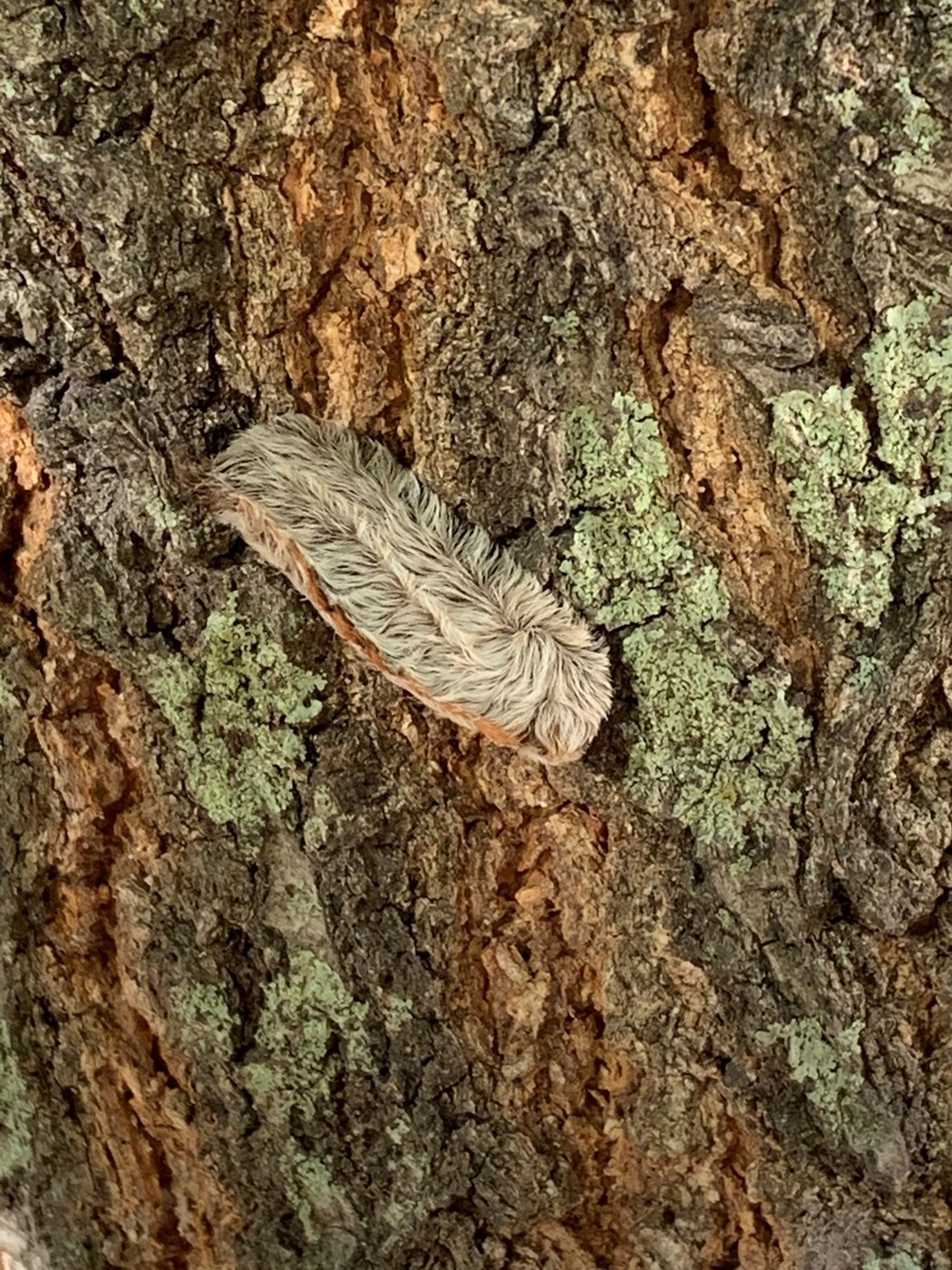
Southern Flannel Moth (Puss Caterpillar Moth)
A small, densely furred tan-to-orange moth best known for its unusual larva, a soft-looking, cat-tailed caterpillar whose fluffy coat hides rows of venomous spines.
mothMaggot
A pale, legless, tapering grub that wriggles through rotting food and organic waste, the larval stage of a fly.
caterpillar-larvaRat-Tailed Maggot
Named for its long, thin, telescoping breathing tube, the rat-tailed maggot is the aquatic larva of the drone fly, thriving in stagnant, low-oxygen water where few other insects can survive.
aquatic-insect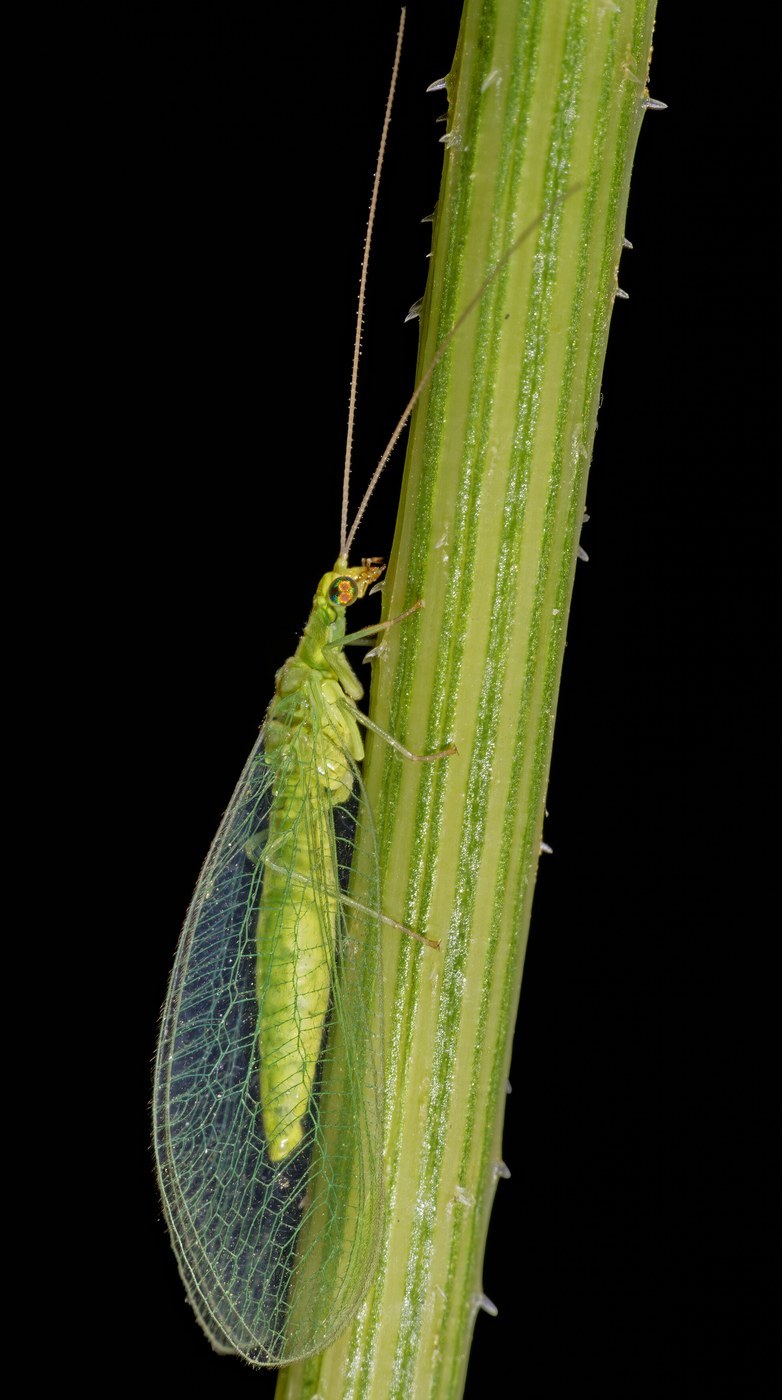
Lacewing
A delicate, pale green insect with large, transparent, intricately veined wings and shining golden or copper-colored eyes, valued as a natural predator of aphids in its larval form.
otherIchneumon Wasp
A slender, long-antennaed parasitoid wasp, often mistaken for a giant mosquito or a stinging insect, that is best known for the extraordinarily long ovipositor some species use to drill into wood and lay eggs on hidden larvae.
waspCaterpillar
The soft-bodied, segmented larval stage of butterflies and moths, recognized by its worm-like shape, multiple pairs of stubby legs, and voracious appetite for leaves.
caterpillar-larva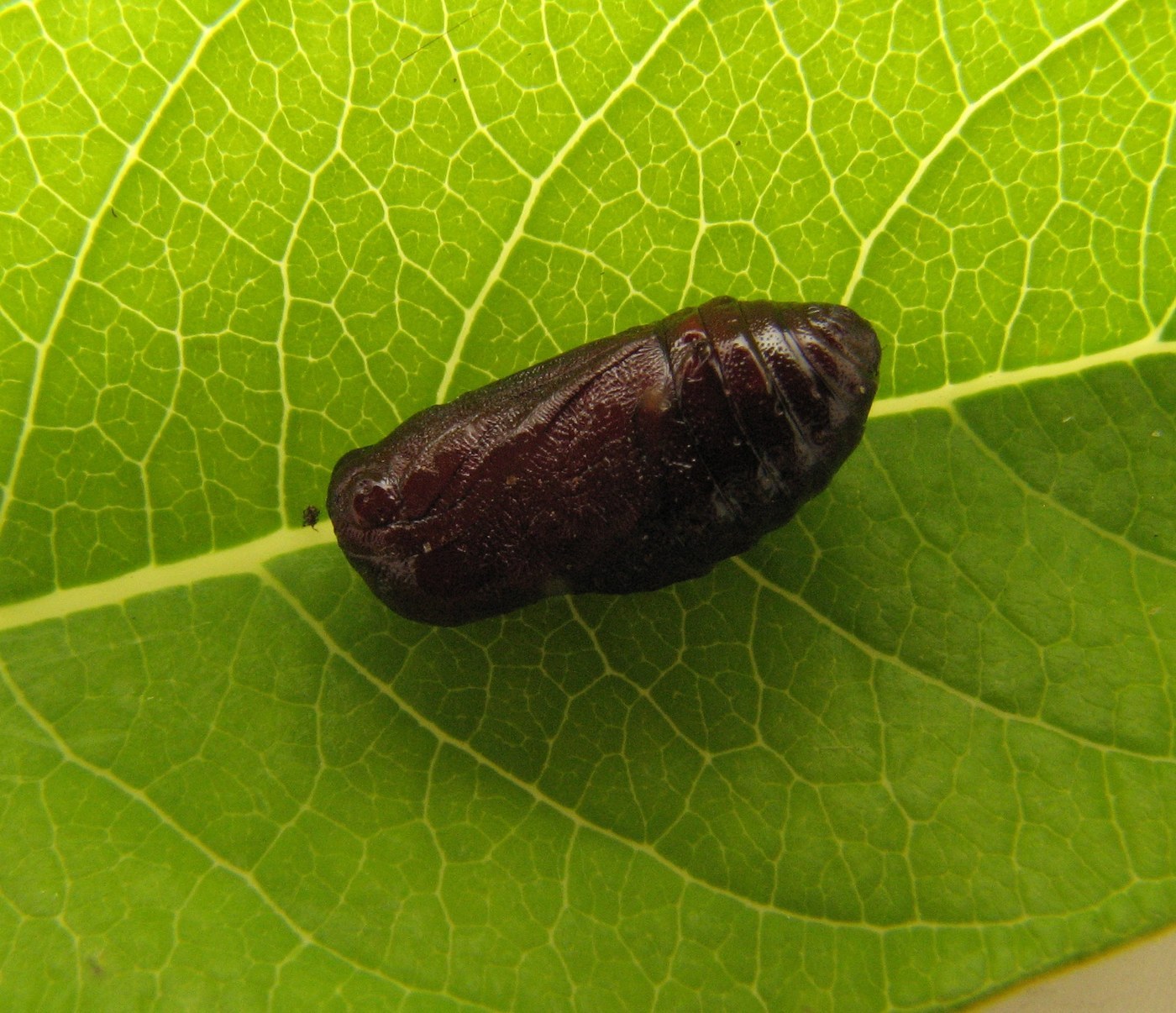
Milkweed Tussock Caterpillar
Rows of dense orange, black, and white hair tufts run down the back of this milkweed specialist, whose young larvae feed in tight groups that skeletonize milkweed leaves before dispersing to feed alone.
caterpillar-larvaGnat
A catch-all common name for a wide range of tiny, delicate flies, some no bigger than a grain of pepper, often seen hovering in small clouds near water, moist soil, or overripe produce.
fly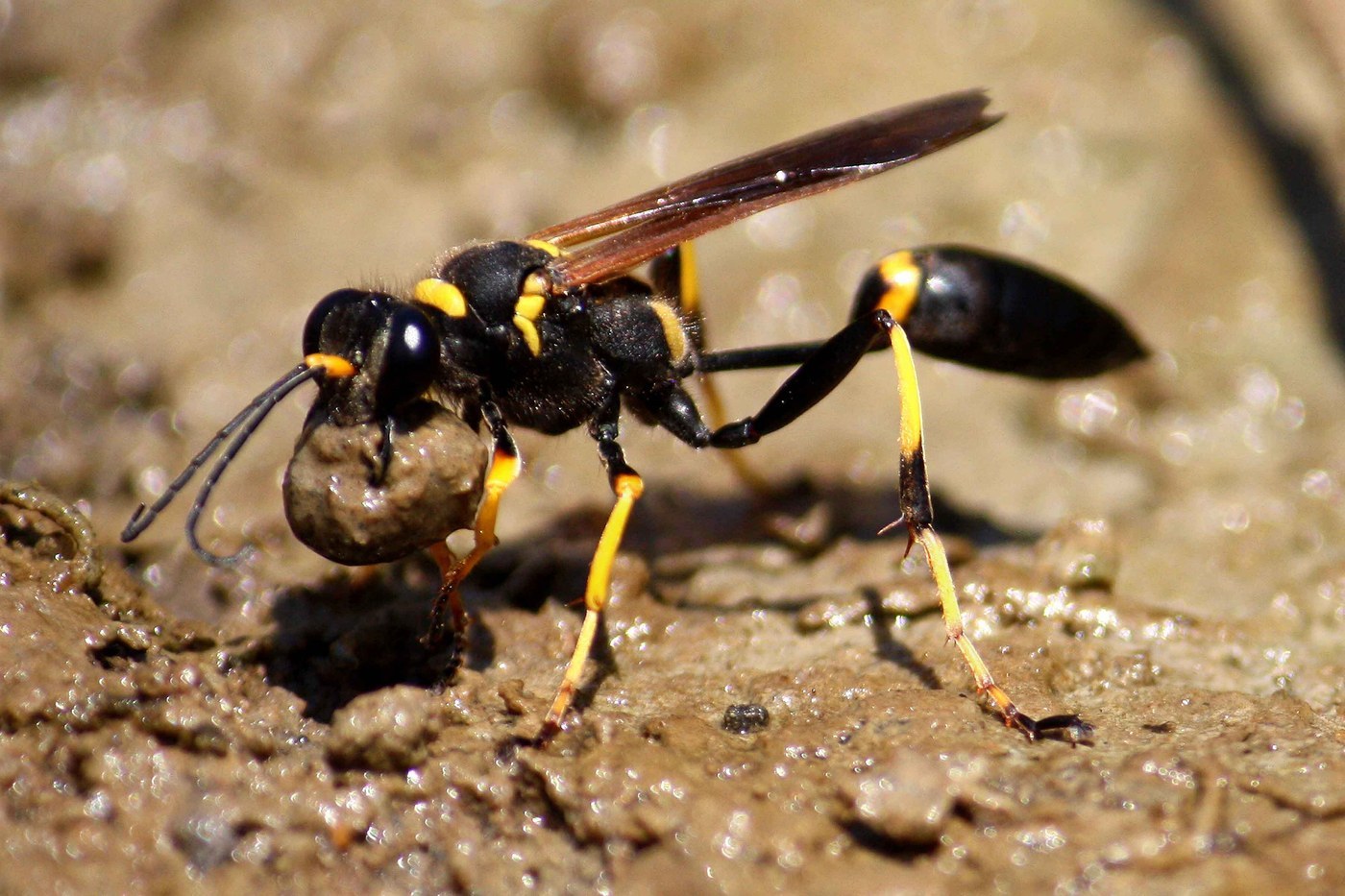
Mud Wasp
A slender, thread-waisted solitary wasp famous for plastering rows of tube-shaped mud cells under eaves and porch ceilings, each one stocked with paralyzed spiders for its larva.
wasp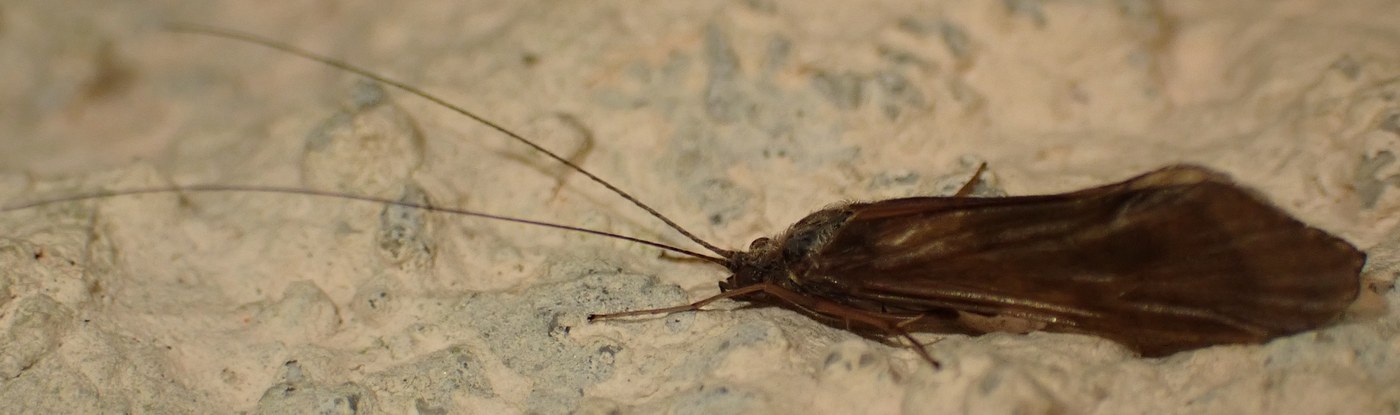
Caddisfly
A moth-like insect whose larvae are famous for constructing portable protective cases out of silk and whatever sand, twigs, or debris they can find.
aquatic-insect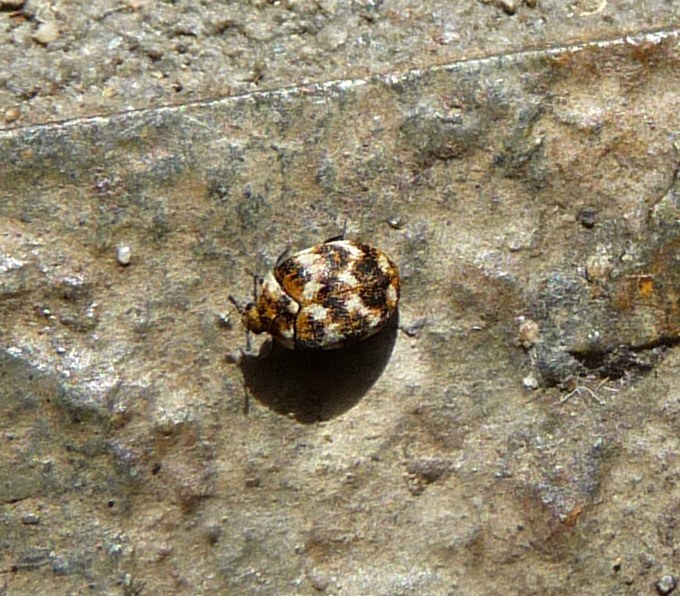
Carpet Beetle
A tiny, rounded beetle with a mottled scale pattern of white, brown, and yellow, whose bristly larvae are known for feeding on wool, fur, and other dried animal fibers indoors.
beetle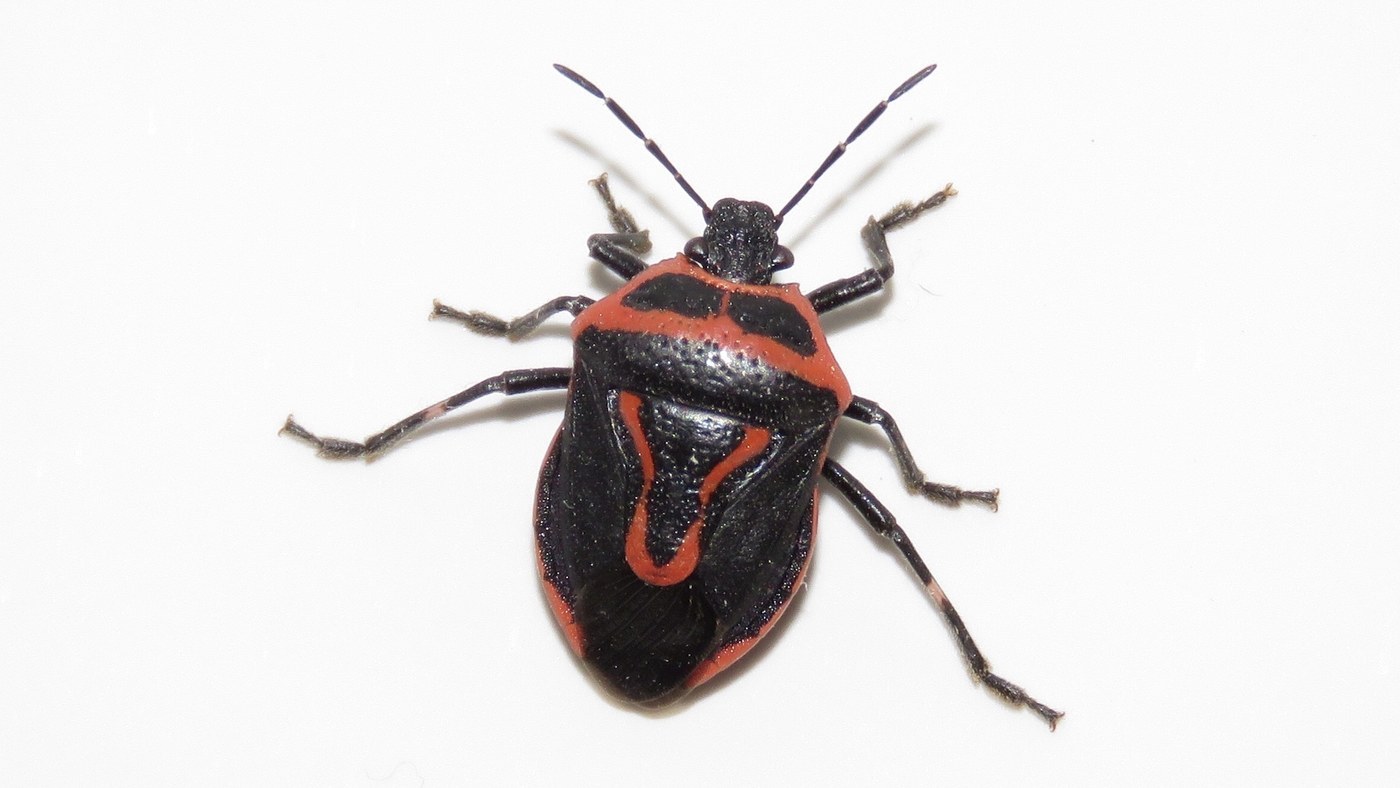
Two-Spotted Stink Bug
A boldly patterned black-and-orange predatory stink bug named for the pair of dark spots on its back, best known for hunting Colorado potato beetle larvae in gardens and fields.
true-bug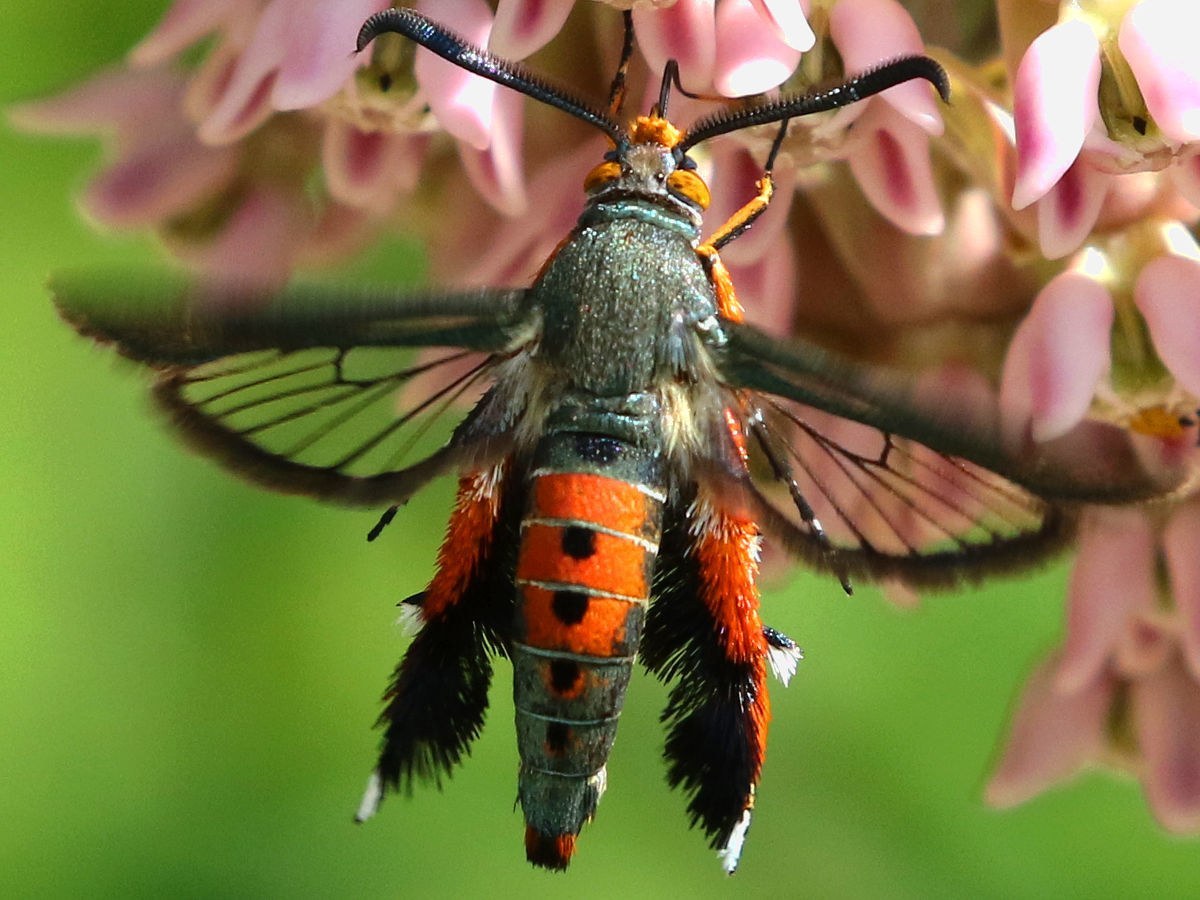
Squash Vine Borer
A day-flying, wasp-mimicking moth whose orange fuzzy hind legs and metallic wings make it easy to mistake for a wasp as it darts around squash vines.
moth