
Bug Encyclopedia
Search and identify bugs & insects — beetles, butterflies, moths, ants, bees, spiders and more — with size, habitat, danger, behavior, and how to tell them apart.
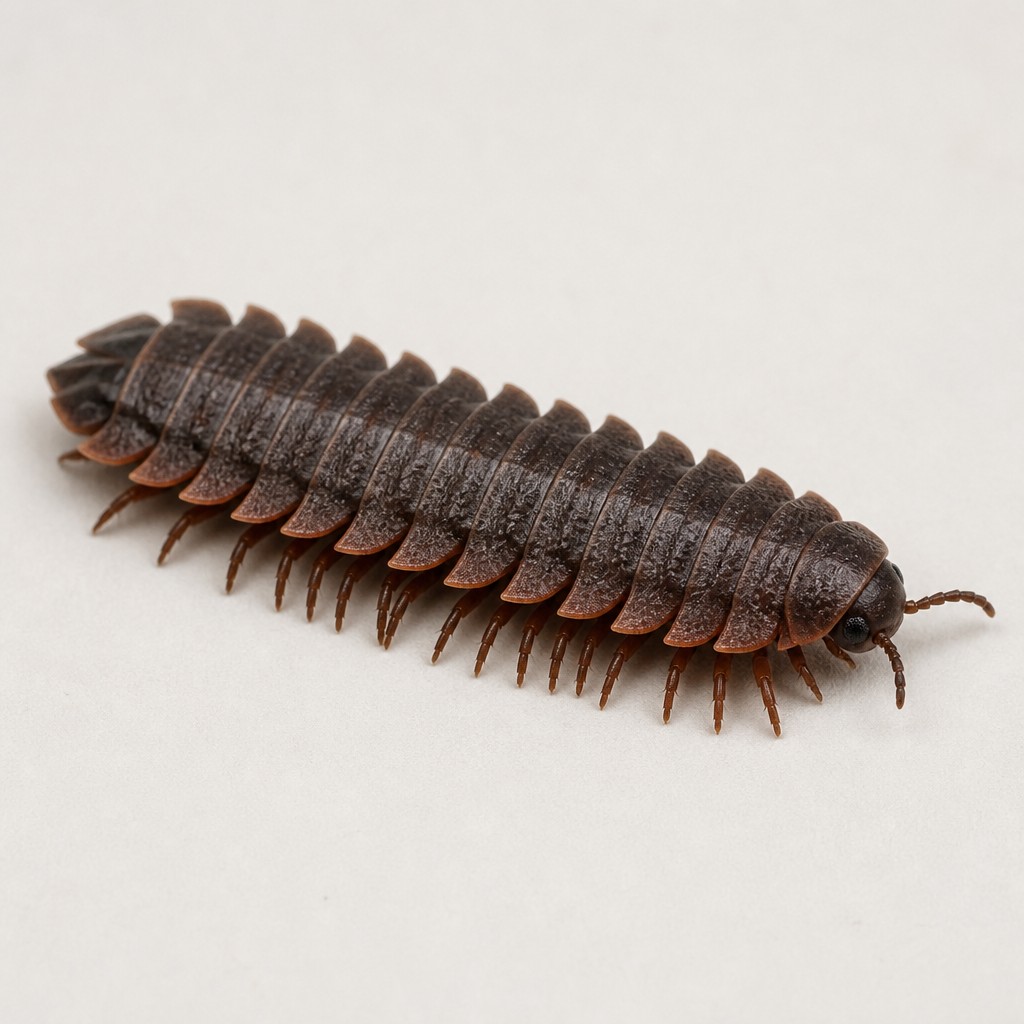
Flat-backed Millipede
A slow, armor-plated decomposer whose body segments flare into flat, wing-like keels, giving it a distinctly ribbed, tank-like silhouette compared to rounder millipedes.
myriapod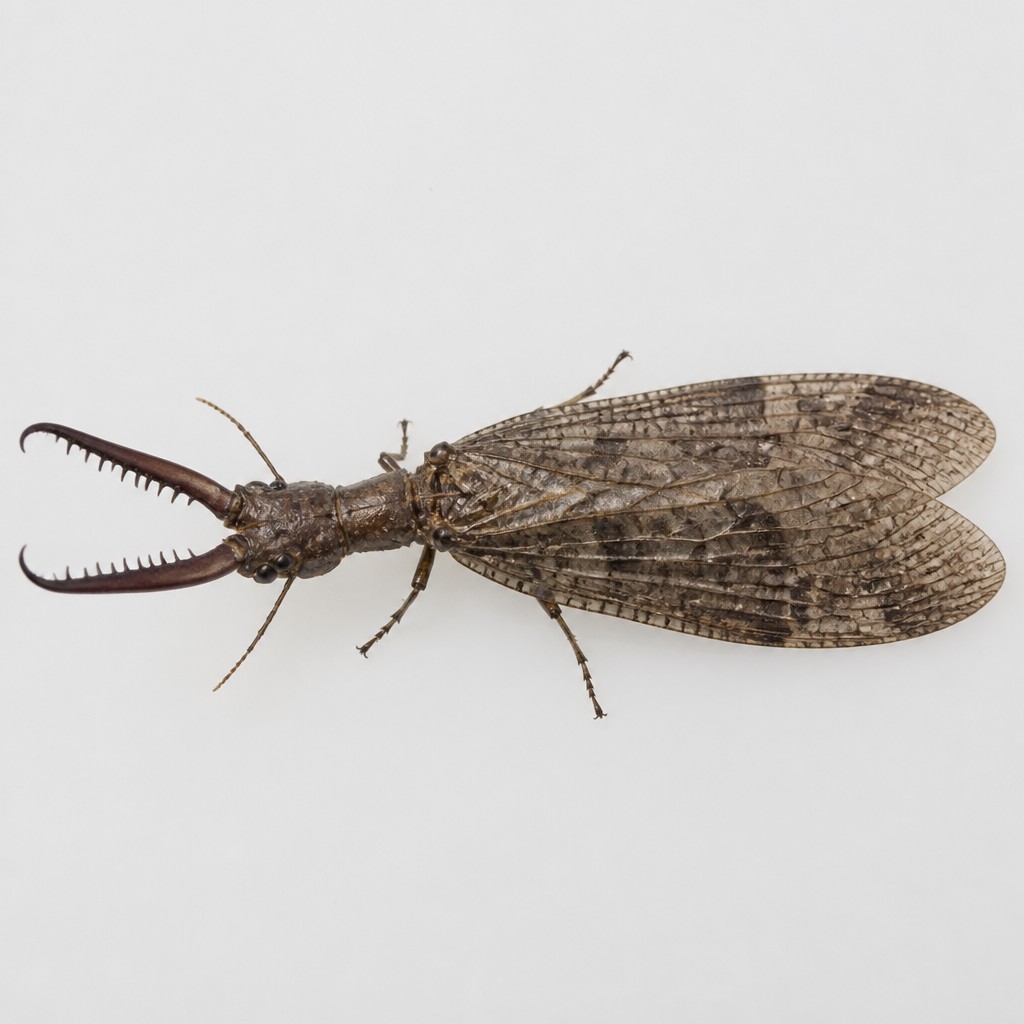
Eastern Dobsonfly
The classic dobsonfly of eastern North America, famous for the male's outsized, tusk-like jaws and for its aquatic larva, the hellgrammite, a favorite live-bait fishing lure.
aquatic-insect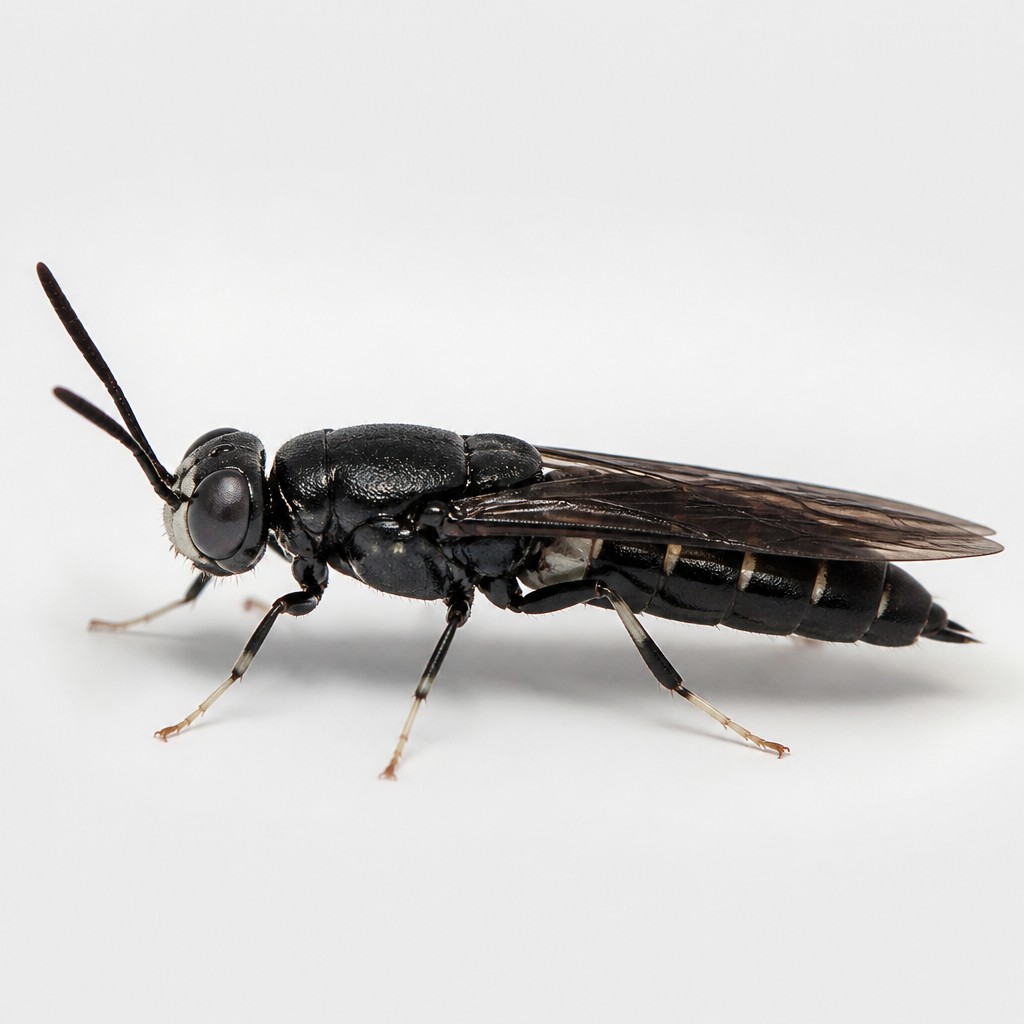
Black Soldier Fly
A sleek, dark, wasp-like fly whose larvae are voracious decomposers of decaying organic material, while the short-lived adults do not feed at all.
fly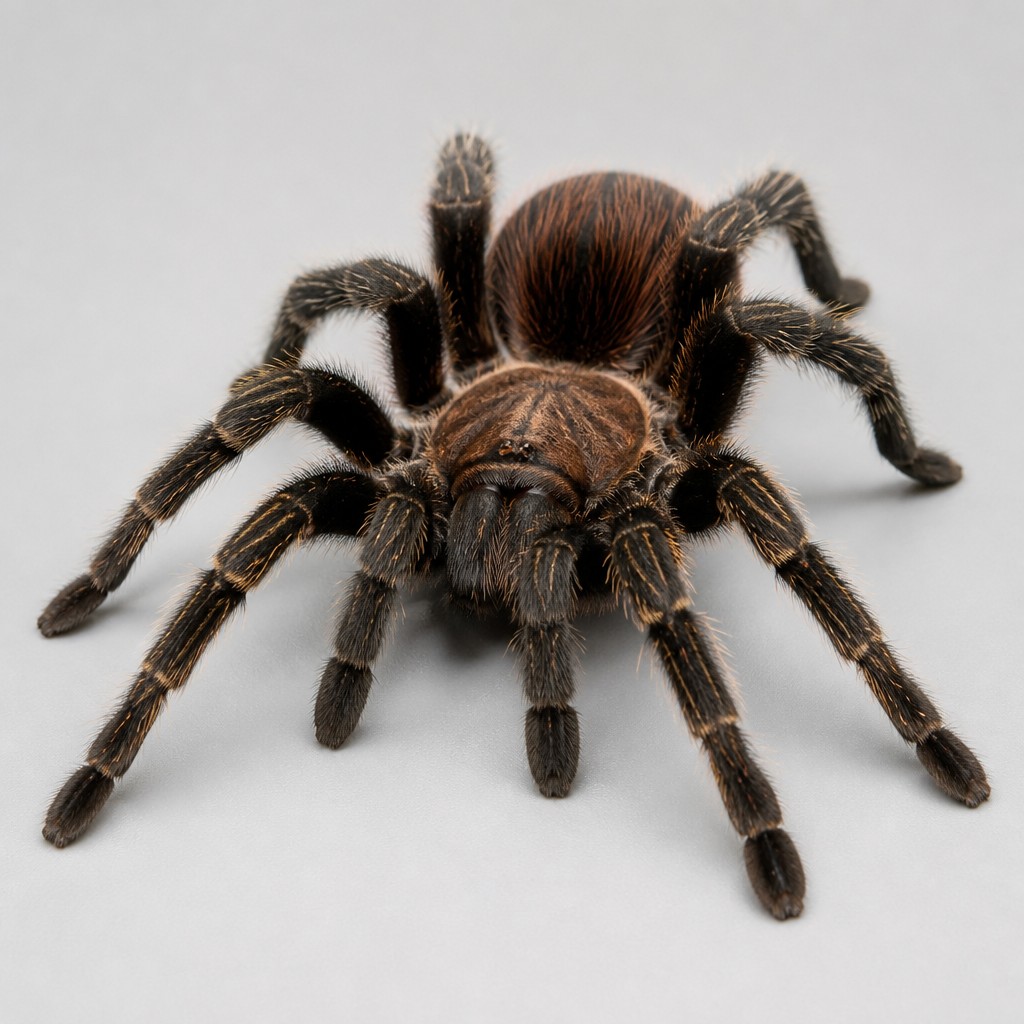
Tarantula
The tarantula is the heavyweight of the spider world, a densely furred, ground-hugging hunter that spends most of its long life waiting in a silk-lined burrow for prey to wander past.
spider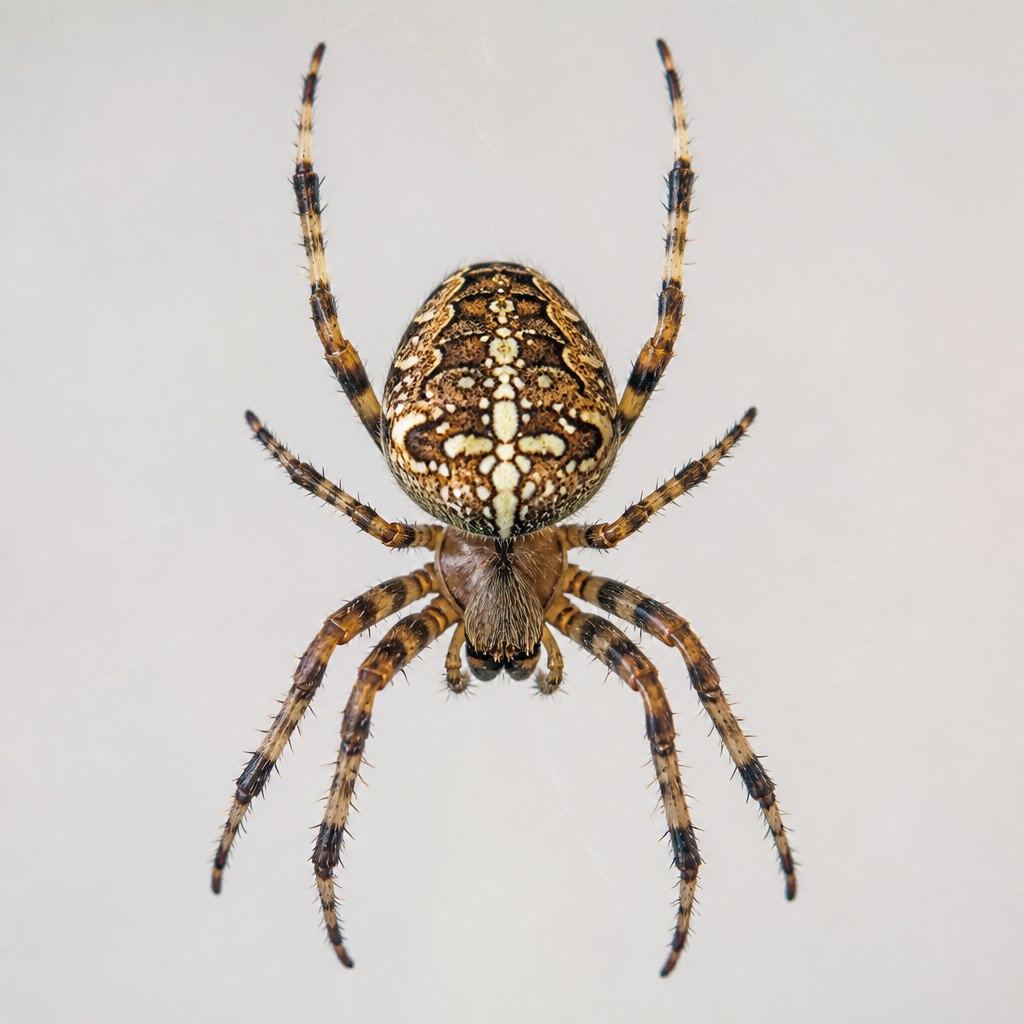
Garden Orb Weaver Spider
The classic maker of the round, wheel-shaped web, the garden orb weaver hangs head-down at the center of its silken snare. Many sport a cross-like pattern of pale spots on a rounded abdomen.
spider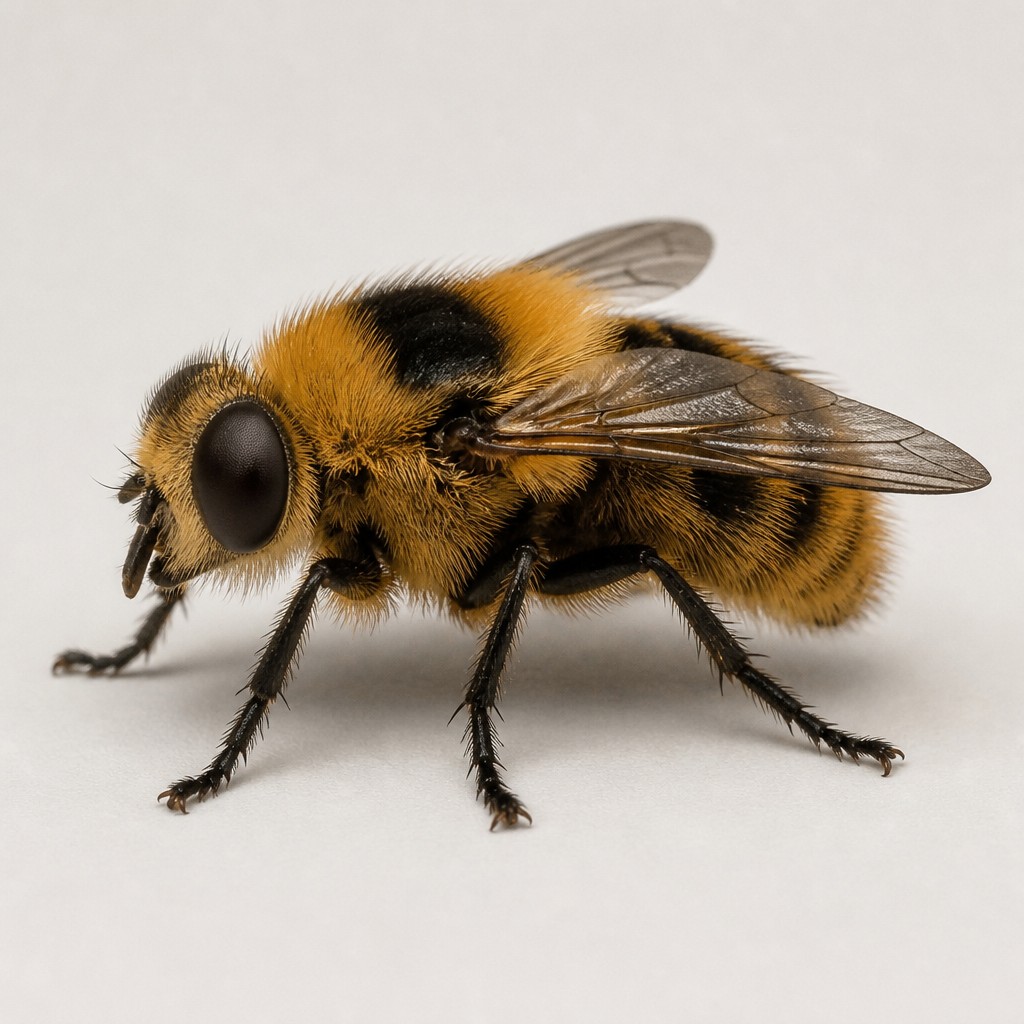
Warble Fly
A furry, bee-mimicking fly that never lands on flowers or feeds as an adult, spending its brief life darting around grazing cattle to lay eggs on their legs and lower body. Herds sometimes react with sudden panicked runs, known as gadding, whenever a warble fly approaches.
fly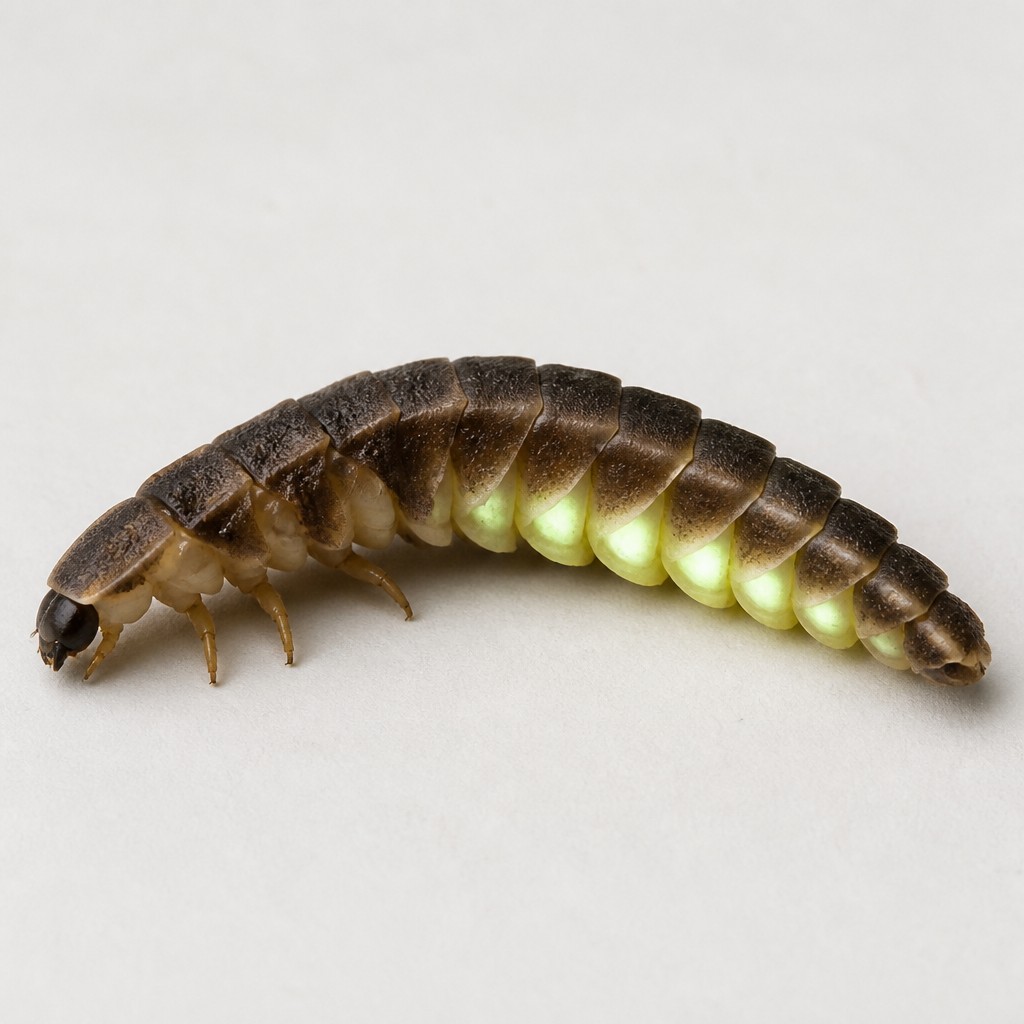
Glowworm Beetle
A beetle whose females remain larva-like and glowing for their entire lives, producing rows of soft greenish light along their segmented, worm-like bodies, while males develop into small, feathery-antennaed flying beetles.
beetle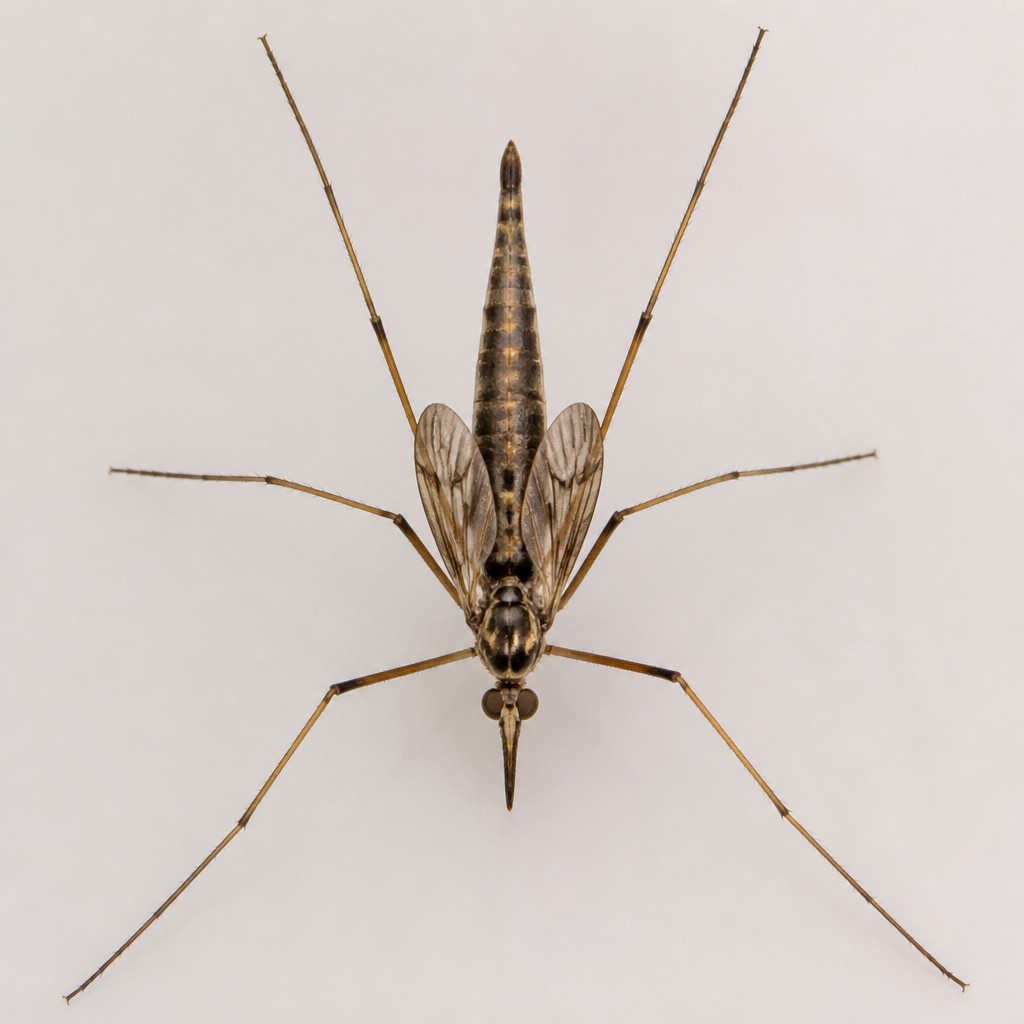
Snipe Fly
A slender, long-legged fly often seen perched head-down on a sunny tree trunk or fence post, patiently watching for smaller insects to ambush. Its tapered, wasp-like abdomen and habit of resting motionless with legs splayed give it a distinctive, almost sentry-like posture in woodland clearings.
fly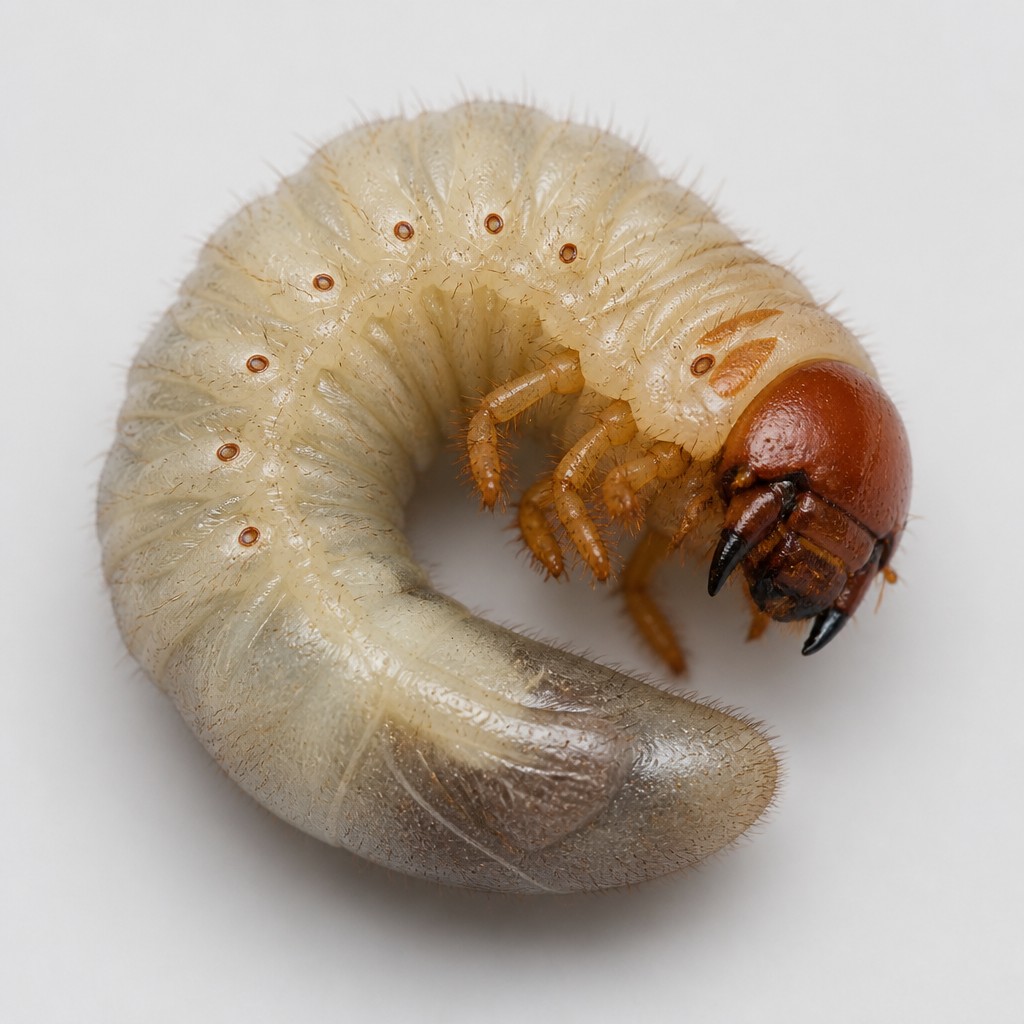
White Grub
A pale, C-shaped larva with a brown head capsule and six stubby legs, spending its entire early life hidden underground feeding on roots before emerging as a stout May or June beetle.
beetle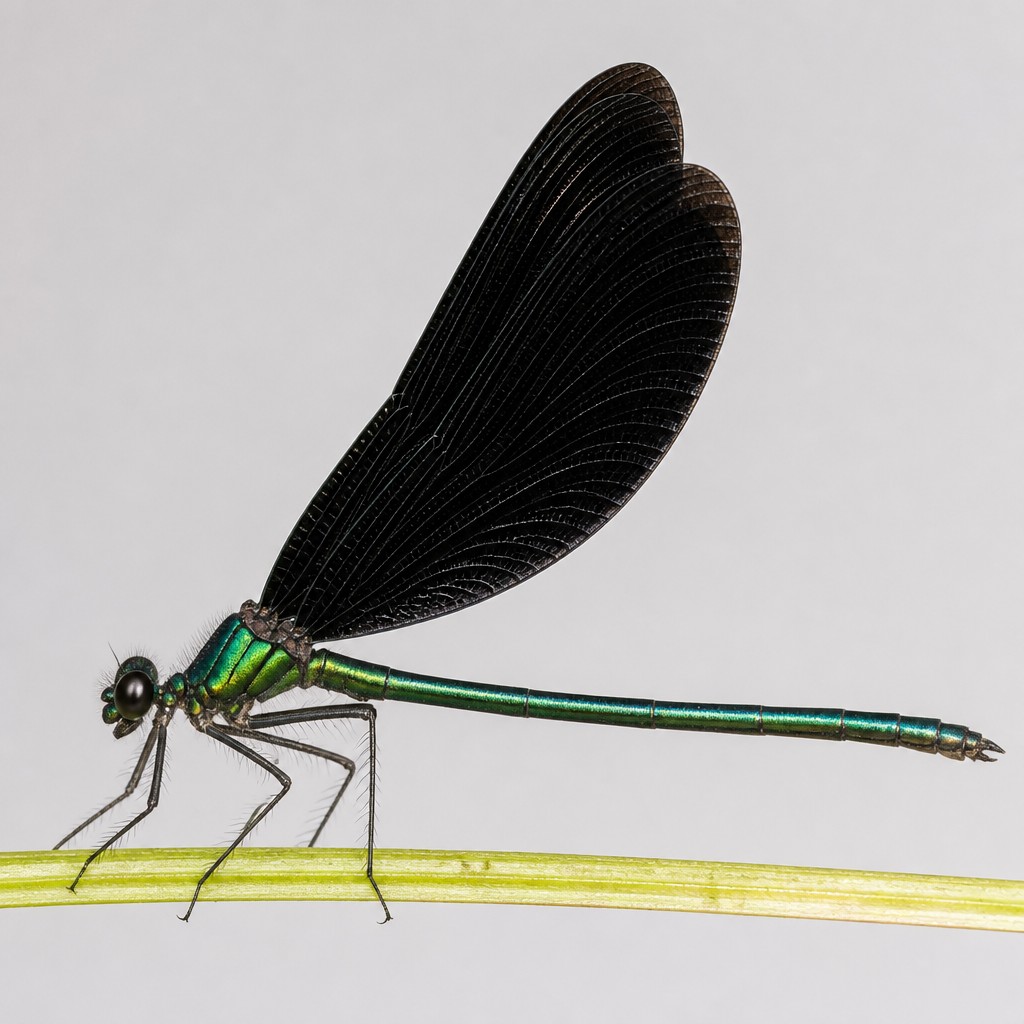
Ebony Jewelwing Damselfly
With a metallic emerald body and wings of solid inky black, the ebony jewelwing flutters like a delicate butterfly along shaded forest streams rather than darting like most other damselflies.
dragonfly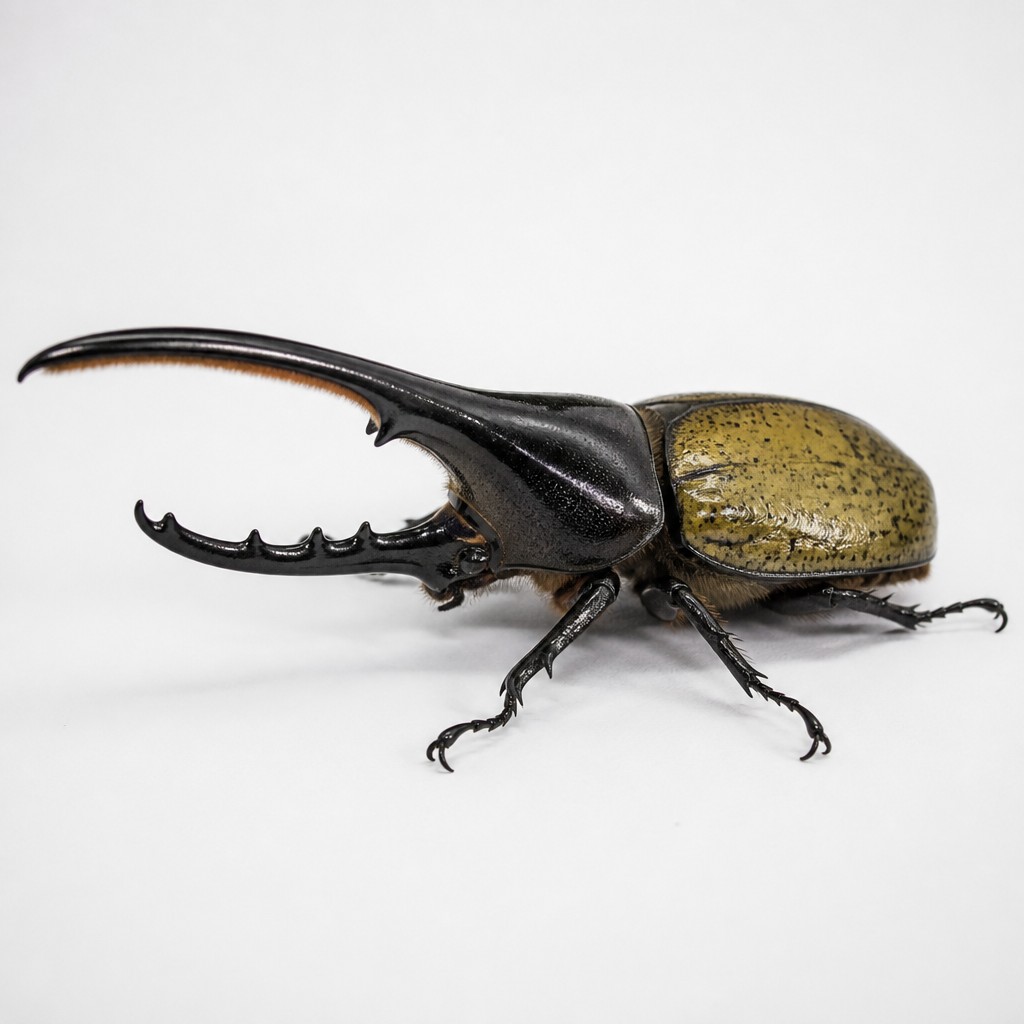
Hercules Beetle
One of the largest beetles in the world, with males bearing dramatic, forceps-like horns nearly as long as the rest of their armored, olive-green body.
beetle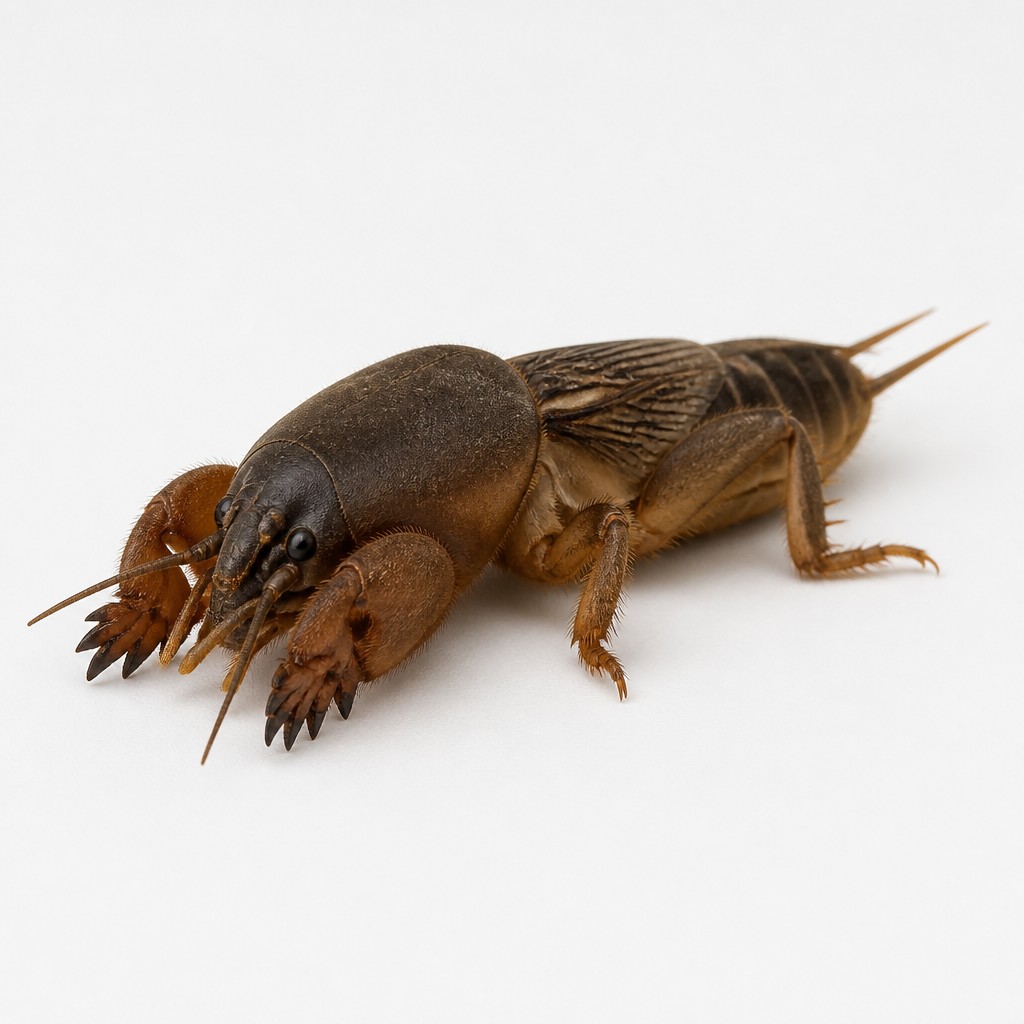
Mole Cricket
A stout, velvety brown cricket relative with broad, shovel-like front legs adapted for digging, spending most of its life burrowing just beneath the surface of moist soil.
grasshopper-cricket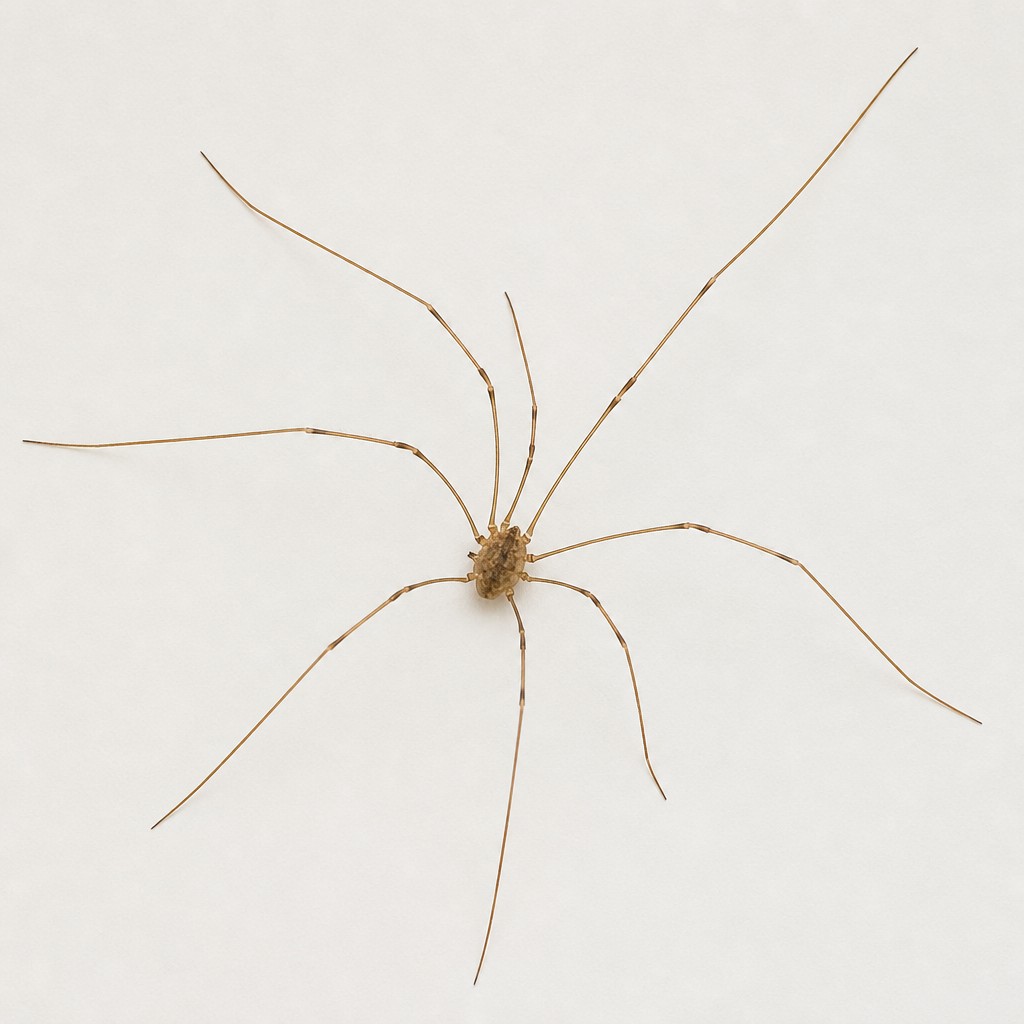
Daddy Longlegs
A small, oval-bodied arachnid carried on extremely long, thread-like legs, distinct from true spiders in having a one-piece fused body and no silk glands or web.
arachnid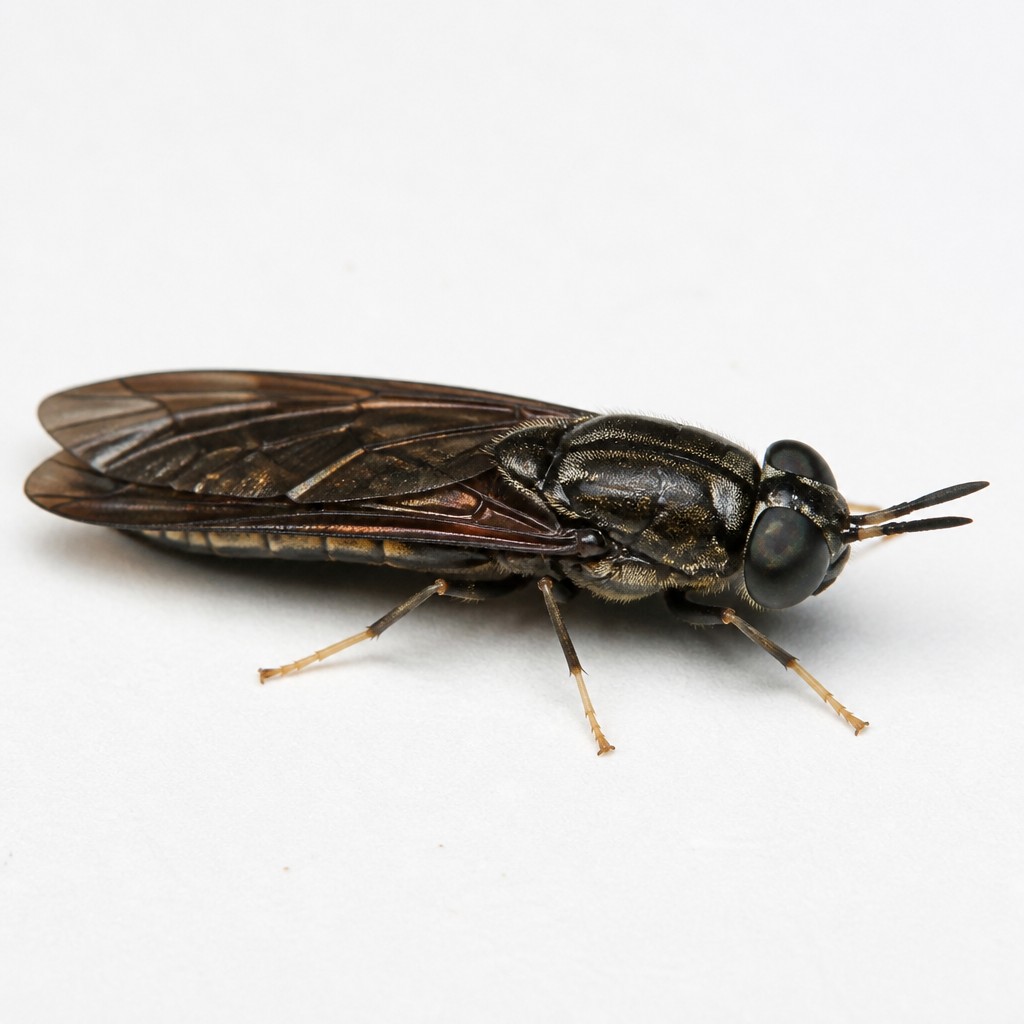
Soldier Fly
A wasp-mimicking fly with a flattened, often metallic body that spends its larval life quietly breaking down decaying plant matter or aquatic debris.
fly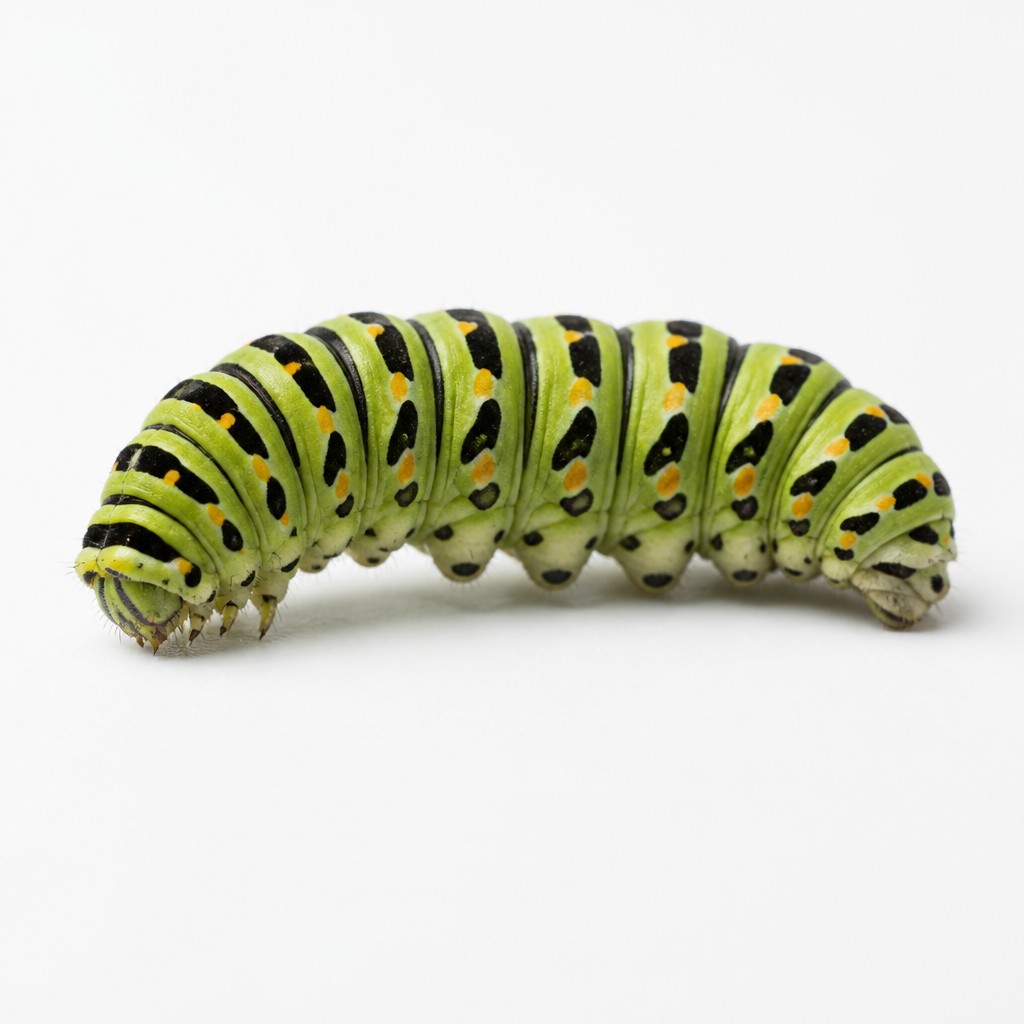
Caterpillar
The soft-bodied, segmented larval stage of butterflies and moths, recognized by its worm-like shape, multiple pairs of stubby legs, and voracious appetite for leaves.
caterpillar-larva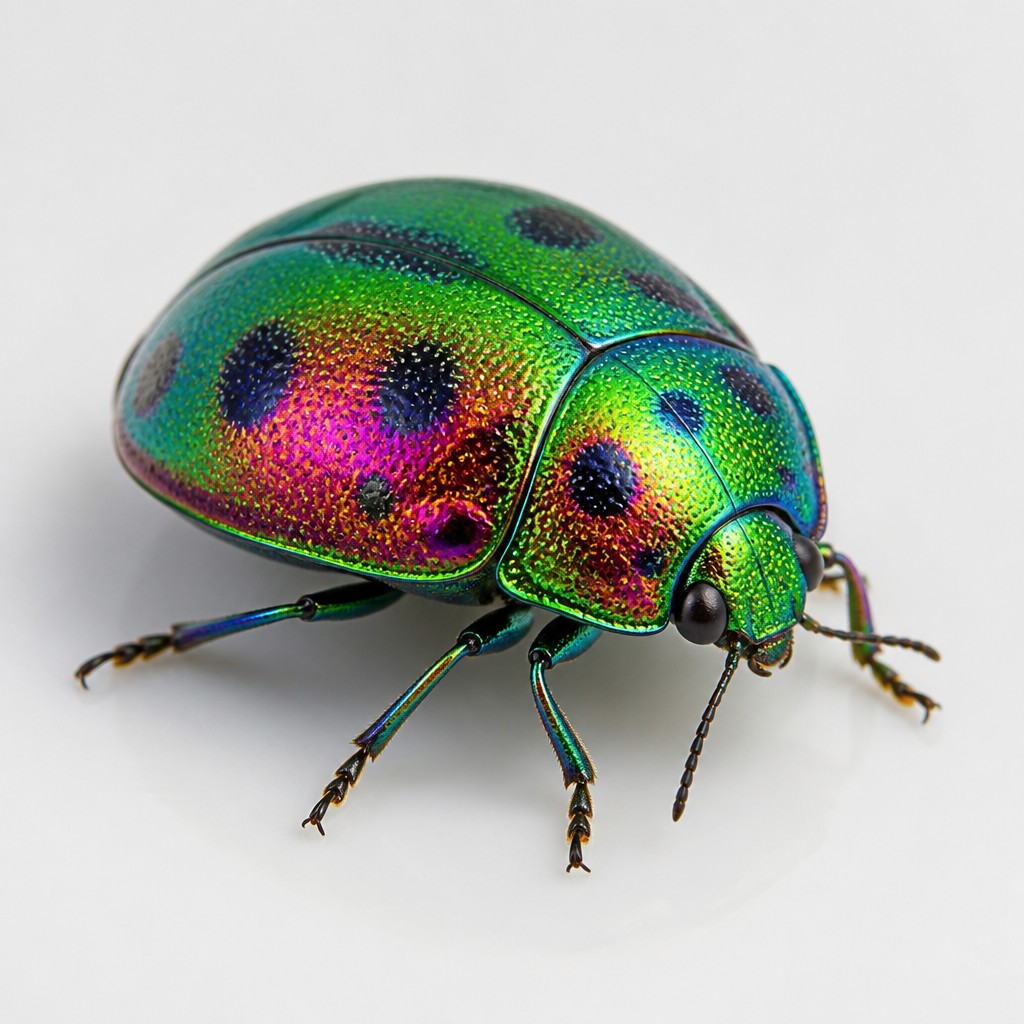
Jewel Bug
A living gemstone of the insect world, the jewel bug shimmers in dazzling metallic greens, blues, reds, and golds. Its enlarged shield-like back covers the entire body, making it look like a polished piece of enamelware.
true-bug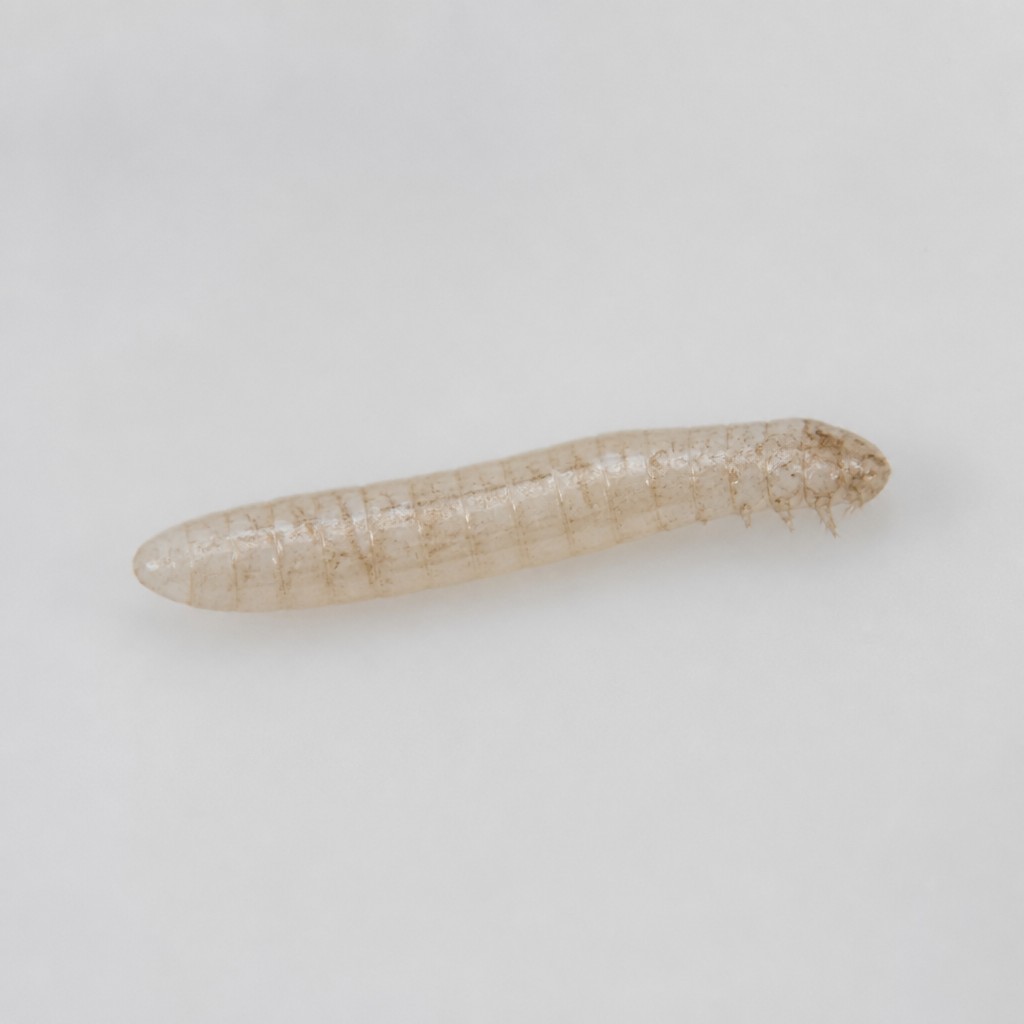
Follicle Mite
An elongated, microscopic mite shaped almost like a tiny worm, living deep within hair follicles and oil glands of mammal skin where it spends its entire life largely unnoticed.
arachnid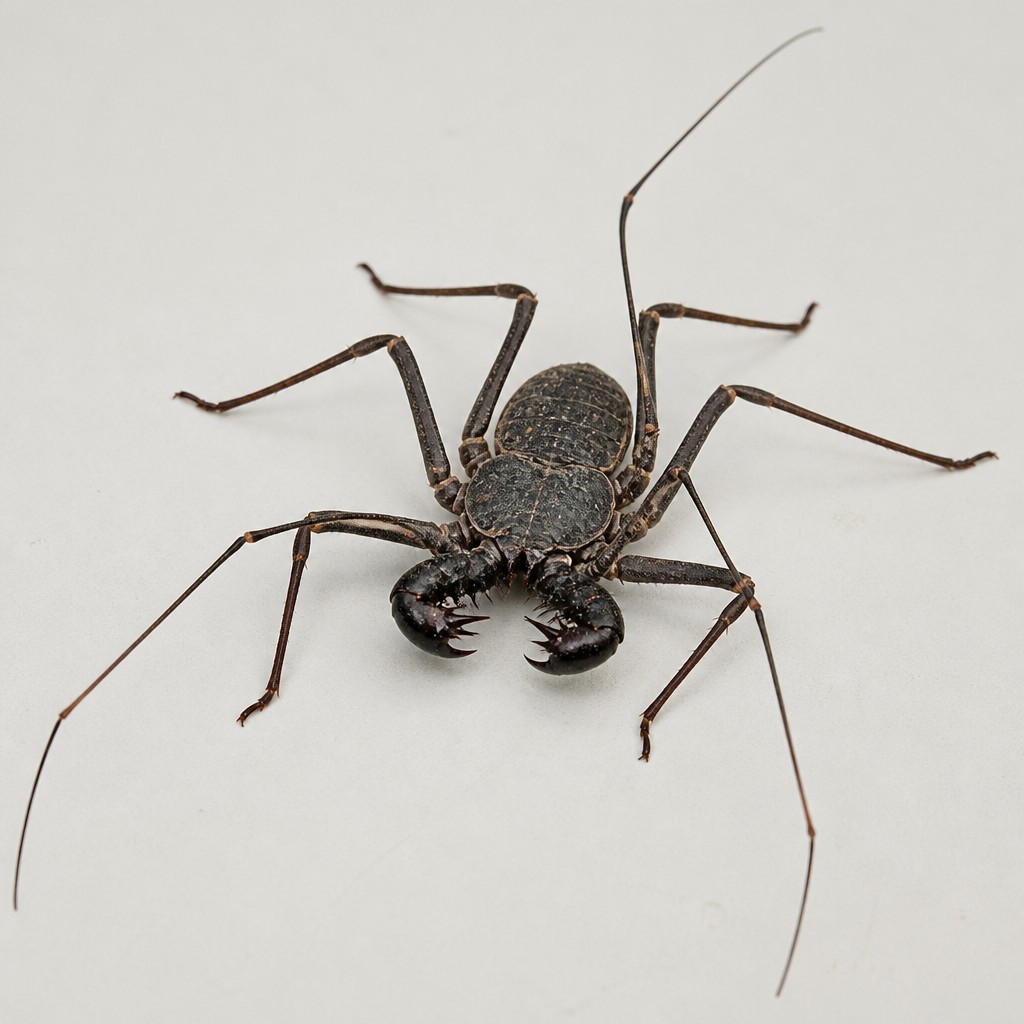
Whip Scorpion
A flattened, spider-like arachnid with a pair of extraordinarily long, whip-thin front legs used to feel out its surroundings in the dark, and large spiny pedipalps held out front like a crab's claws. Despite the name and fearsome appearance, it has no stinger and no fangs.
arachnid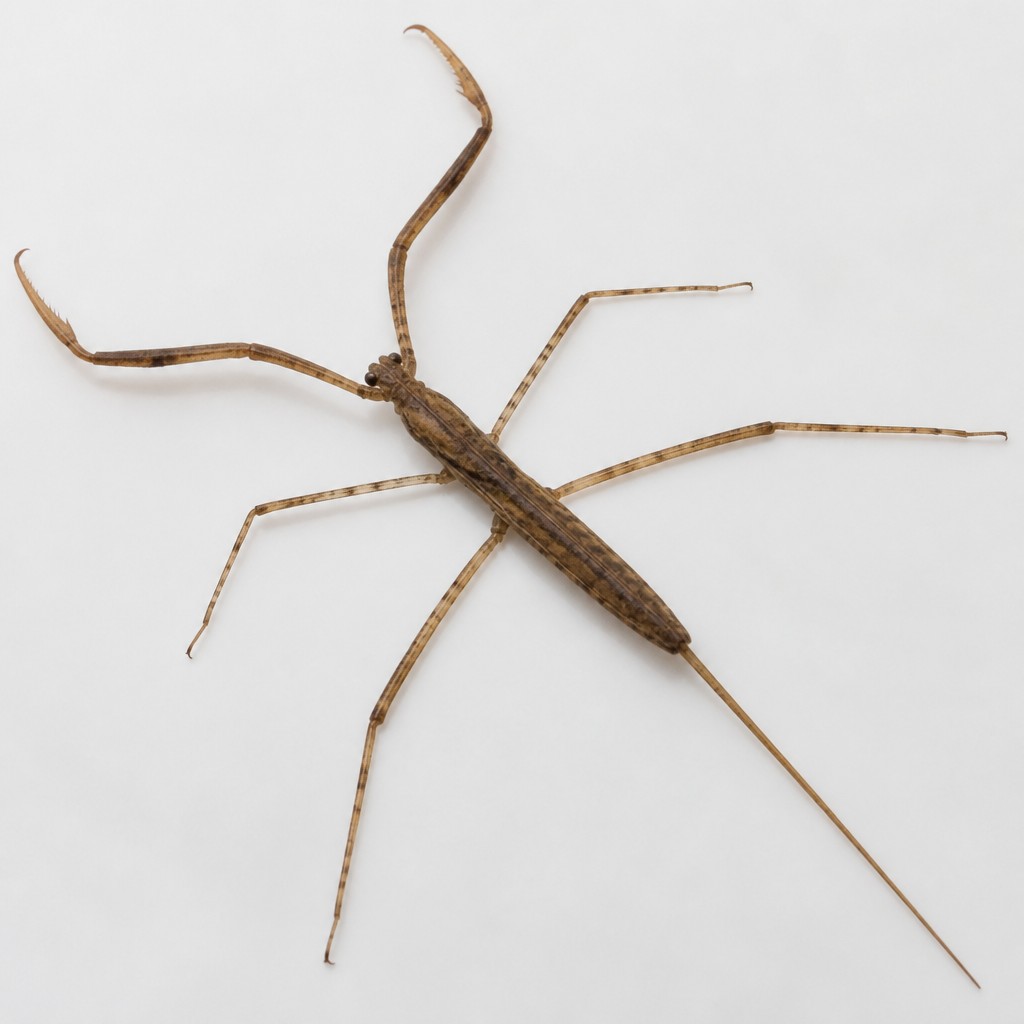
Water Scorpion
An elongated, twig-like aquatic true bug with grasping raptorial forelegs and a long, thin breathing tube at the tail end, resembling a slender scorpion as it lies in ambush among submerged plants.
aquatic-insect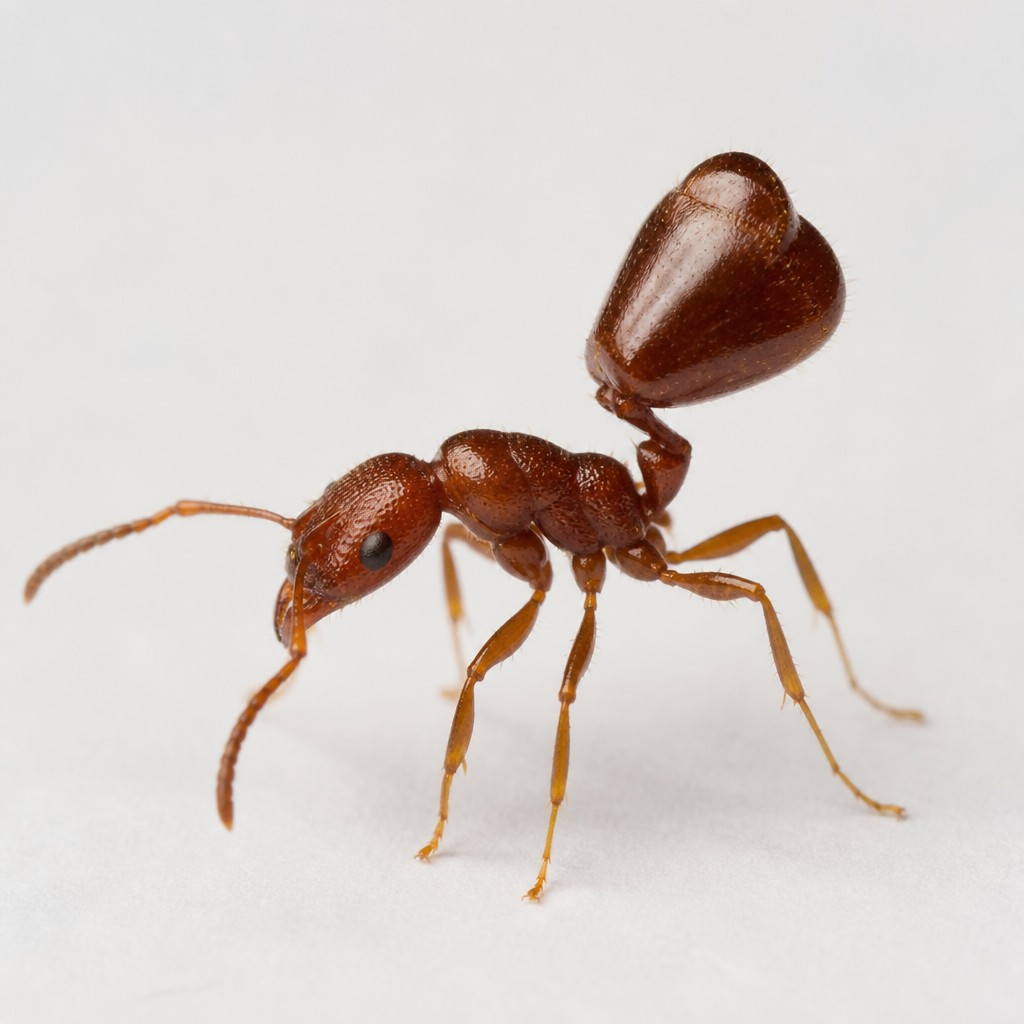
Acrobat Ant
A small ant named for its habit of raising its distinctive heart-shaped abdomen up over its body like an acrobat when disturbed or alarmed.
ant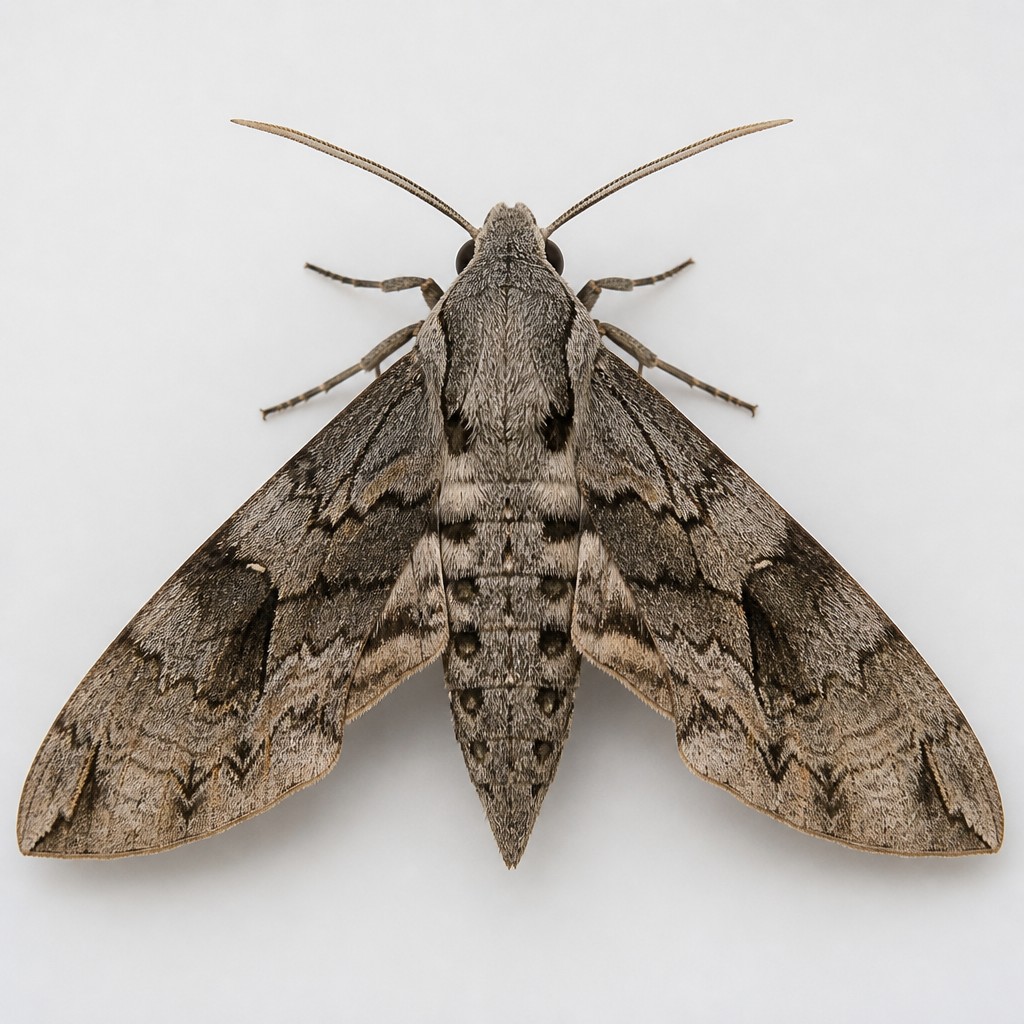
Sphinx Moth
A large, streamlined, fast-flying moth with narrow triangular wings and a robust, tapering body, famous for hovering at flowers at dusk like a hummingbird.
moth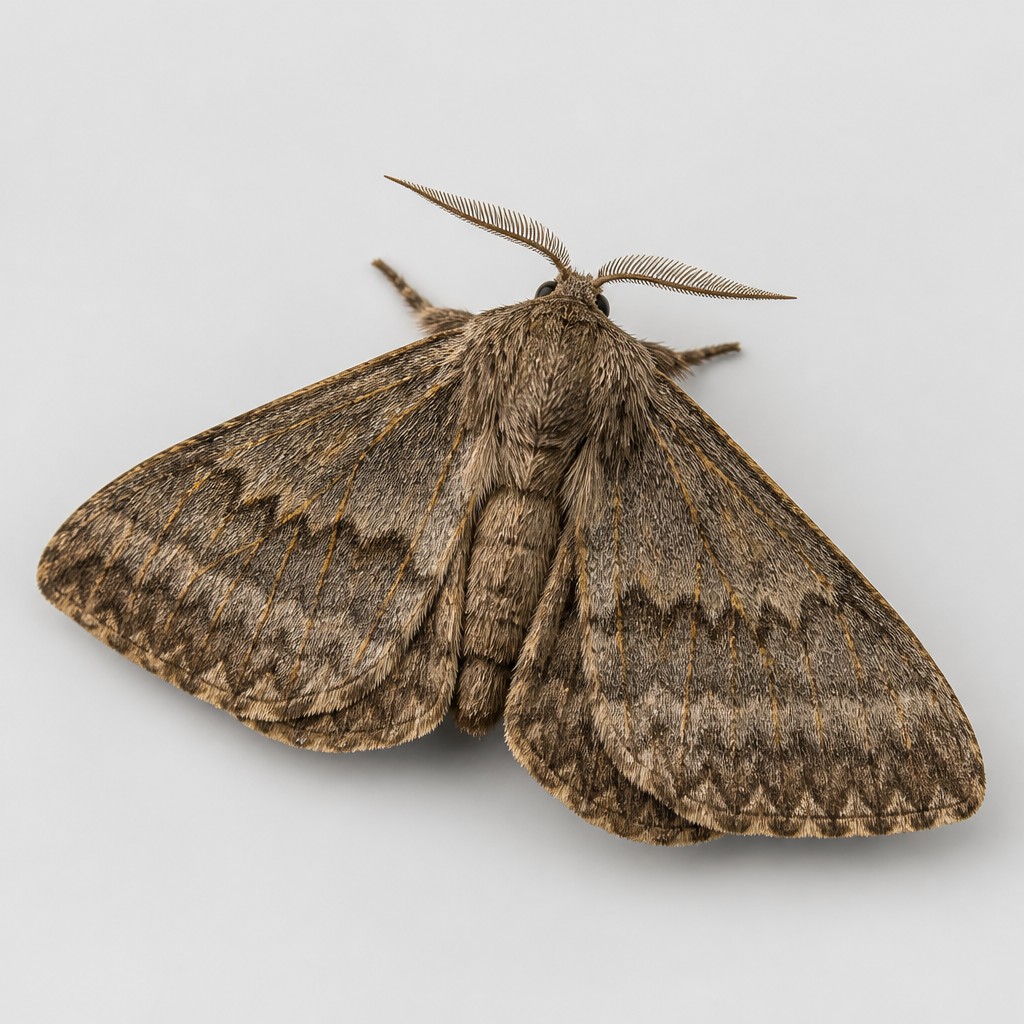
Moth
A broad group of scale-winged insects related to butterflies, typically nocturnal, with stout, often furry bodies and feathery or thread-like antennae.
moth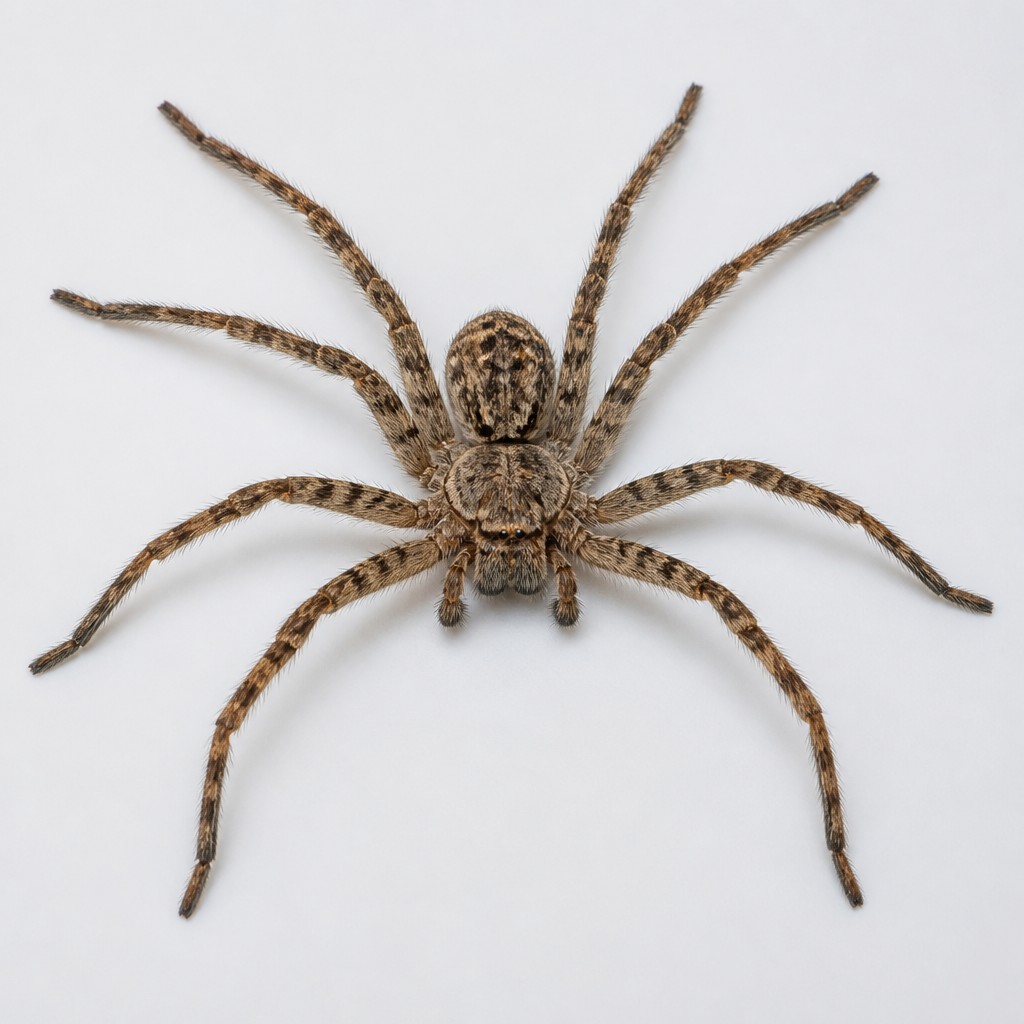
Huntsman Spider
With legs splayed crab-like to either side of a flattened body, the huntsman spider is built for speed, capable of scuttling sideways across walls and tree trunks in pursuit of prey.
spider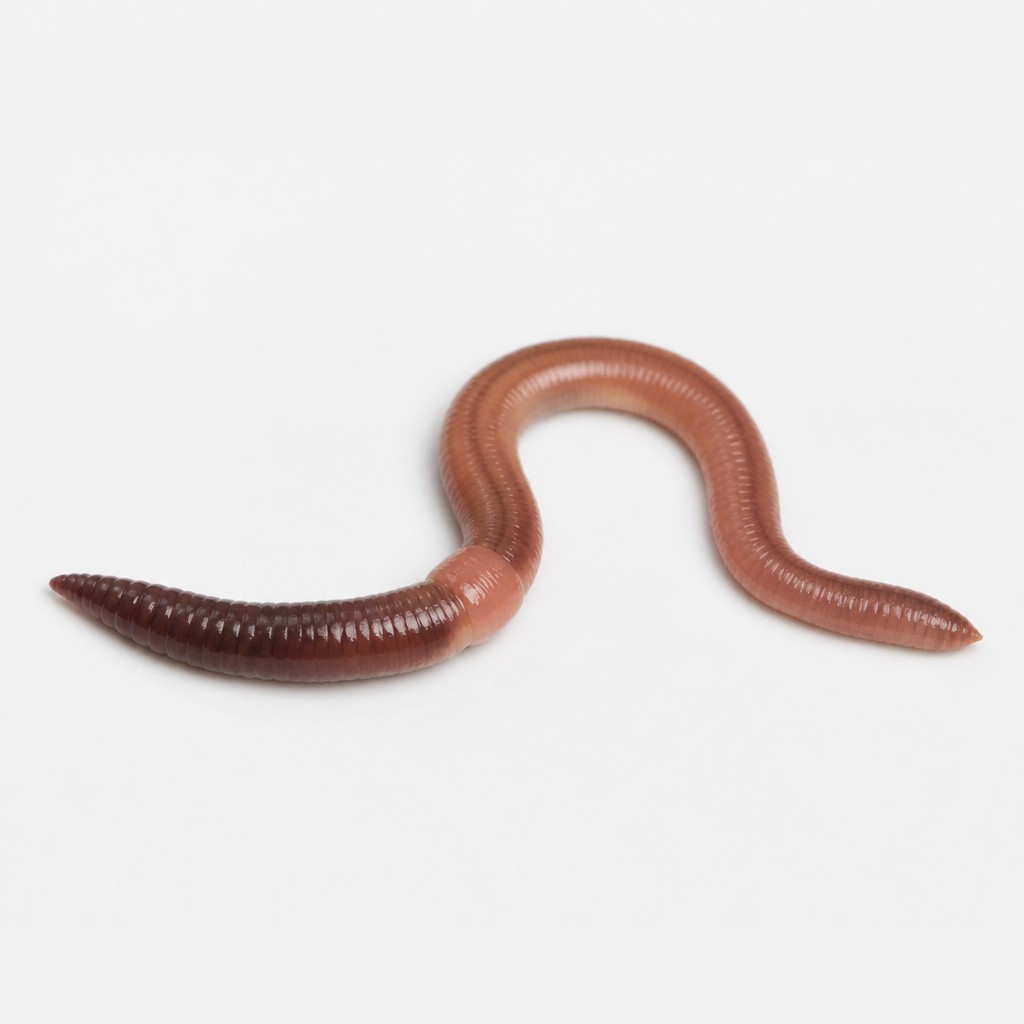
Earthworm
A long, smooth, segmented soil-dweller with no legs, eyes, or shell, best recognized by its ringed body and the pale saddle-like band (clitellum) found on mature individuals.
other