
Bug Encyclopedia
Search and identify bugs & insects — beetles, butterflies, moths, ants, bees, spiders and more — with size, habitat, danger, behavior, and how to tell them apart.
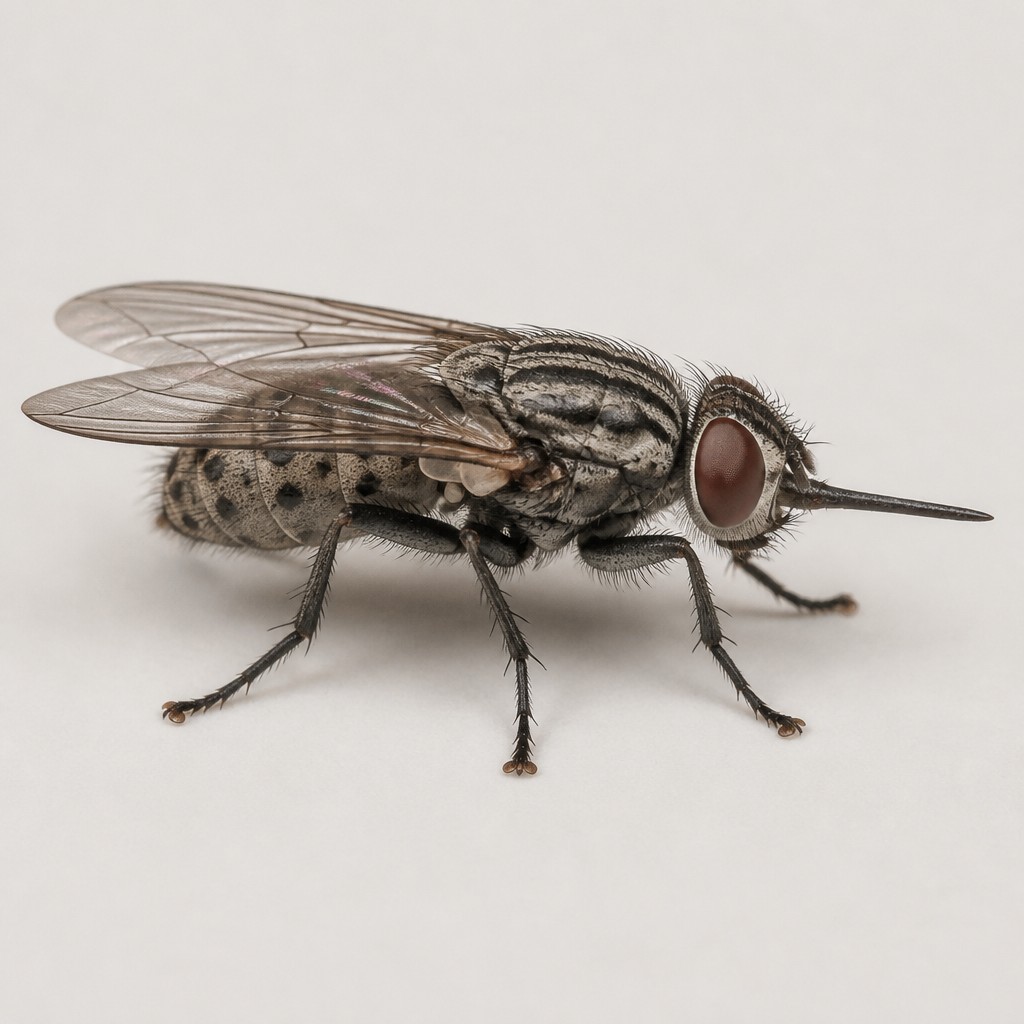
Stable Fly
A gray fly that looks almost identical to the common house fly, but carries a rigid, forward-pointing proboscis built for piercing skin rather than sponging up liquids.
fly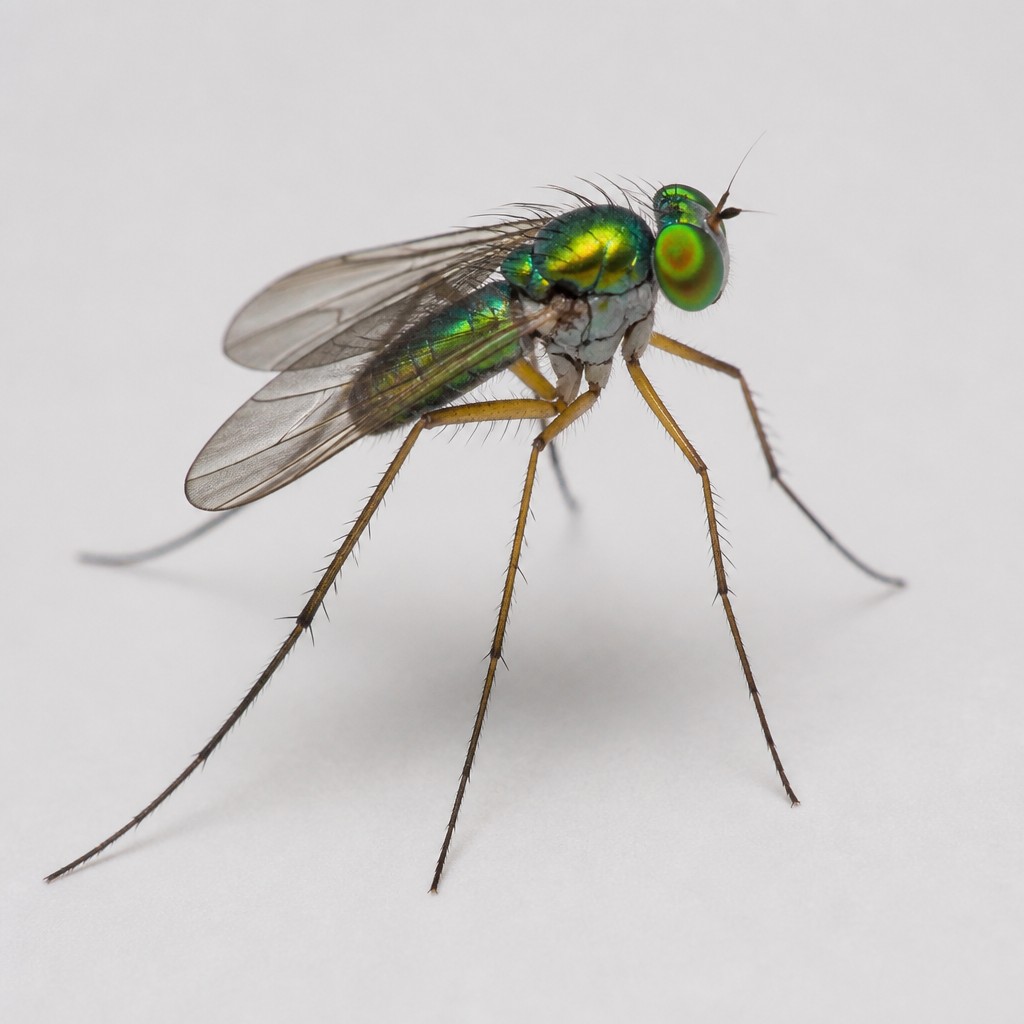
Long-Legged Fly
A jewel-bright little fly that flashes metallic green, blue, or bronze in the sunlight as it darts across leaves on comically long, stilt-like legs, pausing to perform quick territorial displays. Both adults and larvae are active hunters of even smaller insects, making this tiny fly a useful predator in gardens and wetlands alike.
fly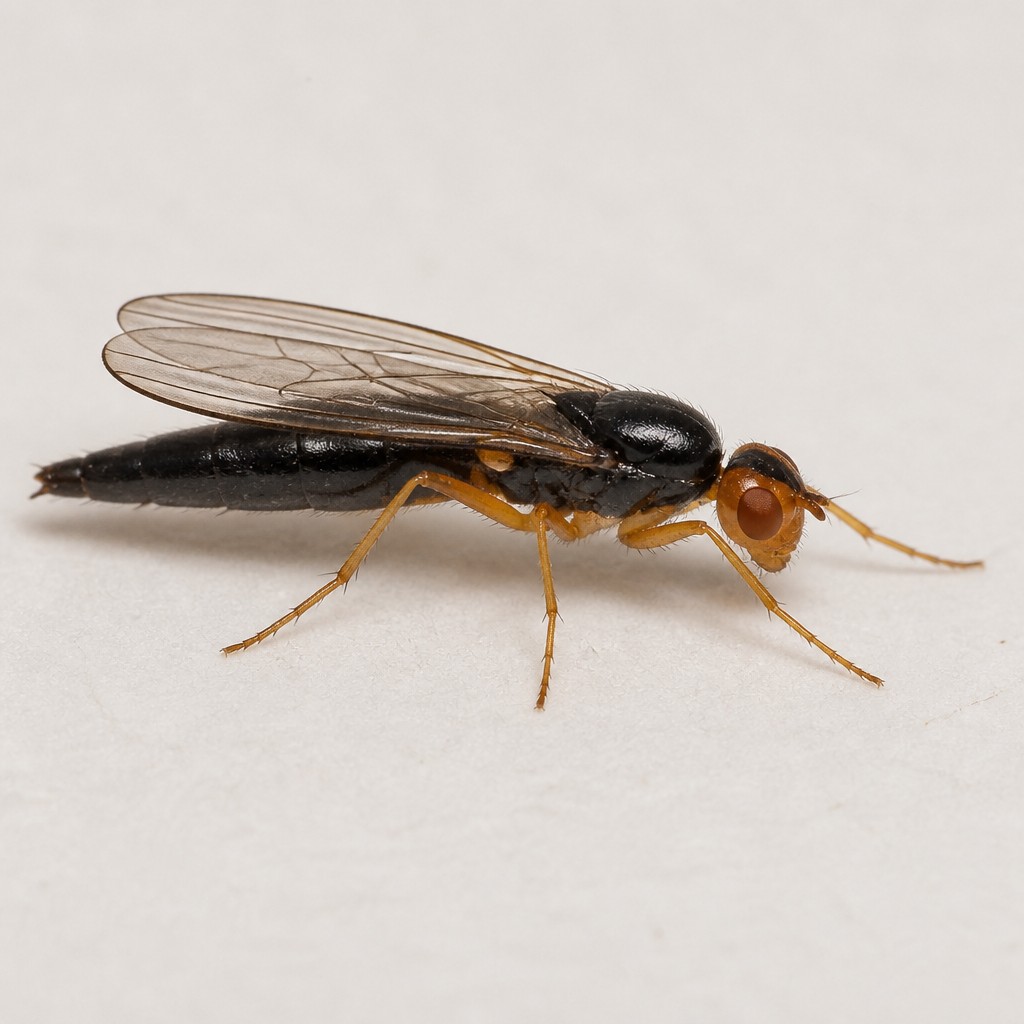
Carrot Rust Fly
A slender, shiny black fly barely a few millimeters long whose slim yellowish larvae tunnel rust-colored trails through carrot and parsnip roots.
fly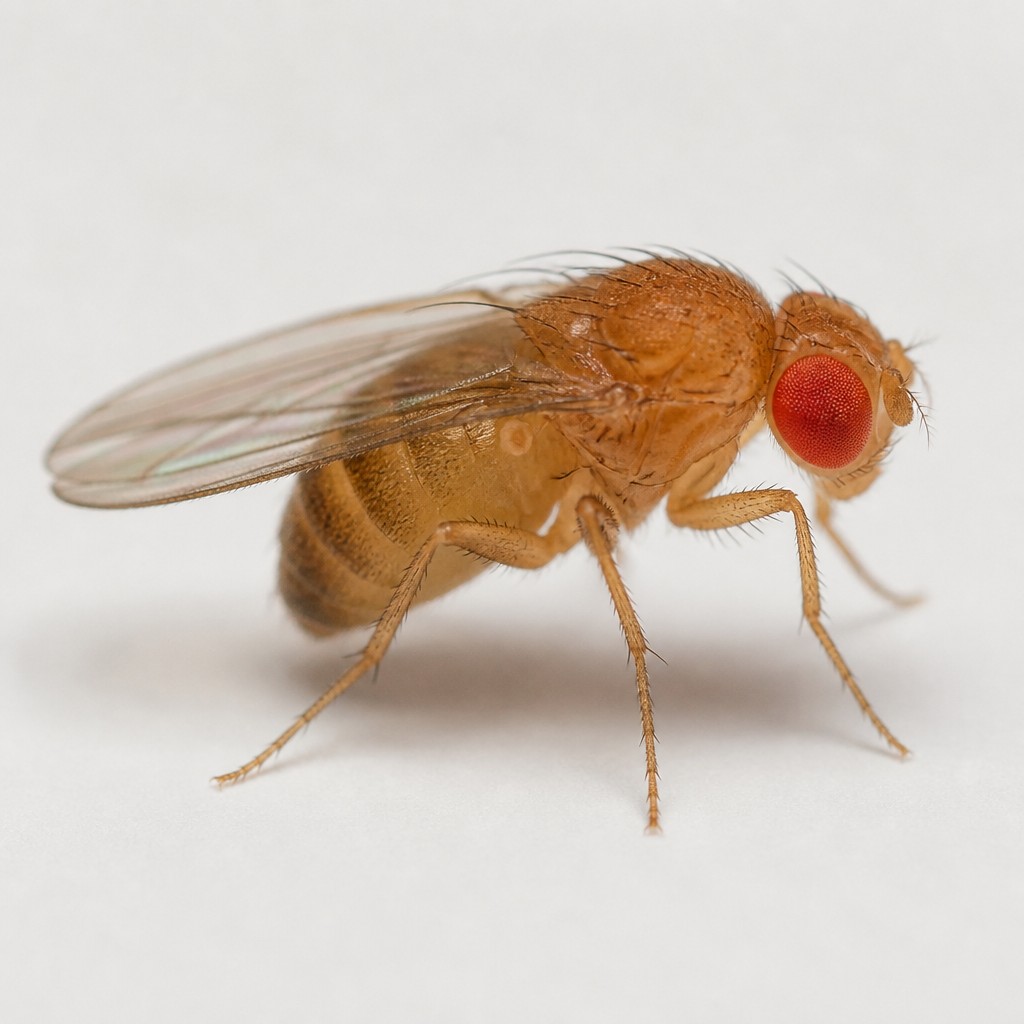
Vinegar Fly
A tiny tan fly with bright red eyes that seems to appear out of nowhere the moment a banana starts to spoil, drawn in by the smell of fermentation rather than the fruit itself. Few insects have contributed more to the science of genetics, making this unassuming kitchen visitor one of the most studied animals on Earth.
fly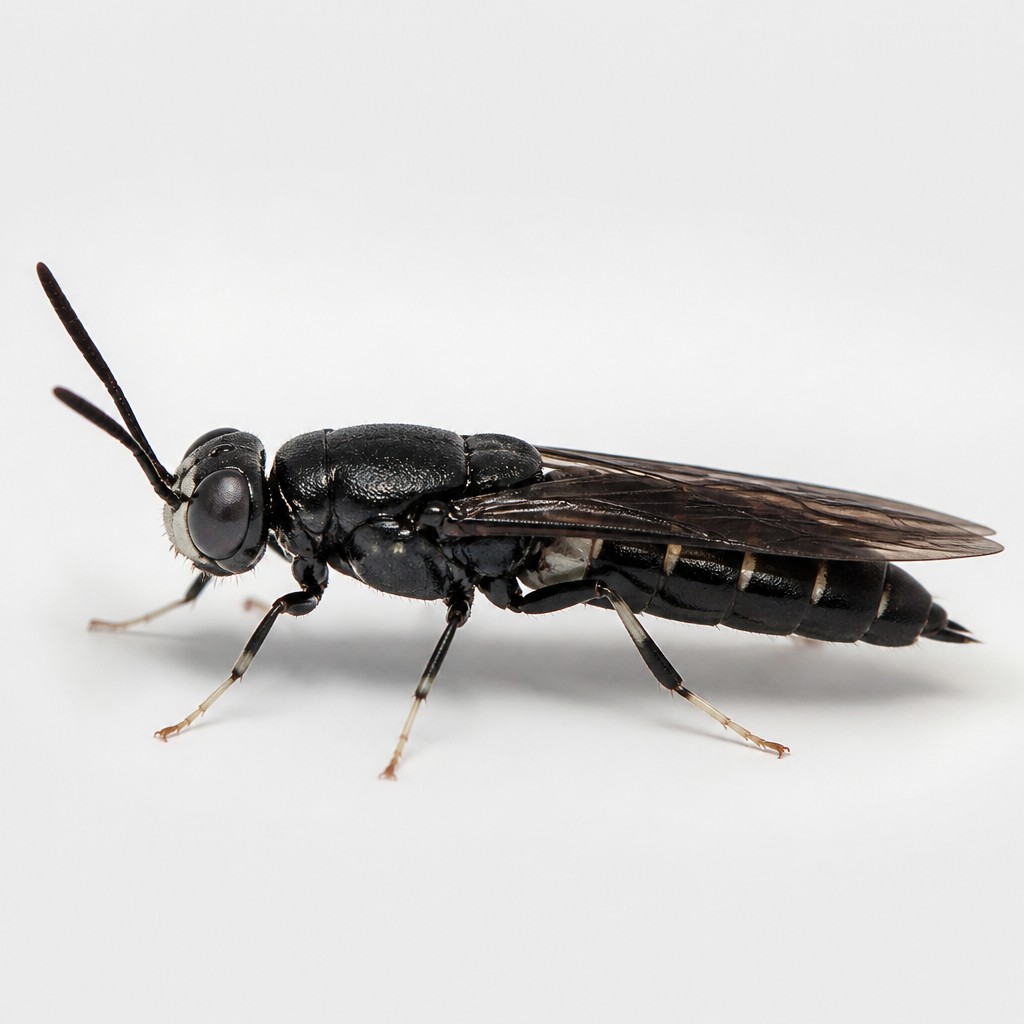
Black Soldier Fly
A sleek, dark, wasp-like fly whose larvae are voracious decomposers of decaying organic material, while the short-lived adults do not feed at all.
fly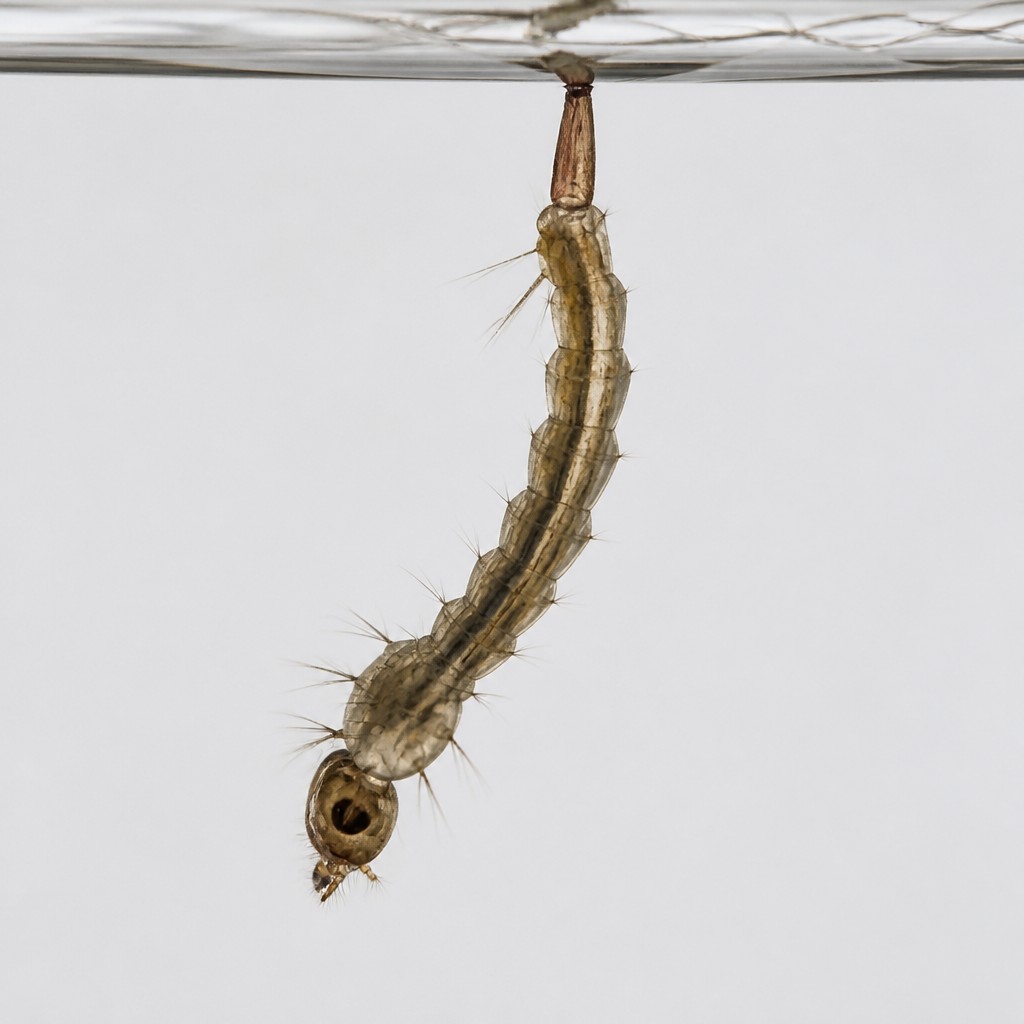
Mosquito Larva
A wriggling, comma-shaped aquatic larva that hangs from the water's surface to breathe before transforming into a flying adult mosquito.
aquatic-insect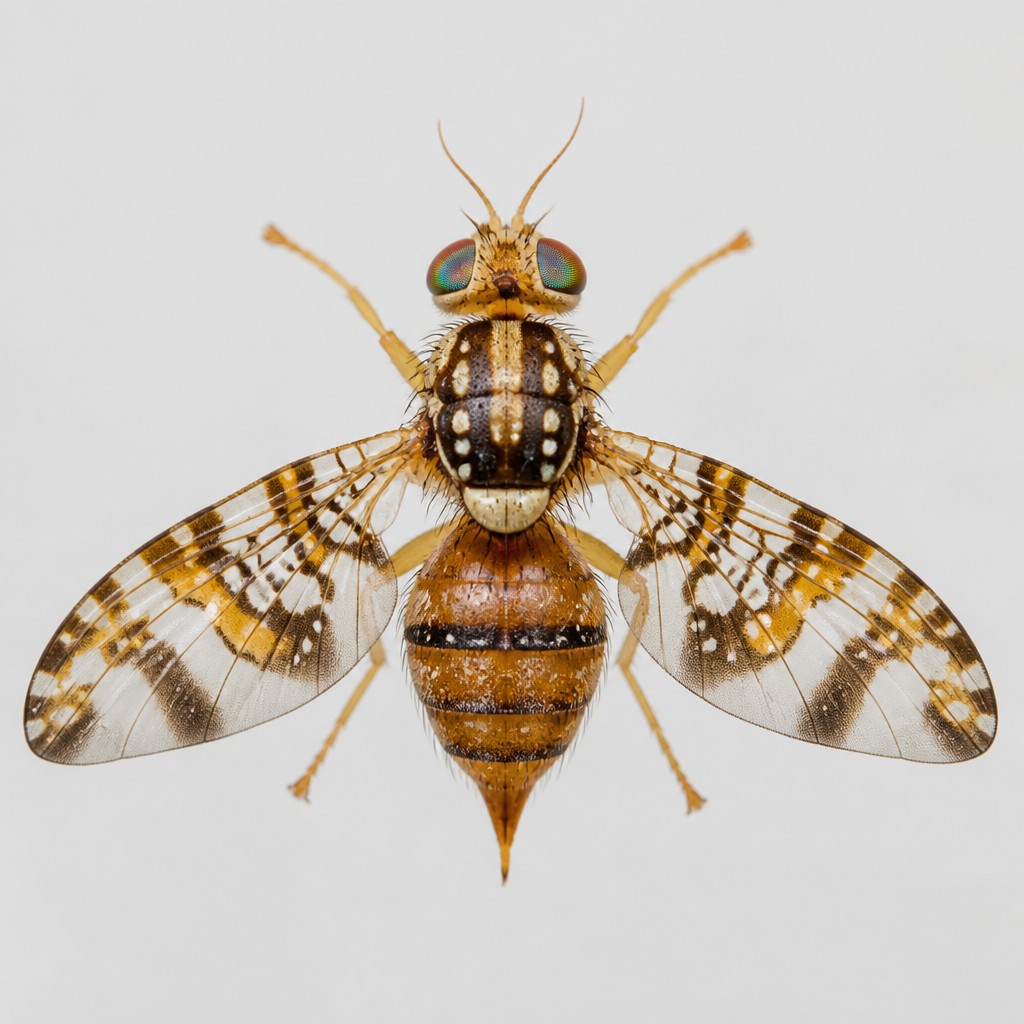
Fruit Fly (Mediterranean)
A small but strikingly patterned fly with mottled, banded wings held out to the sides in a fan and a body dotted with silvery spots, best known for larvae that tunnel through ripening fruit. Native to sub-Saharan Africa, it has spread with human trade to become one of the most widely recognized fruit-infesting insects in the world.
fly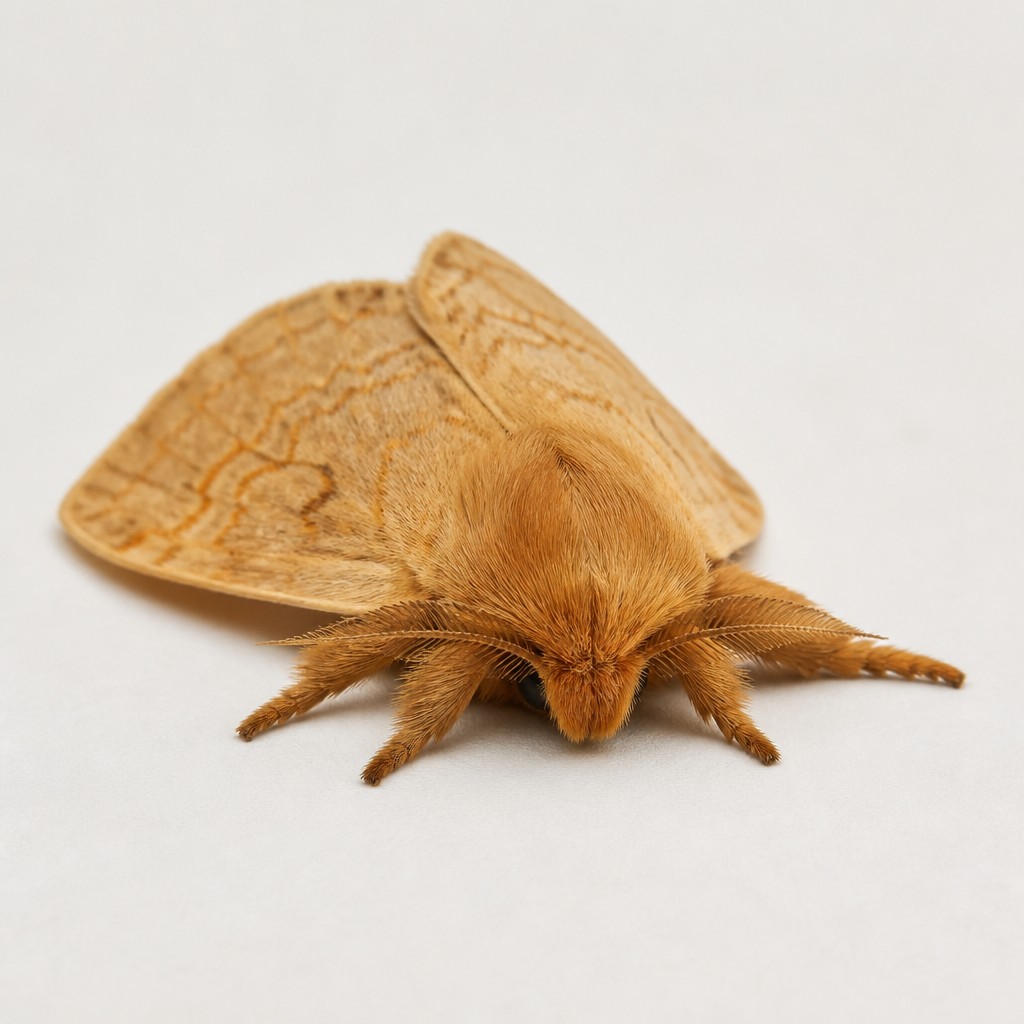
Southern Flannel Moth (Puss Caterpillar Moth)
A small, densely furred tan-to-orange moth best known for its unusual larva, a soft-looking, cat-tailed caterpillar whose fluffy coat hides rows of venomous spines.
moth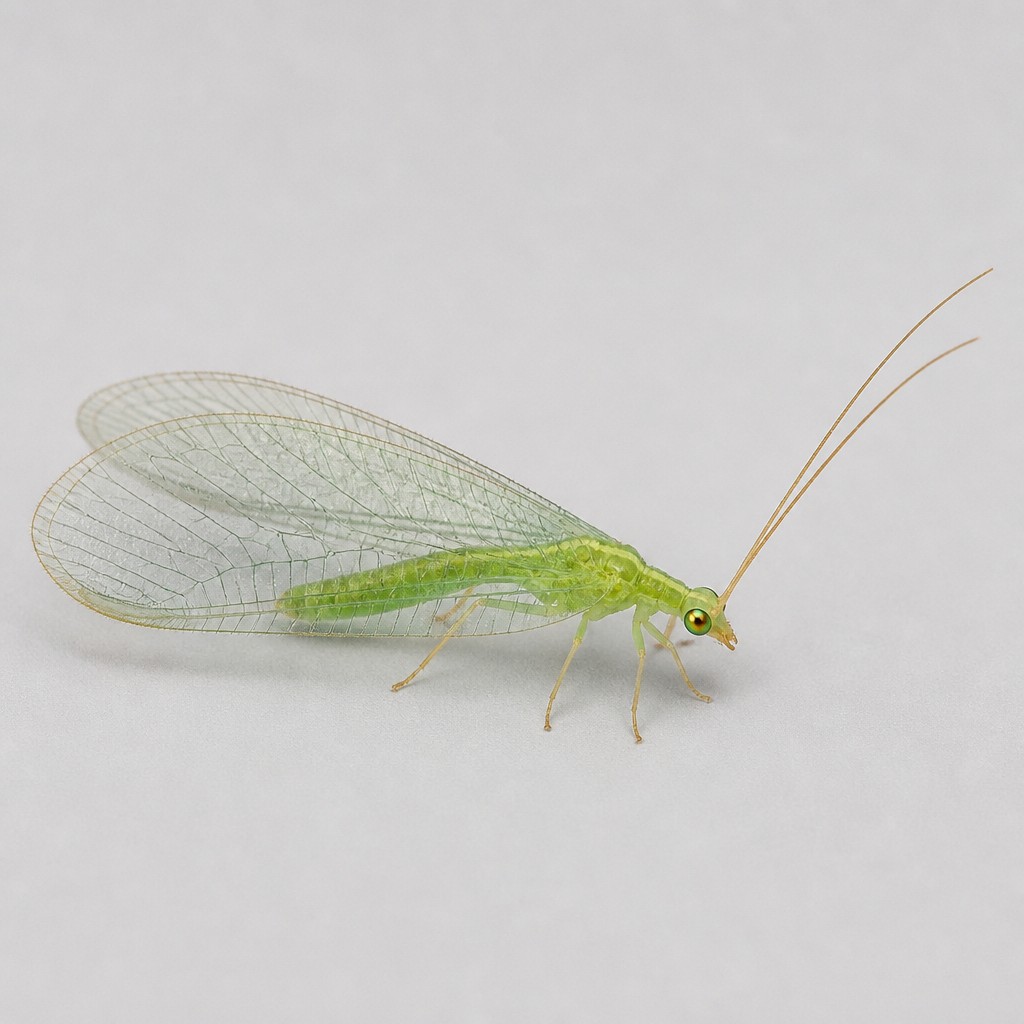
Lacewing
A delicate, pale green insect with large, transparent, intricately veined wings and shining golden or copper-colored eyes, valued as a natural predator of aphids in its larval form.
other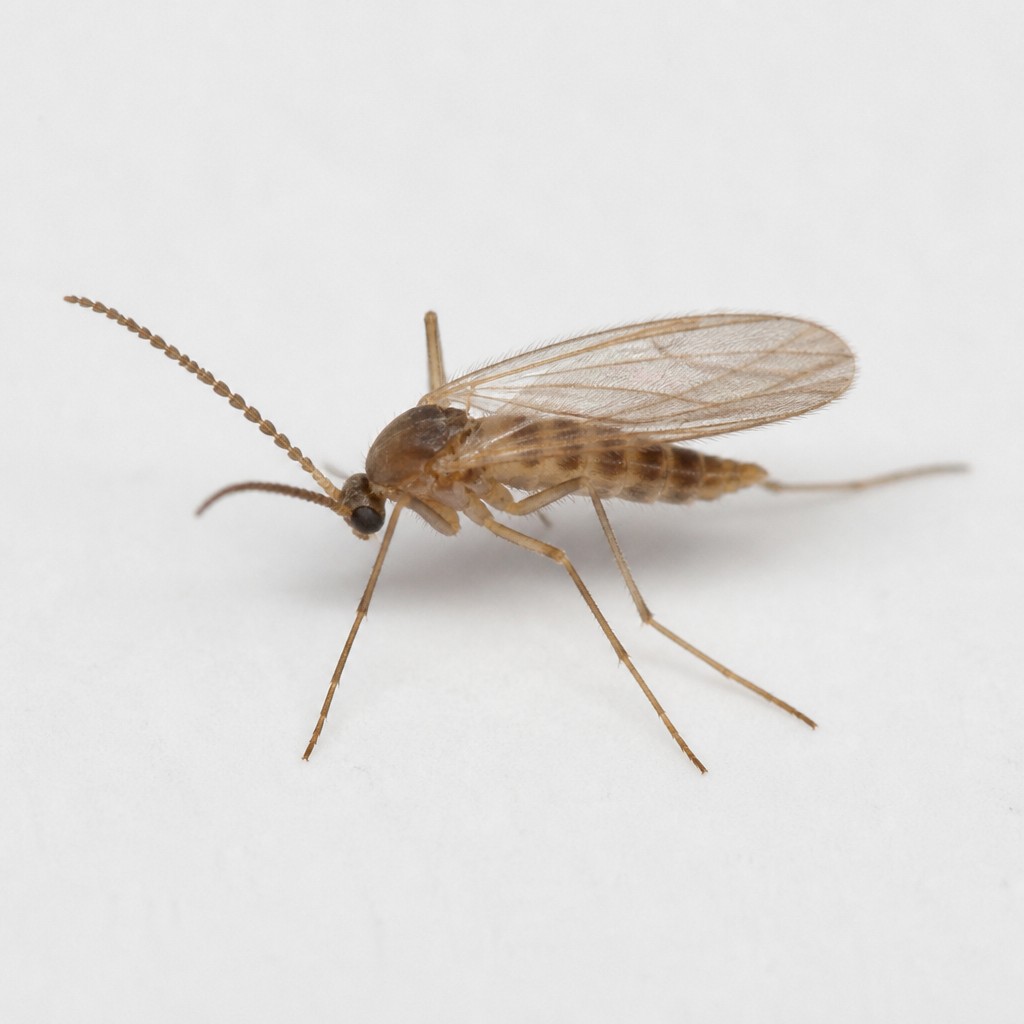
Gall Midge
A delicate, mosquito-like fly whose larvae trigger plants to grow strange, often colorful swellings called galls, each species usually tied to one particular host plant.
fly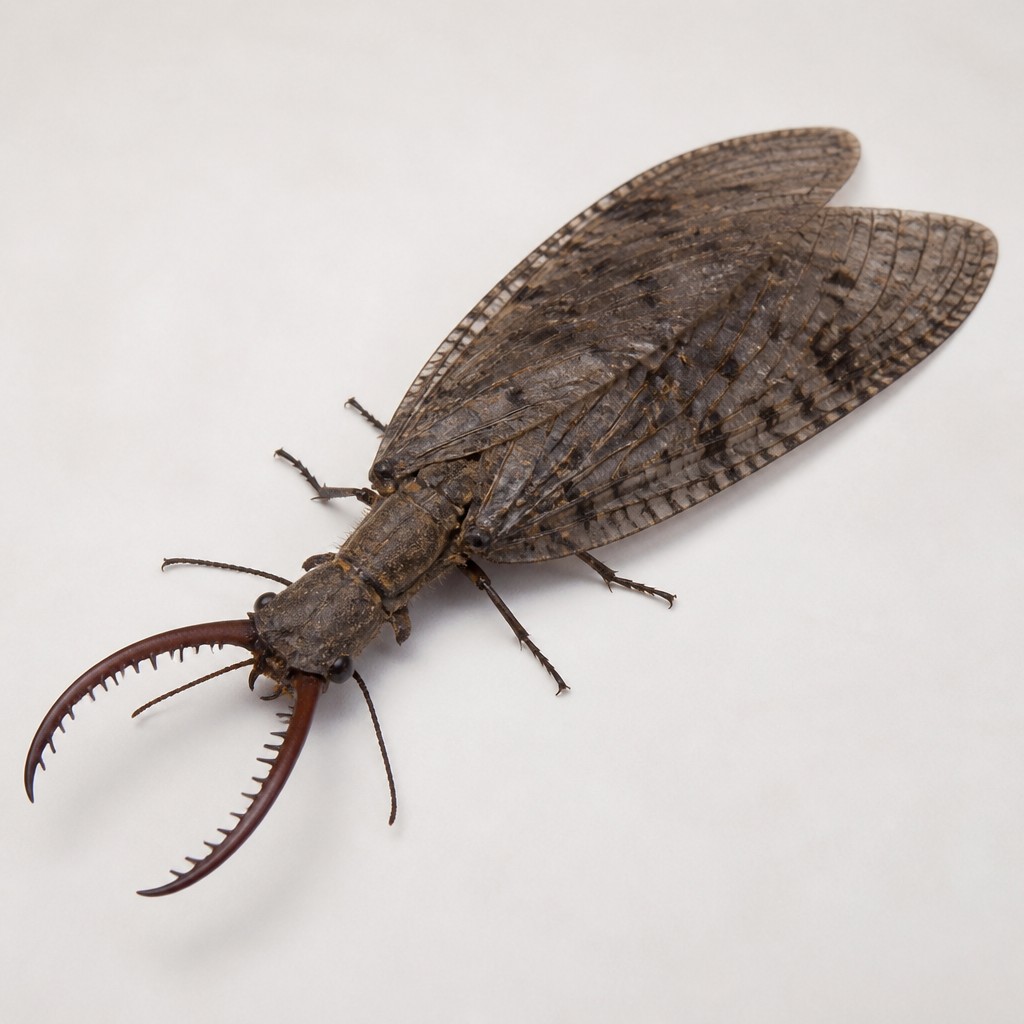
Dobsonfly
A massive, primitive-looking insect whose males brandish absurdly long, curved mandibles used for wrestling rivals rather than for feeding.
aquatic-insect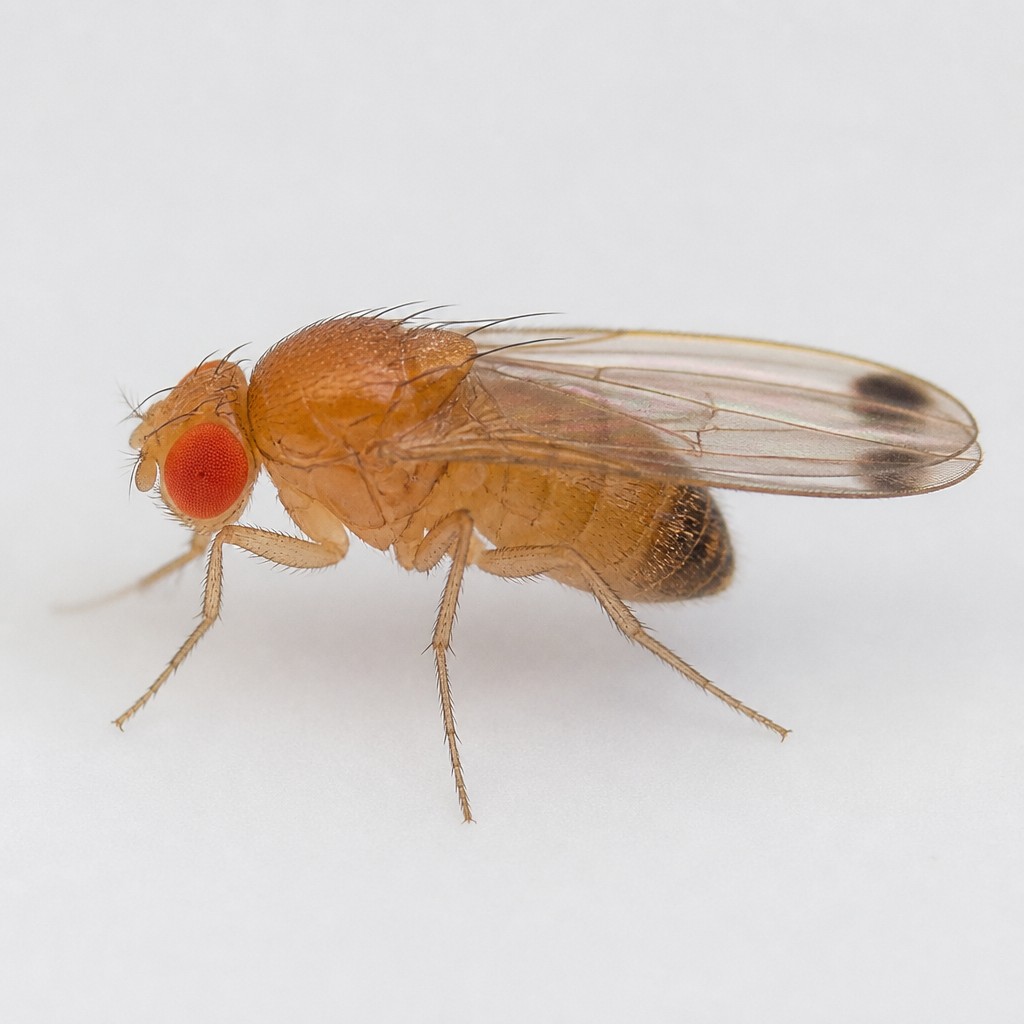
Spotted Wing Drosophila
A tiny reddish-brown fruit fly, each male marked with a single dark spot near the wingtip, notable for laying eggs in ripening rather than overripe fruit.
fly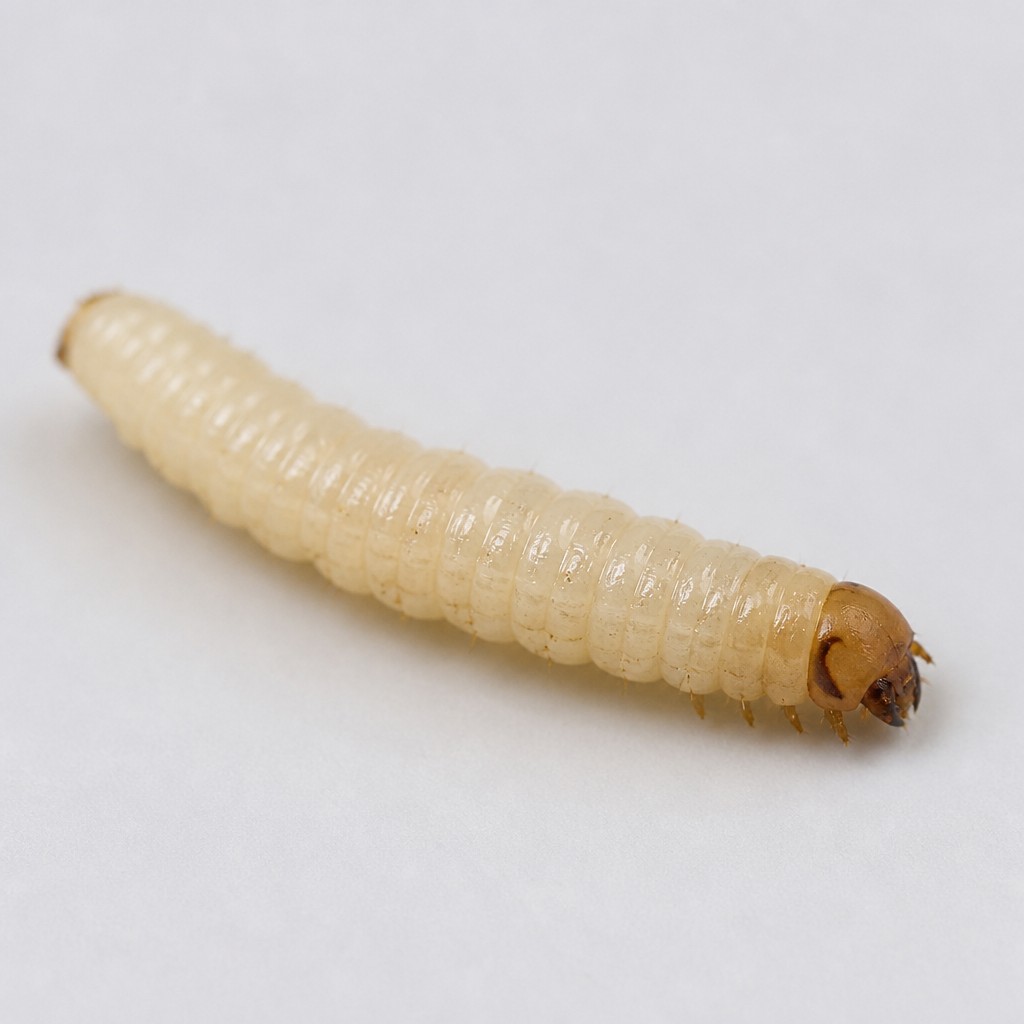
Rootworm
Working unseen below ground, rootworm larvae chew tunnels through the root systems of corn and other crops, the underground counterpart to the small, often striped or spotted beetles seen on leaves and flowers above.
beetle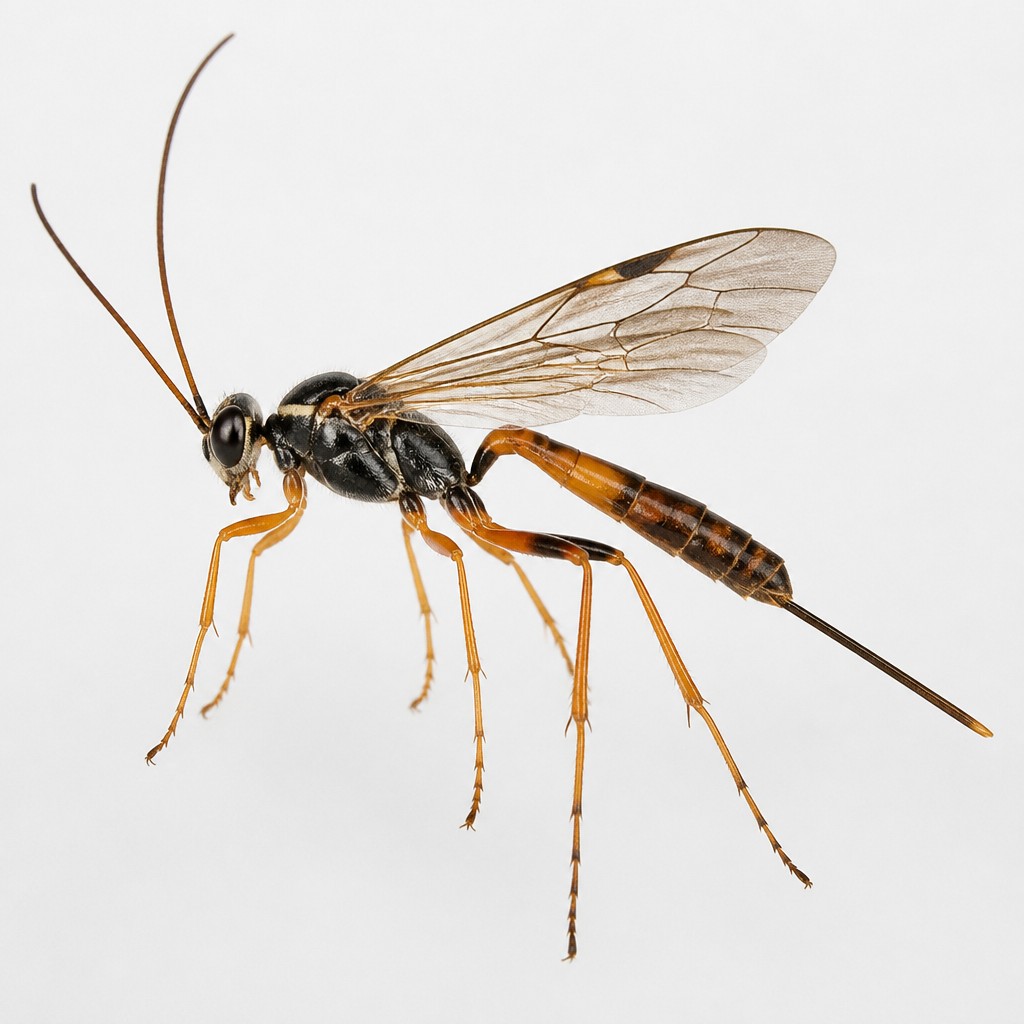
Ichneumon Wasp
A slender, long-antennaed parasitoid wasp, often mistaken for a giant mosquito or a stinging insect, that is best known for the extraordinarily long ovipositor some species use to drill into wood and lay eggs on hidden larvae.
wasp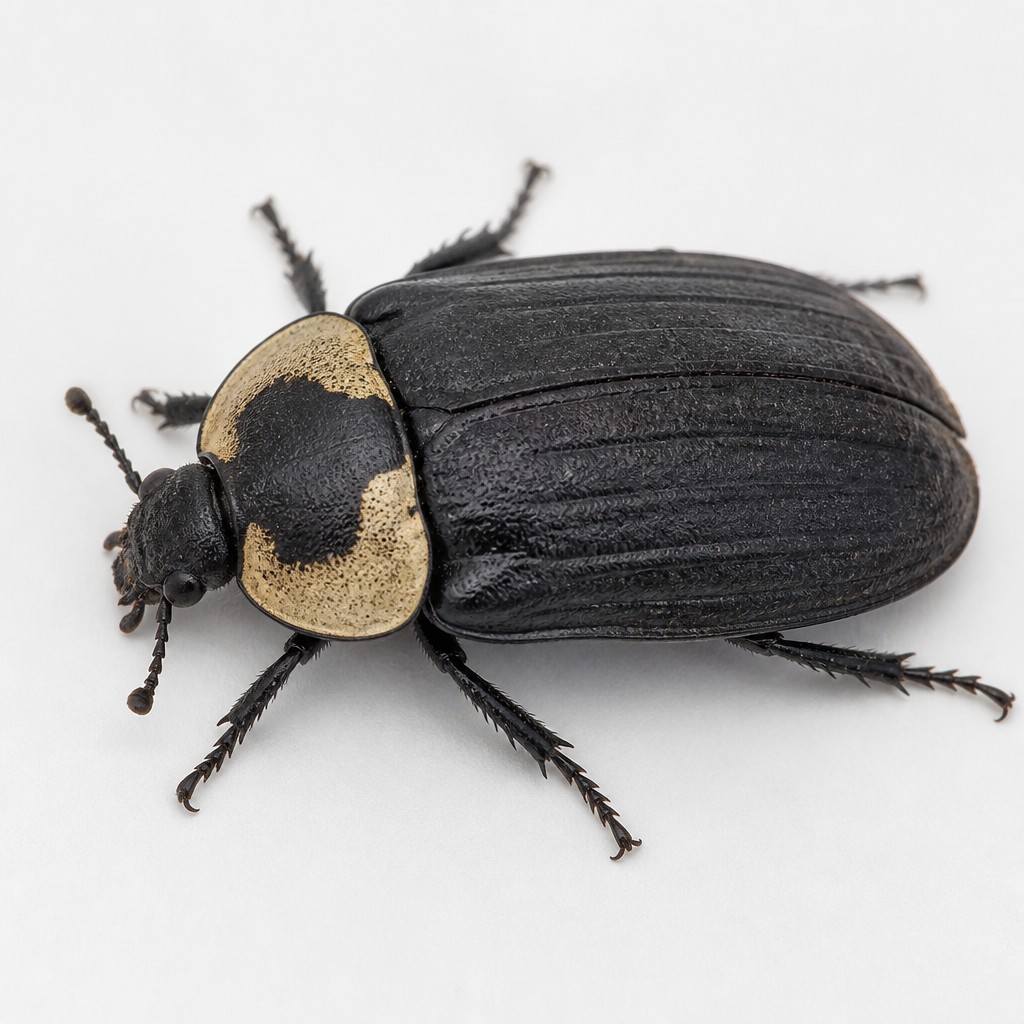
American Carrion Beetle
A broad, flattened black beetle with a striking pale yellow shield behind its head, commonly found on and around small animal carcasses where it feeds alongside fly larvae.
beetle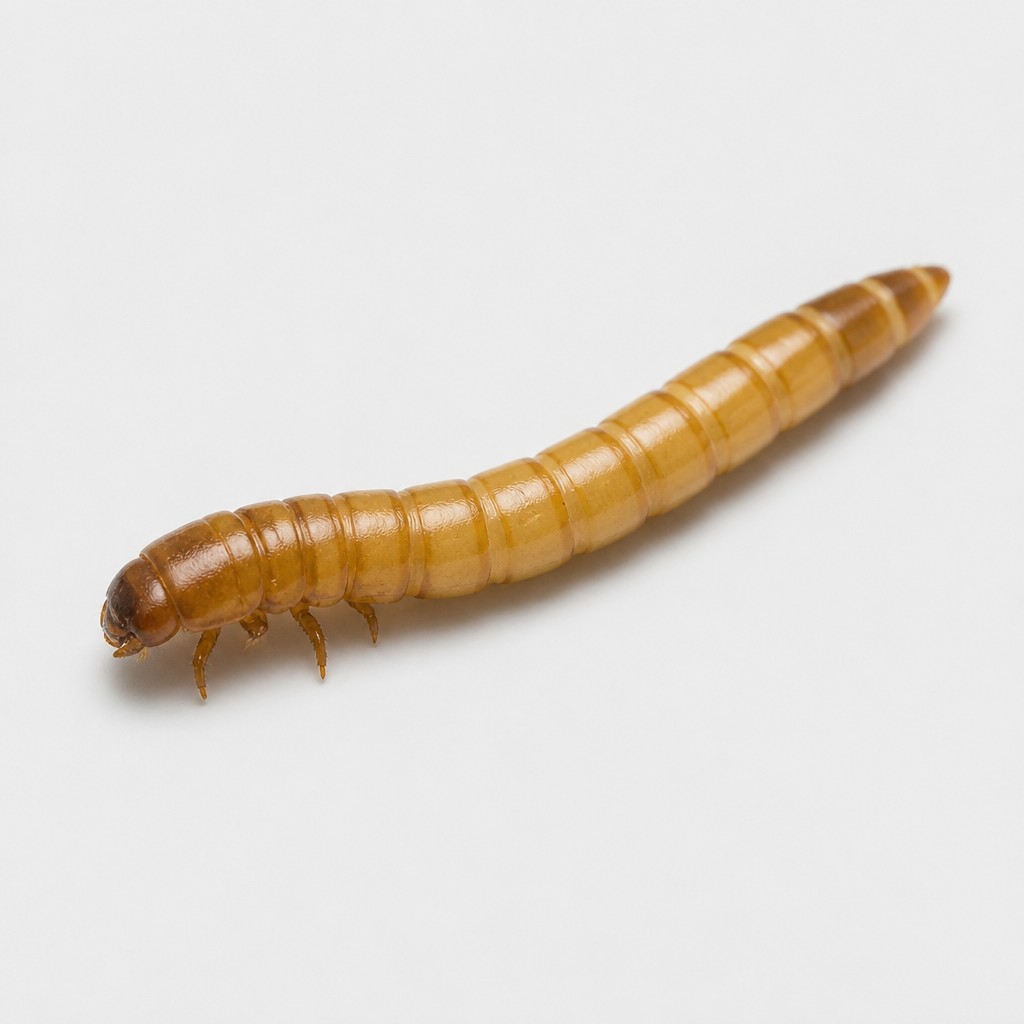
Mealworm
A tan, segmented larva with a shiny hard exoskeleton that tunnels through stored grain and flour before transforming into a darkling beetle.
caterpillar-larva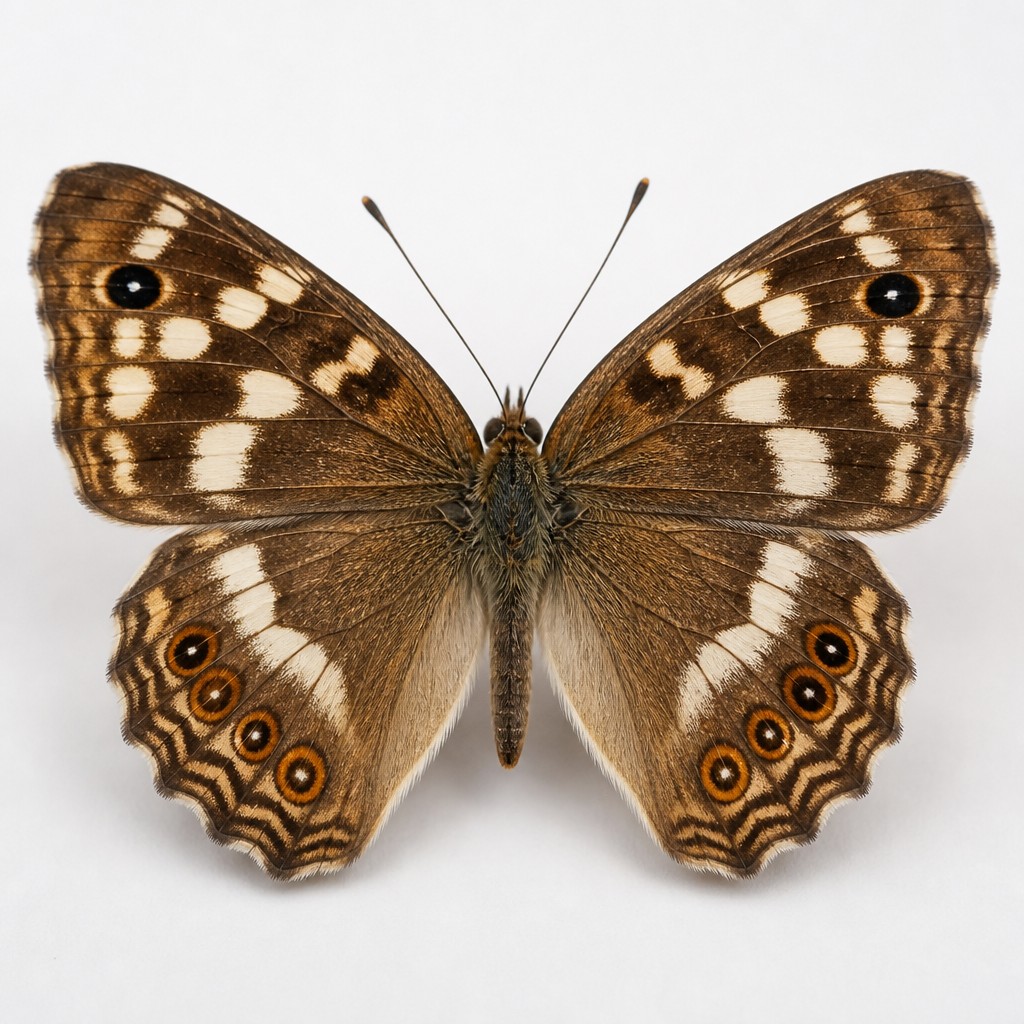
Hackberry Emperor
A brown-and-cream butterfly closely tied to hackberry trees, notable for its bold eyespots and habit of landing on people, cars, and other unusual surfaces rather than flowers.
butterfly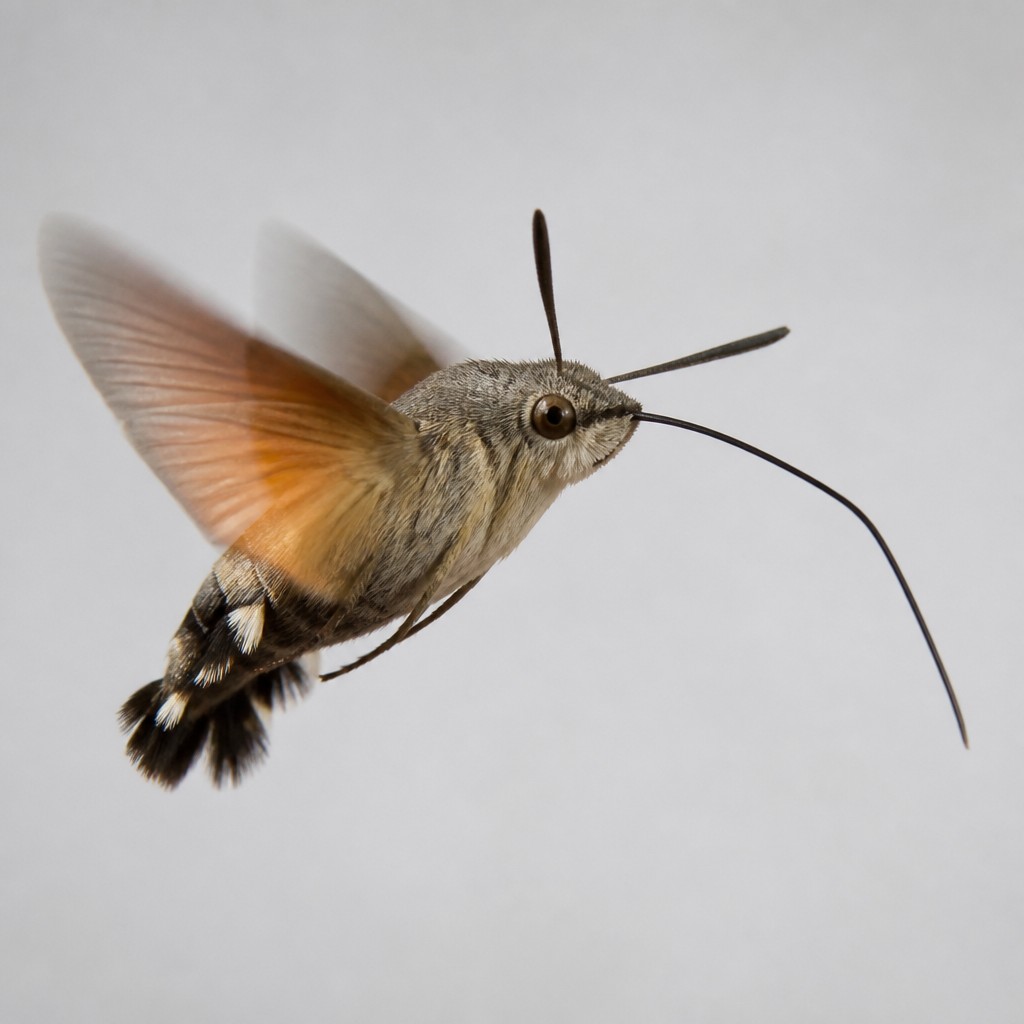
Hummingbird Moth
Hovering at flowers with a blur of wings and a long uncoiling tongue, the hummingbird moth is easily mistaken for a tiny hummingbird. These plump, fast-flying hawk moths feed on nectar in broad daylight.
moth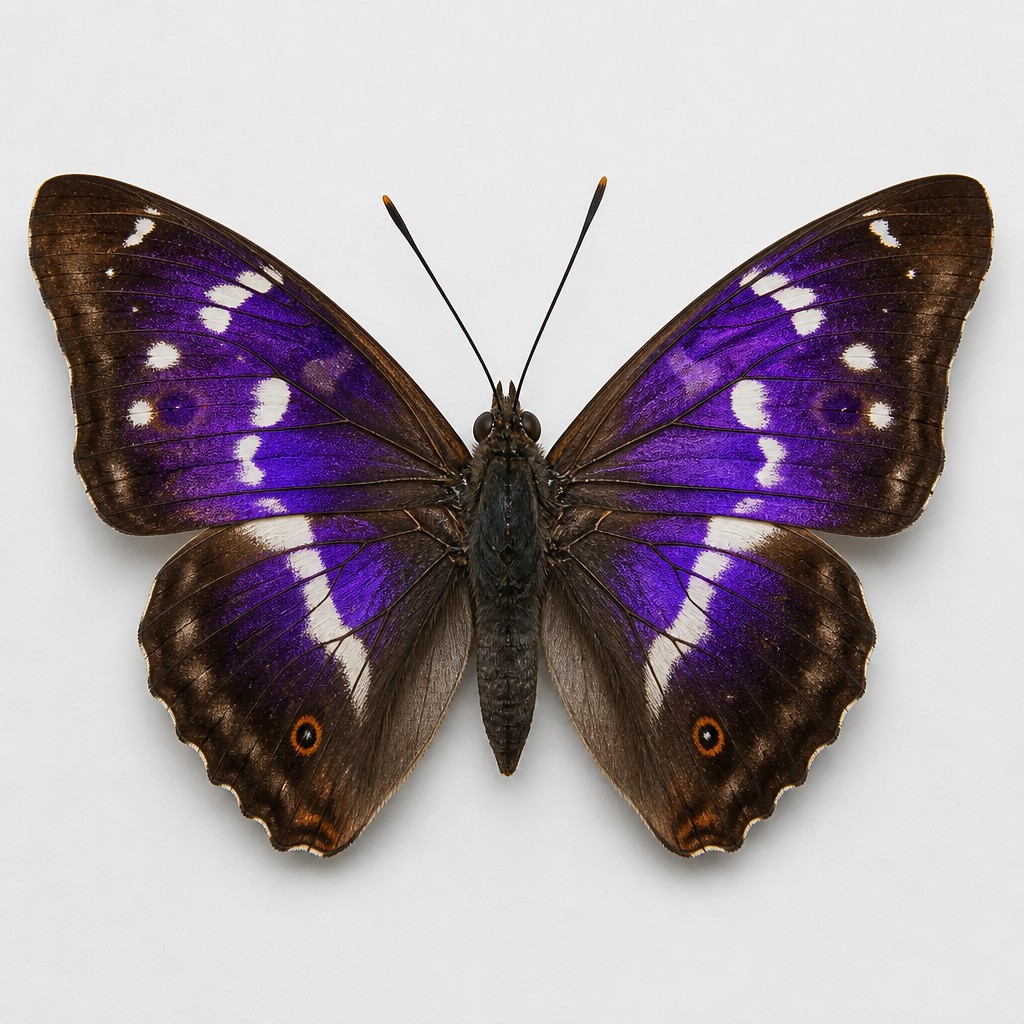
Purple Emperor
A large, elusive woodland butterfly whose males flash an iridescent purple sheen in sunlight, spending most of their time high in the treetop canopy rather than visiting flowers.
butterfly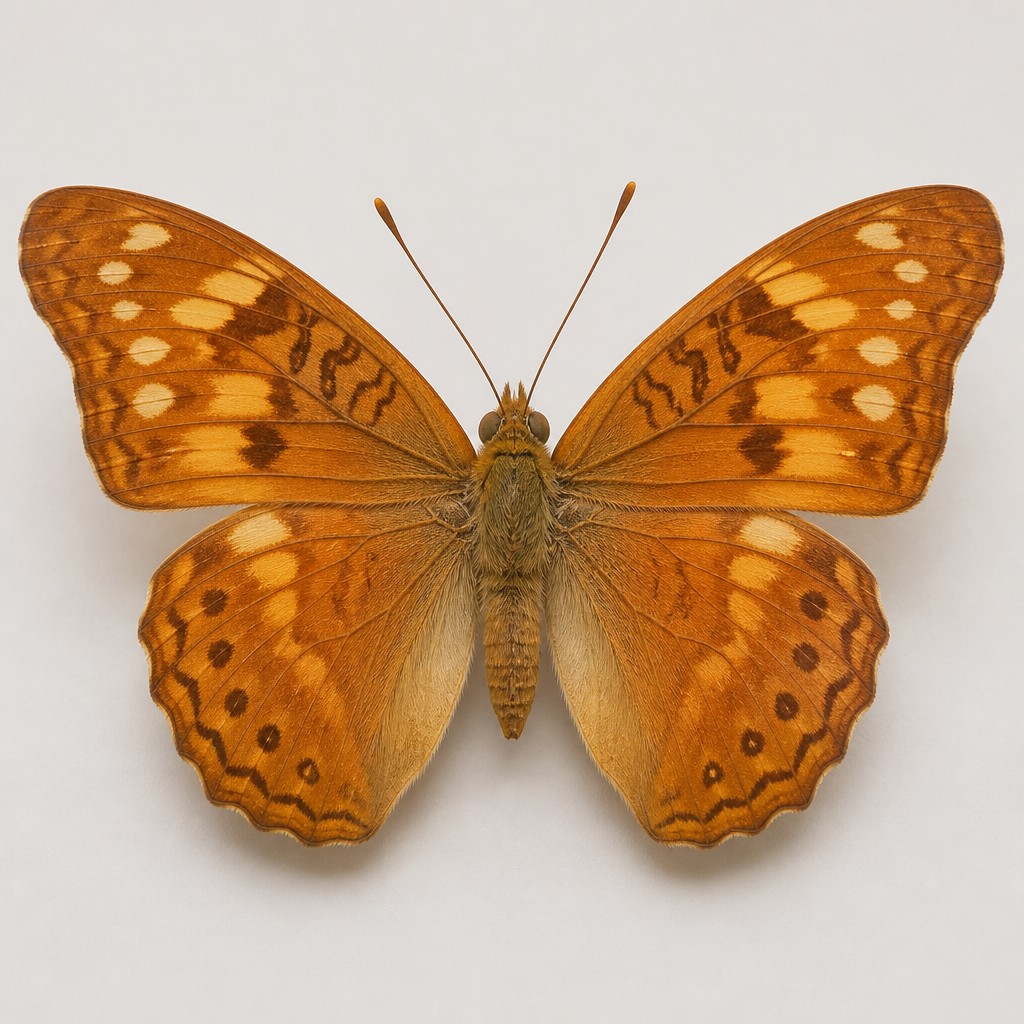
Tawny Emperor
A warm orange-brown woodland butterfly, close relative of the Hackberry Emperor, best distinguished by its lack of a forewing eyespot and its habit of feeding on sap and dung rather than flowers.
butterfly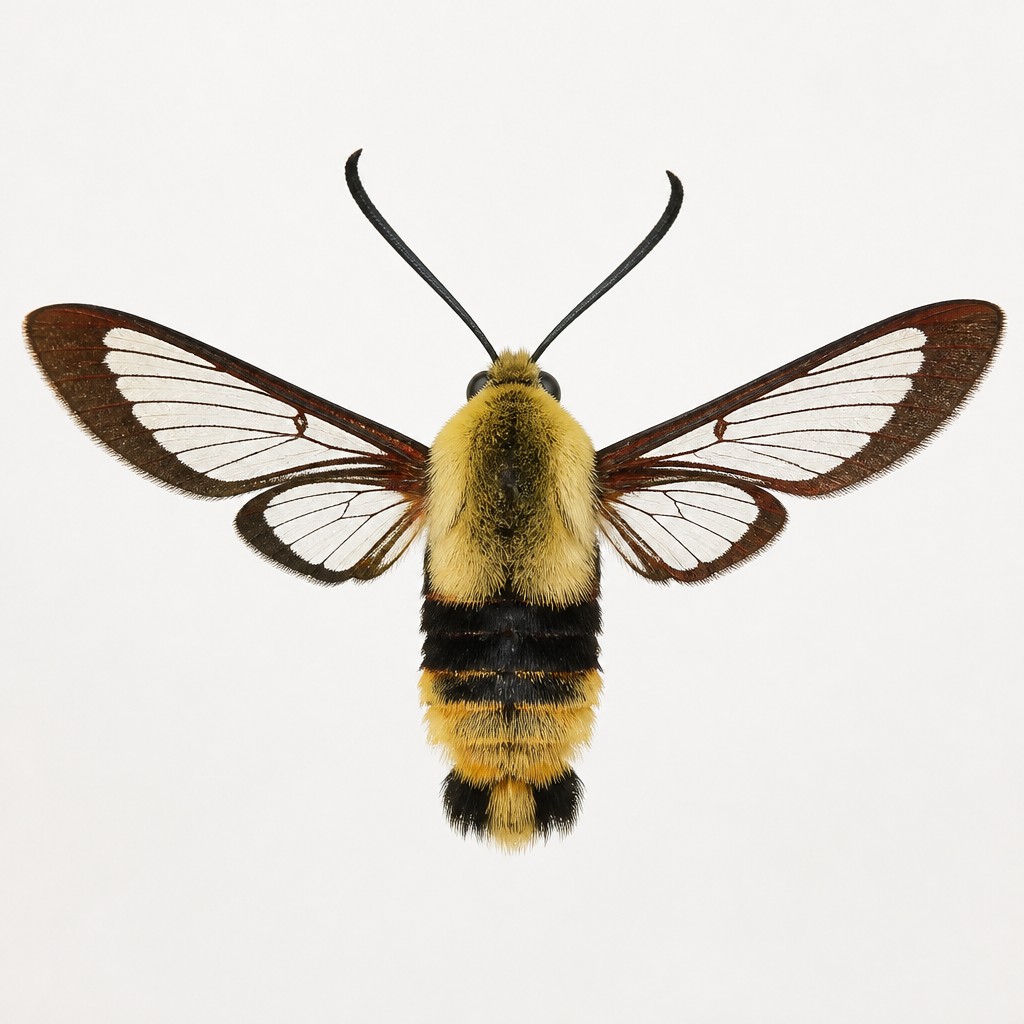
Bumblebee Moth
A fuzzy, day-flying sphinx moth that hovers at flowers like a bee, with mostly clear wings and a black-and-yellow banded body that mimics a bumblebee.
moth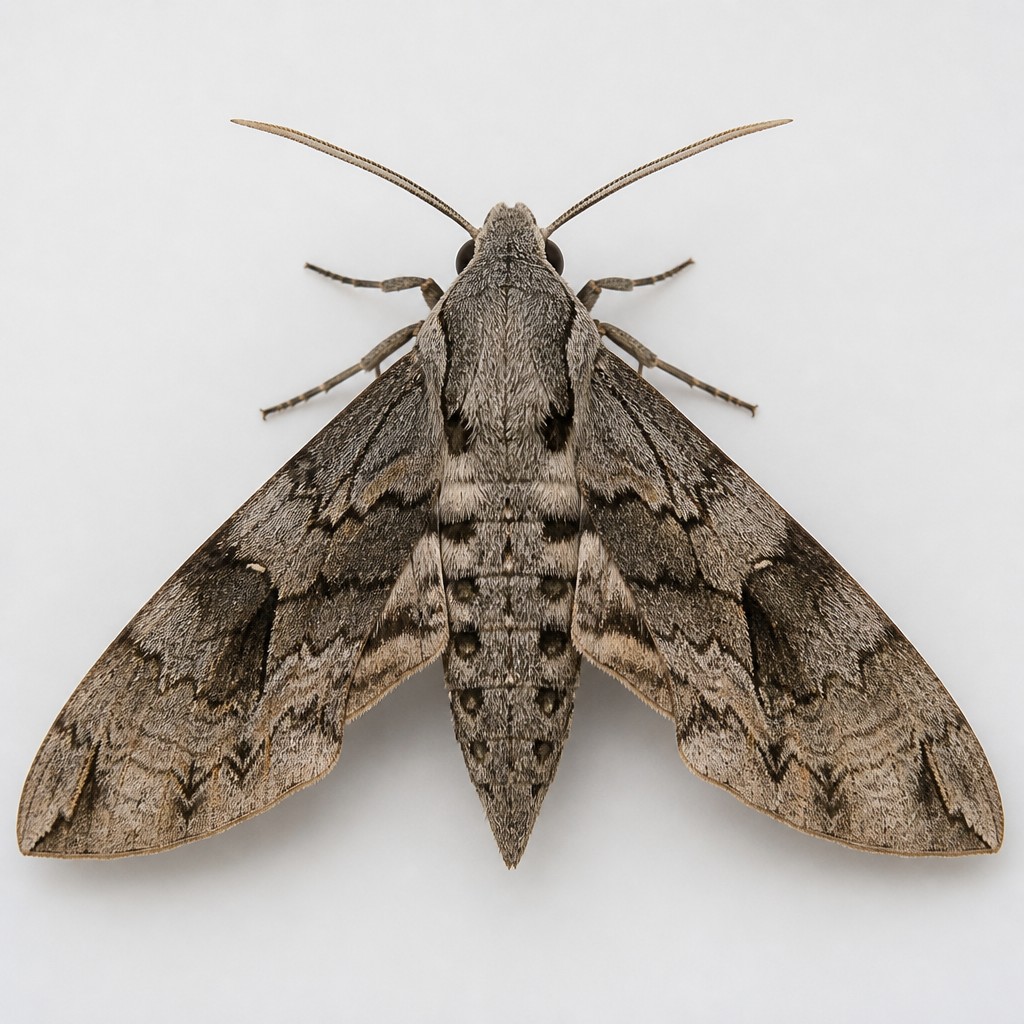
Sphinx Moth
A large, streamlined, fast-flying moth with narrow triangular wings and a robust, tapering body, famous for hovering at flowers at dusk like a hummingbird.
moth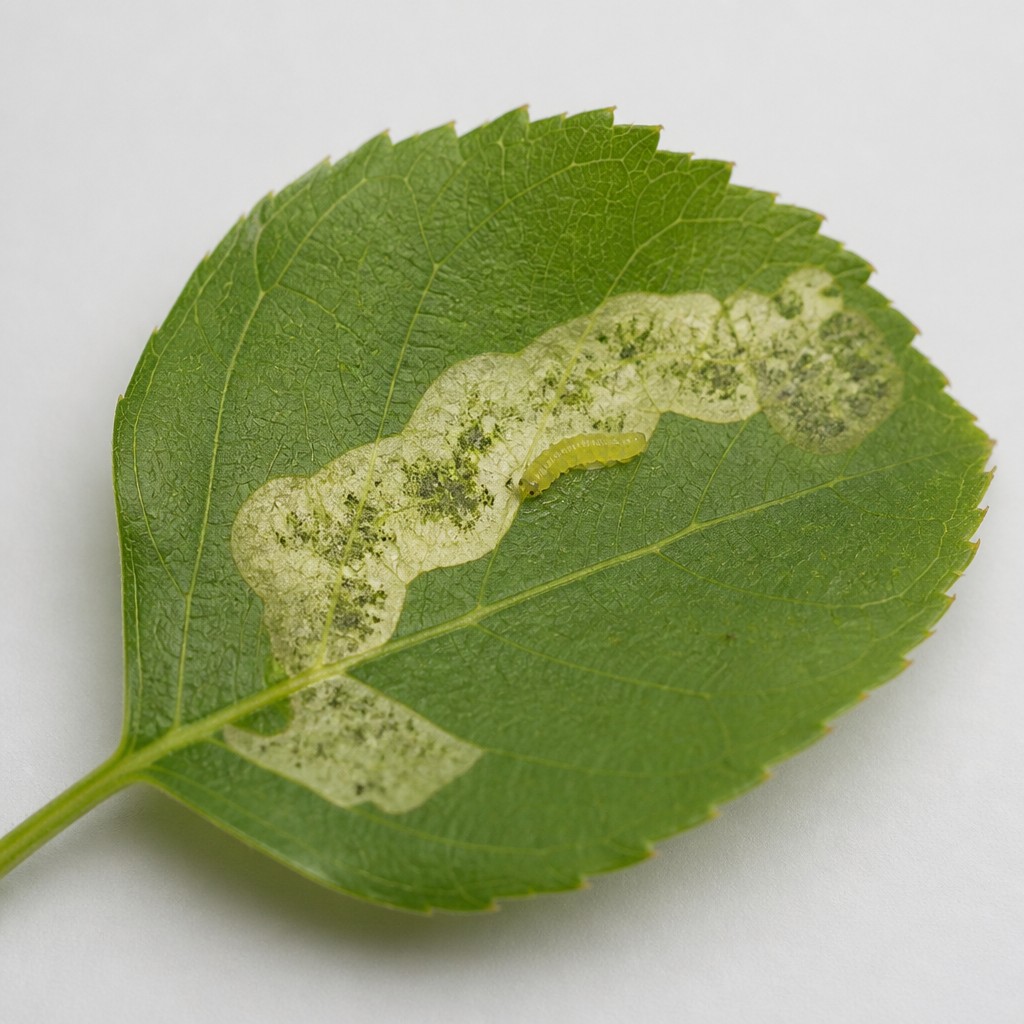
Leaf Miner
Rather than chewing from the outside, a leaf miner larva tunnels between the upper and lower surfaces of a leaf, leaving behind pale, winding trails or blotches that trace its path as it feeds.
fly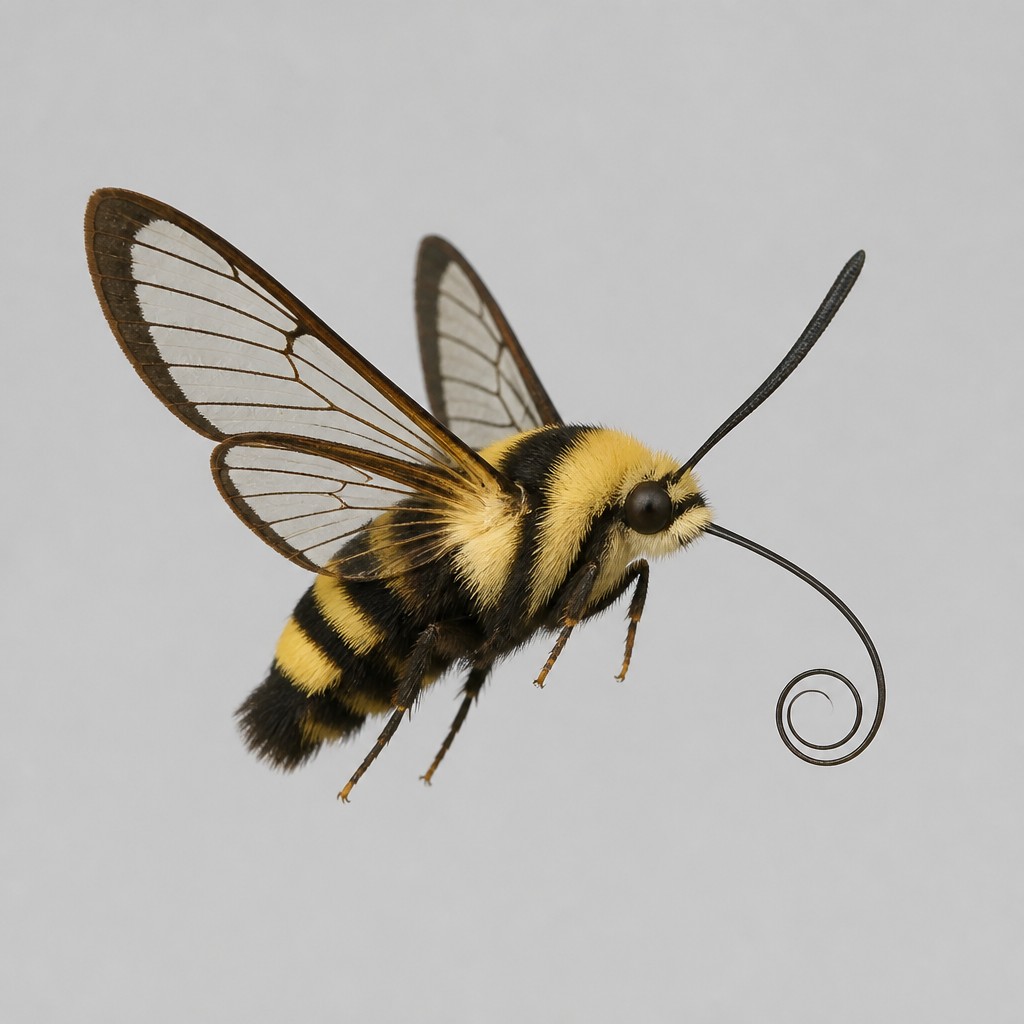
Snowberry Clearwing Moth
A day-flying sphinx moth with black-and-yellow banding and mostly transparent wings that closely mimics a bumblebee, hovering at flowers to feed through a long uncoiled proboscis.
moth