
Bug Encyclopedia
Search and identify bugs & insects — beetles, butterflies, moths, ants, bees, spiders and more — with size, habitat, danger, behavior, and how to tell them apart.
Green Lacewing
With delicate pale green wings and glittering golden eyes, the Green Lacewing is a familiar garden insect whose larvae are voracious predators of aphids and other soft-bodied pests.
other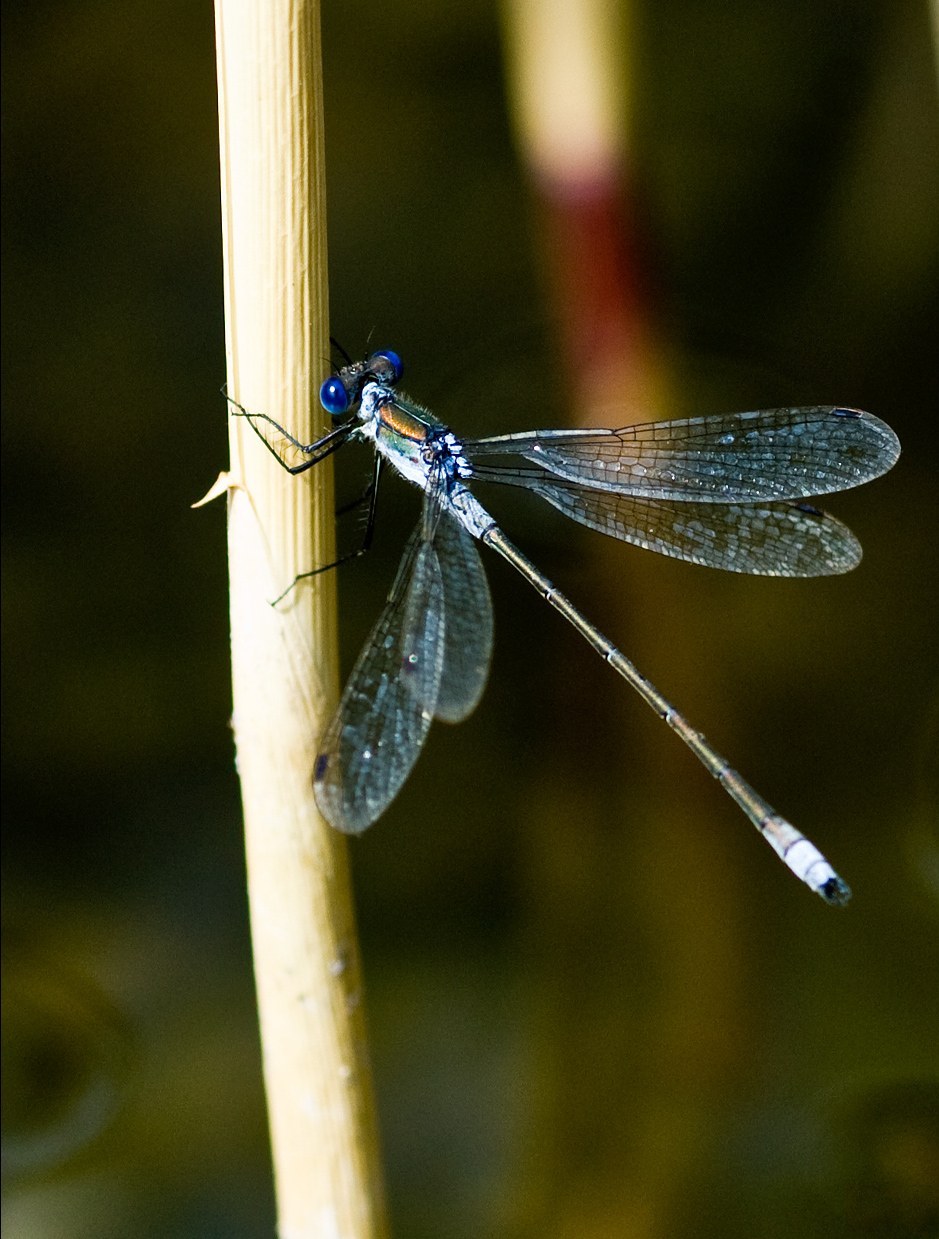
Emerald Spreadwing
A robust, metallic green damselfly of northern wetlands, the Emerald Spreadwing rests with its wings held open in the characteristic spreadwing posture and thrives in shallow, seasonal ponds.
dragonfly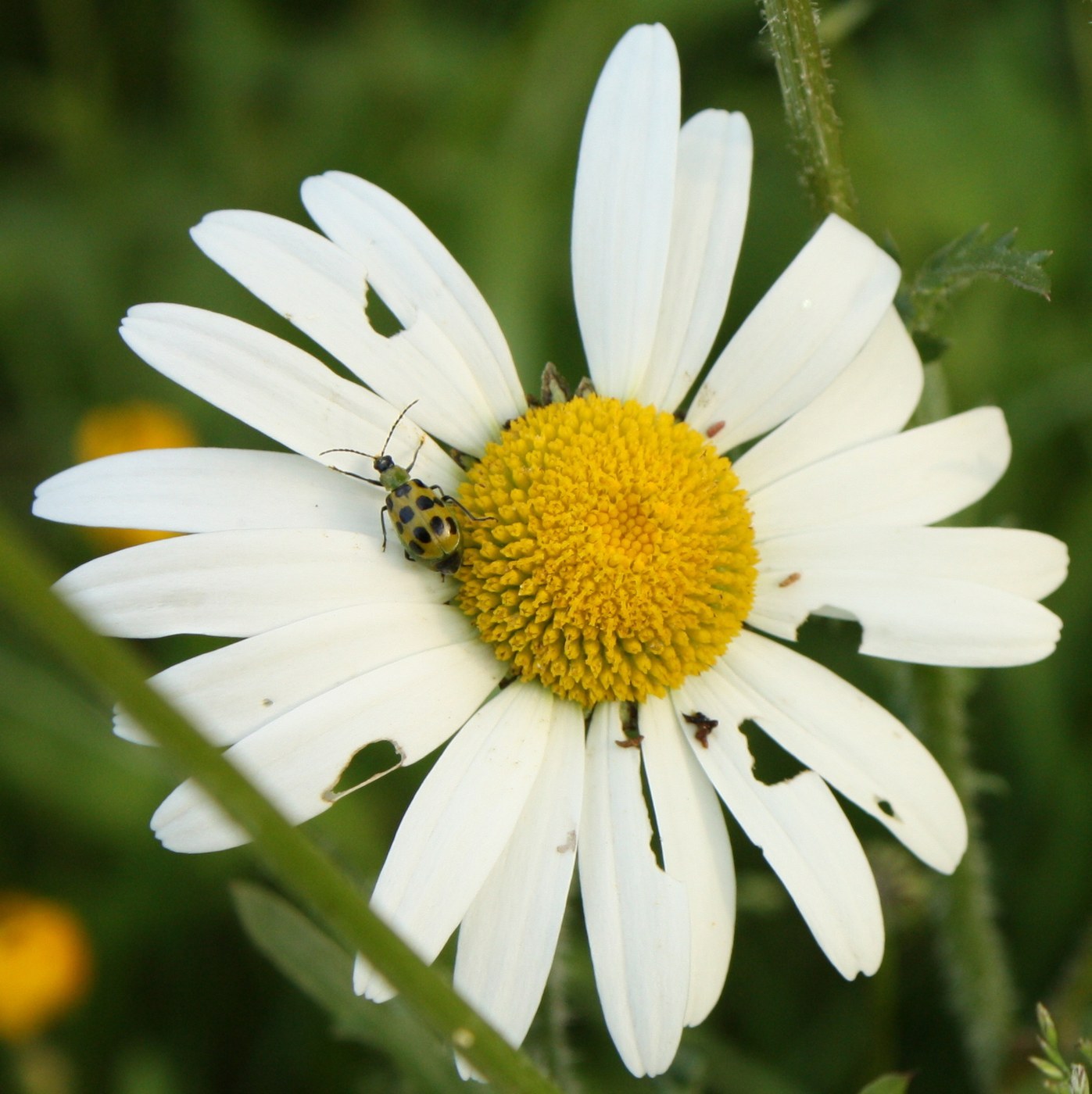
Cucumber Beetle
A small, brightly colored beetle patterned with black spots or stripes on a yellow-green background, commonly seen crawling on the flowers and leaves of cucumber and squash plants.
beetle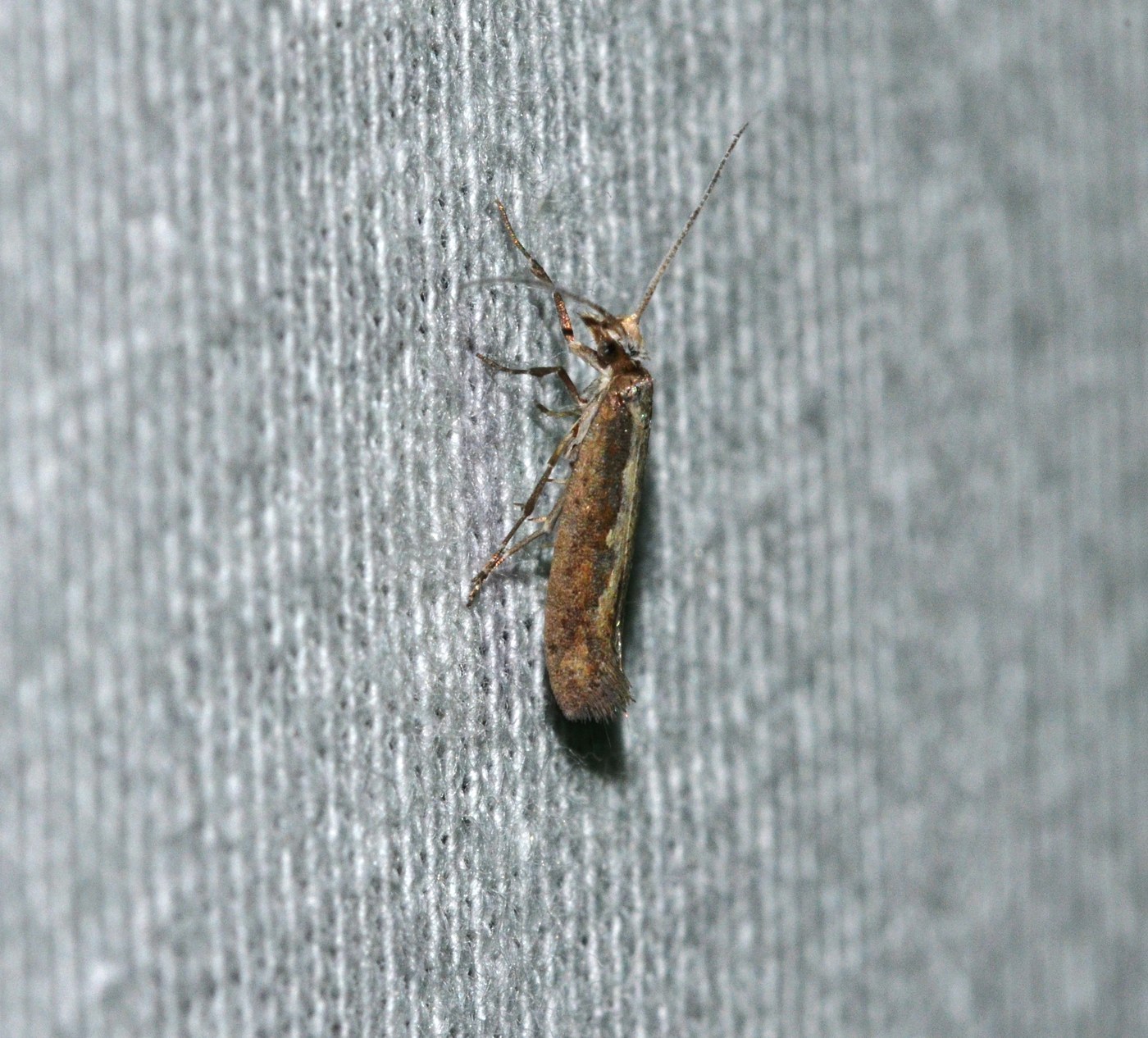
Diamondback Moth
A small, slender grey-brown moth named for the pale, diamond-shaped pattern that appears down its back when the wings are folded, best known as a widespread pest of cabbage and other brassica crops.
mothDrywood Termite
A termite that lives entirely within the dry wood it feeds on, needing no soil contact at all, and revealing itself mainly through small piles of pellet-like frass pushed from tiny exit holes.
other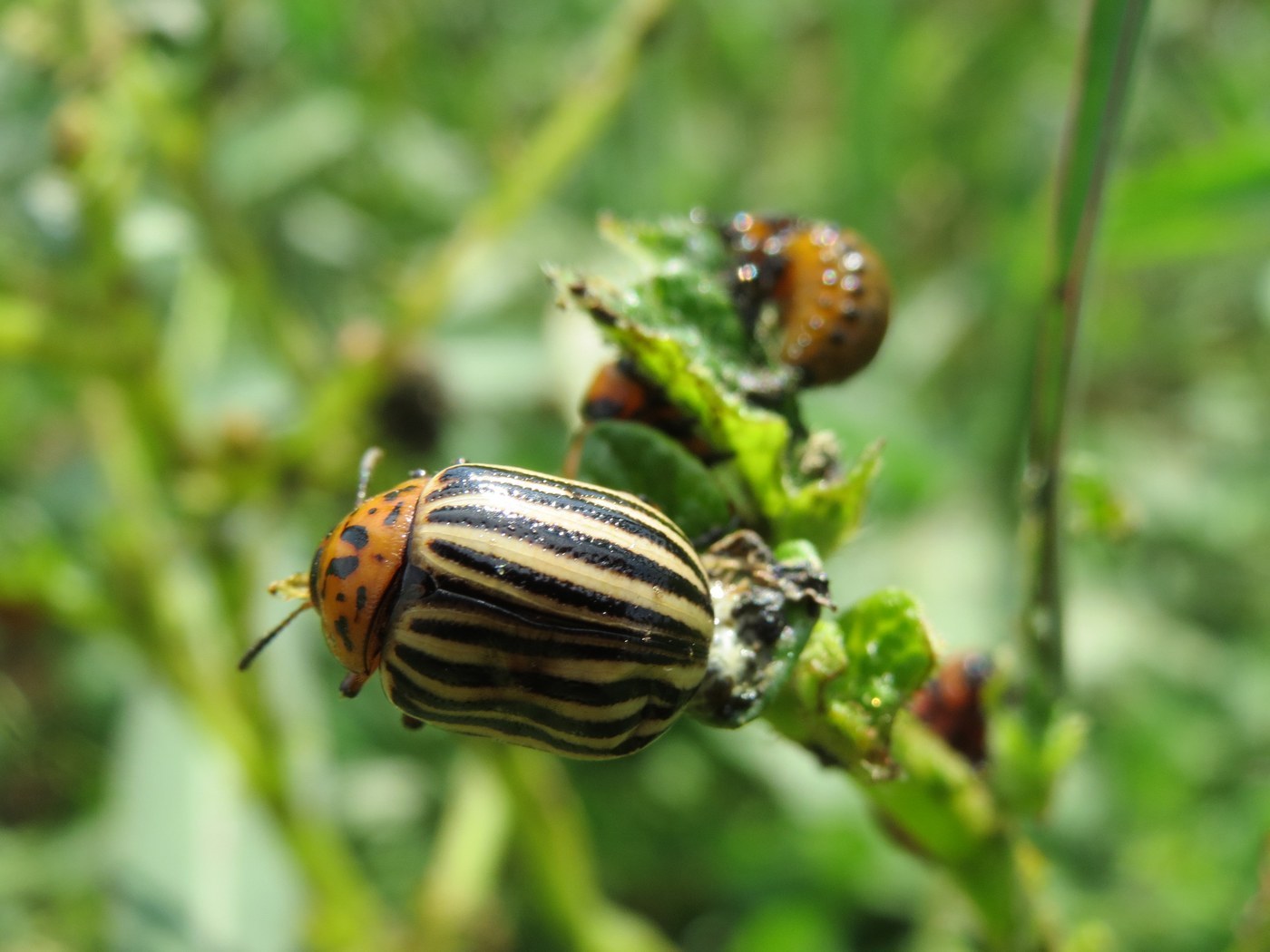
Colorado Potato Beetle
A rounded, boldly striped yellow-and-black beetle that is one of the most notorious defoliators of potato plants, easily spotted marching across leaves in gardens and fields.
beetle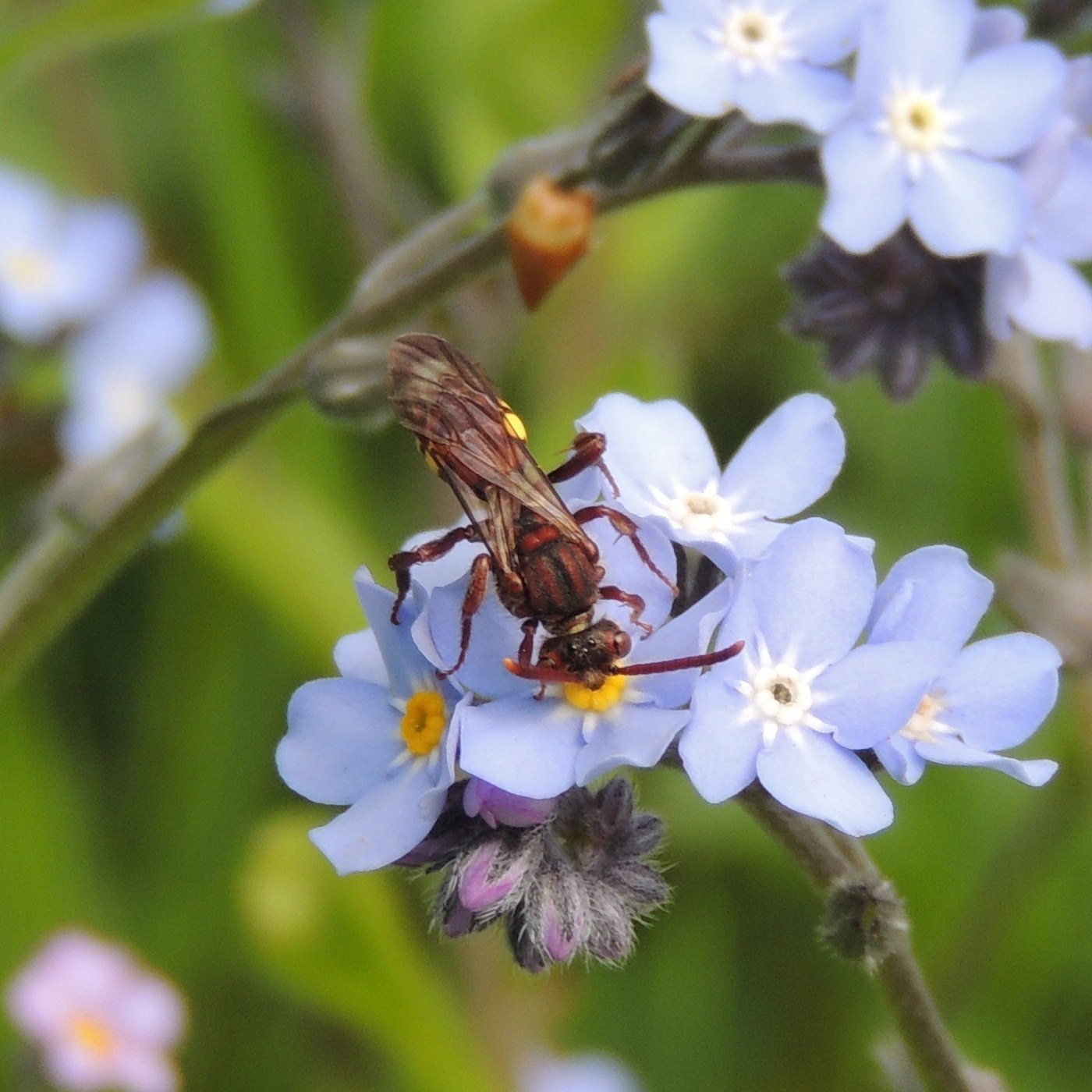
Cuckoo Bee
A slender, wasp-like bee that lacks pollen-carrying hairs because it never gathers its own pollen, instead sneaking into the nests of other solitary bees to lay eggs that hatch and consume the host's food stores.
bee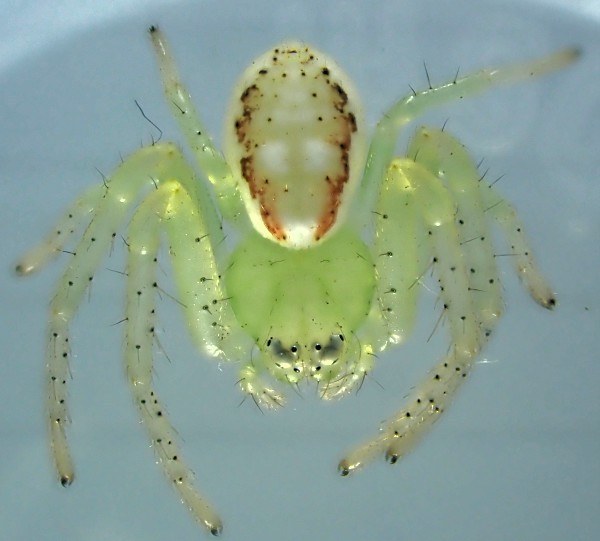
Crab Spider
Perched motionless atop a flower petal, often perfectly matched to its color, the crab spider is a patient ambusher that waits for pollinators to land within reach of its outstretched front legs.
spider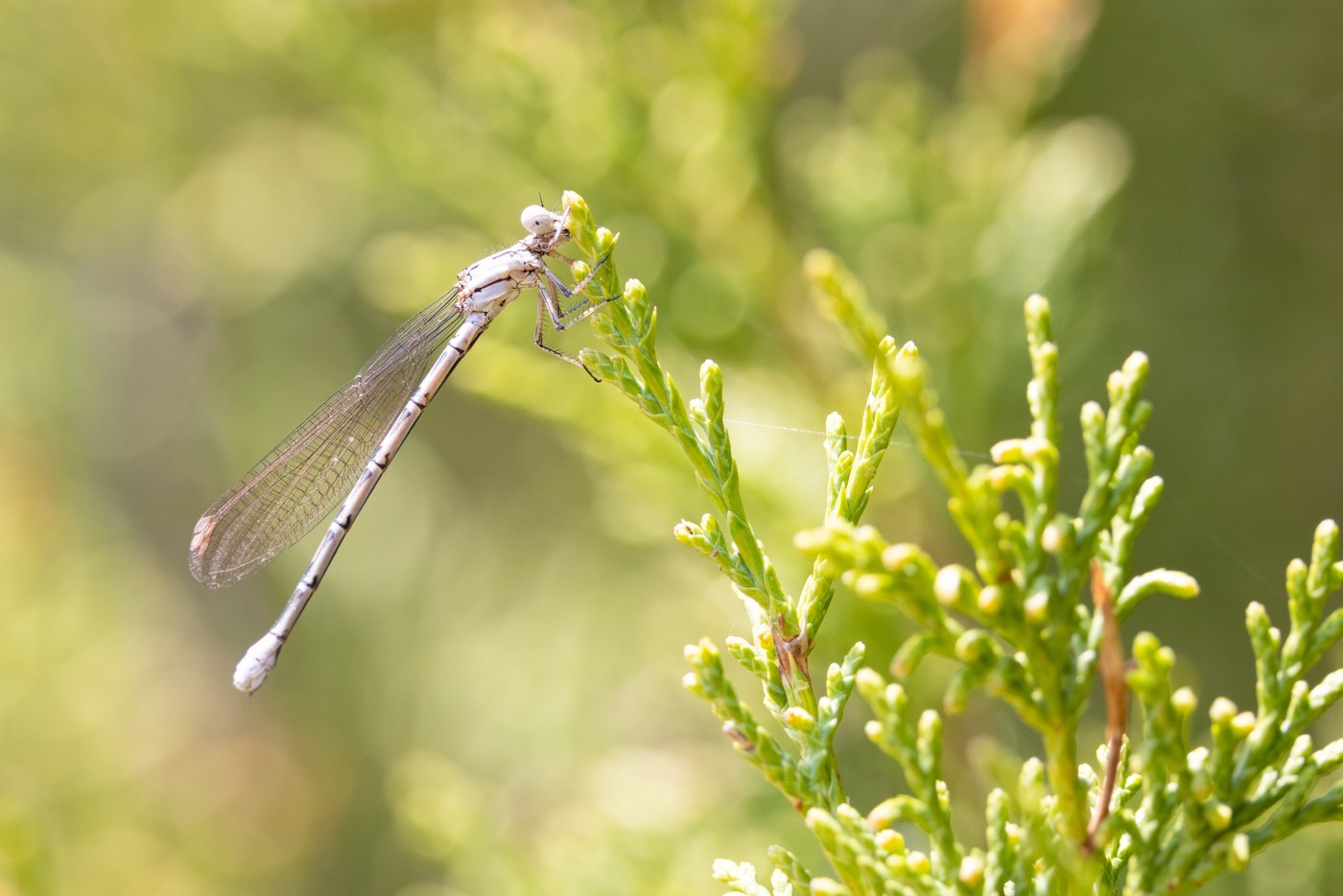
Damselfly
A slender, delicate relative of the dragonfly with widely spaced eyes and slim wings that fold together over its back at rest, often seen fluttering weakly among reeds and grasses at the water's edge.
dragonfly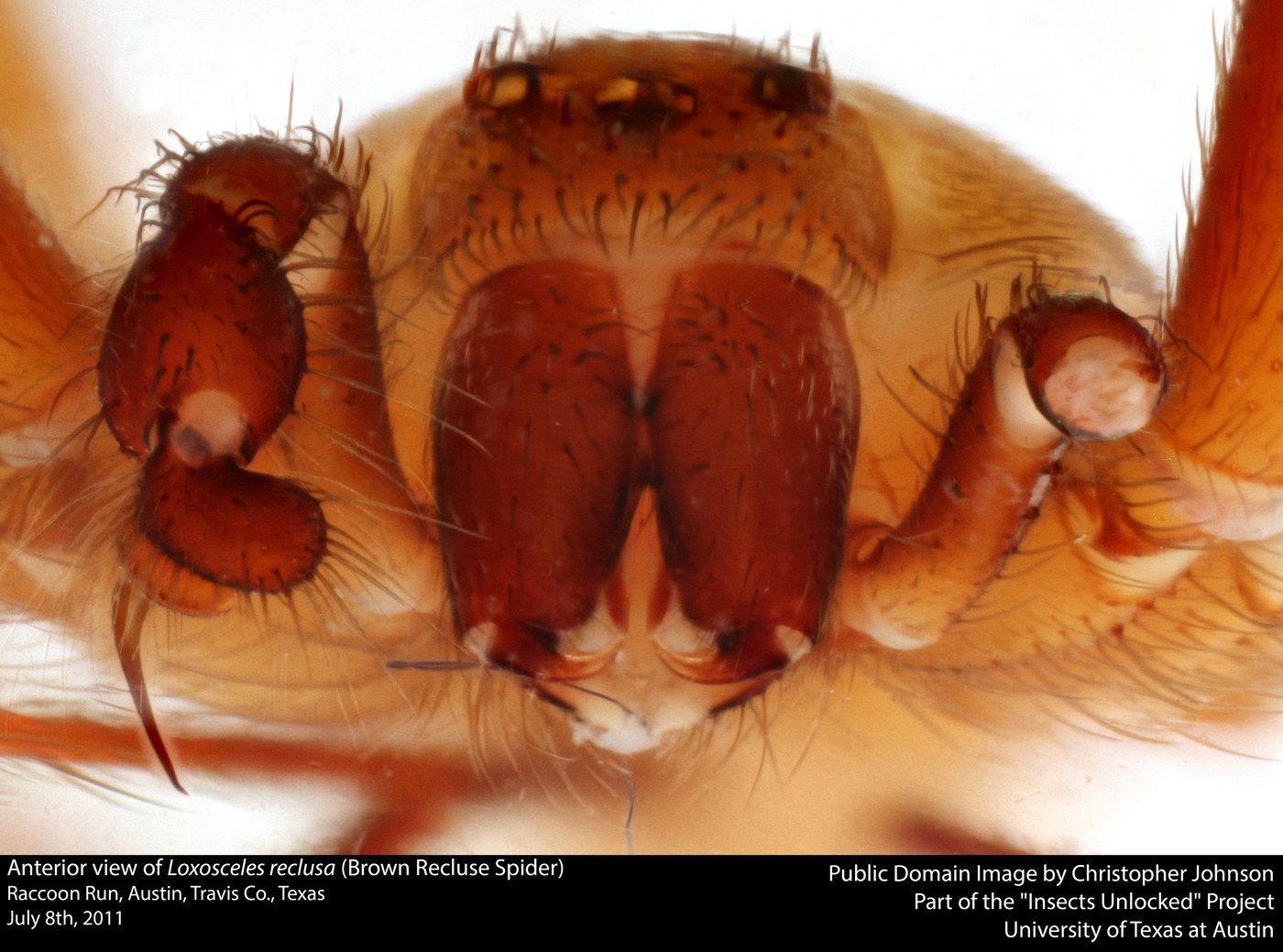
Brown Recluse Spider
A uniformly light-brown spider with a faint violin-shaped marking on its back and only six eyes instead of the usual eight, typically found hiding in dry, undisturbed indoor and outdoor spaces.
spider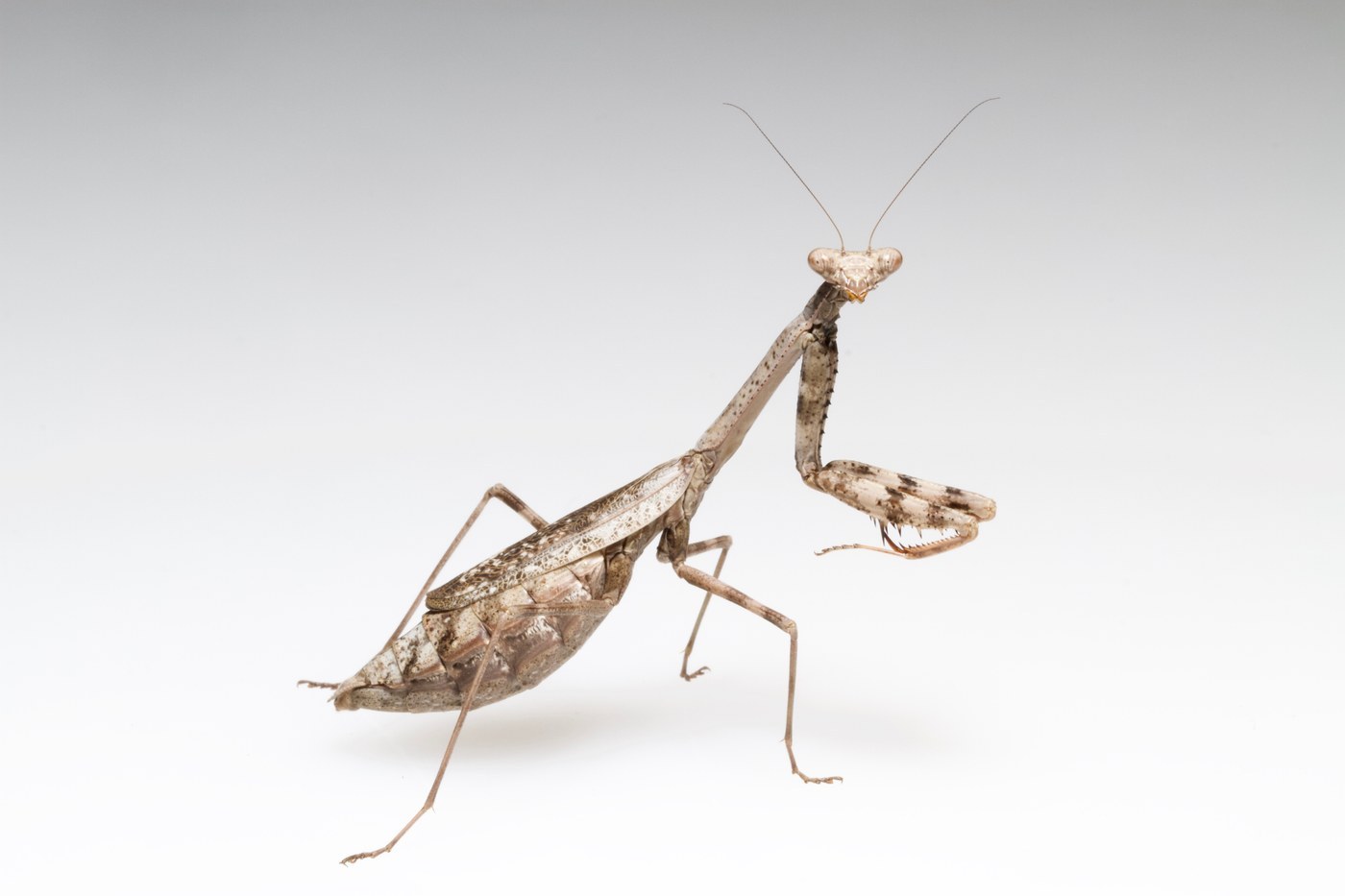
Carolina Mantis
A mottled gray-brown mantis native to the southeastern and south-central United States, smaller and more camouflaged than its introduced Chinese relative, and recognized as the state insect of South Carolina.
mantis-stickBig-Eyed Bug
A small, broad-headed true bug named for its noticeably large, bulging compound eyes, the big-eyed bug is a beneficial predator that patrols low vegetation and soil surfaces for small pest insects.
true-bug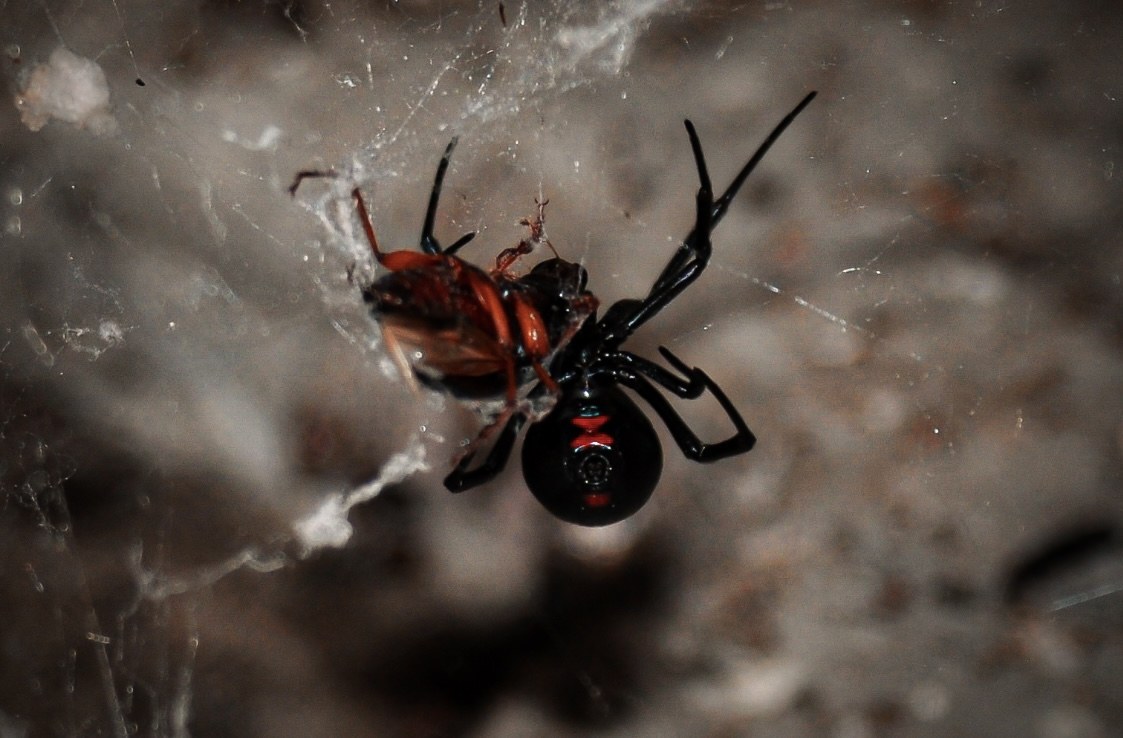
Black Widow Spider
A glossy black, globe-bodied spider best known for the red or orange hourglass marking on the underside of the female's rounded abdomen, usually found tucked in a tangled web near ground level.
spider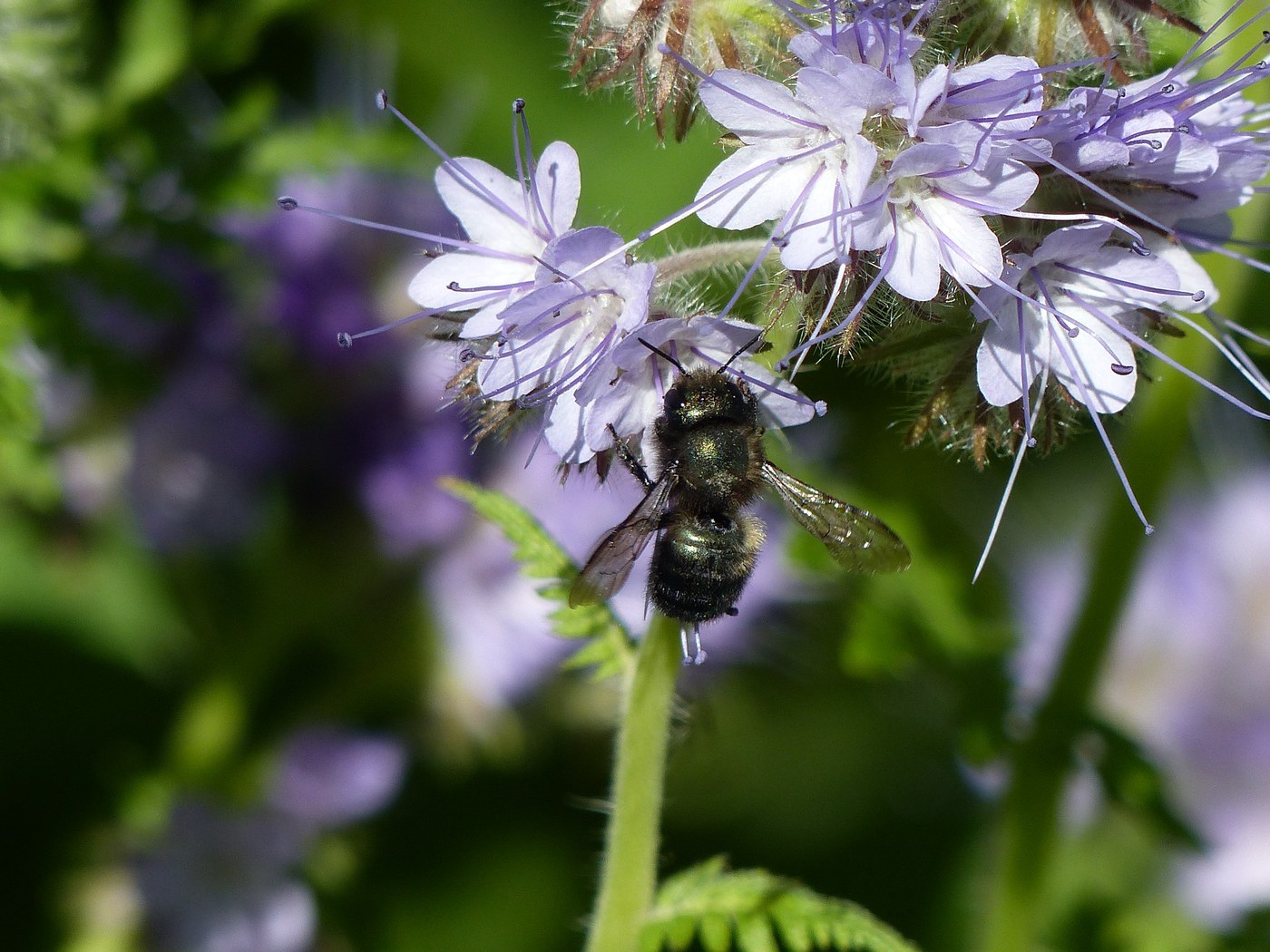
Blue Orchard Bee
A small, metallic blue-black solitary bee widely valued as an efficient early-spring pollinator of fruit trees, nesting in narrow tunnels and hollow stems rather than building hives.
beeMaggot
A pale, legless, tapering grub that wriggles through rotting food and organic waste, the larval stage of a fly.
caterpillar-larva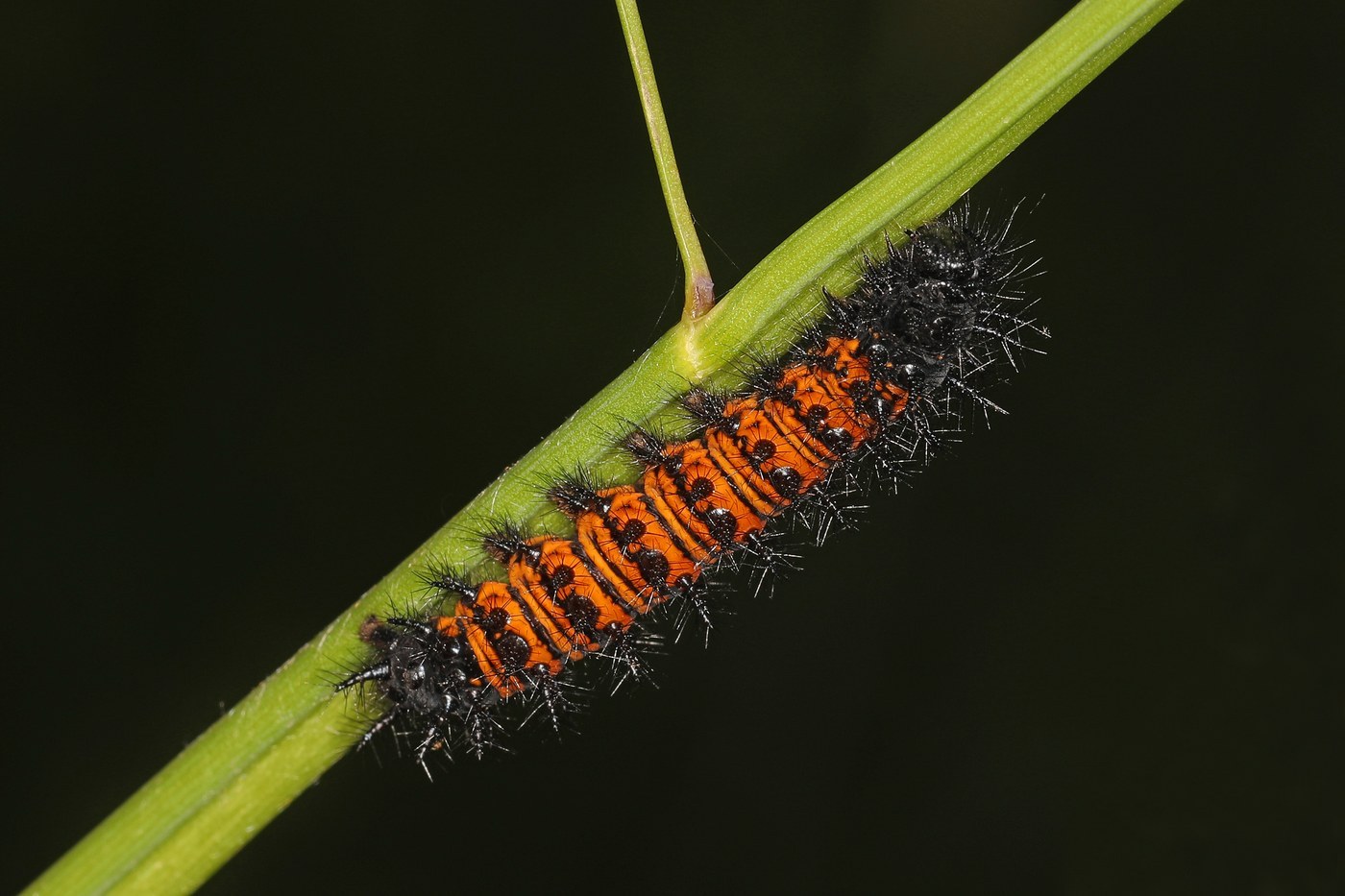
Baltimore Checkerspot
A striking black butterfly checkered with rows of orange and cream-white spots, closely associated with wet meadows and its turtlehead host plant, and recognized as a state insect symbol in parts of its range.
butterfly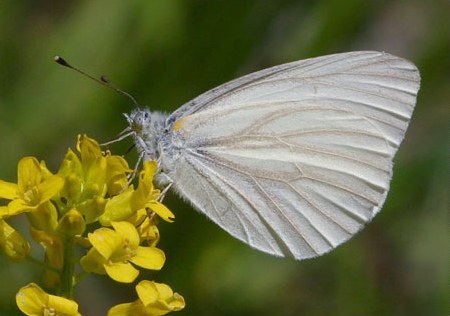
West Virginia White
A delicate, pure-white spring butterfly of eastern hardwood forests with faint gray veining on the underside, flying only for a few weeks each year before its short-lived toothwort host plants fade.
butterfly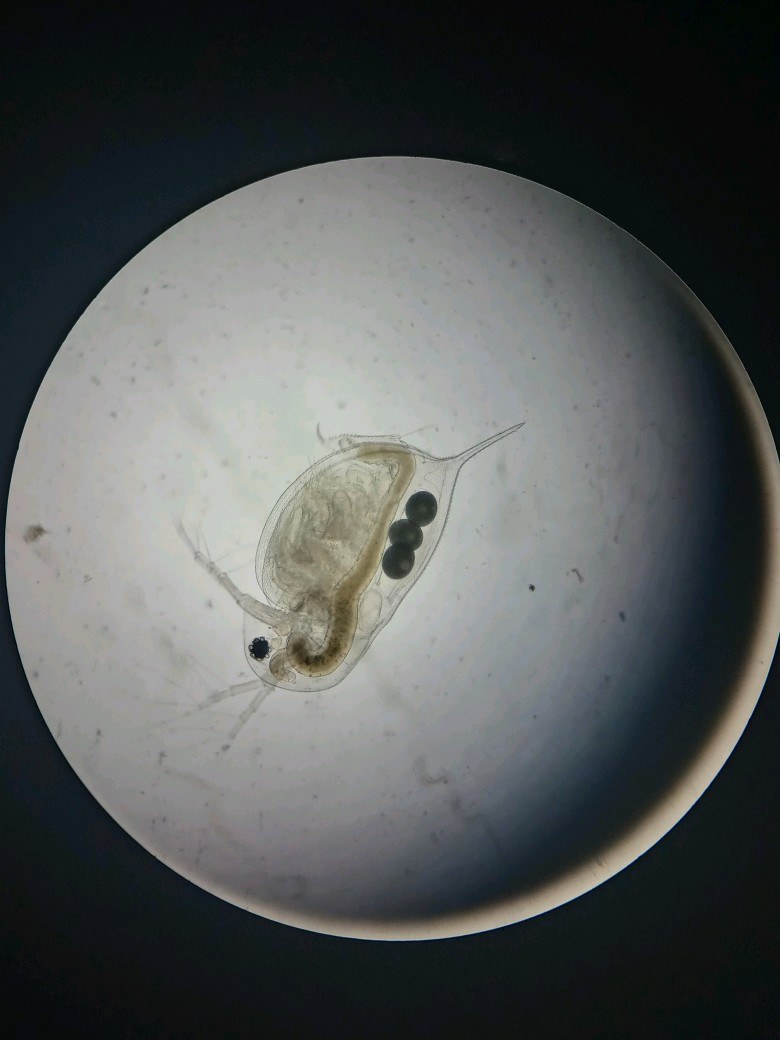
Water Flea
Despite the name, the water flea is not an insect at all but a tiny, jerky-swimming crustacean whose transparent body and single dark eye make it one of the most recognizable members of freshwater plankton.
other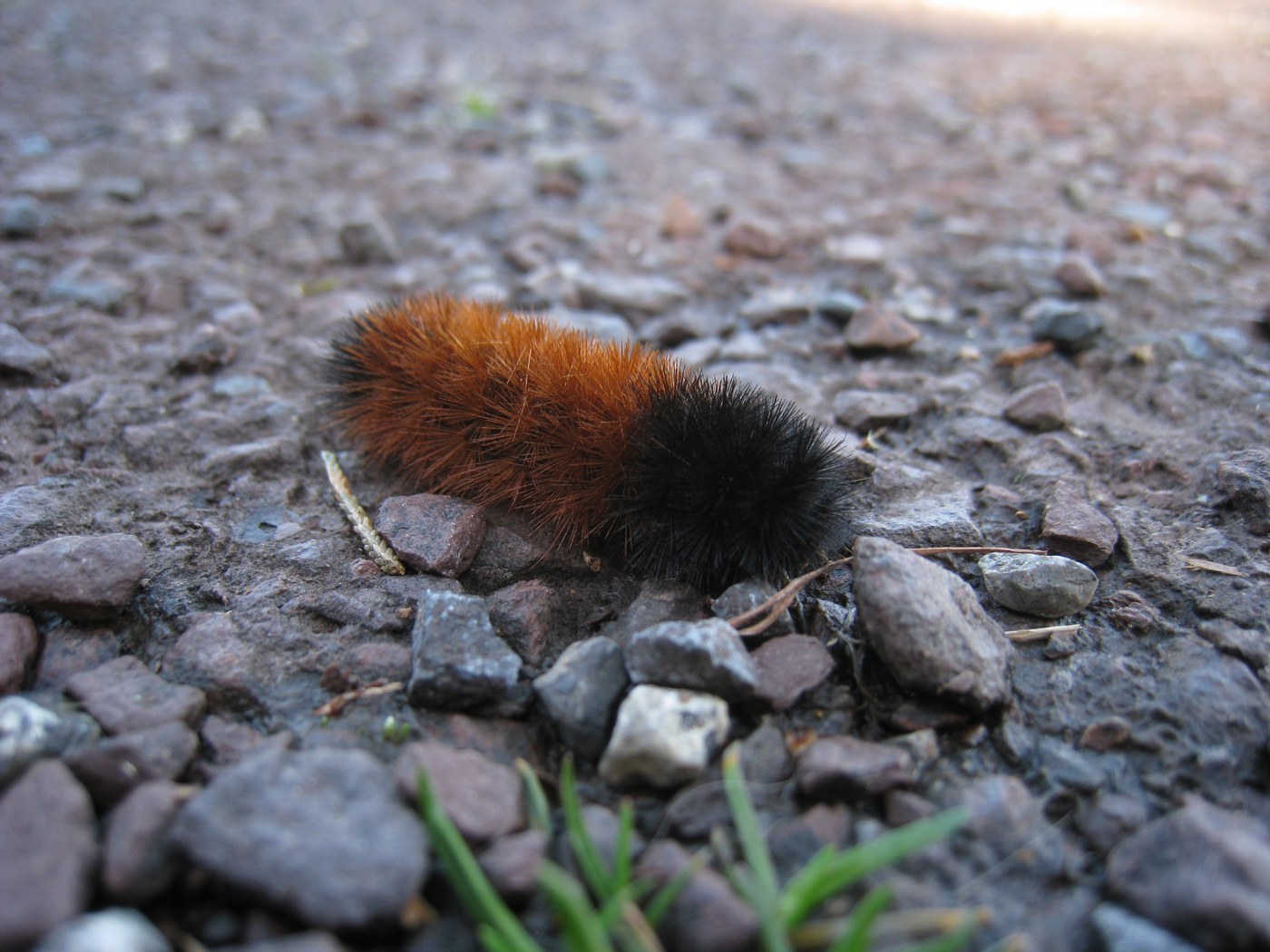
Woolly Bear Caterpillar
A densely bristled caterpillar banded in black at both ends with a rusty-orange middle section, famous in folklore for supposedly predicting winter severity and for rolling into a tight ball when touched.
caterpillar-larvaWater Scavenger Beetle
Rounded and glossy, water scavenger beetles paddle through weedy ponds gathering air with a short antenna rather than a snorkel-like tube, feeding mostly on decaying plant matter and algae.
beetle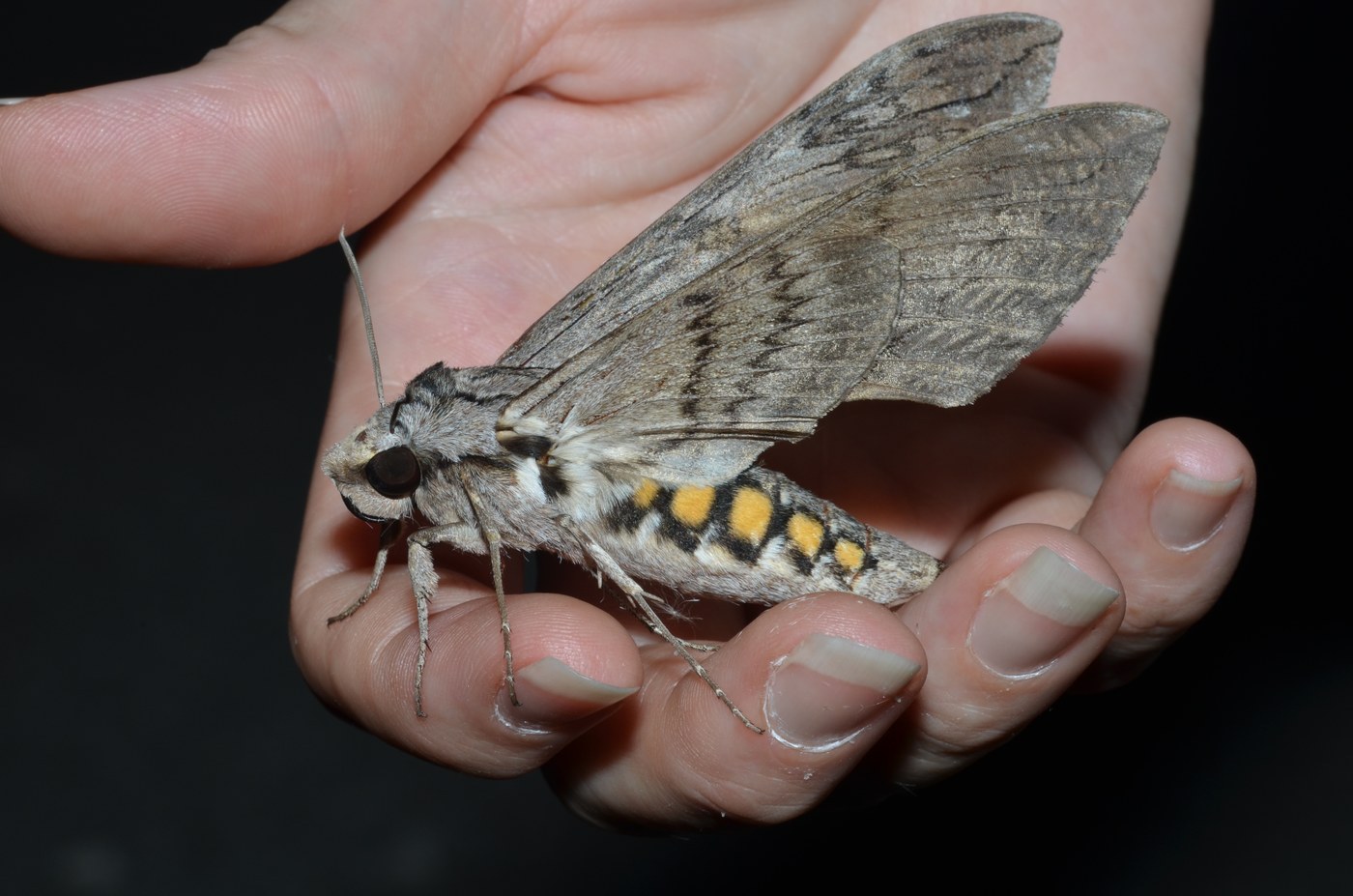
Tomato Hornworm Moth (Five-spotted Hawkmoth)
A large, robust grey-brown sphinx moth named for the five pairs of yellow-orange spots along its abdomen, best known as the adult form of the large green tomato hornworm caterpillar familiar to home gardeners.
moth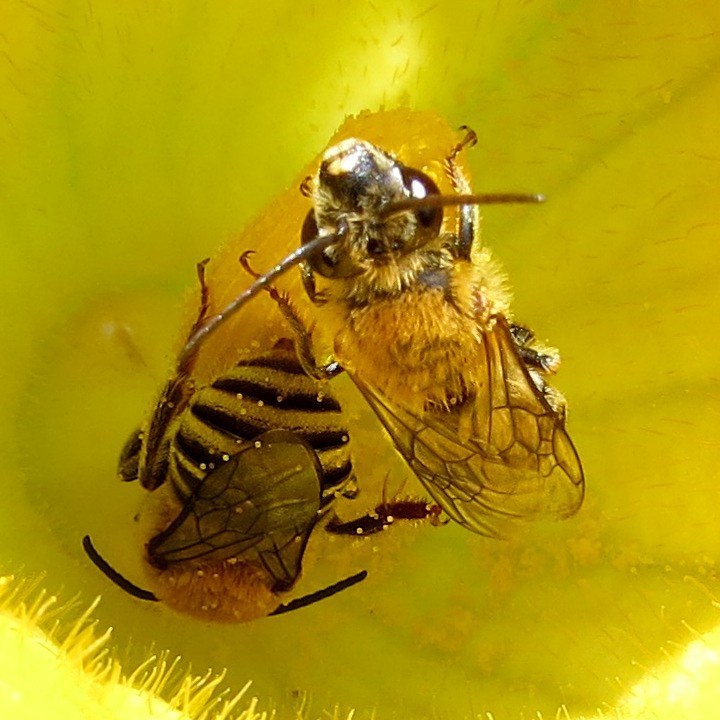
Squash Bee
A robust, early-rising solitary bee specialized in visiting squash, pumpkin, and gourd flowers, often seen foraging in the cool early morning hours before many other pollinators are active.
bee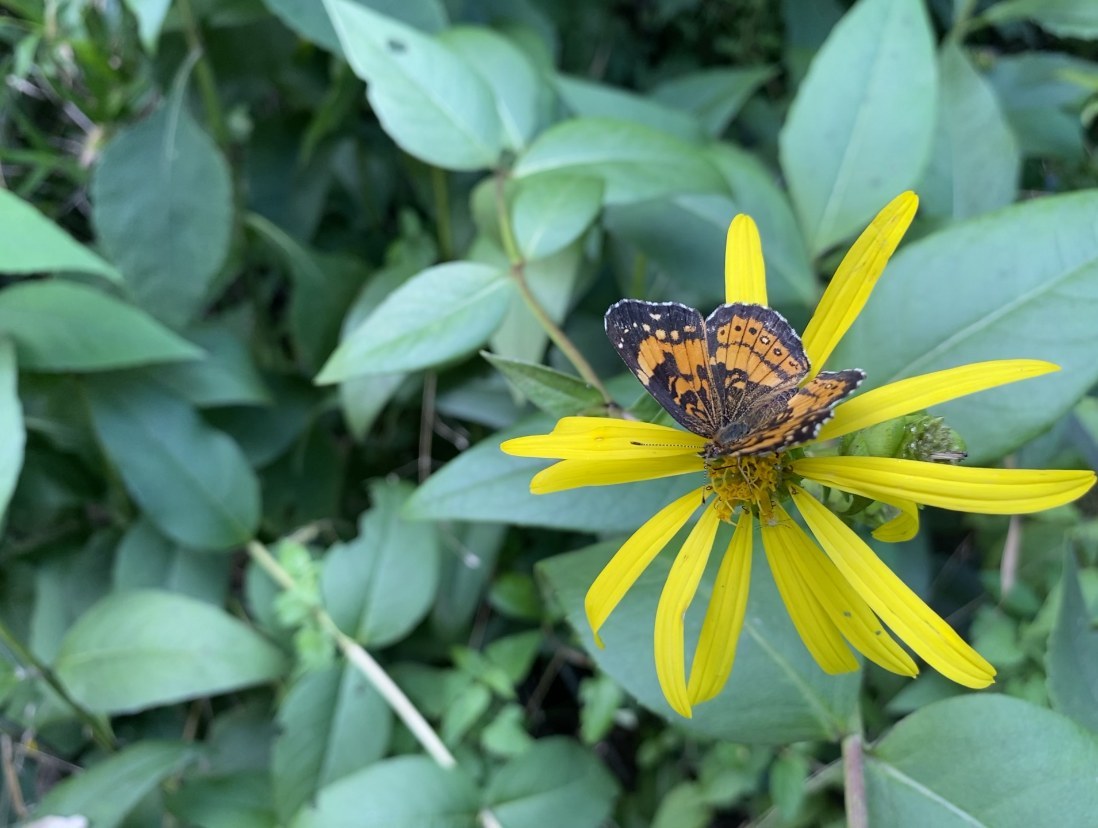
Silvery Checkerspot
An orange-brown checkered butterfly named for the row of small silvery-white crescent spots along the underside hindwing margin, commonly seen nectaring at composite flowers in open habitats.
butterflySilverfish Firebrat
Two closely related, wingless, silvery or mottled insects with fish-like darting movements and three long tail bristles, one favoring damp basements and the other thriving near warm ovens and furnaces.
other