
Bug Encyclopedia
Search and identify bugs & insects — beetles, butterflies, moths, ants, bees, spiders and more — with size, habitat, danger, behavior, and how to tell them apart.
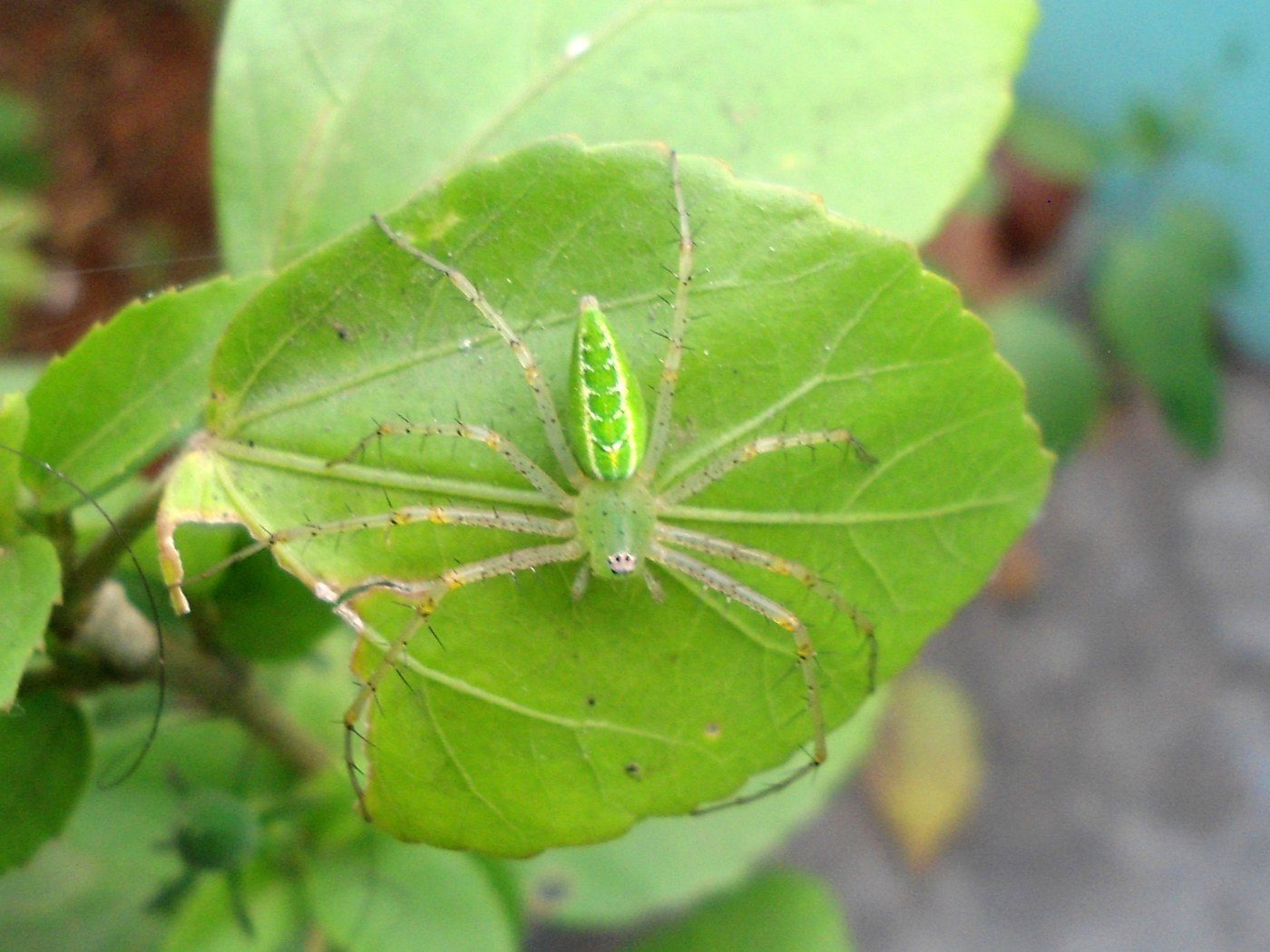
Green Lynx Spider
A slender, bright green spider armed with long spiny legs that ambushes insects from flowers and shrubs without spinning a capture web.
spider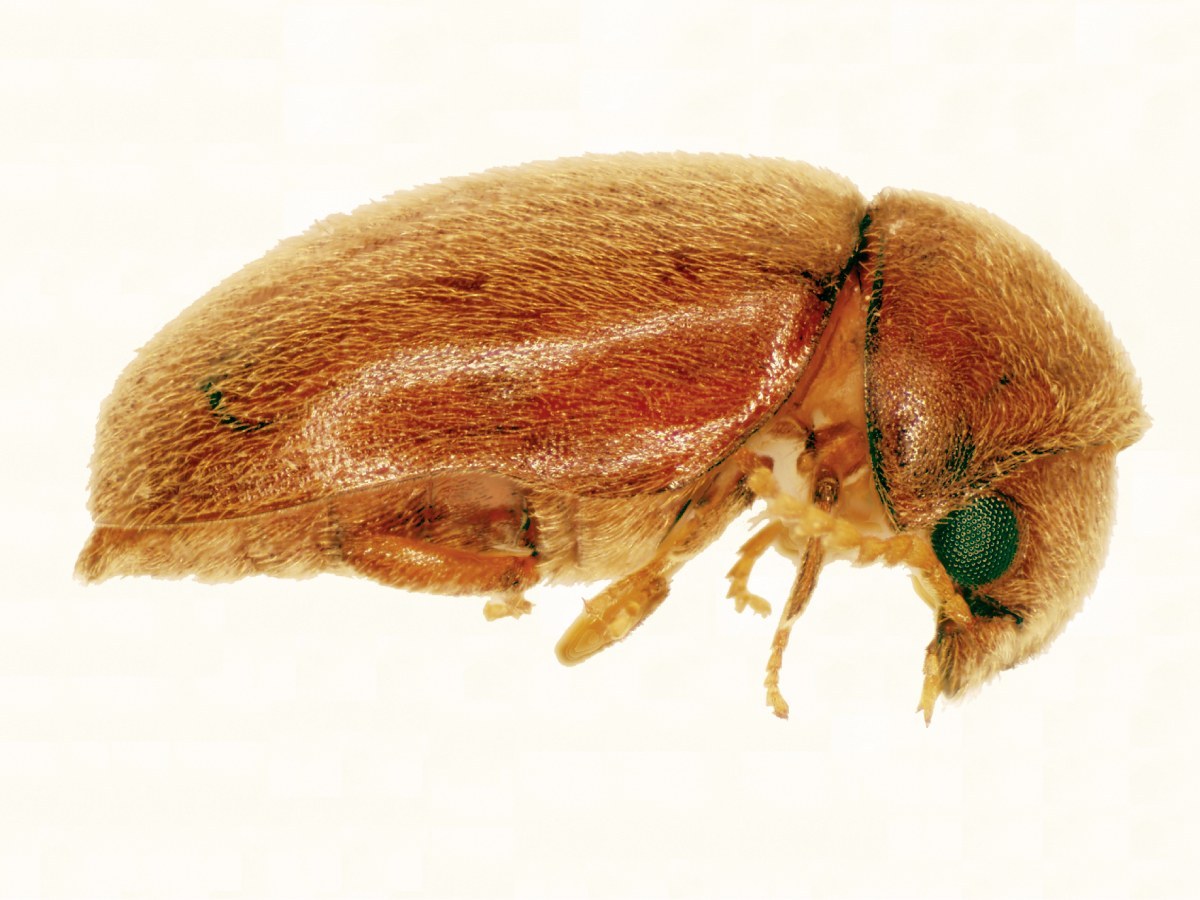
Cigarette Beetle
A tiny, reddish-brown, humpbacked beetle that rides along in stored dried herbs, spices, and tobacco wherever it hitches a ride.
beetle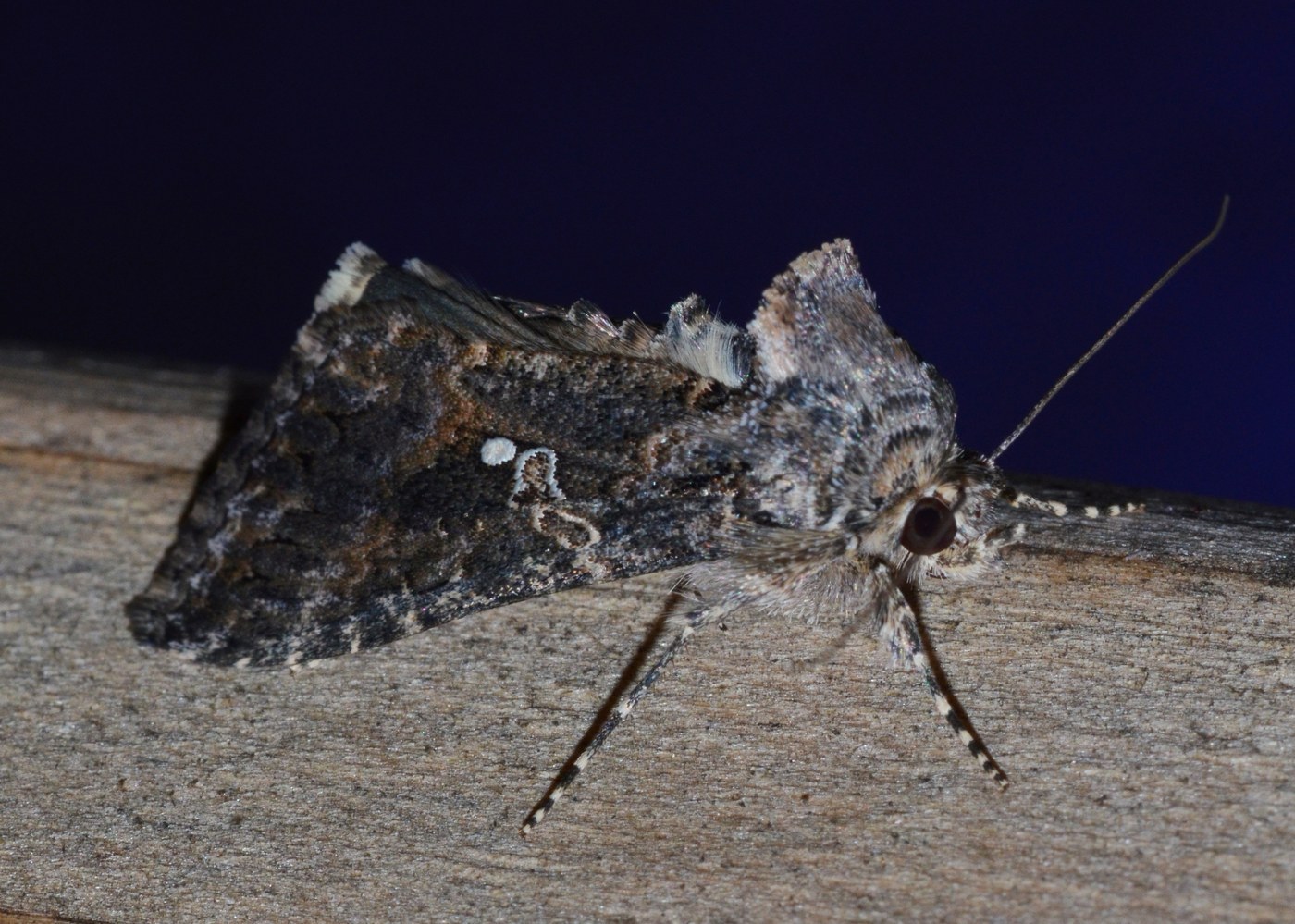
Cabbage Looper
A pale green caterpillar with thin white stripes that arches its back into a loop as it inches along cabbage and other garden leaves.
caterpillar-larva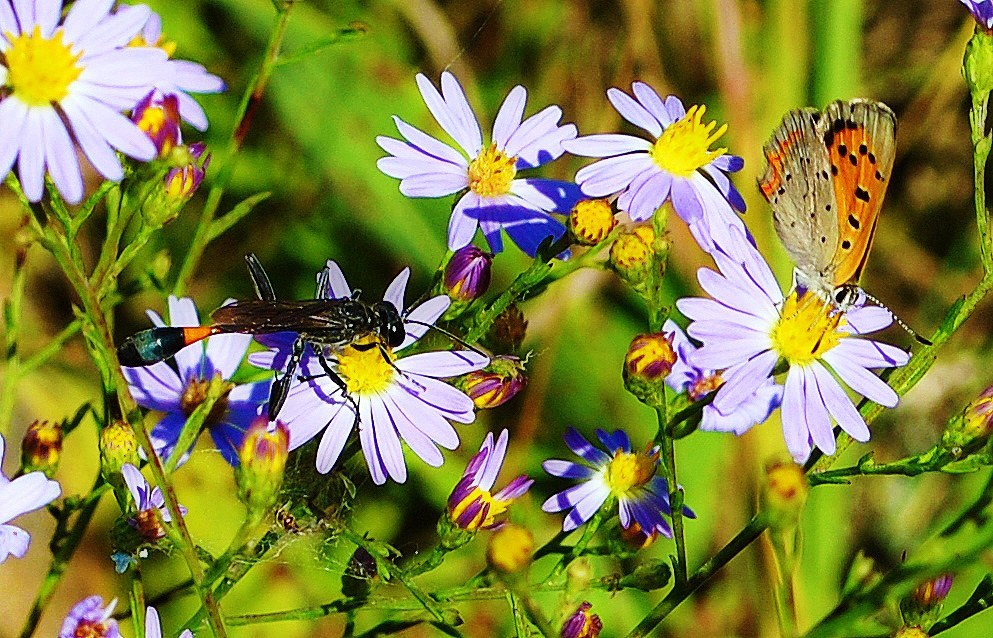
Digger Wasp
A solitary, ground-nesting wasp that excavates neat burrows in bare soil and provisions them with paralyzed prey for its young.
waspBiting Midge
A minuscule, gray-winged fly that gathers in dense swarms near wetlands and can slip through window screens unnoticed.
fly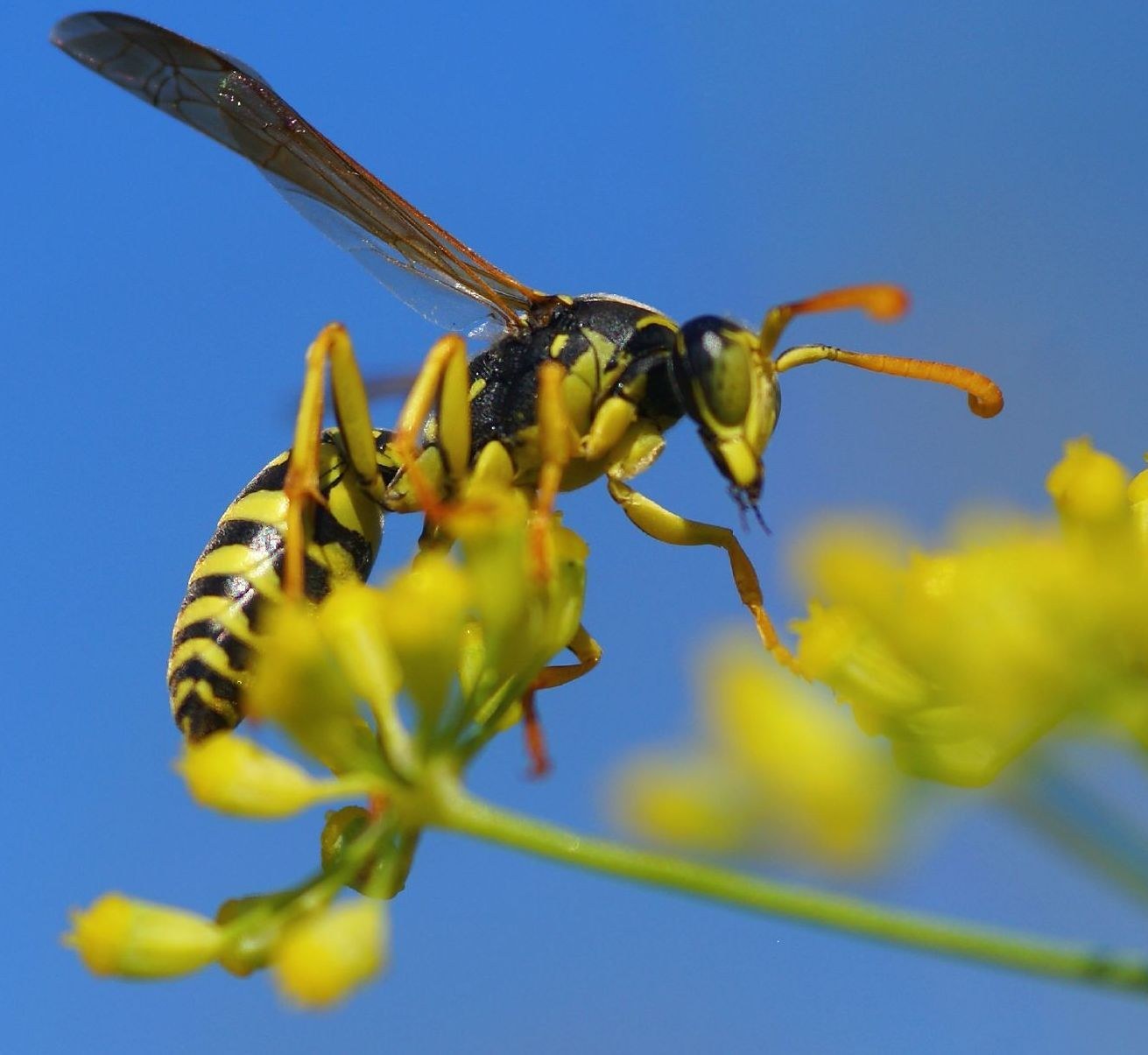
Wasp
A slender-waisted, smooth-bodied flying insect typically banded in black and yellow, recognizable by its narrow 'wasp waist' and folded wings, and often social, building paper nests in colonies.
wasp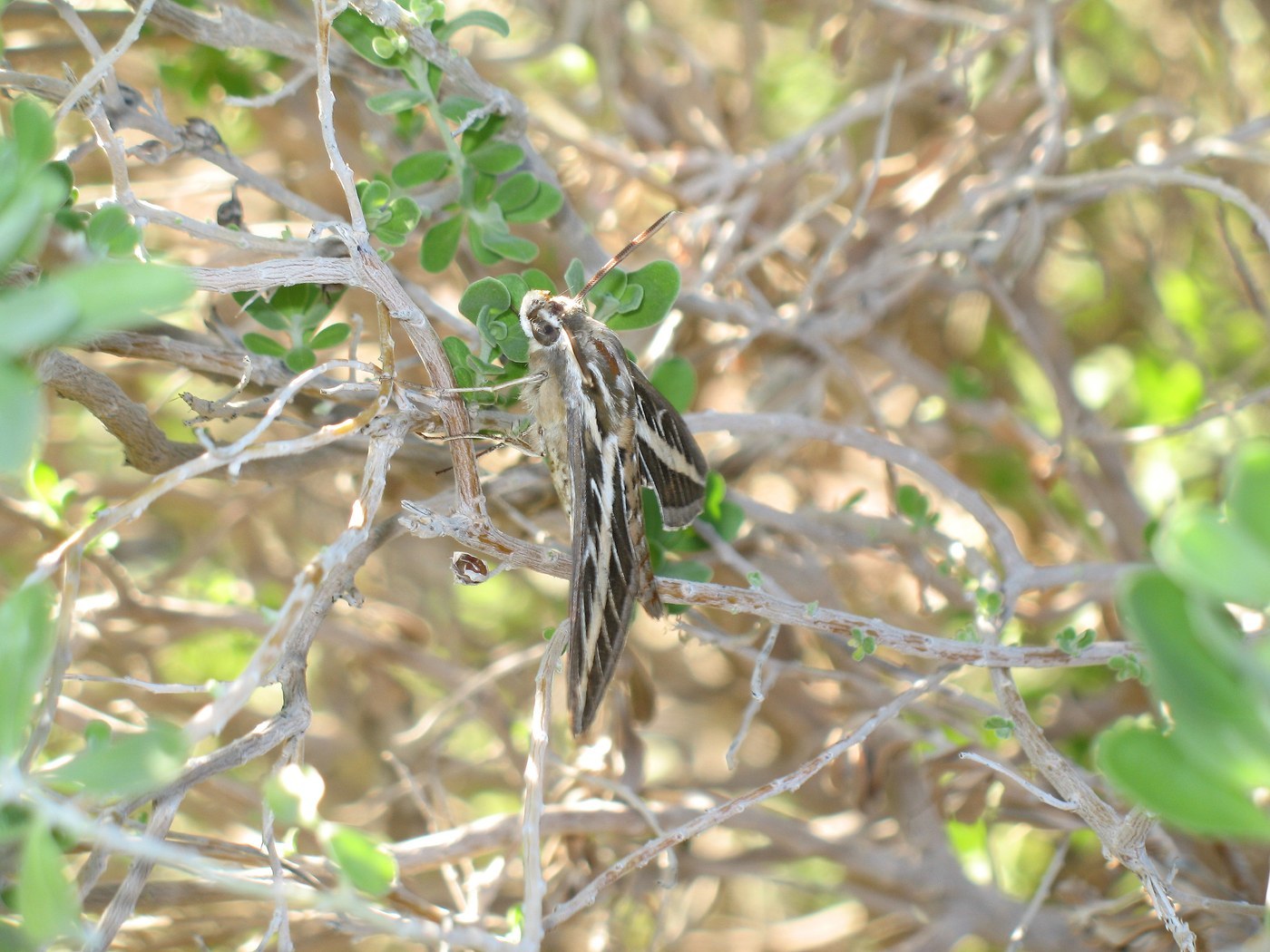
White-lined Sphinx Moth
A fast, hovering moth often mistaken for a hummingbird as it darts between flowers at dusk, identifiable by the bold cream-colored stripe running across each streamlined brown forewing.
moth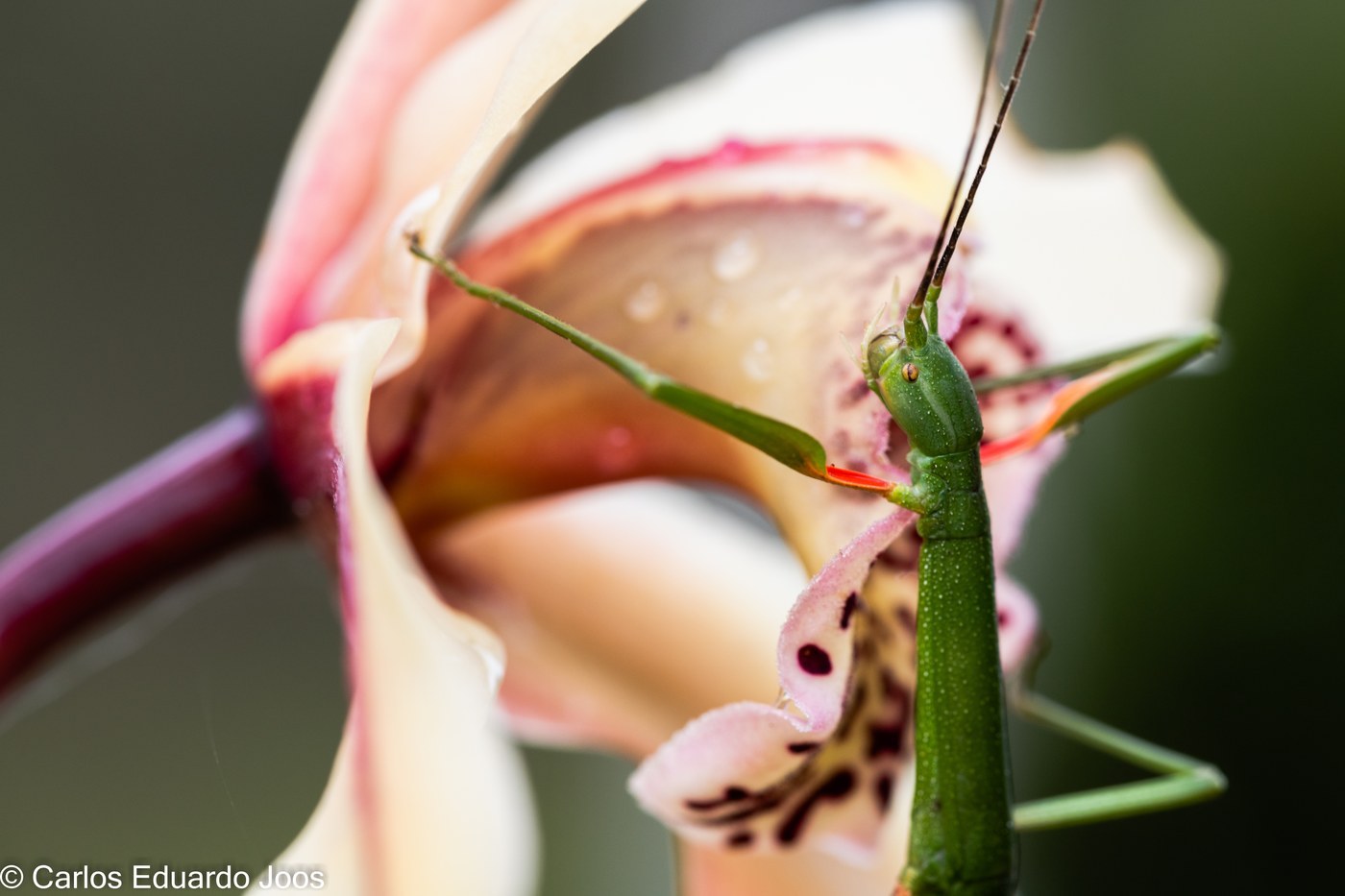
Walking Stick
A remarkably twig-like insect with a long, slender, brown to green body and thin legs, so effective at mimicking a plant stem that it can be nearly invisible while motionless on vegetation.
mantis-stick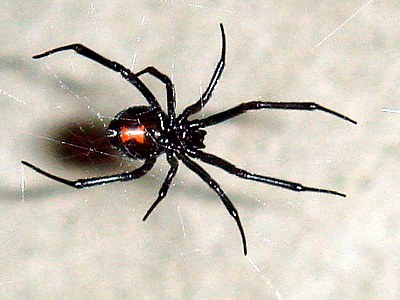
Western Black Widow
A glossy, jet-black spider with a bold red hourglass mark on the underside of her round abdomen, the western black widow builds a tangled, irregular web in dark, undisturbed corners of the American West.
spiderWhirligig Beetle
A small, glossy black beetle that spins and darts in rapid circles across the surface film of ponds, often gathered in loose groups, using divided eyes to see both above and below the water at once.
aquatic-insectTortoise Beetle
A small, flat, disc-shaped beetle whose expanded wing covers and pronotum hide its head and legs almost entirely, giving it the look of a miniature turtle shell crawling across a leaf.
beetle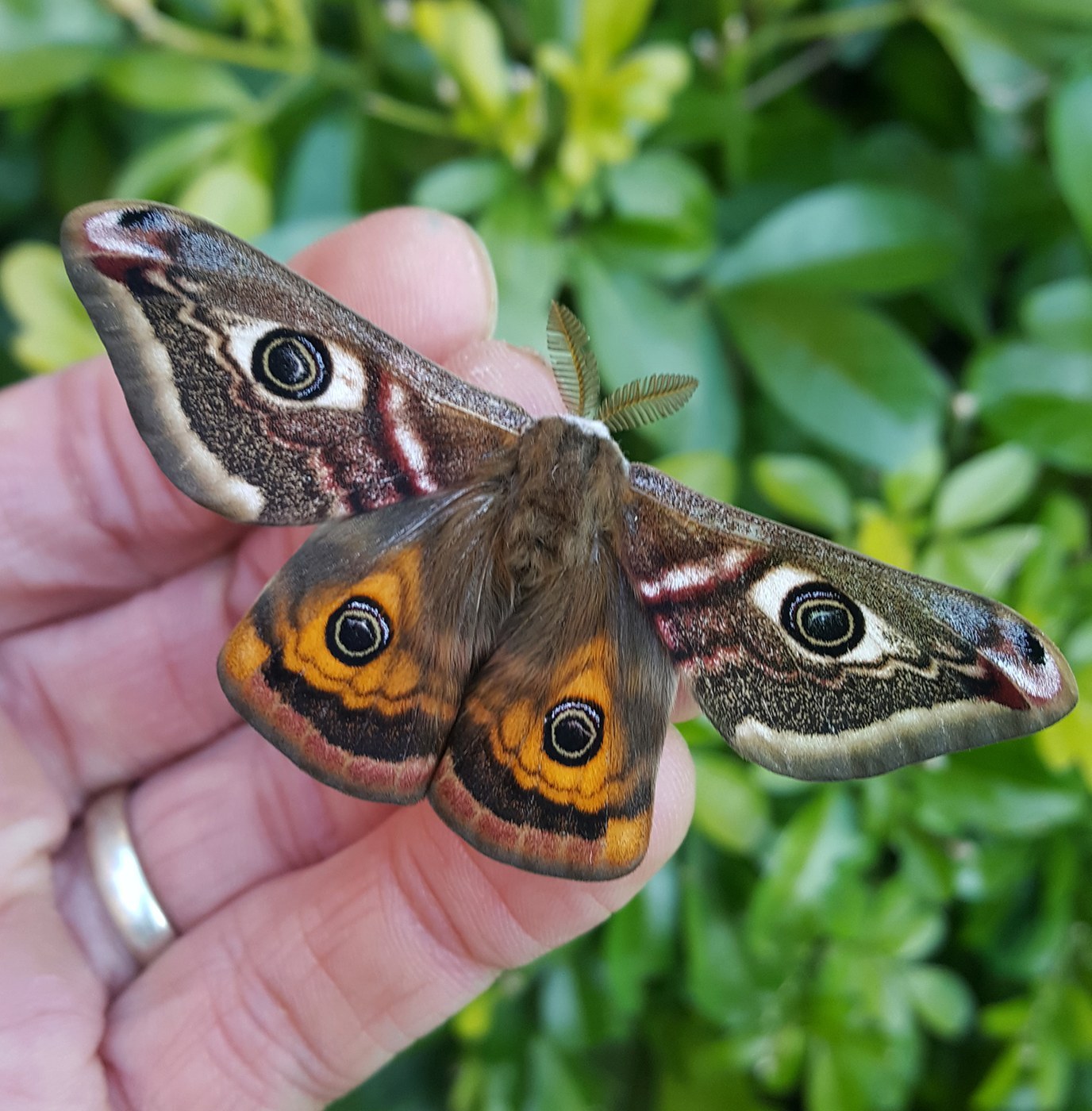
Small Emperor Moth
A striking day-flying moth with large eyespots on all four wings, gray-brown coloring in males and paler gray in the larger females, native to heathlands and open countryside across Europe.
moth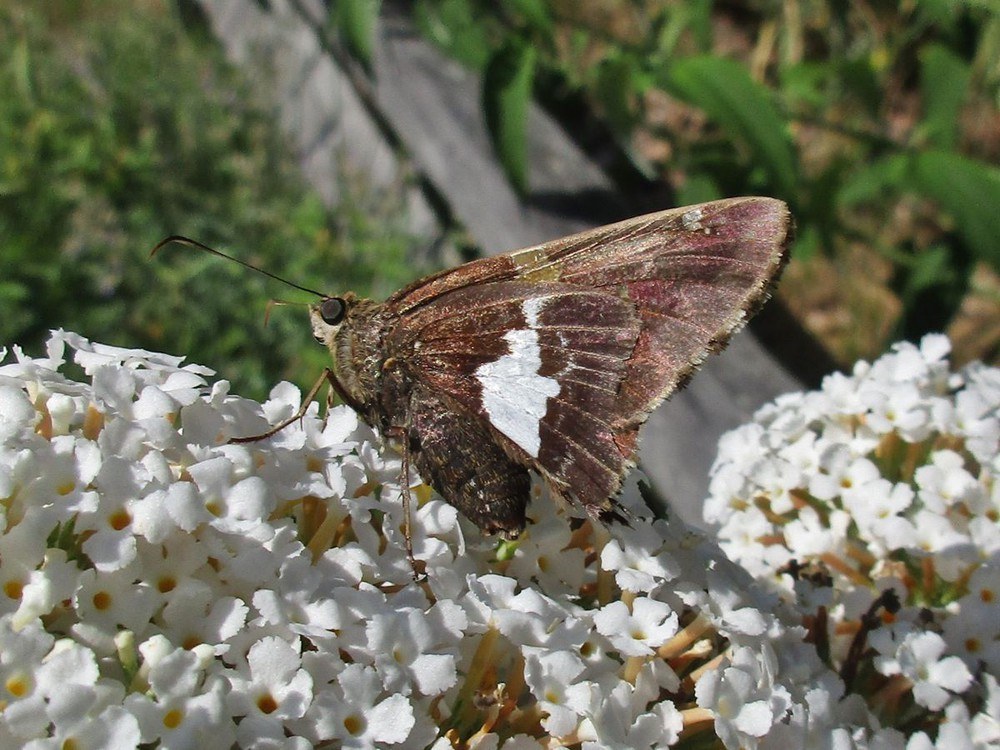
Skipper Butterfly
A stocky, fast-darting butterfly with a large head, hooked antennae tips, and thick furry body, intermediate in appearance between butterflies and moths, named for its quick, skipping flight.
butterfly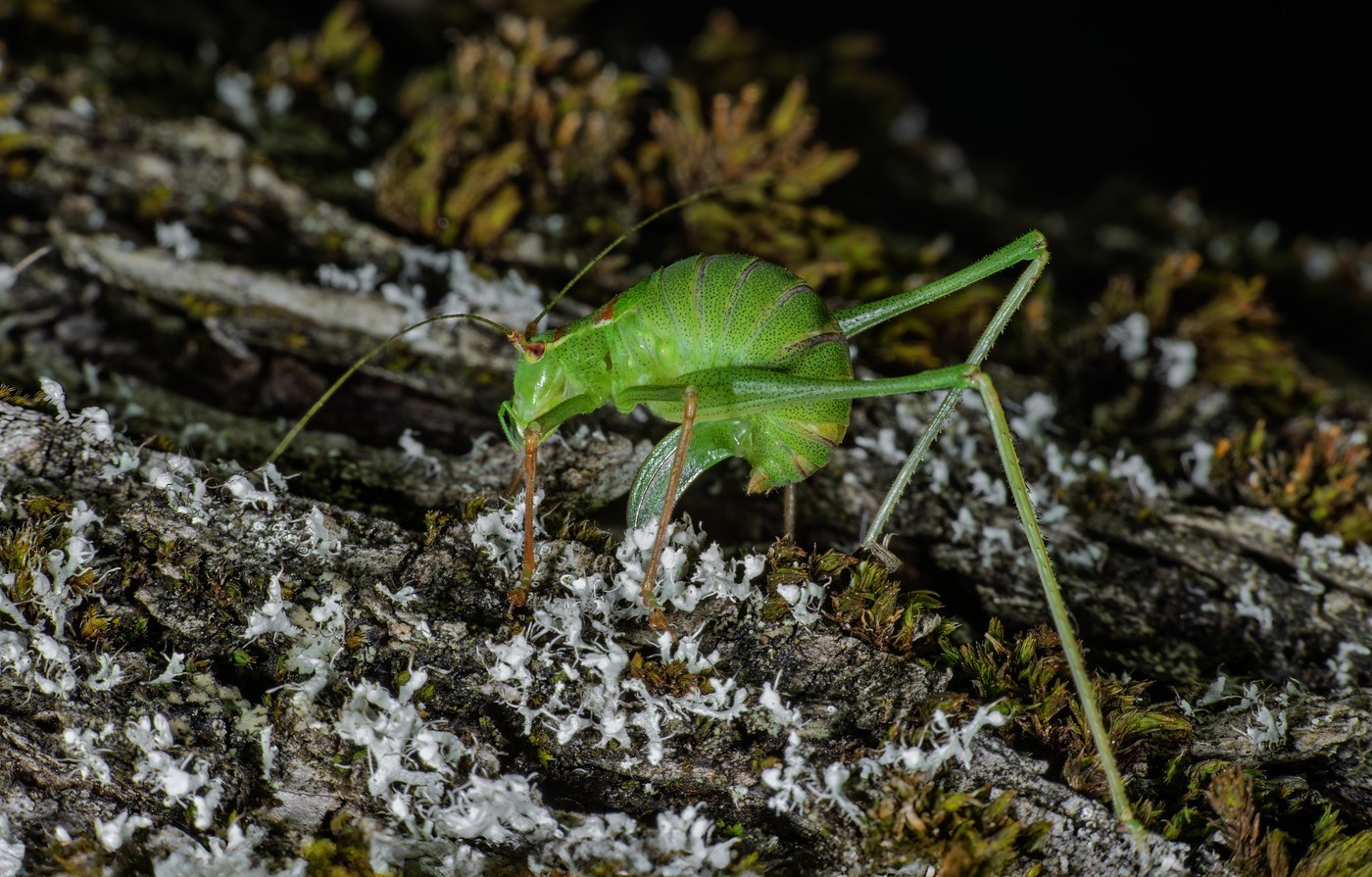
Speckled Bush Cricket
A tiny, plump, green insect finely dotted with dark speckles, this bush cricket forgoes song almost entirely, communicating instead through nearly silent, ultrasonic clicks.
grasshopper-cricketSnowberry Clearwing Moth
A day-flying sphinx moth with black-and-yellow banding and mostly transparent wings that closely mimics a bumblebee, hovering at flowers to feed through a long uncoiled proboscis.
moth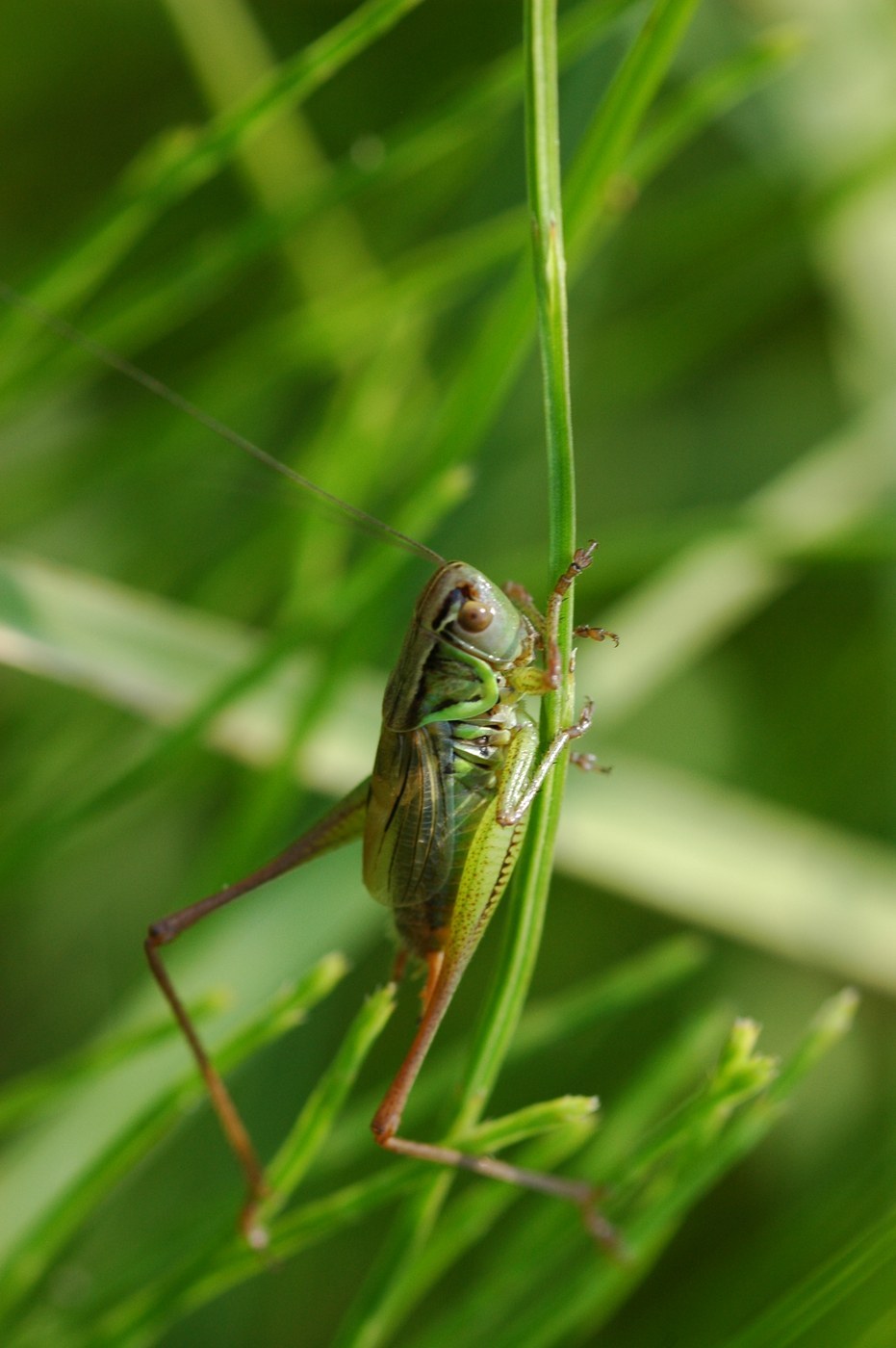
Roesel's Bush Cricket
Marked with a pale cream border along its thorax, this compact bush cricket produces a continuous, high-pitched, buzzing song reminiscent of an electrical hum from dense summer grass.
grasshopper-cricket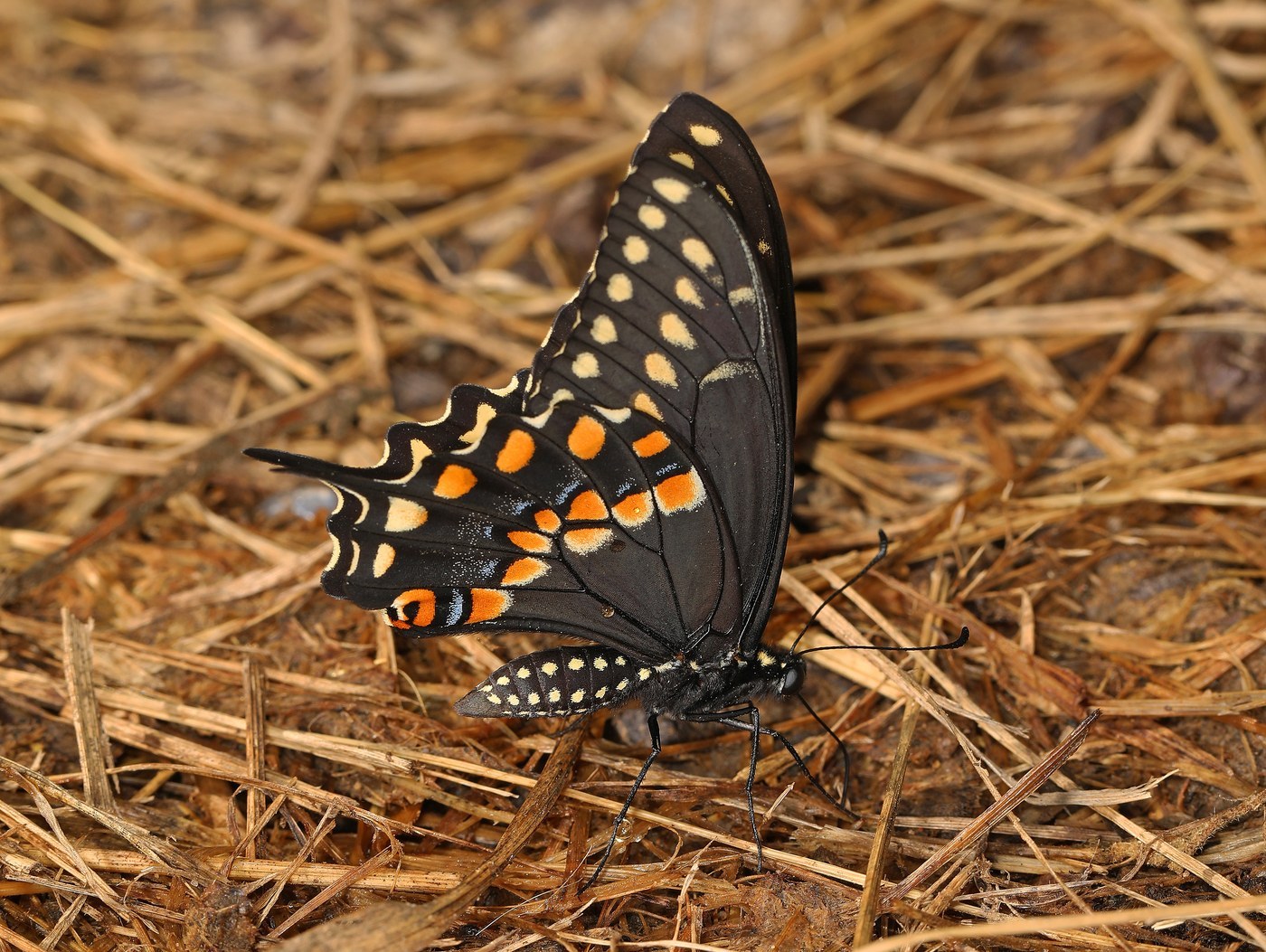
Parsley Worm
Banded in green, black, and yellow, the parsley worm rears up and flashes a bright orange, forked scent gland when disturbed, a signature defense of black swallowtail caterpillars.
caterpillar-larva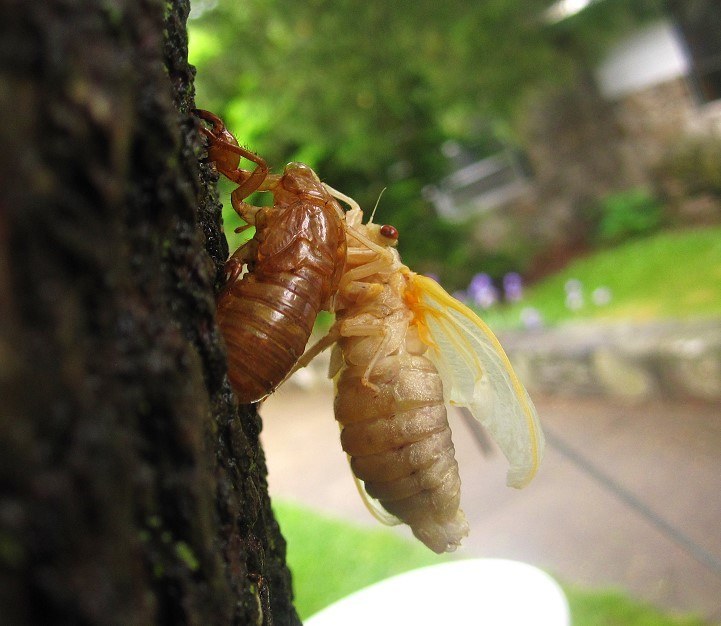
Periodical Cicada
A black-bodied cicada with striking red eyes and orange-veined wings, famous for emerging in massive, synchronized broods after spending 13 or 17 years developing underground.
true-bug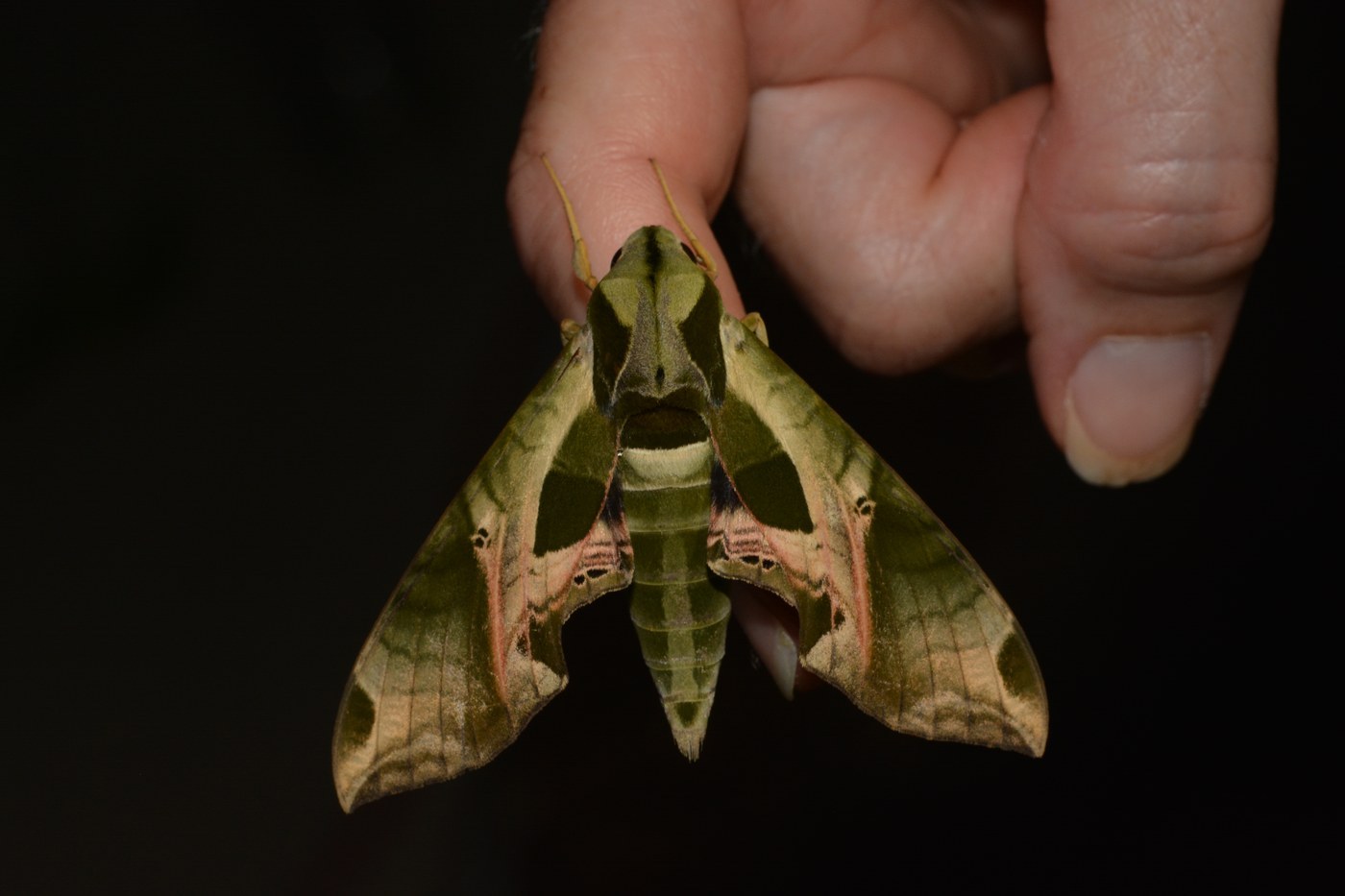
Pandora Sphinx Moth
A large, richly mottled sphinx moth in shades of olive-green and dusky pink, with a streamlined body and angular wing markings that provide excellent camouflage against bark and foliage.
moth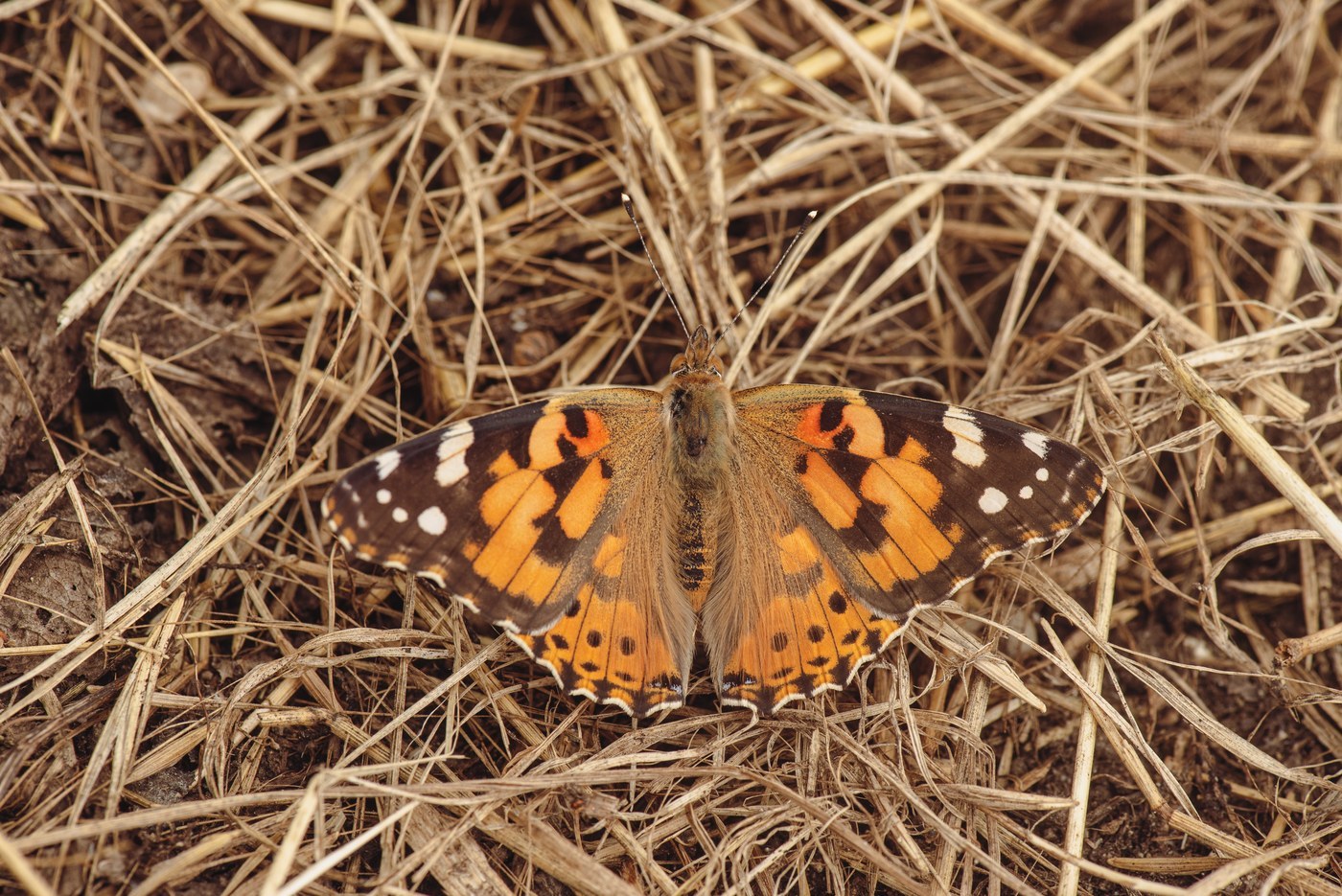
Painted Lady
One of the most widely distributed butterflies on Earth, recognized by its orange-and-black mosaic wings with white-spotted black tips and its habit of long-distance migration across continents.
butterfly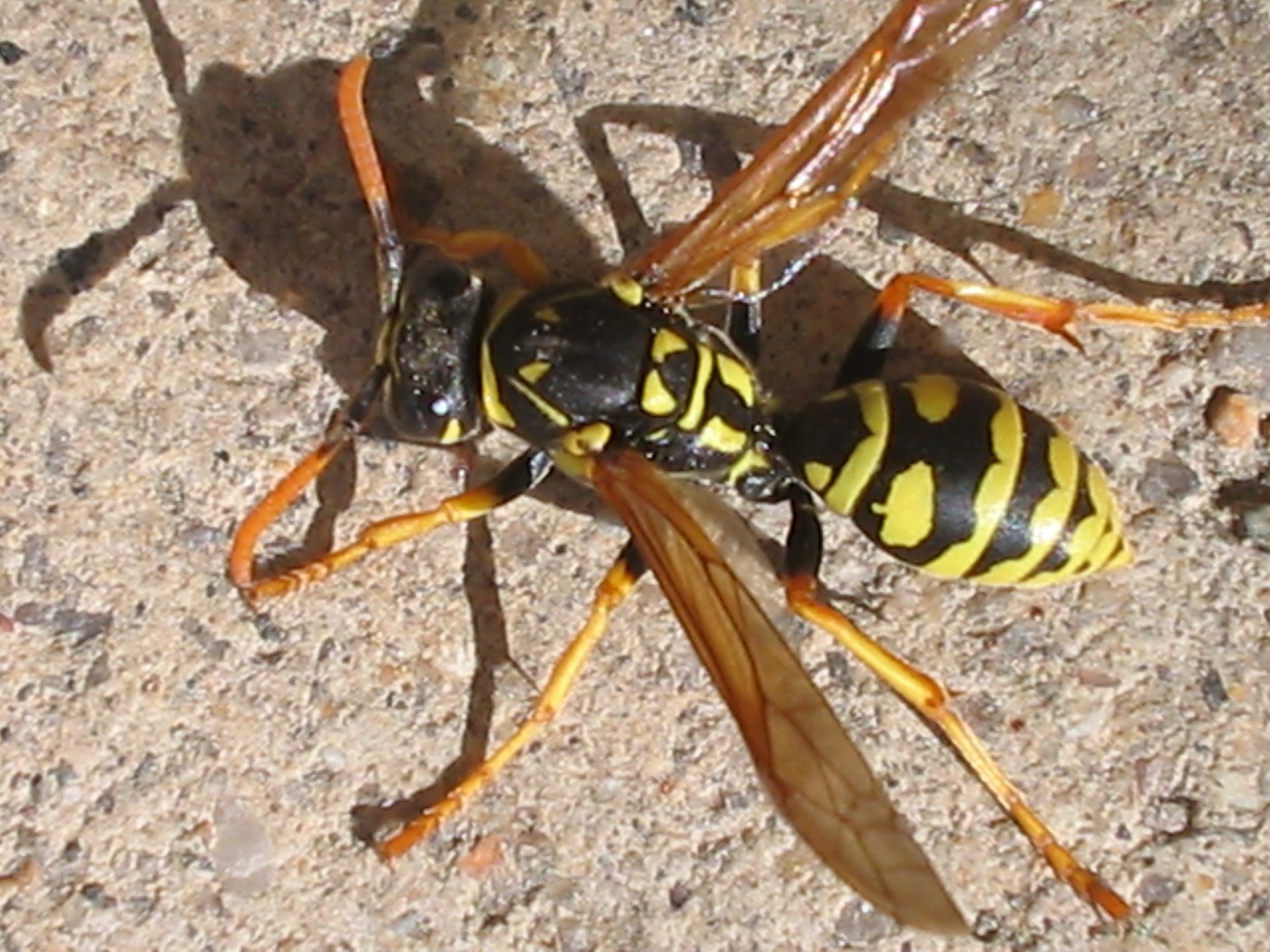
Paper Wasp
A slender, long-legged wasp with a narrow waist and reddish-brown to black coloring marked with yellow, recognized by its open, umbrella-shaped paper nest with visible hexagonal cells.
waspNon-Biting Midge Larva (Bloodworm)
Wriggling through soft bottom mud in dense colonies, the bloodworm gets its striking red color from a specialized blood pigment that lets it survive in oxygen-poor water where few other insects can.
aquatic-insectNursery Web Spider
Named for the silken nursery tent females weave to guard their hatching young, this slender, long-legged spider carries her large egg sac beneath her body in her fangs until the eggs are ready to hatch.
spider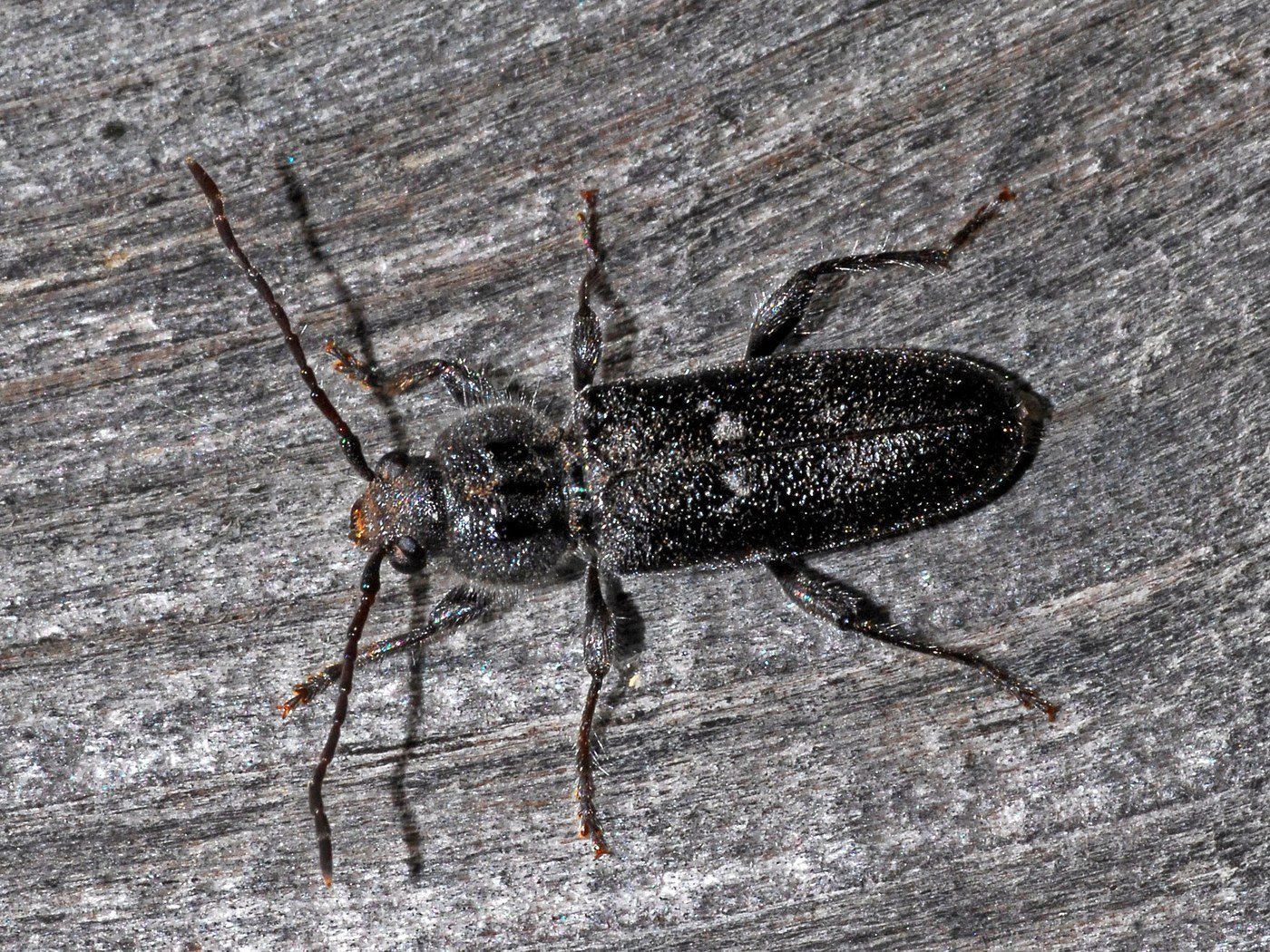
Old House Borer
A grayish-brown to nearly black longhorn beetle whose larvae bore extensively through structural softwood, capable of causing large galleries hidden beneath the wood surface.
beetle