
Bug Encyclopedia
Search and identify bugs & insects — beetles, butterflies, moths, ants, bees, spiders and more — with size, habitat, danger, behavior, and how to tell them apart.
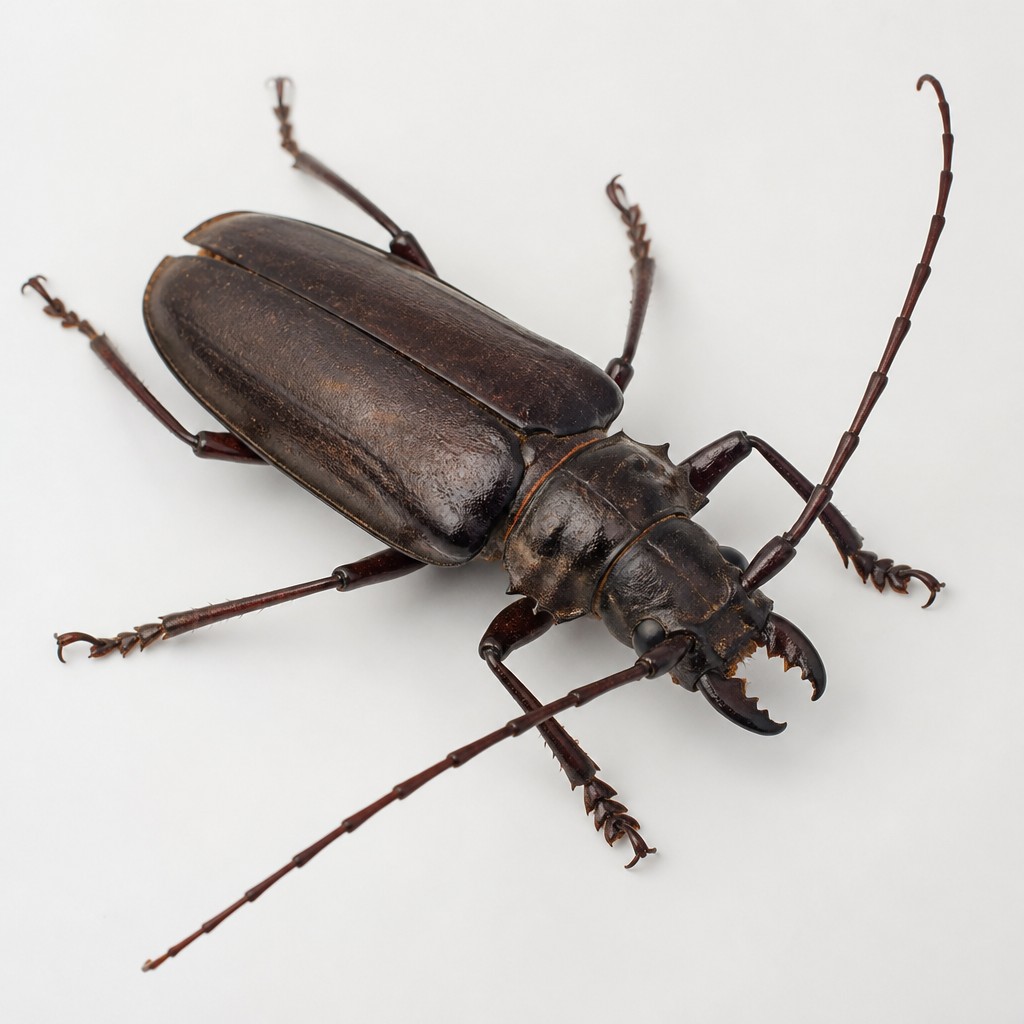
Titan Beetle
One of the largest insects on Earth, the titan beetle is a colossal longhorn from the Amazon whose body can exceed 16 cm. Its powerful jaws and loud hiss make it an imposing rainforest giant.
beetle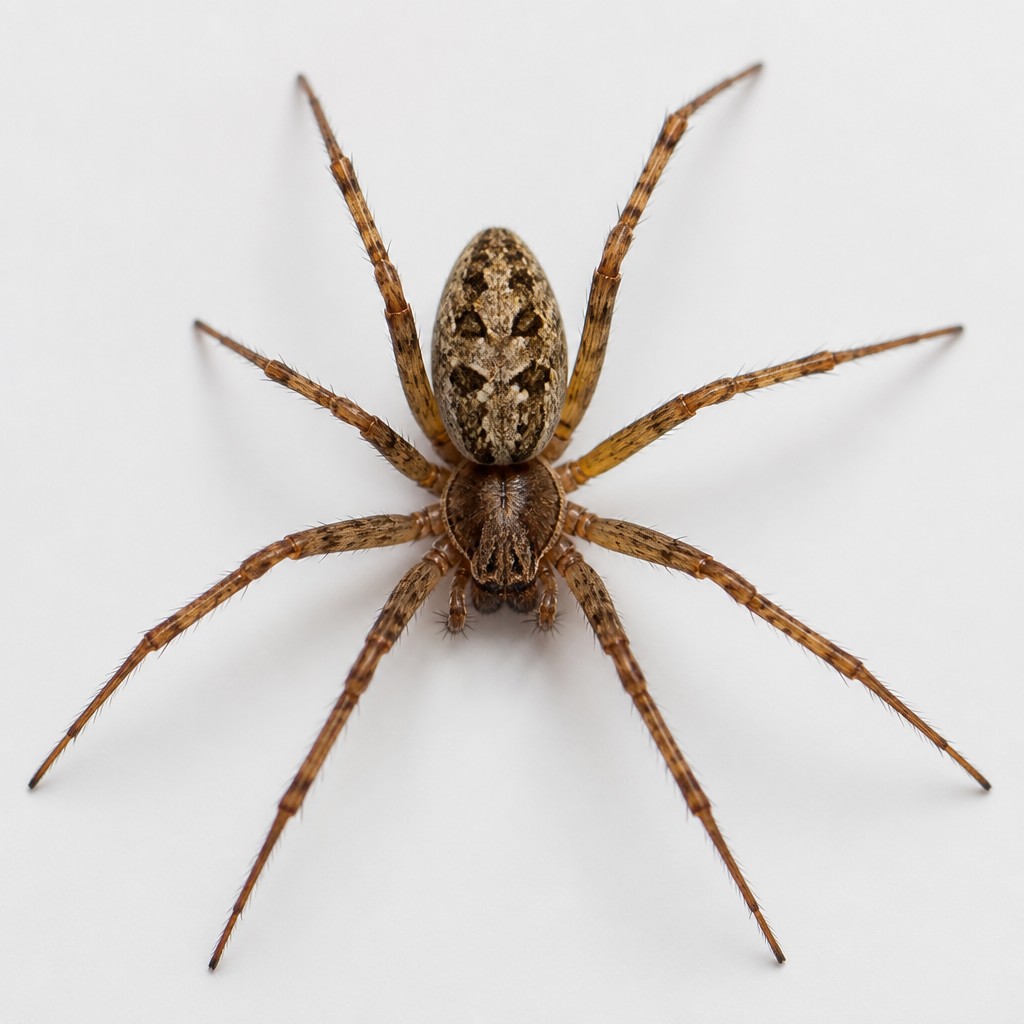
Brown Widow Spider
Named for its mottled tan-and-brown coloring rather than glossy black, the brown widow is easily recognized by its distinctive spiky, off-white egg sacs and an orange hourglass on its underside.
spider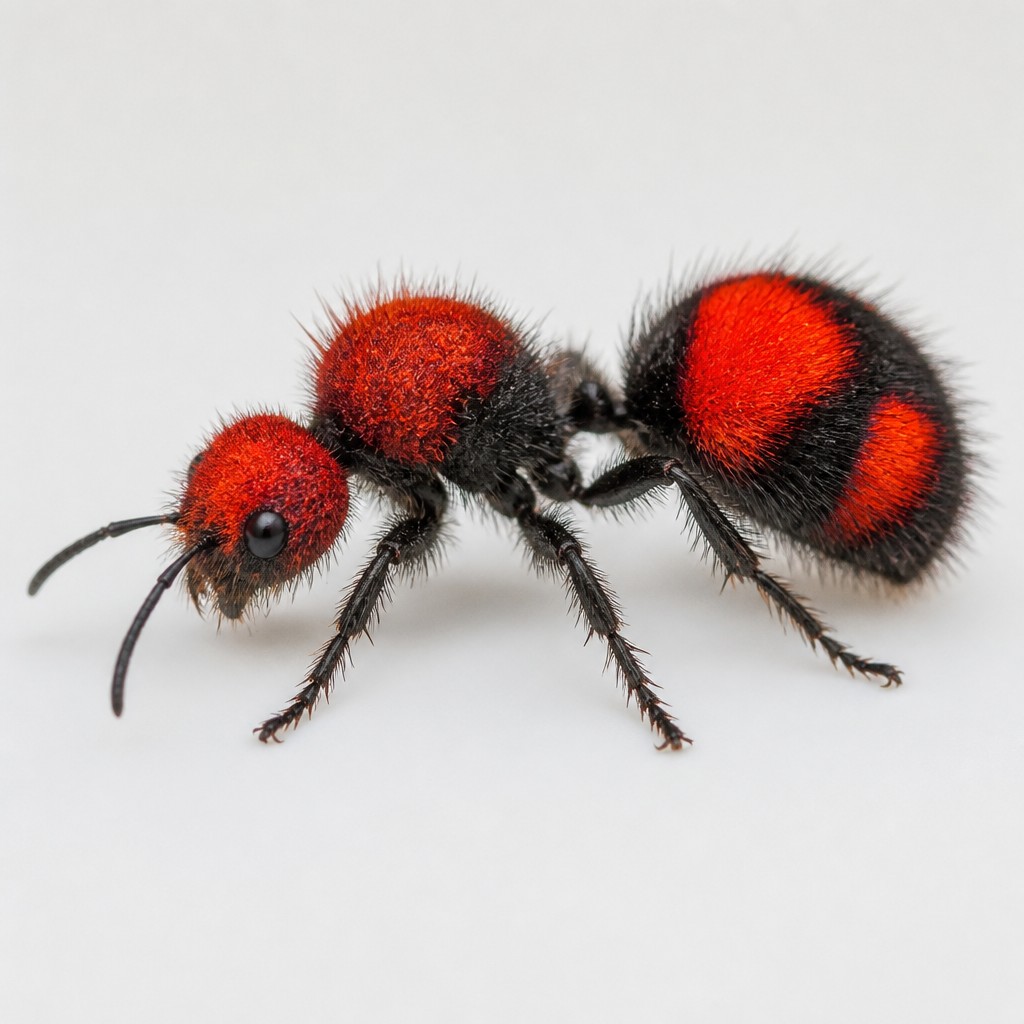
Velvet Ant
A densely fuzzy, brightly colored insect that looks like an oversized ant but is actually a wingless female wasp, instantly recognizable by its thick coat of red, orange, black, or white hair.
wasp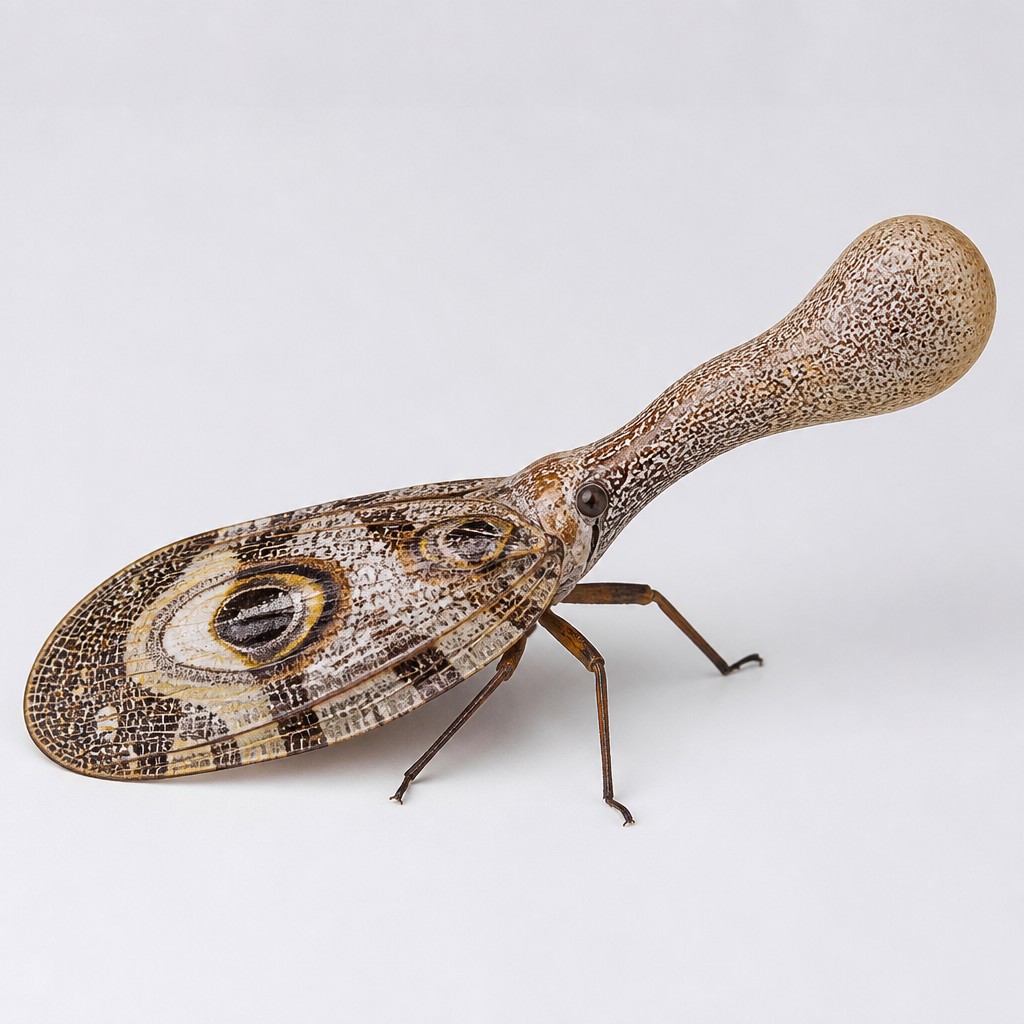
Lantern Bug (Peanut-head Bug)
A bizarre rainforest planthopper whose head is drawn out into a huge, hollow, peanut-shaped snout, and whose hindwings flash a pair of large eyespots resembling the face of a small reptile.
true-bug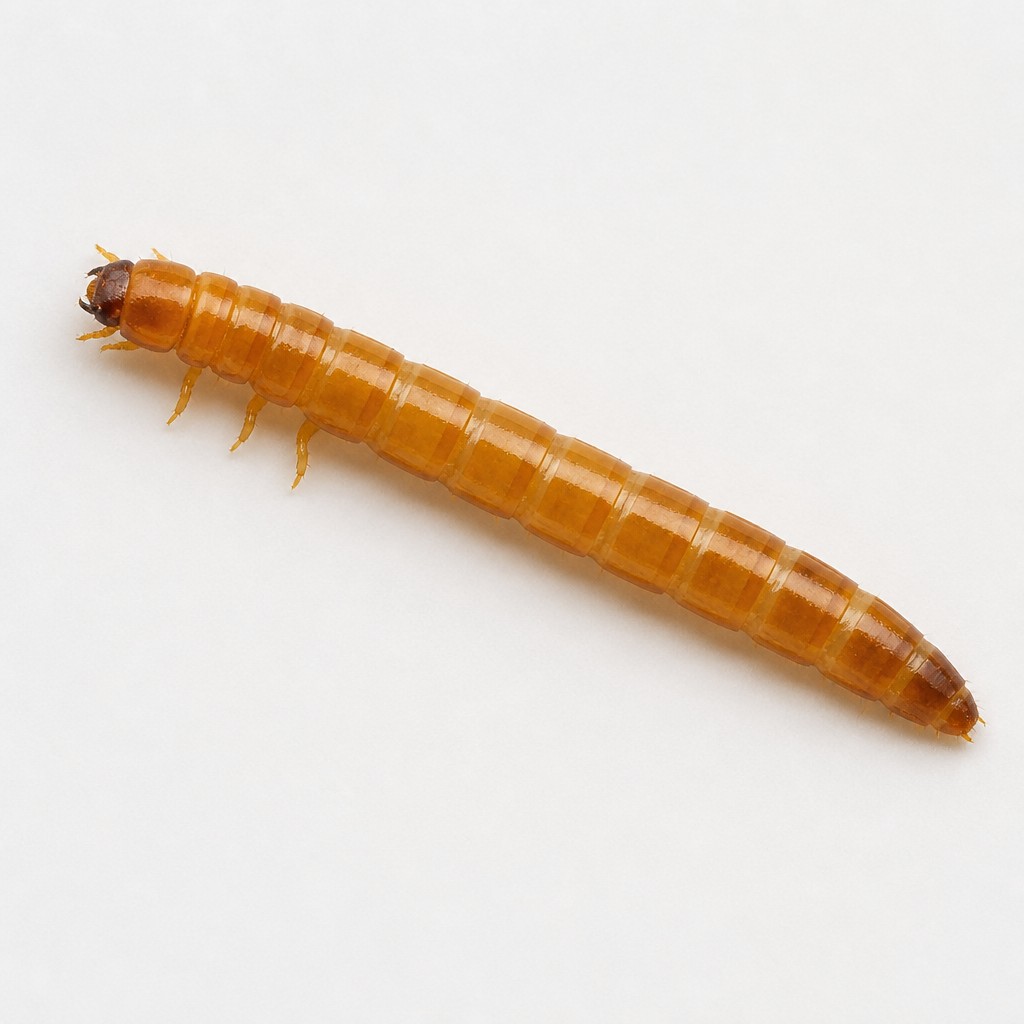
Wireworm
Slender, shiny, and armor-hard, the wireworm is the long-lived soil-dwelling larva of a click beetle, spending years underground feeding on seeds, roots, and tubers before ever taking beetle form.
beetle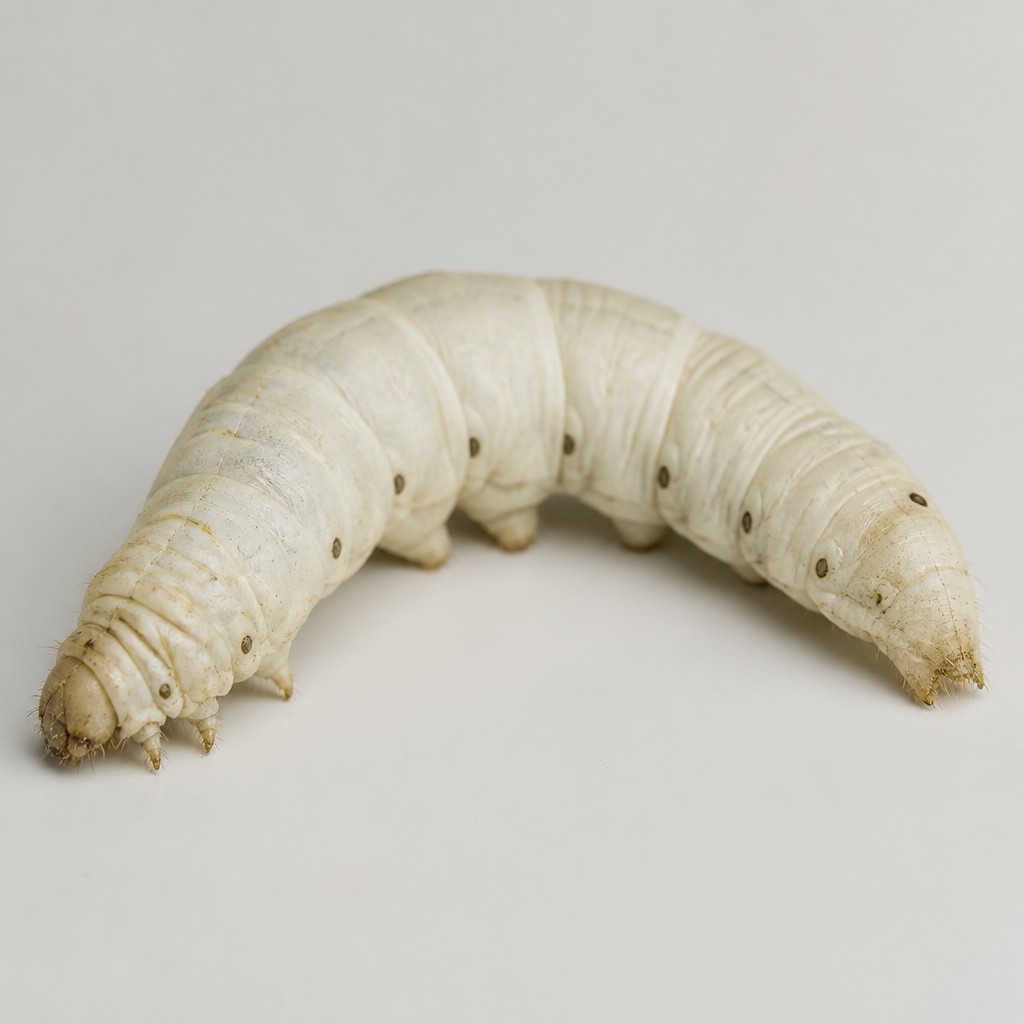
Silkworm
Plump, pale, and utterly dependent on humans, the silkworm is the domesticated caterpillar behind thousands of years of silk production, spinning a single continuous thread of silk to form its cocoon.
caterpillar-larva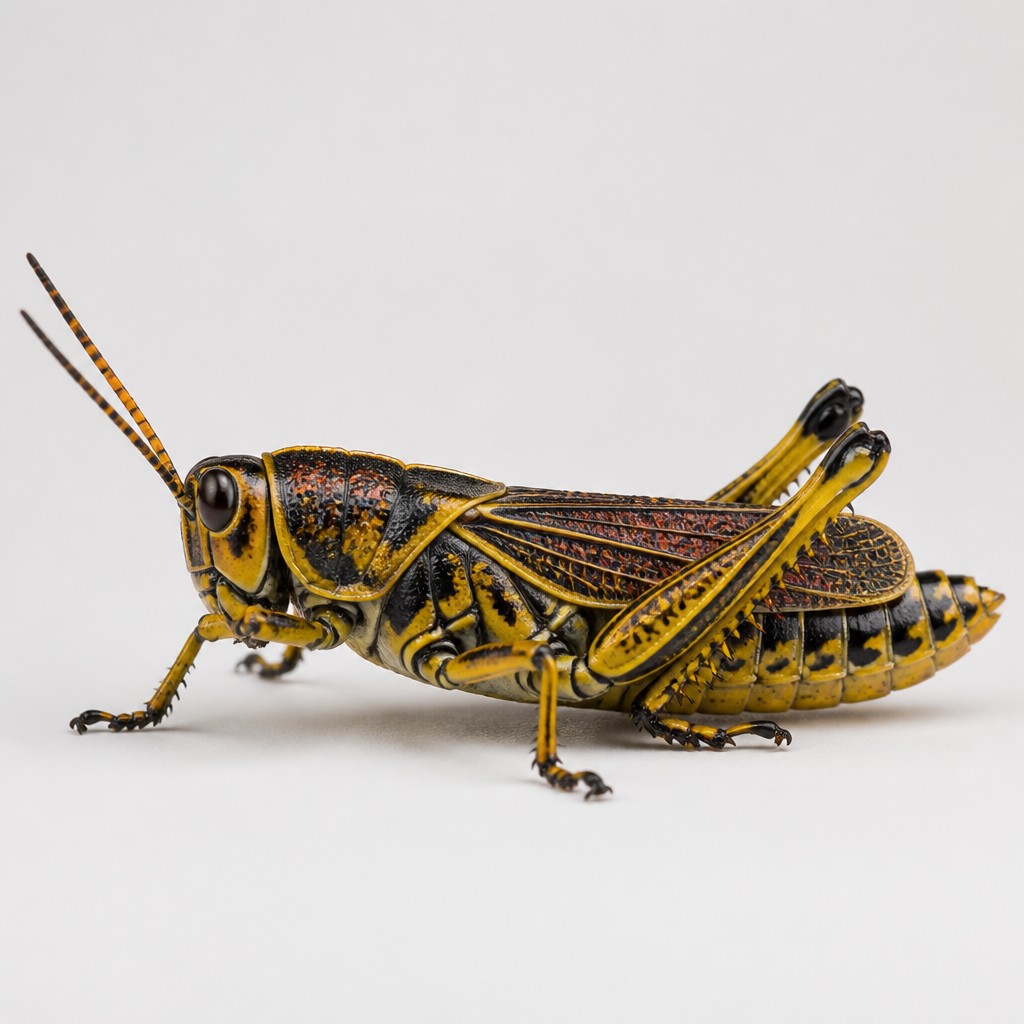
Eastern Lubber Grasshopper
One of the largest grasshoppers in North America, the eastern lubber is a slow, flightless giant clad in bold black, yellow, and red that announces its presence rather than hiding from it.
grasshopper-cricket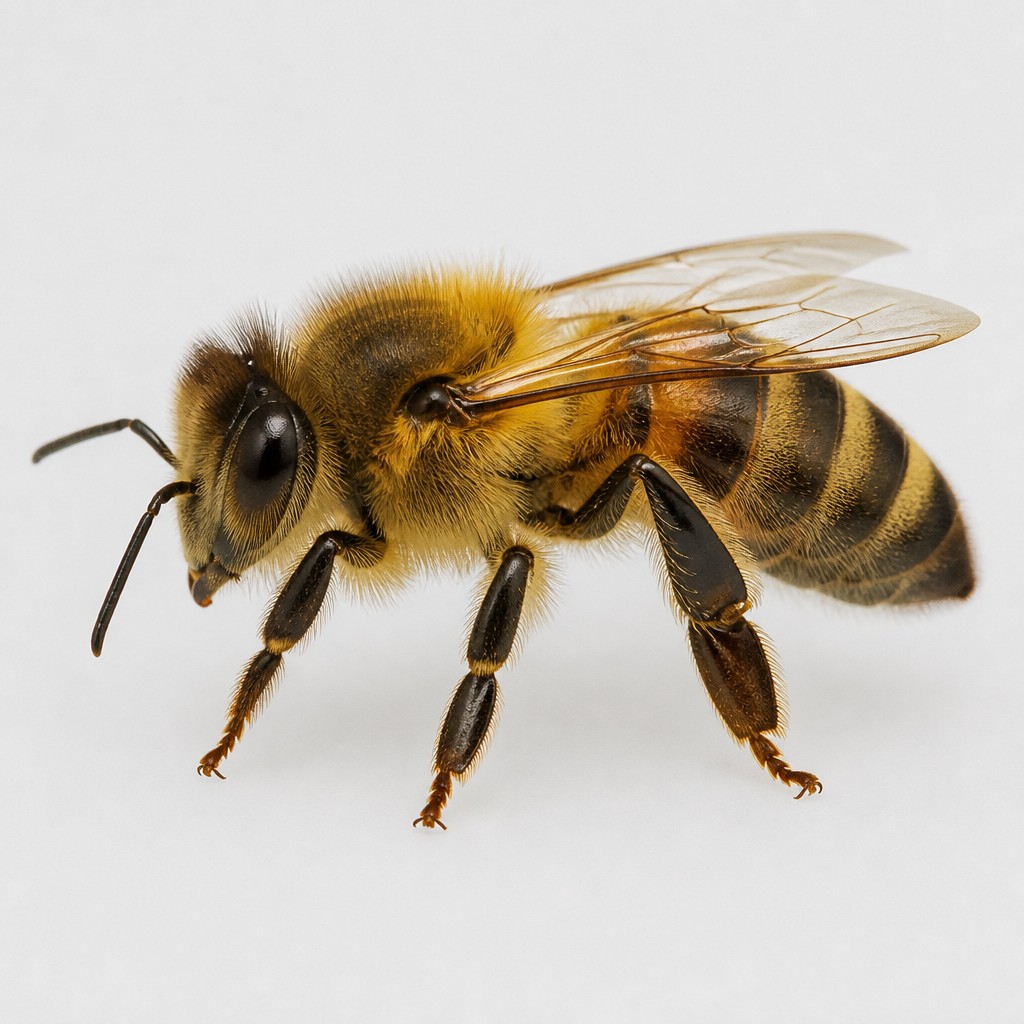
Africanized Honeybee (Killer Bee)
A hybrid strain of the western honey bee, nearly identical in appearance to common honey bees but known for more easily triggered, faster, and more numerous defensive responses when a colony is disturbed.
bee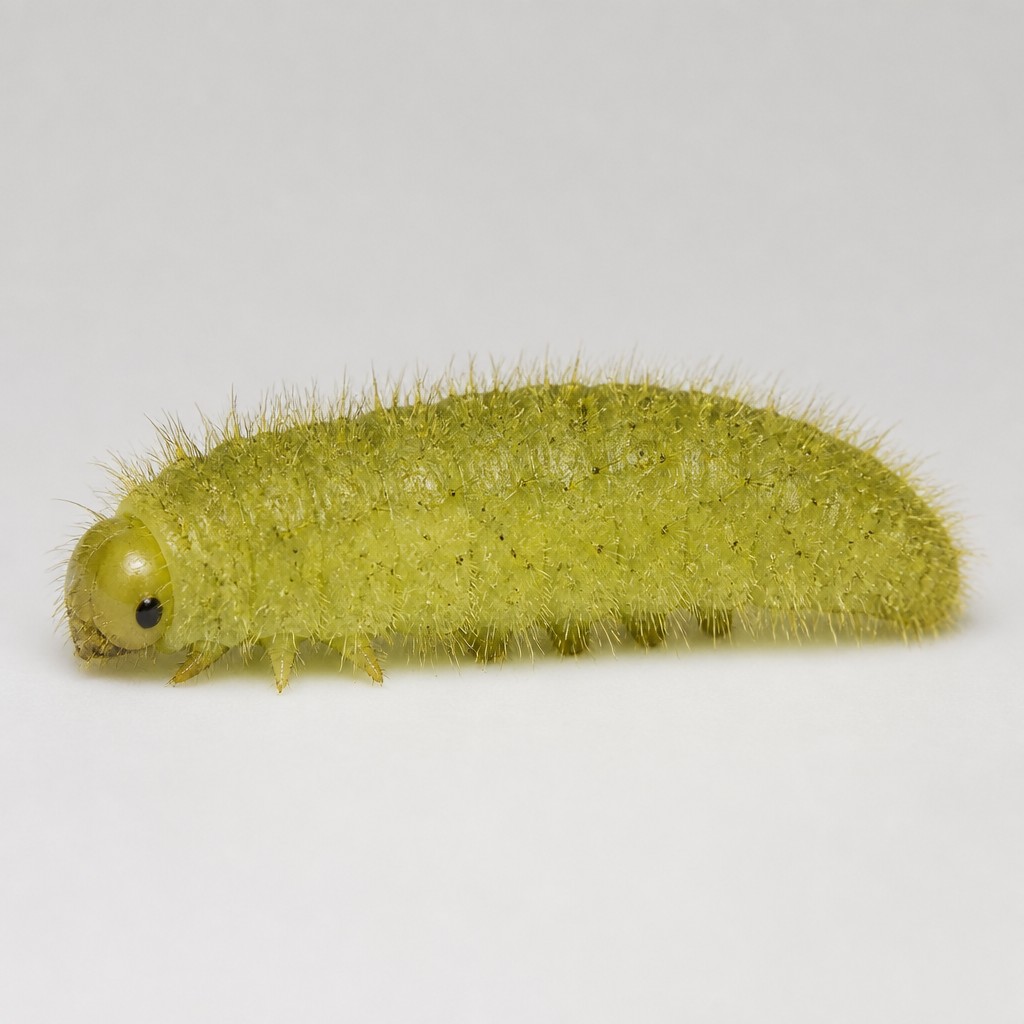
Bristly Rose Slug
Despite its caterpillar-like, slug-shaped body covered in fine bristles, this pale green larva is actually the offspring of a small sawfly and feeds on rose leaves by skeletonizing them from the underside.
caterpillar-larva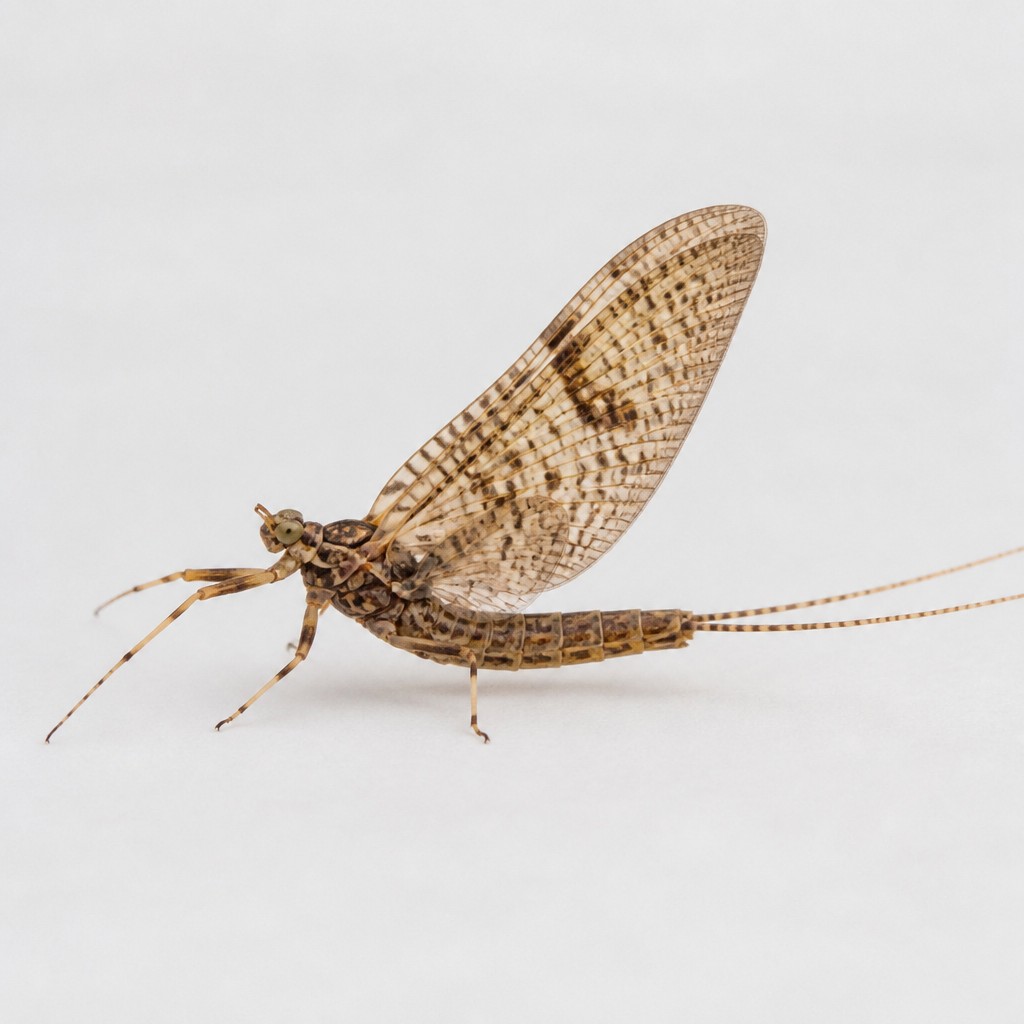
March Brown Mayfly
A speckled, mottled-winged mayfly whose springtime hatch is prized by anglers, the March Brown emerges from clean, rocky streams and is one of the earlier large mayflies of the season.
aquatic-insect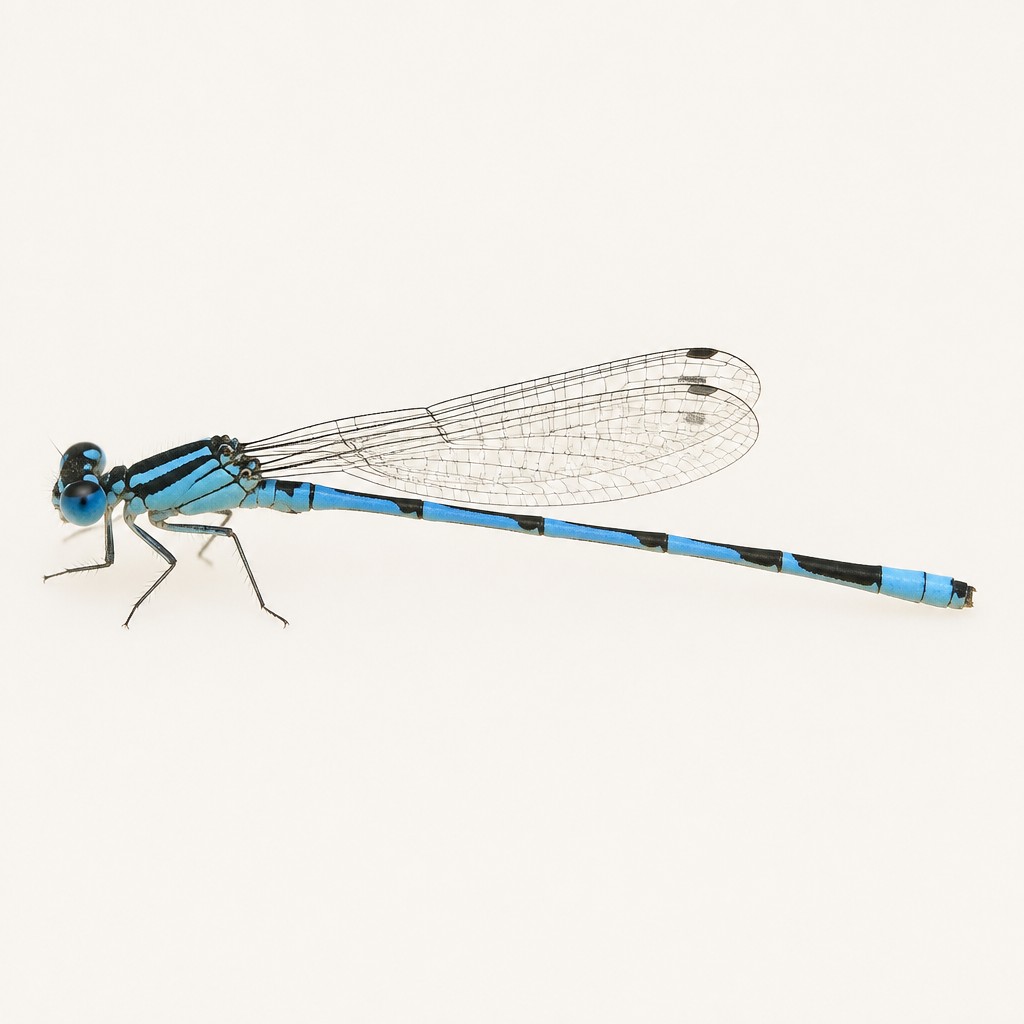
Familiar Bluet
One of the most widespread and abundant damselflies in North America, the Familiar Bluet's slender sky-blue and black body is a near-constant sight over ponds and lakes in warm months.
other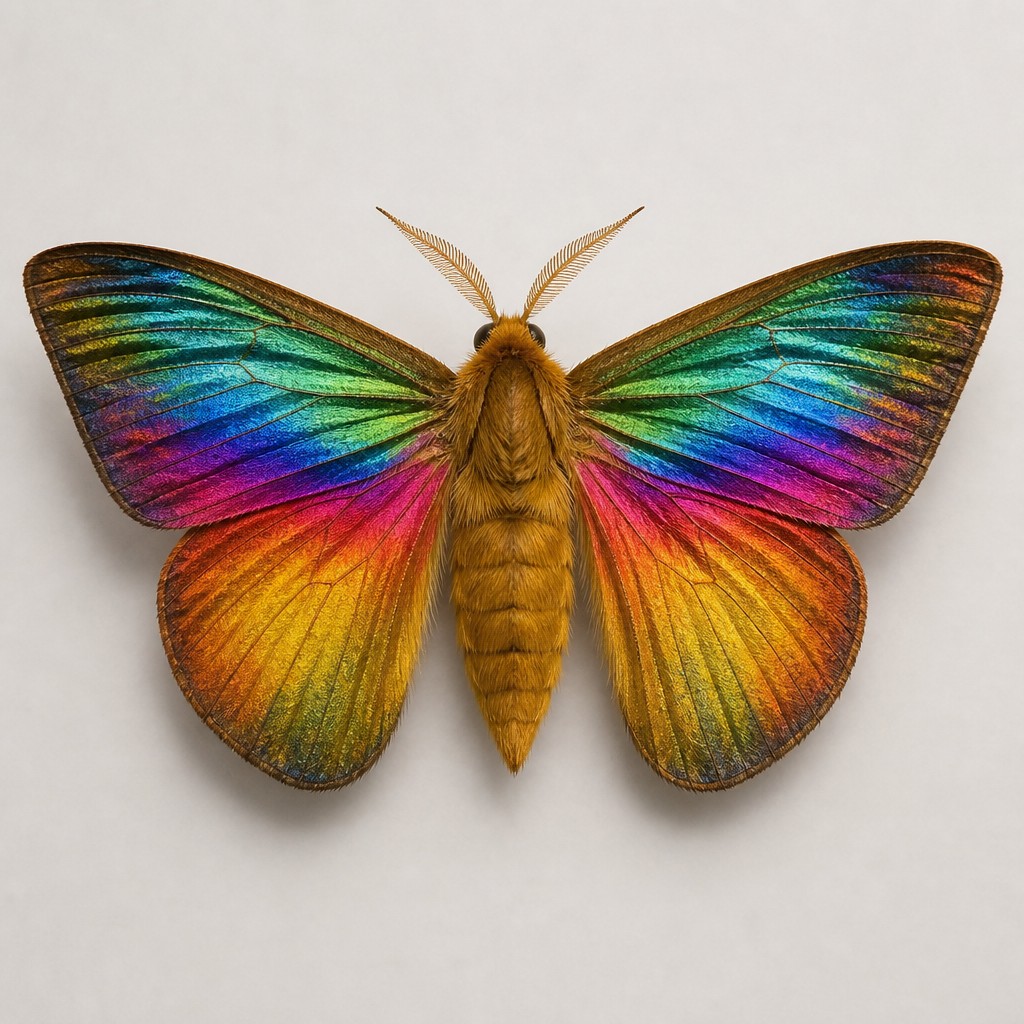
Madagascan Sunset Moth
A day-flying moth with iridescent wings that shimmer through bands of green, blue, red, and gold, so vividly colored that it is frequently mistaken for a butterfly despite being a true moth.
moth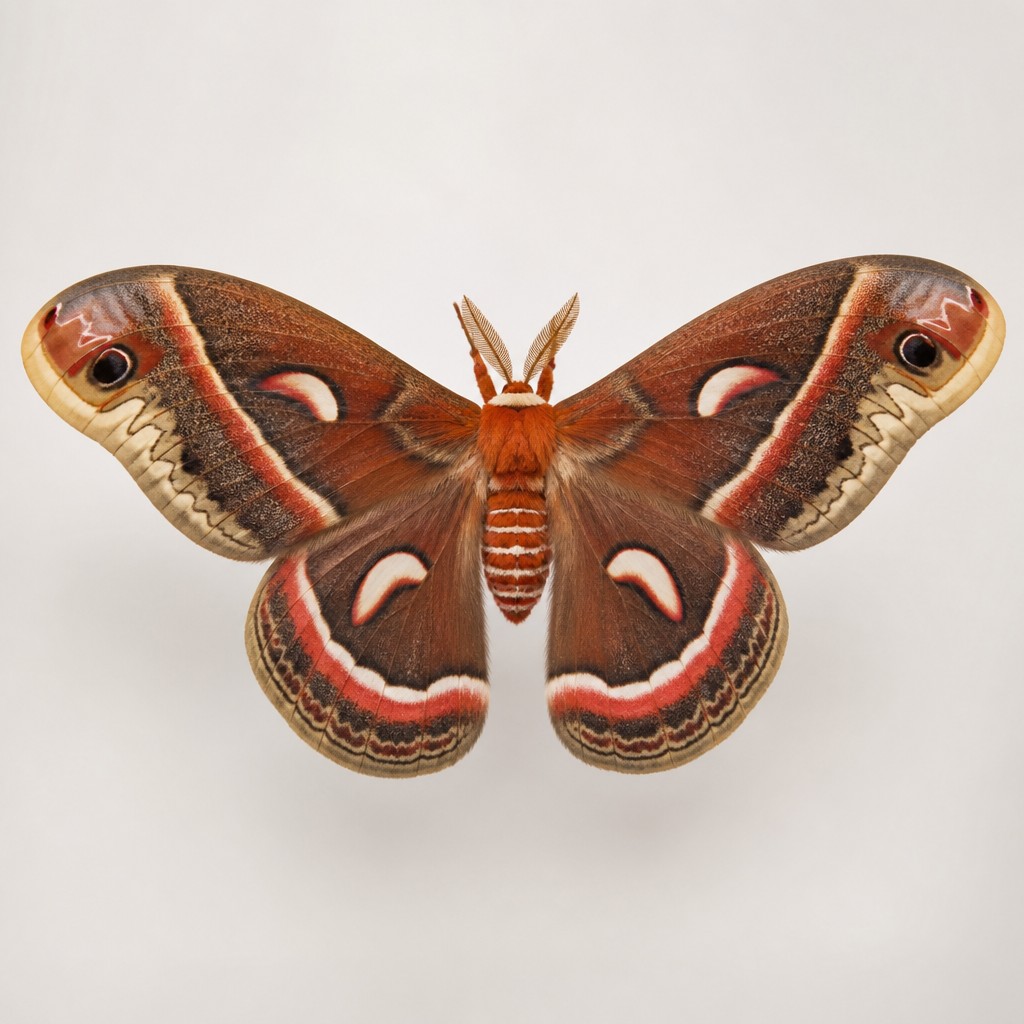
Cecropia Moth
North America's largest native moth, the Cecropia is a spectacular giant silkmoth with reddish-brown wings marked by crescent-shaped white spots and bold bands of red, white, and tan.
moth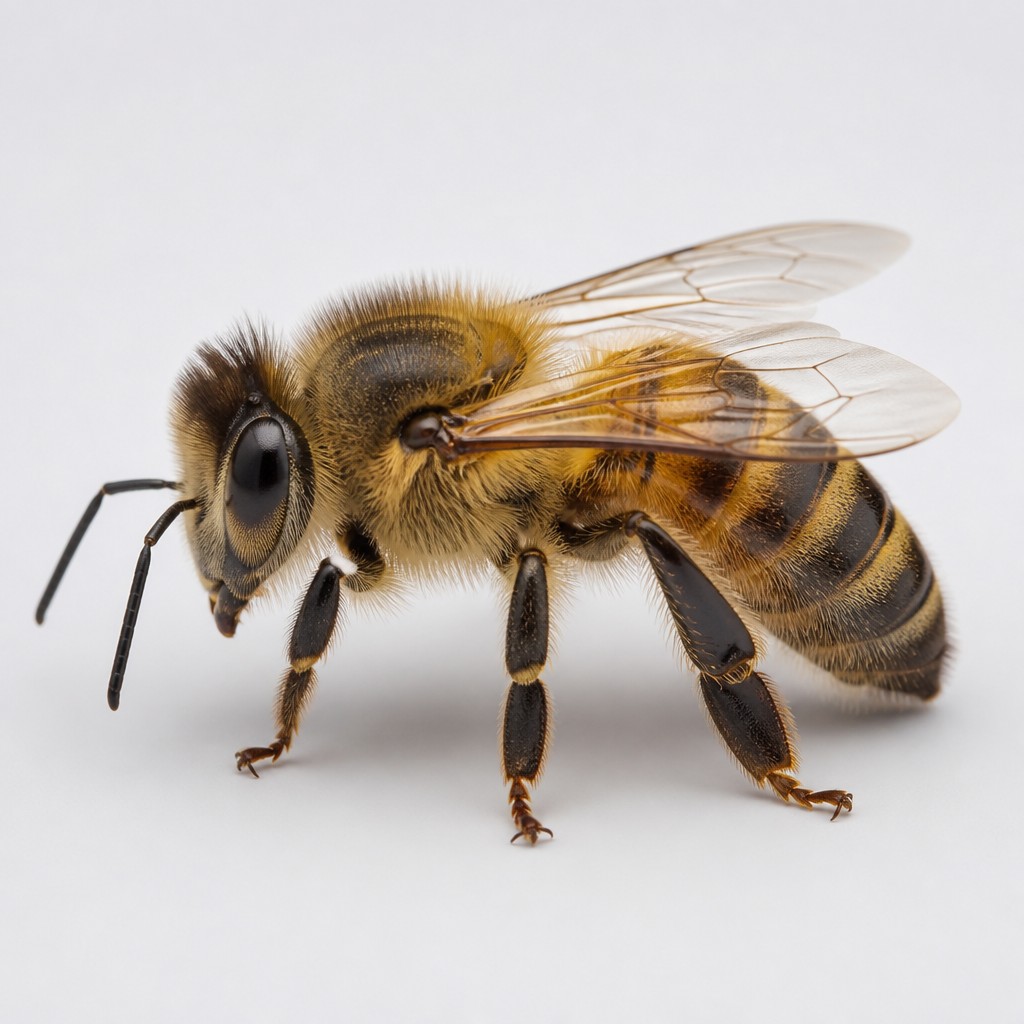
Honeybee
A fuzzy, golden-brown and black social bee that lives in large colonies, builds wax honeycomb, and is the primary managed pollinator of crops and wildflowers worldwide.
bee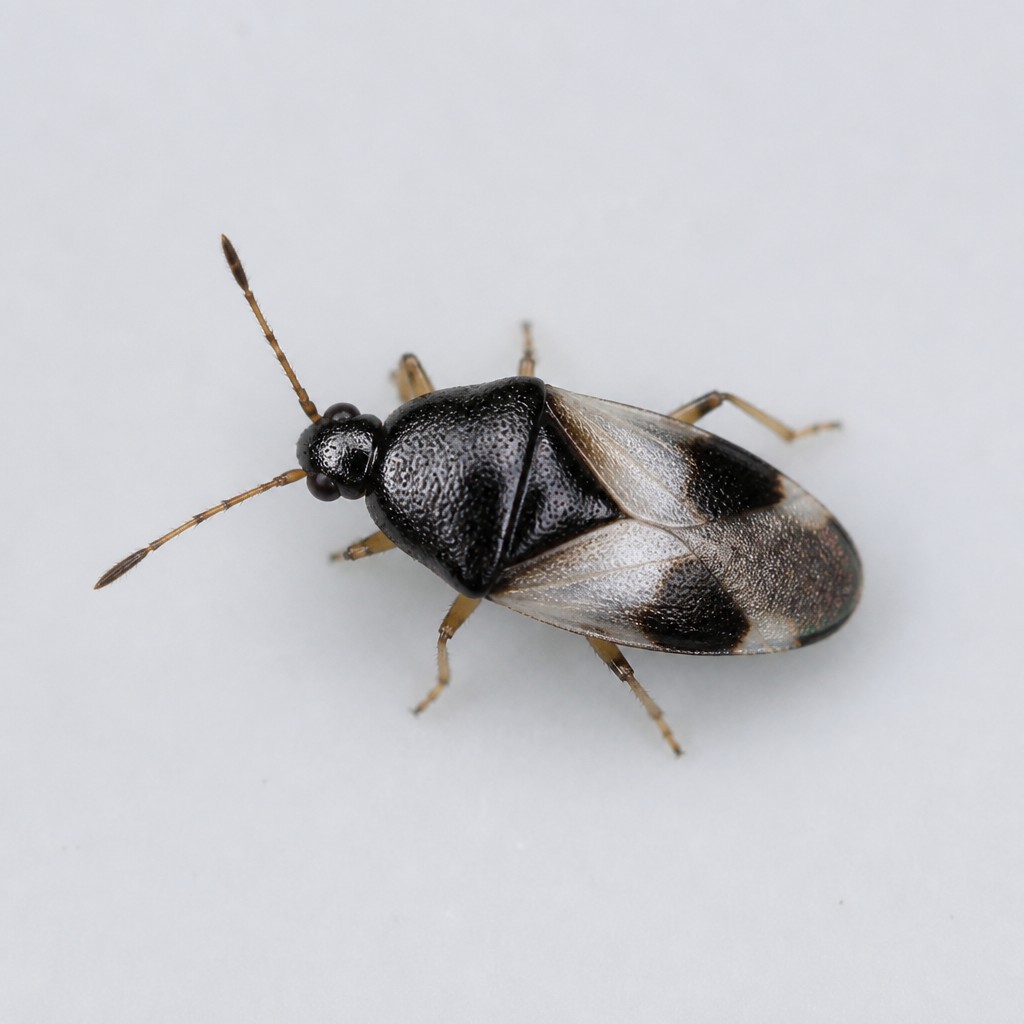
Minute Pirate Bug
A tiny, black-and-white patterned true bug barely visible without close inspection, the minute pirate bug is a voracious predator of thrips, mites, and insect eggs on flowers and foliage.
true-bug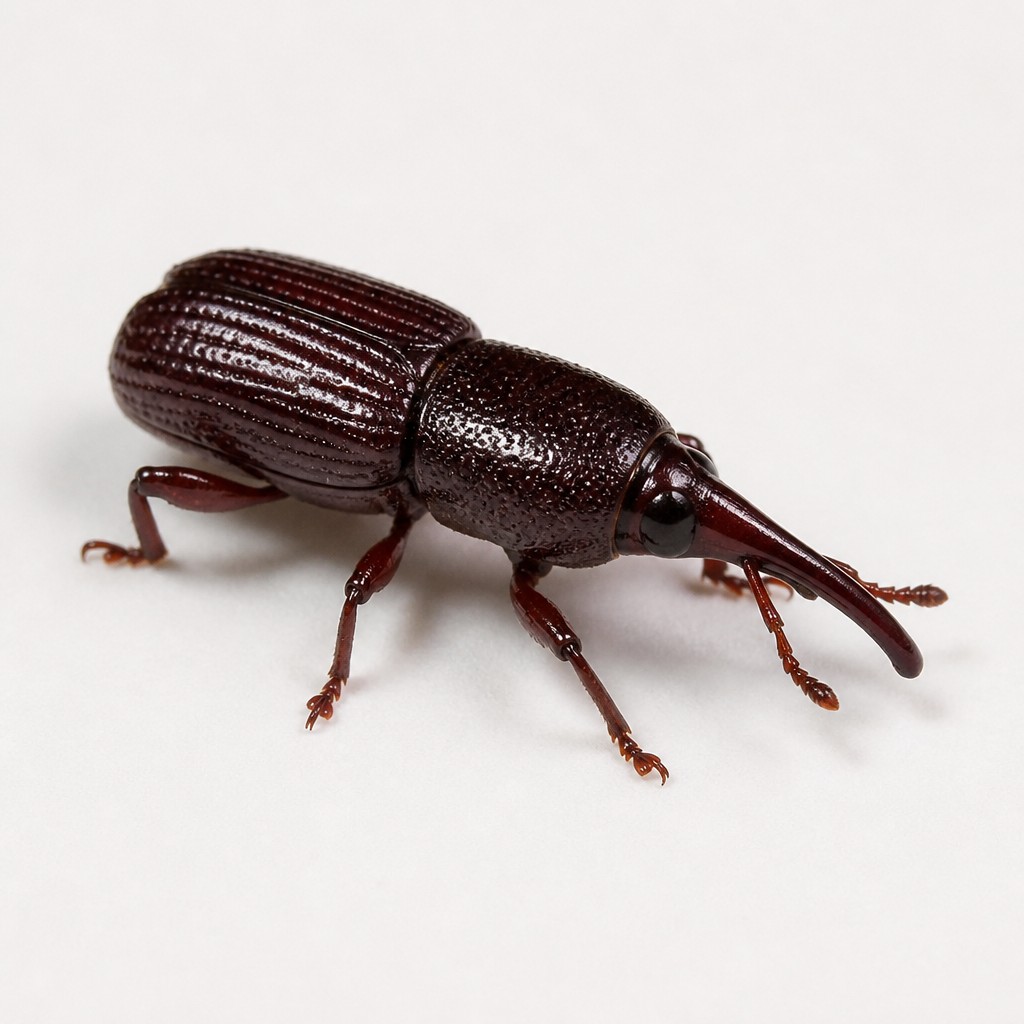
Granary Weevil
A small, shiny, dark reddish-brown to black weevil with a long curved snout that is unable to fly, spending its entire life cycle within stores of wheat and other cereal grains.
beetle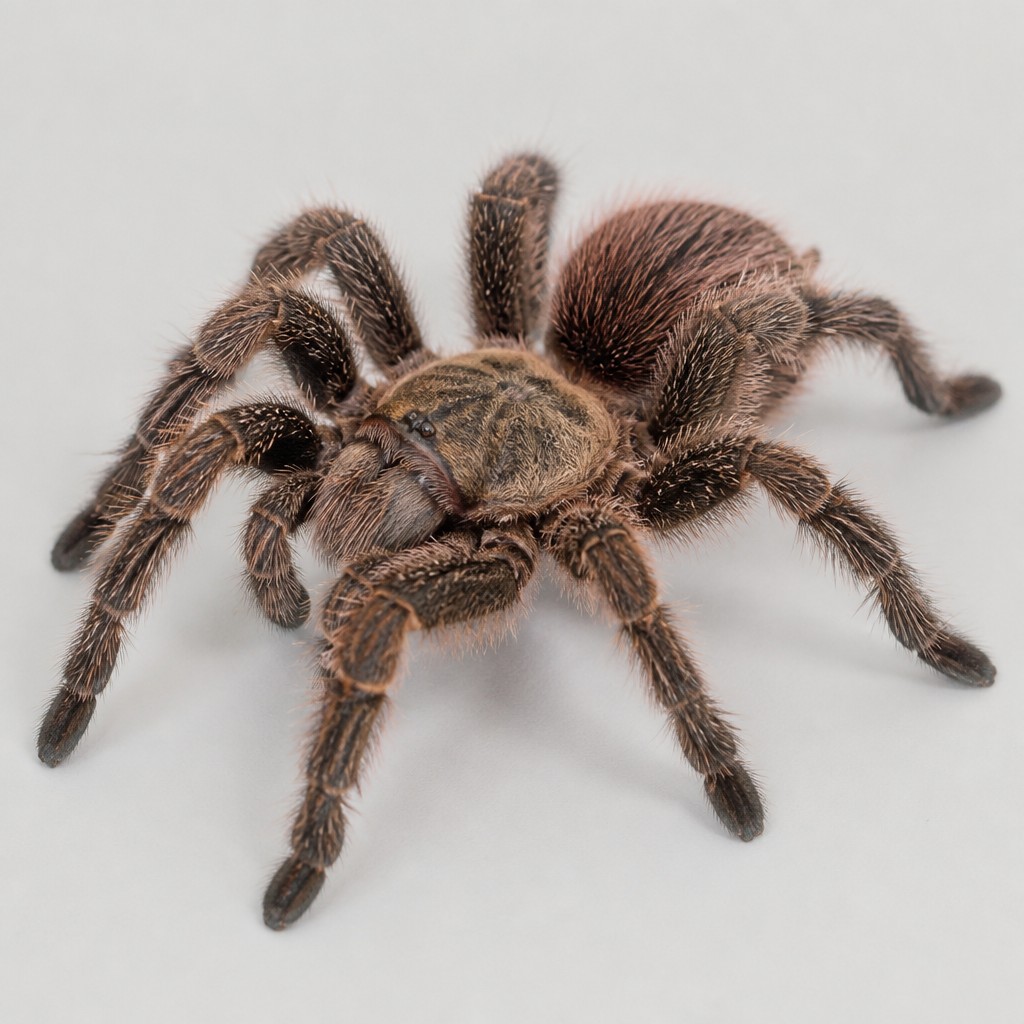
Rose Hair Tarantula
A calm, ground-dwelling tarantula from the deserts of Chile, the rose hair is named for the pinkish sheen its bristly hairs can take on in certain light, and is known for its slow, deliberate movements and generally placid temperament.
spider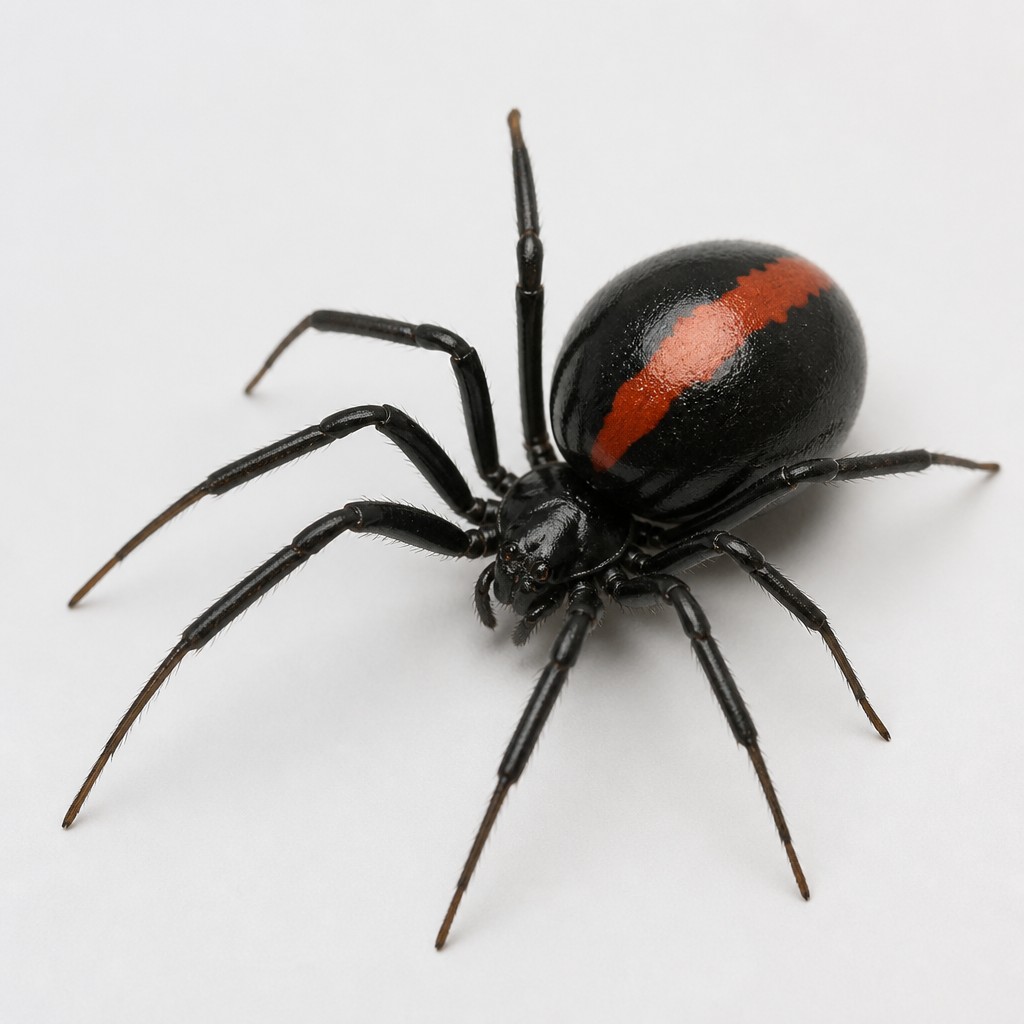
Redback Spider
A glossy black spider marked with a single bold red stripe down its back, the redback spider is one of Australia's most recognizable cobweb spiders, most often found tucked into dry, sheltered corners around homes and gardens.
spider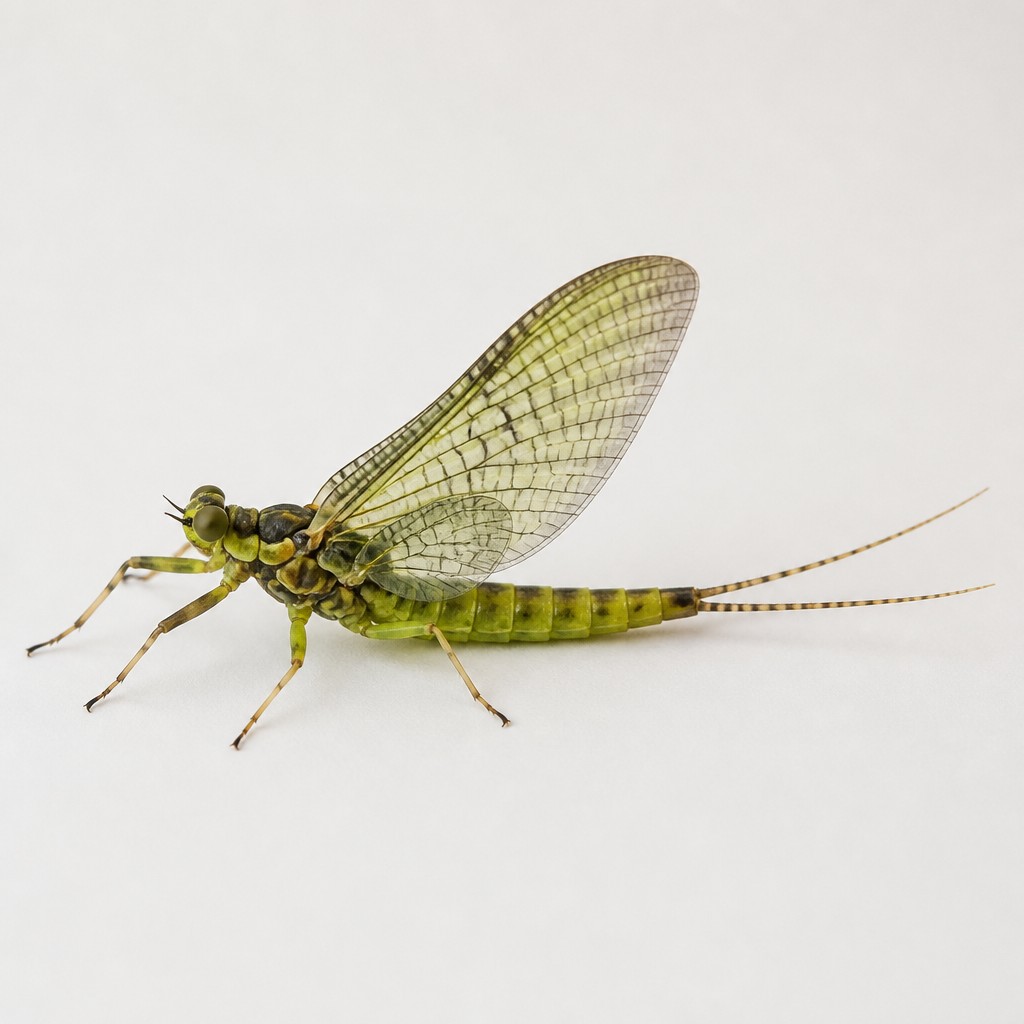
Green Drake Mayfly
Famous among anglers for triggering explosive trout feeding frenzies, the Green Drake Mayfly is a large, striking insect whose brief springtime emergence is one of the most anticipated events on many rivers.
aquatic-insect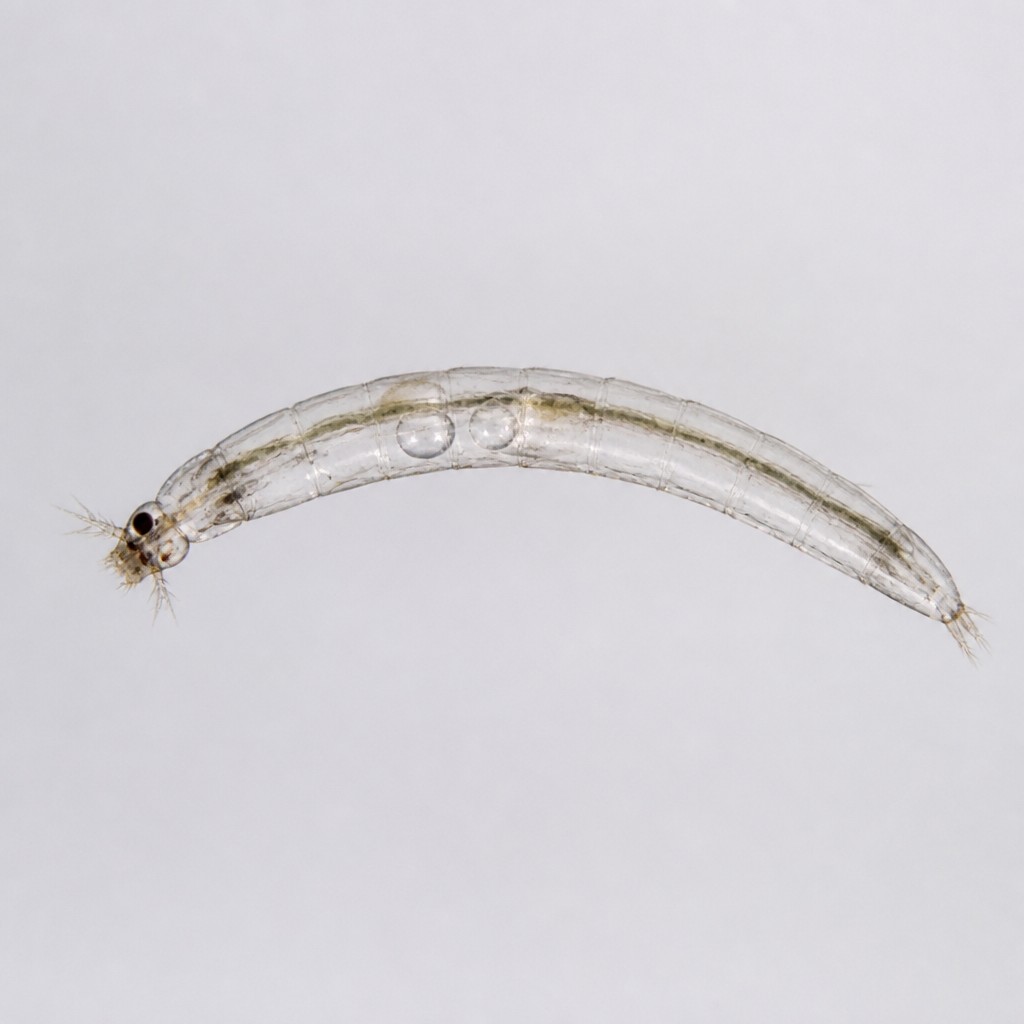
Phantom Midge Larva
Almost invisible in open water, the phantom midge larva is a slender, transparent predator that drifts through the water column, using a pair of internal gas-filled sacs to hover at precise depths while hunting tiny prey.
aquatic-insect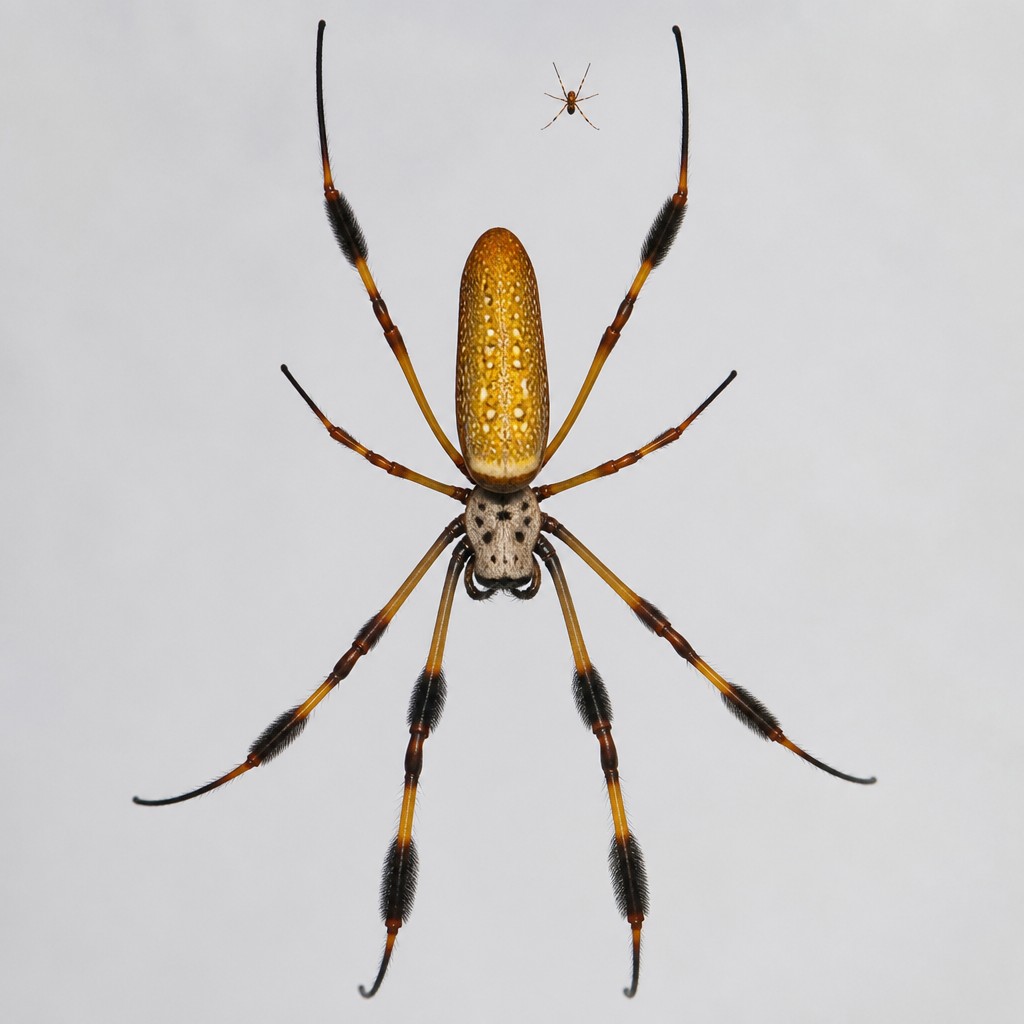
Golden Silk Orb-Weaver Spider
Famous for spinning enormous webs of shimmering golden silk, the golden silk orb-weaver is a large, long-legged spider of warm climates. Females dwarf the tiny males and hang head-down in their sprawling snares.
spider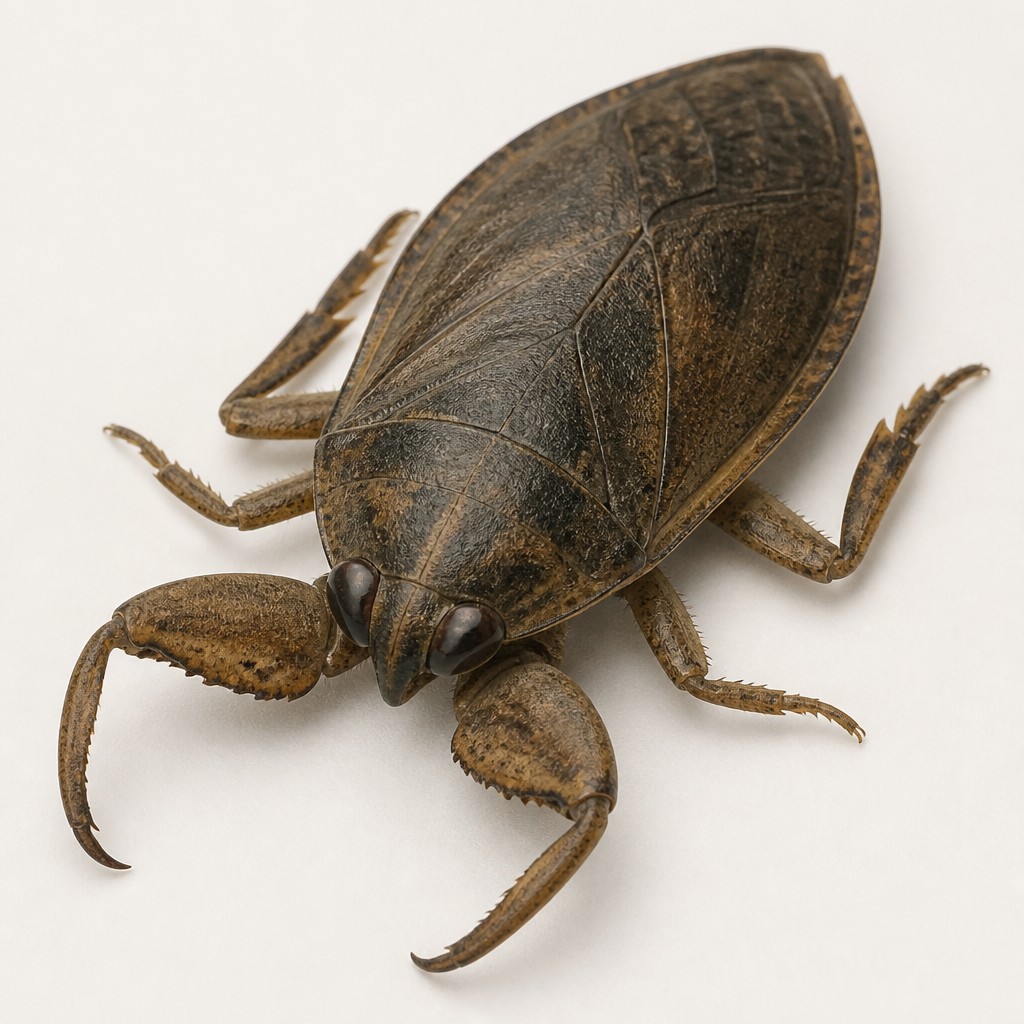
Toe-Biter
One of the largest true bugs in the world, the toe-biter is a broad, flattened ambush predator that lies in wait among pond vegetation, seizing prey many times its own size with powerful raptorial front legs.
true-bug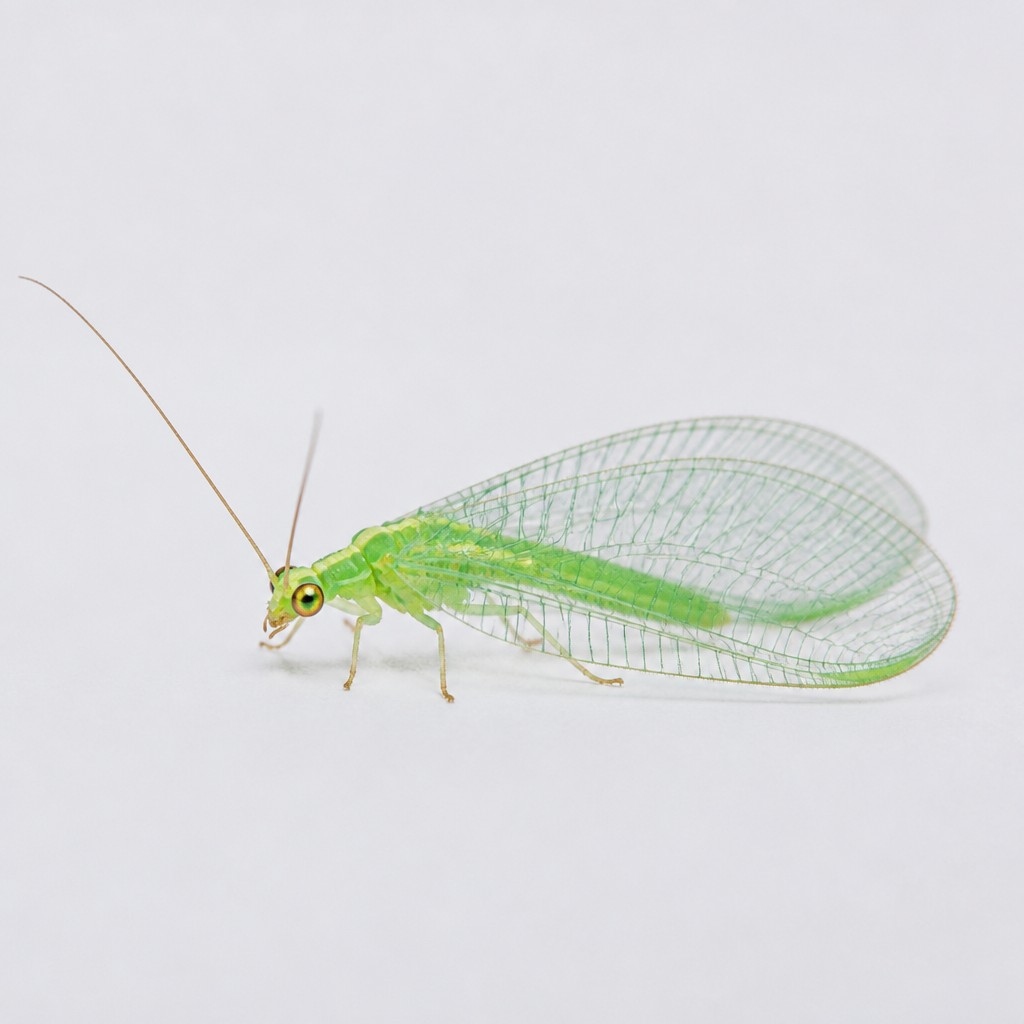
Green Lacewing
With delicate pale green wings and glittering golden eyes, the Green Lacewing is a familiar garden insect whose larvae are voracious predators of aphids and other soft-bodied pests.
other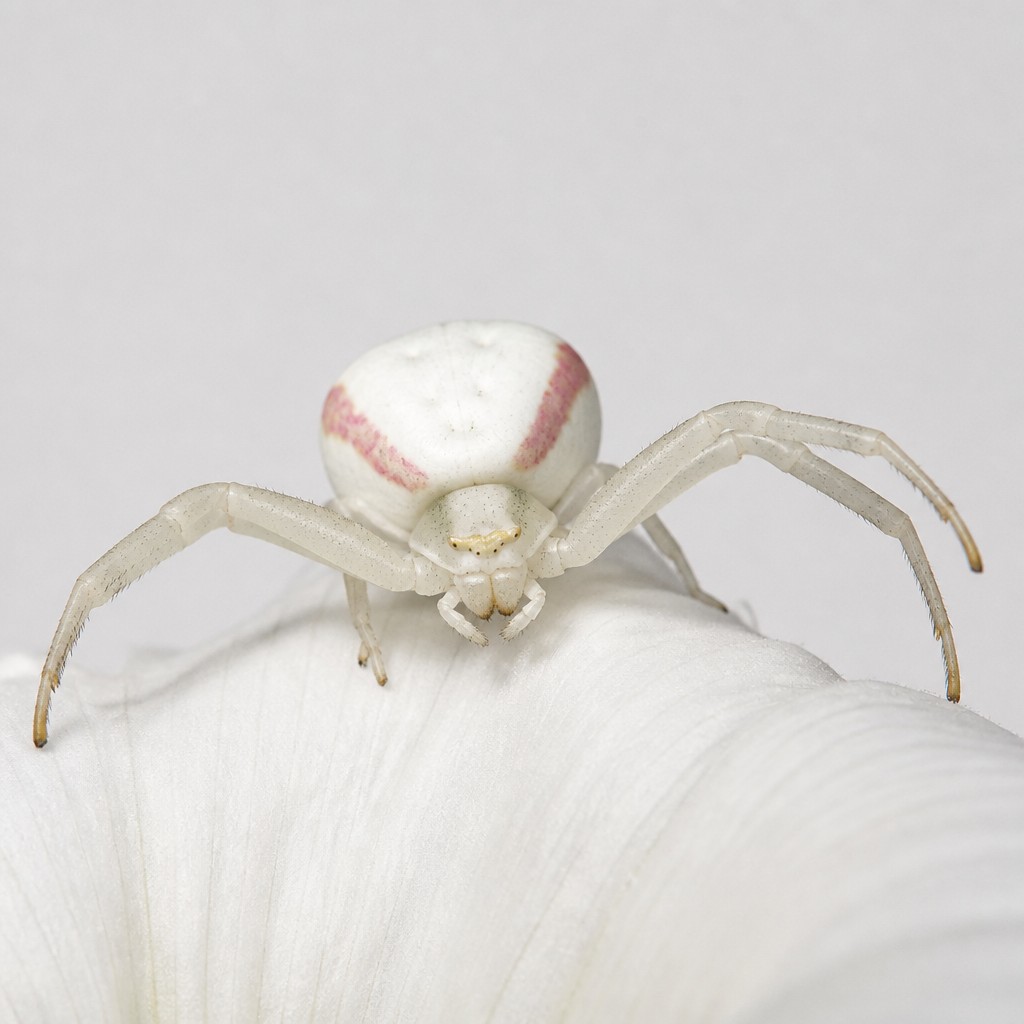
Crab Spider
Perched motionless atop a flower petal, often perfectly matched to its color, the crab spider is a patient ambusher that waits for pollinators to land within reach of its outstretched front legs.
spider