
Bug Encyclopedia
Search and identify bugs & insects — beetles, butterflies, moths, ants, bees, spiders and more — with size, habitat, danger, behavior, and how to tell them apart.
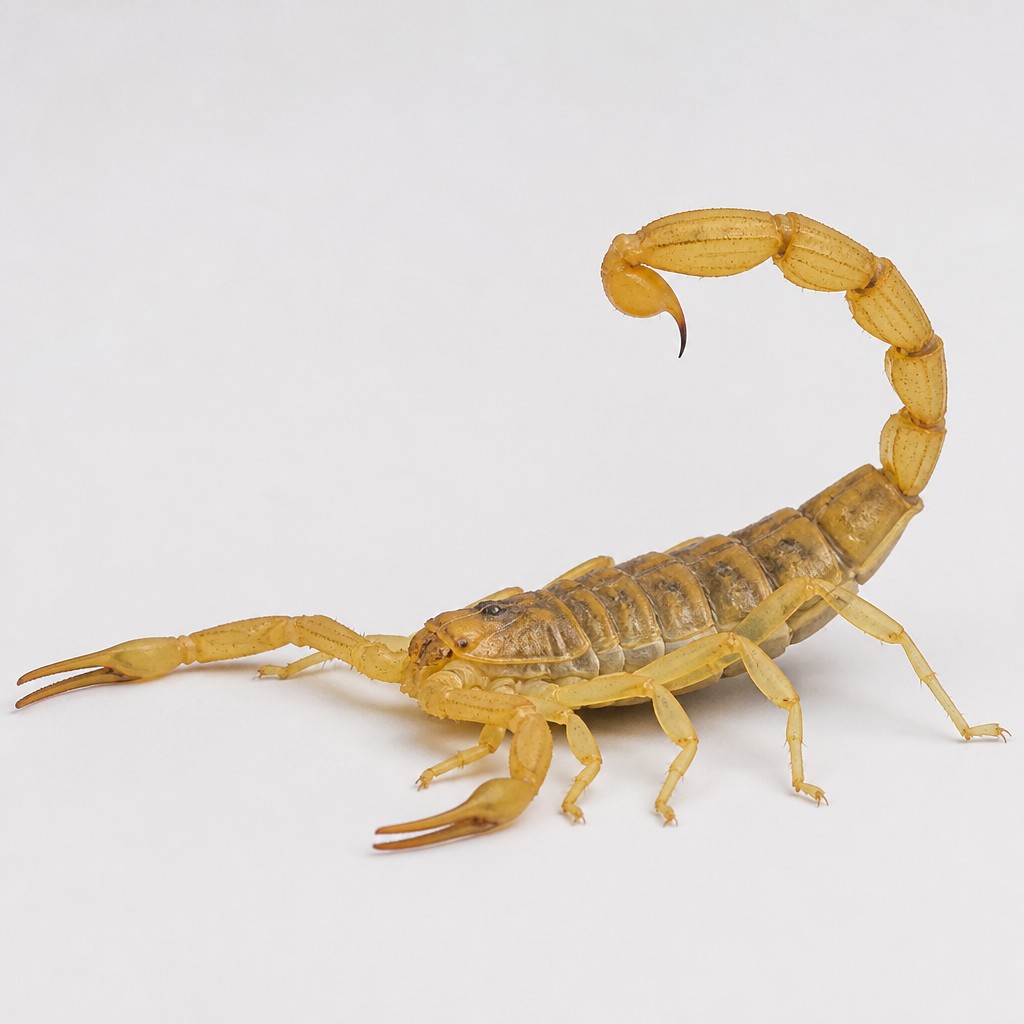
Deathstalker Scorpion
A slender, pale yellow scorpion of Middle Eastern and North African deserts, famed for its striking coloration and status as one of the most studied scorpions in scientific research.
arachnid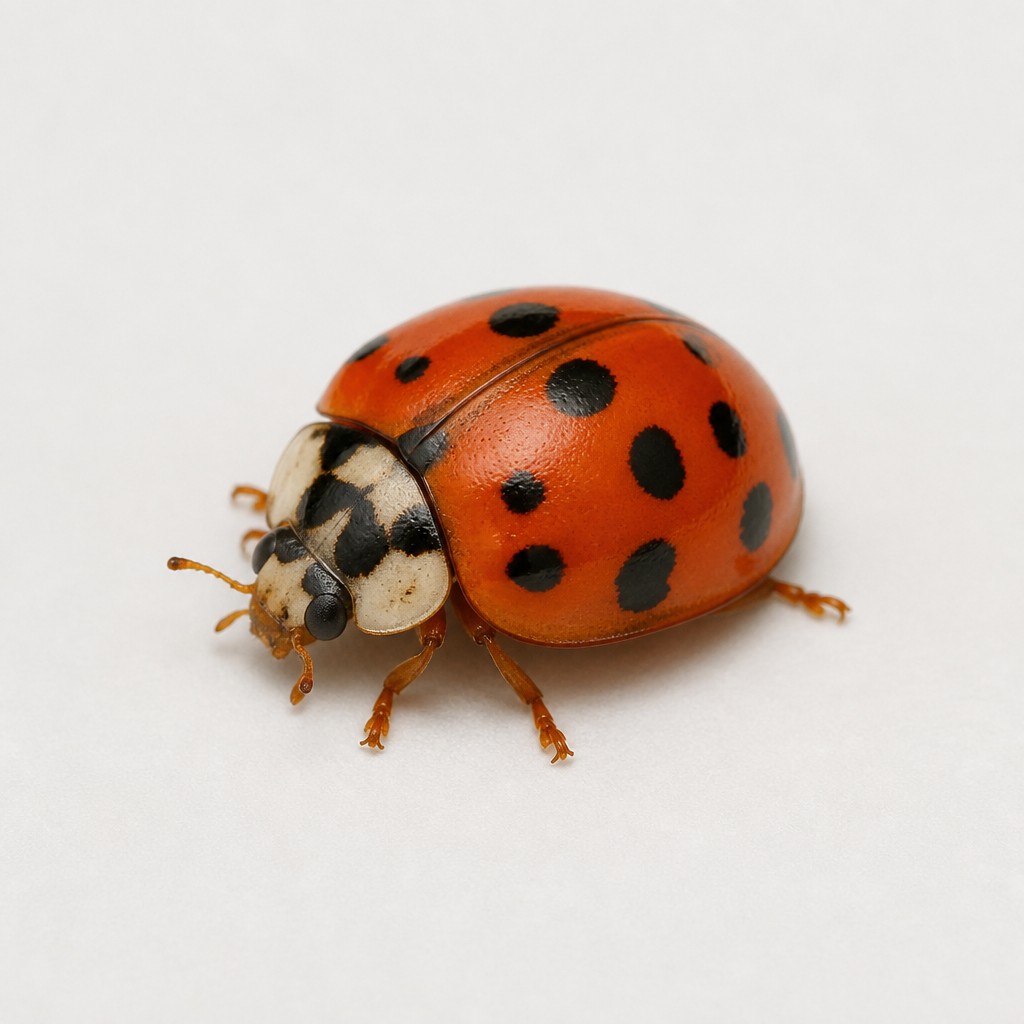
Asian Lady Beetle
A highly variable orange-to-red ladybird beetle, often bearing many black spots or none at all, famous for swarming into homes in large numbers during autumn.
beetle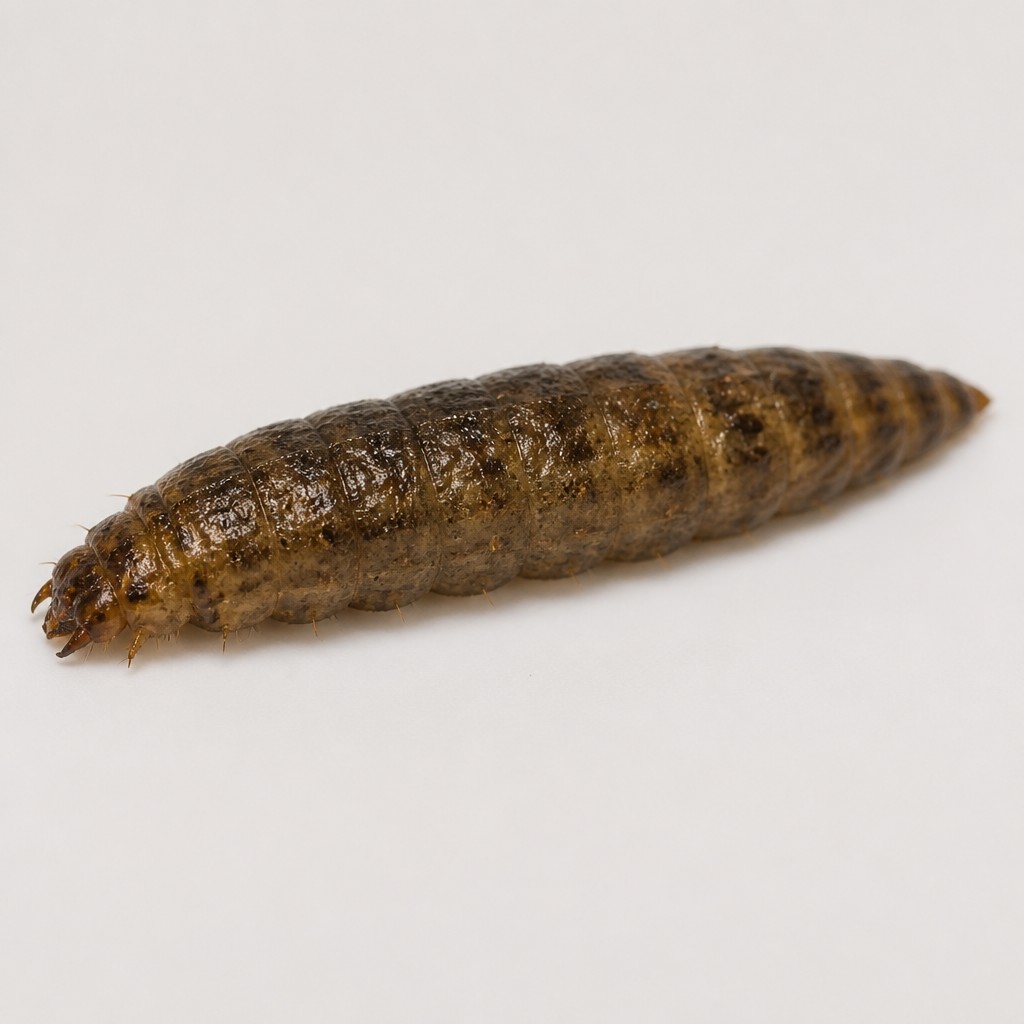
Horse Fly Larva
Hidden in the wet mud along pond and stream margins, the horse fly larva is a tapered, tough-skinned predator that hunts other small soil and mud-dwelling invertebrates before eventually transforming into the familiar biting fly.
aquatic-insect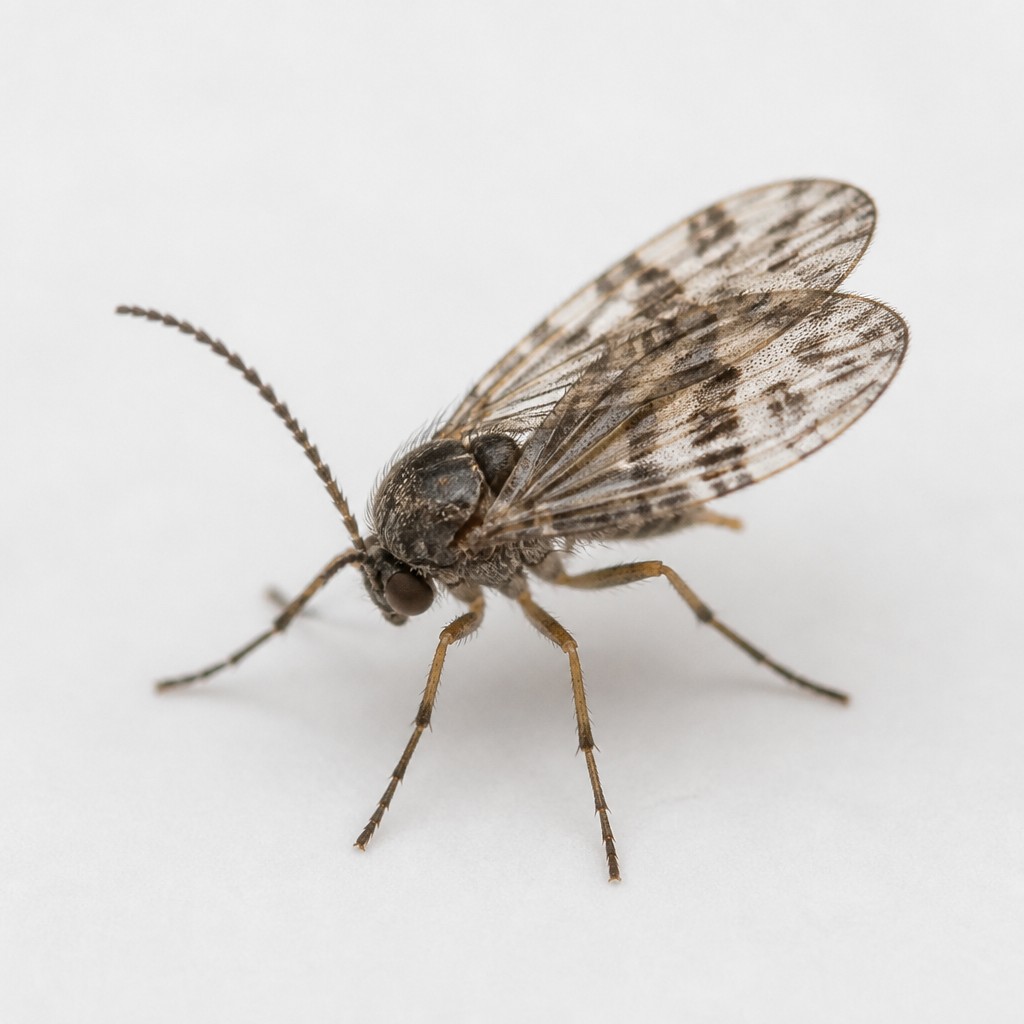
No-See-Um
A speck-sized fly so tiny it seems to vanish from sight, yet capable of swarming exposed skin near beaches and marshes at dawn and dusk.
fly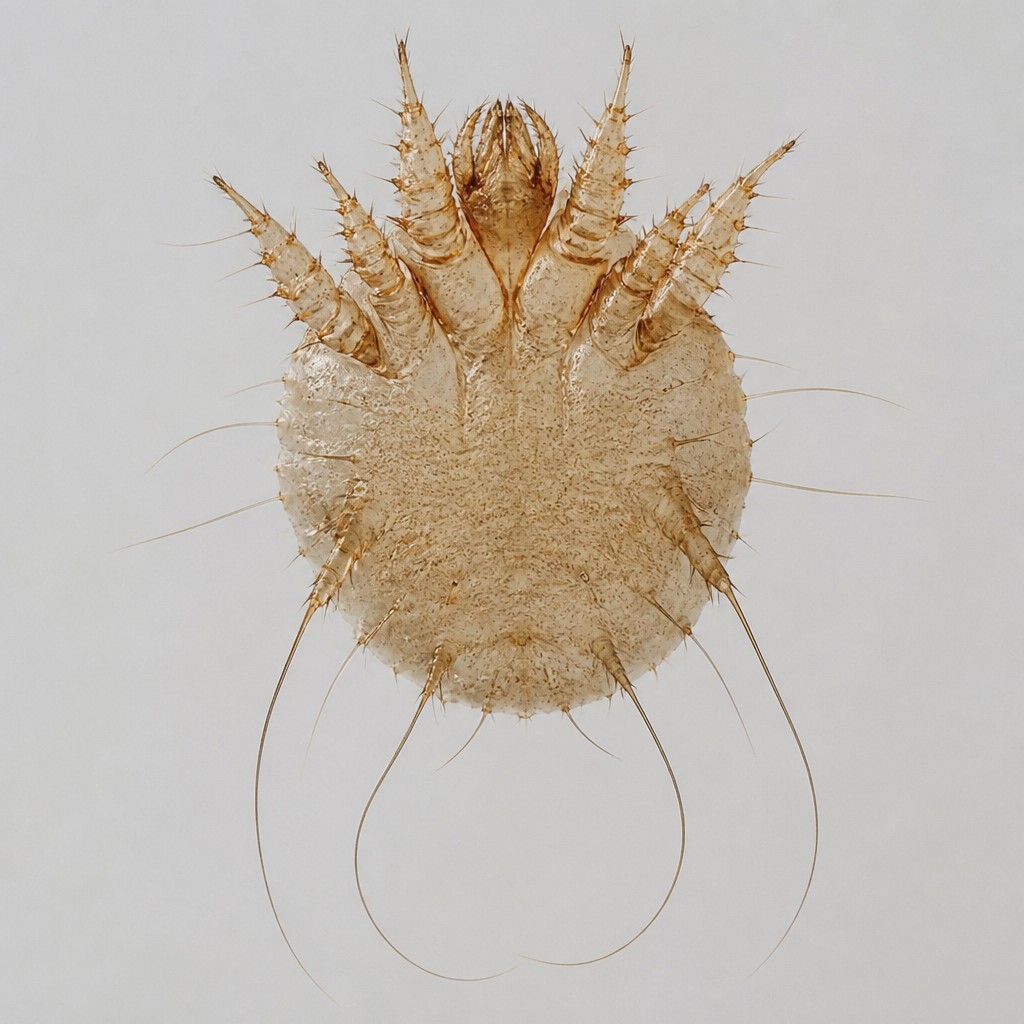
Scabies Mite
A microscopic, eyeless mite that spends its entire life cycle burrowed within the outer layer of a mammal's skin, among the smallest arachnids known to science. Unlike free-living mites, it has no independent existence away from a host and is studied primarily through microscopic examination rather than direct observation.
arachnid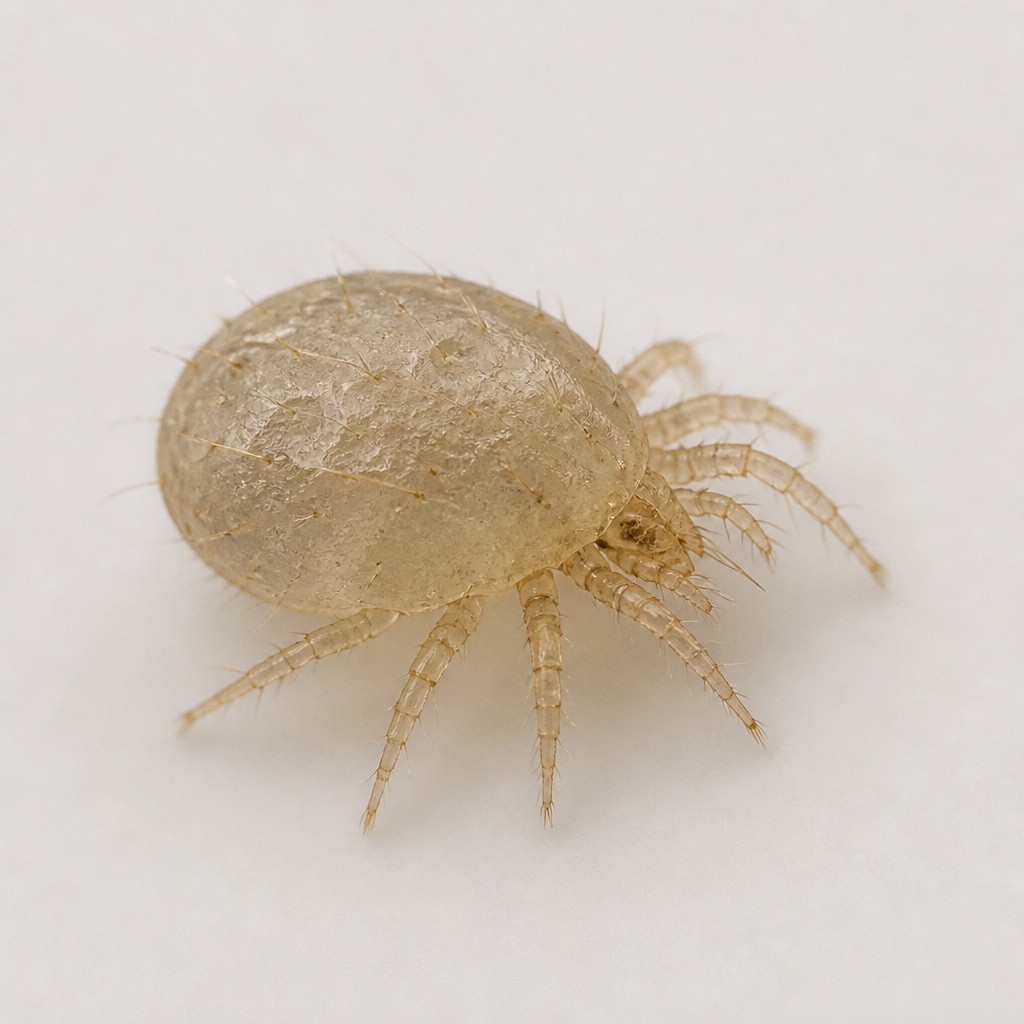
Itch Mite
A microscopic, rounded mite that spends its entire life cycle within the skin of a mammalian host, invisible without a microscope.
arachnid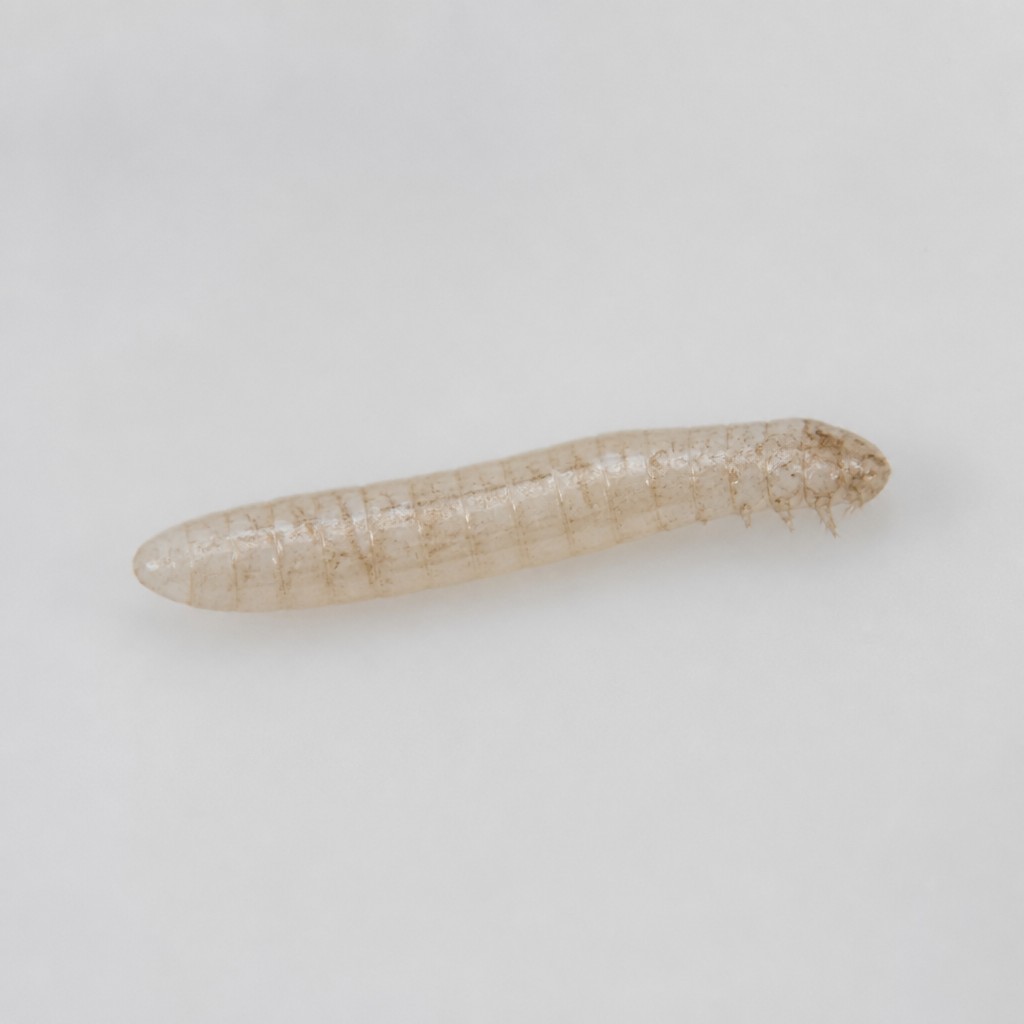
Follicle Mite
An elongated, microscopic mite shaped almost like a tiny worm, living deep within hair follicles and oil glands of mammal skin where it spends its entire life largely unnoticed.
arachnid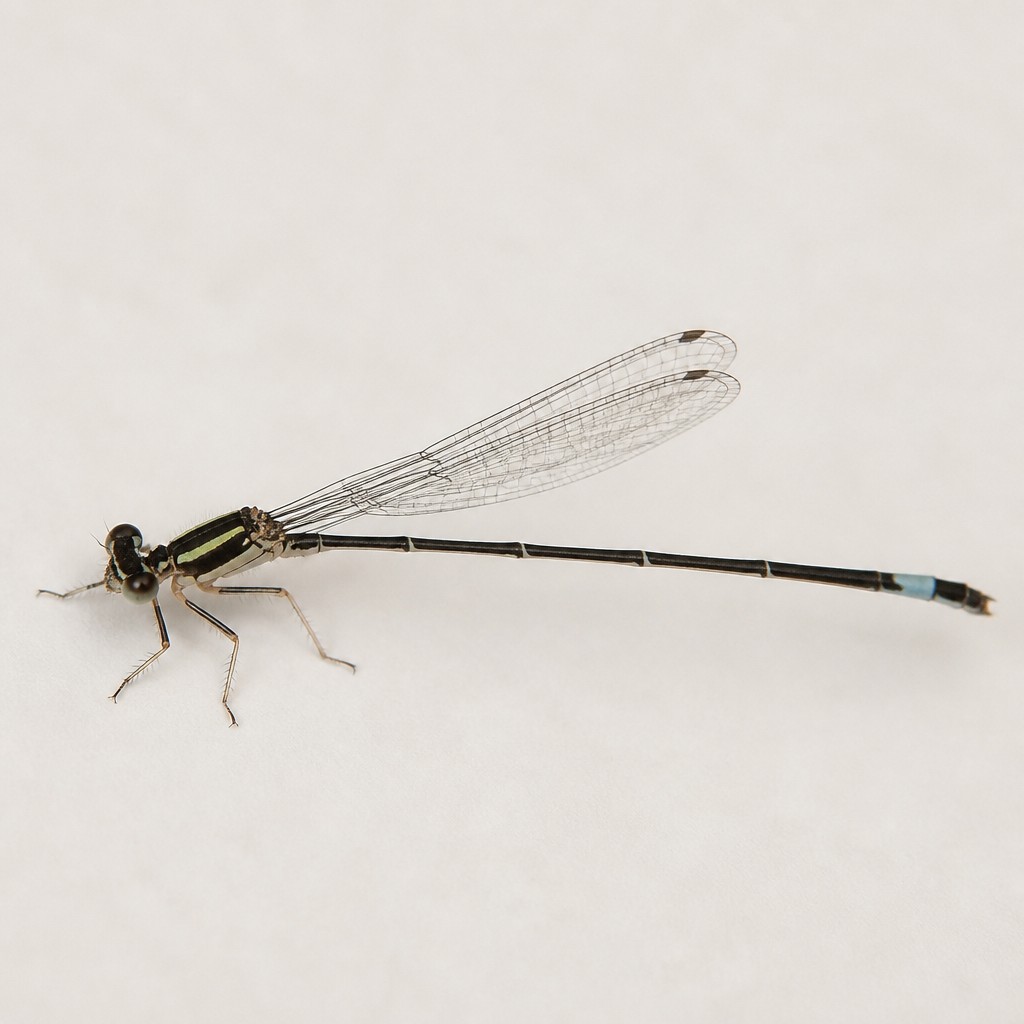
Fragile Forktail
One of North America's smallest and most delicate damselflies, the Fragile Forktail is best known for the pale green exclamation-point mark on top of its thorax.
dragonfly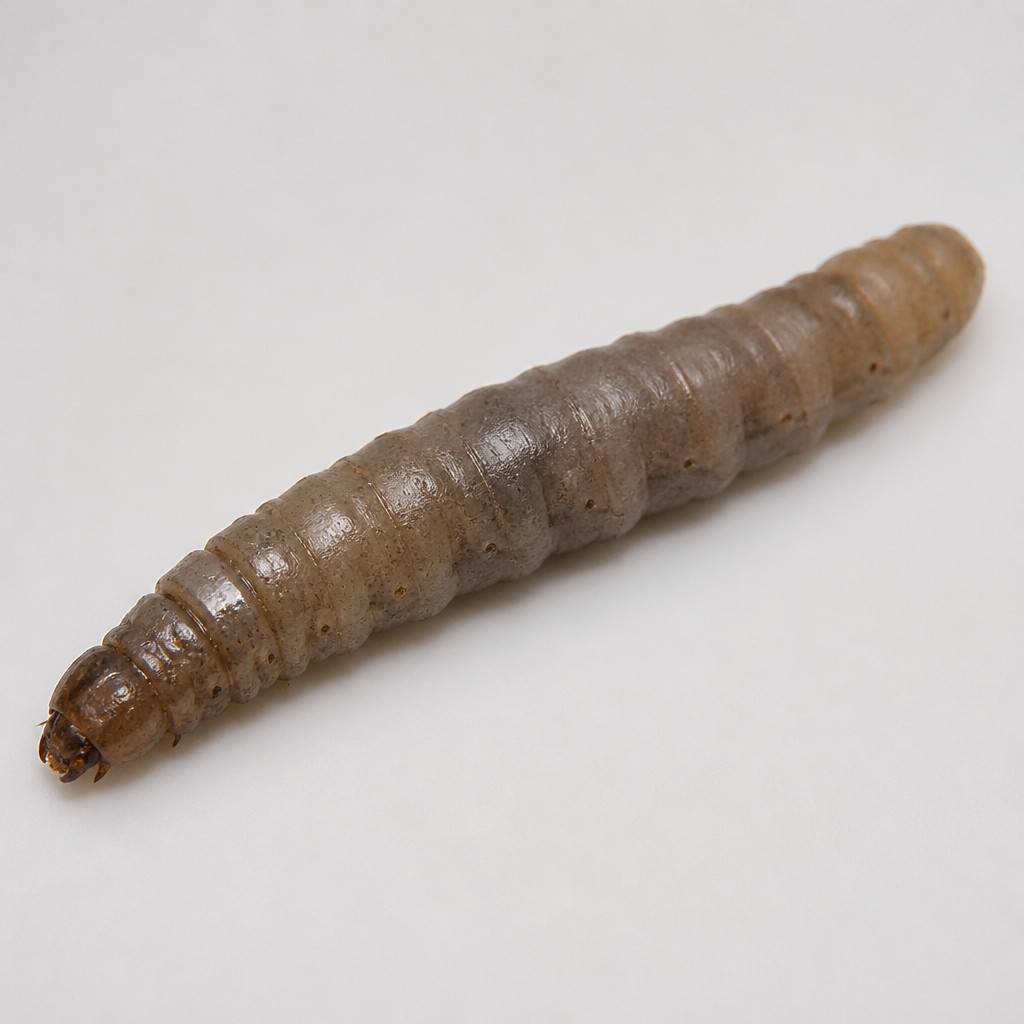
Crane Fly Larva
Thick-skinned and worm-like, the crane fly larva, often called a leatherjacket, burrows through wet mud and decaying vegetation at the edges of ponds and streams, breaking down plant material as it grows.
aquatic-insect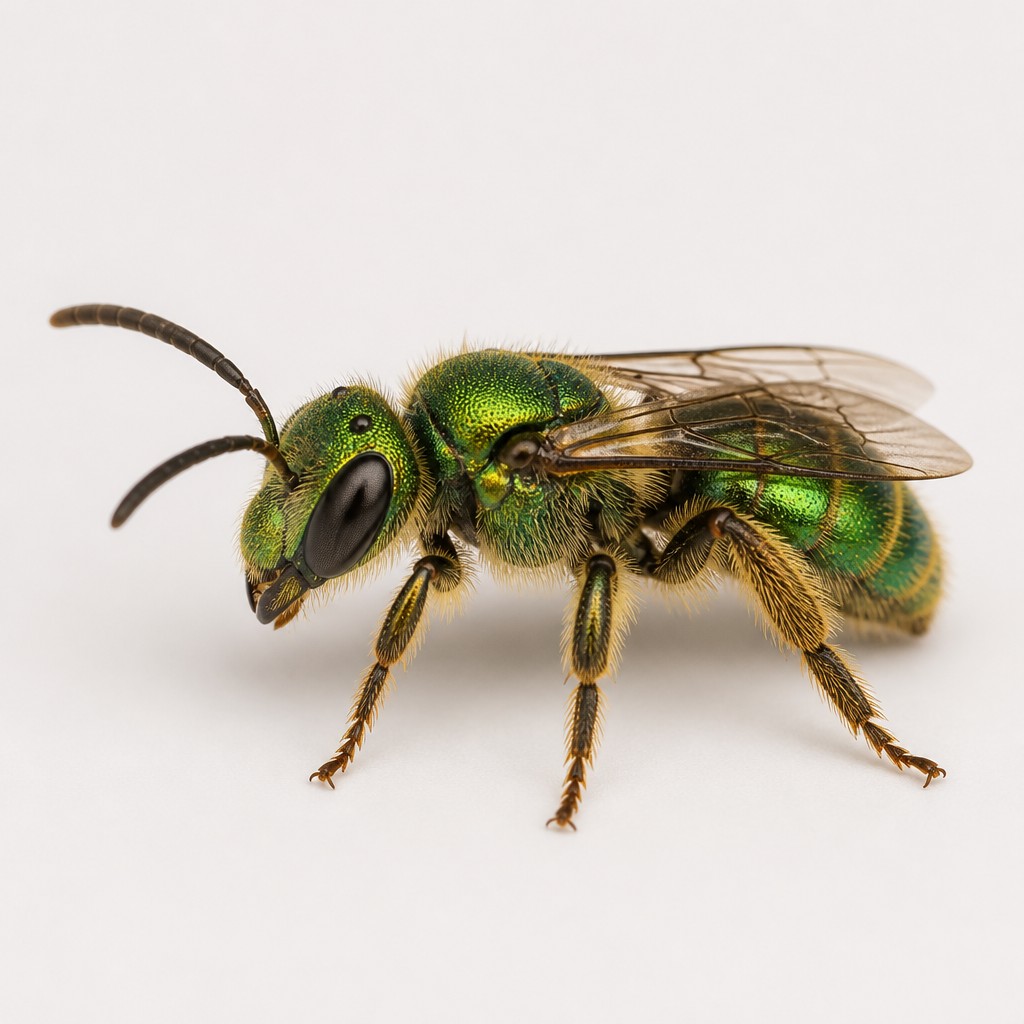
Sweat Bee
A small, often metallic green or bronze bee in the family Halictidae, named for its habit of landing on skin to sip perspiration, and an important generalist pollinator of wildflowers and crops.
bee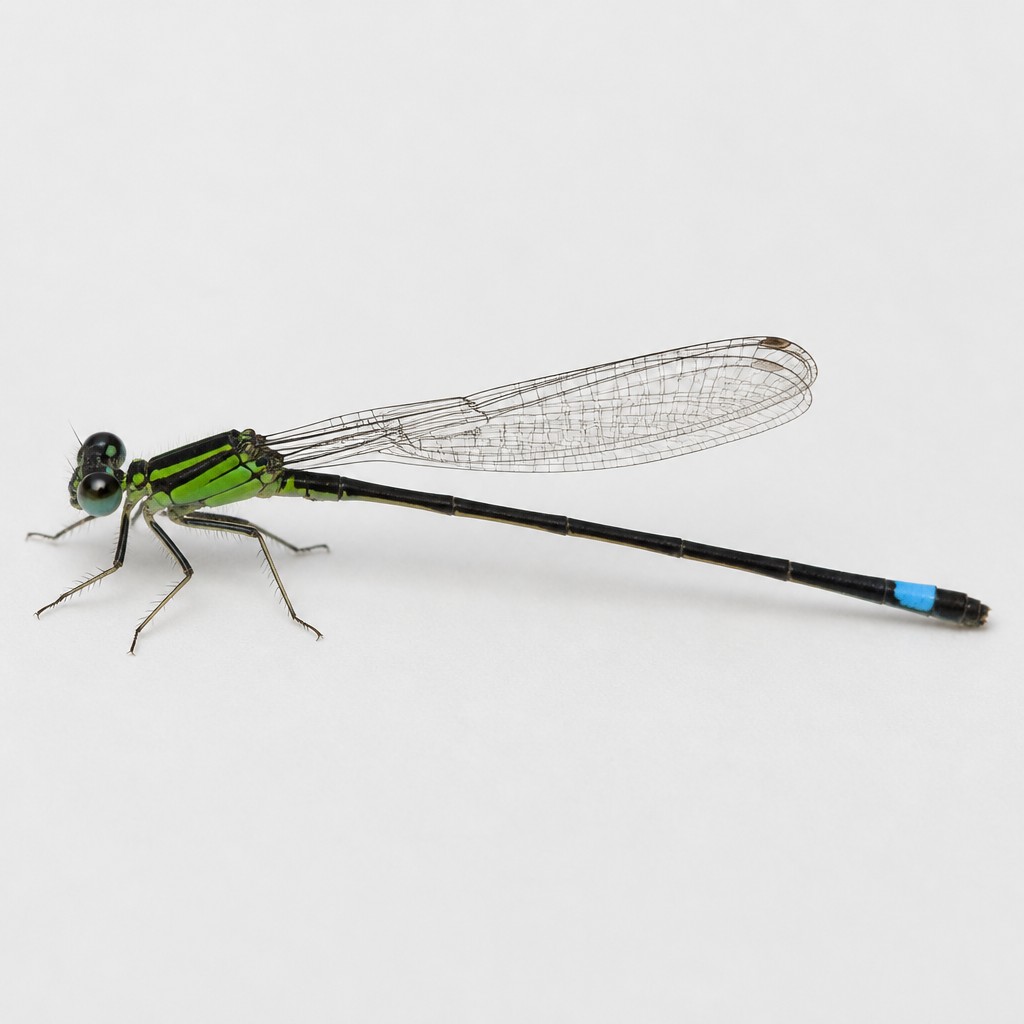
Eastern Forktail
One of the smallest and most adaptable damselflies in eastern North America, the Eastern Forktail thrives in everything from wild marshes to roadside ditches, with bright green-and-black males and color-changing females.
other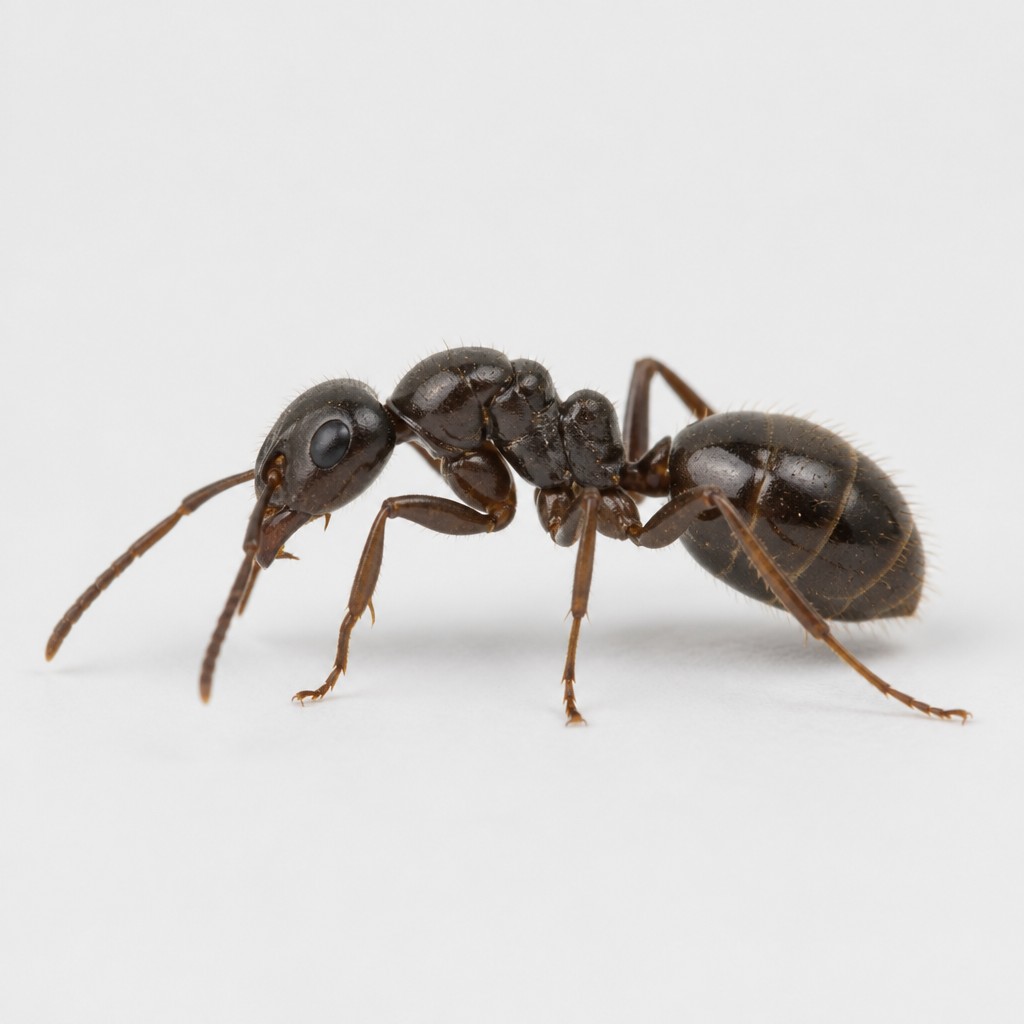
Odorous House Ant
A dark, unassuming ant best known for releasing a smell reminiscent of rotten coconut when a worker is crushed.
ant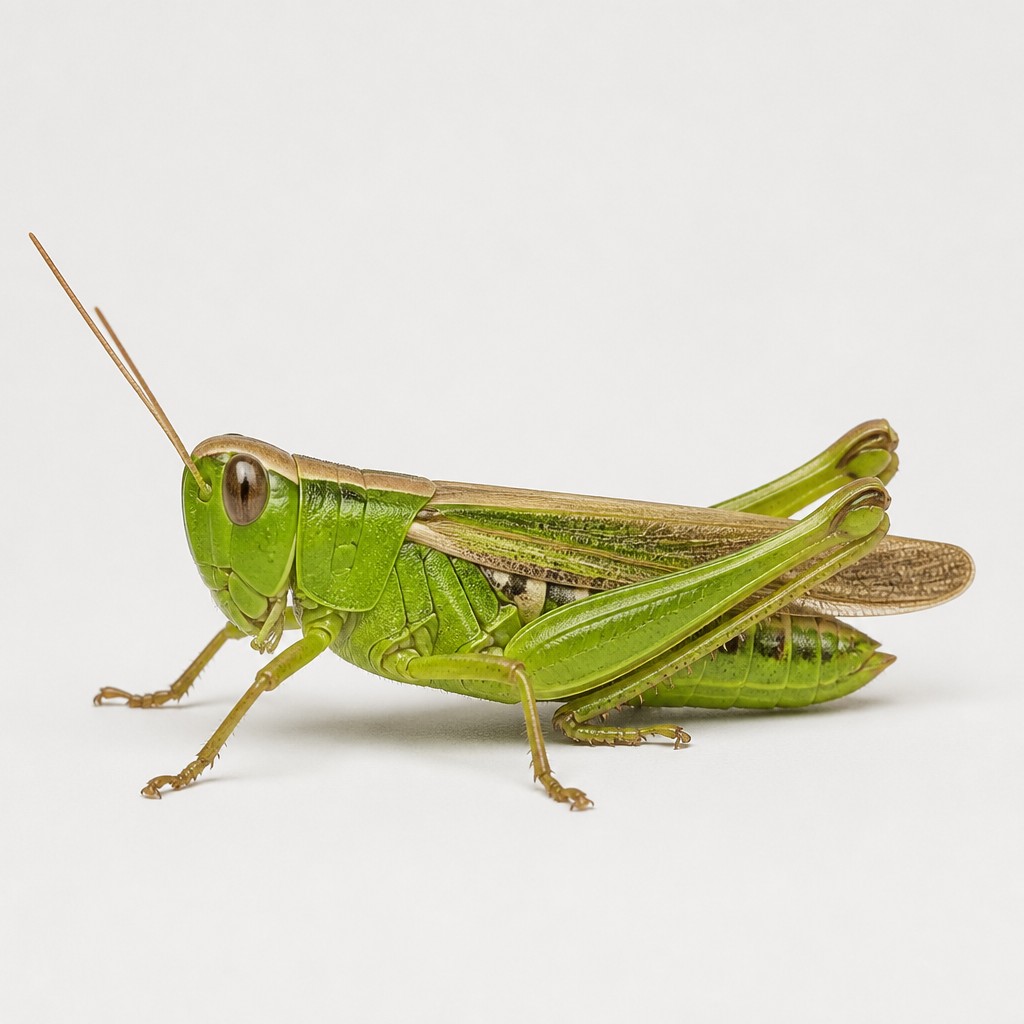
Green Grasshopper
A bright grass-green grasshopper with a rasping, sustained song, the common green grasshopper is one of the most familiar sounds of a European summer meadow.
grasshopper-cricket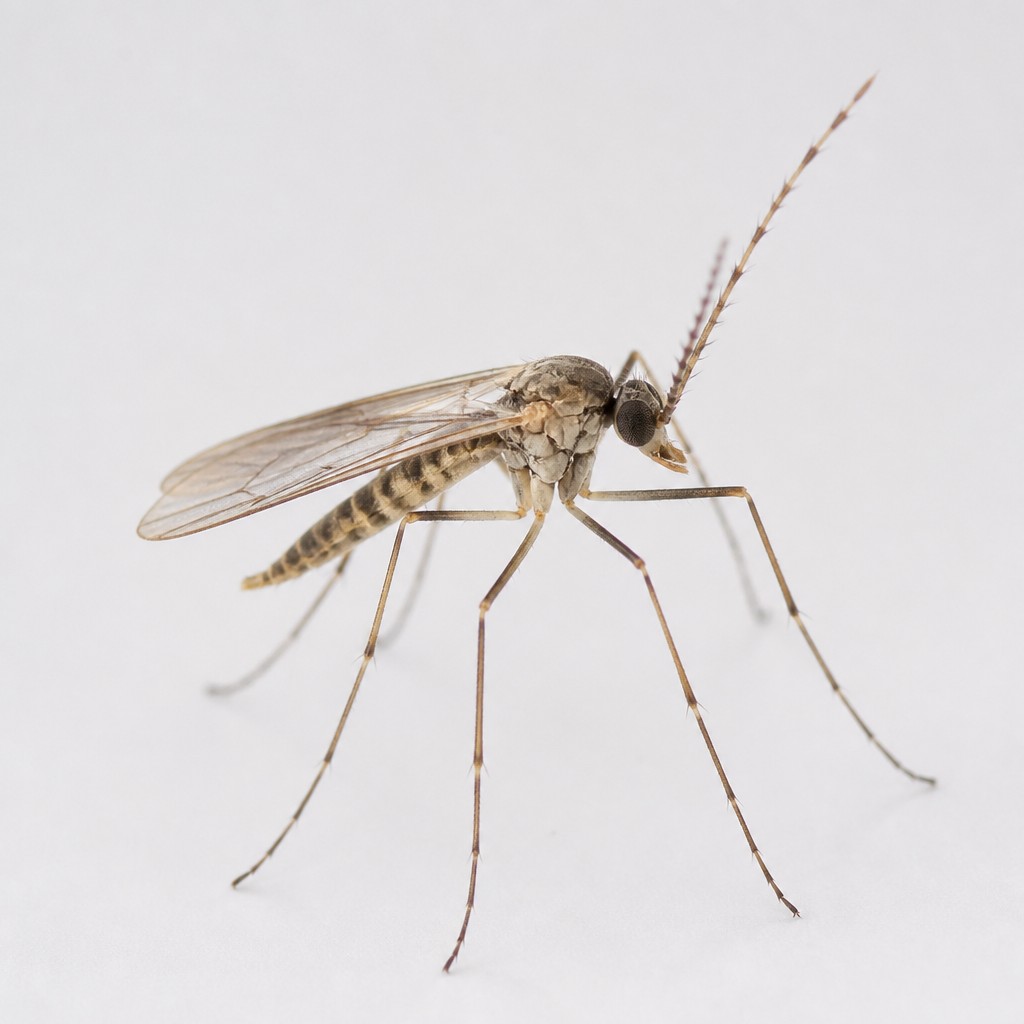
Aphid Midge
A delicate, long-legged midge whose orange larvae are voracious aphid hunters. The aphid midge is a prized natural enemy of aphids in gardens and greenhouses.
fly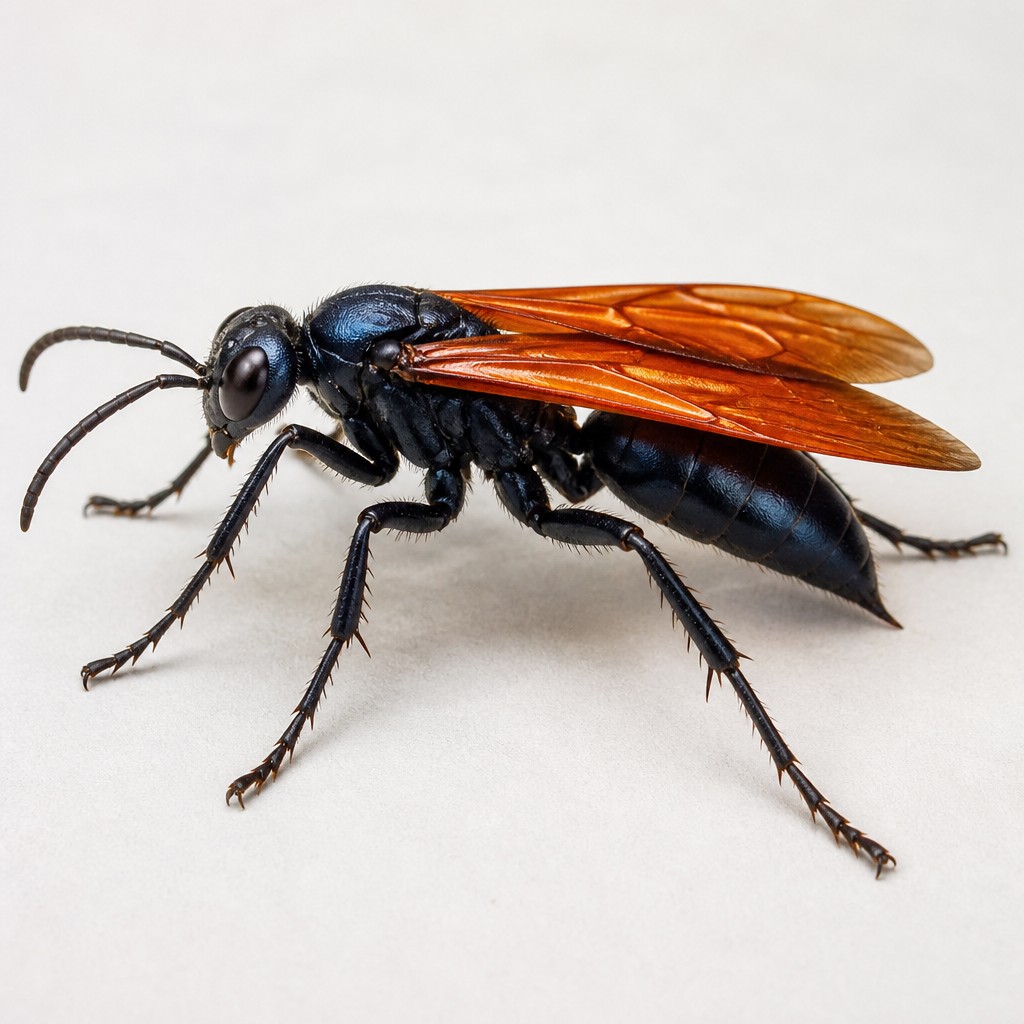
Tarantula Hawk Wasp
A giant metallic-blue wasp with rust-orange wings, the tarantula hawk is one of the largest wasps in the world. Females hunt tarantulas as living food for their single offspring.
wasp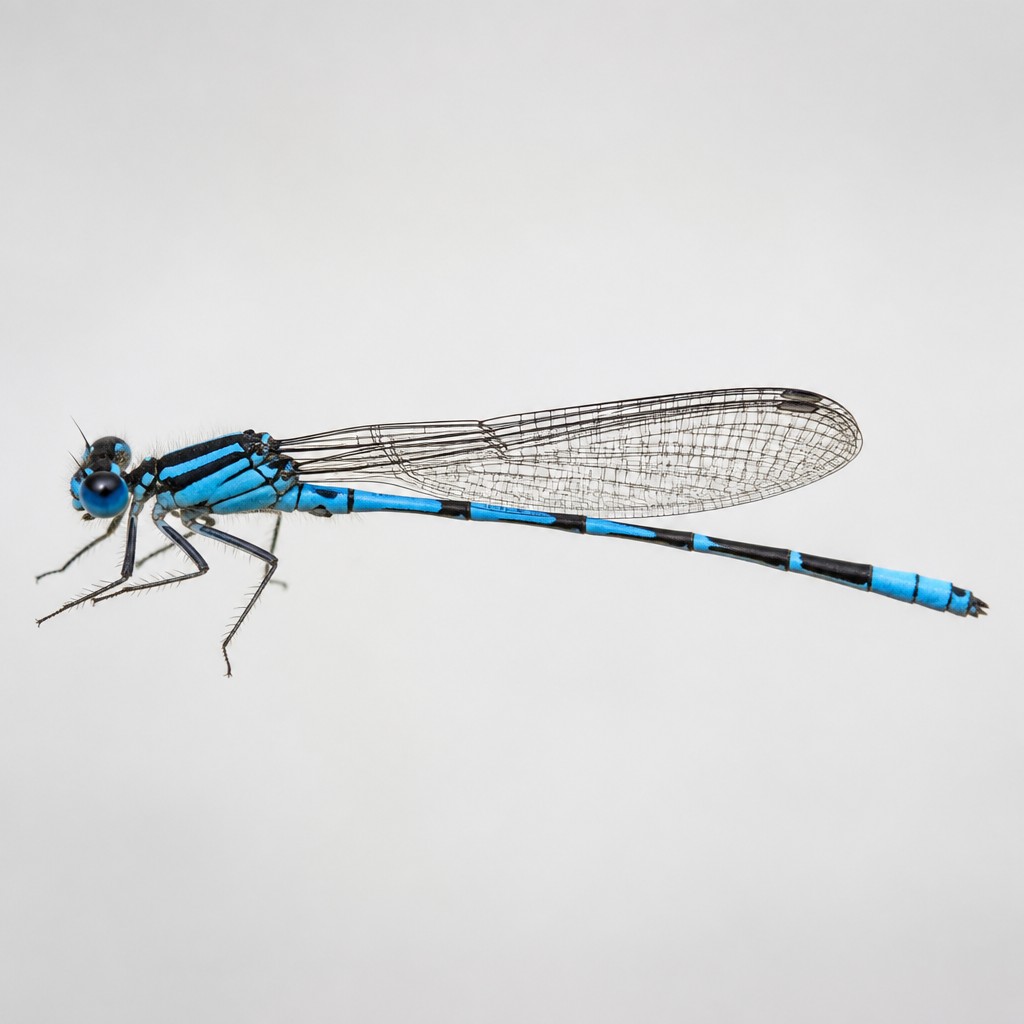
Northern Bluet
A hardy blue damselfly of northern ponds and lakes, the Northern Bluet ranges farther north than most of its relatives and is often the dominant bluet at cooler, higher-latitude waters.
dragonfly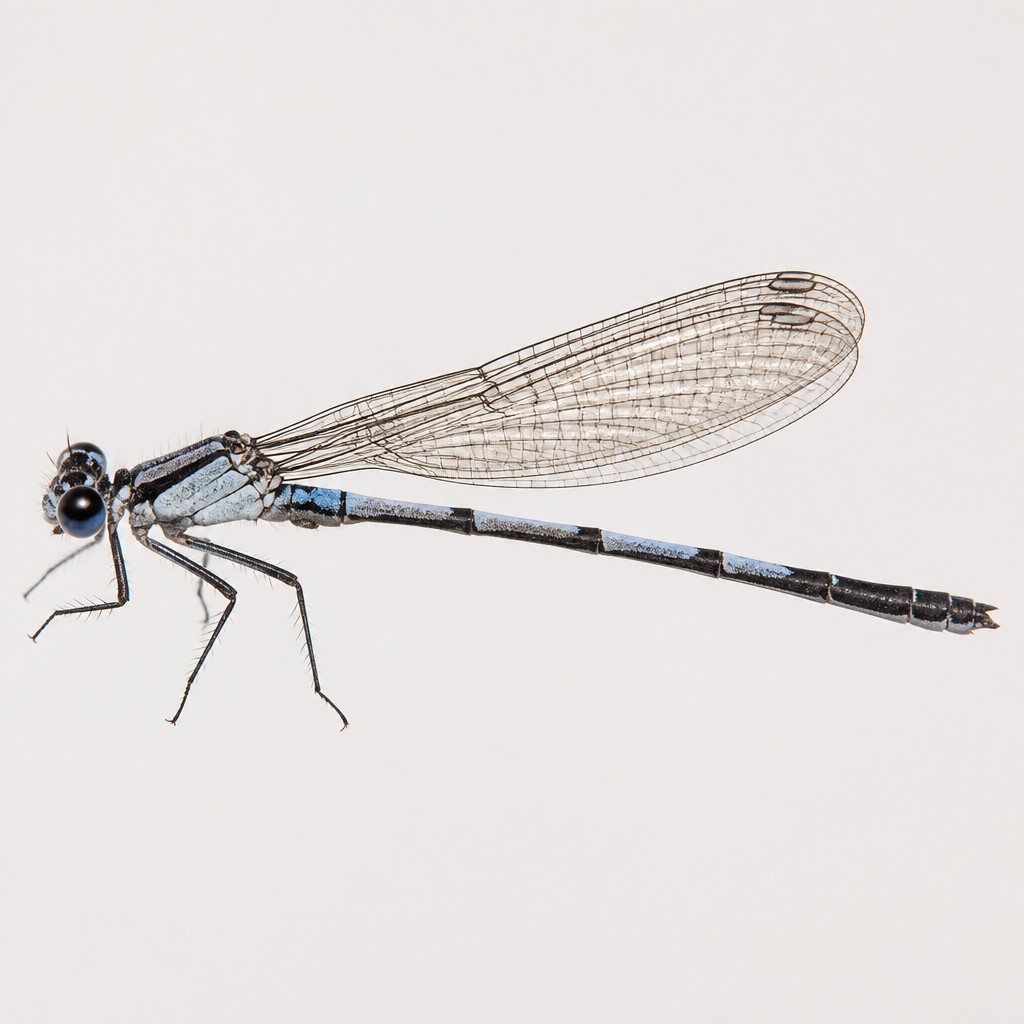
Powdered Dancer
Named for the pale, frosty bloom that coats mature males, the Powdered Dancer is a robust river damselfly often seen basking on sunlit rocks and gravel bars.
dragonfly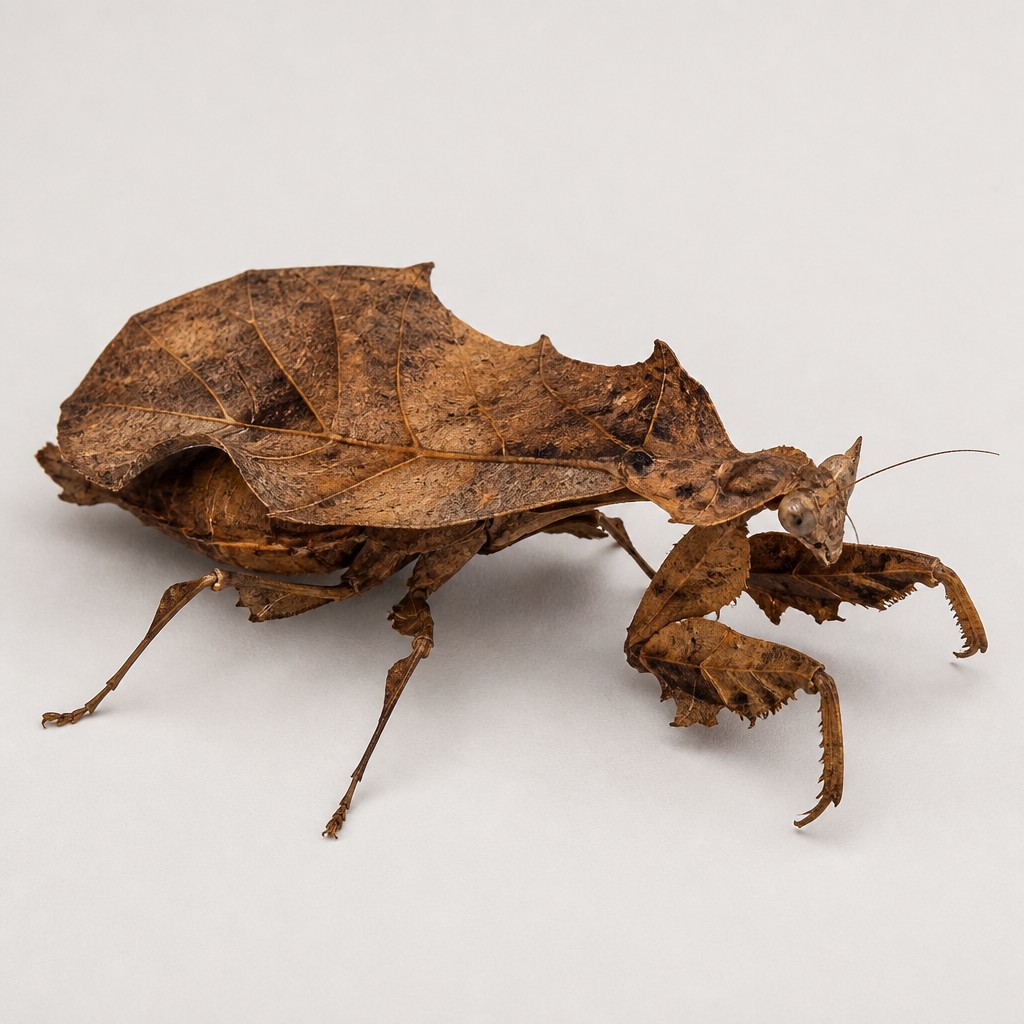
Dead Leaf Mantis
A master of disguise whose broad, curled, vein-textured body is nearly indistinguishable from a curled, decaying leaf lying on the forest floor.
mantis-stick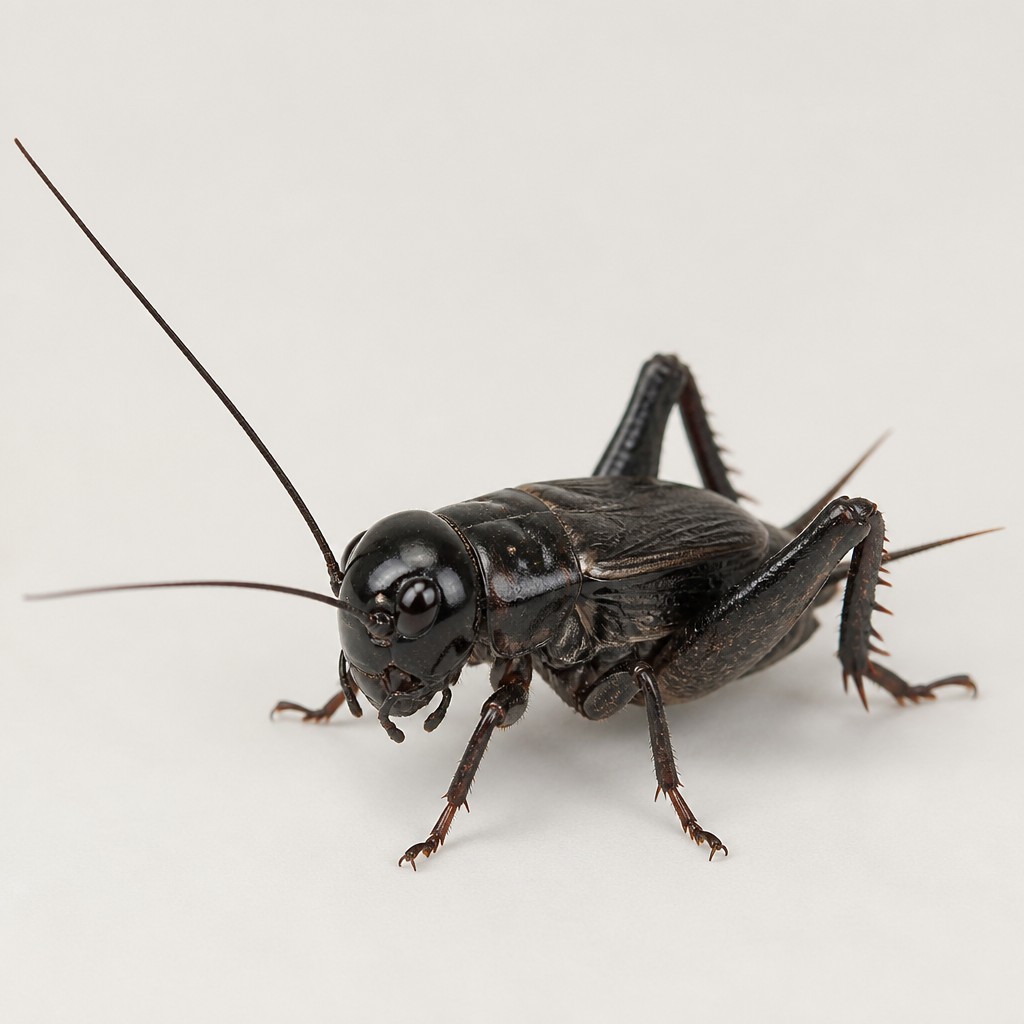
Field Cricket
A stout, dark cricket whose loud, rhythmic chirping is one of the most familiar summer and fall night sounds in fields and lawns across much of the world.
grasshopper-cricket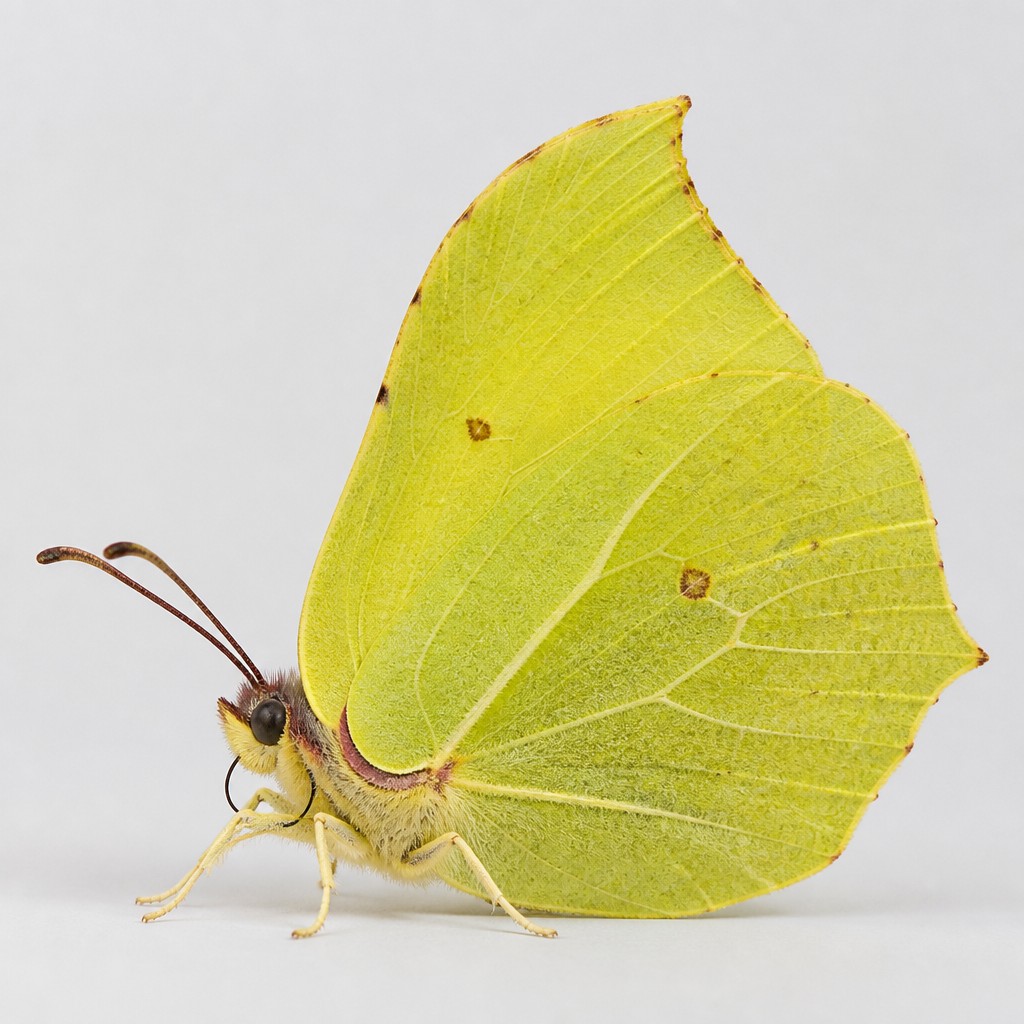
Brimstone Butterfly
A sulphur-yellow, leaf-shaped butterfly whose folded wings mimic a fresh green leaf so convincingly it is often credited as the origin of the word 'butterfly'.
butterfly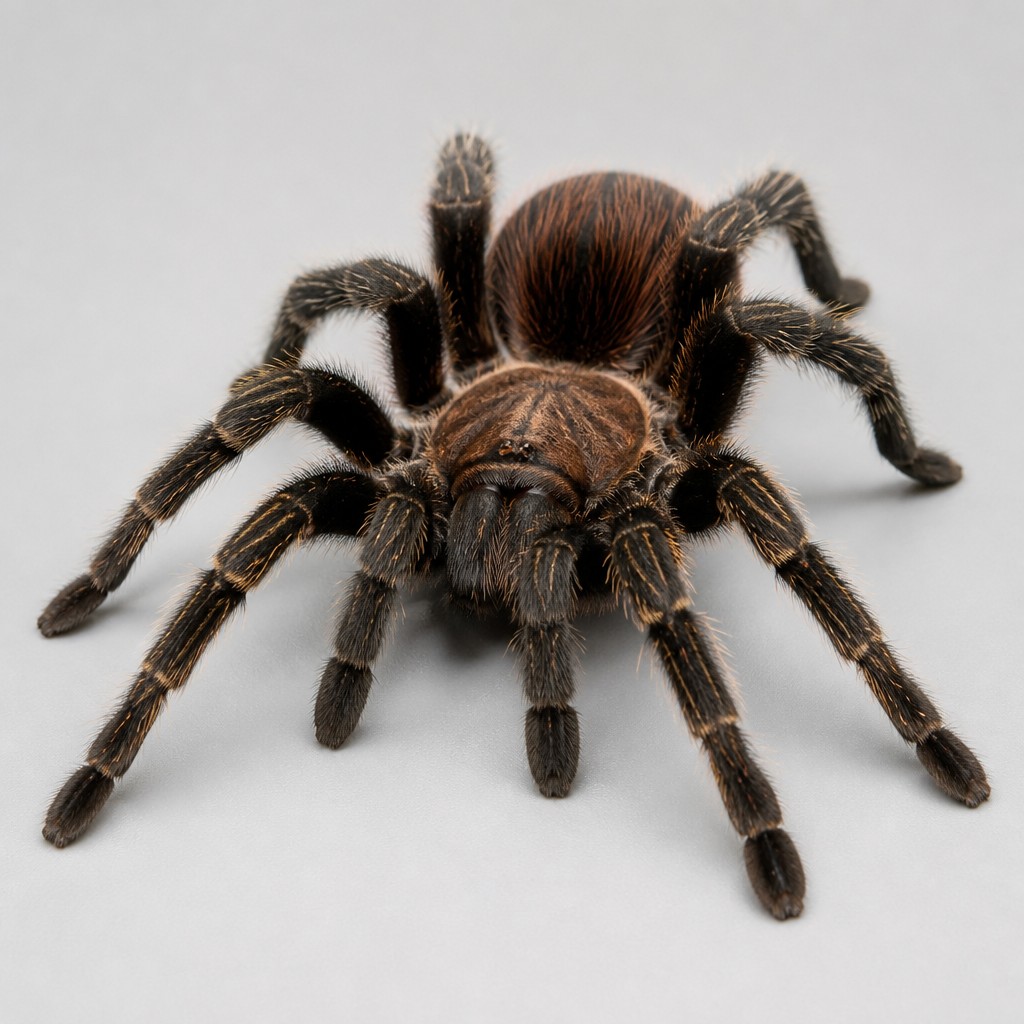
Tarantula
The tarantula is the heavyweight of the spider world, a densely furred, ground-hugging hunter that spends most of its long life waiting in a silk-lined burrow for prey to wander past.
spider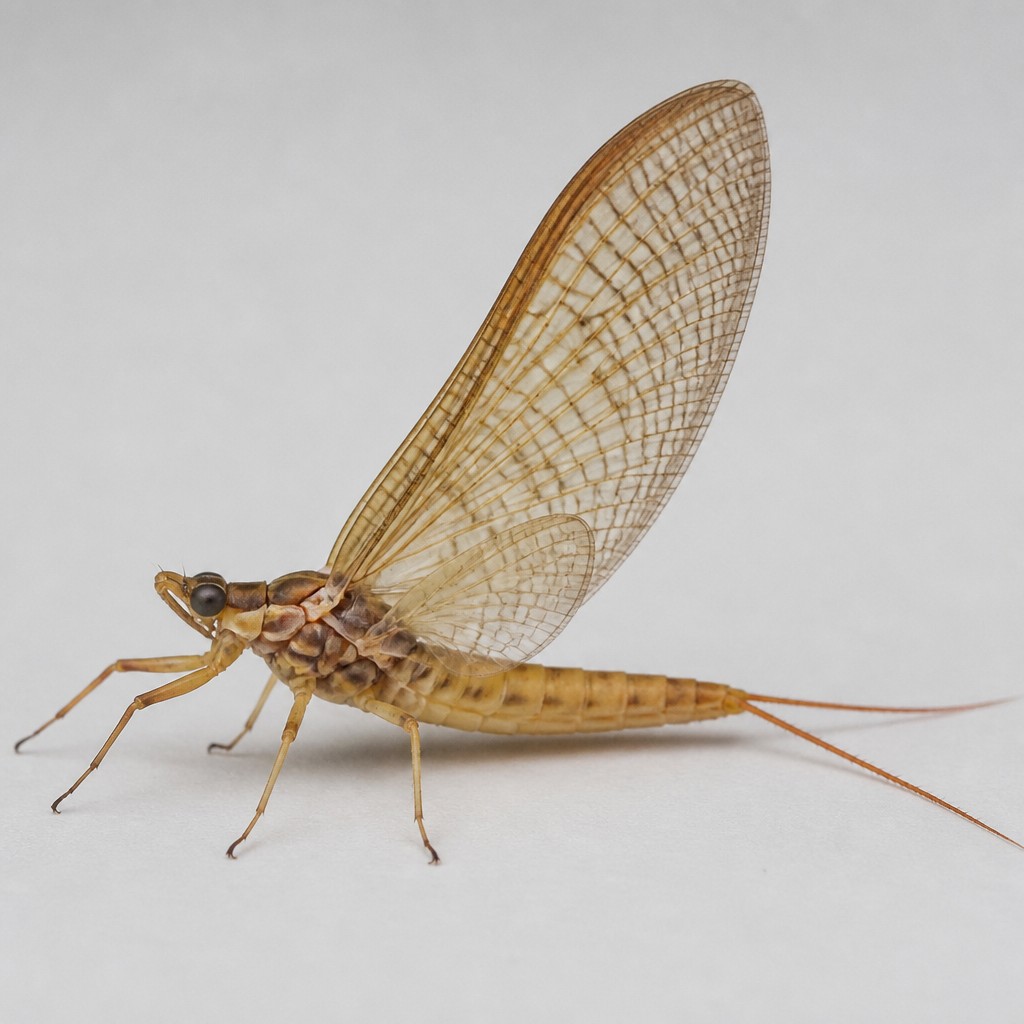
Giant Mayfly
Known for emerging by the billions in summer swarms so dense they can show up on weather radar, the Giant Mayfly is one of the largest and most abundant mayflies in North America.
aquatic-insect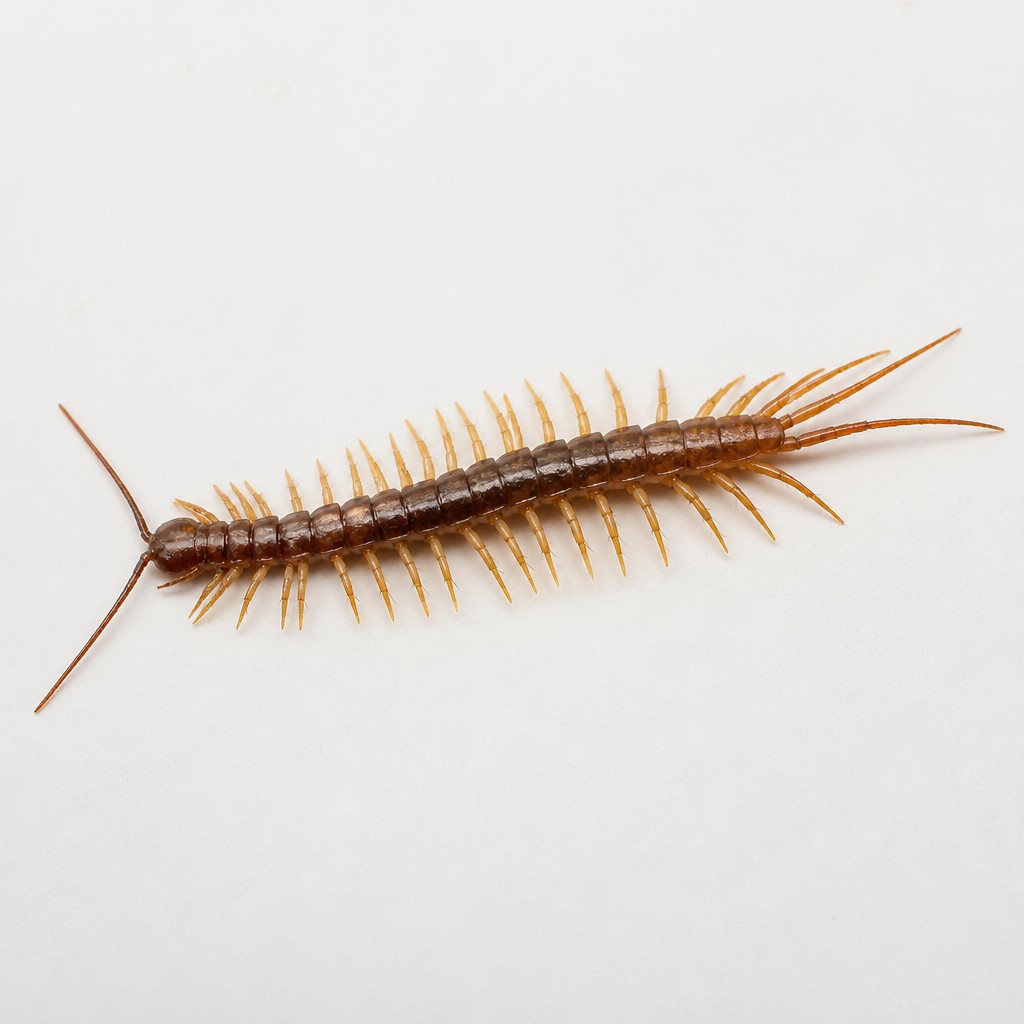
Stone Centipede
A quick, flattened, reddish-brown centipede that darts for cover the instant its stone or log shelter is lifted, one of the most commonly seen centipedes in temperate gardens.
myriapod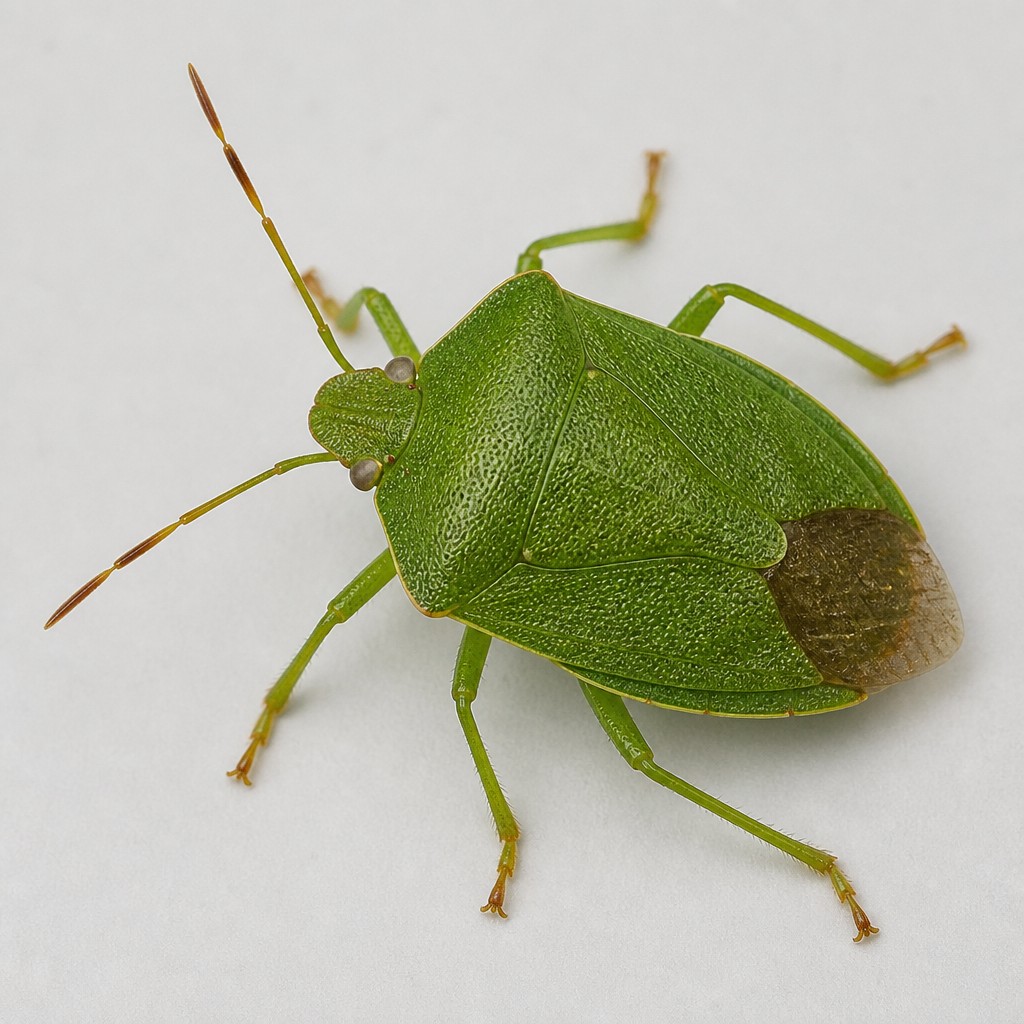
Green Shield Bug
A broad, shield-shaped true bug in solid bright green with a bronzy tinge in autumn, the green shield bug is one of the most commonly encountered stink bugs in European gardens and hedgerows.
true-bug