
Bug Encyclopedia
Search and identify bugs & insects — beetles, butterflies, moths, ants, bees, spiders and more — with size, habitat, danger, behavior, and how to tell them apart.
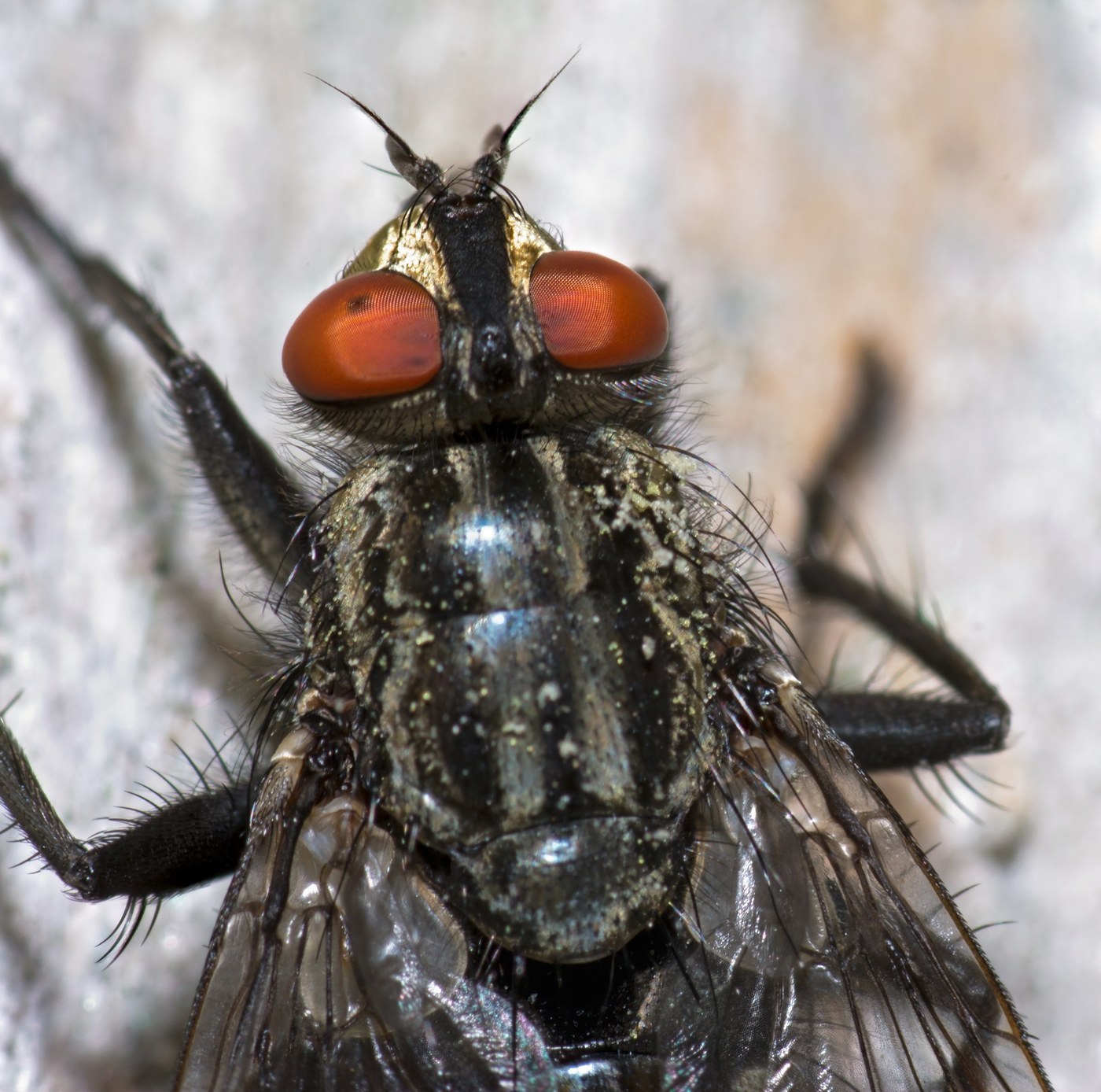
Flesh Fly
A bristly gray fly marked with three dark thoracic stripes and a checkerboard-patterned abdomen, often spotted hovering near carrion or garbage.
fly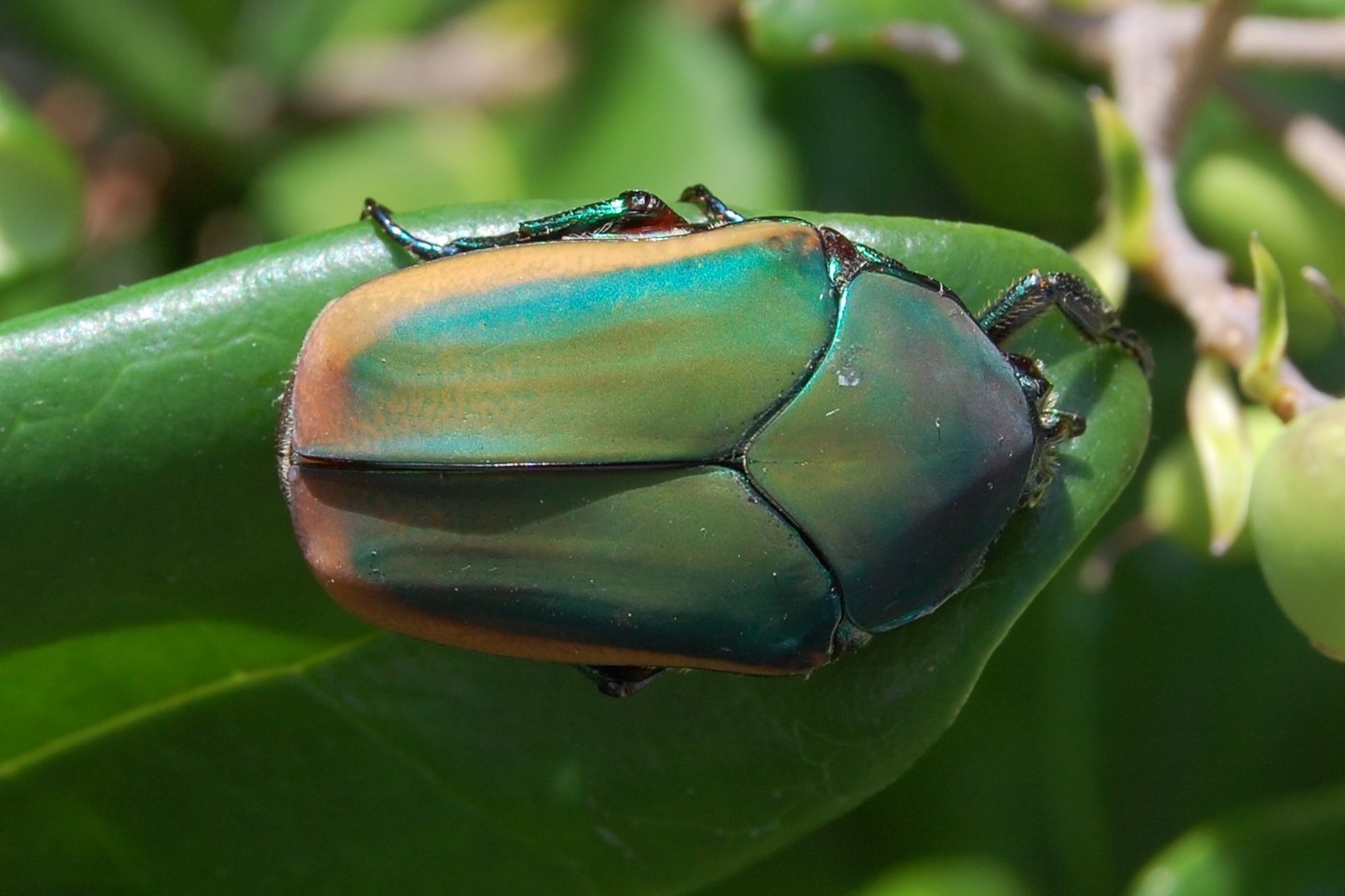
Fig Beetle
A large, dull metallic-green scarab beetle with a loud, buzzing flight, often seen crash-landing near ripe or overripe fruit and compost piles on warm summer days.
beetle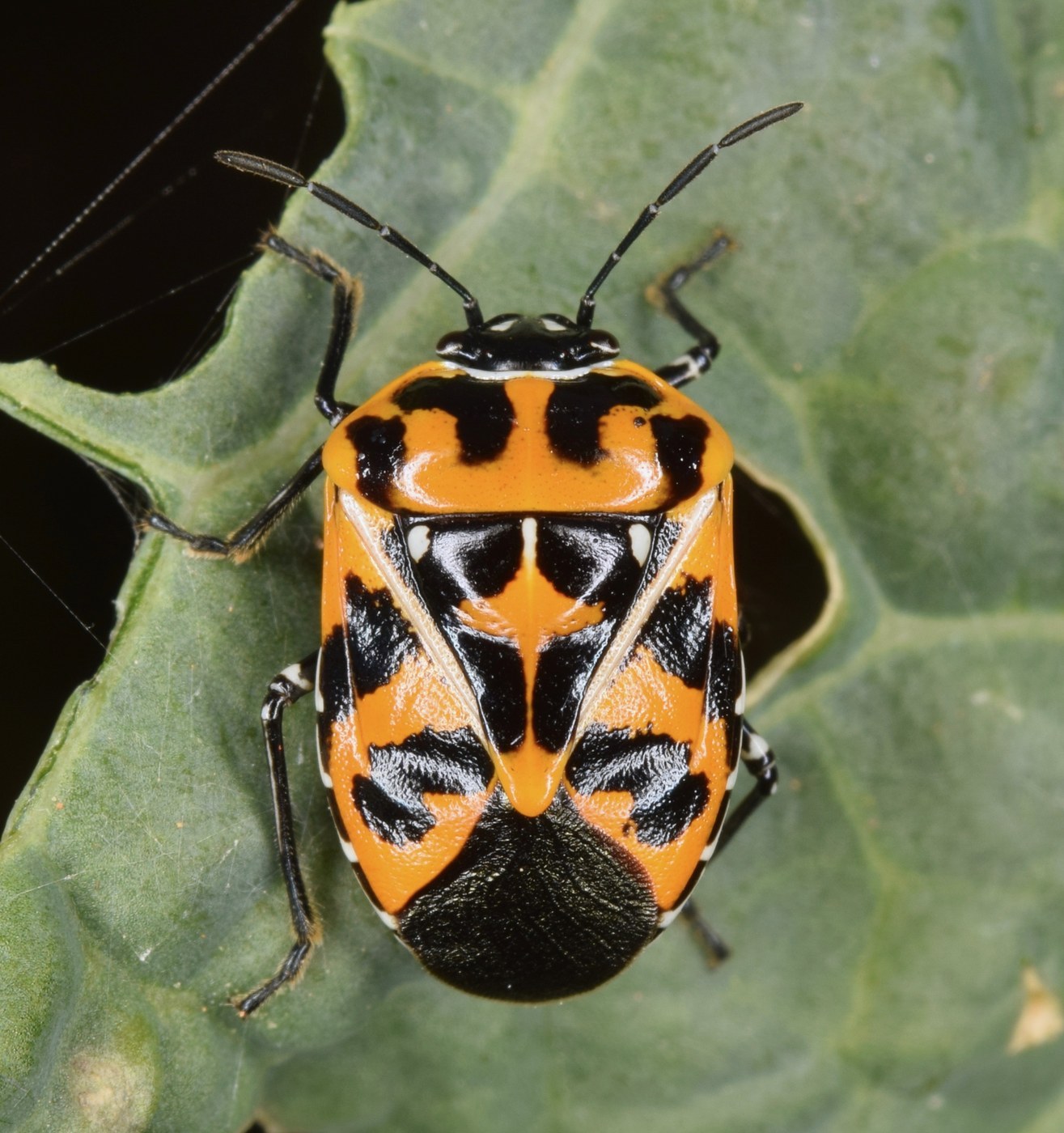
Harlequin Bug
A shield-shaped stink bug painted in bold black-and-orange (or red-and-yellow) blotches, making it one of the most colorful and easily recognized true bugs on cabbage and other cole crops.
true-bug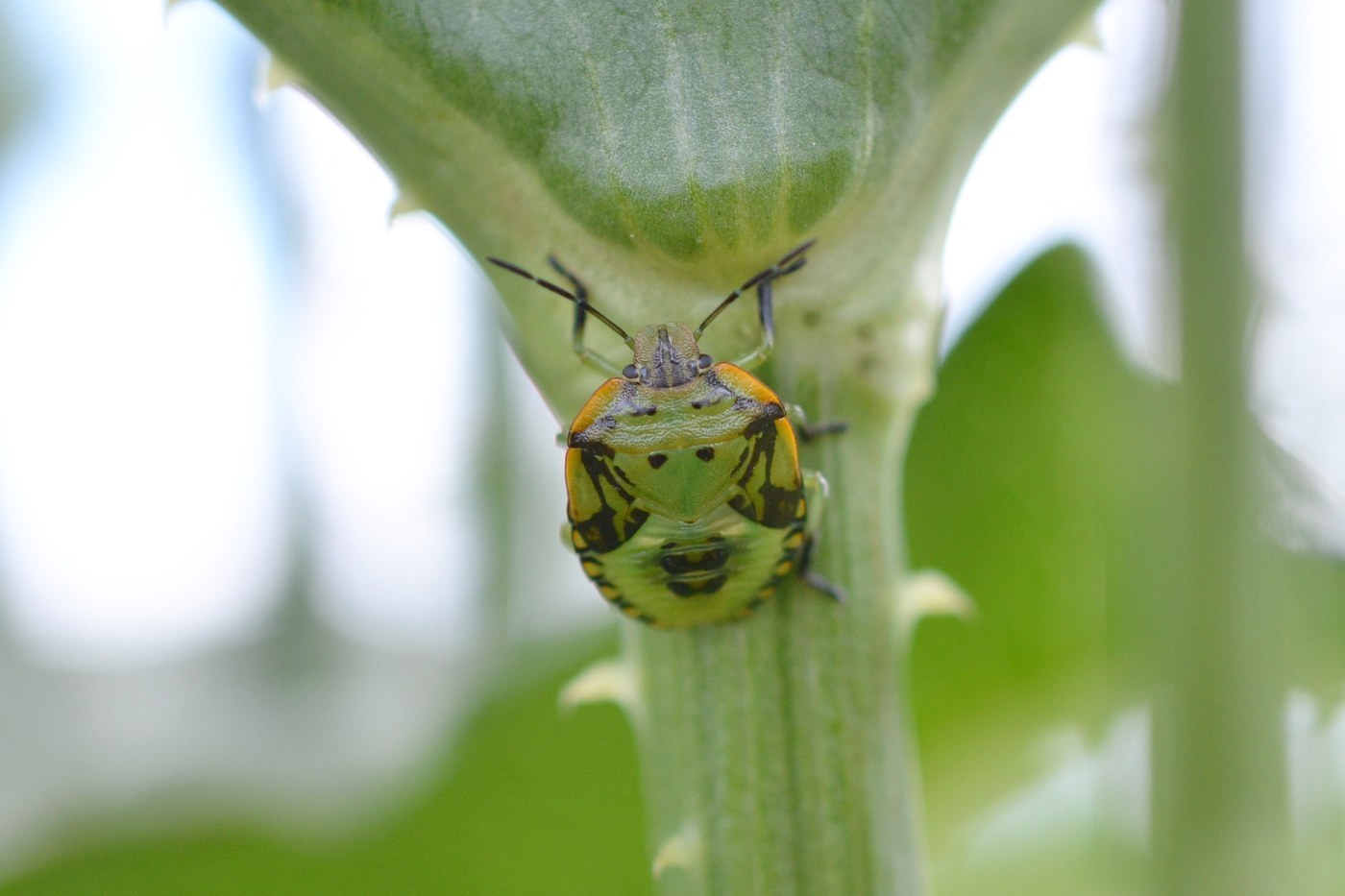
Green Stink Bug
A broad, shield-shaped bug in solid bright green with a shell-like appearance, easily disturbed off host plants and known for releasing a pungent odor when handled.
true-bug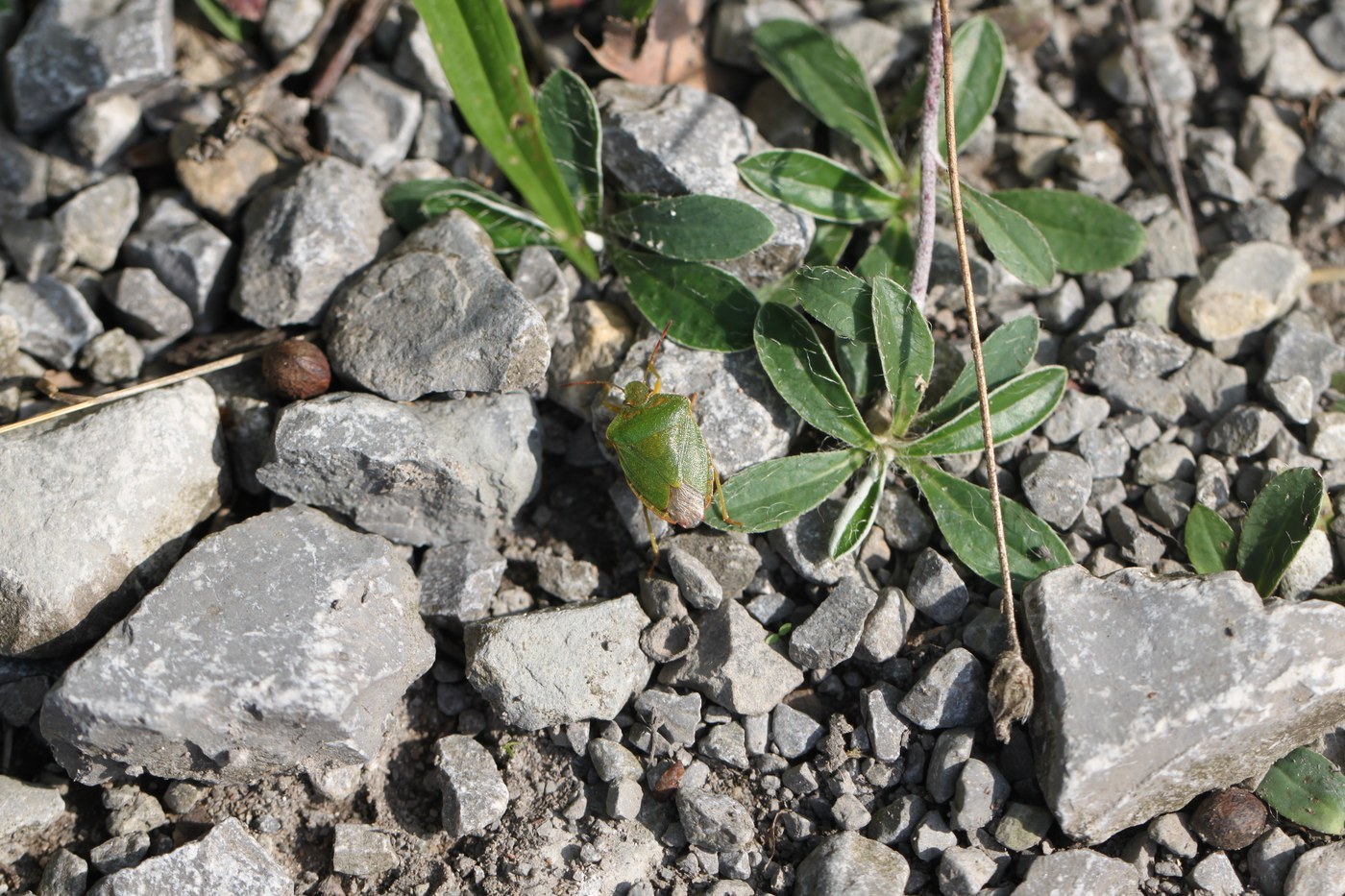
Green Shield Bug
A broad, shield-shaped true bug in solid bright green with a bronzy tinge in autumn, the green shield bug is one of the most commonly encountered stink bugs in European gardens and hedgerows.
true-bug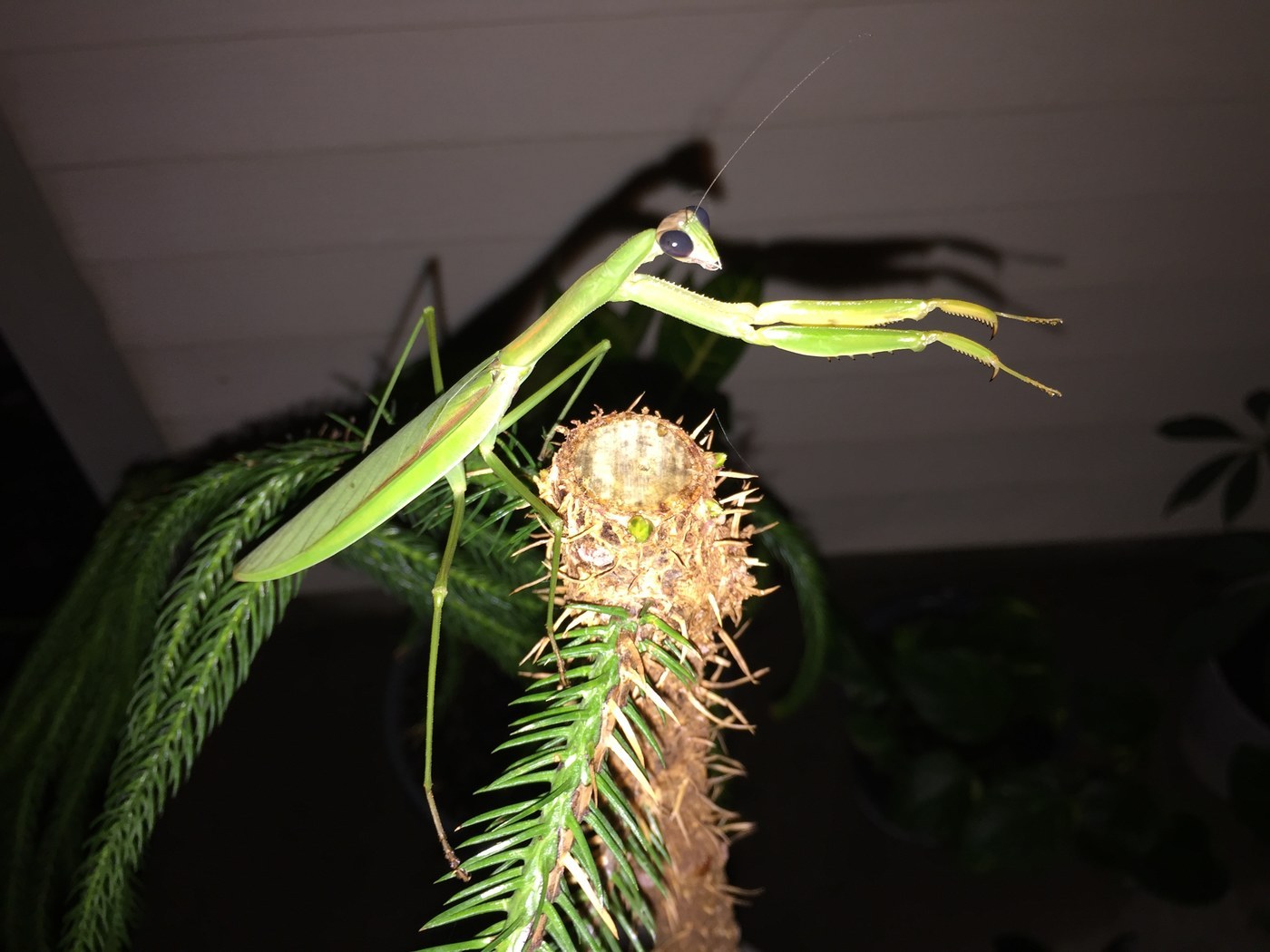
Chinese Mantis
One of the largest praying mantises found in North America, an introduced species with a lean brown-and-green body and grasping spined forelegs built for ambushing insect prey.
mantis-stick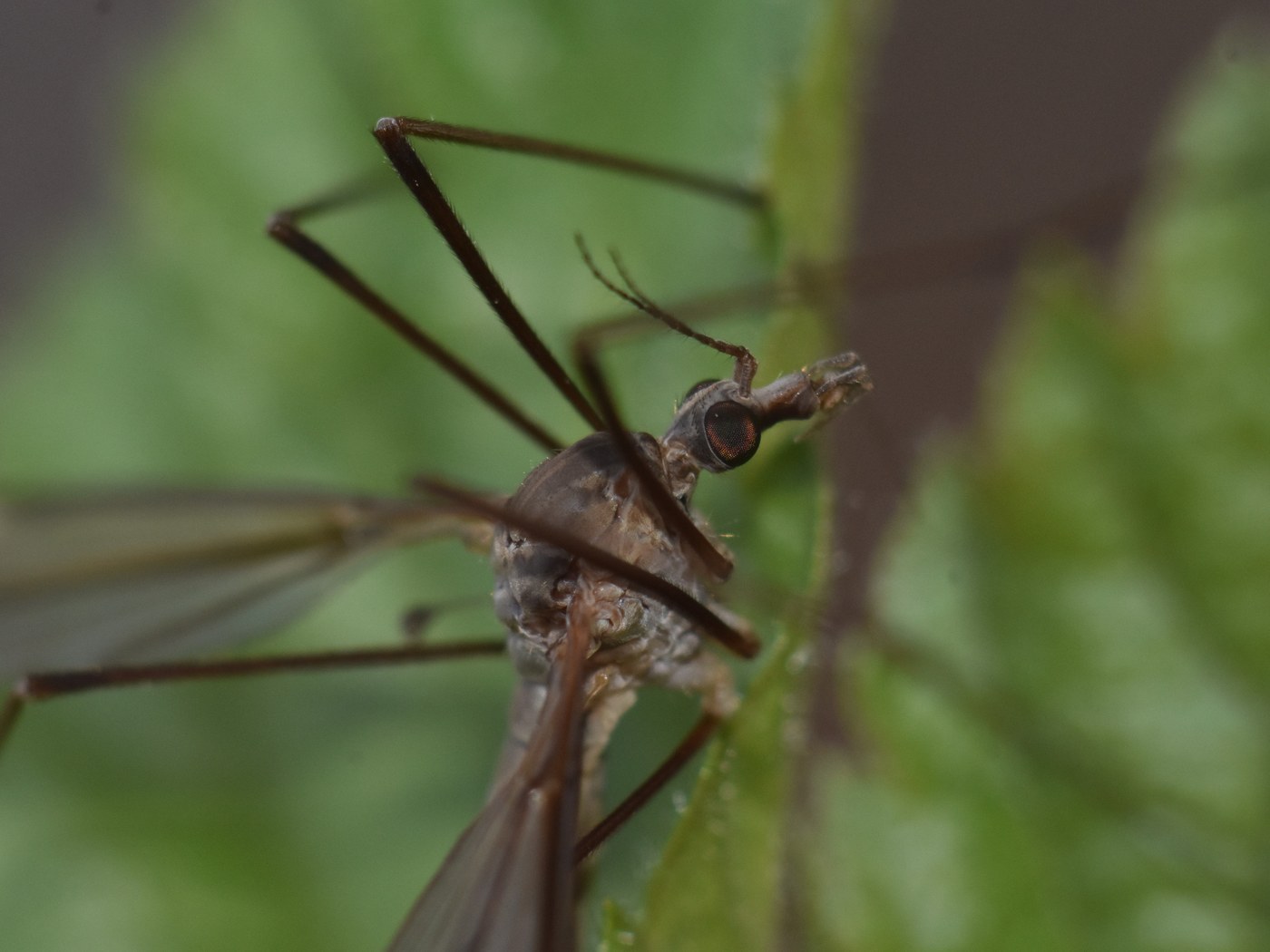
Crane Fly
A long-legged, mosquito-like fly with a slender tan or gray body and a single pair of narrow wings, often seen wobbling clumsily around outdoor lights on summer evenings.
fly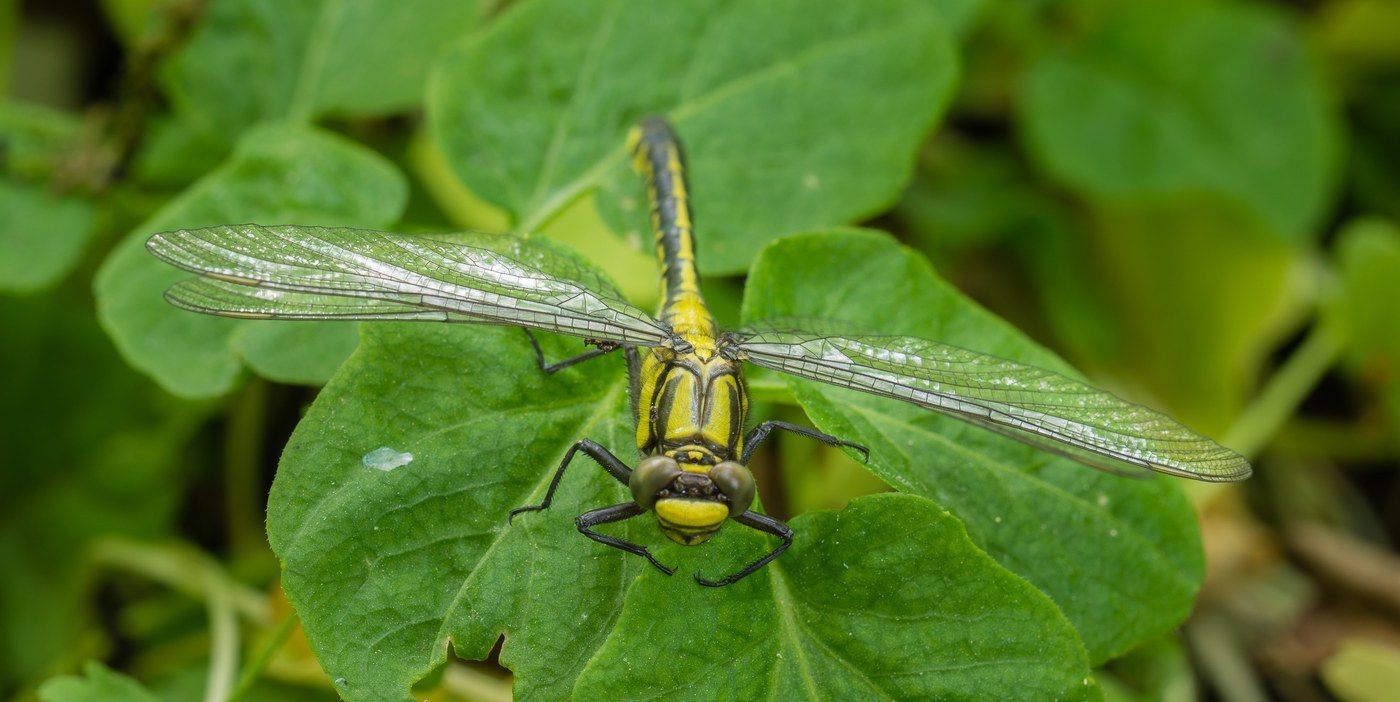
Common Clubtail
This river-loving dragonfly gets its name from the noticeably widened, club-shaped tip of its abdomen, which it displays as it rests on sunlit waterside vegetation.
dragonfly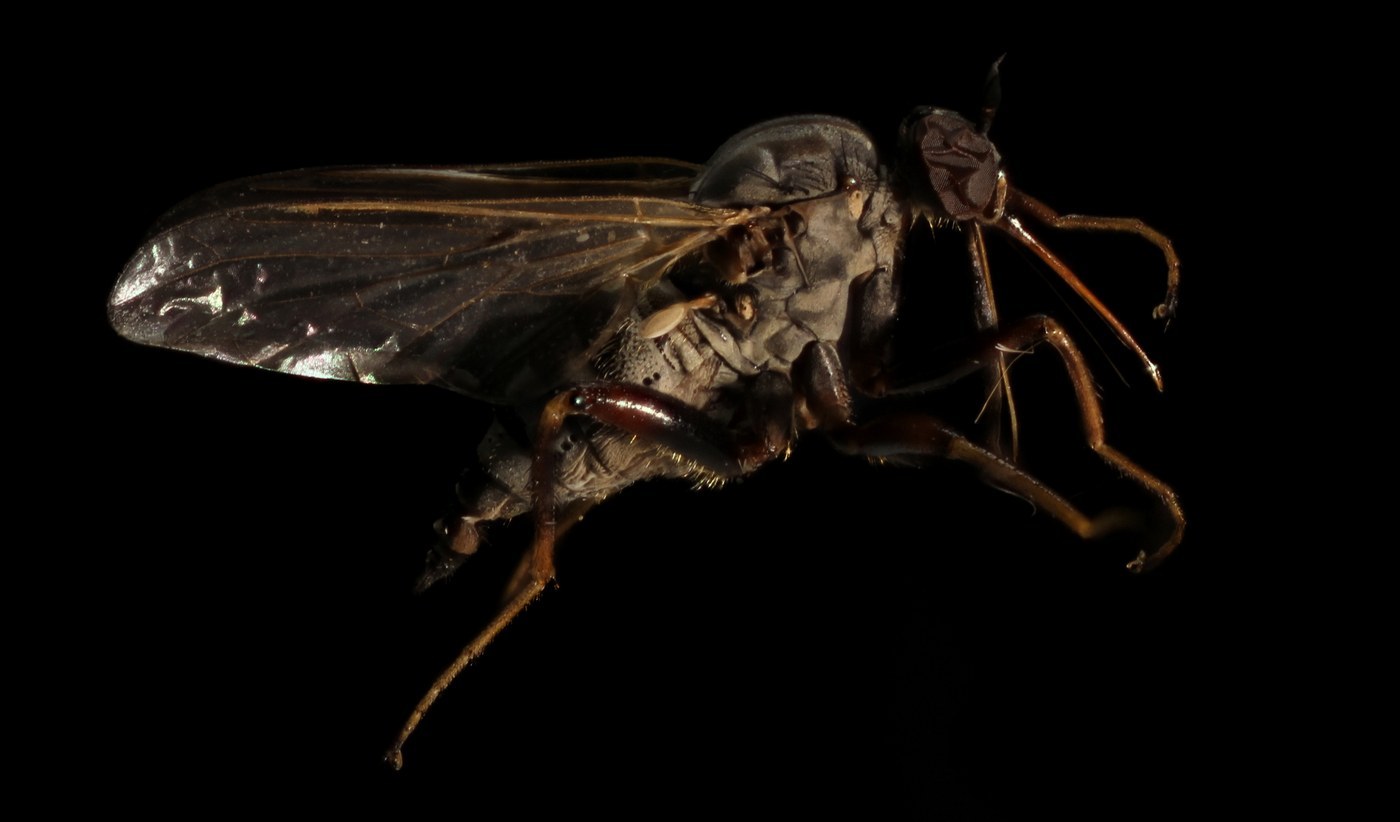
Dance Fly
A slender, long-legged predatory fly named for the swarming courtship dances males perform at dusk, often while carrying a captured insect as an offering.
flyDiving Beetle Larva (Water Tiger)
Nicknamed the water tiger, the larva of a predaceous diving beetle is an elongated, sickle-jawed hunter that stalks the shallows and seizes prey many times its own size.
beetle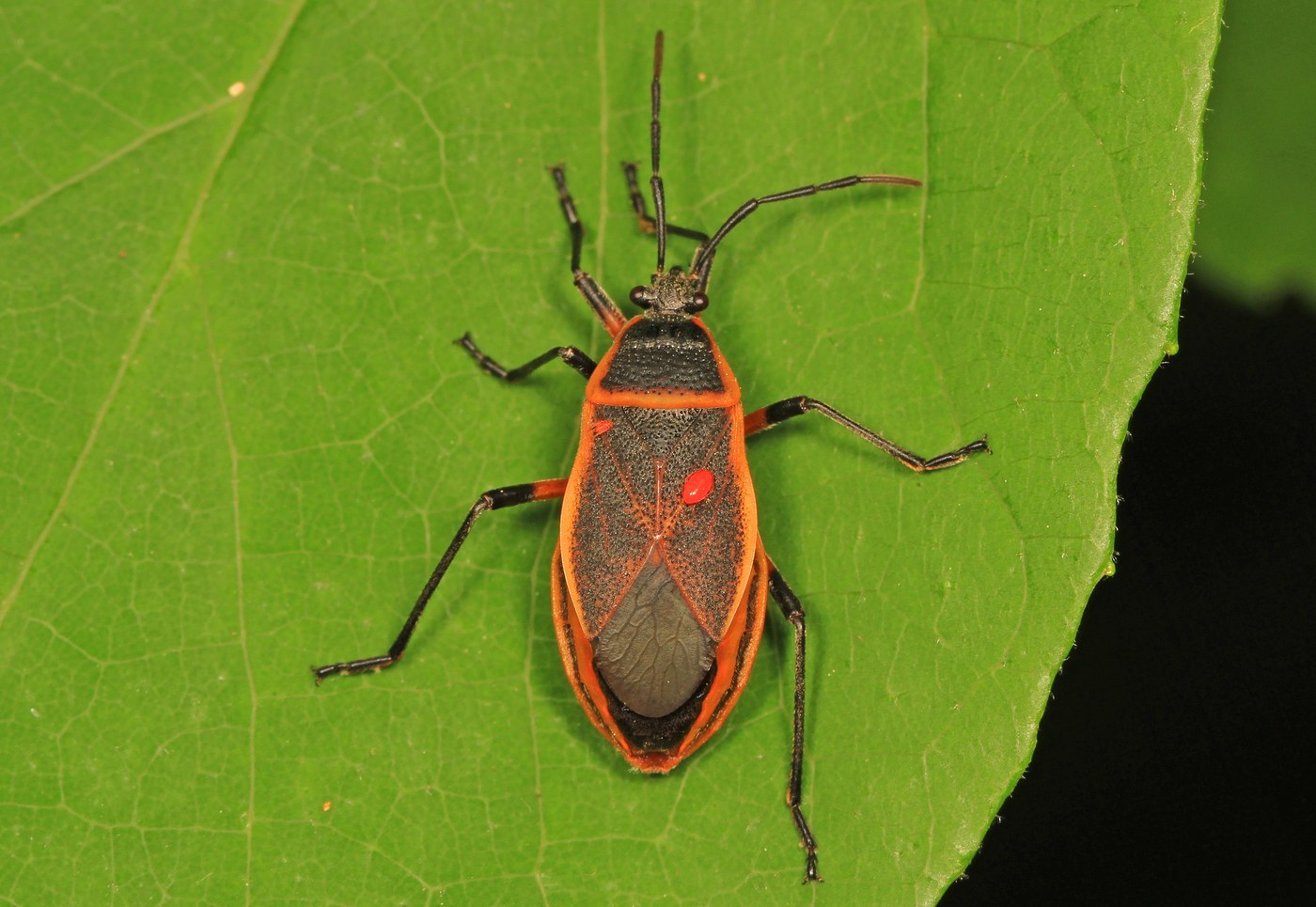
Bordered Plant Bug
A dark, oval-bodied true bug with a distinct pale margin around its wing edges, often mistaken for a large ant or beetle when its nymphs cluster together in tight groups.
true-bug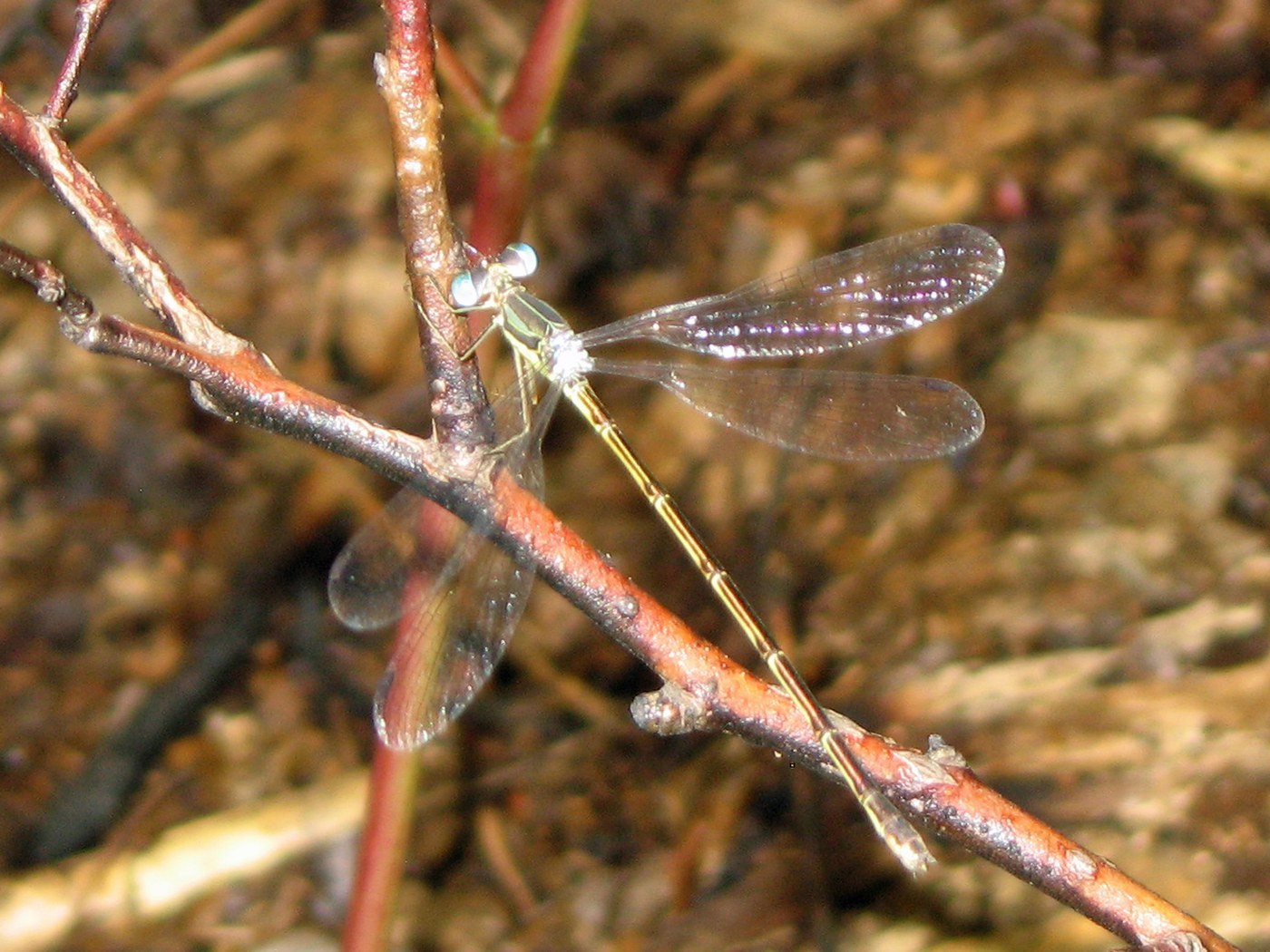
Common Spreadwing
True to its family name, the Common Spreadwing perches with its wings held out at an angle rather than folded together, setting it apart from most other damselflies.
dragonfly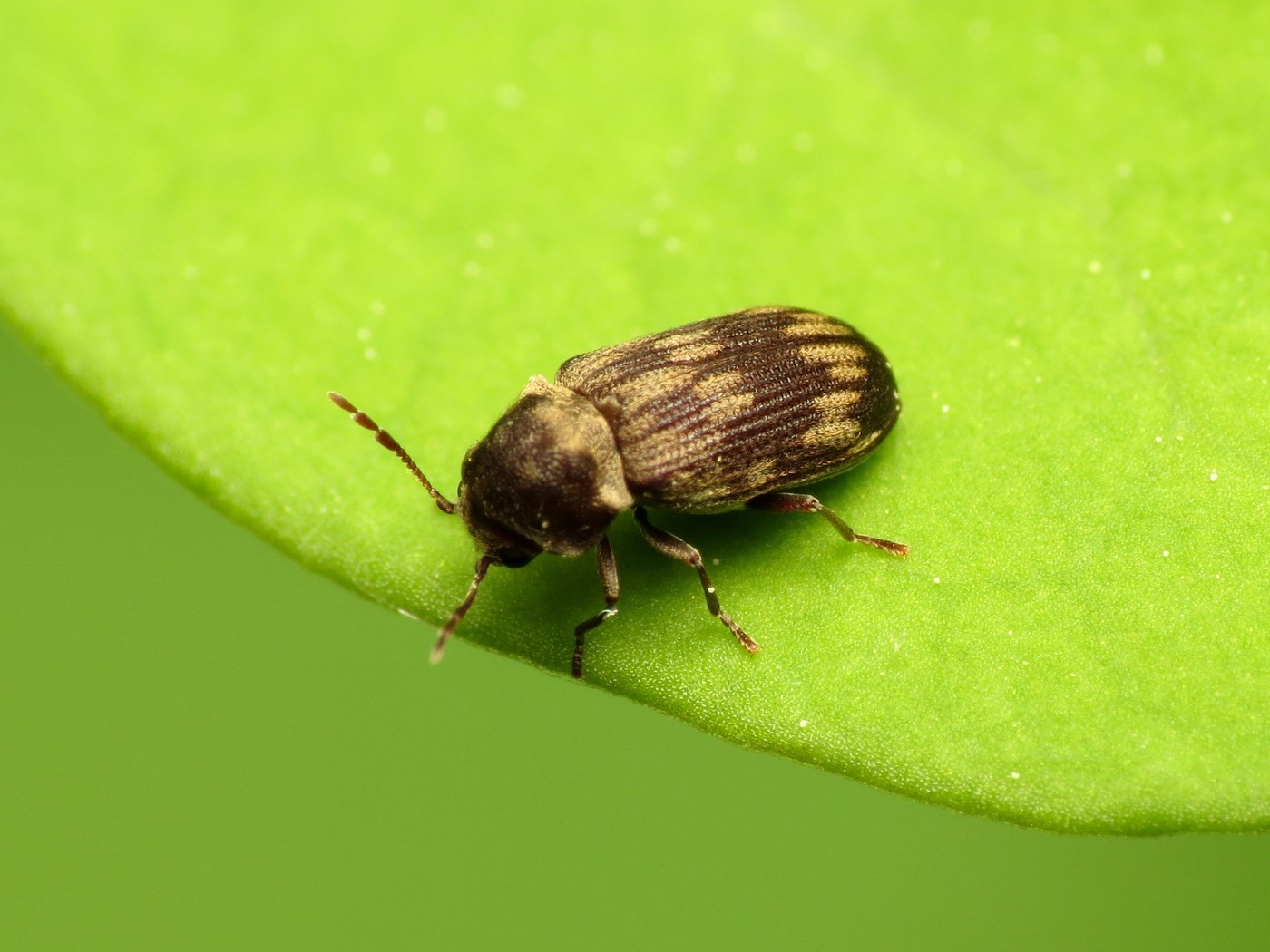
Death Watch Beetle
A mottled brown wood-boring beetle famous for the faint ticking sound it taps out inside old timbers, once thought by superstitious listeners to be an omen of death.
beetle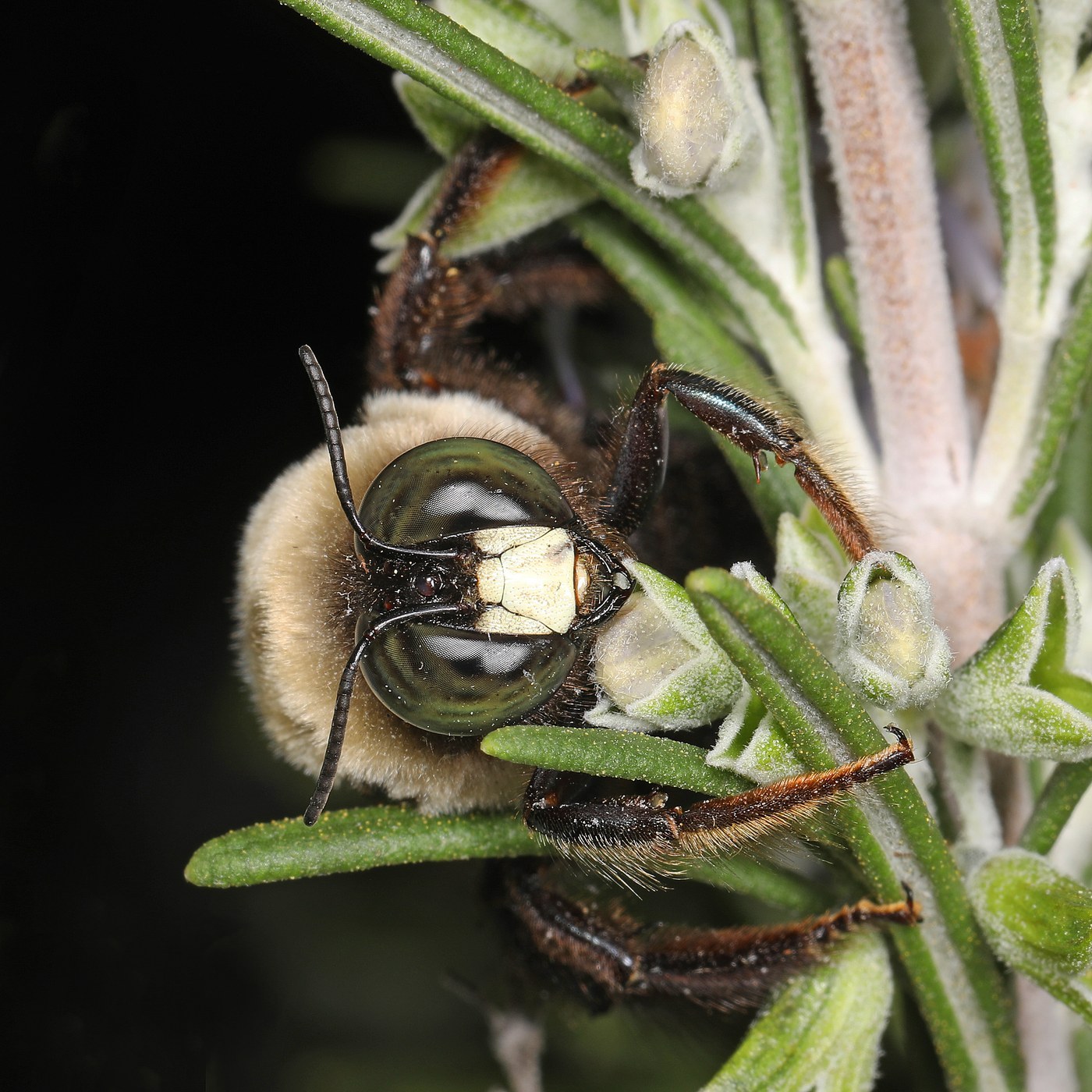
Carpenter Bee
A large, robust bee closely resembling a bumblebee but with a shiny, mostly bald black abdomen, known for excavating tunnel nests into bare, untreated wood.
bee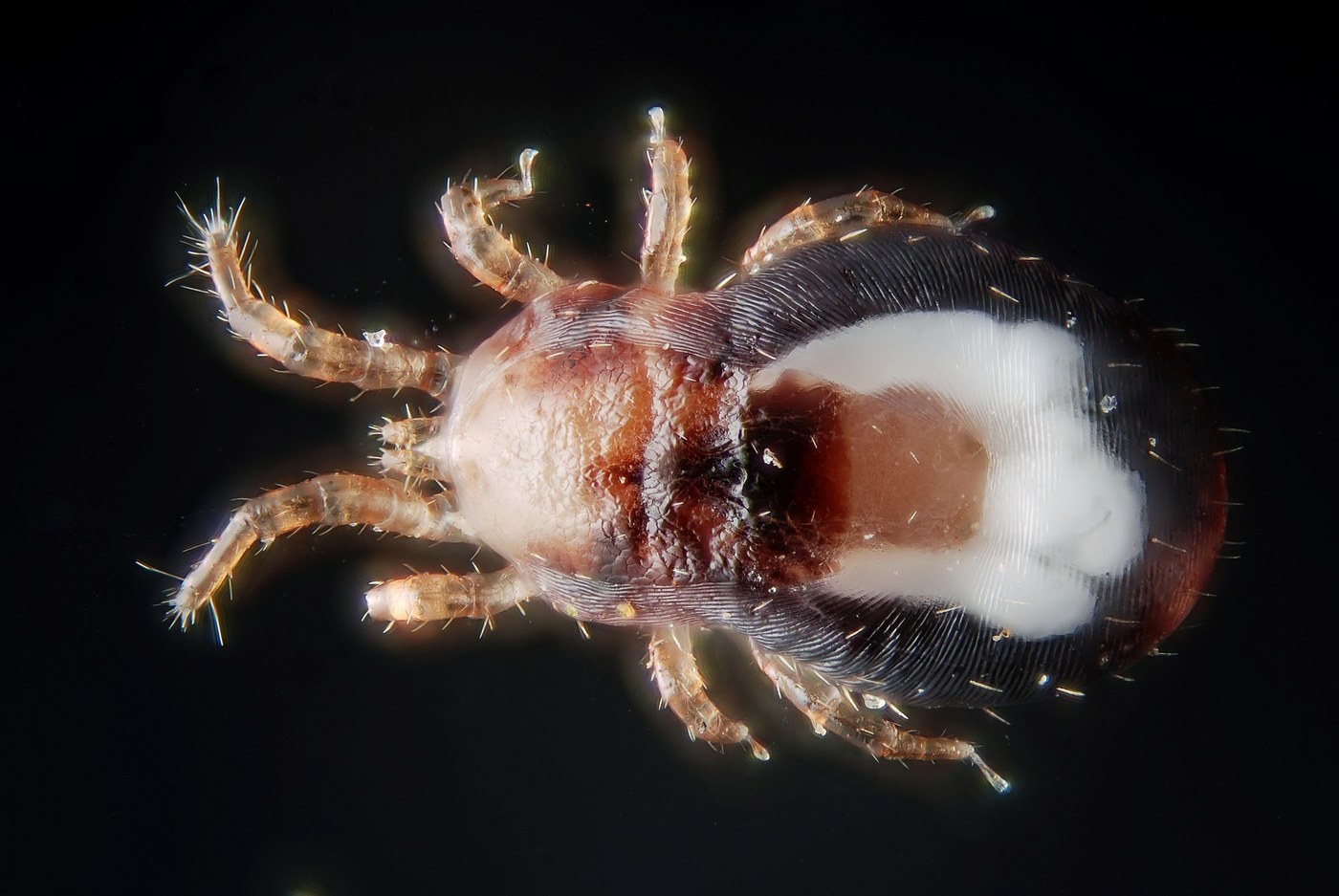
Chicken Mite
A tiny, blood-feeding mite that hides in cracks and crevices of poultry housing by day and emerges at night to feed on roosting birds, turning a dull gray to deep red after a blood meal.
arachnid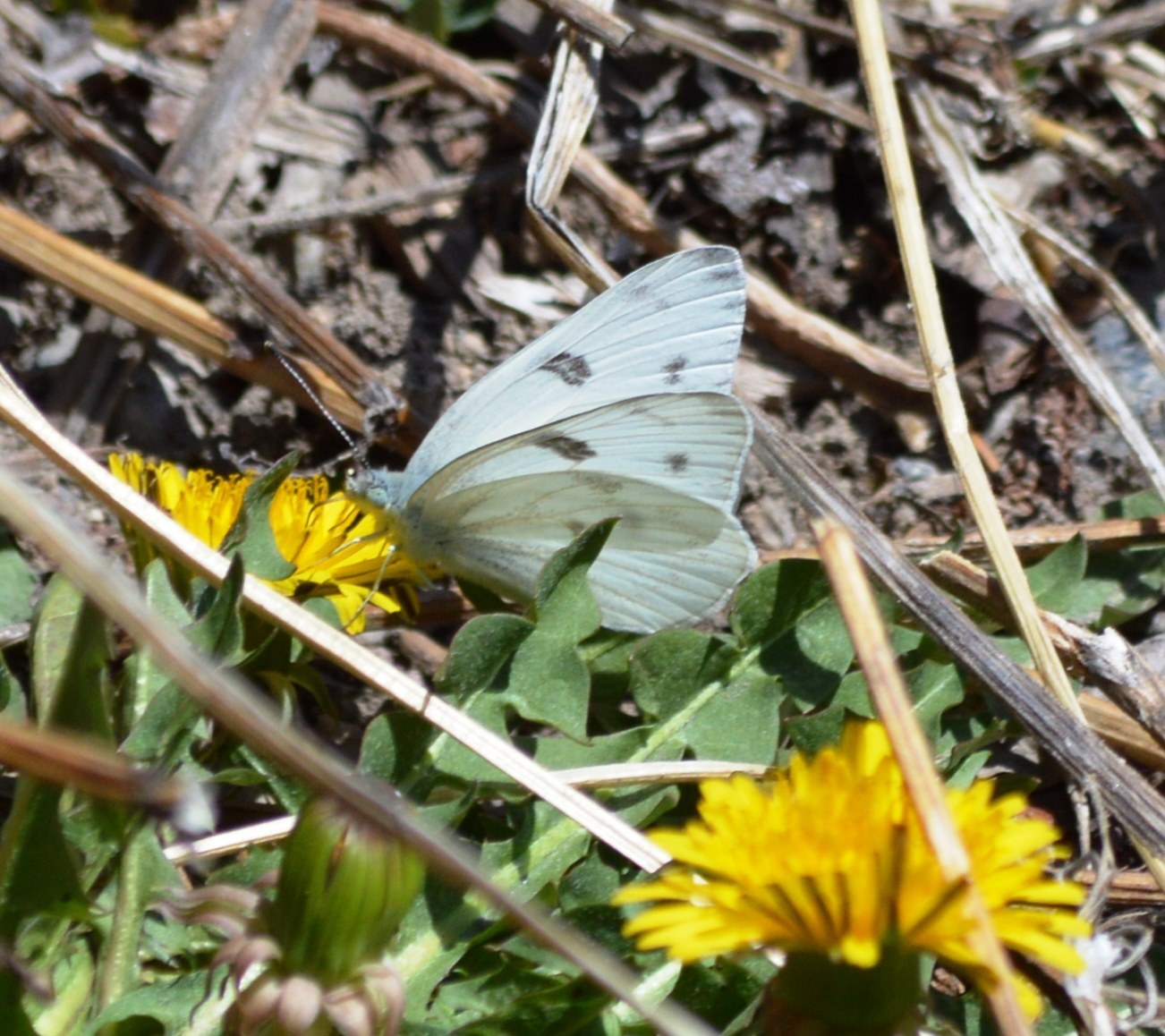
Checkered White
A white butterfly patterned with irregular gray-black checkered spots, commonly fluttering low over open, sunny, weedy fields across much of North America.
butterfly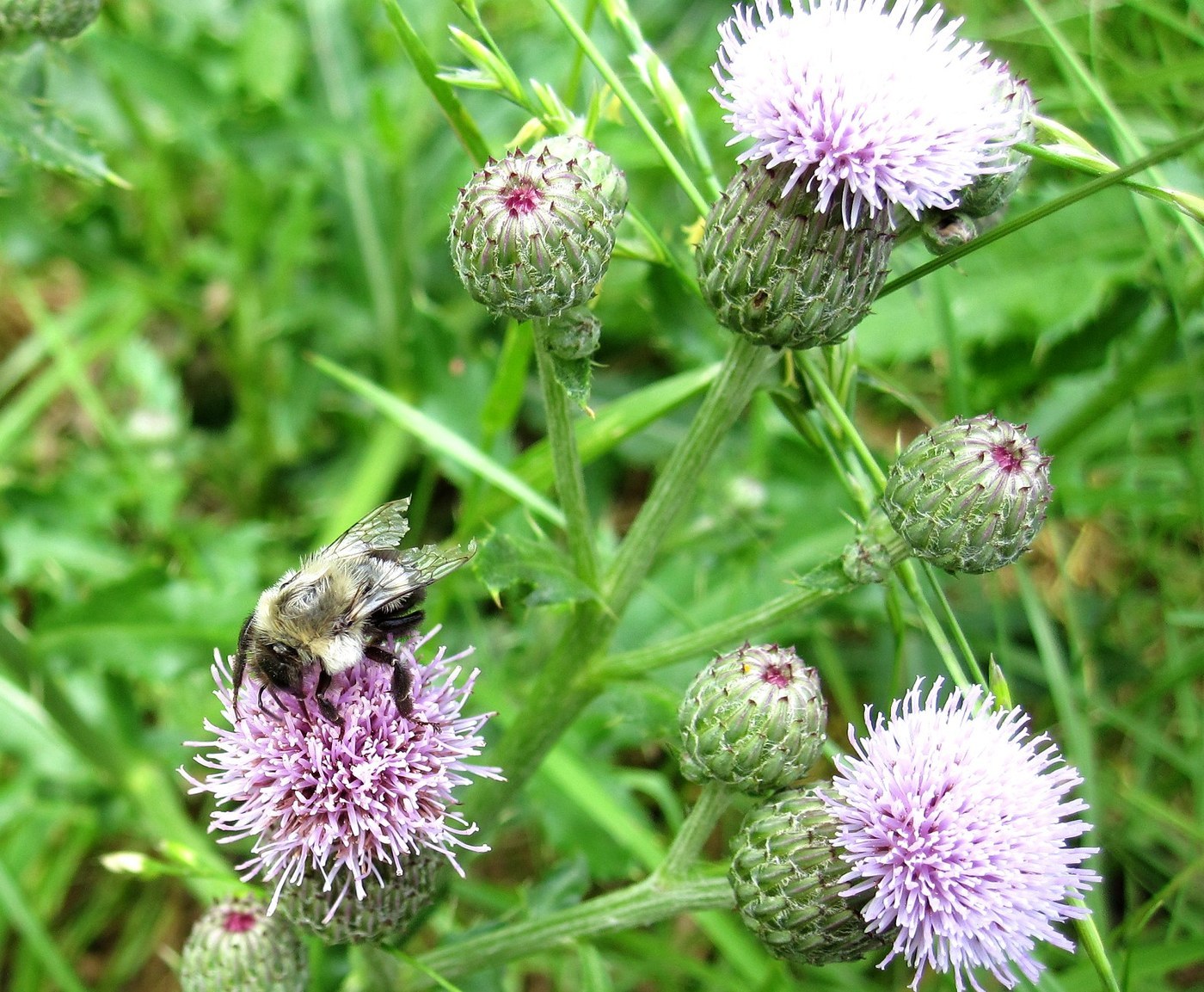
Bumblebee
A large, round, densely furry bee with bold black-and-yellow banding, known for its loud, low-pitched buzz and its ability to fly and forage in cooler temperatures than most other bees.
bee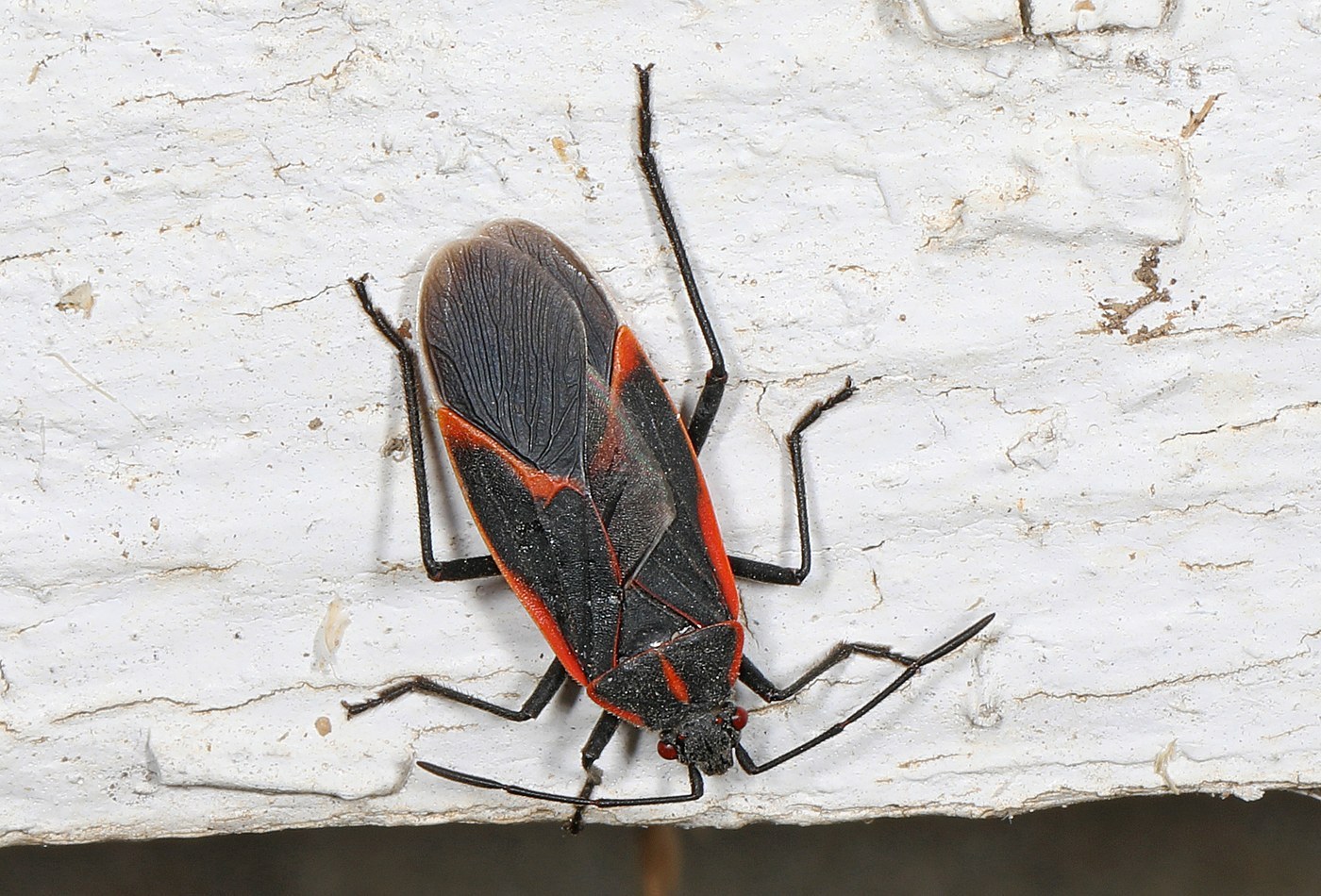
Boxelder Bug
A slender black true bug marked with three bold red-orange stripes on its thorax and red wing veins, famous for massing by the hundreds on tree trunks and sun-warmed walls in autumn.
true-bugBark Beetle
A tiny, cylindrical, dark-bodied beetle that tunnels beneath tree bark, leaving distinctive branching gallery patterns as the clearest sign of its presence.
beetle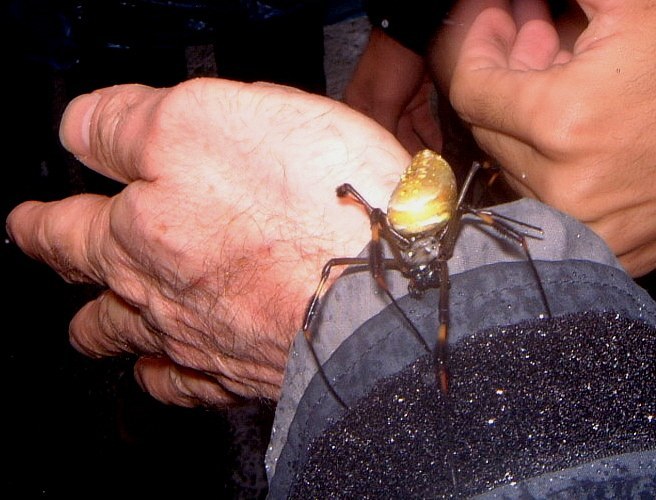
Banana Spider
"Banana spider" is a folk name applied inconsistently across the Americas, but in the southeastern United States it most often refers to the large, golden-silked orb weaver commonly seen spanning gaps between trees along shaded trails.
spiderWhip Scorpion
A flattened, spider-like arachnid with a pair of extraordinarily long, whip-thin front legs used to feel out its surroundings in the dark, and large spiny pedipalps held out front like a crab's claws. Despite the name and fearsome appearance, it has no stinger and no fangs.
arachnid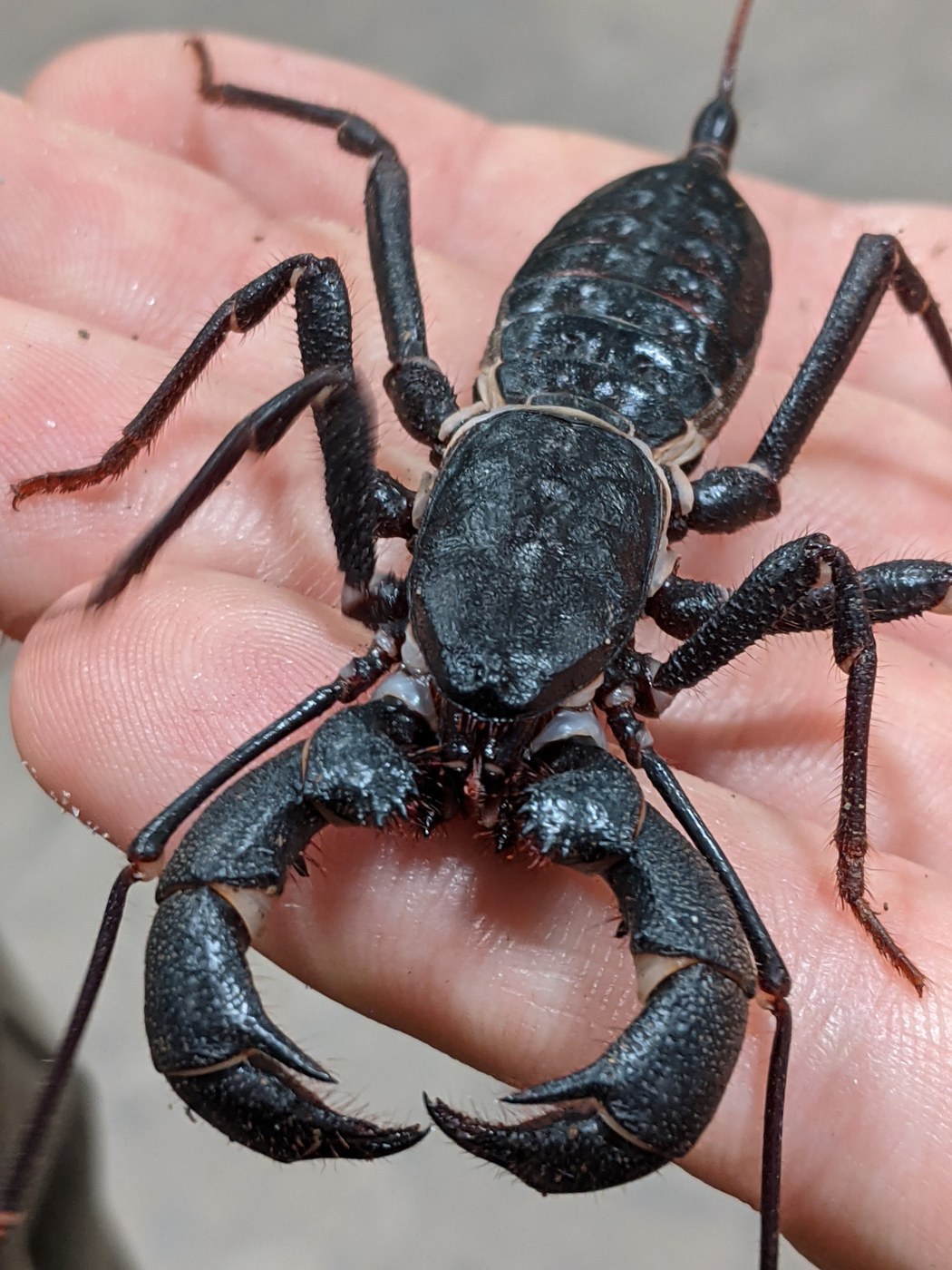
Vinegaroon
A robust, dark, scorpion-like arachnid whose long, thin whip for a tail gives it its name, and whose signature defense is spraying a concentrated mist of vinegar-scented fluid rather than stinging. Despite its intimidating look, it has no venom at all.
arachnid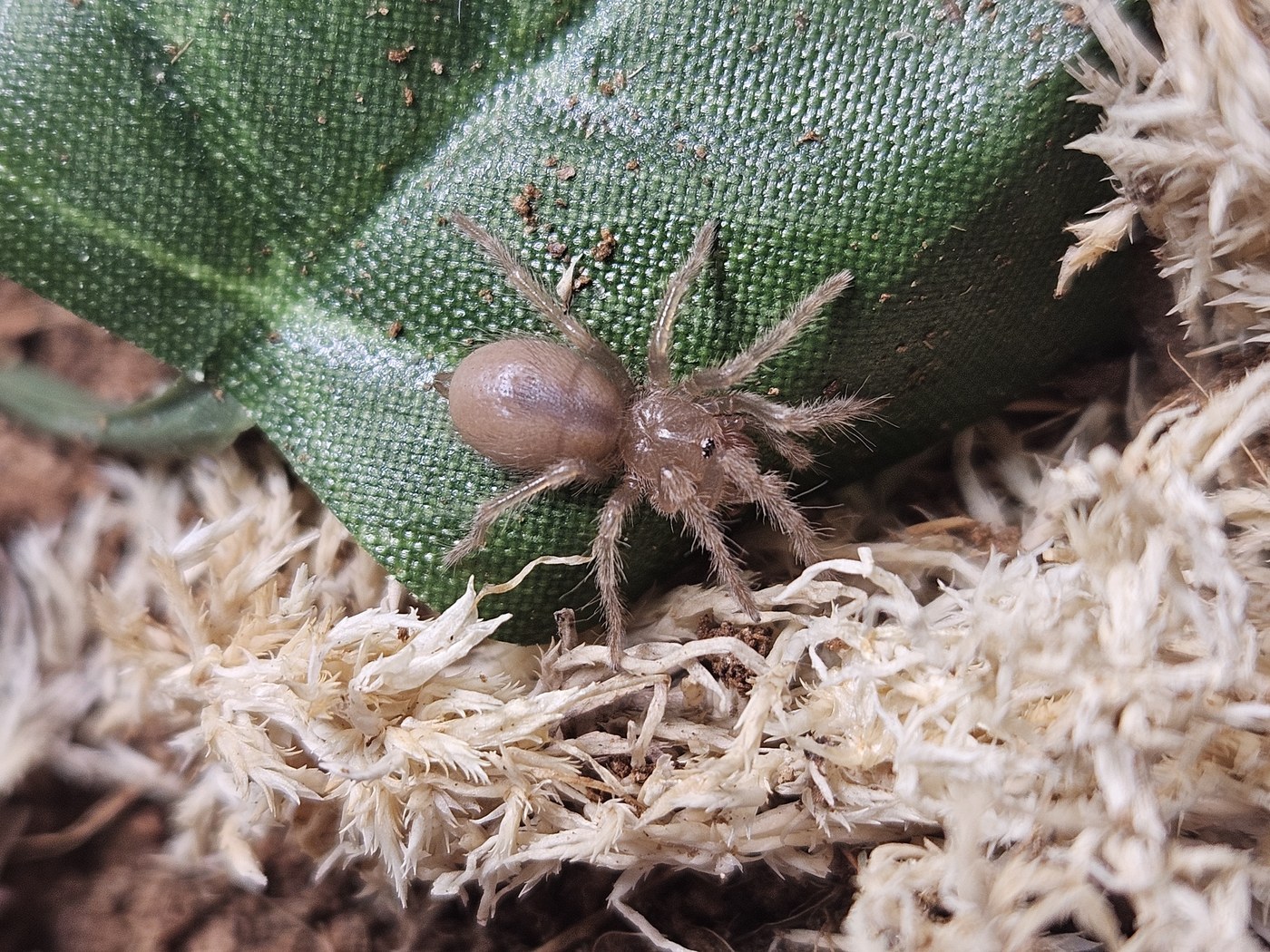
Mexican Redknee Tarantula
One of the most recognizable tarantulas in the world, this heavy-bodied spider has jet-black legs banded with vivid orange-red at each joint, and defends itself by kicking a cloud of irritating hairs from its abdomen rather than attacking.
spider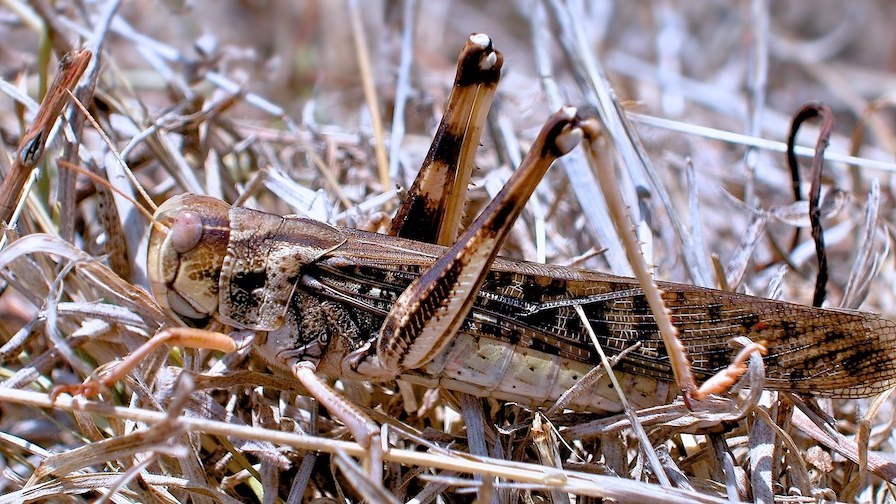
Locust
A large, powerful grasshopper capable of transforming from a solitary, harmless insect into a densely packed, migrating swarm when populations surge, historically famous for devastating crops across huge regions.
grasshopper-cricket