
Bug Encyclopedia
Search and identify bugs & insects — beetles, butterflies, moths, ants, bees, spiders and more — with size, habitat, danger, behavior, and how to tell them apart.
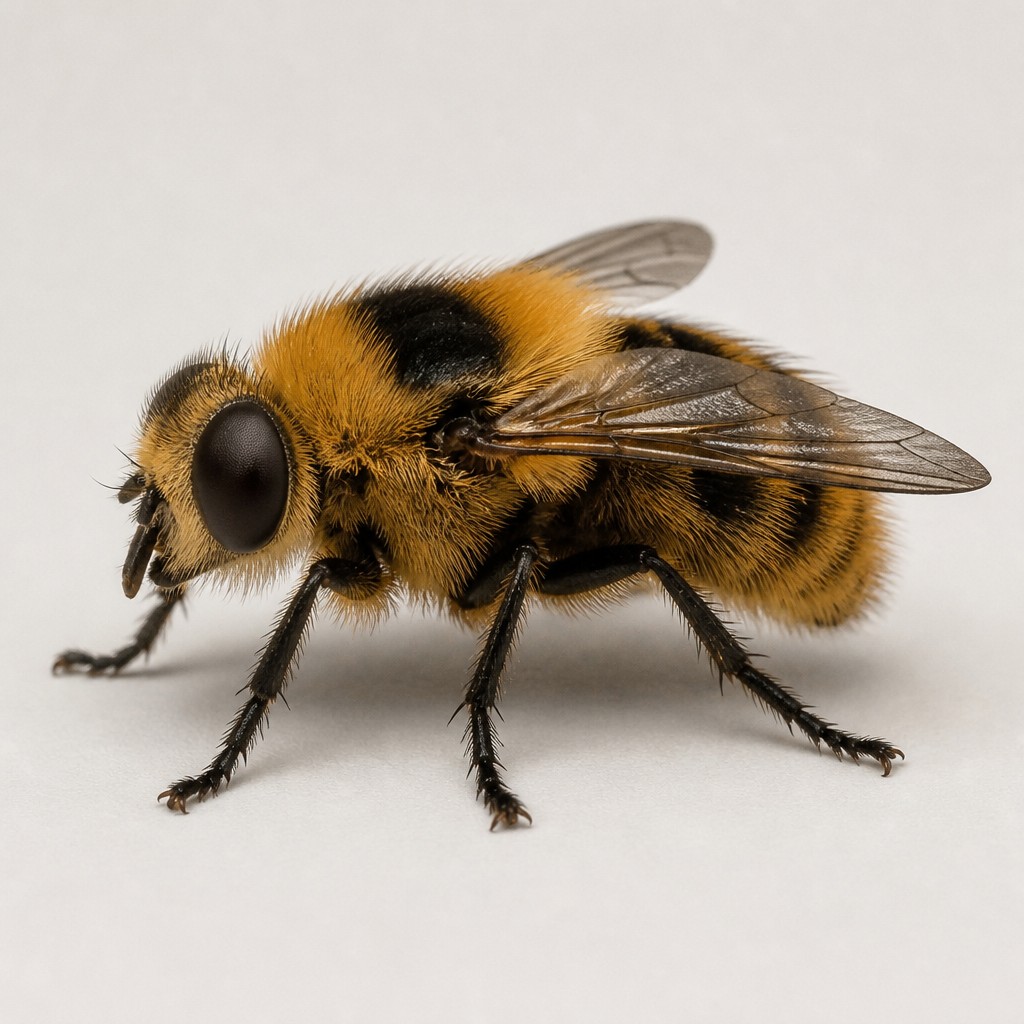
Warble Fly
A furry, bee-mimicking fly that never lands on flowers or feeds as an adult, spending its brief life darting around grazing cattle to lay eggs on their legs and lower body. Herds sometimes react with sudden panicked runs, known as gadding, whenever a warble fly approaches.
fly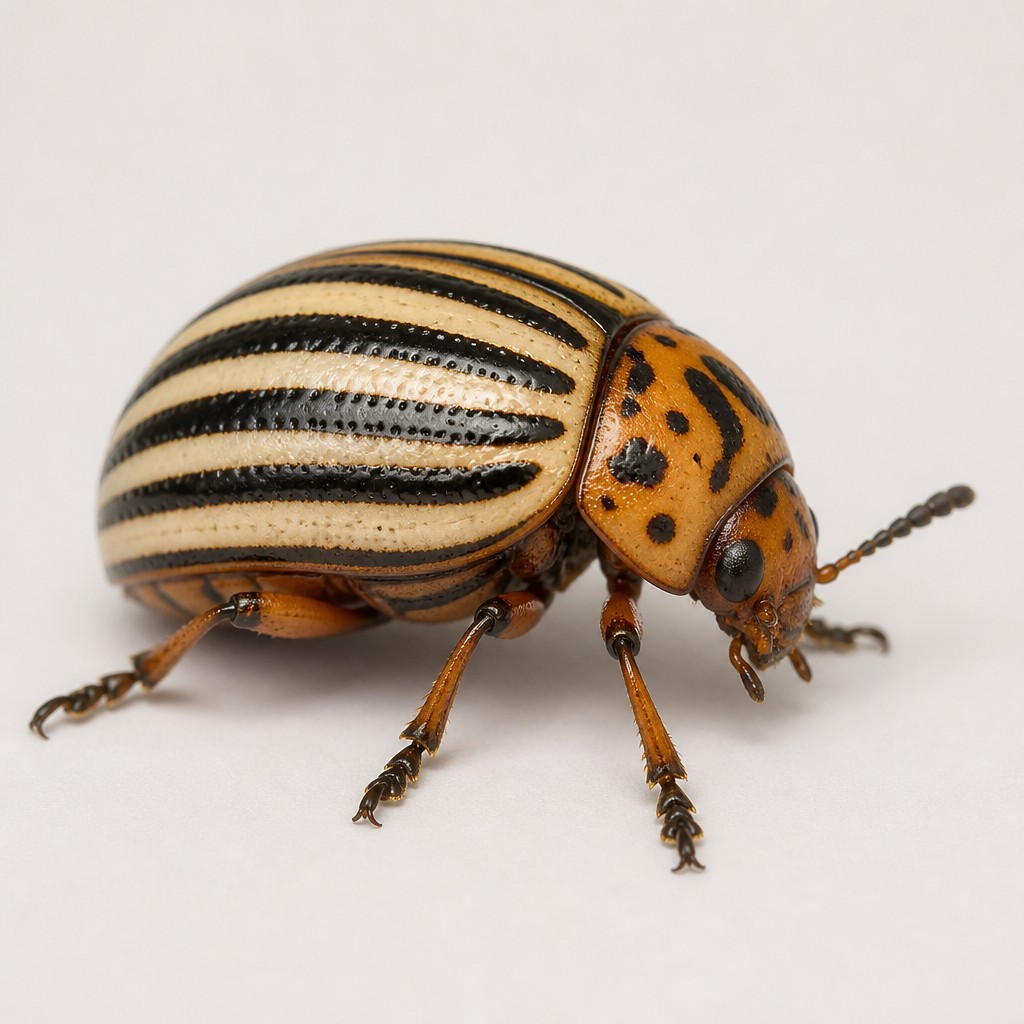
Colorado Potato Beetle
A rounded, boldly striped yellow-and-black beetle that is one of the most notorious defoliators of potato plants, easily spotted marching across leaves in gardens and fields.
beetle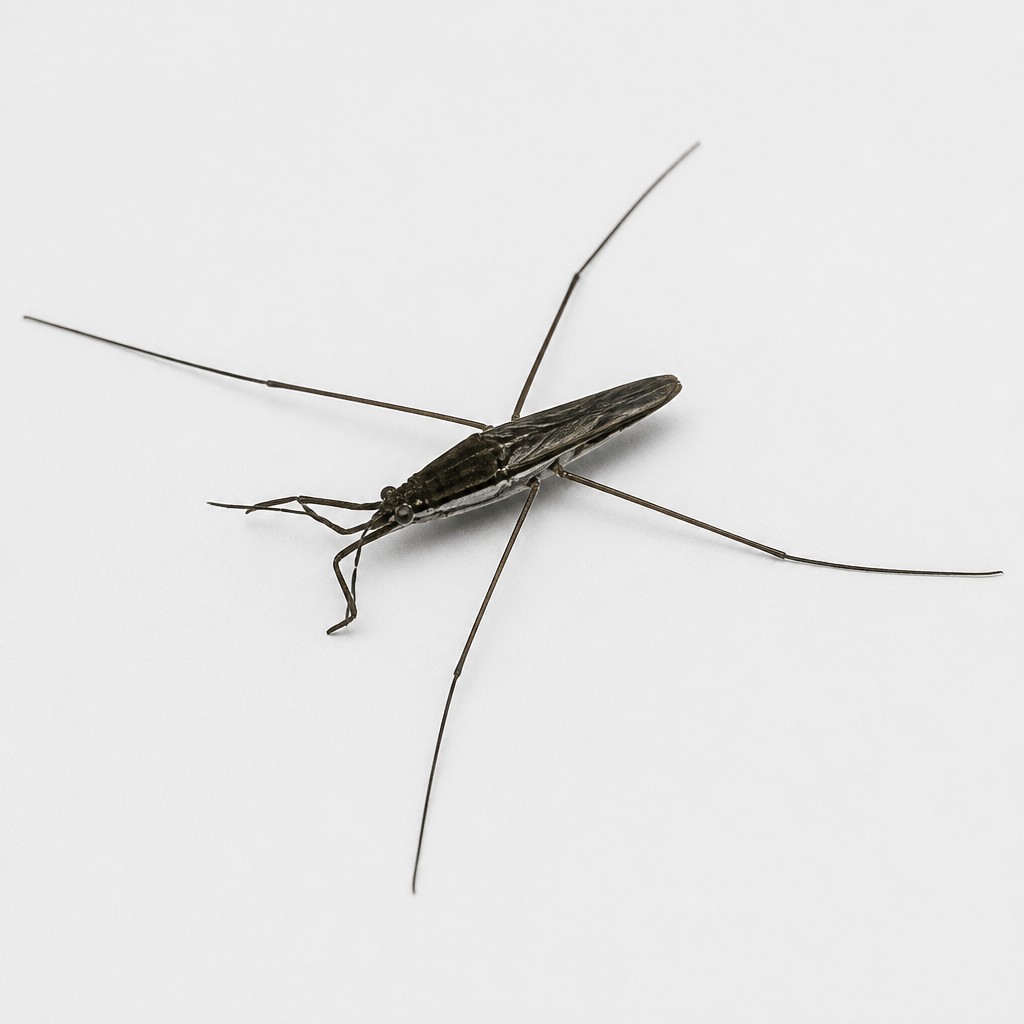
Water Strider
A slender, long-legged true bug famous for skating effortlessly across the surface of ponds and streams using water's surface tension.
aquatic-insect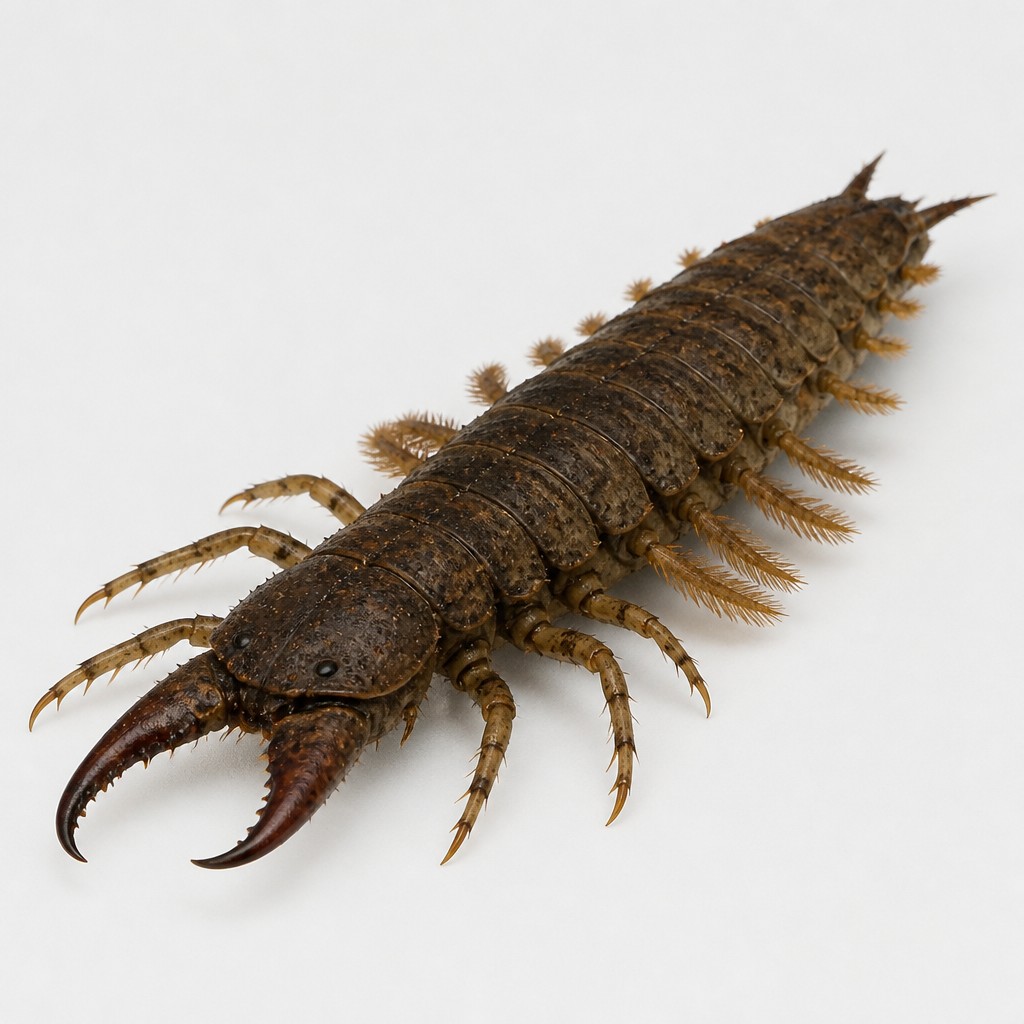
Dobsonfly Larva (Hellgrammite)
A large, fierce-looking aquatic larva with strong pinching jaws and fringed side gills, spending years hunting under stream rocks before becoming a giant winged dobsonfly.
aquatic-insect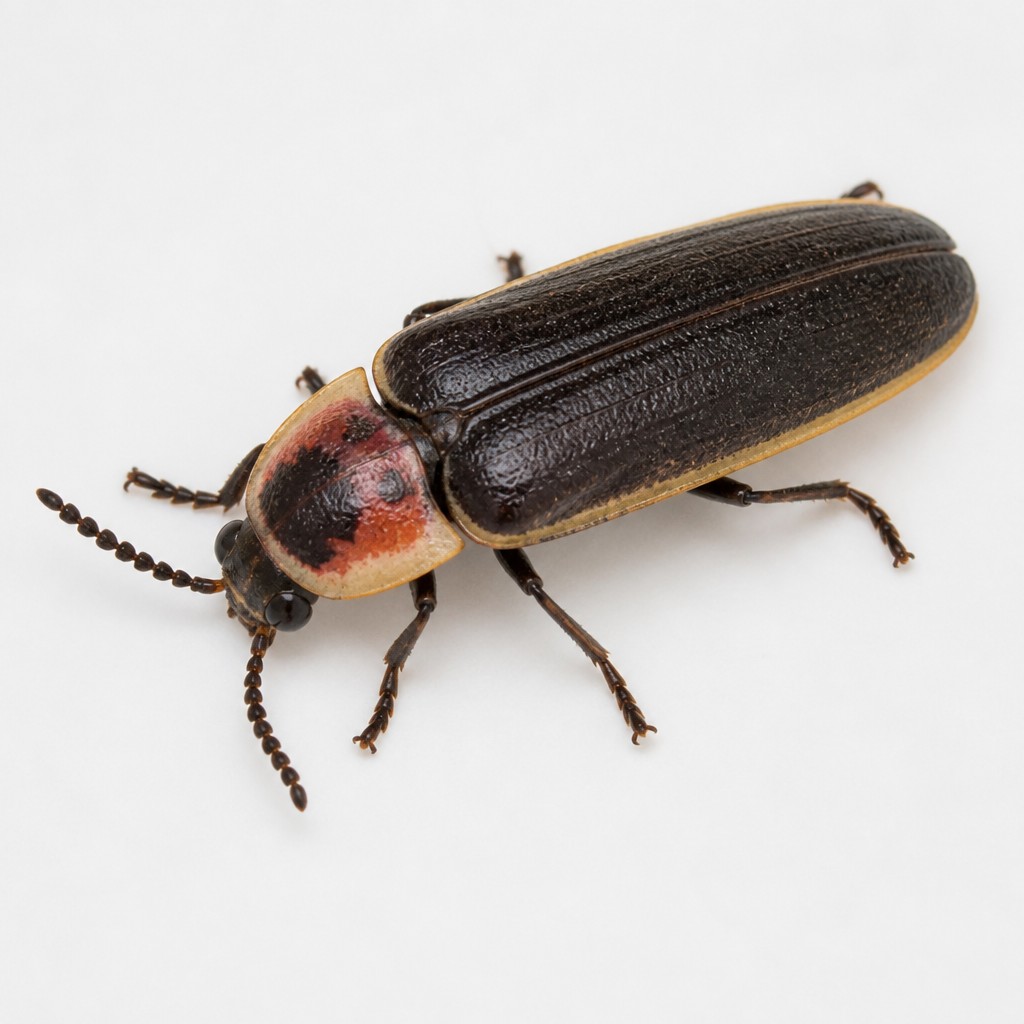
Fireflies
A soft-bodied beetle famous for producing rhythmic, glowing flashes of light from its abdomen at dusk, used to signal and attract mates across meadows and gardens on warm summer evenings.
beetle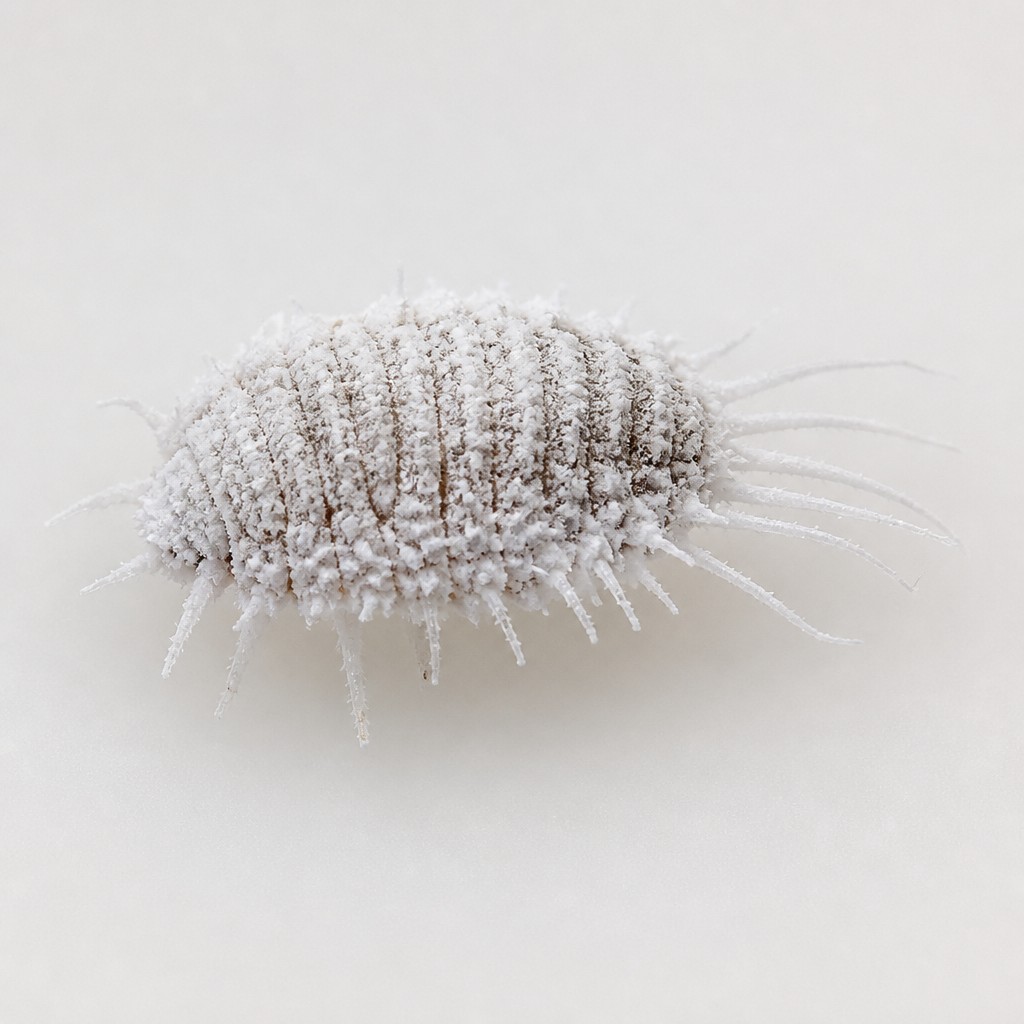
Mealybug
A soft, oval insect coated in a powdery white waxy secretion that gives it a fuzzy, cotton-like appearance, typically found clustered in leaf joints and along stems of houseplants.
true-bug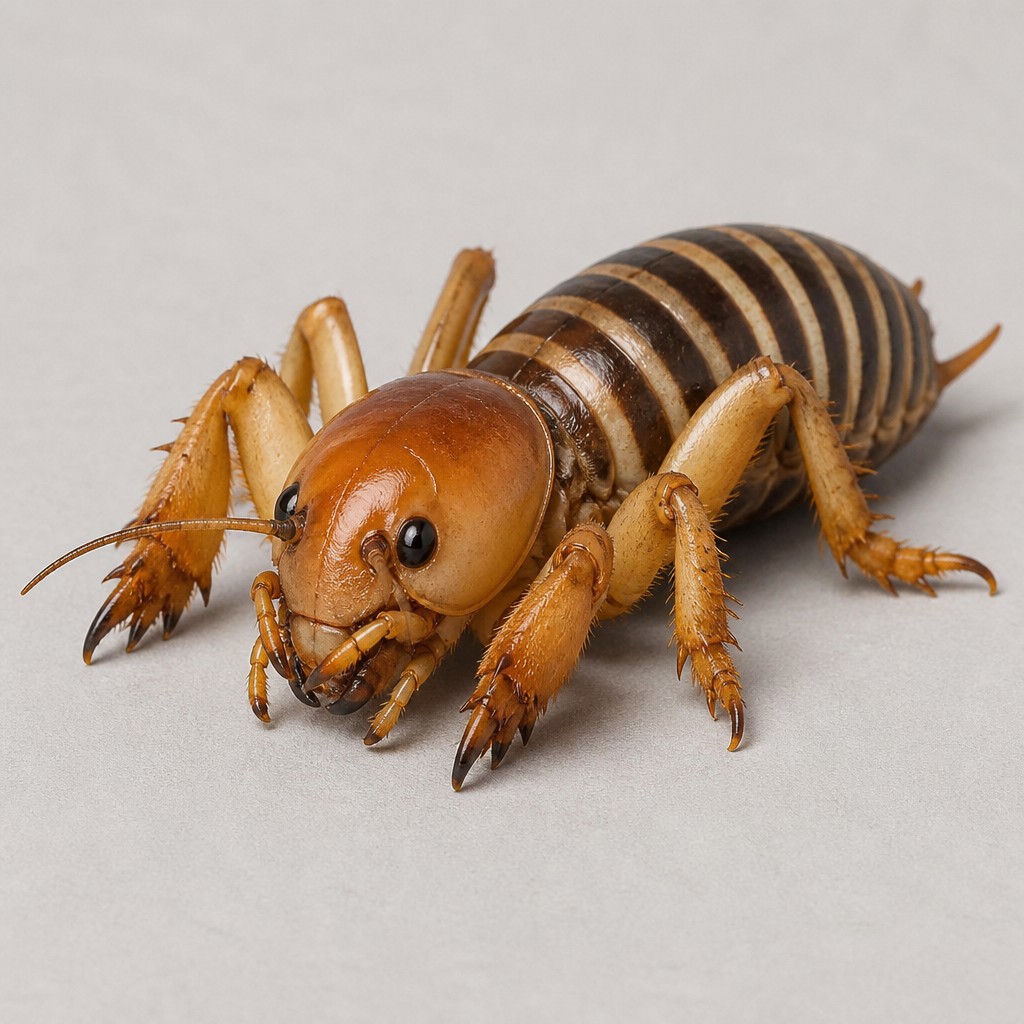
Jerusalem Cricket
A large, wingless, ground-dwelling insect with a shiny amber body, a strikingly human-like face, and a robust, banded abdomen, most often uncovered while digging in soil.
grasshopper-cricket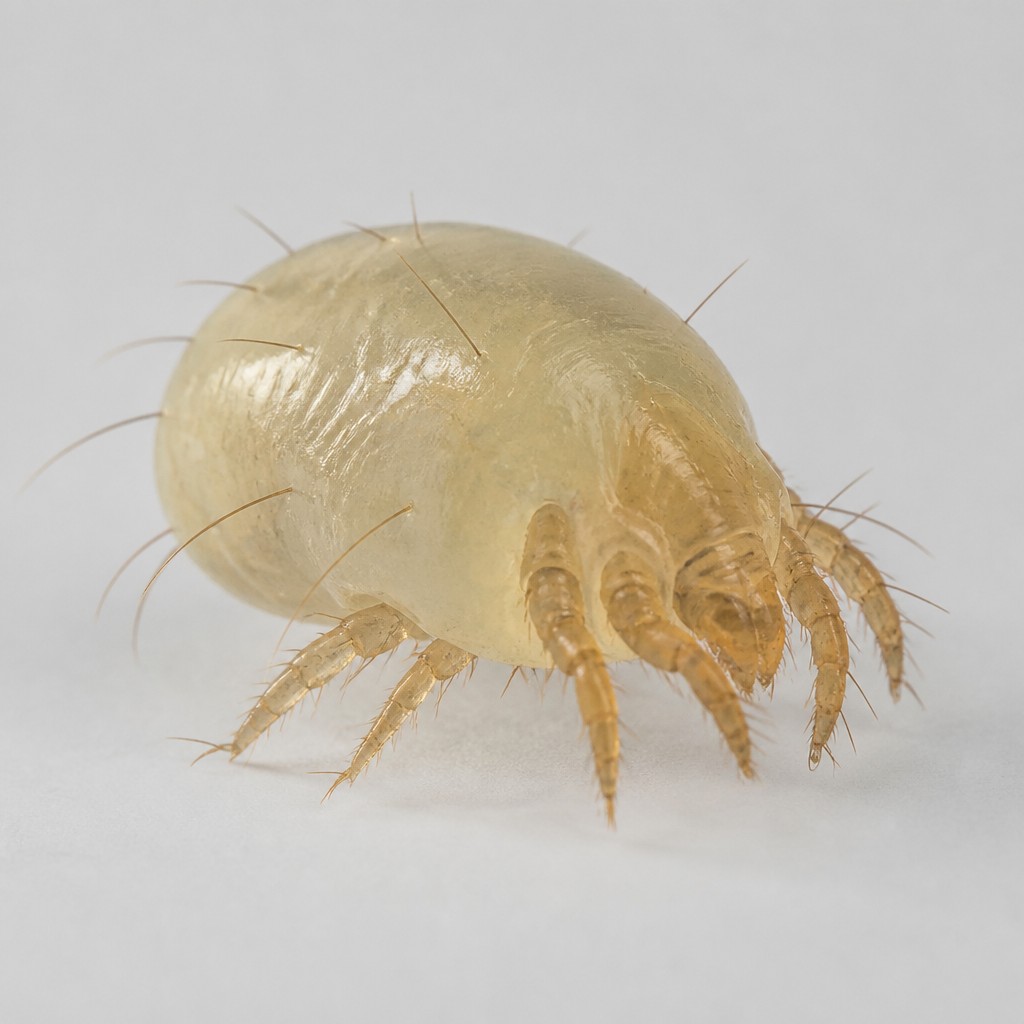
House Dust Mite
A microscopic, translucent mite that lives unseen in household dust, feeding on shed skin flakes accumulated in bedding and furniture.
arachnid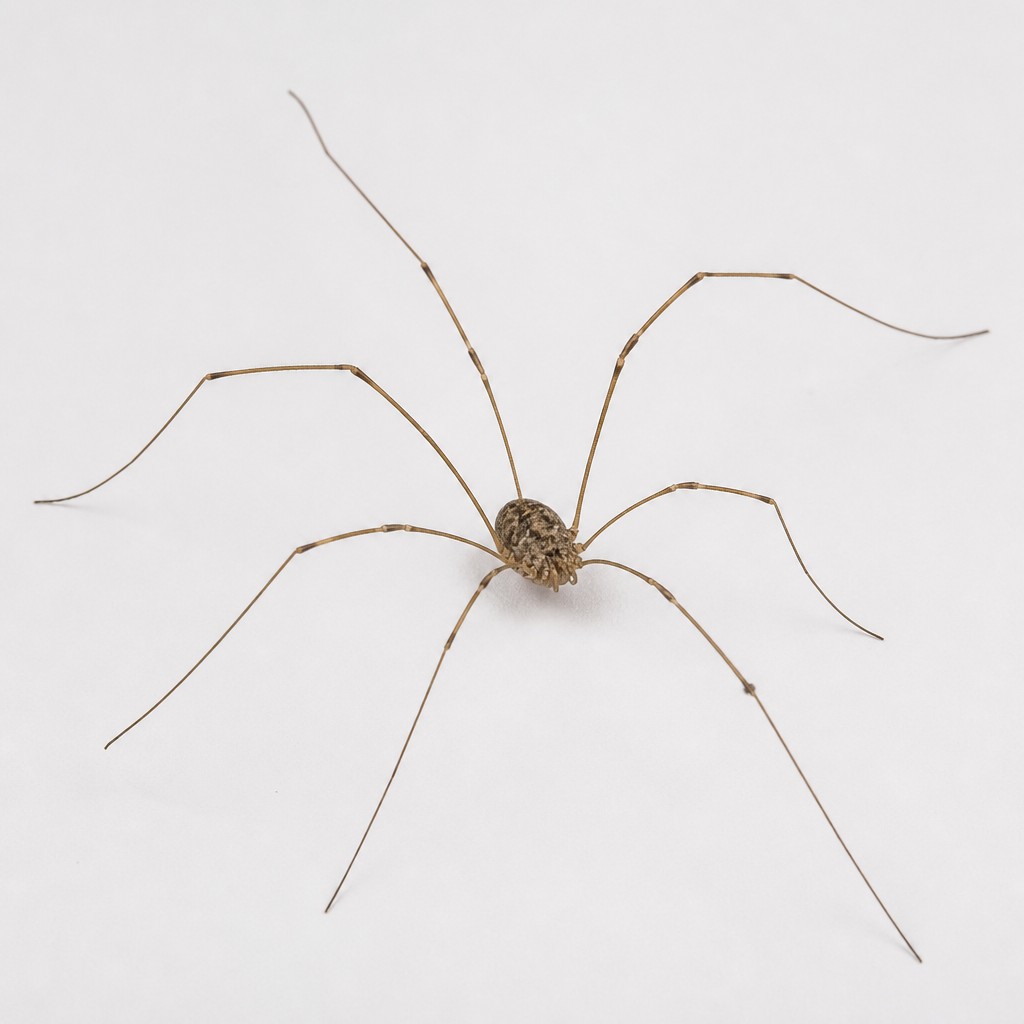
Daddy Longlegs (Harvestman)
A leggy, one-piece-bodied arachnid that scurries through leaf litter and garden beds on impossibly long, spindly legs, easily mistaken for a spider despite belonging to an entirely different arachnid order.
arachnid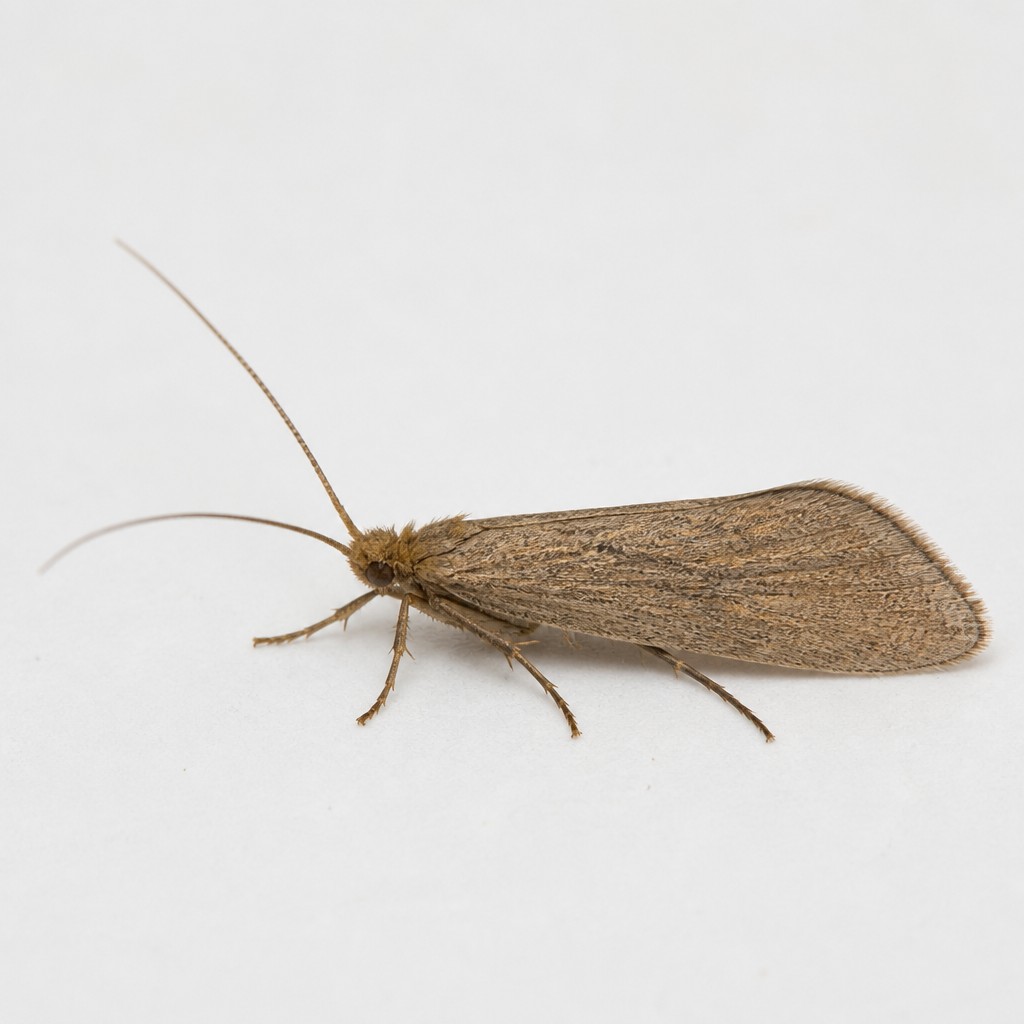
Caddisfly
A moth-like insect whose larvae are famous for constructing portable protective cases out of silk and whatever sand, twigs, or debris they can find.
aquatic-insect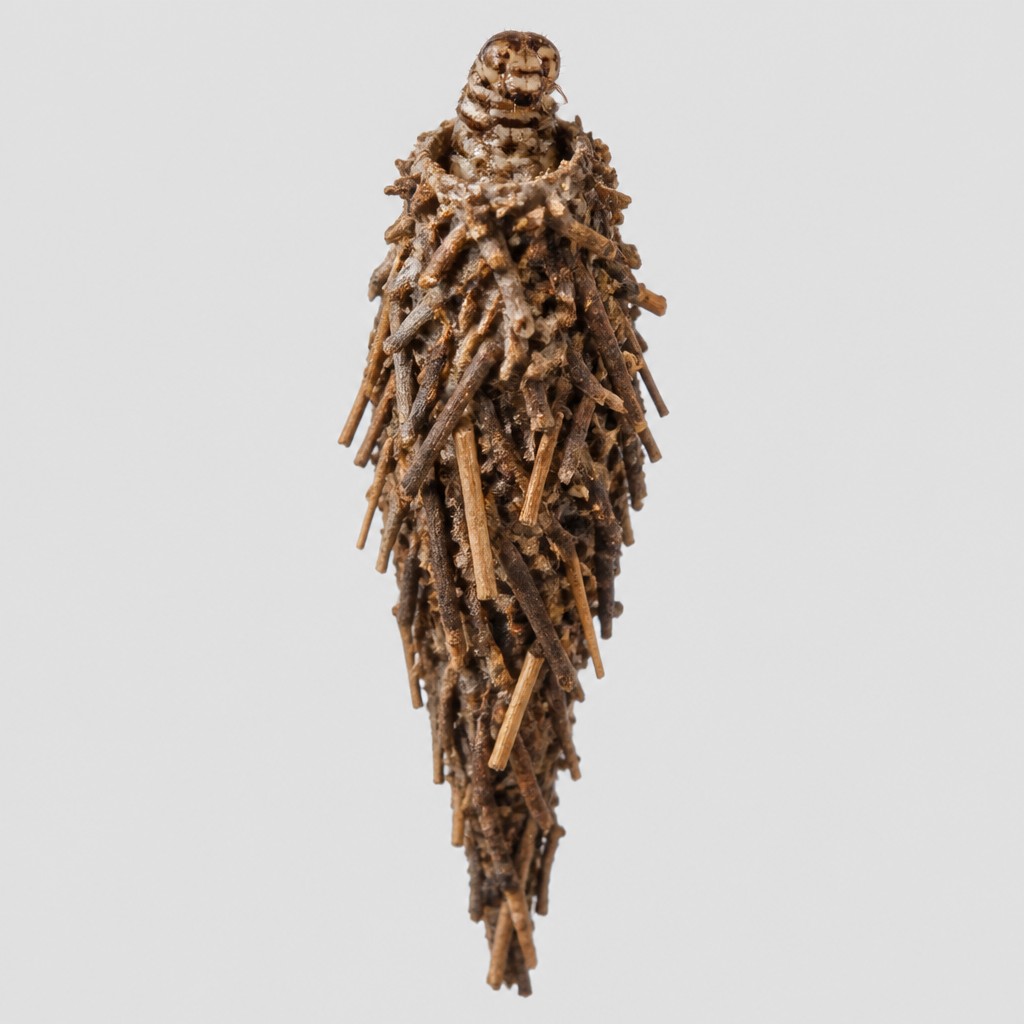
Bagworm
A caterpillar that constructs and lives inside a spindle-shaped case of silk and plant debris, dragging its portable shelter along as it feeds on tree foliage.
caterpillar-larva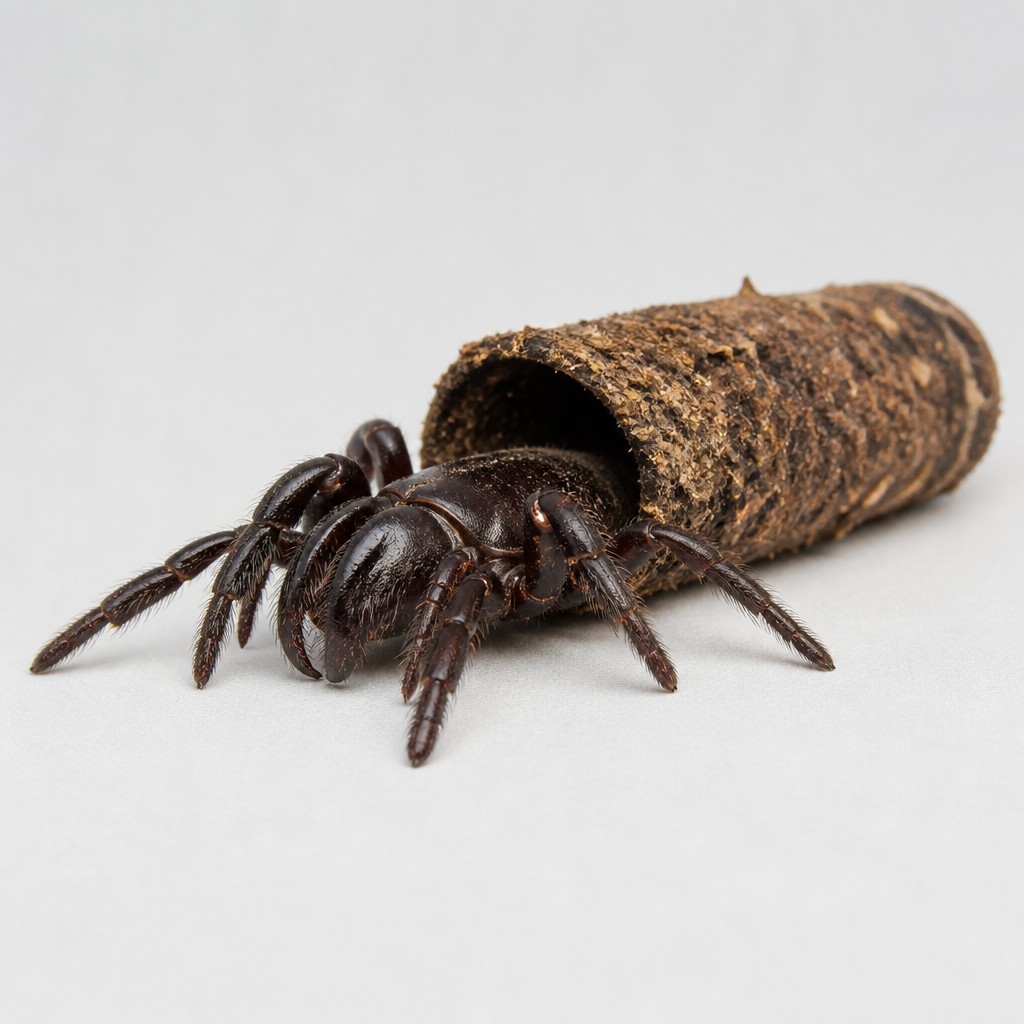
Purseweb Spider
A secretive, tube-dwelling spider that spends nearly its entire life hidden inside a silk-lined burrow extension camouflaged with soil and debris on the surface.
spider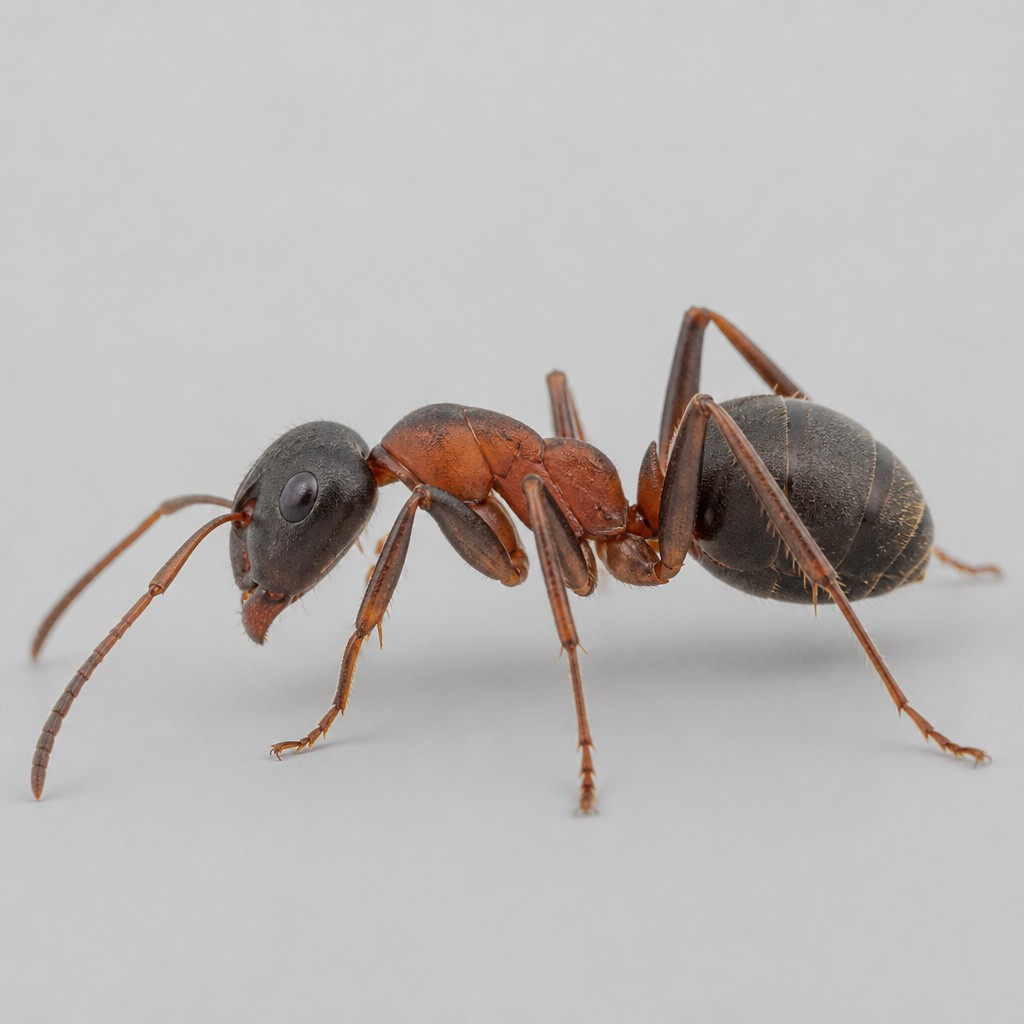
Field Ant
A large, common outdoor ant that builds conspicuous mound nests of soil and plant debris in sunny open ground and defends itself by spraying formic acid rather than stinging.
ant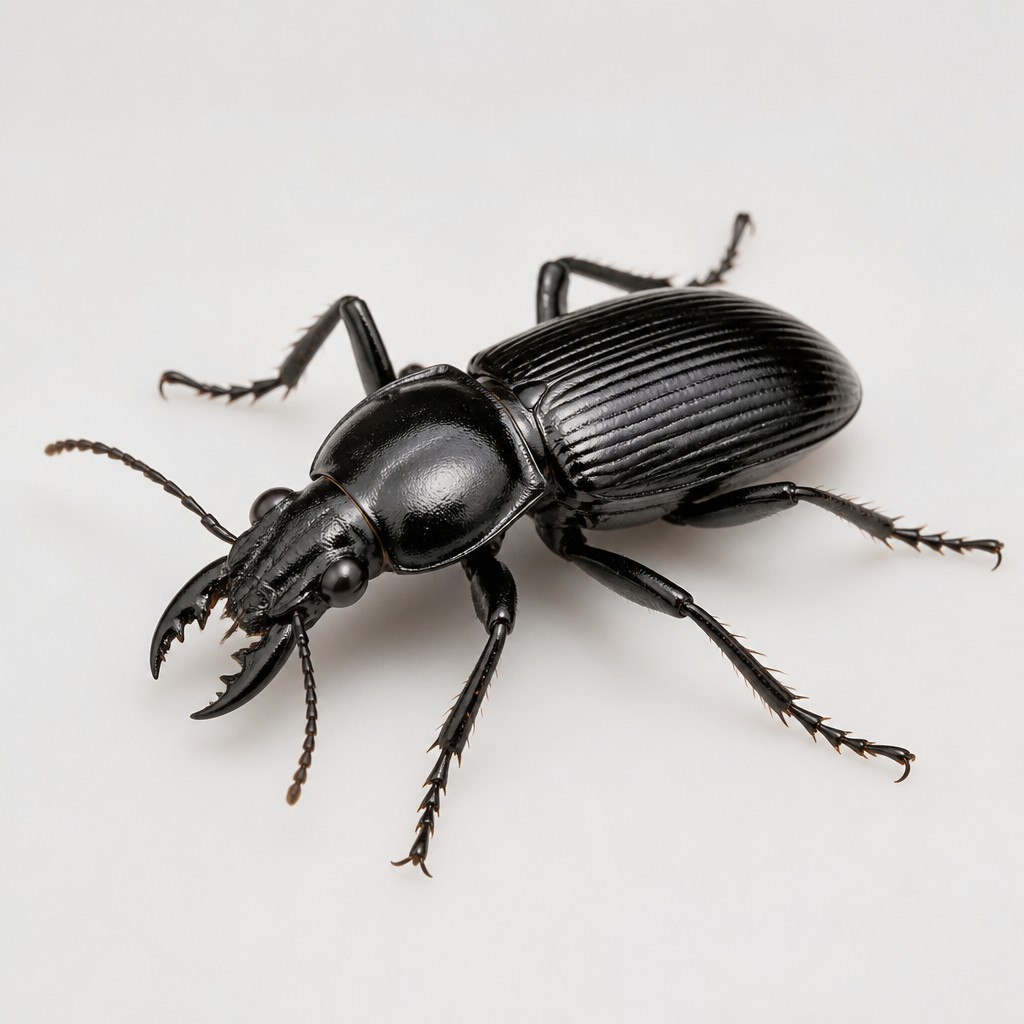
Ground Beetle
A fast-moving, shiny black or metallic beetle with long legs and prominent jaws, usually found scurrying under rocks and debris where it hunts other small invertebrates.
beetle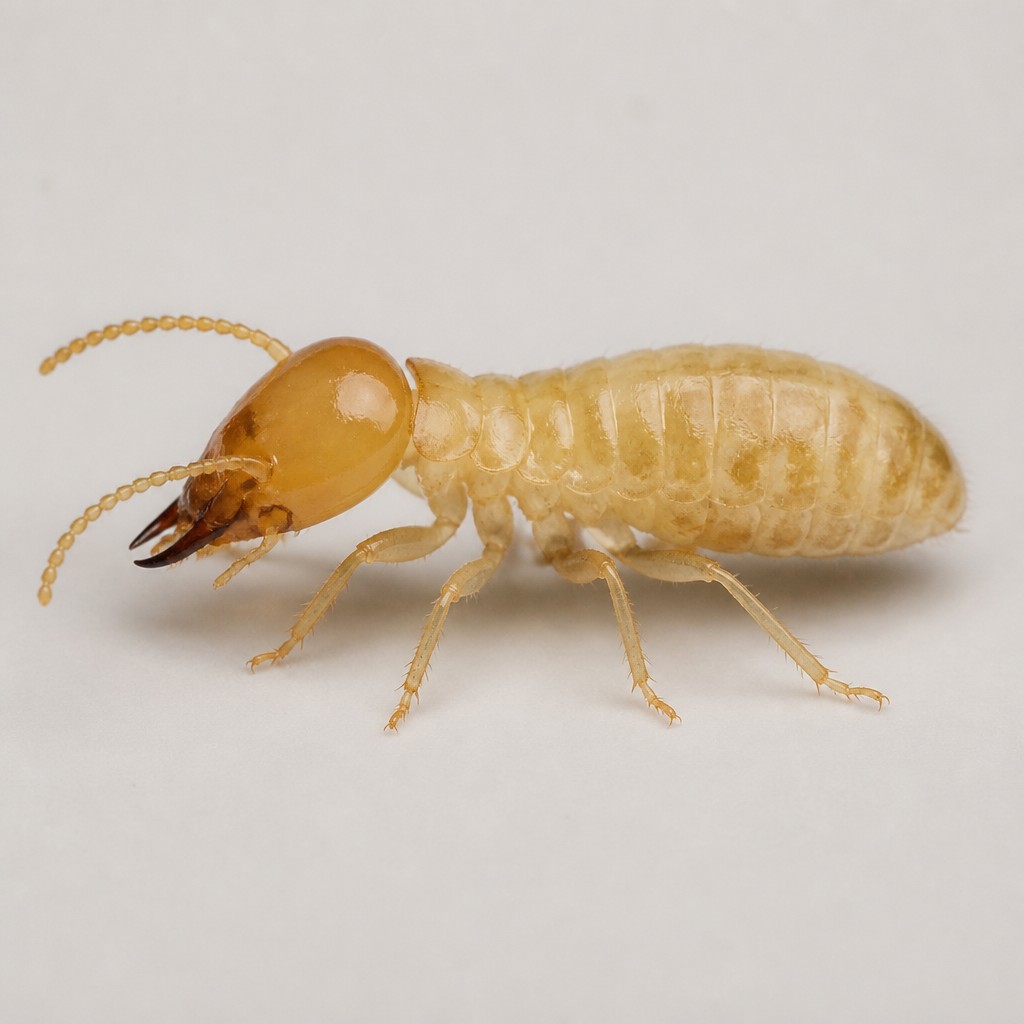
Termite
A pale, soft-bodied social insect that lives in hidden colonies and feeds on cellulose in wood and plant debris, often mistaken for an ant despite belonging to an entirely different insect order.
other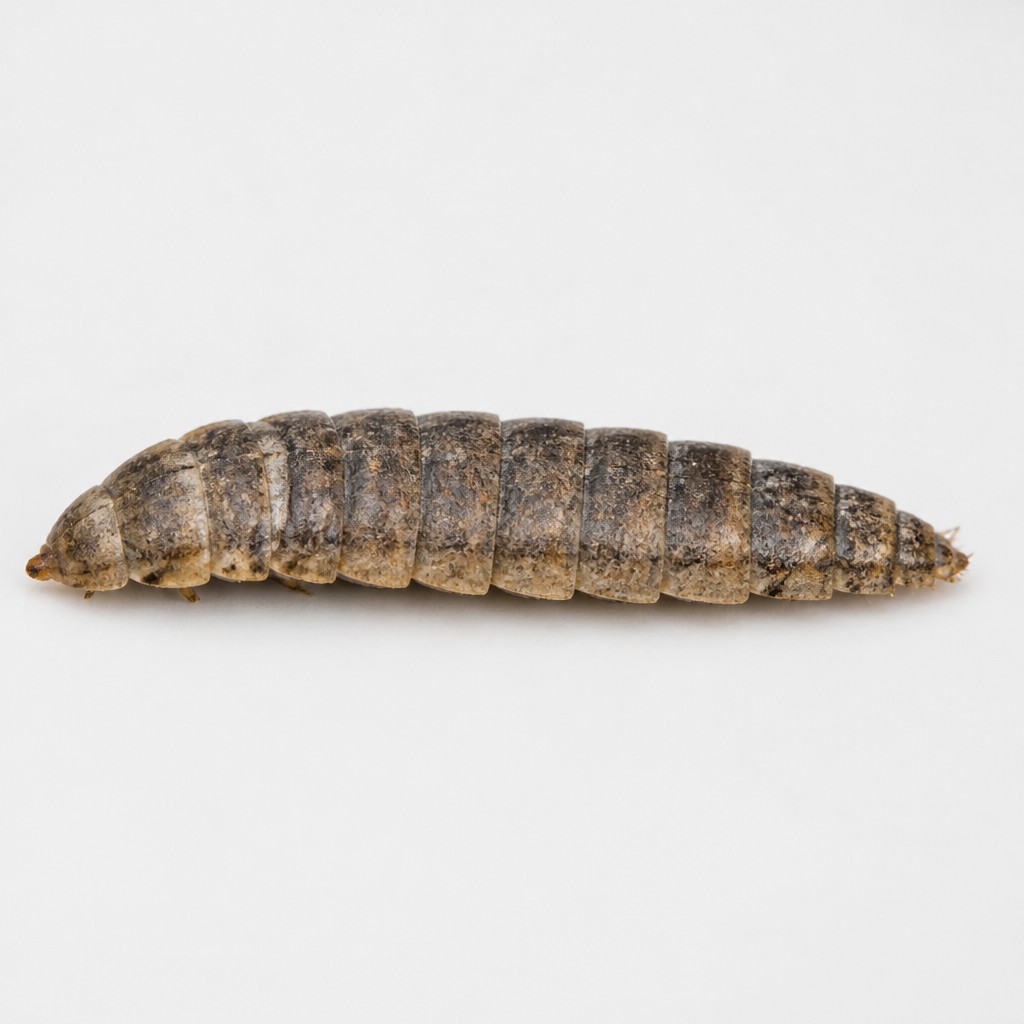
Soldier Fly Larva
Flattened, leathery, and tapered at both ends, the soldier fly larva drifts just beneath the surface film of ponds and marshes, filtering algae and organic debris while breathing through a fringe of water-repellent hairs at its tail.
aquatic-insect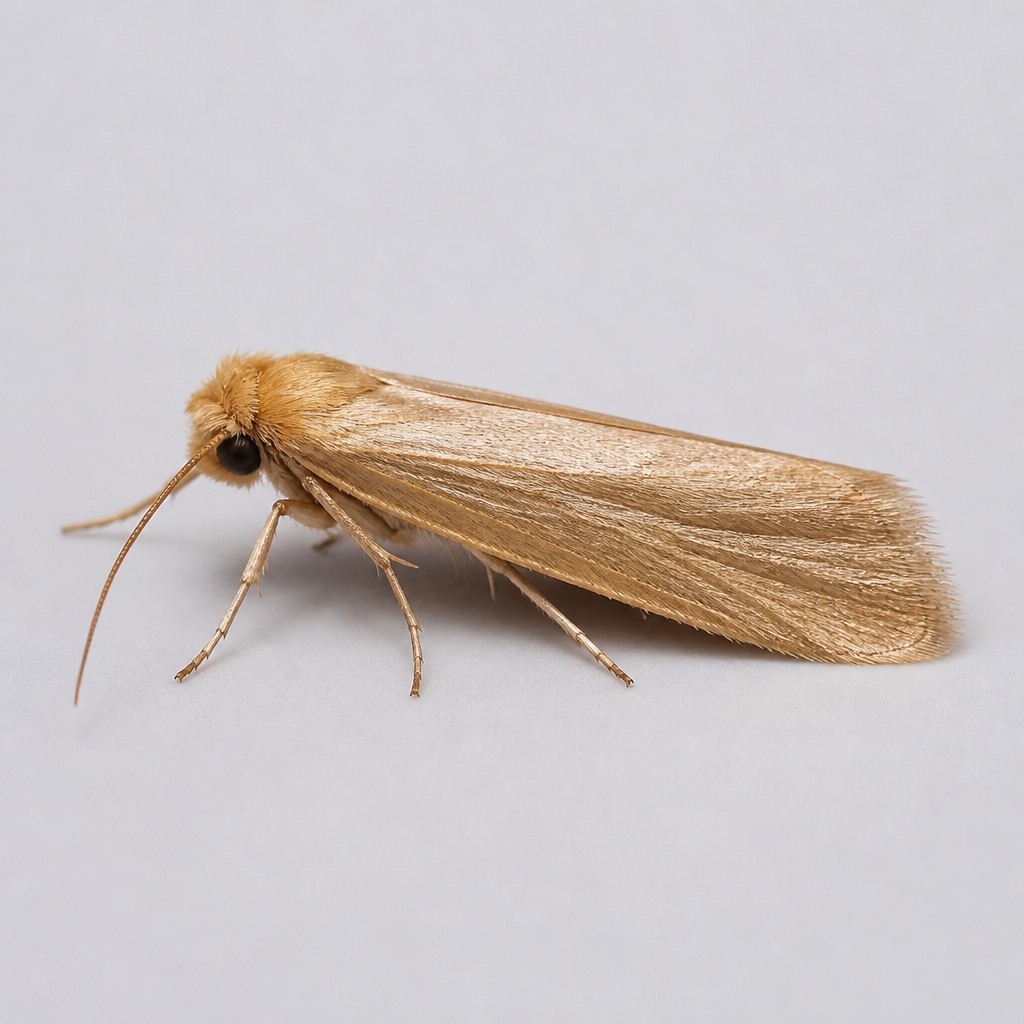
Common Clothes Moth
A tiny, plain golden-buff moth that rarely flies far into open light, best known not for its adult form but for its silk-spinning larvae that chew holes in wool, fur, and feathers.
moth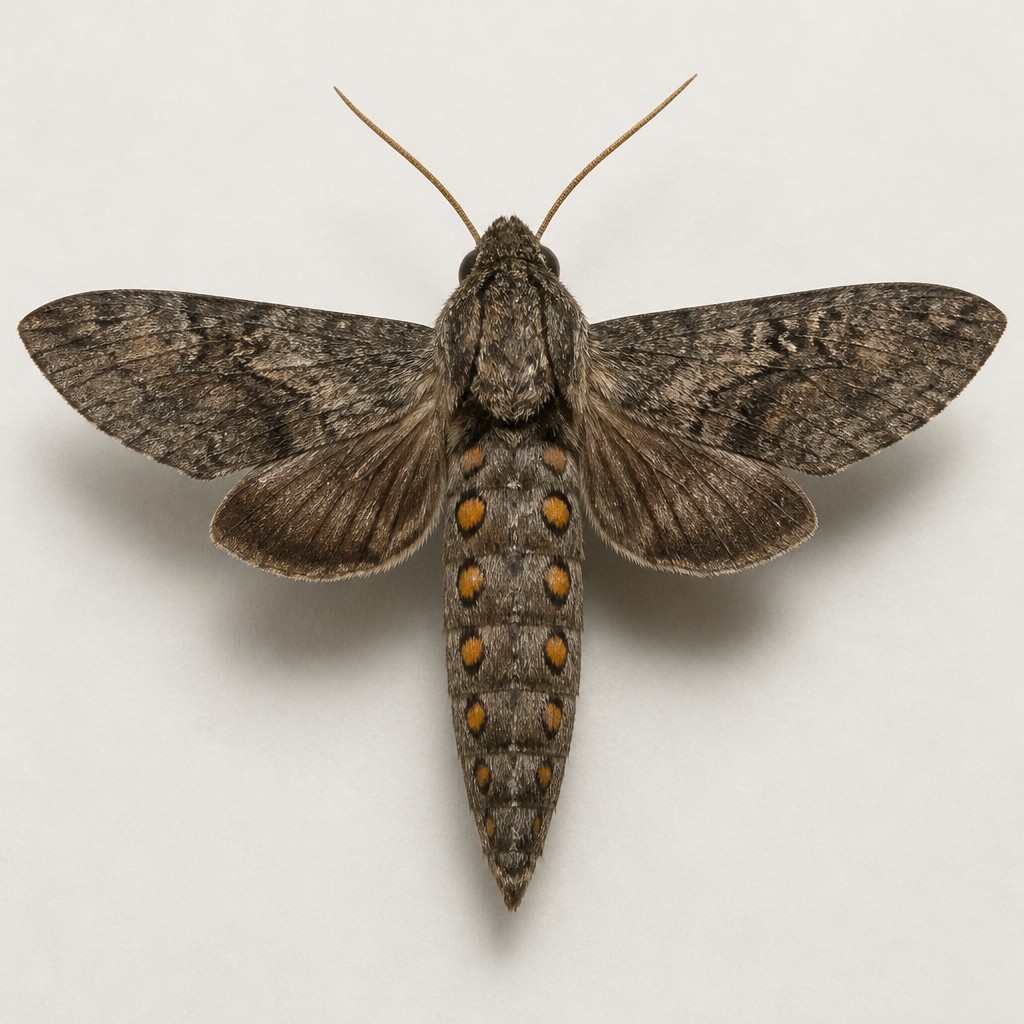
Tobacco Hornworm Moth (Carolina Sphinx)
A large, streamlined gray-brown sphinx moth with six pairs of orange spots along its abdomen, best known as the adult stage of the tobacco hornworm caterpillar that feeds on tomato and tobacco plants.
moth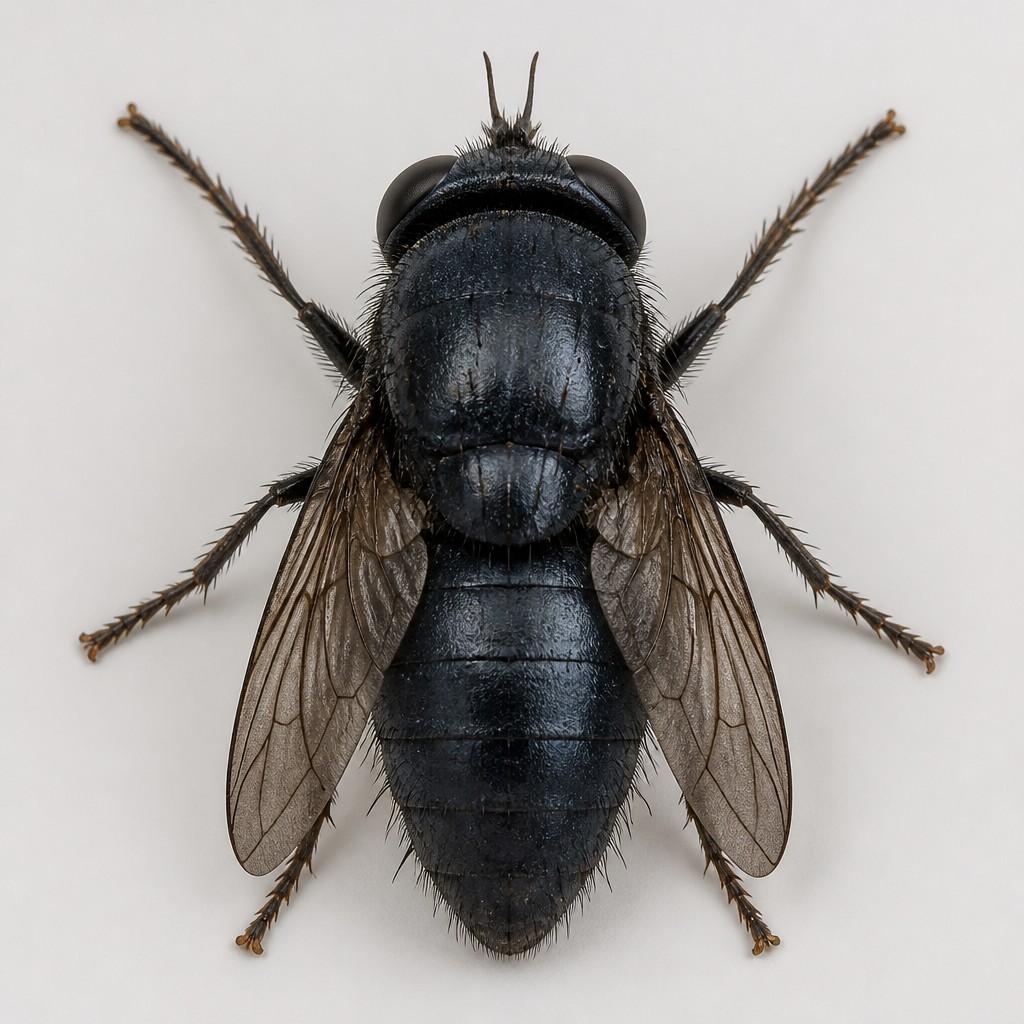
Human Bot Fly
A stout, dark-bodied fly from the American tropics famous for an unusual reproductive trick: it captures a blood-feeding mosquito mid-flight and glues its own eggs to the mosquito's body before releasing it to carry them to a future host. The adult itself is rarely seen, spending most of its short life in shaded forest understory.
fly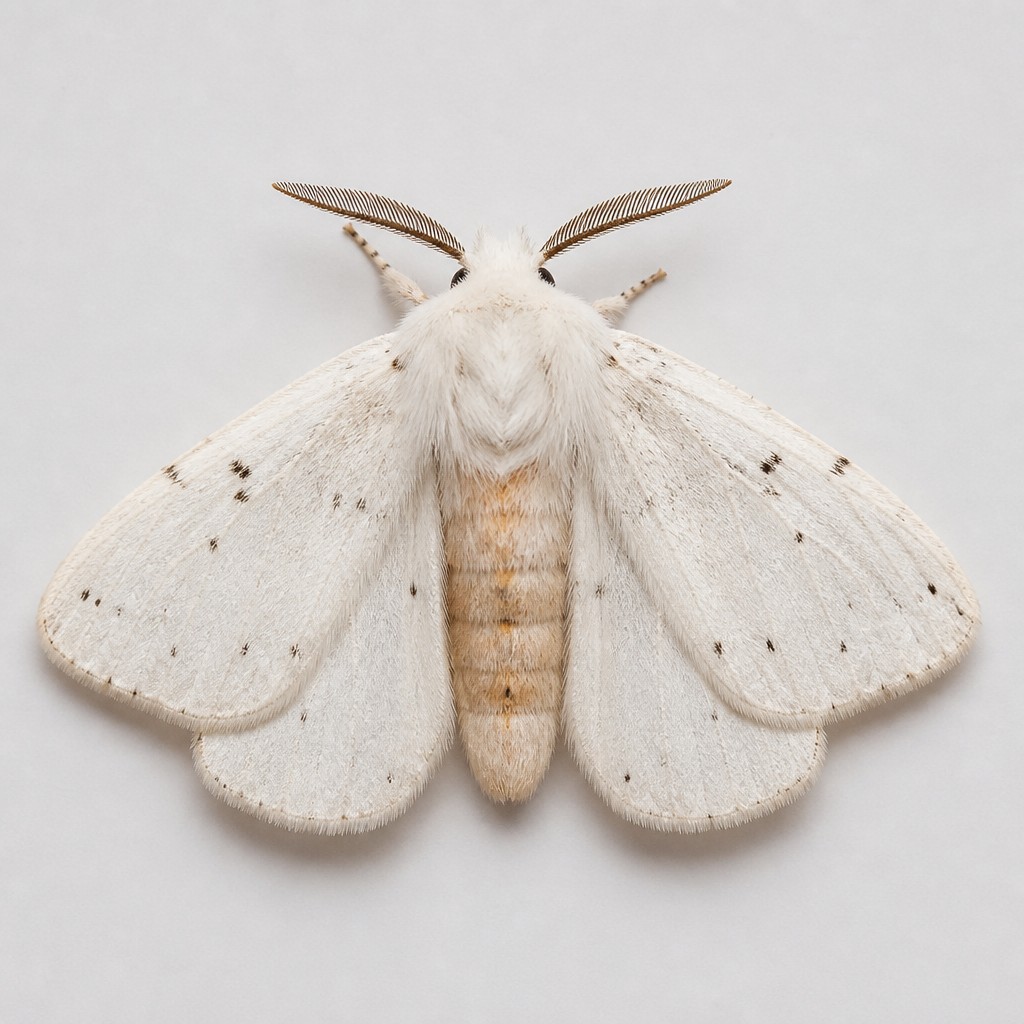
Fall Webworm Moth
A plain white (sometimes lightly speckled) moth whose caterpillars are far more familiar than the adult, spinning large communal silk webs over the ends of tree branches in late summer and early autumn.
moth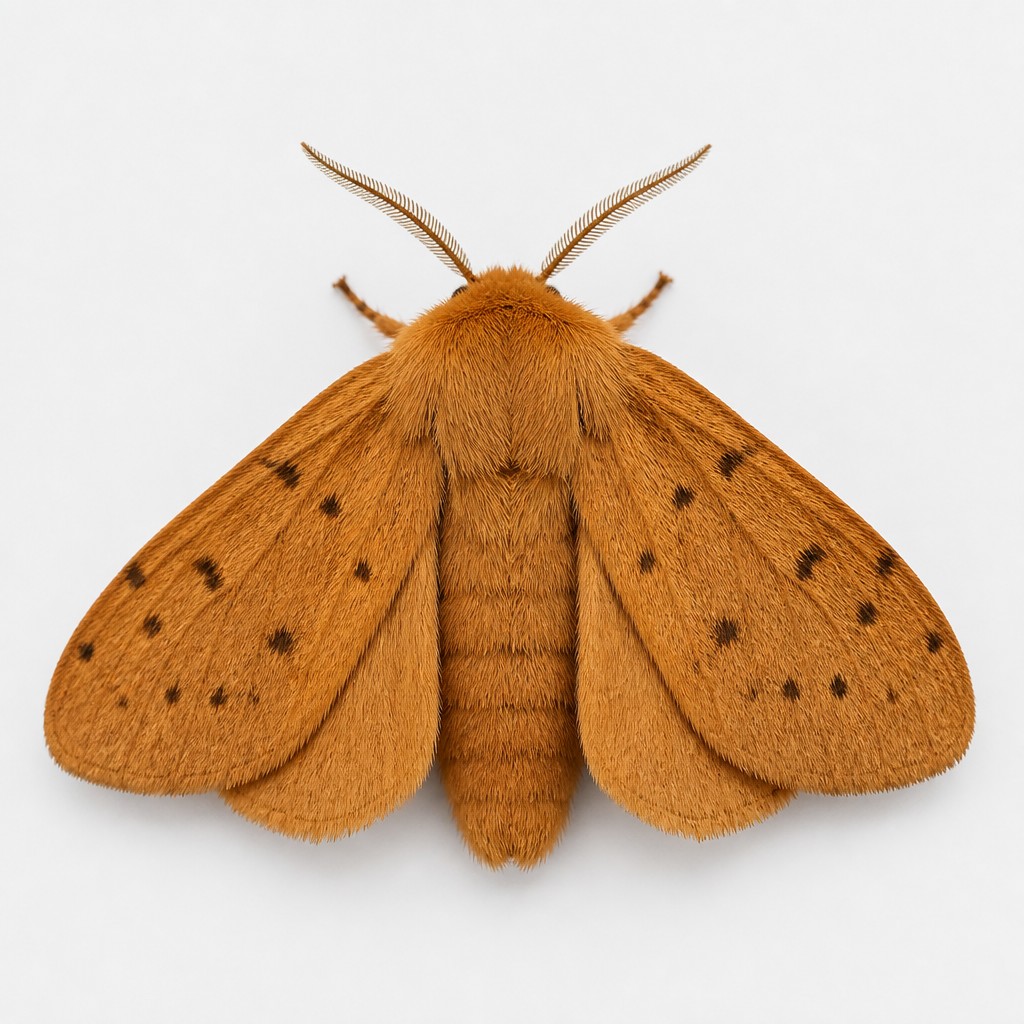
Isabella Tiger Moth (Woolly Bear)
Famous chiefly in its larval stage as the banded woolly bear caterpillar, this tiger moth's fuzzy black-and-rust-colored caterpillar is a familiar autumn sight, while the adult is a soft, tawny-orange moth with a stout, furry body.
moth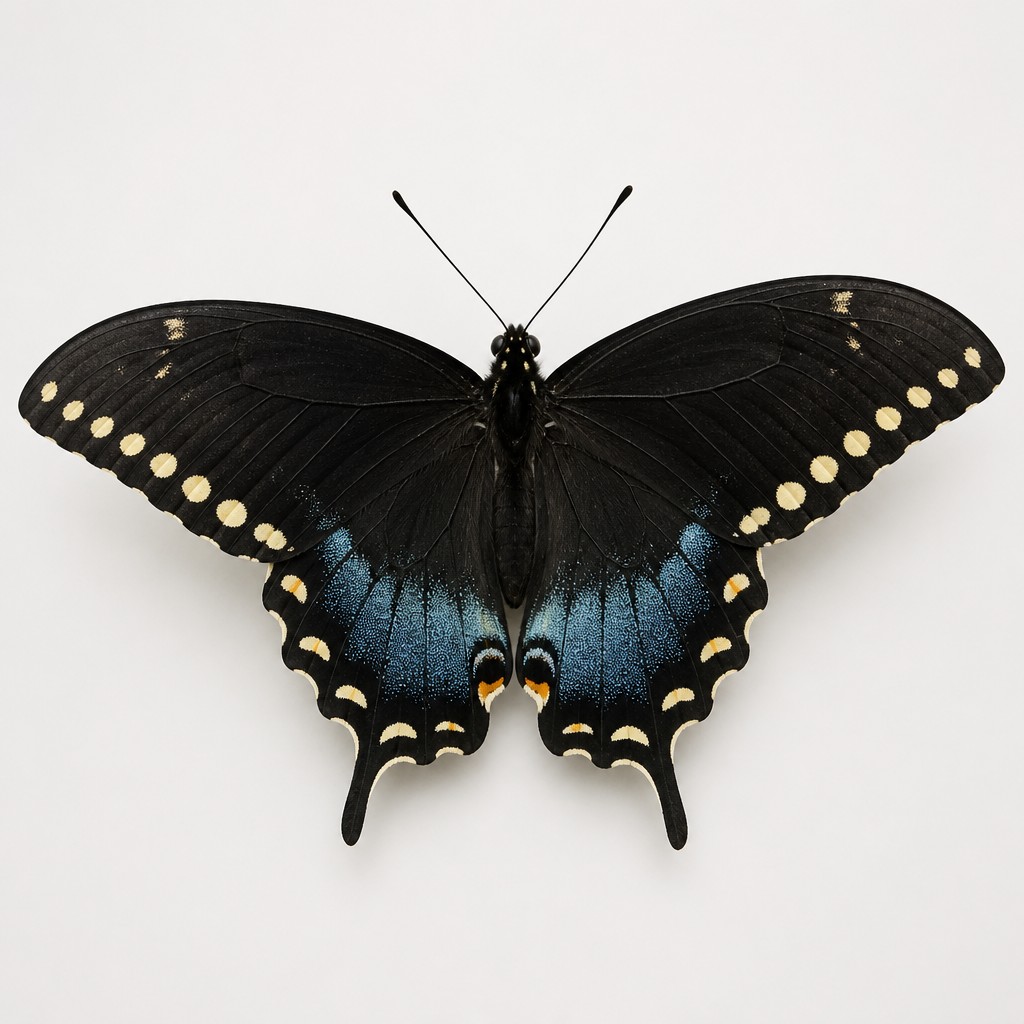
Spicebush Swallowtail
A black swallowtail with a blue-green wash across the hindwings and a row of pale spots along the forewing margin, whose caterpillars have famous large false eyespots and mimic the Pipevine Swallowtail as adults.
butterfly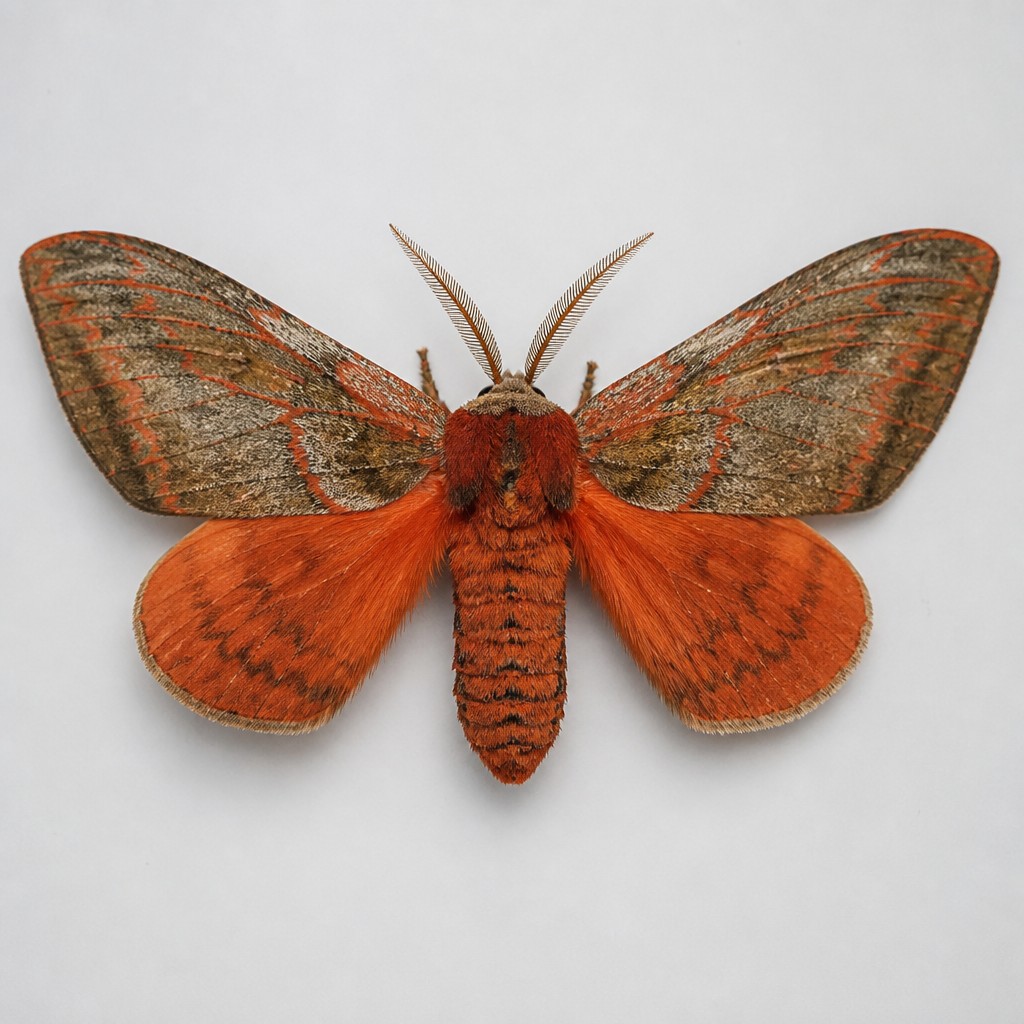
Regal Moth (Hickory Horned Devil)
One of the largest moths in North America, with orange-red and gray-veined wings on the adult, best known for its enormous, formidable-looking caterpillar, the hickory horned devil, a blue-green giant bristling with long orange spines.
moth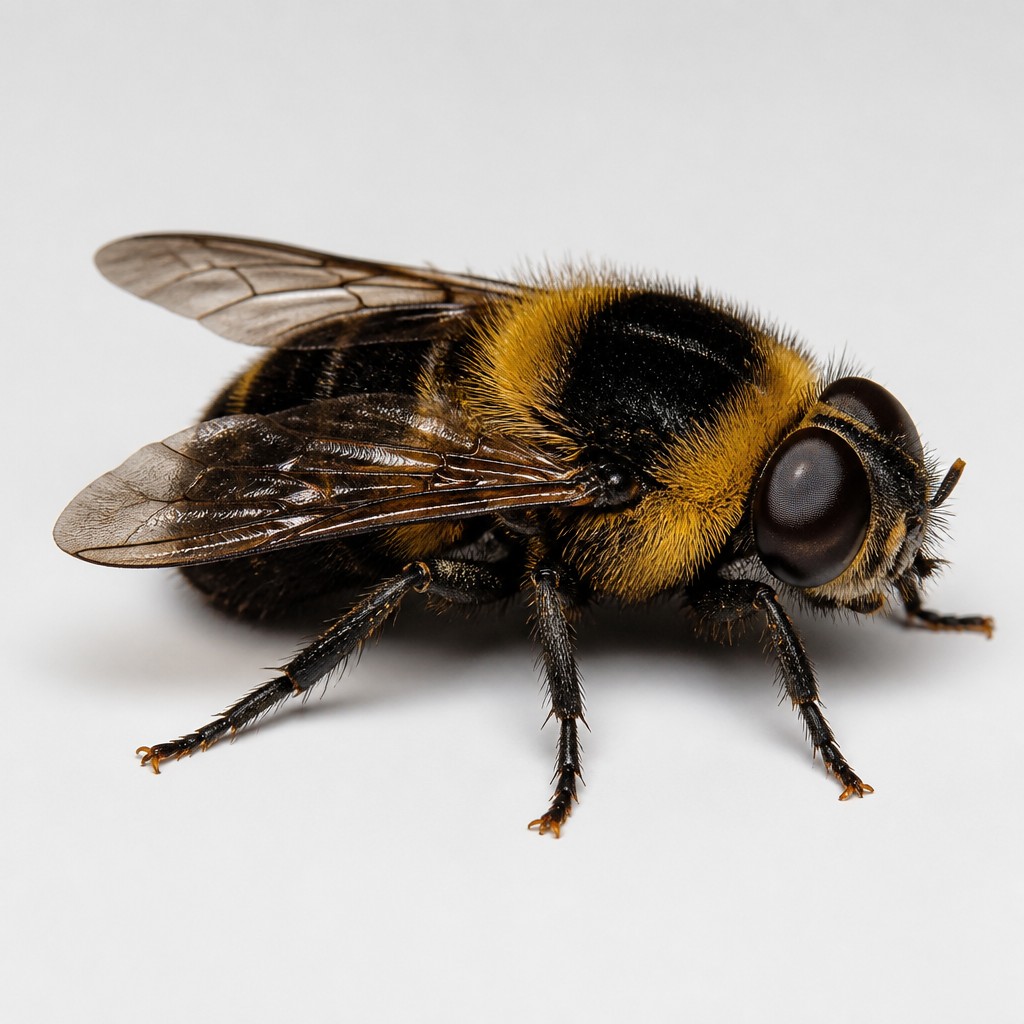
Bot Fly
A stocky, bumblebee-mimicking fly whose adults never feed and live only long enough to mate and locate a rodent or rabbit burrow for their eggs. Despite their harmless, buzzing adult stage, bot flies are best known through the larvae that develop as internal parasites of small mammals.
fly