
Bug Encyclopedia
Search and identify bugs & insects — beetles, butterflies, moths, ants, bees, spiders and more — with size, habitat, danger, behavior, and how to tell them apart.
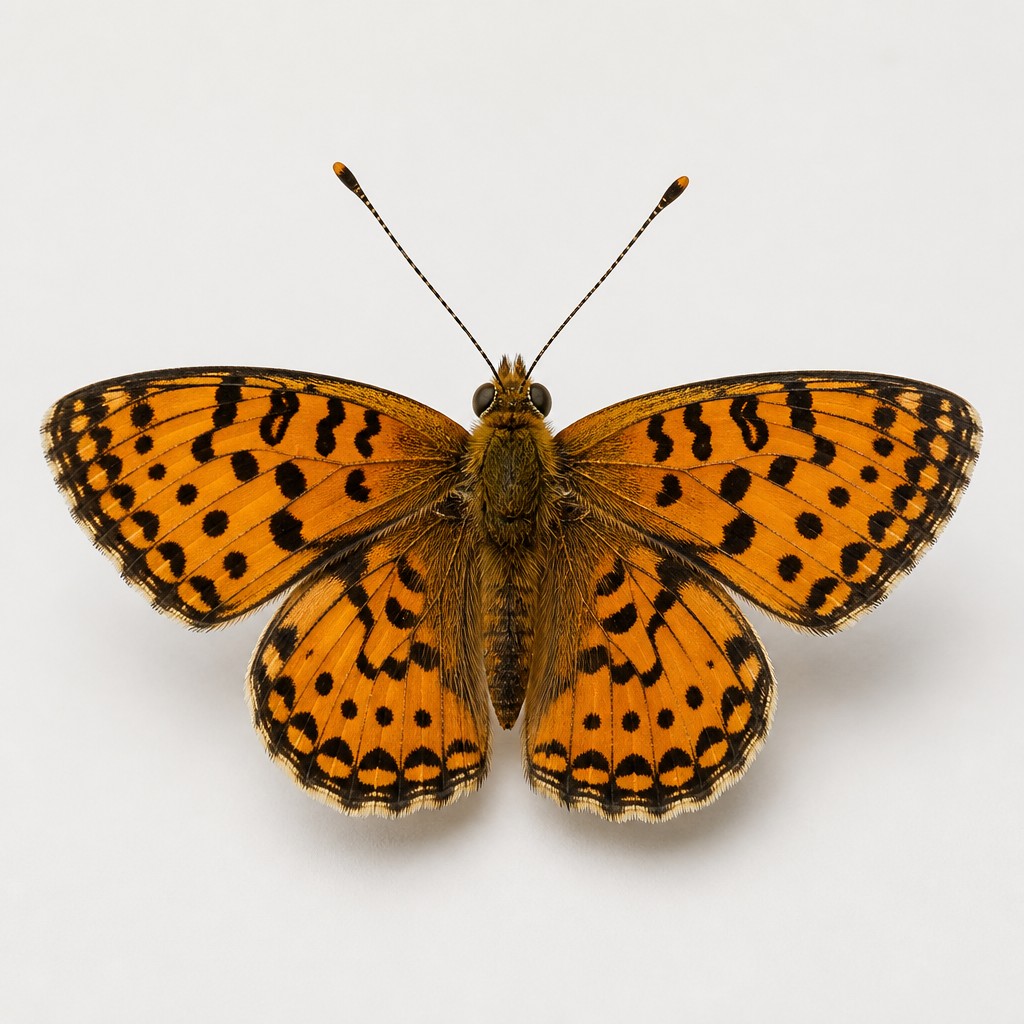
Meadow Fritillary
A small, fast-flying orange-and-black fritillary of open grassy fields, easily told from its larger cousins by its lack of silvery spots on the underside of the hindwing.
butterfly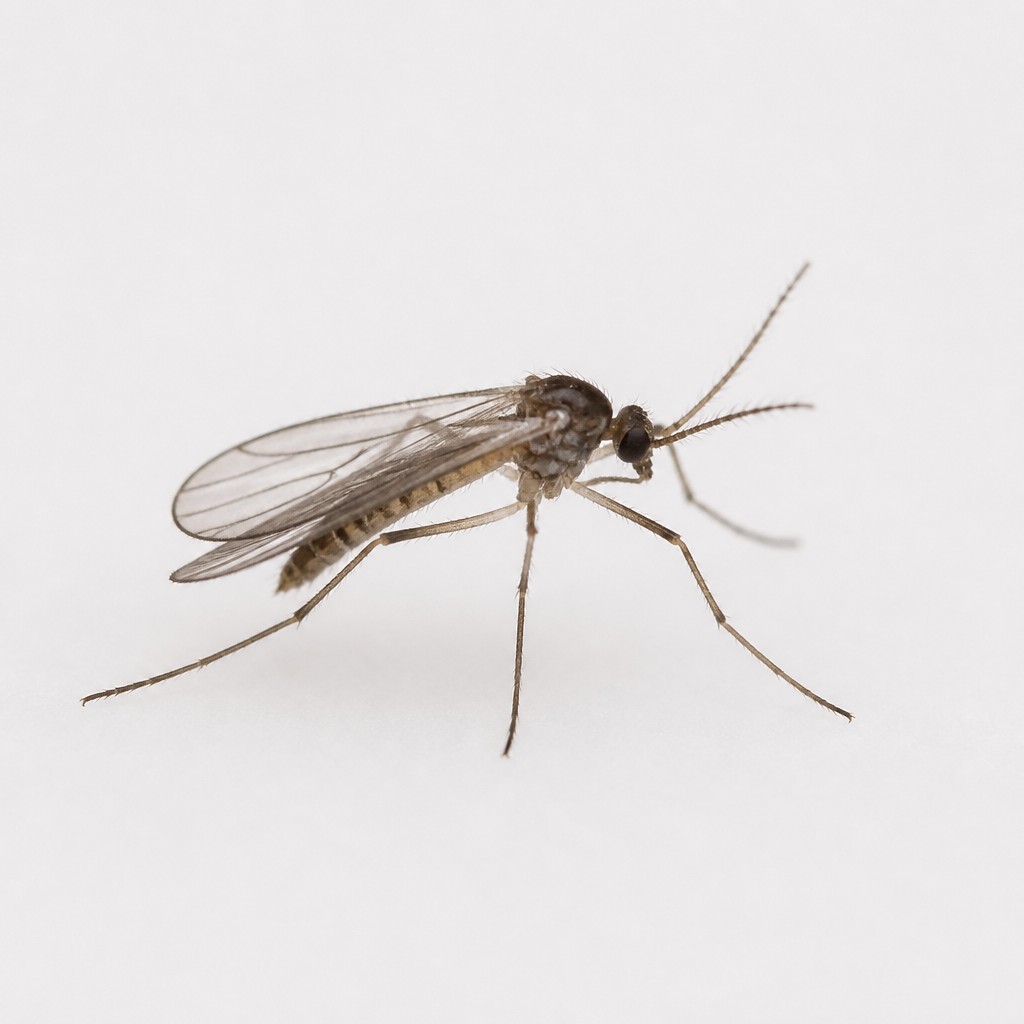
Gnat
A catch-all common name for a wide range of tiny, delicate flies, some no bigger than a grain of pepper, often seen hovering in small clouds near water, moist soil, or overripe produce.
fly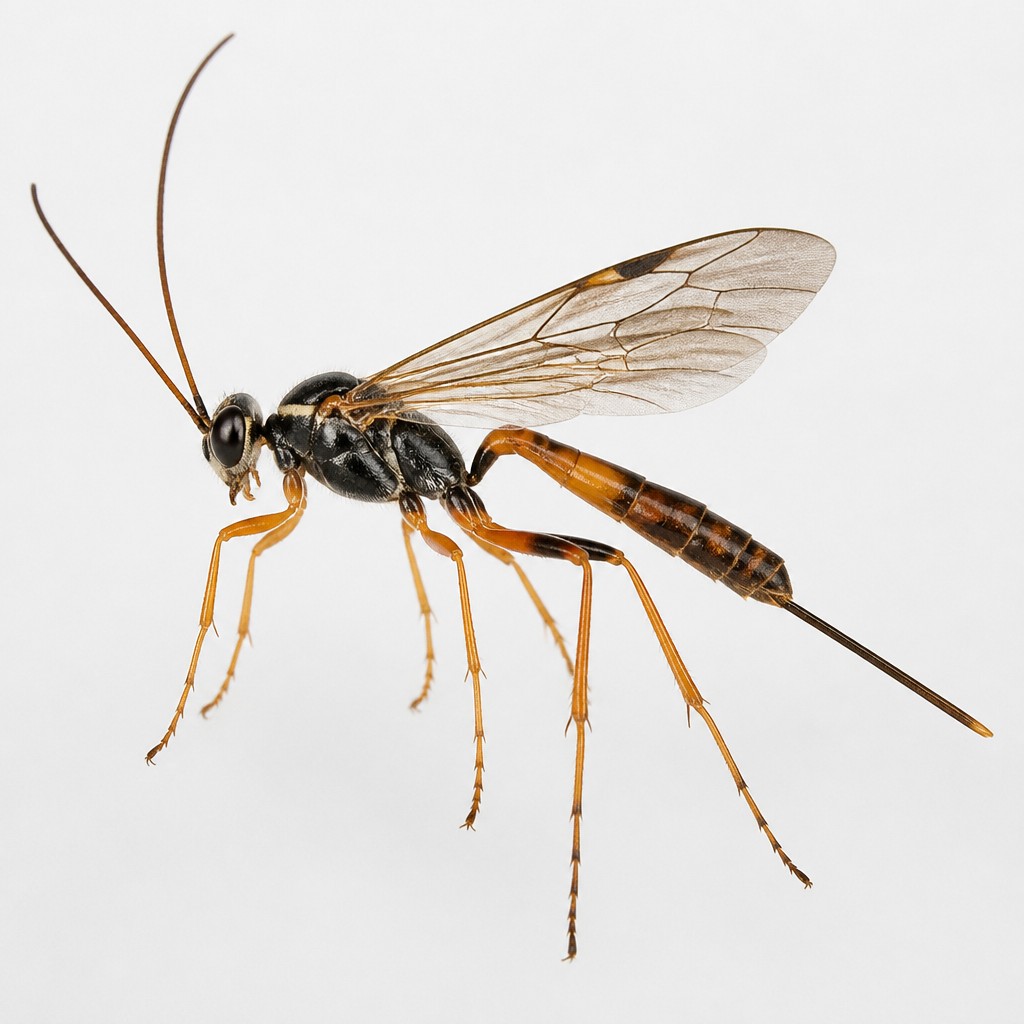
Ichneumon Wasp
A slender, long-antennaed parasitoid wasp, often mistaken for a giant mosquito or a stinging insect, that is best known for the extraordinarily long ovipositor some species use to drill into wood and lay eggs on hidden larvae.
wasp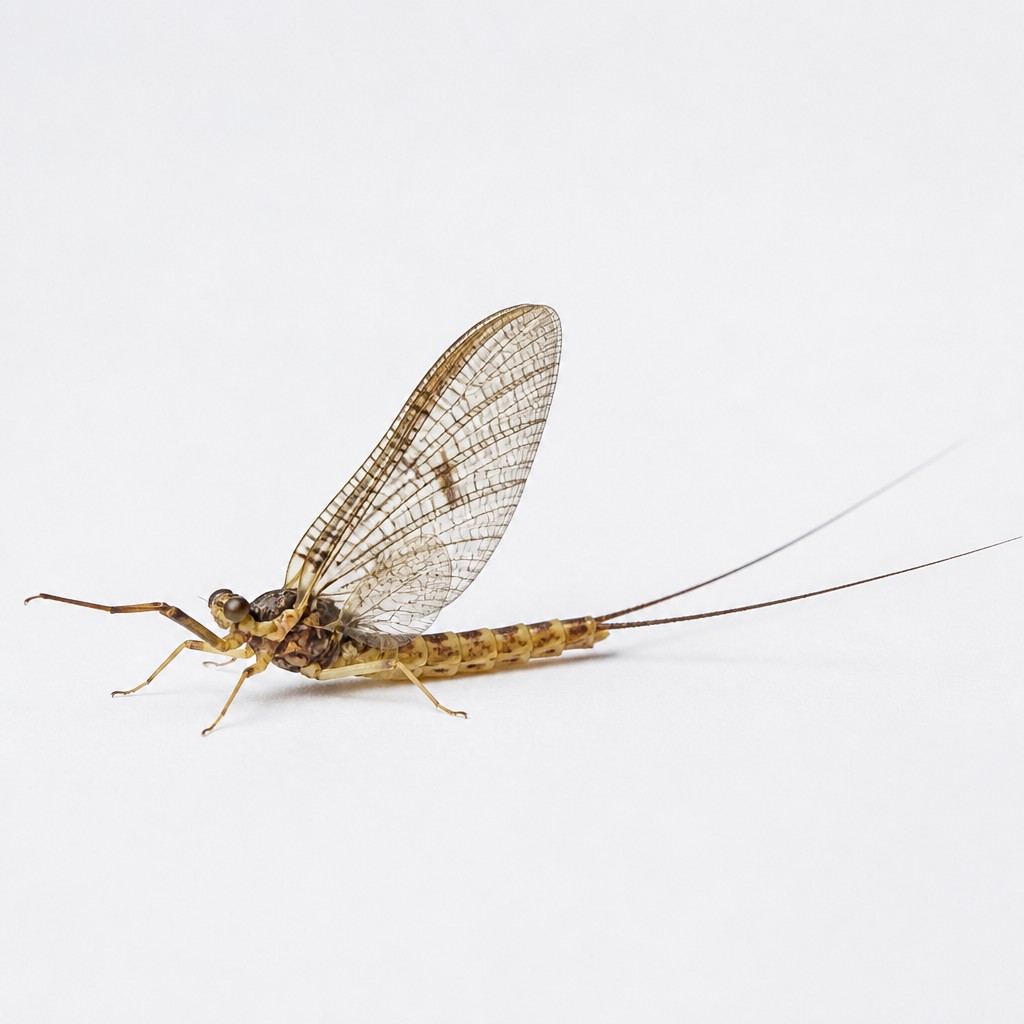
Mayfly
A delicate insect with upright, sail-like wings and long, thread-thin tail filaments, famous for emerging by the millions in brief, synchronized swarms before dying within a day or two.
aquatic-insect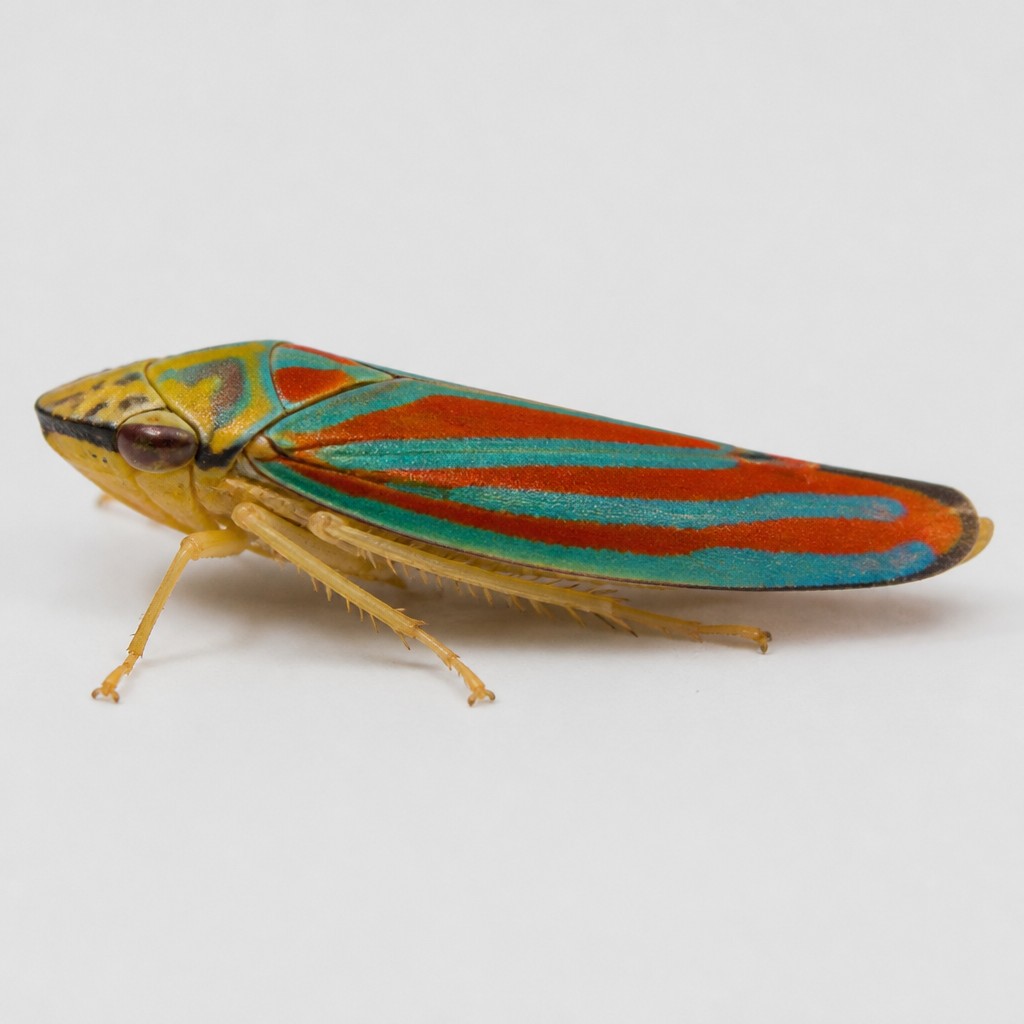
Leafhopper
A small, wedge-shaped insect that darts sideways and springs away in quick hops when disturbed, often brightly striped or patterned and found clinging to the underside of leaves.
true-bug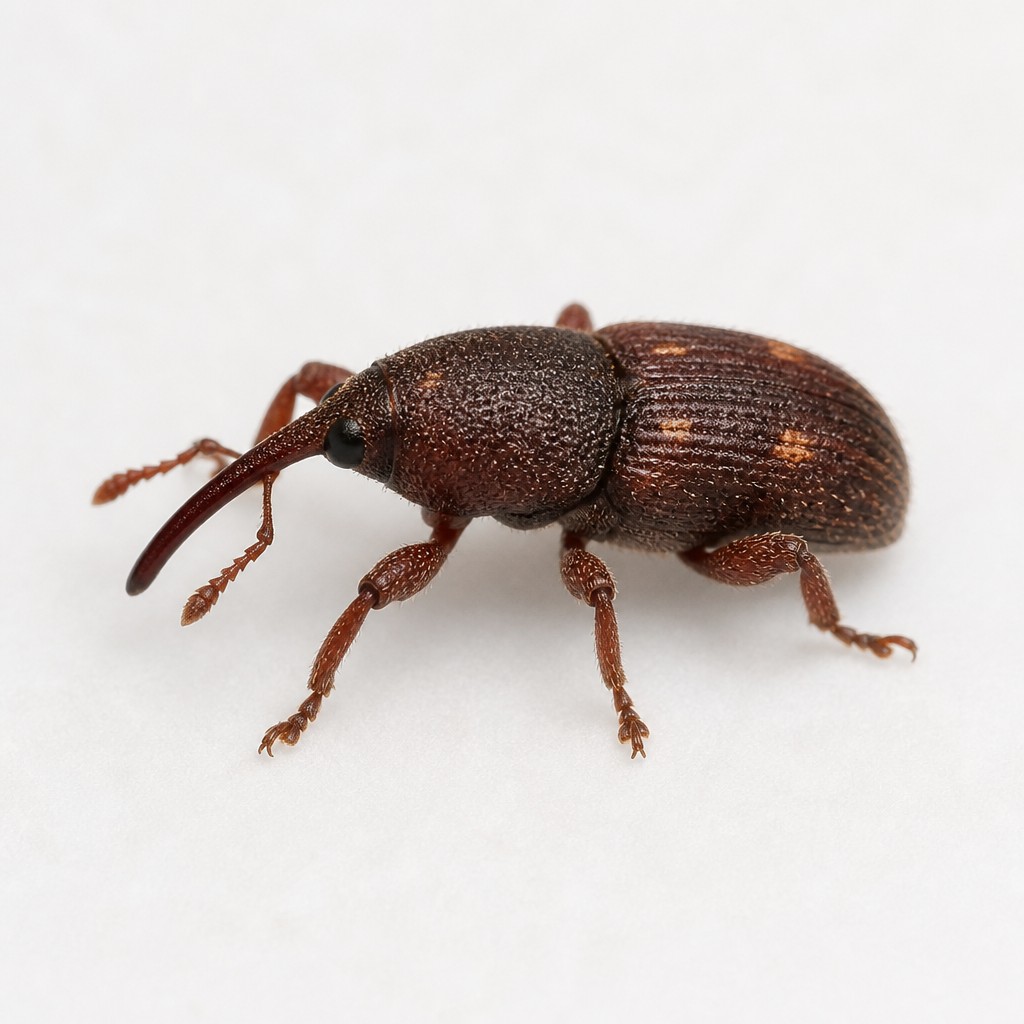
Rice Weevil
A tiny reddish-brown weevil with a long curved snout and four faint pale spots on its wing covers, commonly found infesting stored rice, wheat, and other grain products.
beetle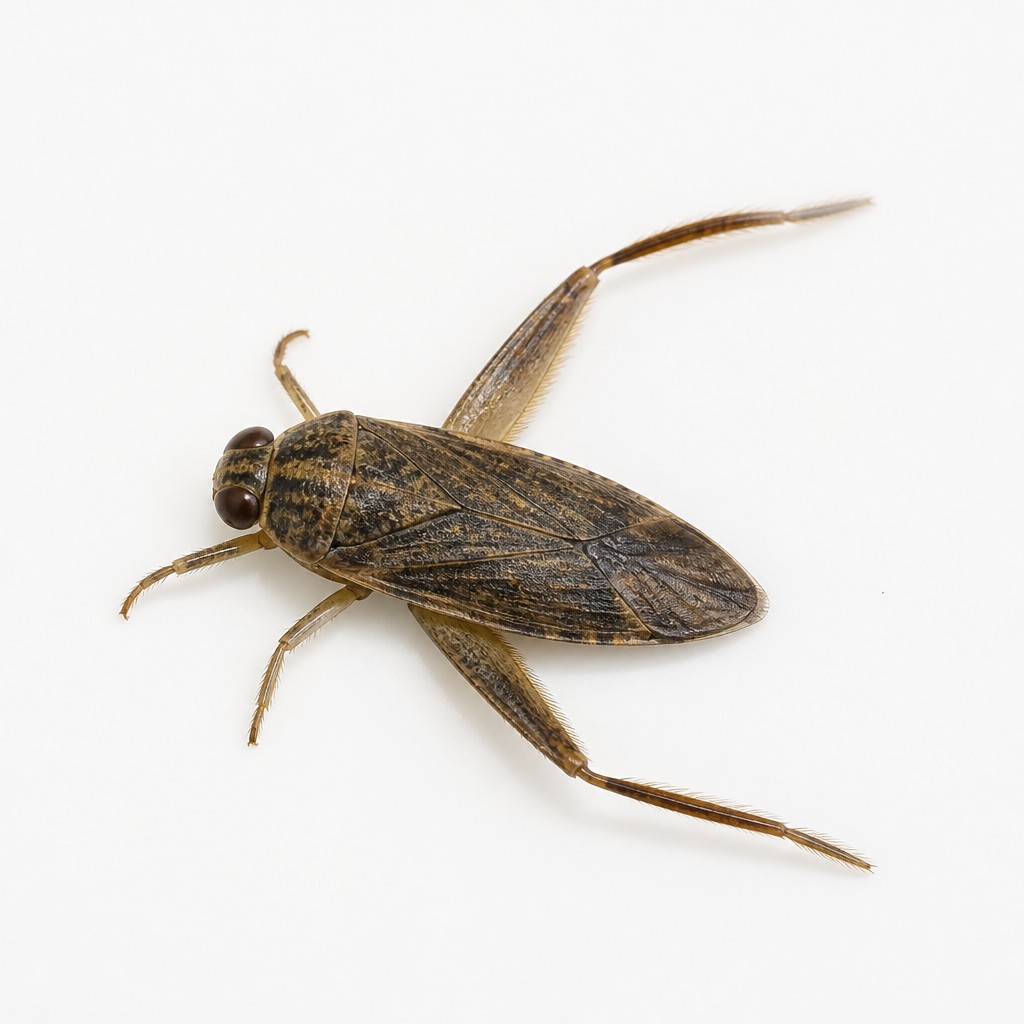
Water Boatman
A small, streamlined aquatic true bug with oar-like hind legs used for swimming, commonly seen gliding just beneath the surface of ponds and calm freshwater.
aquatic-insect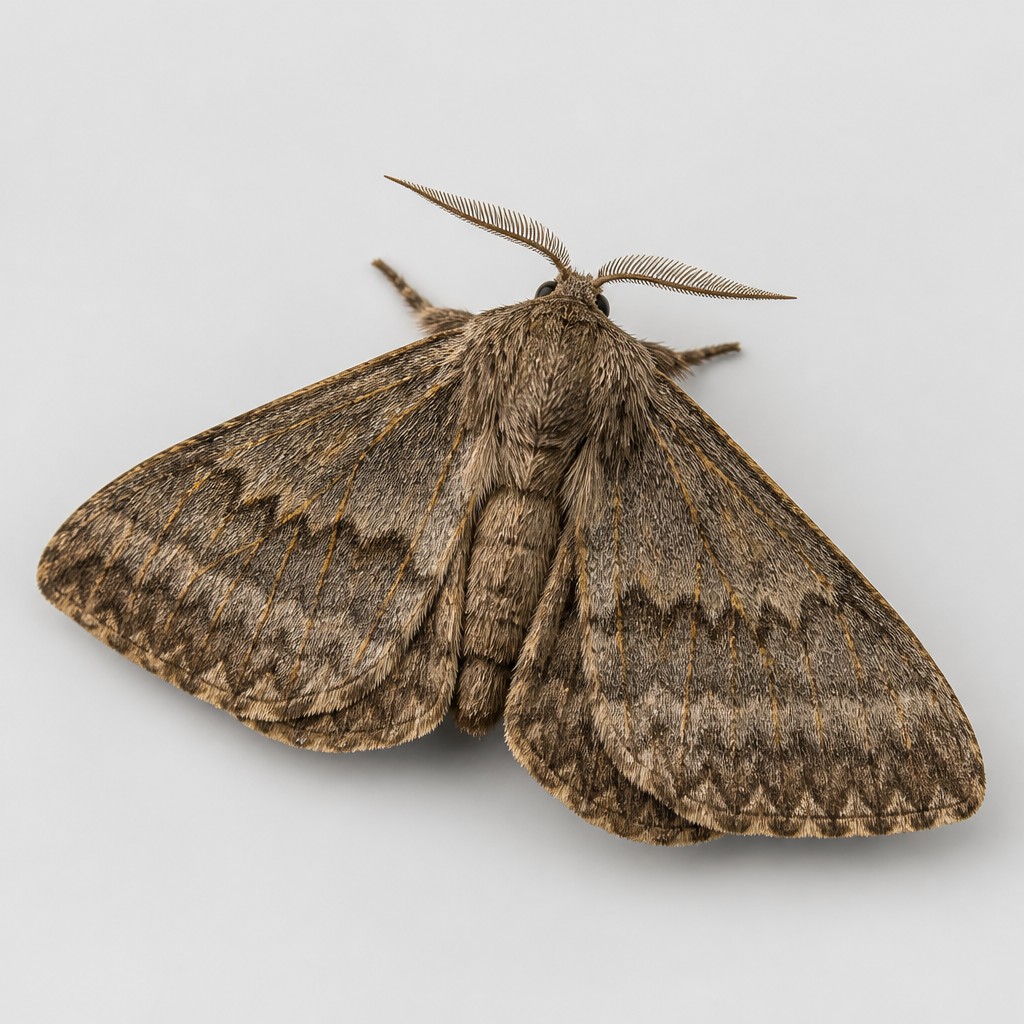
Moth
A broad group of scale-winged insects related to butterflies, typically nocturnal, with stout, often furry bodies and feathery or thread-like antennae.
moth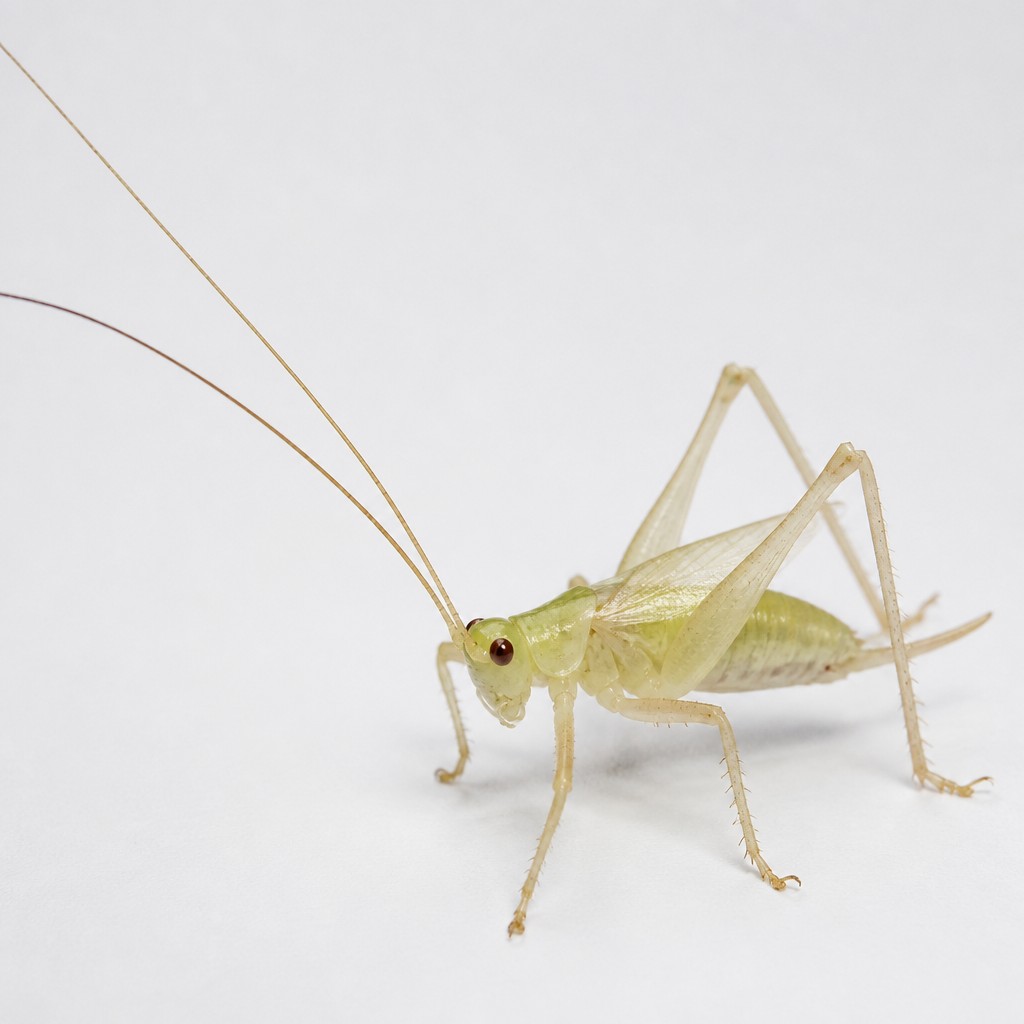
Snowy Tree Cricket
Nicknamed the thermometer cricket, this pale, delicate insect sings a steady, rhythmic chirp whose pace rises and falls so predictably with temperature that its chirp rate can be used to estimate the air temperature.
grasshopper-cricket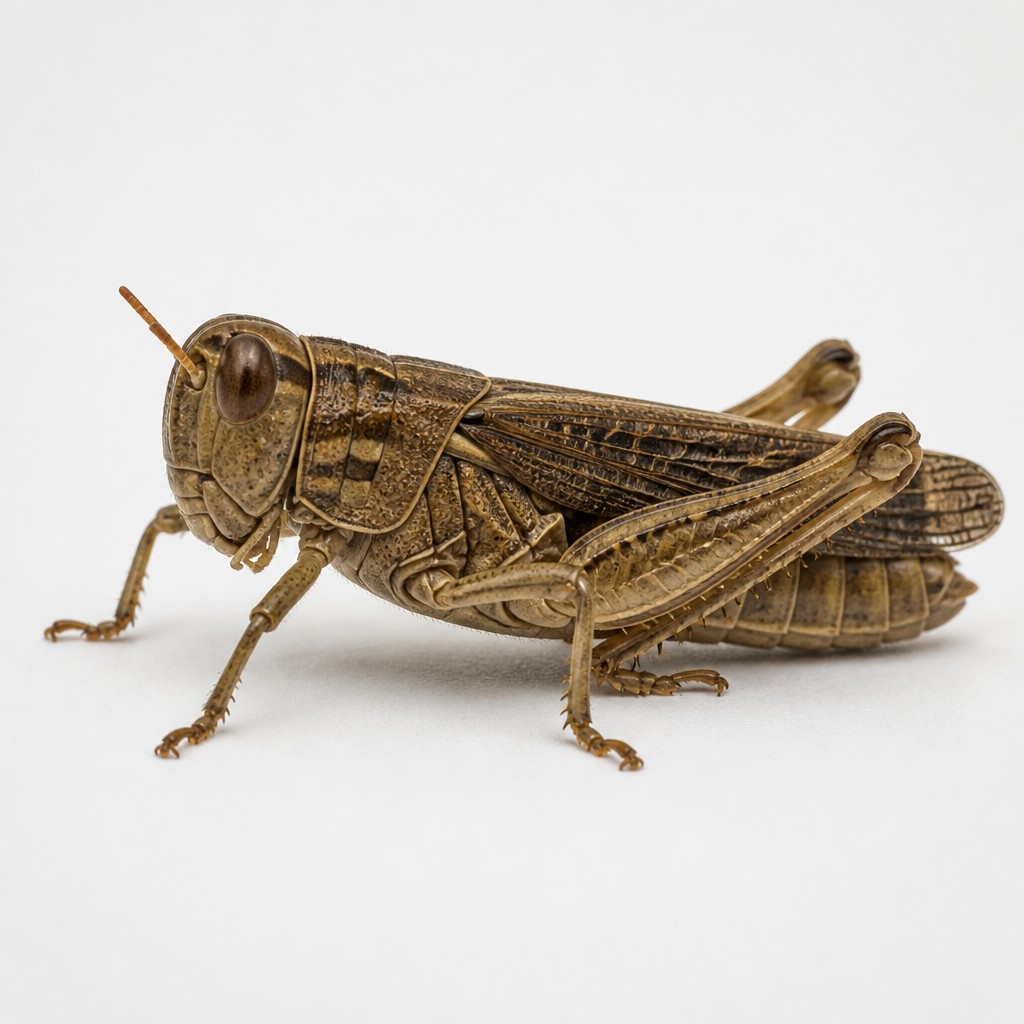
Grasshopper
A robust, strong-jumping insect with short antennae and powerful hind legs, commonly seen springing away through grass and low vegetation on warm sunny days.
grasshopper-cricket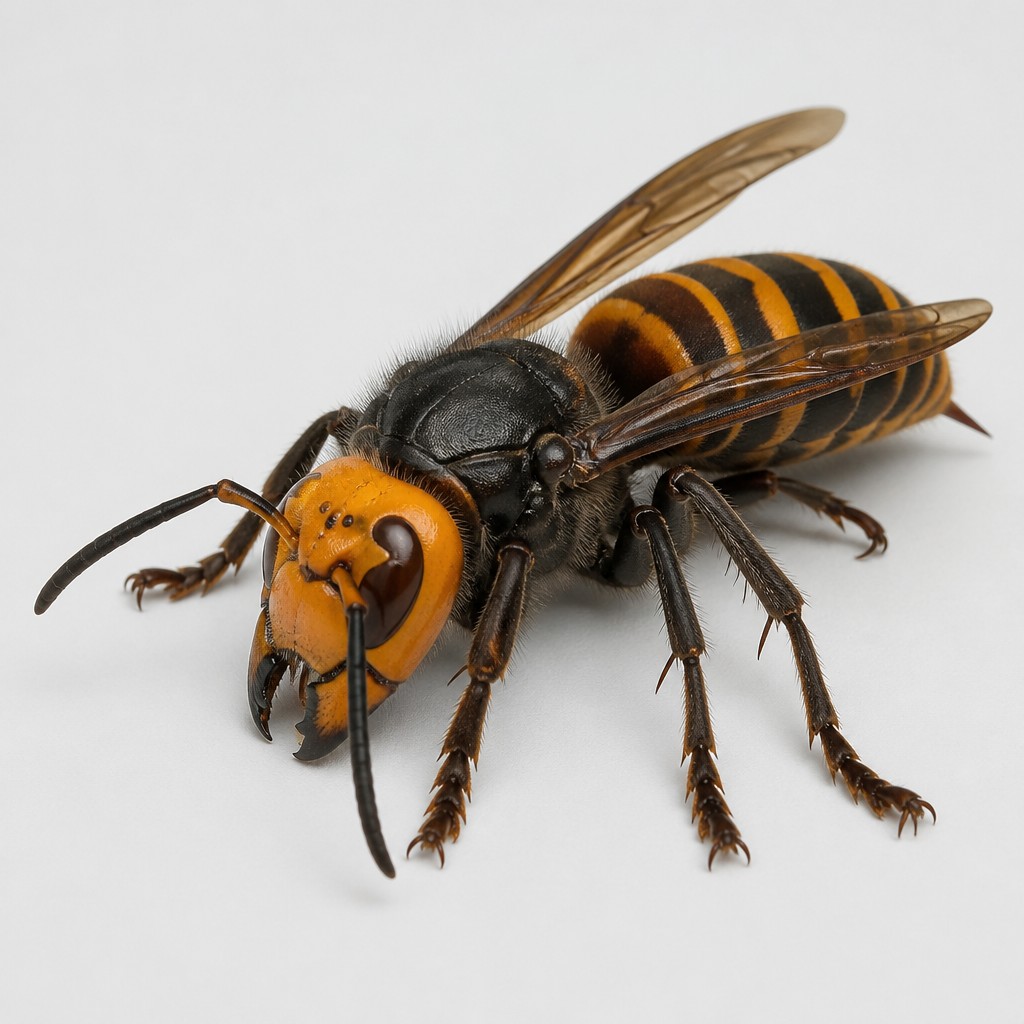
Asian Giant Hornet
The world's largest hornet, an imposing orange-and-black wasp with a wide head and long stinger, best known for raiding honey bee colonies to feed its brood.
wasp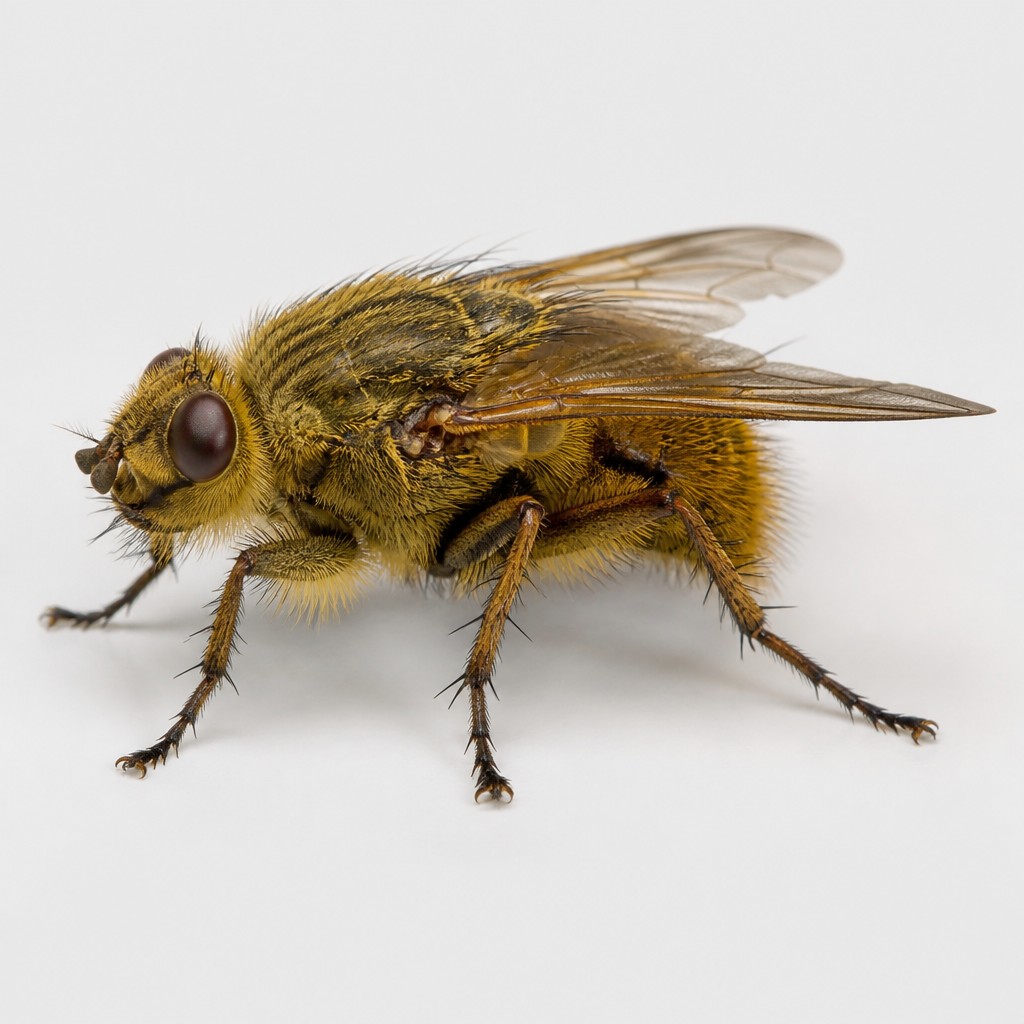
Dung Fly
A hairy, often golden-hued fly commonly seen perched on fresh manure in pastures, where it hunts smaller insects as an adult while its larvae develop within the dung itself.
fly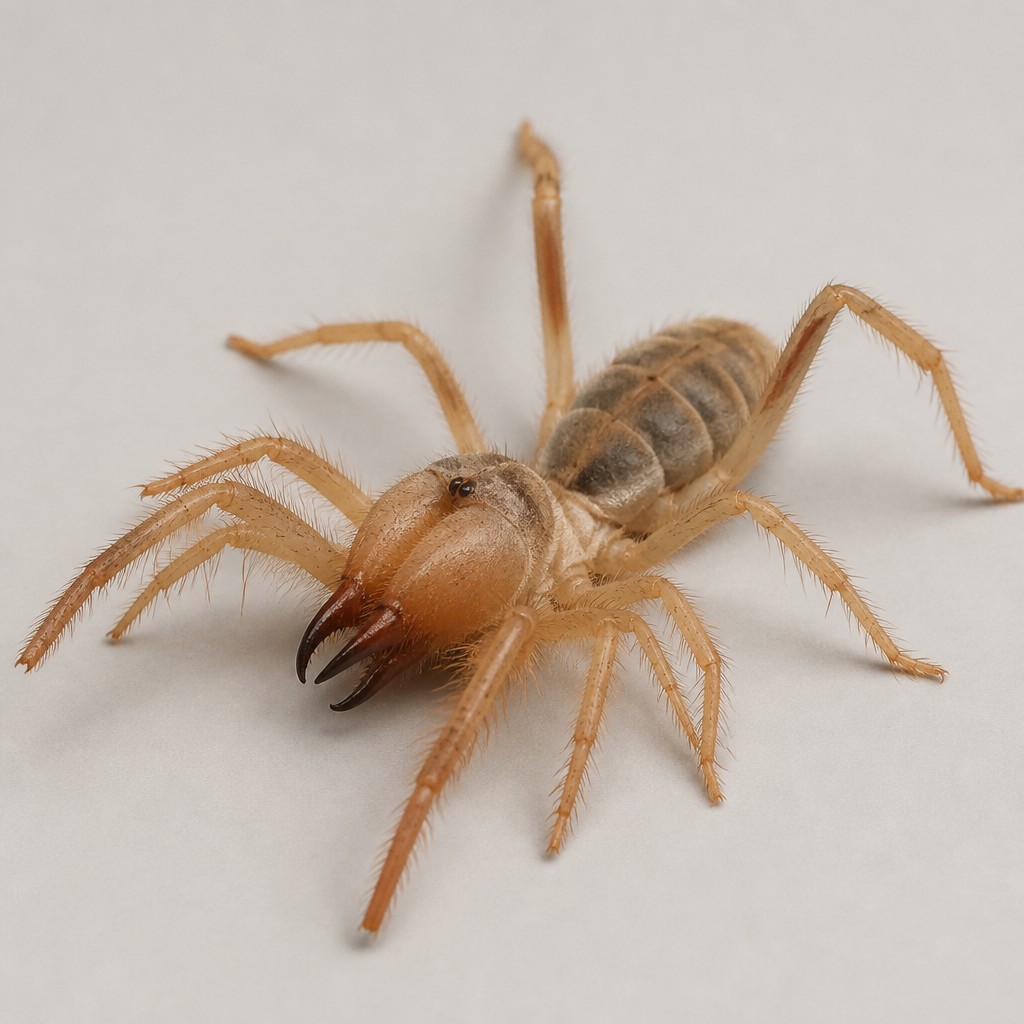
Sun Spider
A fast-running, fiercely built desert arachnid with oversized jaws, often mistaken for a giant spider despite belonging to an entirely different arachnid order.
arachnid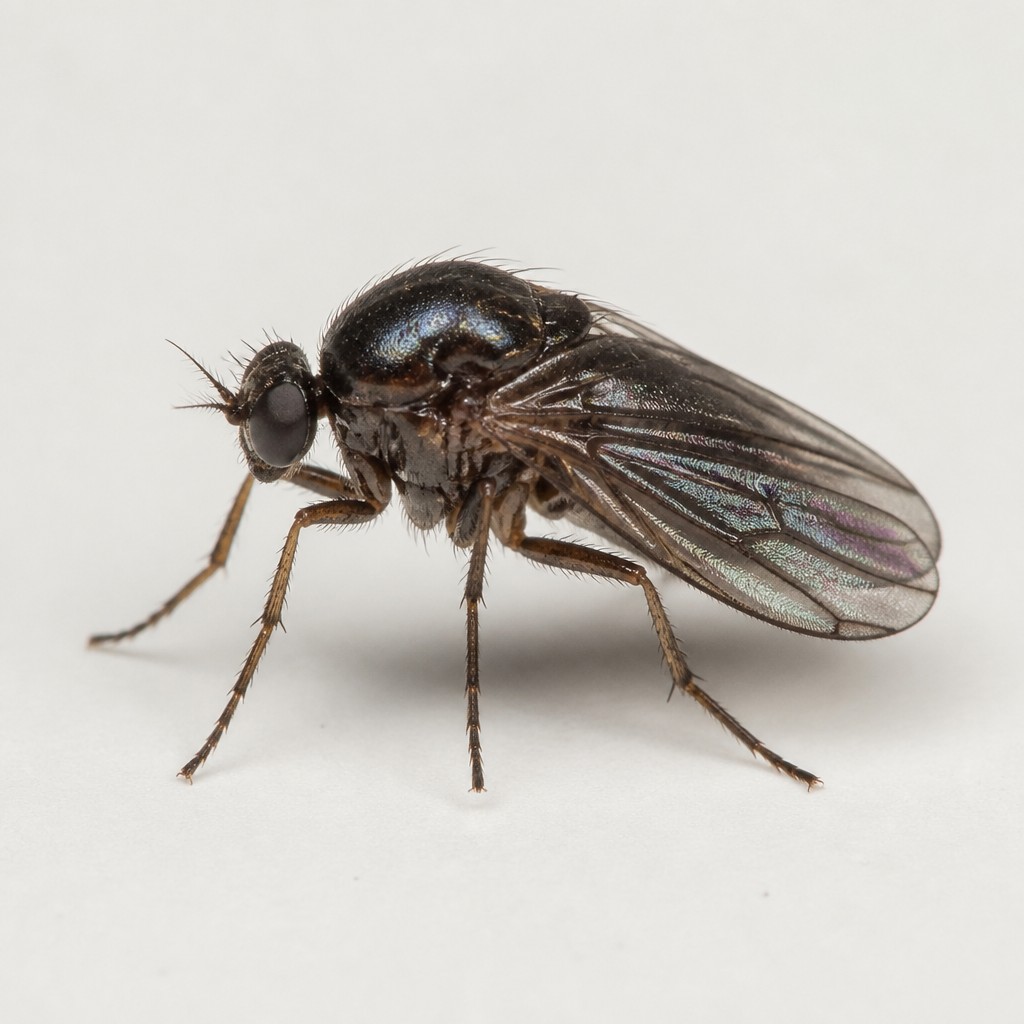
Phorid Fly
A tiny, hump-backed fly best known for scuttling erratically across countertops and floors rather than taking flight, drawn to anything rotting or moist.
fly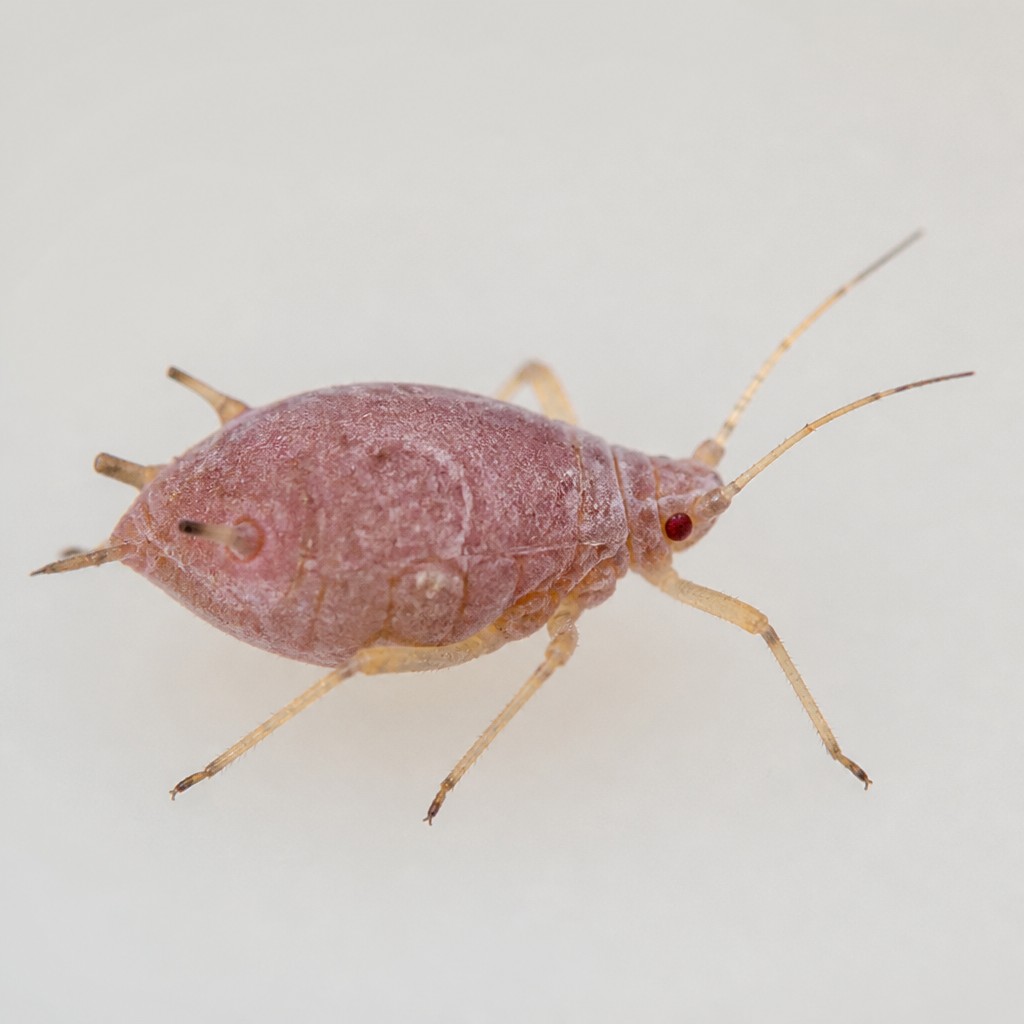
Rosy Apple Aphid
A small, dusty pink to purplish-gray aphid that clusters on apple foliage in spring, causing distinctive curled, reddened leaves that make its presence easy to spot even before the insects themselves are seen.
true-bug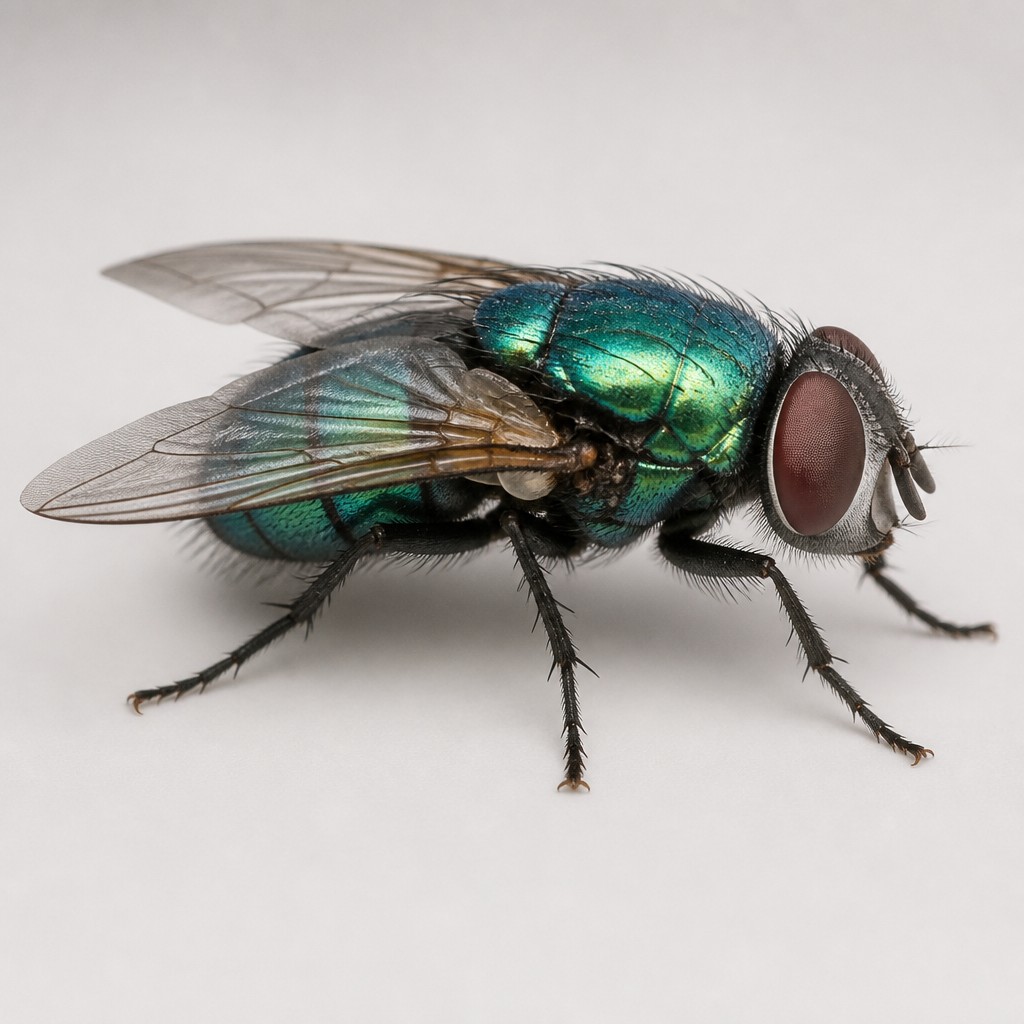
Screwworm Fly
A metallic blue-green blowfly whose larvae are unusual among maggots for feeding on living tissue rather than carrion, drawn to even small open wounds on warm-blooded animals. The species has been the target of one of the most successful large-scale insect eradication campaigns in history across much of North America.
fly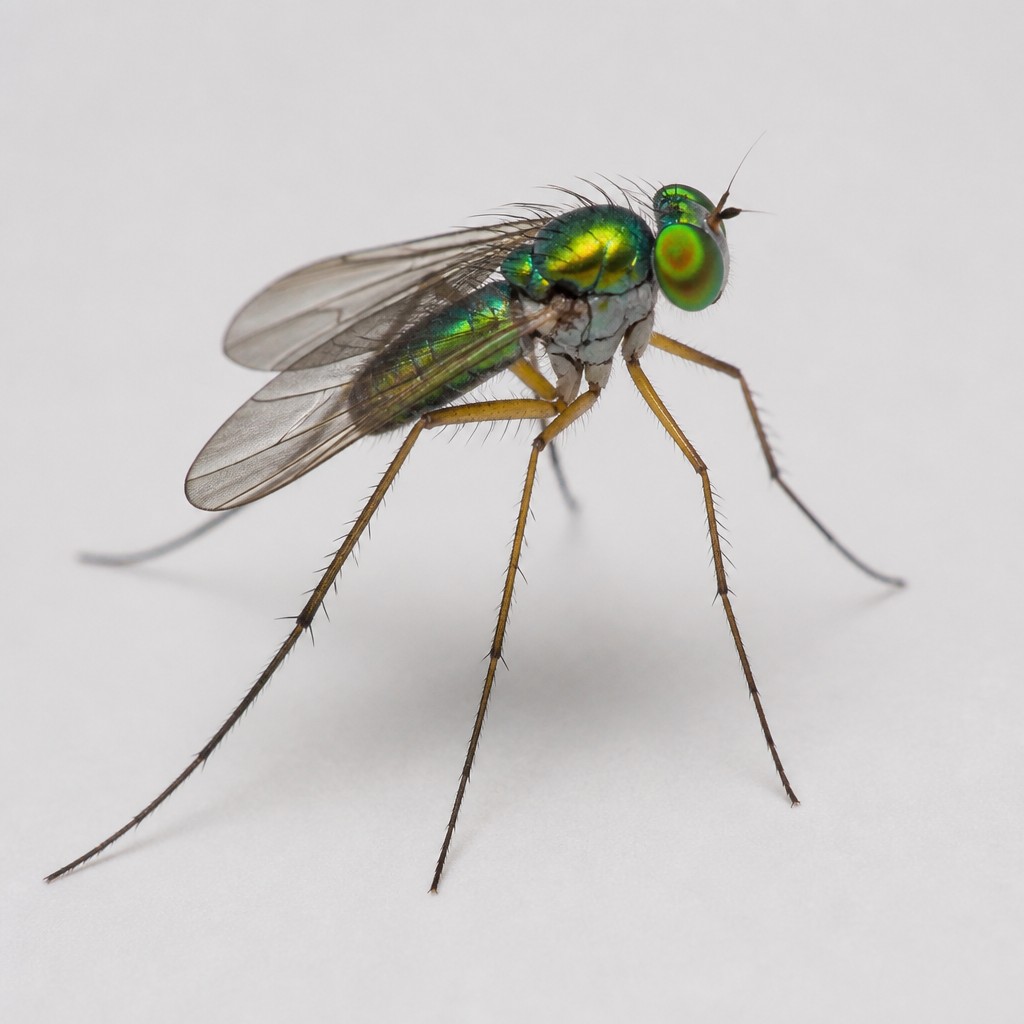
Long-Legged Fly
A jewel-bright little fly that flashes metallic green, blue, or bronze in the sunlight as it darts across leaves on comically long, stilt-like legs, pausing to perform quick territorial displays. Both adults and larvae are active hunters of even smaller insects, making this tiny fly a useful predator in gardens and wetlands alike.
fly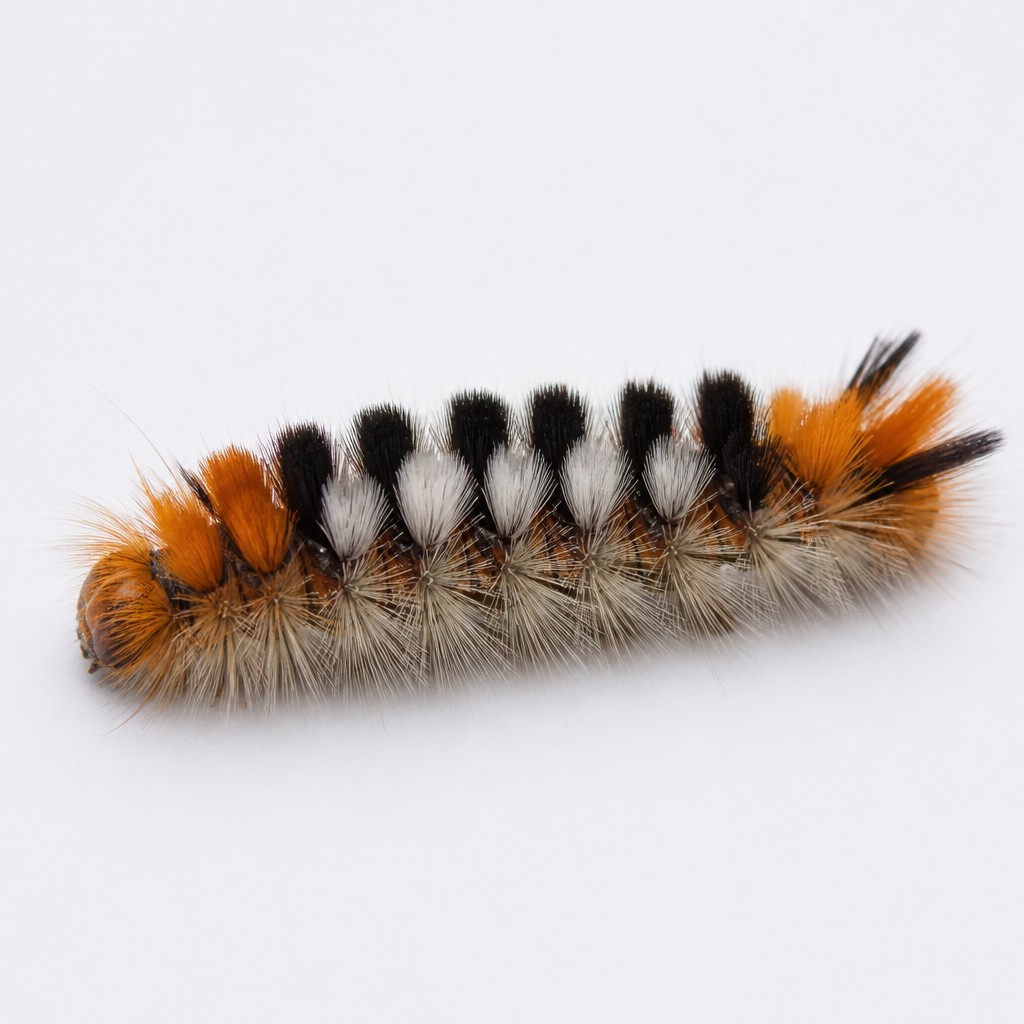
Milkweed Tussock Caterpillar
Rows of dense orange, black, and white hair tufts run down the back of this milkweed specialist, whose young larvae feed in tight groups that skeletonize milkweed leaves before dispersing to feed alone.
caterpillar-larva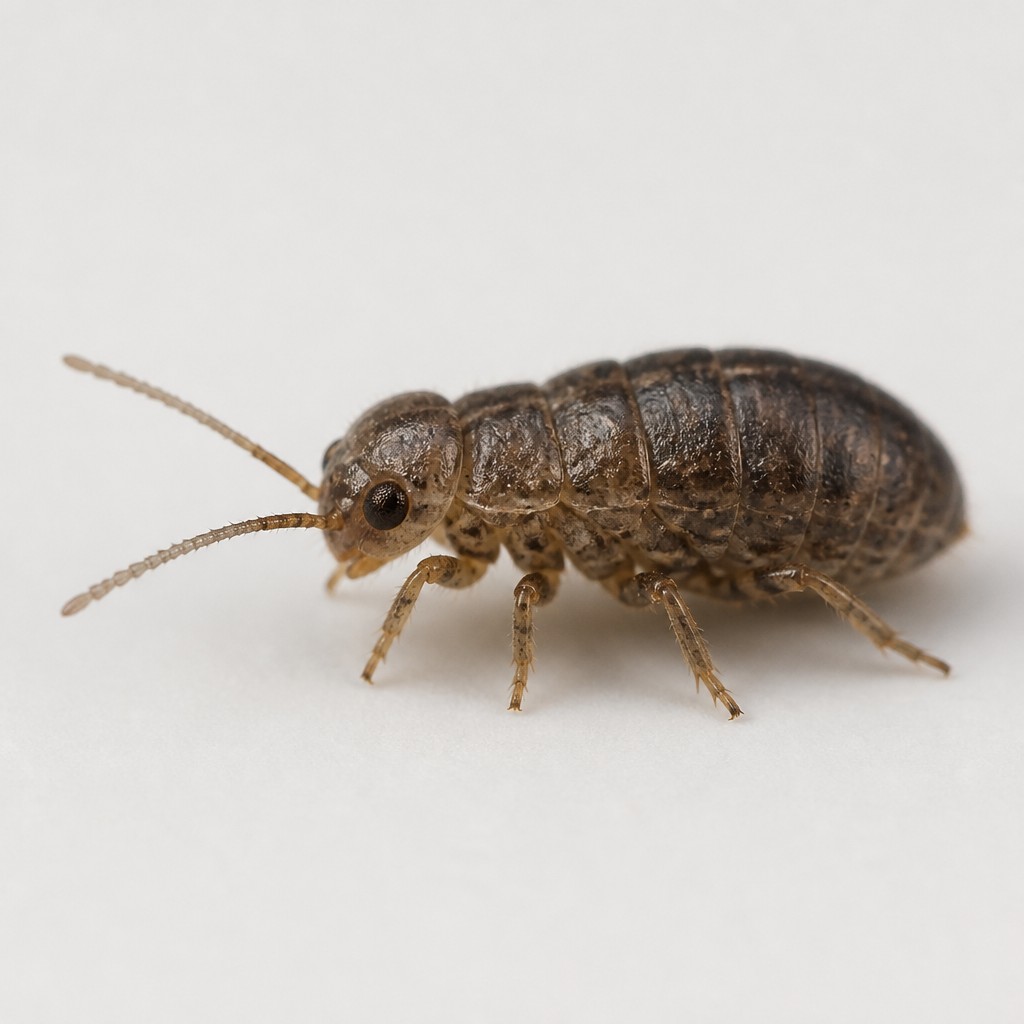
Bark Louse
A small, soft-bodied insect often seen in dense, moving herds on tree trunks, the bark louse grazes on algae, lichen, and fungal residue coating bark surfaces.
other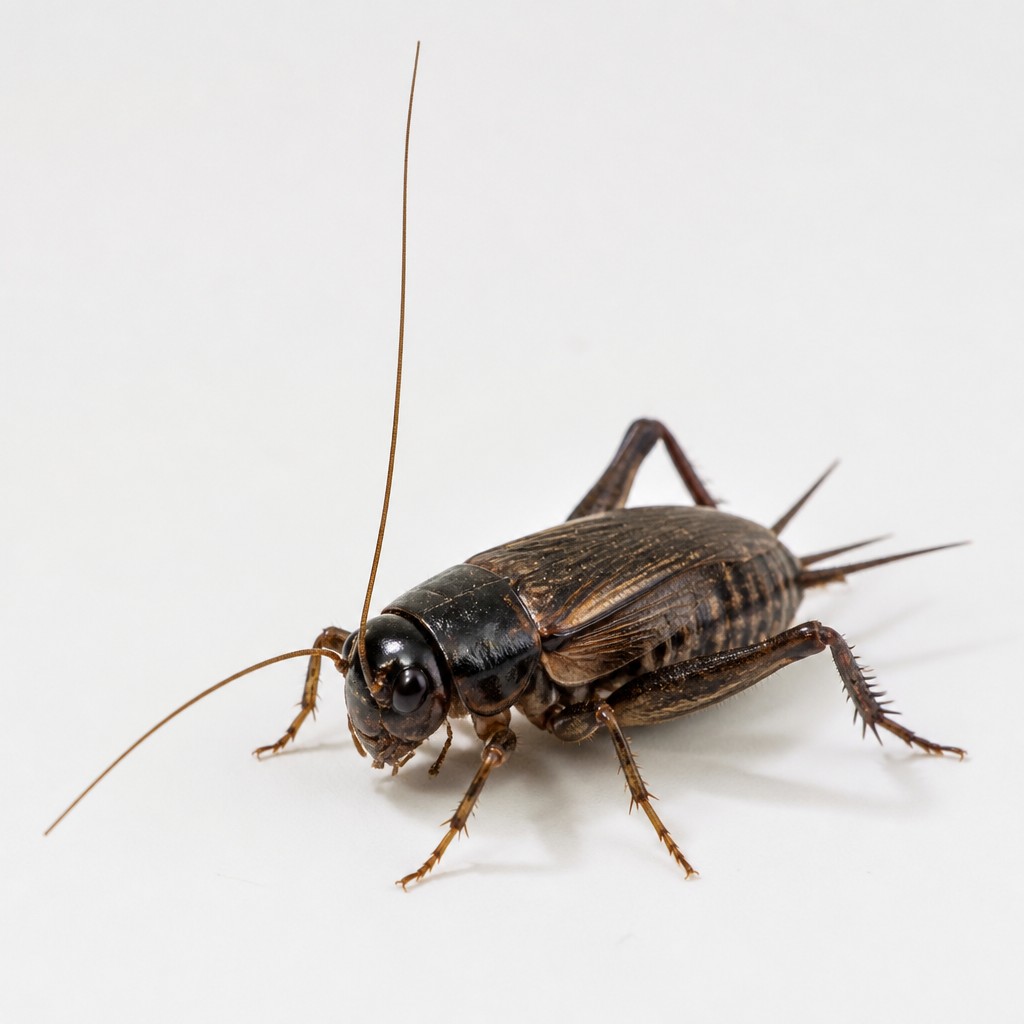
Cricket
A dark, round-headed jumping insect best known for the rhythmic chirping song produced by males rubbing their forewings together, often heard rather than seen after dusk.
grasshopper-cricket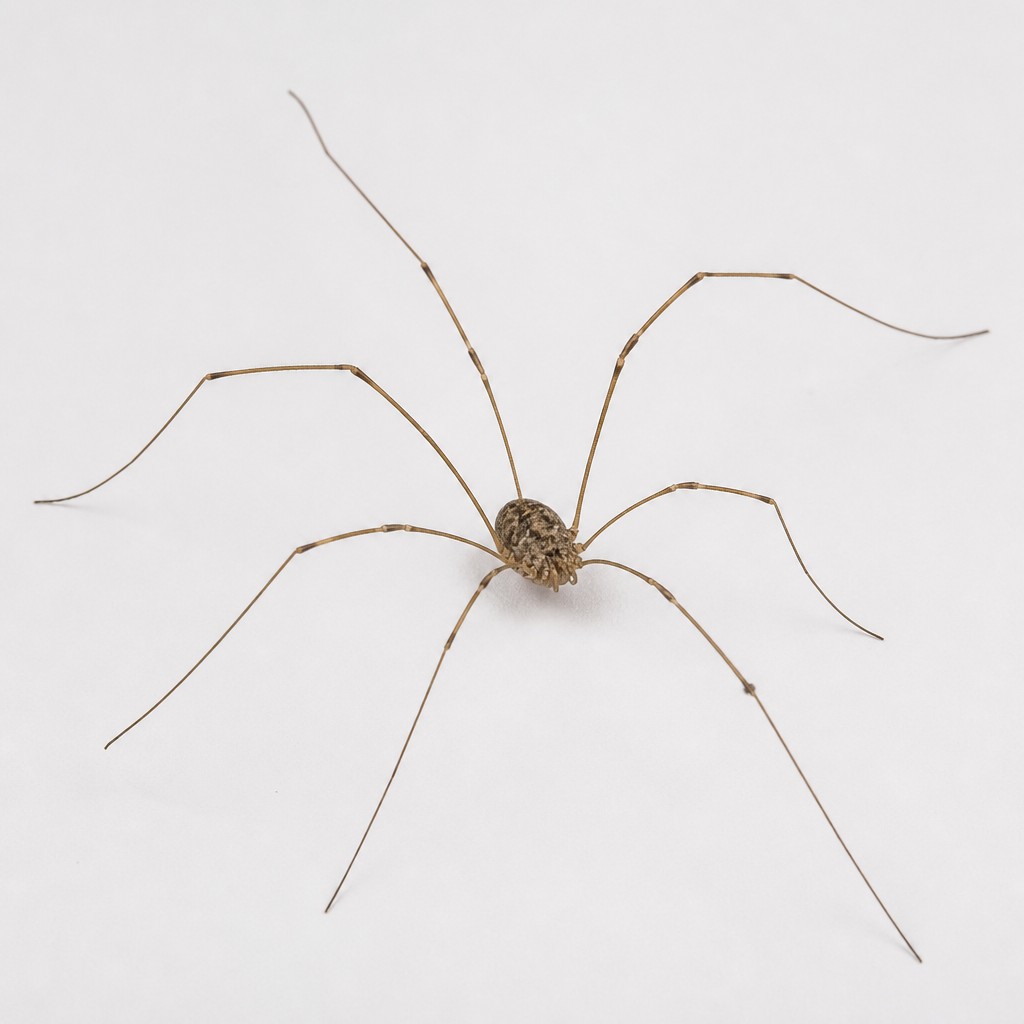
Daddy Longlegs (Harvestman)
A leggy, one-piece-bodied arachnid that scurries through leaf litter and garden beds on impossibly long, spindly legs, easily mistaken for a spider despite belonging to an entirely different arachnid order.
arachnid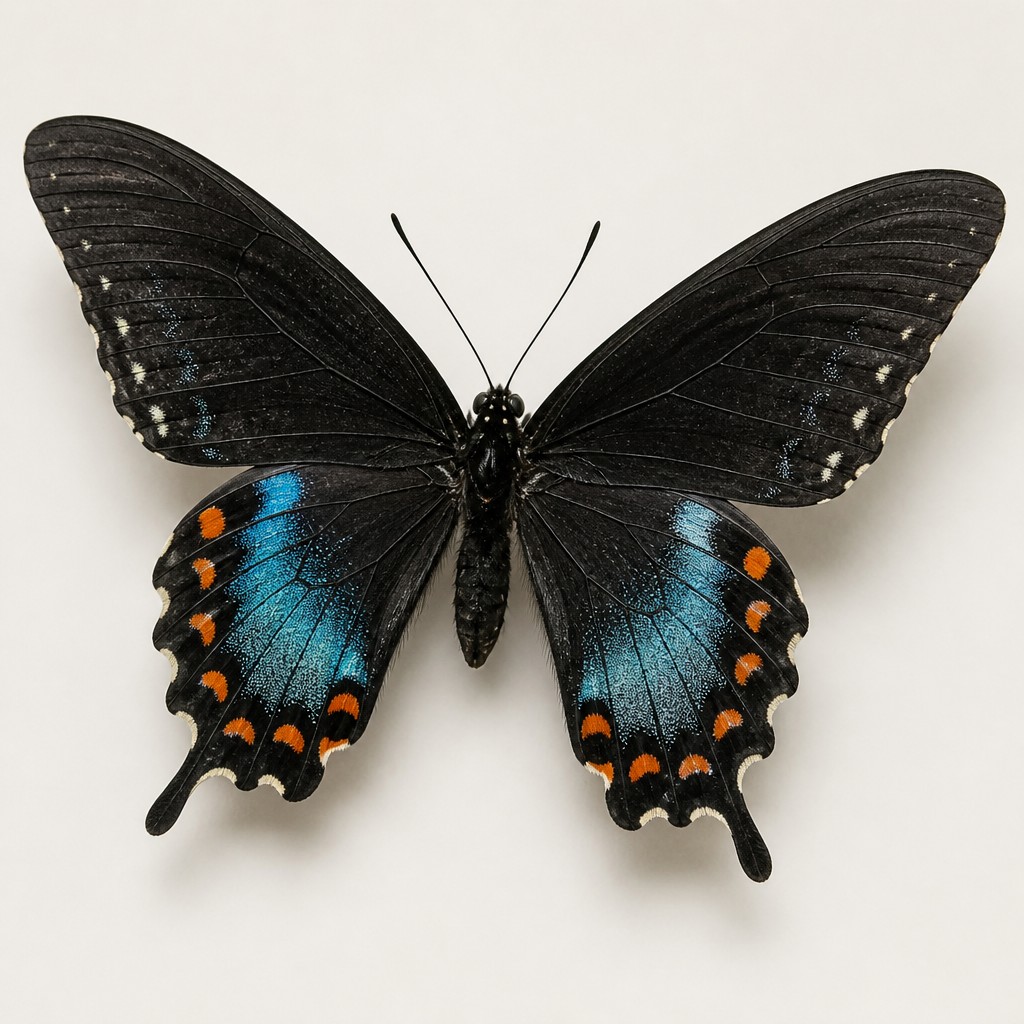
Pipevine Swallowtail
A striking black swallowtail with iridescent blue-green hindwings and a row of round orange spots beneath, whose toxin-sequestering caterpillars make it a model for several butterfly mimics.
butterfly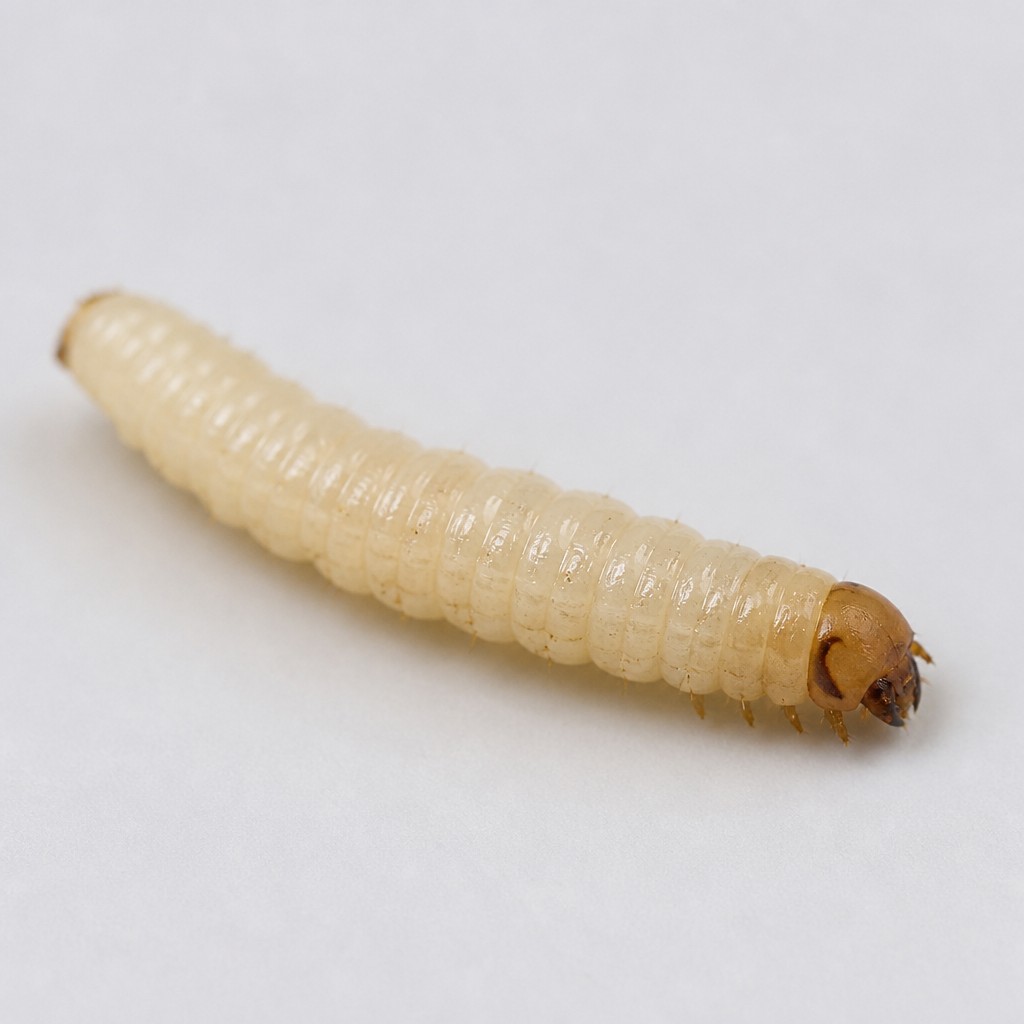
Rootworm
Working unseen below ground, rootworm larvae chew tunnels through the root systems of corn and other crops, the underground counterpart to the small, often striped or spotted beetles seen on leaves and flowers above.
beetle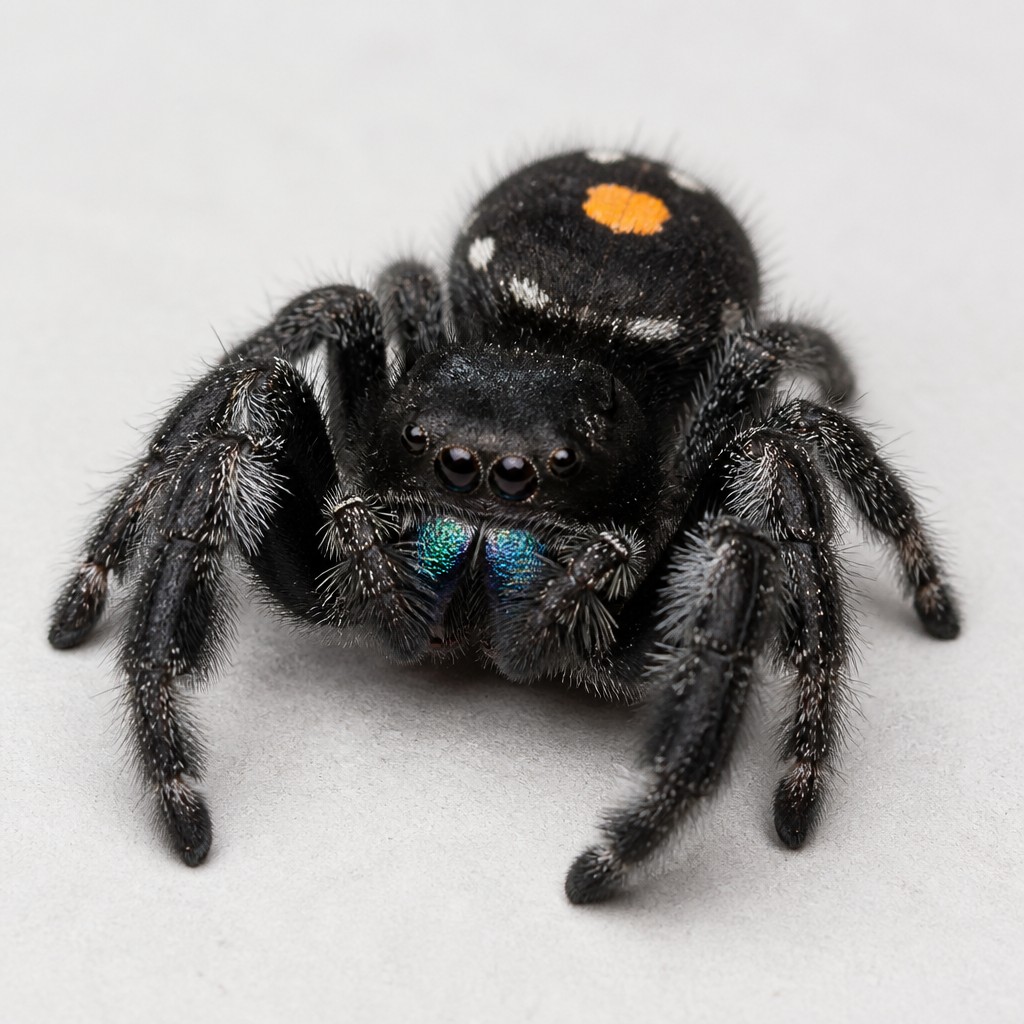
Bold Jumping Spider
A stocky, fuzzy black spider with iridescent green or blue mouthparts and a bold white or orange spot on its abdomen, the bold jumper is known for its excellent eyesight, curious behavior, and ability to leap many times its own body length.
spider