
Bug Encyclopedia
Search and identify bugs & insects — beetles, butterflies, moths, ants, bees, spiders and more — with size, habitat, danger, behavior, and how to tell them apart.
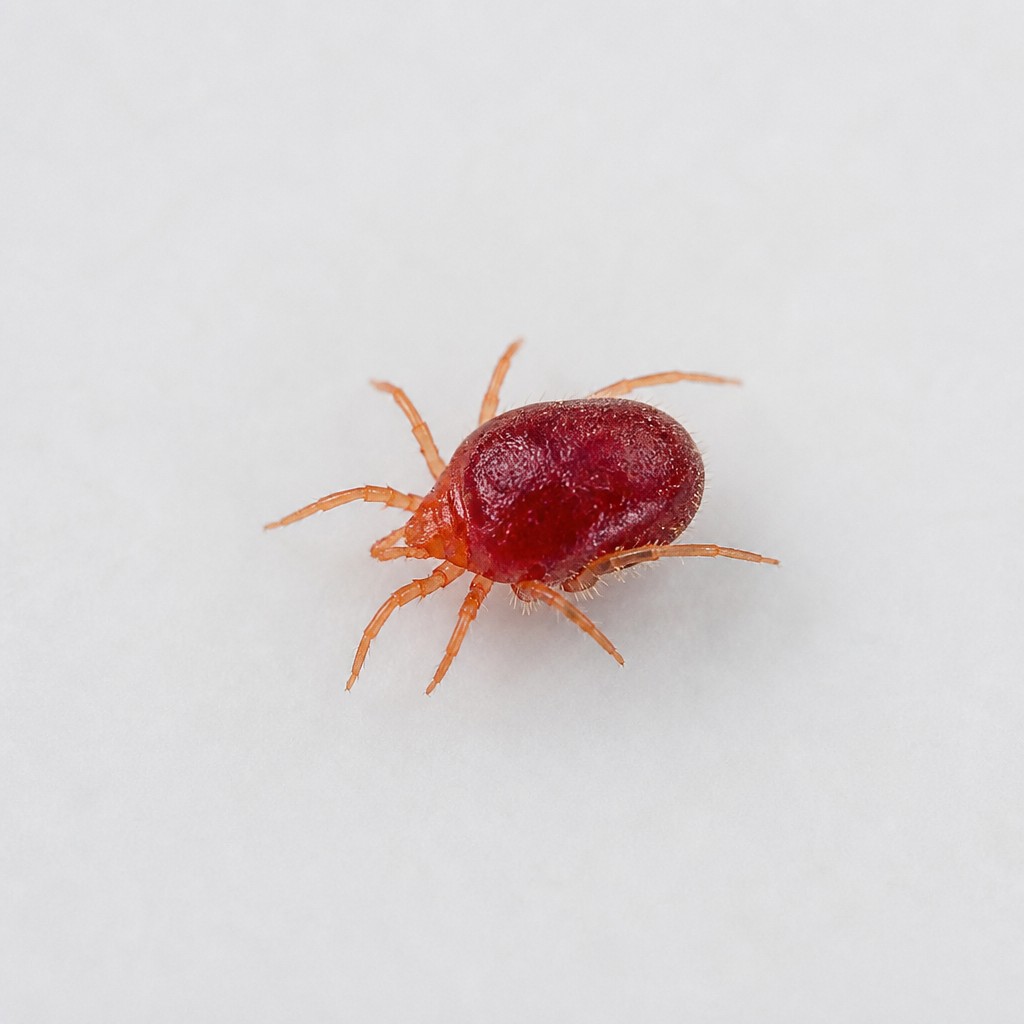
Chicken Mite
A tiny, blood-feeding mite that hides in cracks and crevices of poultry housing by day and emerges at night to feed on roosting birds, turning a dull gray to deep red after a blood meal.
arachnid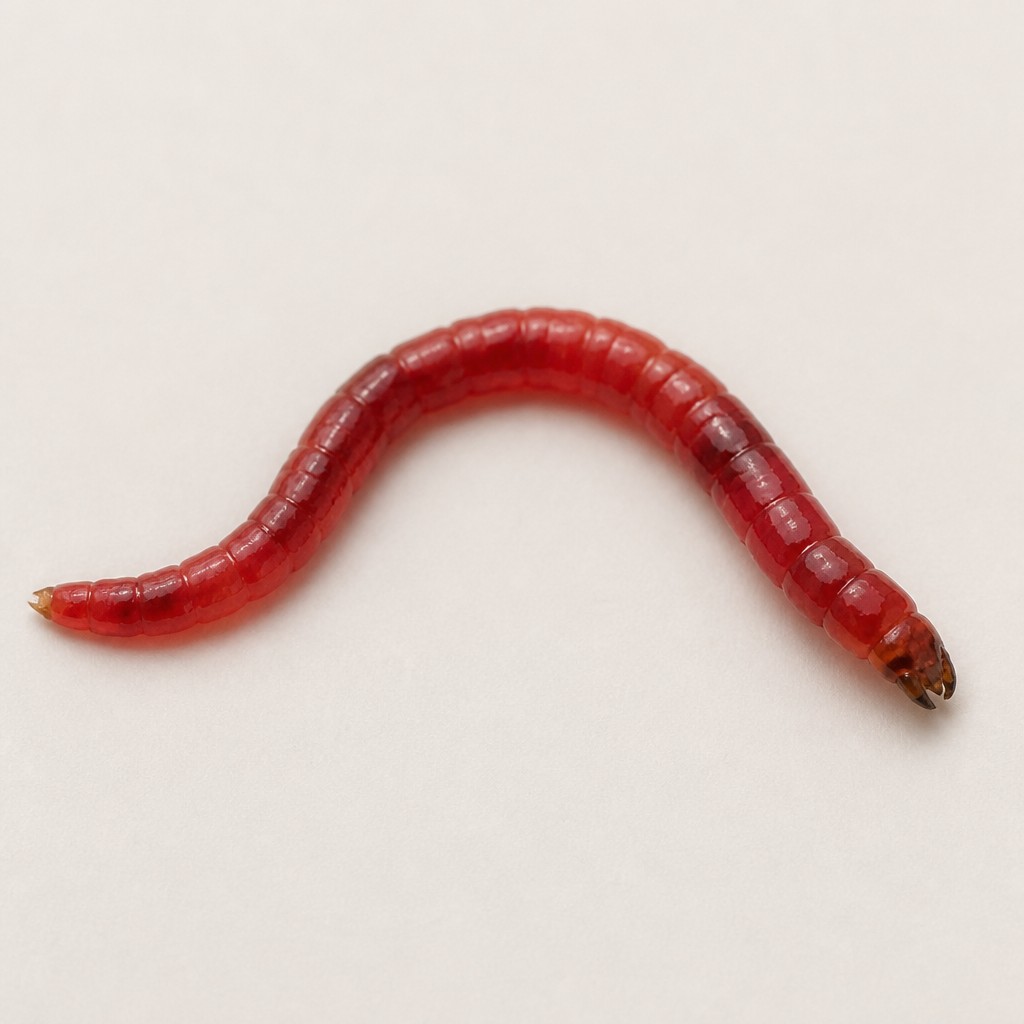
Non-Biting Midge Larva (Bloodworm)
Wriggling through soft bottom mud in dense colonies, the bloodworm gets its striking red color from a specialized blood pigment that lets it survive in oxygen-poor water where few other insects can.
aquatic-insect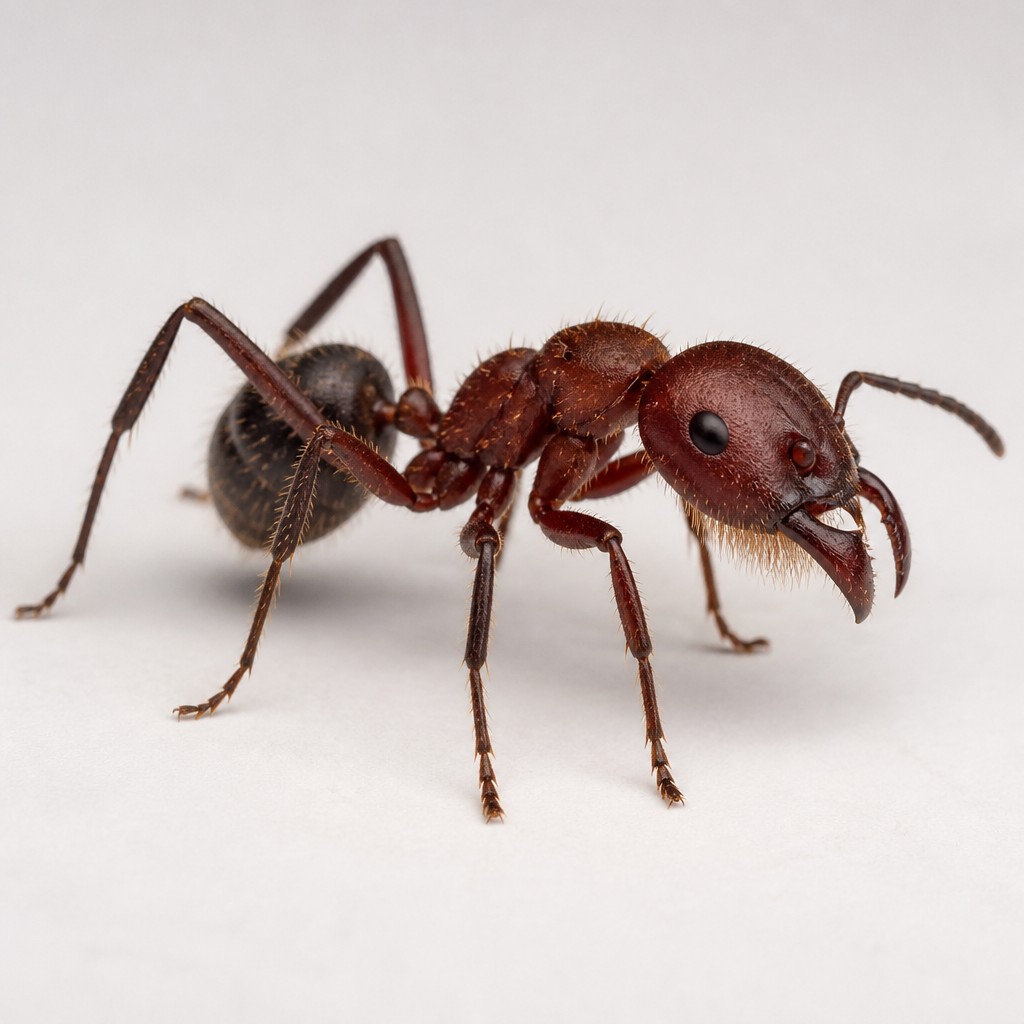
Harvester Ant
A large, industrious desert ant that clears a bare, sunburned disk of ground around its nest entrance while collecting and storing seeds by the thousands.
ant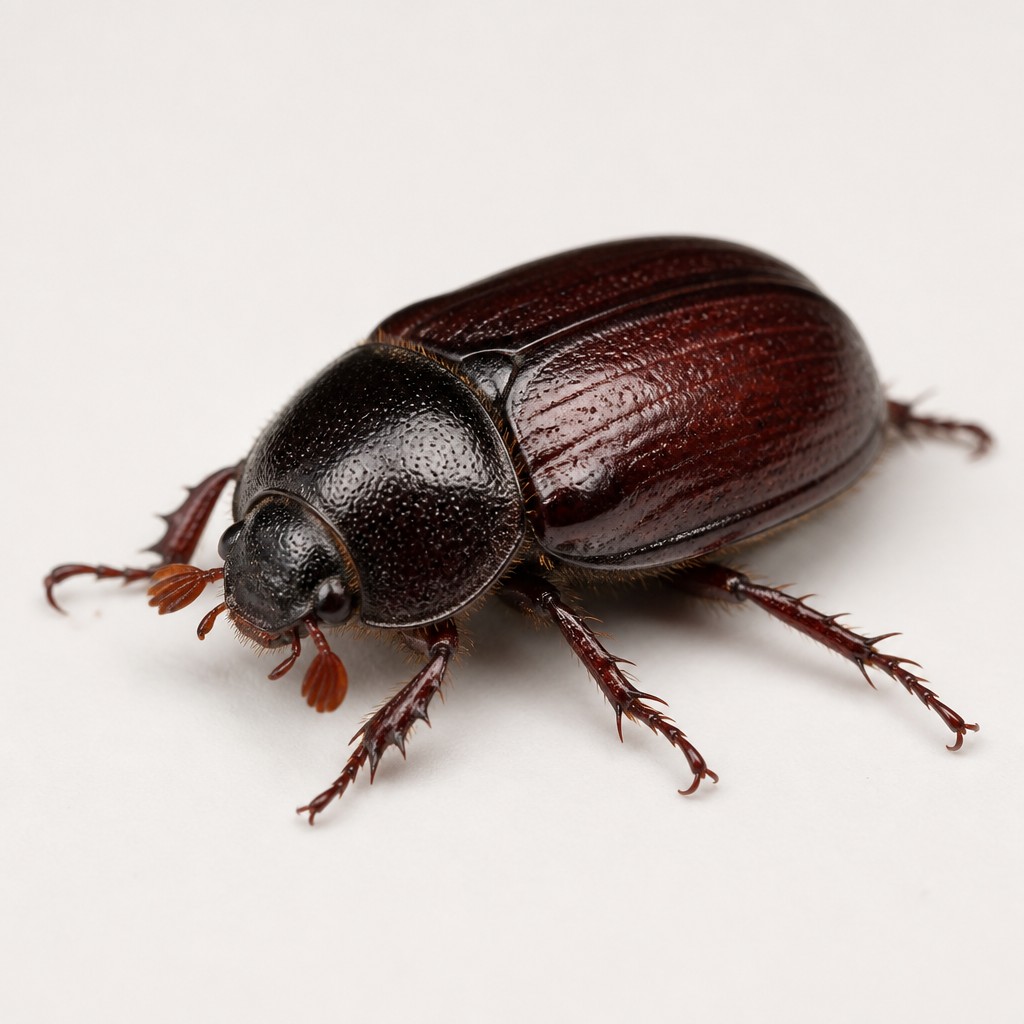
June Bug
A chunky, reddish-brown to nearly black scarab beetle that bumbles noisily around porch lights on warm late-spring and early-summer evenings.
beetle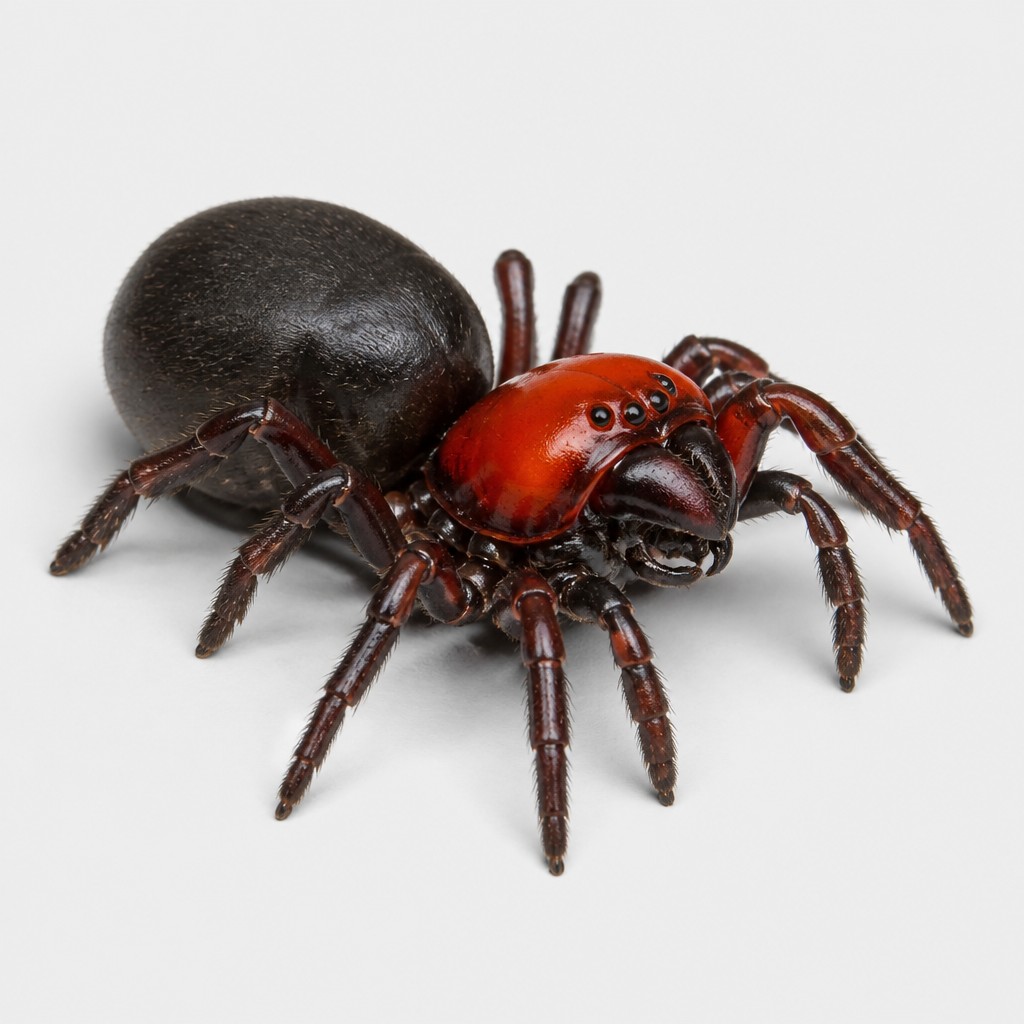
Mouse Spider
A stout, glossy burrowing spider named for its supposed mouse-like agility, with males often sporting a strikingly colored head and jaws.
spider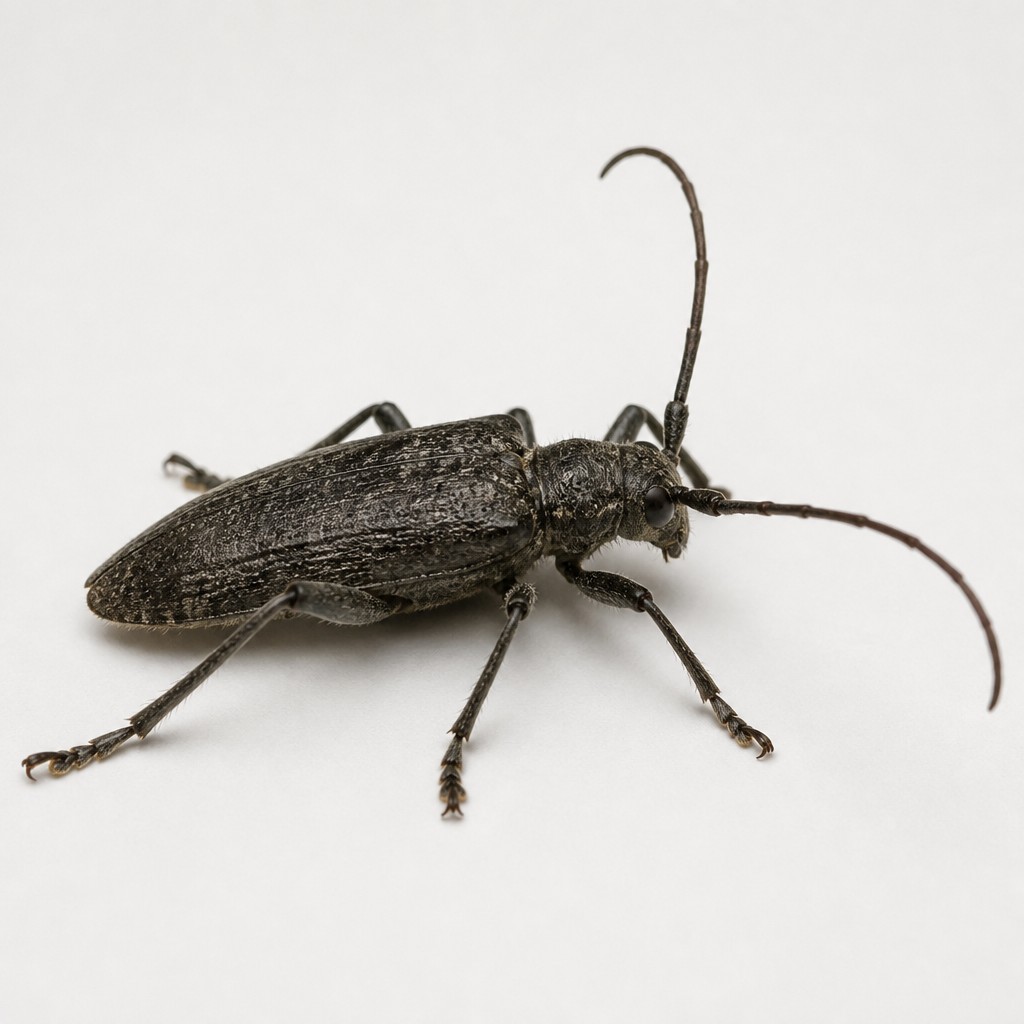
Old House Borer
A grayish-brown to nearly black longhorn beetle whose larvae bore extensively through structural softwood, capable of causing large galleries hidden beneath the wood surface.
beetle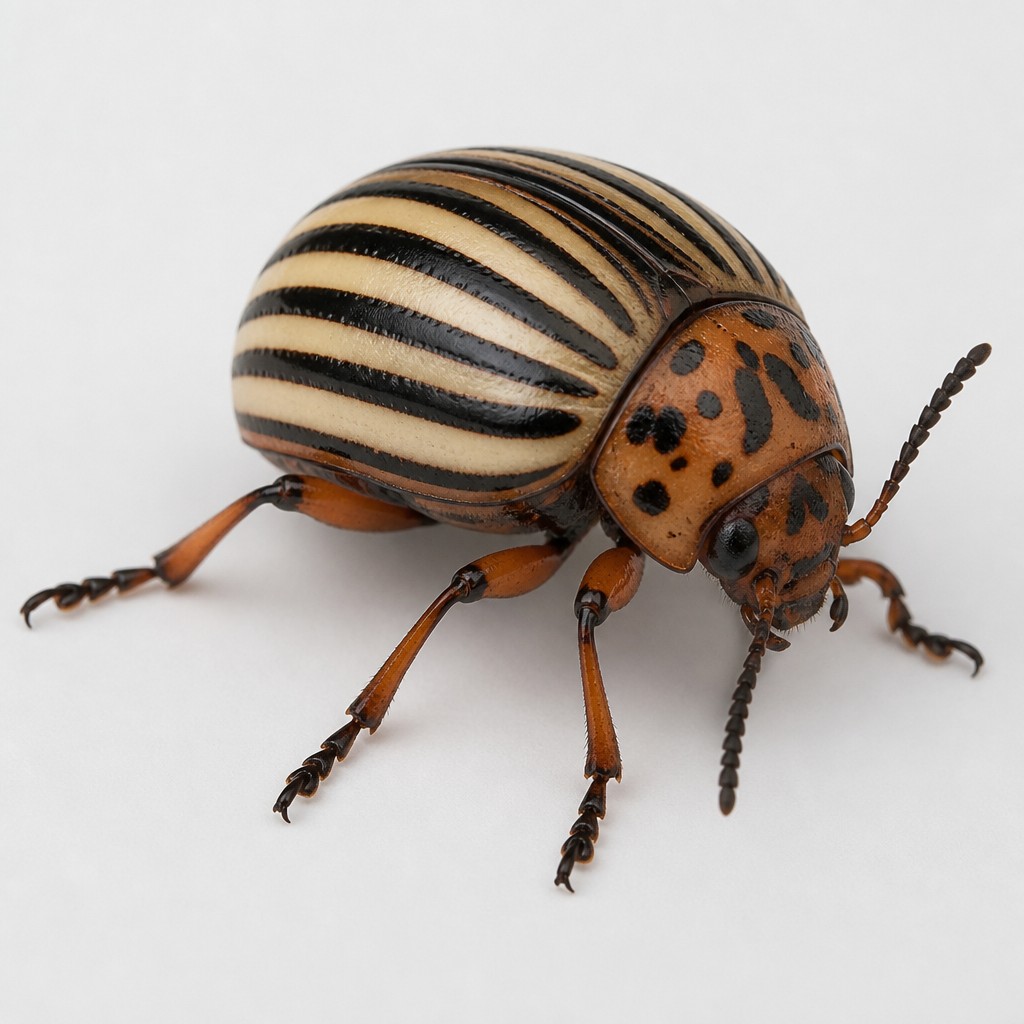
Potato Bug
A rounded, boldly striped beetle in cream and black that feeds on potato and other nightshade foliage, easily recognized by the ten black stripes running down its wing covers.
beetle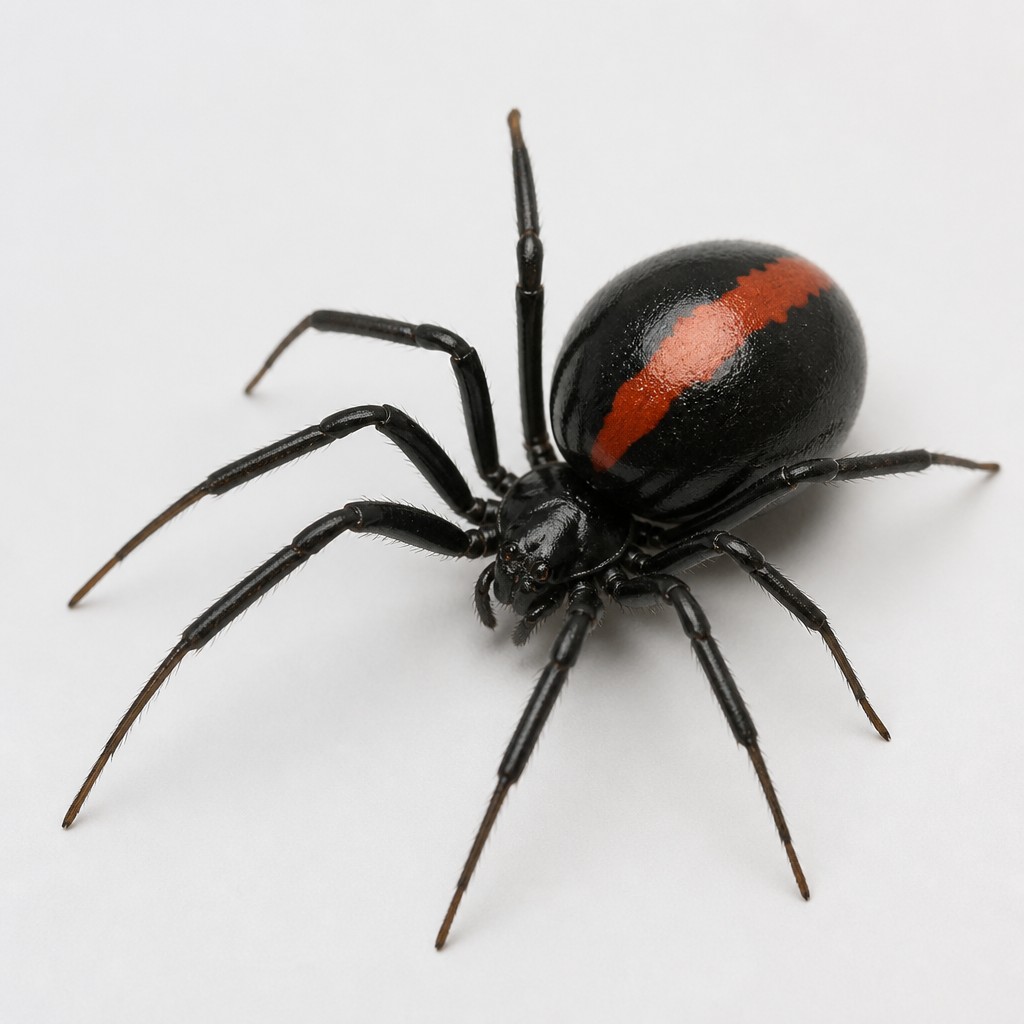
Redback Spider
A glossy black spider marked with a single bold red stripe down its back, the redback spider is one of Australia's most recognizable cobweb spiders, most often found tucked into dry, sheltered corners around homes and gardens.
spider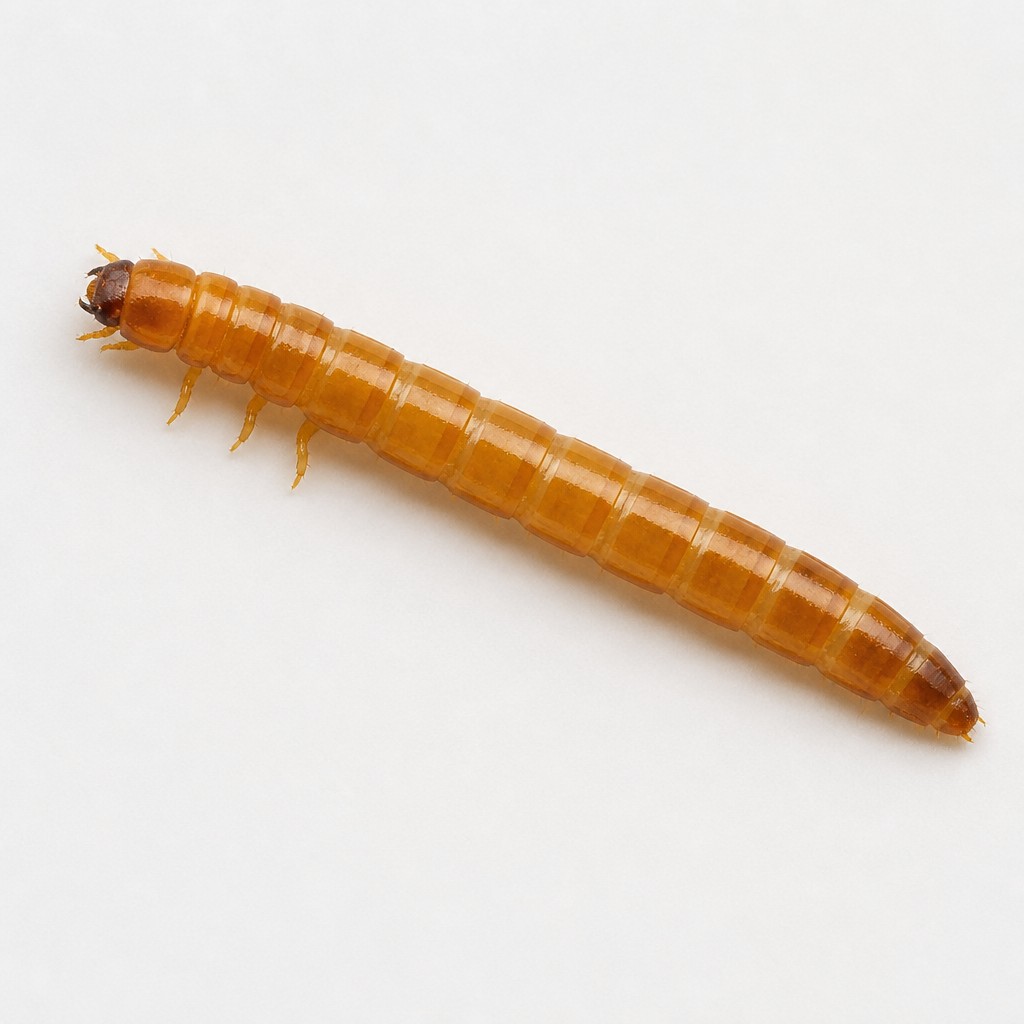
Wireworm
Slender, shiny, and armor-hard, the wireworm is the long-lived soil-dwelling larva of a click beetle, spending years underground feeding on seeds, roots, and tubers before ever taking beetle form.
beetle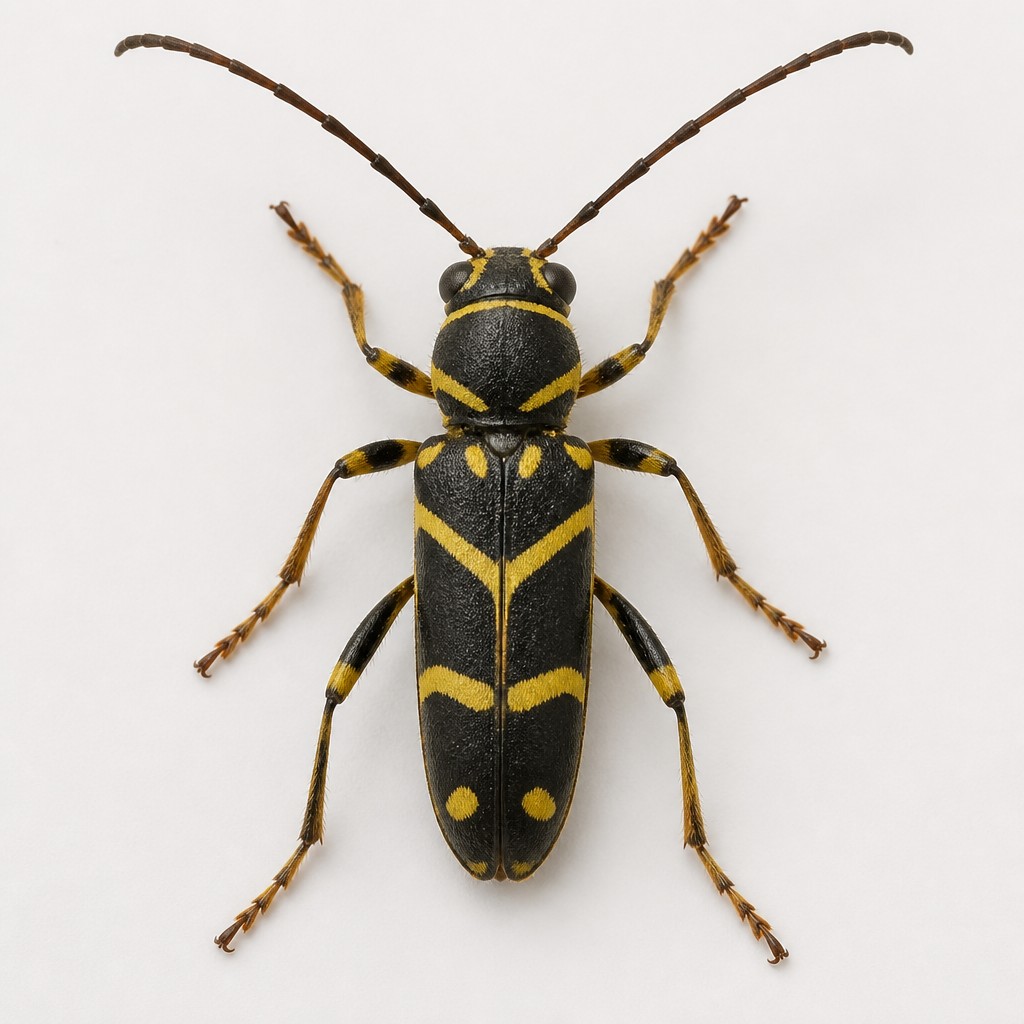
Locust Borer
A slender black longhorn beetle boldly striped with yellow, closely resembling a wasp, commonly seen visiting goldenrod flowers in autumn near black locust trees.
beetle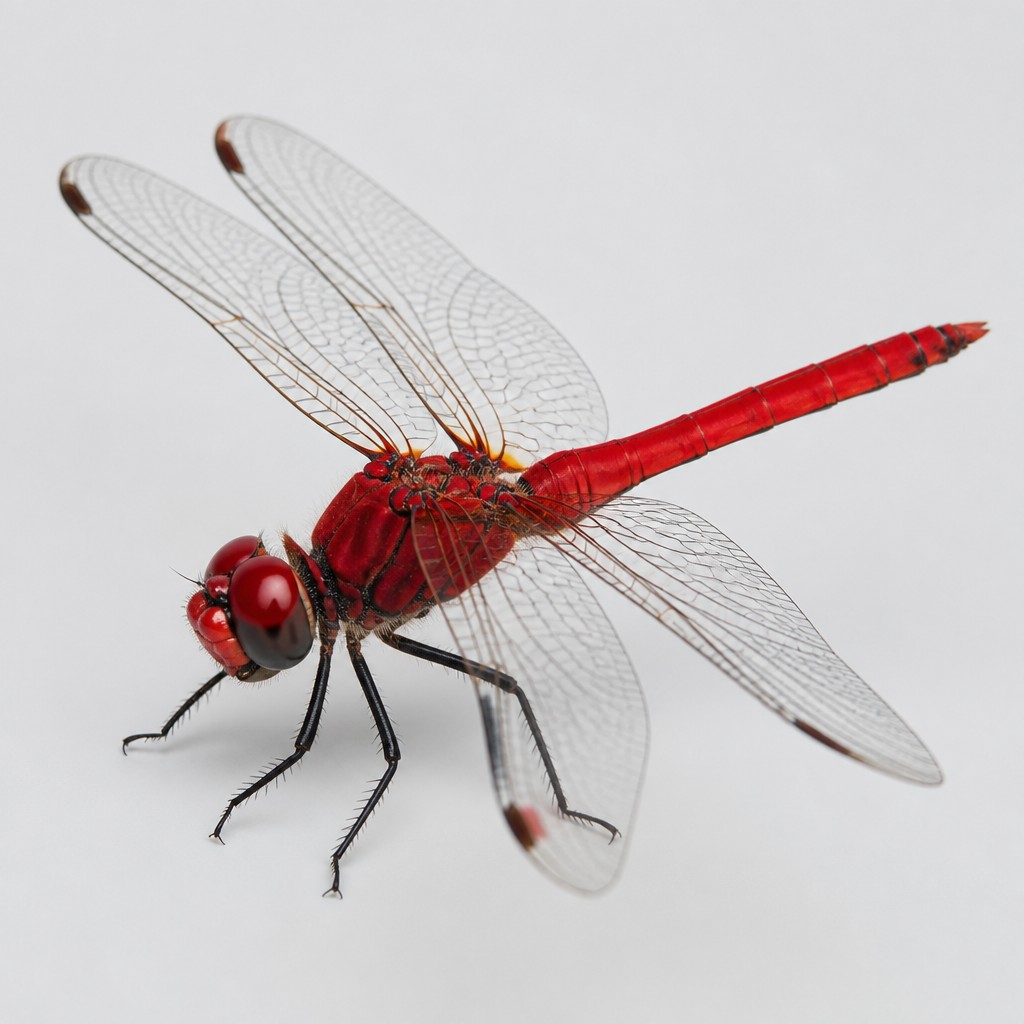
Ruby Meadowhawk
A small, brilliant-red dragonfly of late summer meadows, so intensely colored that mature males seem to glow when perched low in the grass.
dragonfly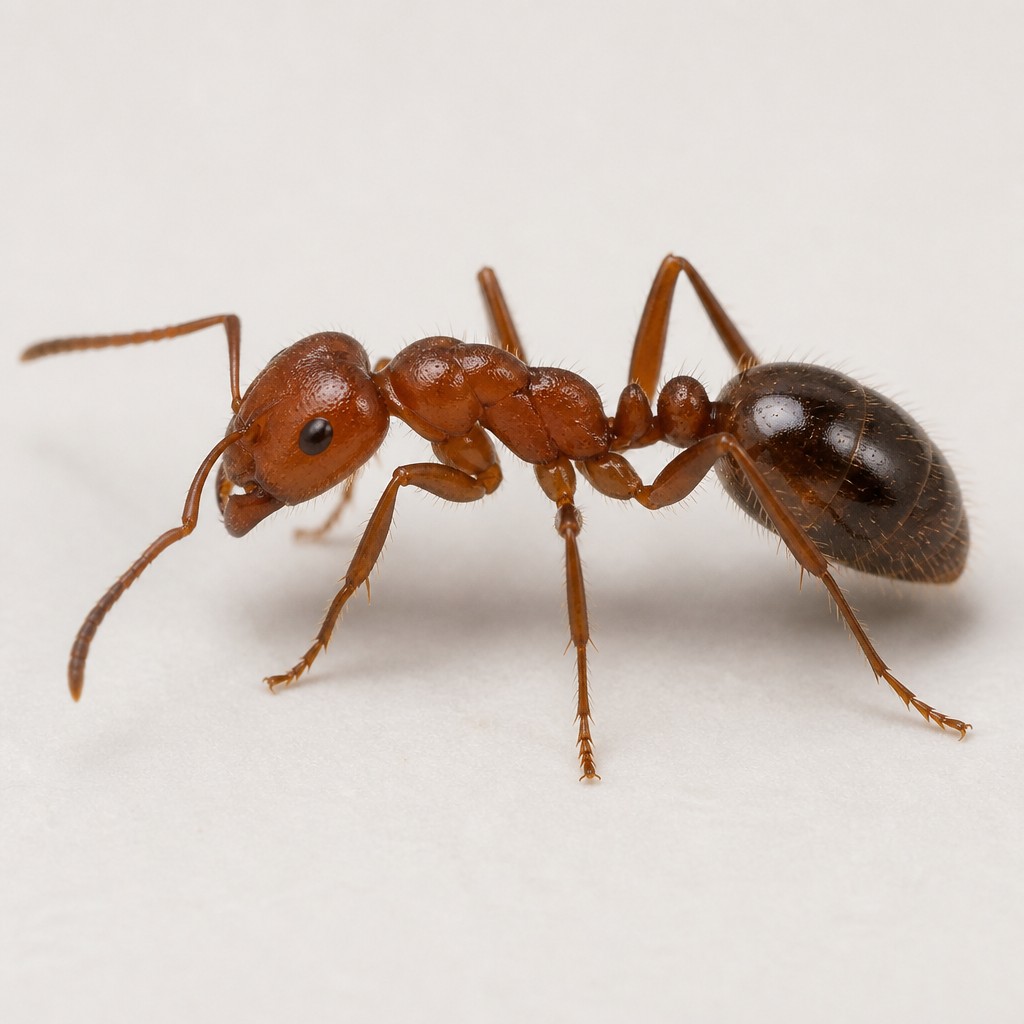
Fire Ant
A small reddish-brown ant that builds loose, crater-less dirt mounds in sunny open turf and mobilizes large numbers of workers rapidly when the nest is disturbed.
ant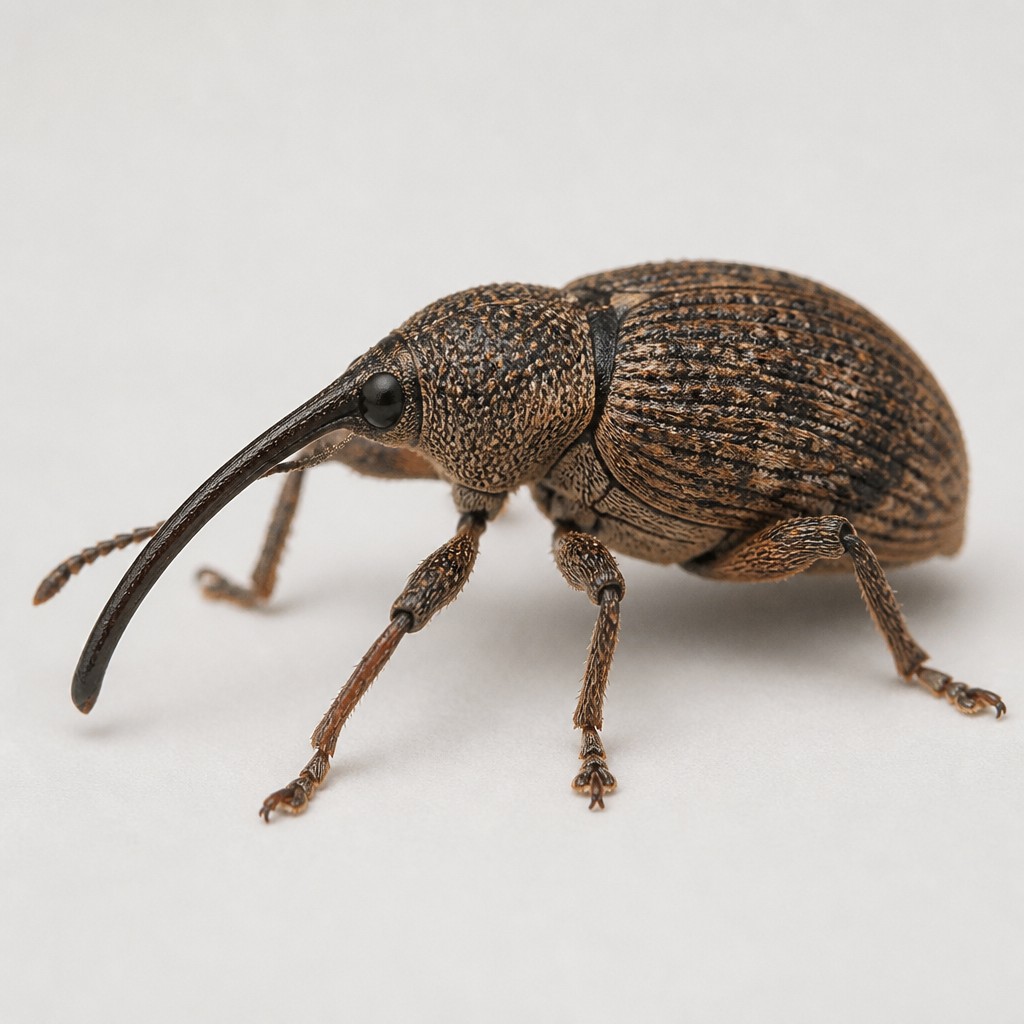
Weevil
A beetle instantly recognizable by its elongated, downward-curving snout tipped with tiny chewing mouthparts, used to bore into seeds, nuts, grain, and plant stems.
beetle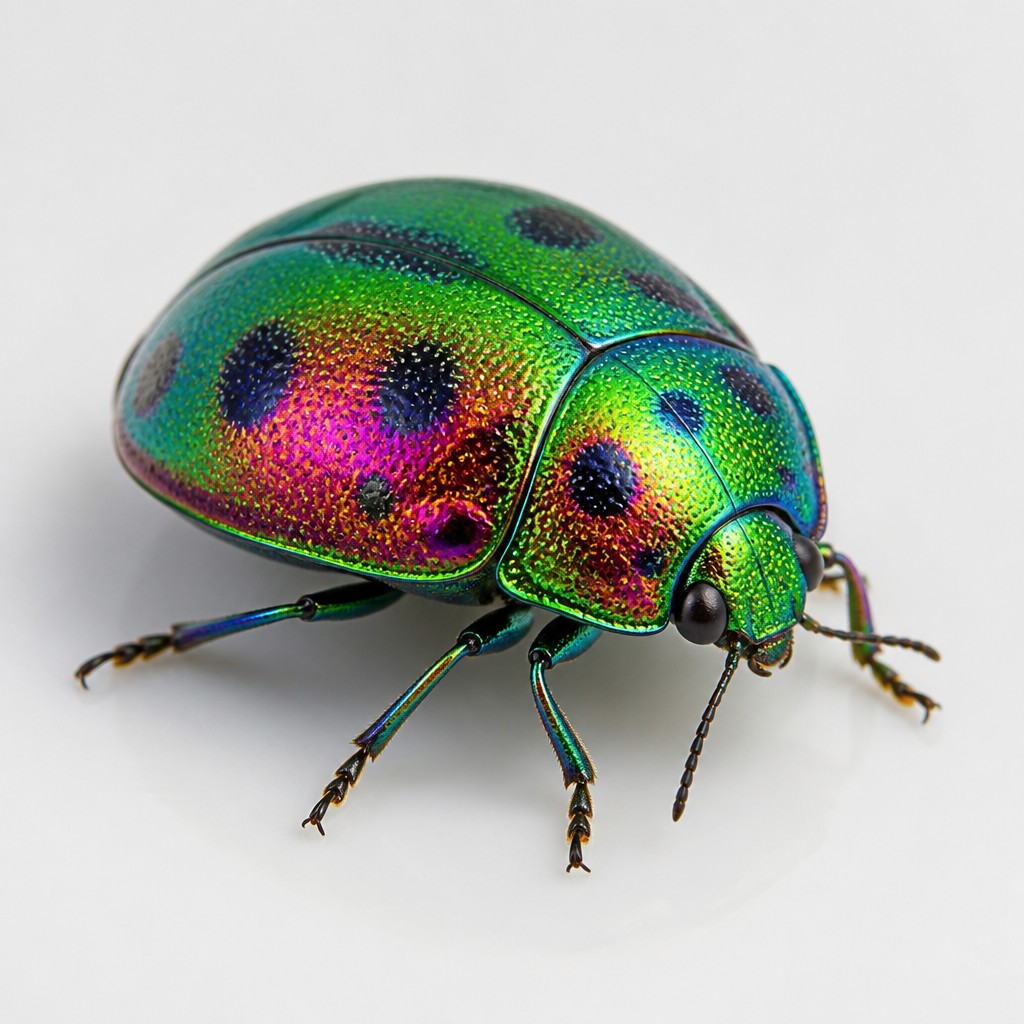
Jewel Bug
A living gemstone of the insect world, the jewel bug shimmers in dazzling metallic greens, blues, reds, and golds. Its enlarged shield-like back covers the entire body, making it look like a polished piece of enamelware.
true-bug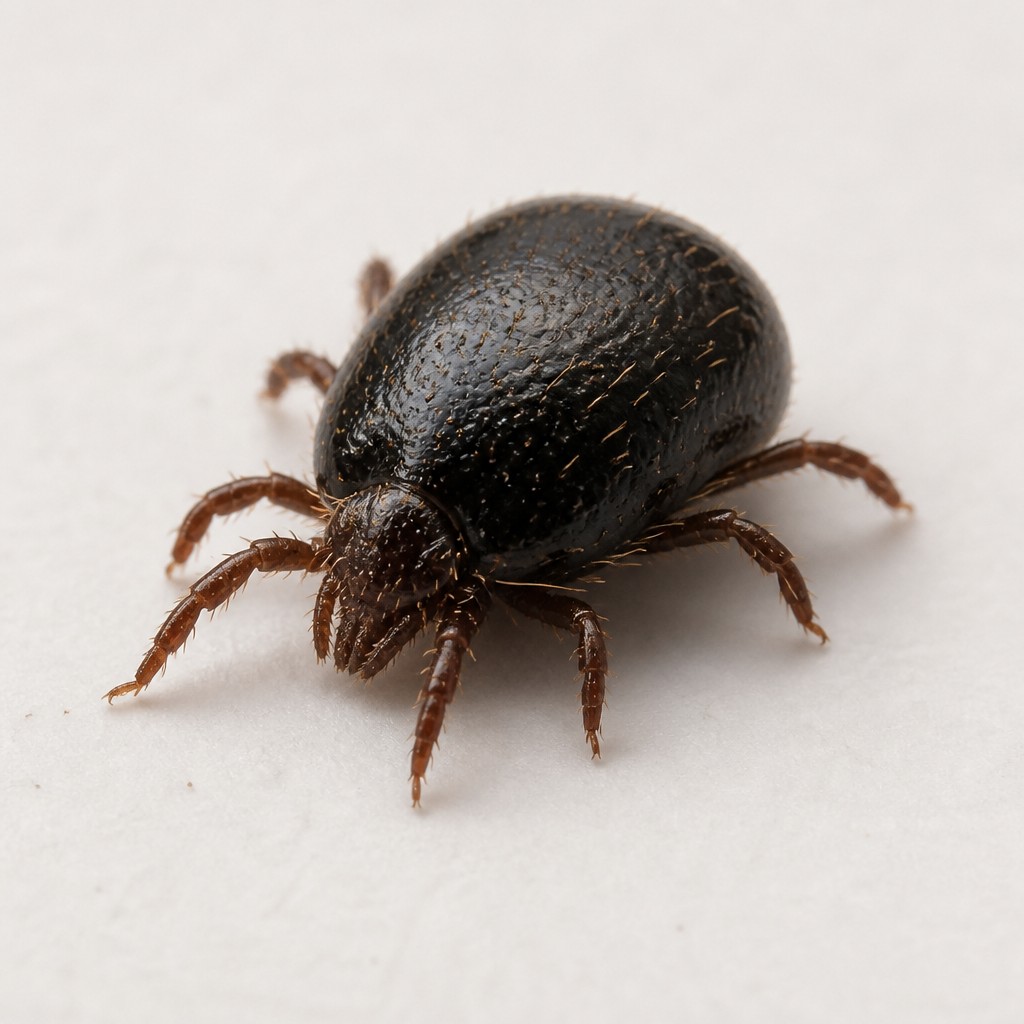
Soil Mite
A microscopic, heavily armored mite found by the millions in a single handful of soil, quietly breaking down leaf litter and helping build the fertile ground beneath forests and fields.
arachnid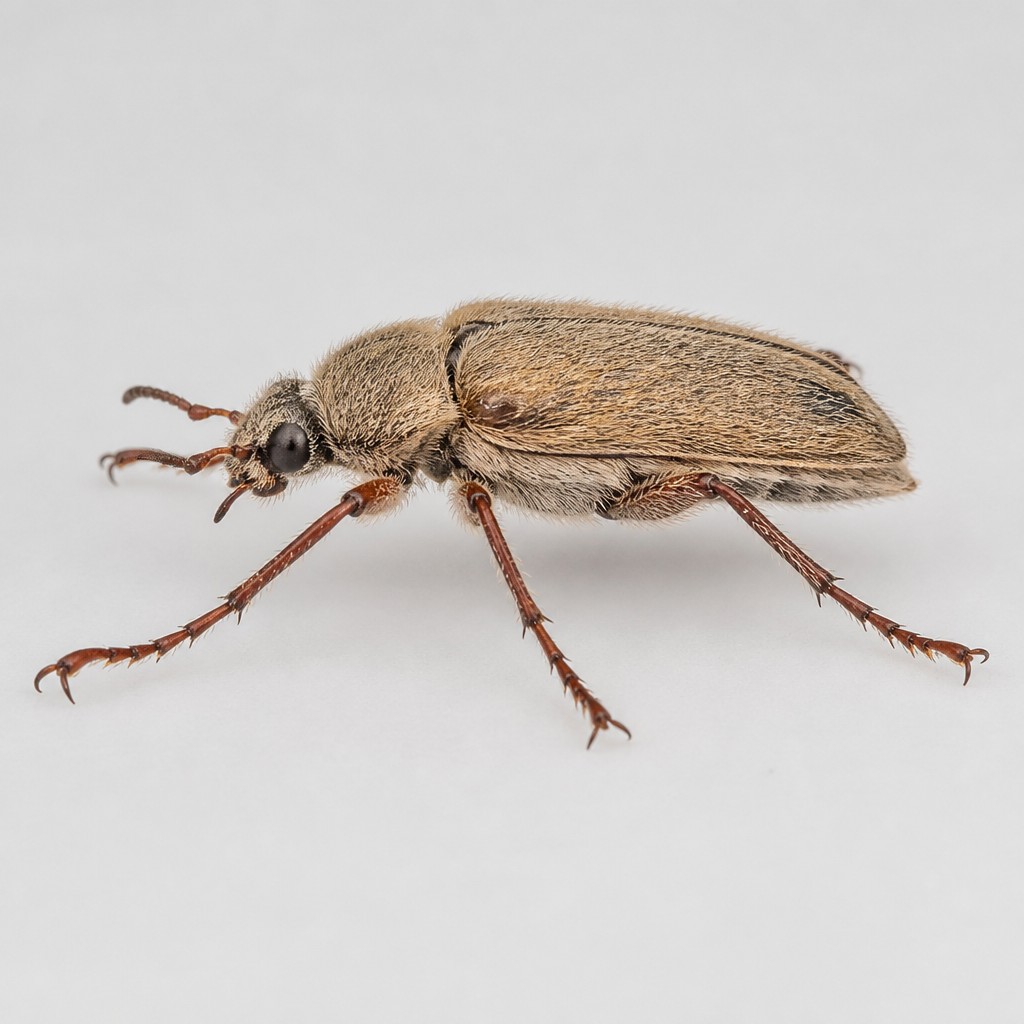
Rose Chafer
A slender, tan, long-legged scarab beetle that gathers in swarms on rose blossoms and other flowers in late spring, chewing petals and foliage into a lacy, skeletonized pattern.
beetle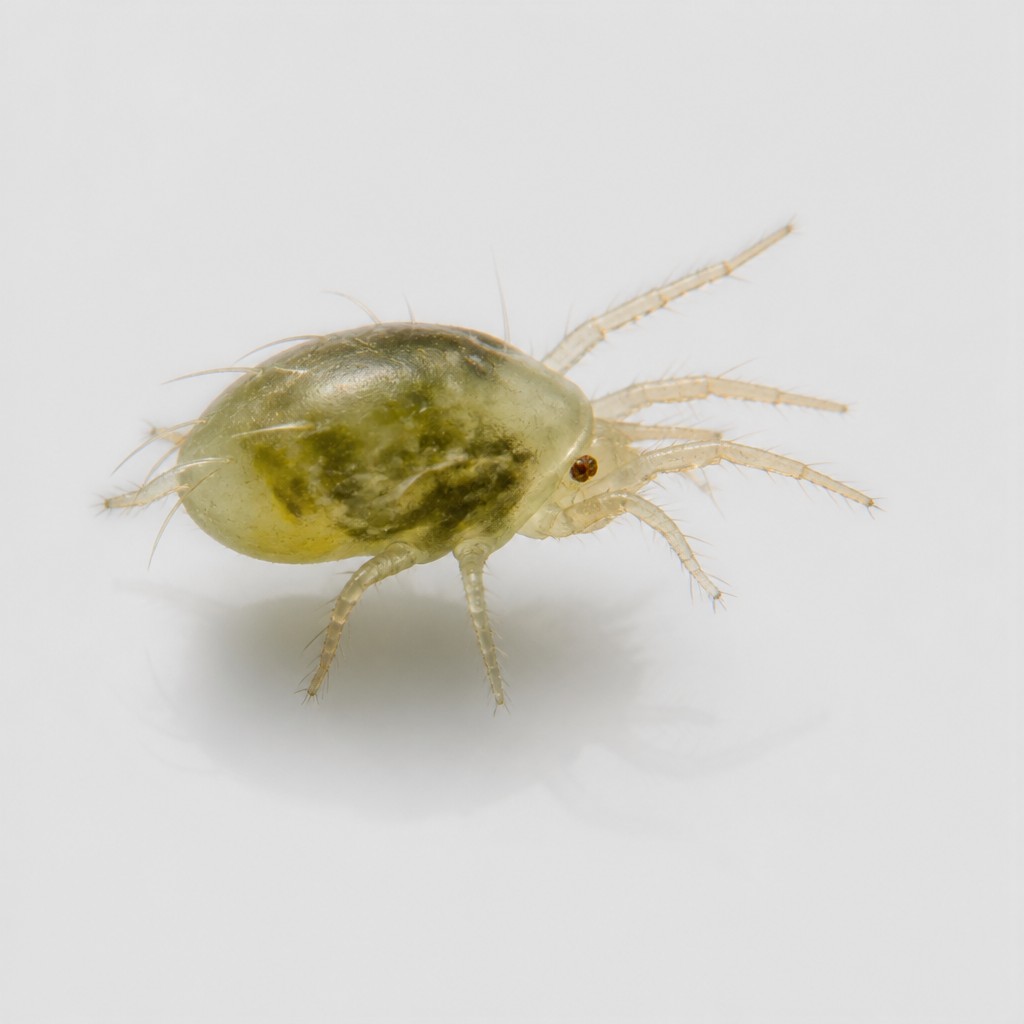
Spider Mite
A speck-sized arachnid that spins fine silk webbing across infested leaves as it pierces plant cells for their contents, leaving behind a telltale stippled, bronzed appearance. Populations can explode rapidly in hot, dry weather, making it a familiar garden and greenhouse pest.
arachnid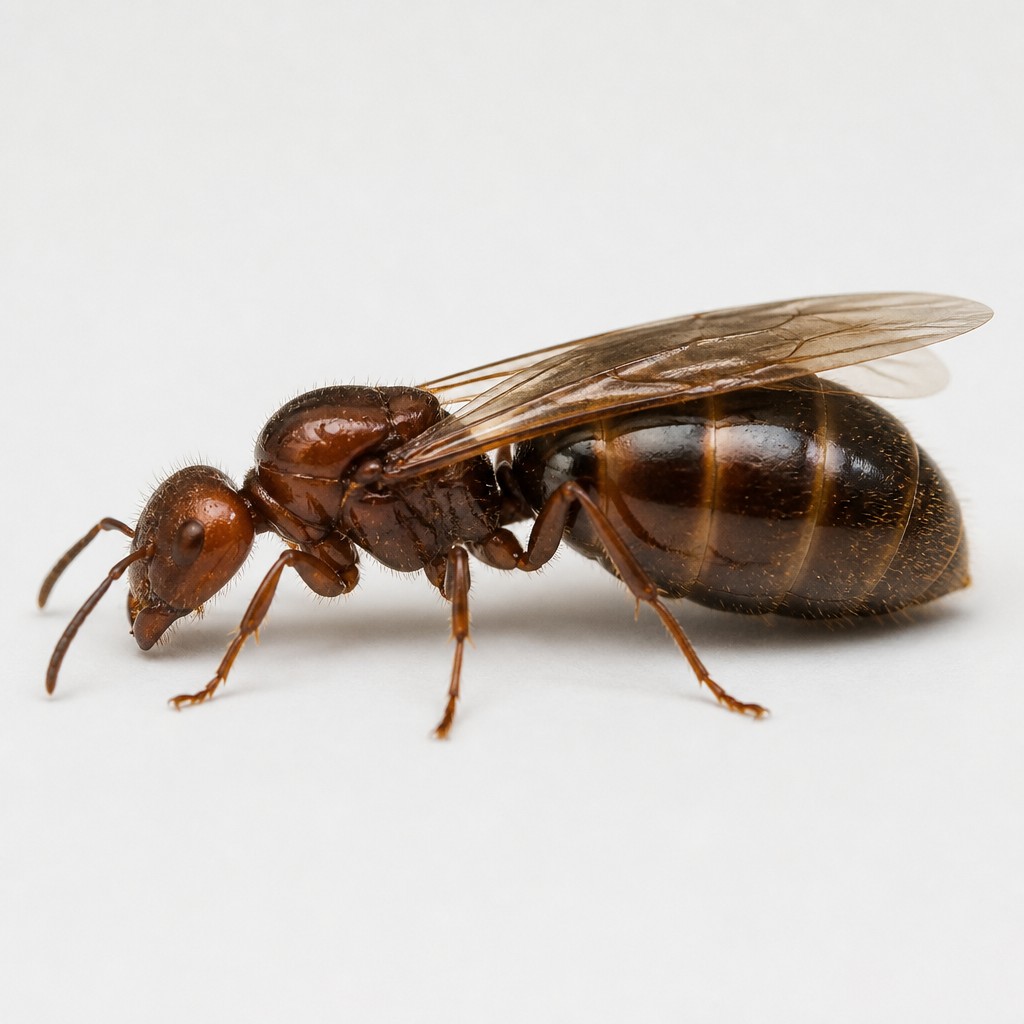
Fire Ant Queen
The reproductive powerhouse of a fire ant colony, noticeably larger than the reddish worker ants and equipped with wings before she sheds them to found a new nest.
ant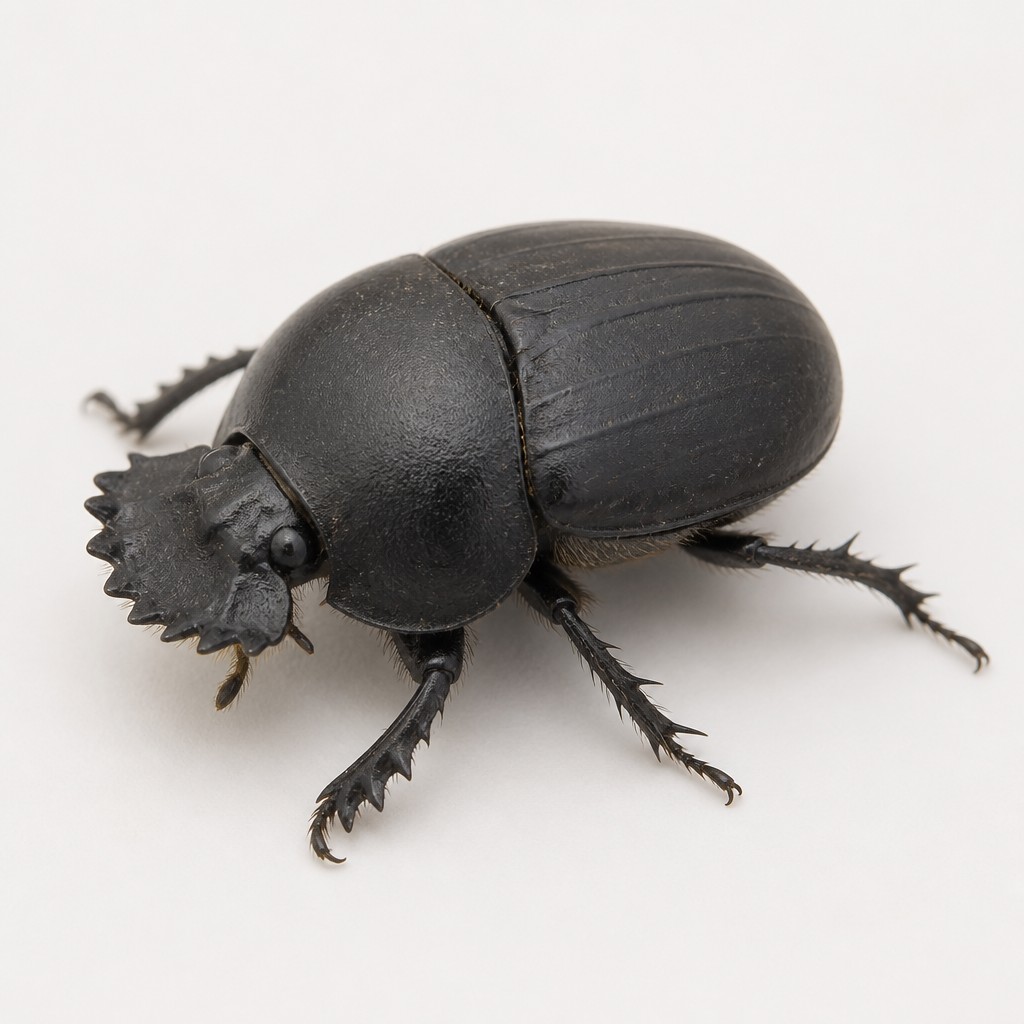
Sacred Scarab
A stout, matte-black dung beetle famous for rolling balls of dung across the ground with its hind legs, and revered in Ancient Egypt as a symbol of the sun and renewal.
beetle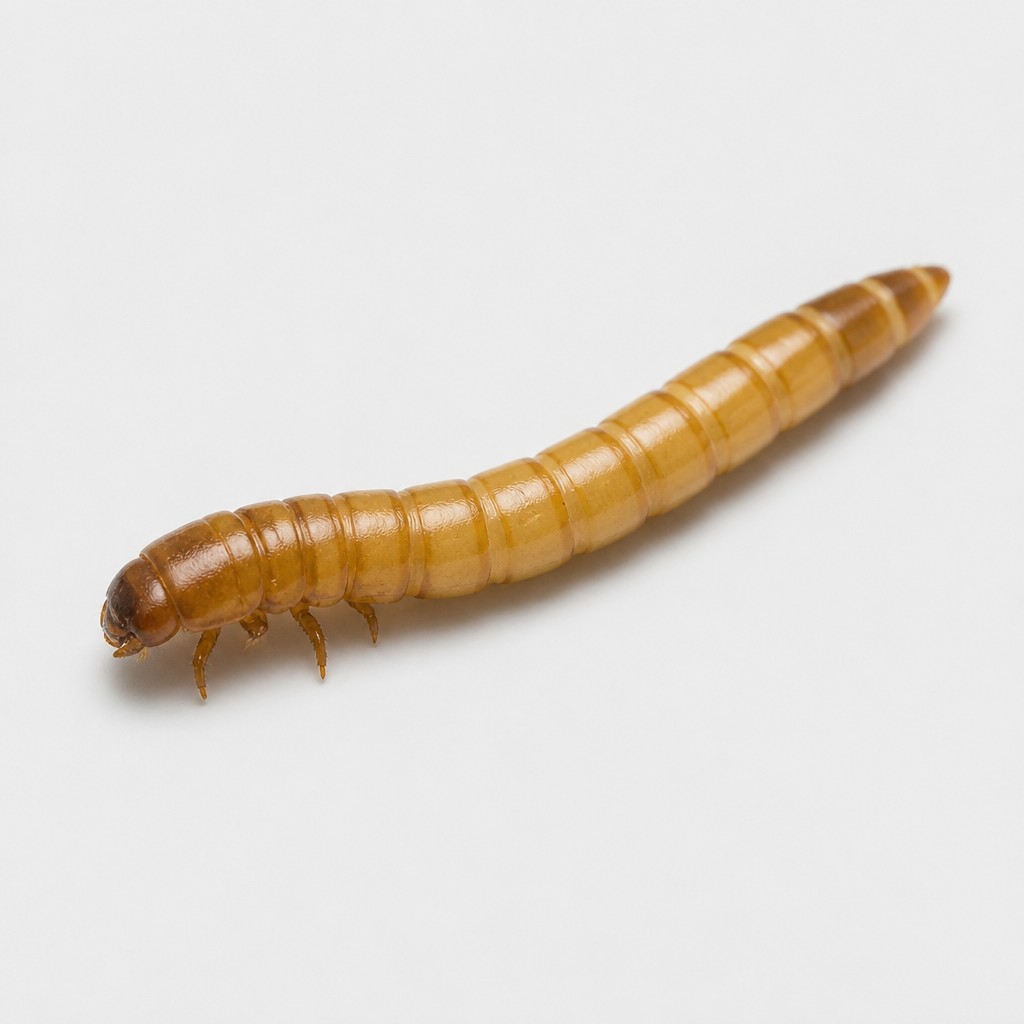
Mealworm
A tan, segmented larva with a shiny hard exoskeleton that tunnels through stored grain and flour before transforming into a darkling beetle.
caterpillar-larva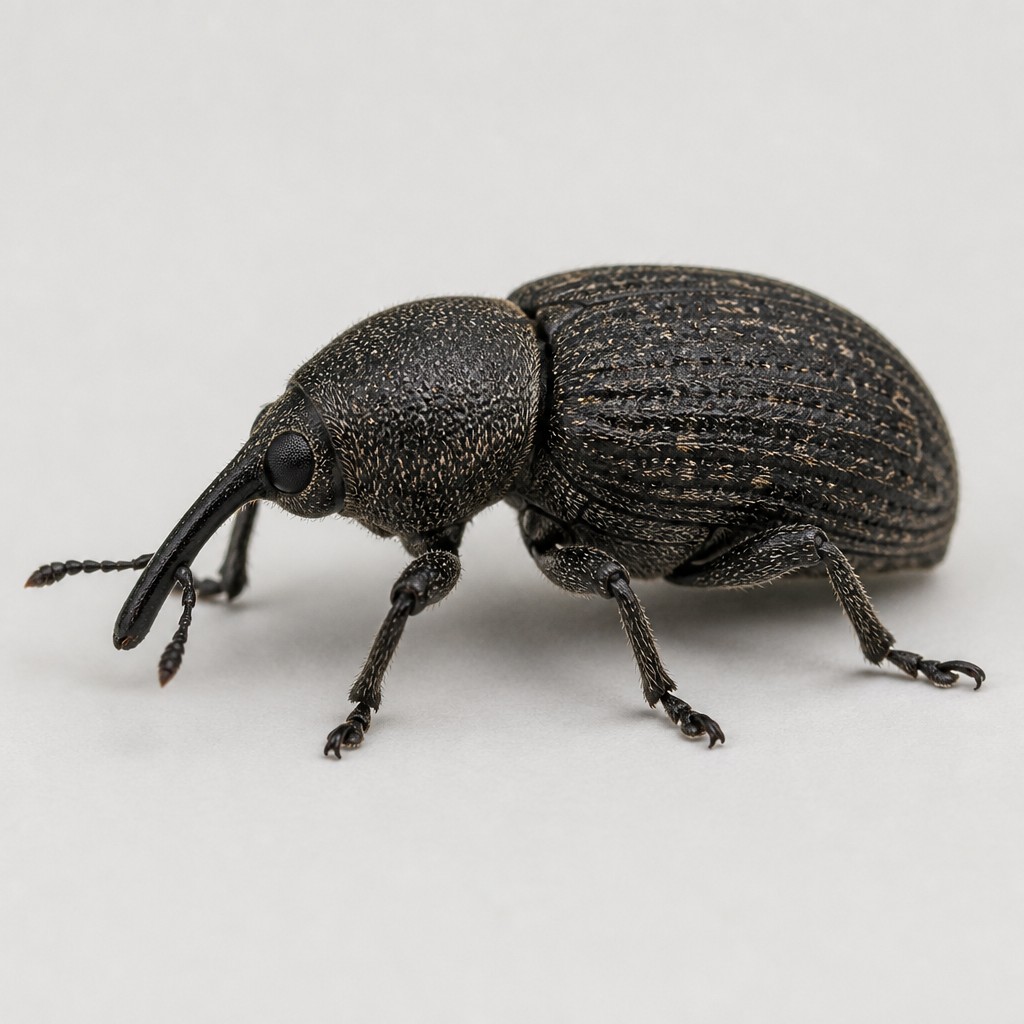
Black Vine Weevil
A flightless, all-black snout beetle notorious for notching the edges of leaves at night while its underground larvae feed on plant roots and crowns.
beetle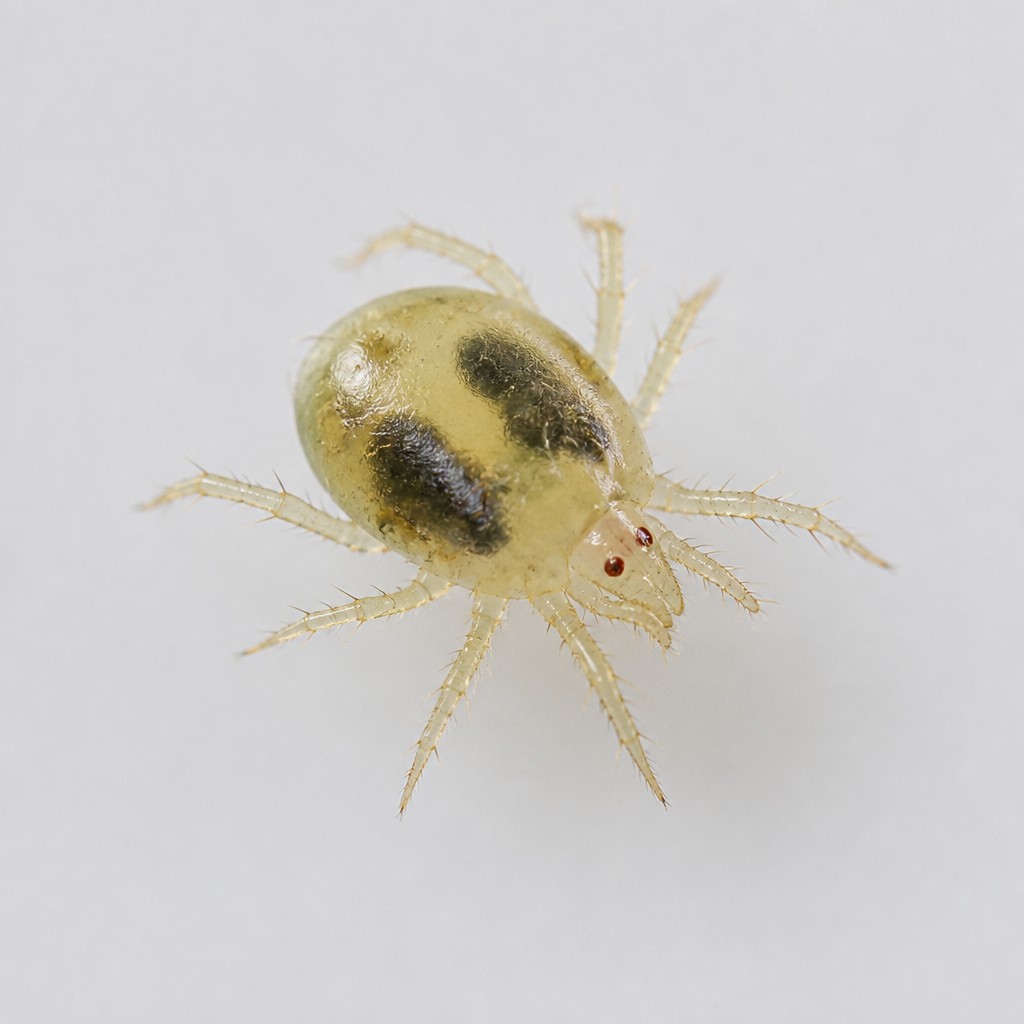
Two-Spotted Spider Mite
A near-microscopic mite that spins fine silk webbing over leaves as it feeds, leaving foliage stippled and pale.
arachnid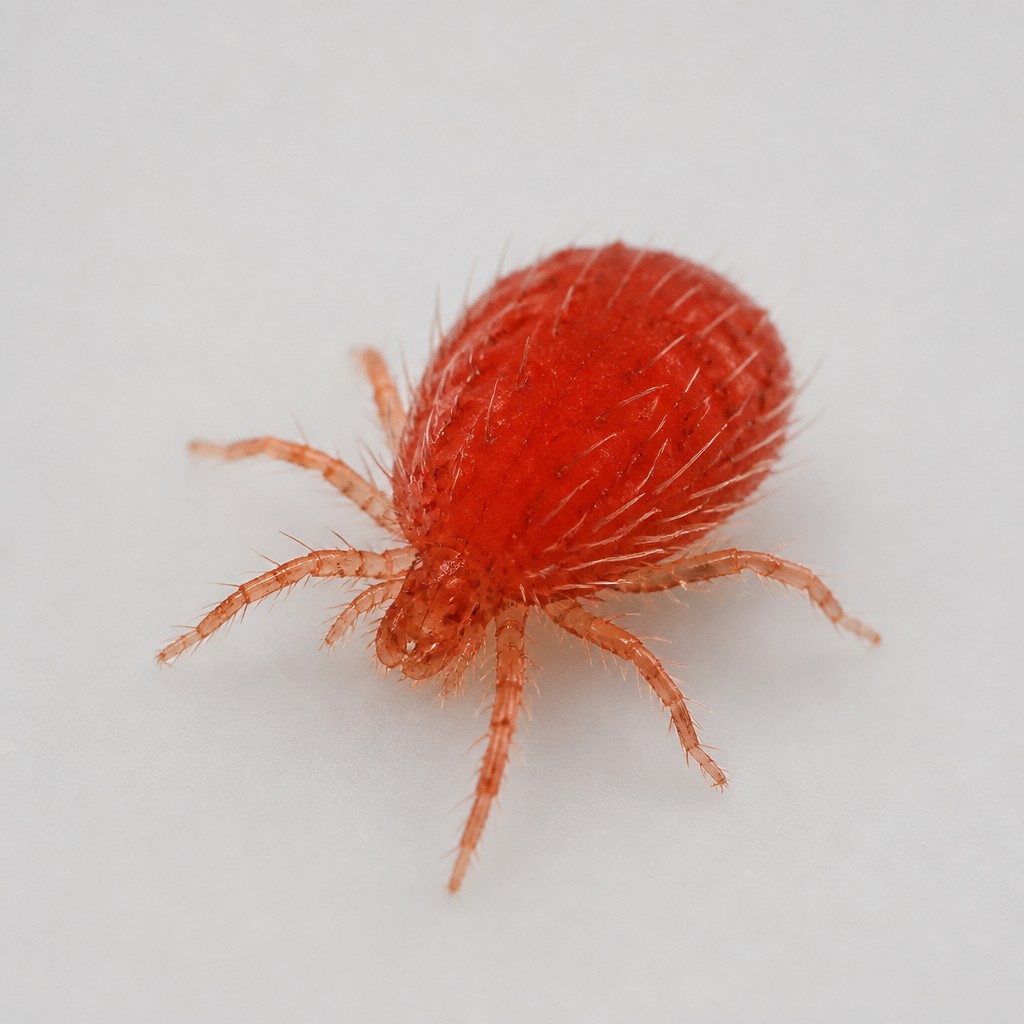
Chigger
A nearly microscopic mite larva that waits in clusters on grass tips for a passing host, taking a single brief meal before dropping away unseen. Only this larval stage is parasitic; the free-living adult spends its life hunting tiny prey in the soil.
arachnid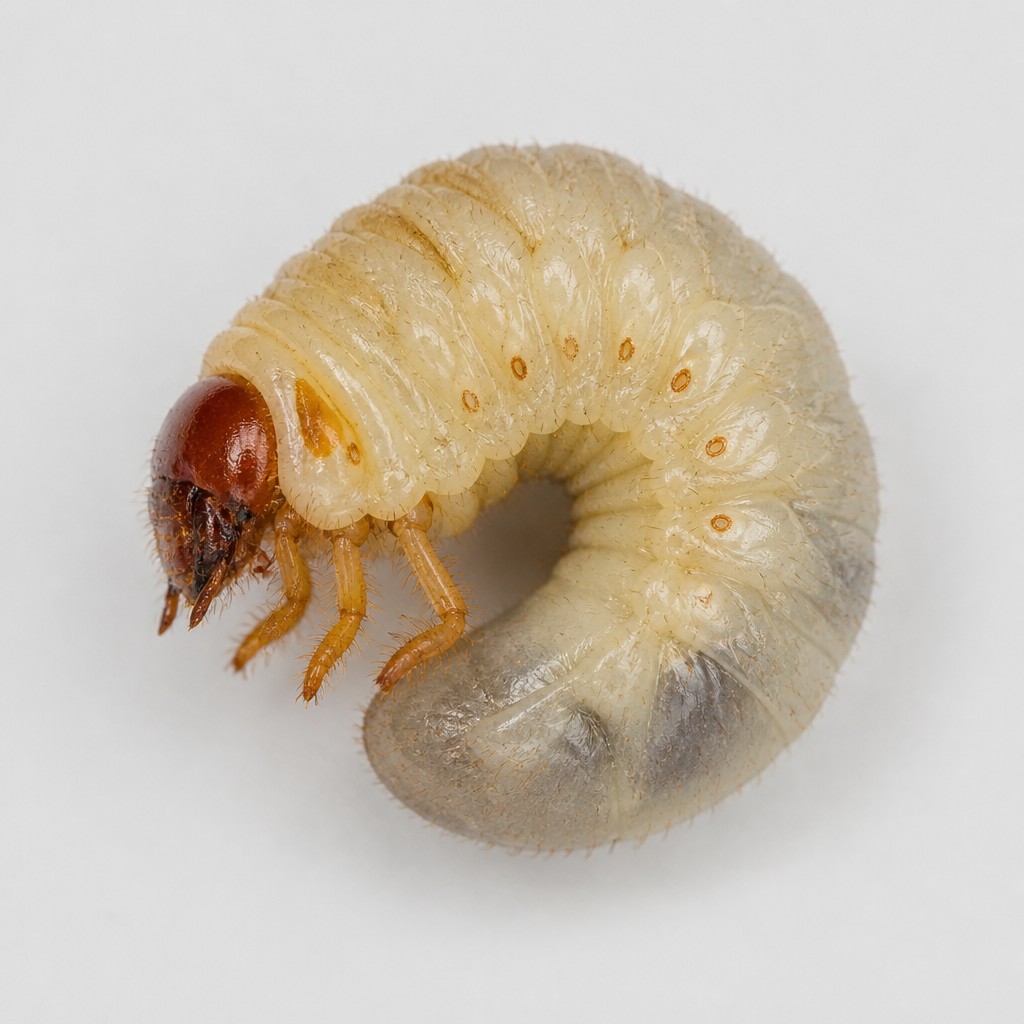
Grub Worm
A plump, C-shaped, creamy-white larva with a distinct brown head, living underground where it feeds on grass and plant roots before eventually maturing into a scarab beetle.
beetle