
Bug Encyclopedia
Search and identify bugs & insects — beetles, butterflies, moths, ants, bees, spiders and more — with size, habitat, danger, behavior, and how to tell them apart.
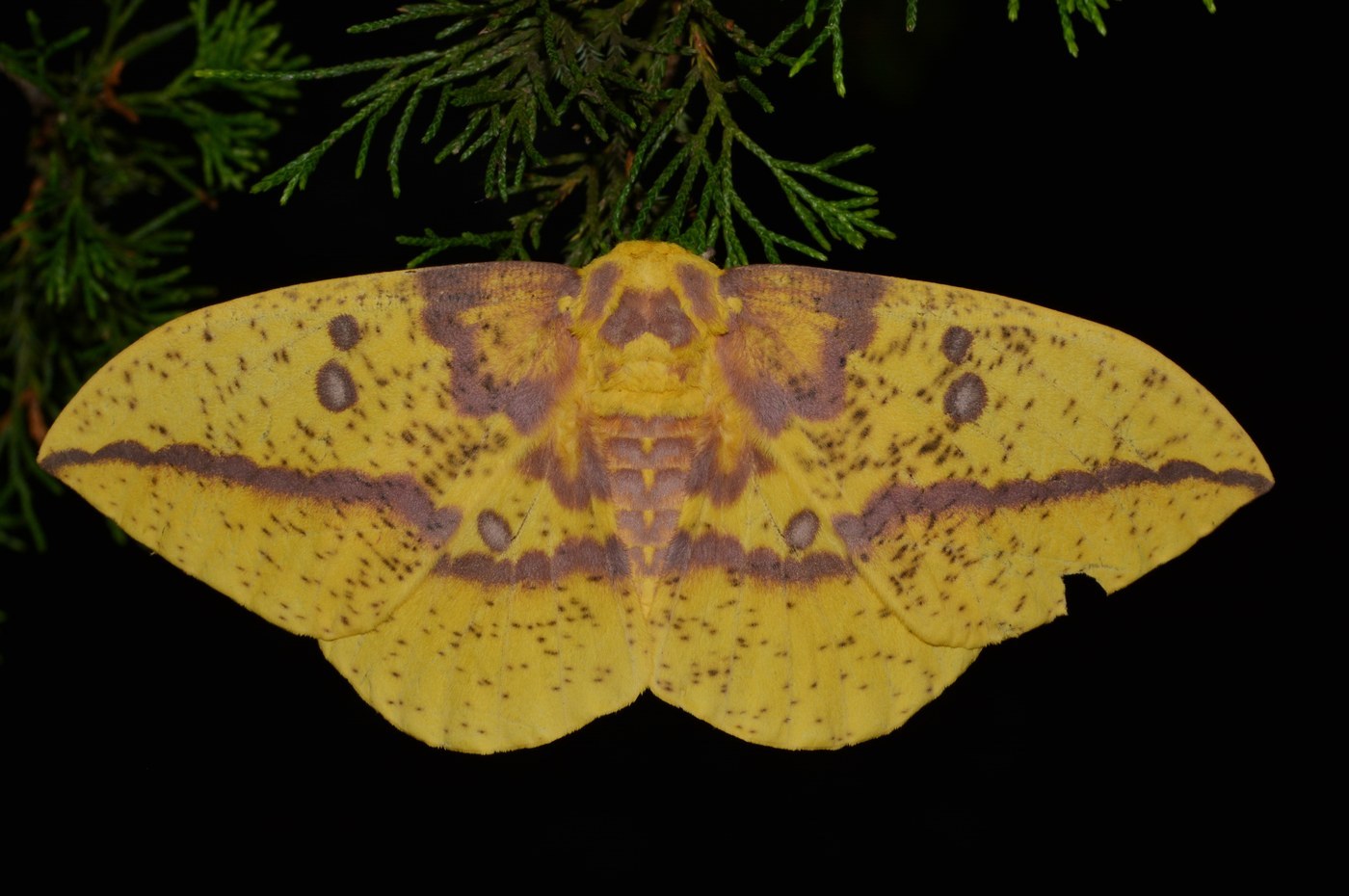
Imperial Moth
One of the largest and most variably patterned silk moths in North America, with broad yellow wings mottled in shades of purple, brown, and pink, and a caterpillar that can grow to impressive size on a wide range of forest trees.
moth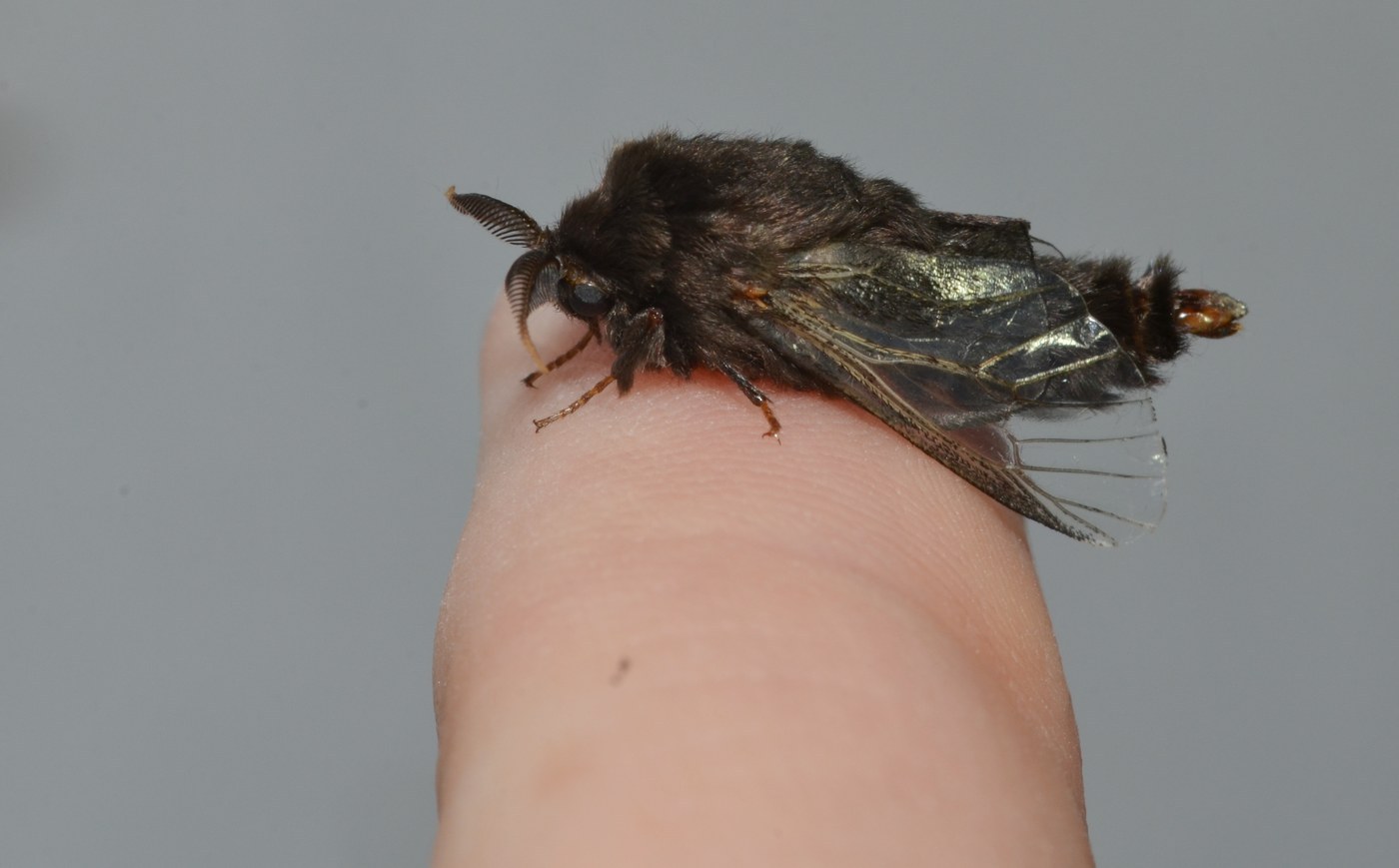
Bagworm Moth
A moth best known for its larva's habit of constructing and living inside a spindle-shaped case of silk and plant debris that hangs from twigs, with adult males a plain sooty-winged moth and females remaining wingless and grub-like inside the bag for life.
moth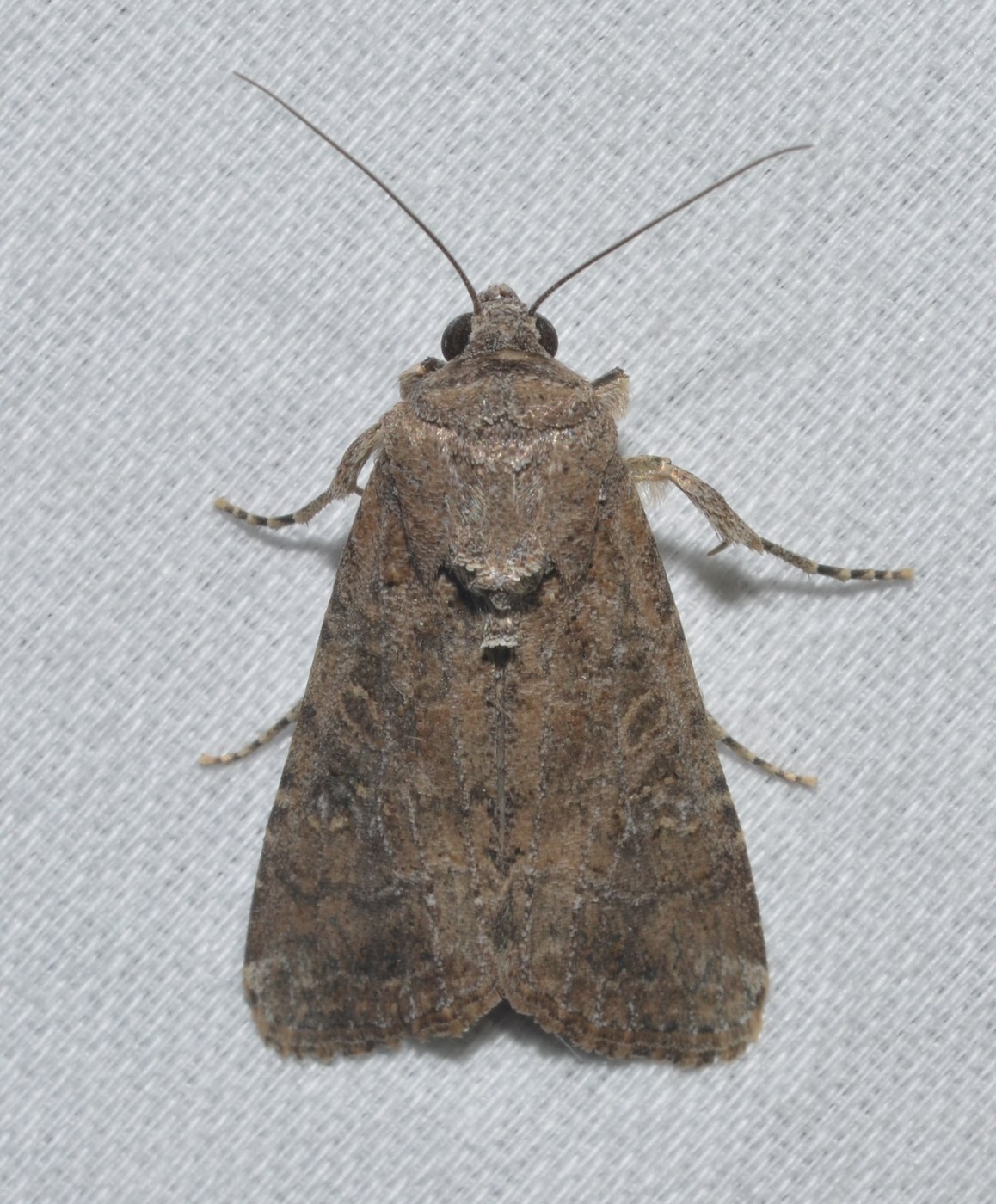
Armyworm
A striped, greenish-brown caterpillar that gets its name from its habit of migrating in dense, destructive groups across grass and grain fields.
caterpillar-larva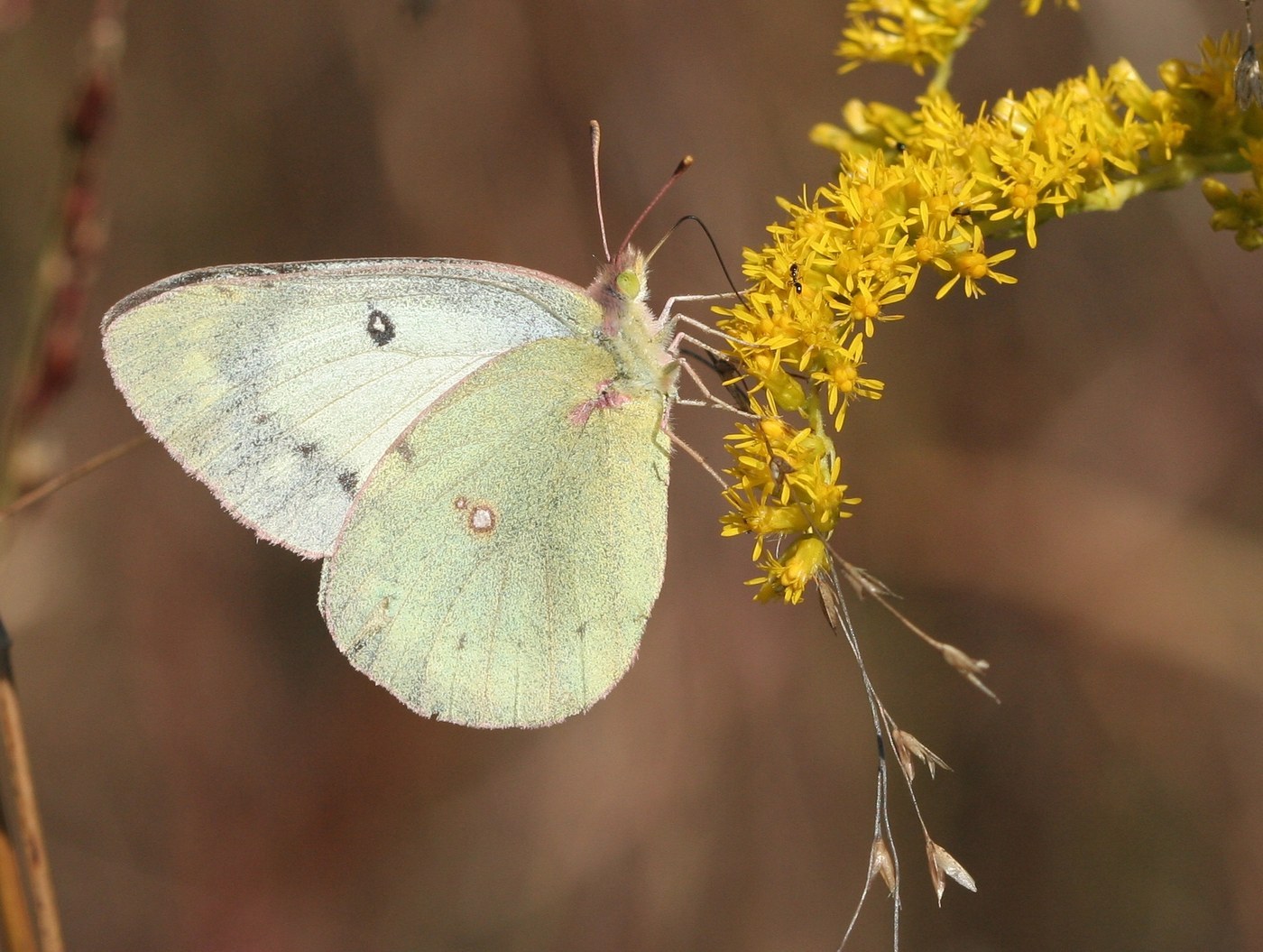
Clouded Sulphur
A medium-sized pale yellow butterfly with crisp black wing borders, commonly seen fluttering low over clover fields and roadside meadows across North America.
butterfly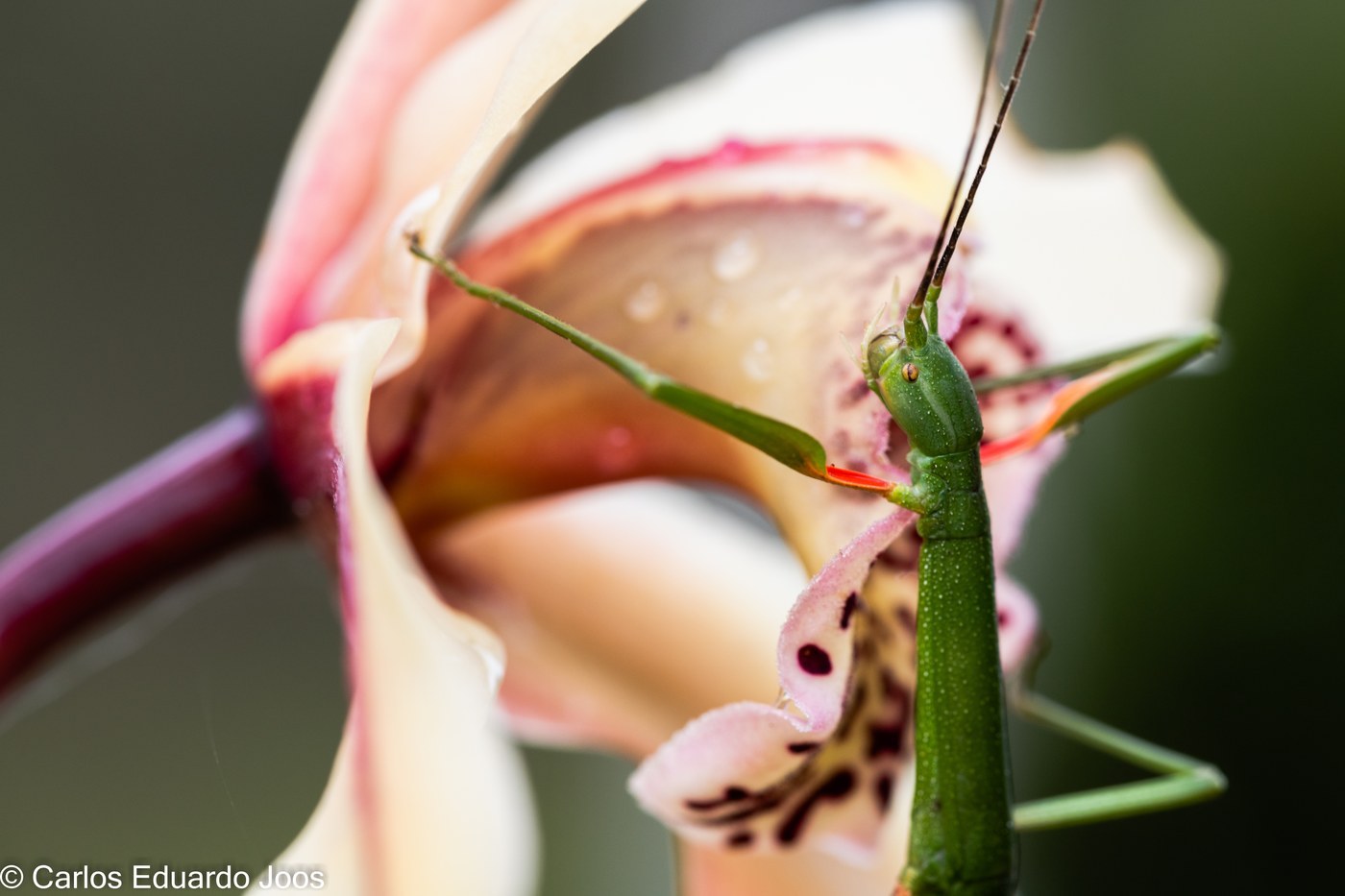
Walking Stick
A remarkably twig-like insect with a long, slender, brown to green body and thin legs, so effective at mimicking a plant stem that it can be nearly invisible while motionless on vegetation.
mantis-stickGnat
A catch-all common name for a wide range of tiny, delicate flies, some no bigger than a grain of pepper, often seen hovering in small clouds near water, moist soil, or overripe produce.
flyMaggot
A pale, legless, tapering grub that wriggles through rotting food and organic waste, the larval stage of a fly.
caterpillar-larvaSand Wasp
A fast, sun-loving solitary wasp with large green or grayish eyes and yellow-striped markings that digs burrows in loose sand and provisions them almost entirely with flies.
wasp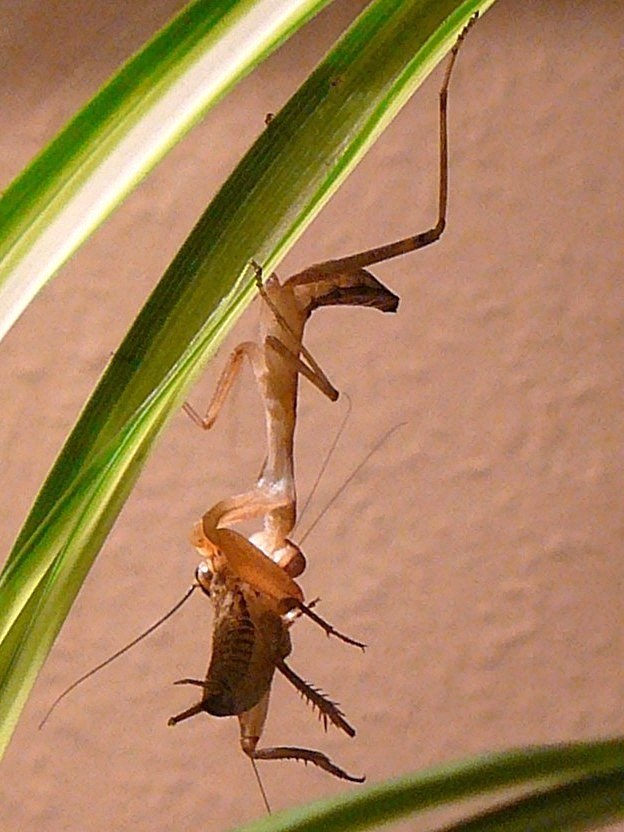
African Mantis
A large, sturdy green or brown mantis frequently found perched on garden shrubs, patiently scanning for insect prey with its sharply angled triangular head.
mantis-stick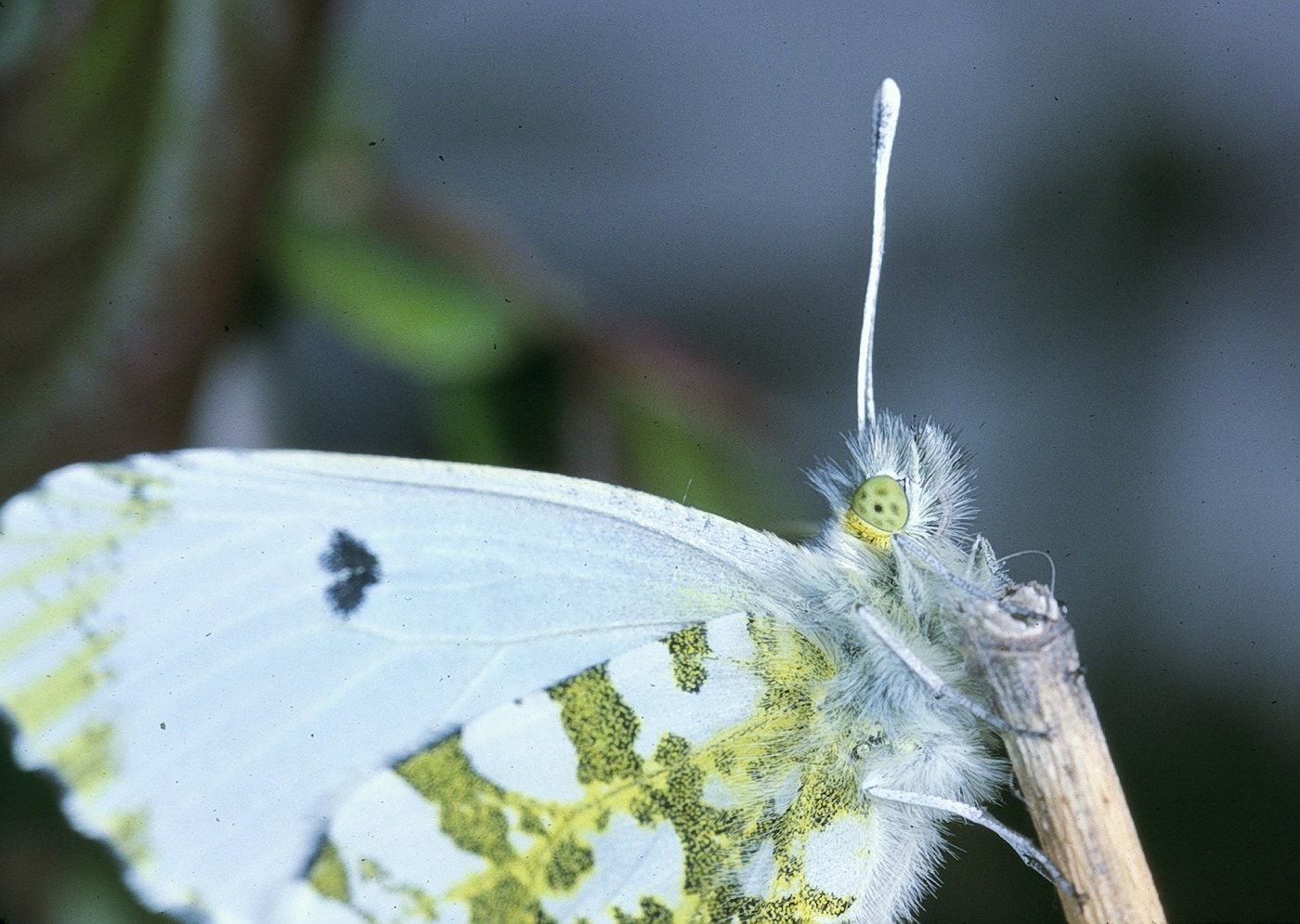
Orange Tip
A dainty white butterfly whose males flash vivid orange wingtip patches, while both sexes show a beautifully marbled green-and-white pattern on the underwings.
butterfly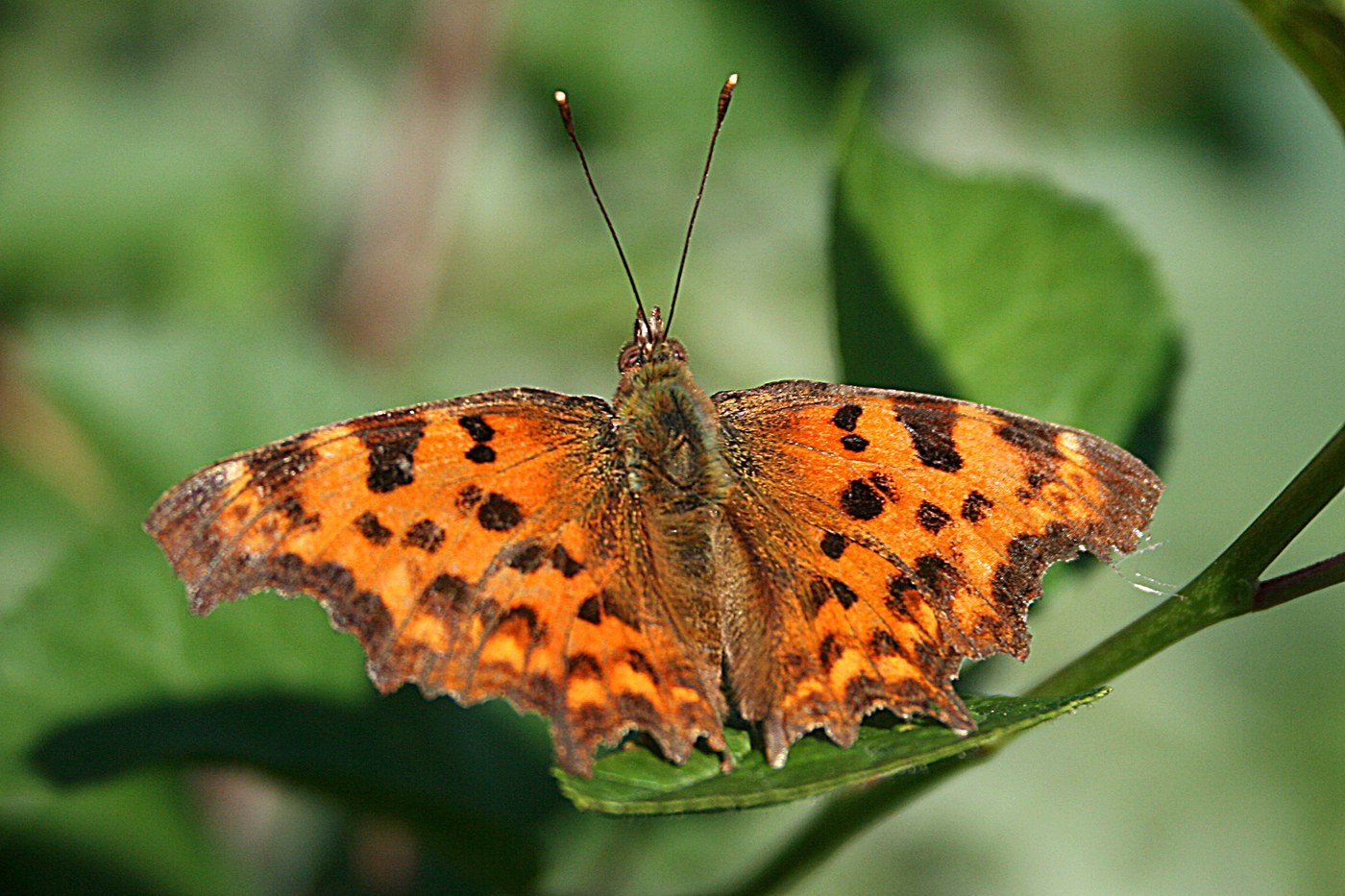
Comma Butterfly
An orange-brown butterfly with distinctively ragged, scalloped wing edges and a small white comma-shaped mark on the underside of the hindwing, resembling a dead leaf when at rest.
butterfly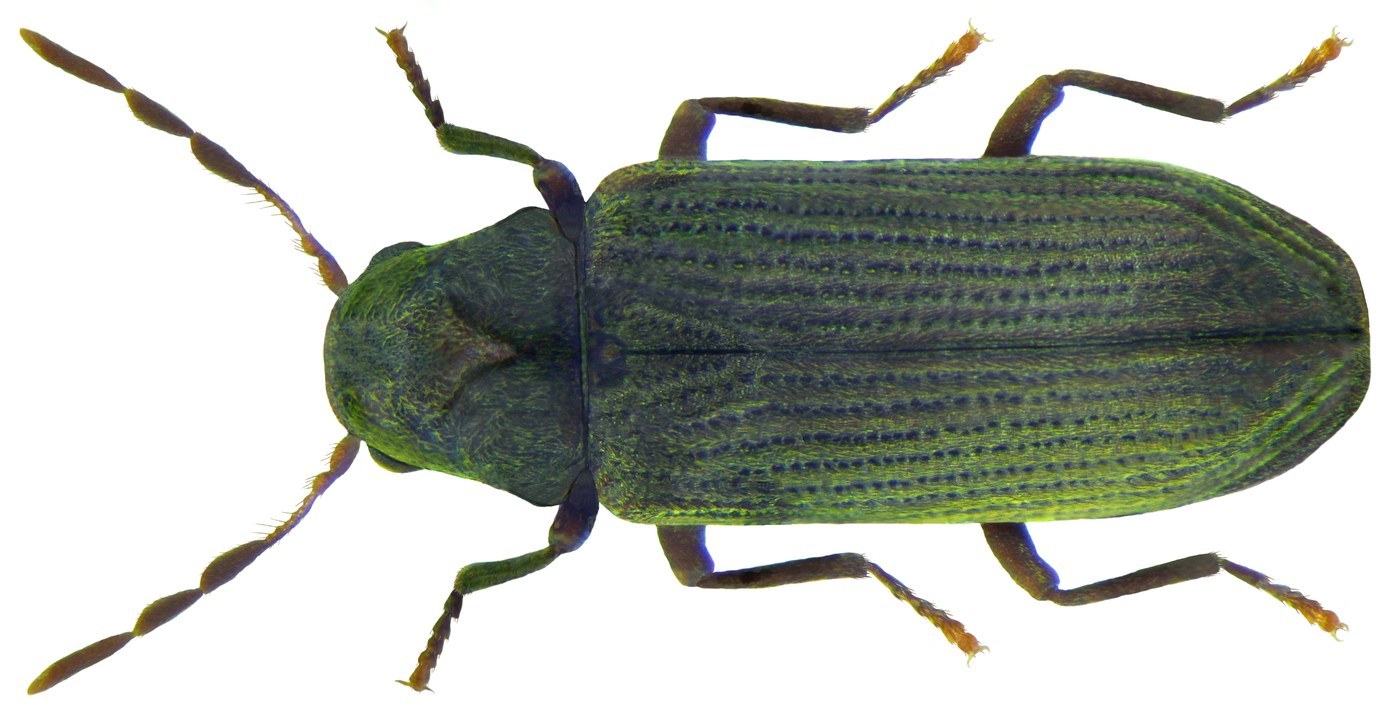
Furniture Beetle
A tiny, reddish-brown to dark brown cylindrical beetle whose larvae, commonly called 'woodworm,' bore small round tunnels through seasoned furniture and timber.
beetle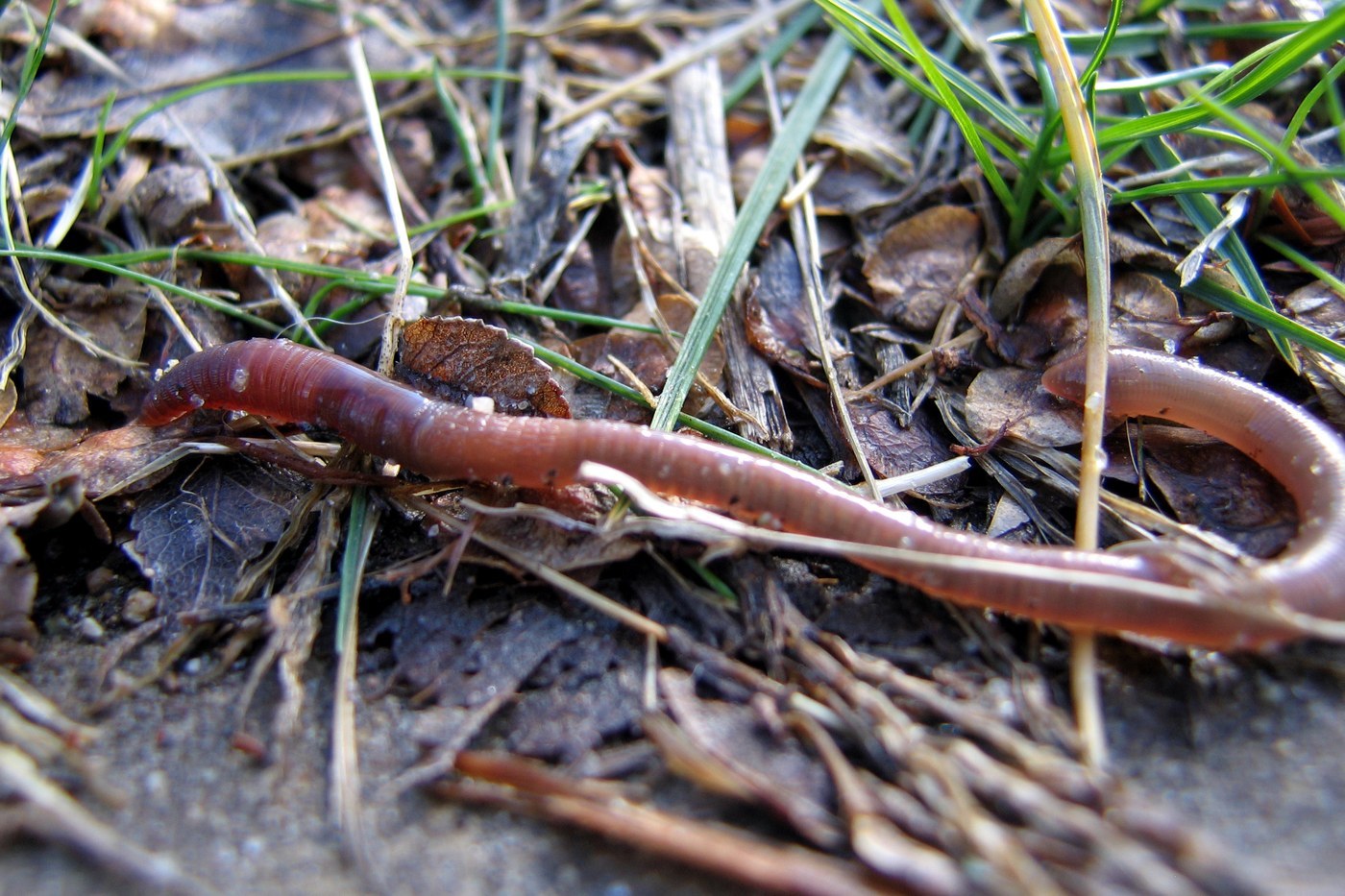
Earthworm
A long, smooth, segmented soil-dweller with no legs, eyes, or shell, best recognized by its ringed body and the pale saddle-like band (clitellum) found on mature individuals.
other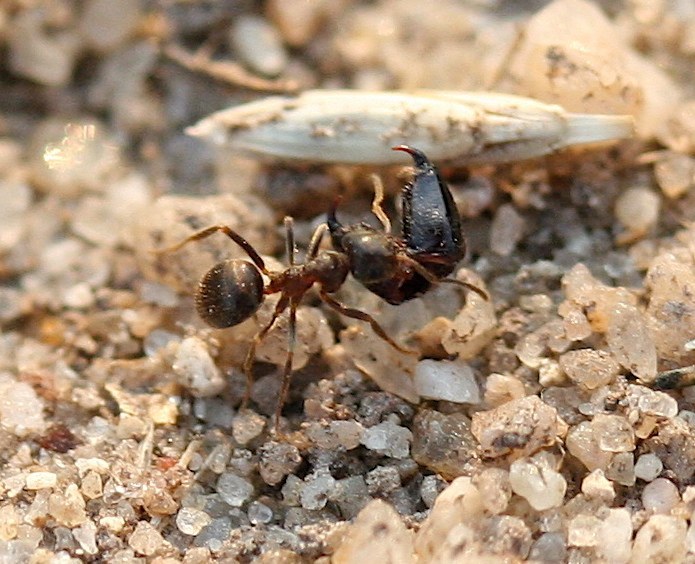
Black Garden Ant
A familiar small, glossy black ant that forms visible foraging trails across patios and garden paths and nests beneath stones, pavers, and lawns.
ant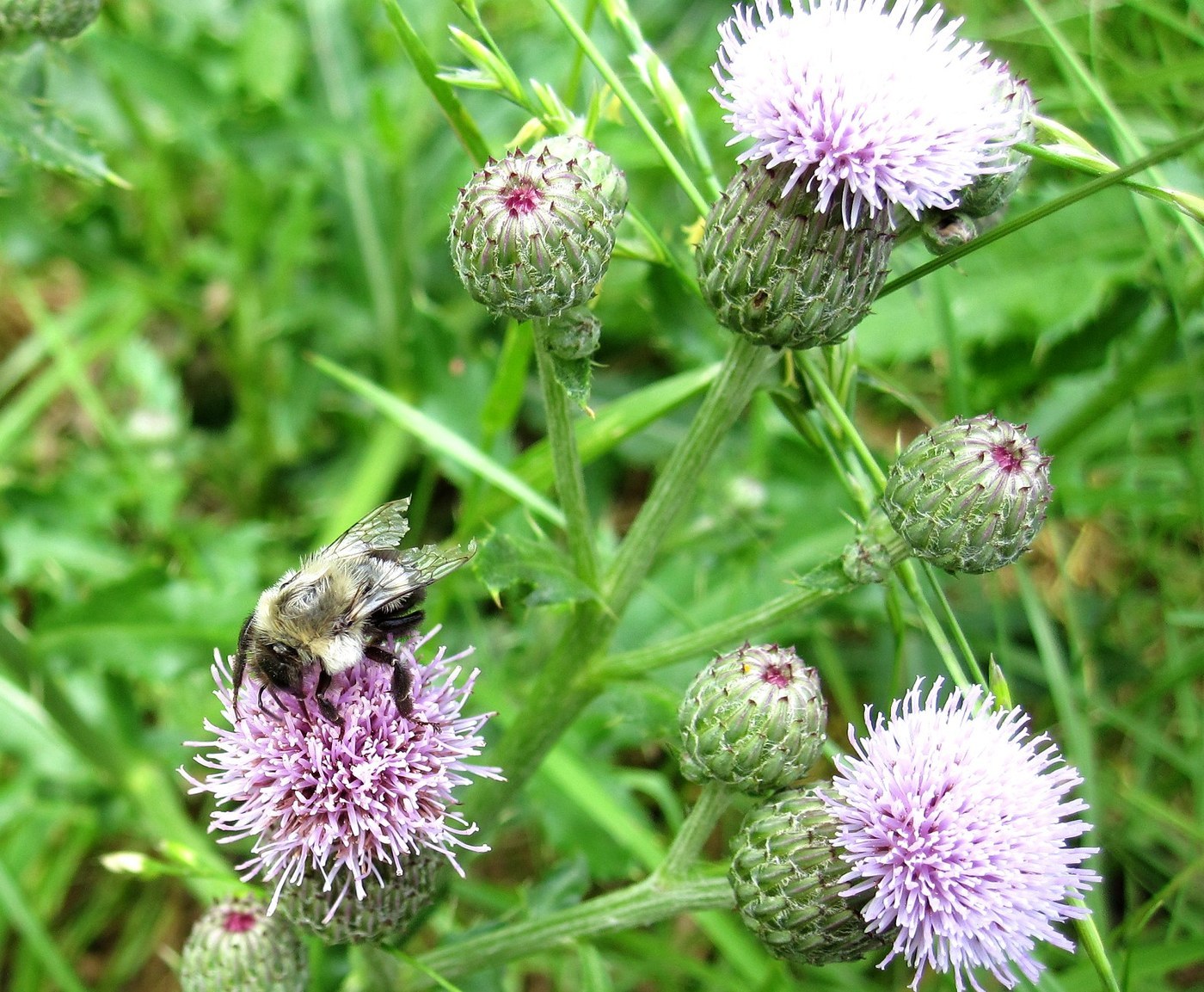
Bumblebee
A large, round, densely furry bee with bold black-and-yellow banding, known for its loud, low-pitched buzz and its ability to fly and forage in cooler temperatures than most other bees.
beeCulex Mosquito
A large, worldwide genus of plain brown mosquitoes recognizable by their blunt abdomens and habit of resting flat against surfaces.
flyWeaver Ant
A tree-dwelling ant that builds its nest by stitching living leaves together with silk produced by its own larvae, forming elaborate arboreal colonies defended fiercely by its workers.
ant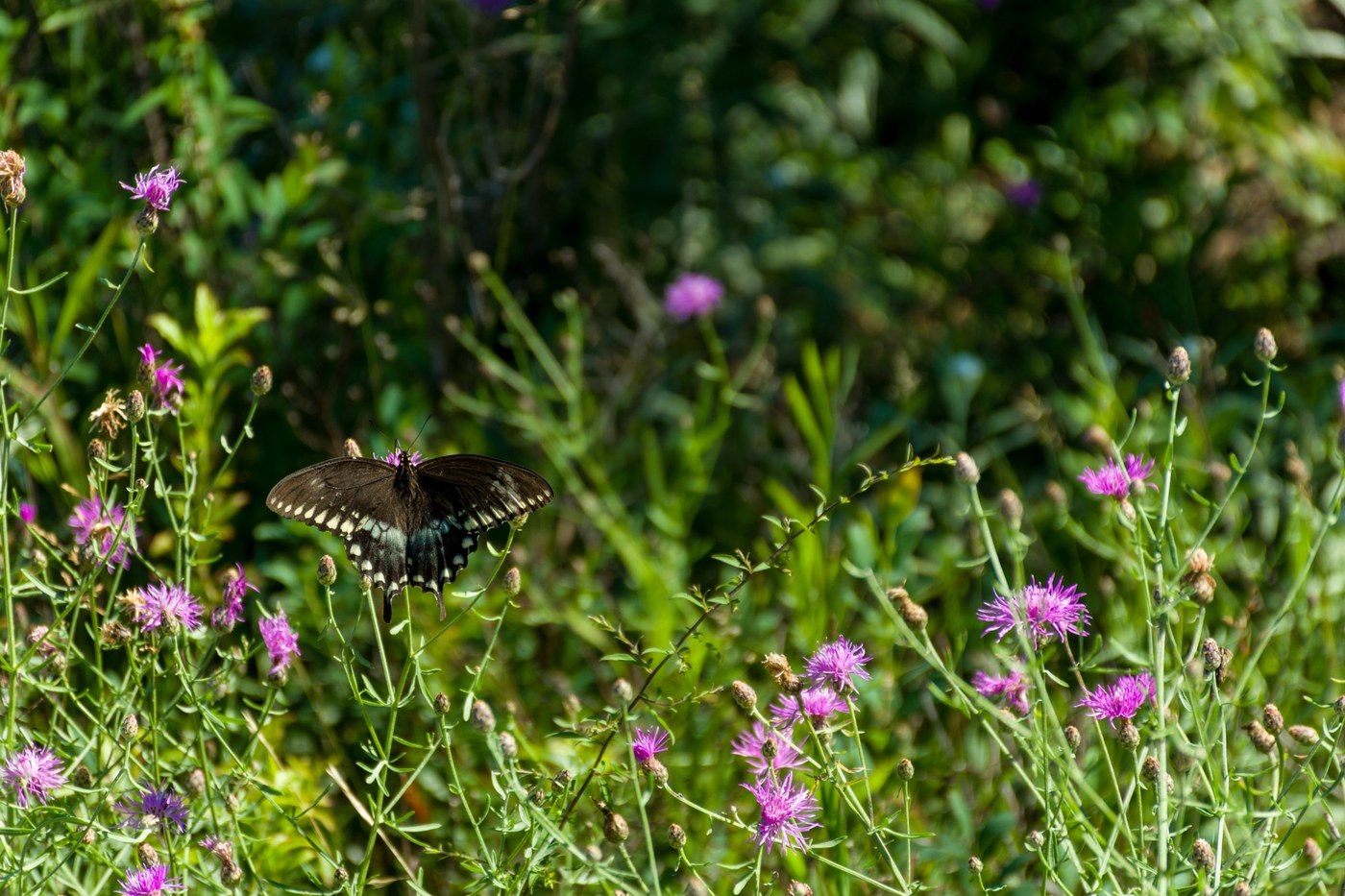
Spicebush Swallowtail
A black swallowtail with a blue-green wash across the hindwings and a row of pale spots along the forewing margin, whose caterpillars have famous large false eyespots and mimic the Pipevine Swallowtail as adults.
butterflySpicebush Swallowtail Caterpillar
A bulging-eyed green caterpillar that lives folded inside its own silk-stitched leaf tent, looking every bit like a miniature snake peering out from cover.
caterpillar-larvaGall Midge
A delicate, mosquito-like fly whose larvae trigger plants to grow strange, often colorful swellings called galls, each species usually tied to one particular host plant.
fly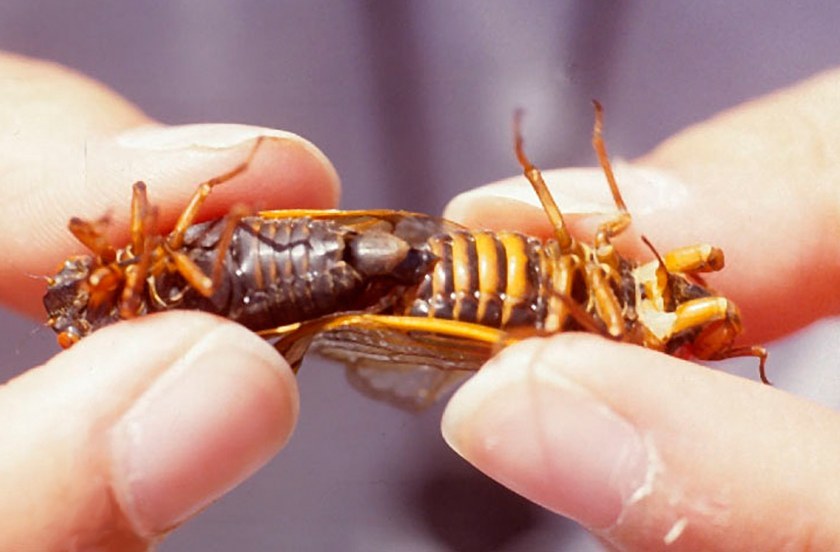
Cicada
A stout, big-eyed insect best known for the loud, buzzing chorus of song produced by males, and for periodical species that emerge from the ground by the millions after living underground for over a decade.
true-bugIchneumon Wasp
A slender, long-antennaed parasitoid wasp, often mistaken for a giant mosquito or a stinging insect, that is best known for the extraordinarily long ovipositor some species use to drill into wood and lay eggs on hidden larvae.
wasp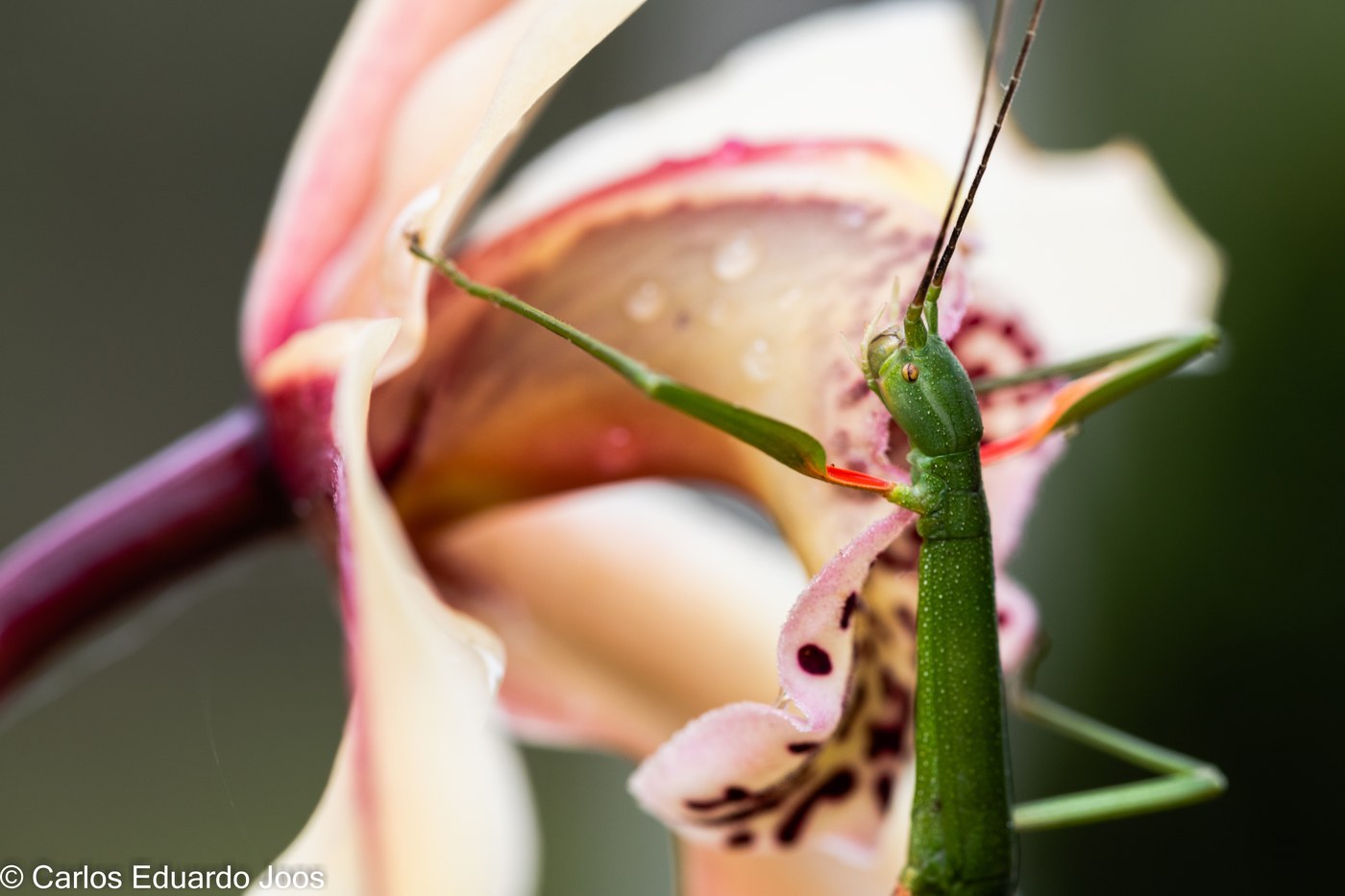
Northern Walkingstick
A slender, wingless insect so convincingly shaped like a twig that it can rest motionless on a branch just inches from view and go completely unnoticed.
mantis-stick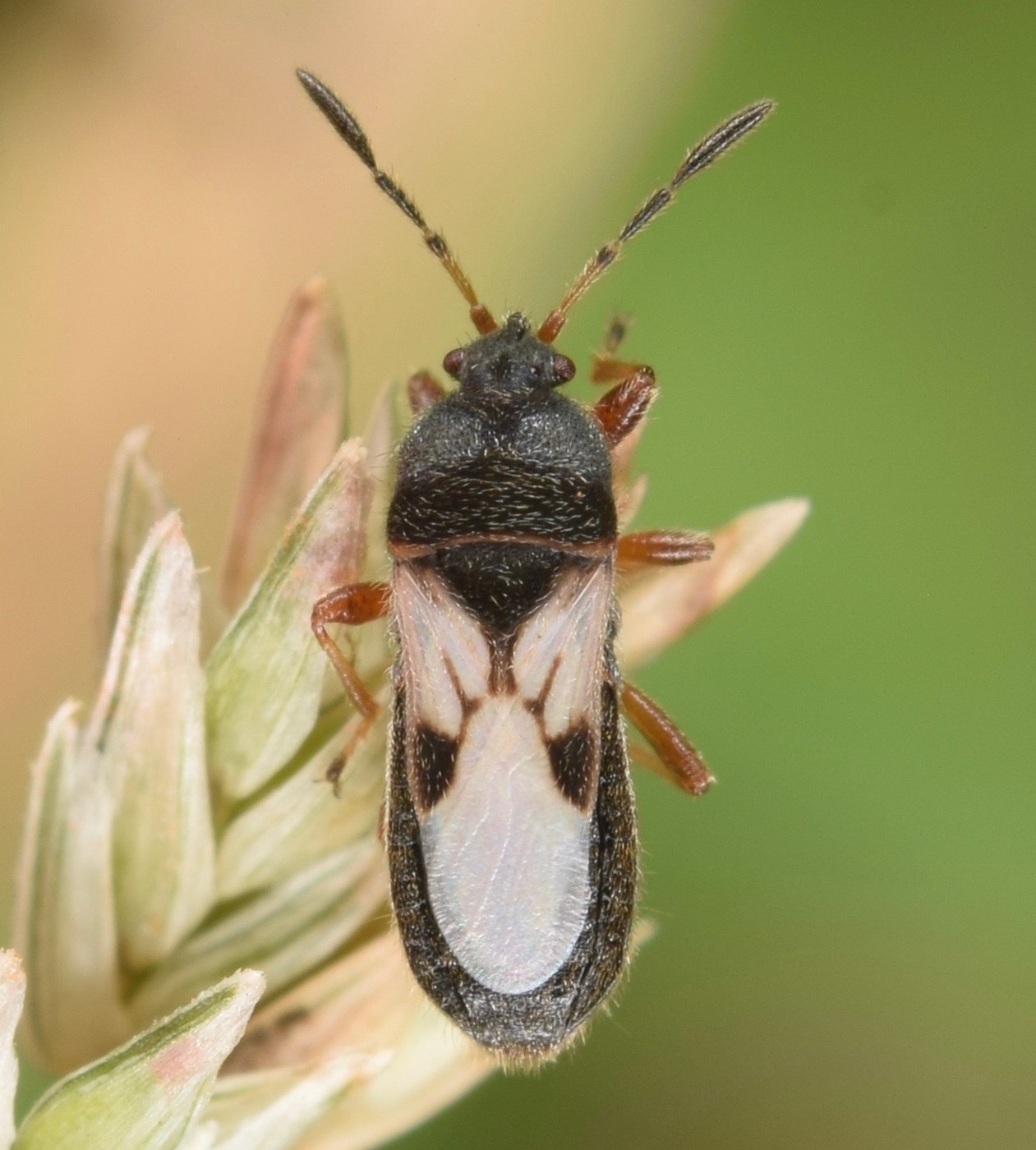
Chinch Bug
A tiny black-and-white true bug that feeds on grasses, often overlooked individually but capable of forming dense colonies in sunny, dry patches of lawn.
true-bug