
Bug Encyclopedia
Search and identify bugs & insects — beetles, butterflies, moths, ants, bees, spiders and more — with size, habitat, danger, behavior, and how to tell them apart.
Digger Bee
A robust, fast-flying, densely furry solitary bee that excavates tunnels in bare or sloped soil, often confused with bumble bees due to its bulky, hairy build and loud buzzing flight.
bee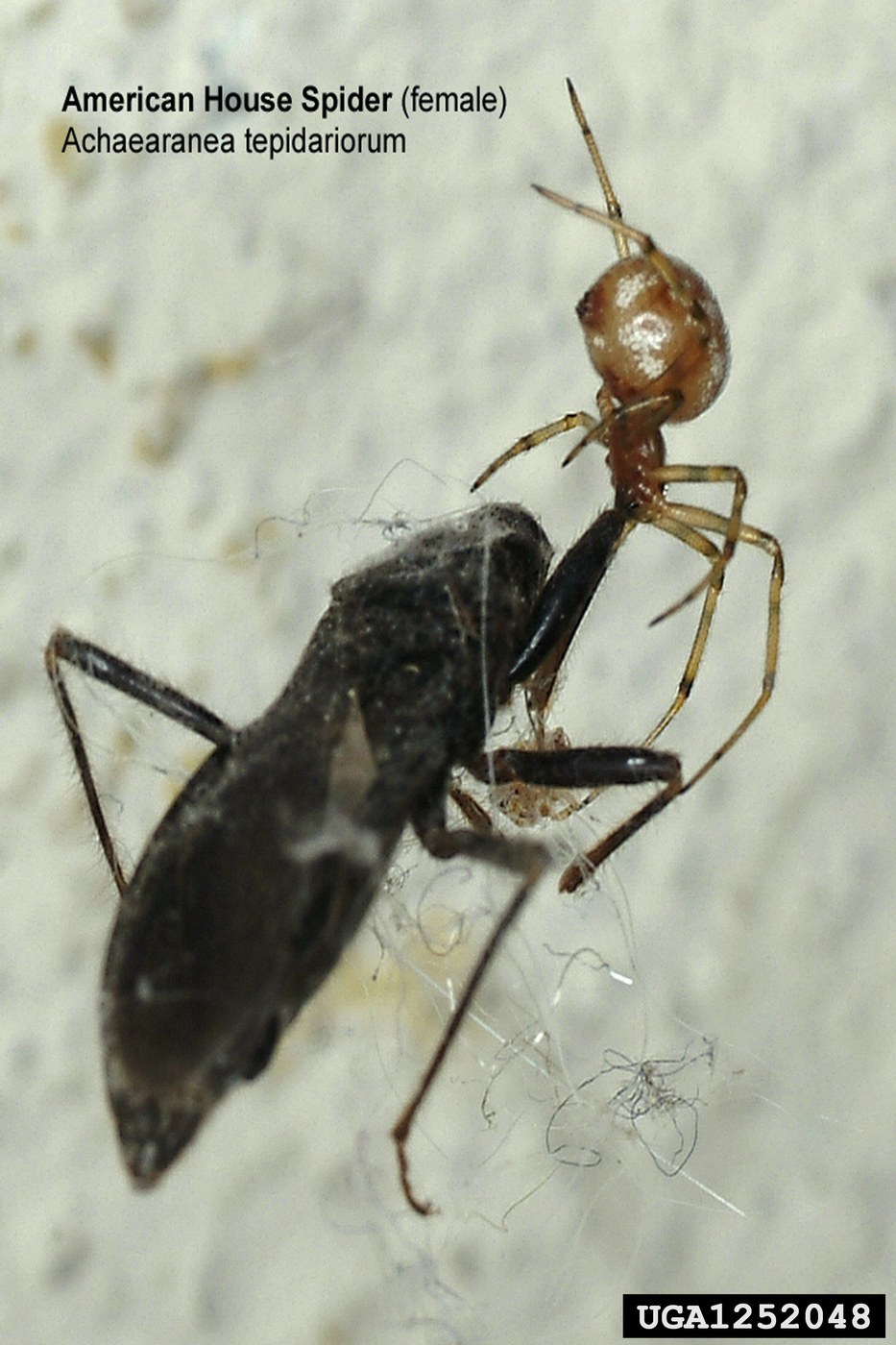
American House Spider
A small, brownish spider with a bulbous, mottled abdomen that spins loose, irregular tangle webs in quiet corners, ceilings, and window frames.
spider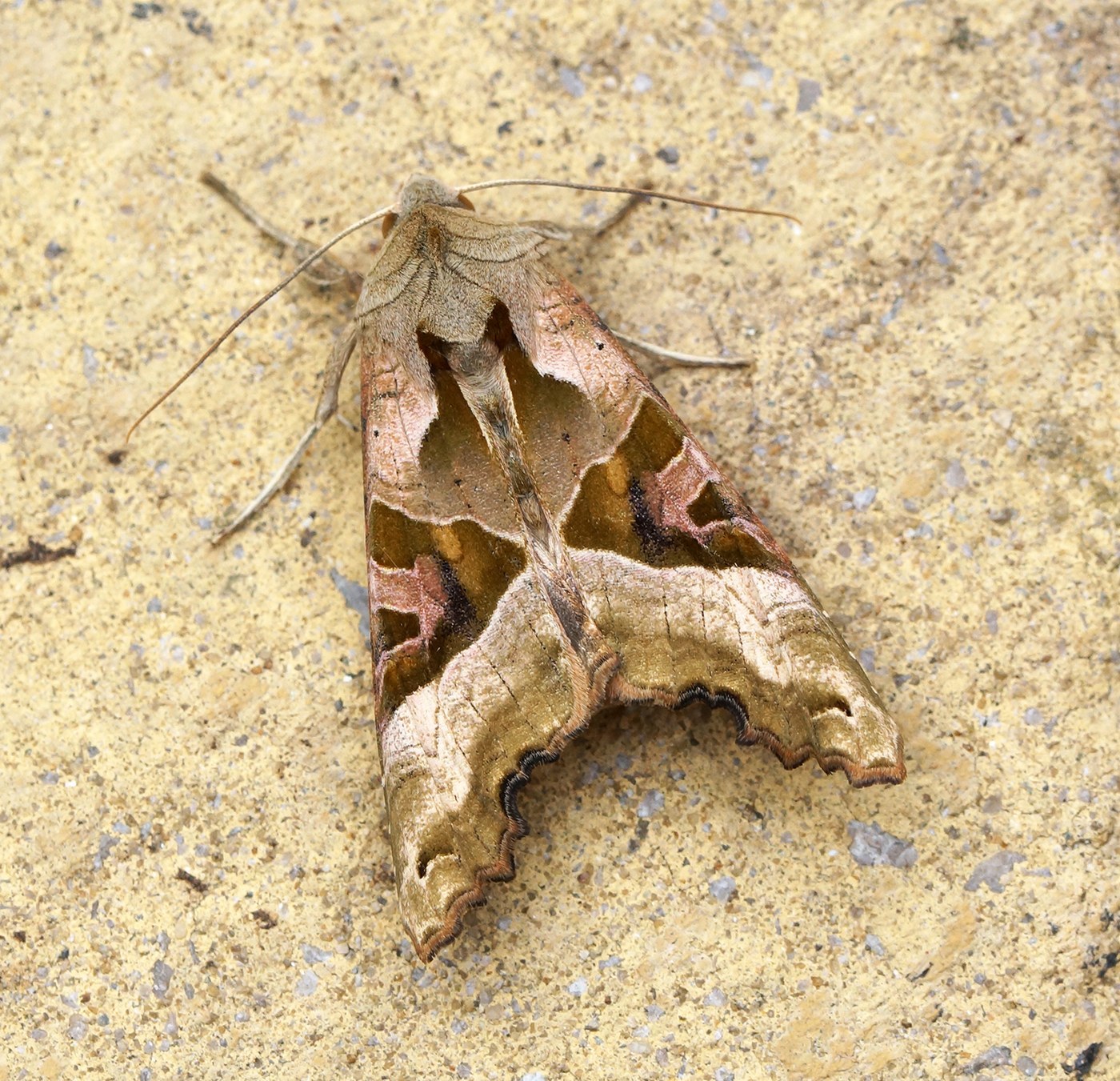
Angle Shades Moth
A common night-flying moth whose forewings fold into a crumpled, tent-like shape that mimics a withered or damaged leaf, marked with bold olive-green and pinkish-brown zigzag bands.
moth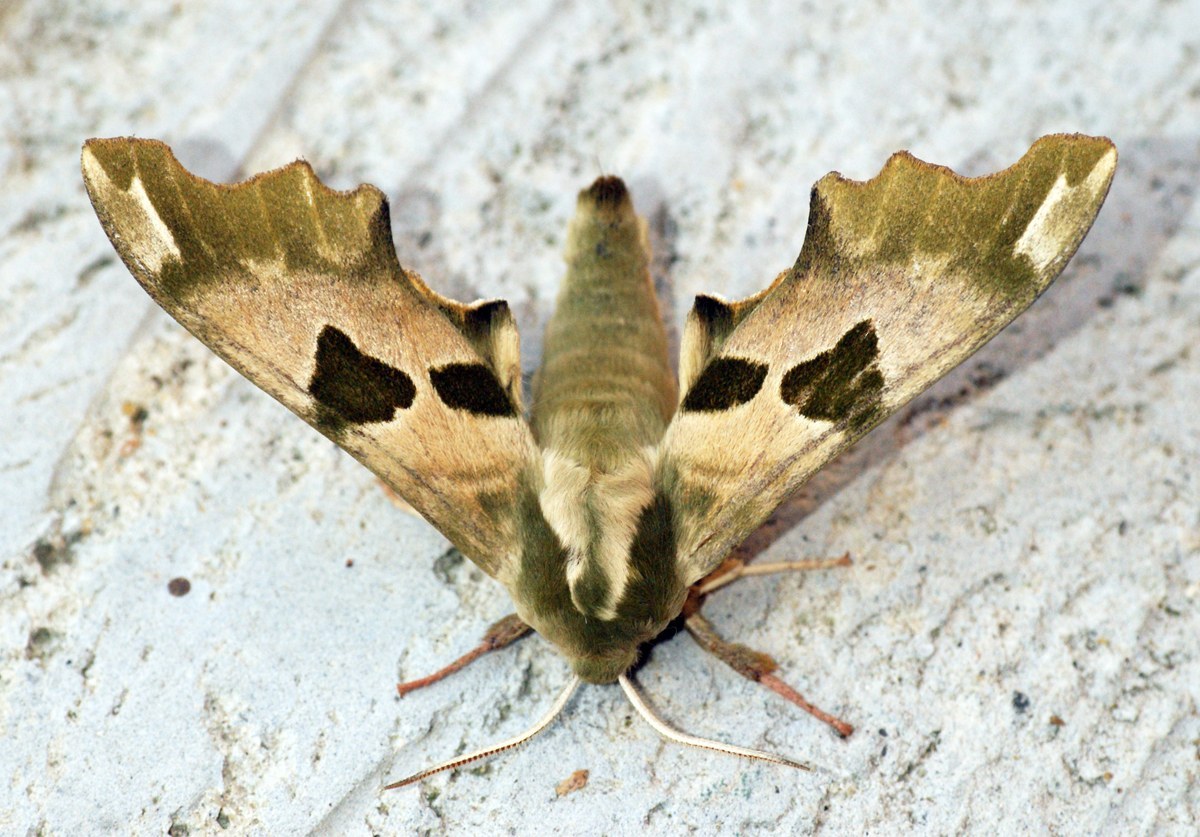
Lime Hawk-Moth
A stout, angular-winged hawk-moth in muted greens, browns, or pinks with deeply scalloped wing margins, closely tied to lime (linden) trees for its larval development.
moth
Cochineal
A tiny, sedentary scale insect that lives clustered on prickly pear cacti beneath a protective coat of white, waxy fluff, historically prized for the deep red pigment it produces.
true-bug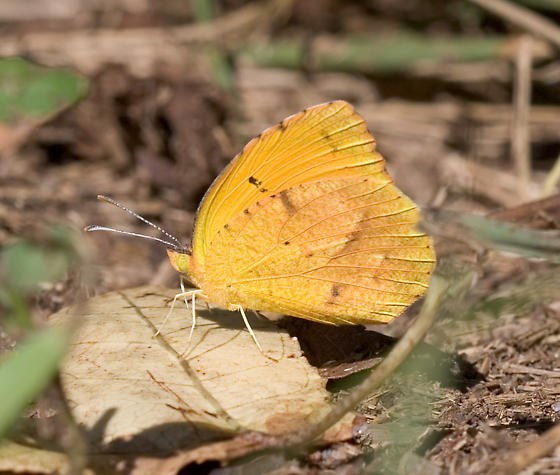
Sleepy Orange
A small, deep orange sulphur butterfly with dark wing borders and a low, wandering flight, named for a faint dark mark that suggests a half-closed, sleepy eye.
butterflyHouse Ant
A small, dark brown to black ant that forages in loose trails along countertops and baseboards and releases a distinctive rotten-coconut smell when crushed.
ant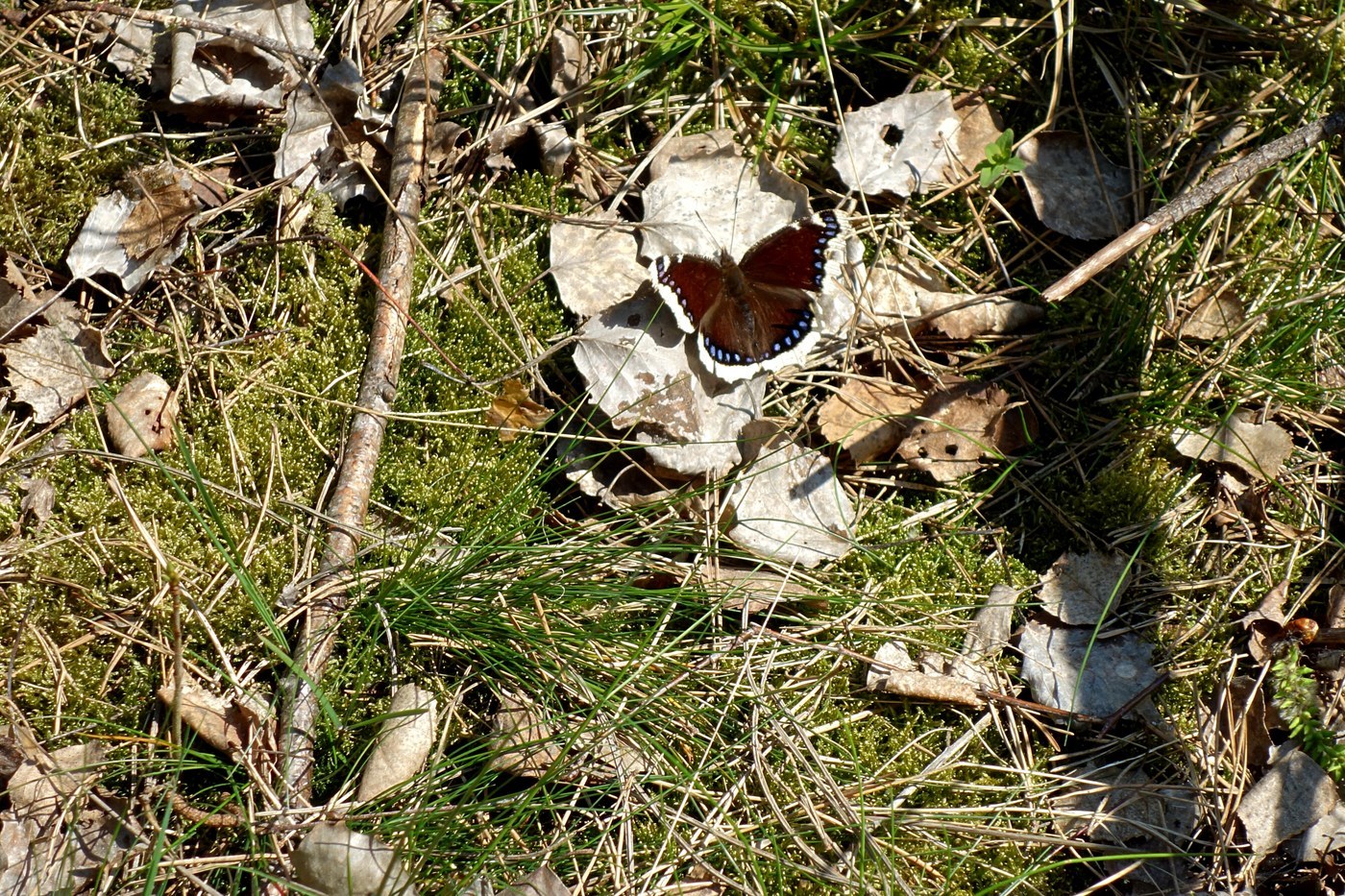
Mourning Cloak Butterfly
A deep maroon-brown butterfly bordered with a cream-yellow band and a row of iridescent blue spots, unusual among butterflies for overwintering as an adult and being one of the first to appear in early spring.
butterfly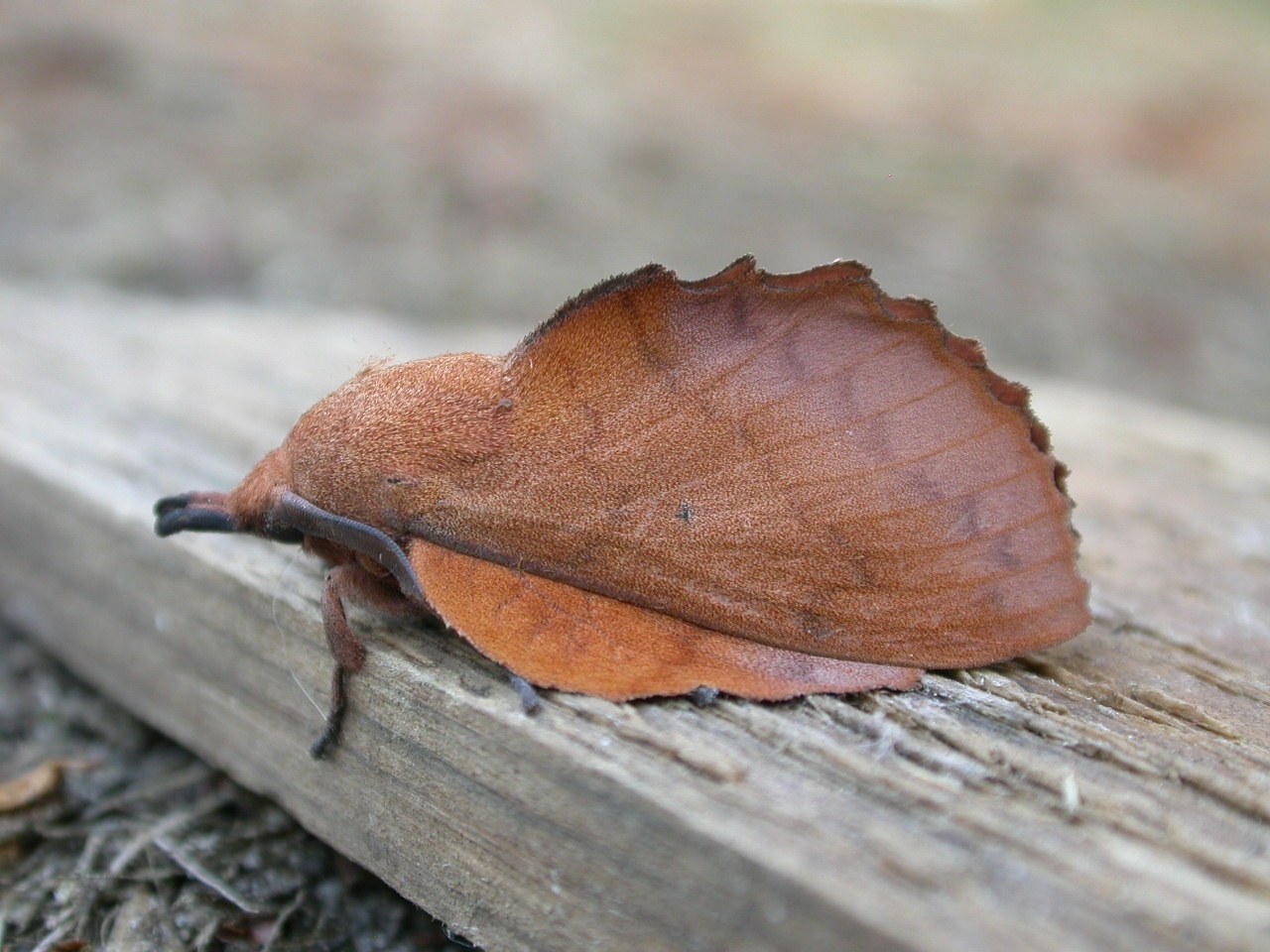
Lappet Moth
A large, richly textured moth with deeply scalloped, russet-brown wings that fold into an uncanny dead-leaf silhouette, one of the most convincing leaf mimics among European moths.
mothFollicle Mite
An elongated, microscopic mite shaped almost like a tiny worm, living deep within hair follicles and oil glands of mammal skin where it spends its entire life largely unnoticed.
arachnidCave Spider
A long-legged orb weaver adapted to the twilight zone of caves, spinning large webs across cavern mouths and dangling its egg sacs from silk threads deep within the darkness.
spider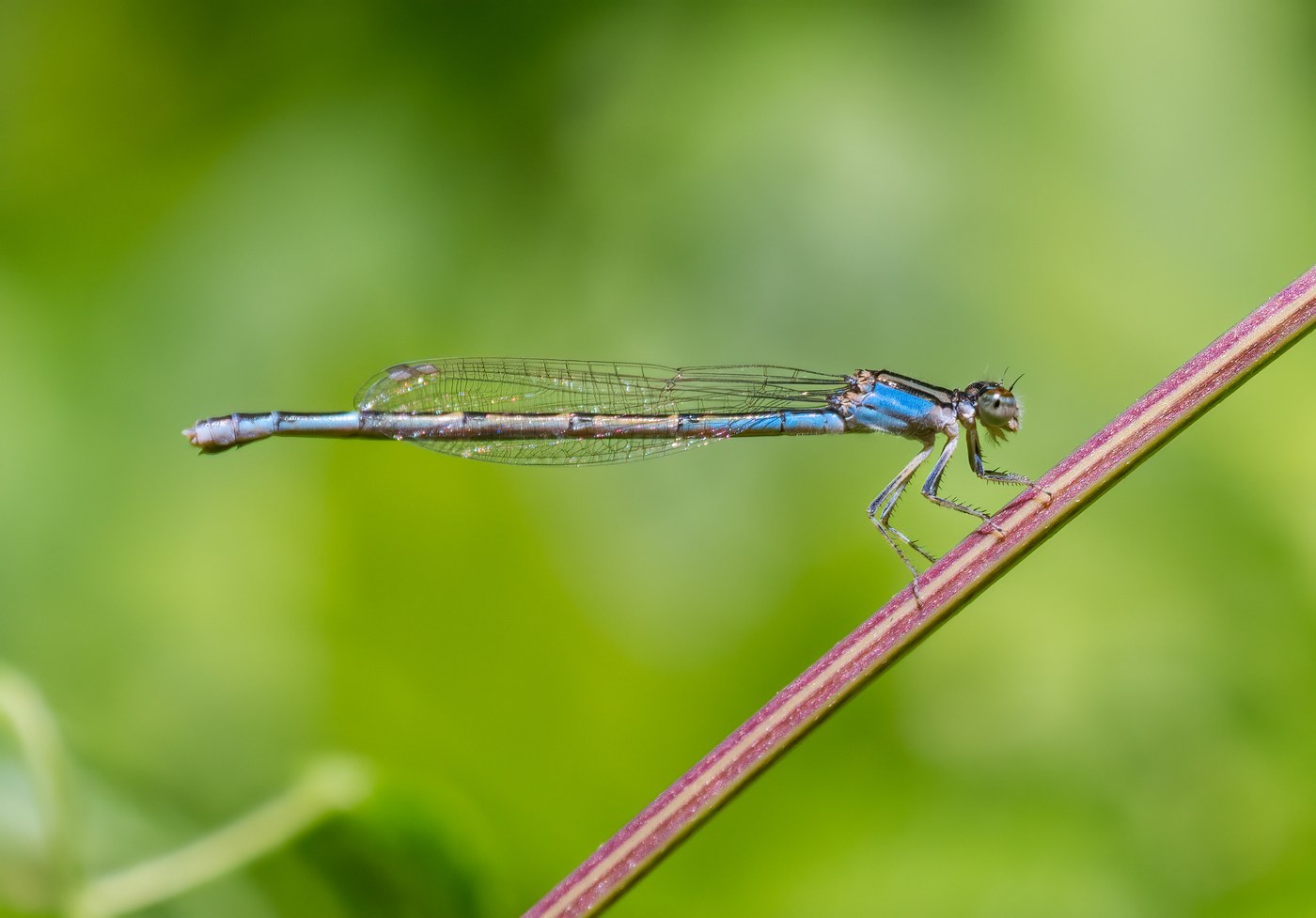
Azure Bluet
A sky-blue damselfly of quiet ponds, the Azure Bluet is named for its vivid blue coloration and is often seen resting in loose swarms over floating vegetation.
dragonfly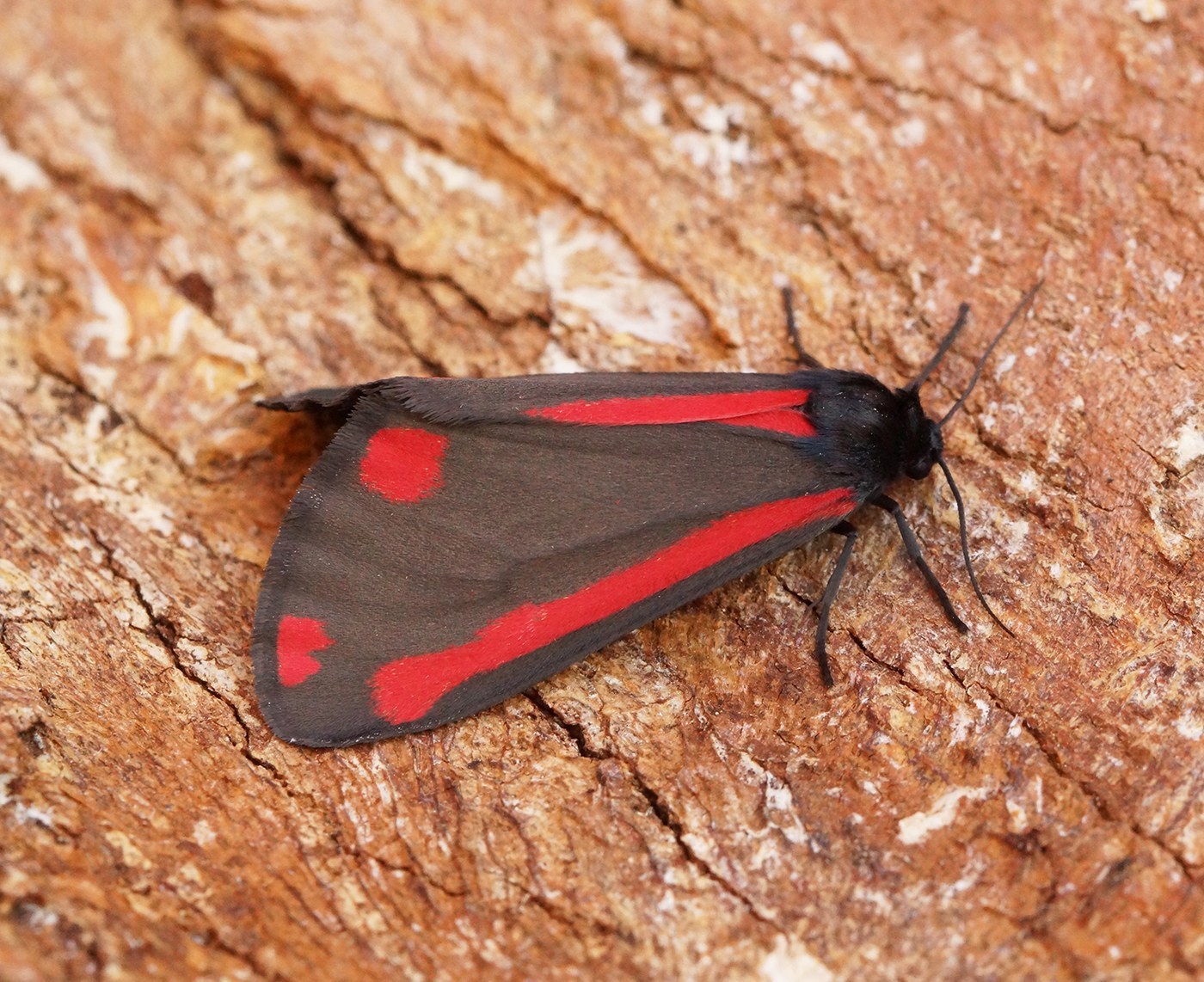
Cinnabar Moth
A striking black-and-red day-flying moth whose boldly banded orange-and-black caterpillars feed conspicuously on ragwort, sequestering plant compounds as a chemical defense advertised by their vivid warning colors.
moth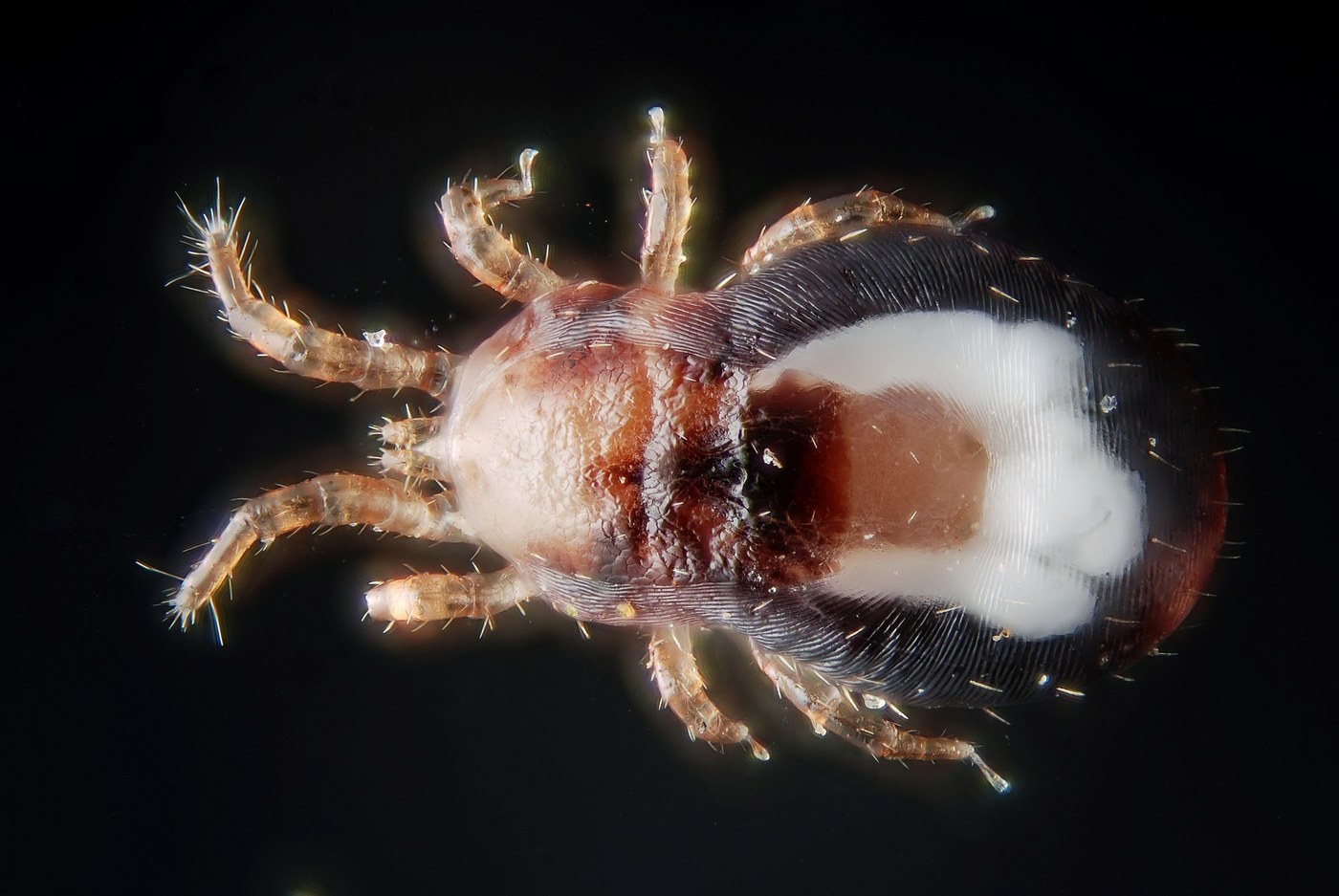
Chicken Mite
A tiny, blood-feeding mite that hides in cracks and crevices of poultry housing by day and emerges at night to feed on roosting birds, turning a dull gray to deep red after a blood meal.
arachnid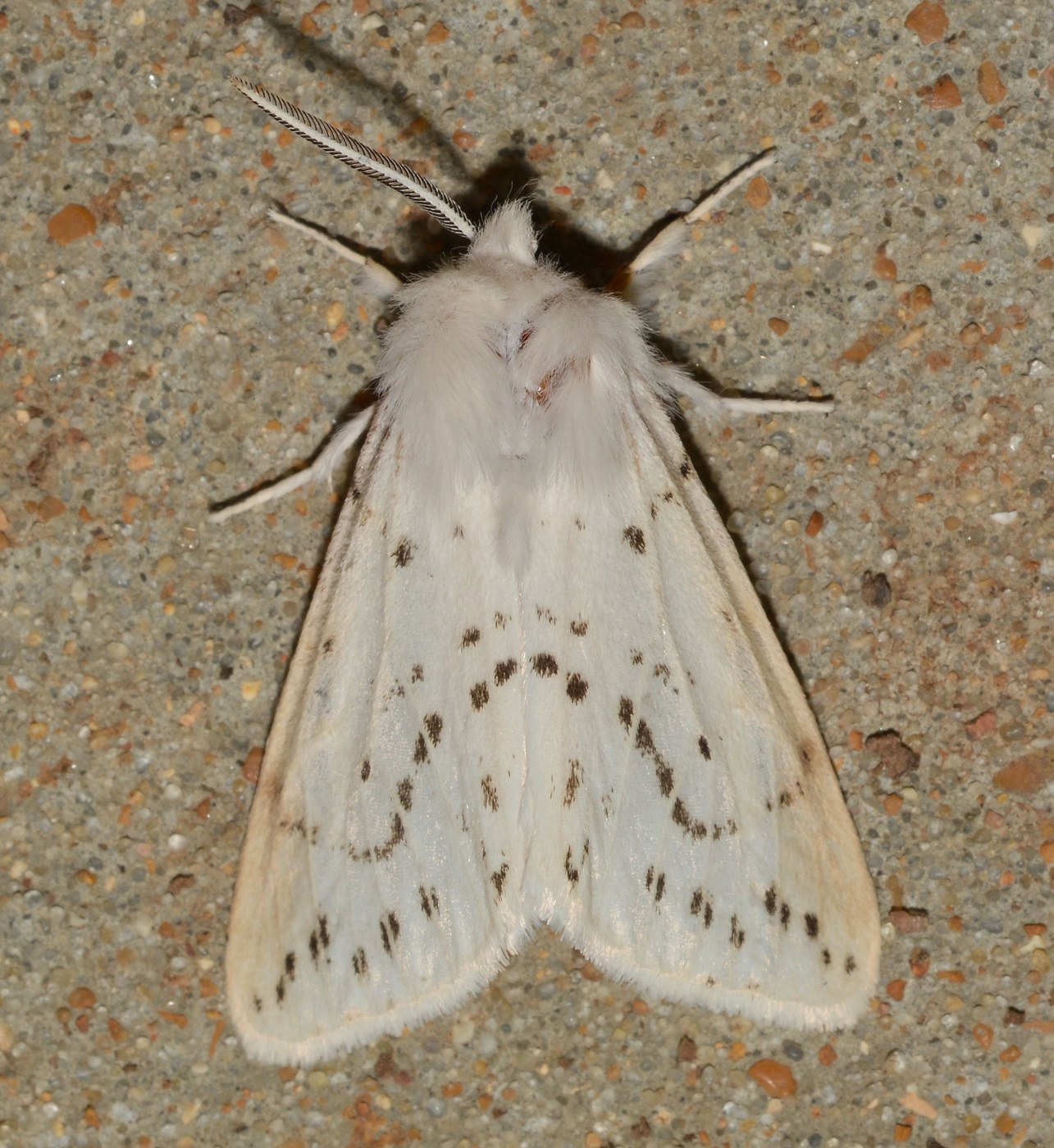
Fall Webworm
A pale, hairy caterpillar that spins loose, messy silk webs enclosing entire leaf clusters at the tips of tree branches, becoming especially noticeable in late summer and fall.
caterpillar-larva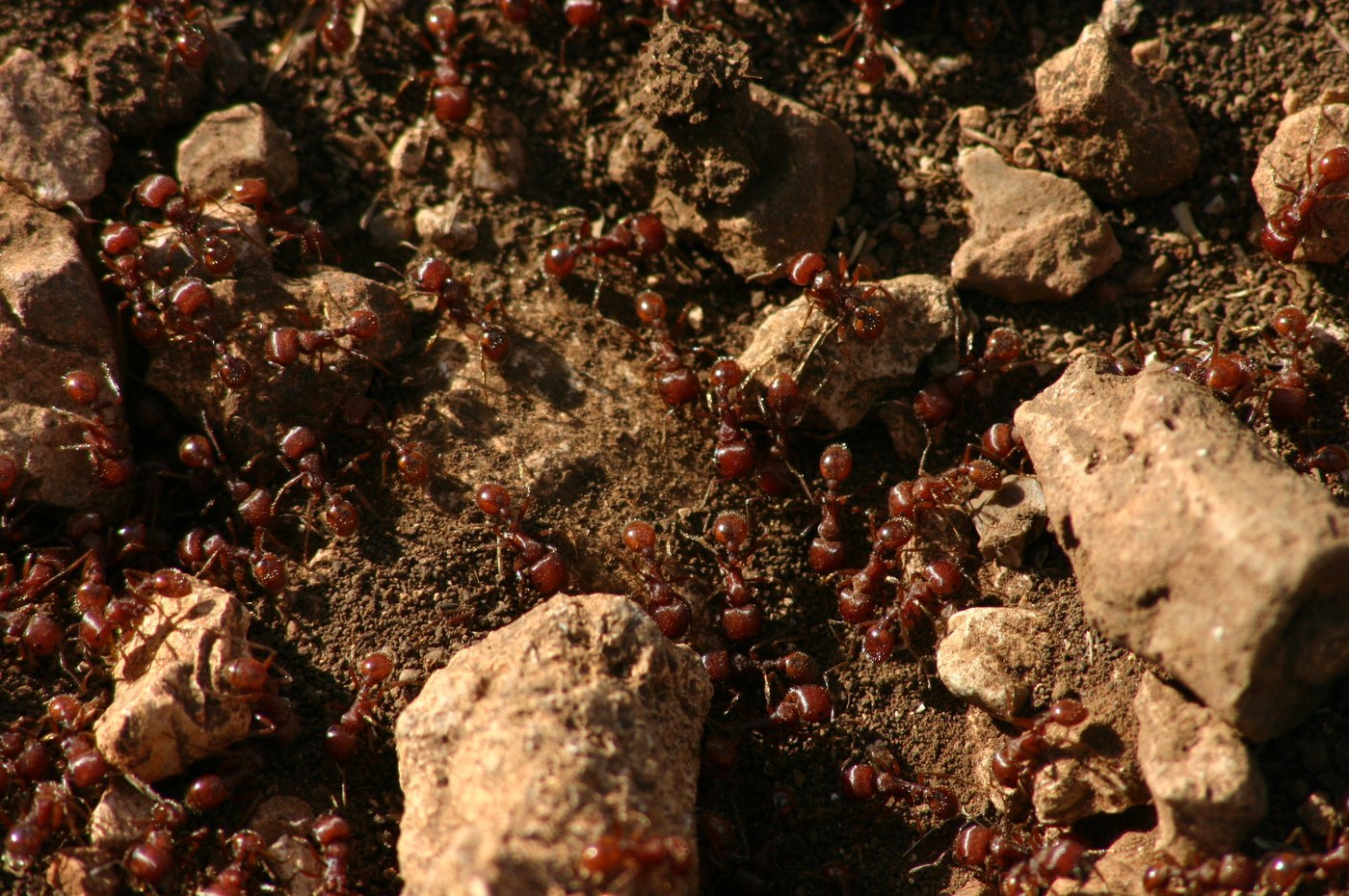
Fire Ant
A small reddish-brown ant that builds loose, crater-less dirt mounds in sunny open turf and mobilizes large numbers of workers rapidly when the nest is disturbed.
ant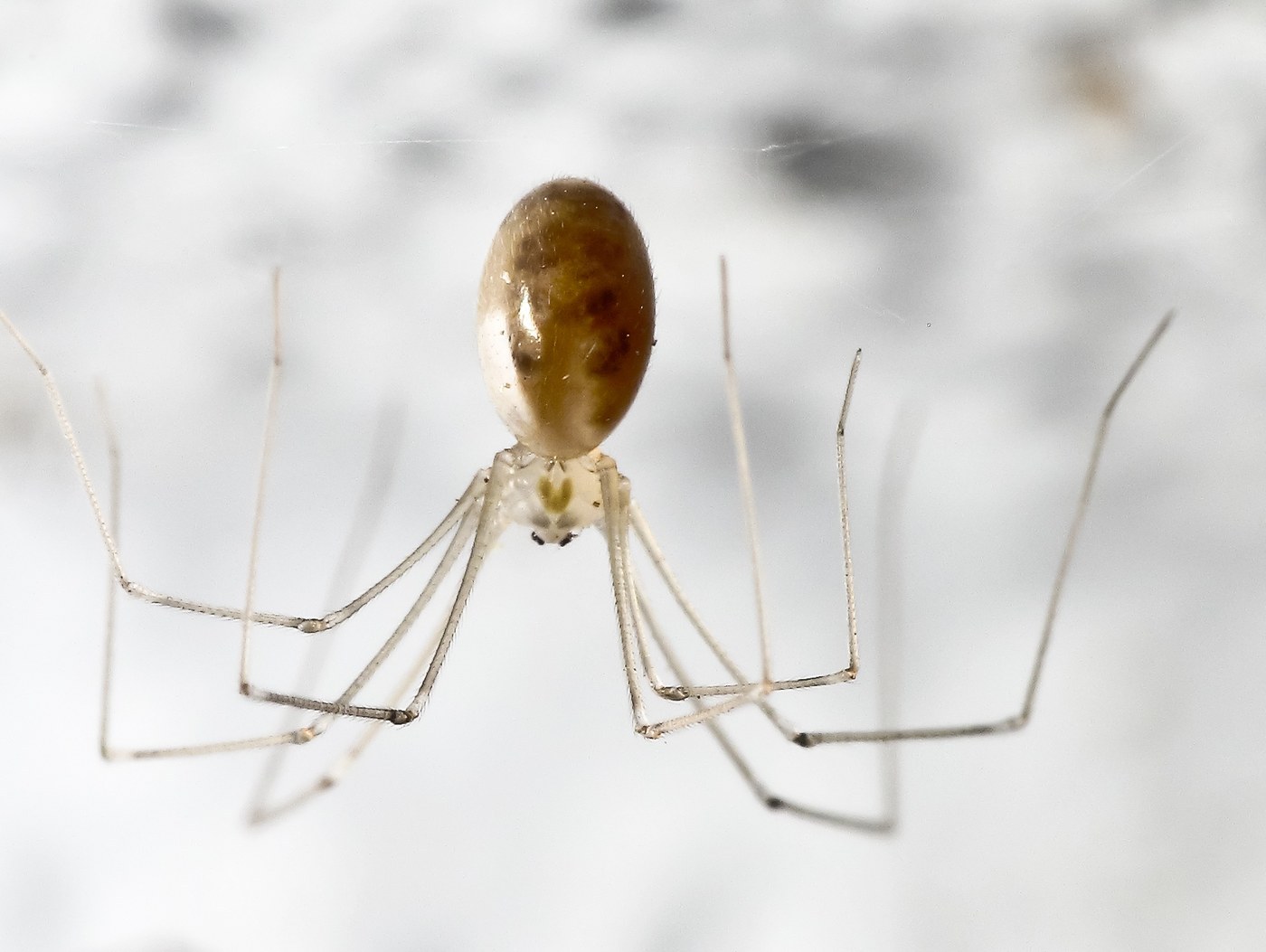
Cellar Spider
A pale, long-legged spider that builds loose, irregular webs in dark corners and is famous for rapidly vibrating in its web when disturbed, causing it to blur into an indistinct shape.
spider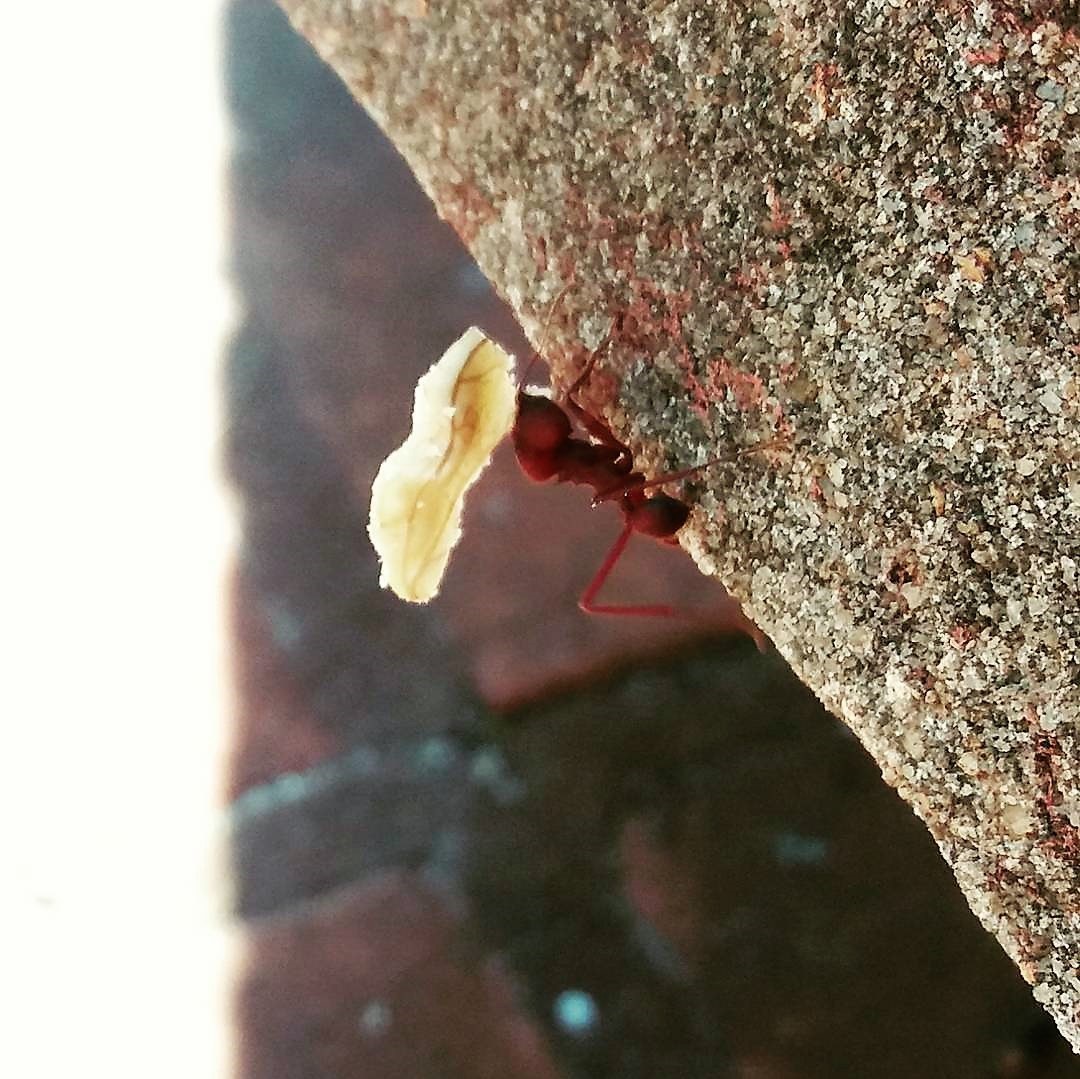
Leafcutter Ant
A highly organized ant famous for marching in long trails while carrying disc-shaped pieces of leaf many times their own size, which they use to cultivate fungus gardens deep underground.
antPine Sawyer Beetle
A large, long-antennaed longhorn beetle of pine and spruce forests, mottled gray-brown to black, that produces a rasping sound when handled and whose larvae tunnel deep into dead or dying conifer wood.
beetle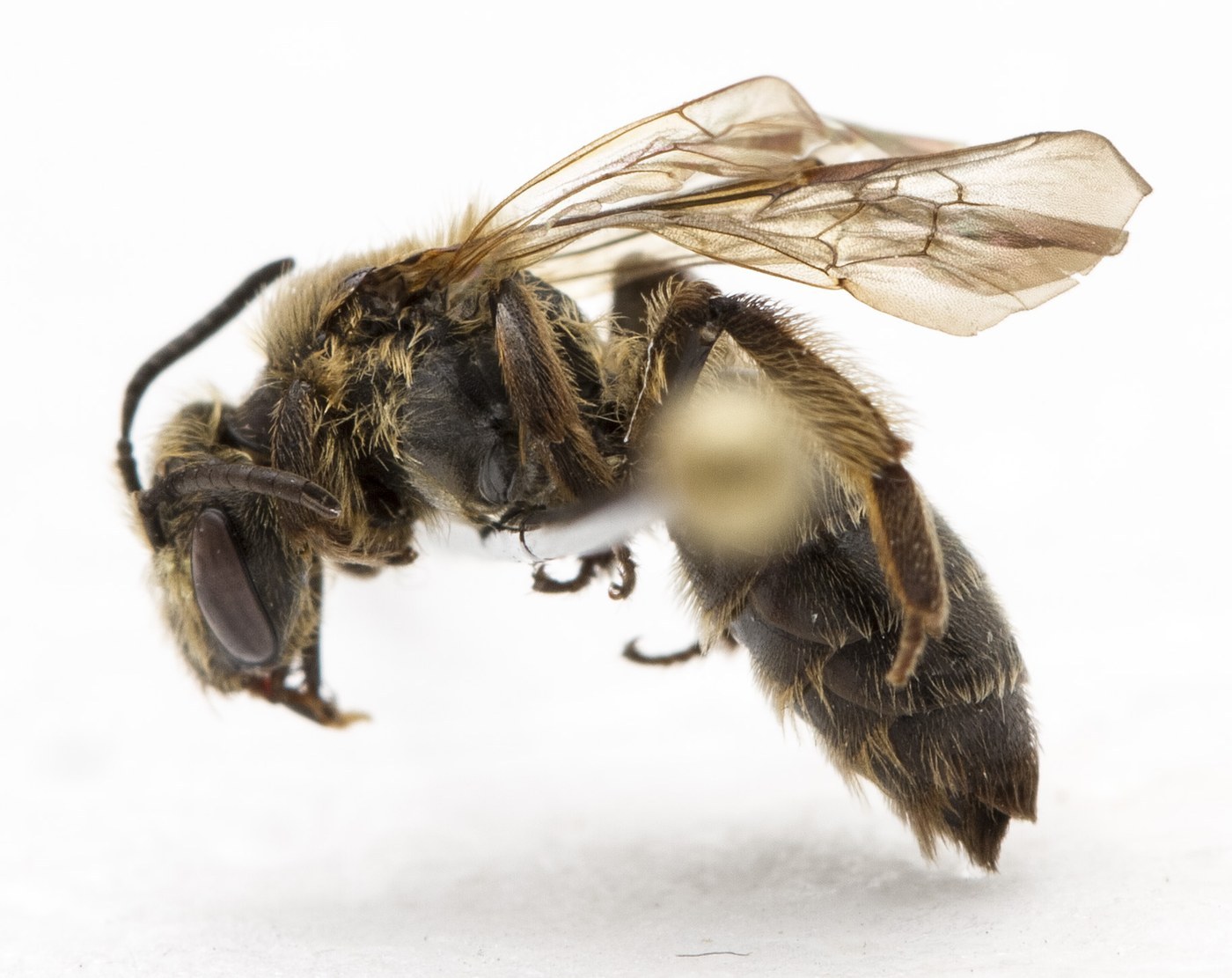
Mining Bee
A furry, solitary ground-nesting bee that emerges in early spring in loose aggregations, often mistaken for a small bumble bee, digging individual burrows marked by small volcano-shaped mounds of soil.
beeWhirligig Beetle
A small, glossy black beetle that spins and darts in rapid circles across the surface film of ponds, often gathered in loose groups, using divided eyes to see both above and below the water at once.
aquatic-insect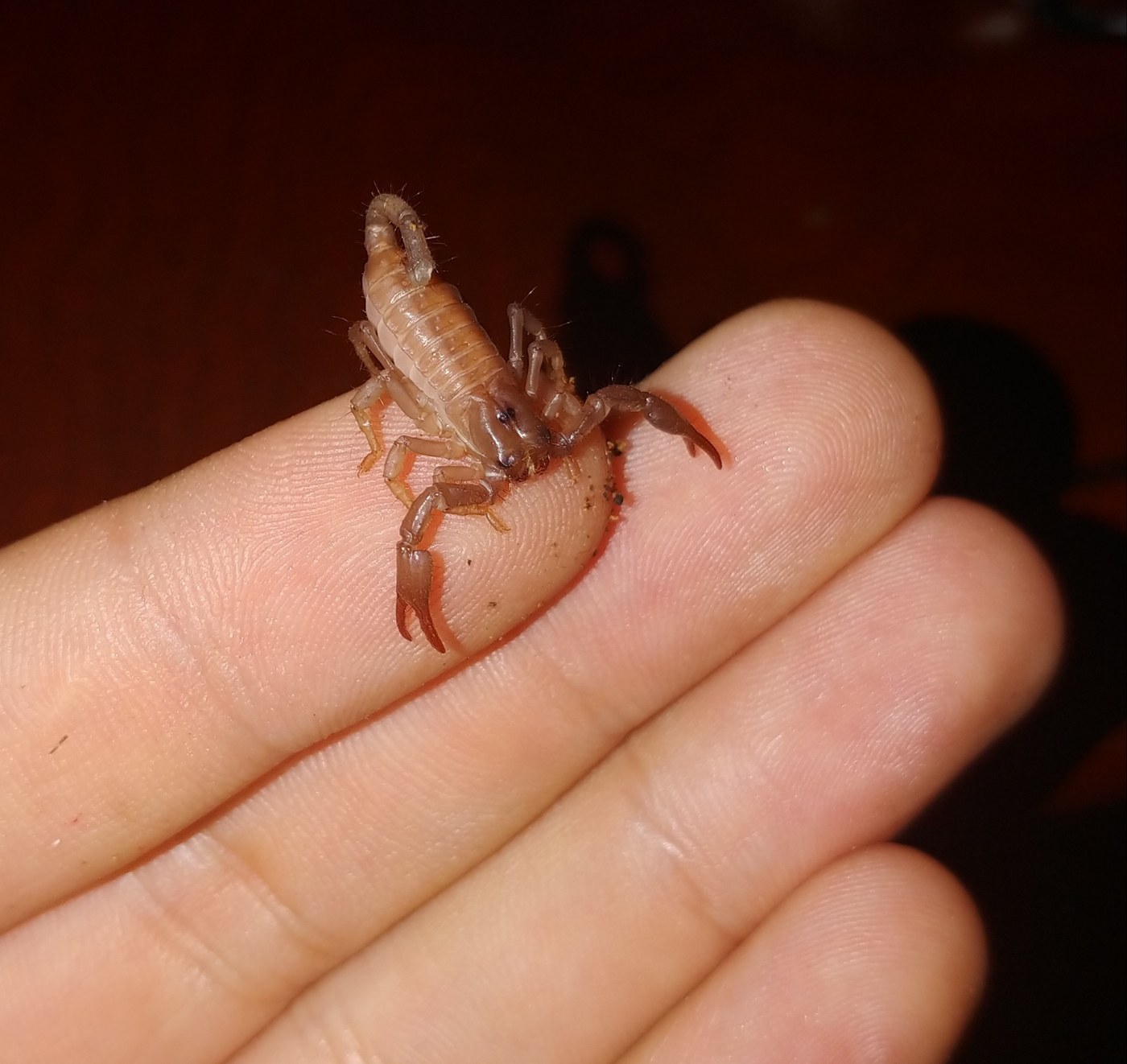
Emperor Scorpion
A massive, glossy black scorpion with heavy, oversized pincers built for crushing prey rather than stinging it, the emperor scorpion is one of the biggest and most recognizable scorpions on Earth. It digs deep burrows in rainforest soil and is unusual among scorpions for tolerating close family groups.
arachnid