
Bug Encyclopedia
Search and identify bugs & insects — beetles, butterflies, moths, ants, bees, spiders and more — with size, habitat, danger, behavior, and how to tell them apart.
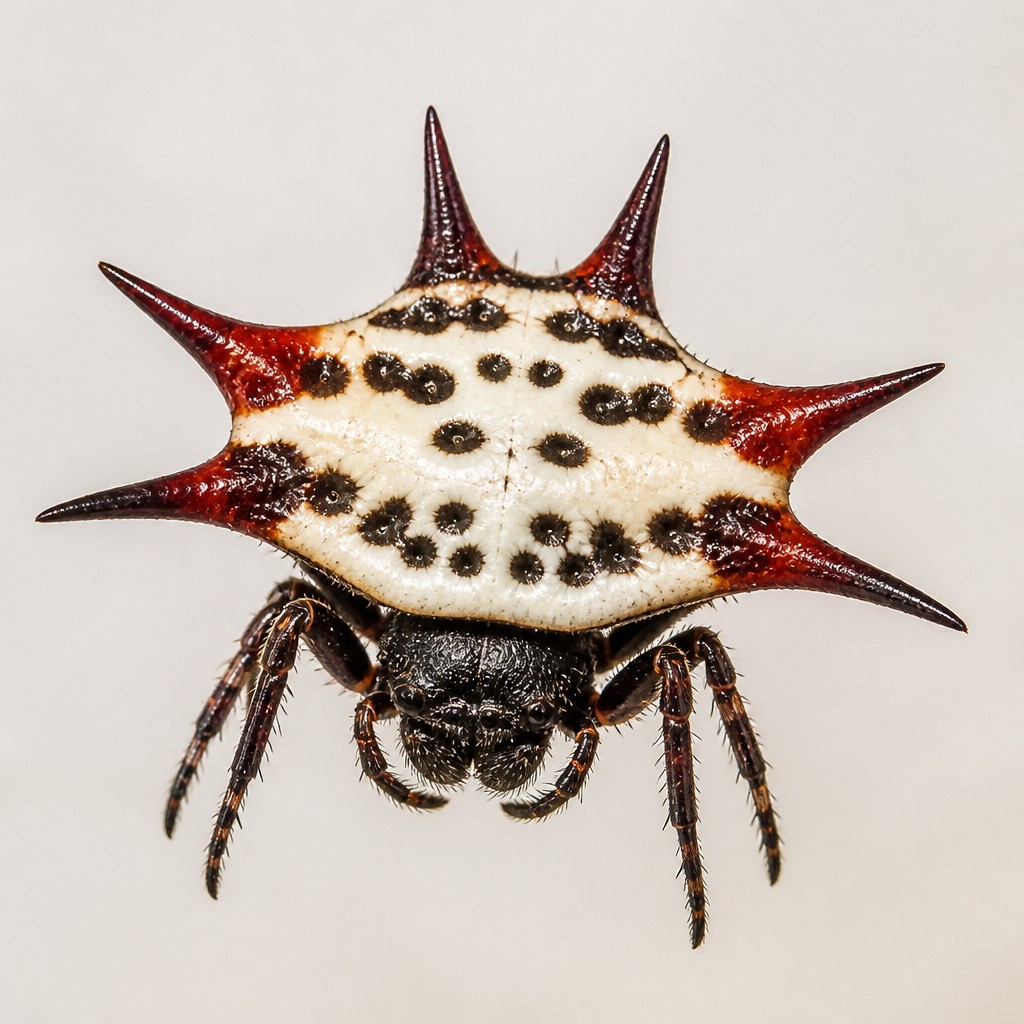
Spiny Orb Weaver
A small, hard-shelled orb weaver shaped like a tiny crab, with six sharp spines projecting from a brightly colored abdomen suspended in a neat wheel-shaped web.
spider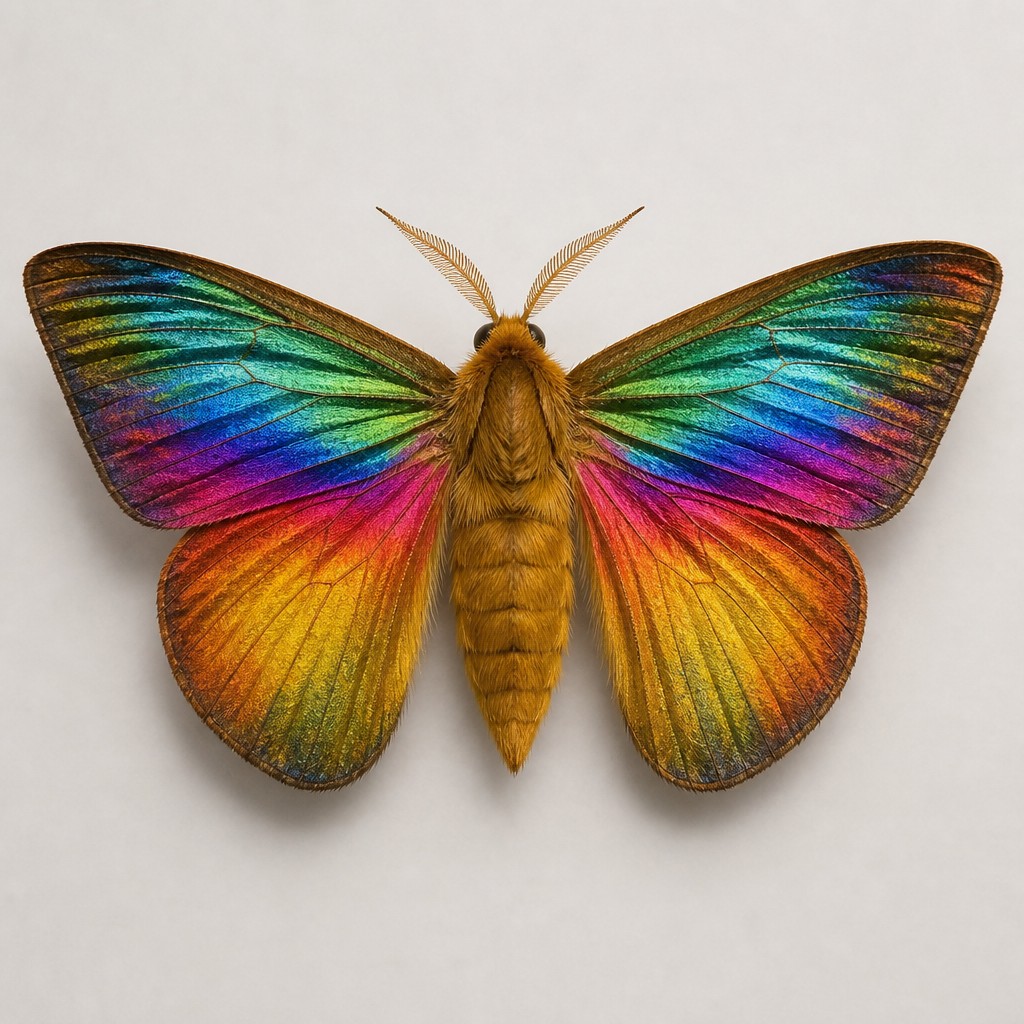
Madagascan Sunset Moth
A day-flying moth with iridescent wings that shimmer through bands of green, blue, red, and gold, so vividly colored that it is frequently mistaken for a butterfly despite being a true moth.
moth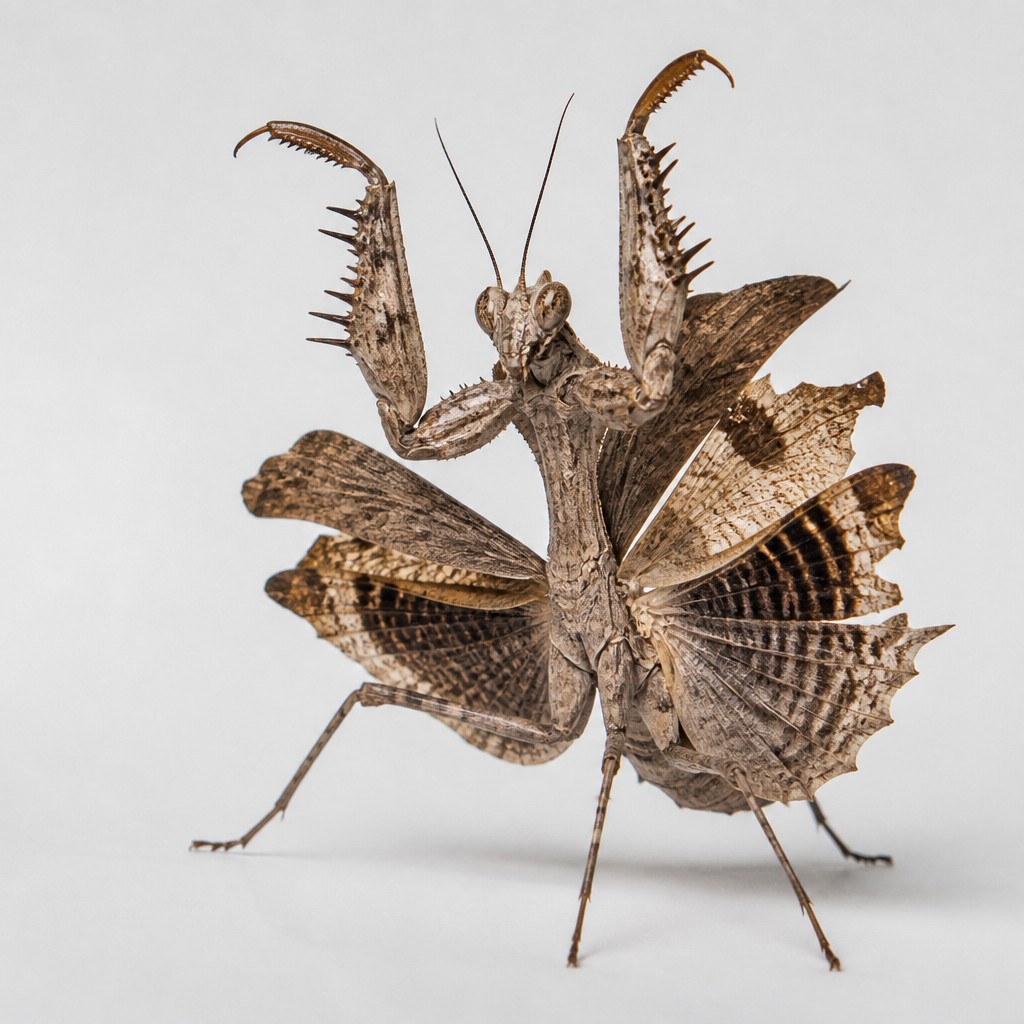
Devil's Flower Mantis
One of the largest mantis species on Earth, this striking insect can suddenly rear up and fan out vividly colored wings and legs into a dramatic, flower-like threat display.
mantis-stick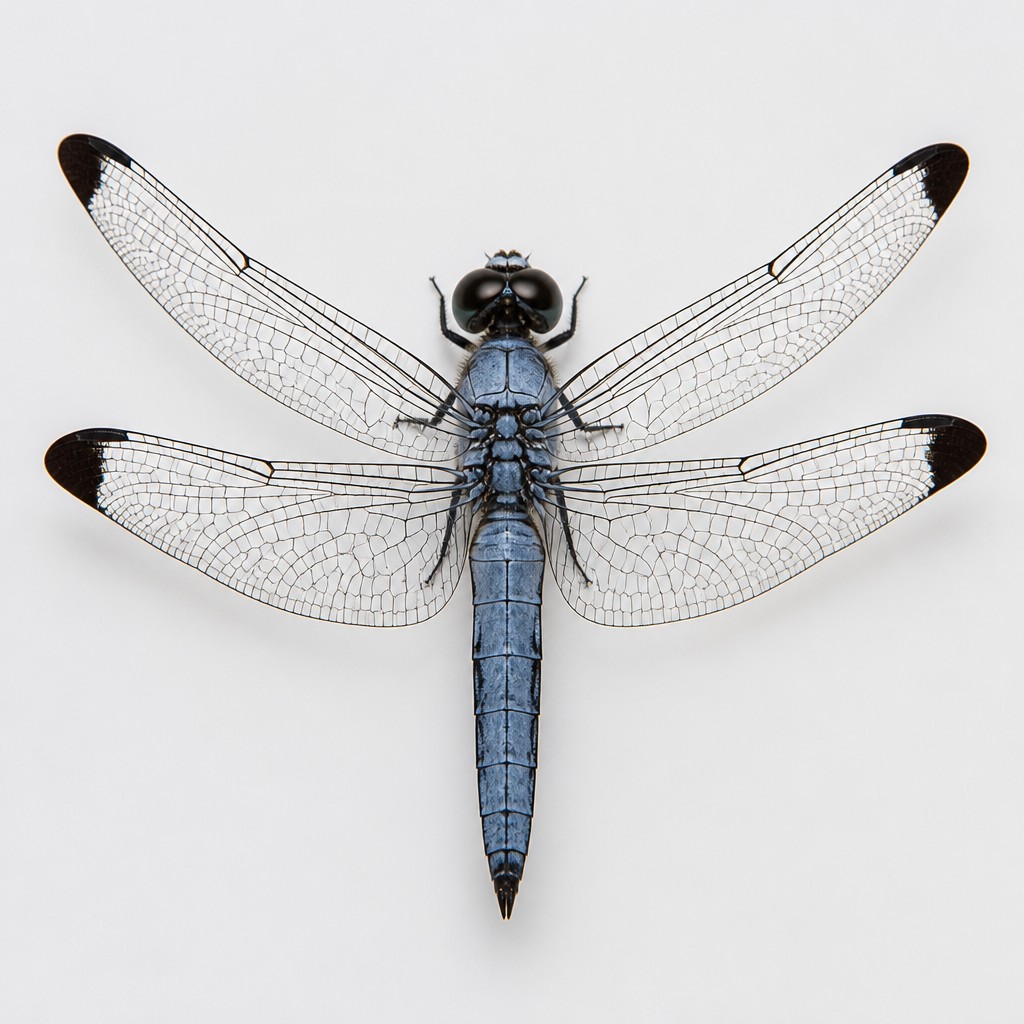
Slaty Skimmer
A mature male Slaty Skimmer is powder-blue-gray from head to tail with jet-black wing tips, giving it a slate-colored, almost monochrome look as it patrols pond edges.
dragonfly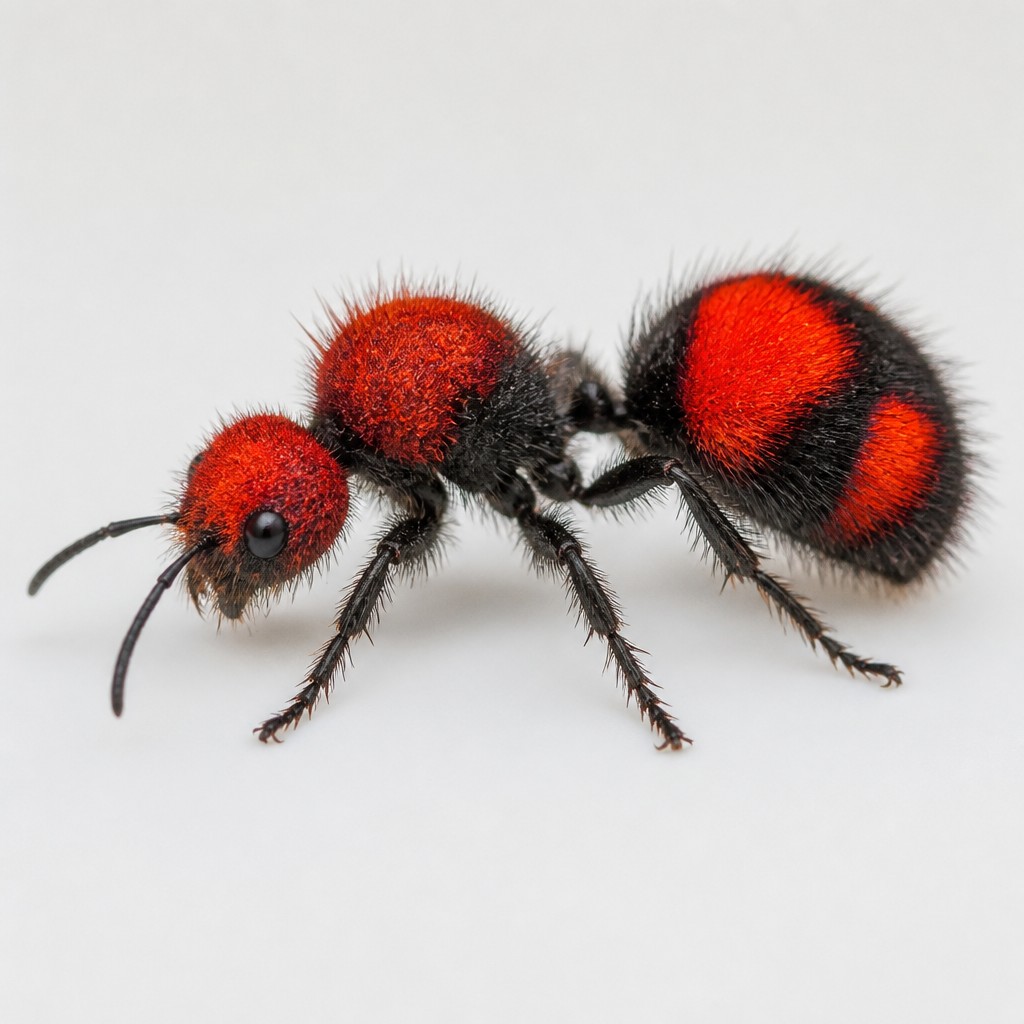
Velvet Ant
A densely fuzzy, brightly colored insect that looks like an oversized ant but is actually a wingless female wasp, instantly recognizable by its thick coat of red, orange, black, or white hair.
wasp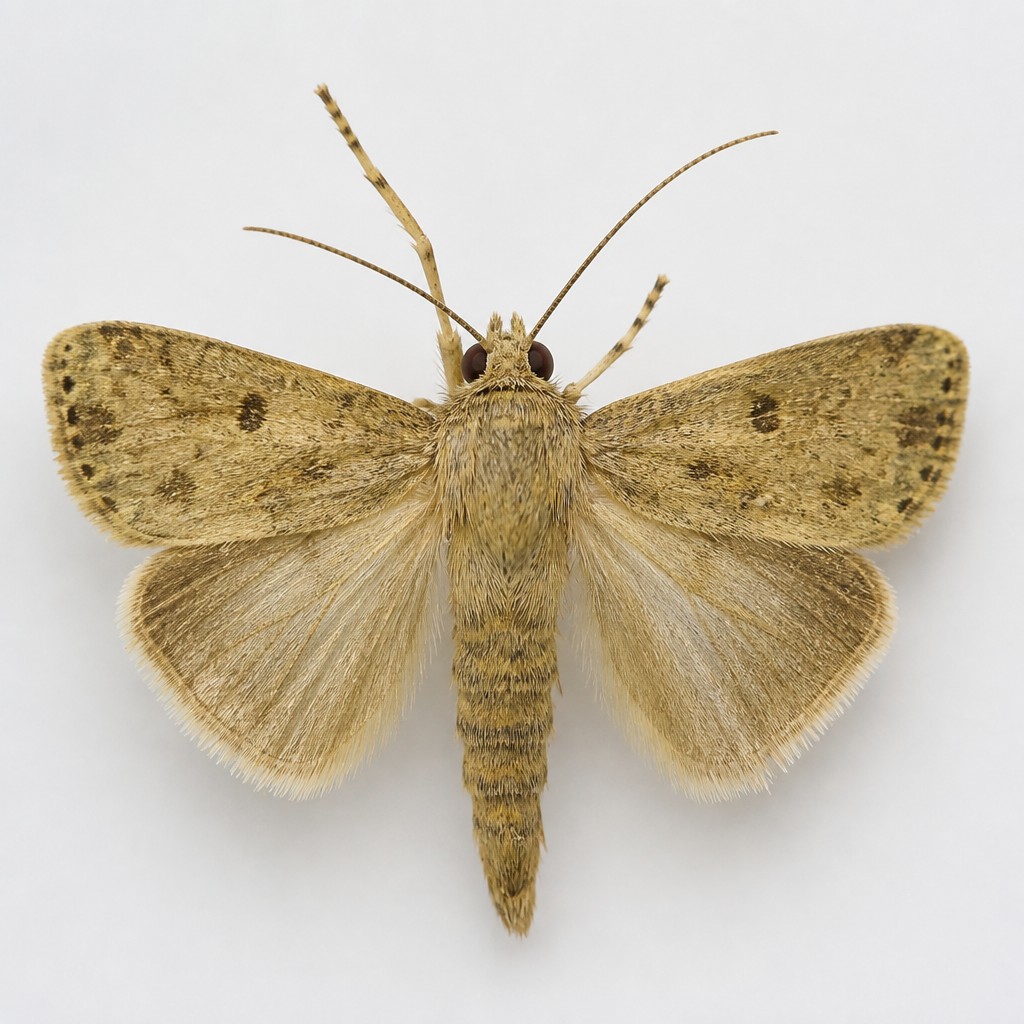
Corn Earworm Moth
A tan to olive-colored moth whose caterpillar, the corn earworm, is one of the most economically significant crop pests in North America, feeding inside corn ears, tomatoes, and cotton bolls.
moth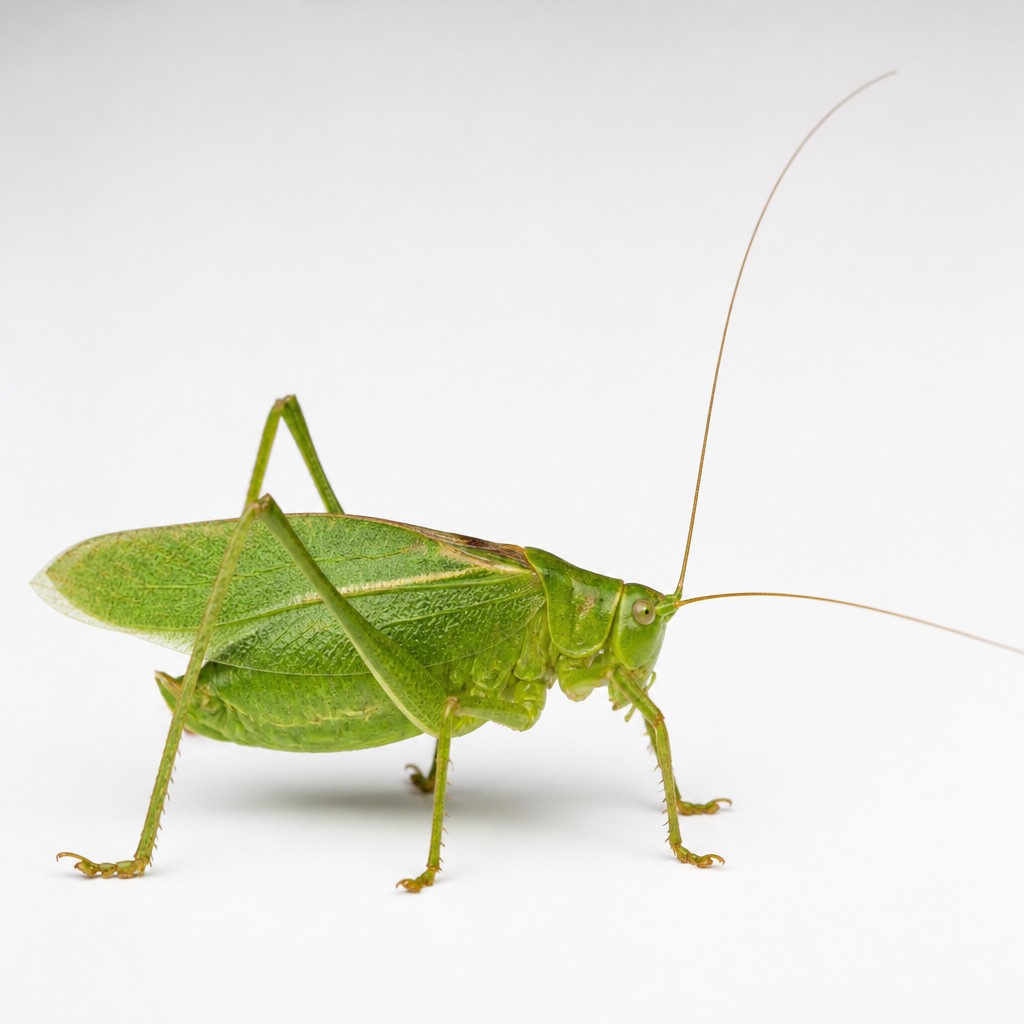
Bush Cricket
Known by its long, thread-like antennae and evening chorus of chirps, this leaf-colored insect spends its life hidden among grass and foliage, often heard far more often than seen.
grasshopper-cricket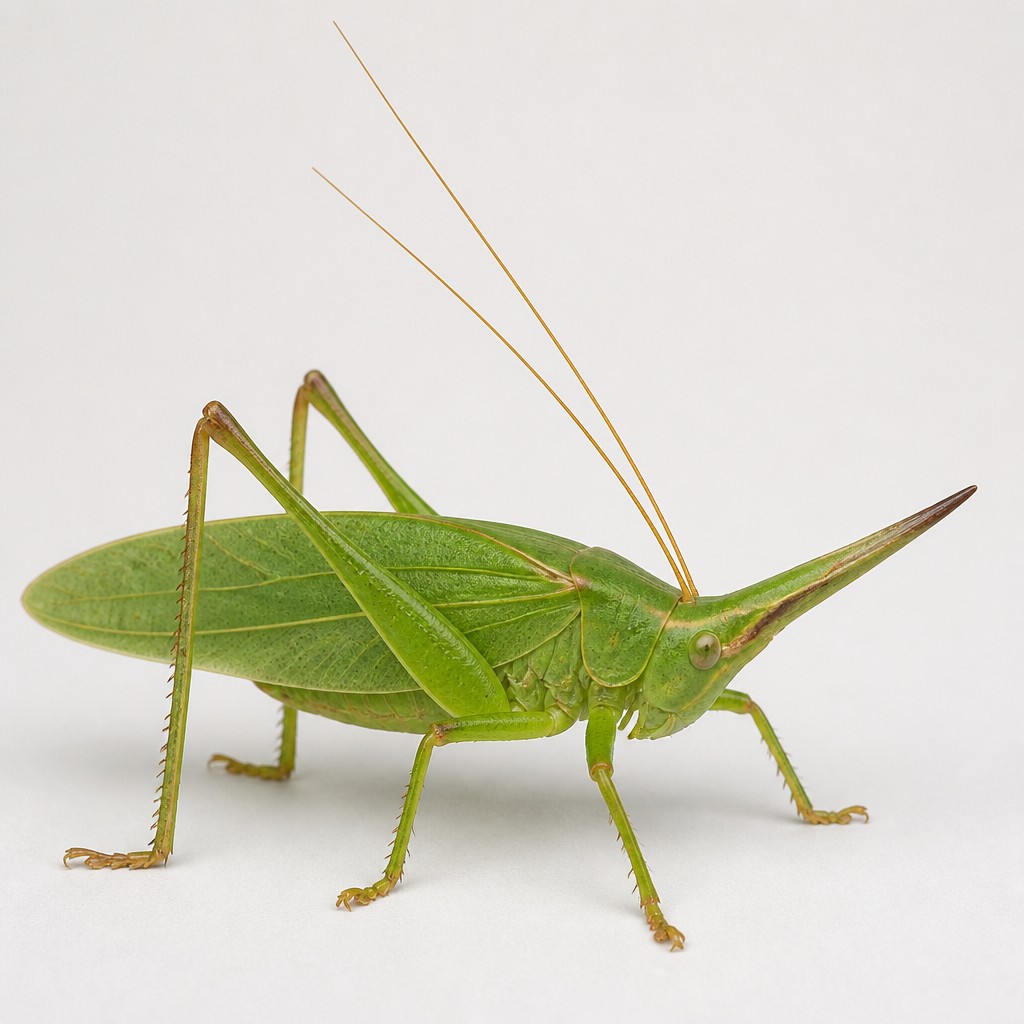
Cone-headed Katydid
A large, grass-colored katydid named for its sharply pointed, cone-shaped head, best known for producing some of the loudest, most sustained buzzing calls of any North American insect.
grasshopper-cricket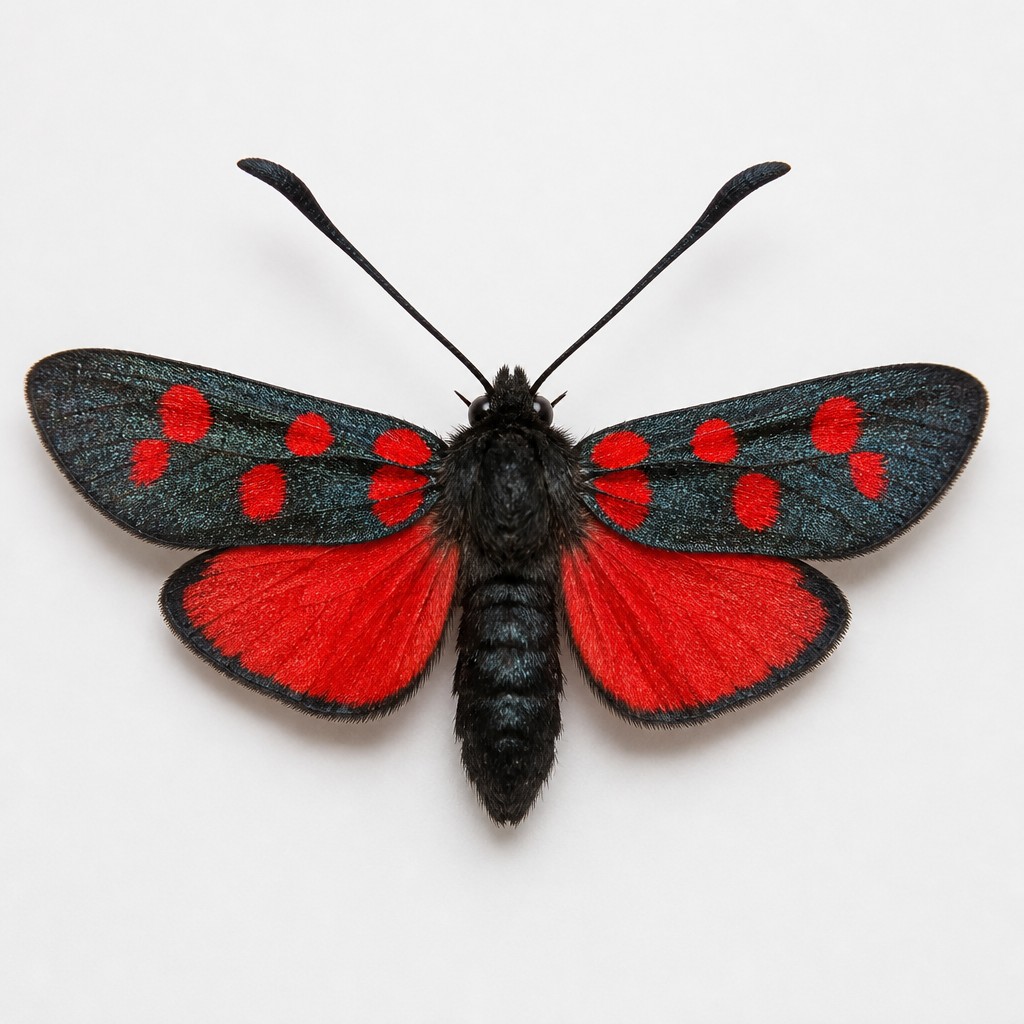
Six-spot Burnet Moth
A day-flying moth with glossy black-green forewings marked by six bold red spots and vivid crimson hindwings, a striking warning-colored insect often mistaken for a butterfly as it visits summer wildflowers.
moth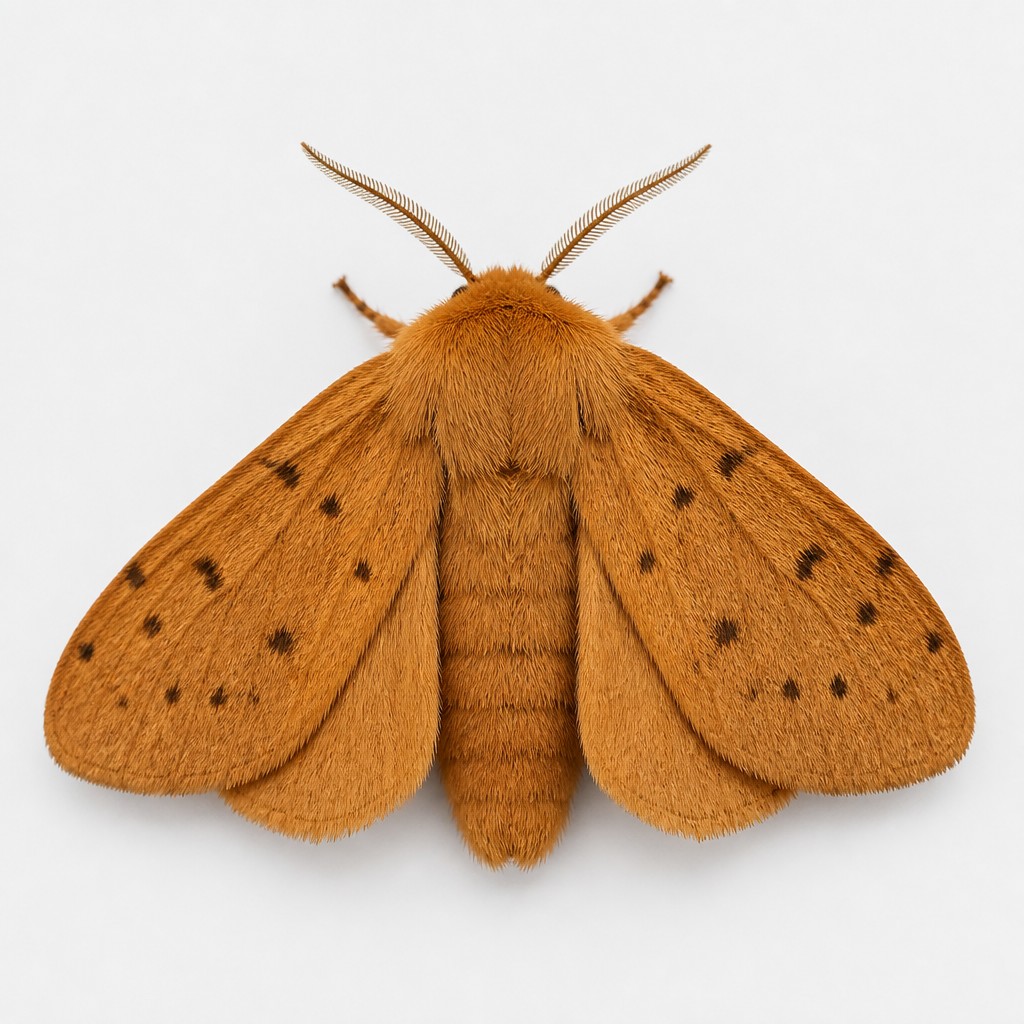
Isabella Tiger Moth (Woolly Bear)
Famous chiefly in its larval stage as the banded woolly bear caterpillar, this tiger moth's fuzzy black-and-rust-colored caterpillar is a familiar autumn sight, while the adult is a soft, tawny-orange moth with a stout, furry body.
moth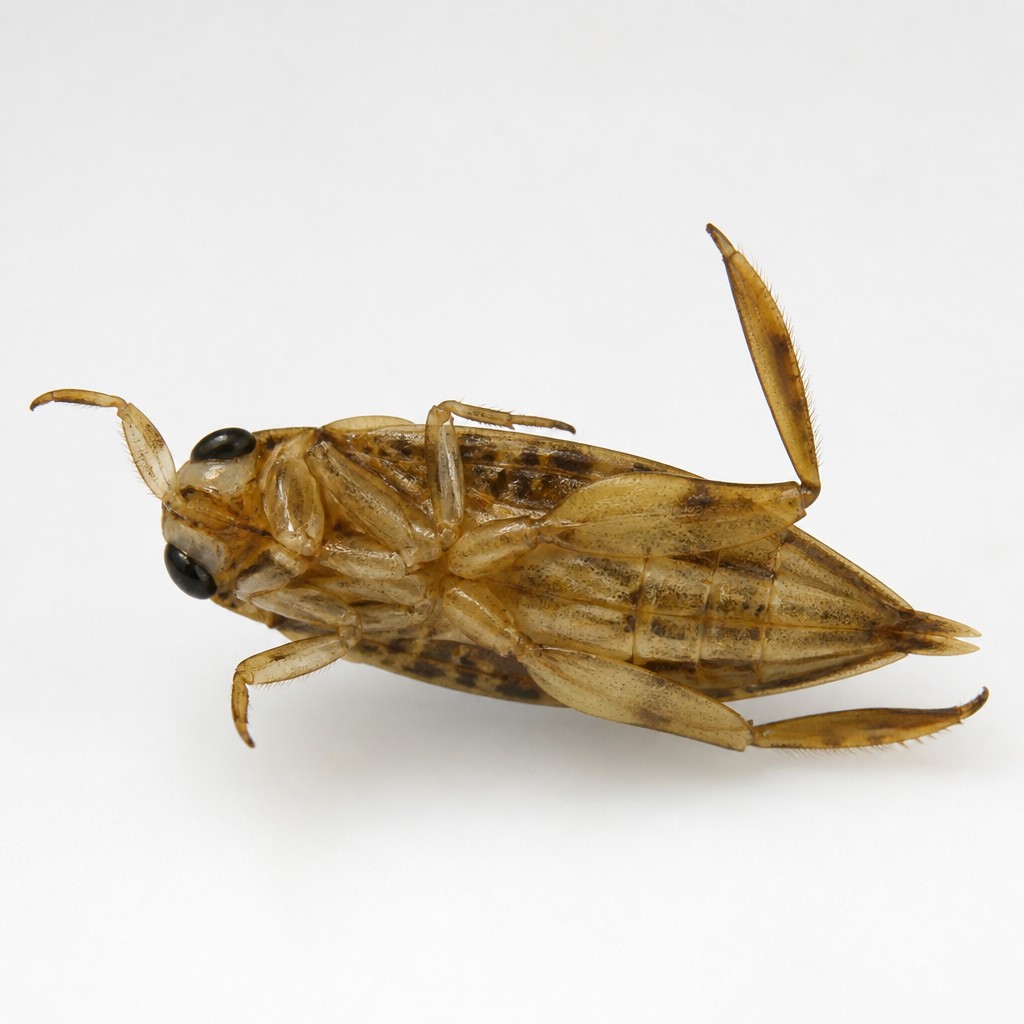
Backswimmer
A boat-shaped aquatic true bug that swims upside down using oar-like hind legs, patrolling pond water in search of small prey.
aquatic-insect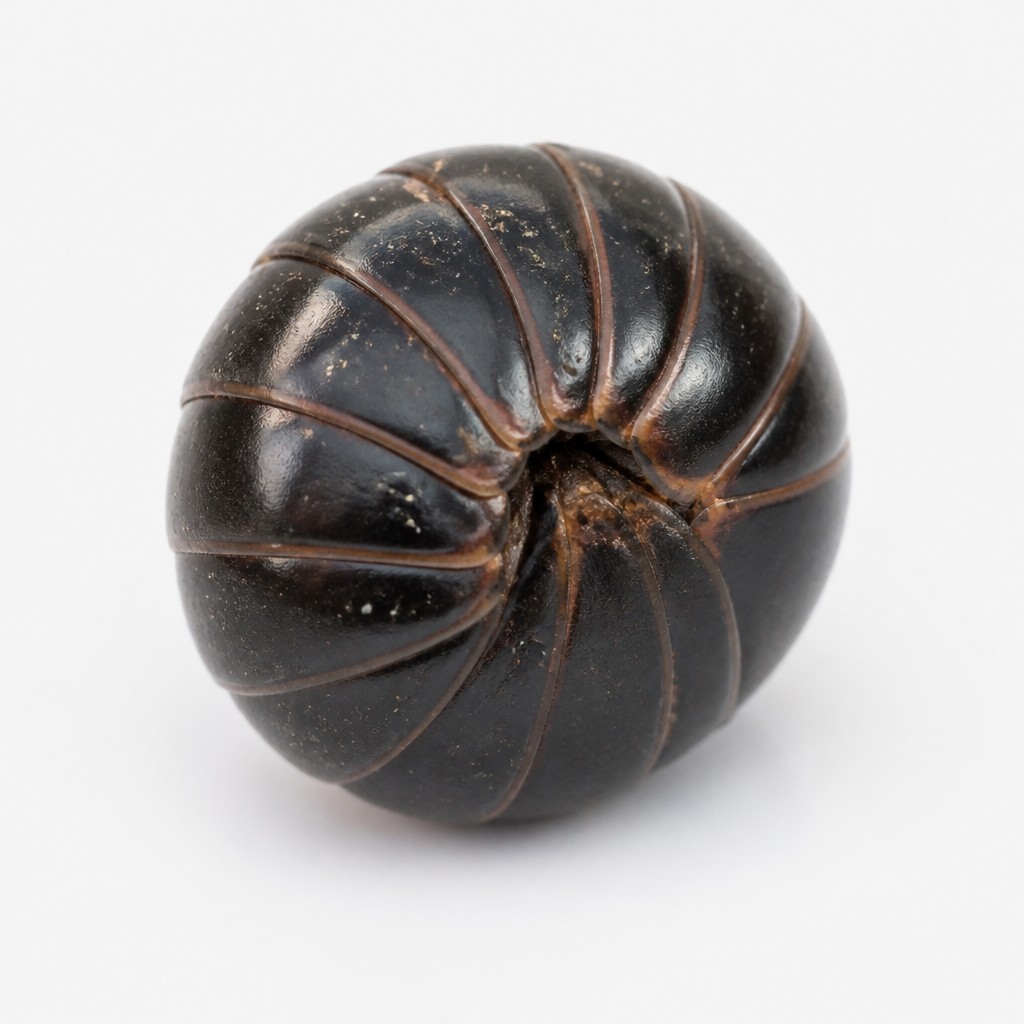
Pill Millipede
A short, heavily armored millipede that rolls into a tight, perfect ball when disturbed, closely resembling a pill bug but built from far fewer, broader body segments.
myriapod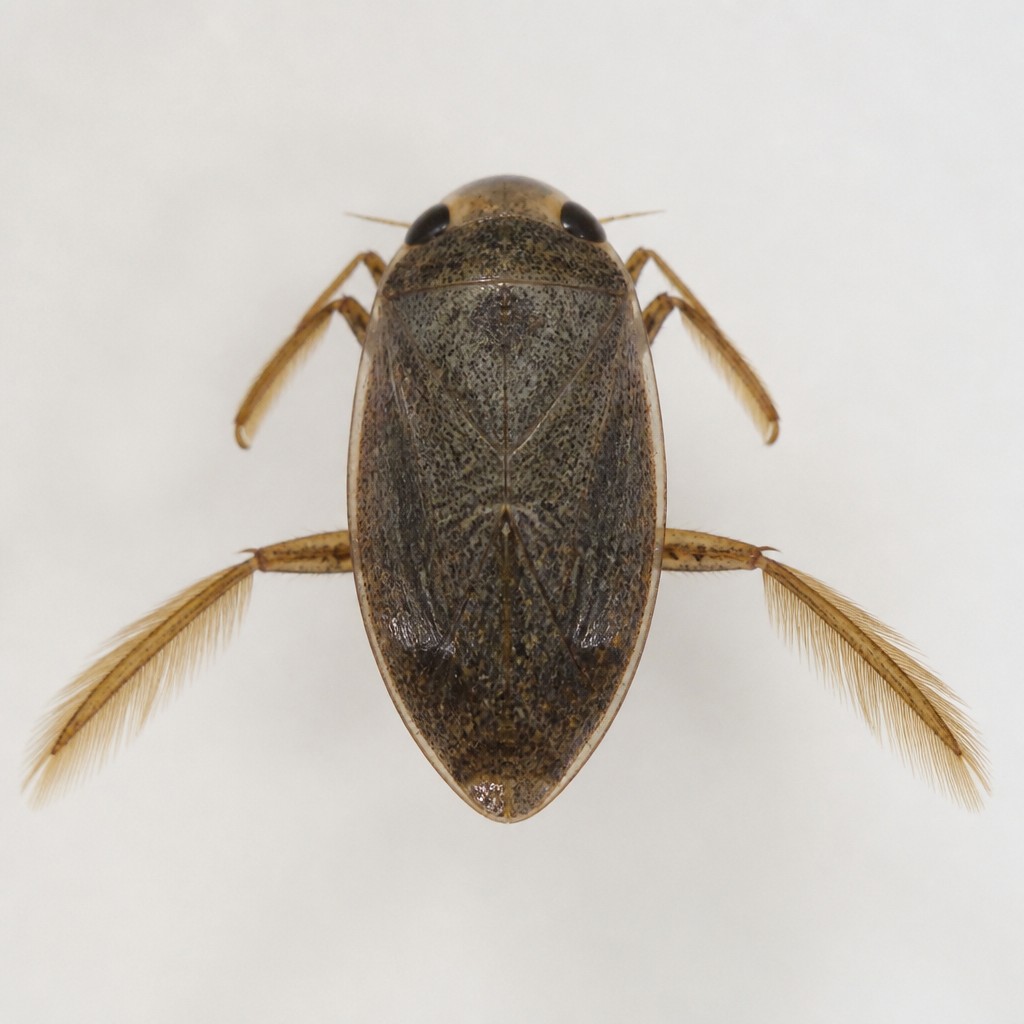
Lesser Water Boatman
A flat-backed, oar-legged true bug that rows through pond water with fringed hind legs, surfacing periodically to trap a silvery bubble of air against its body.
true-bug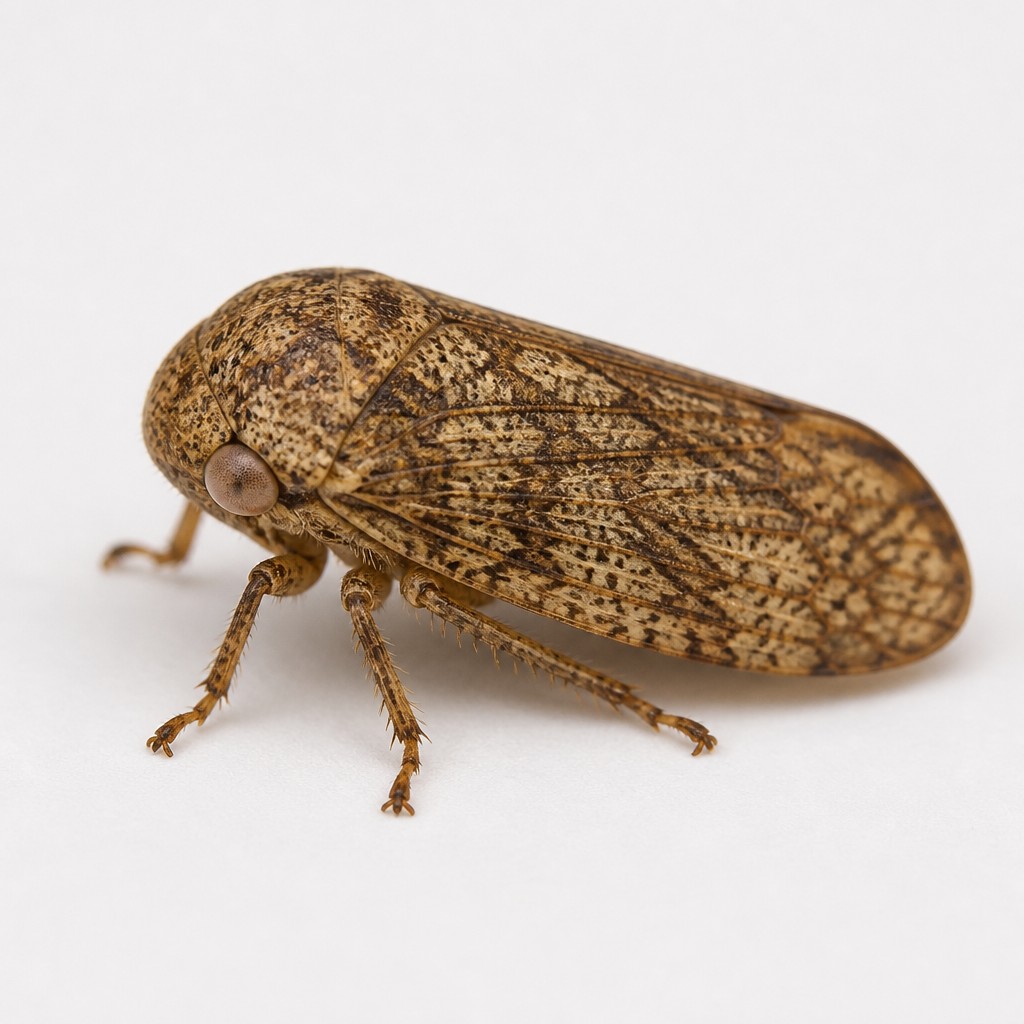
Meadow Spittlebug
A small, mottled hopping true bug whose immature nymphs are far more often noticed than the adults, hidden inside frothy blobs of white foam known as cuckoo spit on plant stems.
true-bug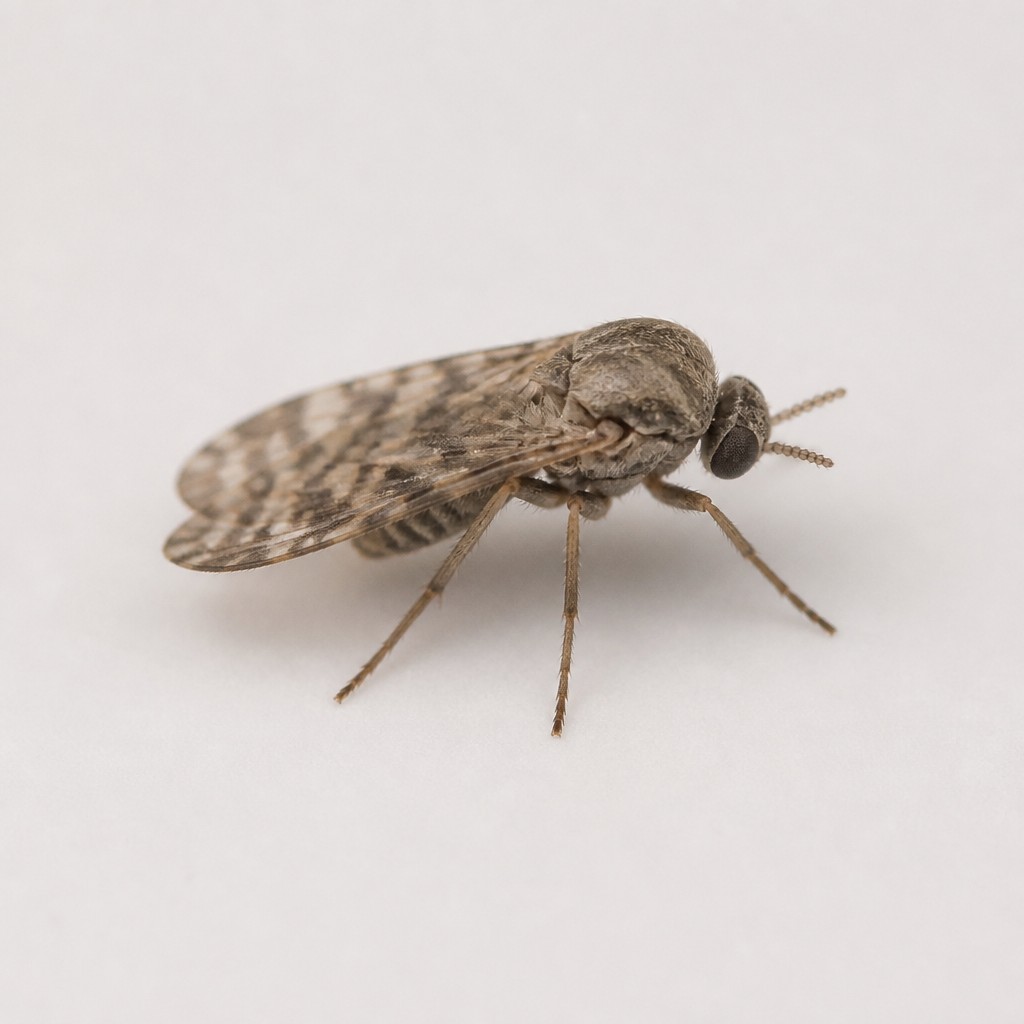
Biting Midge
A minuscule, gray-winged fly that gathers in dense swarms near wetlands and can slip through window screens unnoticed.
fly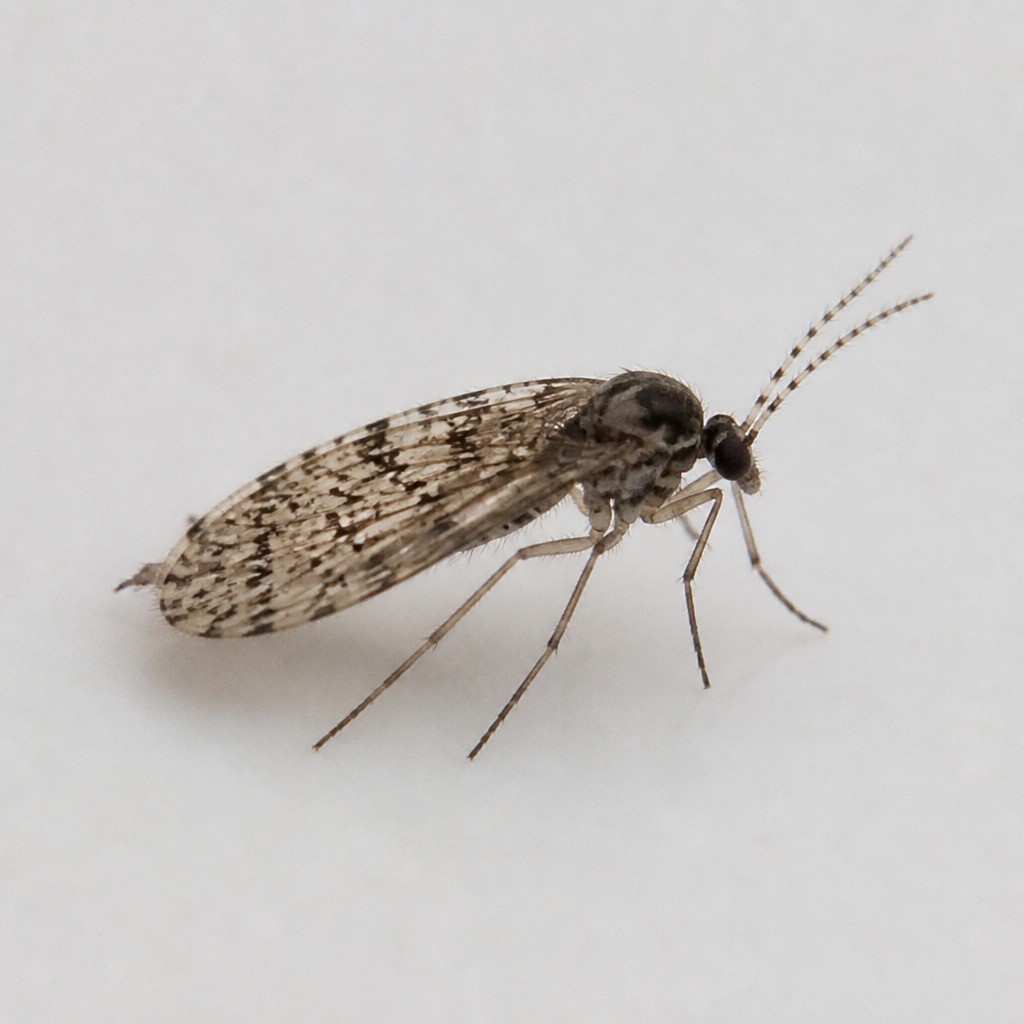
Punkie
An almost invisibly small biting fly that swarms near wetlands at dusk, where only the females take blood meals from animal hosts.
fly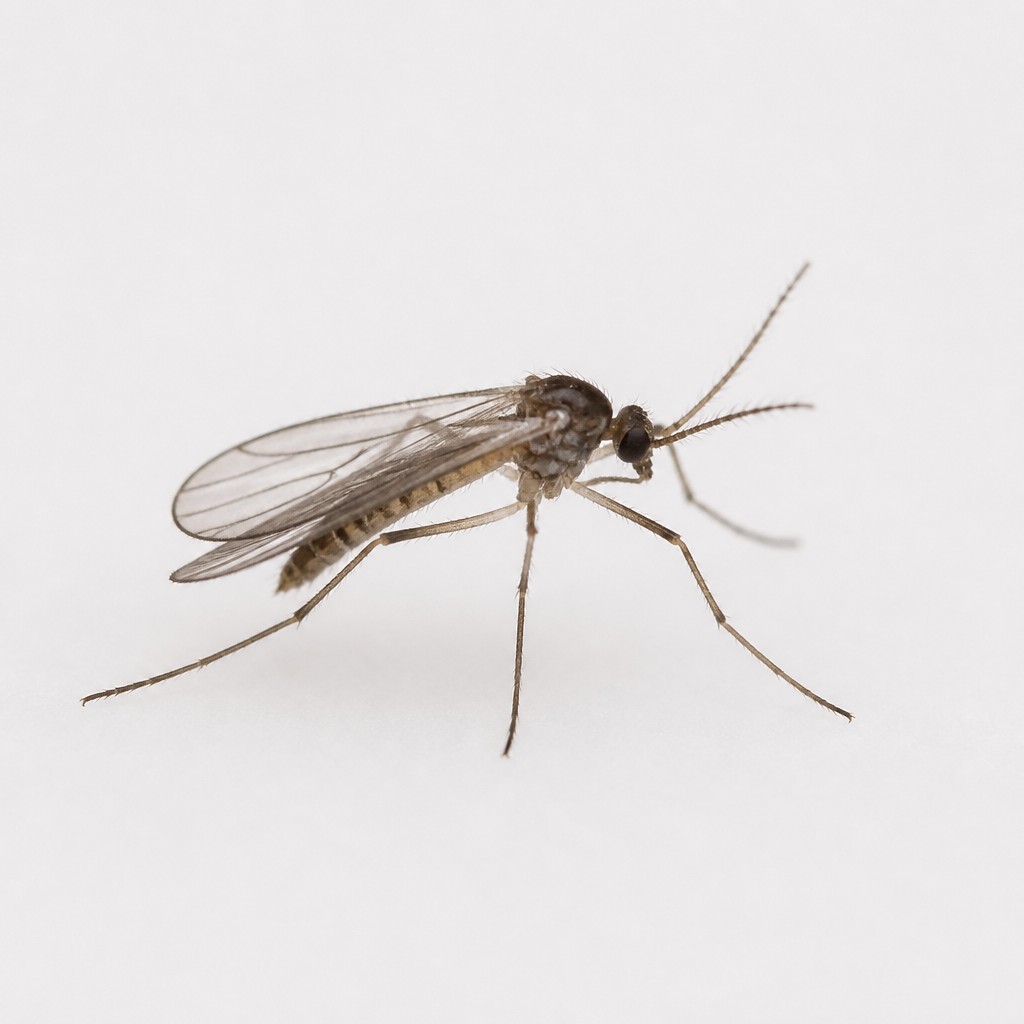
Gnat
A catch-all common name for a wide range of tiny, delicate flies, some no bigger than a grain of pepper, often seen hovering in small clouds near water, moist soil, or overripe produce.
fly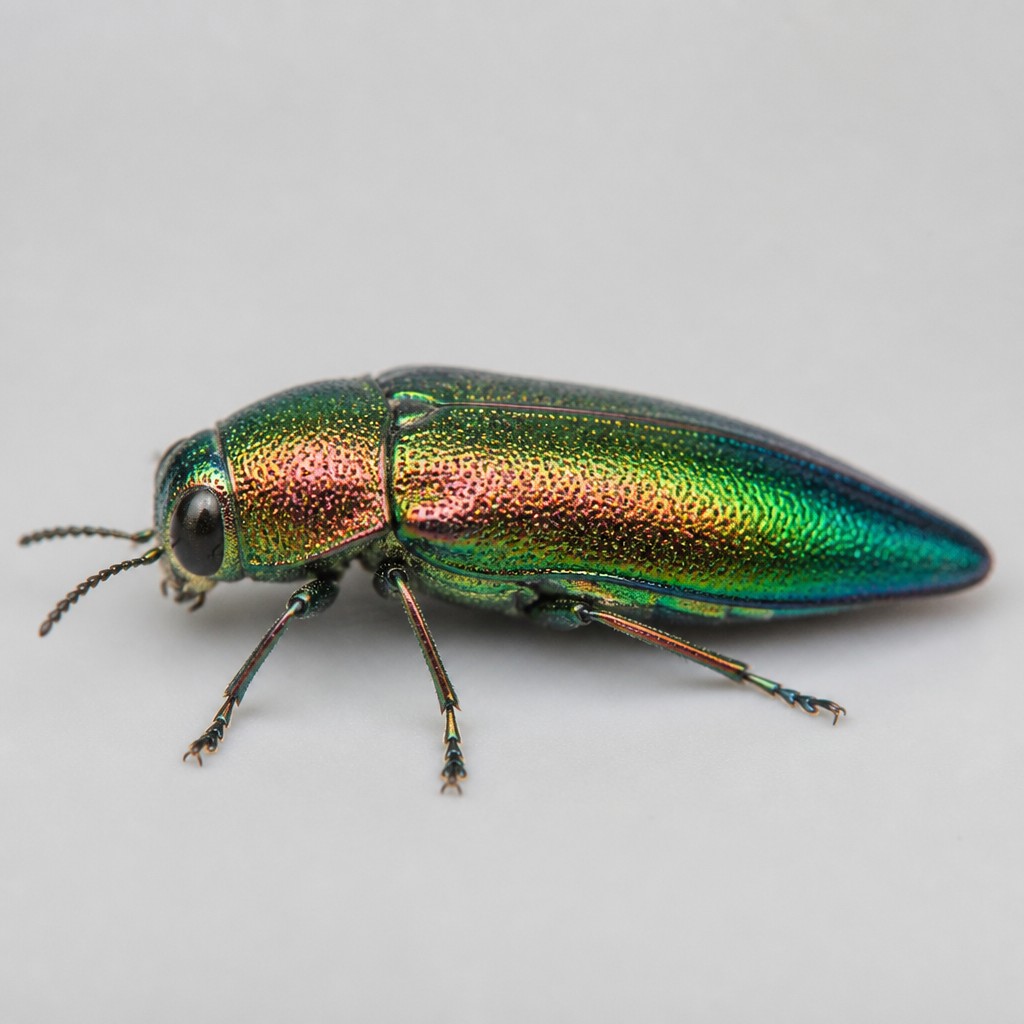
Jewel Beetle
A sleek, bullet-shaped beetle wrapped in brilliant iridescent metallic colors — green, copper, blue, or gold — that seem to shift with the angle of light.
beetle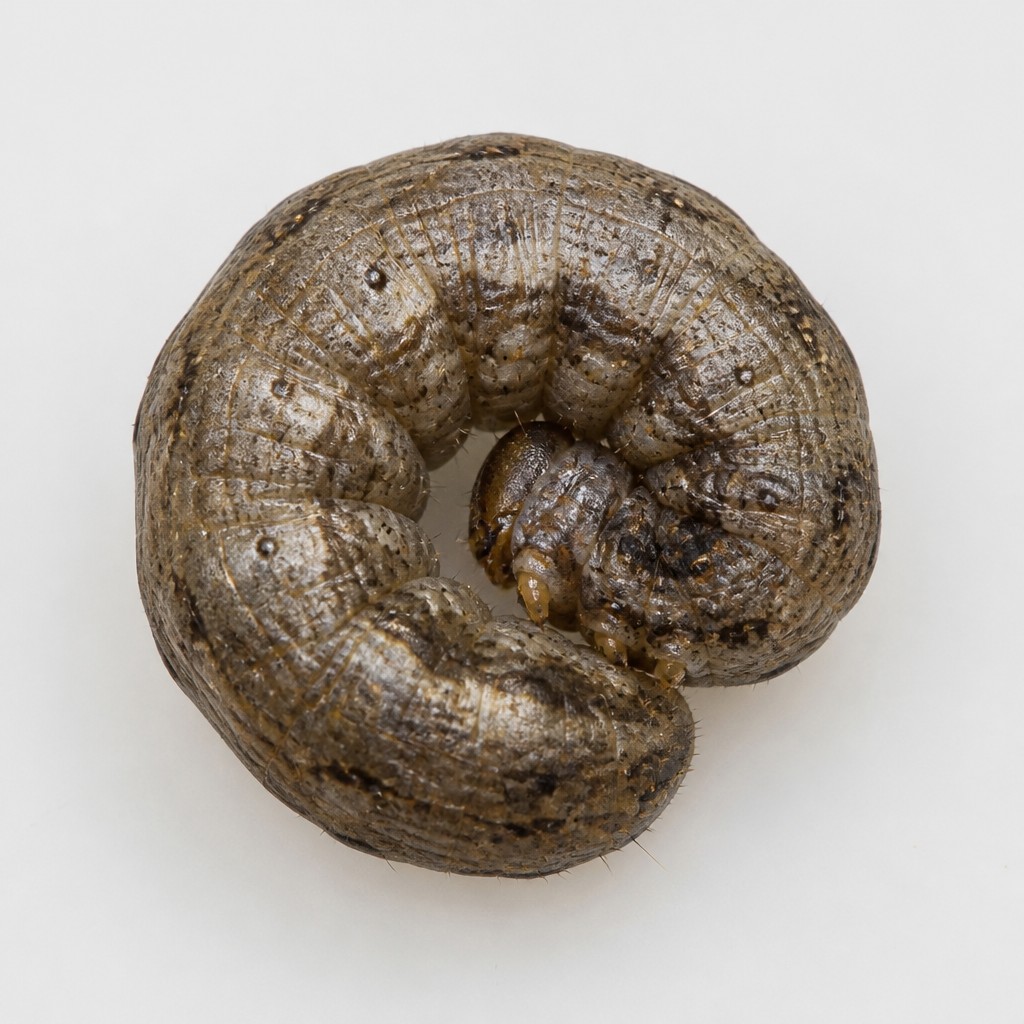
Cutworm
A plump, dull gray-brown caterpillar that hides in soil by day and emerges at night to sever young seedlings at the base, curling tightly into a C-shape when disturbed.
caterpillar-larva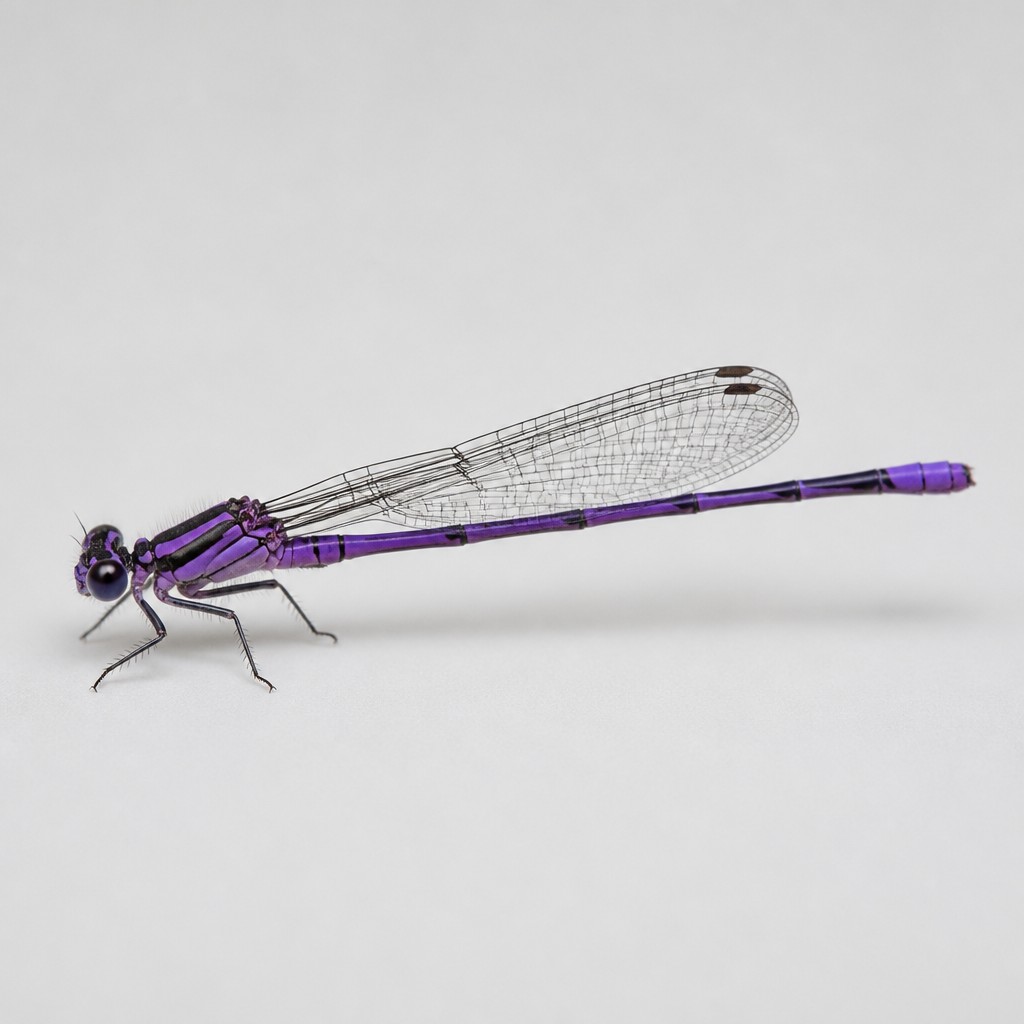
Variable Dancer
True to its name, the Variable Dancer shows striking regional color variation, with eastern males often displaying a rich violet-purple hue rarely seen in other damselflies.
dragonfly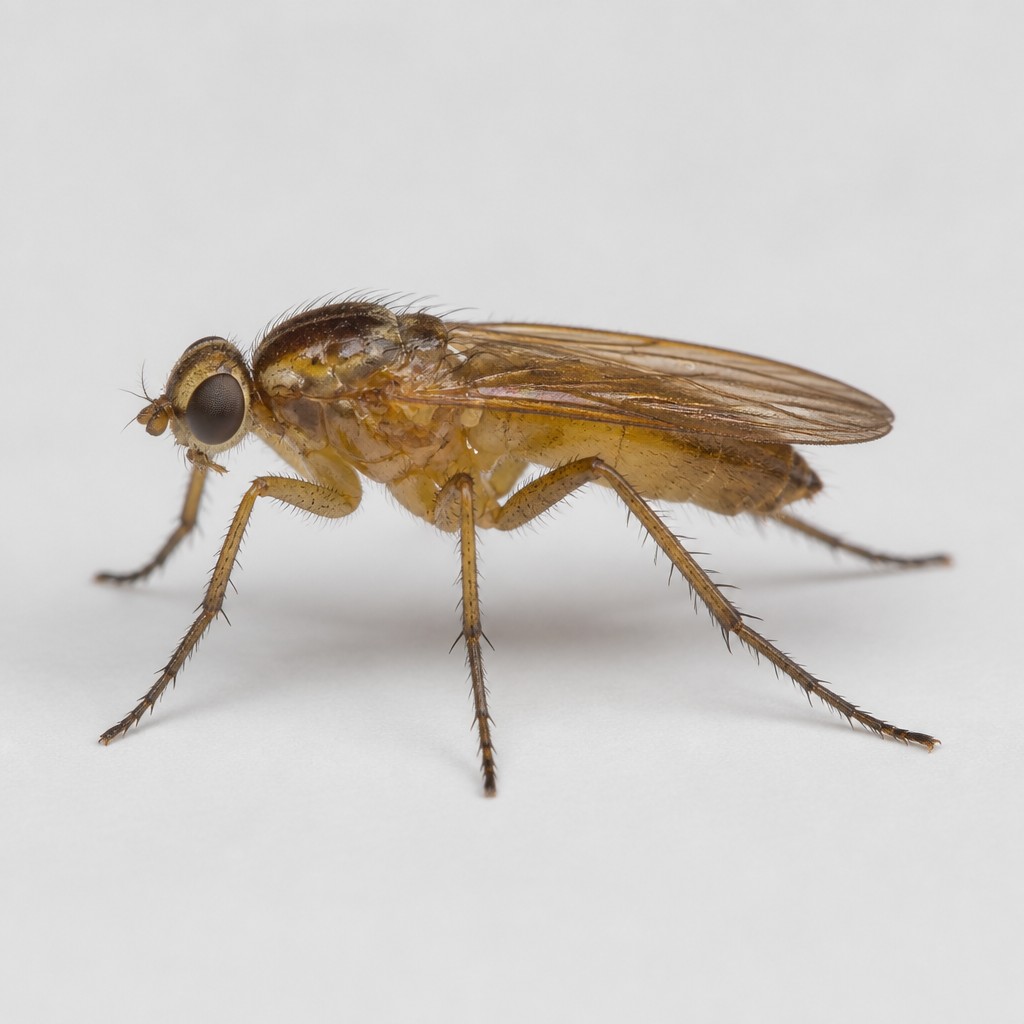
Marsh Fly
A slender, unassuming fly best known for larvae with a remarkable diet: nearly every species in the family feeds on aquatic or terrestrial snails and slugs, making marsh flies natural specialists in wetland food webs. Adults are often found resting quietly on sedges and other marsh vegetation near the water's edge.
fly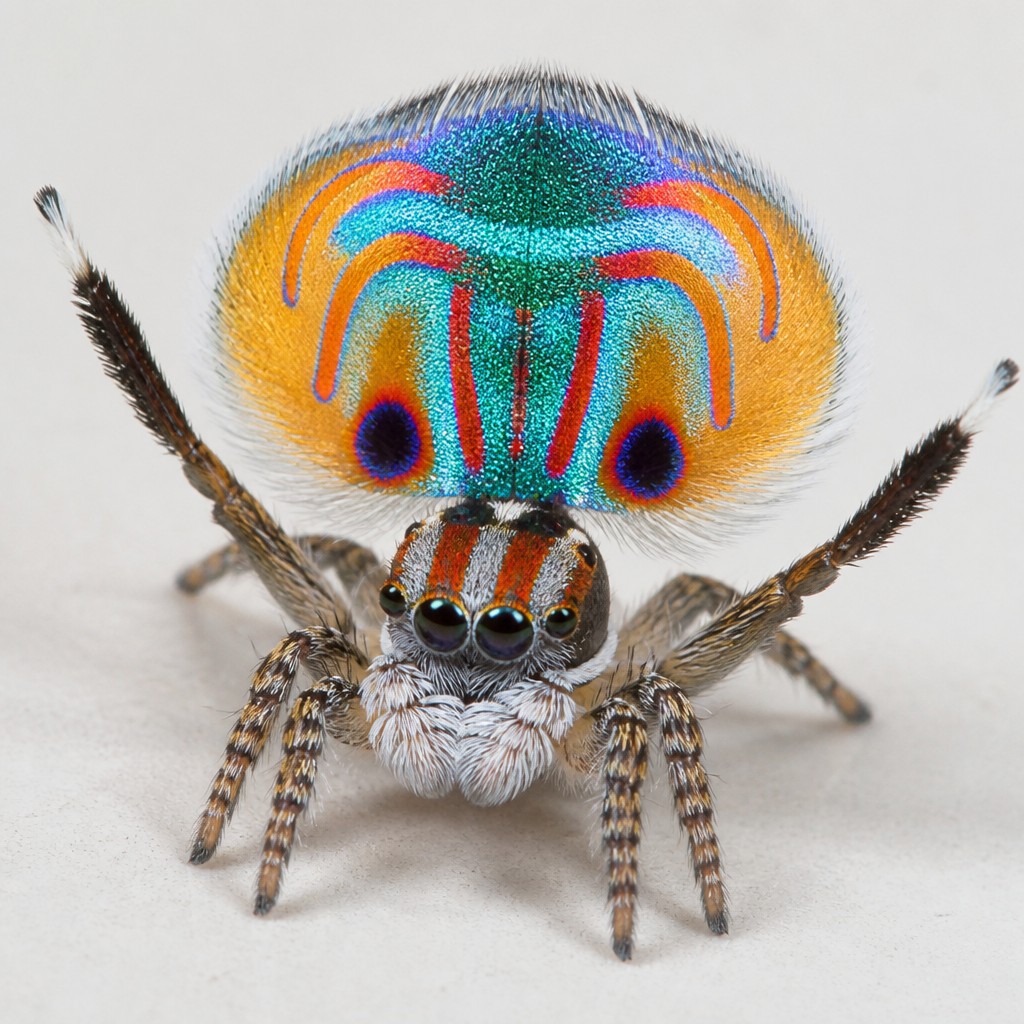
Peacock Spider
A tiny Australian jumping spider whose males unfurl a fan of vivid, iridescent colors and perform an elaborate rhythmic dance to court females.
spider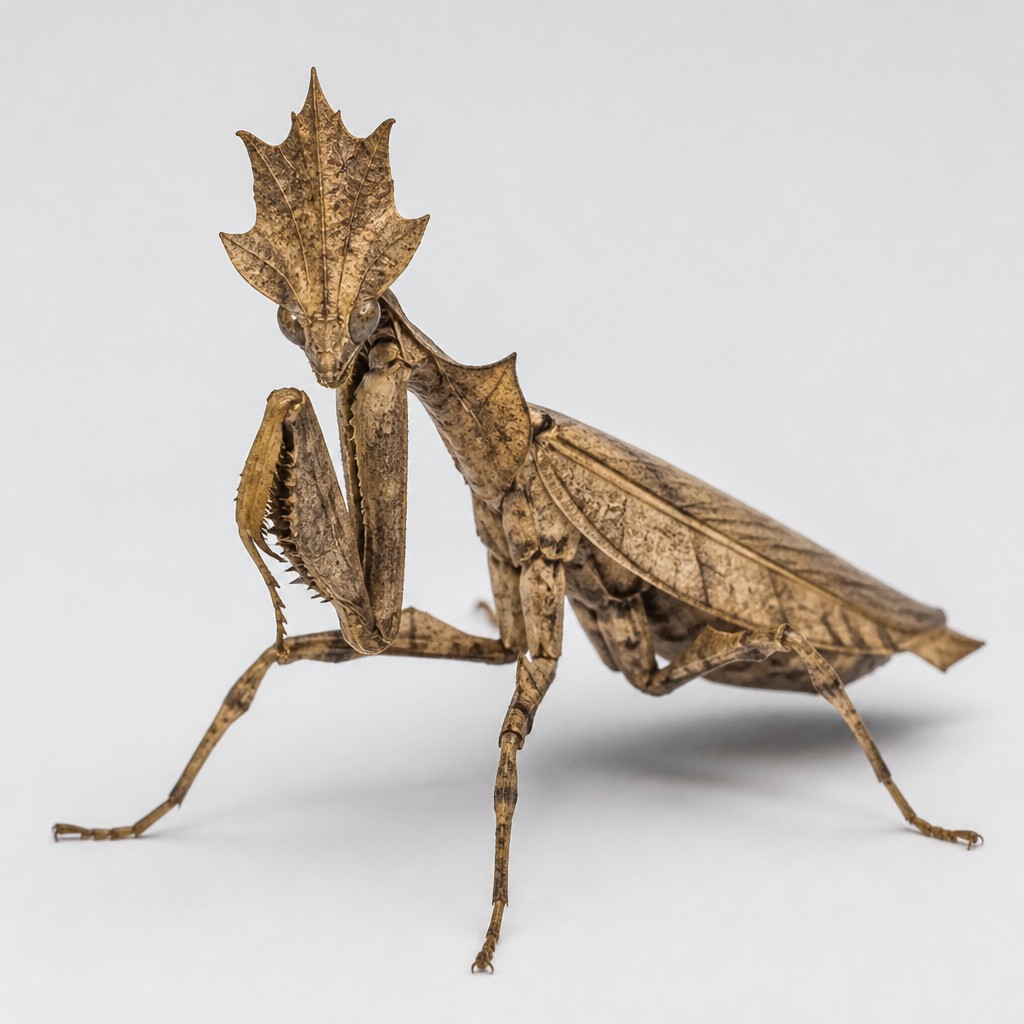
Ghost Mantis
A small, angular mantis crowned with a leaf-shaped crest, so thoroughly disguised as a withered leaf that it seems to vanish into dead foliage.
mantis-stick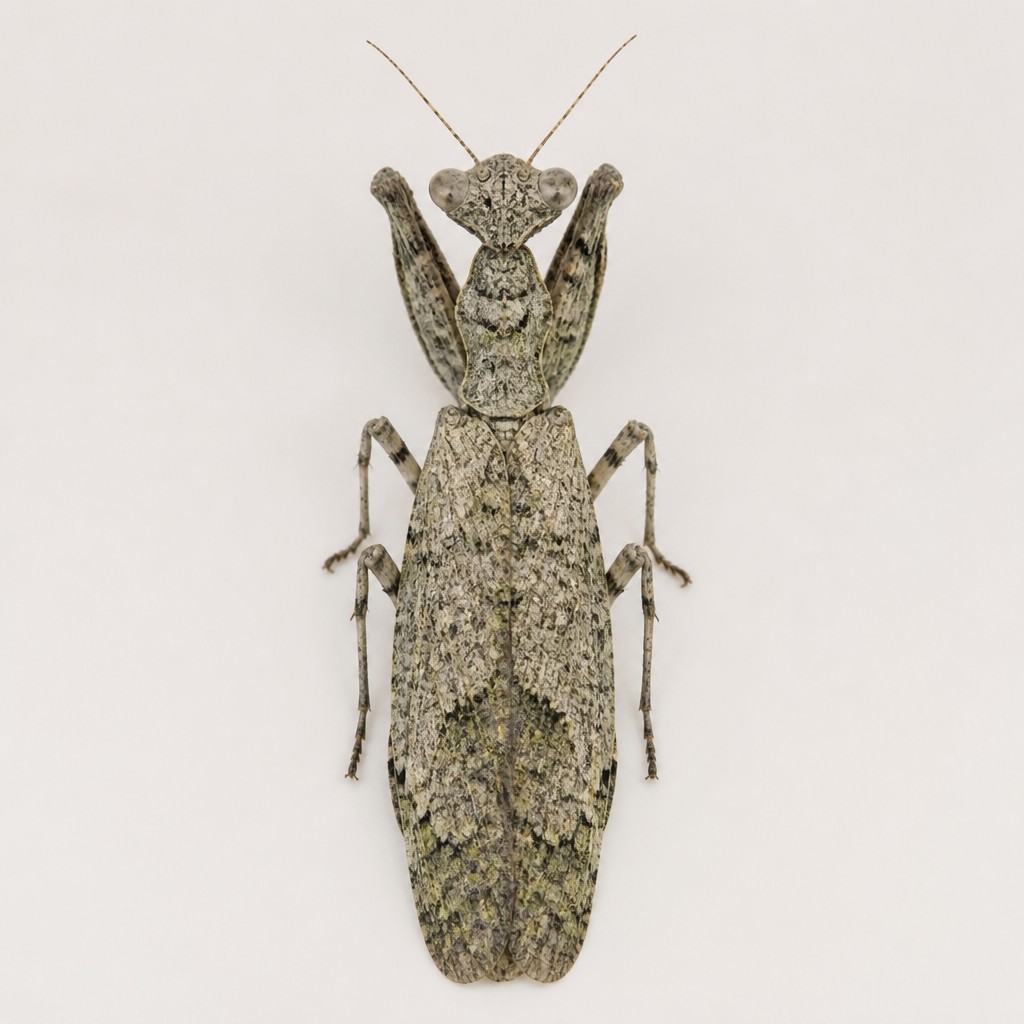
Grizzled Mantis
Mottled in shades of gray and lichen-green, this flattened mantis presses itself against tree bark so convincingly that it seems to melt into the trunk.
mantis-stick