
Bug Encyclopedia
Search and identify bugs & insects — beetles, butterflies, moths, ants, bees, spiders and more — with size, habitat, danger, behavior, and how to tell them apart.
Sun Spider
A fast-running, fiercely built desert arachnid with oversized jaws, often mistaken for a giant spider despite belonging to an entirely different arachnid order.
arachnidTrap-Jaw Ant
A large, fast-moving ant with elongated, straight mandibles that snap shut faster than almost any other animal movement, used to strike prey or fling the ant itself out of danger.
antTreehopper
A small, oddly shaped sap-feeding bug best known for an enlarged, often bizarre pronotum extending backward over its body, sometimes shaped like a thorn, leaf, or spike.
true-bug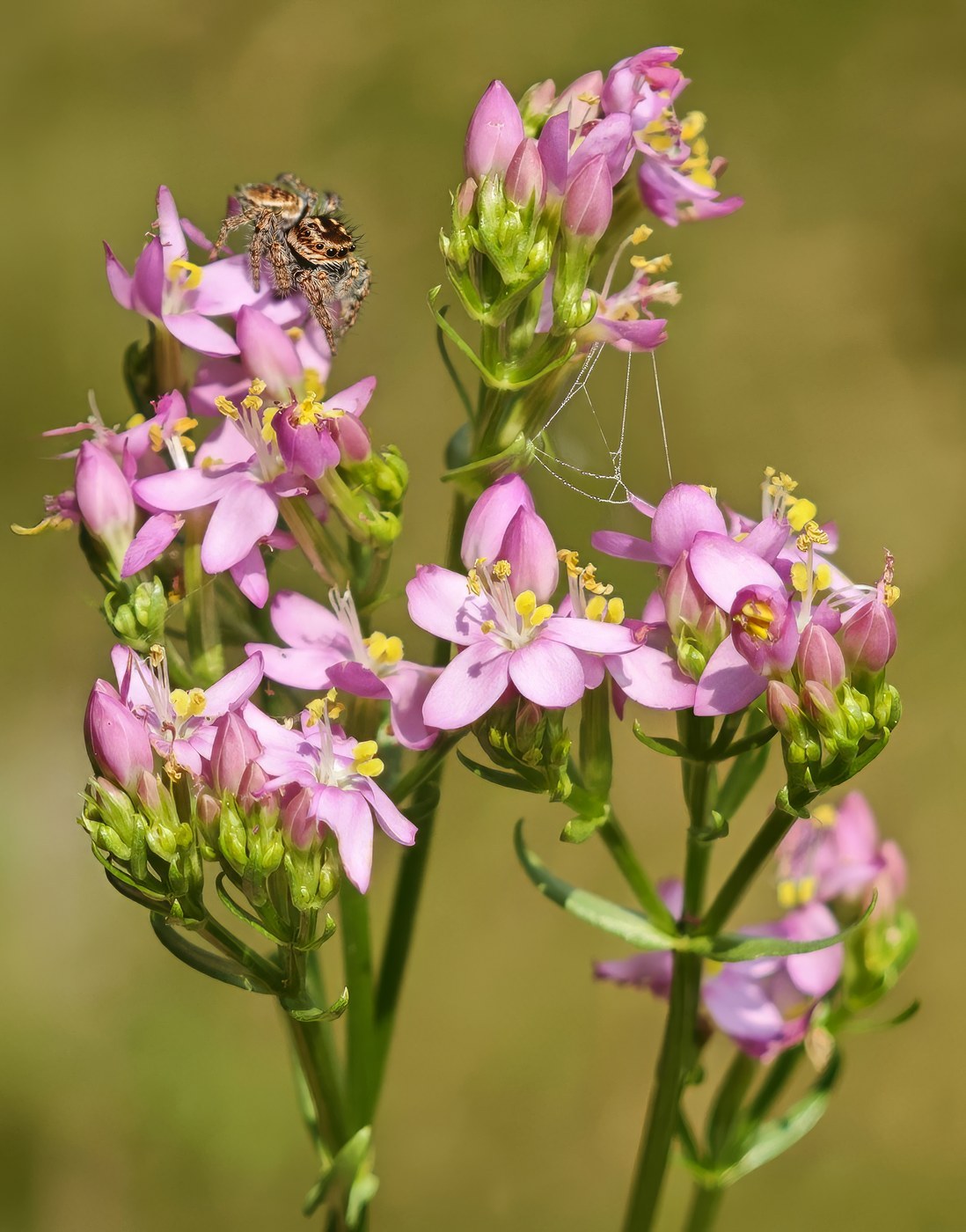
Regal Jumping Spider
One of the largest and most striking North American jumping spiders, with a velvety black body, bold markings, and huge iridescent green or blue-lined eyes.
spiderPhorid Fly
A tiny, hump-backed fly best known for scuttling erratically across countertops and floors rather than taking flight, drawn to anything rotting or moist.
fly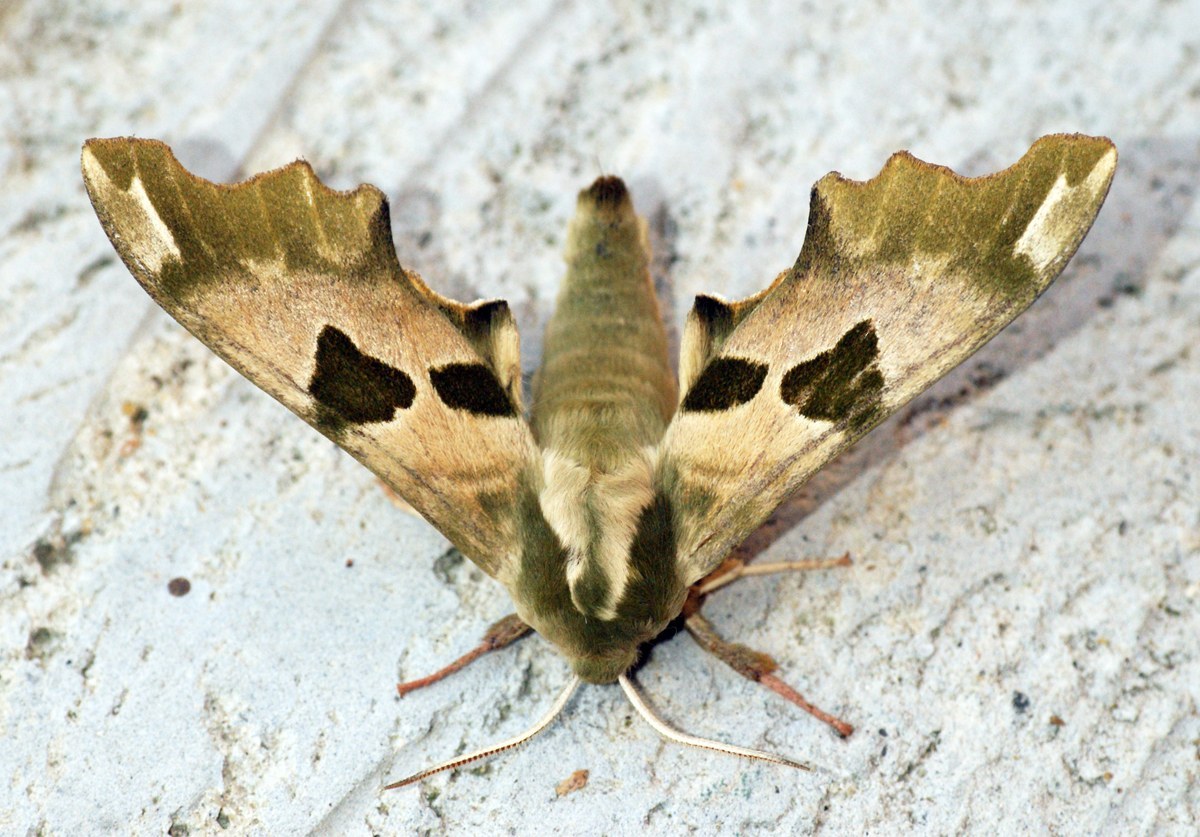
Lime Hawk-Moth
A stout, angular-winged hawk-moth in muted greens, browns, or pinks with deeply scalloped wing margins, closely tied to lime (linden) trees for its larval development.
mothFungus Gnat
A small, dark, mosquito-like fly with long legs and delicate smoky wings, often seen weakly fluttering around houseplants or crawling across damp potting soil.
fly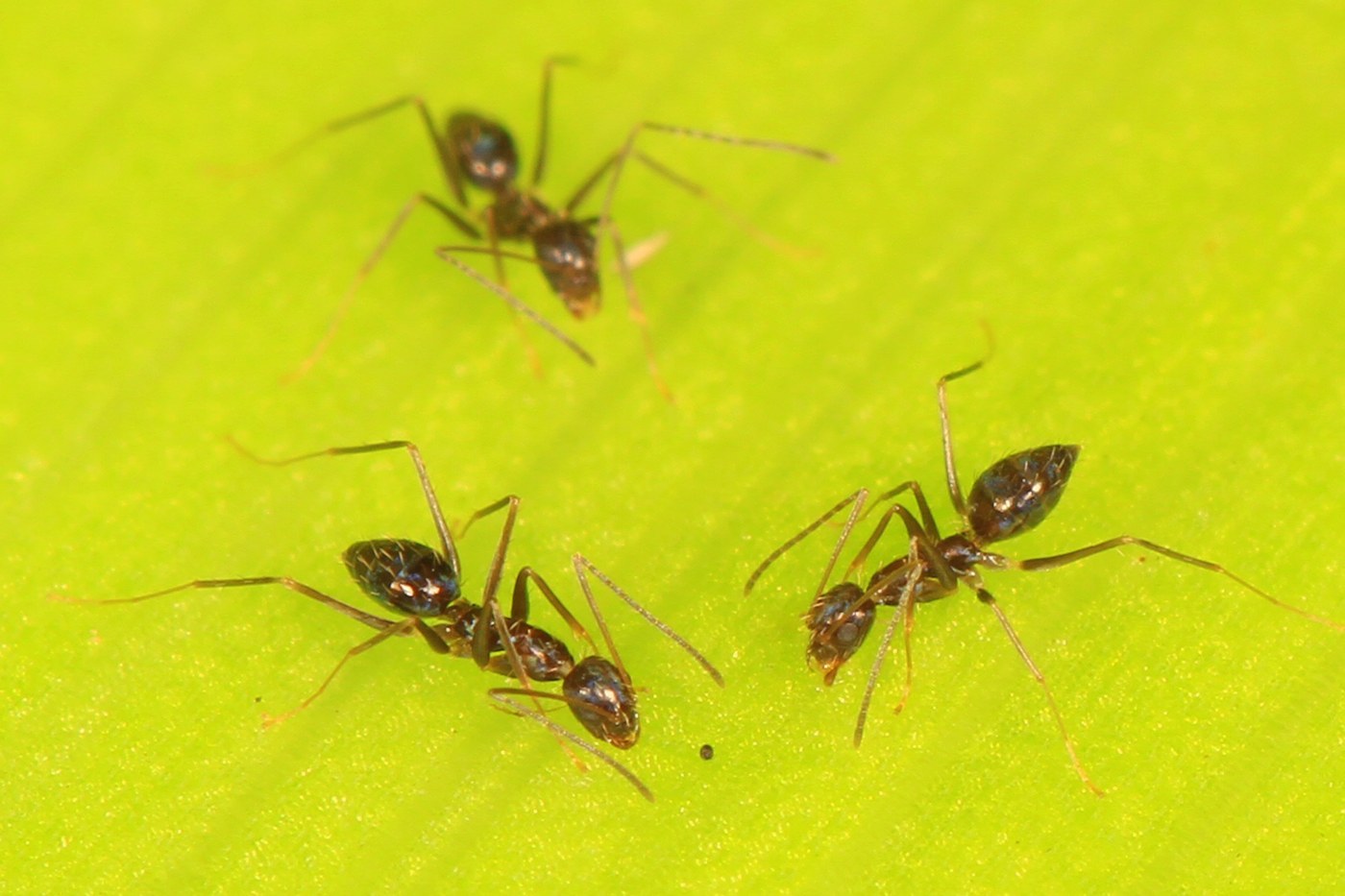
Crazy Ant
A fast-moving, long-legged ant instantly recognizable by its erratic, non-stop scurrying in every direction rather than the orderly trails followed by most other ants.
ant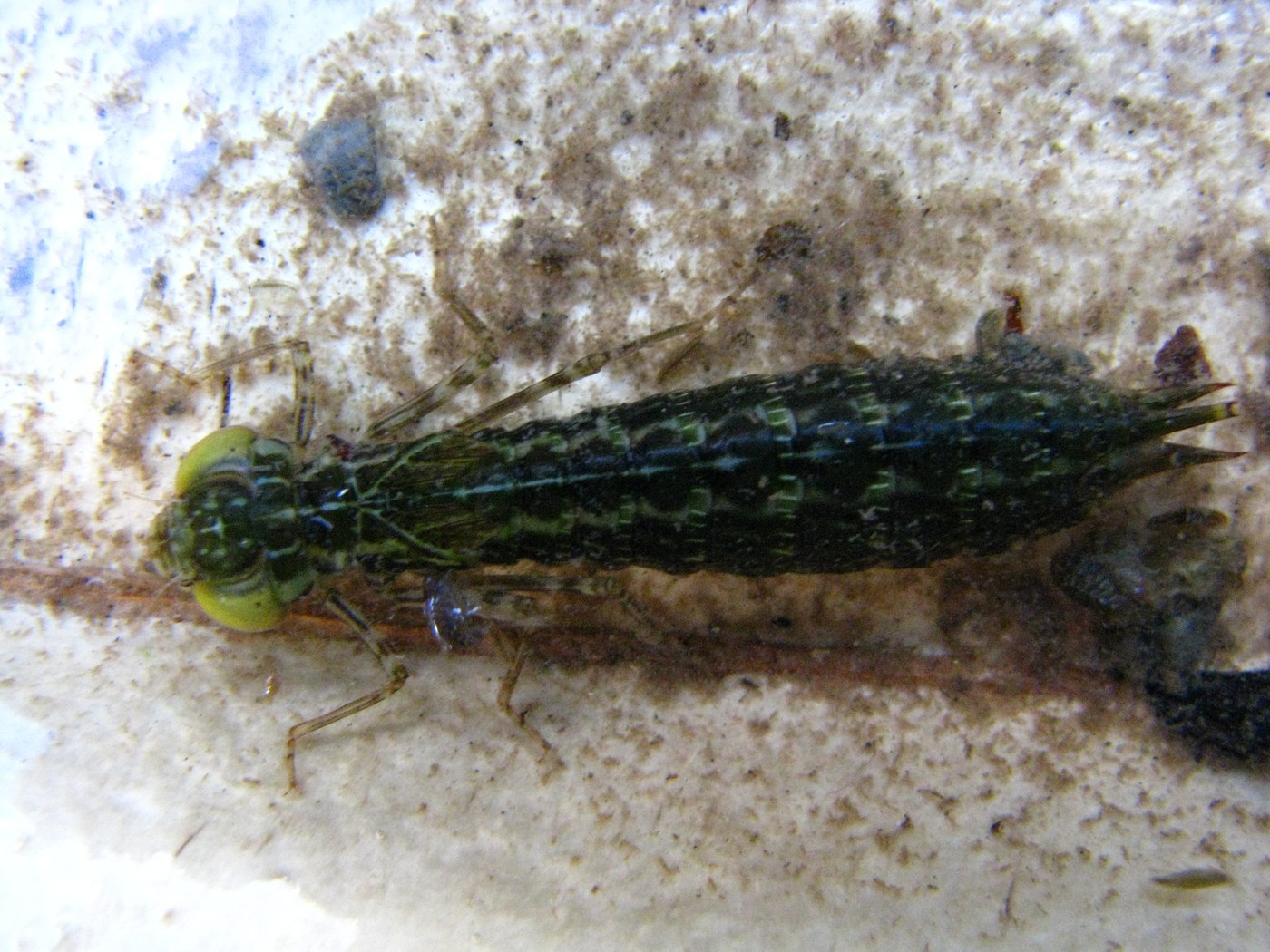
Dragonfly Nymph
A stocky, camouflaged underwater predator that spends months or years stalking prey along the pond bottom before transforming into an aerial dragonfly.
aquatic-insect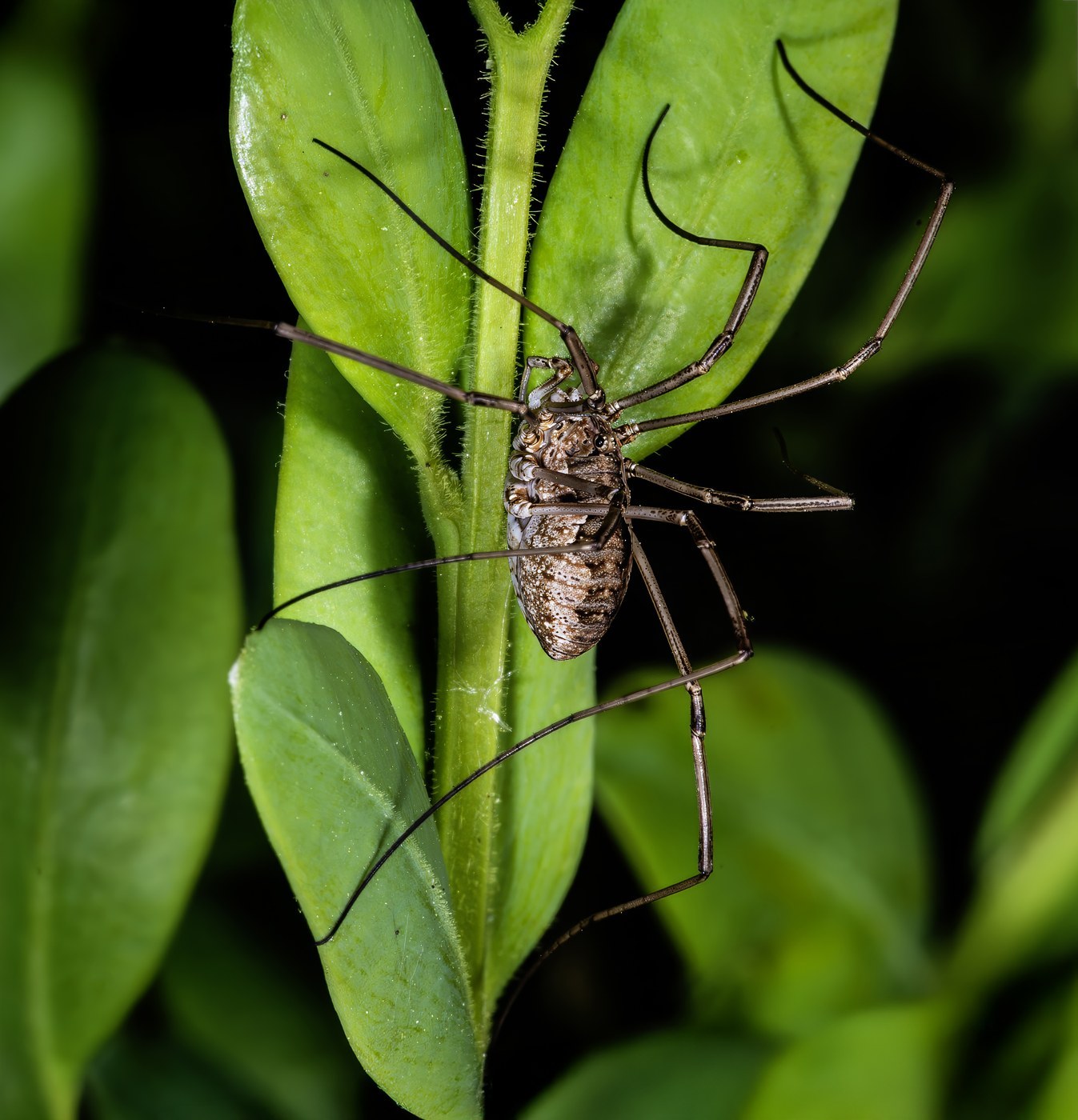
Daddy Longlegs
A small, oval-bodied arachnid carried on extremely long, thread-like legs, distinct from true spiders in having a one-piece fused body and no silk glands or web.
arachnid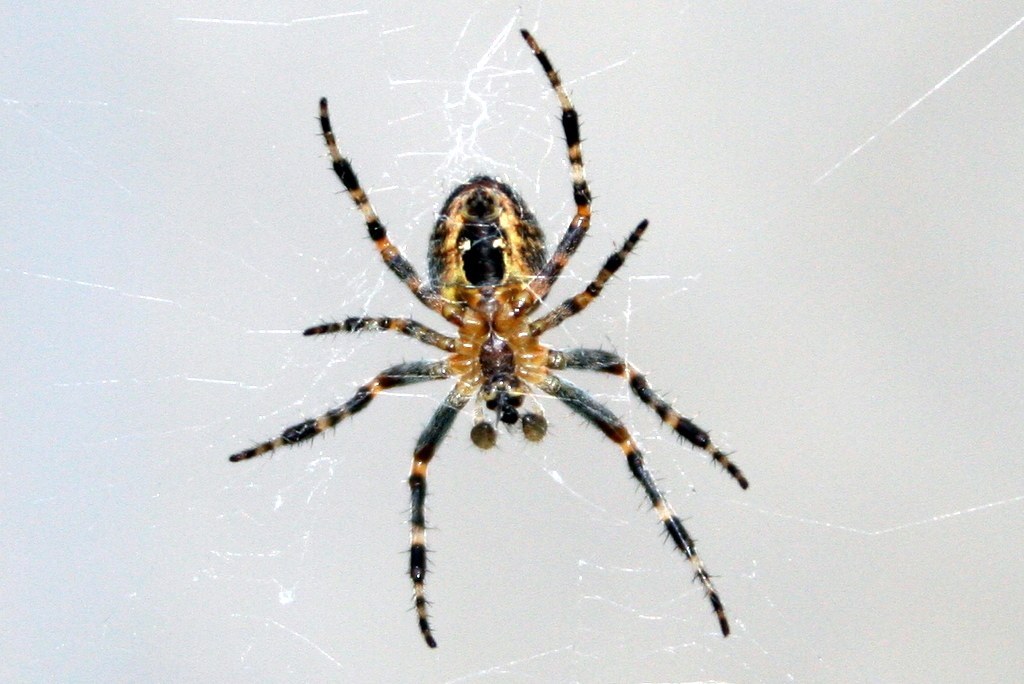
Barn Spider
A brownish, mottled orb weaver famous as the inspiration for Charlotte's Web, commonly found spinning large nightly webs on barns, porches, and other structures.
spiderGiant Leopard Moth Caterpillar
A jet-black, bristly caterpillar that curls into a tight ball to reveal bright red-orange bands between its segments when disturbed.
caterpillar-larvaAcrobat Ant
A small ant named for its habit of raising its distinctive heart-shaped abdomen up over its body like an acrobat when disturbed or alarmed.
ant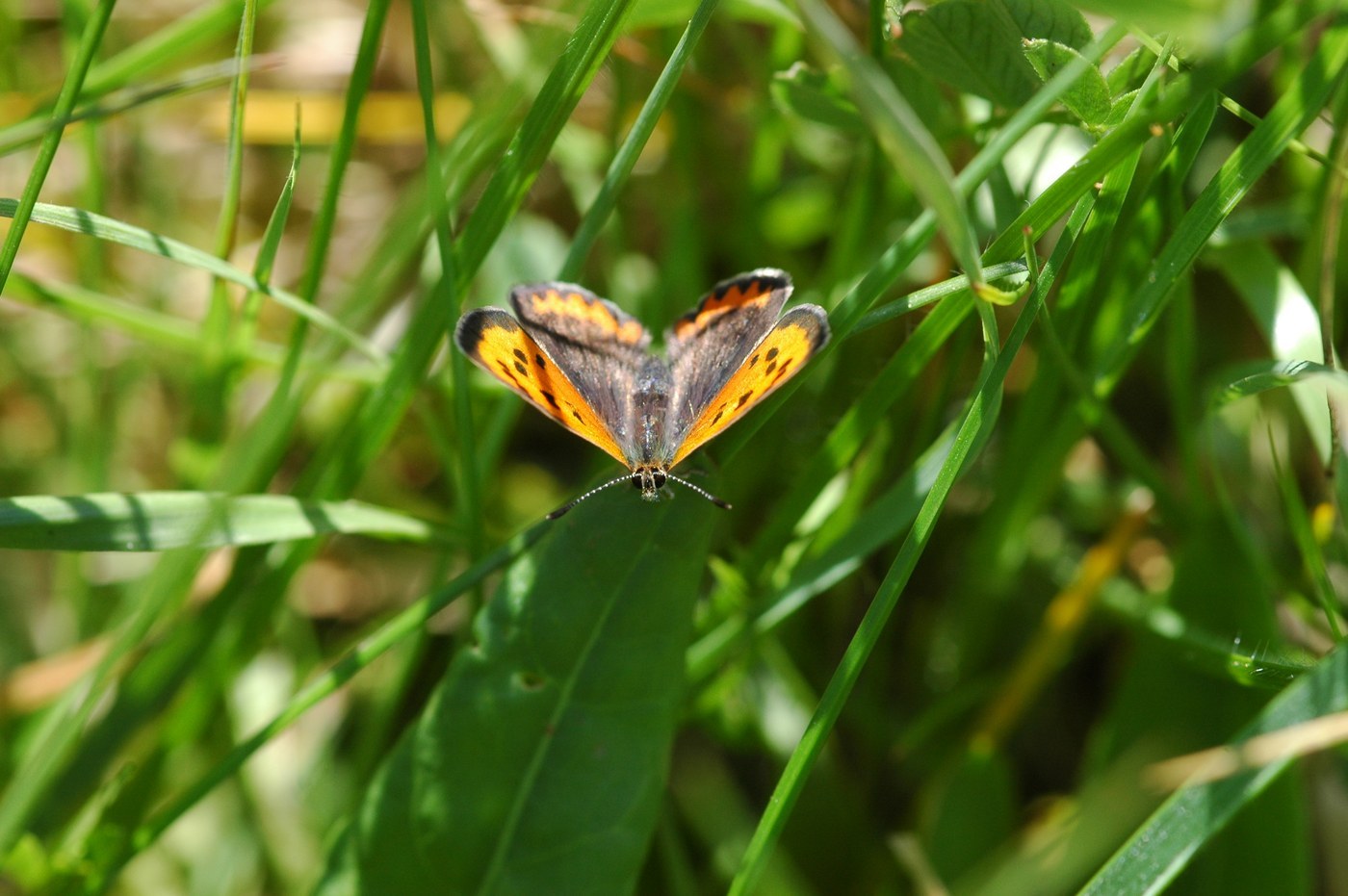
American Copper
A small, bright orange-and-black butterfly with fiery copper-colored forewings and dusky gray hindwings edged in orange, commonly seen darting low over weedy fields and vacant lots.
butterfly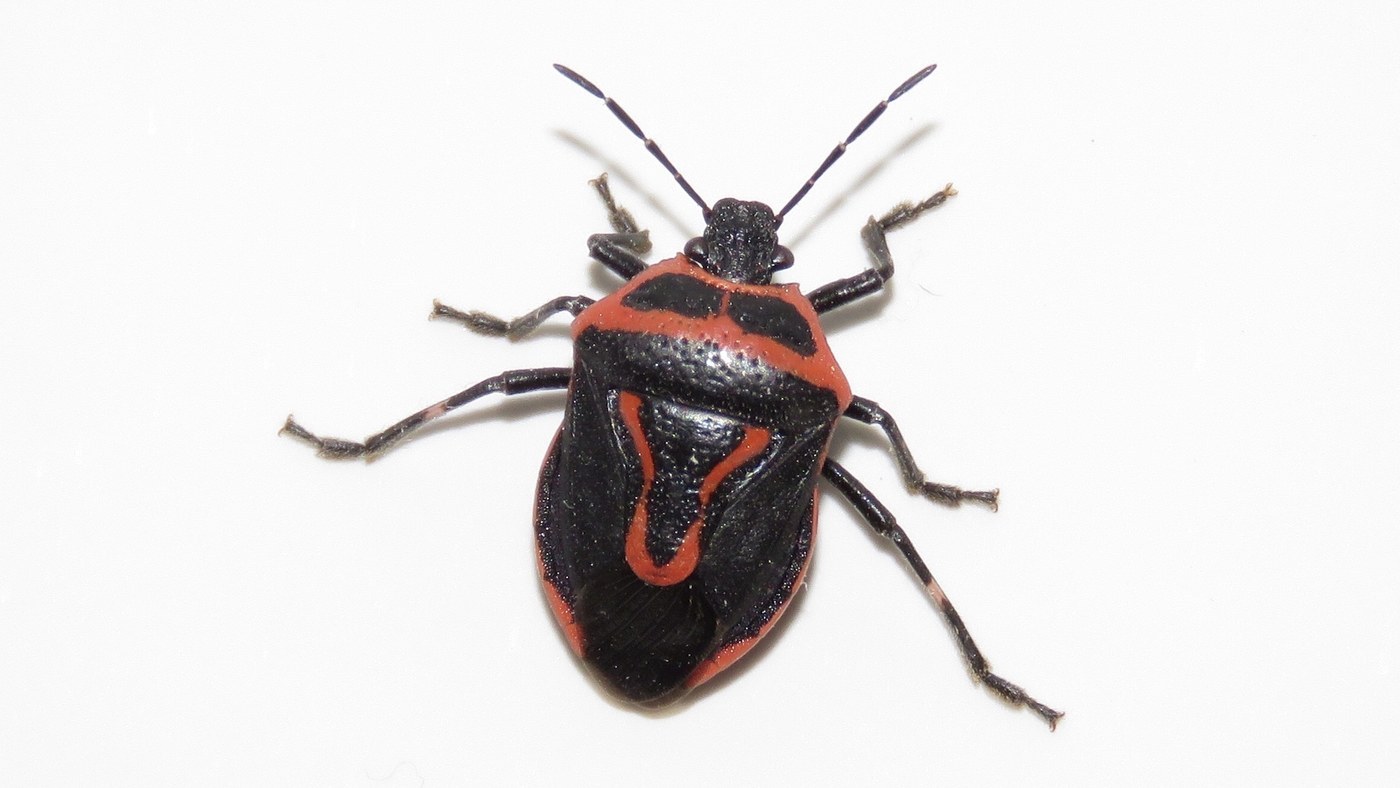
Two-Spotted Stink Bug
A boldly patterned black-and-orange predatory stink bug named for the pair of dark spots on its back, best known for hunting Colorado potato beetle larvae in gardens and fields.
true-bugSugar Ant
A common name for several large, sugar-loving ants, most famously the black-and-orange banded sugar ant of Australia, known for its persistent nighttime foraging around kitchens and picnics.
antSand Wasp
A fast, sun-loving solitary wasp with large green or grayish eyes and yellow-striped markings that digs burrows in loose sand and provisions them almost entirely with flies.
wasp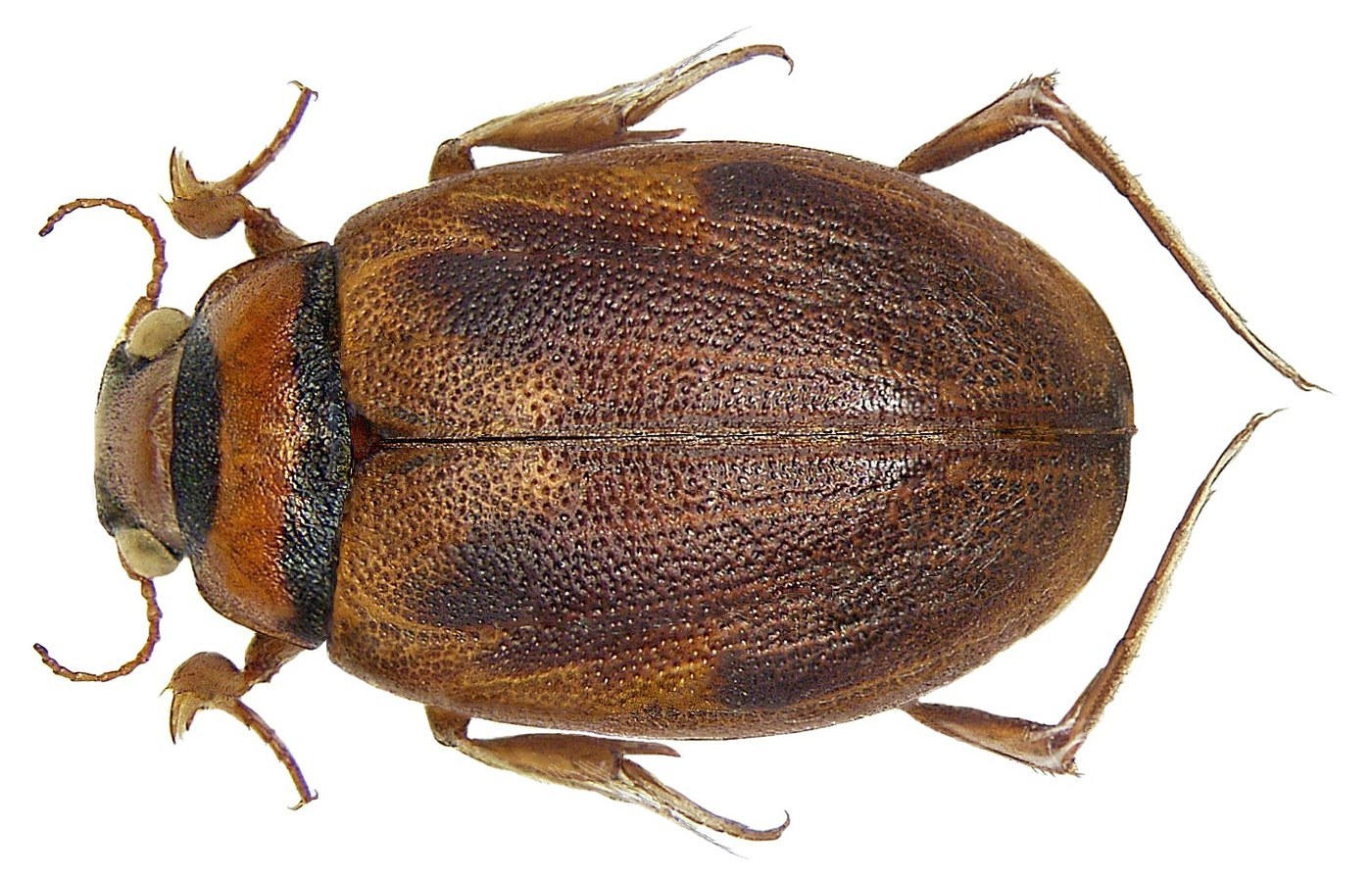
Screech Beetle
This small, oval water beetle earns its name from the loud squeak it produces when picked up, a sound made by rubbing internal body parts together rather than by any vocal organ.
beetle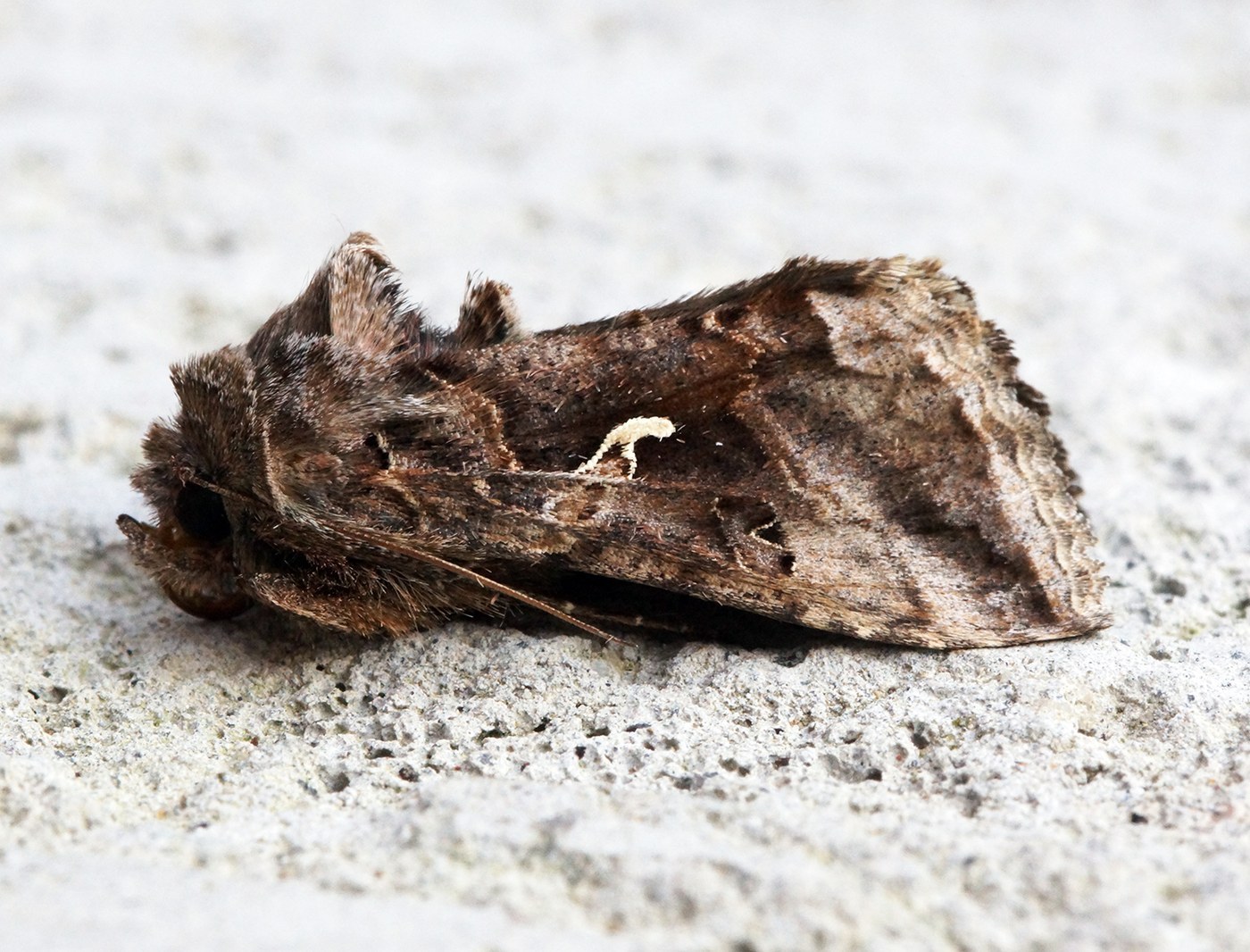
Silver Y Moth
A fast-flying, day-active noctuid moth named for the metallic silver Y- or gamma-shaped mark on each mottled grey-brown forewing, famous for its long-distance migratory flights.
moth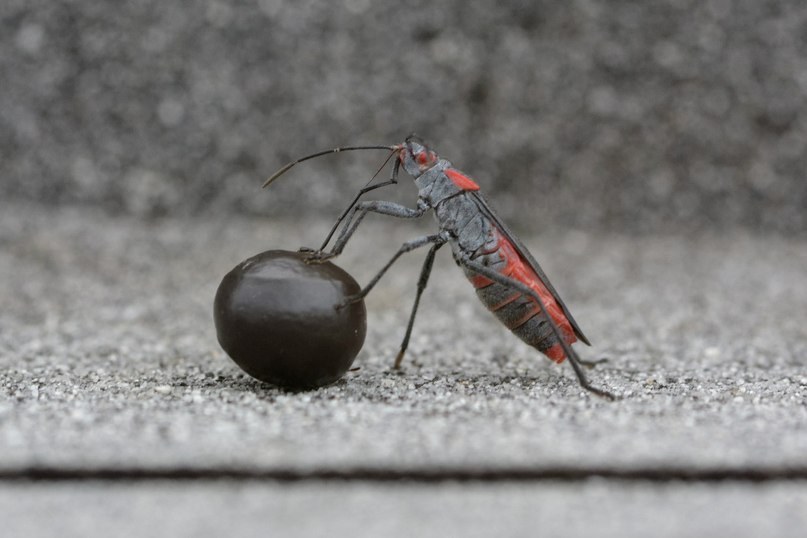
Red-Shouldered Bug
A dark, flattened true bug with a bright red-orange collar across its shoulders, often seen clustering beneath goldenrain trees and other soapberry-family hosts.
true-bugPleasing Fungus Beetle
A shiny, smooth-bodied beetle marked with bold red or orange bands on a glossy black background, commonly found feeding on bracket fungi growing on dead or dying hardwood trees.
beetleMud Dauber Wasp
Slender, long-waisted wasps that build distinctive nests from mud, mud daubers stock their cells with paralyzed spiders. Their tube or urn-shaped mud nests are common under eaves and bridges.
waspGnat
A catch-all common name for a wide range of tiny, delicate flies, some no bigger than a grain of pepper, often seen hovering in small clouds near water, moist soil, or overripe produce.
flyGolden Tortoise Beetle
A tiny, dome-shaped beetle famous for its brilliant, mirror-like gold sheen, which it can dial down to a dull orange or spotted reddish tone within minutes when disturbed or handled.
beetle