
Bug Encyclopedia
Search and identify bugs & insects — beetles, butterflies, moths, ants, bees, spiders and more — with size, habitat, danger, behavior, and how to tell them apart.
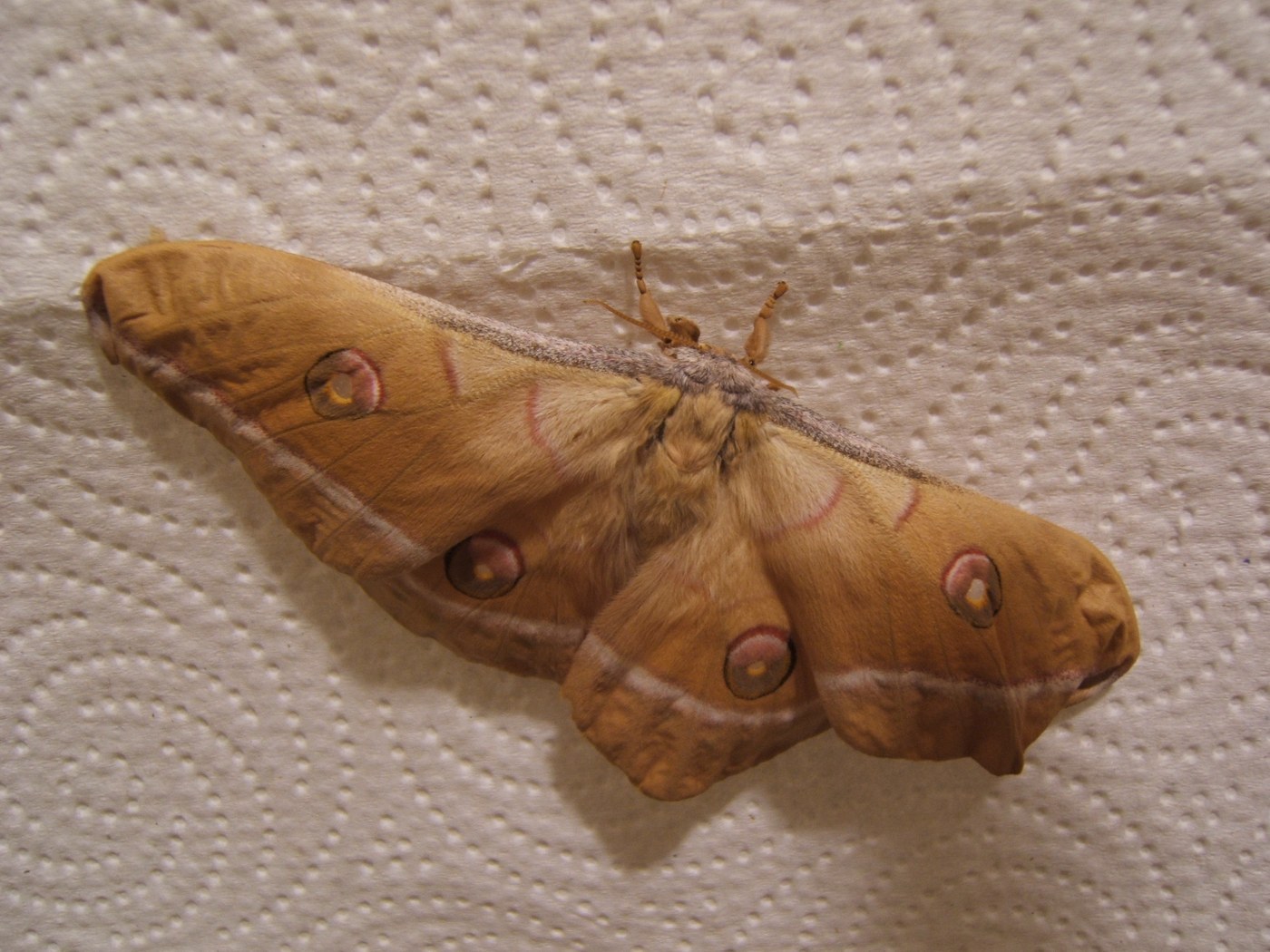
Chinese Oak Silkmoth
A large, rust-brown silkmoth with prominent transparent eyespots on all four wings, native to oak forests of China and long cultivated there for coarse tussah silk production.
moth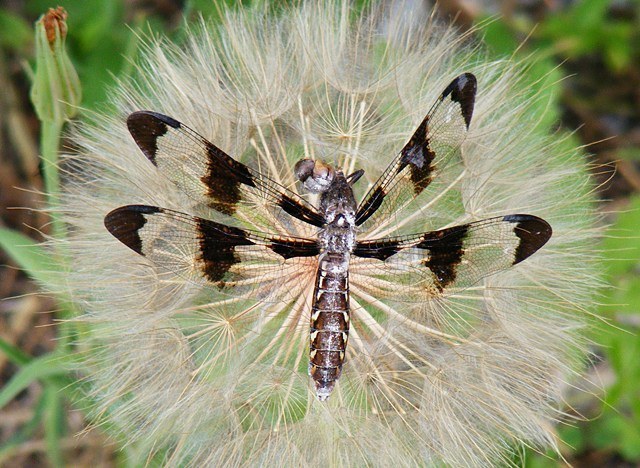
Twelve-spotted Skimmer
A big, boldly patterned skimmer whose wings each carry three chocolate-brown patches, and whose mature males add chalky white flashes between them for a striking black-and-white flicker in flight.
dragonfly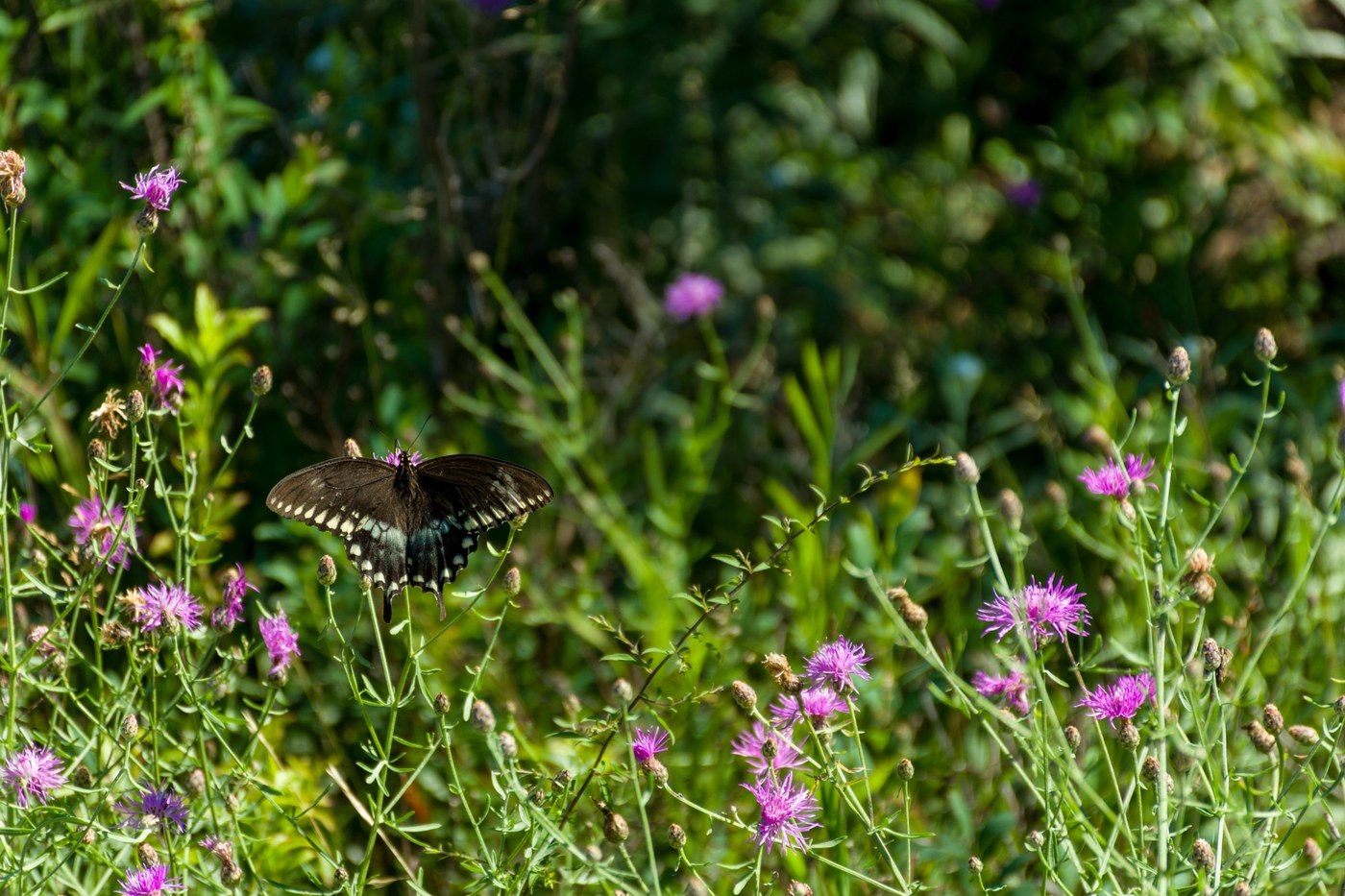
Spicebush Swallowtail
A black swallowtail with a blue-green wash across the hindwings and a row of pale spots along the forewing margin, whose caterpillars have famous large false eyespots and mimic the Pipevine Swallowtail as adults.
butterfly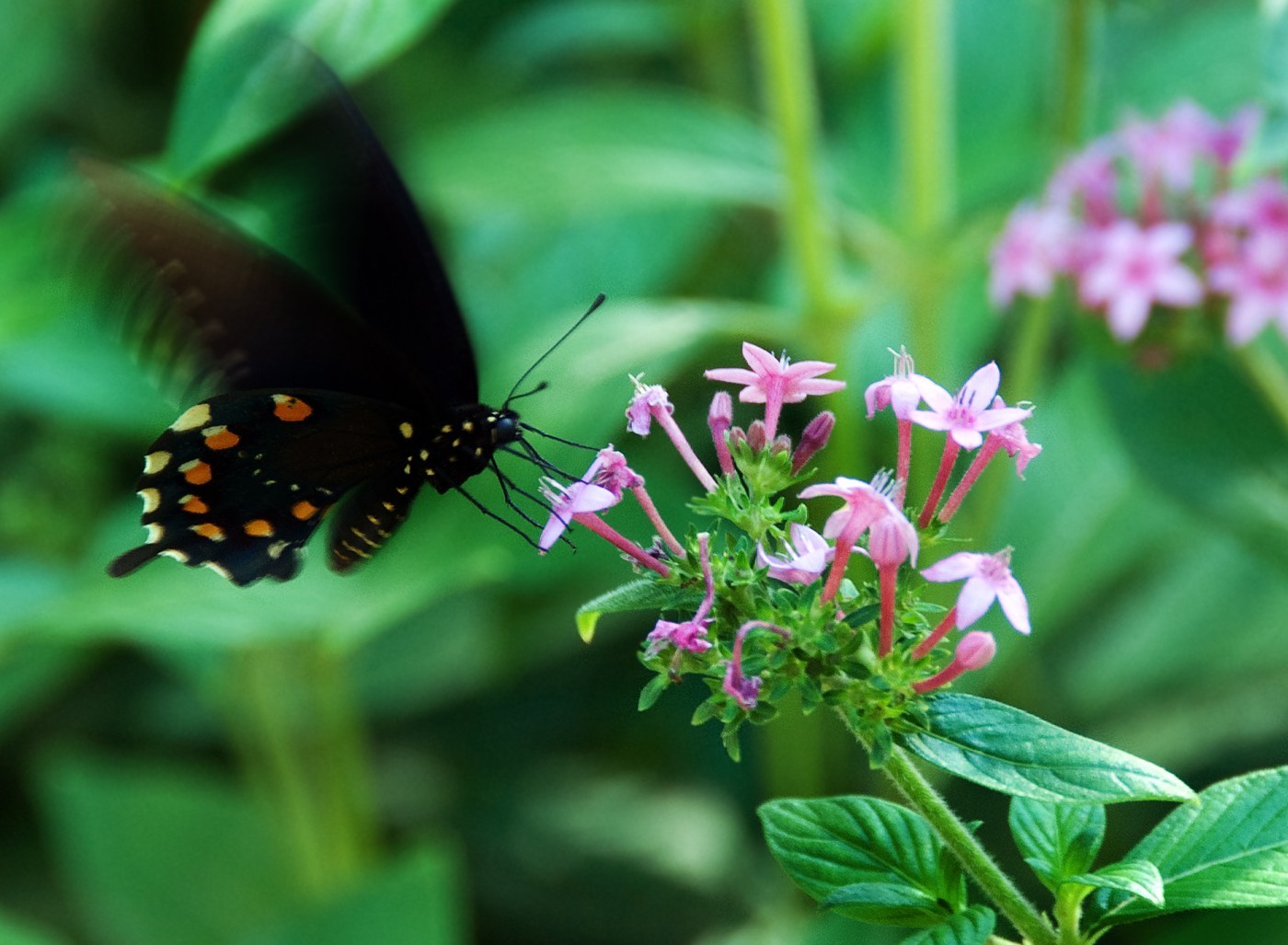
Pipevine Swallowtail
A striking black swallowtail with iridescent blue-green hindwings and a row of round orange spots beneath, whose toxin-sequestering caterpillars make it a model for several butterfly mimics.
butterfly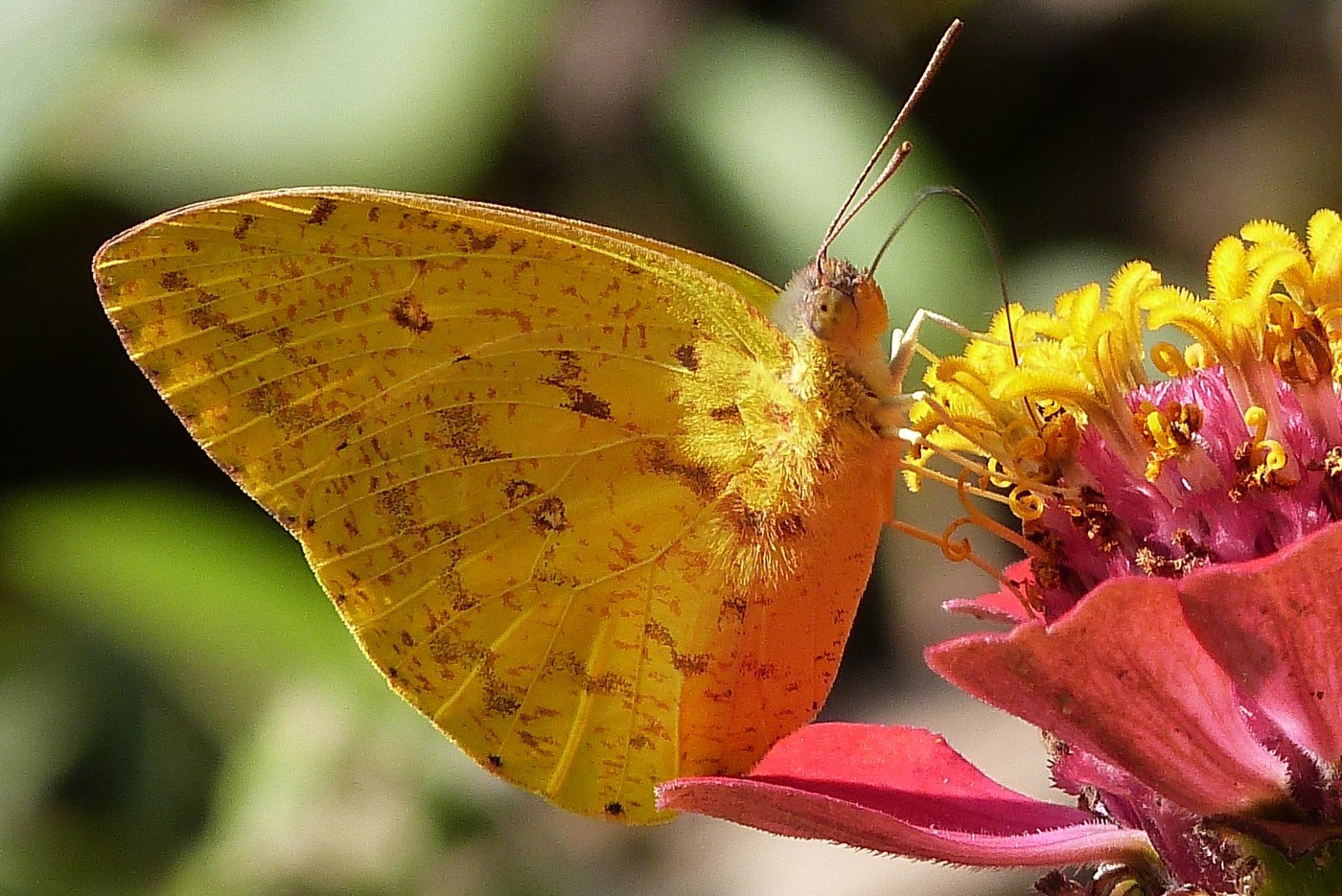
Orange-barred Sulphur
One of the largest sulphur butterflies, bright yellow with a bold band of deep orange across the forewing and a solid orange wash on the hindwing in males.
butterfly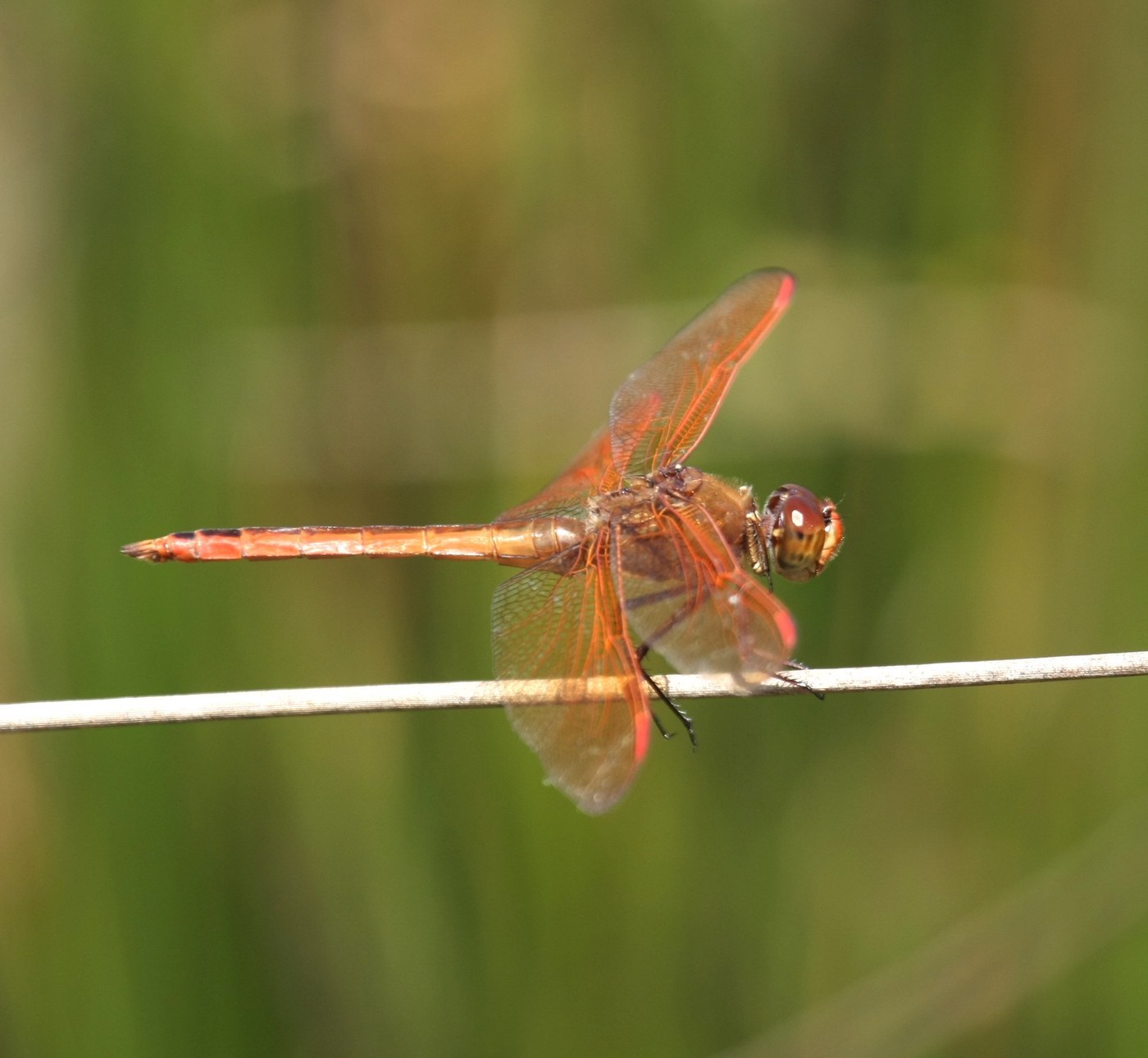
Golden-winged Skimmer
A large skimmer of southeastern wetlands, its wings brushed with a warm golden-amber wash along the leading edge that catches the light as it patrols still, sunlit water.
dragonfly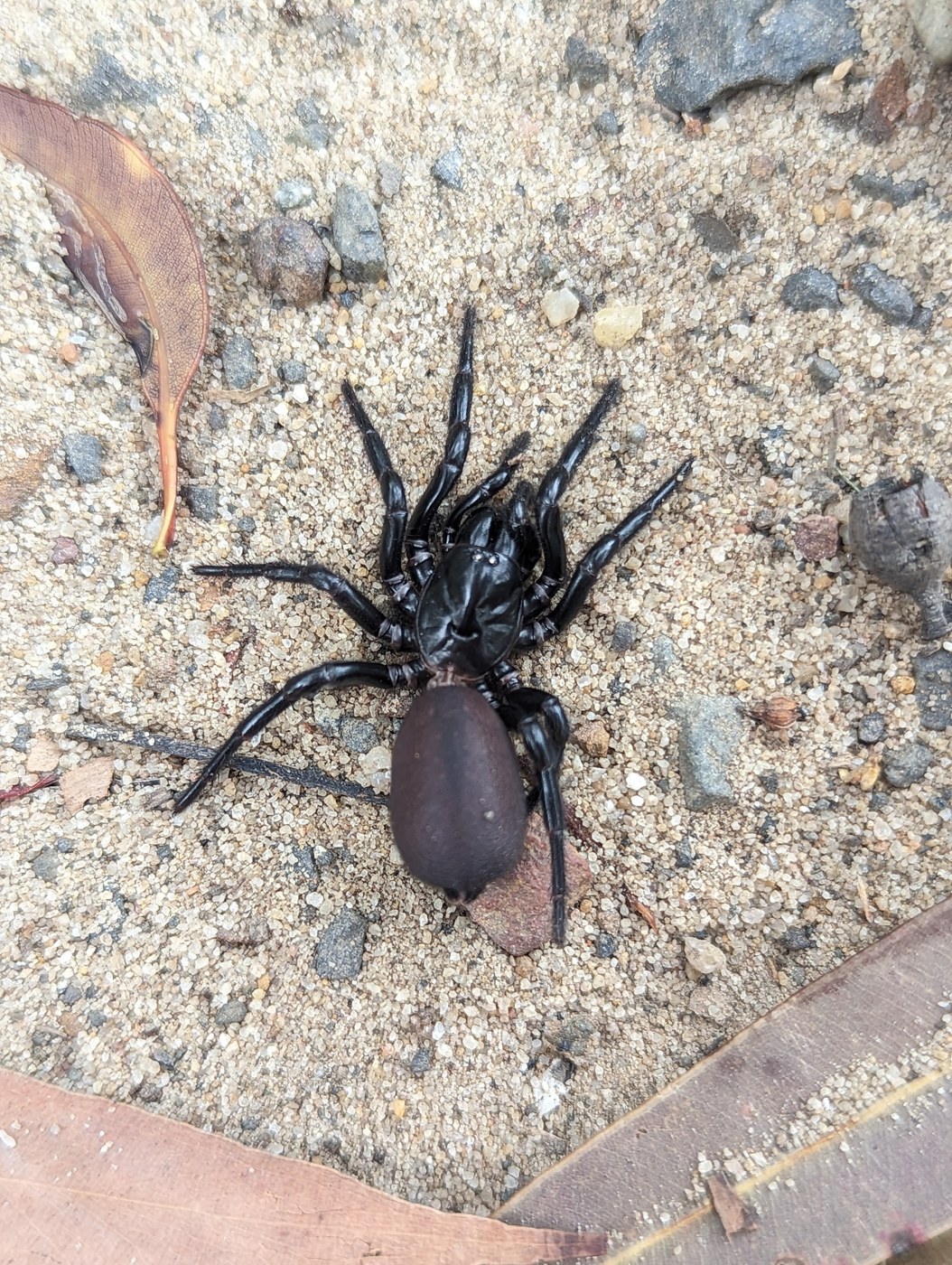
Sydney Funnel-web Spider
Glossy black and heavily built, with large fangs held ready in front of its face, the Sydney funnel-web spider shelters in a silk-lined burrow in moist, shaded ground across the Sydney region, one of Australia's most distinctive ground-dwelling spiders.
spider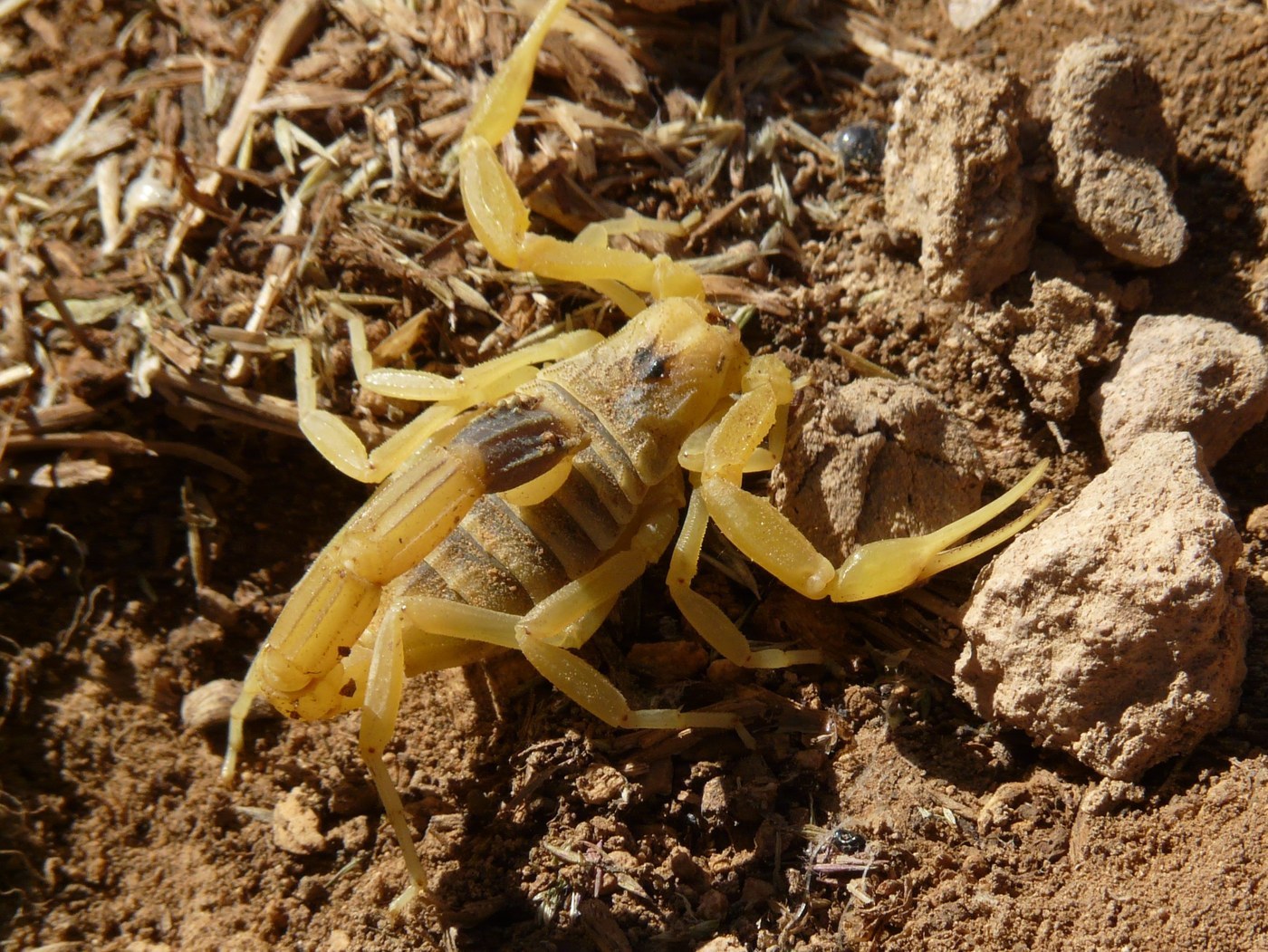
Deathstalker Scorpion
A slender, pale yellow scorpion of Middle Eastern and North African deserts, famed for its striking coloration and status as one of the most studied scorpions in scientific research.
arachnid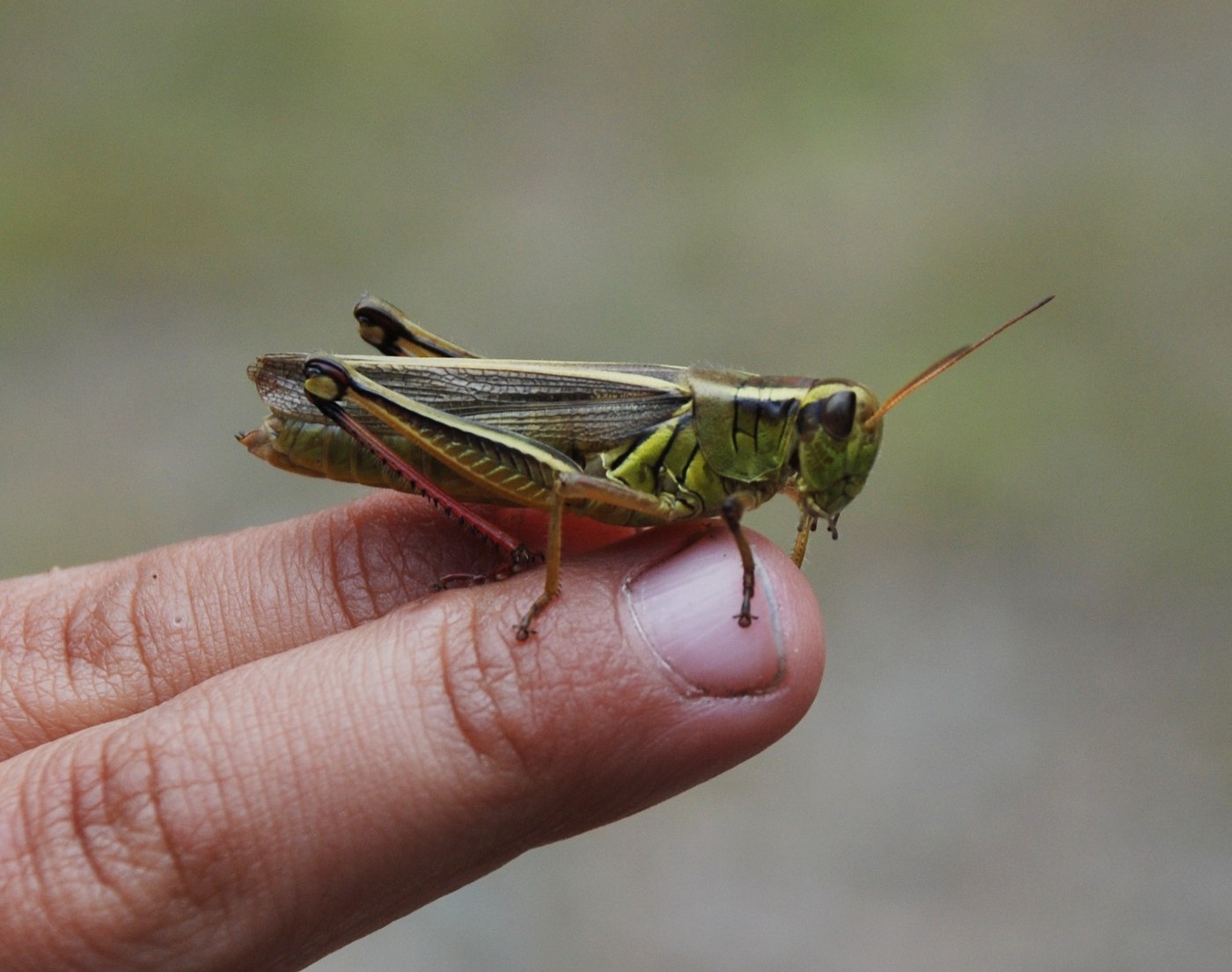
Two-striped Grasshopper
Easily spotted by the pair of pale cream stripes running the length of its body, the two-striped grasshopper is one of the largest and most economically important grasshoppers in North America.
grasshopper-cricket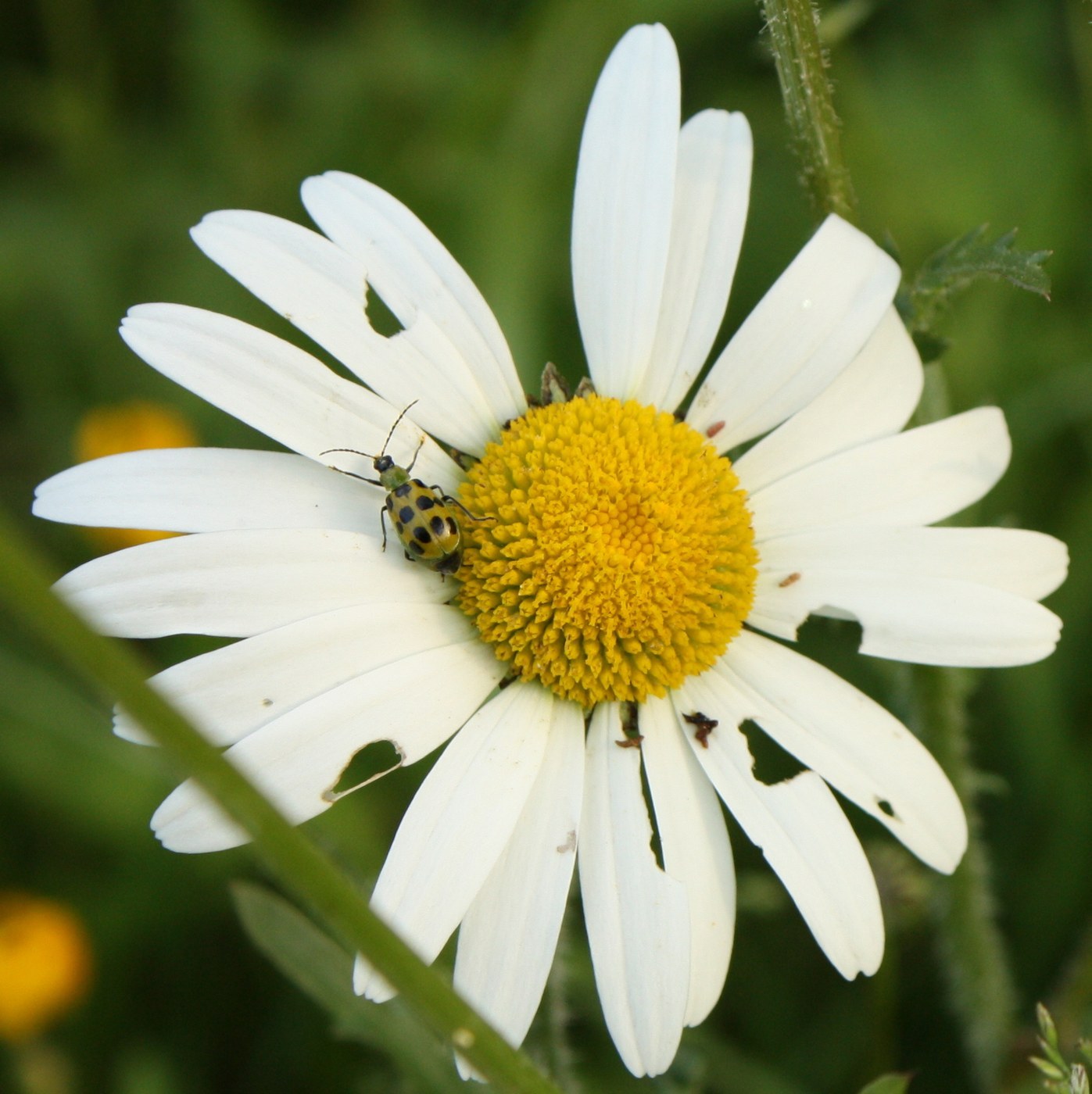
Spotted Cucumber Beetle
A small, elongated yellow-green beetle marked with twelve black spots across its wing covers, commonly seen on cucurbit and corn plants throughout the growing season.
beetle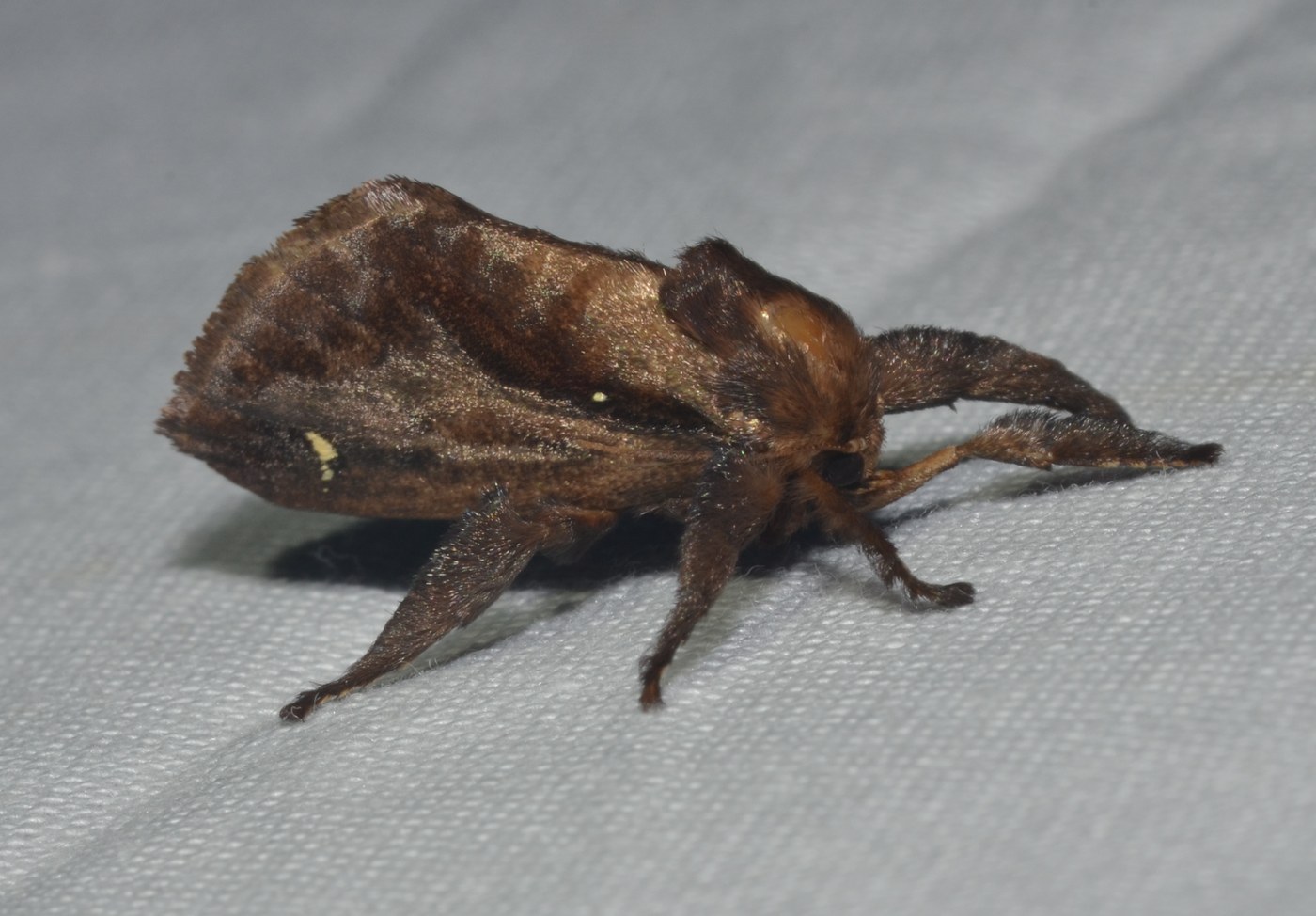
Saddleback Caterpillar
An unmistakable stout caterpillar with a bright green saddle-shaped patch on a brown back, bristling with clusters of spines along its stocky body.
caterpillar-larva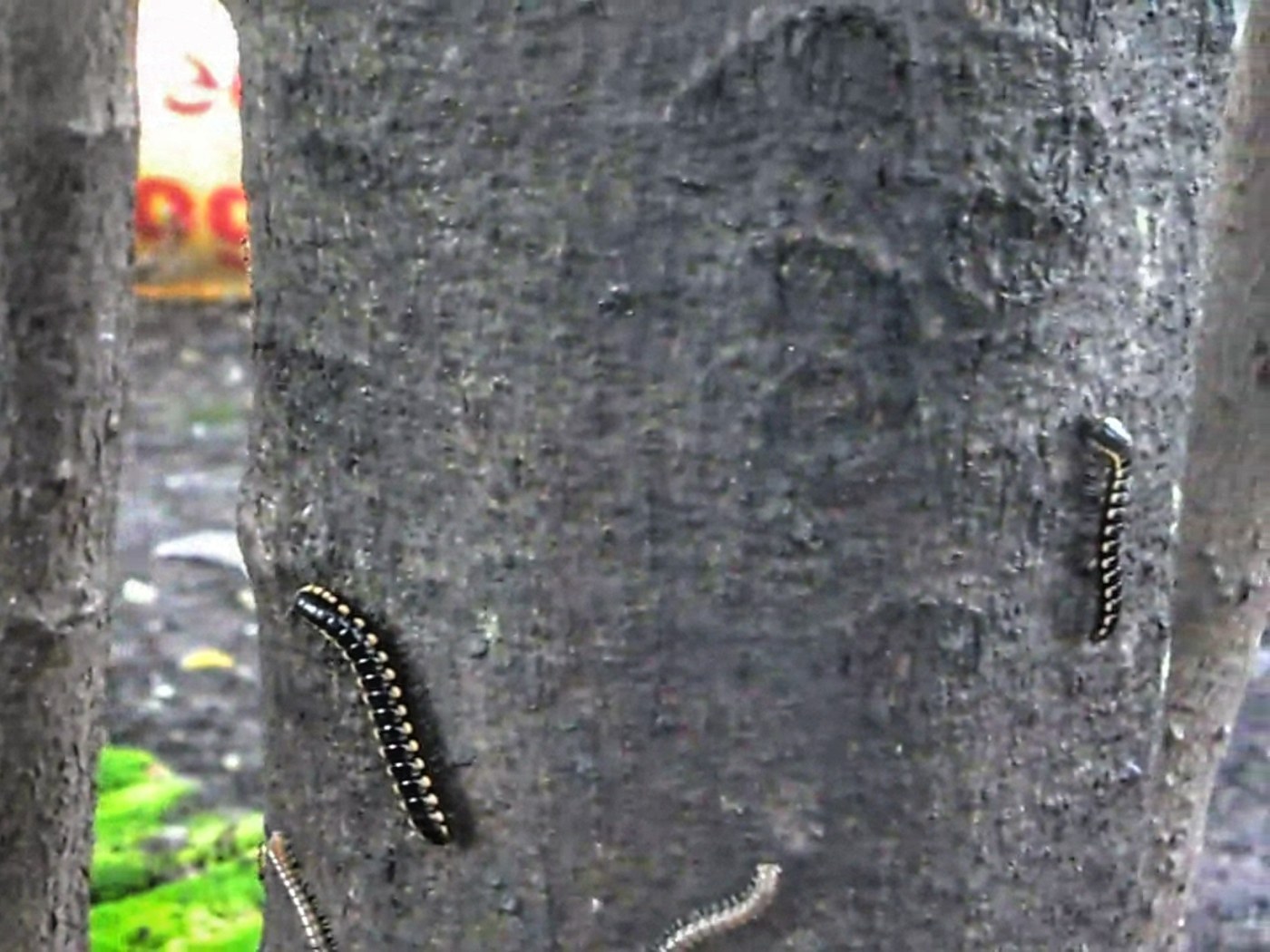
Yellow-spotted Millipede
A striking black millipede lined with bright yellow-orange spots along its flanks, one of the most recognizable invertebrates of the Pacific coast's damp forest floors.
myriapodSpiny Oak-slug Caterpillar
A tiny, flattened slug-shaped caterpillar in shades of green, orange, or purple, bristling with clusters of branched spines that can deliver a sting if handled.
caterpillar-larva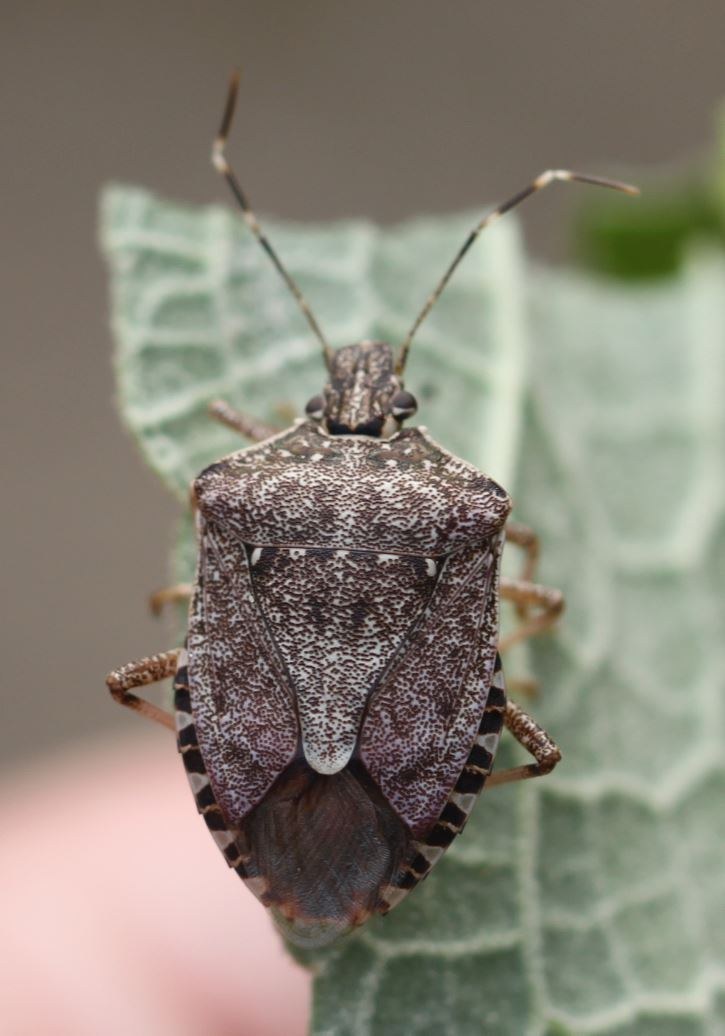
Brown Marmorated Stink Bug
An invasive, mottled brown stink bug identified by alternating light and dark bands on its antennae and abdomen edges, well known for gathering in large numbers on and inside buildings each fall.
true-bugSpur-throated Grasshopper
One of the most familiar grasshopper groups in North America, named for the small spine on its throat and known for including some of the continent's most abundant rangeland species.
grasshopper-cricket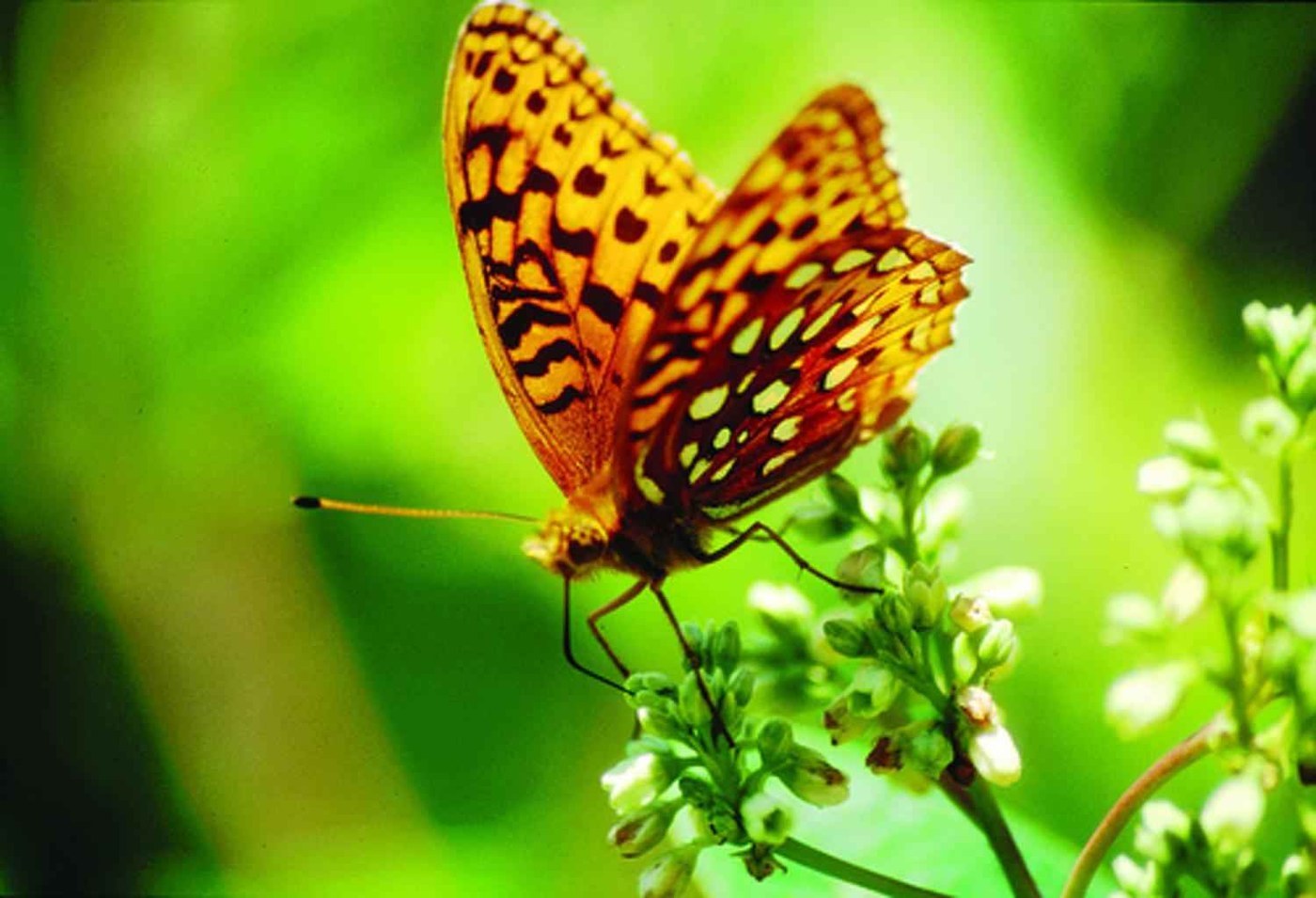
Great Spangled Fritillary
A large, robust orange butterfly with bold black markings above and a striking array of large silvery spangles on a tawny-brown underside, closely tied to woodland violets.
butterfly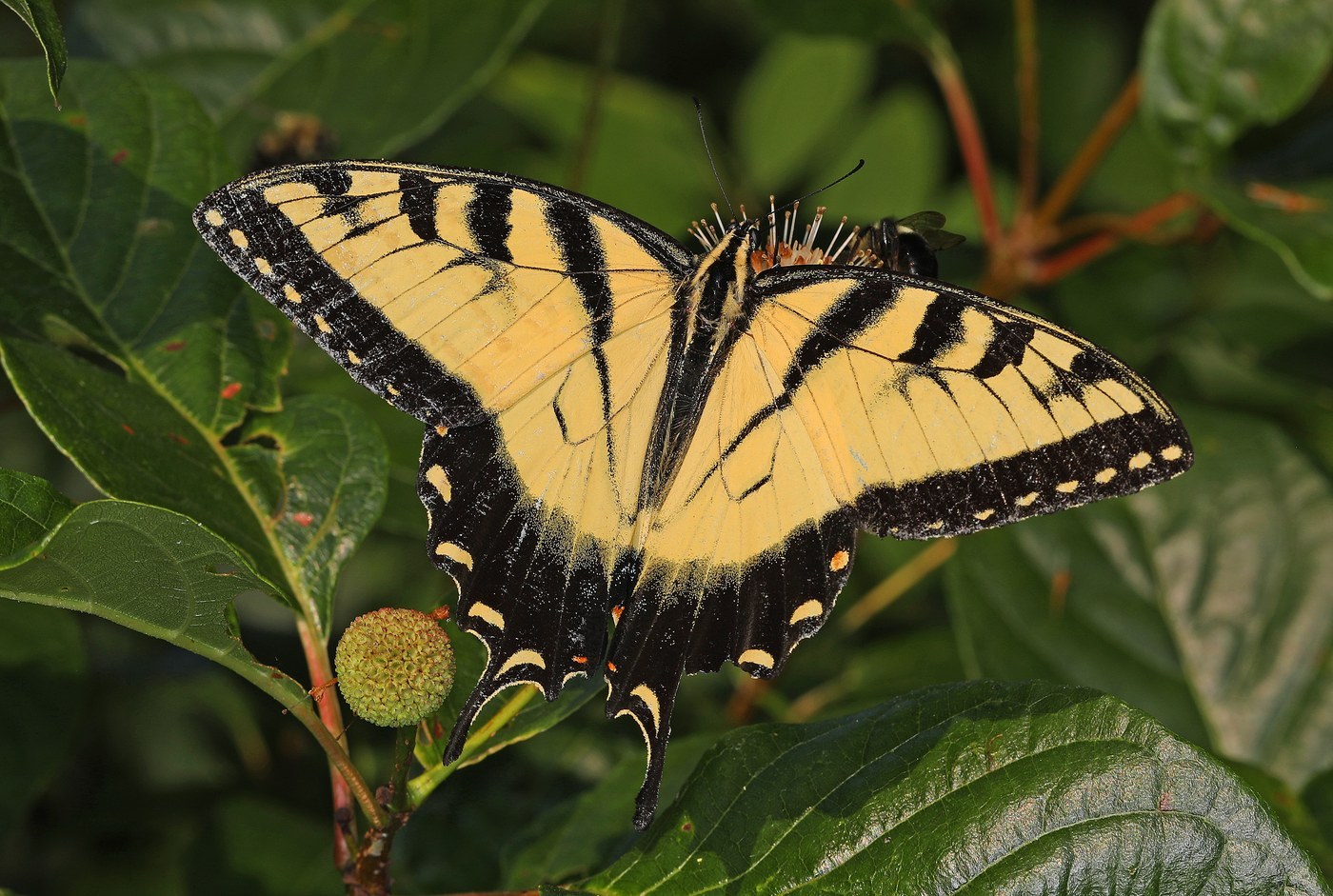
Eastern Tiger Swallowtail
A large, showy yellow-and-black striped swallowtail with elegant tail extensions on the hindwings, one of the most recognizable butterflies of eastern North American woodlands and gardens.
butterflySnipe Fly
A slender, long-legged fly often seen perched head-down on a sunny tree trunk or fence post, patiently watching for smaller insects to ambush. Its tapered, wasp-like abdomen and habit of resting motionless with legs splayed give it a distinctive, almost sentry-like posture in woodland clearings.
flySnakefly
A slender predator named for its habit of rearing up its long, mobile neck like a tiny cobra when hunting or threatened.
other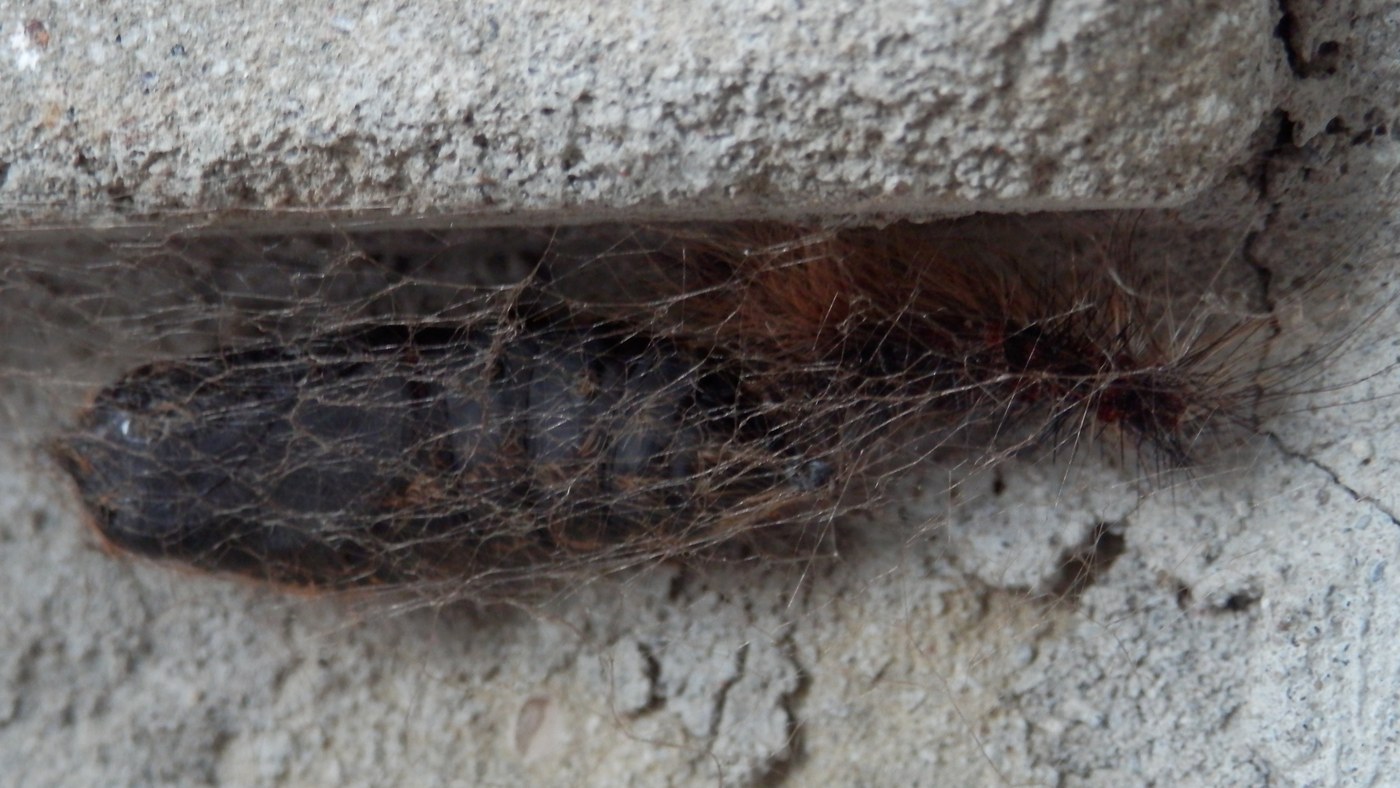
Gypsy Moth Caterpillar (Spongy Moth)
A bristly, blue-and-red-spotted caterpillar that can strip entire hardwood forests bare during major outbreak years.
caterpillar-larva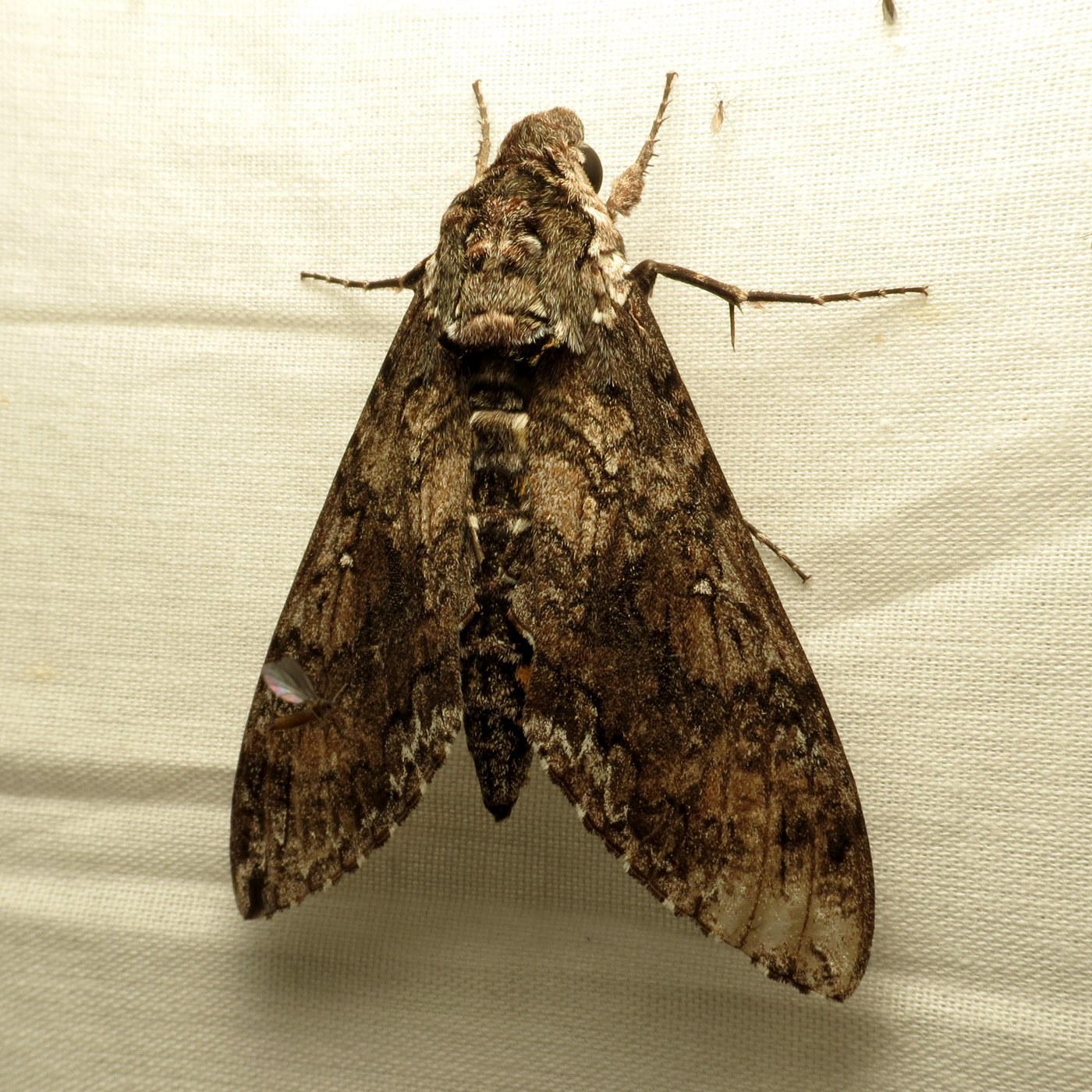
Sphinx Moth
A large, streamlined, fast-flying moth with narrow triangular wings and a robust, tapering body, famous for hovering at flowers at dusk like a hummingbird.
mothWhip Scorpion
A flattened, spider-like arachnid with a pair of extraordinarily long, whip-thin front legs used to feel out its surroundings in the dark, and large spiny pedipalps held out front like a crab's claws. Despite the name and fearsome appearance, it has no stinger and no fangs.
arachnid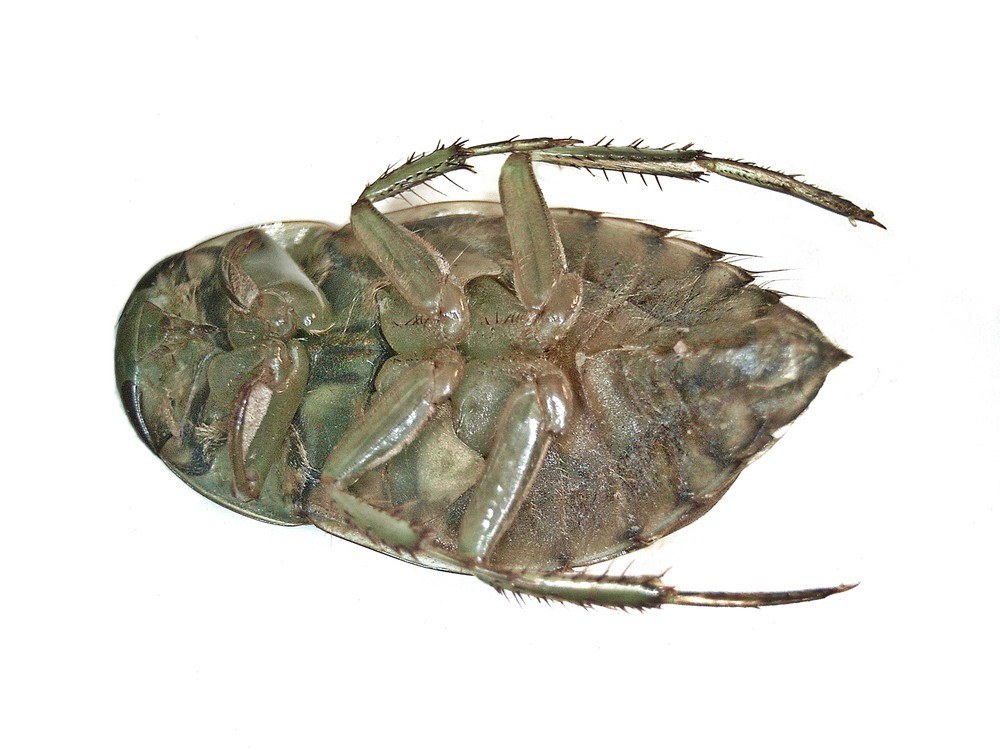
Saucer Bug
Flattened and rounded like its namesake, the saucer bug is a stout, oval predator that lurks among pondweed, ambushing small invertebrates and other prey with a piercing beak.
true-bug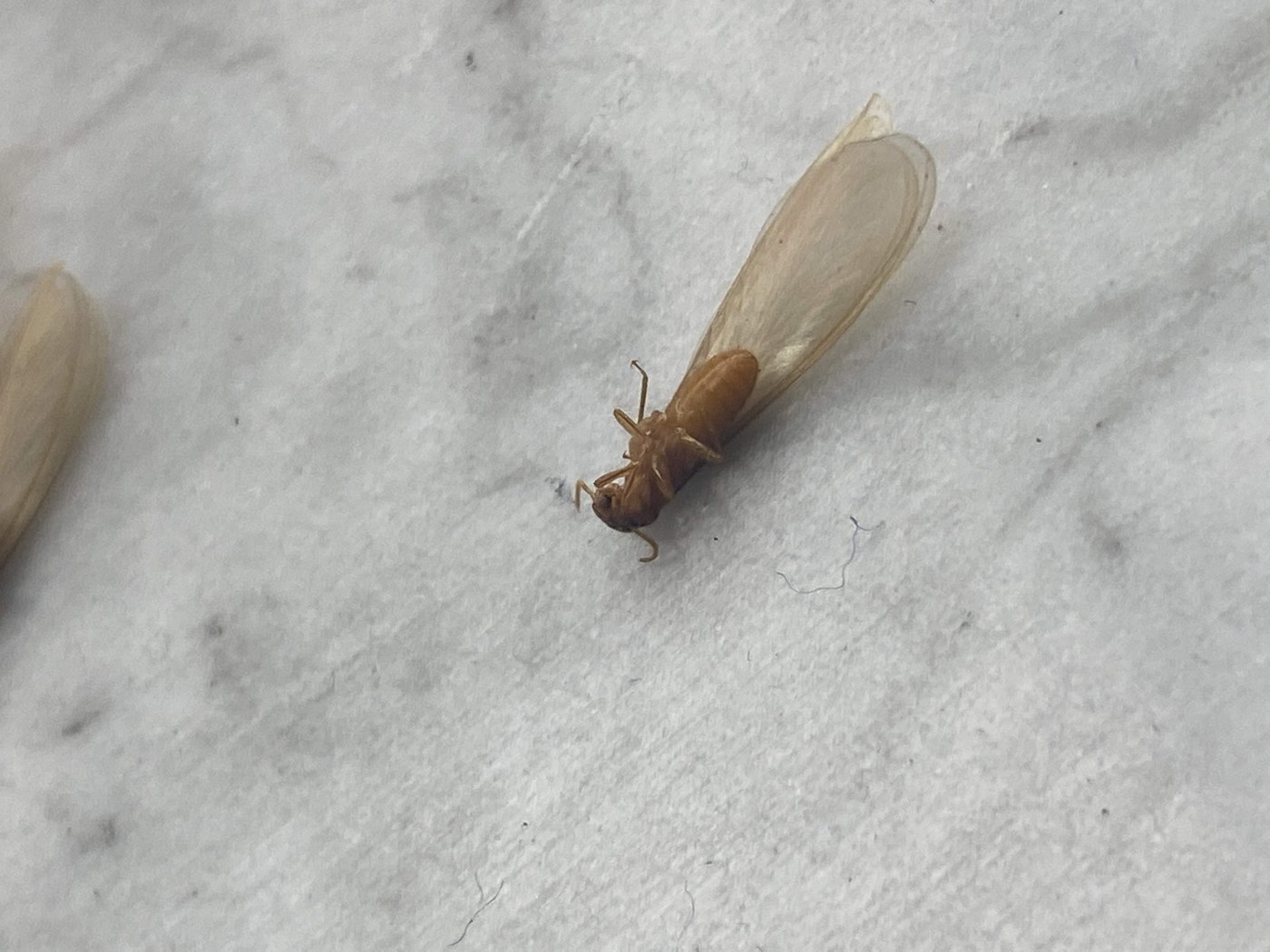
Formosan Subterranean Termite
A pale, aggressive subterranean termite native to East Asia that builds enormous colonies and can construct large above-ground carton nests in trees, walls, and structures.
other