
Bug Encyclopedia
Search and identify bugs & insects — beetles, butterflies, moths, ants, bees, spiders and more — with size, habitat, danger, behavior, and how to tell them apart.
Thrips
A minuscule, slender insect with fringed, feather-like wings, often noticed only as a fast-moving dark speck darting across a flower petal or windowsill.
otherWhip Spider
A flattened, spider-like arachnid with no venom and no silk, using a pair of extremely long, whip-like front legs as sensitive feelers to navigate the dark.
arachnid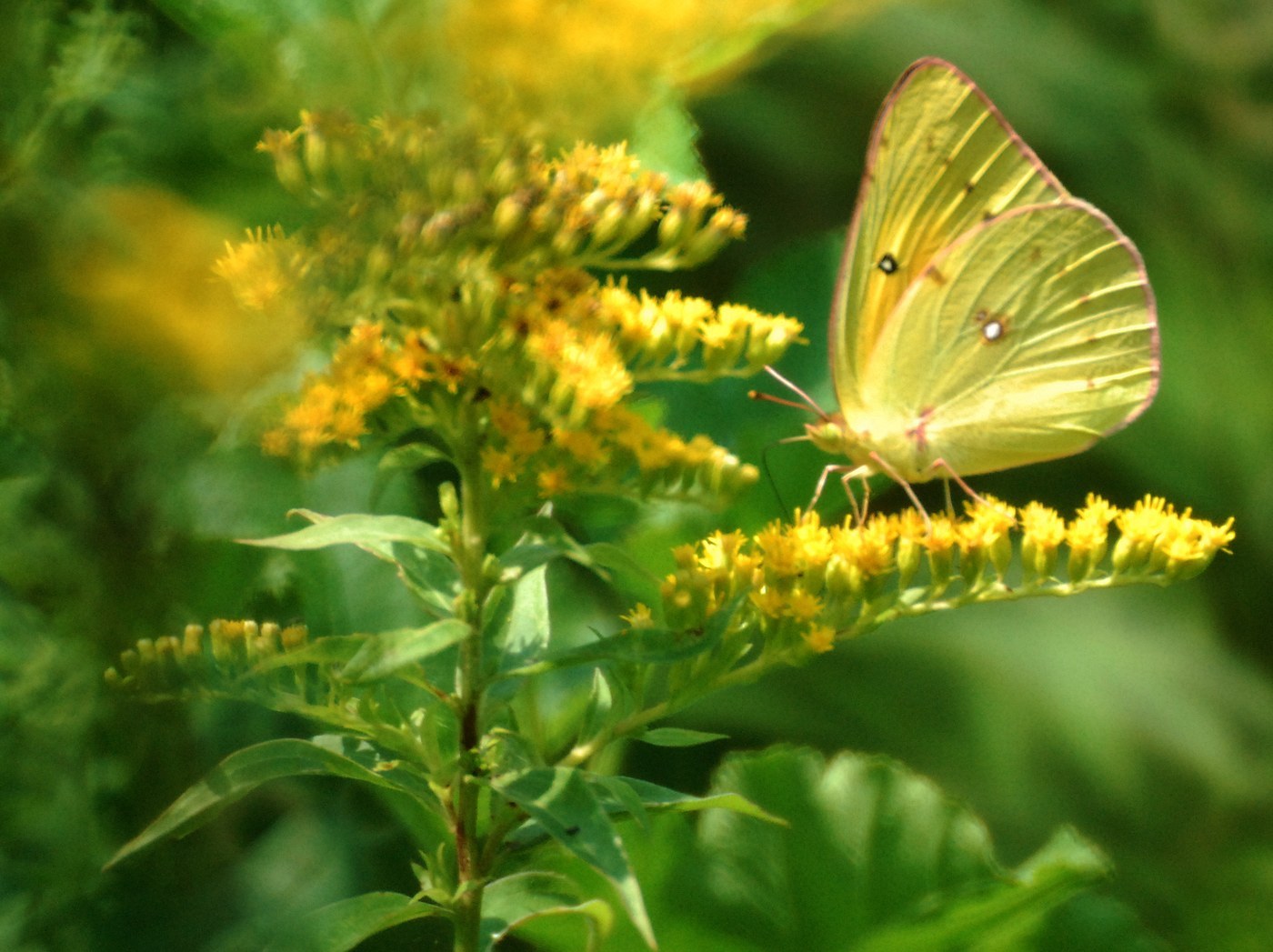
Orange Sulphur
A vivid orange-and-yellow butterfly with sharp black wing borders, one of the most common butterflies over open fields and alfalfa crops throughout North America.
butterflyFire Ant Queen
The reproductive powerhouse of a fire ant colony, noticeably larger than the reddish worker ants and equipped with wings before she sheds them to found a new nest.
ant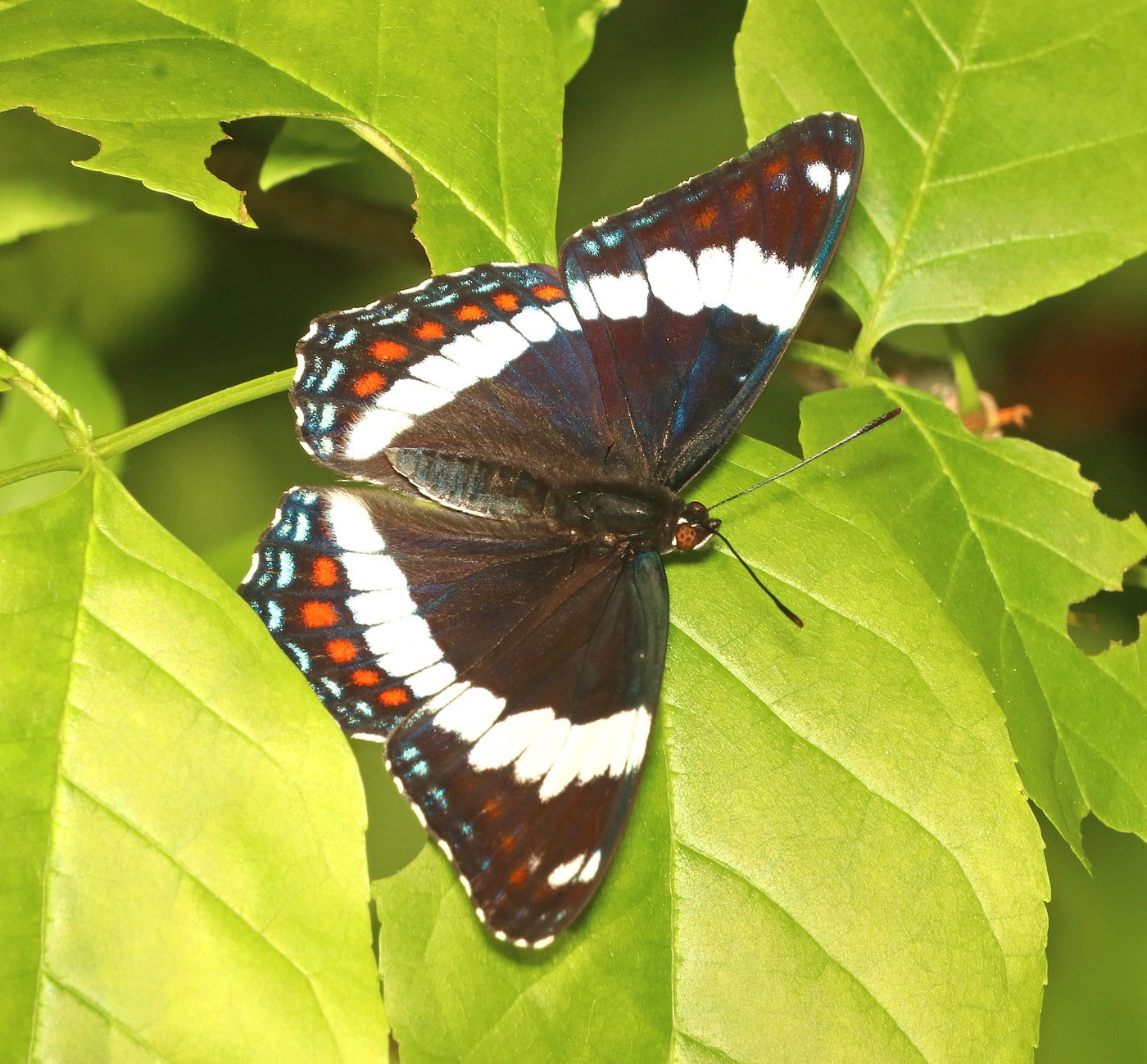
White Admiral
A large, dark butterfly crossed by a bold white band on both wings, the northern form of the same species that produces the iridescent blue Red-spotted Purple farther south.
butterflyTailless Whip Scorpion
A flattened, spider-like arachnid with no stinger and no fangs, instead using a pair of long whip-like sensory legs and grasping spiny arms to feel out and seize prey in total darkness.
arachnid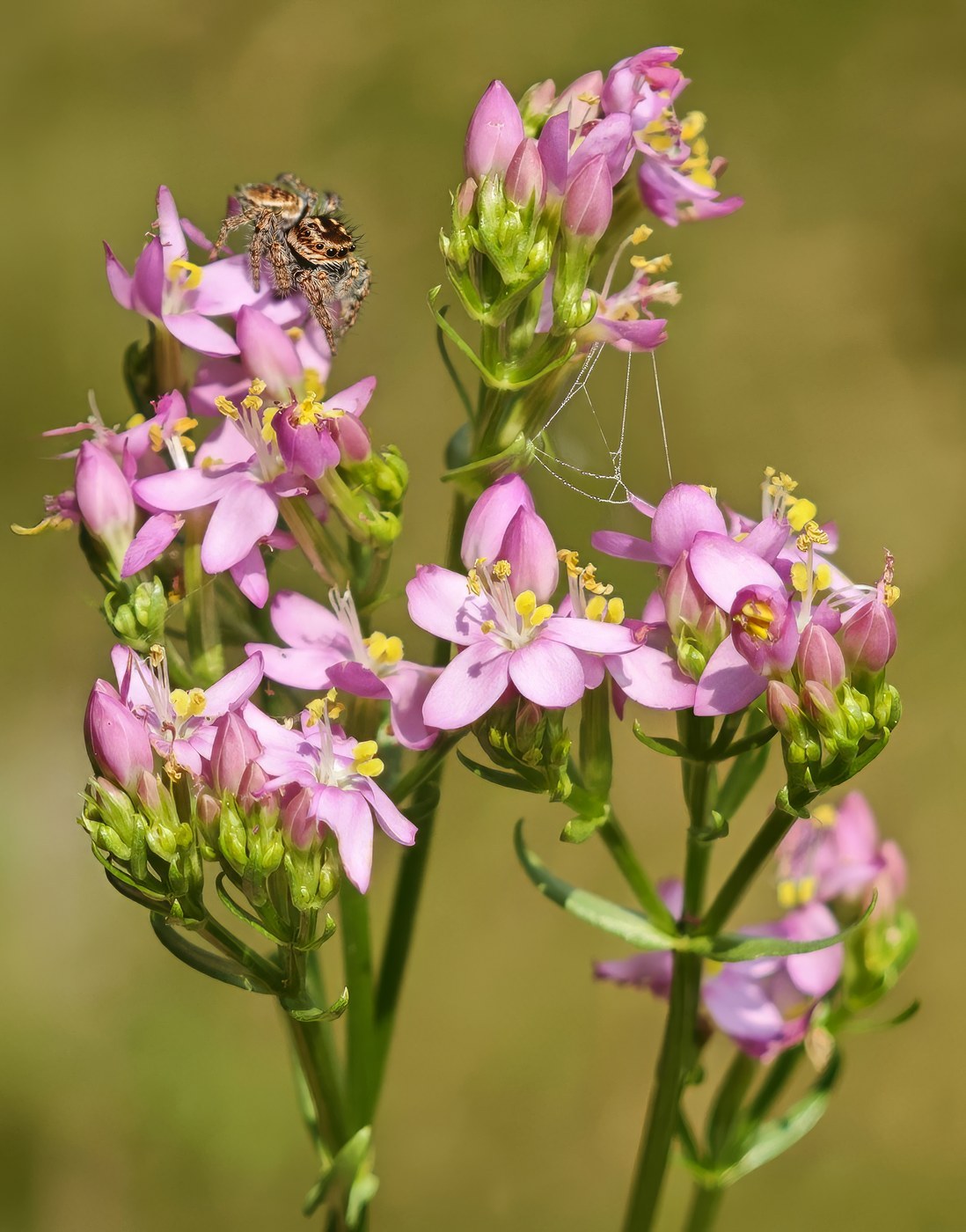
Regal Jumping Spider
One of the largest and most striking North American jumping spiders, with a velvety black body, bold markings, and huge iridescent green or blue-lined eyes.
spider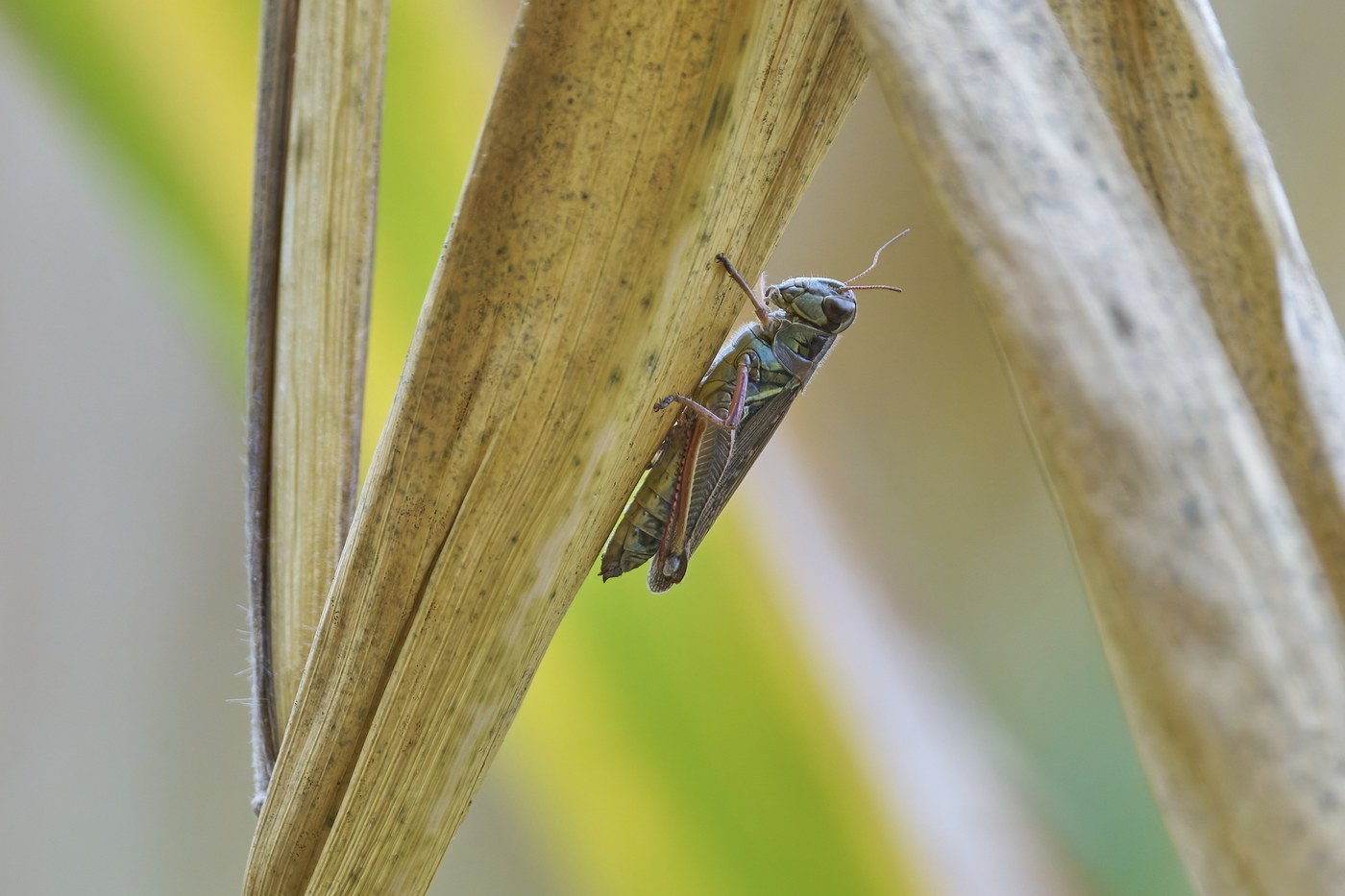
Red-legged Grasshopper
One of the most abundant and widespread grasshoppers in North America, the red-legged grasshopper is easily spotted by its reddish hind shins flashing amid a brown, mottled body.
grasshopper-cricket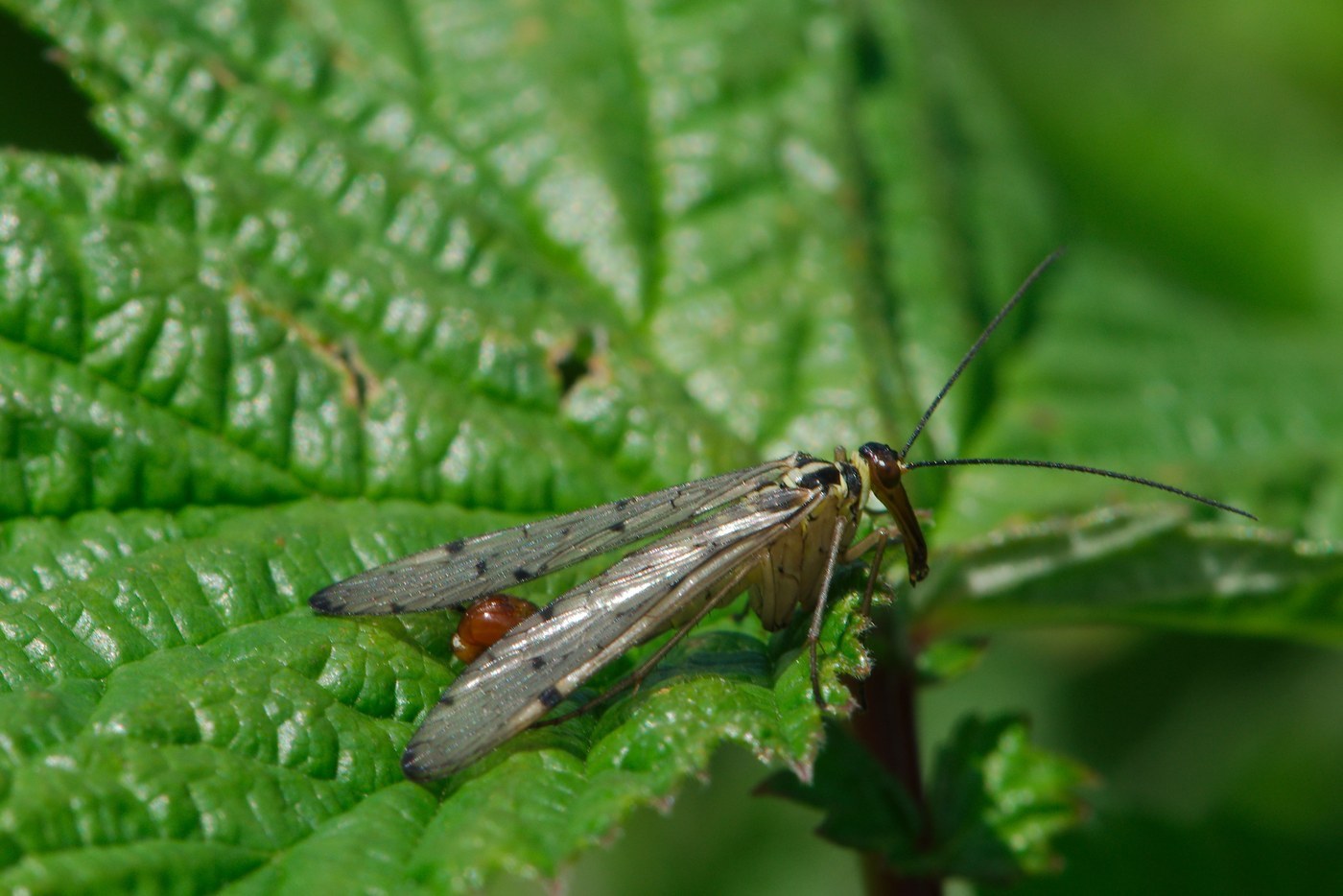
Scorpionfly
A harmless scavenger whose alarming name comes from the male's swollen, upturned abdominal tip, which curls like a scorpion's tail but carries no sting.
otherLonghorn Bee
A fuzzy, medium-sized solitary bee named for the males' notably long, curved antennae, commonly seen foraging on sunflowers, asters, and other late-summer composite flowers.
beeOgre-faced Spider
A twig-like nocturnal spider with enormous, light-gathering eyes that weaves a small rectangular net and hurls it over passing prey in a lightning-fast ambush.
spider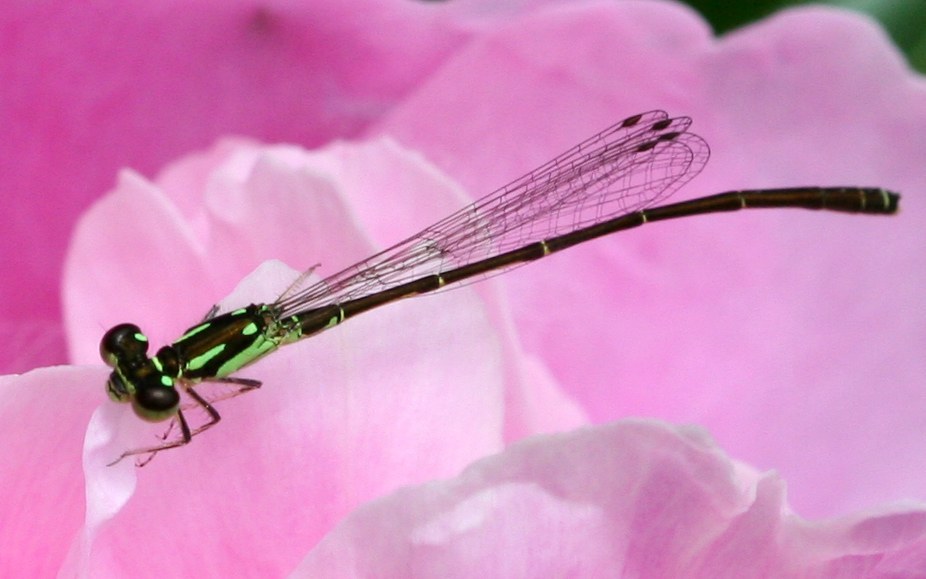
Fragile Forktail
One of North America's smallest and most delicate damselflies, the Fragile Forktail is best known for the pale green exclamation-point mark on top of its thorax.
dragonfly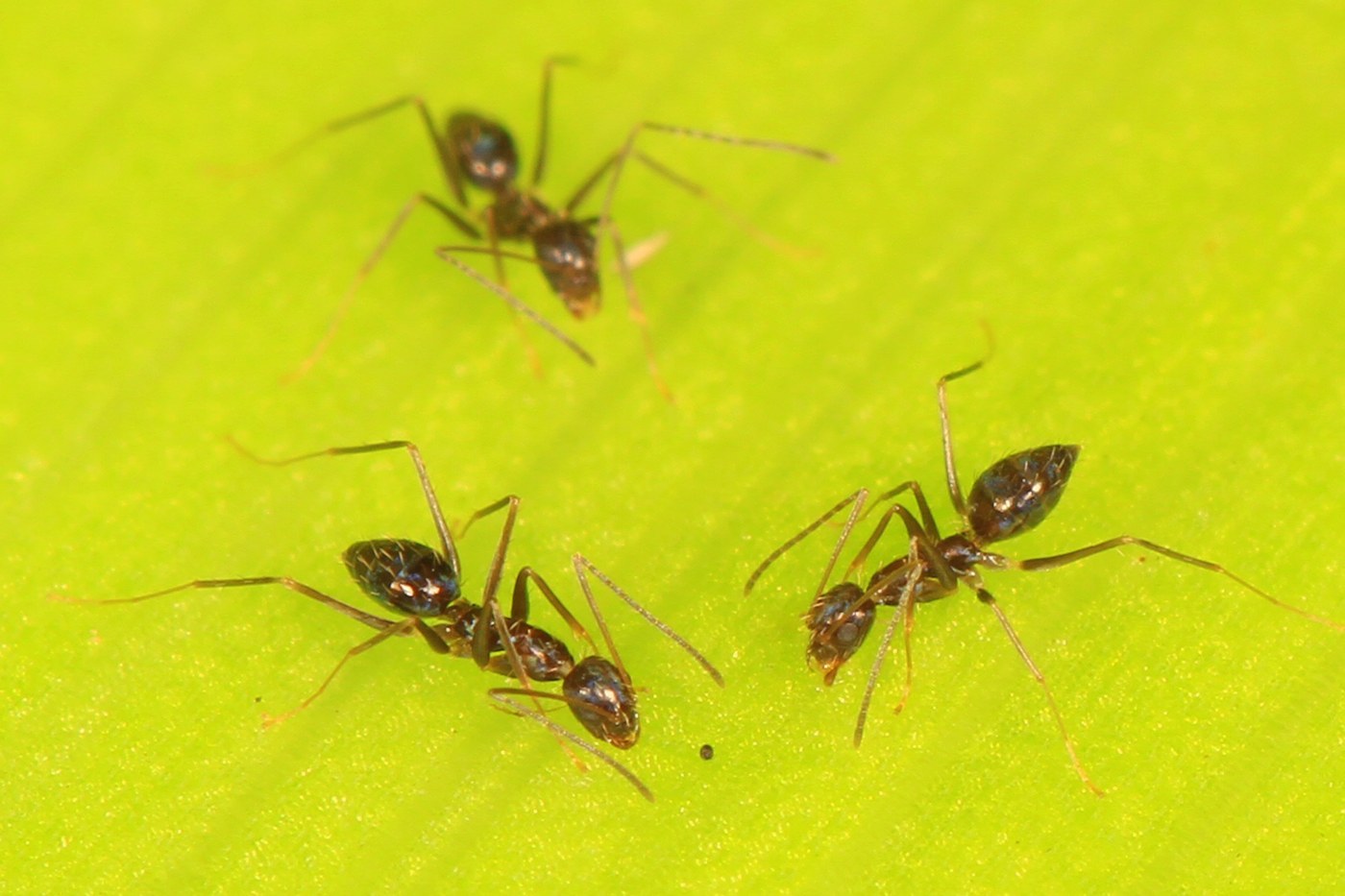
Crazy Ant
A fast-moving, long-legged ant instantly recognizable by its erratic, non-stop scurrying in every direction rather than the orderly trails followed by most other ants.
ant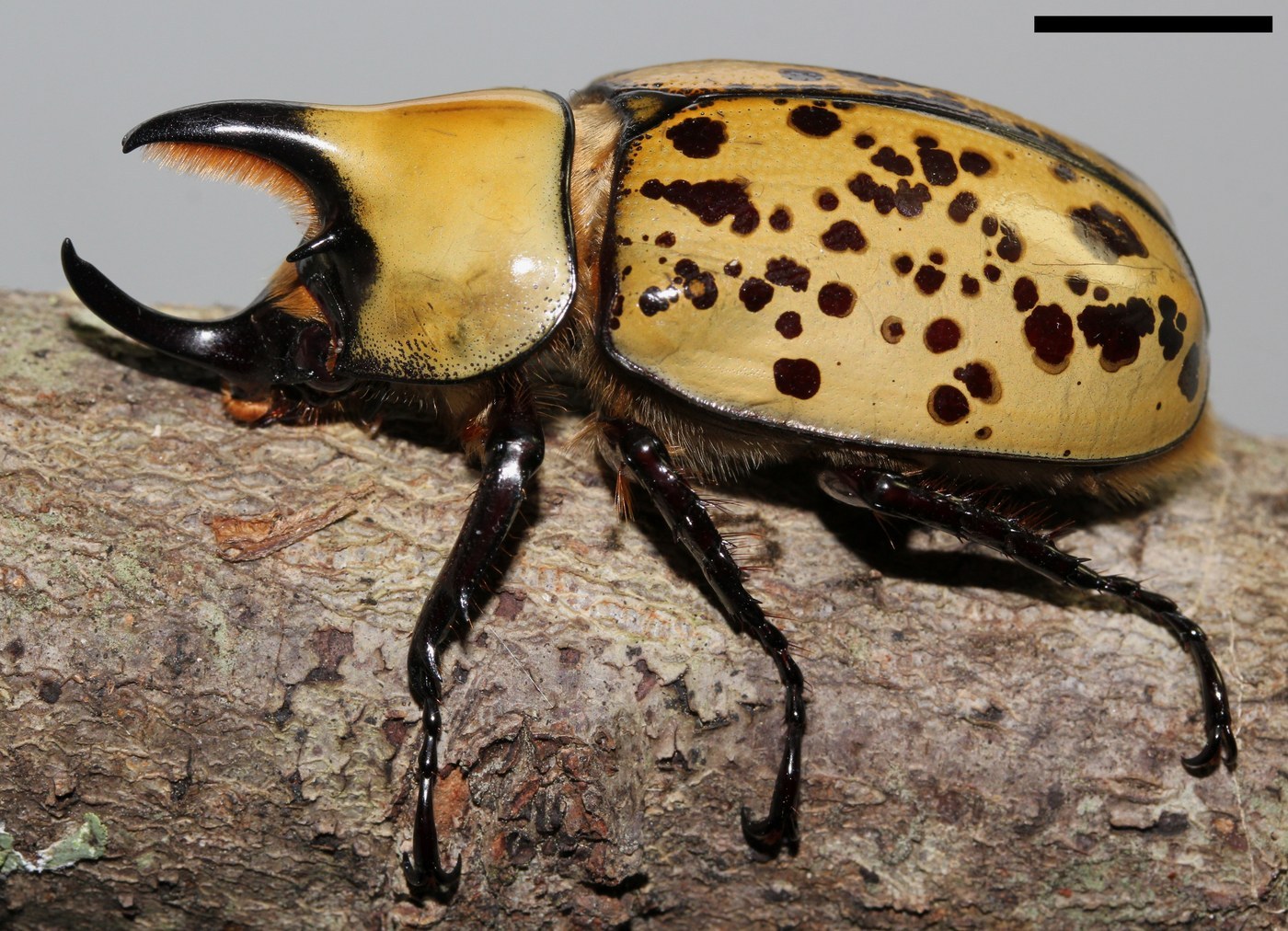
Eastern Hercules Beetle
One of the largest beetles in North America, a massive rhinoceros beetle in which males bear an enormous forked horn used to wrestle rivals off of favored tree sap sites.
beetle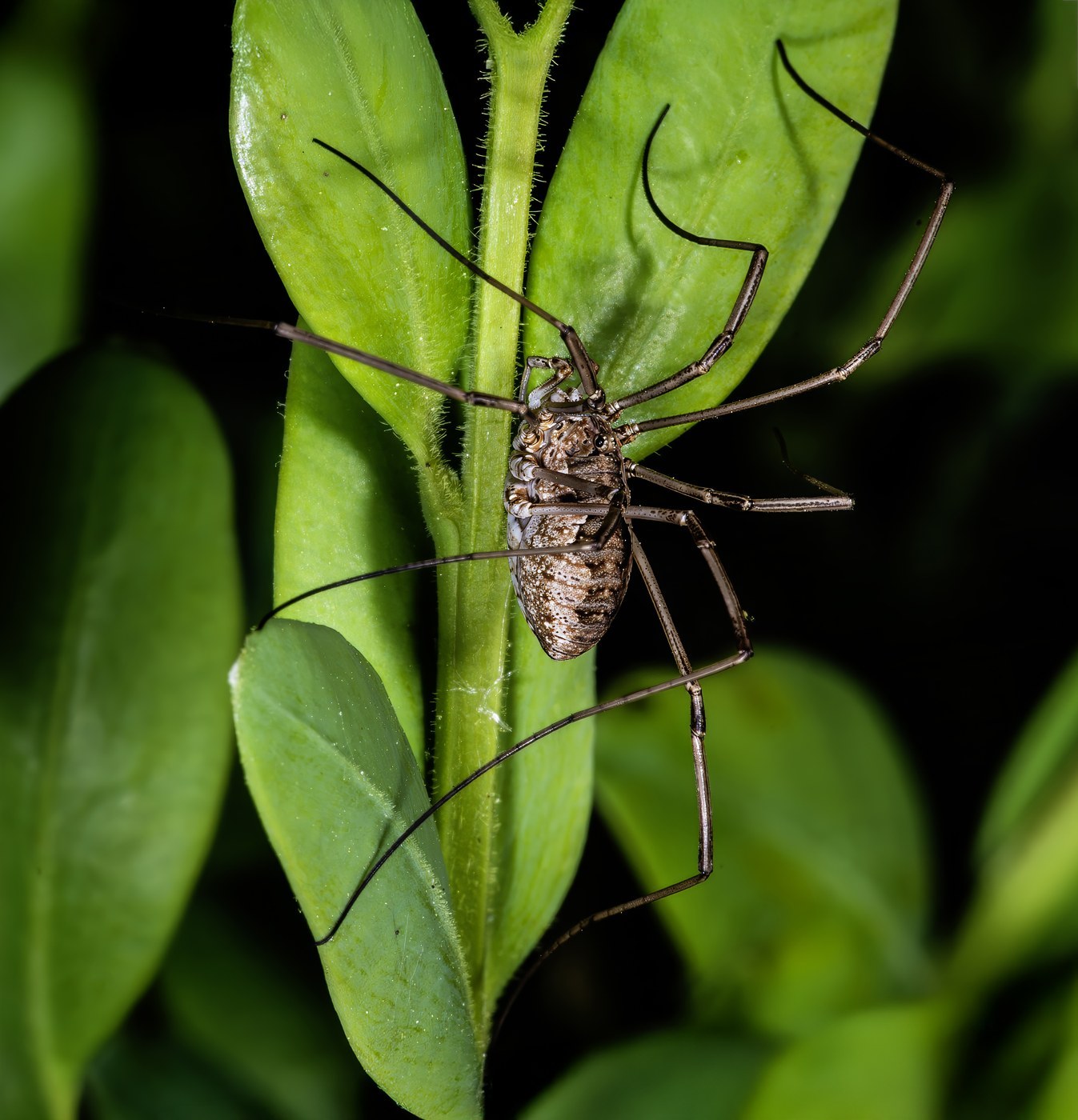
Daddy Longlegs
A small, oval-bodied arachnid carried on extremely long, thread-like legs, distinct from true spiders in having a one-piece fused body and no silk glands or web.
arachnid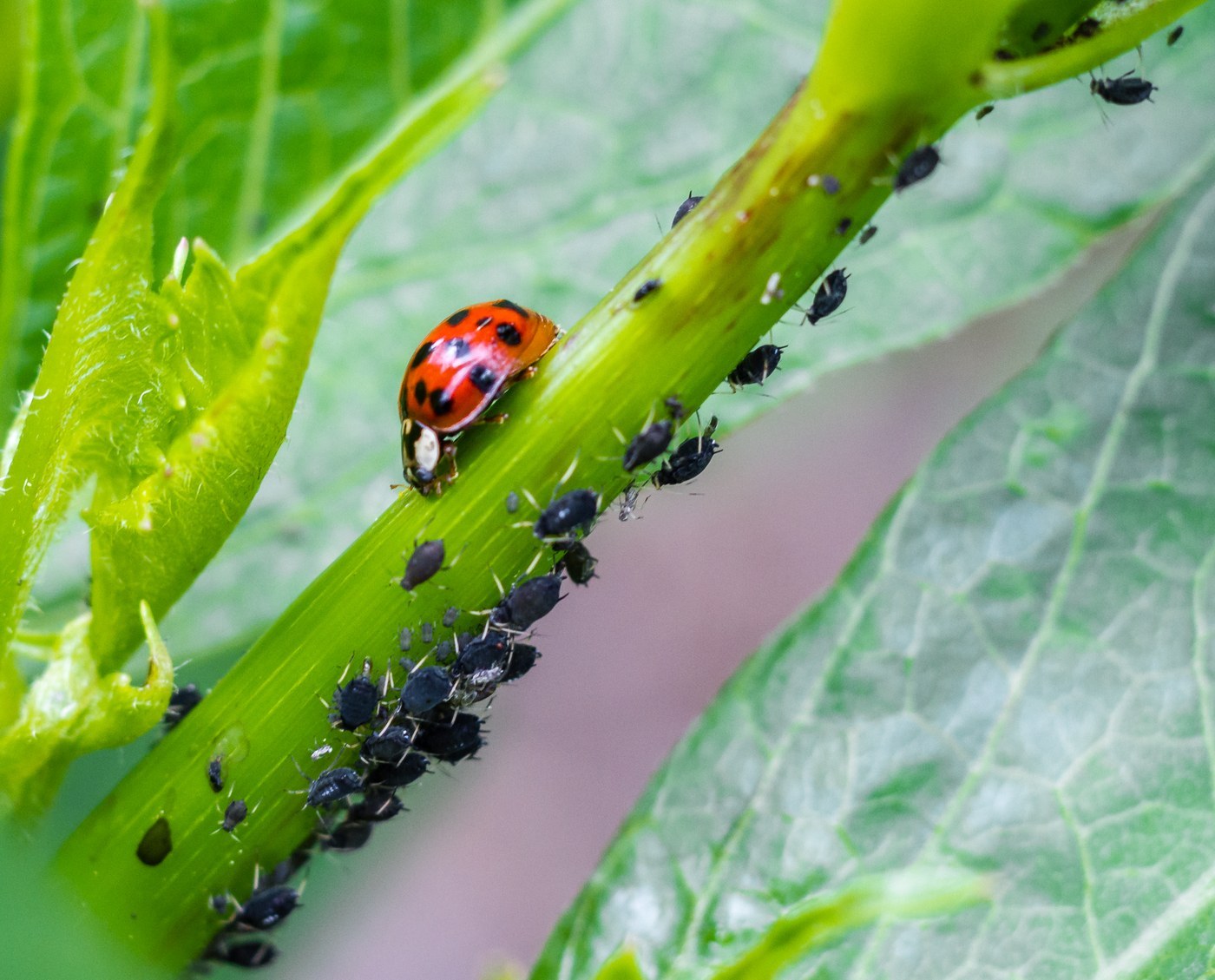
Asian Lady Beetle
A highly variable orange-to-red ladybird beetle, often bearing many black spots or none at all, famous for swarming into homes in large numbers during autumn.
beetle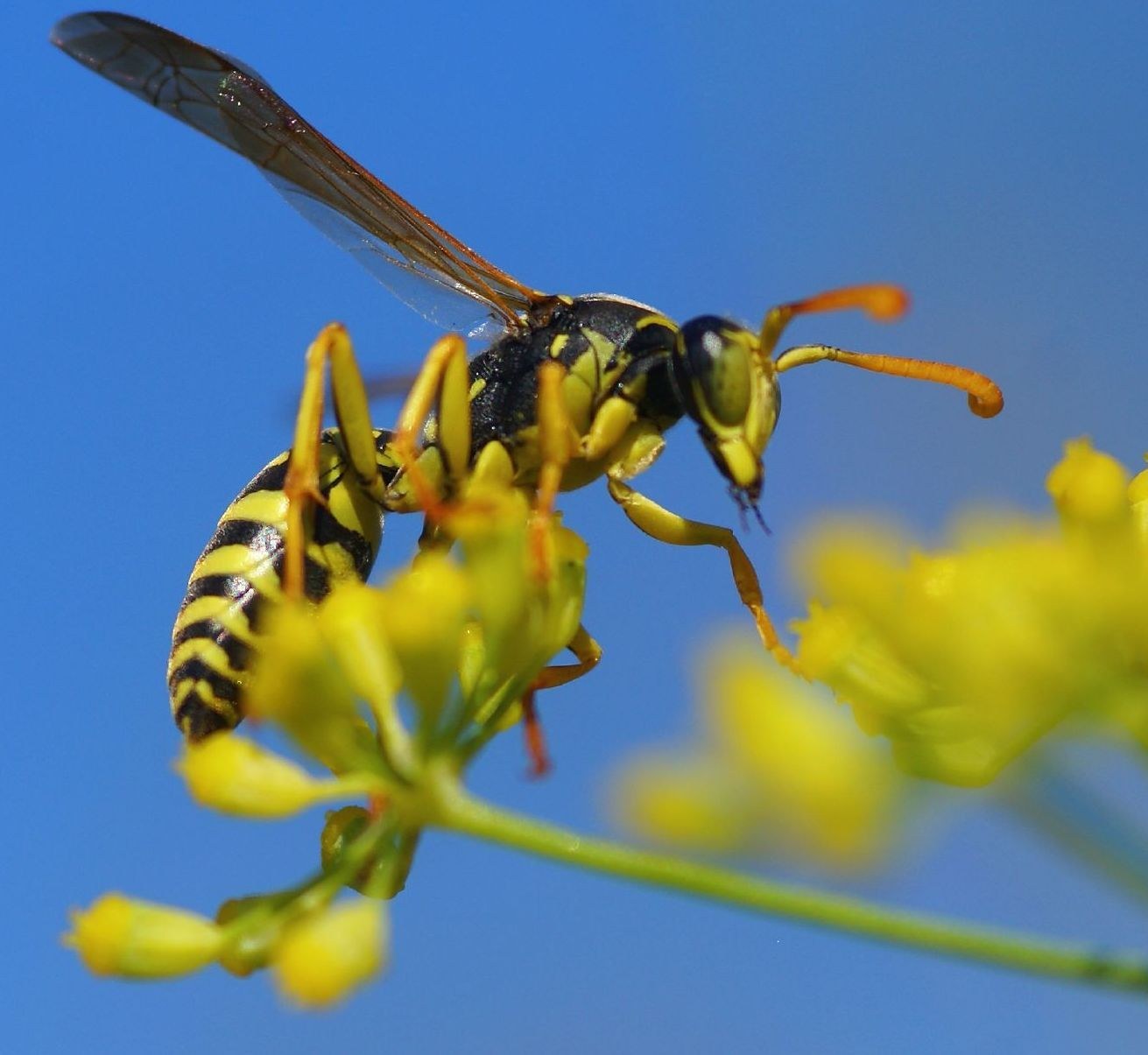
Yellowjacket
A boldly striped black-and-yellow social wasp with a smooth, shiny body and a fast, darting flight, often noticed hovering around food and sugary drinks in late summer.
wasp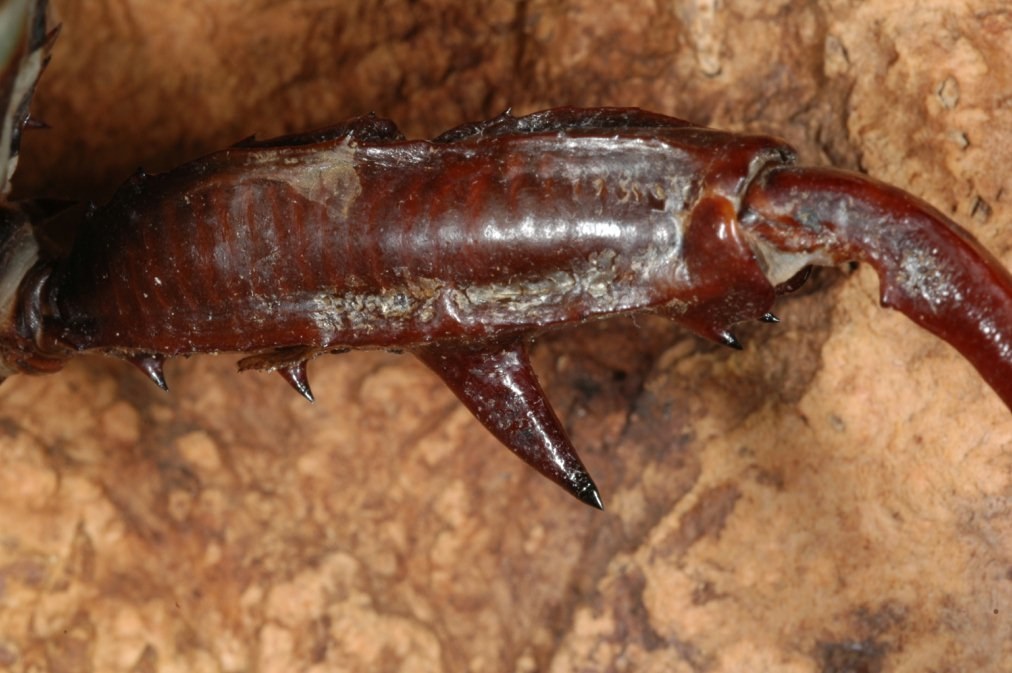
Walking Stick Insect
A master of disguise that has evolved to look almost exactly like a twig, bark or leaf, remaining motionless for hours to avoid the notice of hungry birds and lizards.
mantis-stick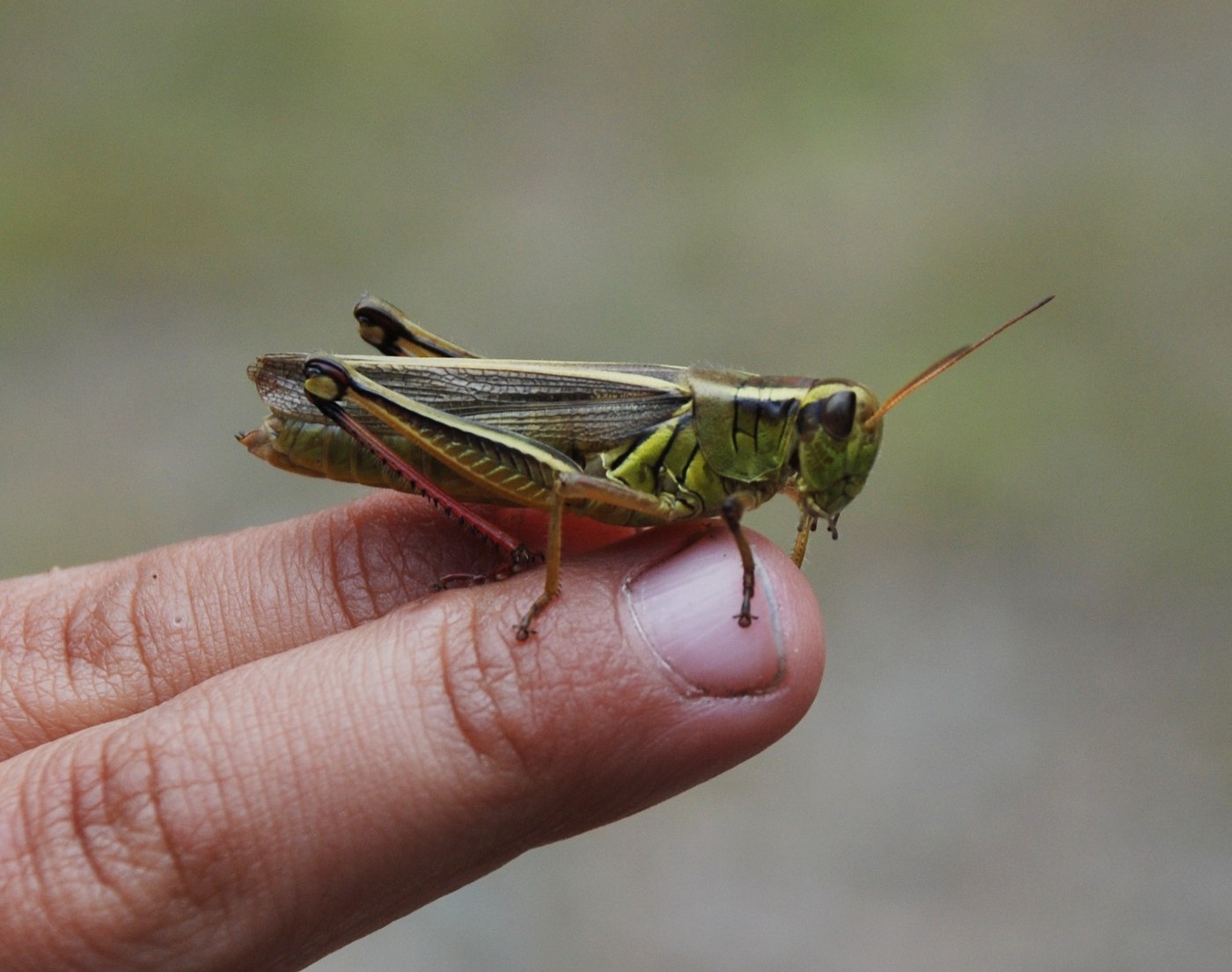
Two-striped Grasshopper
Easily spotted by the pair of pale cream stripes running the length of its body, the two-striped grasshopper is one of the largest and most economically important grasshoppers in North America.
grasshopper-cricketSpur-throated Grasshopper
One of the most familiar grasshopper groups in North America, named for the small spine on its throat and known for including some of the continent's most abundant rangeland species.
grasshopper-cricketRocky Mountain Locust
Once the most destructive insect in North American history, this swarming grasshopper vanished within a few decades of forming the largest insect swarm ever recorded.
grasshopper-cricket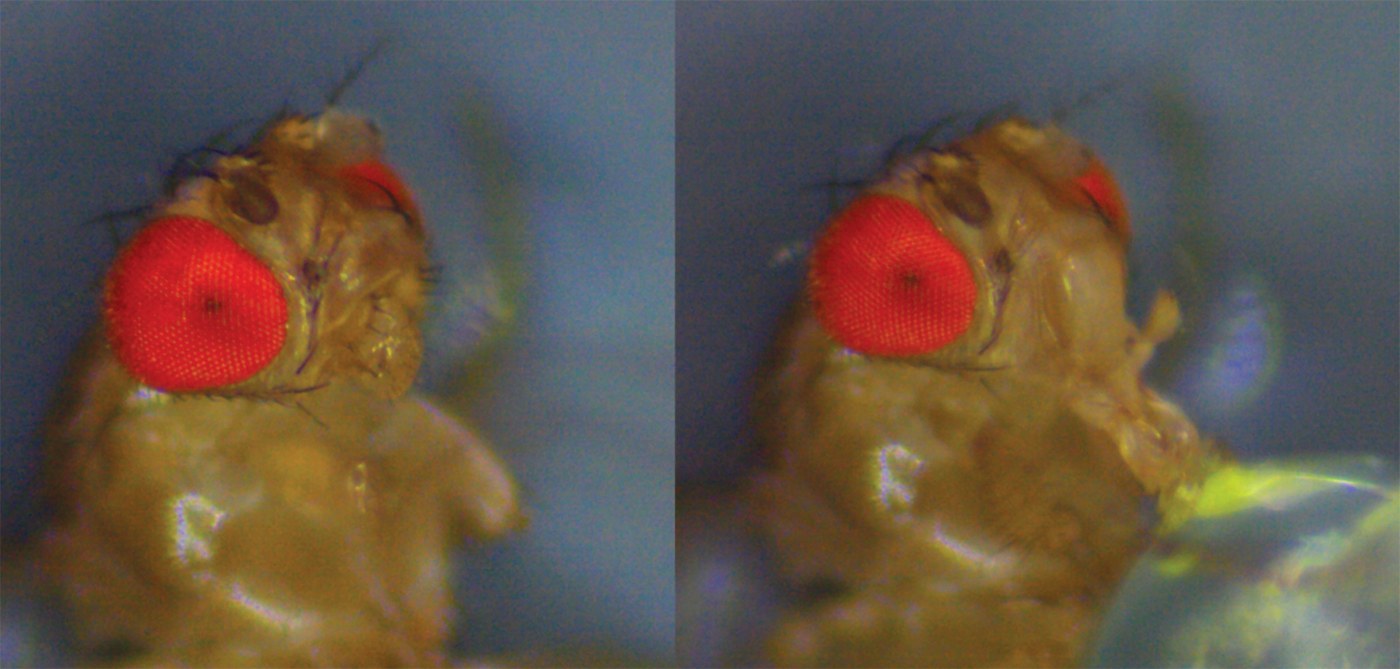
Fruit Fly
A tiny tan fly with prominent red eyes that swarms around overripe fruit, wine, and vinegar, appearing seemingly out of nowhere thanks to an extremely fast life cycle.
fly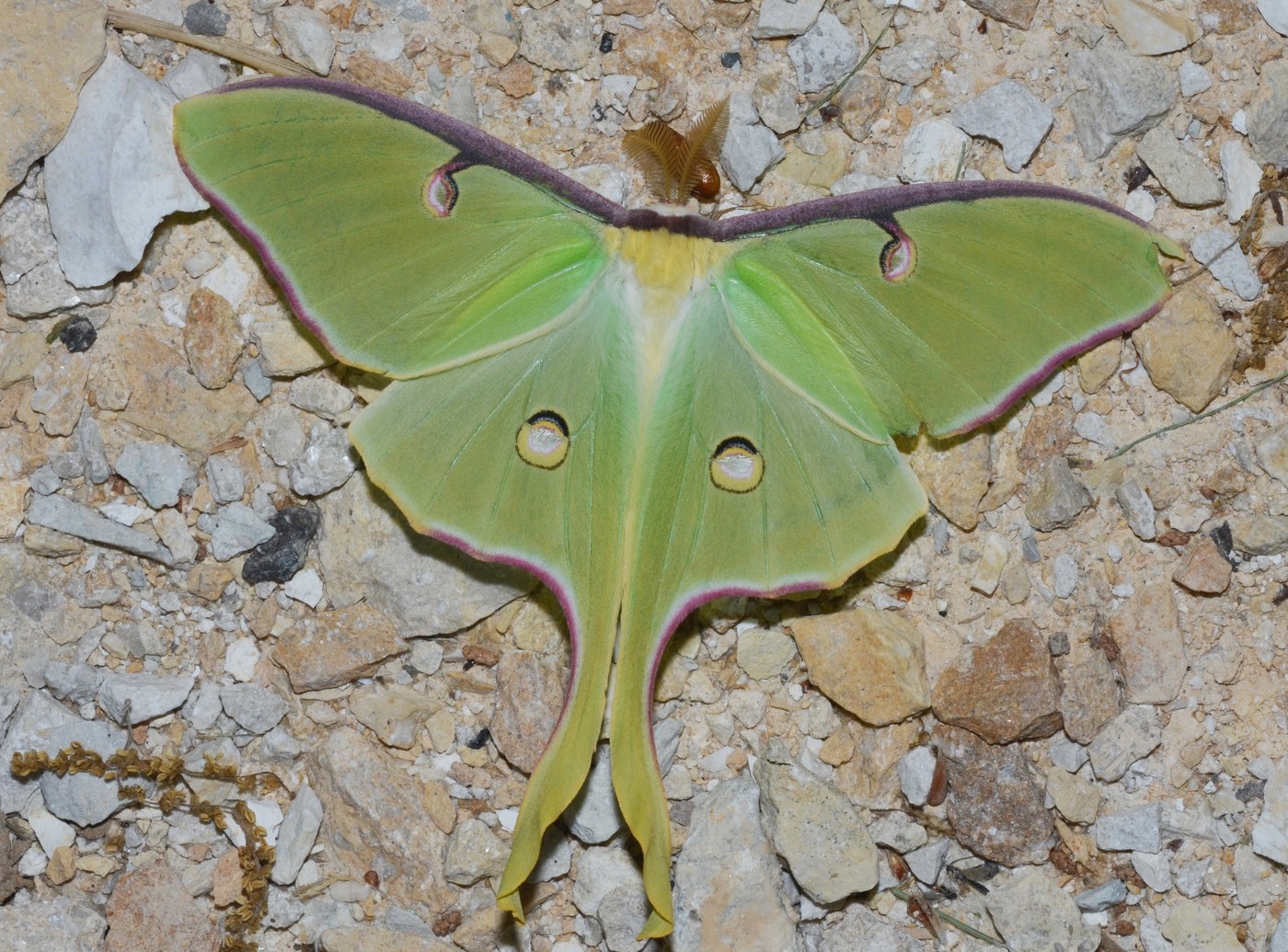
Luna Moth
A large, pale lime-green silk moth with long, elegant tails trailing from its hindwings, considered one of the most striking nocturnal insects in North America.
moth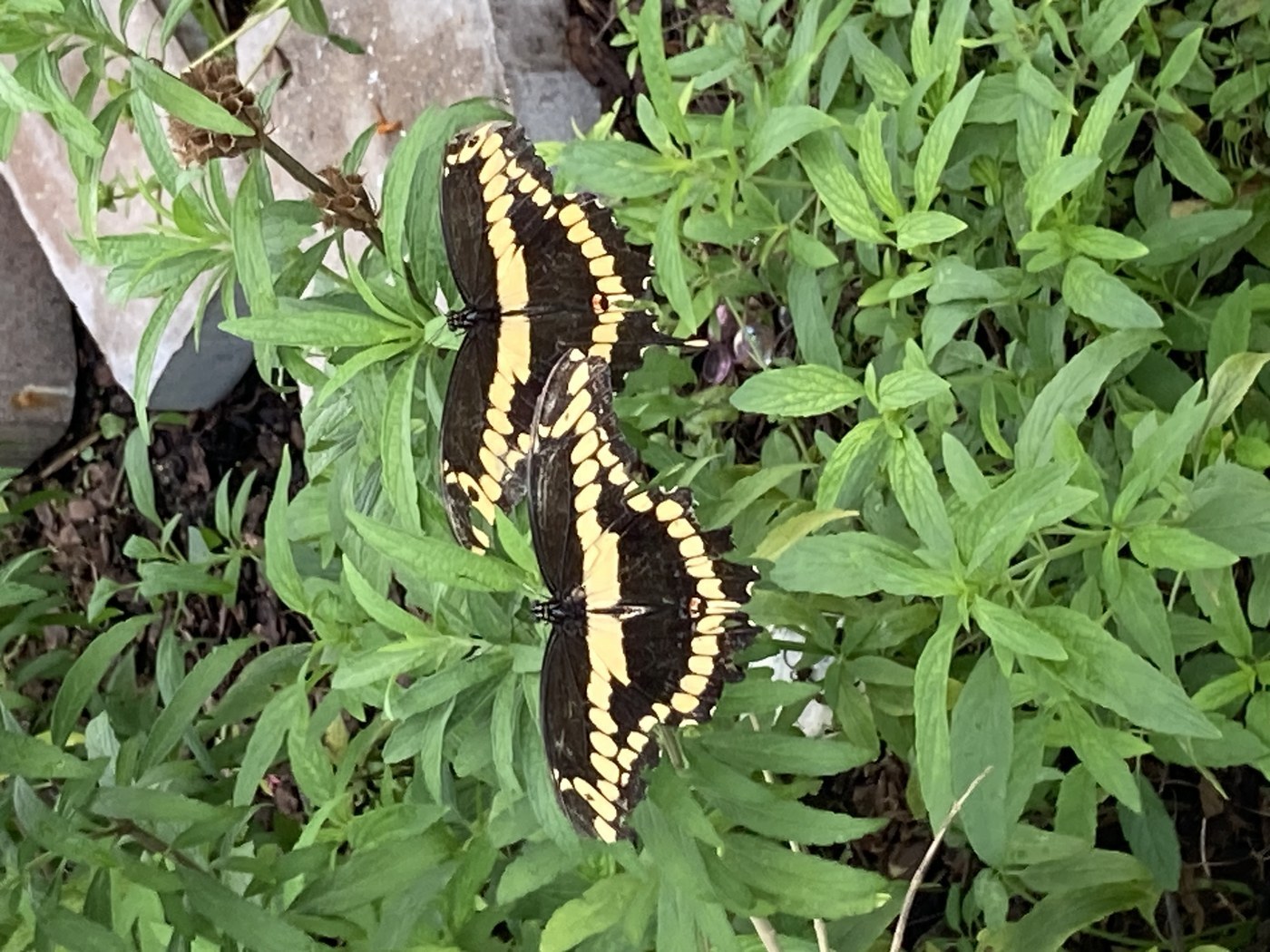
Giant Swallowtail
The largest butterfly in North America, a dark brown giant marked with a bold diagonal yellow band and yellow spotting that forms an X-like pattern when the wings are spread.
butterfly