Bug Encyclopedia
Search and identify bugs & insects — beetles, butterflies, moths, ants, bees, spiders and more — with size, habitat, danger, behavior, and how to tell them apart.
Ogre-faced Spider
A twig-like nocturnal spider with enormous, light-gathering eyes that weaves a small rectangular net and hurls it over passing prey in a lightning-fast ambush.
spiderAsian Longhorned Beetle
A large, glossy black longhorn beetle patterned with irregular white spots and boldly banded blue-white antennae, notable as one of the largest and most eye-catching wood-boring beetles seen in temperate hardwood trees.
beetle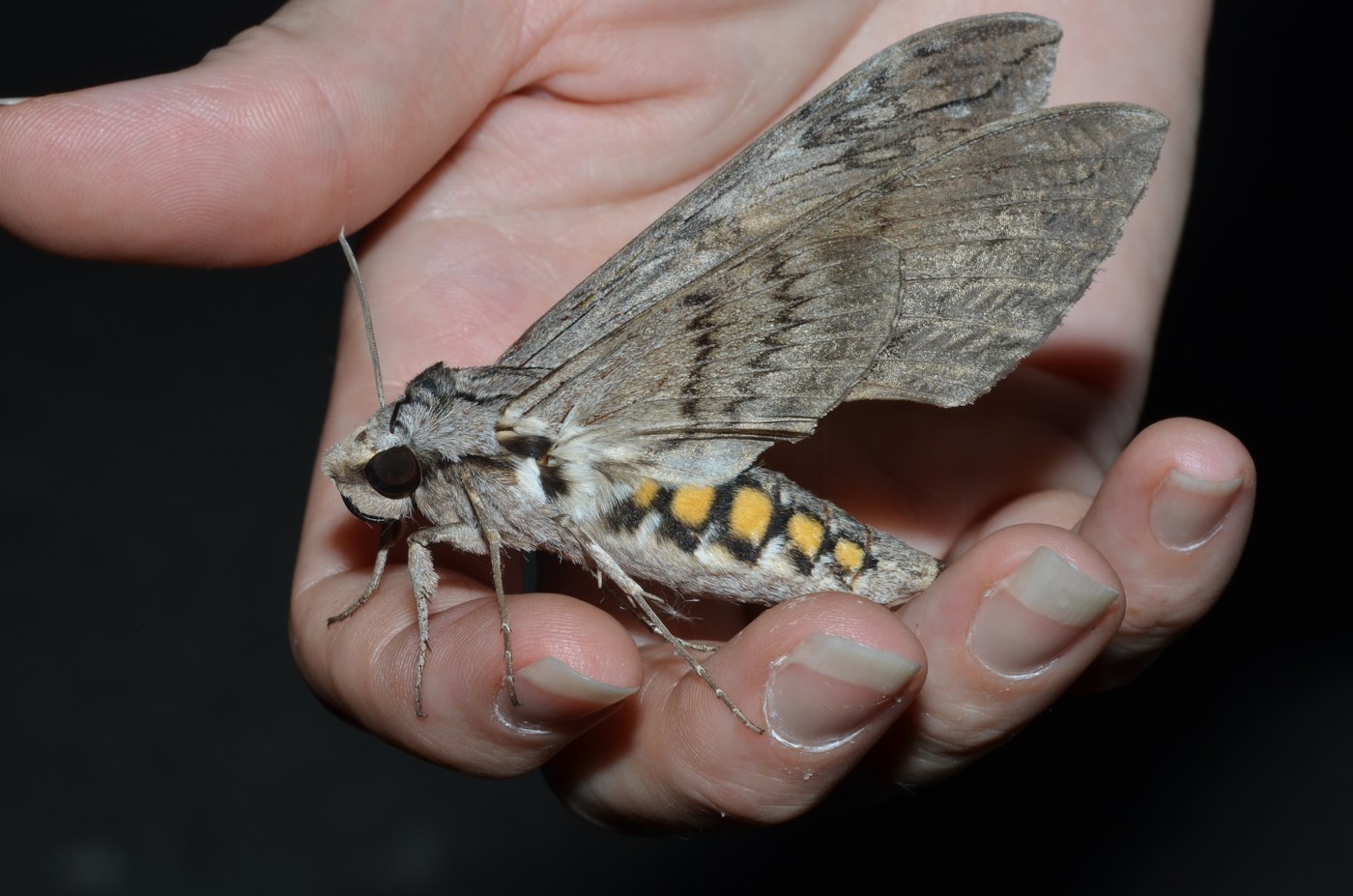
Tomato Hornworm Moth (Five-spotted Hawkmoth)
A large, robust grey-brown sphinx moth named for the five pairs of yellow-orange spots along its abdomen, best known as the adult form of the large green tomato hornworm caterpillar familiar to home gardeners.
mothDigger Bee
A robust, fast-flying, densely furry solitary bee that excavates tunnels in bare or sloped soil, often confused with bumble bees due to its bulky, hairy build and loud buzzing flight.
beeFishfly Larva
A flattened, armor-plated predator of stream bottoms, the fishfly larva spends one to three years underwater seizing prey with sickle-shaped jaws before briefly taking wing as a short-lived winged adult.
aquatic-insect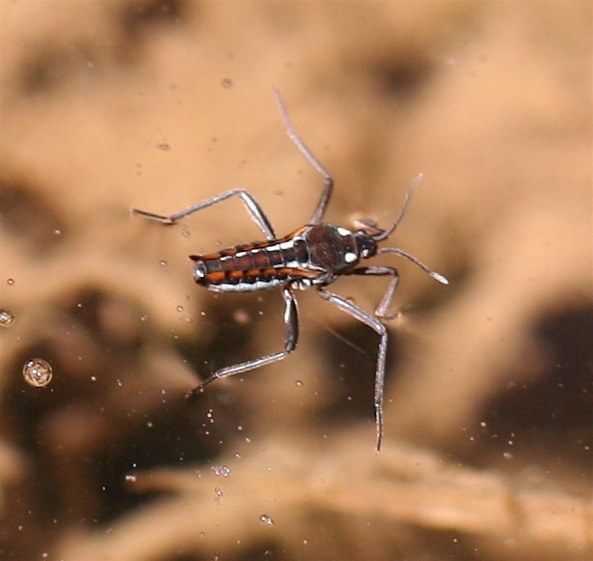
Water Cricket
Despite its name, the water cricket is not a cricket at all but a compact, velvety true bug that skates over the swirling surfaces of streams and riffles in search of trapped prey.
true-bug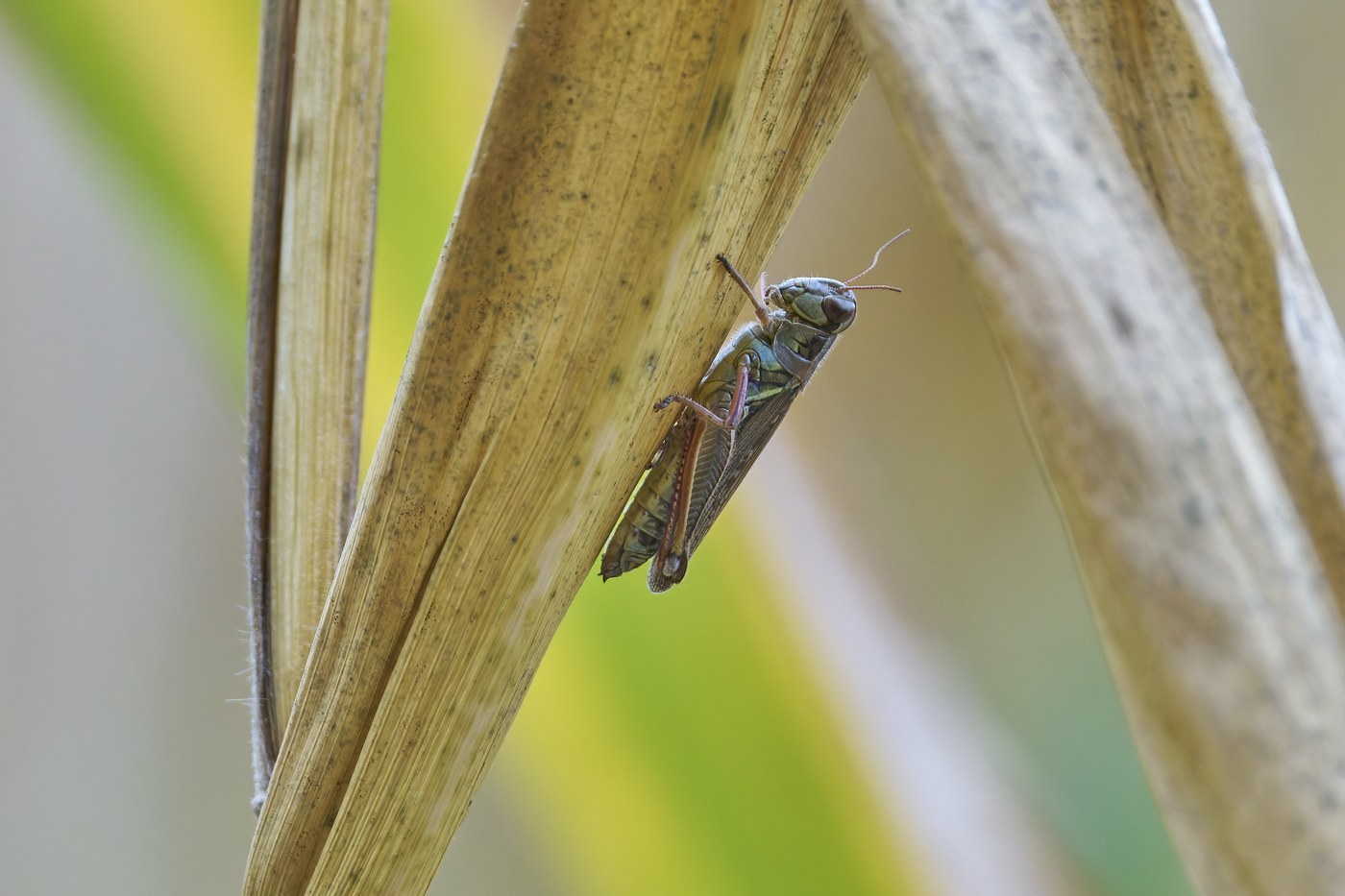
Red-legged Grasshopper
One of the most abundant and widespread grasshoppers in North America, the red-legged grasshopper is easily spotted by its reddish hind shins flashing amid a brown, mottled body.
grasshopper-cricket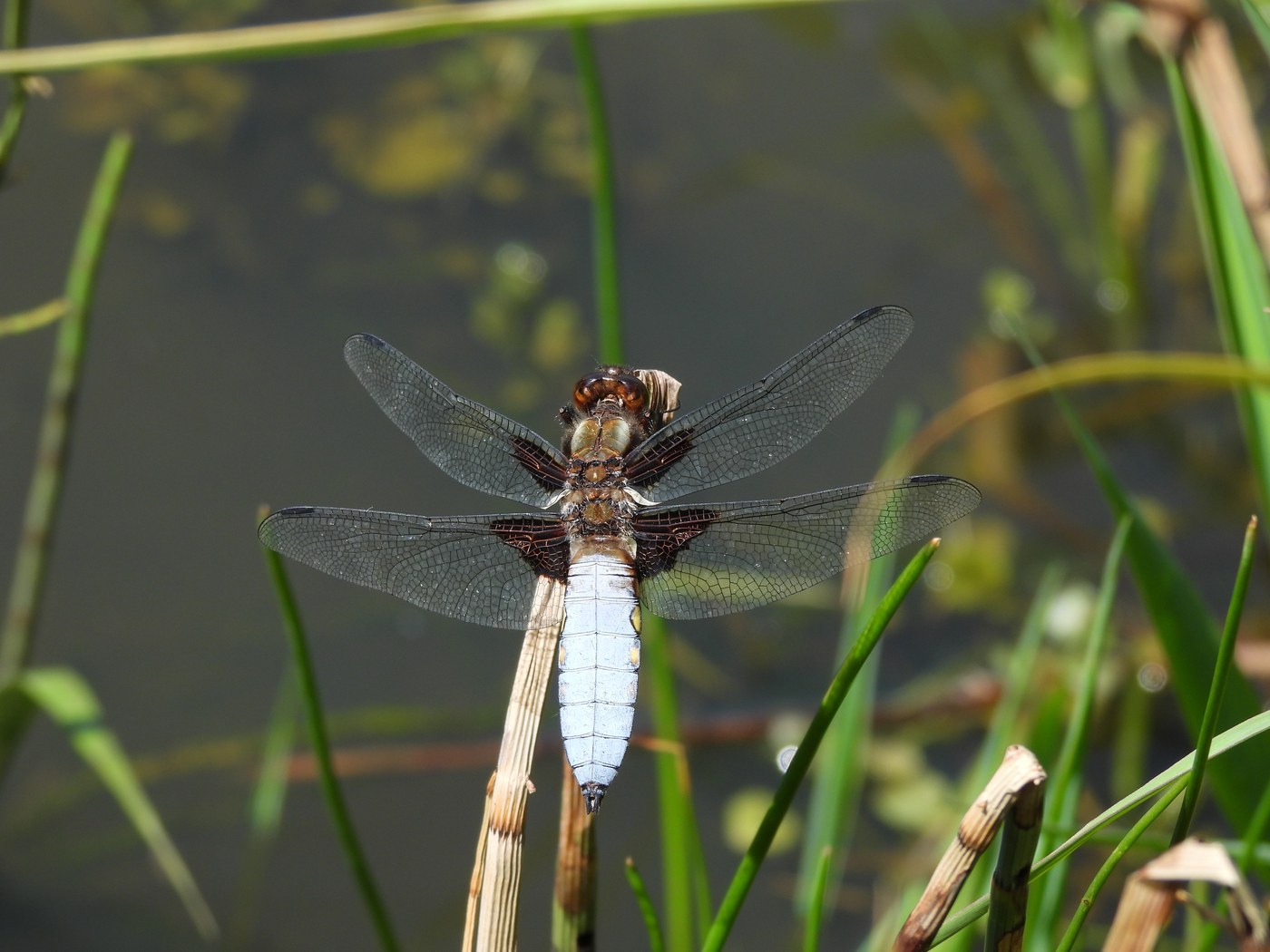
Broad-Bodied Chaser
A stout, flat-bodied dragonfly that is often the first to colonise a new garden pond, with males showing a powdery pale blue abdomen and females a warm golden-brown one.
dragonflyGerman Yellowjacket
A black-and-yellow social wasp closely resembling the common wasp, distinguished by three black facial dots, that builds large paper nests in wall voids and roof cavities and is widespread in both its native and introduced ranges.
wasp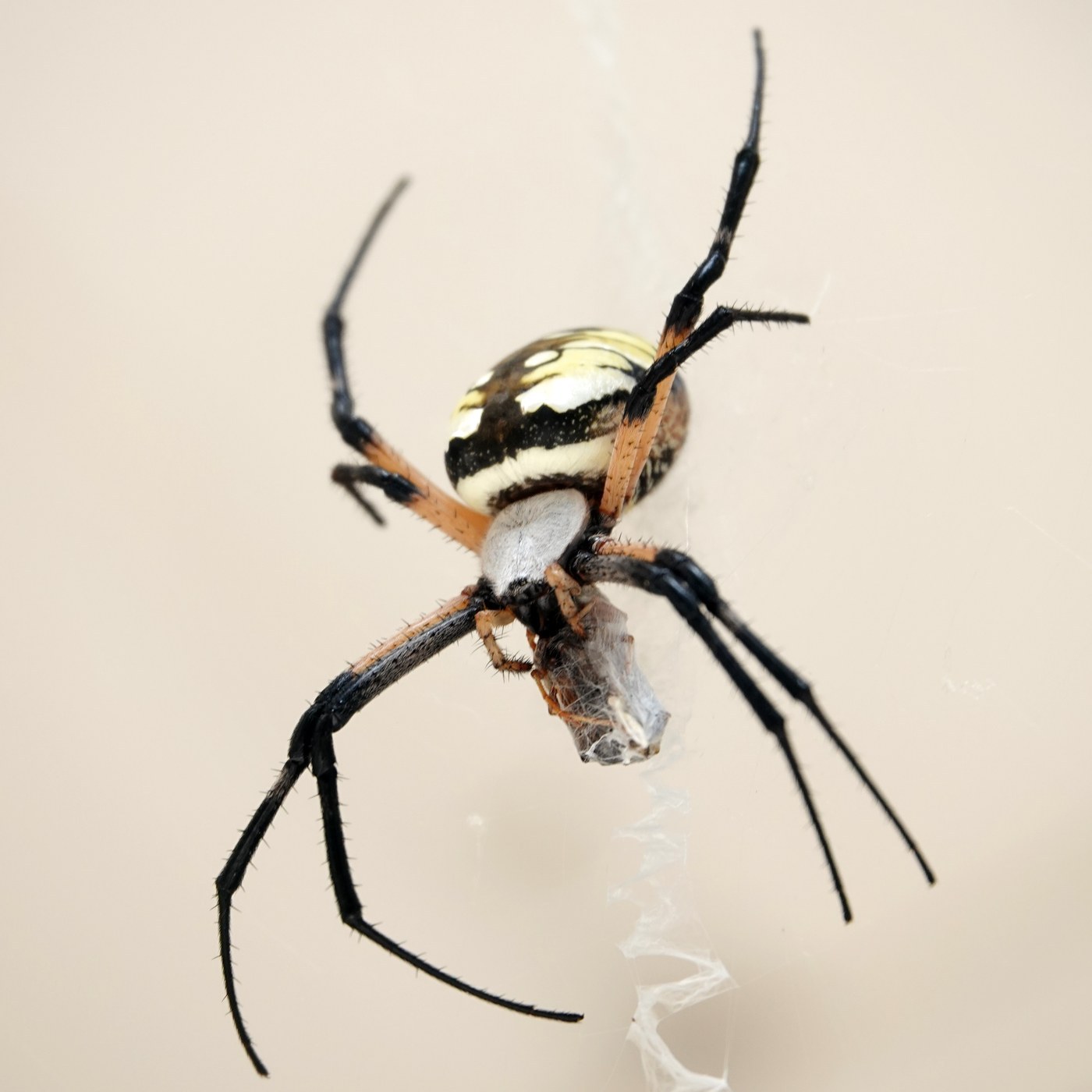
Yellow Garden Spider
Bold black and yellow markings, a large orb web anchored with a bright zigzag of silk, and a habit of sitting in plain view make the yellow garden spider one of the most eye-catching and recognizable spiders in North American backyards.
spider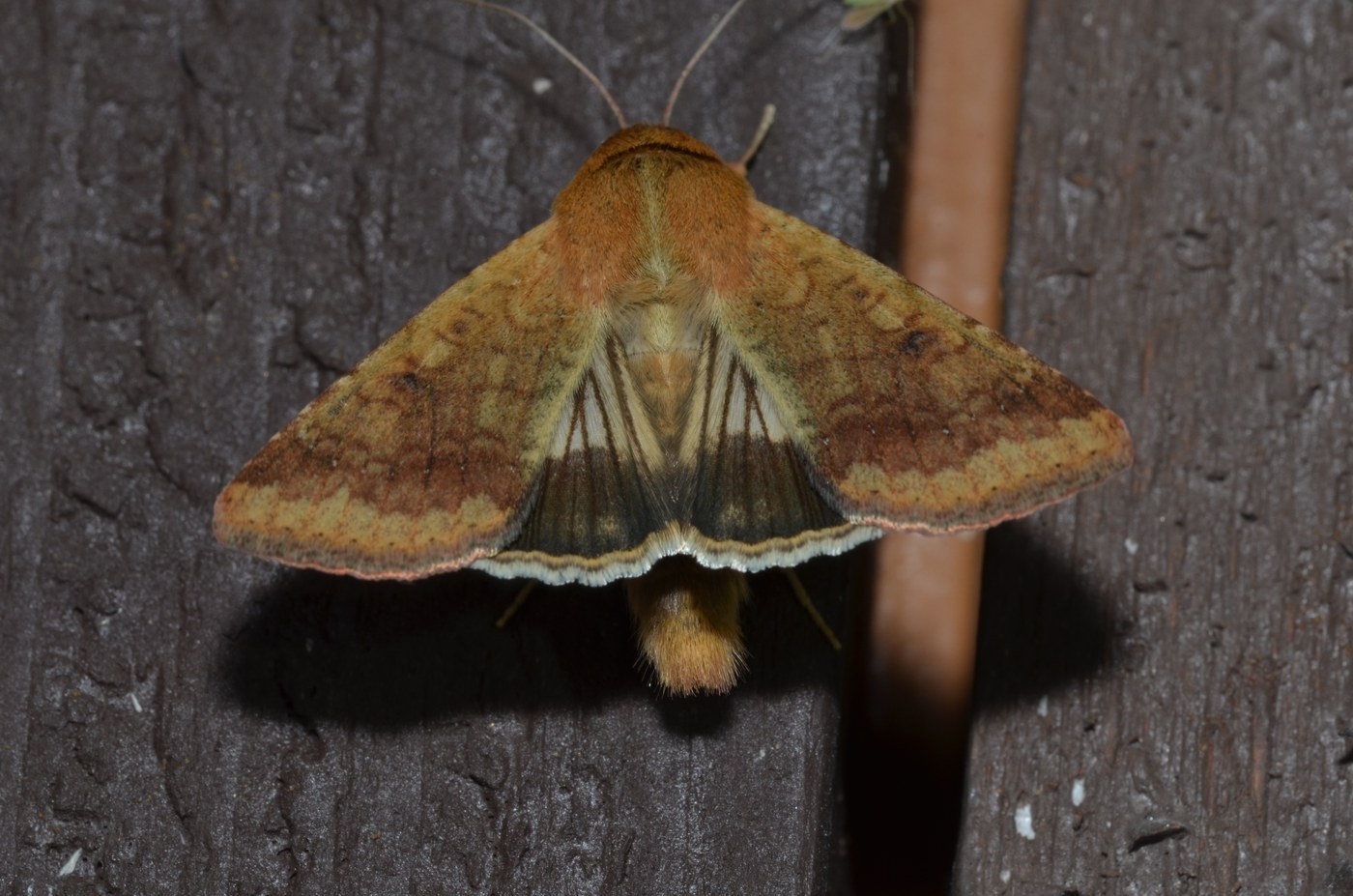
Bollworm
One of the most economically significant caterpillars in North American agriculture, the bollworm changes color from green to brown to pink across its life and bores into cotton bolls, corn ears, and tomato fruit alike.
caterpillar-larva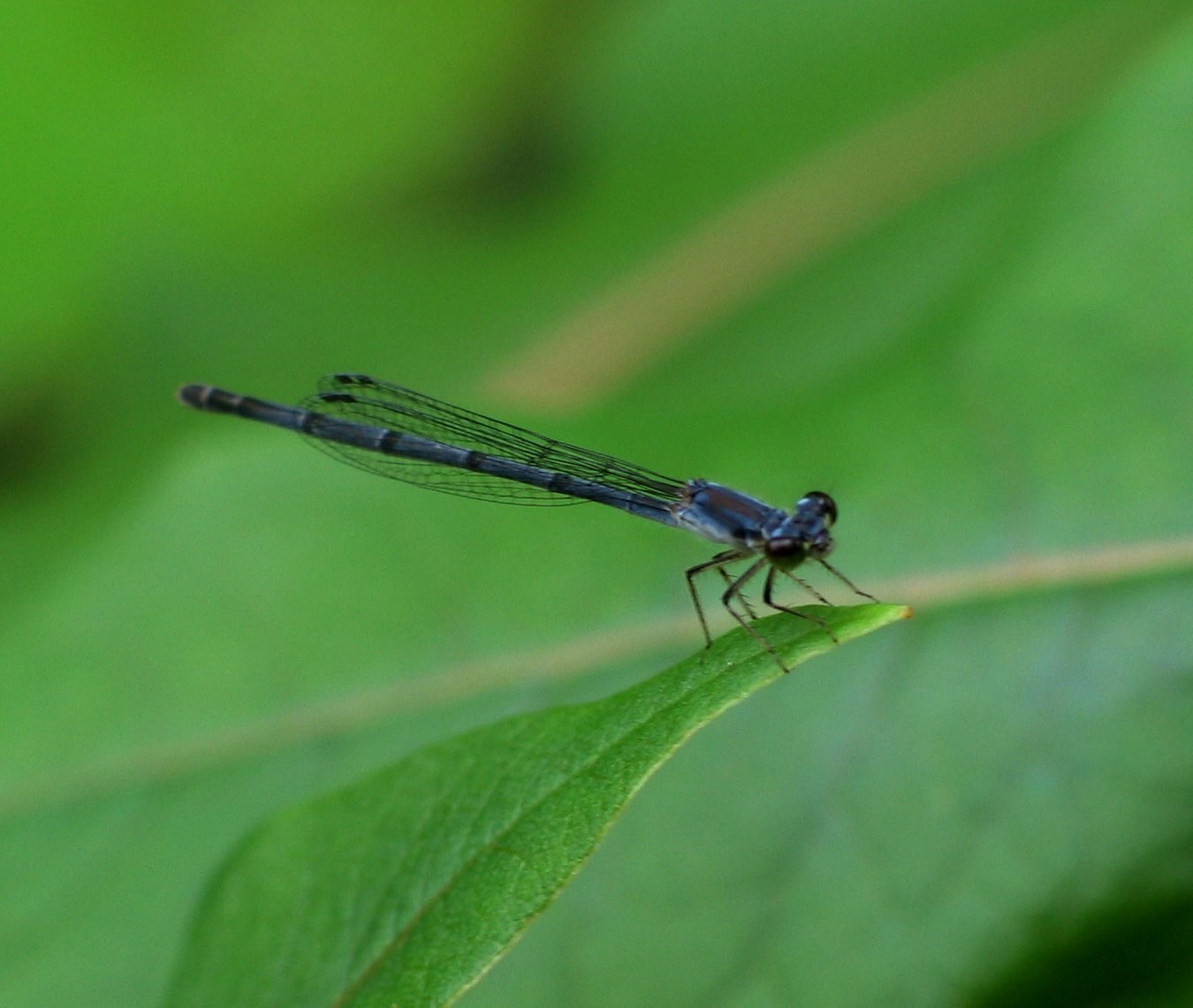
Familiar Bluet
One of the most widespread and abundant damselflies in North America, the Familiar Bluet's slender sky-blue and black body is a near-constant sight over ponds and lakes in warm months.
other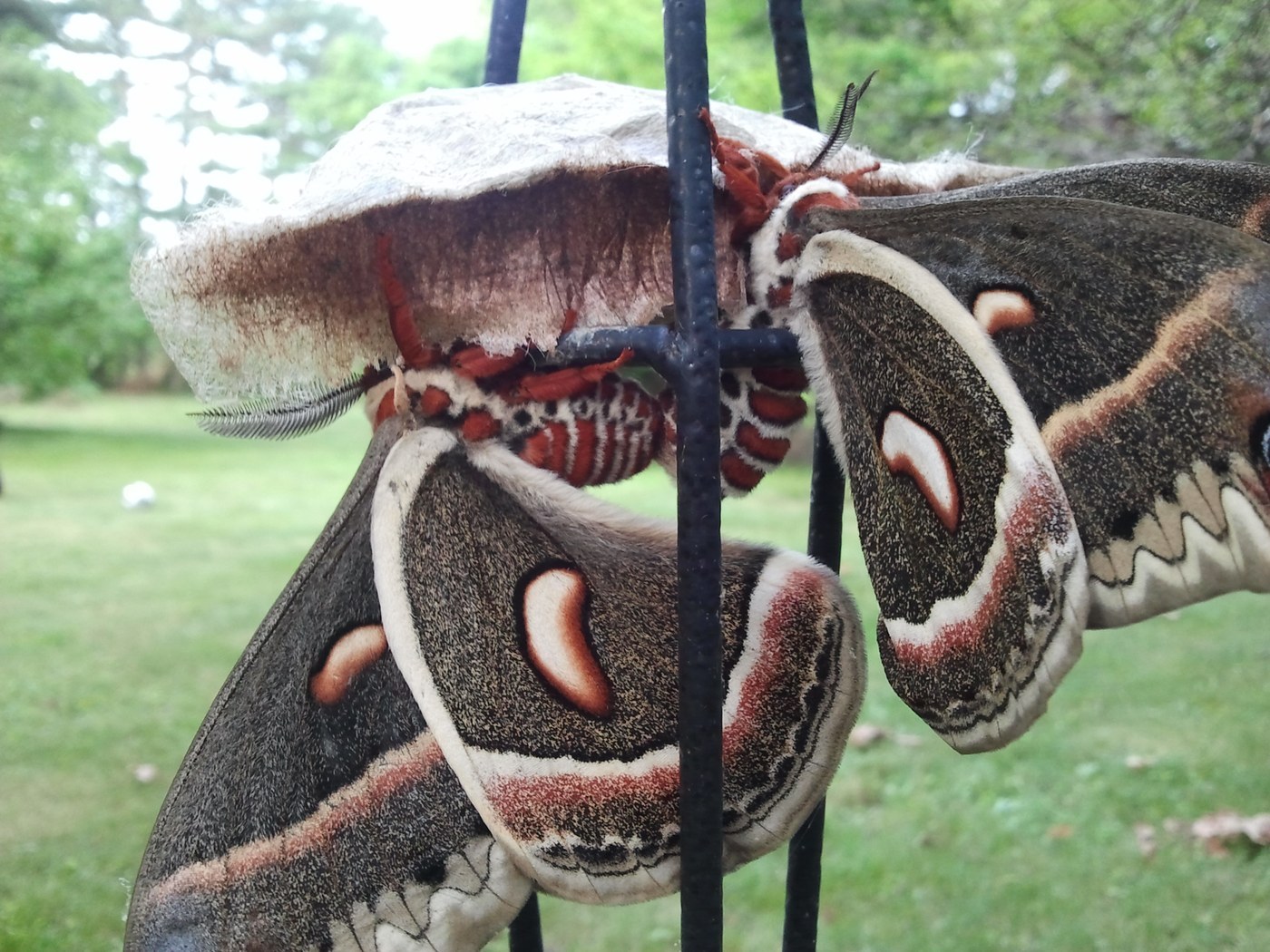
Cecropia Moth
North America's largest native moth, the Cecropia is a spectacular giant silkmoth with reddish-brown wings marked by crescent-shaped white spots and bold bands of red, white, and tan.
moth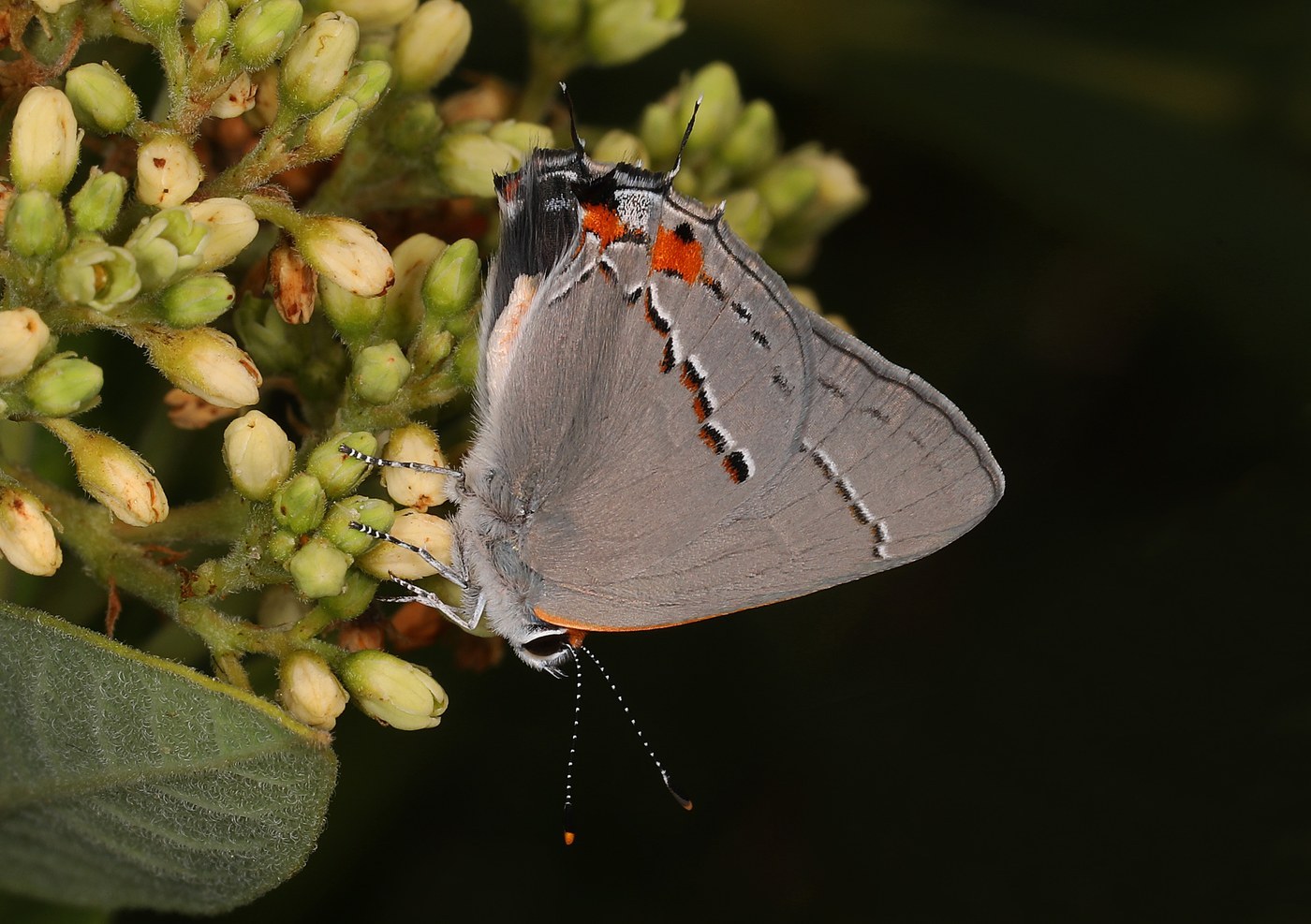
Gray Hairstreak
A small slate-gray butterfly with thin white lines, an orange-capped black spot near the hindwing tail, and one of the broadest host-plant ranges of any North American butterfly, making it a familiar visitor to gardens and fields alike.
butterfly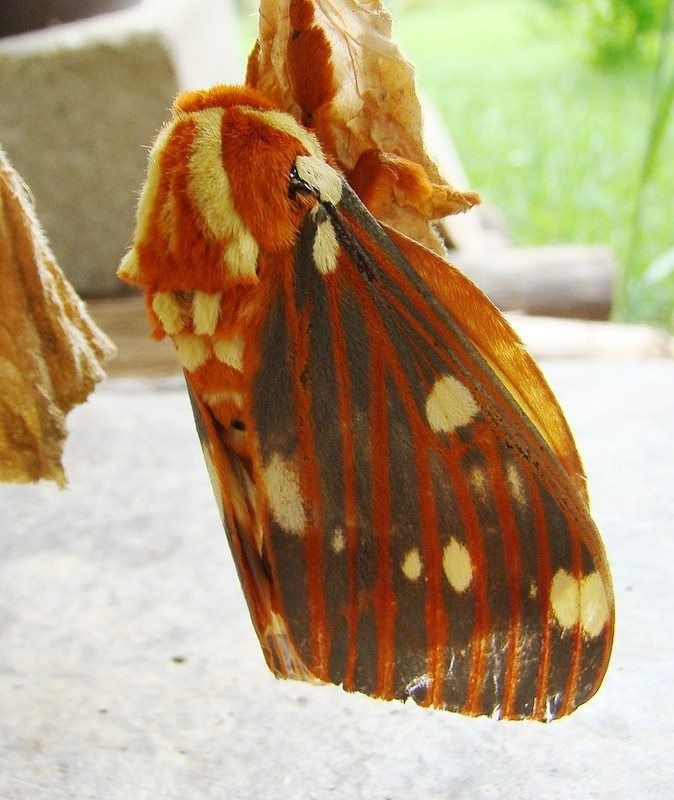
Regal Moth (Hickory Horned Devil)
One of the largest moths in North America, with orange-red and gray-veined wings on the adult, best known for its enormous, formidable-looking caterpillar, the hickory horned devil, a blue-green giant bristling with long orange spines.
moth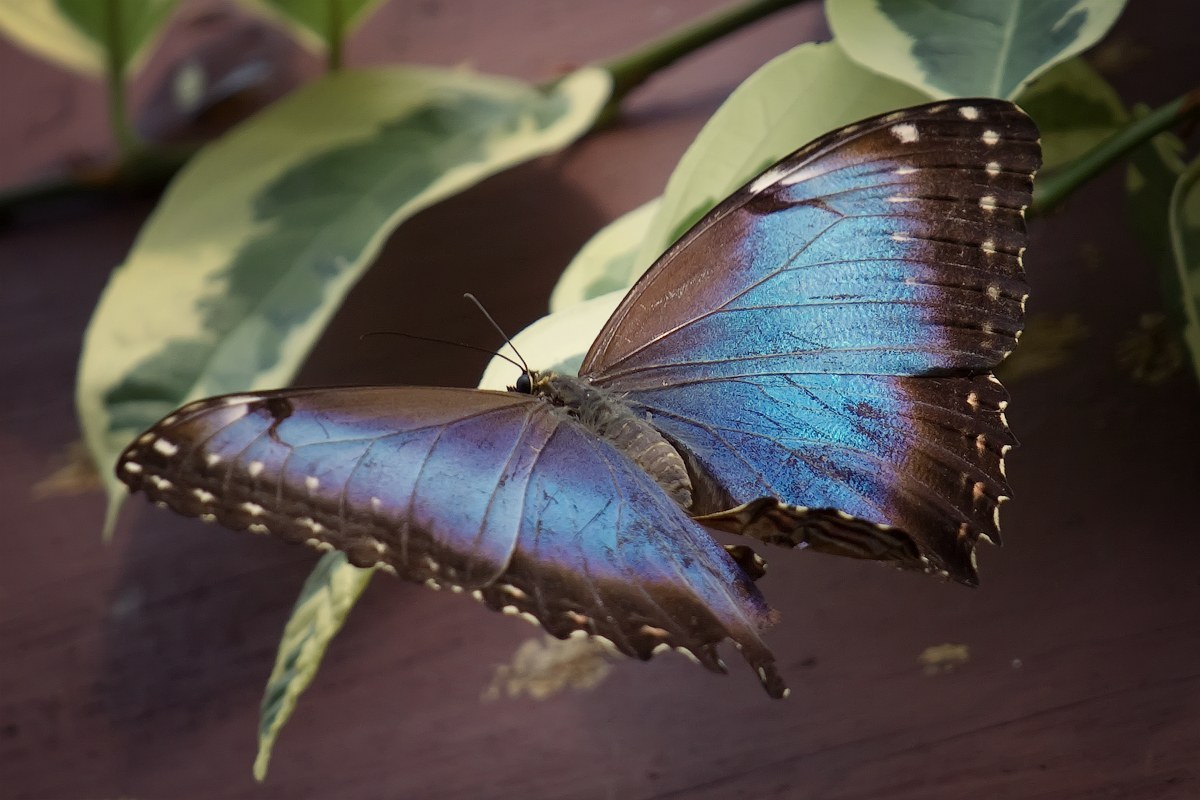
Blue Morpho
A large Neotropical butterfly famed for the brilliant, shimmering iridescent blue of its wing uppersides, which flashes vividly in flight and disappears instantly when the cryptic brown underside is exposed at rest.
butterflyChigger
A nearly microscopic mite larva that waits in clusters on grass tips for a passing host, taking a single brief meal before dropping away unseen. Only this larval stage is parasitic; the free-living adult spends its life hunting tiny prey in the soil.
arachnid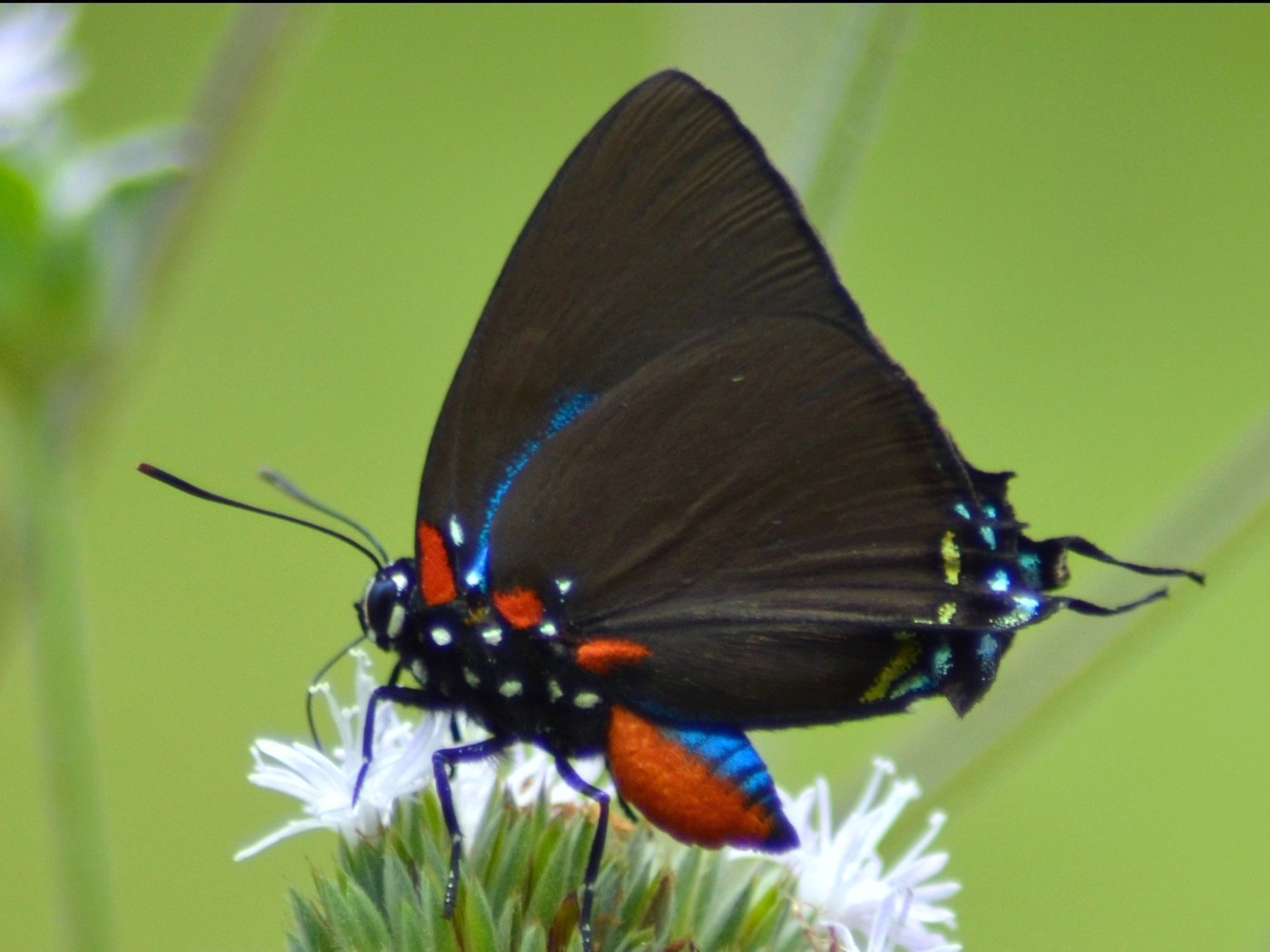
Great Purple Hairstreak
The largest and most iridescent hairstreak in North America, with brilliant blue-green upperwings, red-orange spots on the body and wing base, and long twin tails, its caterpillars feeding on parasitic mistletoe clumps in host trees.
butterfly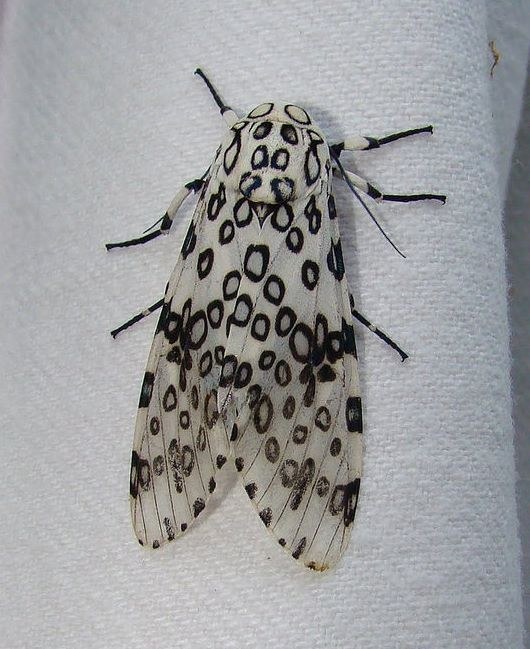
Giant Leopard Moth
A striking white moth patterned with bold, hollow black rings and dots resembling leopard spots, revealing an iridescent blue-black abdomen marked with orange when its wings part, making it one of the most eye-catching tiger moths in North America.
mothJerusalem Cricket
A large, wingless, ground-dwelling insect with a shiny amber body, a strikingly human-like face, and a robust, banded abdomen, most often uncovered while digging in soil.
grasshopper-cricket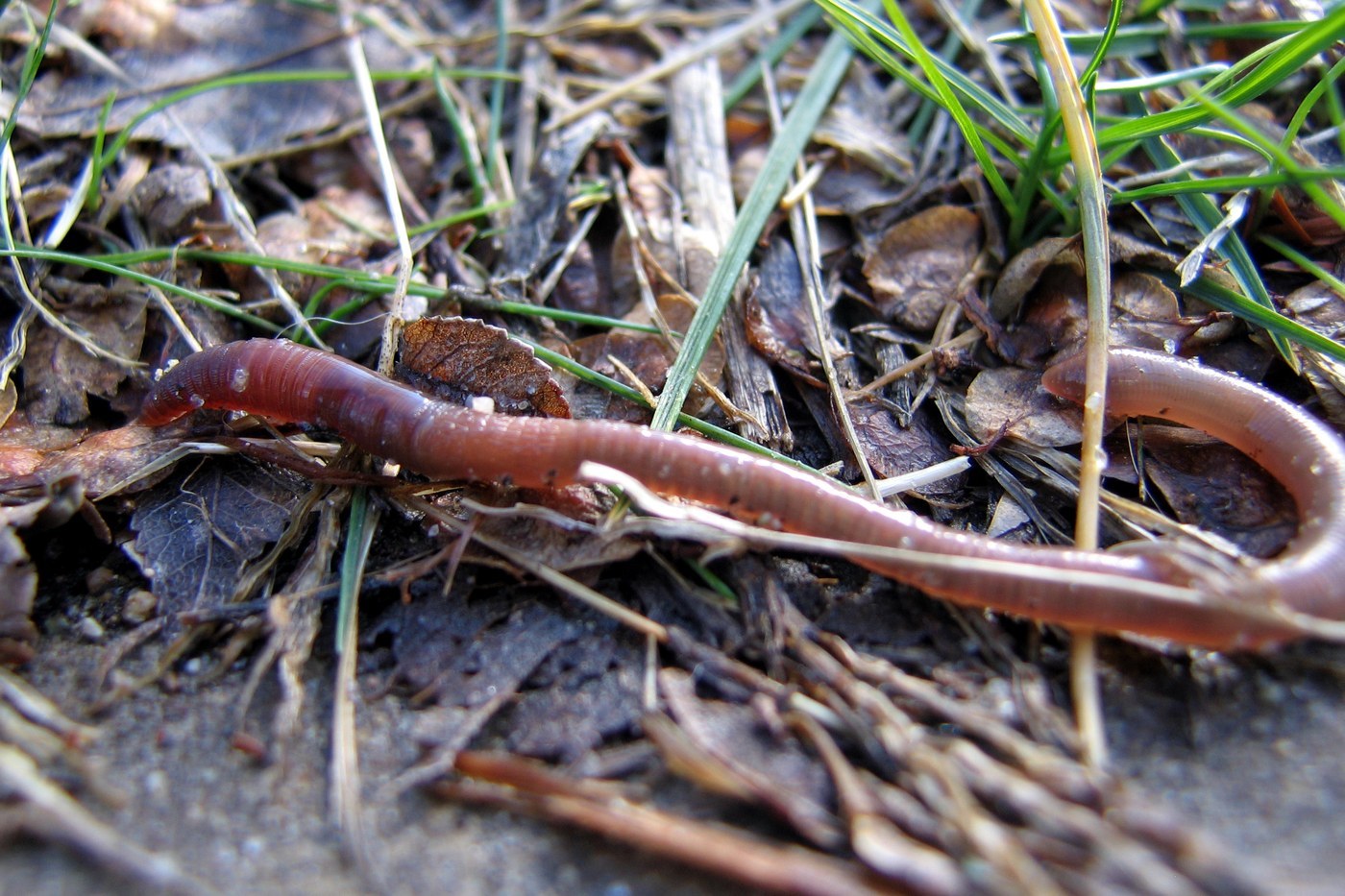
Earthworm
A long, smooth, segmented soil-dweller with no legs, eyes, or shell, best recognized by its ringed body and the pale saddle-like band (clitellum) found on mature individuals.
other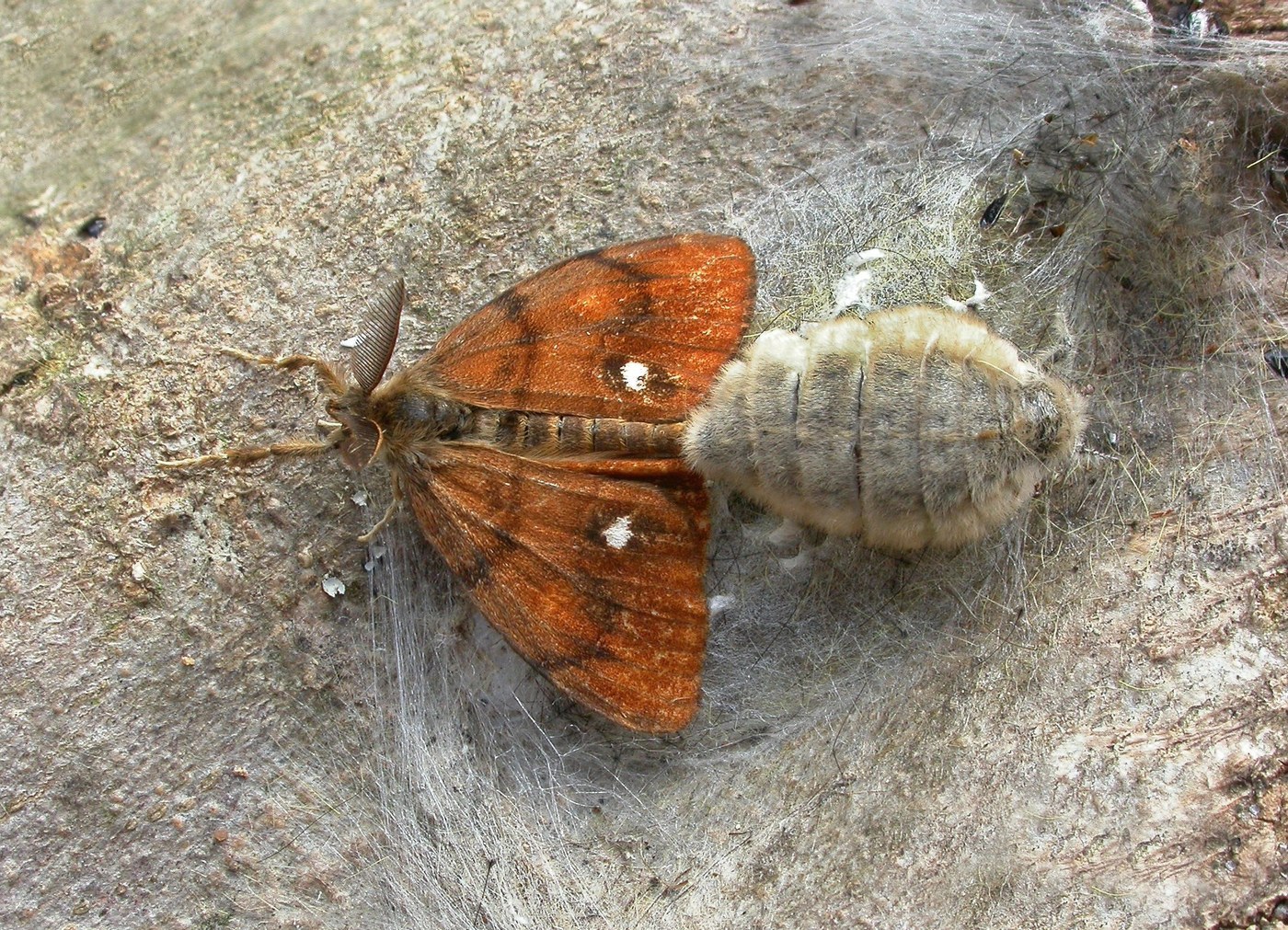
Vaporer Moth
A tussock moth with dramatic sexual differences: the male is a small rusty-brown day-flying moth with a white wing spot, while the female is a flightless, wingless gray sac-like insect that never leaves her cocoon.
mothFunnel Weaver Spider
Nearly invisible until dew or morning frost outlines it in silver, the funnel weaver's sheet-and-tunnel web is a familiar sight across lawns and gardens, with its owner watching from the safety of a silken tube.
spider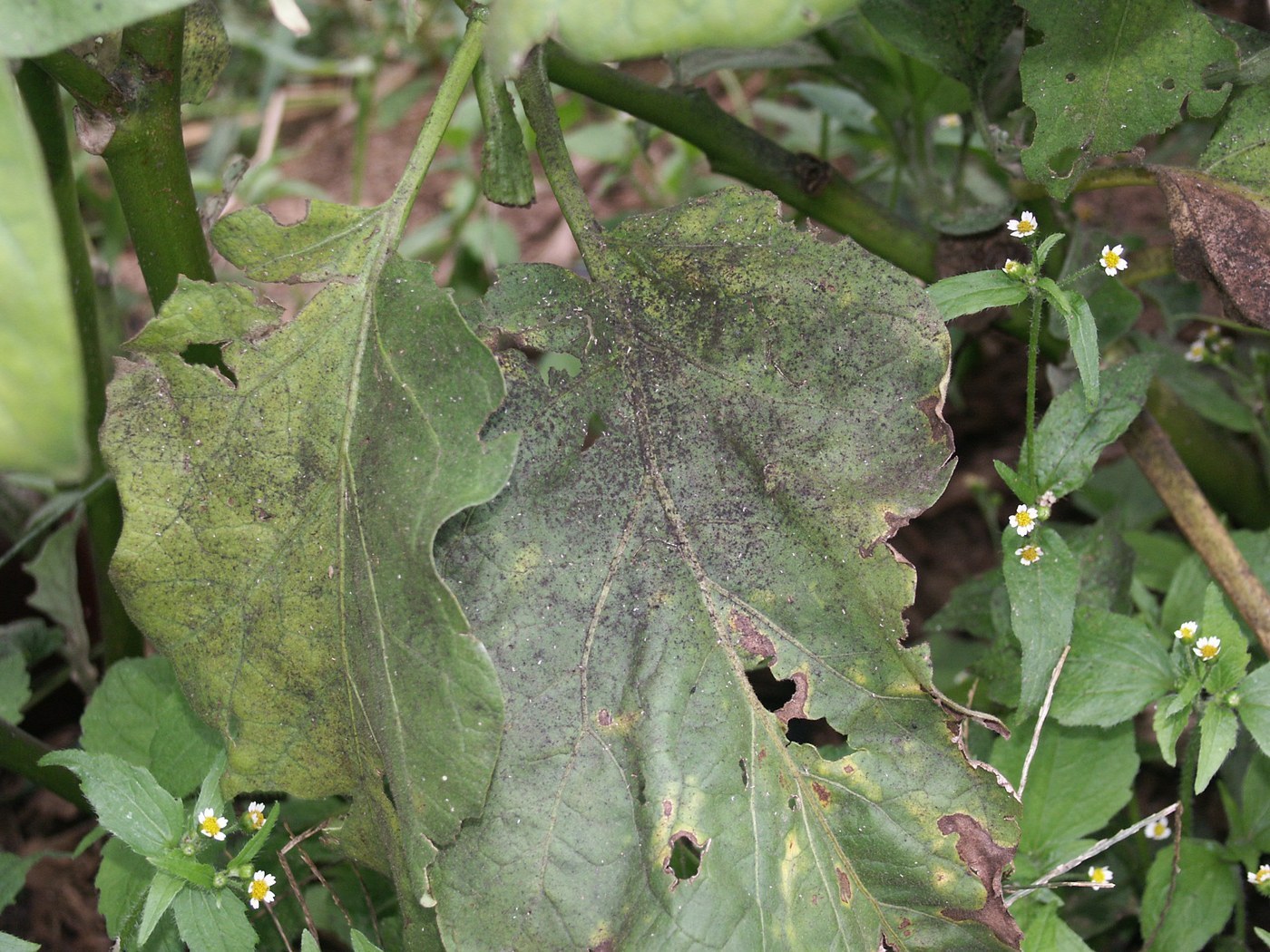
Whitefly
A tiny, moth-like white insect that clusters on the undersides of leaves and bursts into a snowy cloud when the plant is disturbed. Despite the name, it is not a true fly but a sap-feeding relative of aphids and scale insects.
true-bug