
Bug Encyclopedia
Search and identify bugs & insects — beetles, butterflies, moths, ants, bees, spiders and more — with size, habitat, danger, behavior, and how to tell them apart.
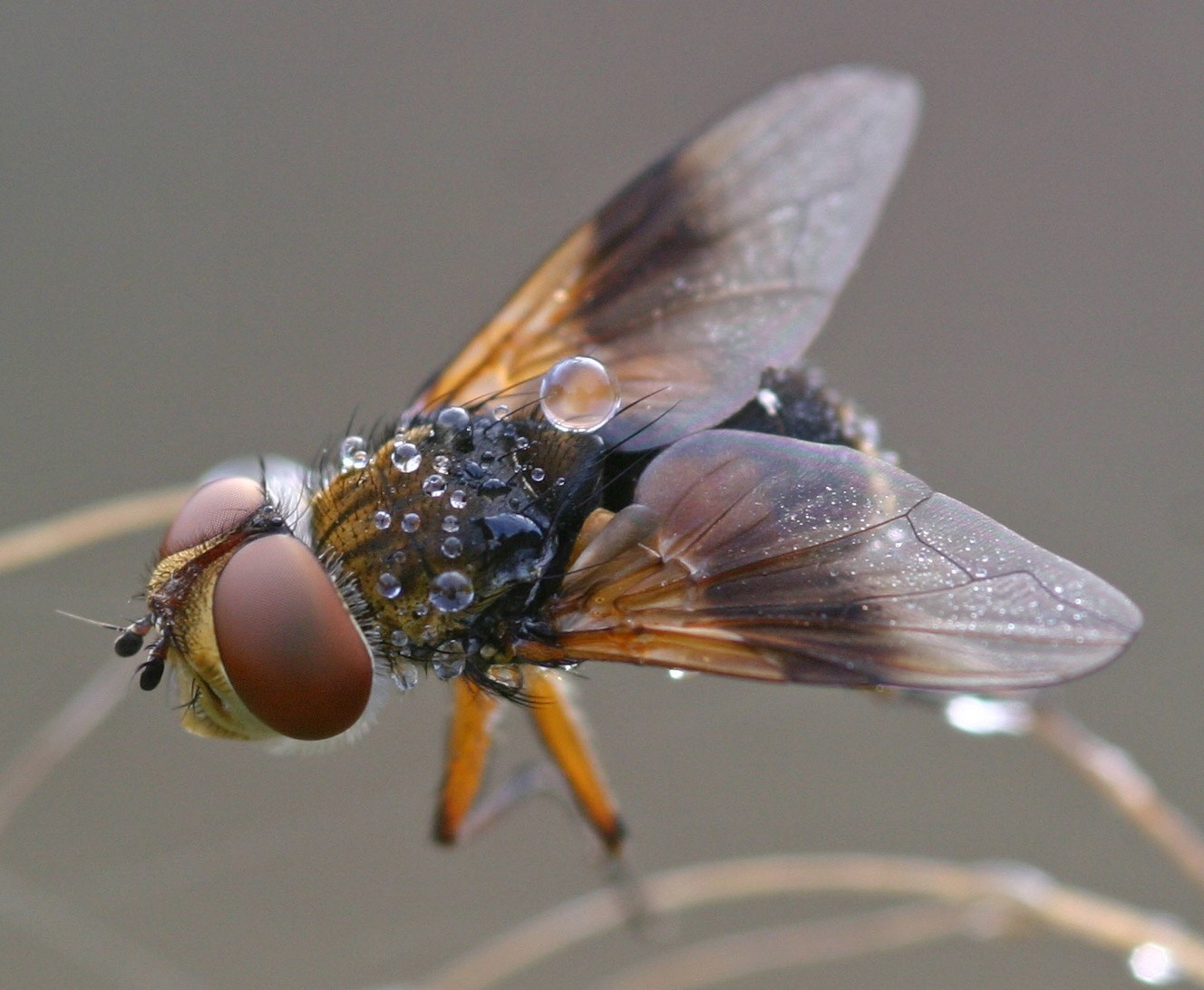
Tachinid Fly
A bristly, house-fly-like insect that looks unremarkable at a glance but hides one of the most important ecological roles among flies: its larvae develop as internal parasites of caterpillars, beetles, and other insects, quietly regulating populations across the landscape. Gardeners often welcome tachinid flies as natural allies against crop-damaging pests.
fly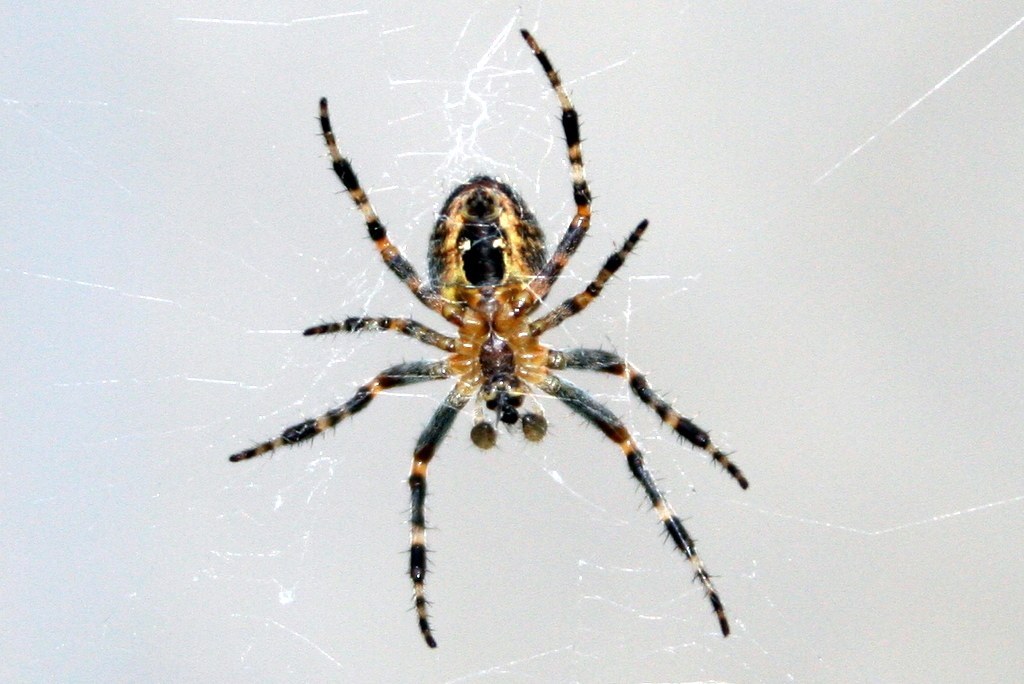
Barn Spider
A brownish, mottled orb weaver famous as the inspiration for Charlotte's Web, commonly found spinning large nightly webs on barns, porches, and other structures.
spider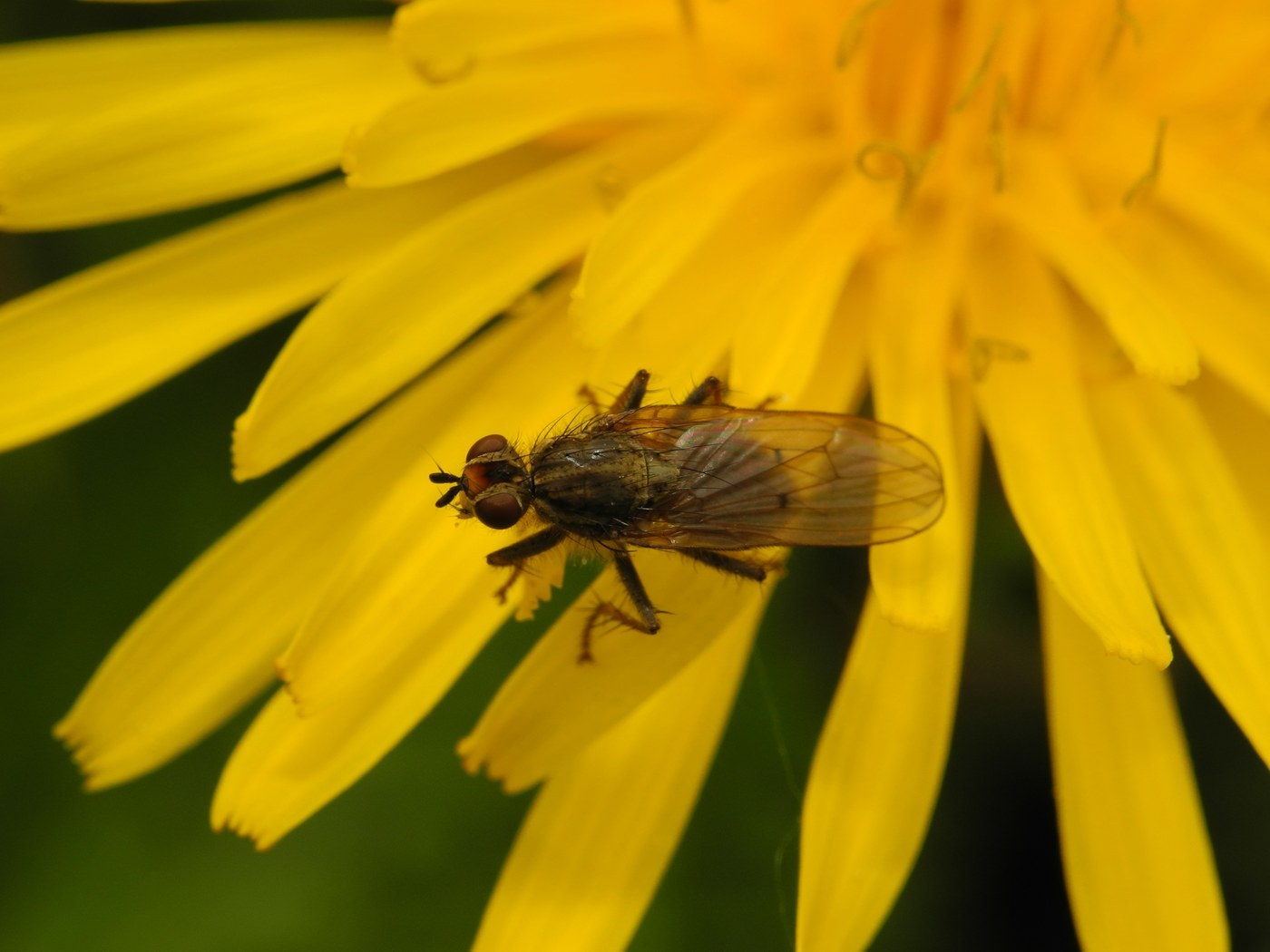
Yellow Dung Fly
A golden, densely furred fly whose bright males cluster on fresh cow pats in pastures, competing for mates while ambushing smaller insects drawn to the same spot.
flyUnderwing Moth
A master of camouflage whose bark-patterned forewings hide brightly colored, banded hindwings that flash into view only when the moth is disturbed in flight.
moth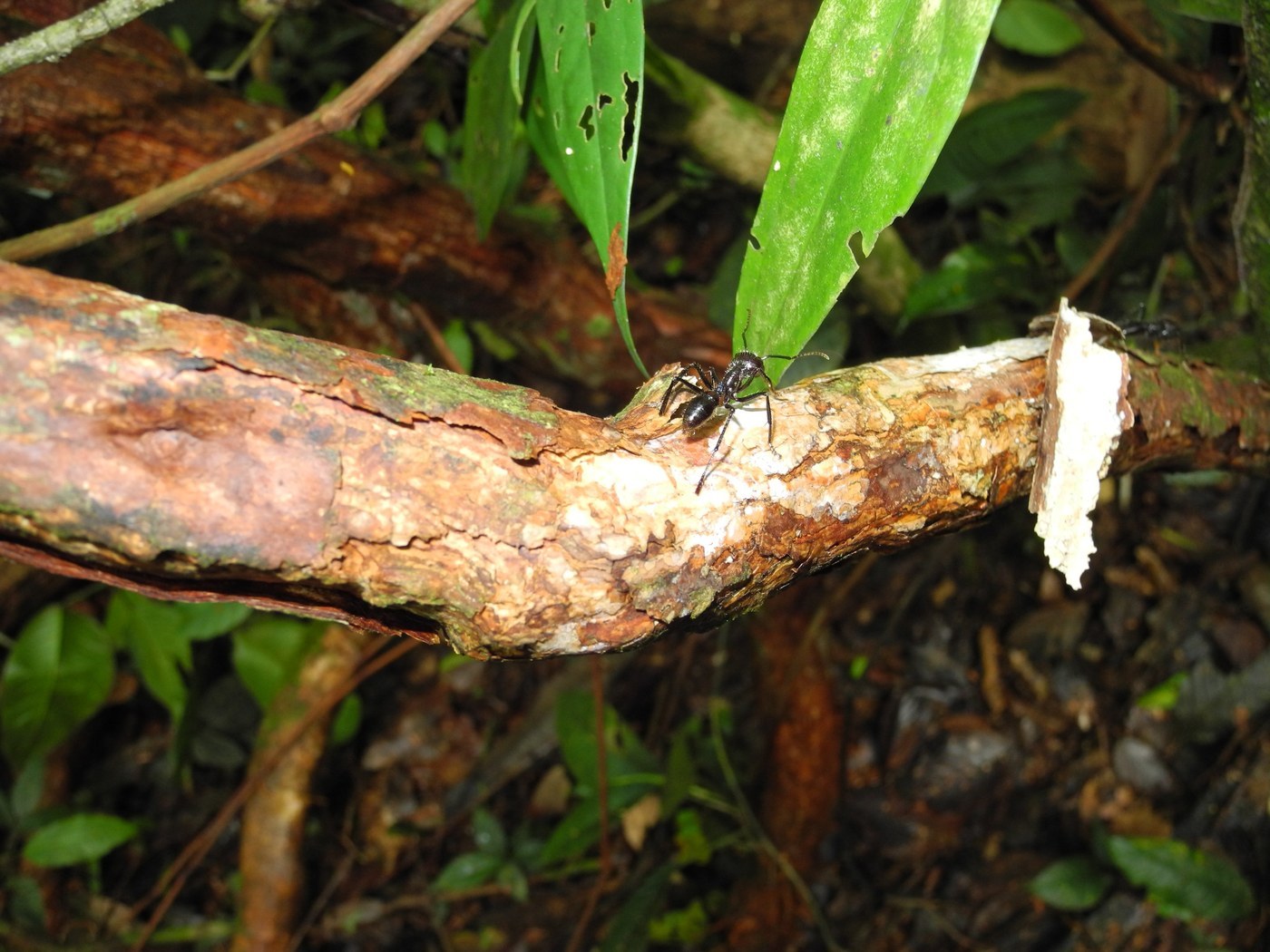
Bullet Ant
A large, glossy reddish-black rainforest ant, among the biggest ants in the world, that nests at the base of trees and forages individually along trunks and branches of the tropical canopy floor.
antRocky Mountain Locust
Once the most destructive insect in North American history, this swarming grasshopper vanished within a few decades of forming the largest insect swarm ever recorded.
grasshopper-cricket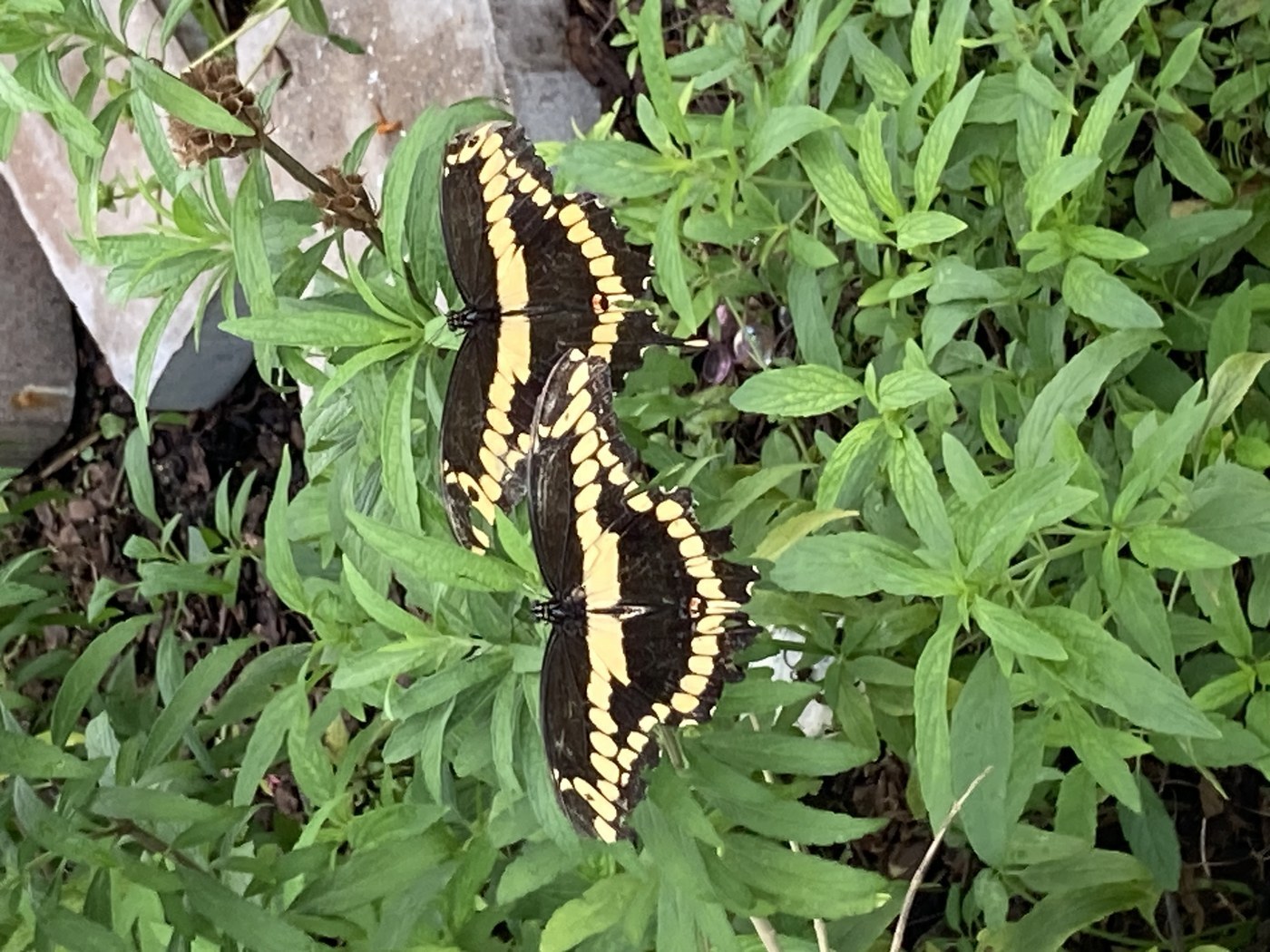
Giant Swallowtail
The largest butterfly in North America, a dark brown giant marked with a bold diagonal yellow band and yellow spotting that forms an X-like pattern when the wings are spread.
butterfly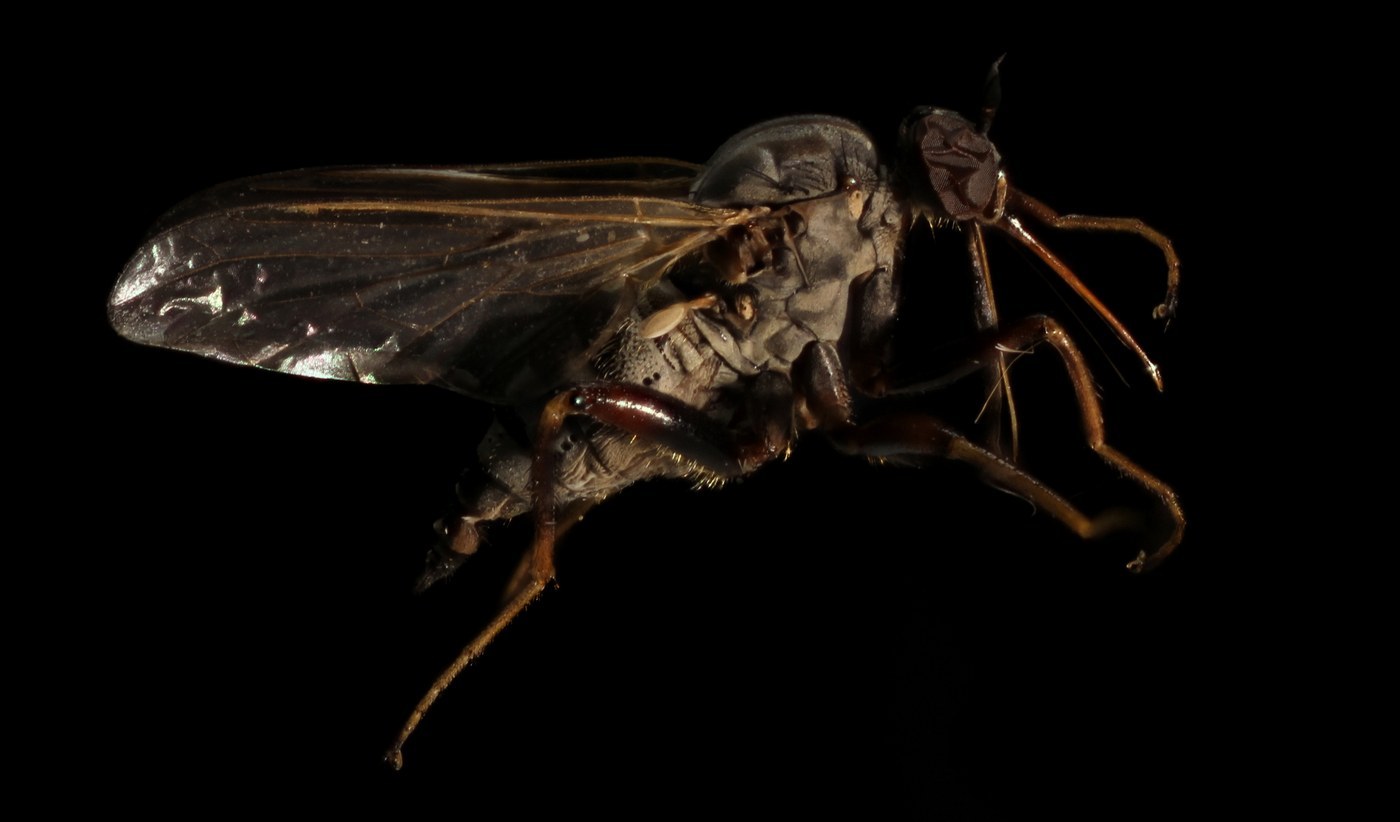
Dance Fly
A slender, long-legged predatory fly named for the swarming courtship dances males perform at dusk, often while carrying a captured insect as an offering.
fly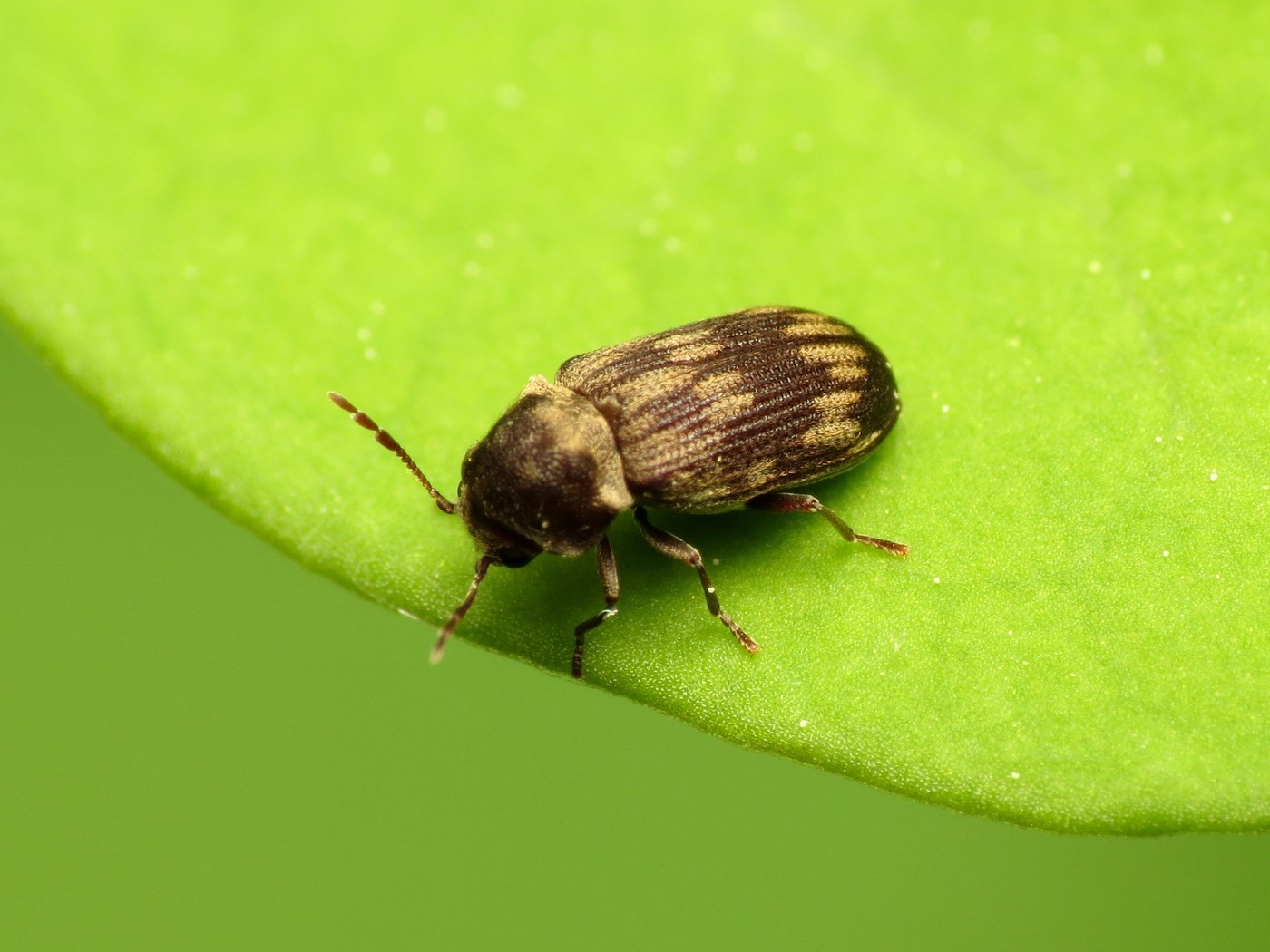
Death Watch Beetle
A mottled brown wood-boring beetle famous for the faint ticking sound it taps out inside old timbers, once thought by superstitious listeners to be an omen of death.
beetle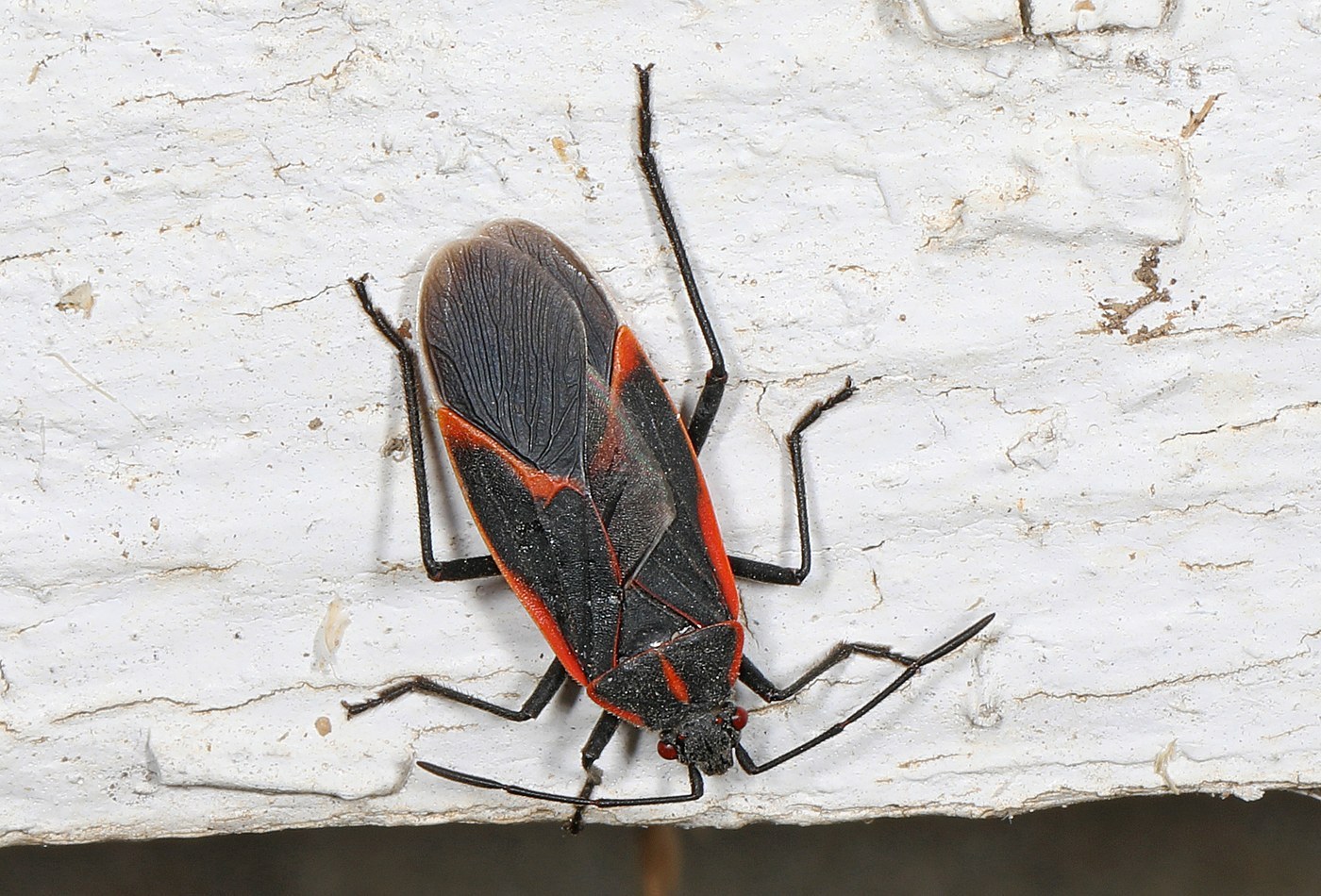
Boxelder Bug
A slender black true bug marked with three bold red-orange stripes on its thorax and red wing veins, famous for massing by the hundreds on tree trunks and sun-warmed walls in autumn.
true-bugArmy Ant
A nomadic predator that never builds a permanent nest, instead forming temporary living bivouacs from its own linked bodies and sweeping through the forest floor in massive predatory raids.
ant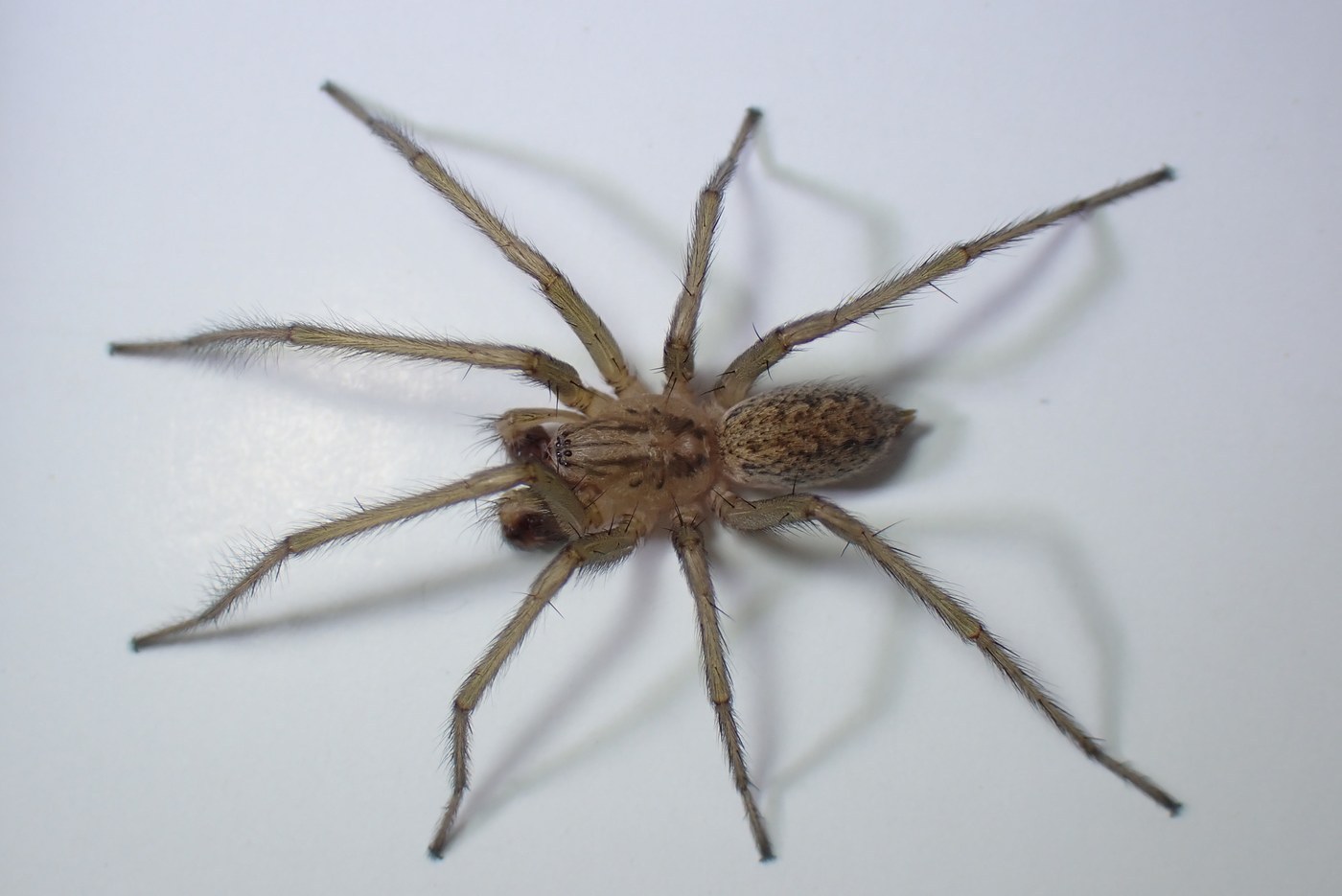
Hobo Spider
A fast-running, brown funnel-web spider with a chevron pattern down its abdomen, the hobo spider builds a flat, non-sticky sheet web that narrows into a tunnel retreat where it waits for prey.
spider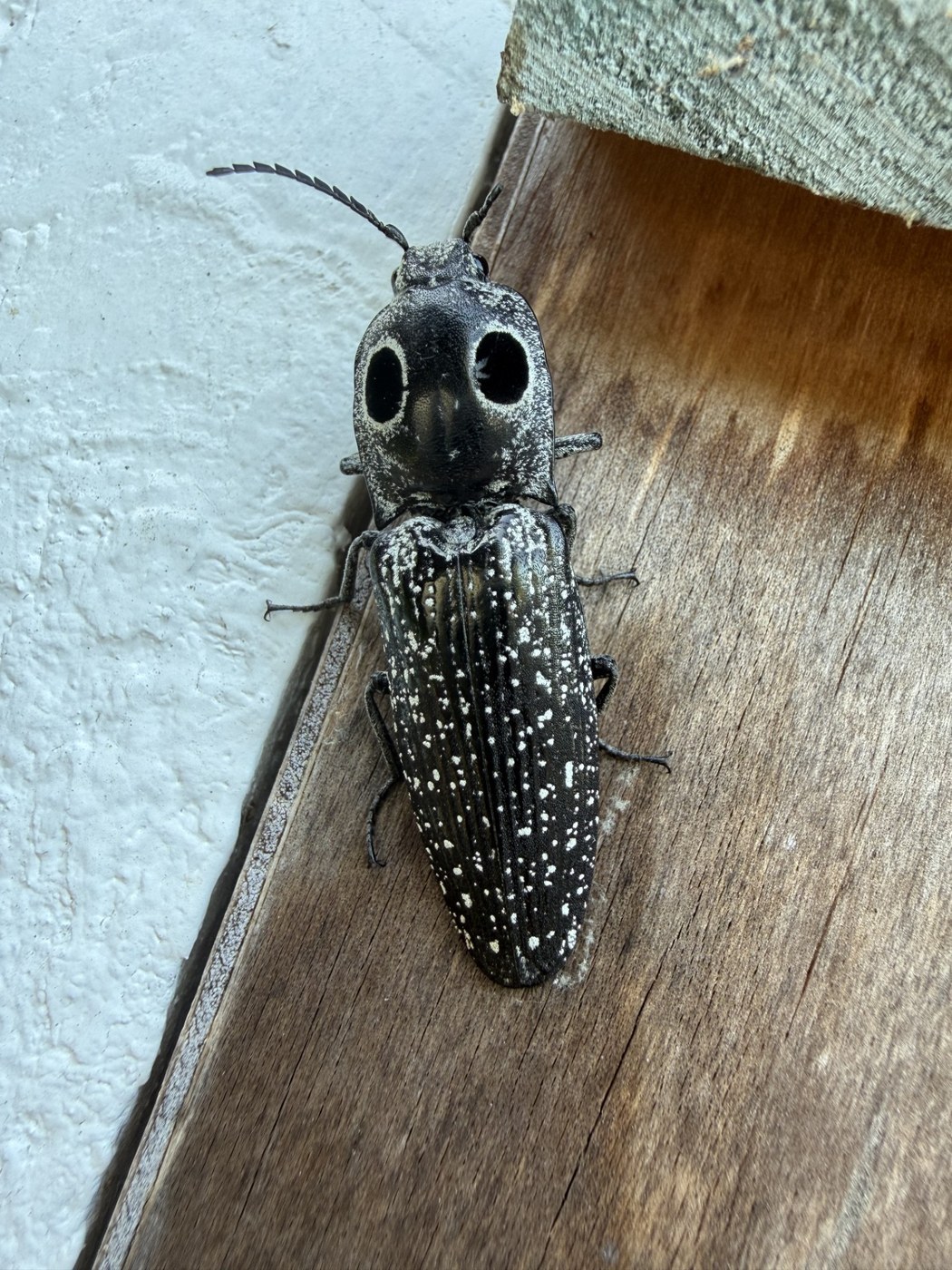
Eyed Click Beetle
A large, mottled black-and-white beetle marked with two prominent false eyespots on its thorax, well known for its ability to snap its body into the air with an audible click when flipped onto its back.
beetle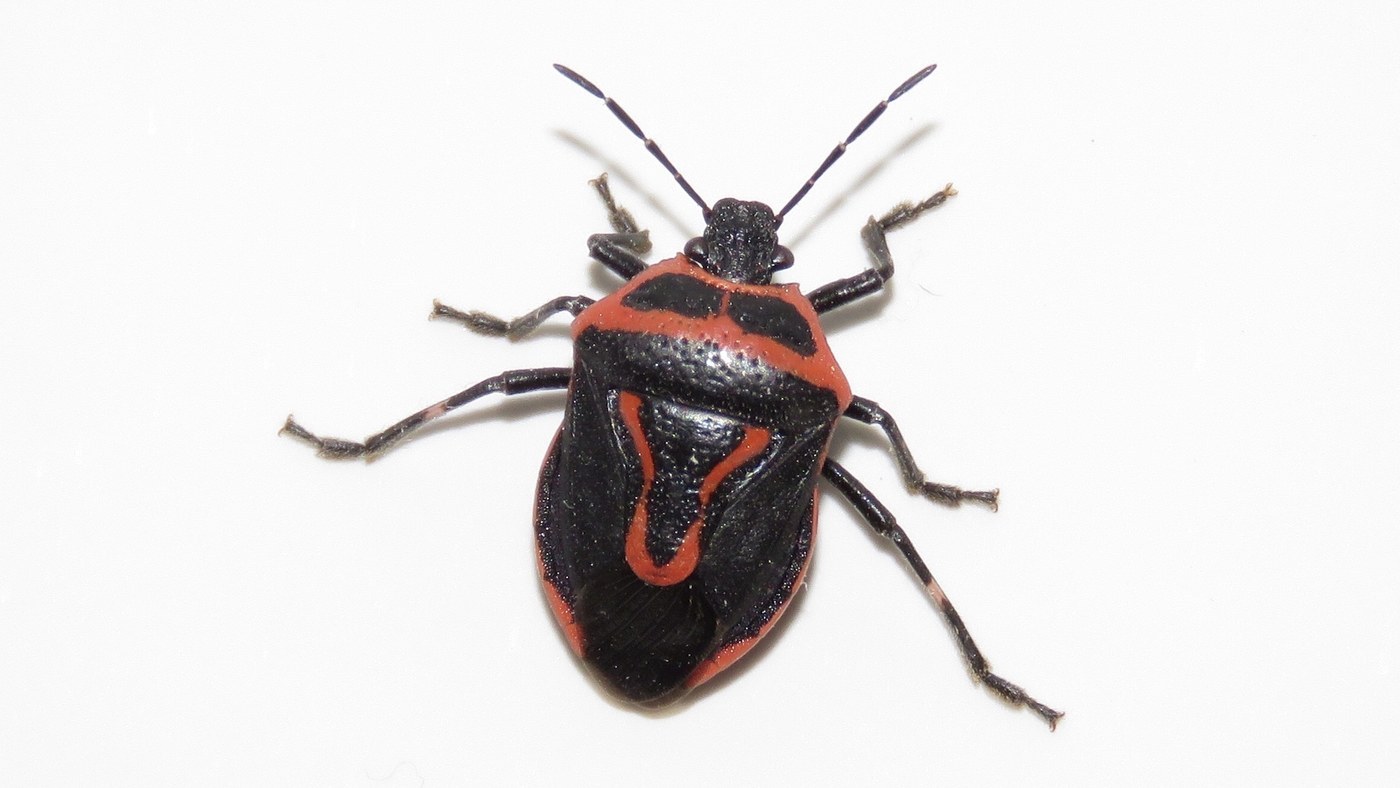
Two-Spotted Stink Bug
A boldly patterned black-and-orange predatory stink bug named for the pair of dark spots on its back, best known for hunting Colorado potato beetle larvae in gardens and fields.
true-bugPlanthopper
A varied group of sap-feeding true bugs known for their sideways-held wings, jumping ability, and, in some tropical species, exaggerated head projections used for display.
true-bug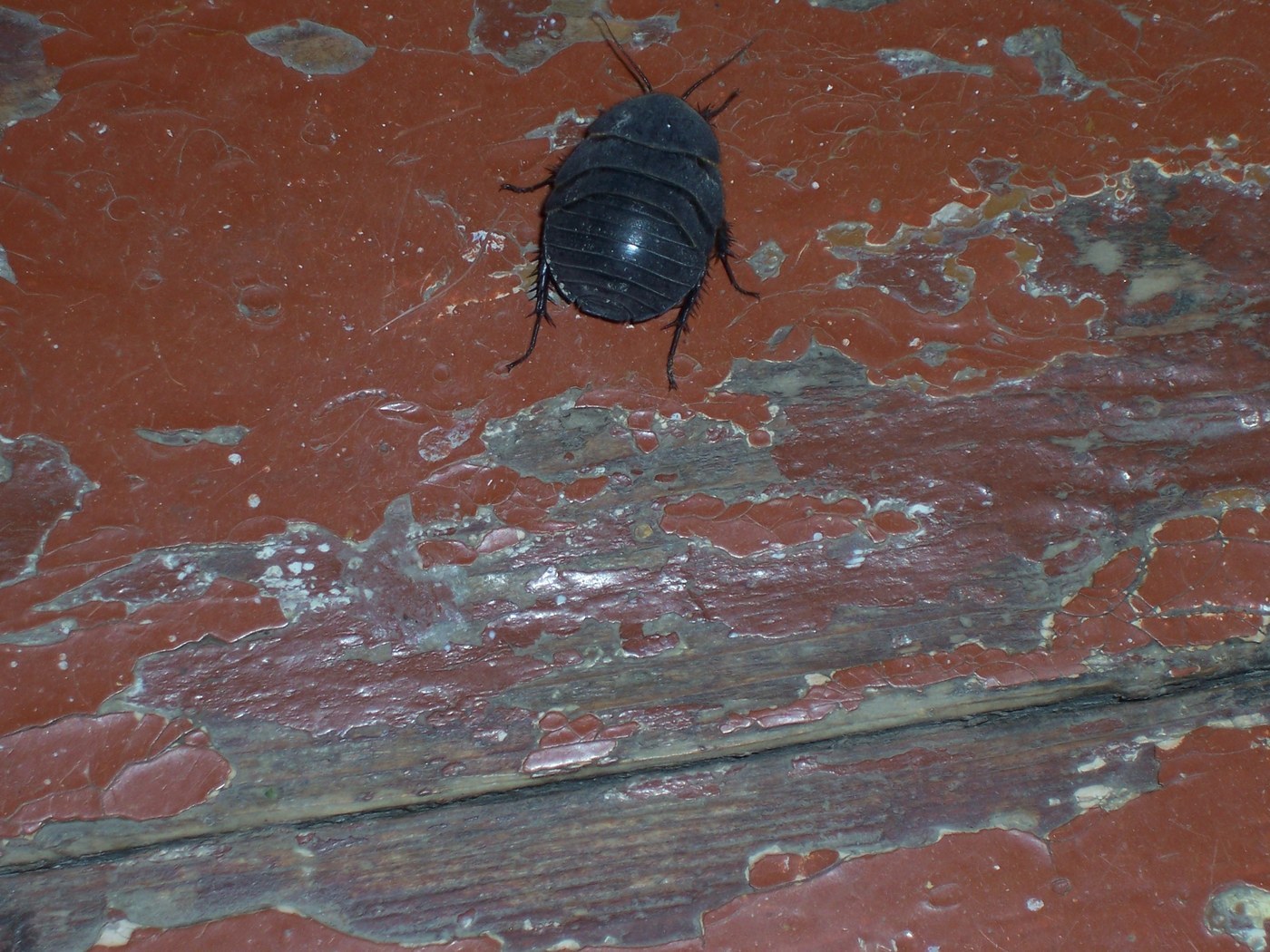
Oriental Cockroach
A dark, matte blackish-brown cockroach with short wings that do not cover the abdomen, especially in females, and a preference for cooler, damper hiding spots than most other common cockroaches.
other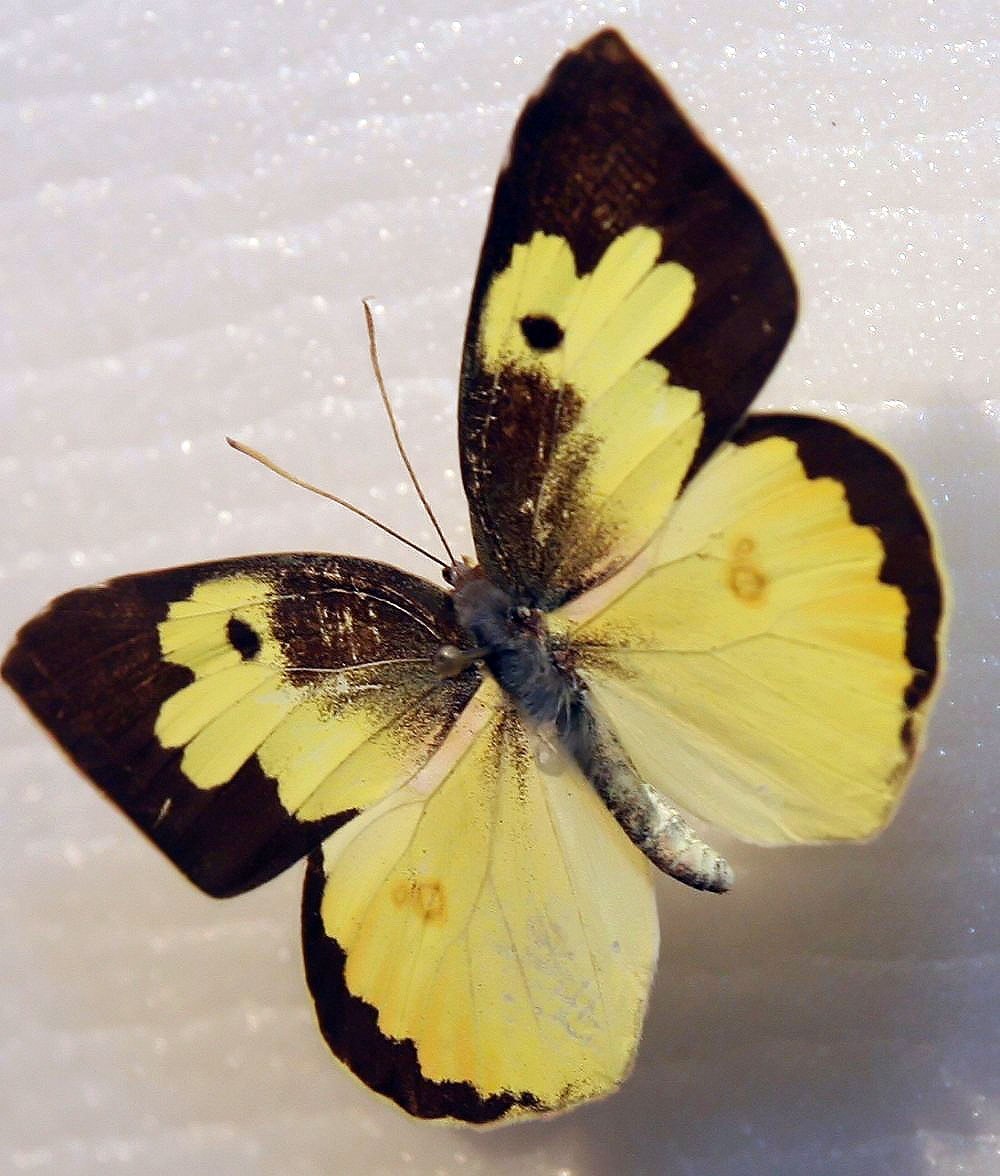
Dogface Butterfly
A striking yellow sulphur butterfly whose forewing pattern forms the silhouette of a dog's or poodle's head complete with a dark 'eye' spot, visible in good light.
butterflyDamsel Bug
A slender, tan to brown true bug with a narrow head and elongated front legs adapted for grasping, the damsel bug is a common predator patrolling foliage for soft-bodied insects.
true-bugCricket
A dark, round-headed jumping insect best known for the rhythmic chirping song produced by males rubbing their forewings together, often heard rather than seen after dusk.
grasshopper-cricket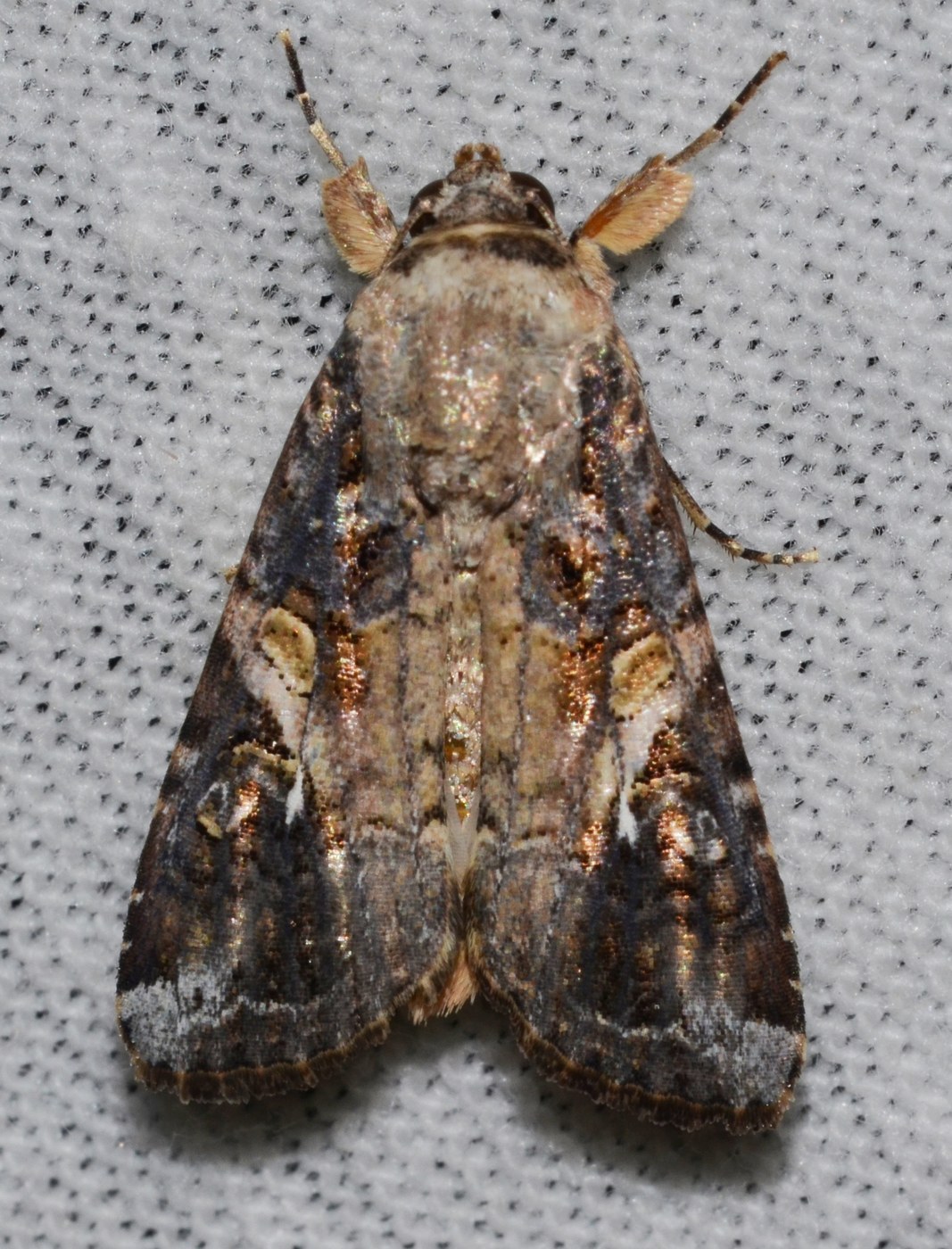
Fall Armyworm
A brownish-green caterpillar marked with a pale inverted "Y" on its head, notorious for rapid, large-scale outbreaks that devastate corn and other grass crops across the globe.
caterpillar-larva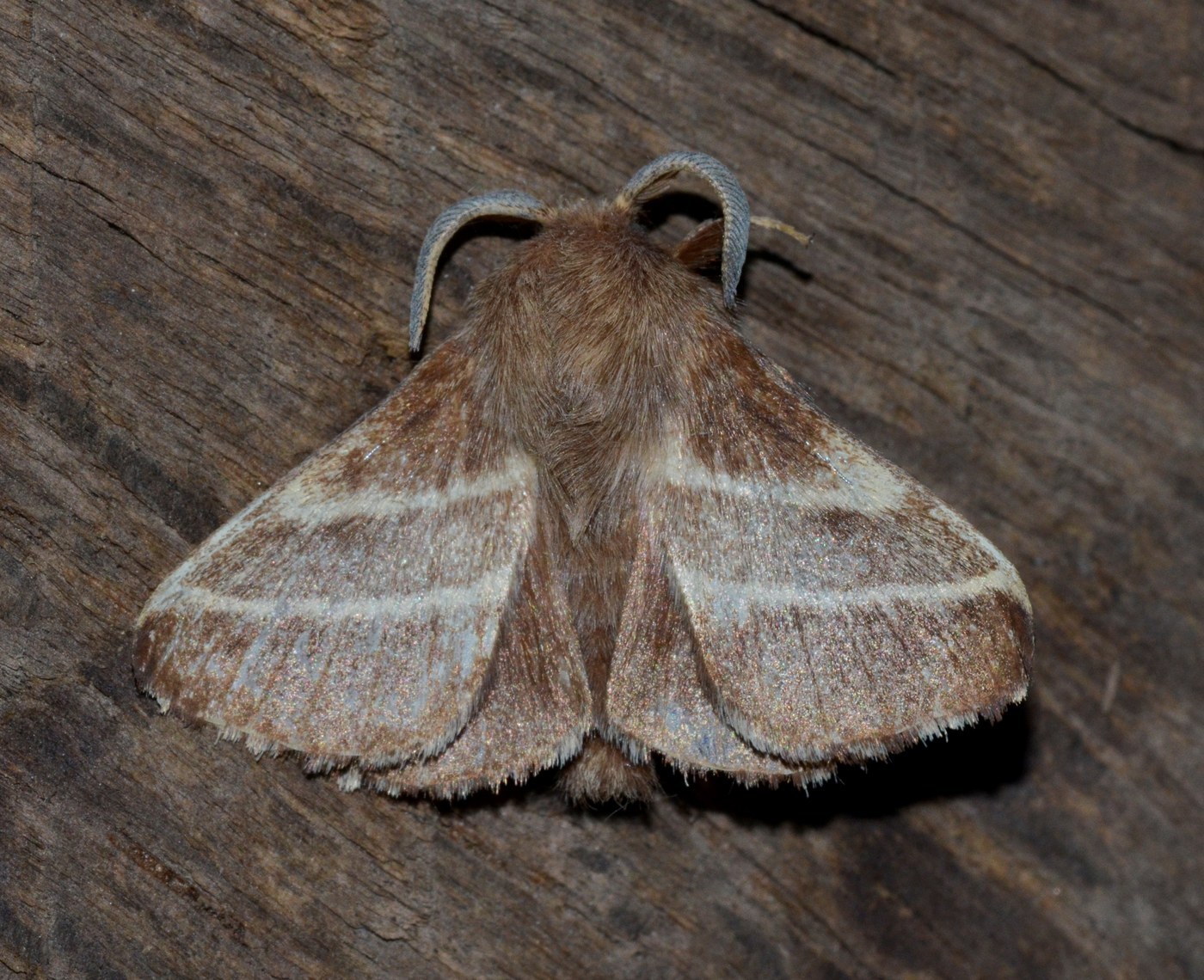
Eastern Tent Caterpillar
A fuzzy, blue-flecked caterpillar with a pale stripe down its back, famous for spinning large communal silk tents in the forked branches of cherry and apple trees each spring.
caterpillar-larva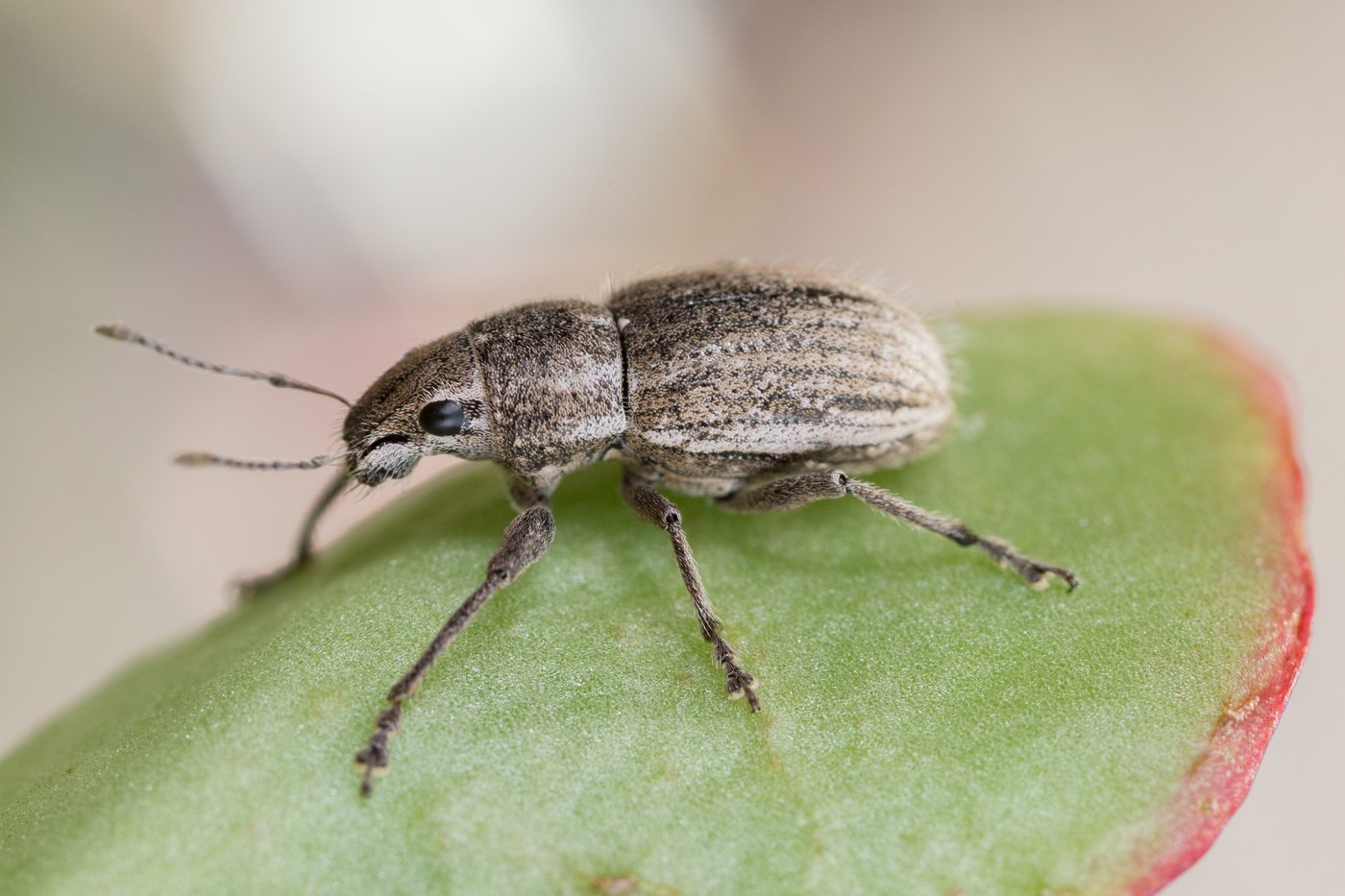
Whitefringed Beetle
A stout gray-brown weevil named for the pale, fringe-like stripe along the outer edge of its wing covers, whose root-feeding larvae are a recognized issue in pastures and row crops.
beetle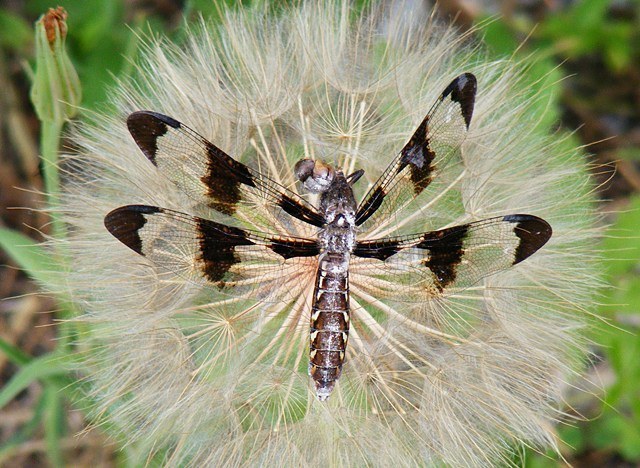
Twelve-spotted Skimmer
A big, boldly patterned skimmer whose wings each carry three chocolate-brown patches, and whose mature males add chalky white flashes between them for a striking black-and-white flicker in flight.
dragonflyTent Caterpillar
A social, blue-striped caterpillar that builds a conspicuous silken tent in the fork of a tree branch, sheltering large colonies of siblings that emerge together to feed on leaves.
caterpillar-larva