
Bug Encyclopedia
Search and identify bugs & insects — beetles, butterflies, moths, ants, bees, spiders and more — with size, habitat, danger, behavior, and how to tell them apart.
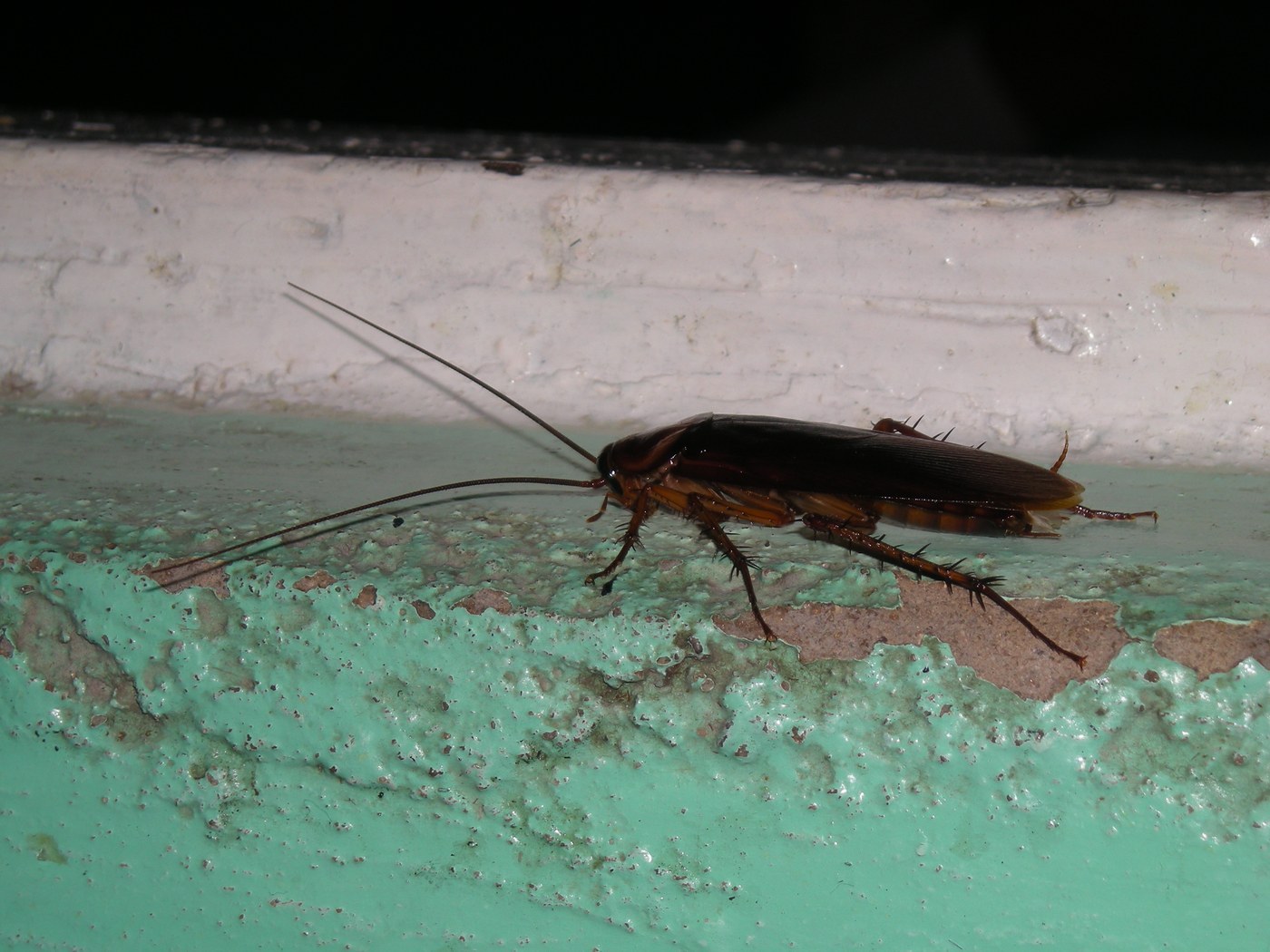
American Cockroach
The largest common house-infesting cockroach, a reddish-brown, glossy insect with long antennae and a pale yellowish band edging the shield behind its head, capable of both fast running and short bursts of flight.
otherPine Processionary Moth
An unremarkable grey-brown moth known almost entirely through its larvae, which build large silken nests in pine trees and travel to feed in long, head-to-tail processions covered in fine defensive hairs.
moth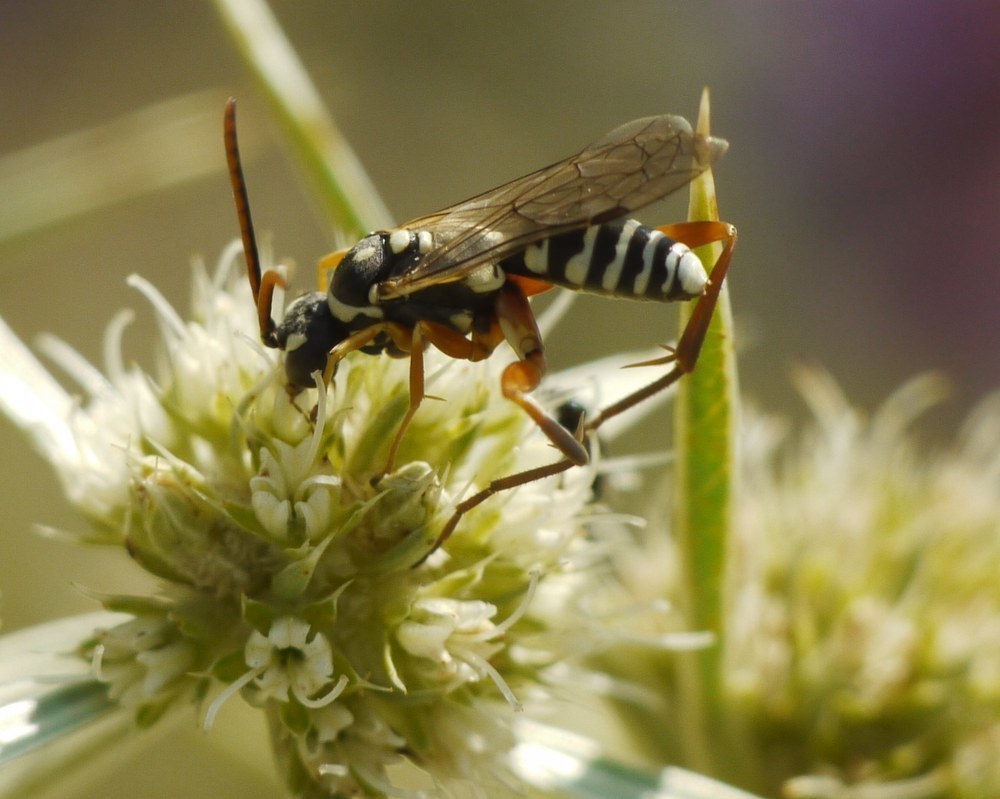
Spider Wasp
A quick, nervous-flying solitary wasp with long spiny legs and constantly flicking wings, recognized for its habit of running across open ground in short bursts while hunting spiders to paralyze and store for its young.
wasp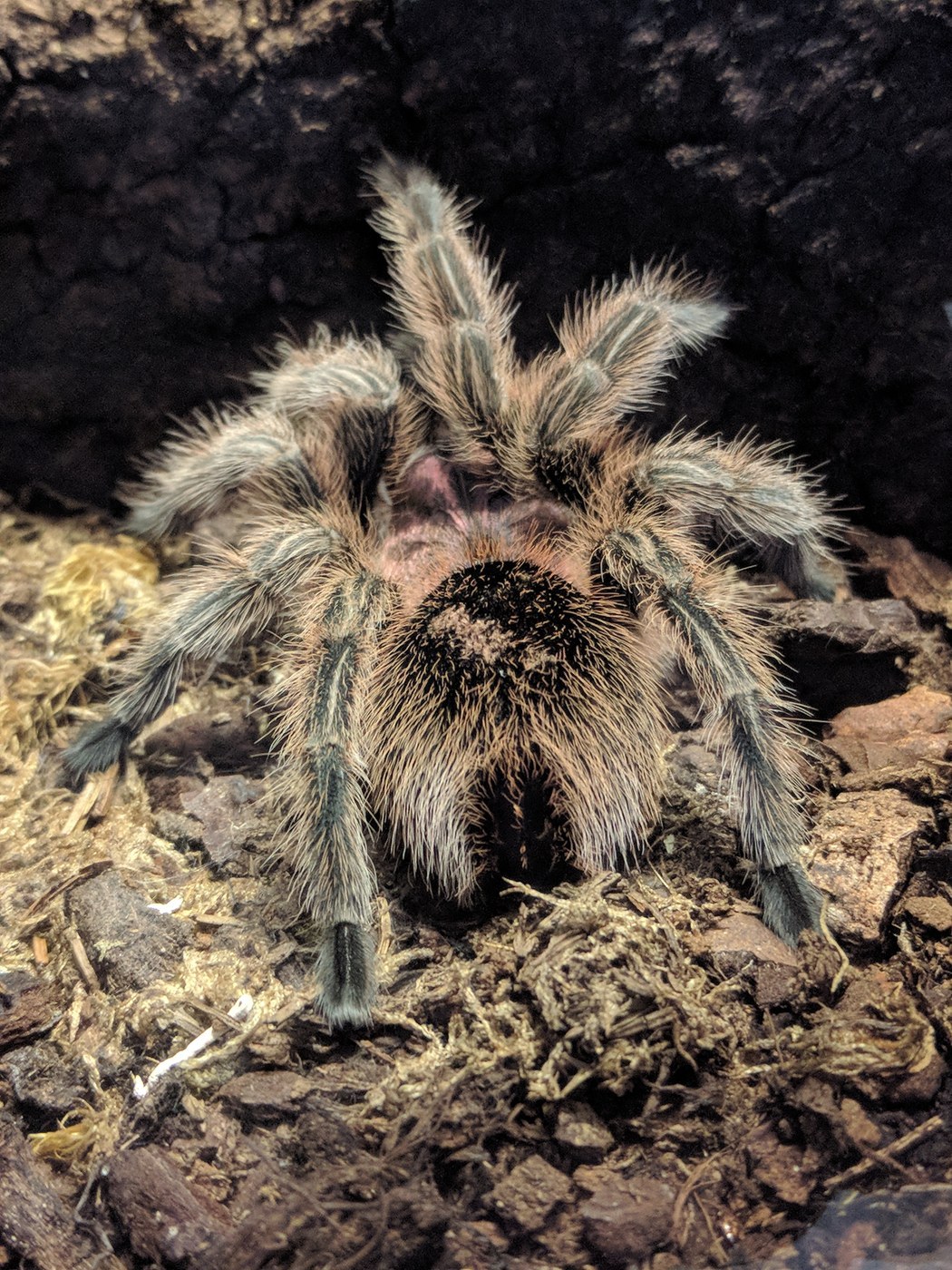
Rose Hair Tarantula
A calm, ground-dwelling tarantula from the deserts of Chile, the rose hair is named for the pinkish sheen its bristly hairs can take on in certain light, and is known for its slow, deliberate movements and generally placid temperament.
spiderGolden Silk Orb-Weaver Spider
Famous for spinning enormous webs of shimmering golden silk, the golden silk orb-weaver is a large, long-legged spider of warm climates. Females dwarf the tiny males and hang head-down in their sprawling snares.
spiderFirefly
A soft-bodied, dusk-flying beetle famous for the bioluminescent flashes it produces from its abdomen to attract mates on warm summer evenings.
beetle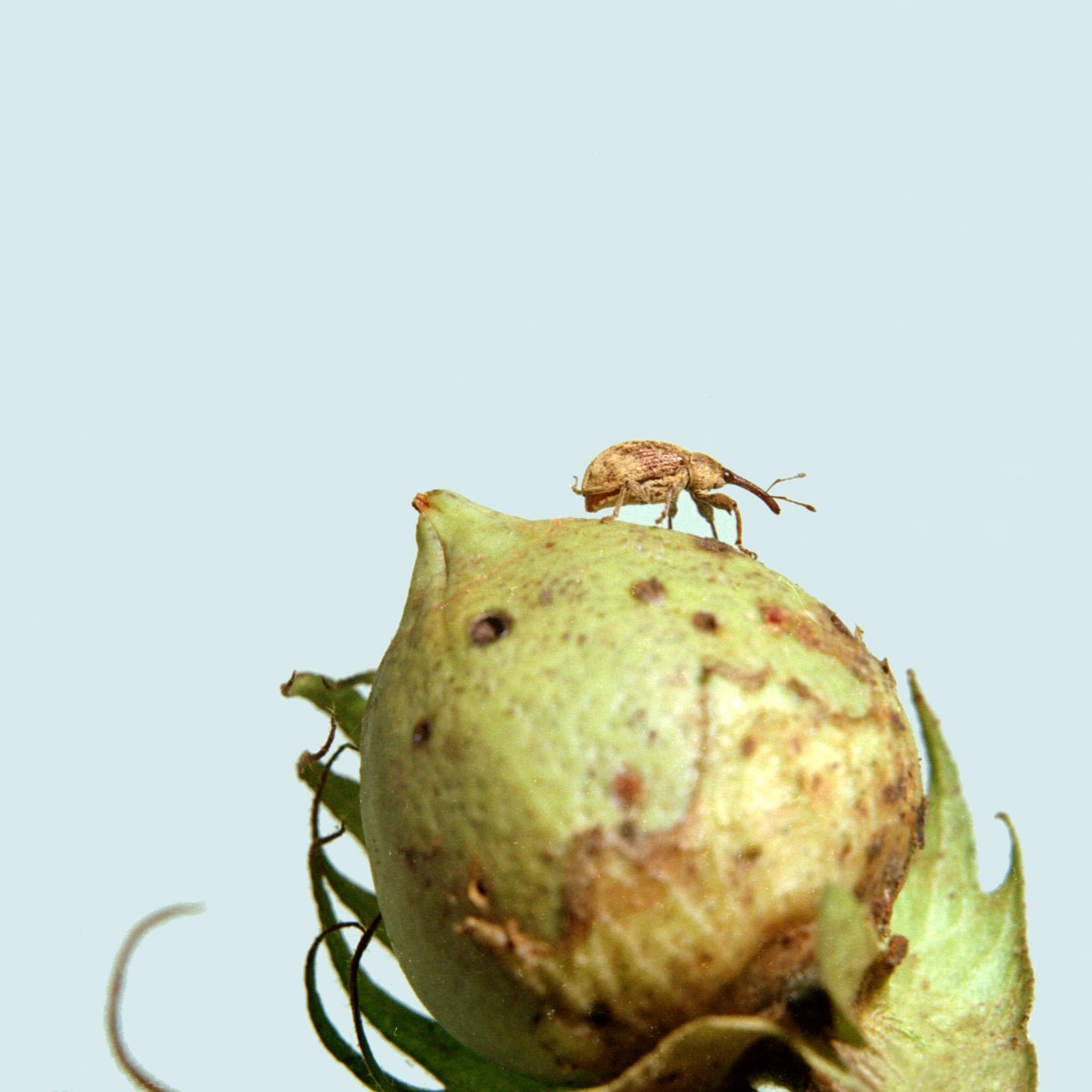
Boll Weevil
A small, grayish-brown snout beetle with a long, curved rostrum, historically famous for its close feeding association with cotton flower buds and bolls.
beetle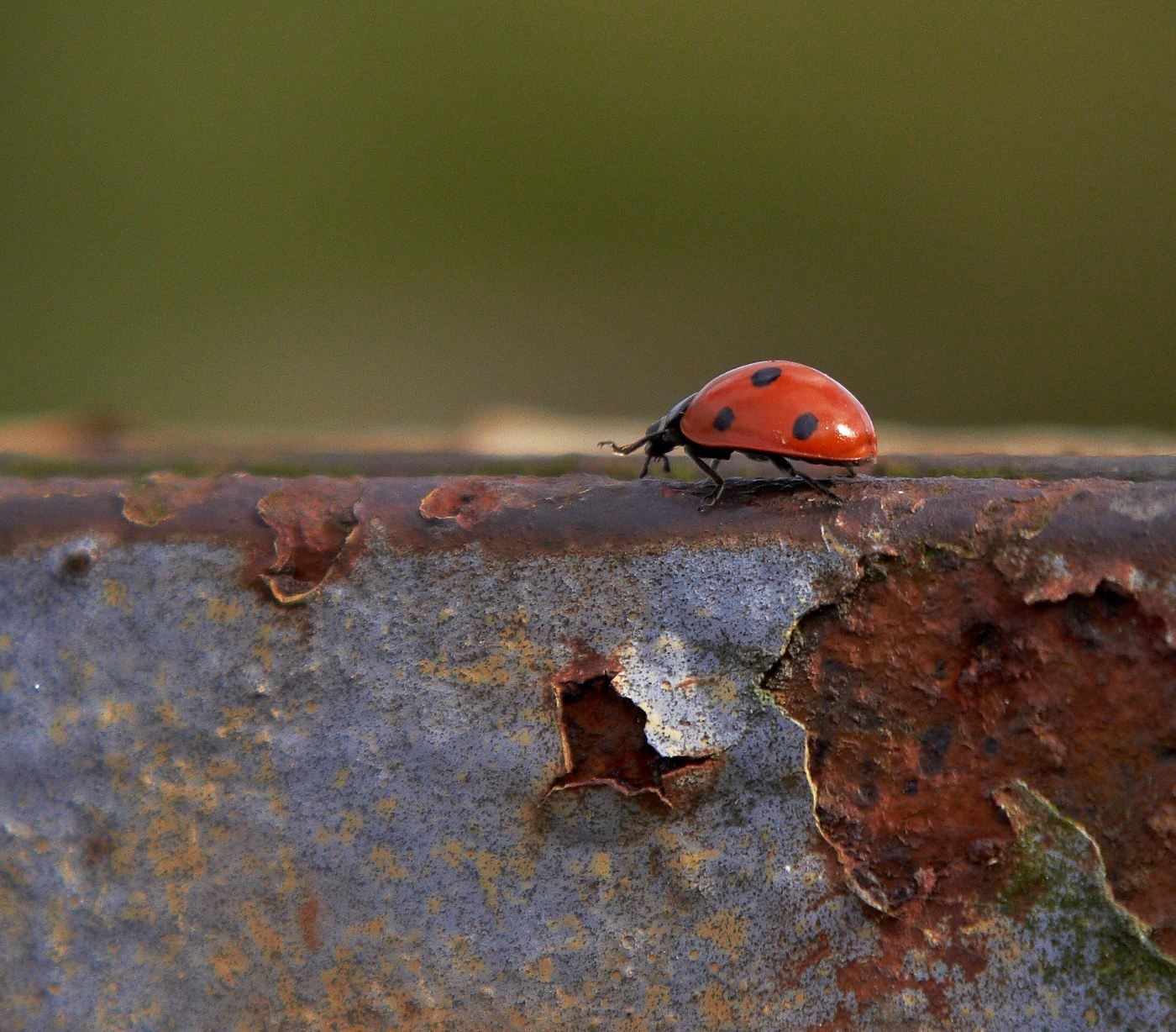
Seven-spotted Ladybird
A classic bright red ladybird with exactly seven black spots, one of the most iconic and widely recognized beetles in the world.
beetle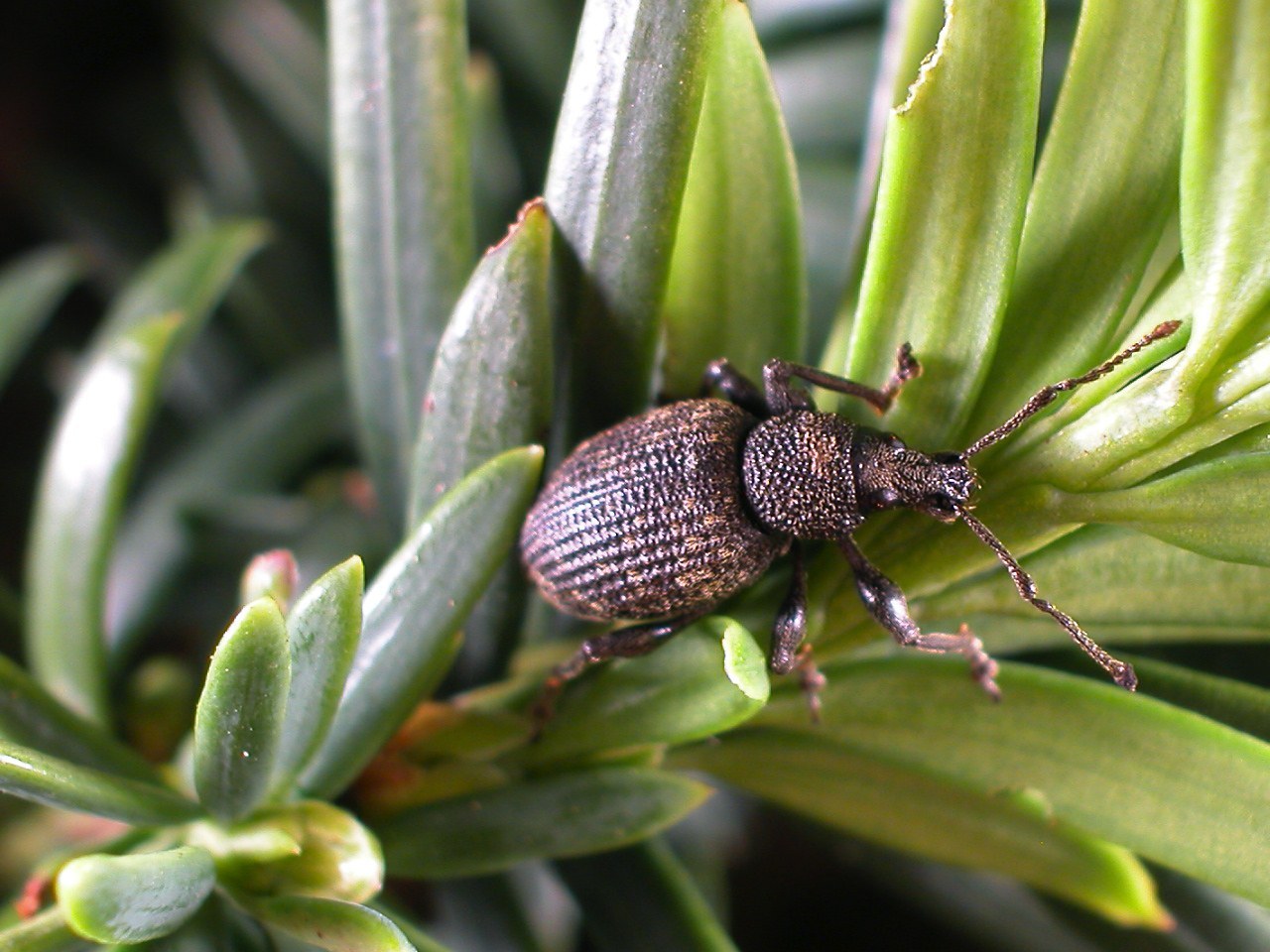
Vine Weevil
A slow, flightless, matte-black beetle that hides by day and emerges at night to notch neat semicircular bites from the edges of leaves.
beetle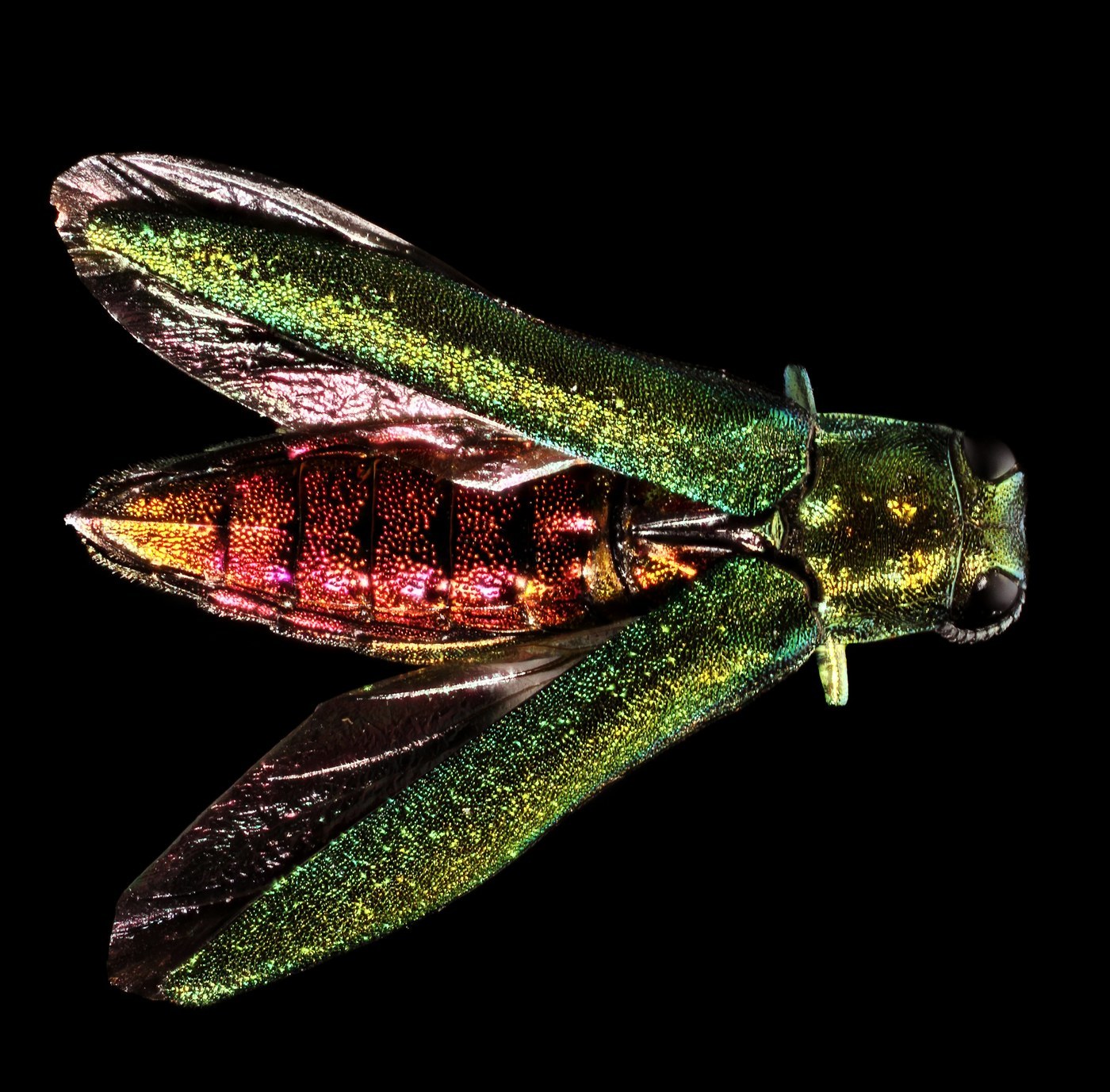
Emerald Ash Borer
A slender, bullet-shaped beetle with brilliant metallic-green coloring, whose bark-tunneling larvae feed almost exclusively within ash trees.
beetle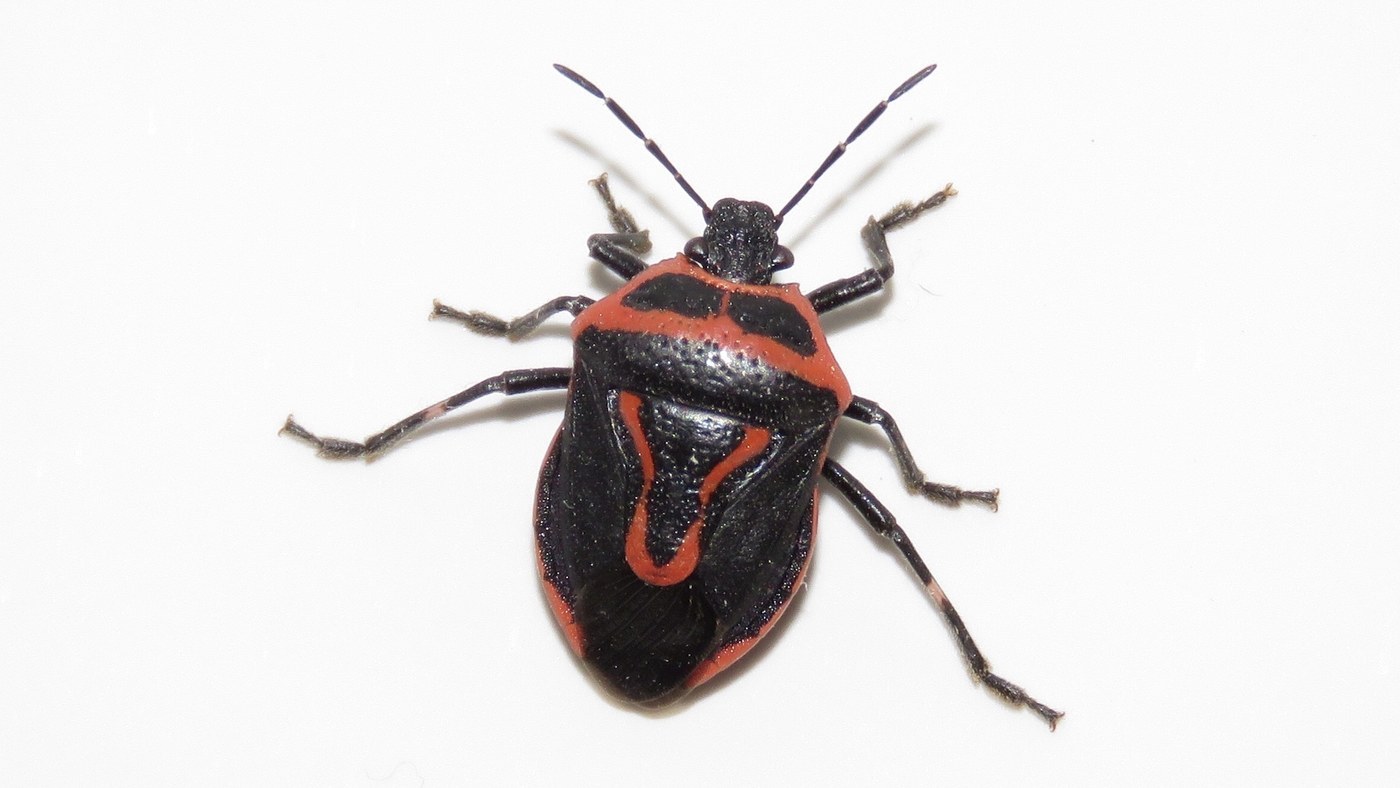
Two-Spotted Stink Bug
A boldly patterned black-and-orange predatory stink bug named for the pair of dark spots on its back, best known for hunting Colorado potato beetle larvae in gardens and fields.
true-bugSnipe Fly
A slender, long-legged fly often seen perched head-down on a sunny tree trunk or fence post, patiently watching for smaller insects to ambush. Its tapered, wasp-like abdomen and habit of resting motionless with legs splayed give it a distinctive, almost sentry-like posture in woodland clearings.
fly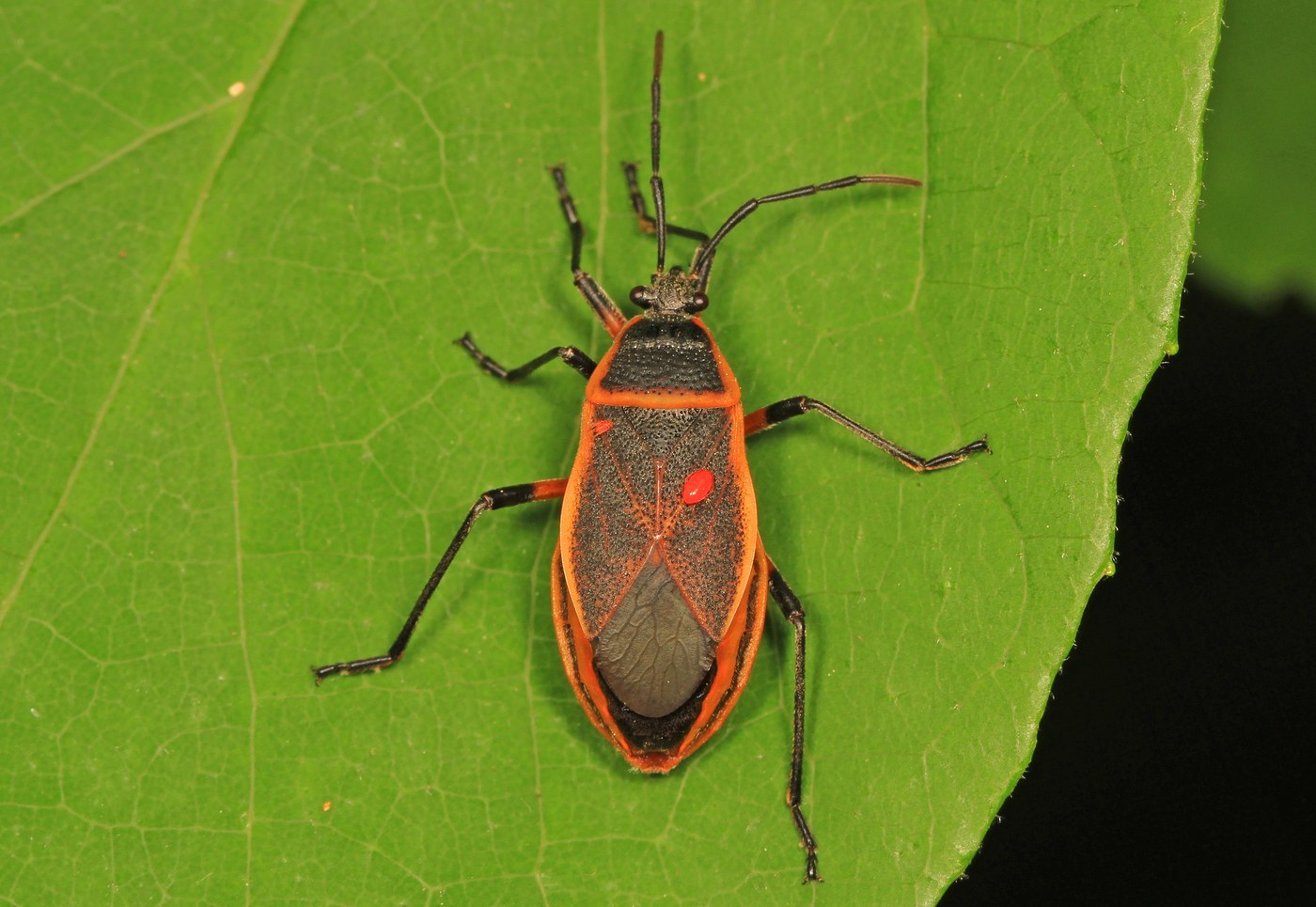
Bordered Plant Bug
A dark, oval-bodied true bug with a distinct pale margin around its wing edges, often mistaken for a large ant or beetle when its nymphs cluster together in tight groups.
true-bugFireflies (Lightning Bug)
A soft-bodied beetle that turns summer evenings magical by flashing rhythmic patterns of cold light from its abdomen to attract mates across meadows and forest edges.
beetle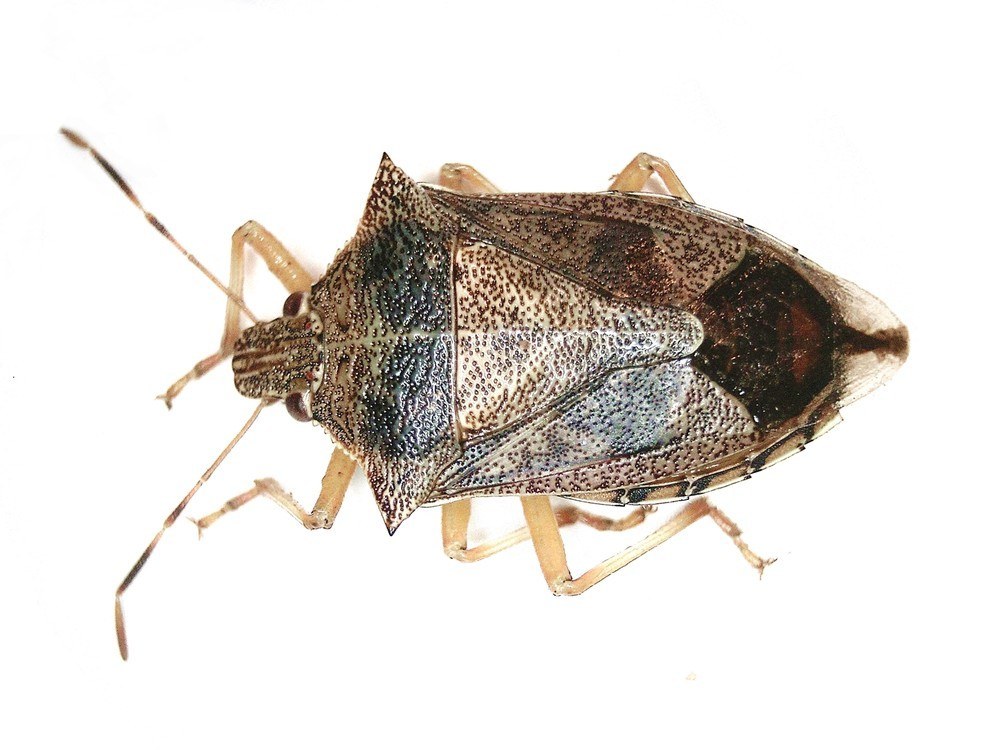
Spined Soldier Bug
A predatory stink bug identified by the sharp, pointed spines projecting from its shoulders, valued in gardens and farm fields for hunting caterpillars, beetle larvae, and other pest insects.
true-bug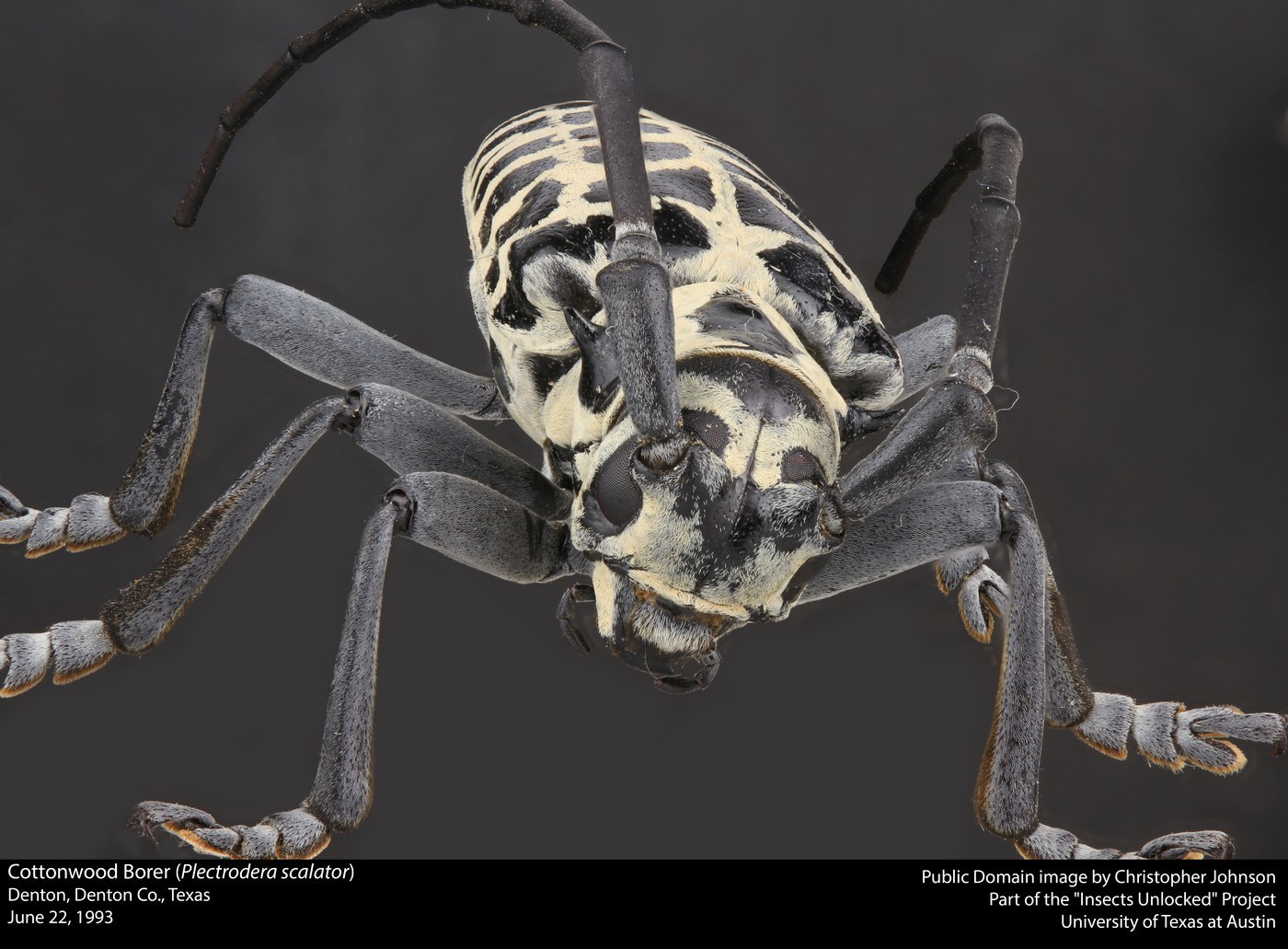
Cottonwood Borer
A large, boldly patterned longhorn beetle in black and chalky white checkerboard markings, often found clinging to the trunks of cottonwood and poplar trees near its larvae's root tunnels.
beetlePredatory Stink Bug
Unlike its plant-feeding relatives, the predatory stink bug is a hunter that spears caterpillars and beetle larvae with a stout beak. The spined soldier bug is a familiar shield-shaped garden ally.
true-bug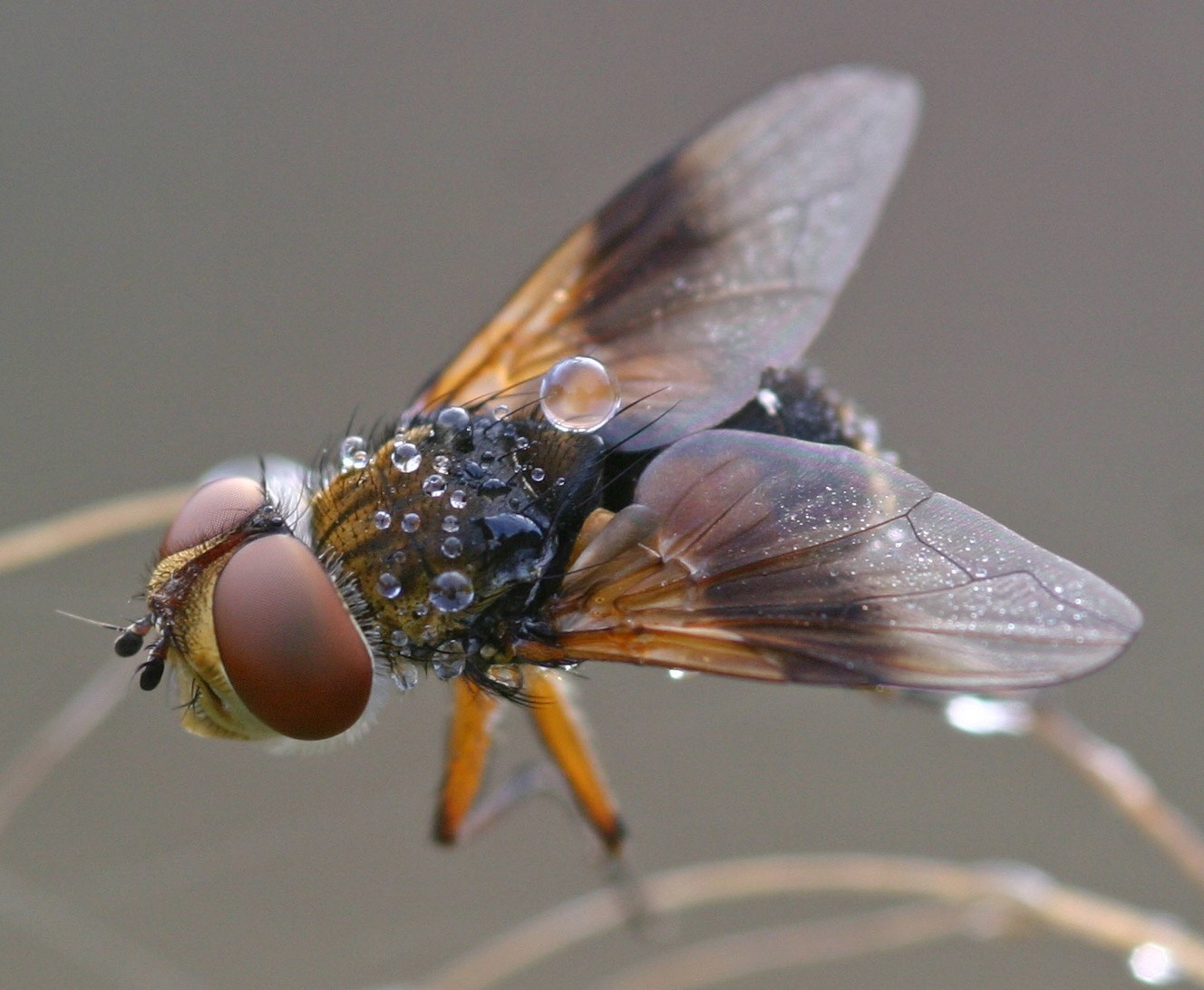
Tachinid Fly
A bristly, house-fly-like insect that looks unremarkable at a glance but hides one of the most important ecological roles among flies: its larvae develop as internal parasites of caterpillars, beetles, and other insects, quietly regulating populations across the landscape. Gardeners often welcome tachinid flies as natural allies against crop-damaging pests.
fly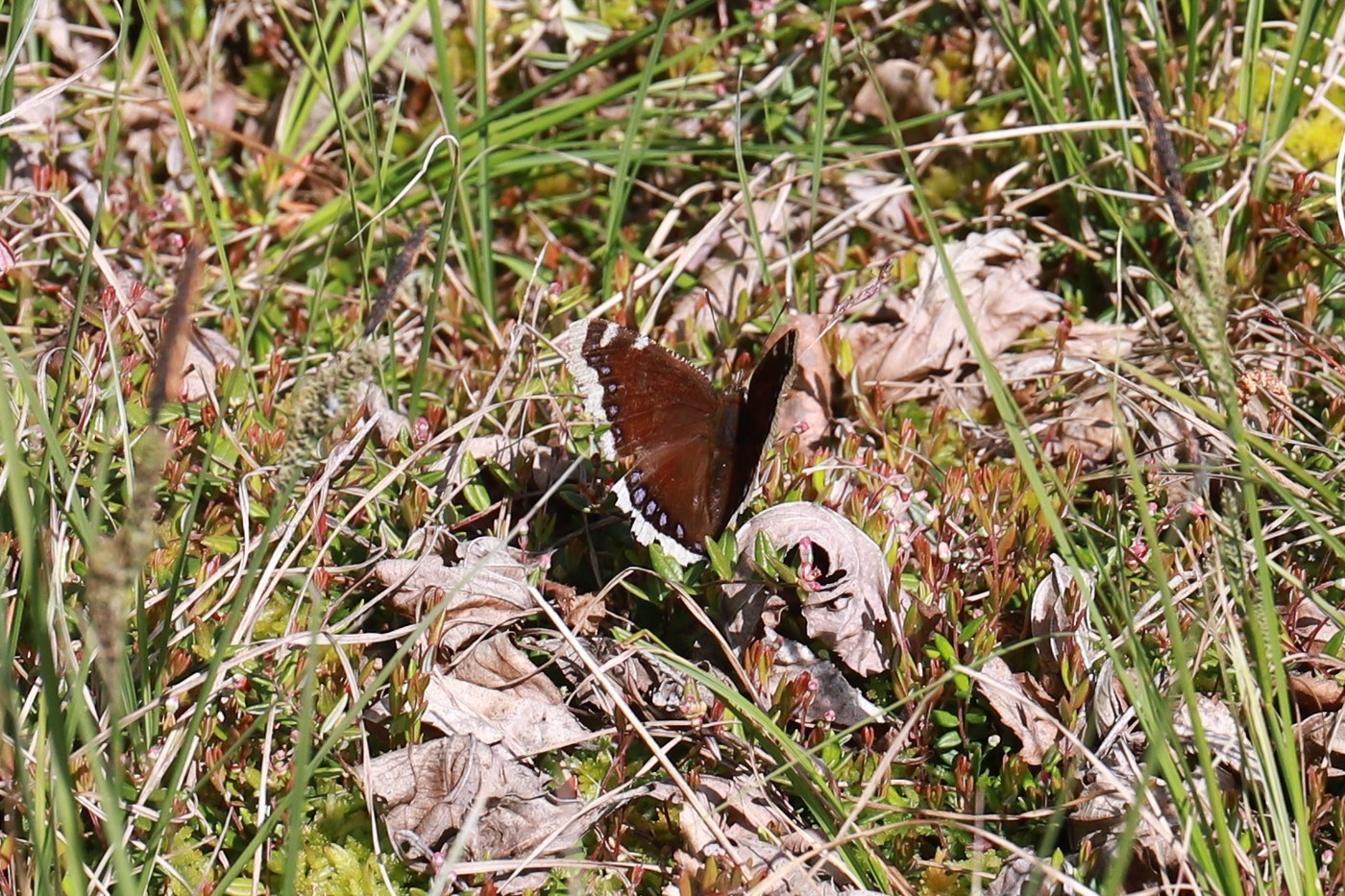
Mourning Cloak
A dark, velvety maroon-brown butterfly edged with a ragged cream-yellow border and a row of iridescent blue spots, notable for overwintering as an adult and often being one of the very first butterflies seen flying in early spring.
butterfly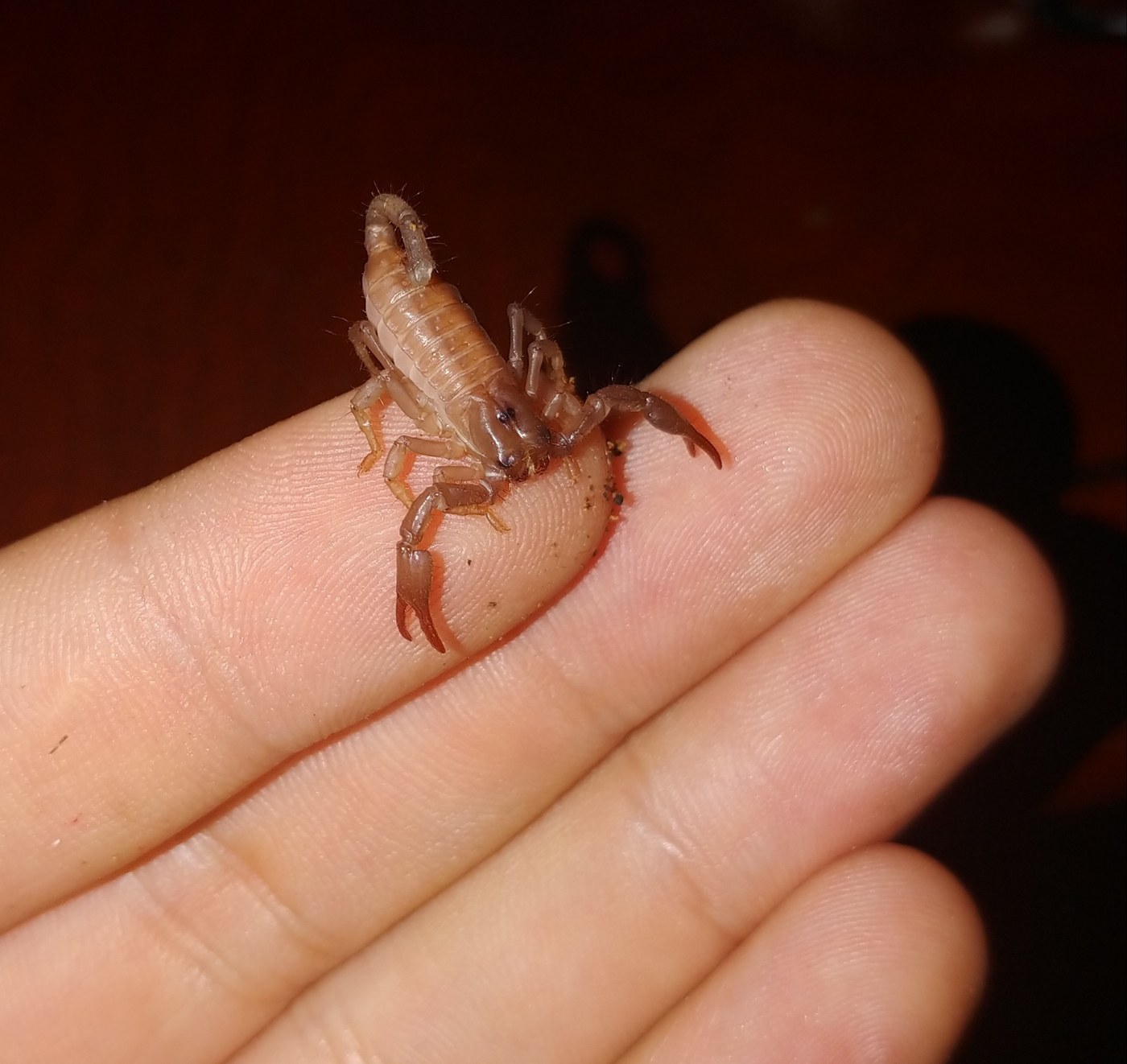
Emperor Scorpion
A massive, glossy black scorpion with heavy, oversized pincers built for crushing prey rather than stinging it, the emperor scorpion is one of the biggest and most recognizable scorpions on Earth. It digs deep burrows in rainforest soil and is unusual among scorpions for tolerating close family groups.
arachnid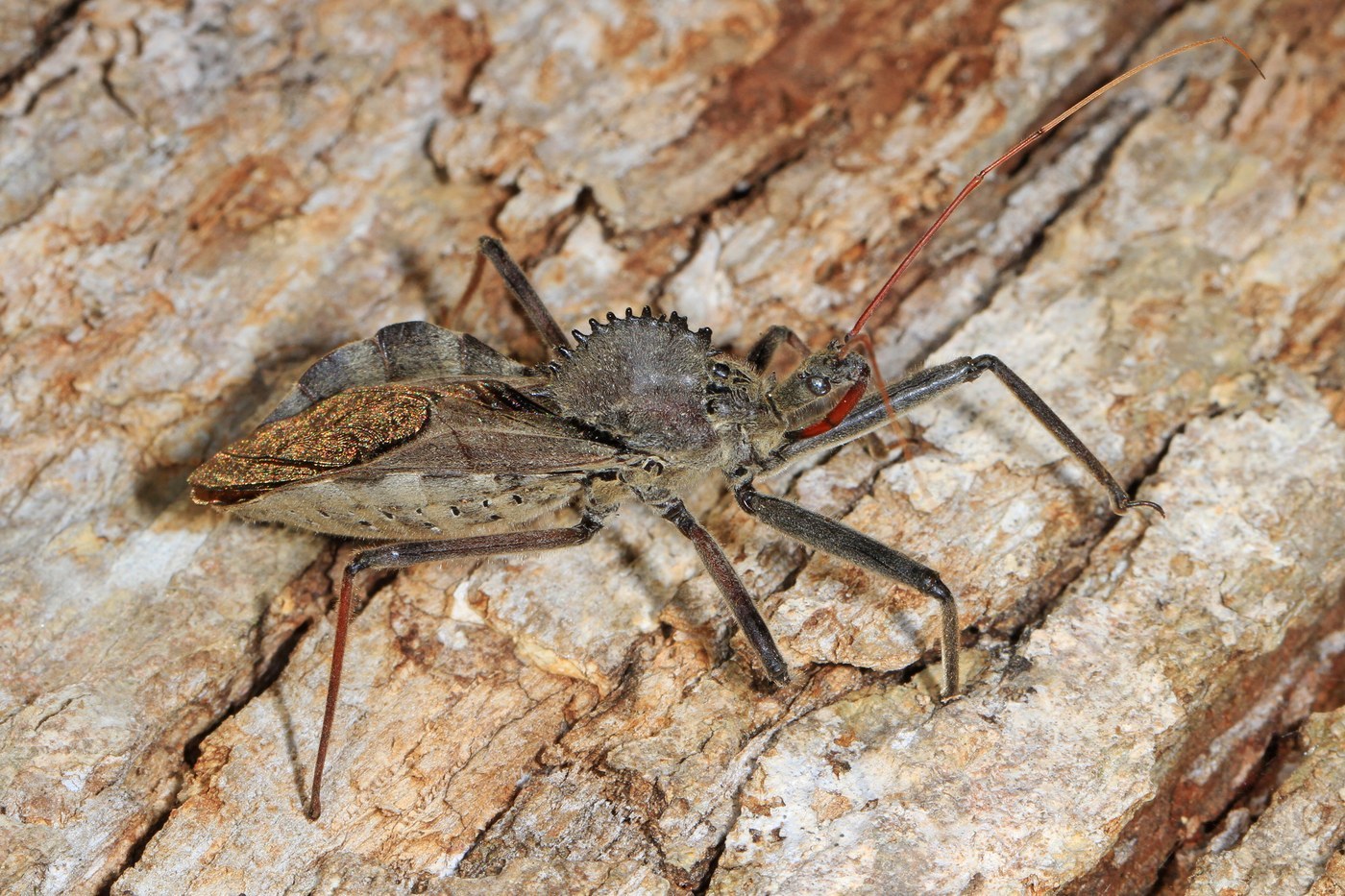
Wheel Bug
A large, gray, armored-looking true bug named for the distinctive cog-like crest rising from its back, one of the biggest and most unmistakable assassin bugs in North America.
true-bug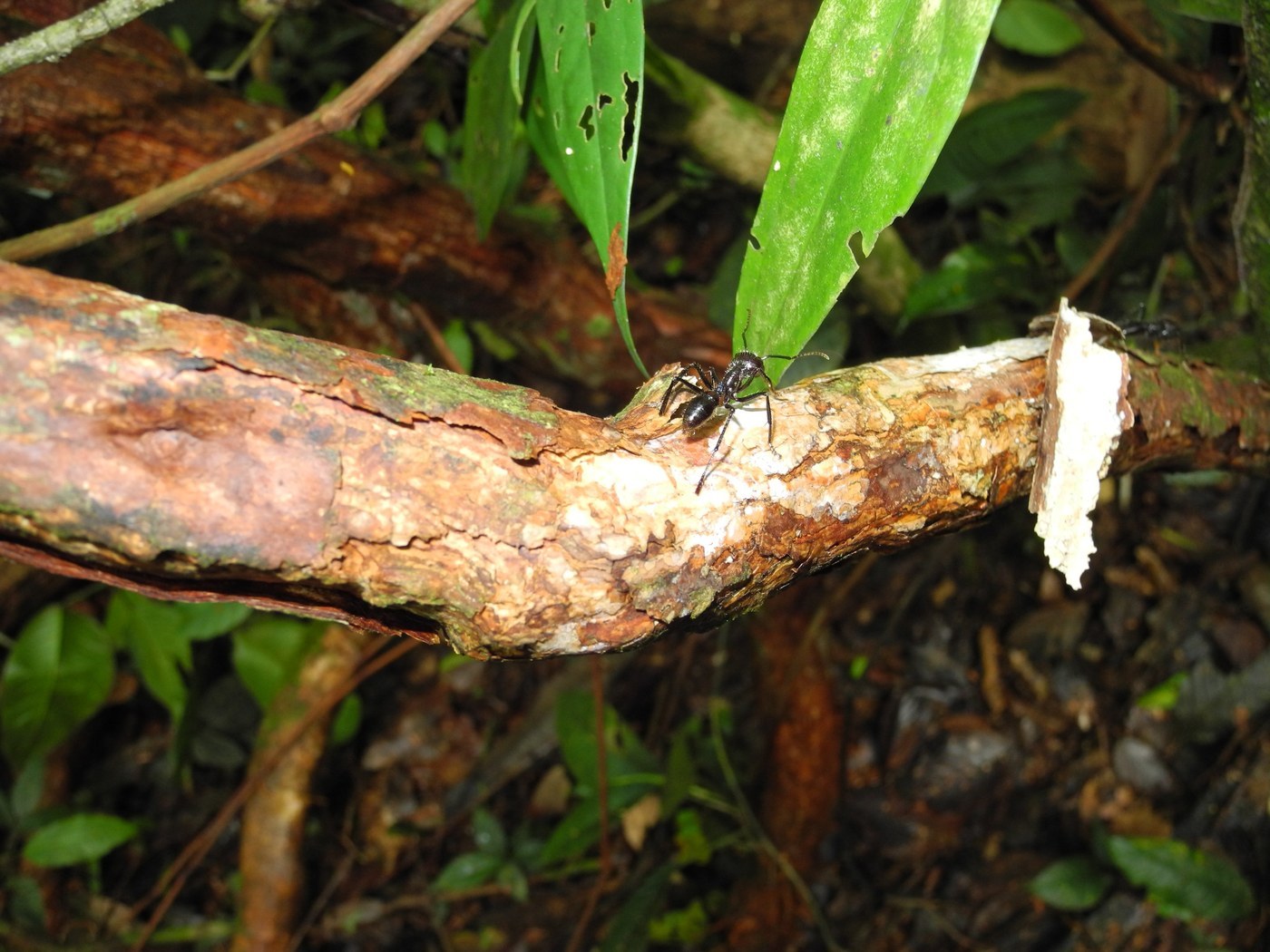
Bullet Ant
A large, glossy reddish-black rainforest ant, among the biggest ants in the world, that nests at the base of trees and forages individually along trunks and branches of the tropical canopy floor.
ant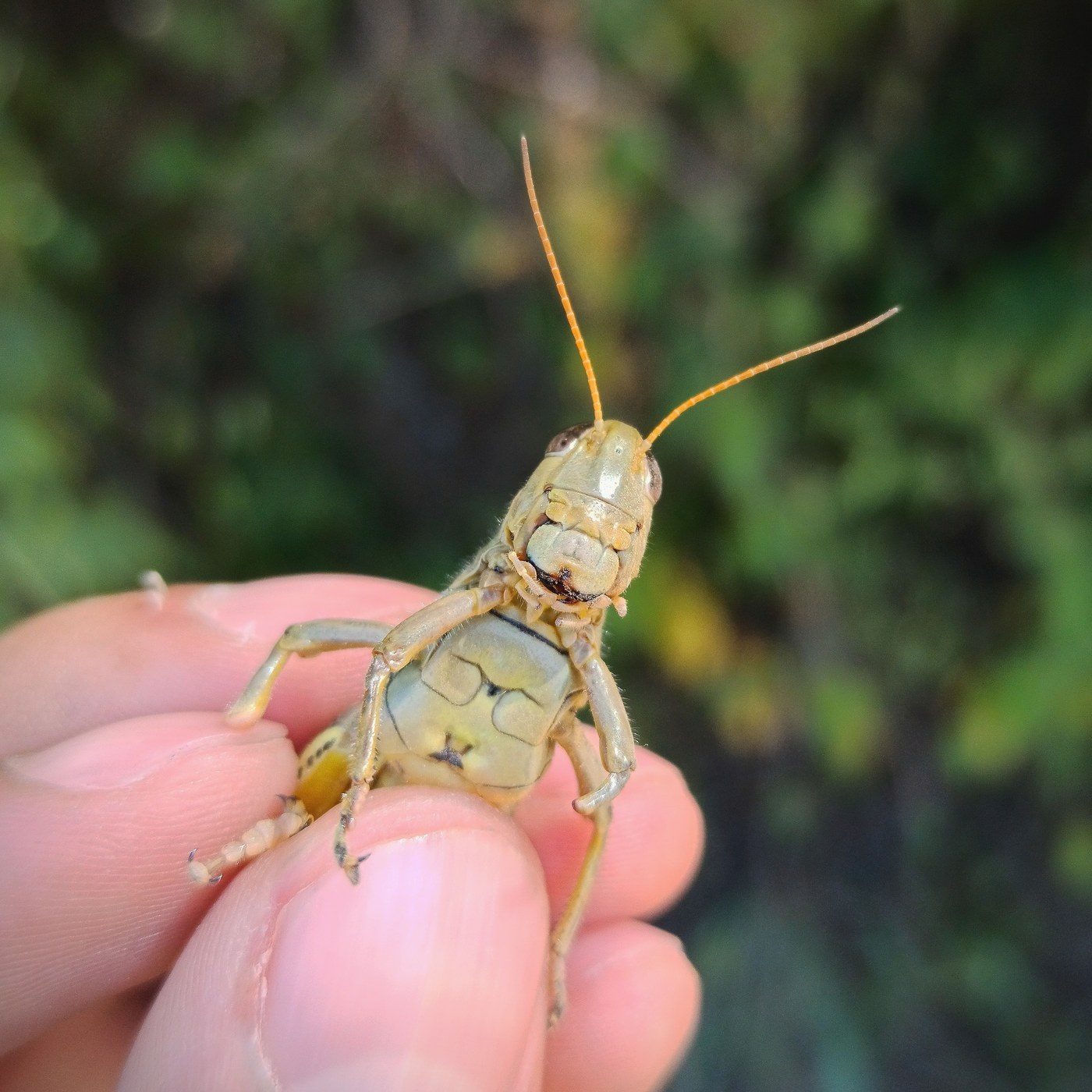
Differential Grasshopper
A large, robust grasshopper with a bold black herringbone pattern etched along its swollen hind legs, the differential grasshopper is one of the biggest and most recognizable pest grasshoppers in North America.
grasshopper-cricketSpicebush Swallowtail Caterpillar
A bulging-eyed green caterpillar that lives folded inside its own silk-stitched leaf tent, looking every bit like a miniature snake peering out from cover.
caterpillar-larva