
Bug Encyclopedia
Search and identify bugs & insects — beetles, butterflies, moths, ants, bees, spiders and more — with size, habitat, danger, behavior, and how to tell them apart.
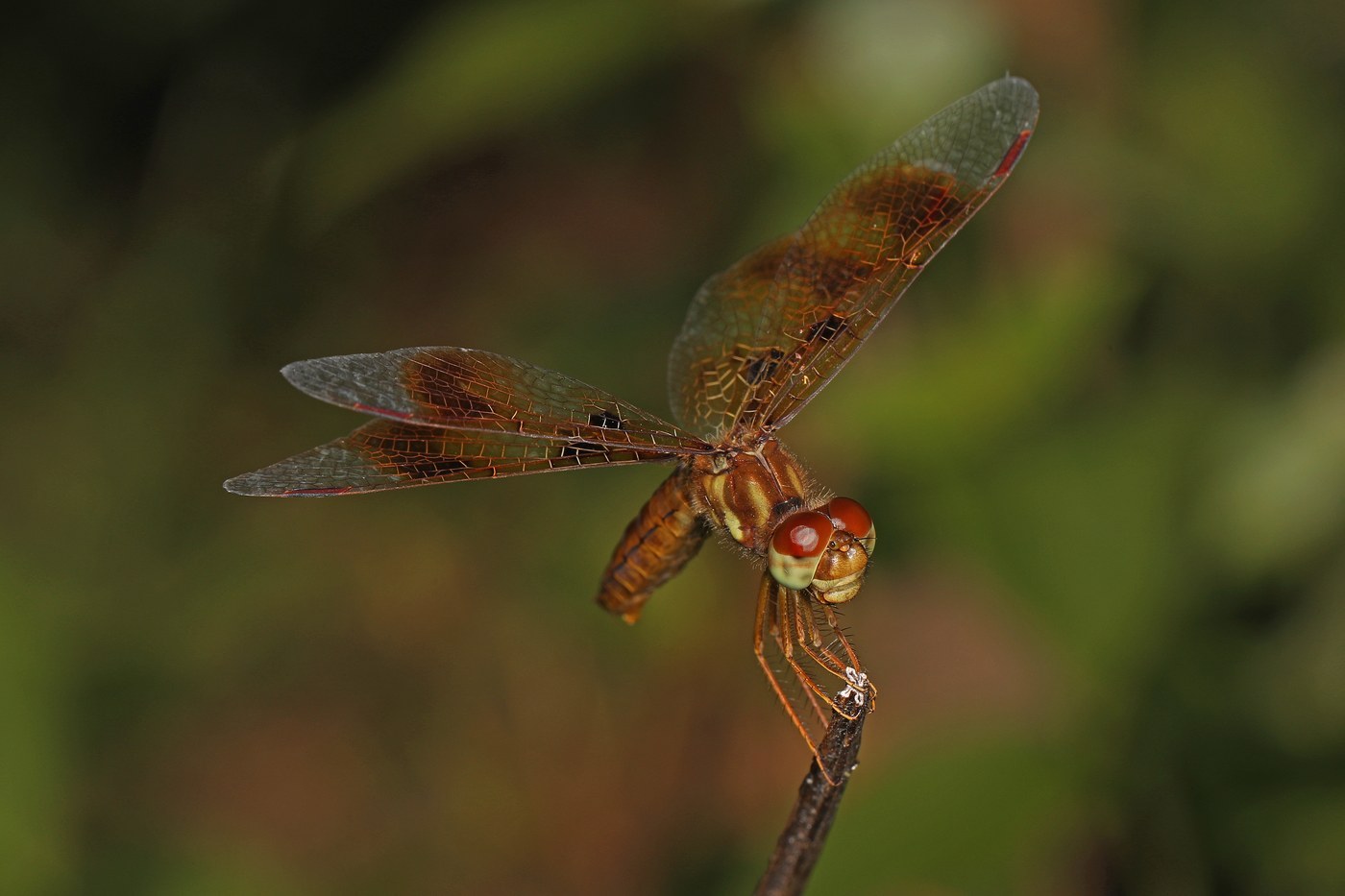
Eastern Amberwing
One of North America's smallest dragonflies, the male Eastern Amberwing glows with solid amber-orange wings and often wags its abdomen in a wasp-like display over floating algae.
dragonfly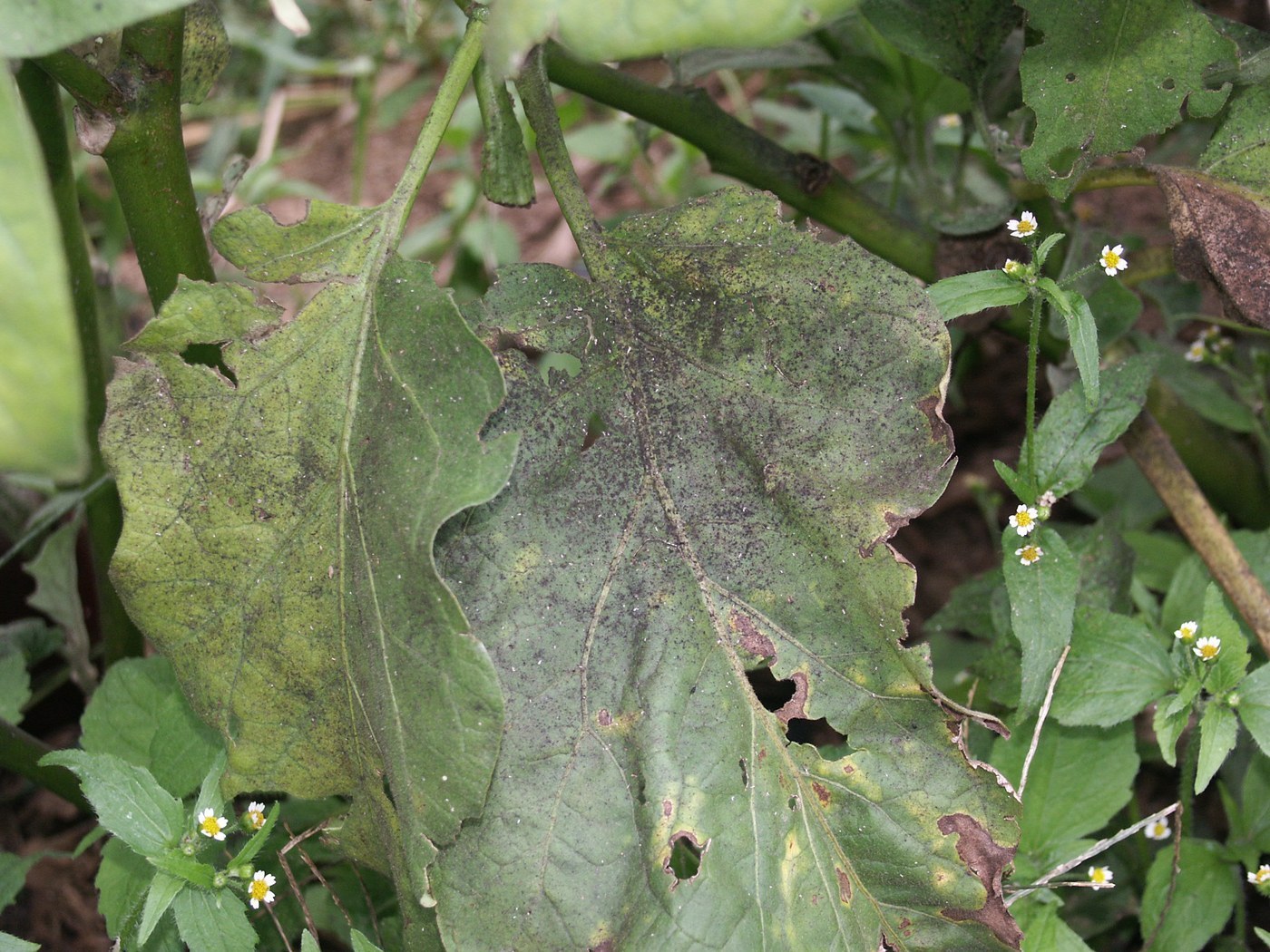
Whitefly
A tiny, moth-like white insect that clusters on the undersides of leaves and bursts into a snowy cloud when the plant is disturbed. Despite the name, it is not a true fly but a sap-feeding relative of aphids and scale insects.
true-bug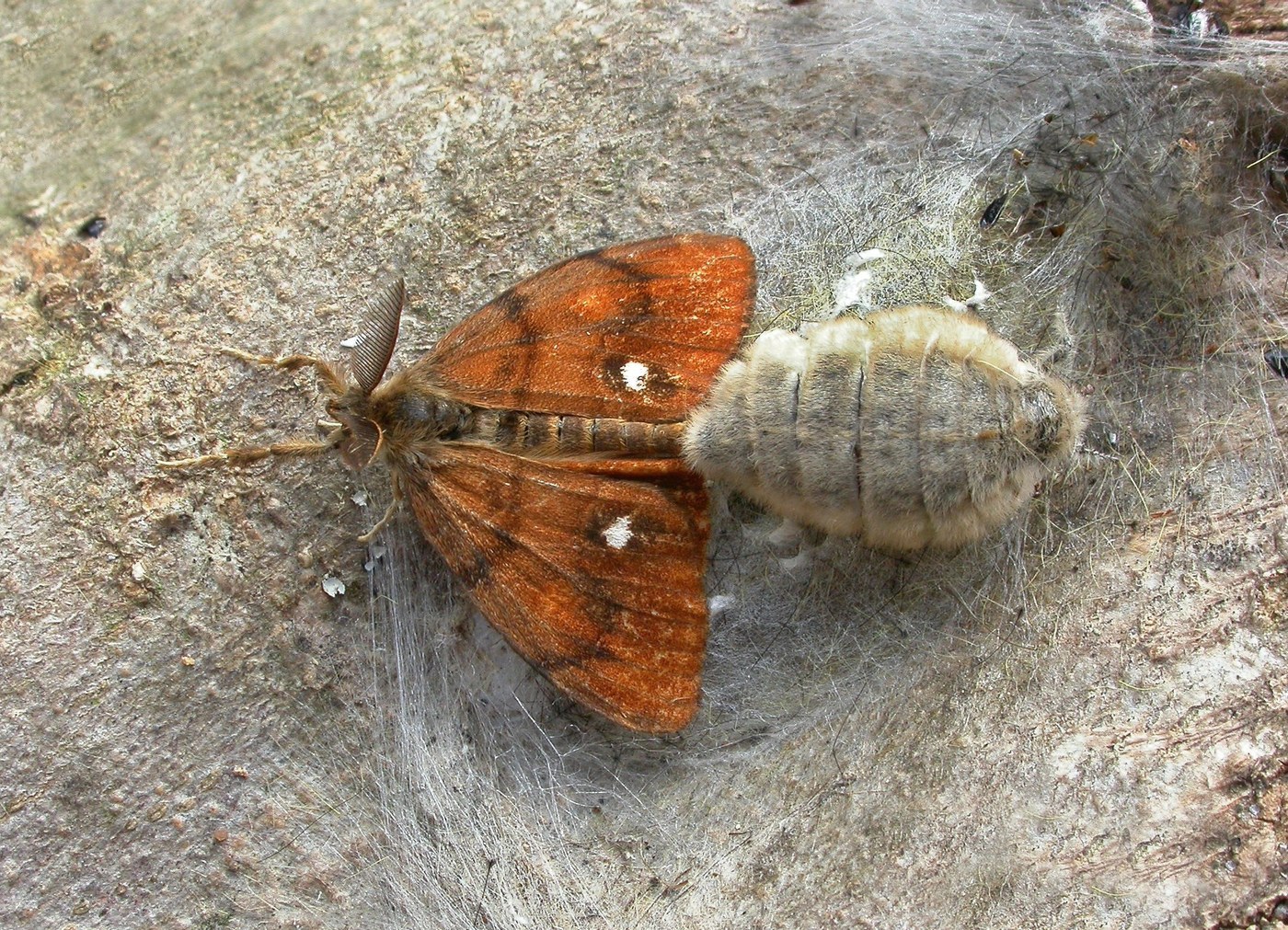
Vapourer Moth
A small tussock moth with striking sexual dimorphism: rusty-orange, day-flying males with feathery antennae contrast with flightless, grub-like grey females that never leave their cocoon to lay eggs.
mothWater Scavenger Beetle
Rounded and glossy, water scavenger beetles paddle through weedy ponds gathering air with a short antenna rather than a snorkel-like tube, feeding mostly on decaying plant matter and algae.
beetle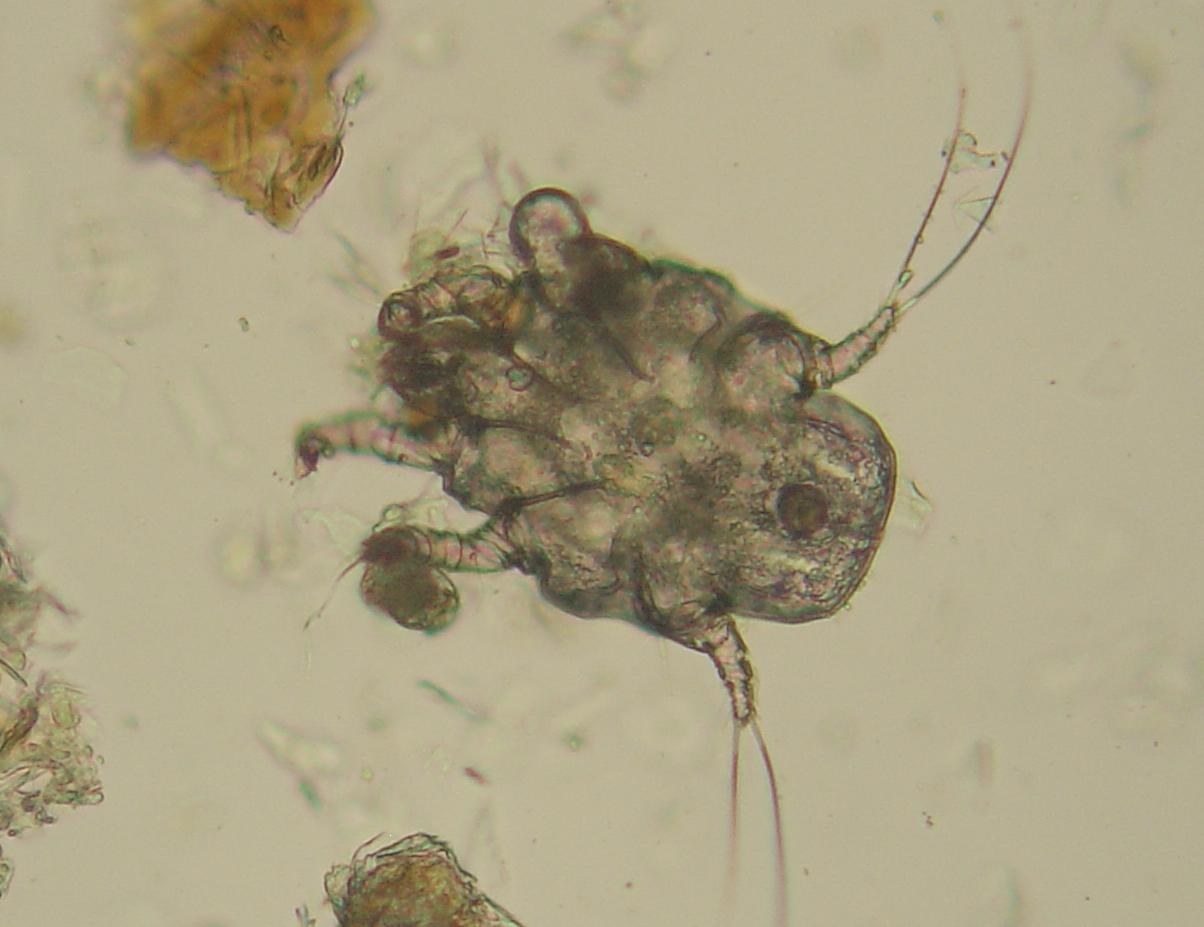
Ear Mite
A microscopic, pale mite that lives out its entire life cycle within the ear canal of its host, completing egg to adult development in a warm, sheltered environment without ever leaving.
arachnidWireworm
Slender, shiny, and armor-hard, the wireworm is the long-lived soil-dwelling larva of a click beetle, spending years underground feeding on seeds, roots, and tubers before ever taking beetle form.
beetle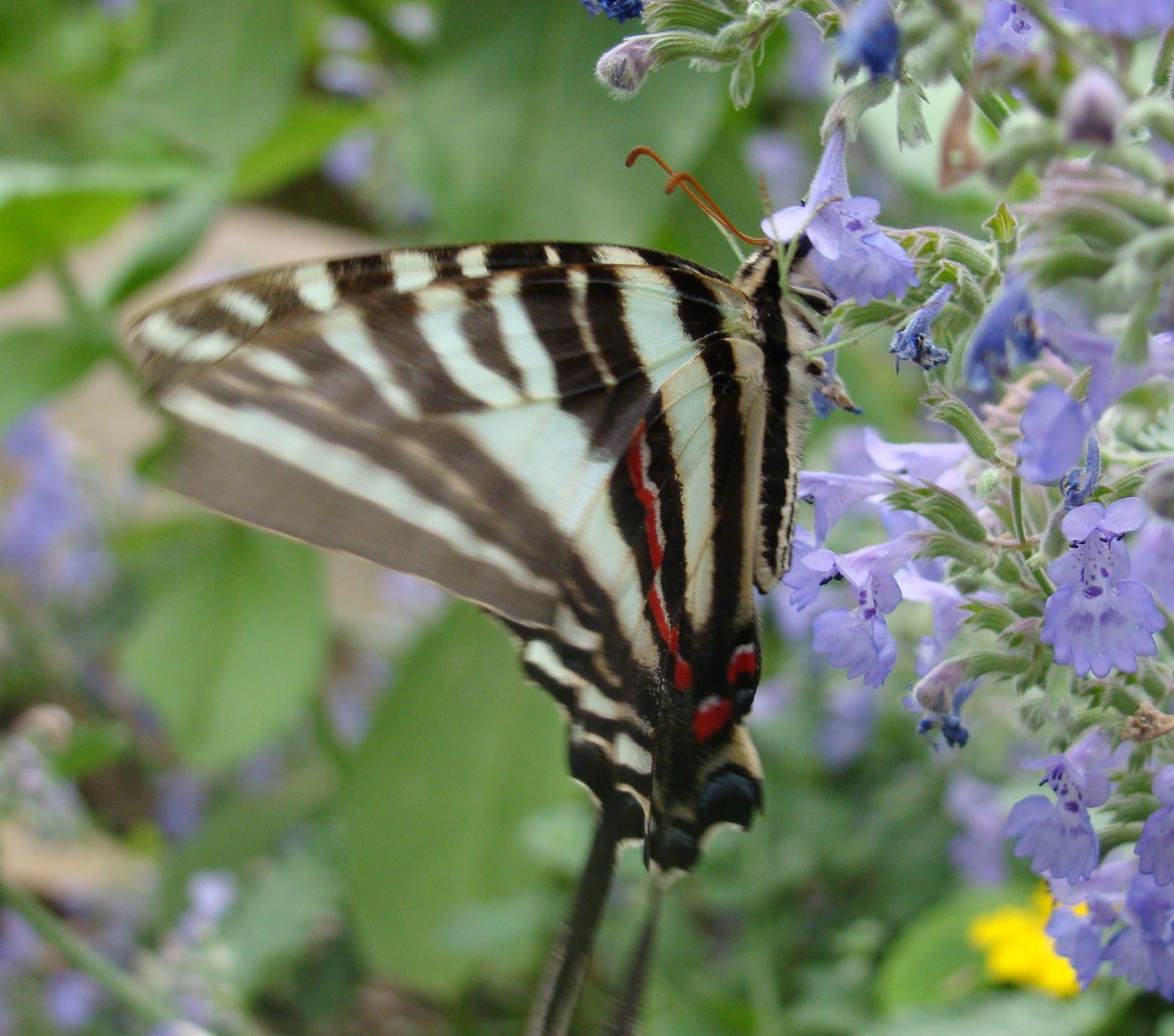
Zebra Swallowtail
A sleek, triangular-winged swallowtail striped boldly in black and pale green-white like a zebra, with long tails and red-and-blue accent spots, whose caterpillars feed exclusively on pawpaw trees.
butterfly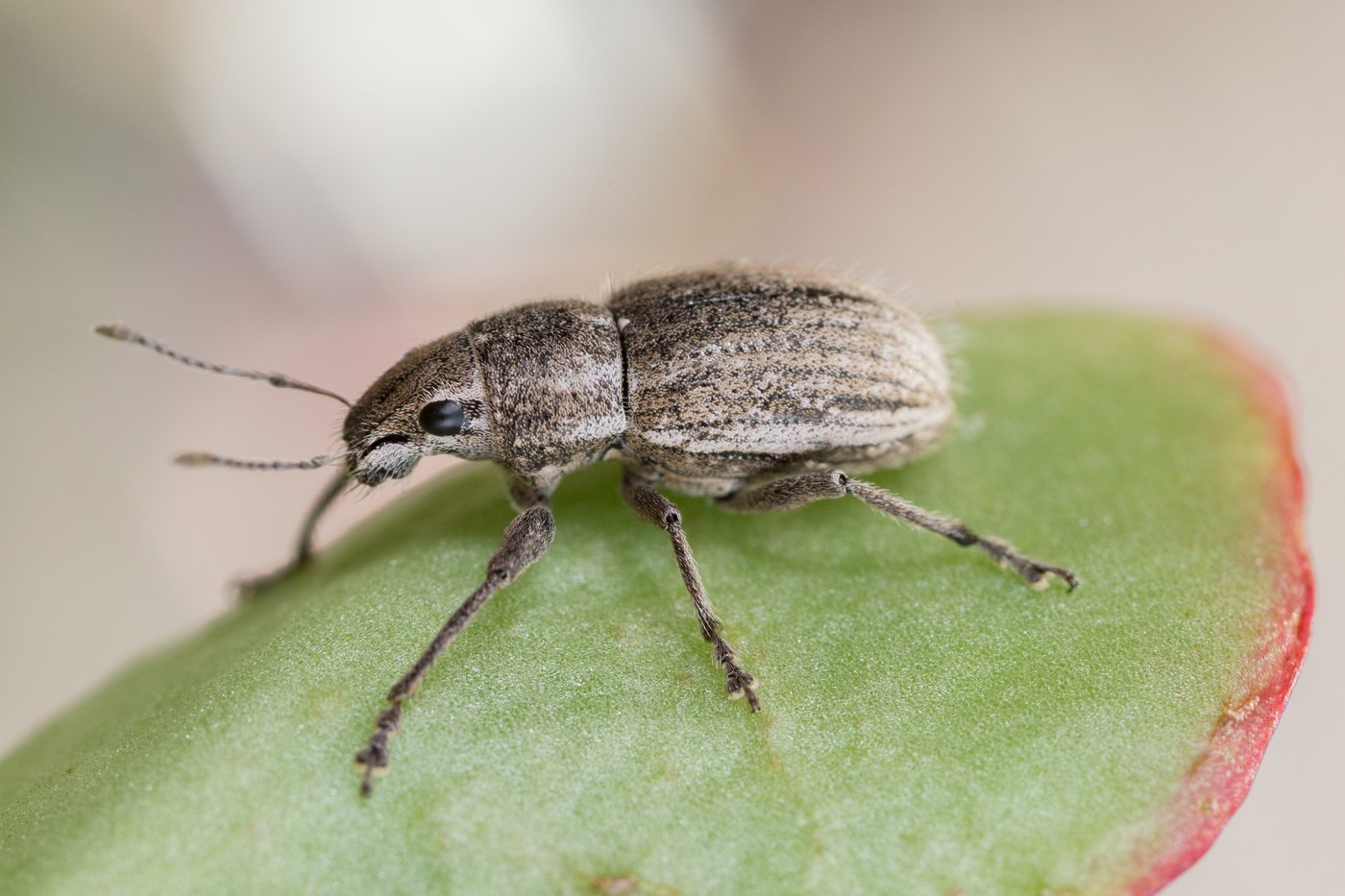
Whitefringed Beetle
A stout gray-brown weevil named for the pale, fringe-like stripe along the outer edge of its wing covers, whose root-feeding larvae are a recognized issue in pastures and row crops.
beetle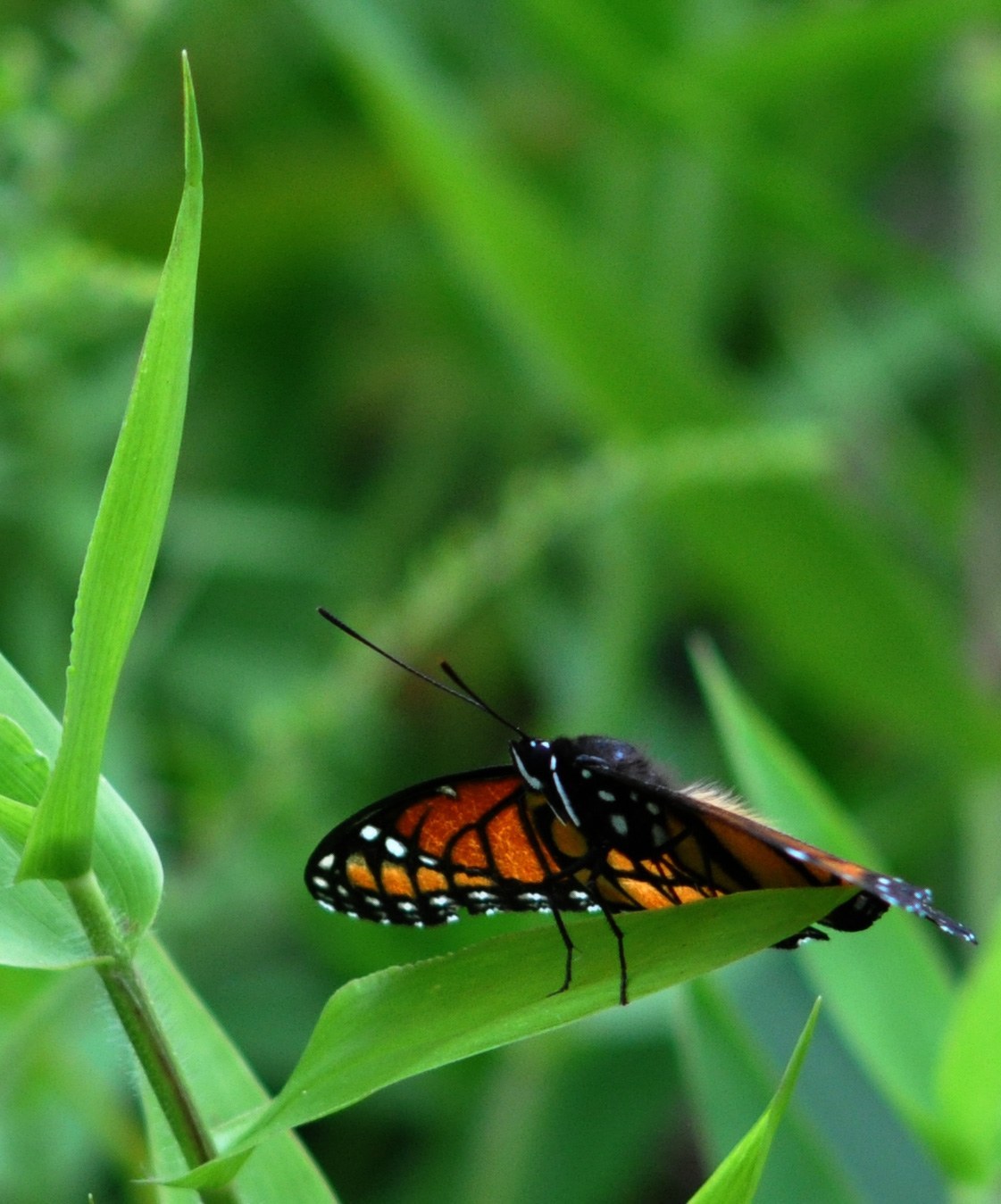
Viceroy Butterfly
An orange-and-black butterfly closely resembling the monarch, distinguished by a smaller size and a distinctive black line crossing the veins of the hindwing, and long cited as a classic example of mimicry between two unrelated species.
butterfly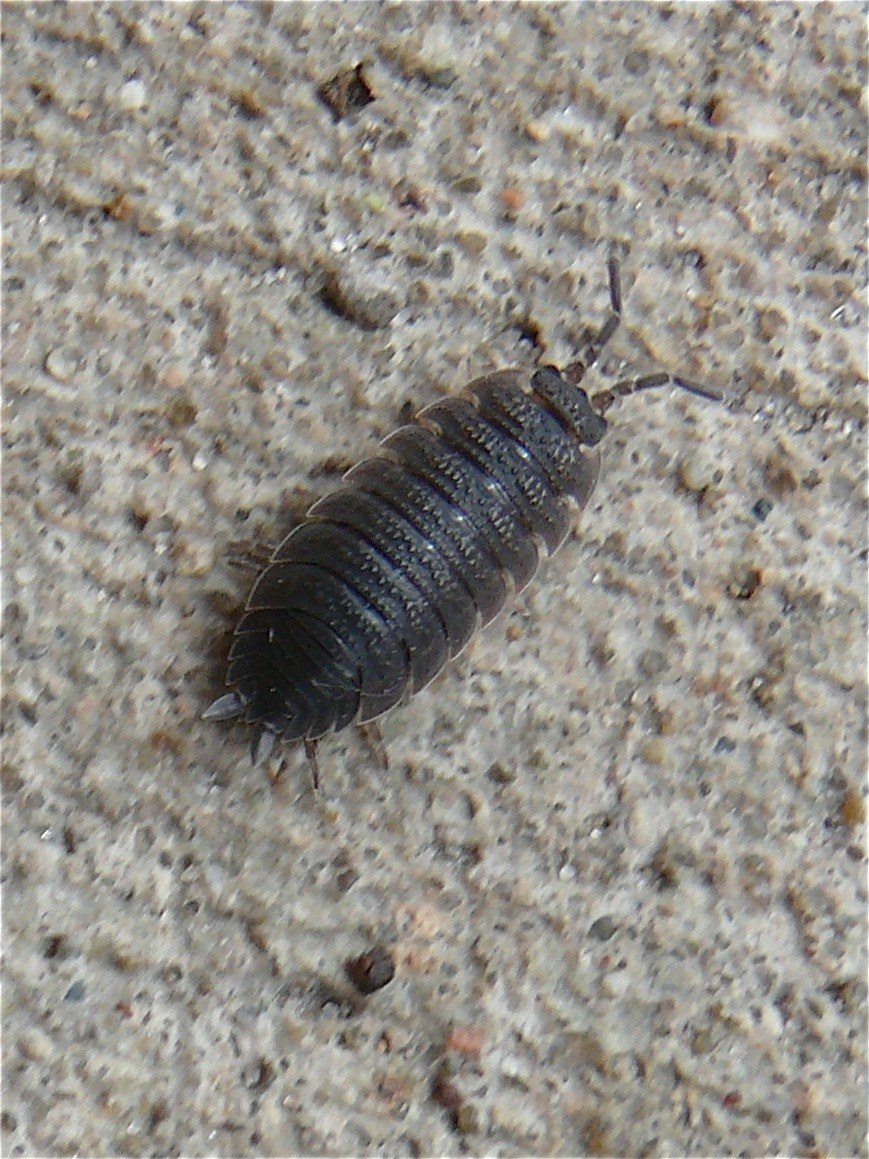
Sowbug
A slate-gray, oval, armor-plated crustacean that shuffles through damp leaf litter on seven pairs of legs, recognizable by its overlapping segmented shell and pair of trailing tail-like appendages.
other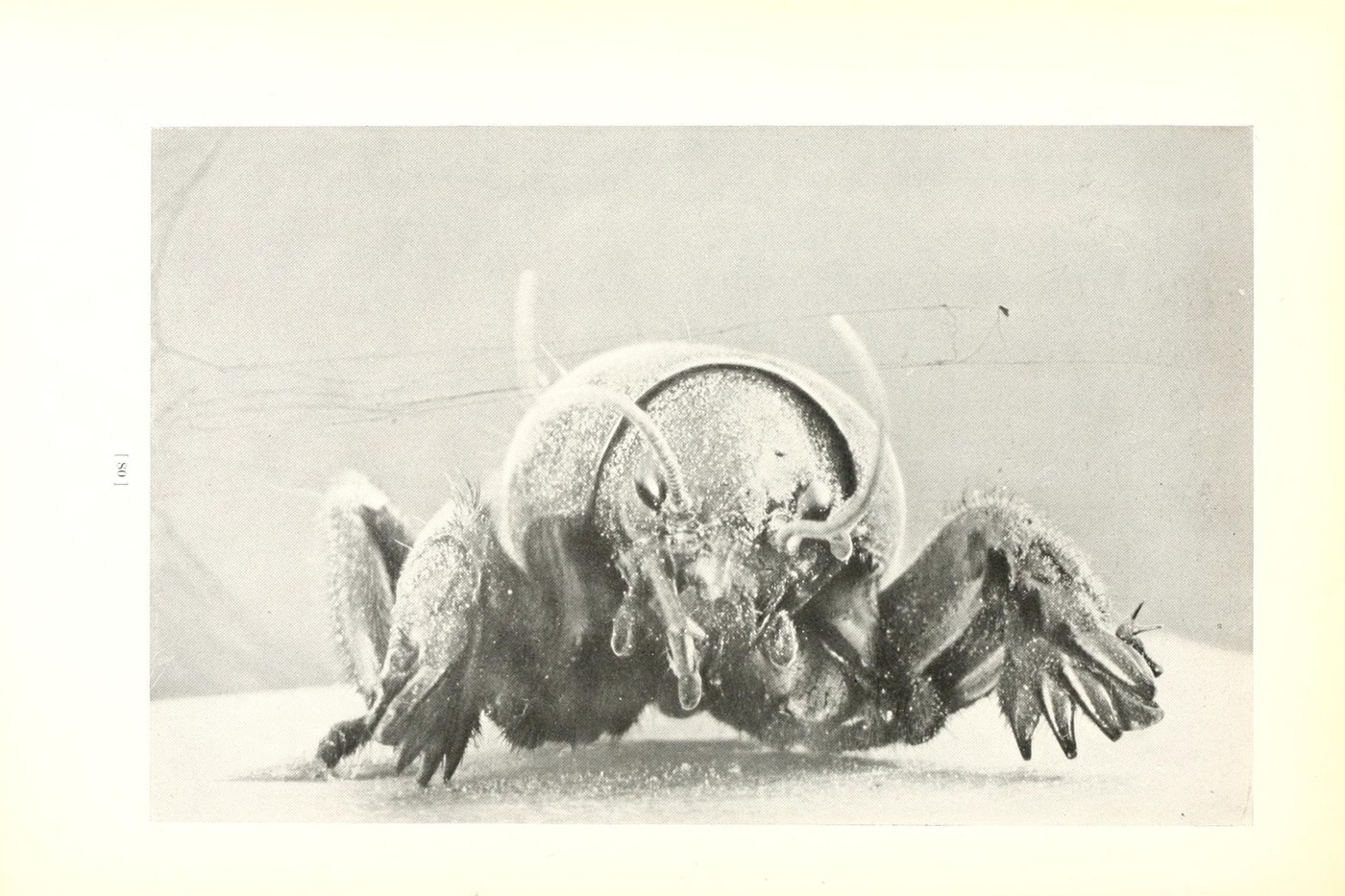
Northern Mole Cricket
A stout, velvety brown cricket with shovel-like front legs built for tunneling through damp soil, more often heard as a low buzzing trill at night than seen above ground.
grasshopper-cricket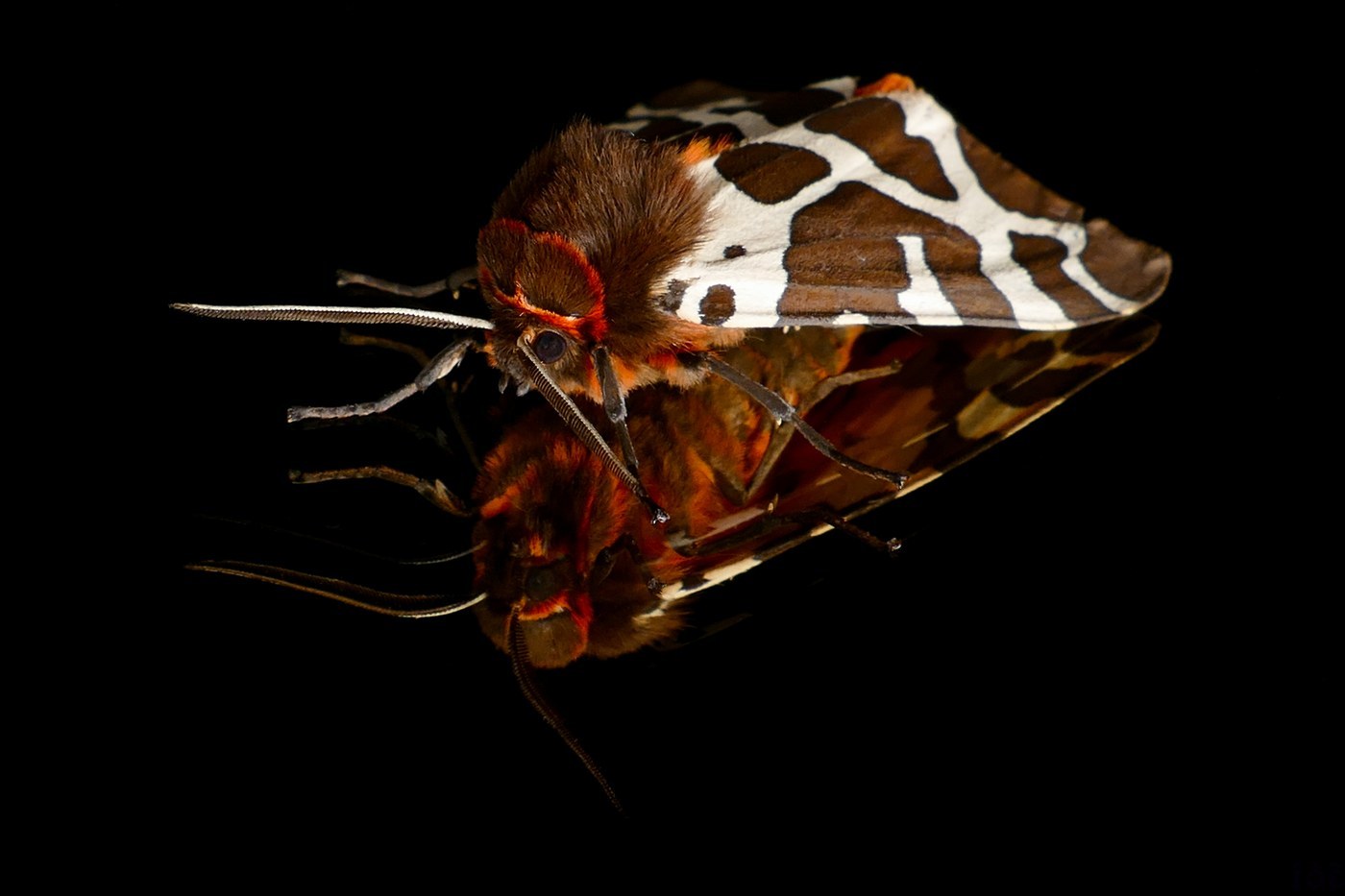
Great Tiger Moth
A boldly patterned tiger moth with chocolate-brown and cream lace-like markings on the forewings and vivid orange hindwings spotted with blue-black, one of the most visually striking moths in temperate gardens.
mothCrane Fly Larva
Thick-skinned and worm-like, the crane fly larva, often called a leatherjacket, burrows through wet mud and decaying vegetation at the edges of ponds and streams, breaking down plant material as it grows.
aquatic-insect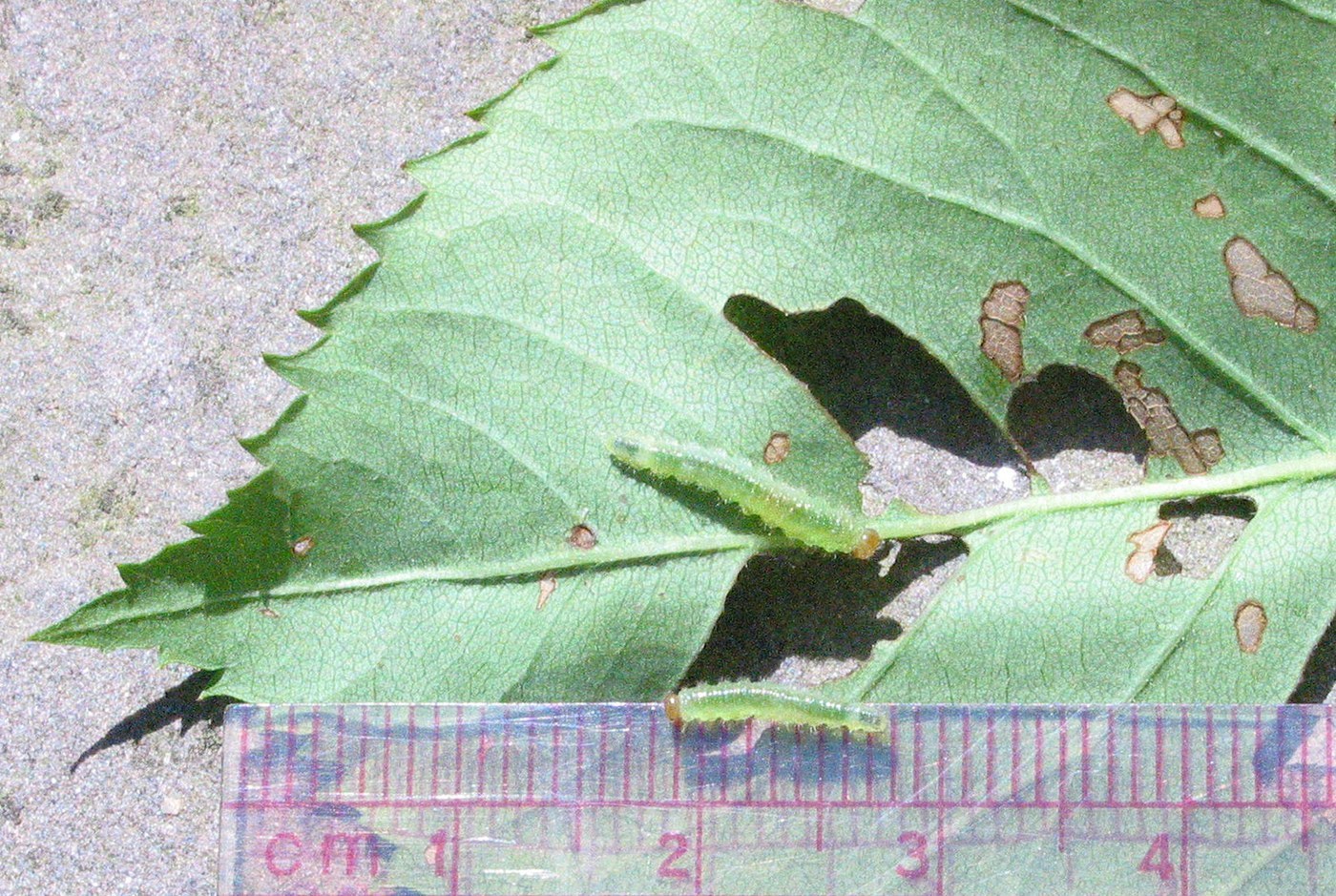
Bristly Rose Slug
Despite its caterpillar-like, slug-shaped body covered in fine bristles, this pale green larva is actually the offspring of a small sawfly and feeds on rose leaves by skeletonizing them from the underside.
caterpillar-larvaWhite Grub
A pale, C-shaped larva with a brown head capsule and six stubby legs, spending its entire early life hidden underground feeding on roots before emerging as a stout May or June beetle.
beetleSilverfish Firebrat
Two closely related, wingless, silvery or mottled insects with fish-like darting movements and three long tail bristles, one favoring damp basements and the other thriving near warm ovens and furnaces.
otherGolden Tortoise Beetle
A tiny, dome-shaped beetle famous for its brilliant, mirror-like gold sheen, which it can dial down to a dull orange or spotted reddish tone within minutes when disturbed or handled.
beetle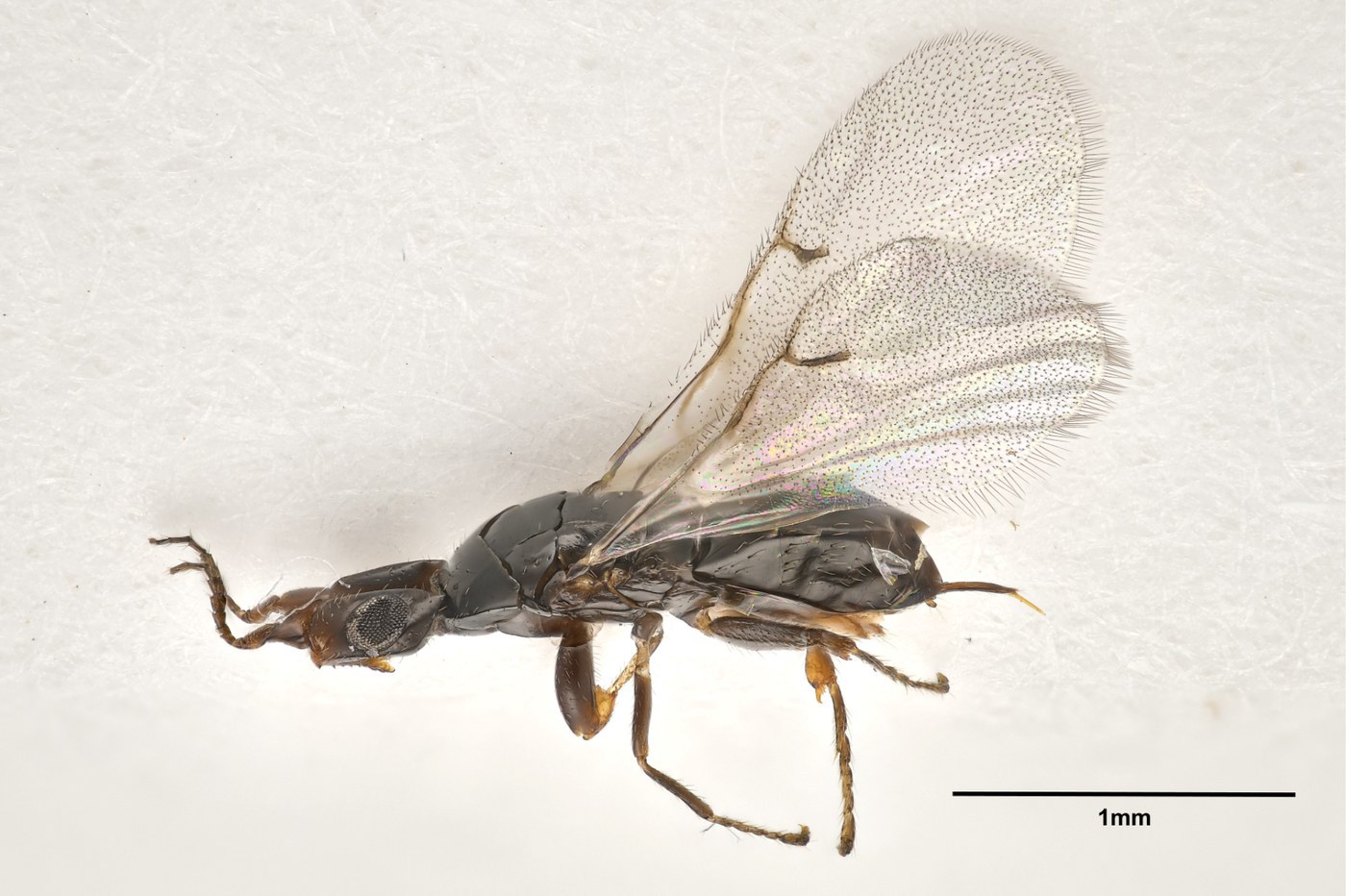
Fig Wasp
A pinhead-sized wasp that spends nearly its entire life inside a fig, forming one of the most tightly co-evolved partnerships in nature as it pollinates the tree in exchange for a place to lay its eggs.
waspDrywood Termite
A termite that lives entirely within the dry wood it feeds on, needing no soil contact at all, and revealing itself mainly through small piles of pellet-like frass pushed from tiny exit holes.
other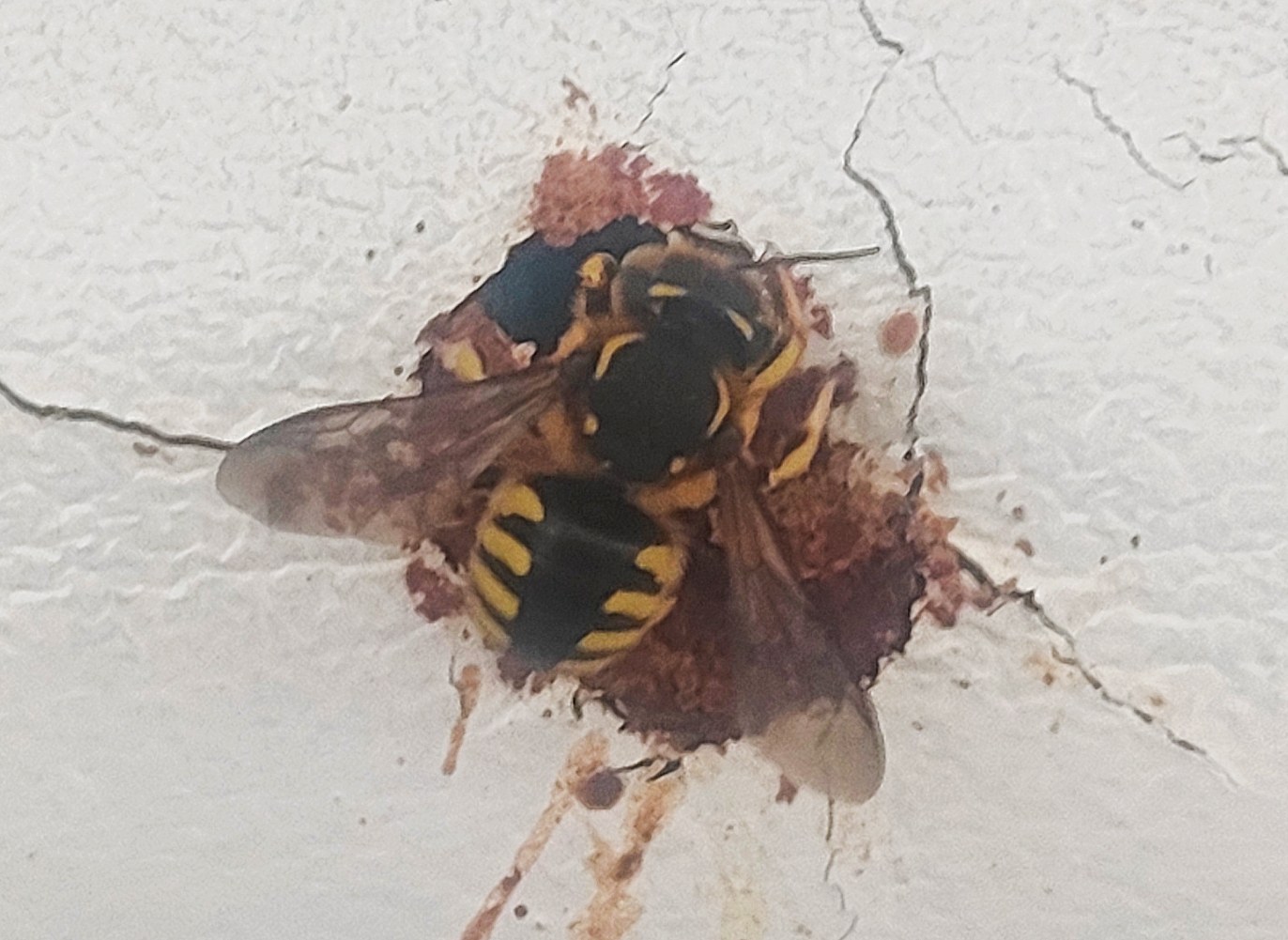
Wool Carder Bee
A stocky, yellow-and-black solitary bee named for its habit of scraping soft plant fibers from fuzzy leaves to line its nest, with territorial males that aggressively patrol and defend flower patches.
bee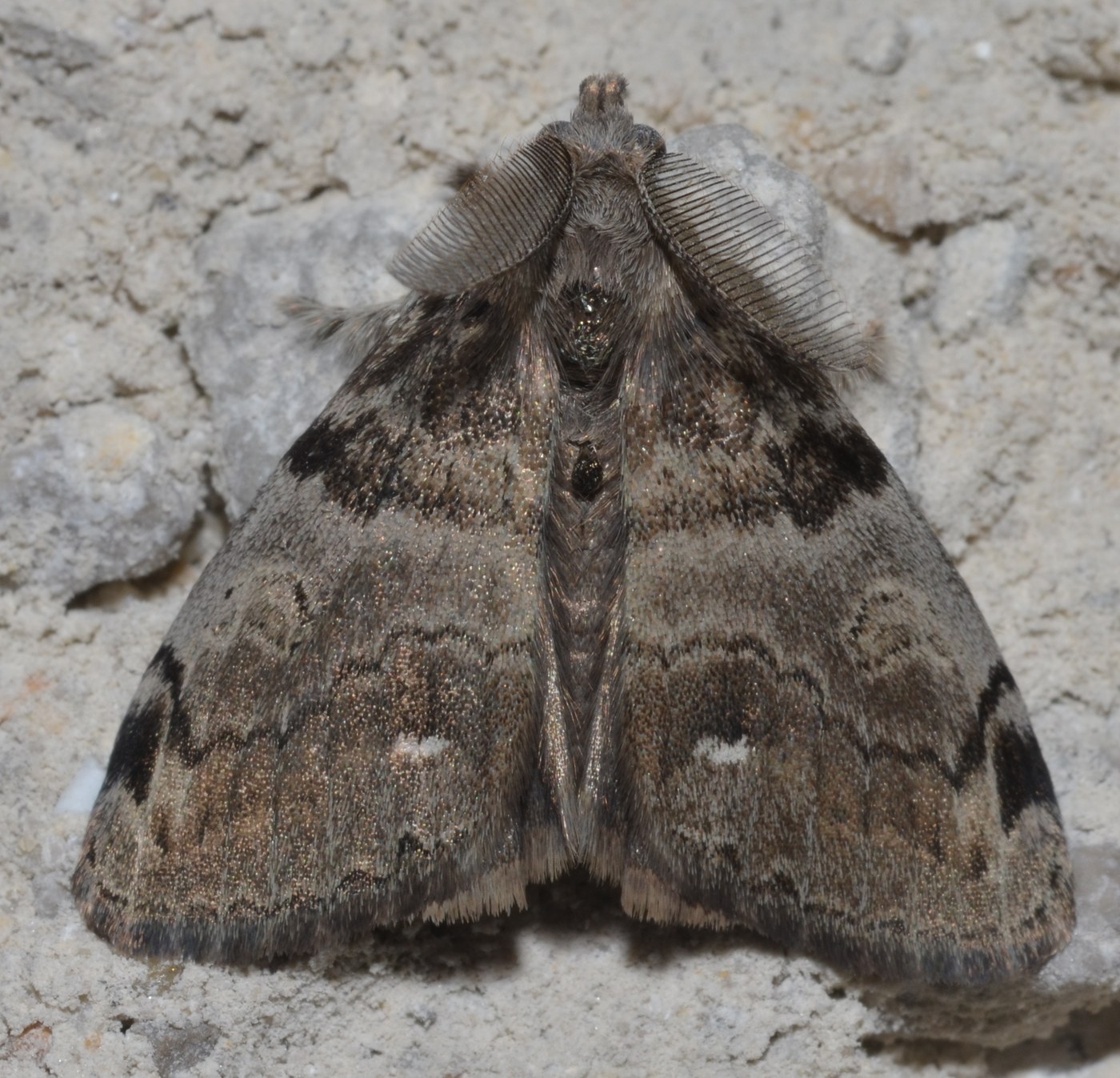
Tussock Moth
A moth with a striking split lifestyle: winged, drab gray-brown males fly to seek out flightless, grub-like females, while the ornate caterpillars sport dense tufts of colorful bristly hair.
moth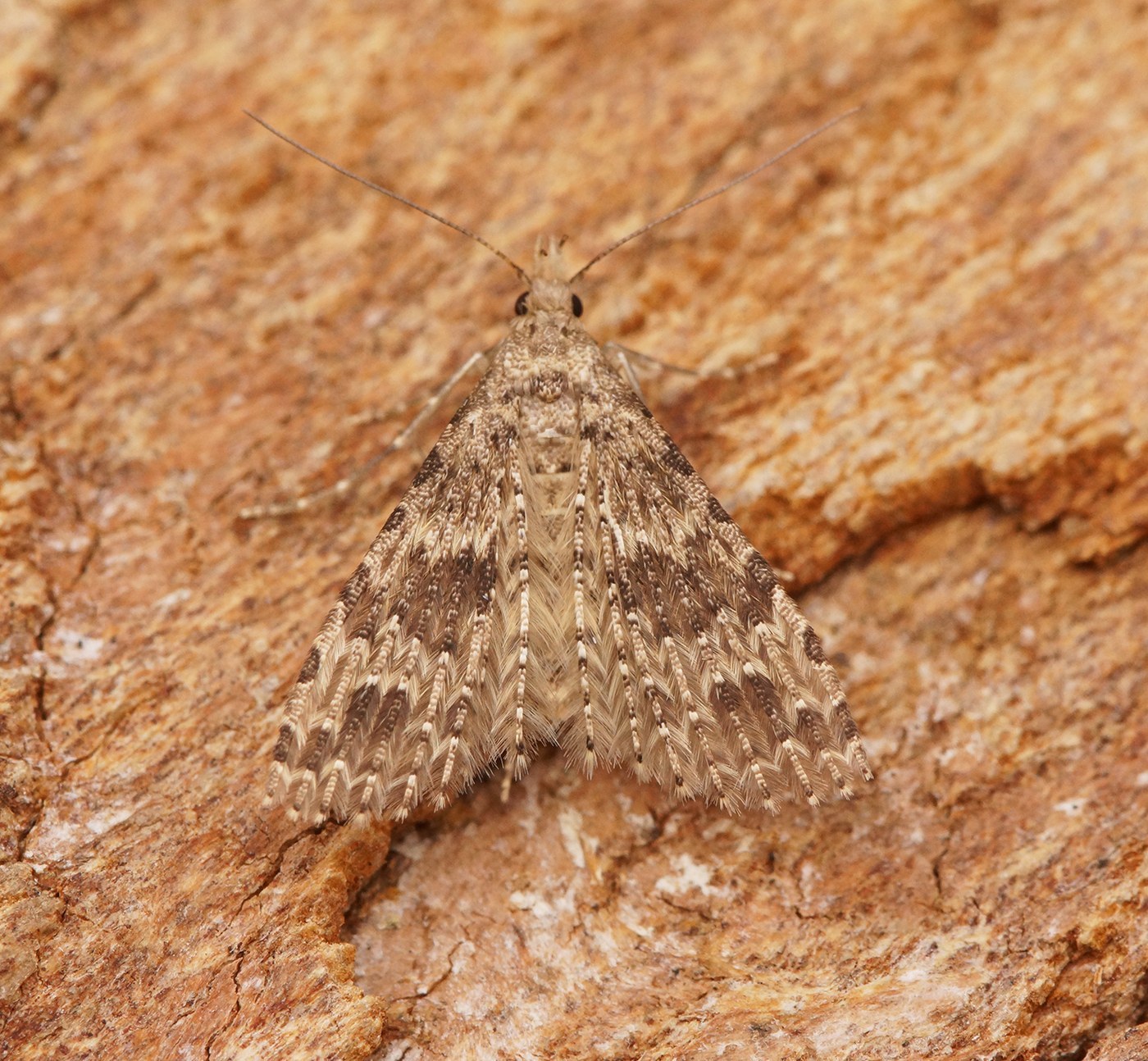
Twenty-plume Moth
A tiny, unusual moth whose wings are each divided into numerous slender, feather-like plumes rather than solid membranes, giving it a delicate, fringed appearance unlike almost any other moth.
mothSpringtail
A minuscule, wingless hexapod best known for its spring-loaded tail-like structure that flicks it into sudden, erratic hops when disturbed, often found in huge numbers in damp soil and leaf litter.
other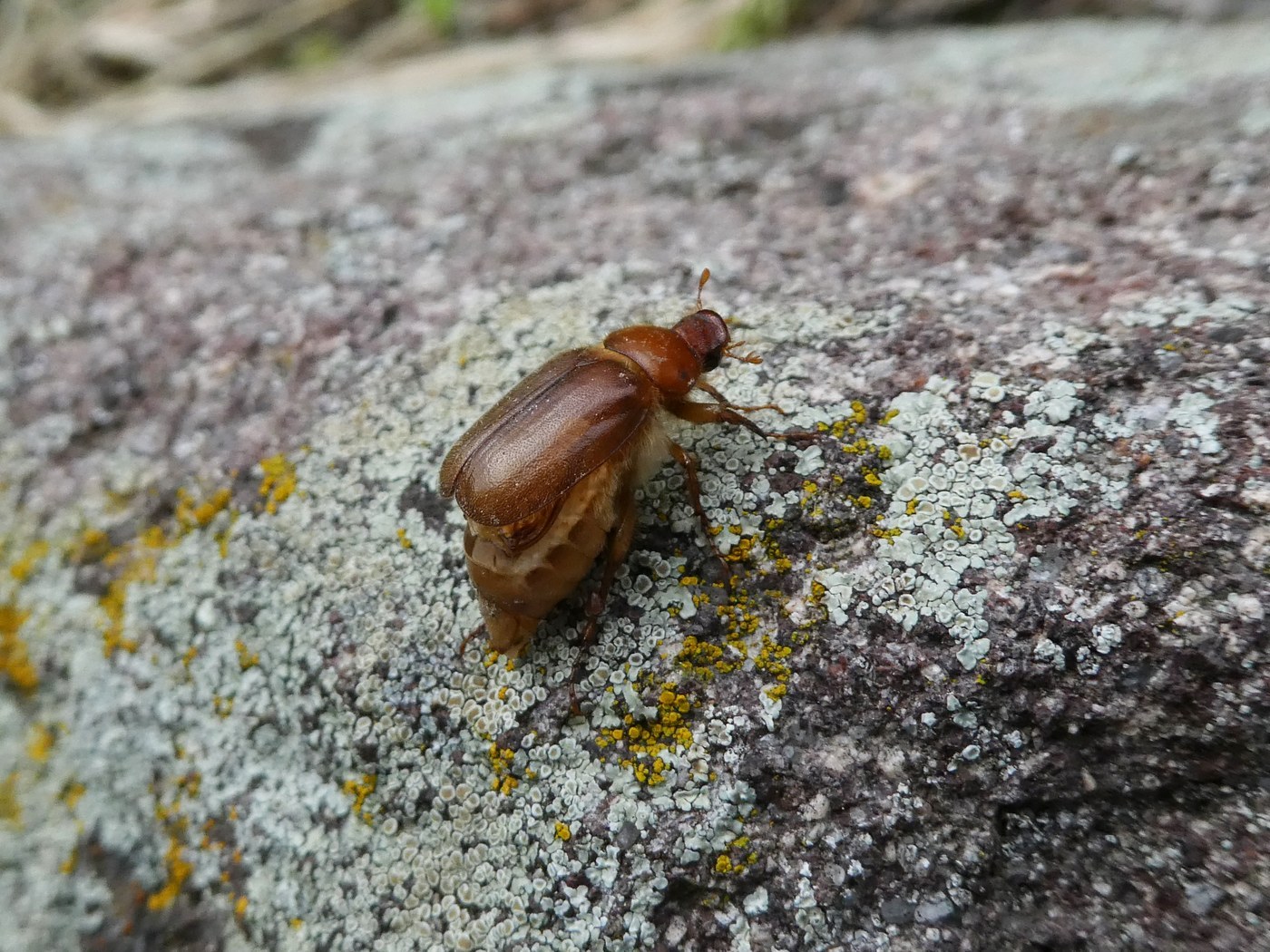
Scarab Beetle
A broad, often glossy beetle family recognized by its distinctive fan-like clubbed antennae, ranging from tiny dung-rollers to massive horned giants, found on every continent except Antarctica.
beetle