
Bug Encyclopedia
Search and identify bugs & insects — beetles, butterflies, moths, ants, bees, spiders and more — with size, habitat, danger, behavior, and how to tell them apart.
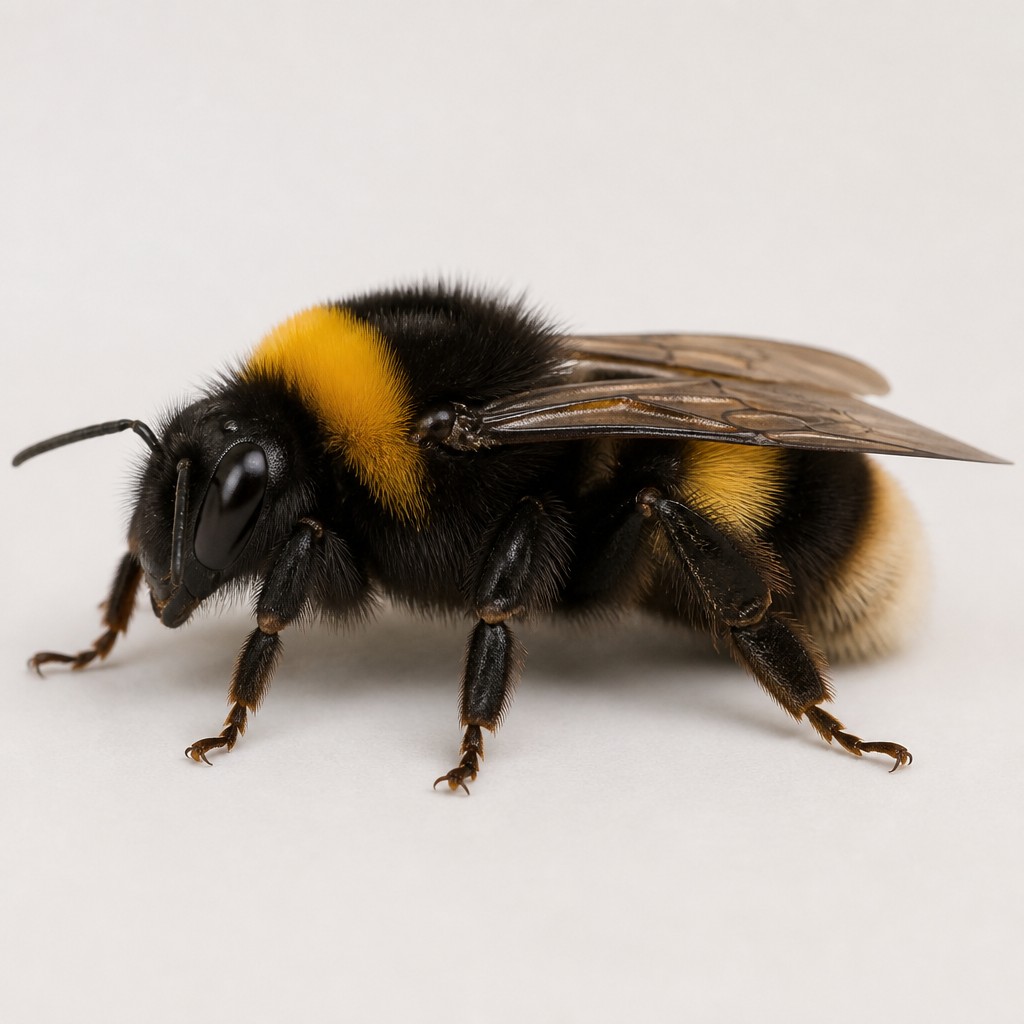
Bumble Bee Queen
The large, robust foundress of a bumble bee colony, noticeably bigger and fuzzier than her worker offspring, seen alone in early spring searching for a nesting cavity before her colony's first workers emerge.
bee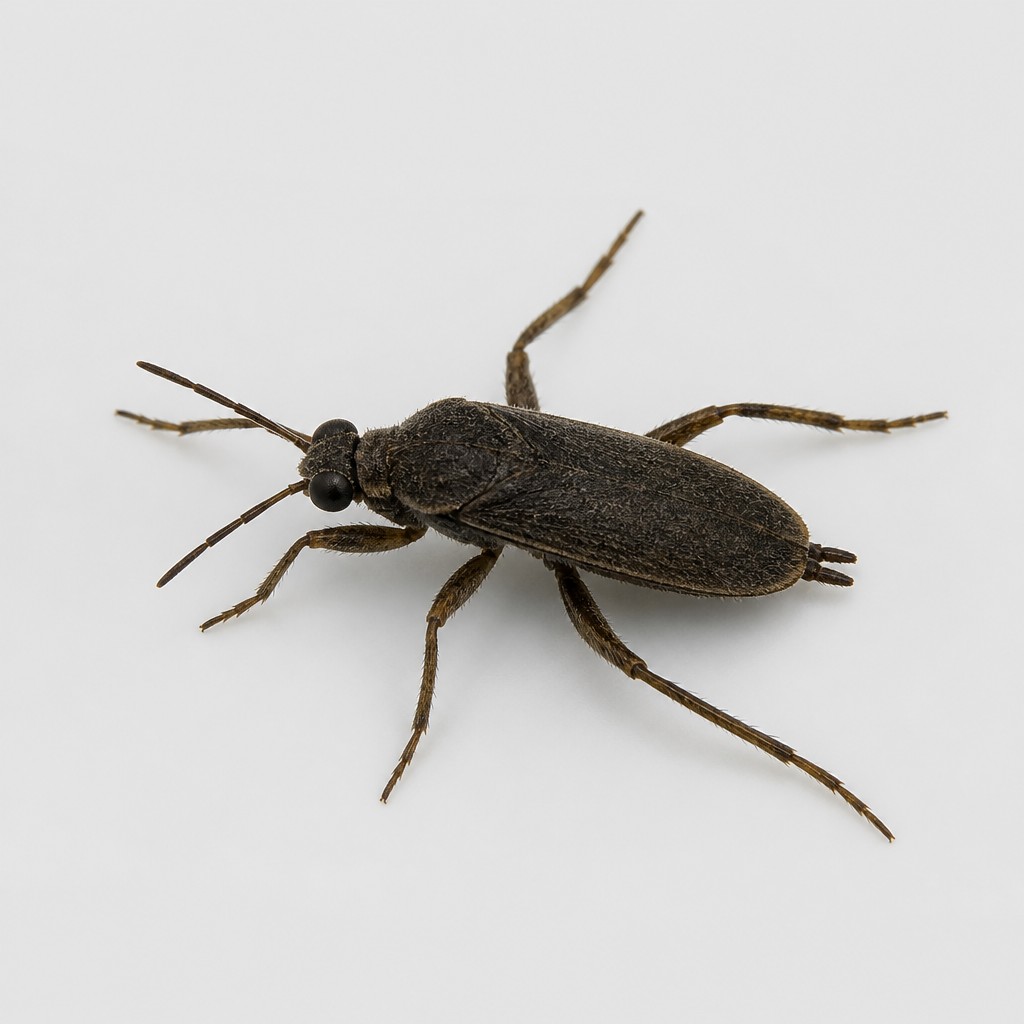
Water Cricket
Despite its name, the water cricket is not a cricket at all but a compact, velvety true bug that skates over the swirling surfaces of streams and riffles in search of trapped prey.
true-bug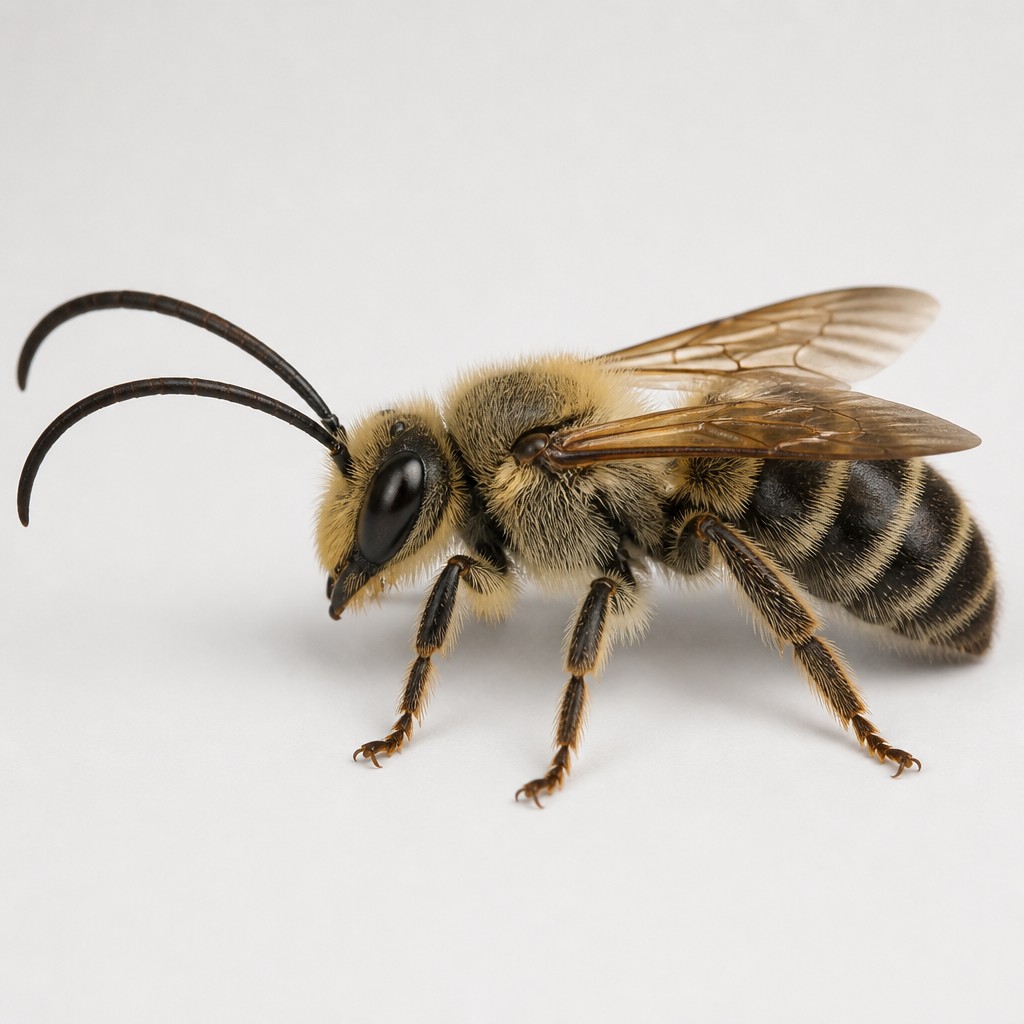
Longhorn Bee
A fuzzy, medium-sized solitary bee named for the males' notably long, curved antennae, commonly seen foraging on sunflowers, asters, and other late-summer composite flowers.
bee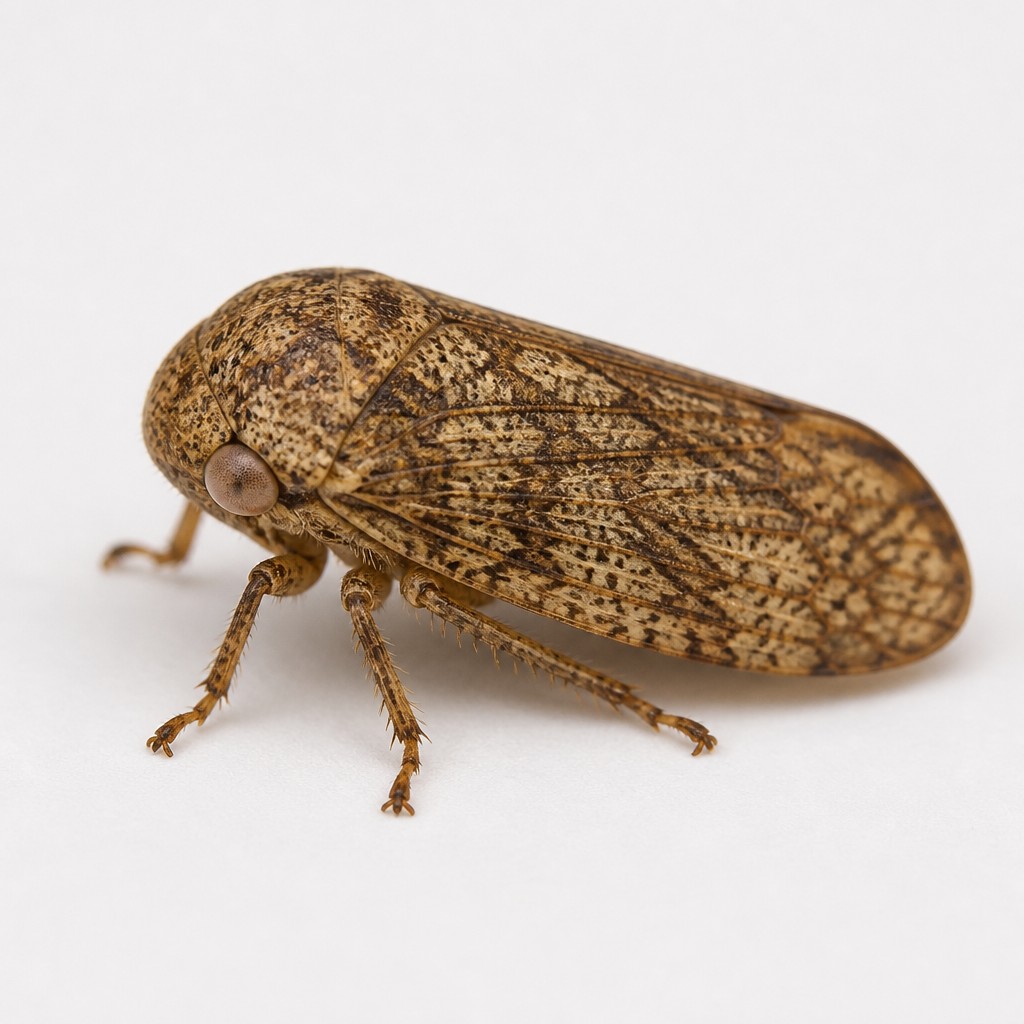
Meadow Spittlebug
A small, mottled hopping true bug whose immature nymphs are far more often noticed than the adults, hidden inside frothy blobs of white foam known as cuckoo spit on plant stems.
true-bug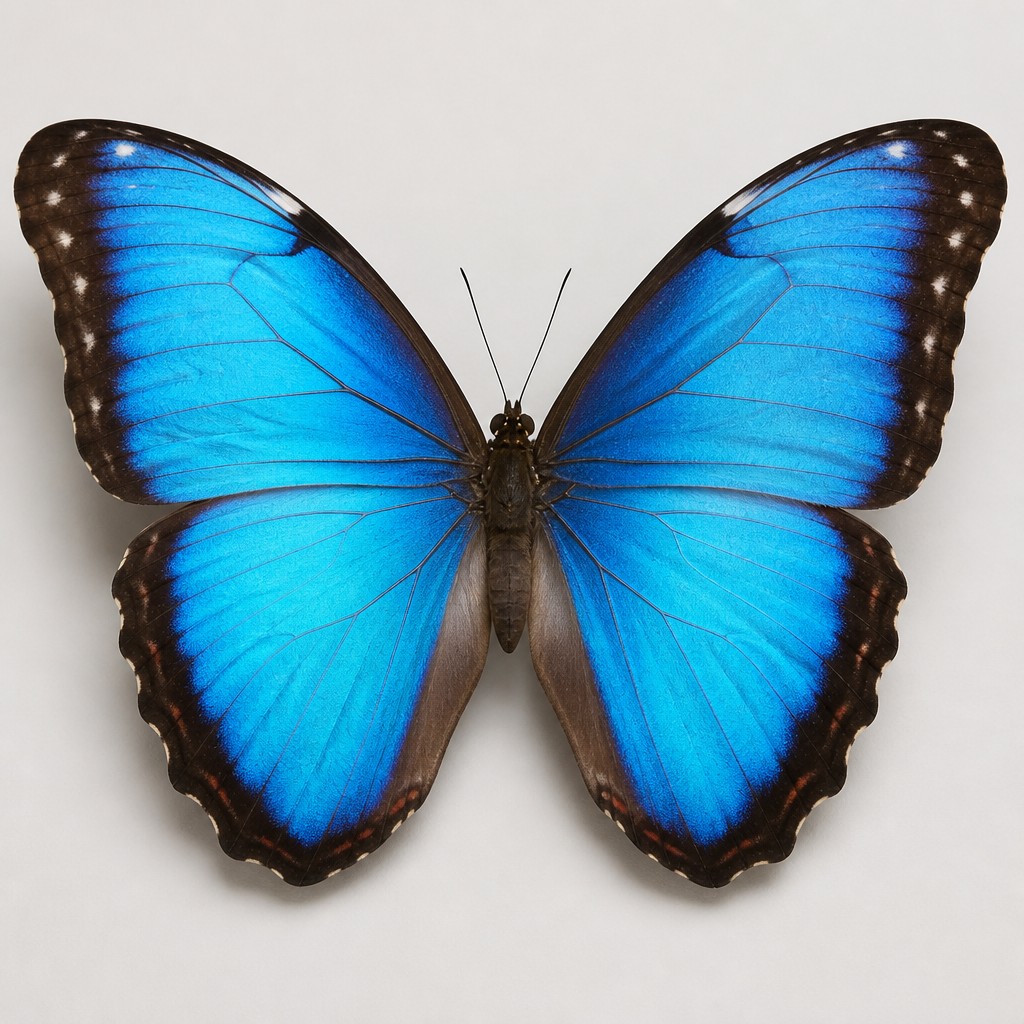
Blue Morpho Butterfly
A dazzling, hand-sized rainforest butterfly whose wings flash brilliant metallic blue in flight, an effect created not by pigment but by microscopic light-bending scales.
butterfly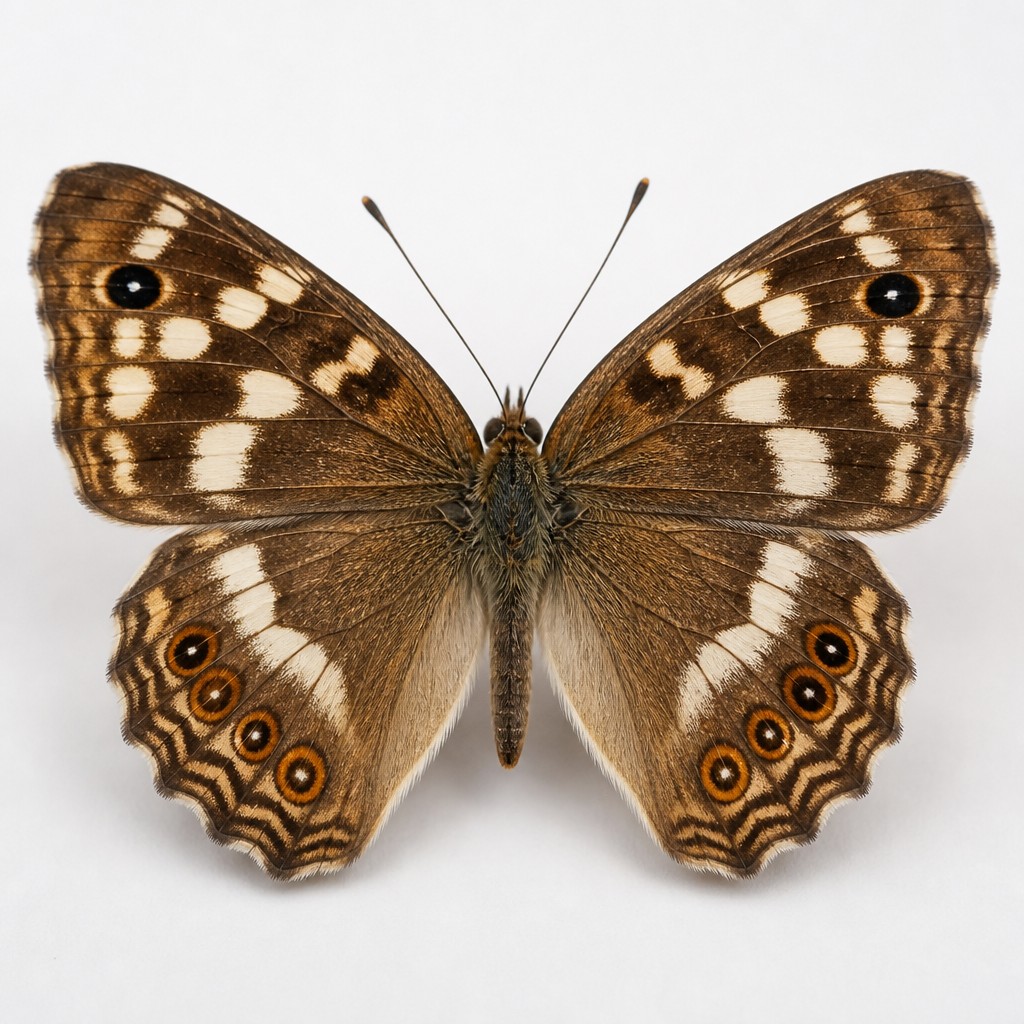
Hackberry Emperor
A brown-and-cream butterfly closely tied to hackberry trees, notable for its bold eyespots and habit of landing on people, cars, and other unusual surfaces rather than flowers.
butterfly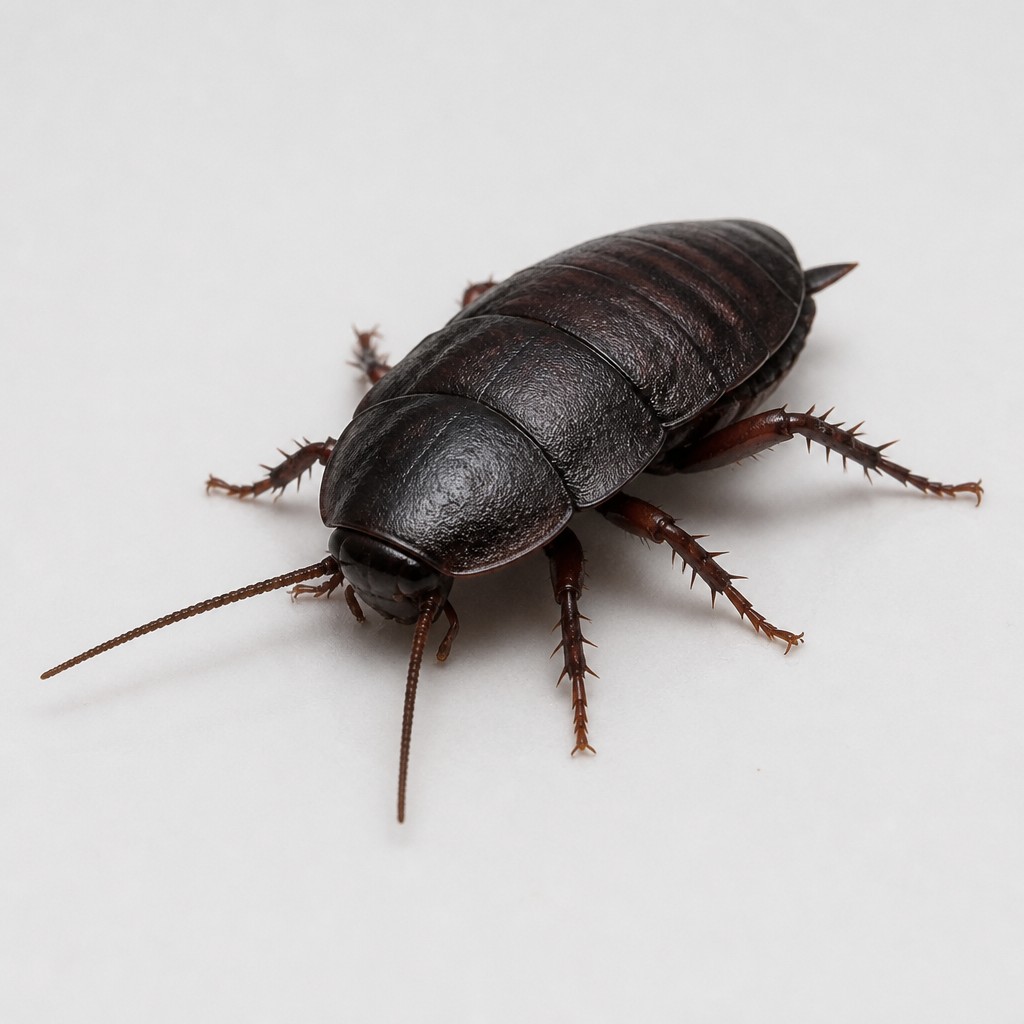
Oriental Cockroach
A dark, matte blackish-brown cockroach with short wings that do not cover the abdomen, especially in females, and a preference for cooler, damper hiding spots than most other common cockroaches.
other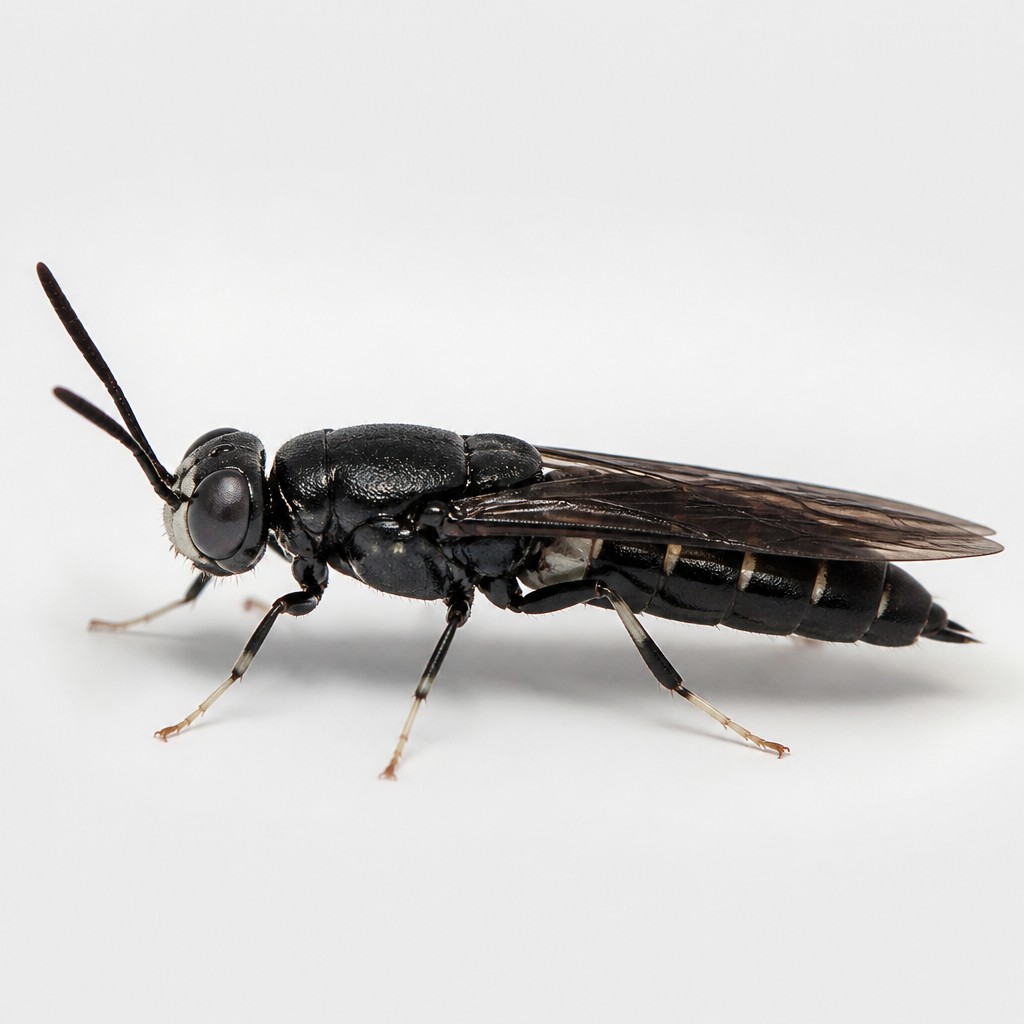
Black Soldier Fly
A sleek, dark, wasp-like fly whose larvae are voracious decomposers of decaying organic material, while the short-lived adults do not feed at all.
fly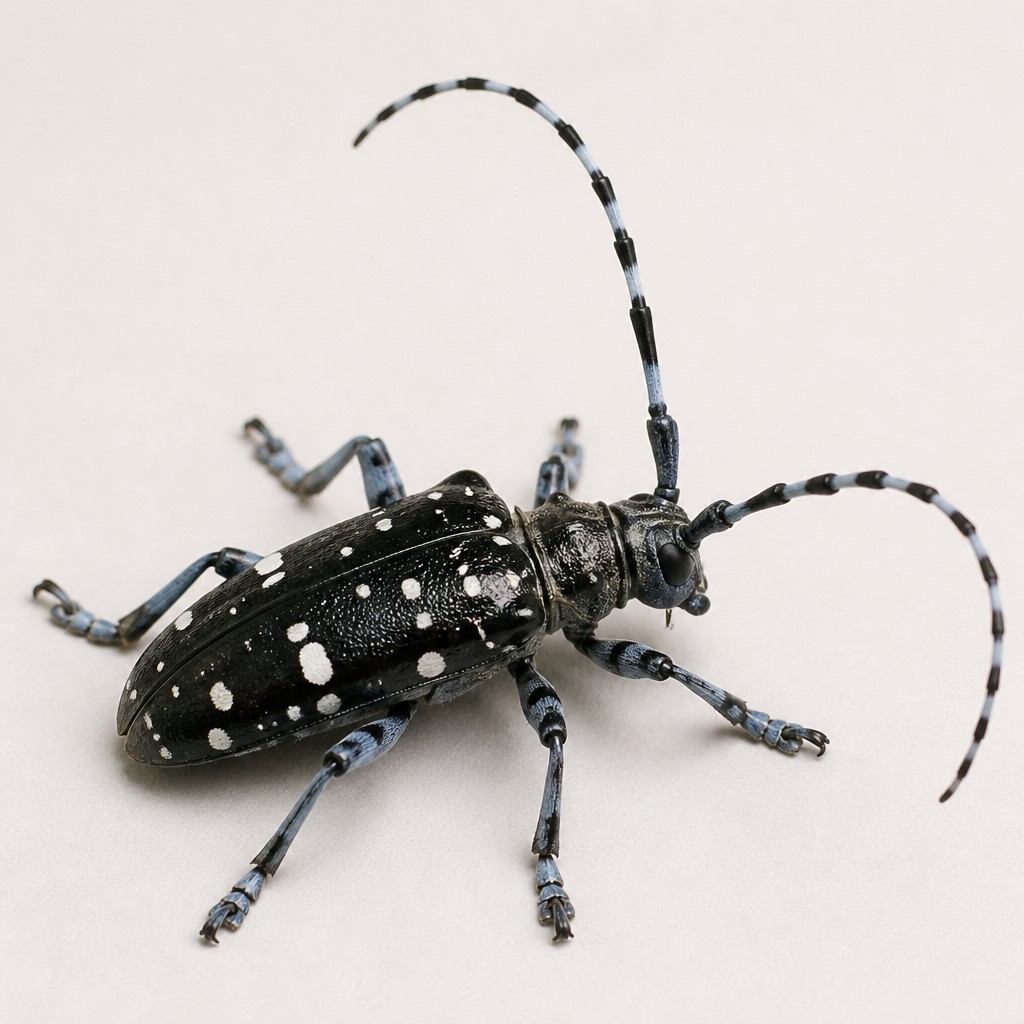
Asian Longhorned Beetle
A large, glossy black longhorn beetle patterned with irregular white spots and boldly banded blue-white antennae, notable as one of the largest and most eye-catching wood-boring beetles seen in temperate hardwood trees.
beetle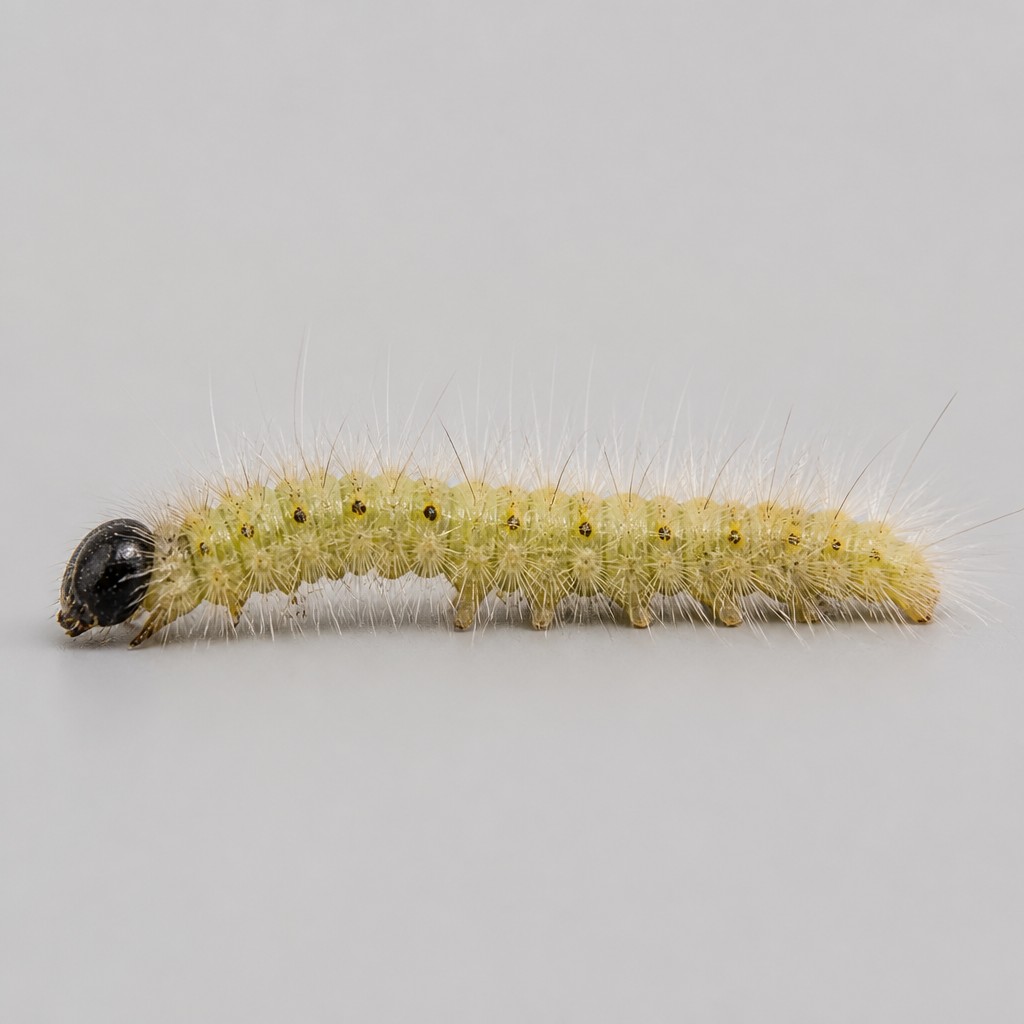
Fall Webworm
A pale, hairy caterpillar that spins loose, messy silk webs enclosing entire leaf clusters at the tips of tree branches, becoming especially noticeable in late summer and fall.
caterpillar-larva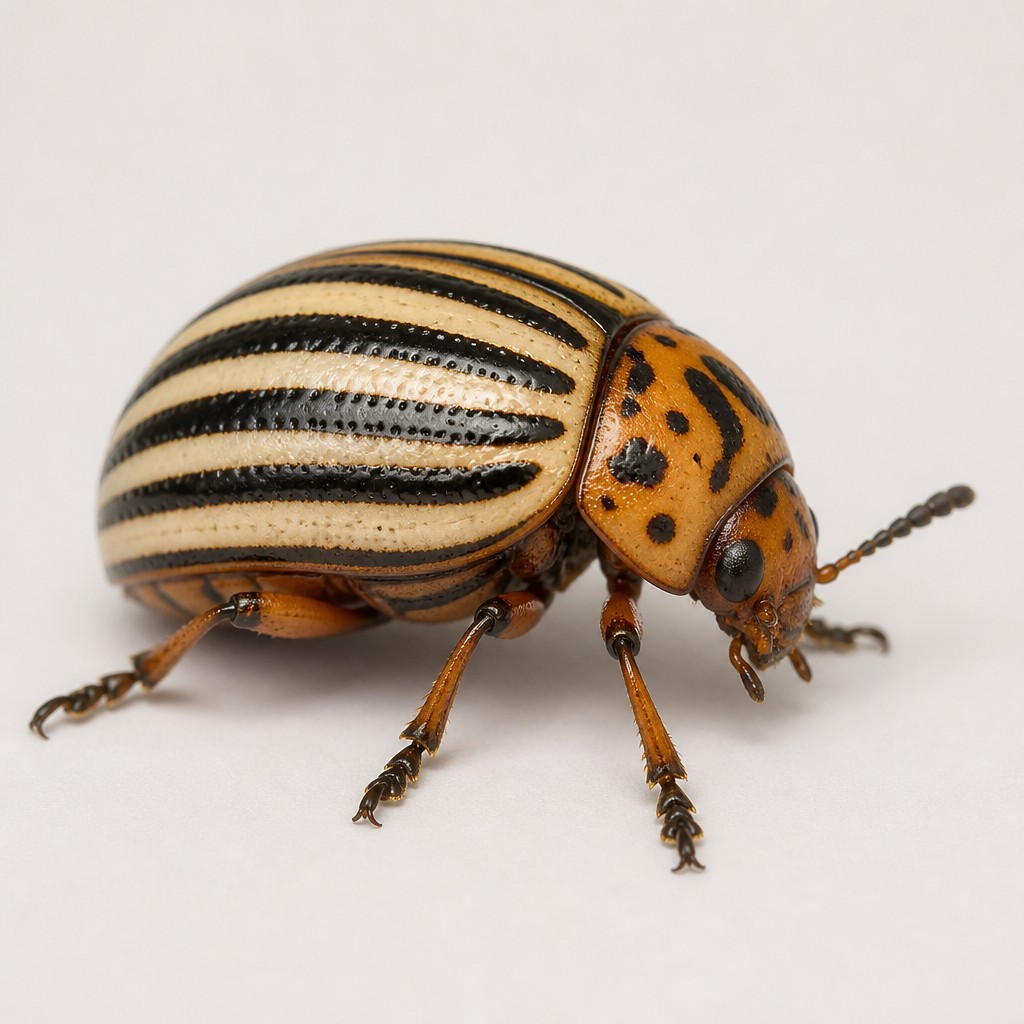
Colorado Potato Beetle
A rounded, boldly striped yellow-and-black beetle that is one of the most notorious defoliators of potato plants, easily spotted marching across leaves in gardens and fields.
beetle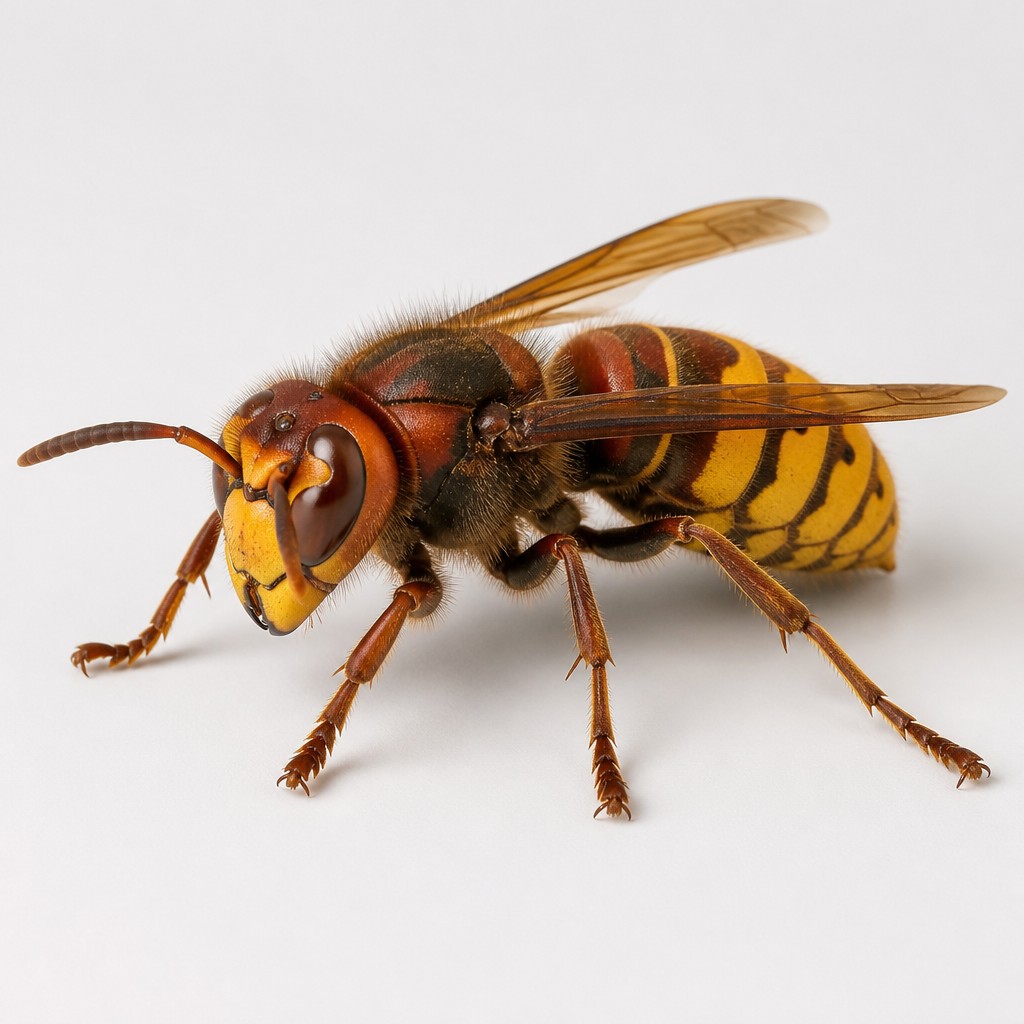
Hornet
A large, robust social wasp with a reddish-brown and yellow patterned body, notably bigger than yellowjackets, building enclosed papery nests often high in tree cavities or wall voids.
wasp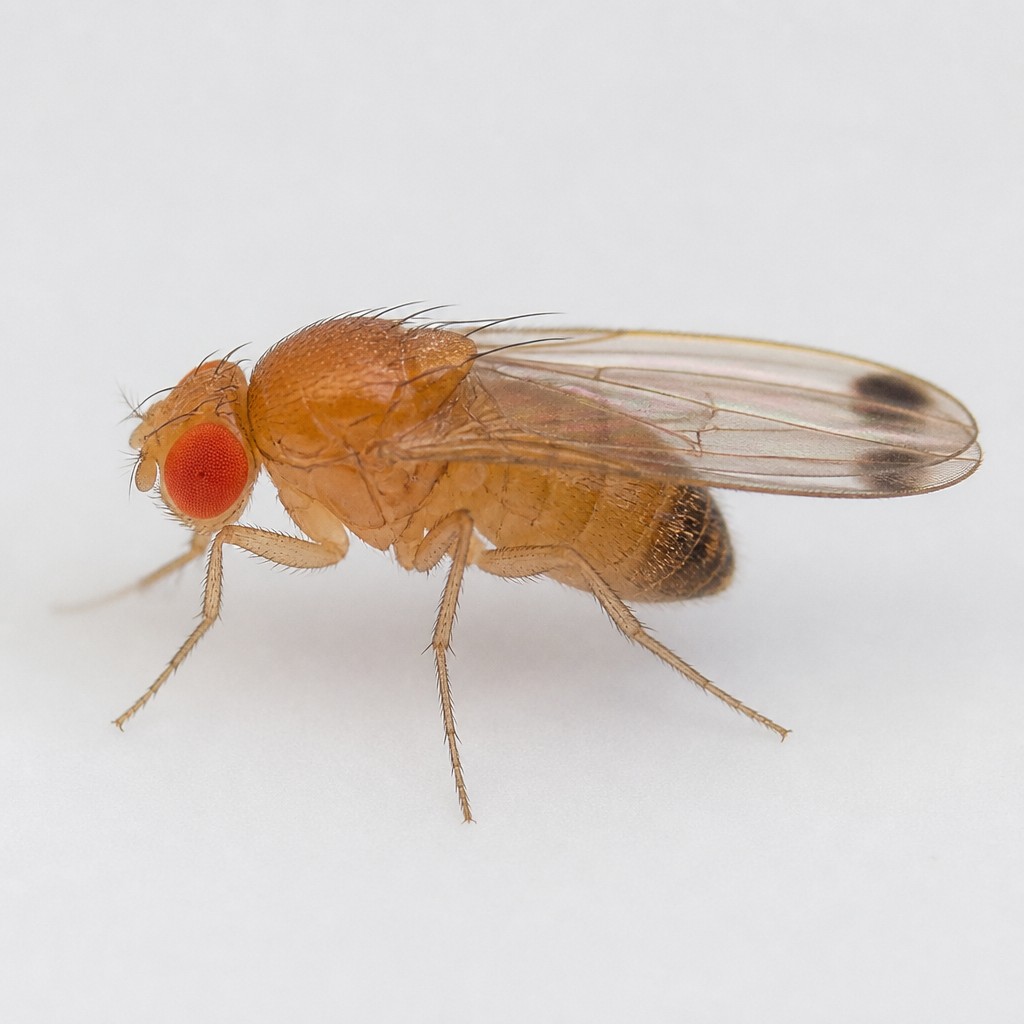
Spotted Wing Drosophila
A tiny reddish-brown fruit fly, each male marked with a single dark spot near the wingtip, notable for laying eggs in ripening rather than overripe fruit.
fly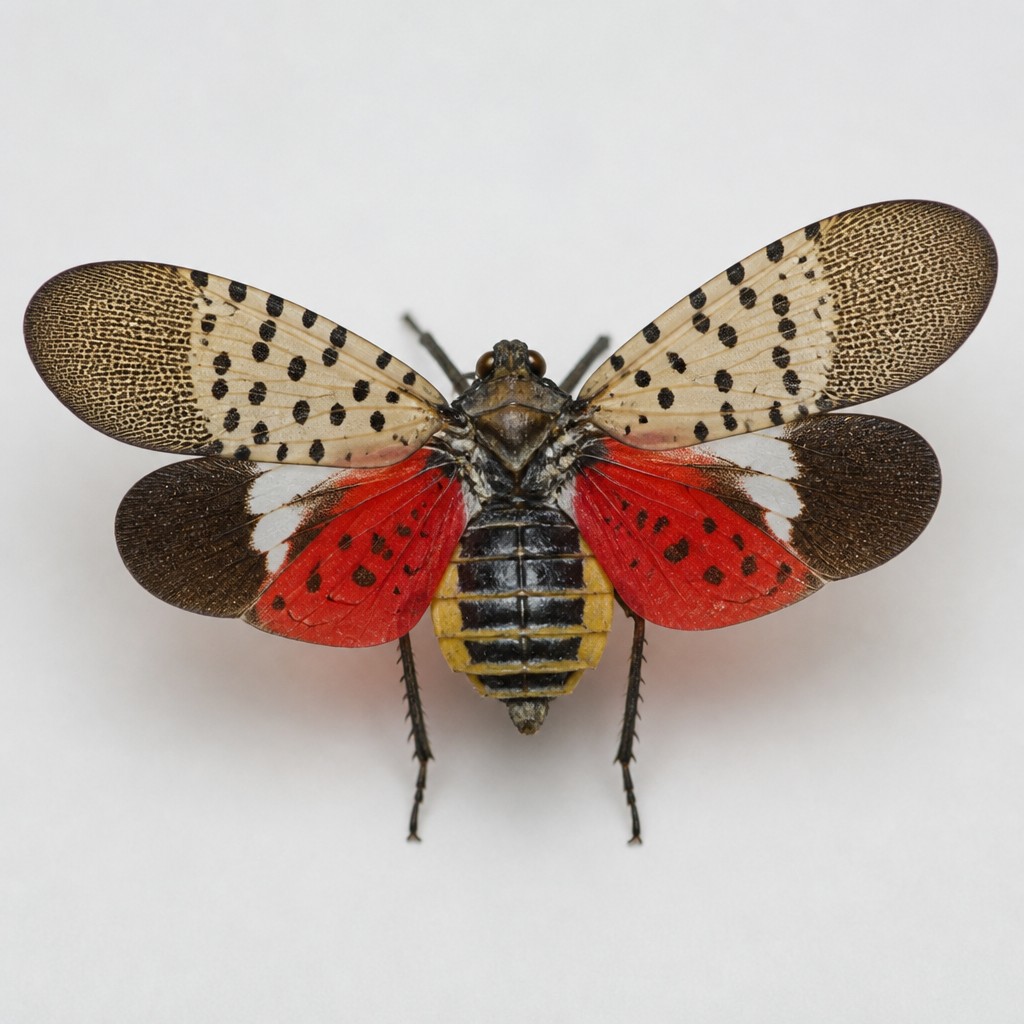
Lanternfly (Spotted Lanternfly)
A strikingly patterned planthopper with grey, spotted forewings that flash to reveal crimson hindwings when it leaps, now notorious as an invasive agricultural pest far from its native range.
true-bug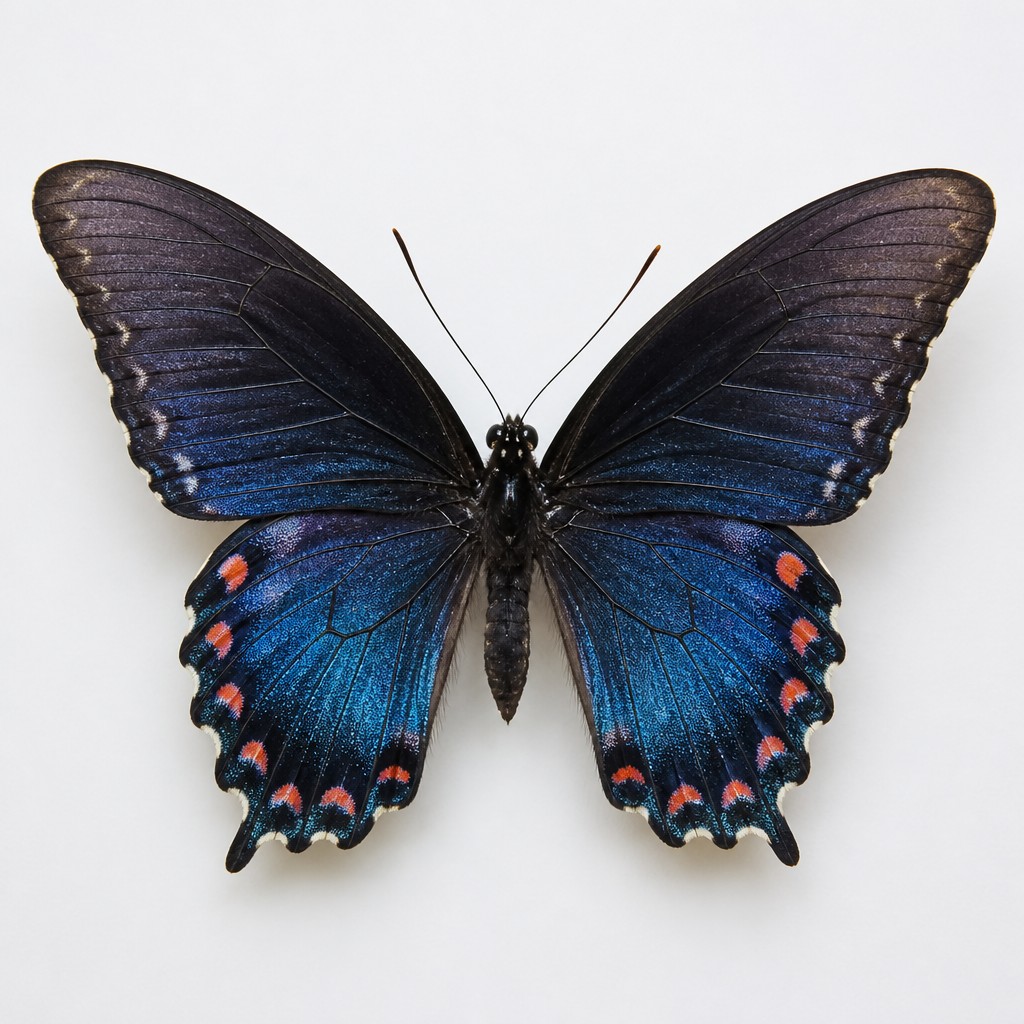
Red-spotted Purple
A large, iridescent blue-black butterfly lacking tails, notable for closely mimicking the unpalatable Pipevine Swallowtail, with rows of red-orange spots visible along the underside wing margins.
butterfly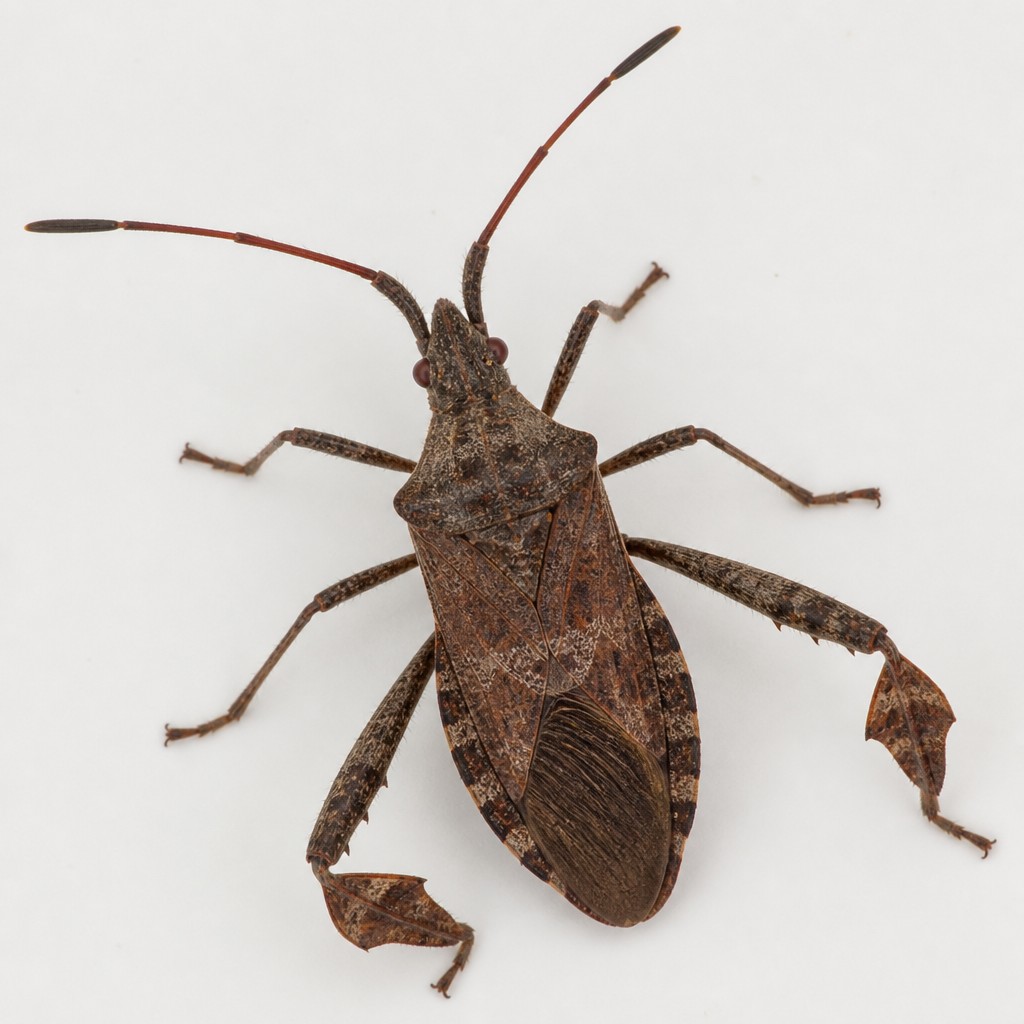
Western Conifer Seed Bug
A large brown true bug with flattened, leaf-shaped hind legs, native to conifer forests of the western United States but now widespread and notorious for gathering on and inside buildings as cooler weather approaches.
true-bug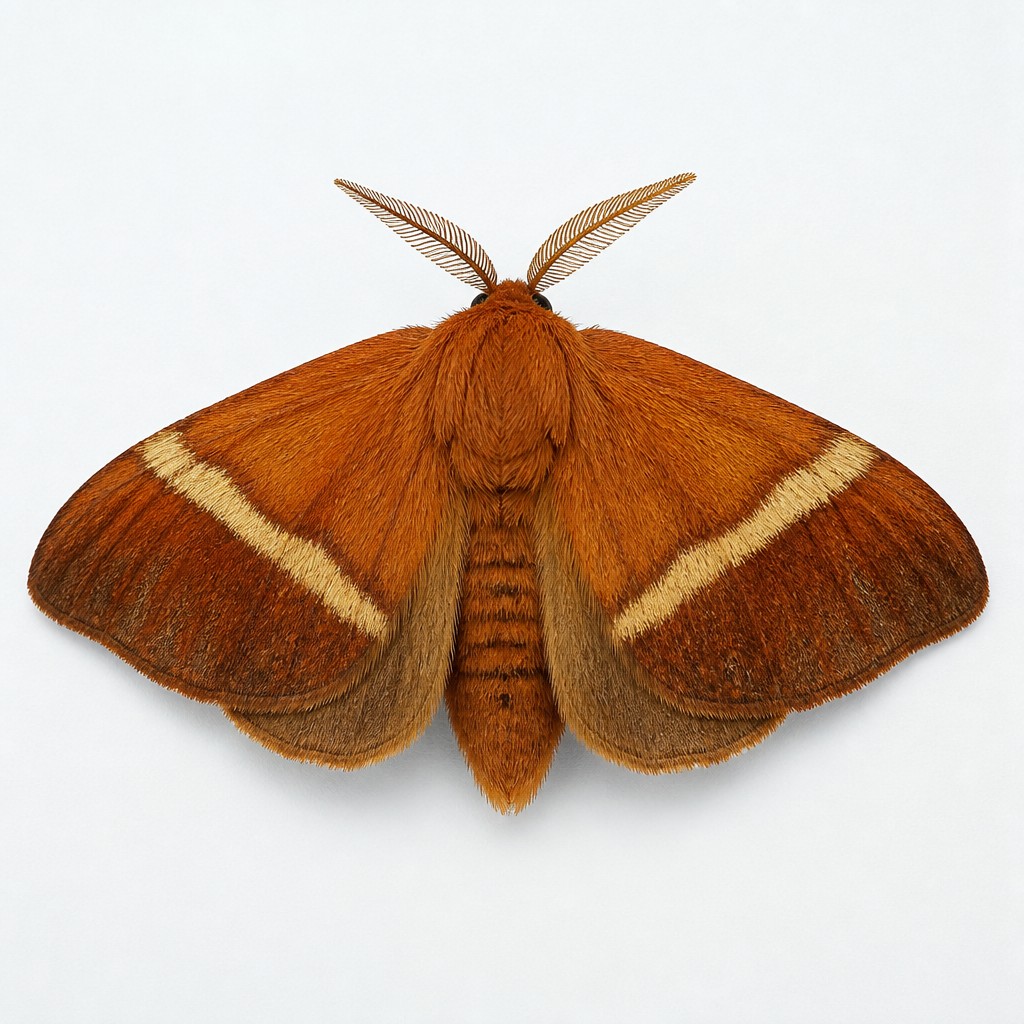
Fox Moth
A stout, reddish-brown moth with a pale diagonal band across each forewing, closely resembling a fox in color, most often noticed as its large, densely furred dark caterpillar basking on open ground in spring.
moth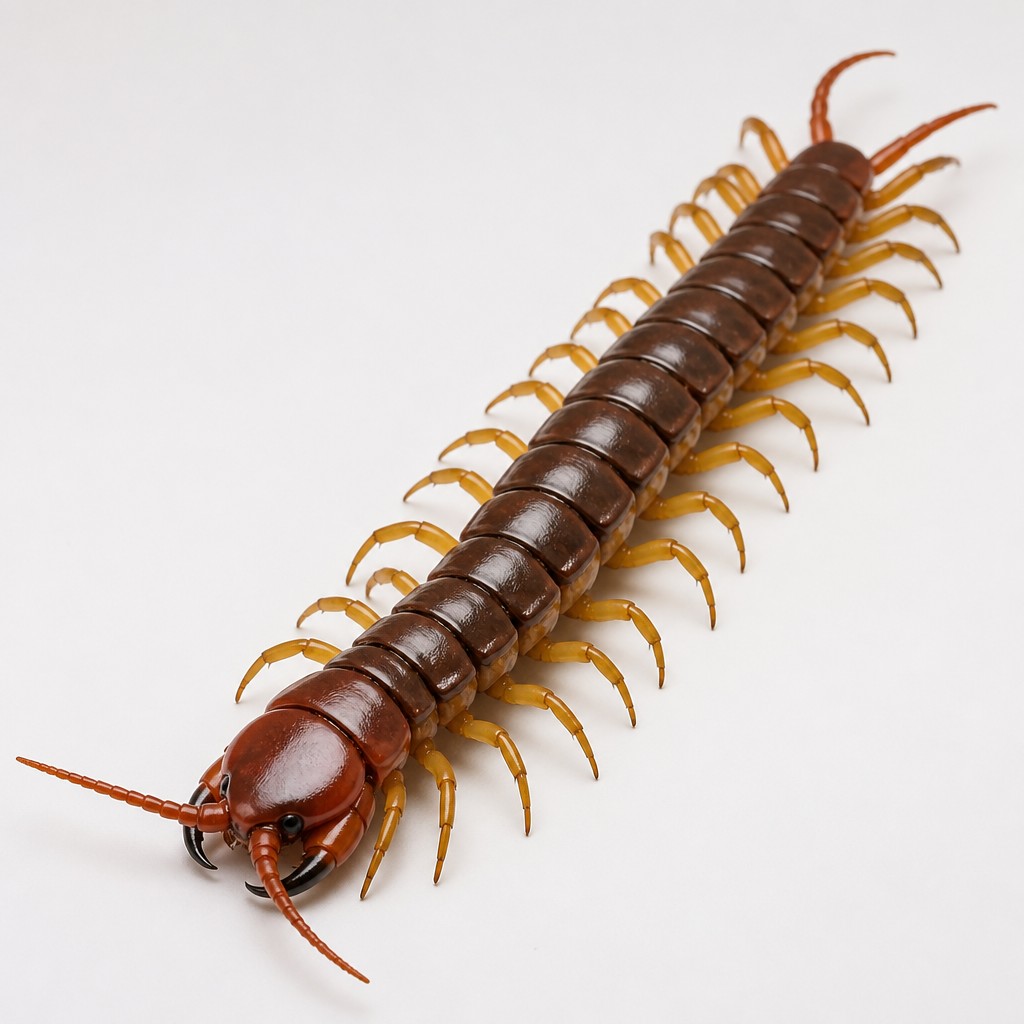
Giant Centipede
A long, fast-moving, many-legged predator with a hardened segmented body and a pair of venom-injecting claws behind the head that it uses to overpower prey far larger than itself.
myriapod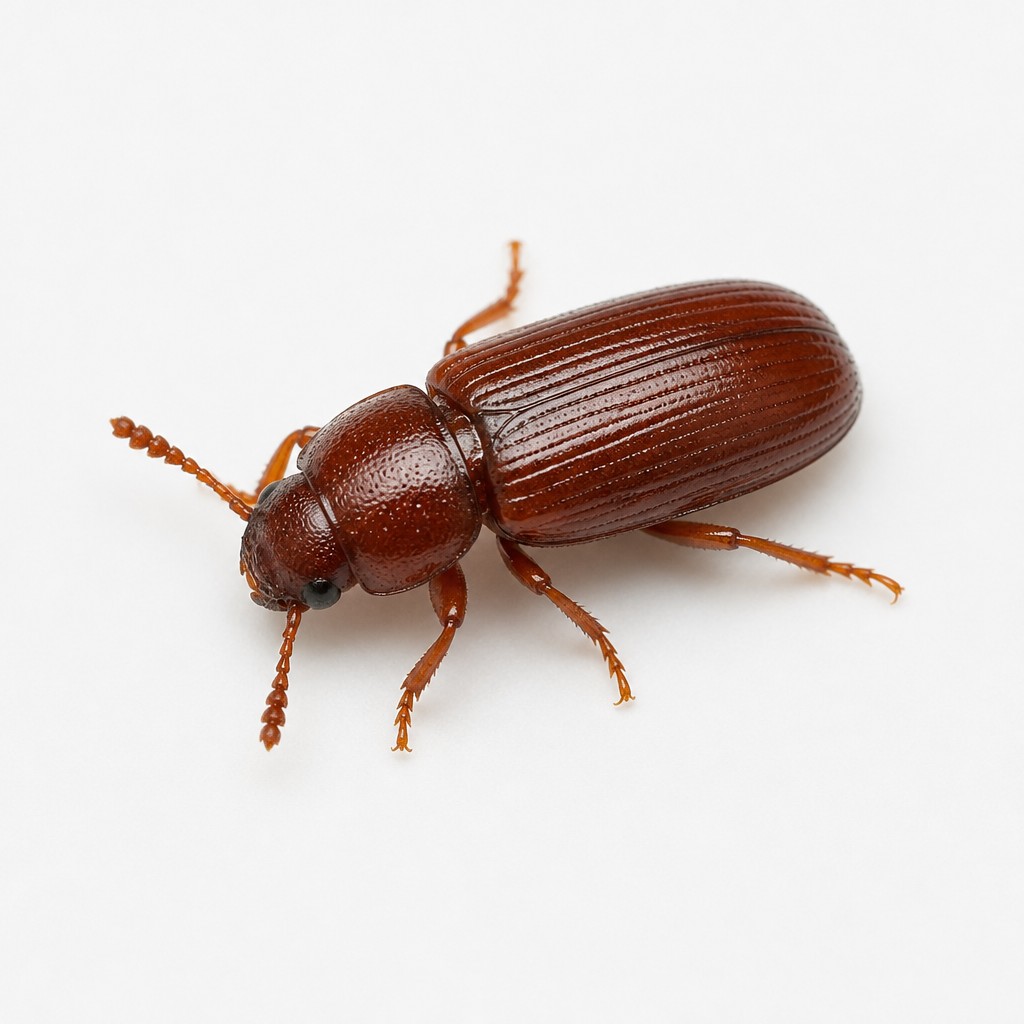
Flour Beetle
A tiny, shiny reddish-brown beetle that infests flour, cereal, and other dry stored foods, often found in dense clustered populations.
beetle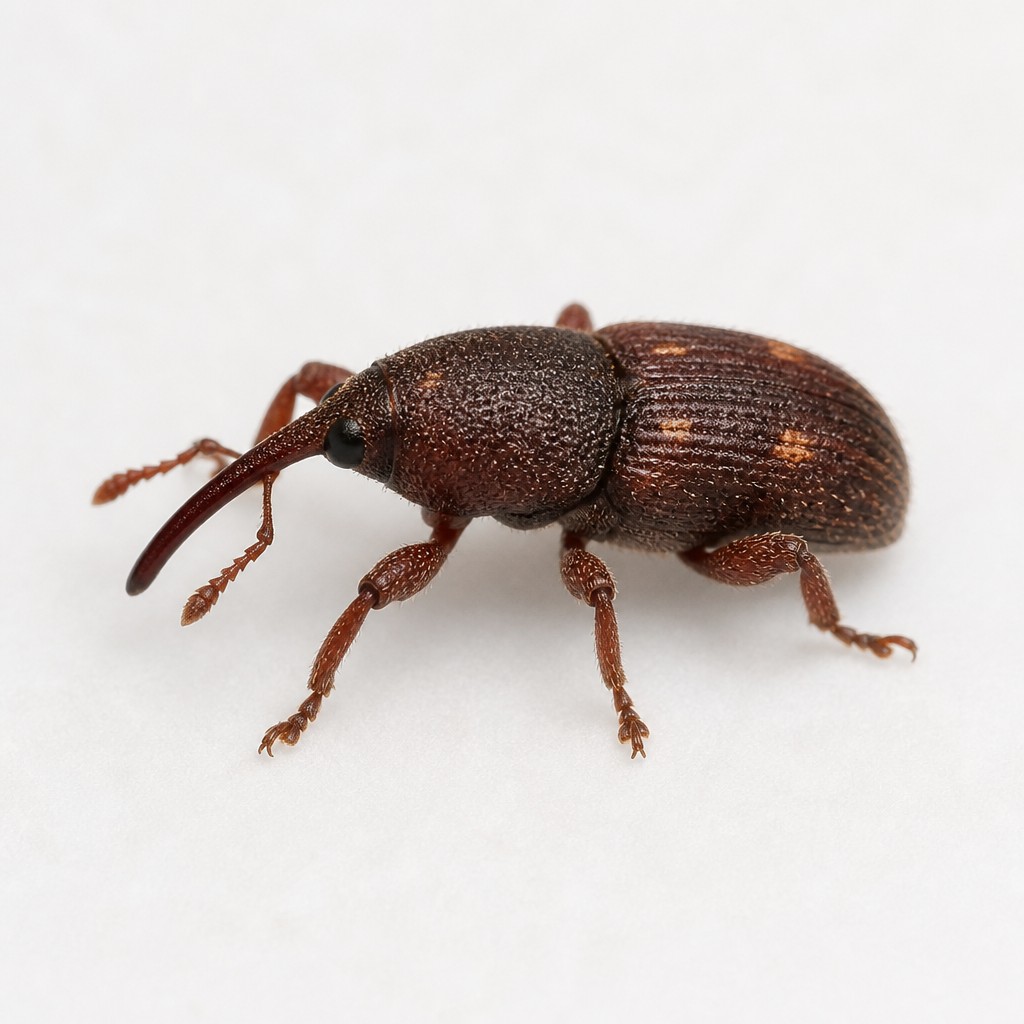
Rice Weevil
A tiny reddish-brown weevil with a long curved snout and four faint pale spots on its wing covers, commonly found infesting stored rice, wheat, and other grain products.
beetle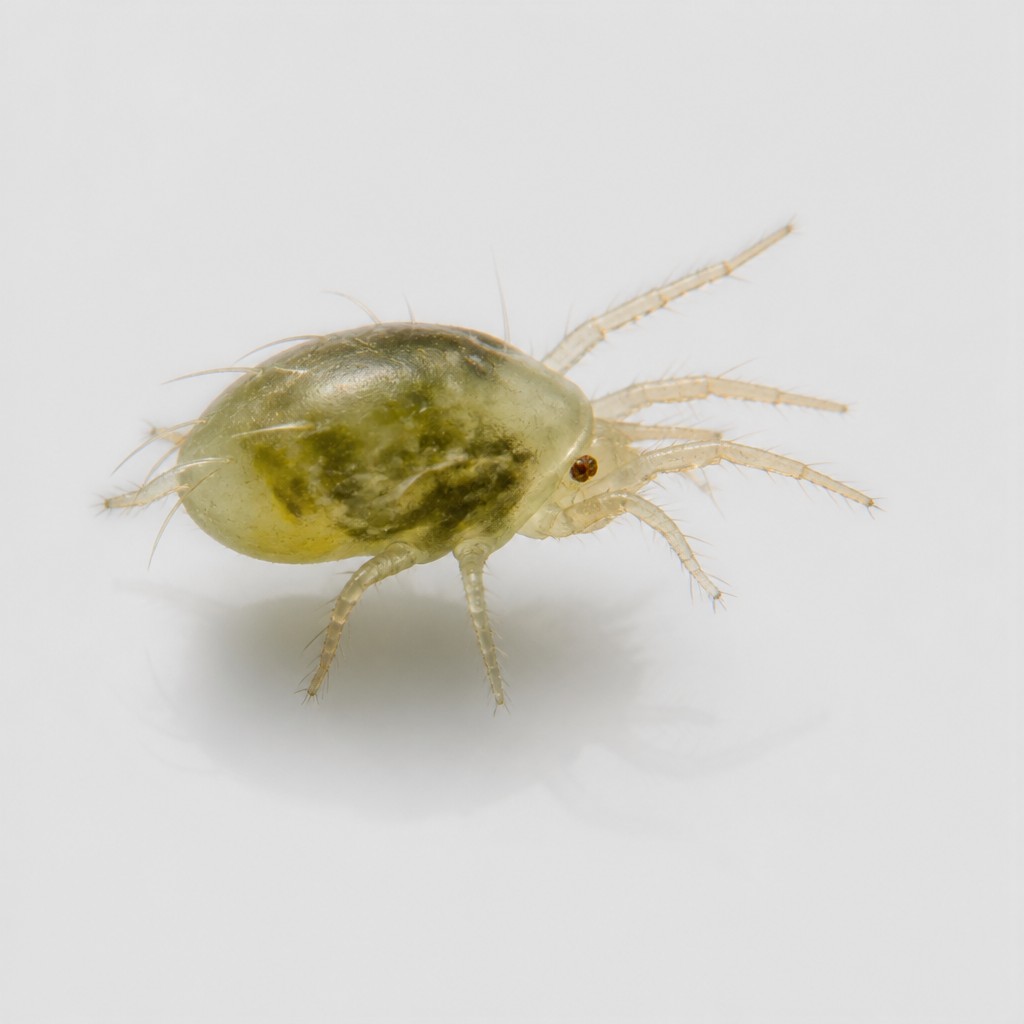
Spider Mite
A speck-sized arachnid that spins fine silk webbing across infested leaves as it pierces plant cells for their contents, leaving behind a telltale stippled, bronzed appearance. Populations can explode rapidly in hot, dry weather, making it a familiar garden and greenhouse pest.
arachnid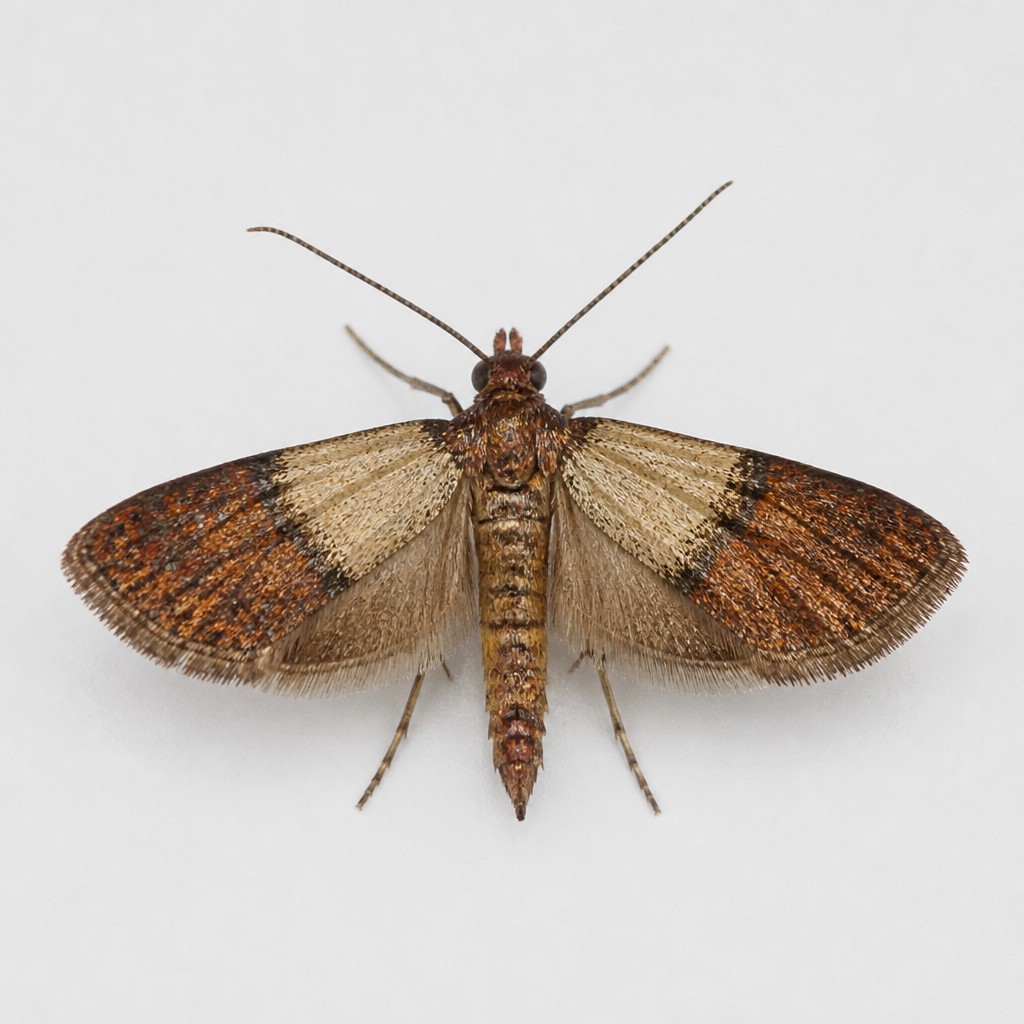
Indian Meal Moth
A small, distinctively two-toned moth with pale grey-tan inner wings and coppery-reddish outer wings, widely recognized as the most common moth found infesting stored dry food products in homes.
moth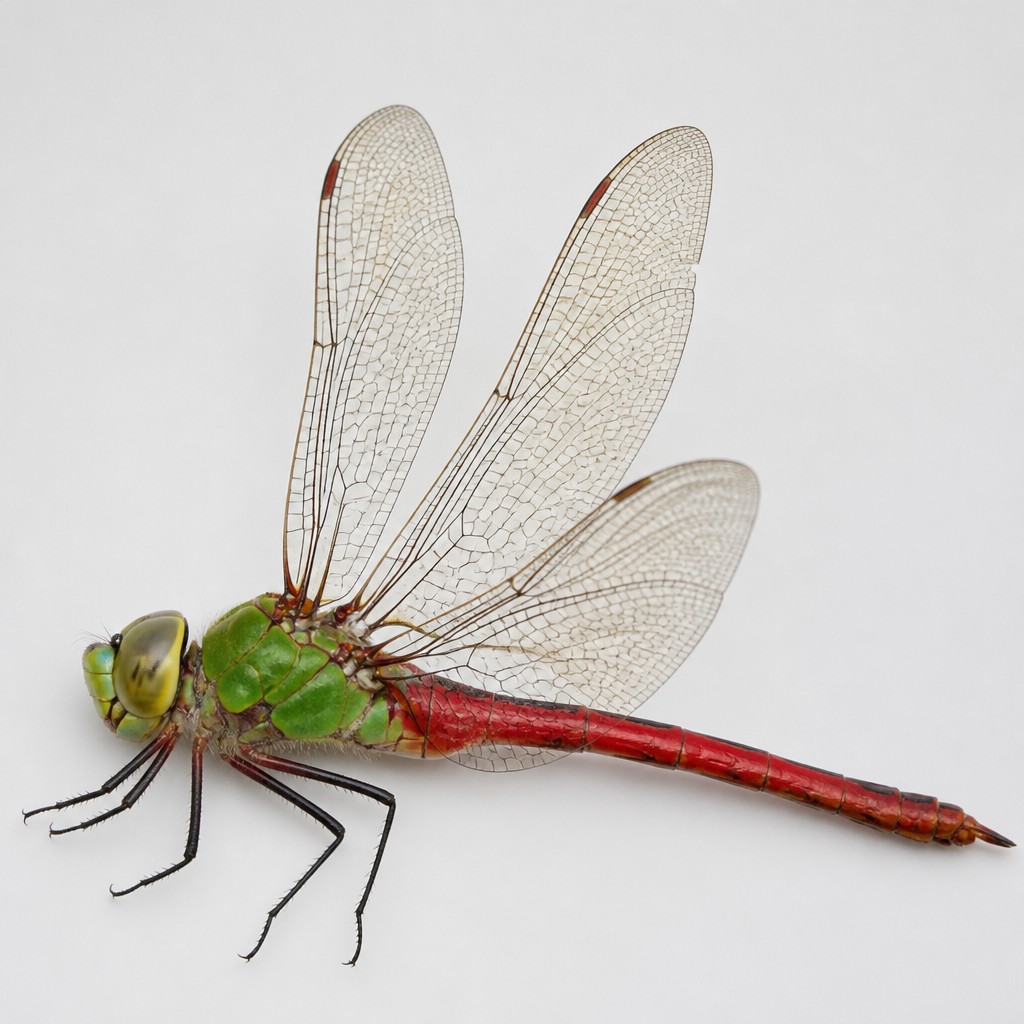
Comet Darner
One of North America's largest and fastest dragonflies, blazing across open water with a fiery red abdomen that gives it its cometary name.
dragonfly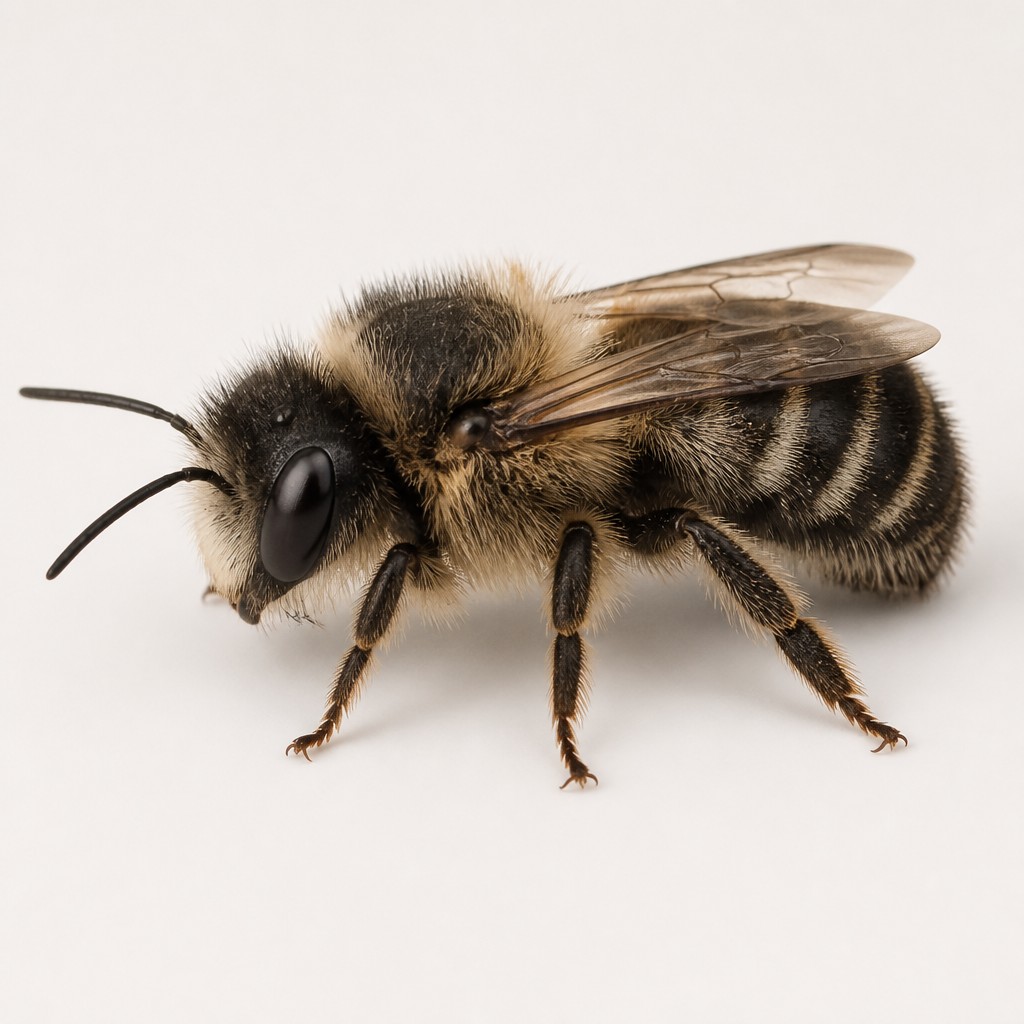
Mining Bee
A furry, solitary ground-nesting bee that emerges in early spring in loose aggregations, often mistaken for a small bumble bee, digging individual burrows marked by small volcano-shaped mounds of soil.
bee