
Bug Encyclopedia
Search and identify bugs & insects — beetles, butterflies, moths, ants, bees, spiders and more — with size, habitat, danger, behavior, and how to tell them apart.
No-See-Um
A speck-sized fly so tiny it seems to vanish from sight, yet capable of swarming exposed skin near beaches and marshes at dawn and dusk.
fly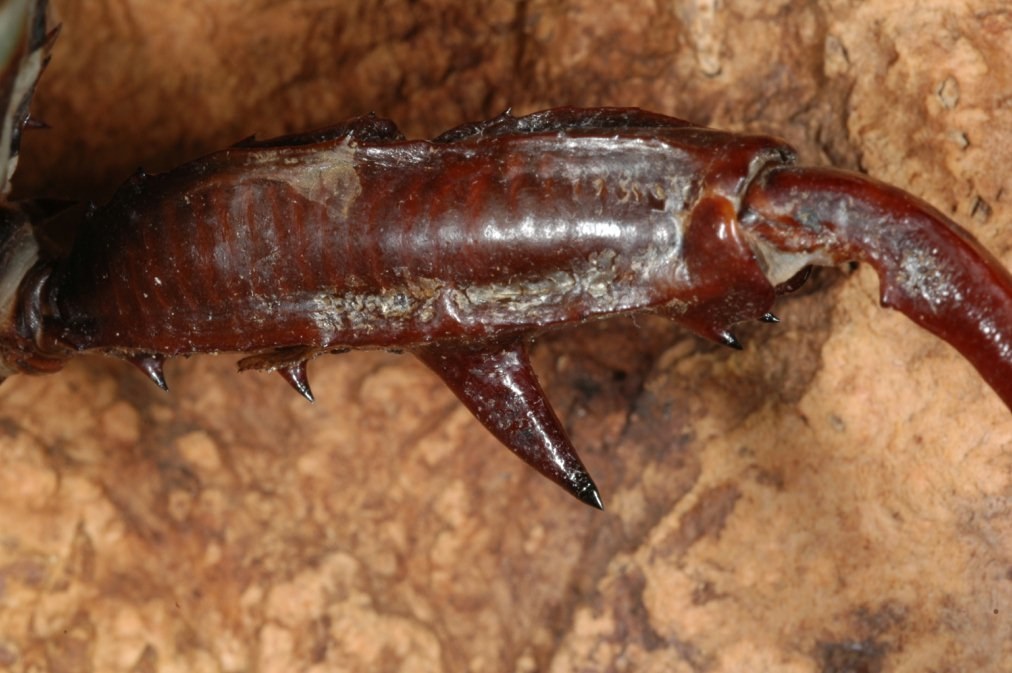
Walking Stick Insect
A master of disguise that has evolved to look almost exactly like a twig, bark or leaf, remaining motionless for hours to avoid the notice of hungry birds and lizards.
mantis-stick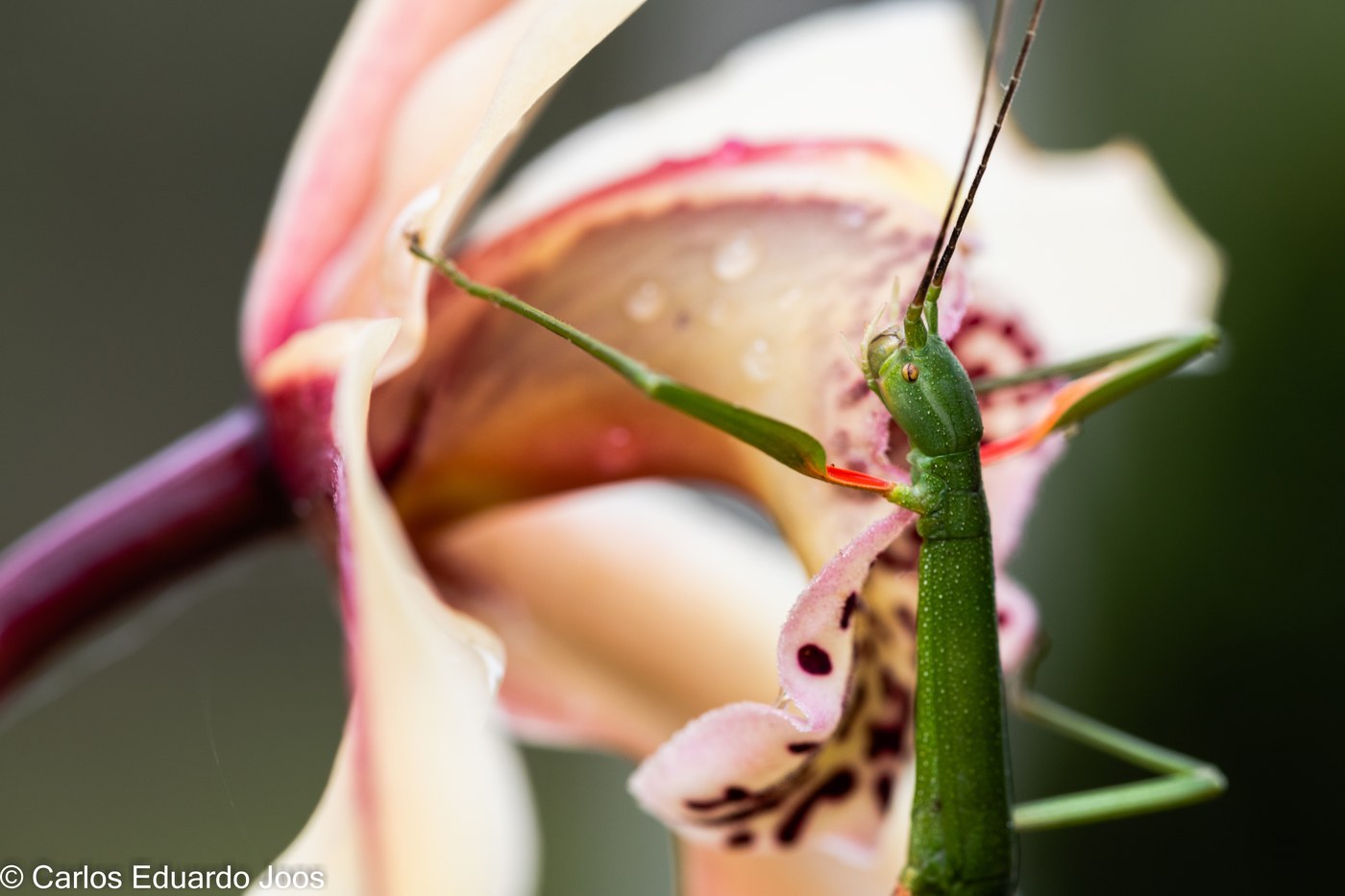
Northern Walkingstick
A slender, wingless insect so convincingly shaped like a twig that it can rest motionless on a branch just inches from view and go completely unnoticed.
mantis-stick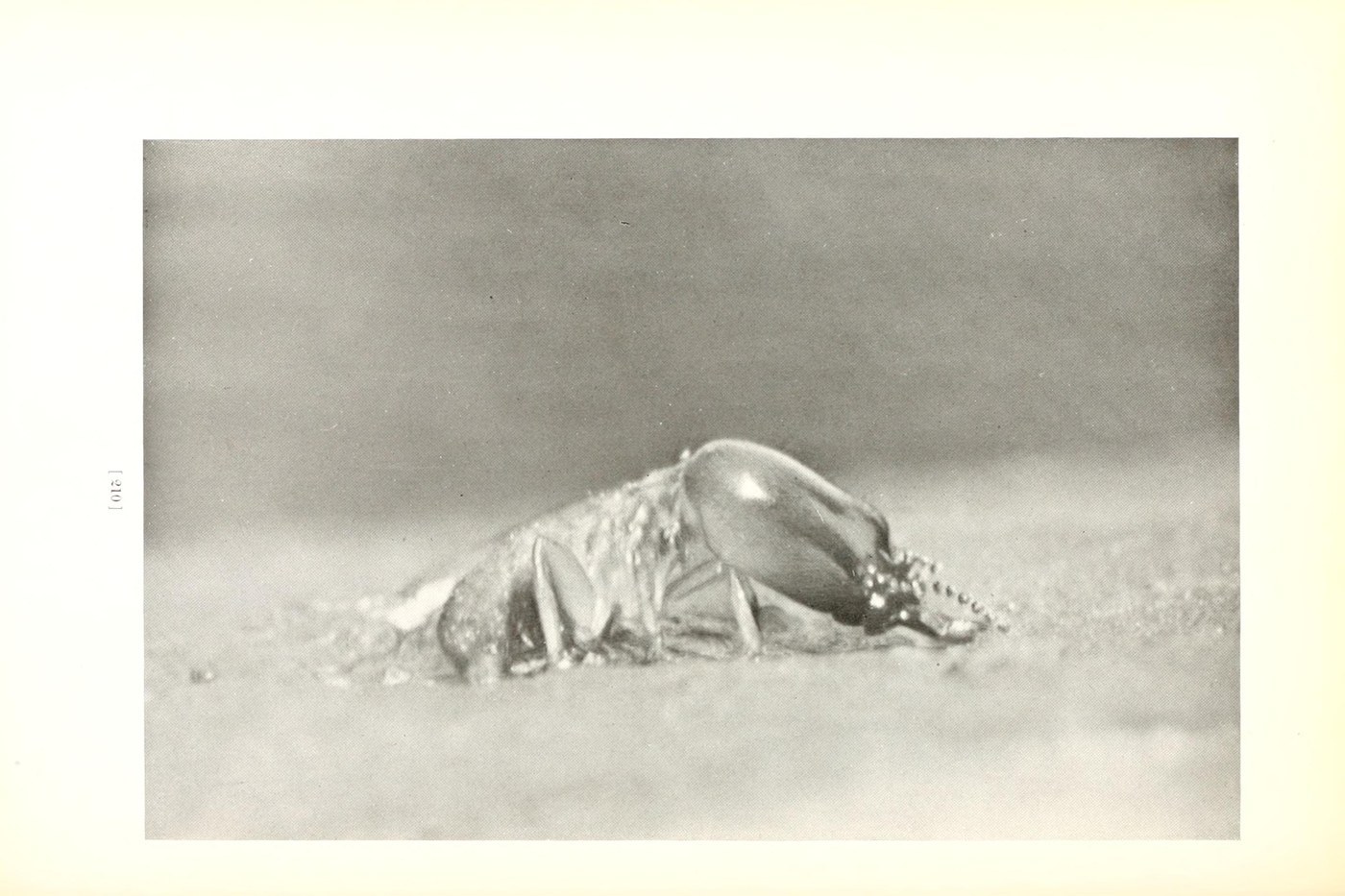
Termite
A pale, soft-bodied social insect that lives in hidden colonies and feeds on cellulose in wood and plant debris, often mistaken for an ant despite belonging to an entirely different insect order.
other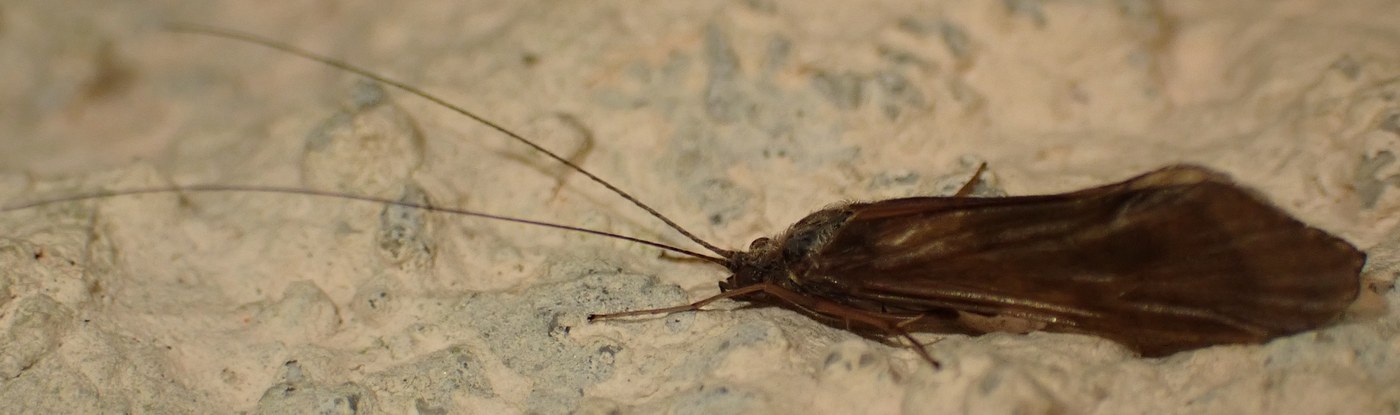
Caddisfly
A moth-like insect whose larvae are famous for constructing portable protective cases out of silk and whatever sand, twigs, or debris they can find.
aquatic-insect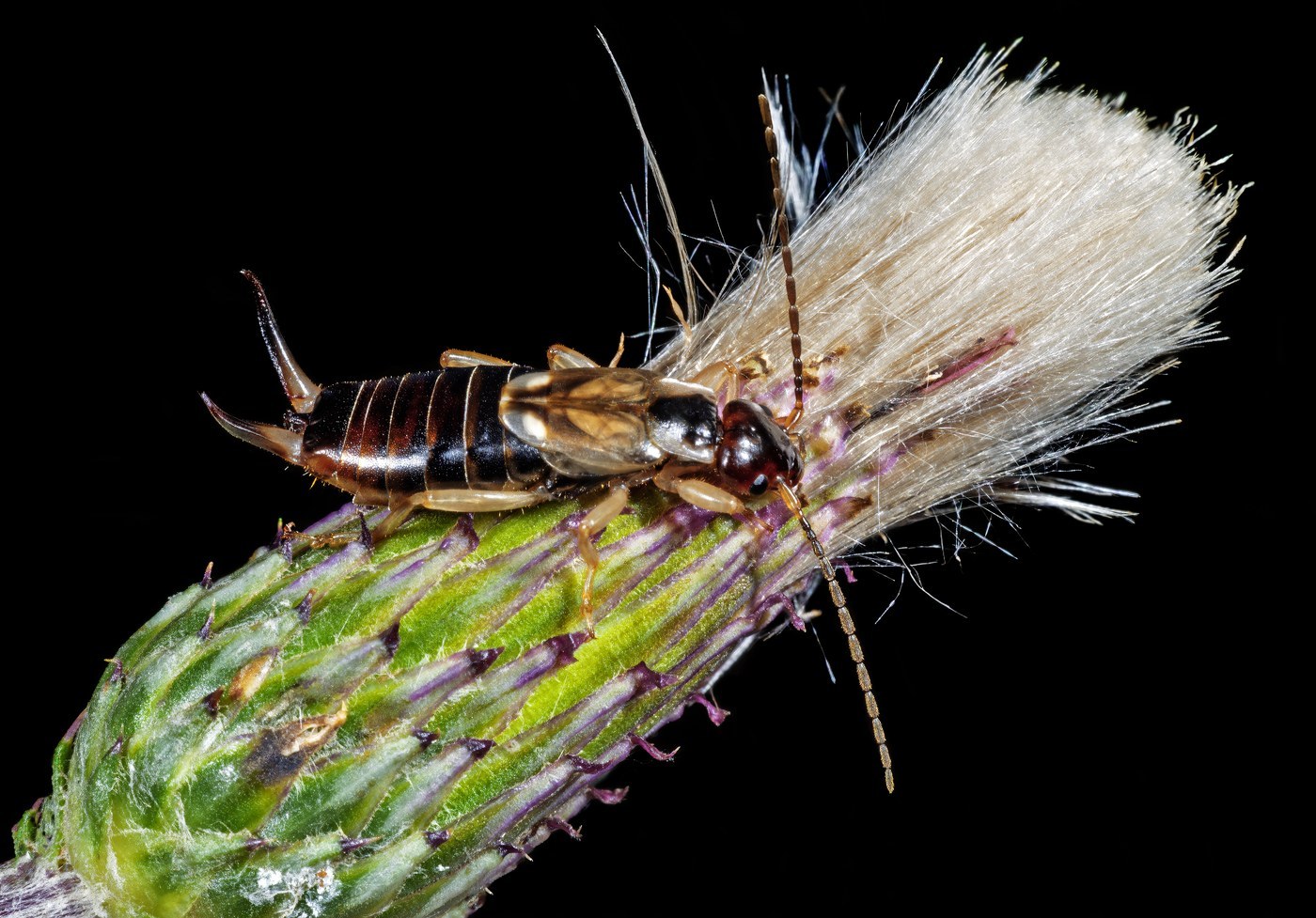
Earwig
A slender, reddish-brown insect easily identified by the pair of curved, forceps-like pincers at the tip of its abdomen, often found hiding under mulch, bark, or garden debris by day.
otherNon-Biting Midge Larva (Bloodworm)
Wriggling through soft bottom mud in dense colonies, the bloodworm gets its striking red color from a specialized blood pigment that lets it survive in oxygen-poor water where few other insects can.
aquatic-insect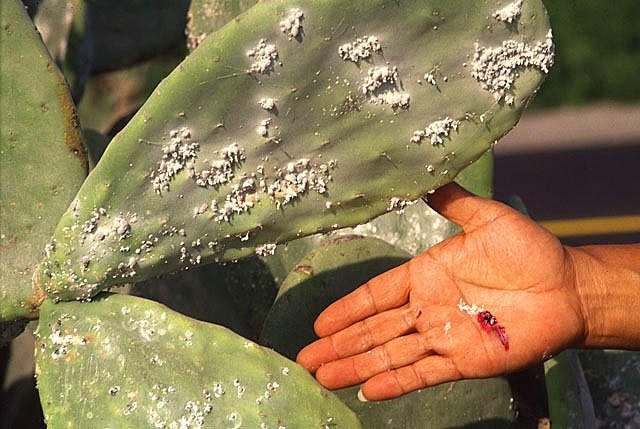
Cochineal
A tiny, sedentary scale insect that lives clustered on prickly pear cacti beneath a protective coat of white, waxy fluff, historically prized for the deep red pigment it produces.
true-bug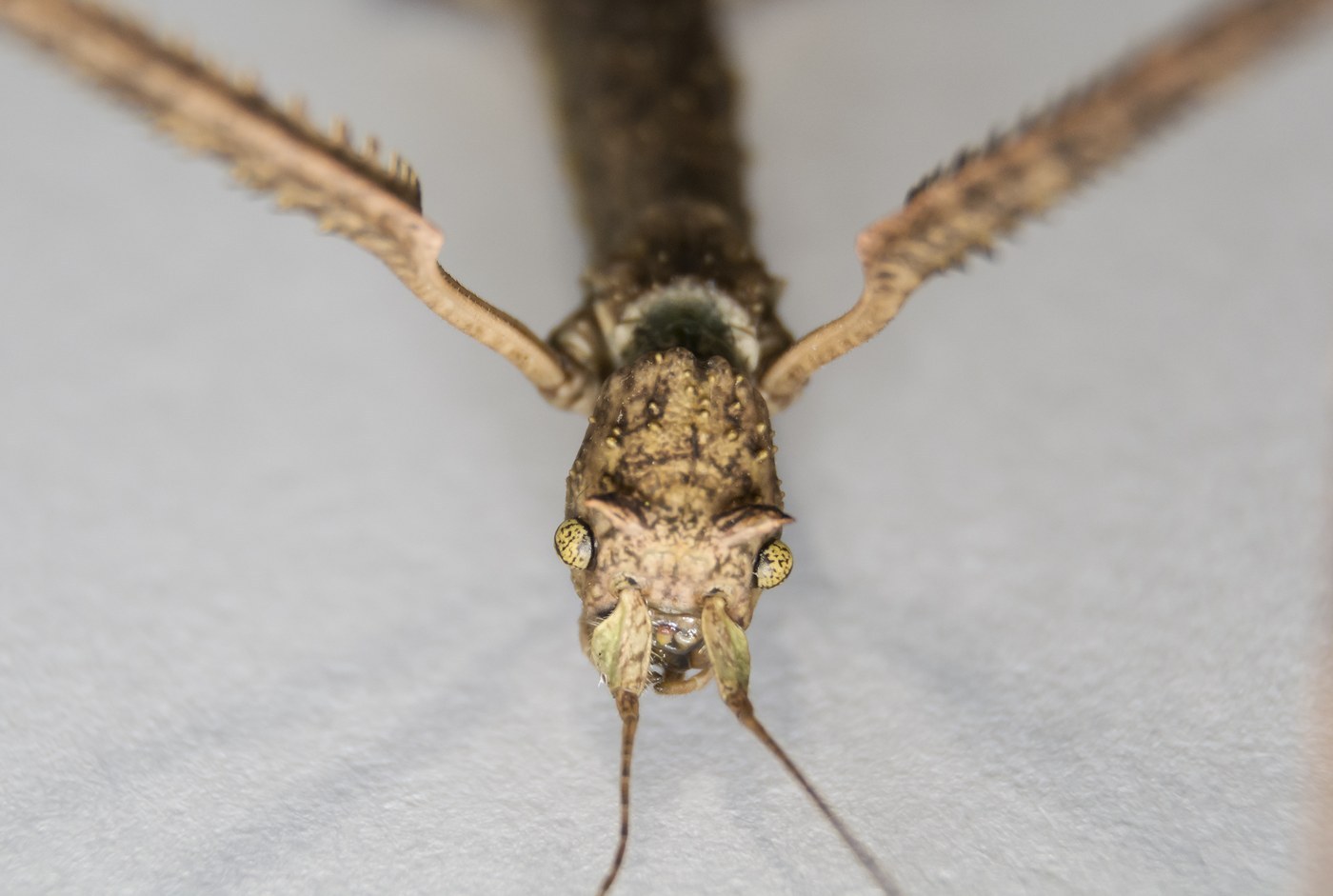
Vietnamese Walking Stick
A slender tropical stick insect popular in classrooms and terrariums, notable for females that can produce healthy offspring entirely on their own, without ever mating.
mantis-stick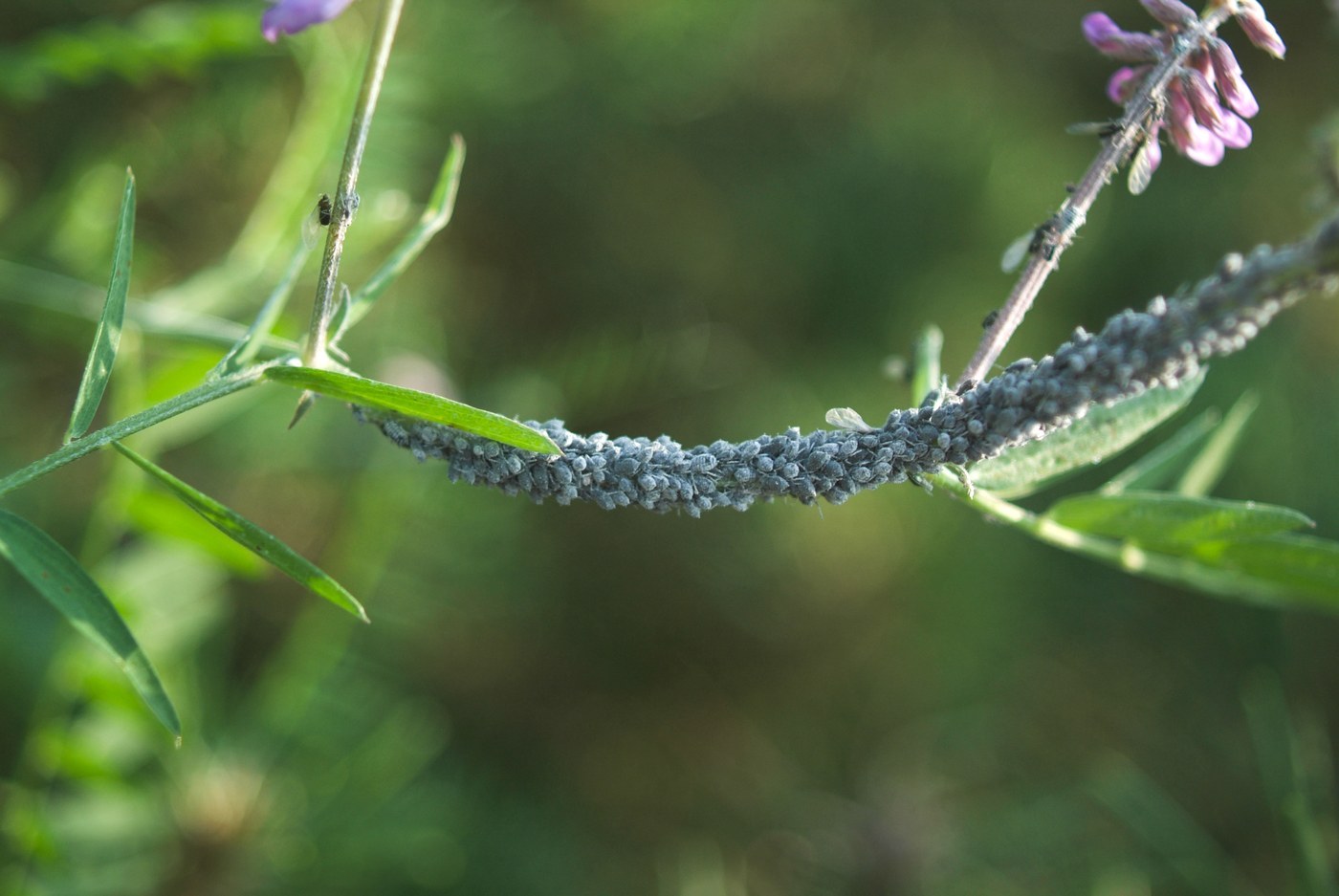
Rosy Apple Aphid
A small, dusty pink to purplish-gray aphid that clusters on apple foliage in spring, causing distinctive curled, reddened leaves that make its presence easy to spot even before the insects themselves are seen.
true-bug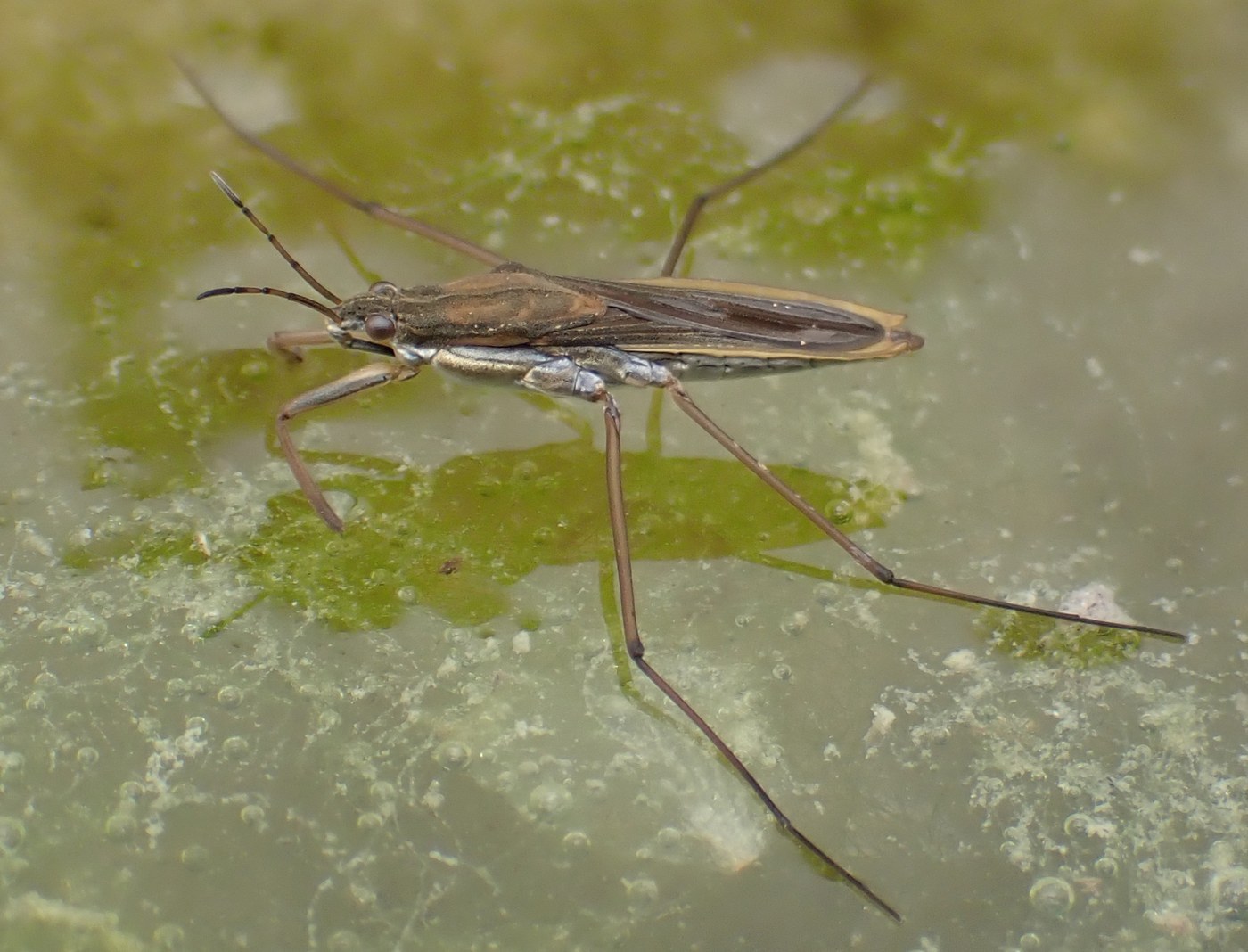
Pond Skater
Skimming effortlessly across the surface of still water on long, spindly legs, the pond skater uses ripples to detect struggling insects, which it seizes and pierces with needle-like mouthparts.
true-bugScabies Mite
A microscopic, eyeless mite that spends its entire life cycle burrowed within the outer layer of a mammal's skin, among the smallest arachnids known to science. Unlike free-living mites, it has no independent existence away from a host and is studied primarily through microscopic examination rather than direct observation.
arachnidThrips
A minuscule, slender insect with fringed, feather-like wings, often noticed only as a fast-moving dark speck darting across a flower petal or windowsill.
otherRocky Mountain Locust
Once the most destructive insect in North American history, this swarming grasshopper vanished within a few decades of forming the largest insect swarm ever recorded.
grasshopper-cricket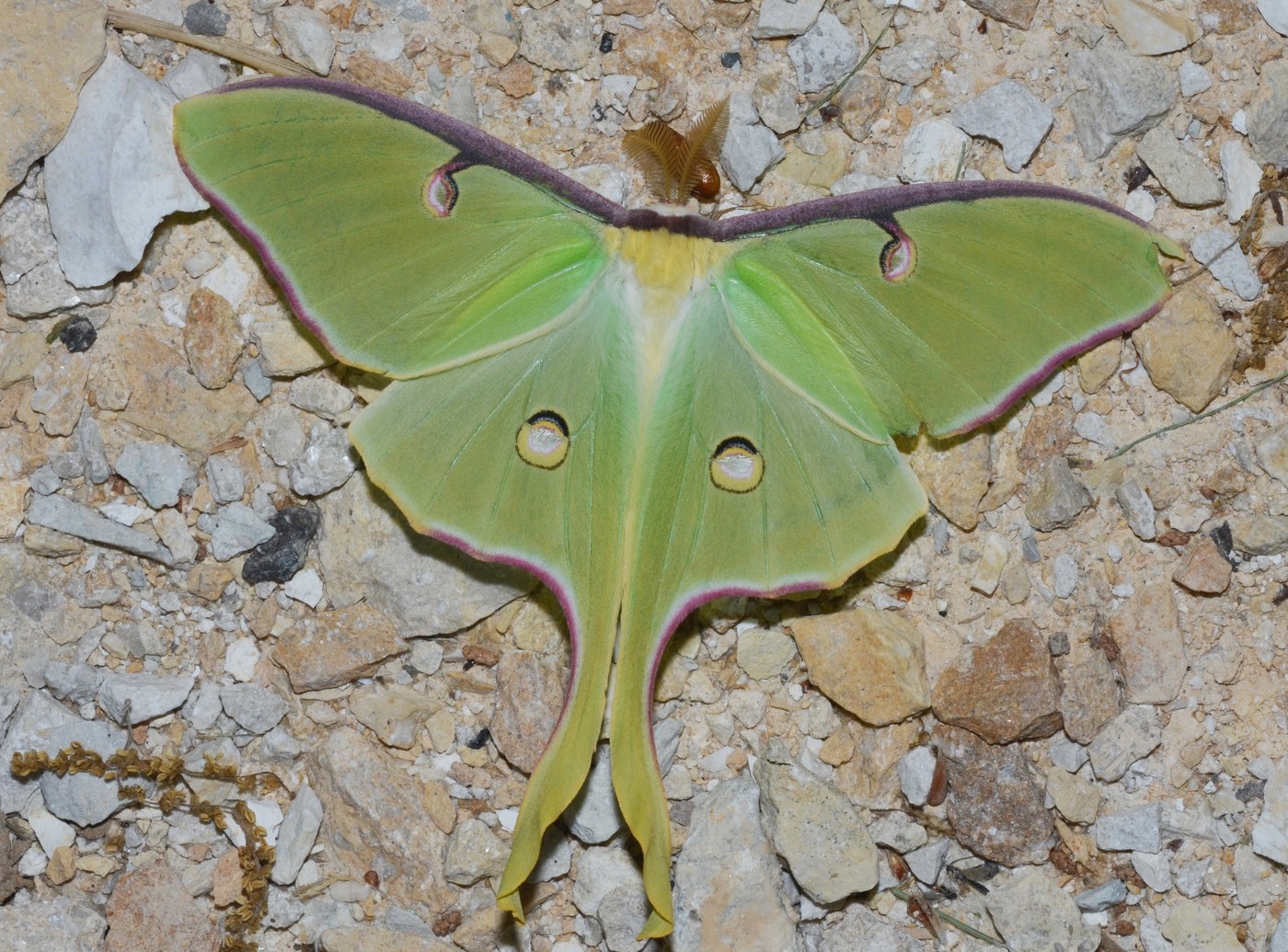
Luna Moth
A large, pale lime-green silk moth with long, elegant tails trailing from its hindwings, considered one of the most striking nocturnal insects in North America.
moth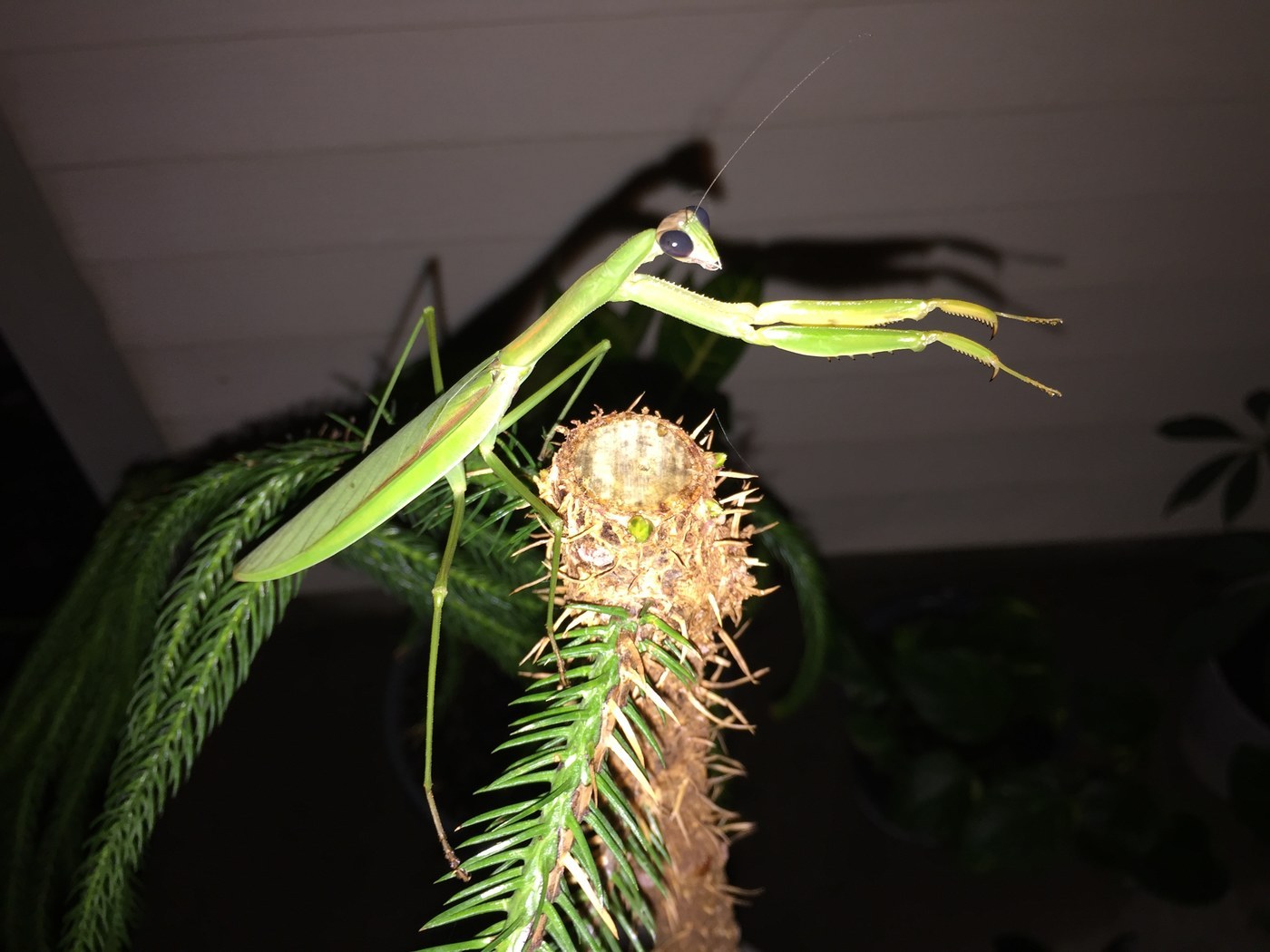
Chinese Mantis
One of the largest praying mantises found in North America, an introduced species with a lean brown-and-green body and grasping spined forelegs built for ambushing insect prey.
mantis-stickCone-headed Katydid
A large, grass-colored katydid named for its sharply pointed, cone-shaped head, best known for producing some of the loudest, most sustained buzzing calls of any North American insect.
grasshopper-cricket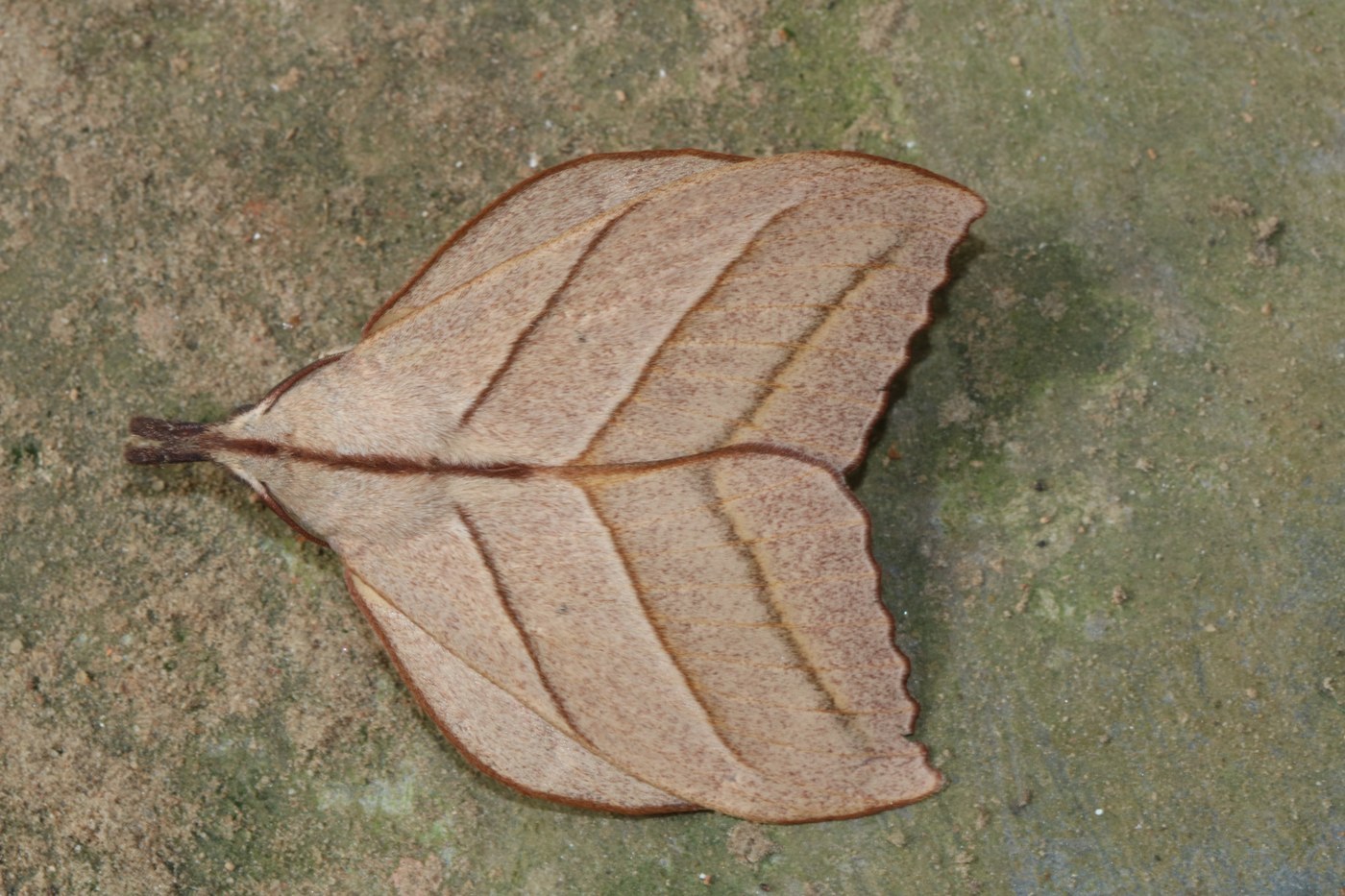
Moth
A broad group of scale-winged insects related to butterflies, typically nocturnal, with stout, often furry bodies and feathery or thread-like antennae.
moth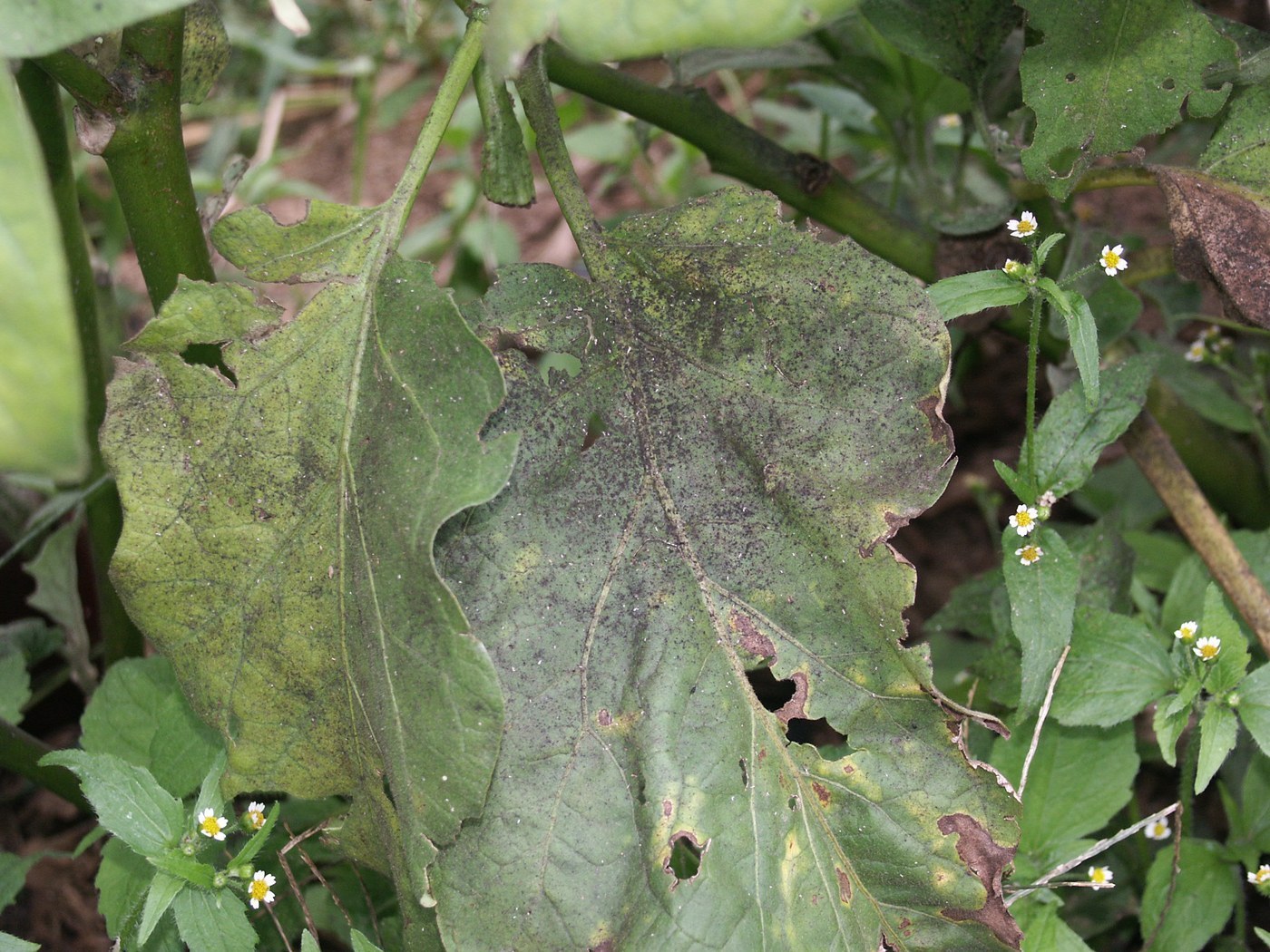
Whitefly
A tiny, moth-like white insect that clusters on the undersides of leaves and bursts into a snowy cloud when the plant is disturbed. Despite the name, it is not a true fly but a sap-feeding relative of aphids and scale insects.
true-bugBig-Eyed Bug
A small, broad-headed true bug named for its noticeably large, bulging compound eyes, the big-eyed bug is a beneficial predator that patrols low vegetation and soil surfaces for small pest insects.
true-bug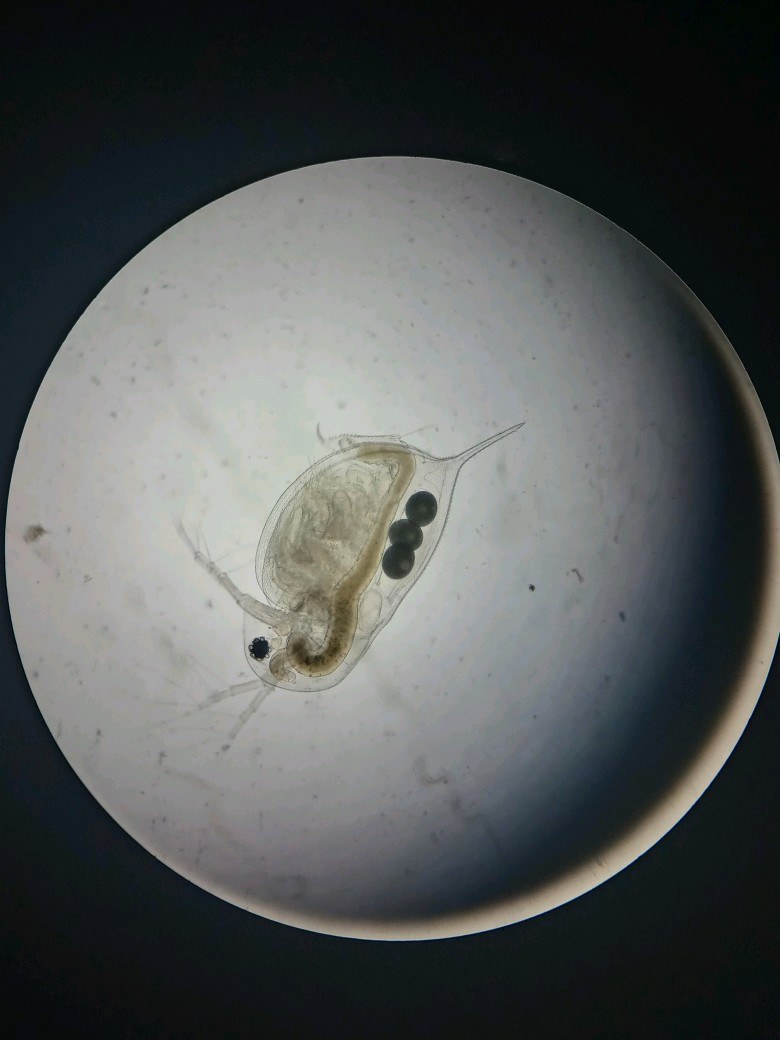
Water Flea
Despite the name, the water flea is not an insect at all but a tiny, jerky-swimming crustacean whose transparent body and single dark eye make it one of the most recognizable members of freshwater plankton.
other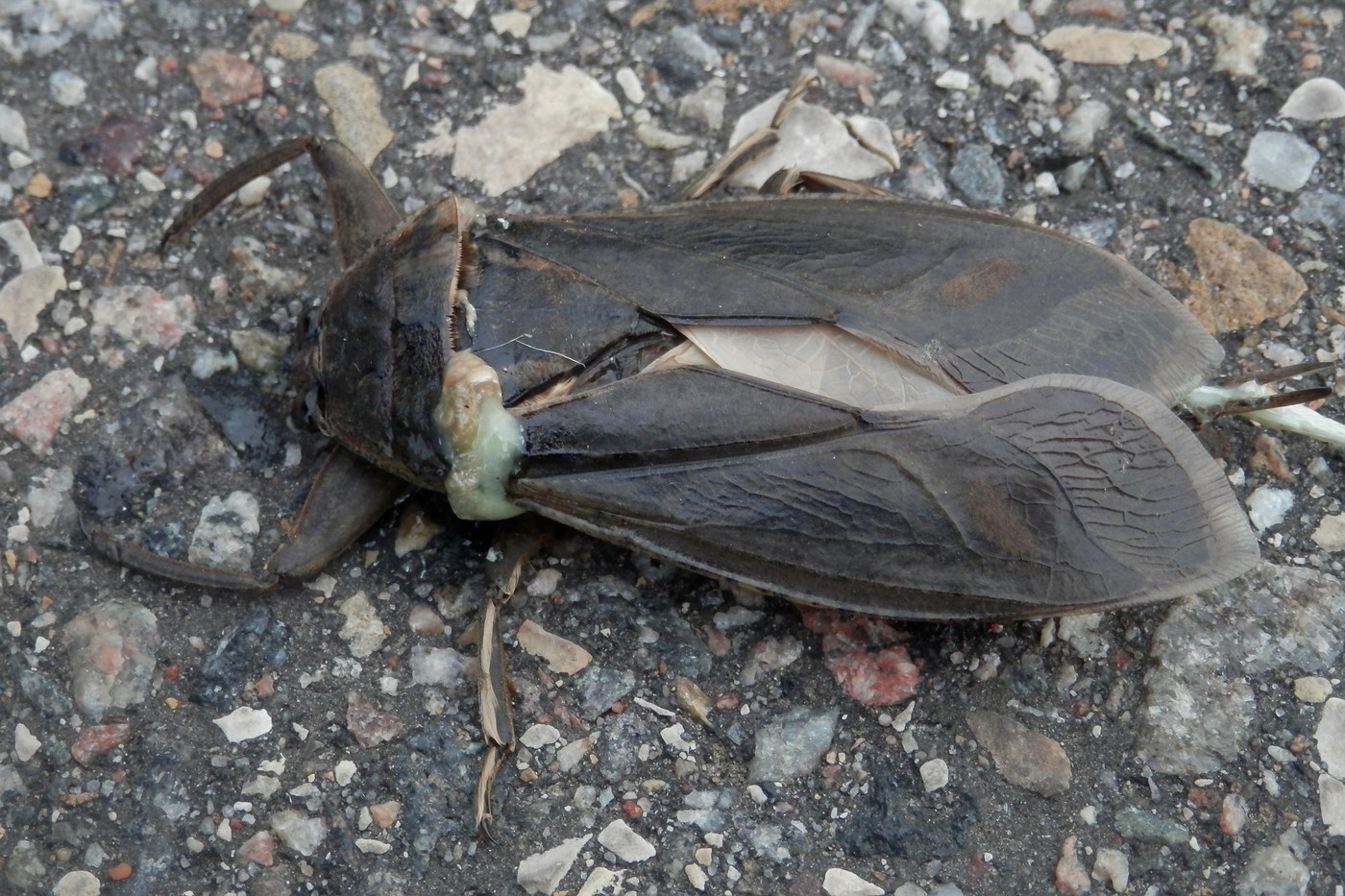
Giant Water Bug
A massive, flattened oval true bug with powerful grasping front legs, the giant water bug is North America's largest aquatic insect and an ambush predator lurking just below the surface of still water.
aquatic-insect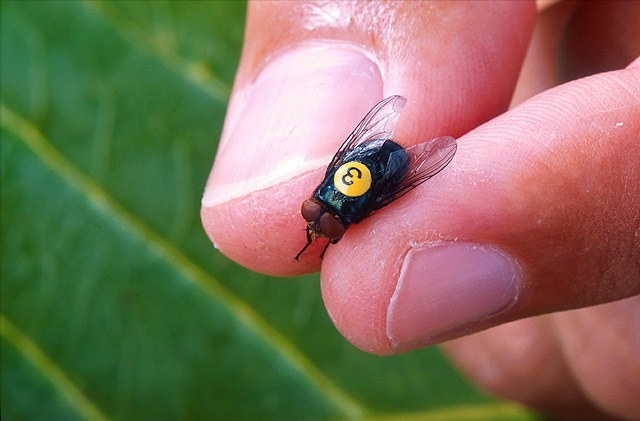
Screwworm Fly
A metallic blue-green blowfly whose larvae are unusual among maggots for feeding on living tissue rather than carrion, drawn to even small open wounds on warm-blooded animals. The species has been the target of one of the most successful large-scale insect eradication campaigns in history across much of North America.
fly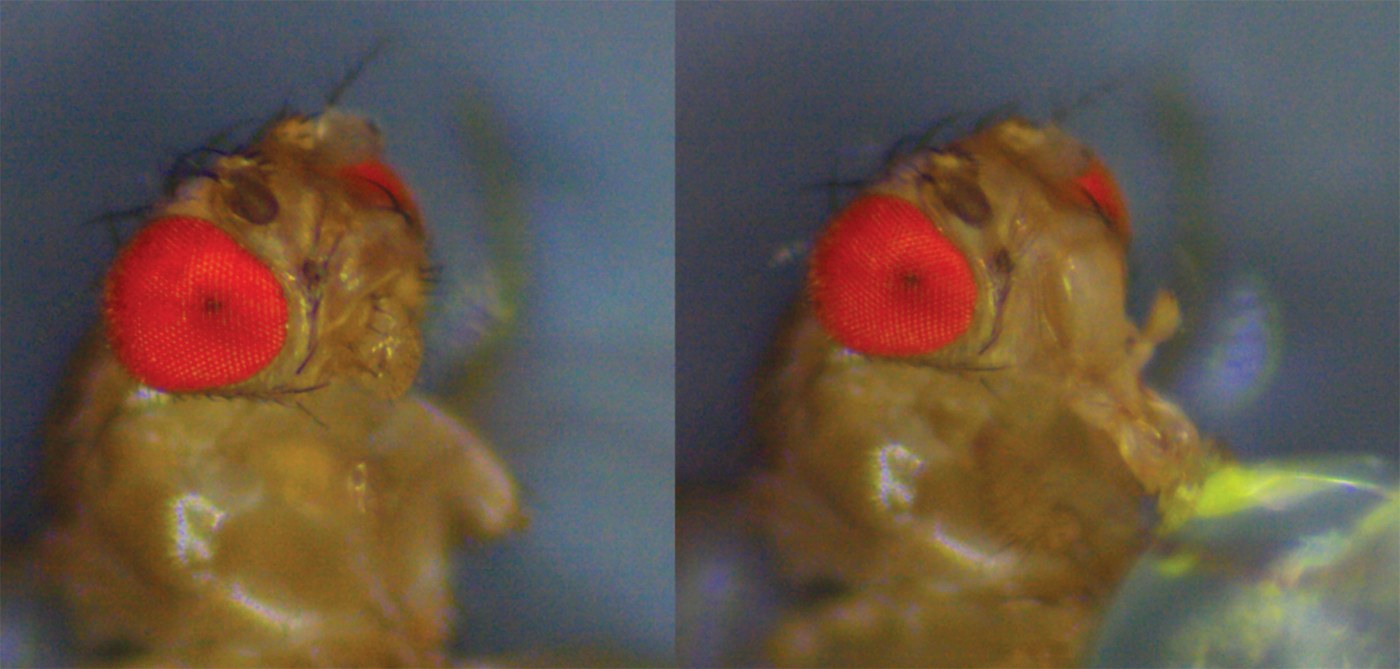
Vinegar Fly
A tiny tan fly with bright red eyes that seems to appear out of nowhere the moment a banana starts to spoil, drawn in by the smell of fermentation rather than the fruit itself. Few insects have contributed more to the science of genetics, making this unassuming kitchen visitor one of the most studied animals on Earth.
fly